If you’ve ever seen athletes covered in colorful tape, you’ve probably asked yourself:
Does kinesiology tape work—or is it just hype?
The honest answer is simple:
It works in some cases, and not at all in others.
After manufacturing over 50 million rolls and working with clinics, distributors, and sports teams worldwide, we’ve seen exactly where people get results—and where expectations go too far.
So instead of overcomplicating it, let’s break it down in a real-world way.
Benefits: Does Kinesiology Tape Work for Pain, Support, and Protection?
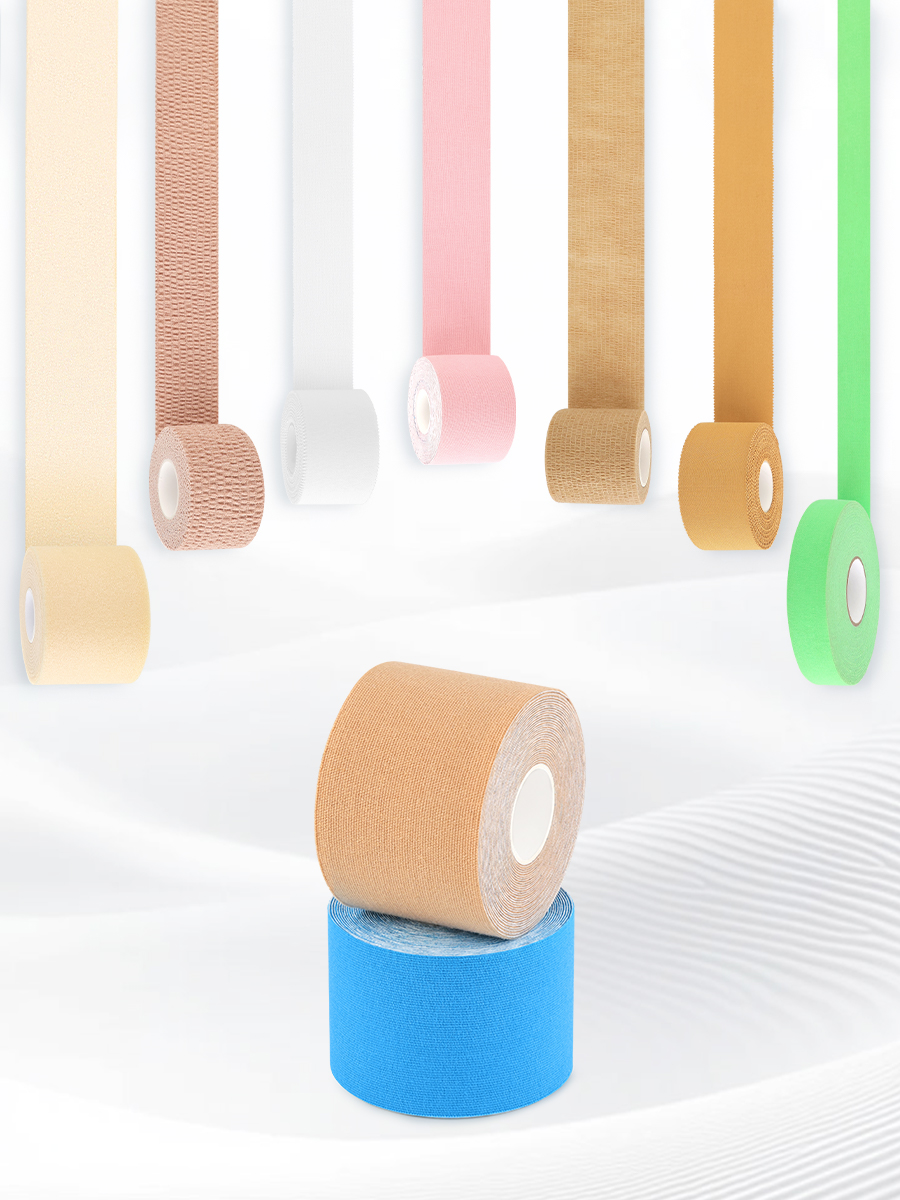
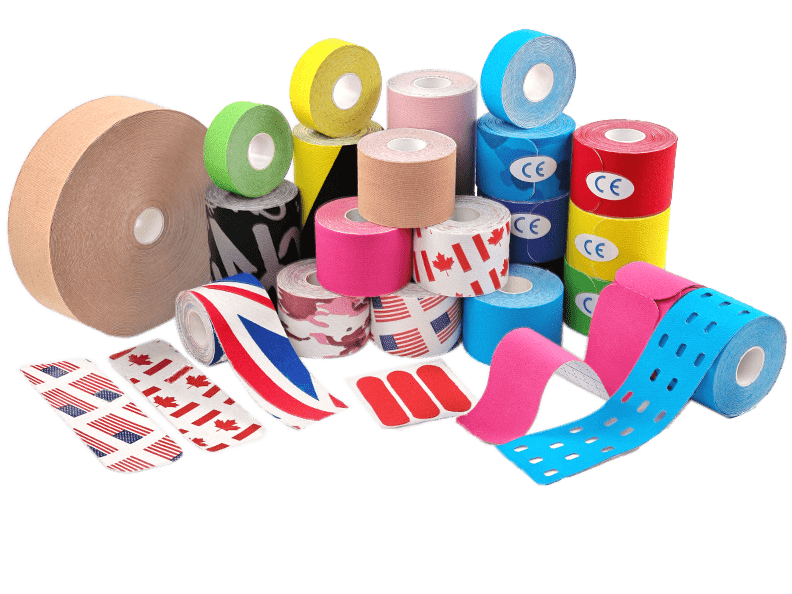
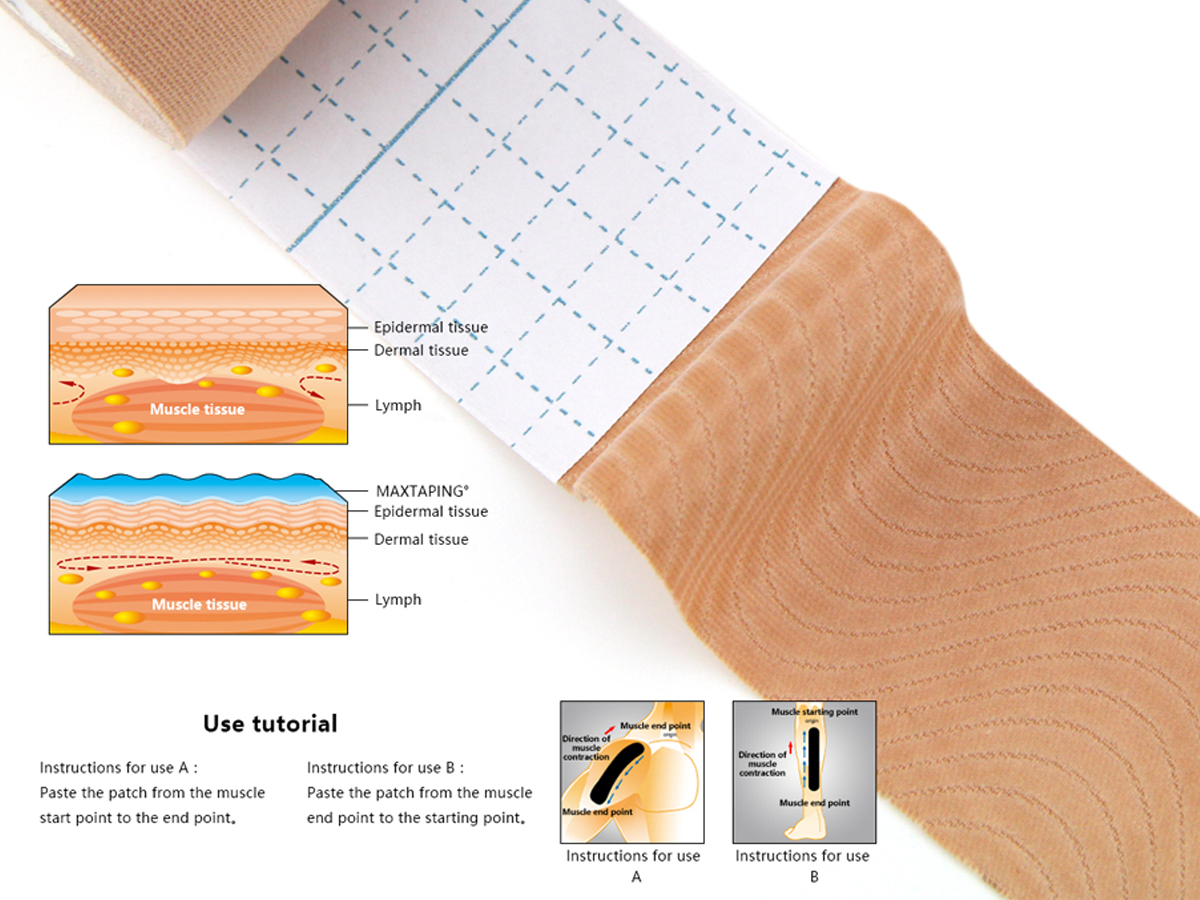
To understand this, you must first understand how kinesiology tape works. When customers ask us, “Does kinesiology tape work for real use?”, we always point to three areas where its physical properties actually make a difference.
1. Muscle Pain Relief (Best Use Case)
If there’s one thing kinesiology tape actually does well, it’s this.
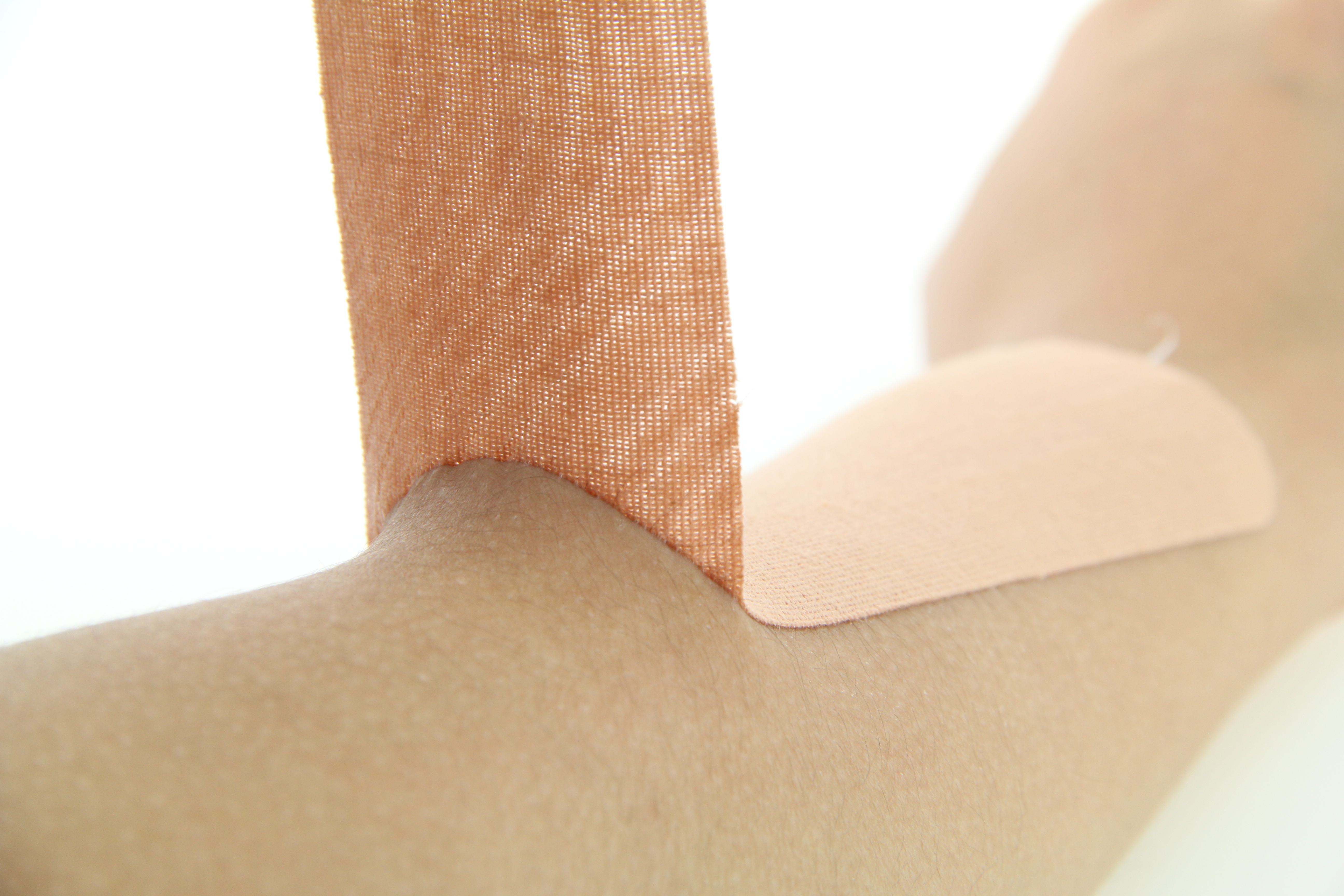
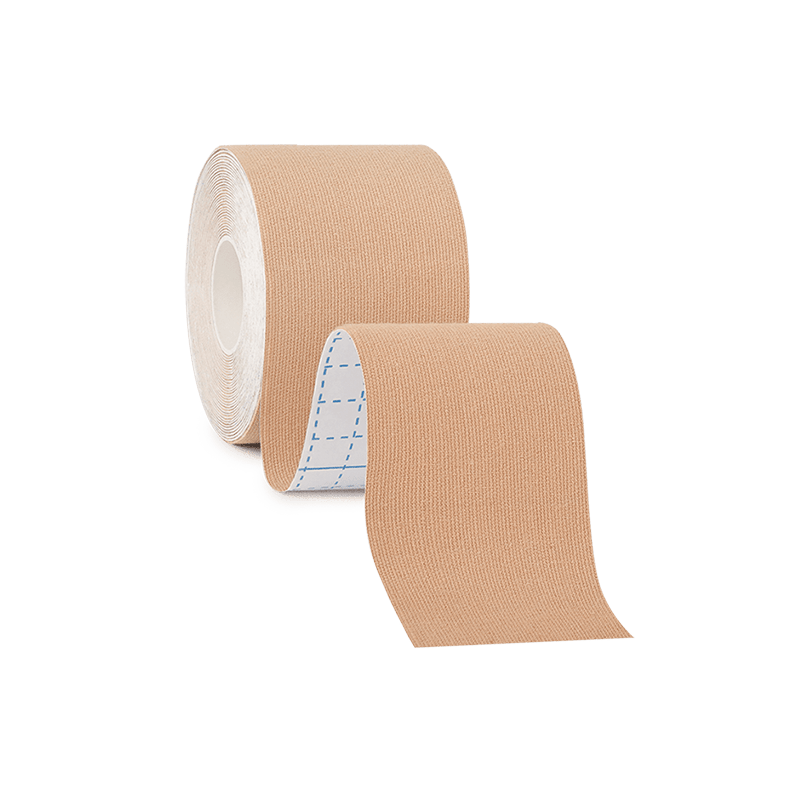
Its elasticity (typically 160%–180%) creates a constant, gentle pulling force on the skin. That tension:
- Reduces the feeling of tightness
- Improves comfort during movement
- Helps speed up perceived recovery
It doesn’t “heal” the muscle—but it makes it feel better, which is often what matters most.
This is where kinesiology tape effectiveness is the most consistent.
Learn more about our muscle recovery tape.
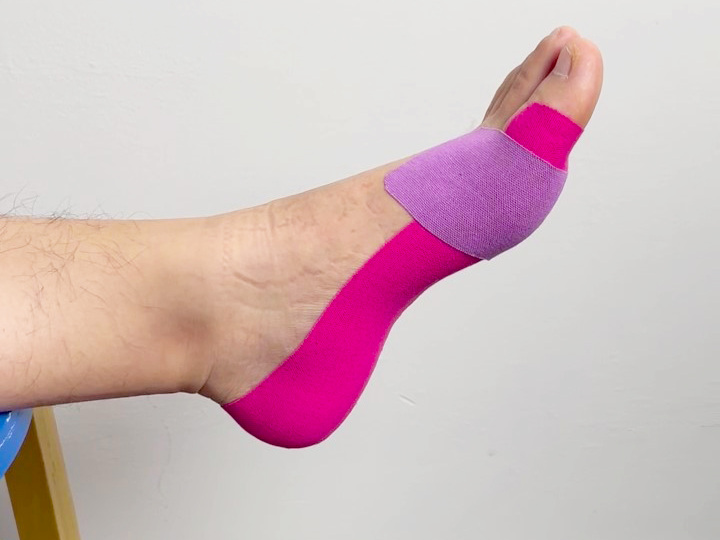
2. Light Joint Support (Not a Brace)
So, does kinesiology tape work for ankle, knee, or wrist support?
Yes—but only for flexible support, not rigid stabilization.
It helps by:
- Improving body awareness (proprioception)
- Guiding movement
- Reducing overextension
But if you expect it to replace athletic tape or a brace, it won’t.
Think of it as guidance, not restriction.
3. Skin Protection (Turf Football Tape Use Case)
This is one of the most underrated uses.
A wider tape (like 10cm) acts like a second skin, helping protect against:
- Turf burns
- Friction injuries
- Skin abrasion
For sports like football or rugby, does kinesiology tape work?
In this case, yes—very clearly.
Internal Link Suggestion:
- Check out our 10cm kinesiology tape.
4. Body Shaping (Aesthetic Use)
Another fast-growing use is body taping.
Because of its elasticity, kinesiology tape can:
- Lift and support
- Improve shape temporarily
- Enhance appearance
For example, as a boob lift tape, it provides a visible lifting effect.
This is a practical example of kinesiology tape effectiveness outside sports.
Studies: How Does Kinesiology Tape Work Scientifically?
Research on "does kinesiology tape work" is often mixed, and that confuses a lot of people.
Here’s the simple explanation:
The tape doesn’t fix deep injuries.
It works mainly through skin stimulation and sensory feedback.
This can:
- Change how your brain perceives pain
- Improve movement awareness
- Increase confidence during activity
That’s why two people can use the same tape and get completely different results.
So scientifically speaking:
- It may help with pain perception ✔
- It may improve movement ✔
- It does NOT repair structural damage ✖
This is the real boundary of kinesiology tape effectiveness.
User Experiences: When Does Kinesiology Tape Work—and When It Doesn’t?
As a kinesiology tape factory supporting brands across the USA, Europe, and Australia, we’ve seen both realistic and very unrealistic expectations after 10+ years in manufacturing.
Where It Works (Real Feedback)
Most users report:
- “It reduced my soreness.”
- “My knee felt more stable.”
- “I could move more comfortably.”
These are all aligned with the product's design.
Where It Doesn’t Work (Common Myths)
We’ve been asked some surprising questions:
- Can it treat menstrual pain?
- Can it fix scoliosis?
- Can it cure nerve headaches?
Let’s be clear.
No, it can’t.
- Menstrual pain comes from deep internal organs
- Scoliosis is a structural spine issue
- Nerve pain is not affected by surface tension
In these cases, if you ask does kinesiology tape work, the answer is no.
Chronic Conditions (Another Misunderstanding)
Some people expect it to treat:
- Arthritis
- Rheumatism
- Chronic joint diseases
But kinesiology tape:
- Contains no medication
- Does not penetrate deep tissue
It can only slightly reduce discomfort, not treat the disease.
FAQ: Does Kinesiology Tape Work for Common Concerns?
Does kinesiology tape work for everyone?
No. Results vary depending on application, skin sensitivity, and condition.
Can it replace a brace?
No. It provides flexible support, not rigid stabilization.
How long does kinesiology tape last?
Usually 3–5 days. Its effectiveness is strongest in the first 24–48 hours. For specific usage durations, please refer to the user guide: How long to wear kinesiology tape?
Does kinesiology tape work for injuries?
It can help with pain and movement, but it does not heal injuries.
Final Answer: Does Kinesiology Tape Really Work?
So, does kinesiology tape work?
Yes—when used for comfort, light support, and protection.
No—when expected to act as a medical treatment or structural fix.
There’s no universal answer—only correct usage.
After more than a decade in this industry, the conclusion is simple:
It’s a useful tool—but only within its limits.
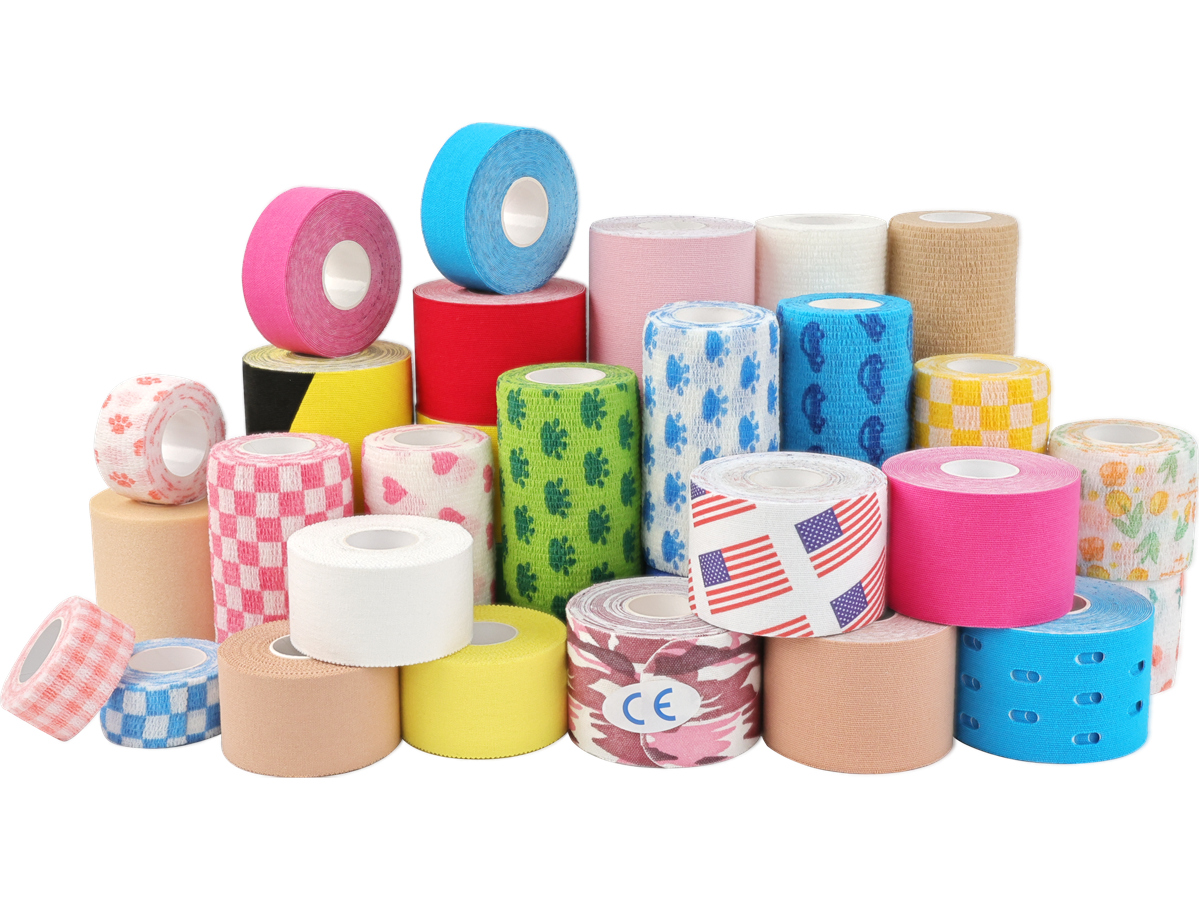
If you’re sourcing kinesiology tape for retail, sports teams, or private label, the material, elasticity, and adhesive quality make a bigger difference than most people expect. To learn how to choose kinesiology tape, please click: A Full Guide to Choose the Right Kinesiology Tape.
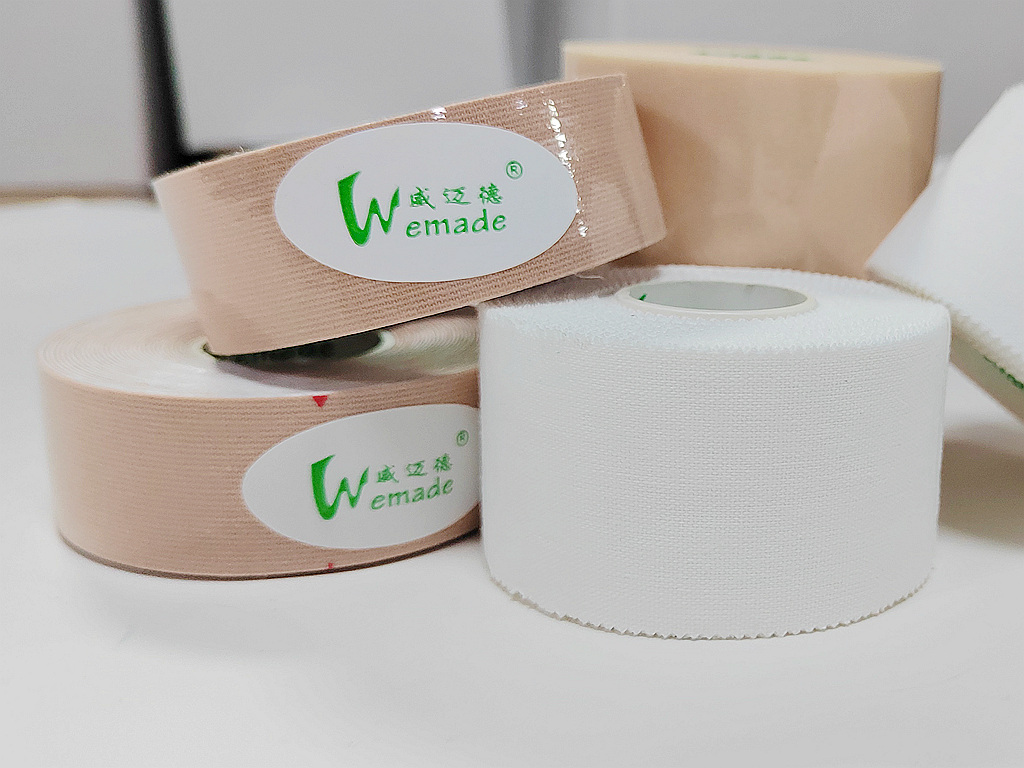
Working directly with an experienced kinesiology tape manufacturer helps ensure the tape performs exactly as intended—especially in the use cases where it actually works.
Contact
Bruce Wang
Email: support@veefun.com
Wuxi WEMADE Healthcare Products Co., Ltd.
Direct Factory Supply | OEM/ODM Available