Taping has come a long way since it was just a way to hold things together. Now, it's a complex art of biomechanical support for athletes and people recovering from injuries. However, many people who work out or play sports still get confused between the two most common types of tape: cotton athletic tape (also known as Sports Tape) and elastic kinesiology tape (KT-Tape).
They both help the body and ease pain, but they do so in very different ways. Knowing these differences is important because using the wrong tape for the wrong purpose can slow down the healing process and even exacerbate the injury. This in-depth guide examines the materials, mechanics, and applications of both types, allowing you to select the one that best suits your needs.

Part 1: The Rigid Enforcer—Sports Tape (Athletic Tape)
Cotton athletic tape, also known as zinc oxide tape, is an effective way to prevent and treat injuries. It has been a mainstay in sports medicine for decades due to its strength and stability.
What is sports tape?
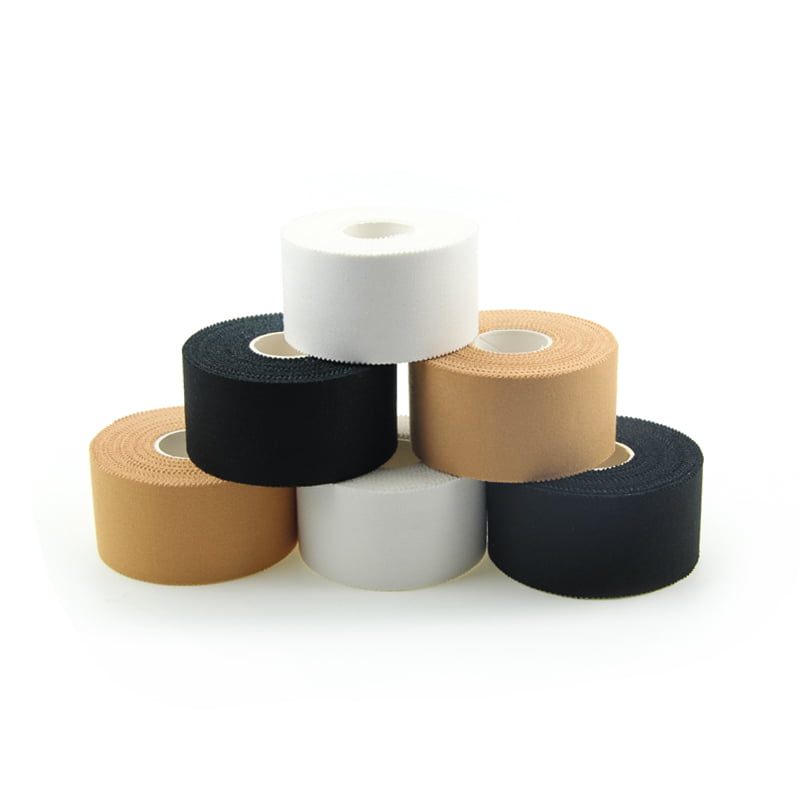
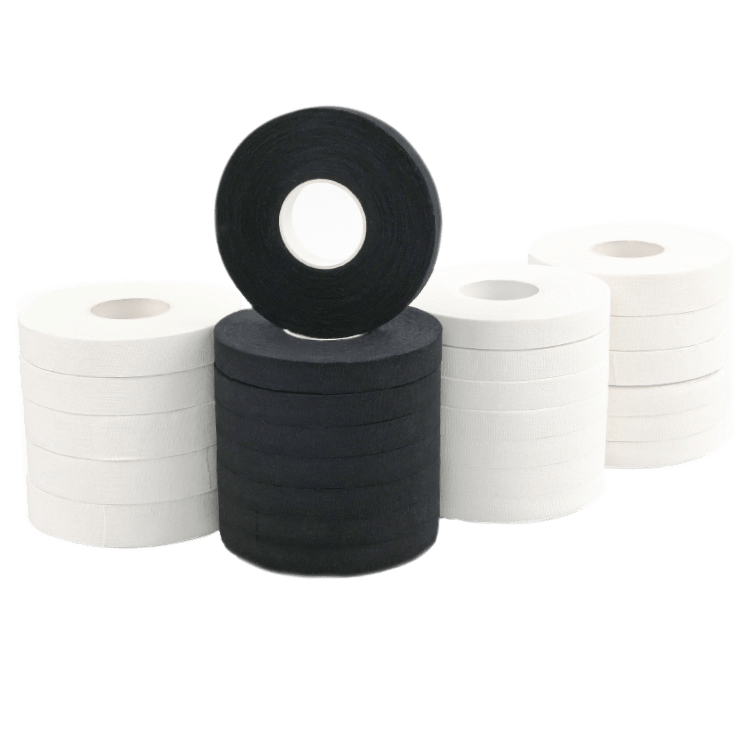
Most of the time, sports tape is made of cotton or synthetic fibers that don't stretch and have a strong glue made of zinc oxide.
What makes it different is that it doesn't stretch. It should be stiff and not bend.
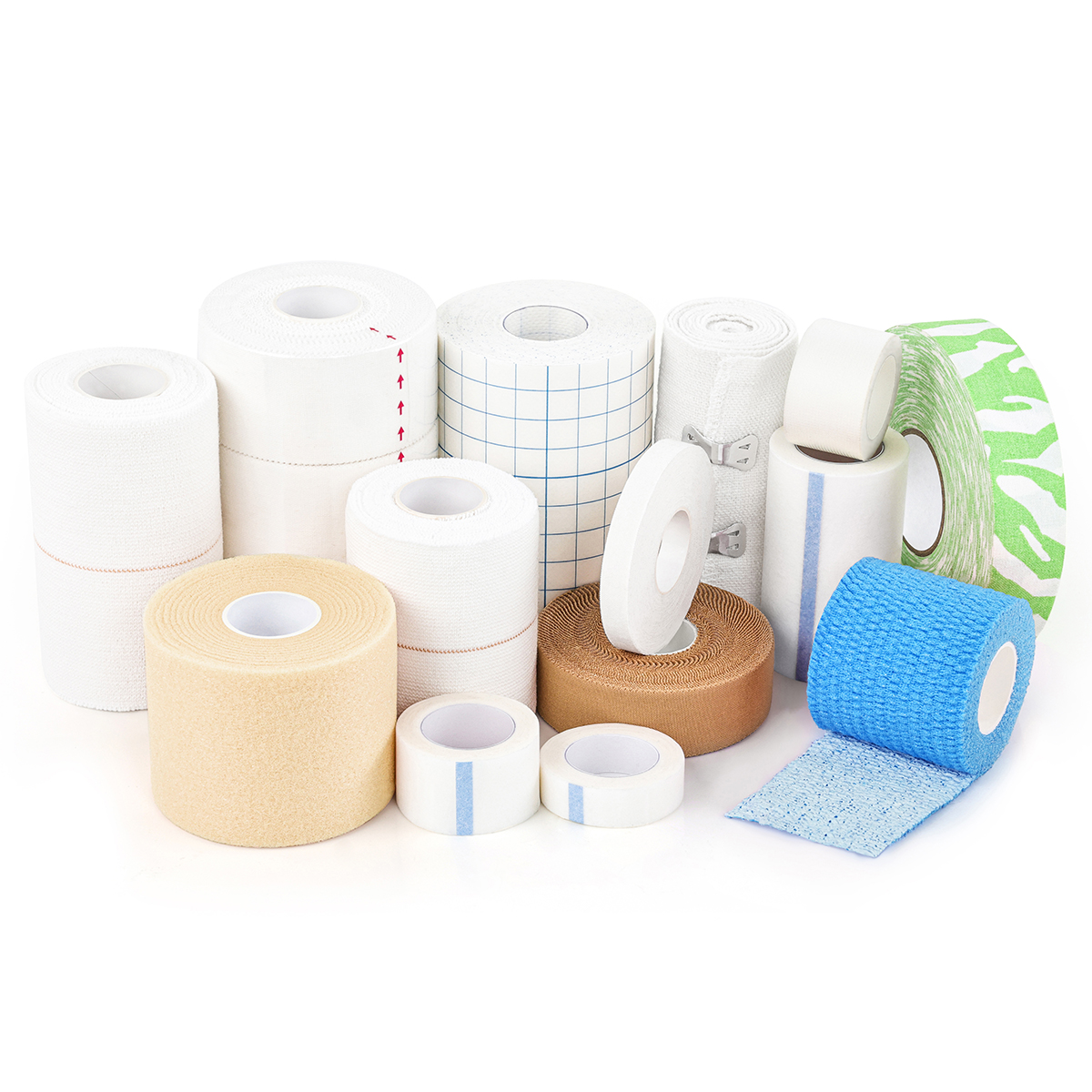
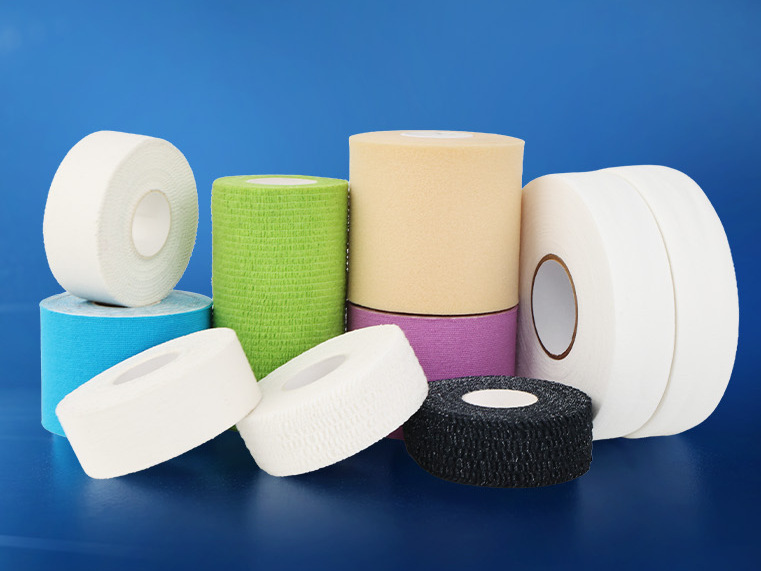
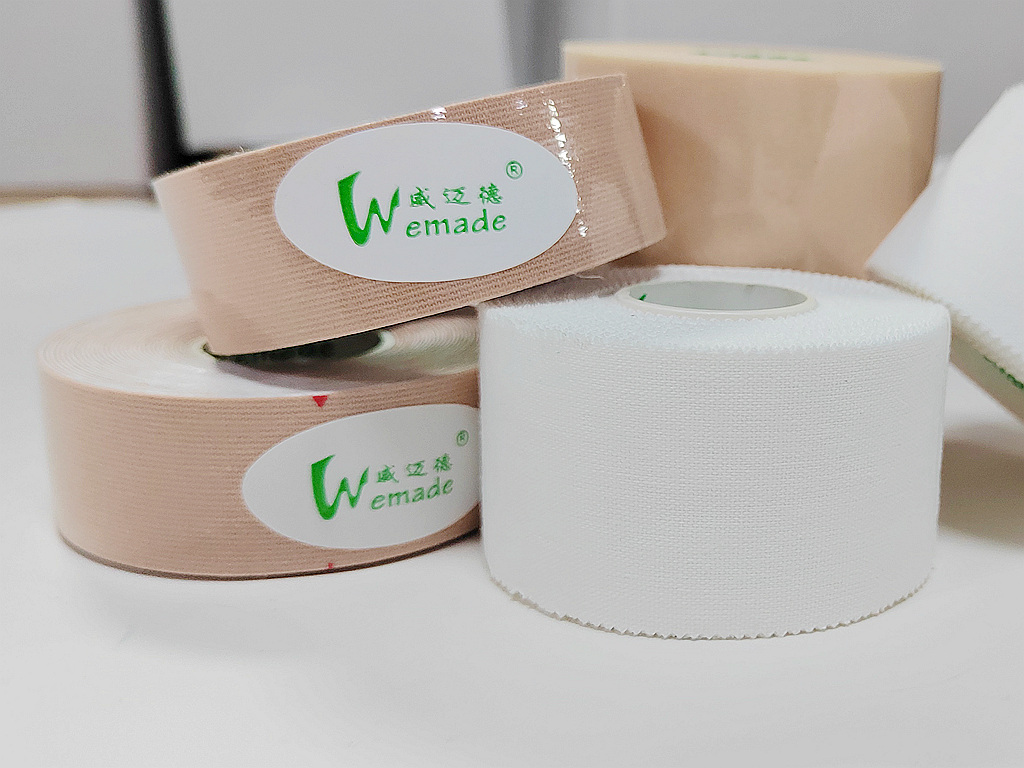
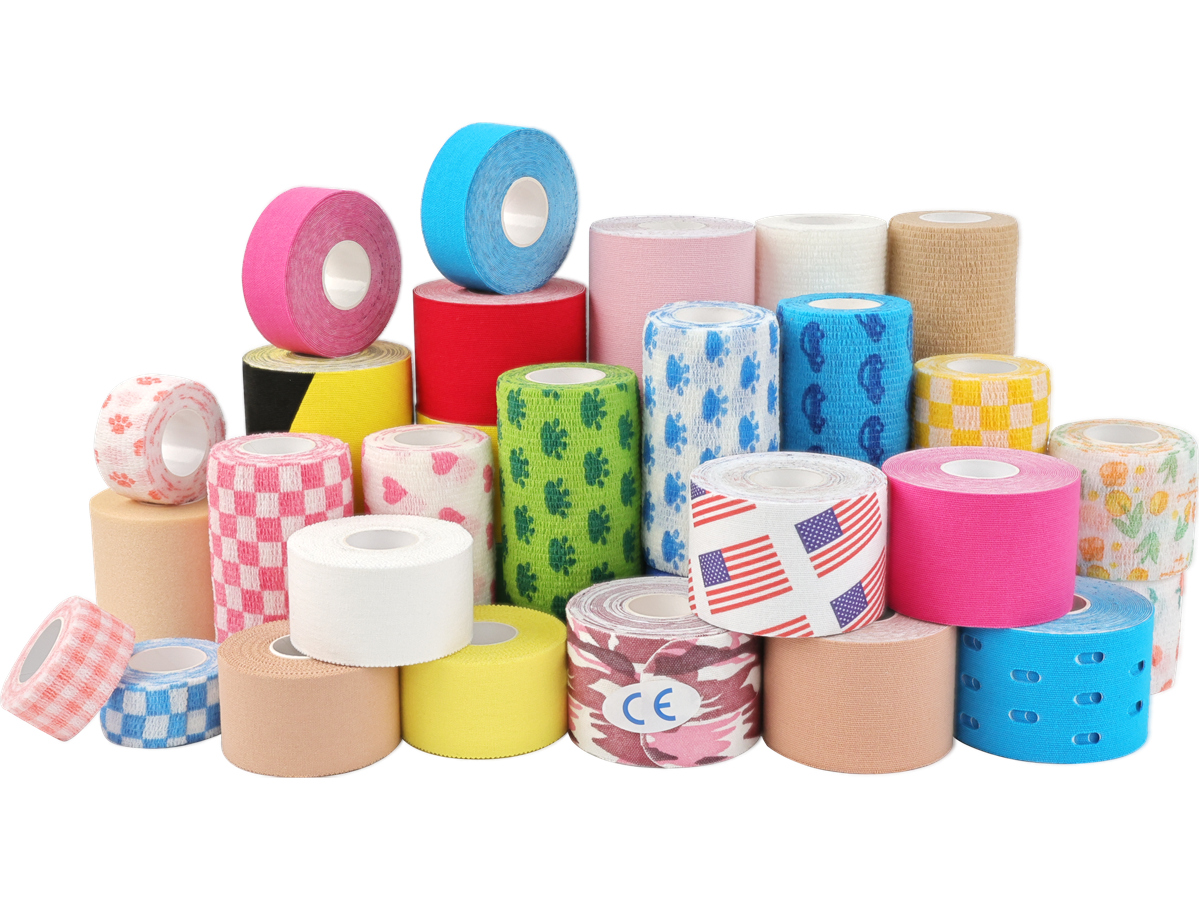
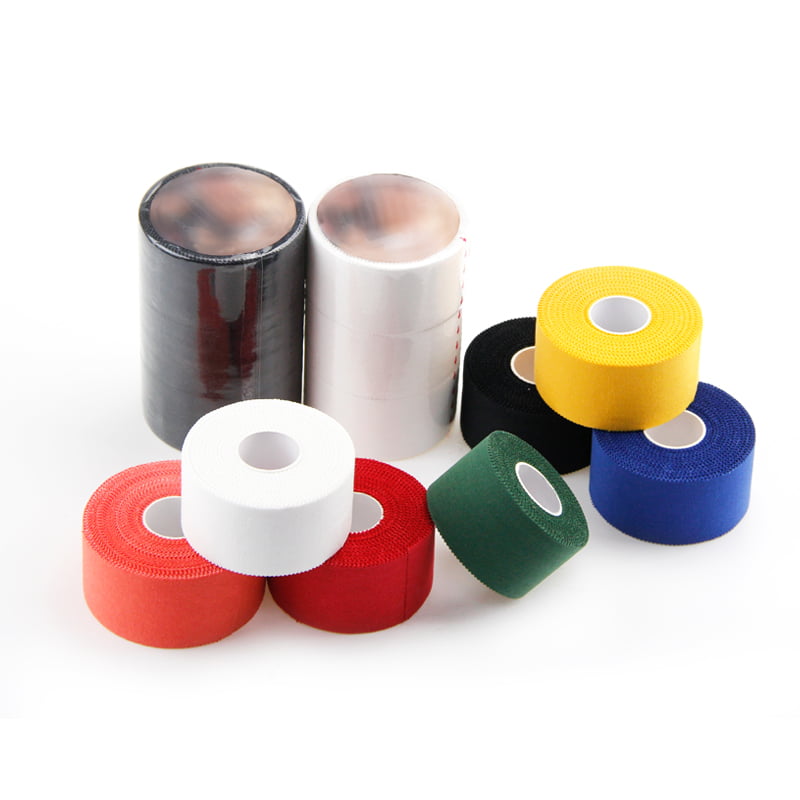
You usually get it in a thick, white, non-porous roll that looks and feels like this. A lot of tension and overlapping layers are used to make a mechanical cast.
Primary Mechanism: Mechanics Fixation
The only thing sports tape does is hold things together. It works by preventing a limb or joint from moving excessively.
- Immobilization: When athletic tape is tightly wrapped around a joint, like an ankle or wrist, it works like an external ligament or brace. The goal is to limit, restrict, or completely stop movements that could cause further harm to an already injured area.
- Stabilization: Athletic tape makes joints with weak ligaments (like grade I or II sprains) or unstable patellae (kneecaps) as stable as possible.
- Preventive Use: People who play high-risk sports like rugby or basketball often use it before the game (prophylactically) to avoid common injuries, especially in joints that have been hurt before.
Putting on and taking off.
How to Use: Apply a lot of tension to the sports tape and carefully layer it to achieve a snug fit. It is often placed on top of a thin layer of protection called "pre-wrap" because it prevents air from passing through and can irritate the skin.
How Long: It can only be worn for a short time, such as during a game or a strenuous workout, because it is tight and could restrict circulation if left on for too long.
When to Use Sports Tape
If your main goal is "absolute fixation and movement restriction," use sports tape.
Acute Injuries: The goal is to prevent further damage immediately after a minor sprain or strain. Instability: For athletes whose ankles are always unstable and need an outside brace to keep them from turning in or out when they cut. —maximumSupport: When a joint's movement needs to be mechanically stopped to protect healing tissue.
Part 2: Kinesiology Tape (KT-Tape), the Flexible Helper
Kinesiology tape, also known as KT-Tape or Kinesio Tape, is a specialized type of therapeutic tape. Dr. Kenzo Kase, a Japanese chiropractor, made KT-Tape in the 1970s. It supports the body while also facilitating its natural movement and healing.
What is kinesiology tape?
KT-Tape is not at all like the stiff kind.
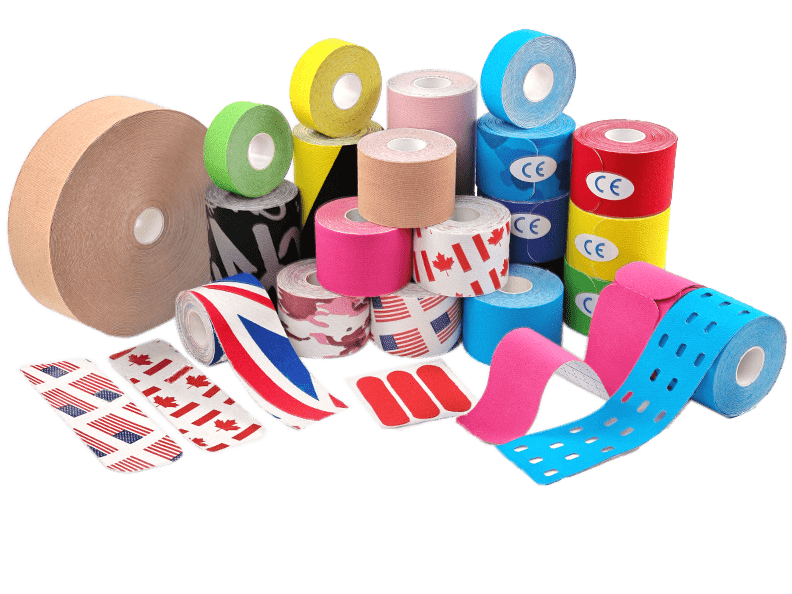
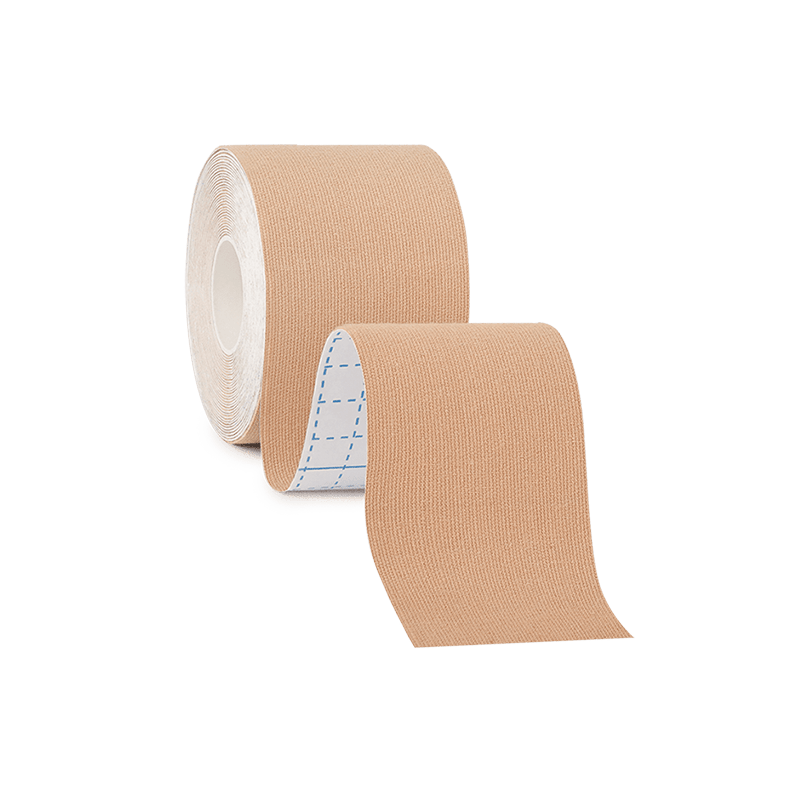
High Elasticity: The material is a thin, stretchy blend of cotton and synthetic fibers that can stretch up to 140–180% of its resting length, which is similar to the elasticity of human skin and fascia.
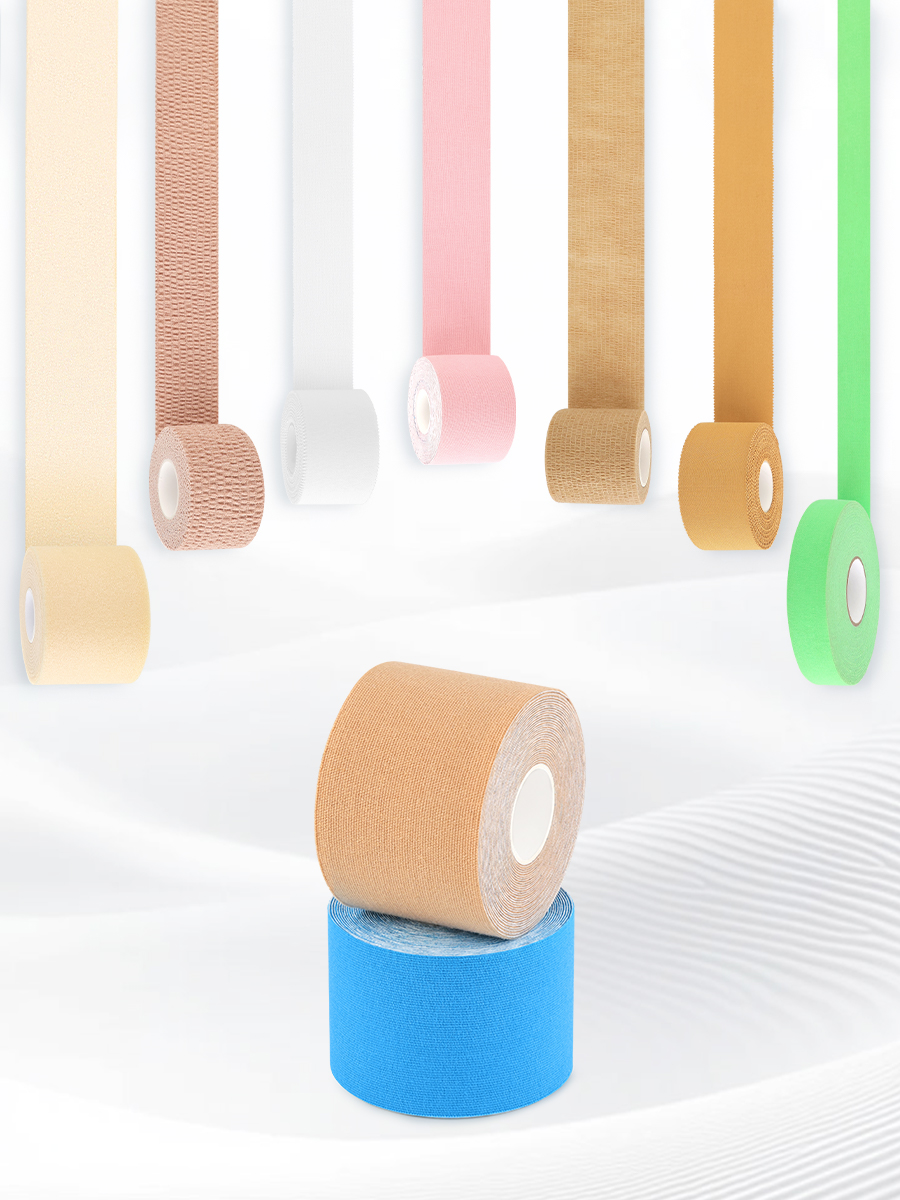
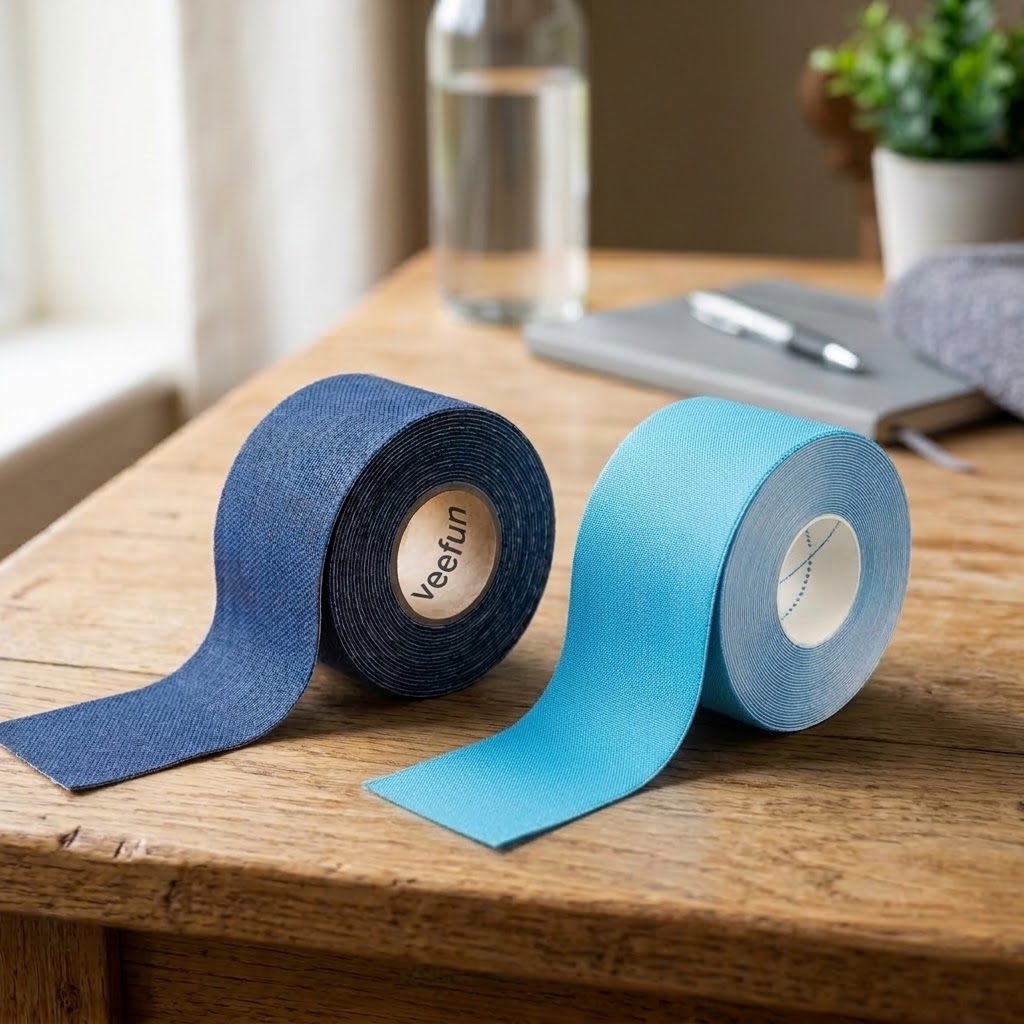
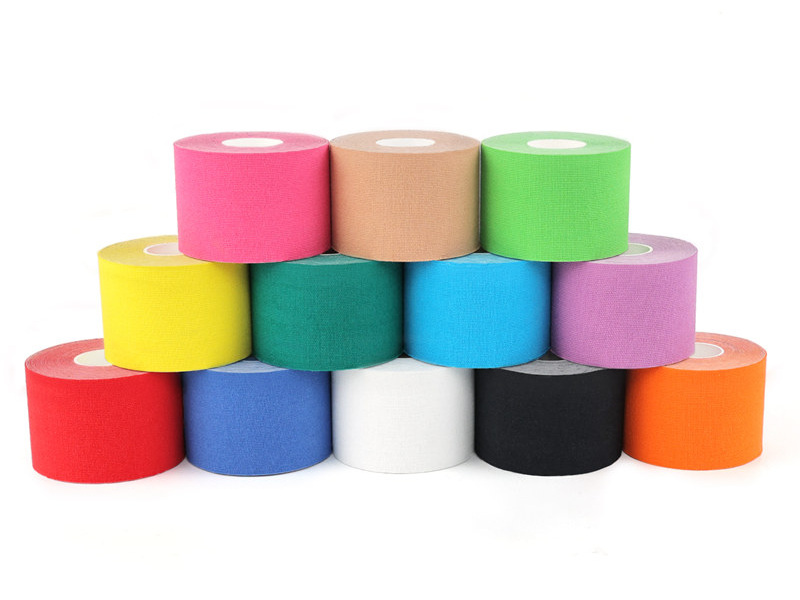
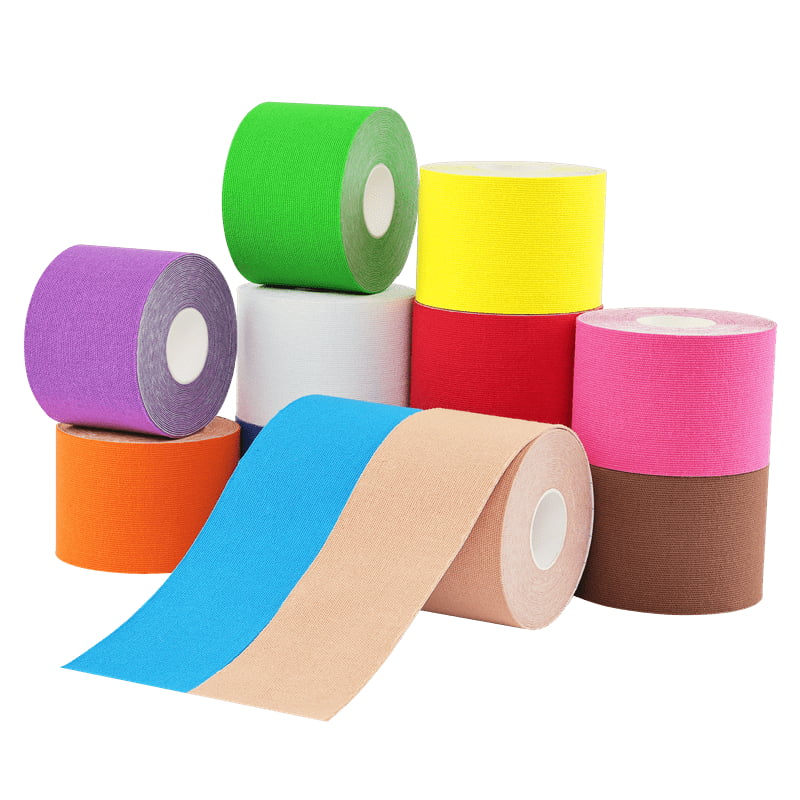
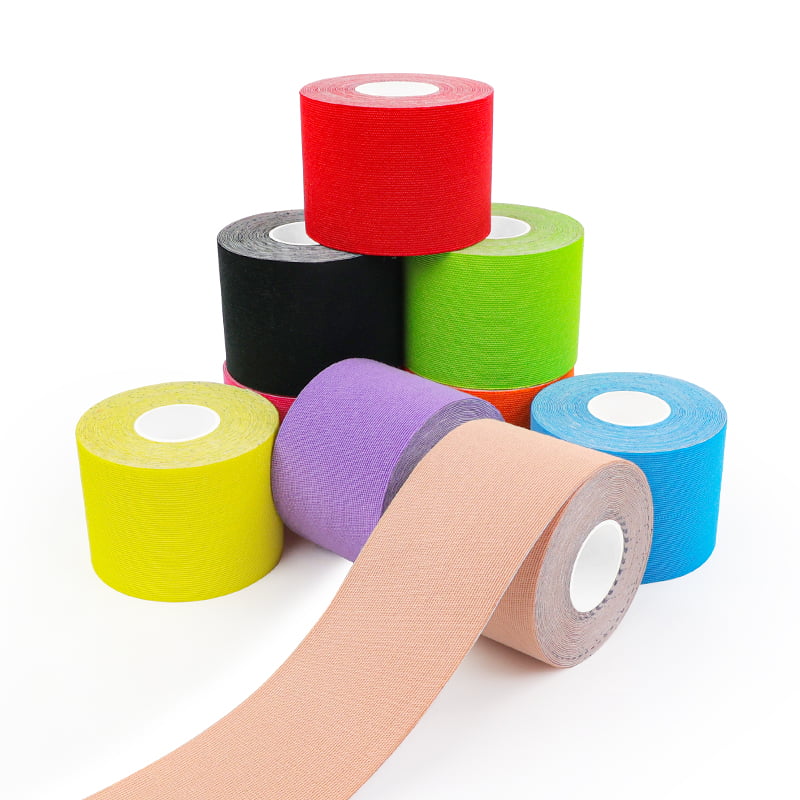
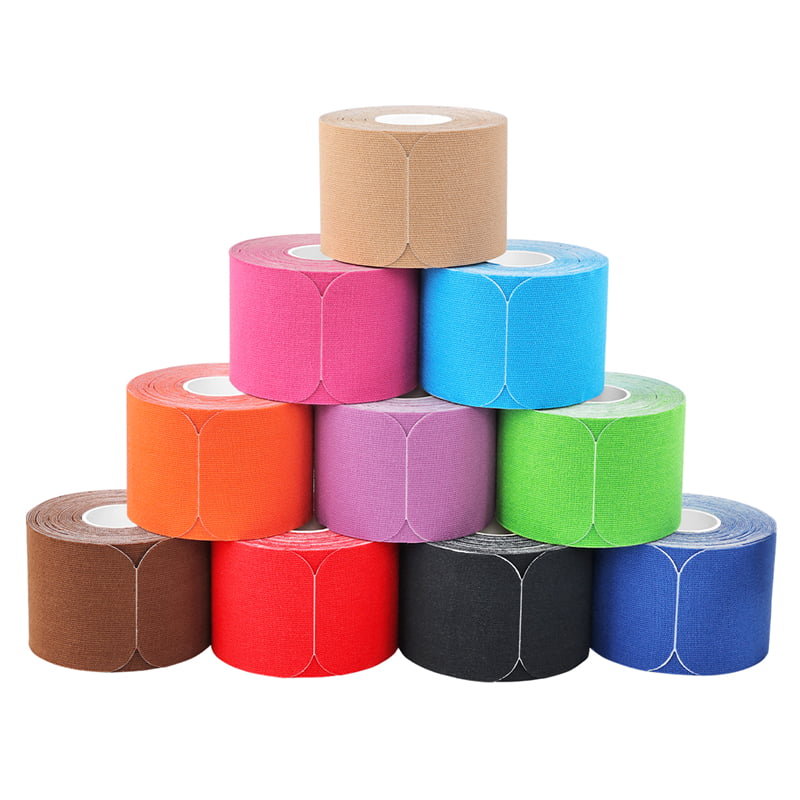
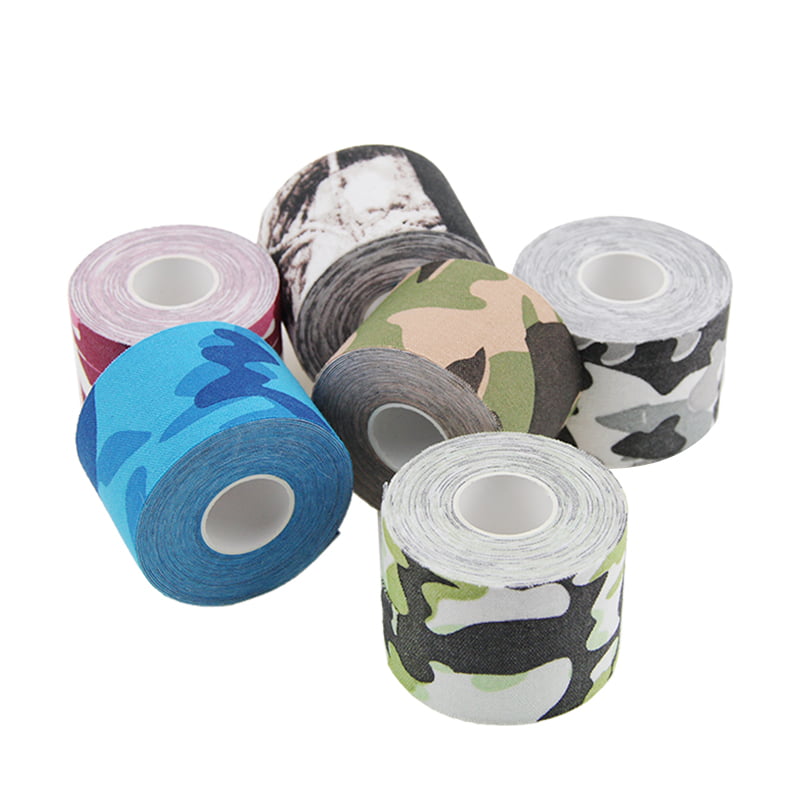
Look and Feel: It typically features a bright color, is lightweight, and has a unique "wave pattern" made with acrylic and glue that activates with heat.
The primary mechanism is that the nervous system responds and provides feedback.
There are no mechanical limits to KT-Tape. It works through the nervous and circulatory systems instead:
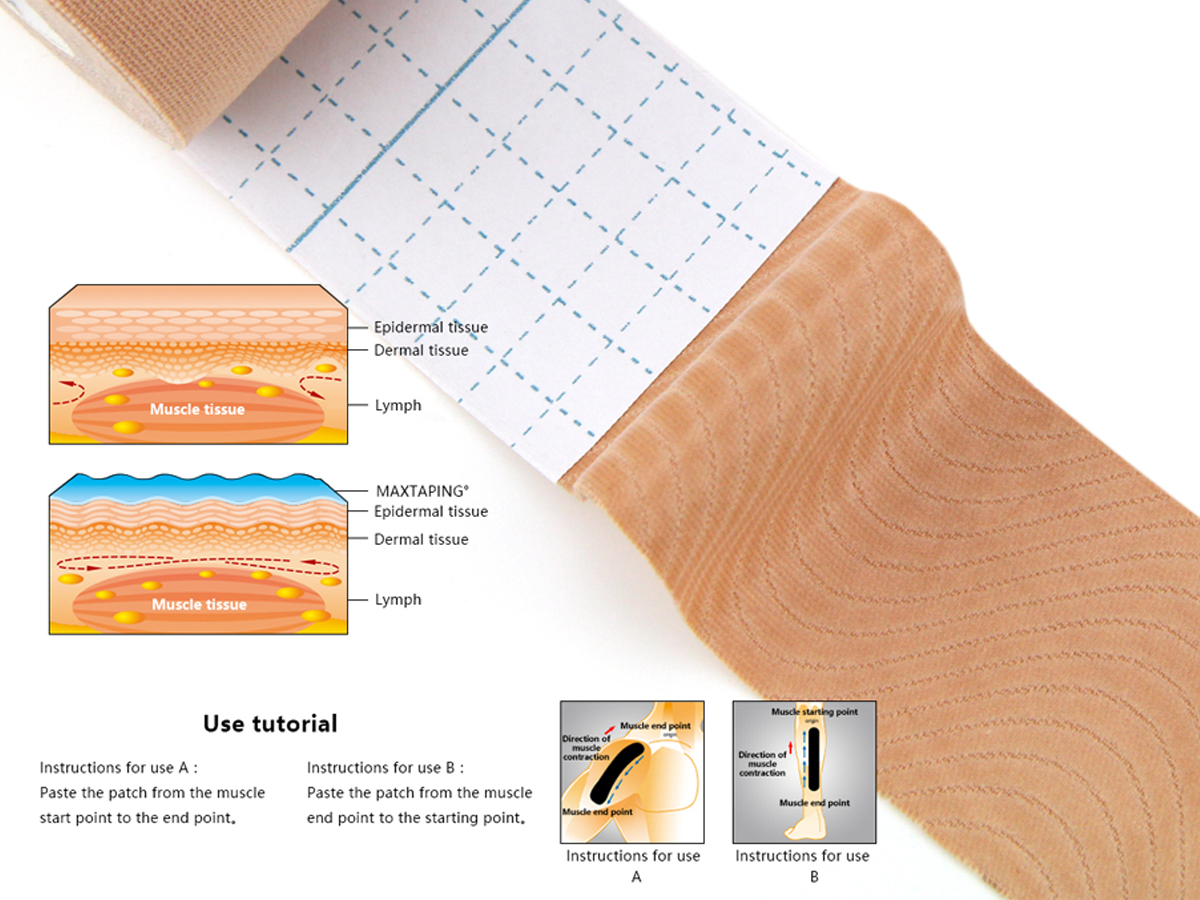
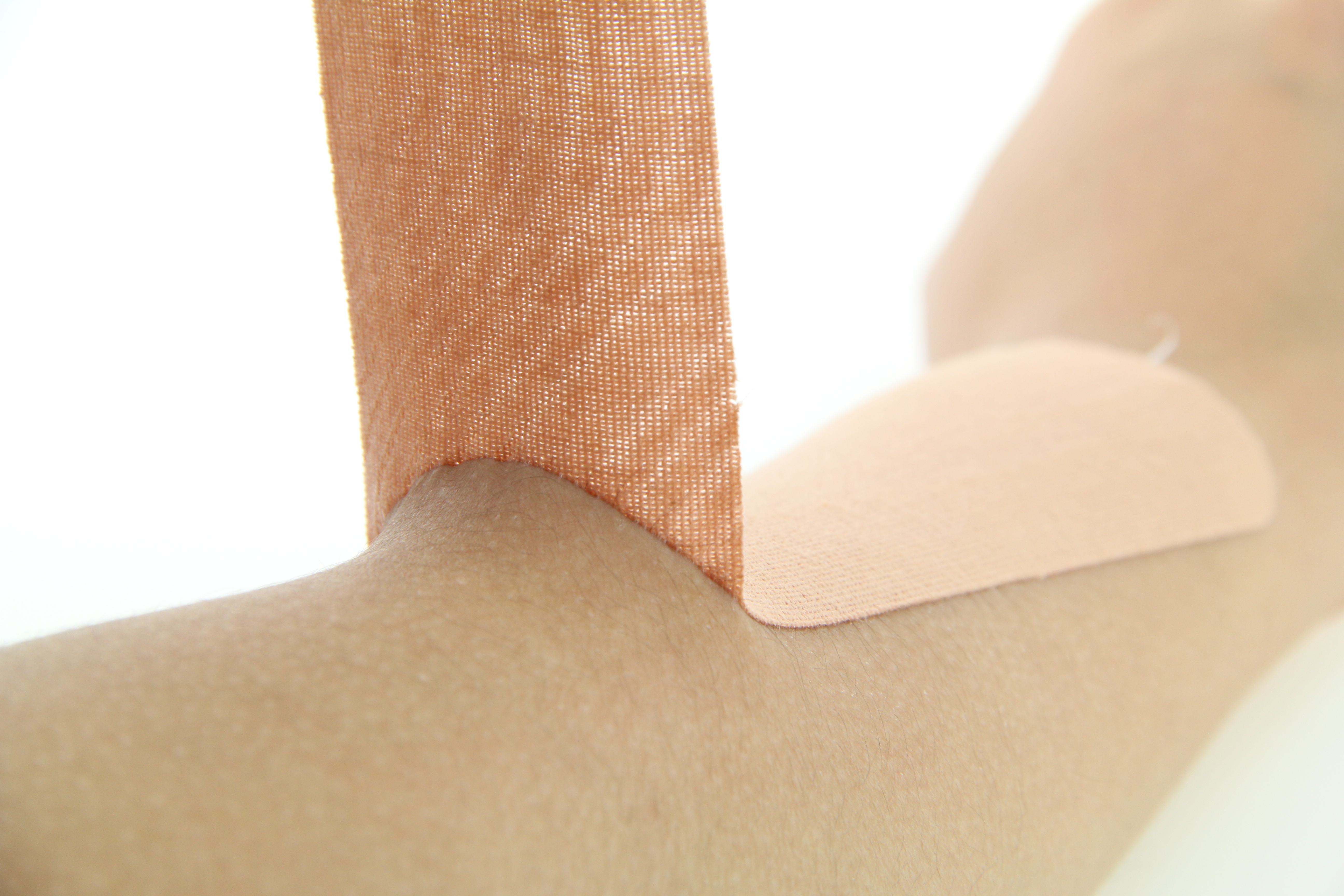
- Lifting the Skin (The Wrinkle Effect): When KT-Tape is put on with little tension, the tape naturally pulls back, which stretches the muscle underneath. This makes small wrinkles or folds in the skin. This lifting motion creates space between the skin and the muscle and fascia layers below.
- More blood flow: This space may help blood and lymphatic fluid move more freely in the area. This can help reduce swelling and eliminate inflammatory byproducts, which speeds up the healing process. This is especially beneficial for reducing swelling and bruising
- Neurosensory Feedback (Proprioception): The constant, low tension of the elastic tape makes the skin's touch receptors work. This sensory input sends signals to the brain that can help block pain signals and enhance proprioception—the body's ability to perceive the position of a limb or joint in relation to its surroundings. This better feedback helps the muscles remember how to fire correctly.
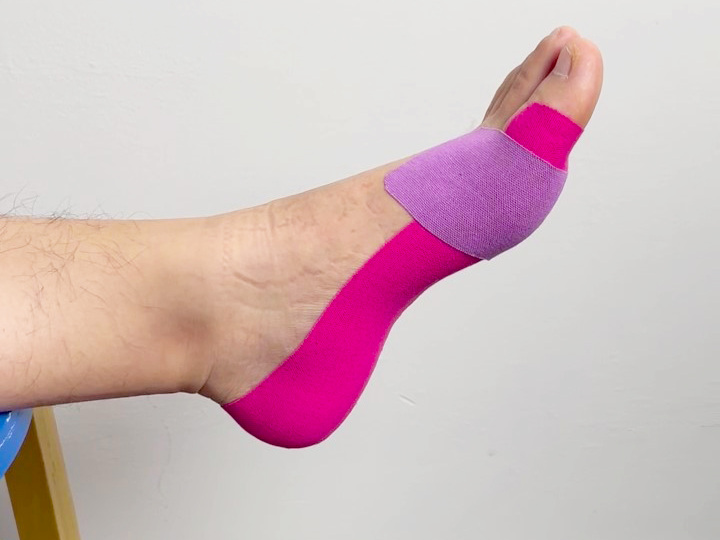
On what you want to happen. For example, you should use the most stretch for mechanical help and the least stretch for lymphatic drainage. People often cut it into shapes like "I," "Y," or "fan" to cover certain muscle groups.
How Long: KT-Tape is breathable, comfortable, and water-resistant, allowing you to wear it for a prolonged period, typically three to five days. This means that the benefits for health are ongoing.
When to Put Kinesiology Tape on
Use Kinesiology Tape when you want to "support, manage pain, and move around normally."
Muscle Strains and Overuse: To gently support and relax muscles like the hamstrings, quadriceps, or calves. Postural Correction: To help the body get into better alignment (for example, by pulling back the shoulders).
Edema and Bruising: Using the fan pattern for lymphatic drainage to reduce swelling. Rehabilitation: When the athlete needs to return to activity but still requires pain modulation and enhanced proprioception without sacrificing range of motion.
Part 3: The Last Showdown—A Side-by-Side Comparison
Here's a complete comparison of the two ways to tape to sum up the differences:
|
Characteristic |
Athletic Tape / Rigid Strapping Tape |
Kinesiology Tape |
|
Elasticity/Extensibility |
Inelastic or with very low elasticity (rigid). |
Highly elastic, it can stretch to about 140% of its original length, mimicking the elasticity of skin and muscles. |
|
Main functions |
Provides mechanical fixation and restraint. |
Provide support and assistance, but do not limit the scope of activities. |
|
Core objective |
Athletic tape fixes the joint, restricts improper or excessive movement, and provides strong and stable support, similar to a temporary brace. |
Kinesiology tape reduces pain and swelling, improves proprioception (body posture awareness), assists muscle function, and promotes blood/lymphatic circulation. |
|
Application tension |
High tension and multiple layers of wrapping are required for application to achieve a firm fixation. |
Apply with minimal or no tension, utilizing the elasticity of the patch to lift the skin. |
|
Usage time |
For short-term use (such as during exercise), it should be removed immediately afterward to avoid affecting blood circulation. |
Kinesiology tape can be worn continuously for several days (3-5 days), is breathable and waterproof, and is not affected by sweating while showering. |
|
Applicable Scenarios |
Acute injuries (such as ankle sprains) require complete immobilization of the joint, and preventative immobilization during high-impact sports. |
Muscle strain, overuse injury, chronic pain, recovery period, swelling or bruising subsides, need to maintain full range of motion support. |
-
Sports Tape
Features: Hard, White, Restrictive, Fixative
|
Visual characteristics |
Sports tape function |
|
Appearance: Usually white, with a thick, matte finish. |
Joint stabilization: Like a bandage, it is tightly wrapped to prevent injured joints (such as ankles) from making improper movements. |
|
Material: Lacking elasticity and unable to stretch. |
Restricted Activity: Suitable for acute injuries requiring strict restriction of the range of motion to protect ligaments and joints. |
|
Application: A pre-wrap is often required before applying the adhesive. |
|
-
Kinesiology Tape
Features: Soft, colorful, elastic, supportive
|
Visual characteristics |
Kinesiology Tape Function |
|
Appearance: Usually colorful, thin material, and glossy. |
Skin Lifting: The elasticity of the patch can gently lift the skin, increase the space between the skin and muscles, promote blood and lymph circulation, and help reduce swelling and relieve pain. |
|
Material: It has excellent elasticity and can be stretched freely with body movements. |
Muscle support: Applied along the muscle lines, it provides support without restricting normal joint movement. |
|
Application: It can be directly applied to the skin and has various cutting methods, such as I-shape strips, Y-shape, and claw shape. |
|
Part 4: Choosing the Right Tape for Performance
The kind of tape you use depends on the stage of the injury and the goal of the activity.
First 72 Hours: Acute Phase
Suggestion: Sports Tape.
The first step is to protect the injured area, stop any further movement (following the P.R.I.C.E. principle), and stabilize the joint. Mechanical fixation is necessary to prevent fragile tissue from experiencing excessive stress.
The Stage of Rehabilitation and Going Back to Play
Kinesiology Tape: A good idea. Once the swelling subsides, KT-Tape is the best option for gentle movement and support. It helps the athlete move around normally without losing muscle mass, and it uses neurosensory feedback to retrain how muscles fire and control pain.
Use as a Way to Stop It
High-Risk, High-Impact Sports (such as football and wrestling): Individuals who have experienced numerous severe sprains in the past often cope with sports tape for their joints because it provides the most effective protection from sudden, severe stress.
Sports that require endurance or repetitive stress, such as running and cycling, can benefit from Kinesiology Tape. This type of tape is an effective way to treat common overuse problems, such as runner's knee or IT band syndrome, as it supports the muscles and fascia involved without impeding necessary movement.
Part 5: How to choose athletic tape and kinesiology tape?
If your needs are immobilization and restriction (e.g., preventing a recently sprained ankle from moving again), use sports tape.
If your needs are support, pain relief, and promoting recovery, while also maintaining normal activity, use kinesiology tape.
Warning: Always remember that taping is not a substitute for good medical care and rehabilitation. Talk to a doctor, physical therapist, or athletic trainer if you hurt yourself badly.