The Magic of Kinesiology Tape: Help, Healing, and Better Performance
You may have seen the bright strips of tape on the shoulders, knees, and backs of competitors during the Olympics or a local marathon. This isn't just a fashion statement; it's Kinesiology Tape, a game-changing instrument in sports medicine and physical therapy.
But what is this elastic cloth, and can it actually benefit you? Let's go into the realm of KT-Tape.
What Is Kinesiology Tape, Exactly?
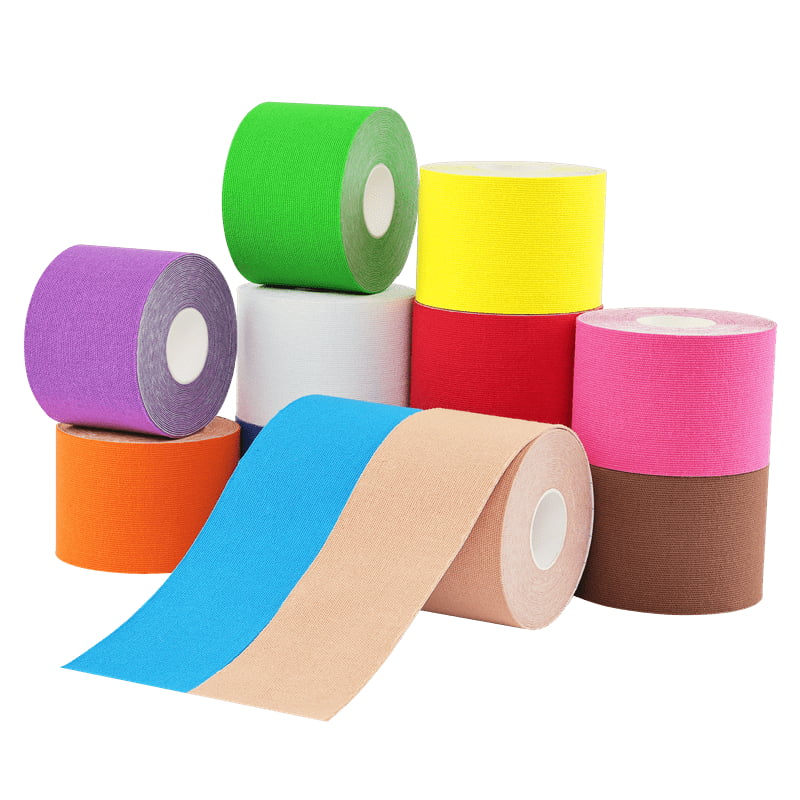
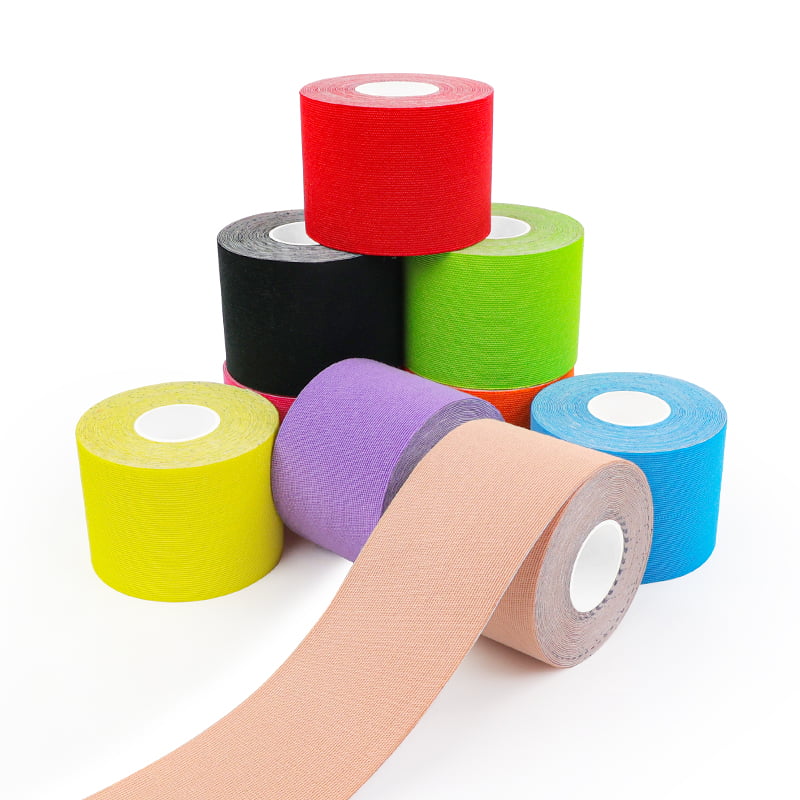
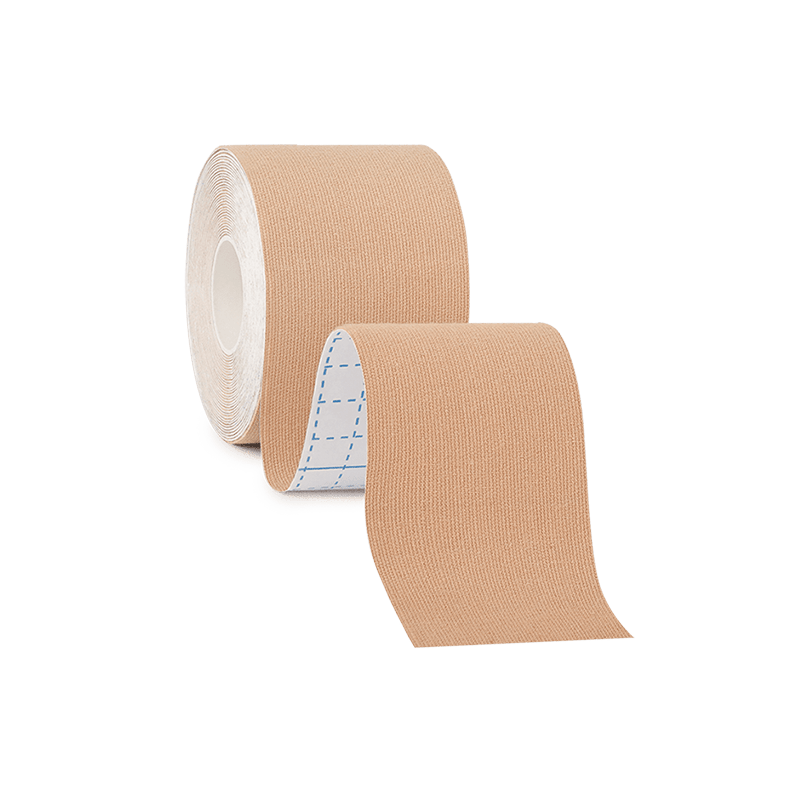
Kinesiology tape, also known as KT Tape, muscle tape, or physio tape. It is a thin, stretchy, and adhesive tape used in therapy. Dr. Kenzo Kase, a Japanese chiropractor, developed it in the 1970s.
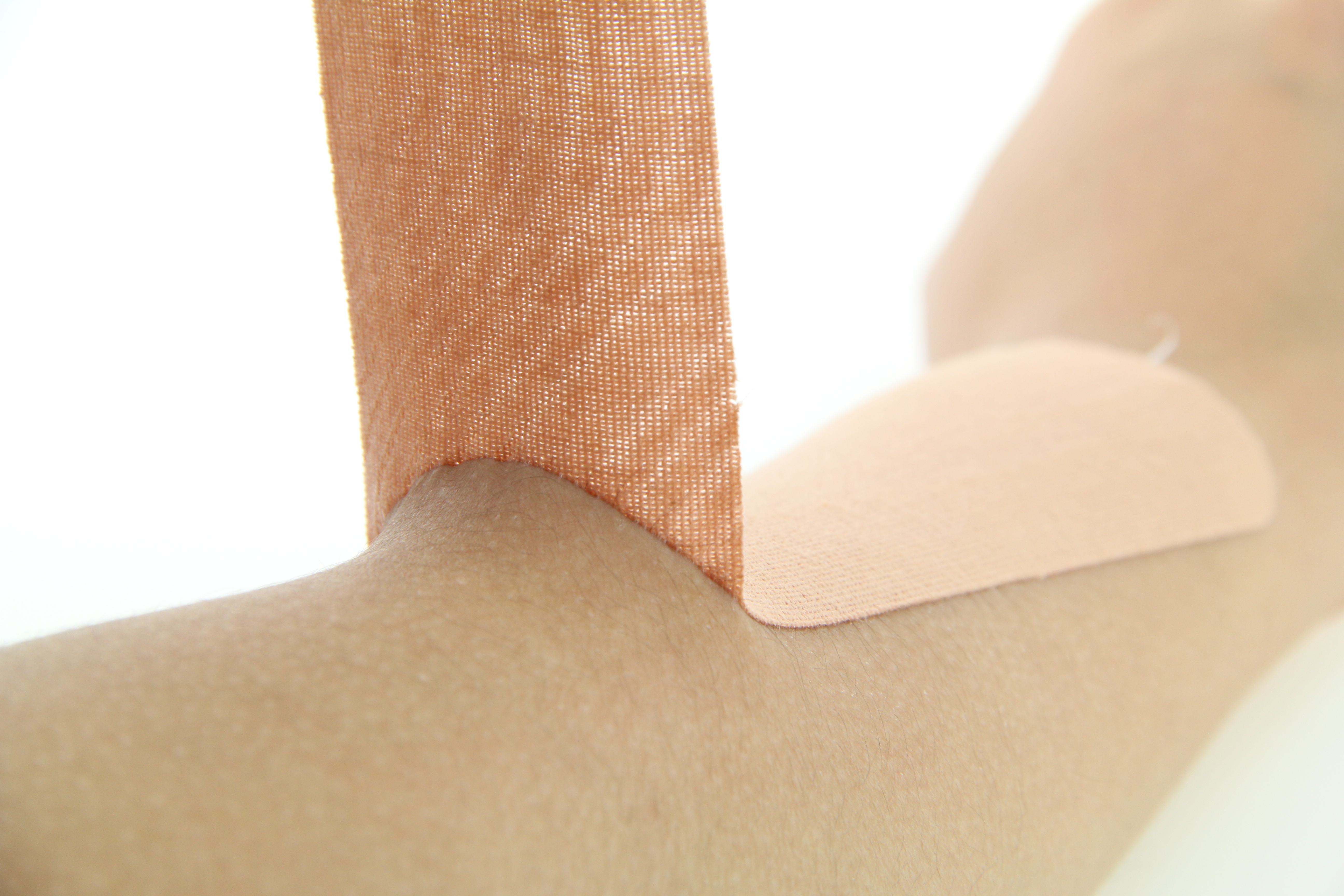
Kinesiology tape differs from regular sports tape in that it is soft and flexible, made primarily of cotton or synthetic fabric with an acrylic, medical-grade adhesive. The main things about it are:
Elasticity: KT-Tape stretches like human skin (approximately 140%), allowing you to move your whole body.
Durability: Muscle tape may be worn for a few days (3–5 days) through showers and exercises without becoming wet.
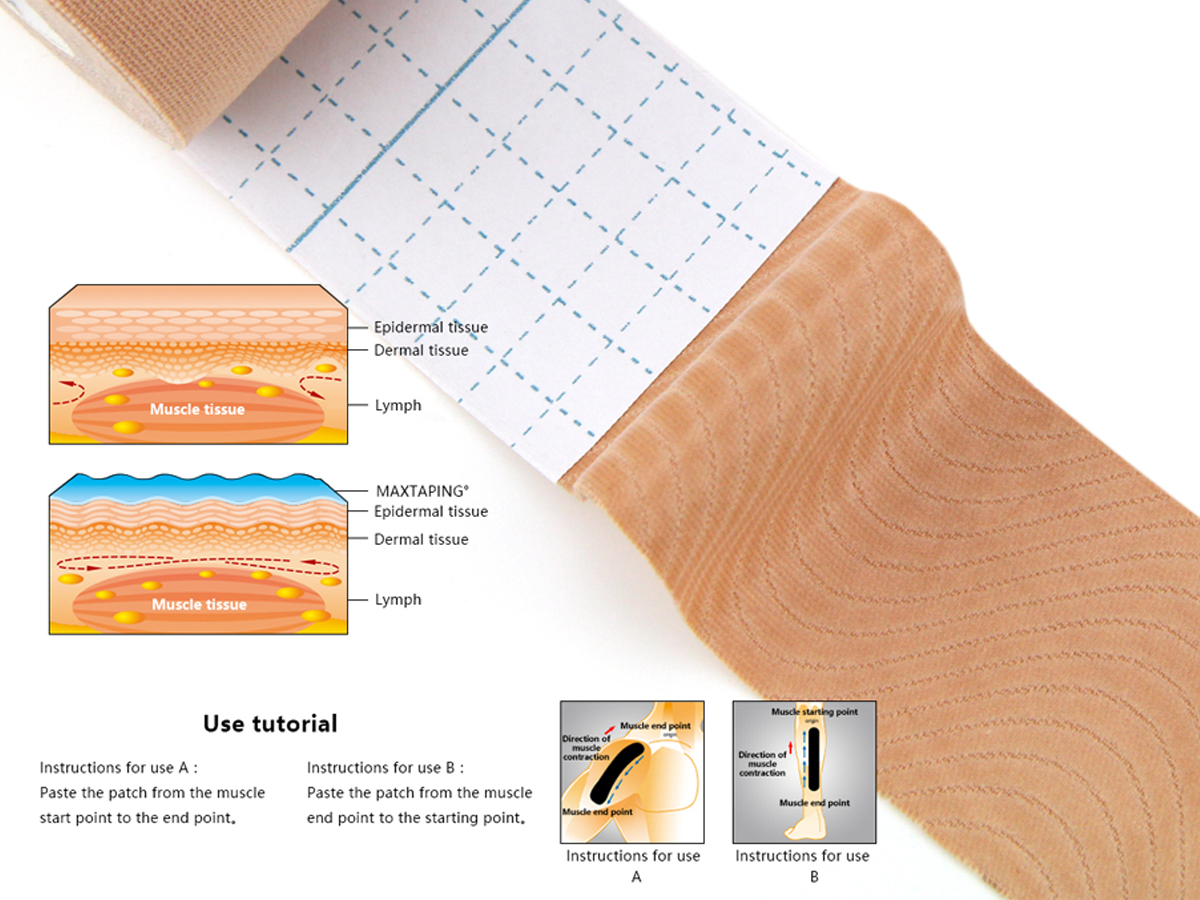
Function: Kinesiology tape is believed to lift the skin and create space between it and the tissues underneath.
Main Benefits And How It Works
Elastic therapeutic tape is utilized in a variety of treatments, ranging from acute injury care to enhancing athletic performance.
Pain Relief: Lifts the skin, which releases the pain receptors (nociceptors) underneath, thereby stopping and preventing the spread of pain impulses.
More Blood Flow: Physio tape makes small folds (wrinkles) in the skin, which may help blood flow and lymphatic drainage (reducing swelling and inflammation).
Muscle Support: Kinesiology tape can help strengthen a weak muscle or relax an overused one, allowing your muscles to work more effectively and last longer.
Joint Stability: Posture supports joints without restricting them and gently reminds the body to maintain correct alignment and posture.
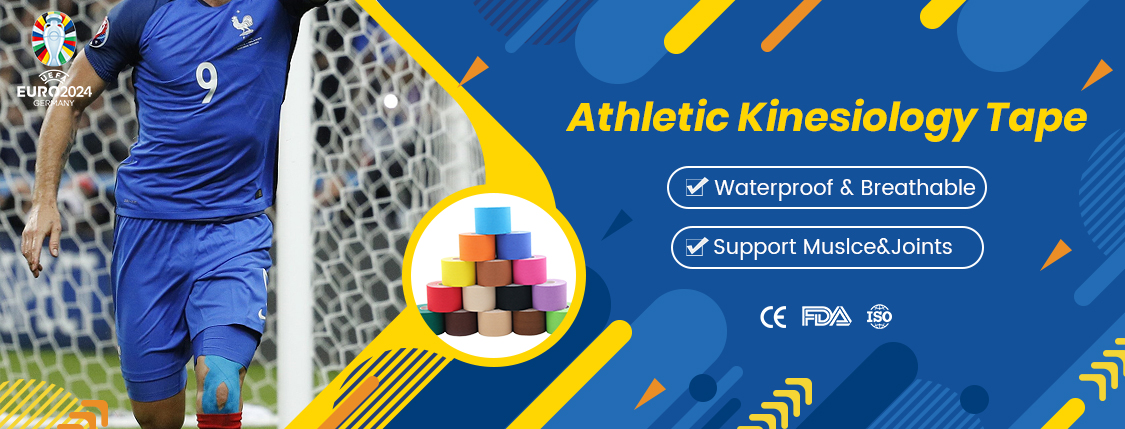
Common Uses
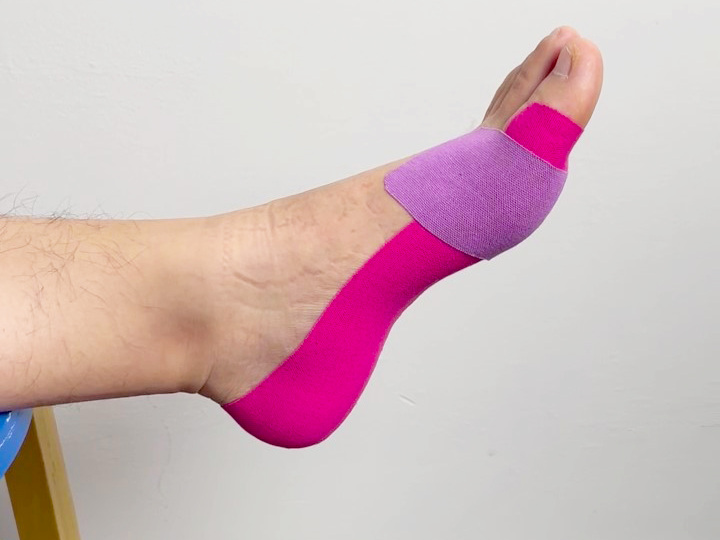
Injury management: plantar fasciitis, shin splints, patellofemoral pain (runner's knee), shoulder pain (rotator cuff), sprains, and strains.
Post-Operative/Swelling: Helping to reduce swelling and bruising by encouraging lymphatic drainage.
Muscle Re-education: Physio tape can help muscles that have lost their ability to function properly or have become accustomed to an unhealthy movement pattern.
Scar Management: In some therapeutic settings, it's used to help scars look better over time after an injury or surgery.
Market Brands and Common Types
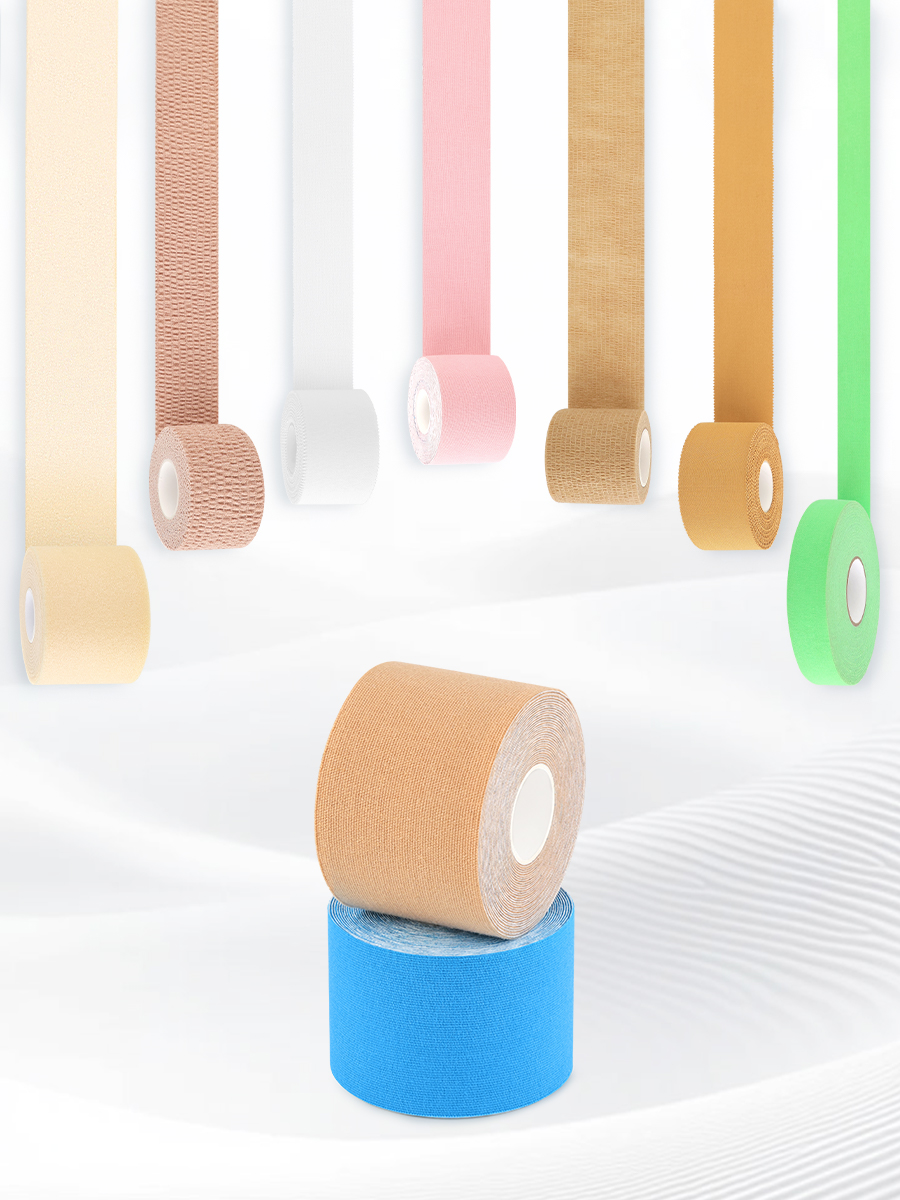
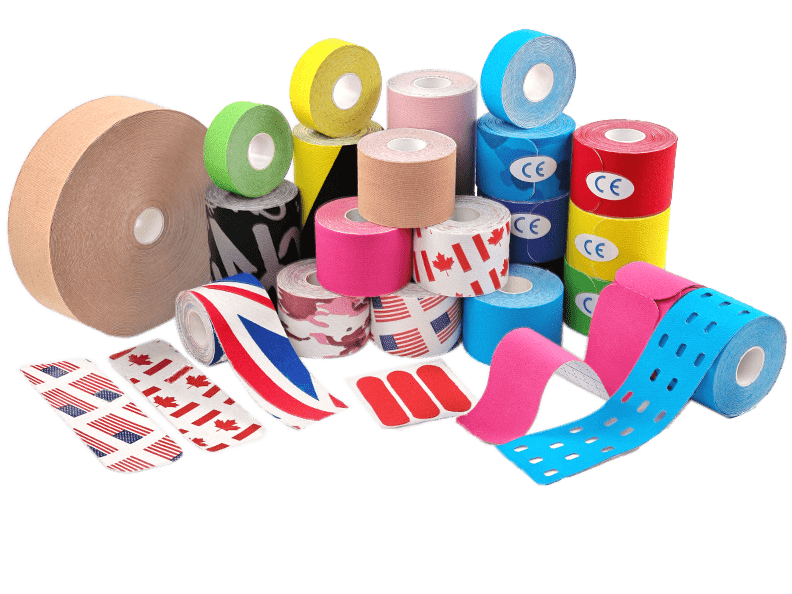
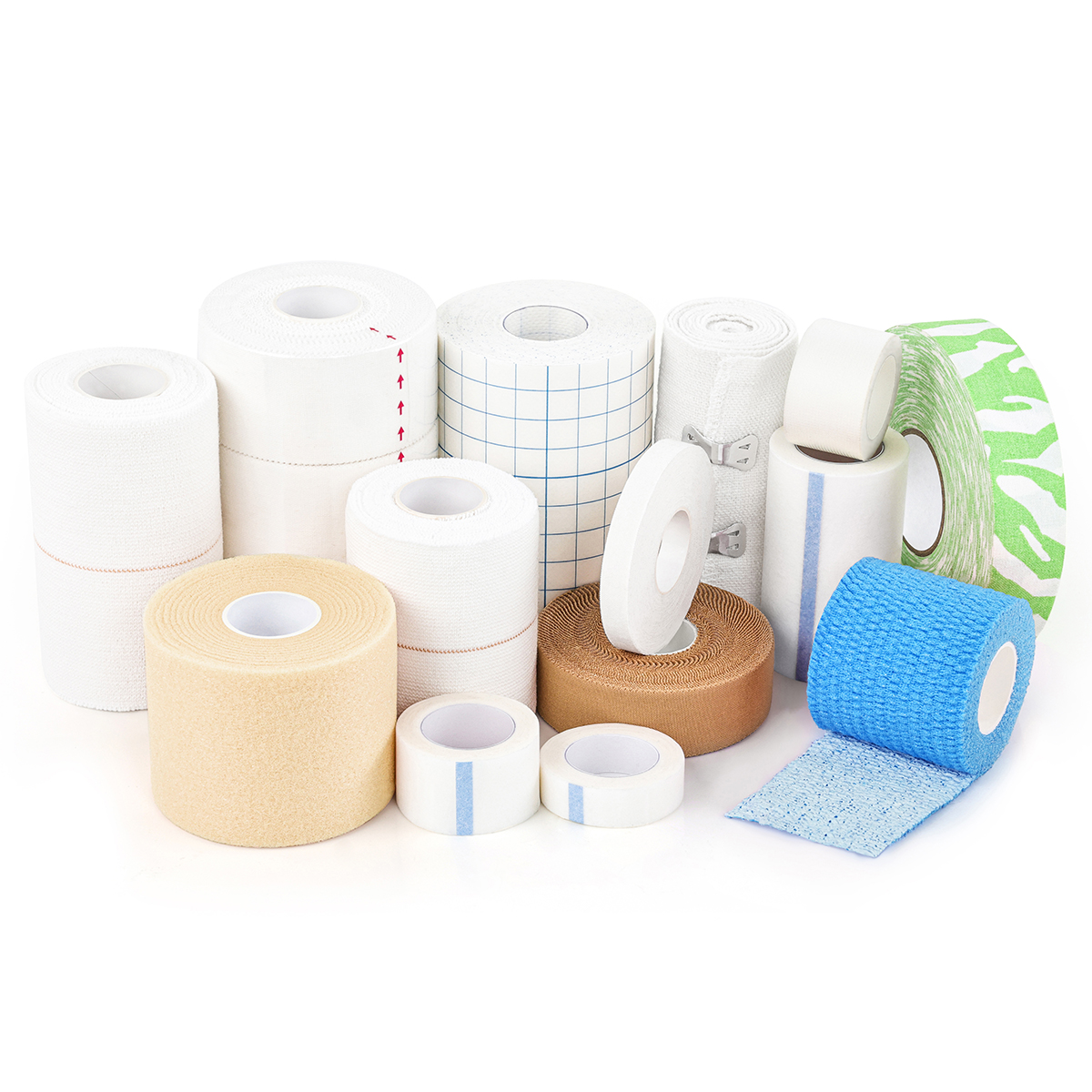
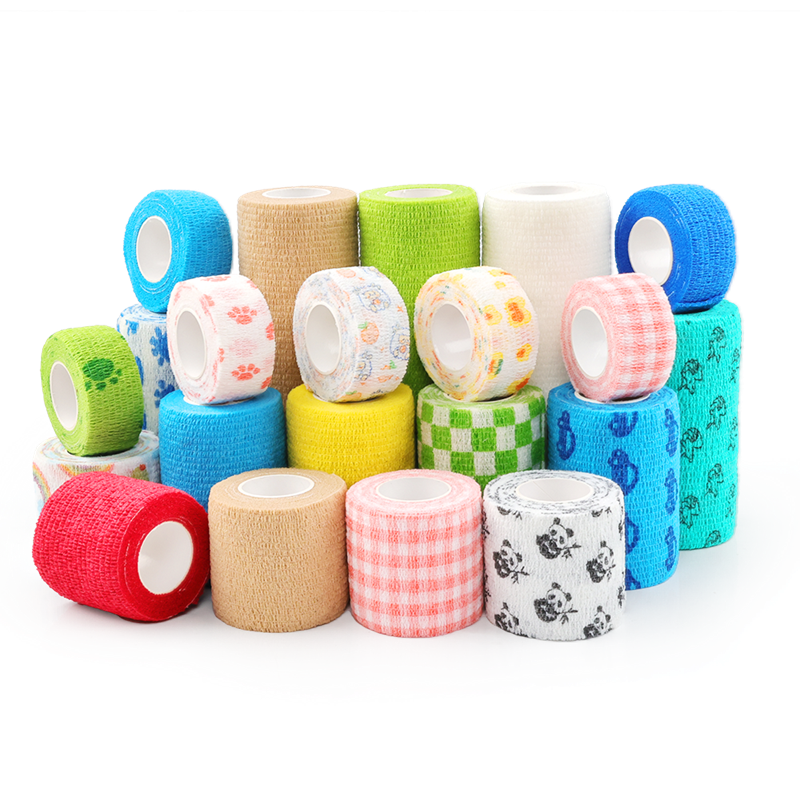
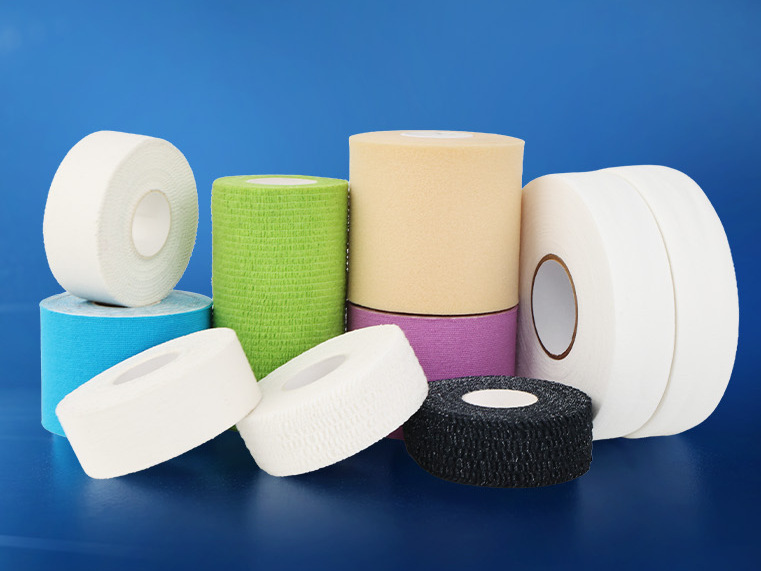
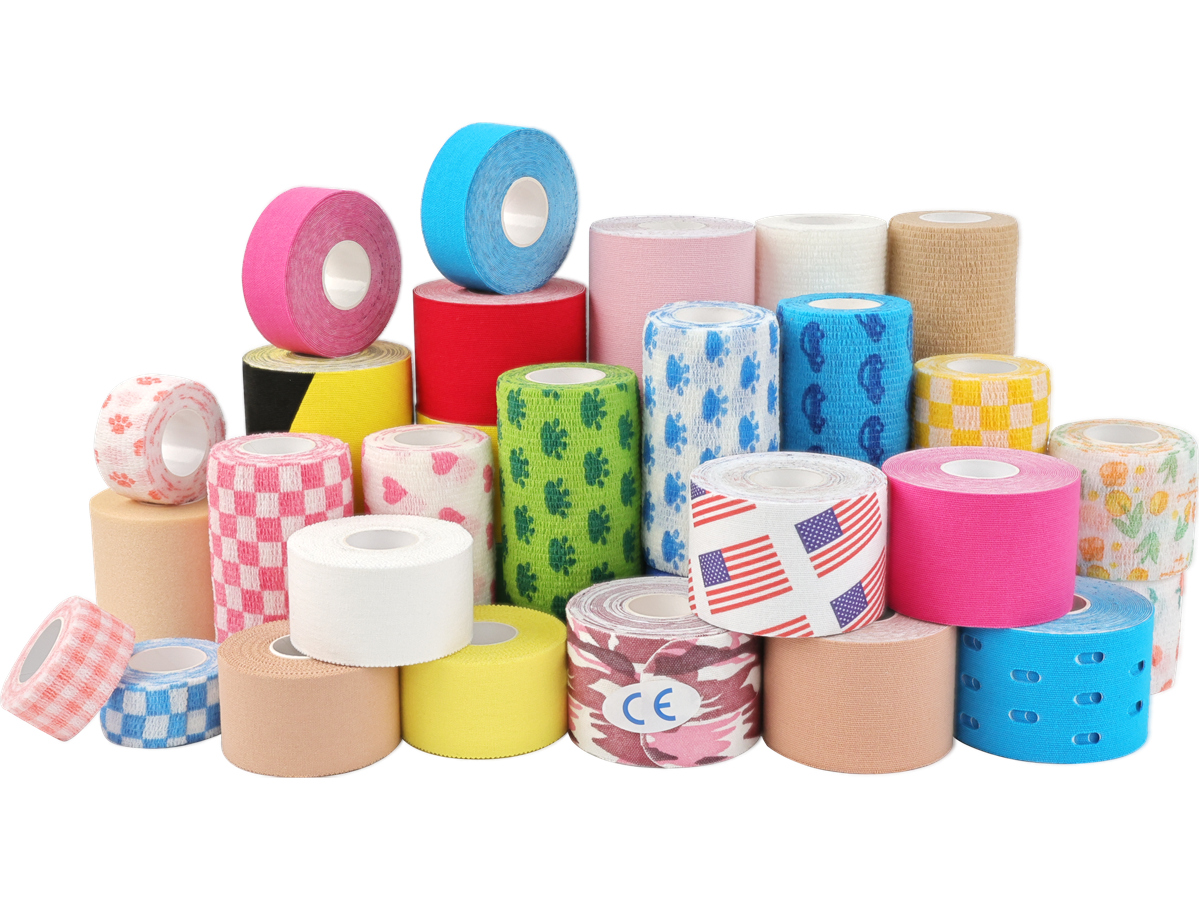
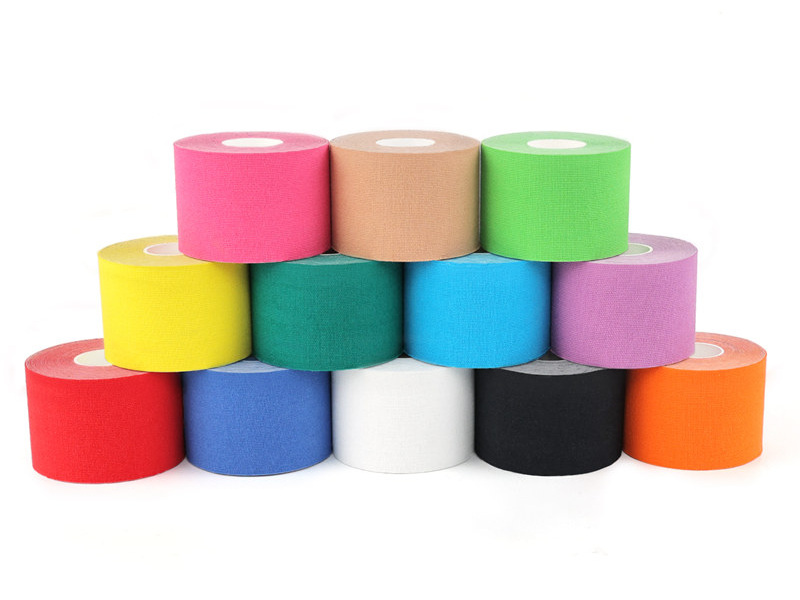
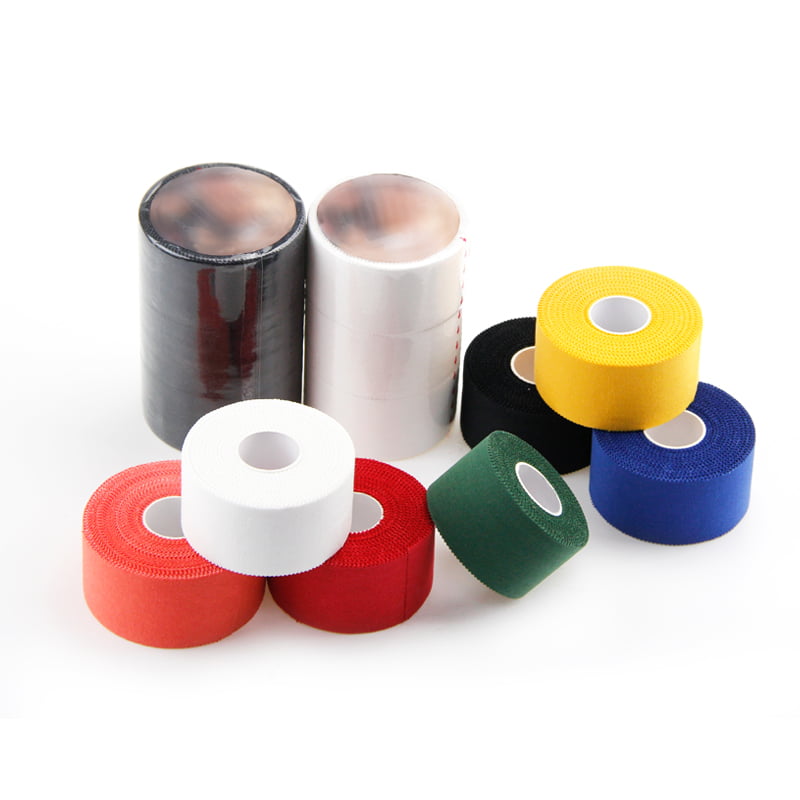
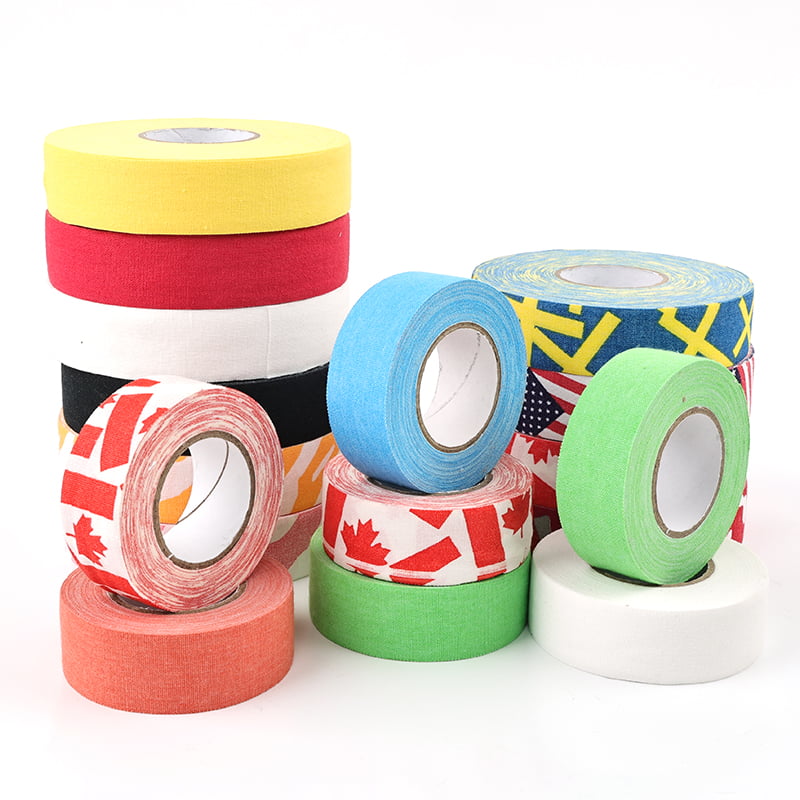
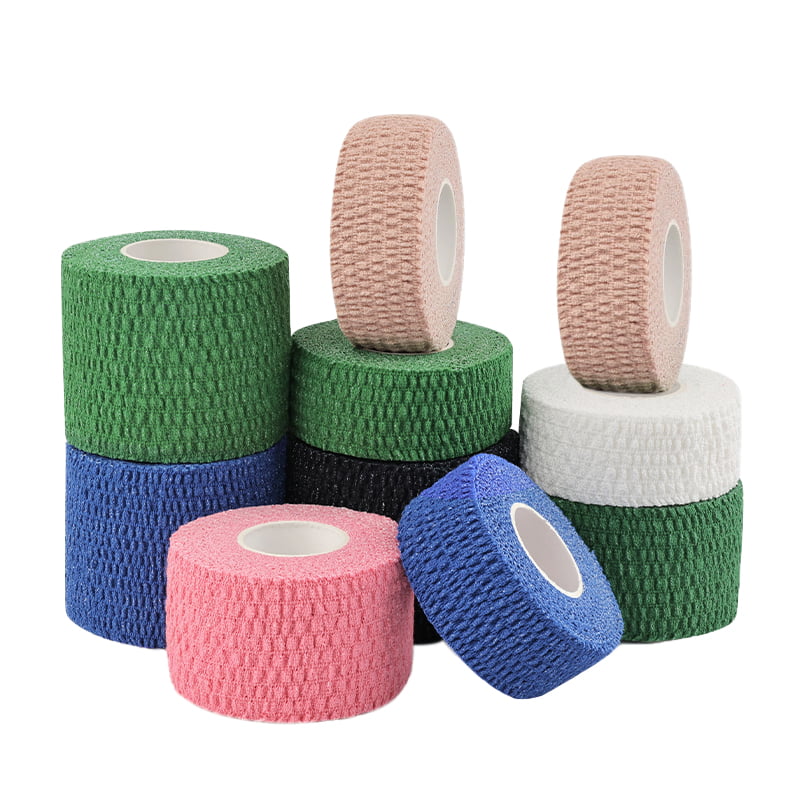
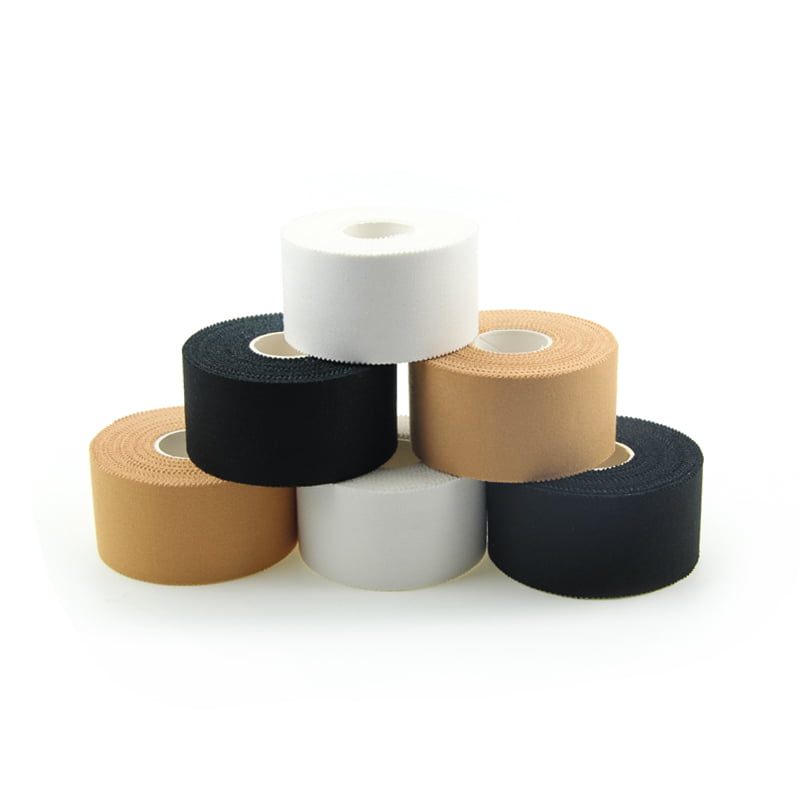
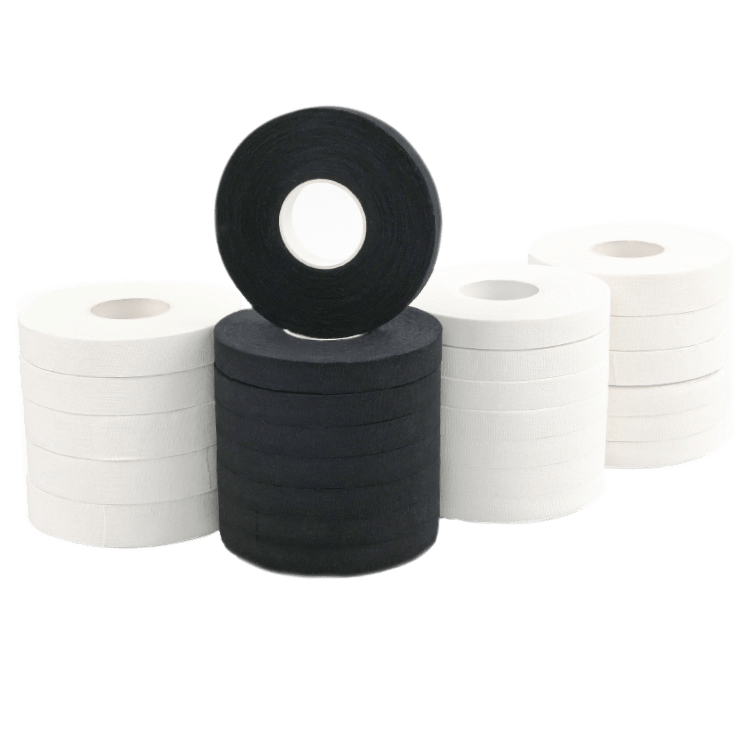
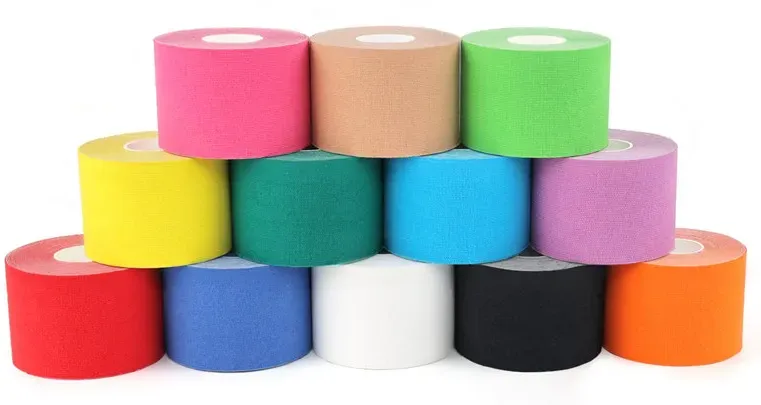
There are many different types of muscle tape available on the market, varying in terms of material and format.
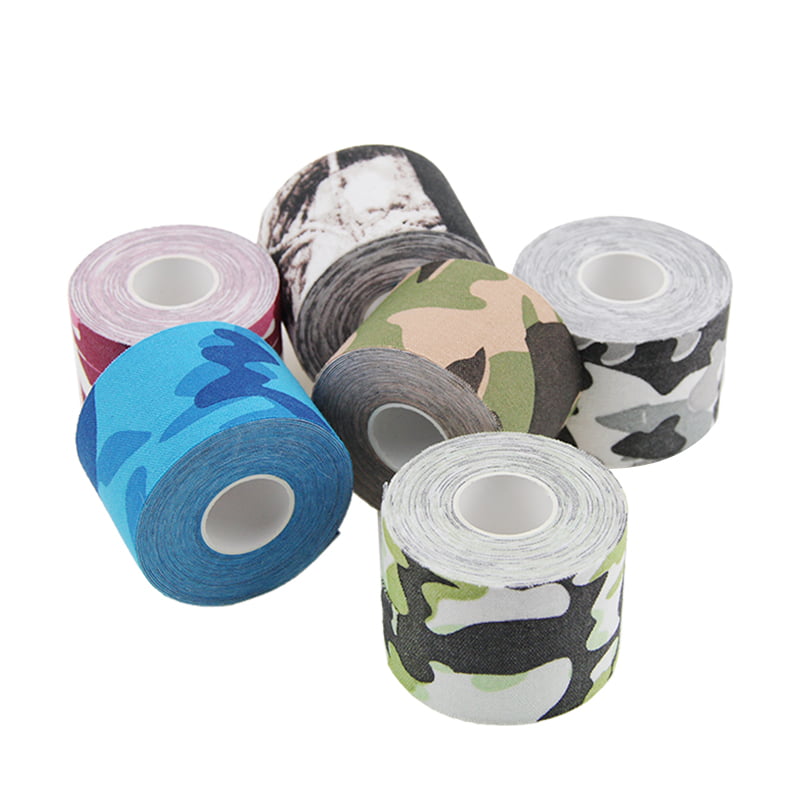
Different kinds of kinesiology tape
Cotton Material: Cotton kinesiology tape is the original choice. It breathes better and is usually softer.
Synthetic/Rayon Material: Synthetic kinesiology tapes are made from polyester or nylon and are better at keeping water out, drying faster, and adhering more effectively, making them ideal for high-intensity or water-based sports.
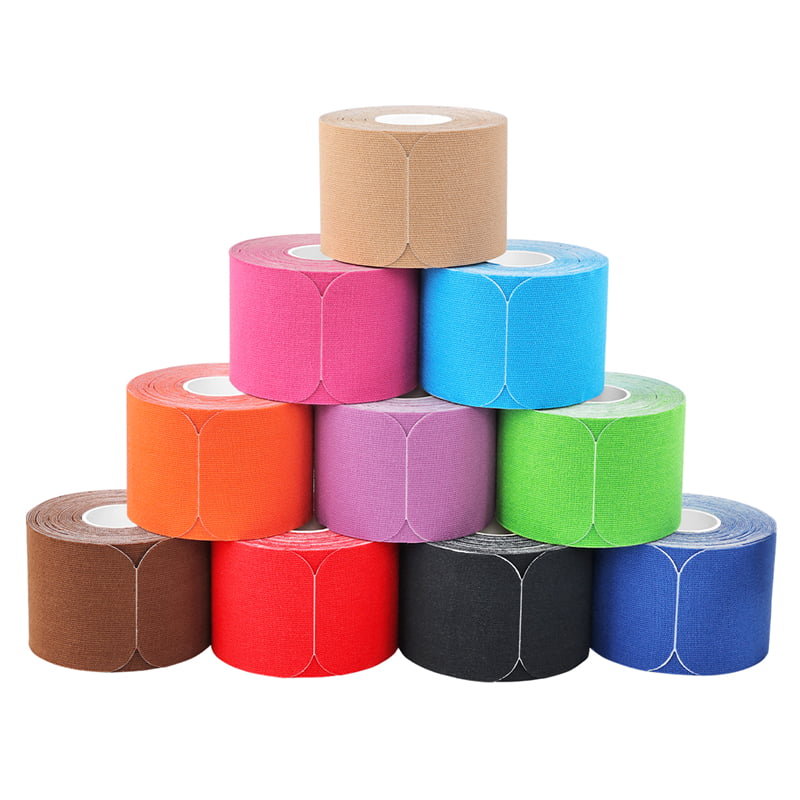
Pre-Cut Strips: Handy, pre-cut strips (usually 10 inches long) designed for quick, specific uses, such as supporting the knee or ankle.
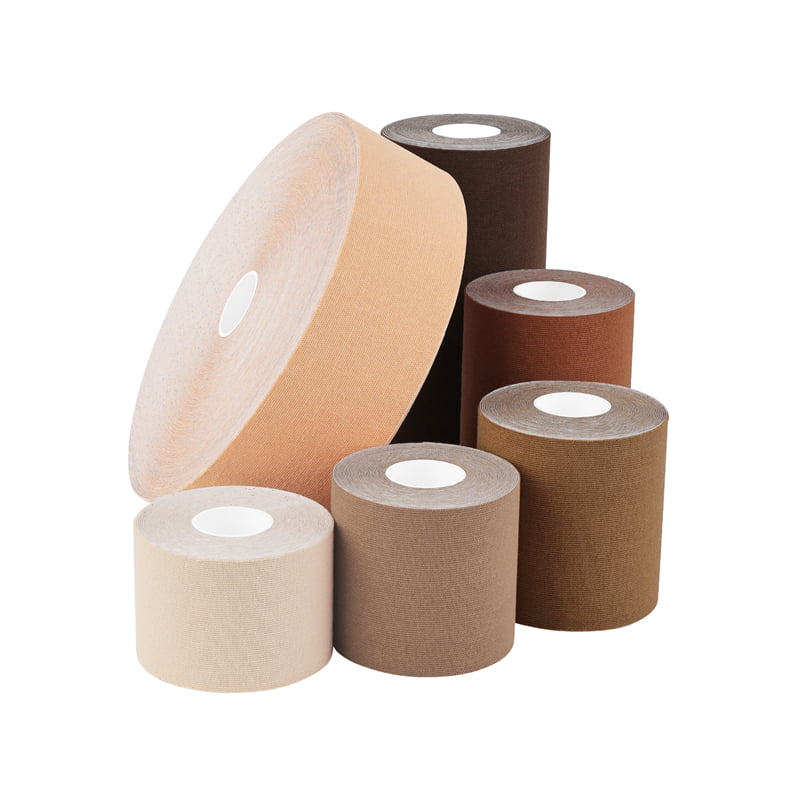
Uncut Rolls: These provide the most flexibility, allowing you to adjust the length and shape of muscle tape to fit any body part.
Top Kinesiology Tape Brands in the Market
Some of the most well-known and popular brands in the world are:
Dr. Kenzo Kase developed Kinesio Tex Gold, the first physio tape known for its comfort and breathability.
KT Tape (Lumos, Inc.): Very popular, especially its KT Tape Pro synthetic line, which is known for its strong performance and pre-cut strips.
RockTape: Many physical therapists like RockTape (Implus LLC) because it sticks better and lasts longer. It is often used in dynamic movements.
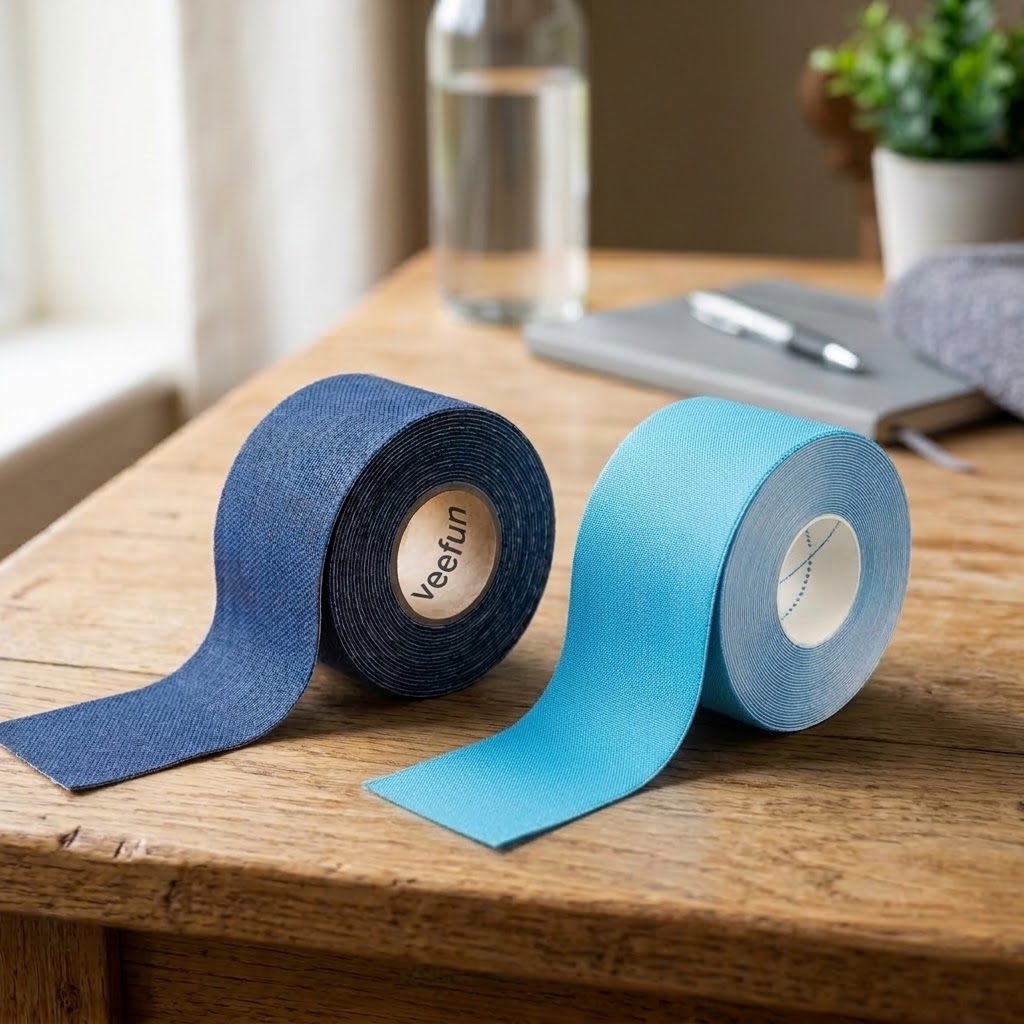
Veefun: As a direct-to-factory brand, Veefun eliminates intermediaries, offering industrial-grade quality with more competitive wholesale pricing. The price is lower, and the quality is more guaranteed.
TheraBand: A reliable, high-quality choice that is often used in clinical settings.
The global manufacturing and market dynamics
The kinesiology tape market is a global industry, but most of the production takes place in a few key areas.
Big Areas for Kinesiology Tape Manufacturing
The Asia-Pacific region is where most of the world's production takes place, particularly for Original Equipment Manufacturers (OEMs) and high-volume wholesale.
China is a major center for kinesiology tape manufacturing in the world, producing tape for numerous international brands and offering the best prices and the highest volume.
Price vs. Quality Comparison: Lower Price (Usually from China or Volume OEMs)Better Quality (Usually from Brands in the US, EU, Japan, and South Korea)
Cost: Usually cheaper because they produce a large quantity, and the cost of production is lower. Higher because of research and development, better materials, and brand value.
Quality can vary significantly: Suitable for basic use, but the adhesive strength, elasticity, consistency, and skin sensitivity may not be as robust. Better sticking, consistent stretching, and often use high-quality, hypoallergenic adhesives, such as medical-grade acrylic.
For people with sensitive skin, adhesive may cause their skin to become more irritated. Generally gentler and more dependable, they adhere better, even when wet or sweaty.
To sum up, many finished, branded products are made in North America (like KT Tape and RockTape), but most of the physio tape itself is made in the Asia-Pacific region (China, Japan, and South Korea). China usually offers the lowest prices, but brands that utilize factories in Japan or South Korea often prioritize high quality, which remains consistent.
The Best Kinesiology Tape Manufacturers in China (With Factories)
These firms are known for their ability to make things, their expertise with exports, and their quality control:
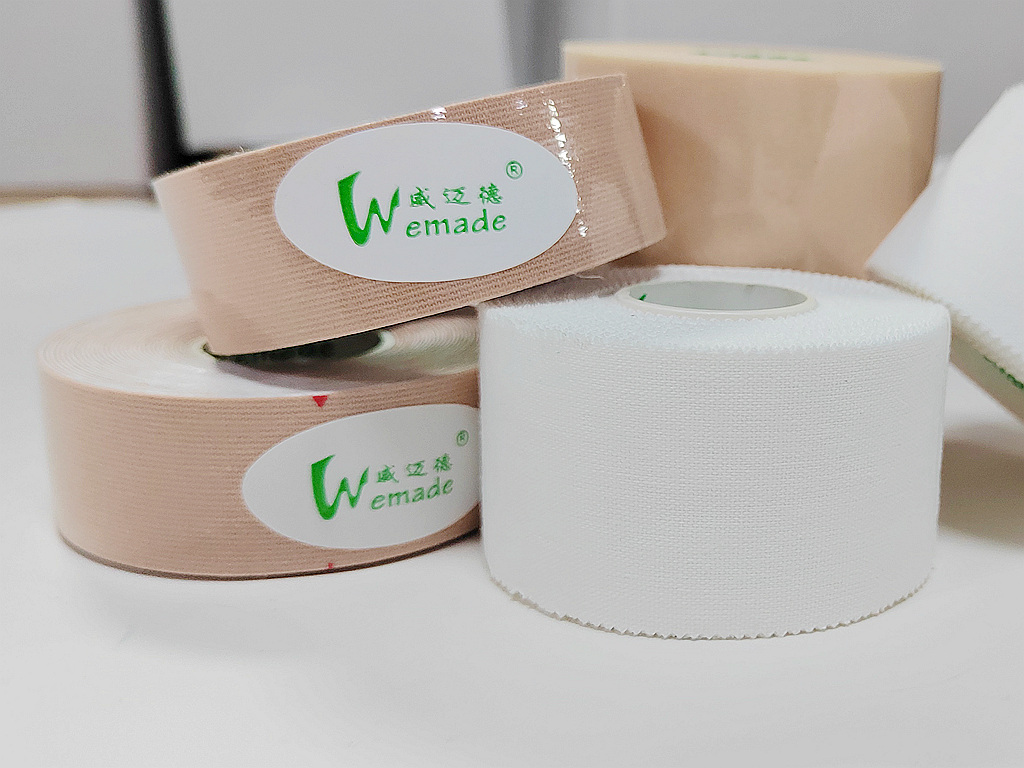
Wuxi Wemade Healthcare Products Co., Ltd.
Based in Wuxi, Jiangsu.
Focuses on kinesiology tape, cohesive bandages, and sports tapes
Provides OEM and private label services

Hangzhou Gspmed Medical Appliances Co., Ltd.
Located in Hangzhou, Zhejiang.
Makes physio tape and other medical supplies
Famous for items that have CE and FDA approval
Zhejiang Longterm Medical
Located in Zhejiang Province
Eco-friendly production lines
OEKO-TEX certified manufacturing
Dongguan Haixiang Adhesive Products Co., Ltd.
Based in Dongguan, Guangdong.
Includes physio tape and a lot of other types of sticky tape
Intense research and development and customisation skills
Aupcon Medical Technology (Wuxi) Co., Ltd.
Based in Wuxi, Jiangsu Province.
Aupcon is a professional company that makes kinesiology tape, cohesive bandages, sports tapes, and other medical supplies.
Shijiazhuang Maikesi Brace Technology Co., Ltd.
Based in Shijiazhuang, Hebei.
Makes orthopaedic supports, kinesiology tape, and braces
Changzhou DL Medical and Health Equipment Co., Ltd.
Located in Changzhou, Jiangsu.
Sells muscle tape and other medicinal fabrics
Shanghai Knowsports Athlete Goods Co., Ltd.
Based in Shanghai.
Focuses on sporting gear, muscle tape, and sports tape
Anhui Jinye Industrial Co., Ltd.
Located in Anhui Province.
Sells OEM kinesiology tape and medical dressing items
PhysioTaping (Suzhou City)
Located in Suzhou, Jiangsu.
Focuses on muscle tape that is high quality and has FDA and CE certifications
A Short Note About Application
Proper use of kinesiology tape is crucial to maximize its effectiveness. This product doesn't work for everyone. You need to know a lot about how to apply muscle tape correctly and at the right angle, whether it's to stop or help muscle movement or to drain lymphatic fluid.
Before you start using physio tape as part of your recovery plan, you should always talk to a licensed physical therapist or other trained health care professional.