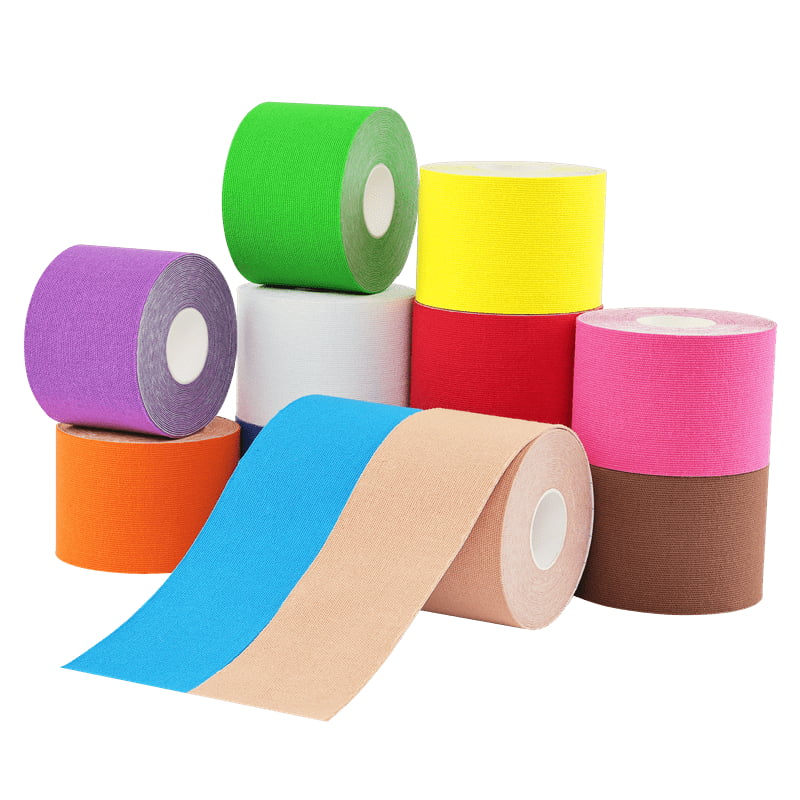
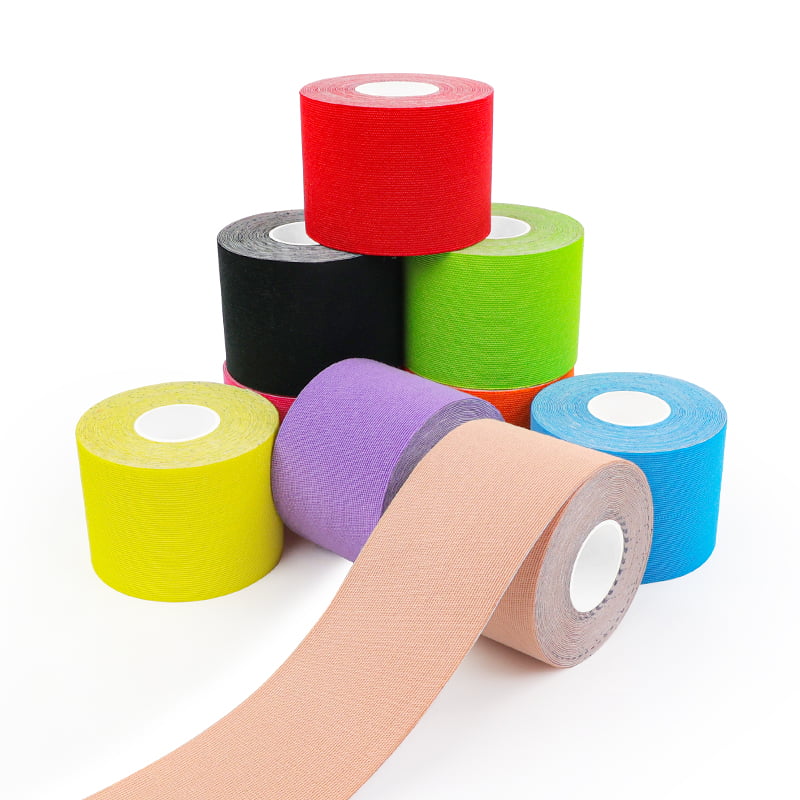
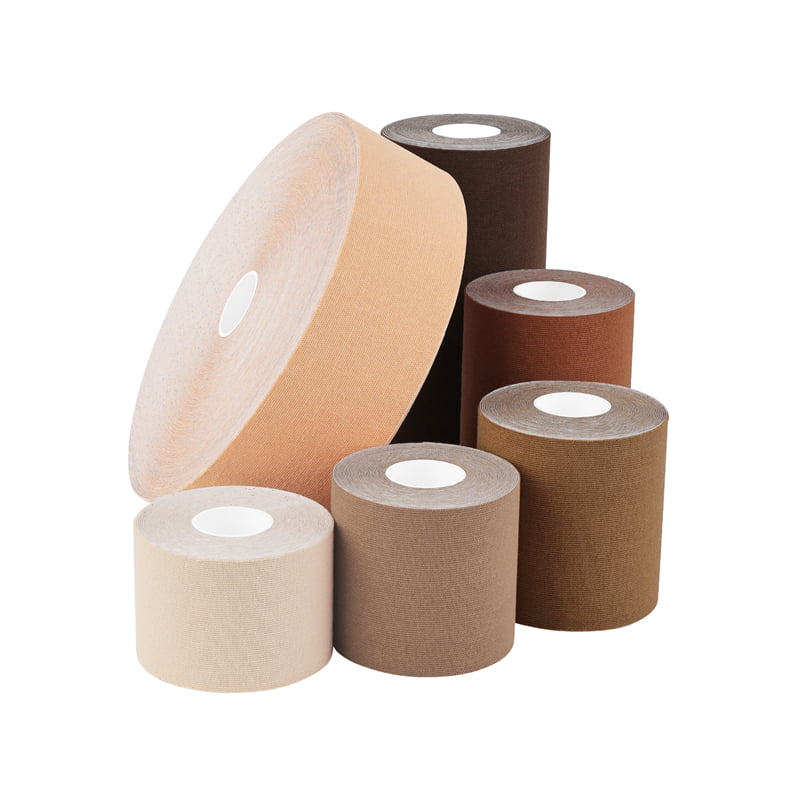
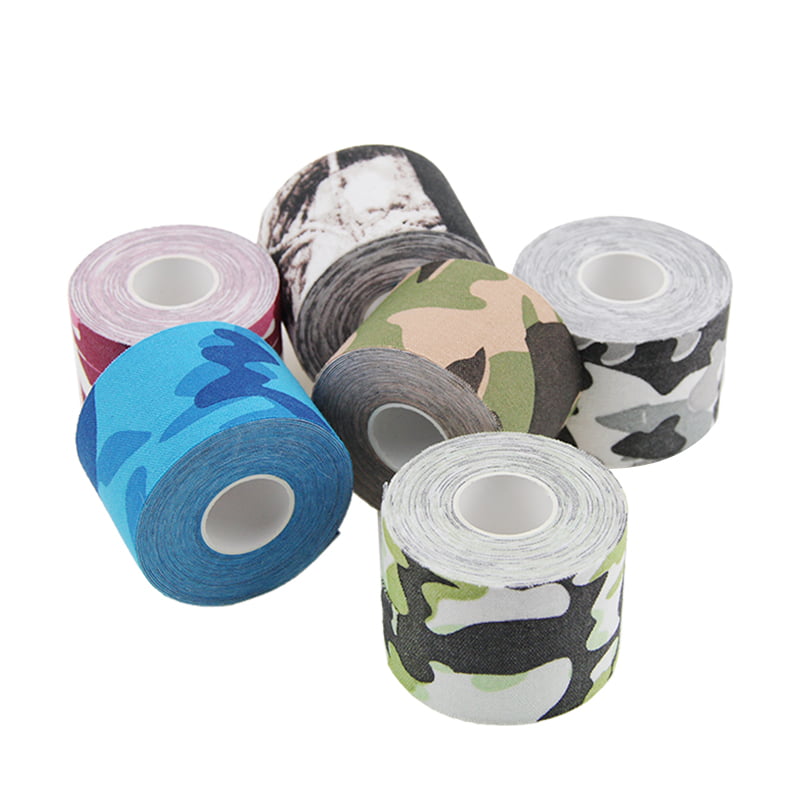
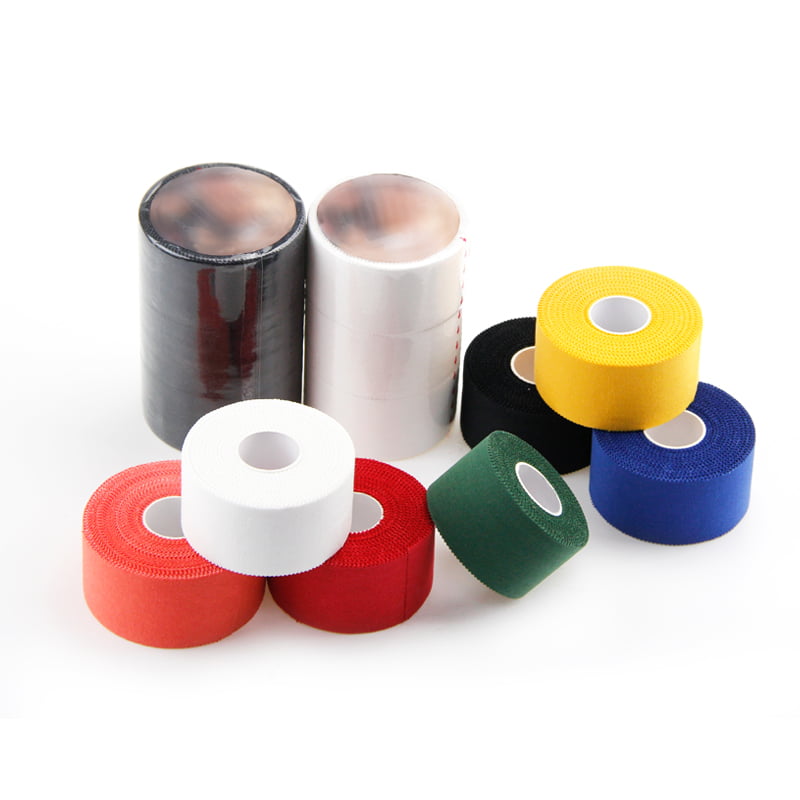
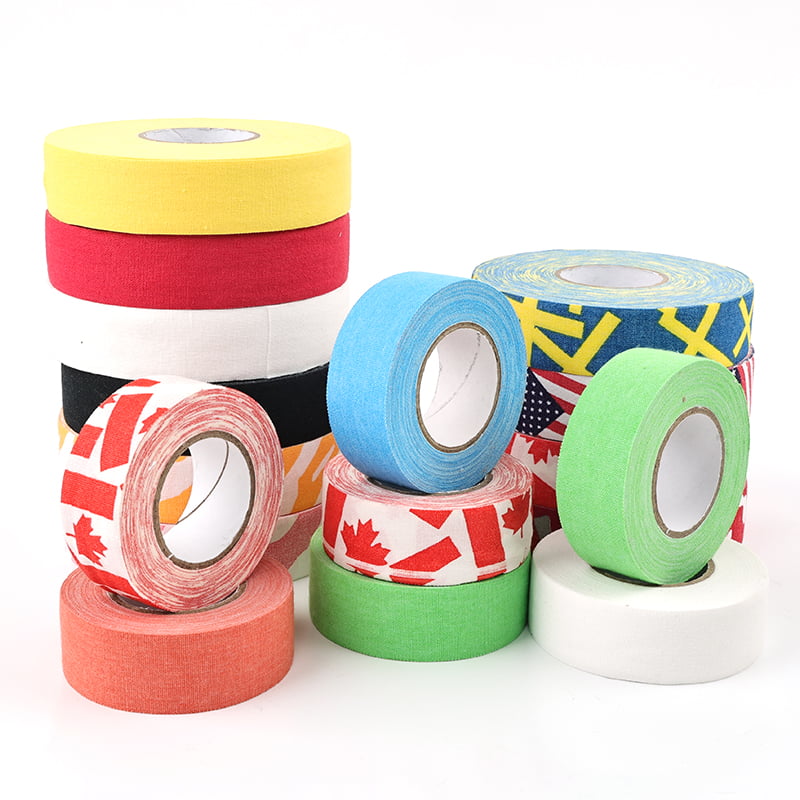
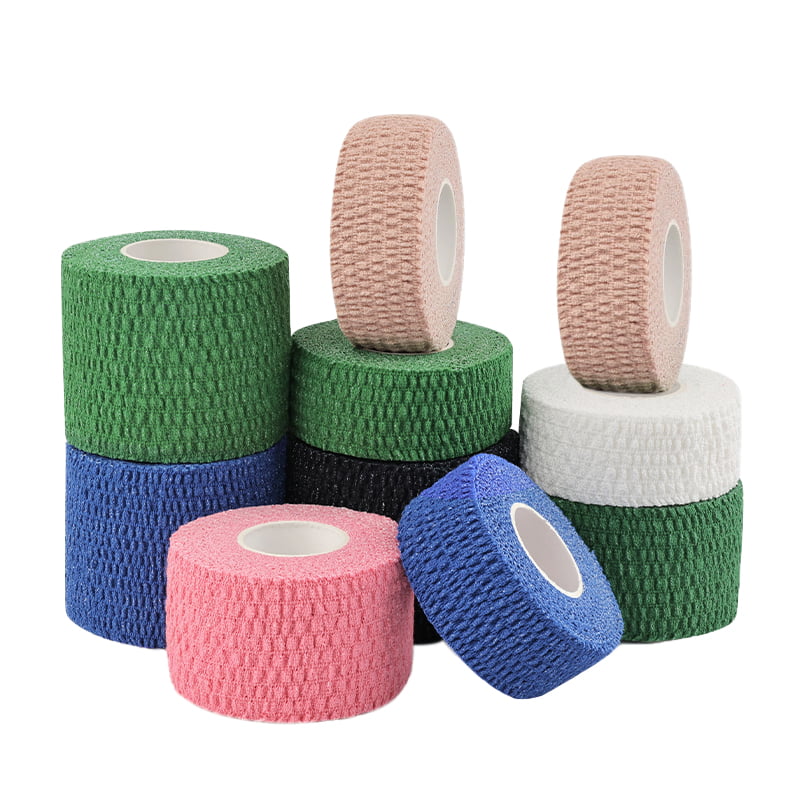
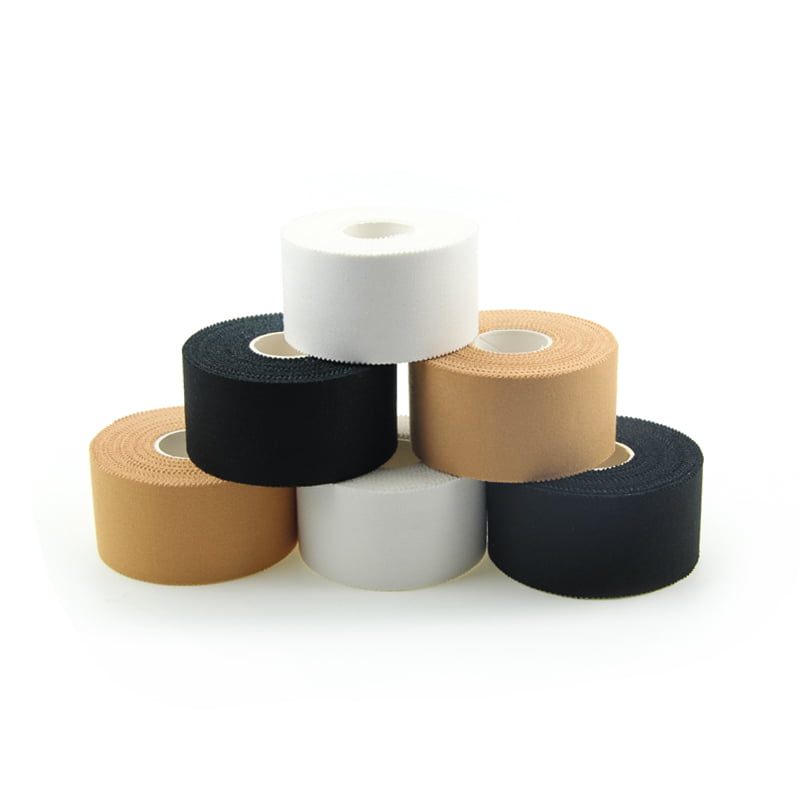
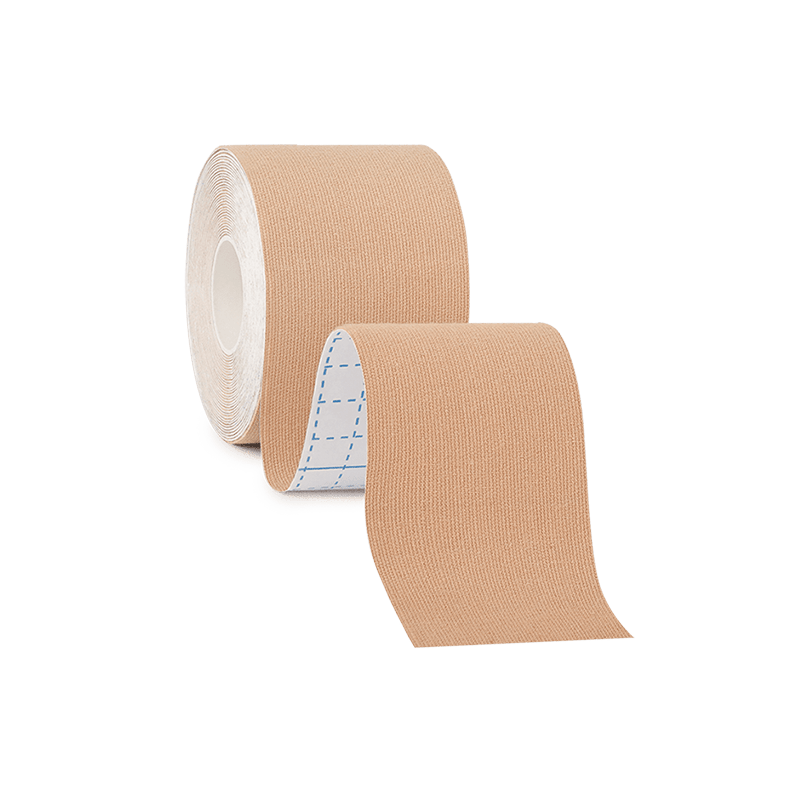
As people place increasing importance on healthy living, many are starting to pay attention to sports-related products, and kinesiology tape is one of them. Many people are curious about what kinesiology tape is, how it works, and whether it's truly effective. Today, we'll answer these questions in an article.
What is kinesiology tape?
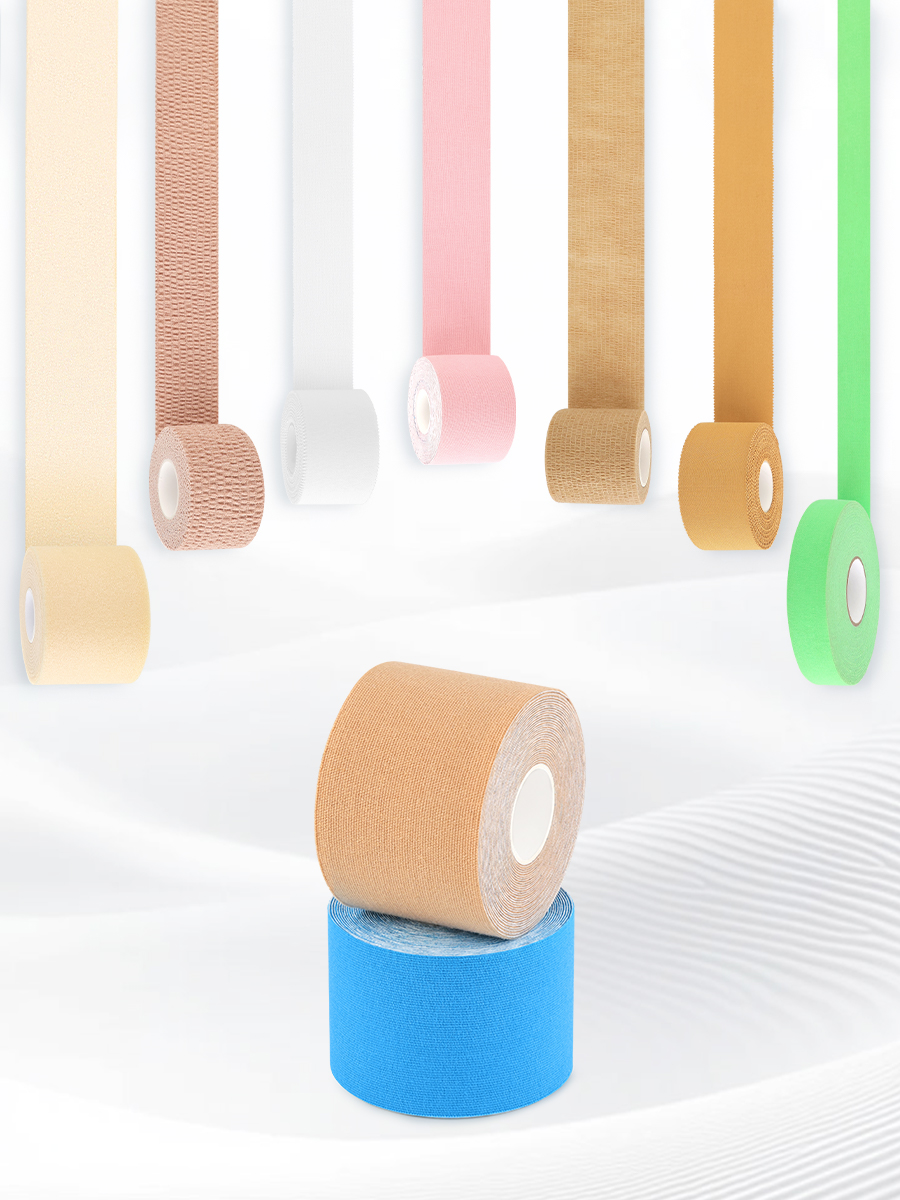
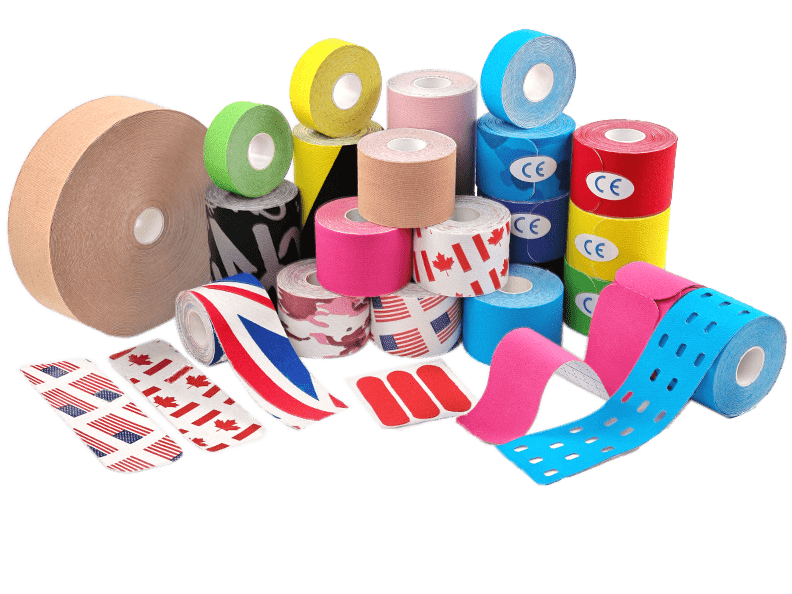
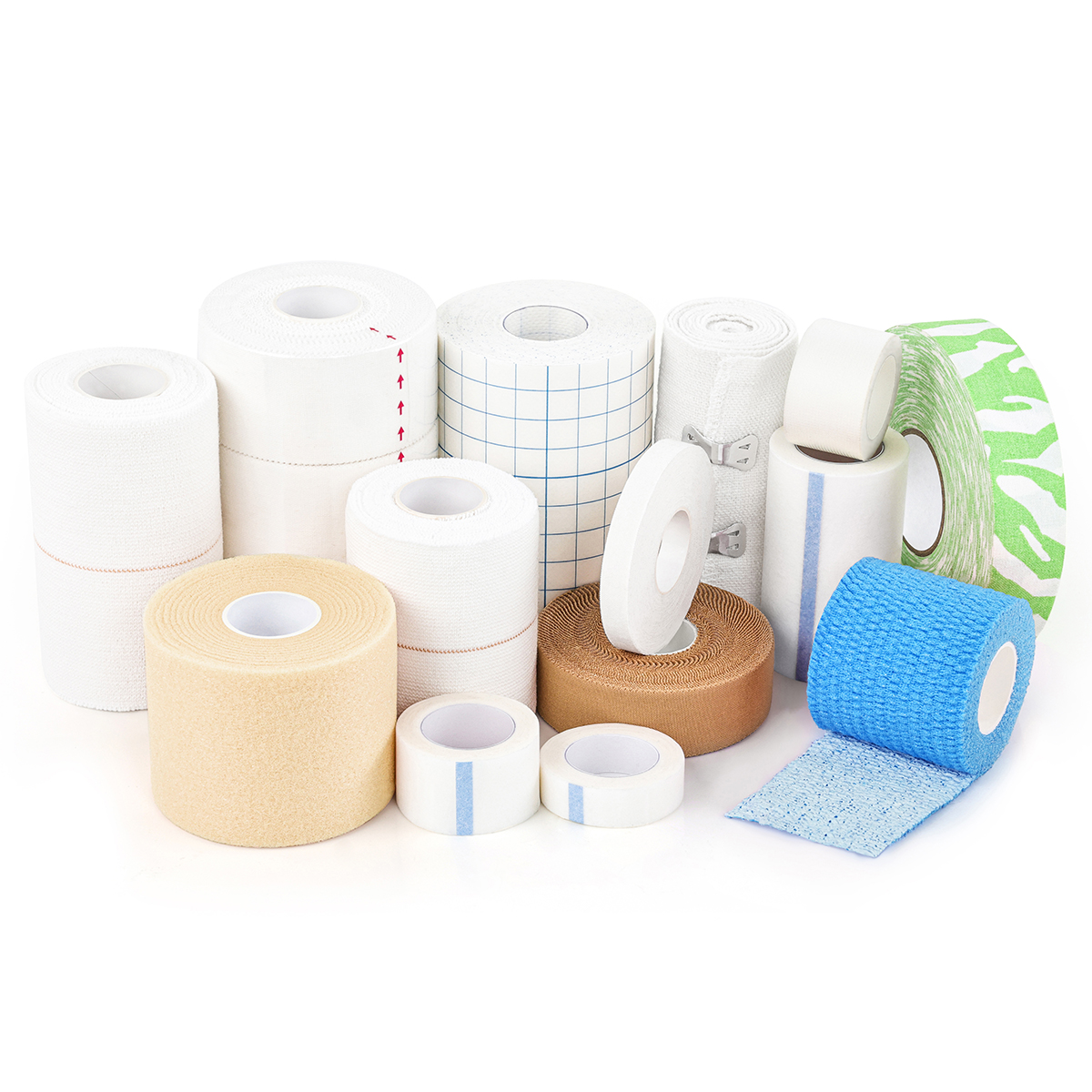
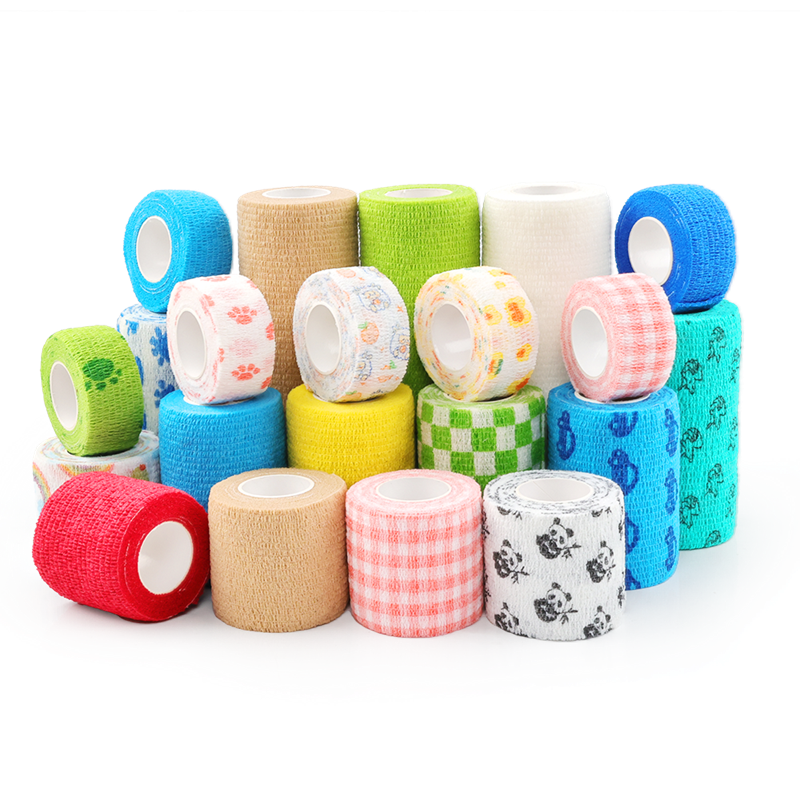
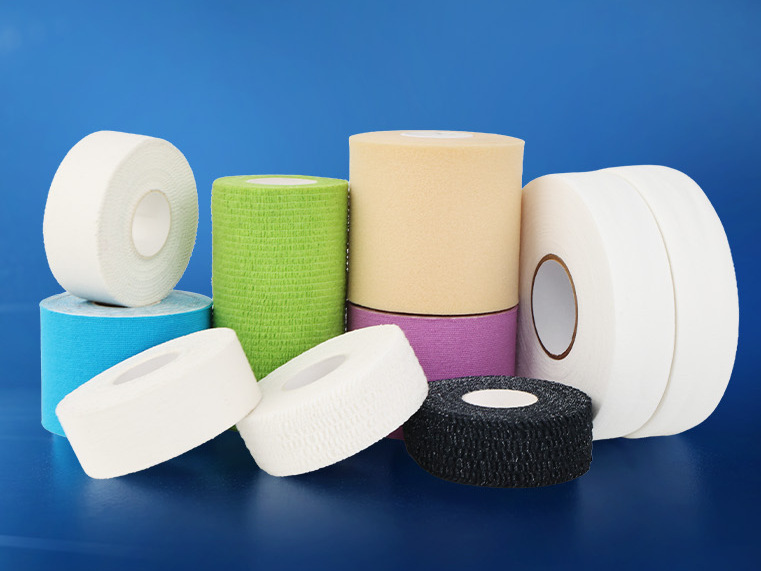
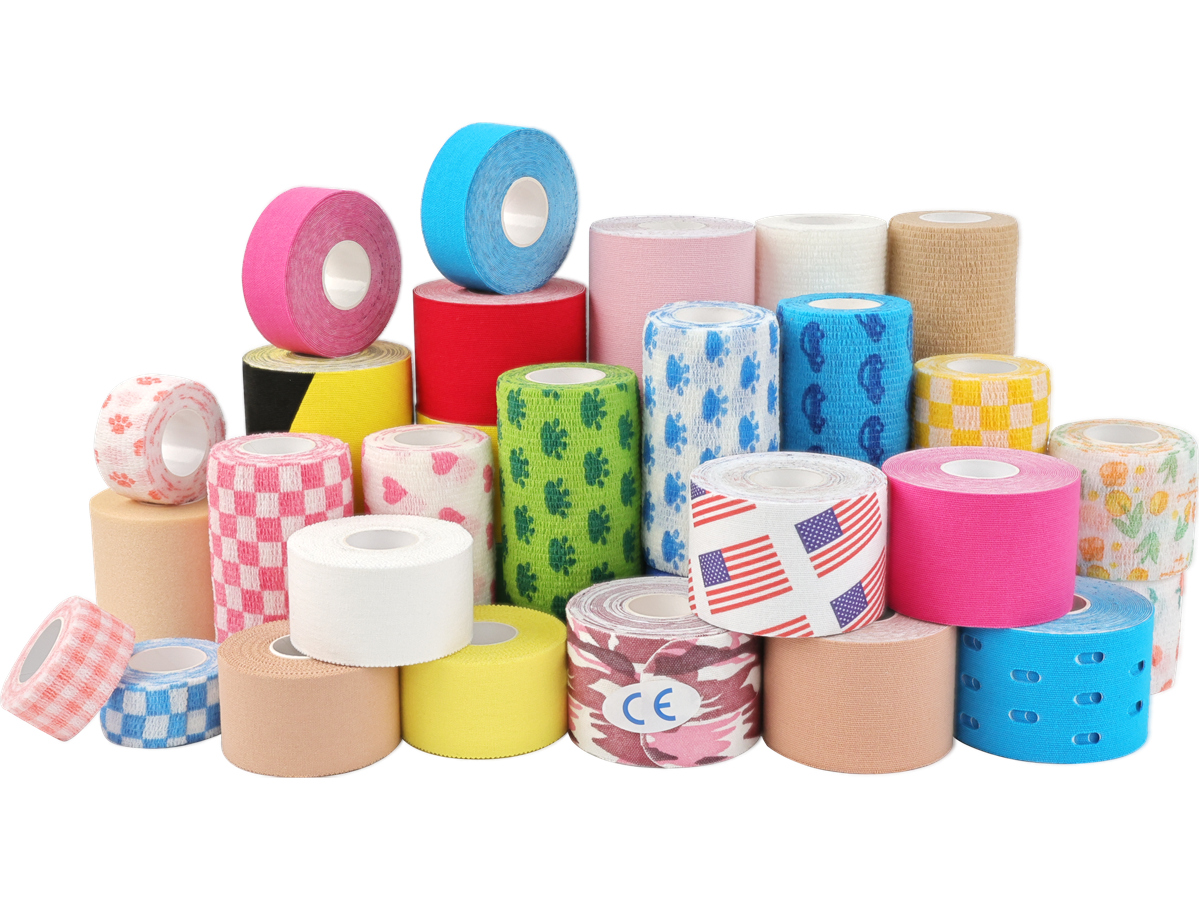
Kinesiology tape, often referred to as injury tape, pain tape, or elastic therapeutic tape, is a stretchy, cotton-based or synthetic adhesive tape that helps support muscles, joints, and ligaments without restricting movement. Kinesiology tape differs from regular sports tape in that it gently lifts the skin to enhance blood and lymphatic flow, alleviate pain, and support the body's healing process.
Japanese chiropractor Dr. Kenzo Kase developed injury tape in the 1970s. Now, it is a vital tool in sports medicine, physical therapy, and rehabilitation worldwide. Athletes, trainers, and even regular folks utilise it to feel better and do better.
What is the purpose of kinesiology tape?
Kinesiology tape works by utilizing biomechanics and stimulating the nervous system. When used correctly, injury tape interacts with the skin, muscles, and nervous system in several ways:
Lifting and decompressing the skin
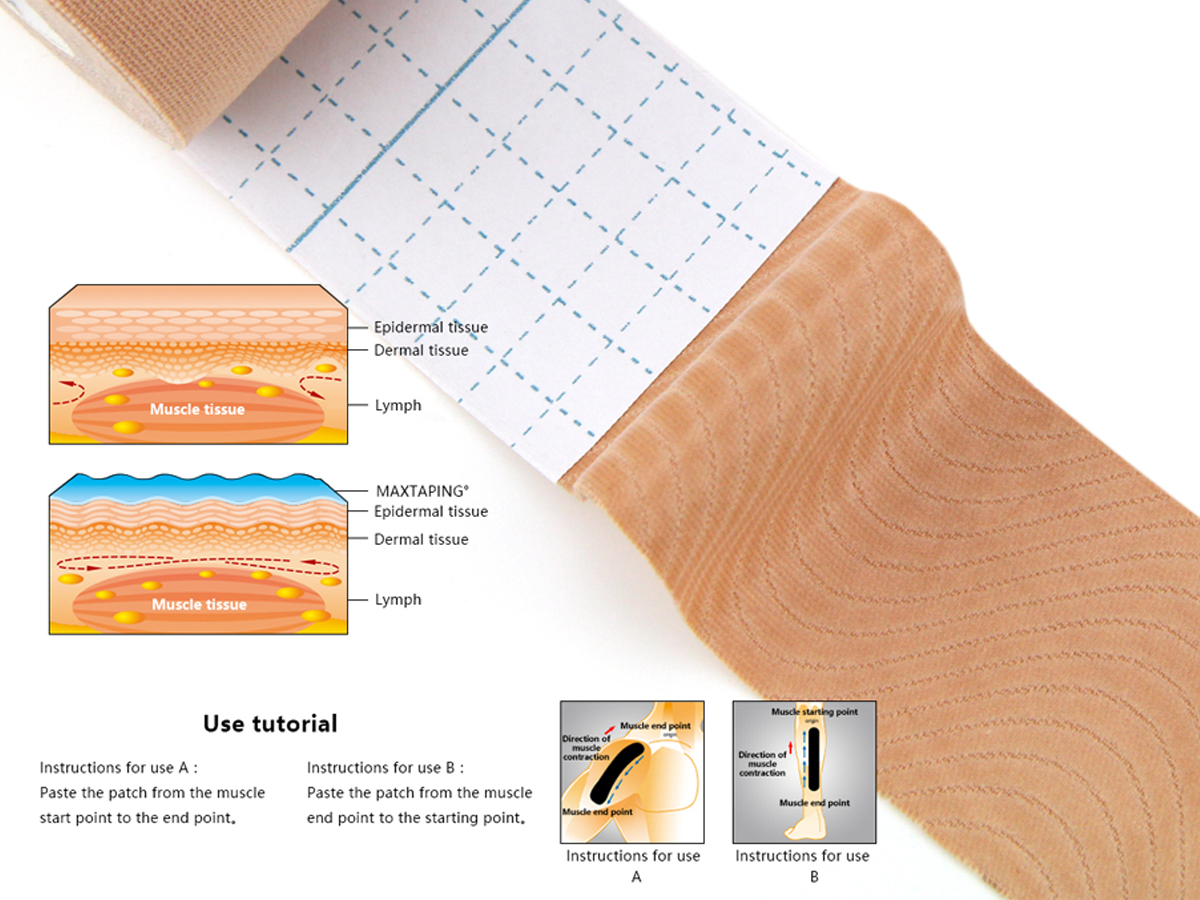
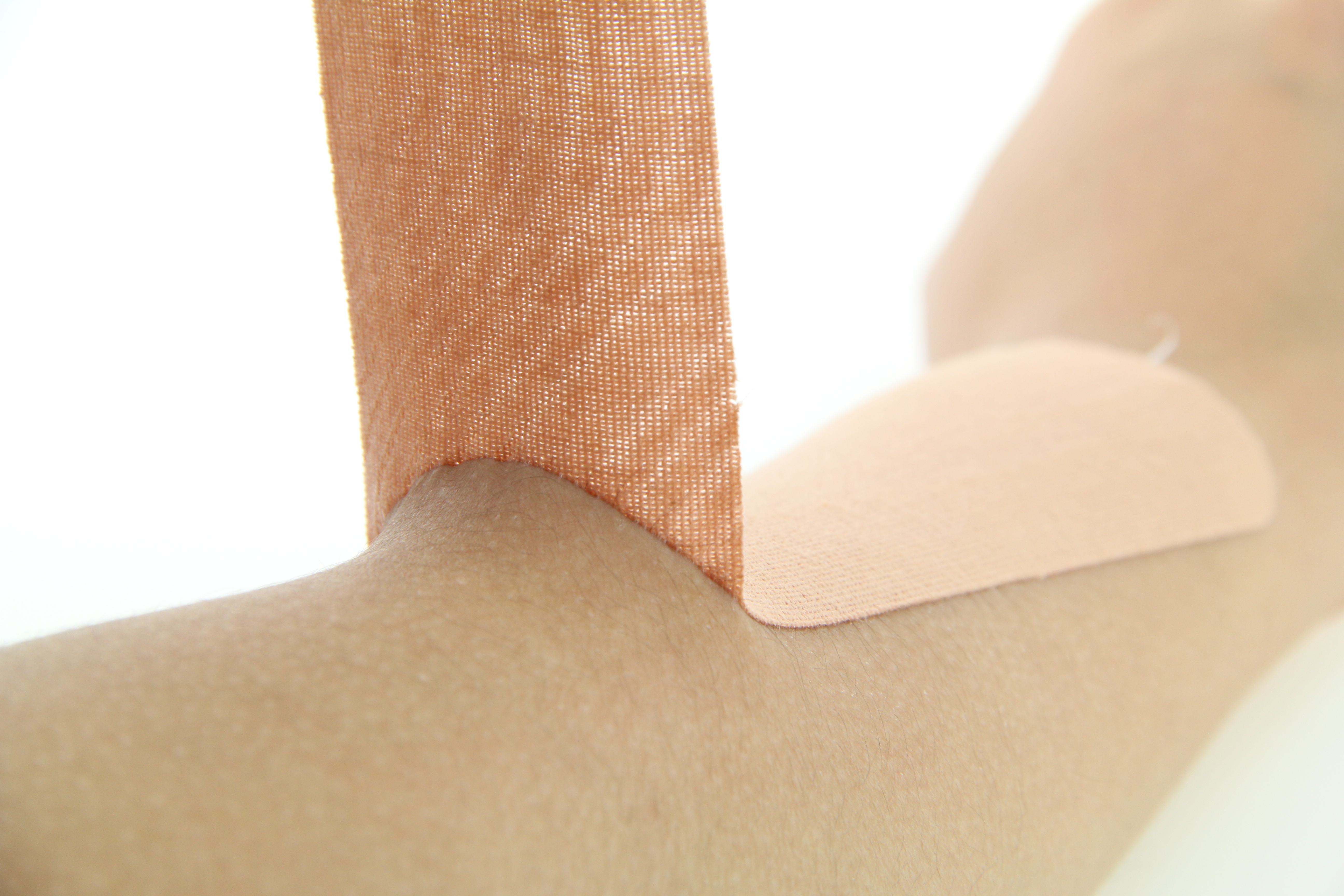
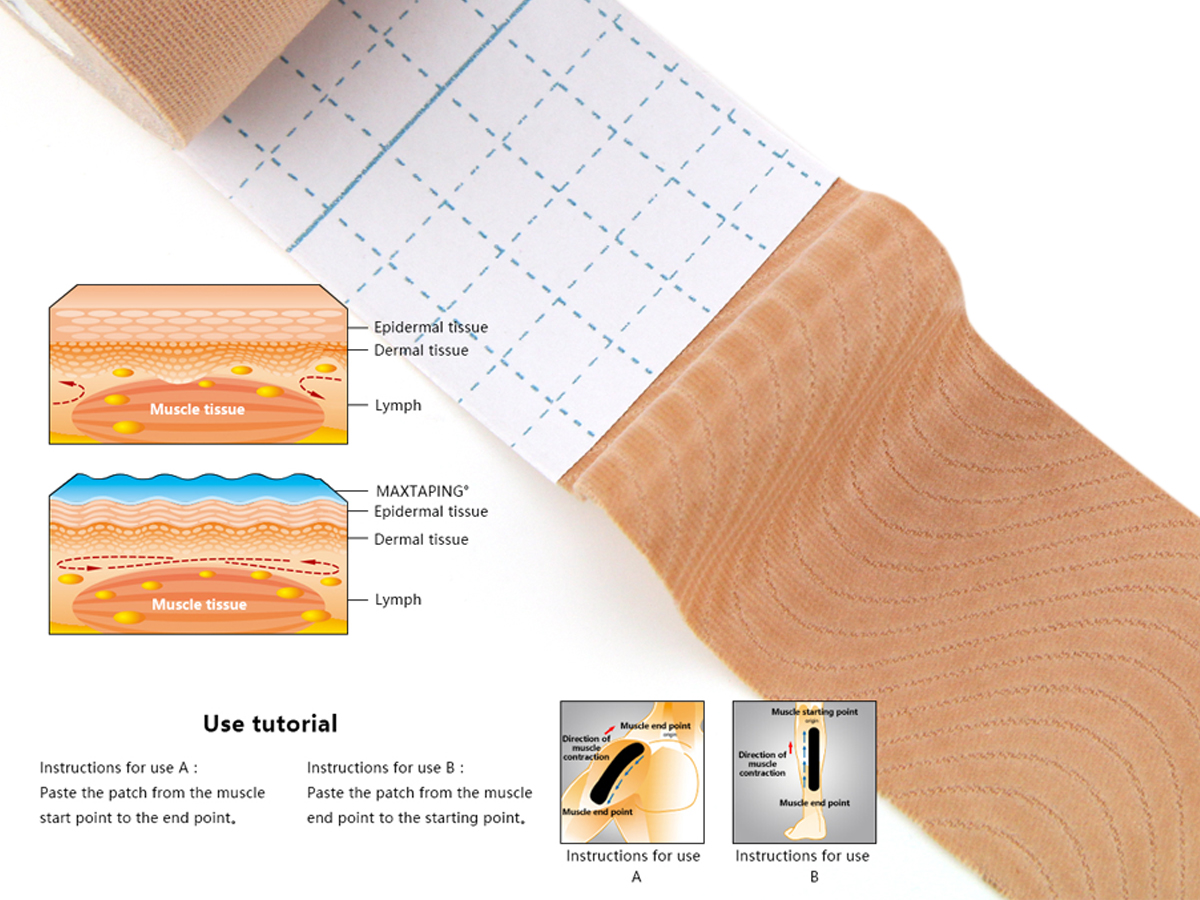
Pain tape is stretchy, capable of stretching to 140–180% of its original length. When the tape is applied to stretched skin and the body relaxes, it gently raises the skin's surface.
This lifting effect generates tiny holes between the skin and the fascia underneath it, which can:
Enhance blood flow and lymphatic drainage
Lower inflammation and oedema
Lower the pressure on pain receptors (nociceptors)
Help the body recuperate quickly
That's why people often use kinesiology tape on swollen knees, shoulders, and ankles after an accident or a lot of activity.
Pain relief through feedback from the senses
When injury tape stimulates the skin's sensory nerves, it sends conflicting messages to the brain. The Gate Control Theory of Pain says that non-painful input (from the tape) closes the "gates" to painful input.
Because of this, the brain perceives the taped region as hurting less.
This sensory input also helps athletes become more aware of their bodies (proprioception), which enables them to move more effectively and prevent injury.
Support for muscles and better function
Kinesiology tape can help or hurt muscular contraction, depending on how it is used.
The tape helps and stimulates weak muscles when it is put on from the origin to the insertion.
It helps relax muscles that are either tight or too active when applied from the insertion to the origin.
Taping the quadriceps, for example, can help them work harder when you squat or run, while taping the calf can help the gastrocnemius muscles relax after a long run.
This means that injury tape can be used for various purposes, such as improving performance and preventing injuries.
Fixing posture and alignment
Many physical therapists use kinesiology tape to help people improve their posture, such as in the shoulders or upper back. When the user slouches, the tape gently pulls on them, reminding them to keep their body in the right position.
This feature is especially useful for individuals who work in offices or participate in sports and develop poor posture by repeating the same actions over and over again.
Protecting the Skin
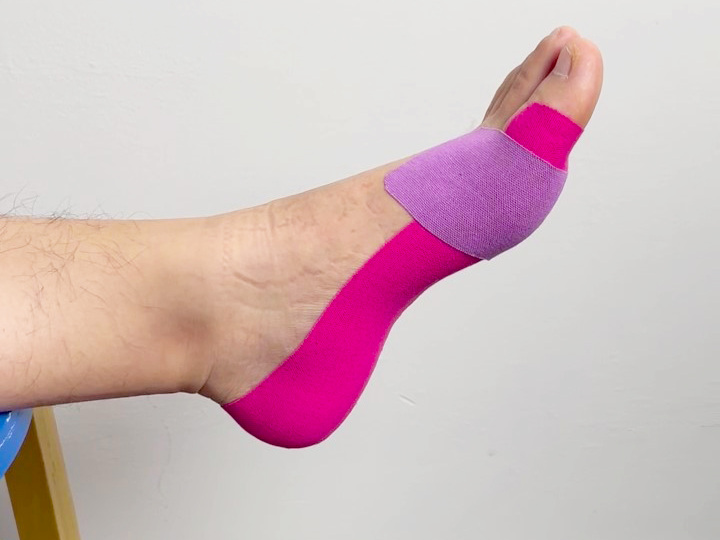
Kinesiology tape is often used to protect the skin of the arms, elbows, and thighs. Pain tape comes in many forms, such as turf football tape for soccer players and thigh and heel chafing patches for marathon runners. But turf football tape is broader, and thigh and heel chafing pads are already cut to fit certain sizes and shapes.
The Science of Kinesiology Tape
Injury tape research has yielded mixed results, but several studies and clinical observations indicate that it can help alleviate pain, reduce edema, and improve range of motion in the short term.
This is what science says right now:
Pain Relief: Several studies have found that kinesiology tape can help alleviate symptoms associated with knee osteoarthritis, shoulder impingement, and lower back pain by reducing the perceived intensity of the pain.
Lymphatic Flow: Taping patterns that elevate the skin help the lymphatic system function more efficiently by facilitating the removal of waste fluids.
Performance Improvement: Some athletes find that pain tape helps them move more efficiently or last longer; however, the outcomes depend on how well the tape is applied and the individual's response.
Injury tape is not a "miracle cure," but it is a useful addition to sports rehabilitation and physiotherapy.
How to Use Kinesiology Tape
The injury tape works more effectively when you use the correct kinesiology taping method. Here's a simple step-by-step guide:
Clean and dry skin: Remove oil, lotion, and sweat to help the product adhere better.
Measure and Cut: Cut the tape to the correct length, ensuring the corners are rounded to prevent peeling.
Stretch and apply: Depending on the purpose (support, decompression, or correction), apply with 10% to 50% stretch.
Activate Adhesive: To warm and secure the adhesive, gently rub the tape.
Don't stretch too much: Excessive strain may cause discomfort or reduce its effectiveness.
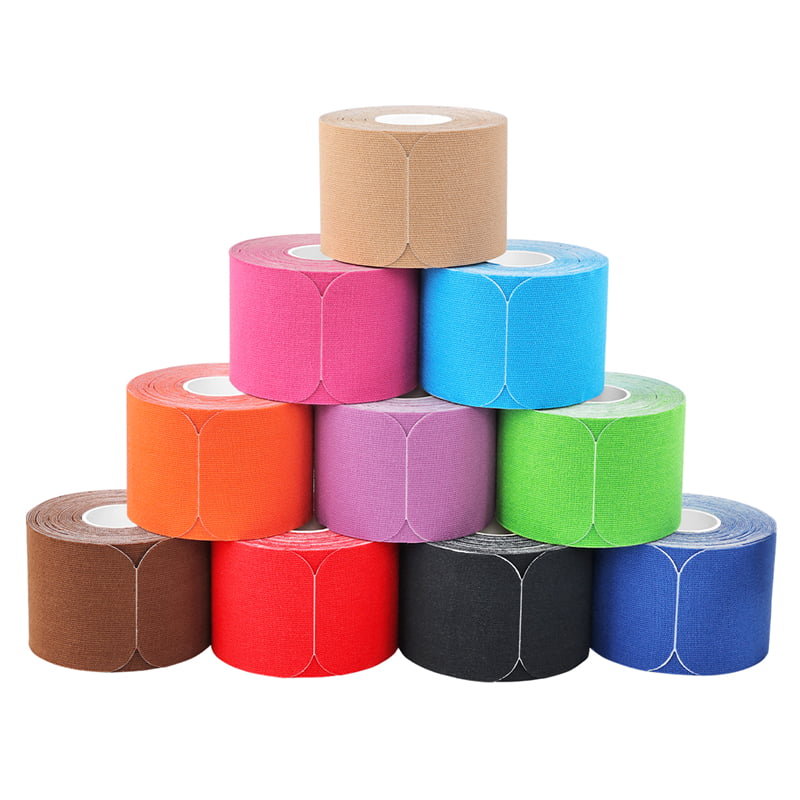
You can purchase pre-cut kinesiology tape for popular areas such as the knee, shoulder, or back, or opt for rolls that haven't been cut and use them as needed.
Kinesiology Tape's Benefits
Pain Relief: Get well without pills or shots.
Control of swelling and inflammation: Injury tape can help eliminate excess fluid.
Better Muscle Function: Helps strengthen weak muscles and relaxes overworked muscles.
Better athletic performance: Injury tape can help you move more efficiently and recover more quickly.
Faster Recovery Time: Injury tape can enhance blood flow and promote tissue healing.
Posture correction: Helps keep everything in the right place.
Waterproof Options: Many injury tapes will remain in place even when you swim or shower.
Different Types of Kinesiology Tape
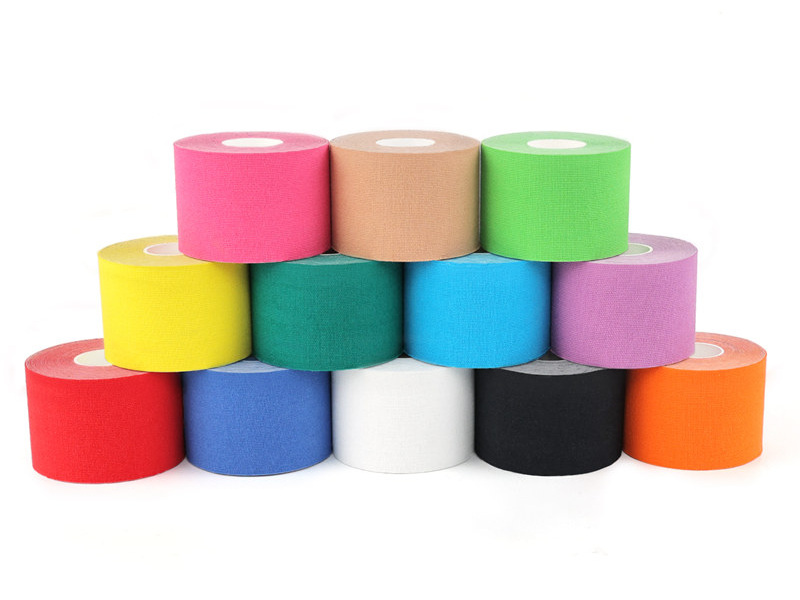
Cotton kinesiology tape is the most frequent, breathable, and skin-friendly choice.
Synthetic kinesiology tape is more elastic and water-resistant than traditional injury tape.
Pre-cut kinesiology tape is easy for novices and works well on specific muscle groups.
Sensitive skin injury tape is a soft adhesive that is safe for individuals with sensitive skin and allergies.
Extra-Strength injury tape is ideal for long-term use during vigorous workouts or swimming.
Top Kinesiology Tape Brands
Dr. Kenzo Kase invented Kinesio® Tex Tape, the first tape of its kind.
KT Tape® is a well-known brand featuring pre-cut alternatives and powerful adhesives.
RockTape is known for its "extra sticky" formulas and long-lasting use in sports.
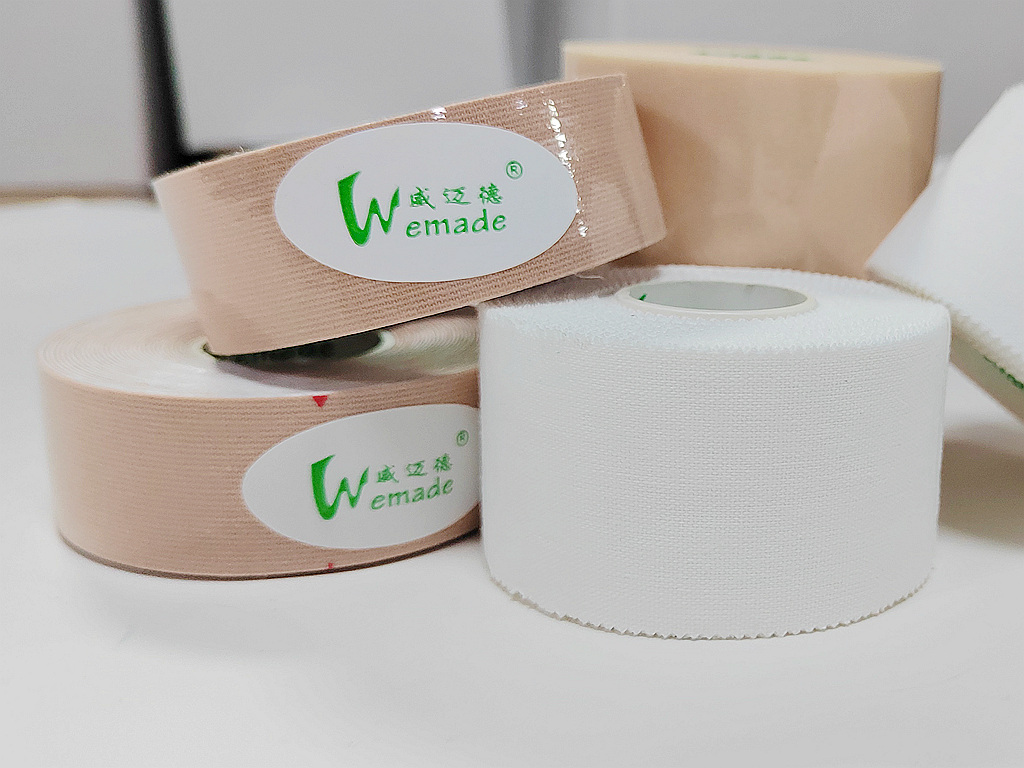
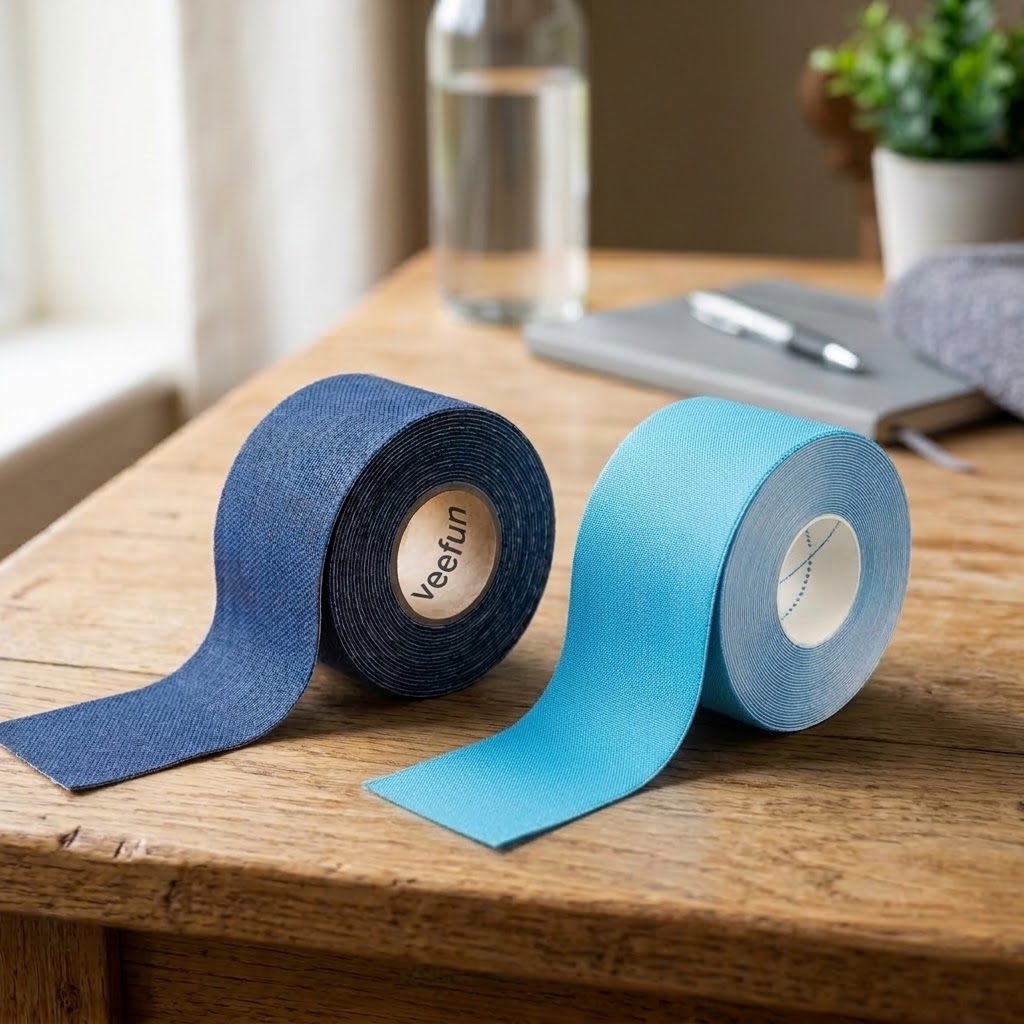
Other trusted brands used by therapists and athletes worldwide include Veefun, WEMADE TAPE, StrengthTape®, SpiderTech®, Mueller®, and PerformTex®.
The best kinesiology tape manufacturers in China
One of the biggest producers of injury tape in the world is China. It has low prices and OEM services for businesses all over the world. Here are some well-known brands:
Wuxi Wemade Healthcare Products Co., Ltd. is a company that makes pain tape and sports tape as its main business. It has a lot of experience with both OEM and ODM.

Zhejiang Guanma Medical Co., Ltd. is an ISO-certified company that makes pain tape and sports tape.
The manufacturing area of Jiaxing Fuluo Medical Supplies Co., Ltd. is more than 10,000 m², and they use the latest adhesive technology.
Anji Xinyuan Medical Supplies Co., Ltd. has a lot of experience exporting injury tape and medical tapes.
Aupcon Medical Technology Co., Ltd. is a company that specialises in sending kinesiology tape, cohesive bandages, and medical sports tape to other countries.
These companies make goods for both well-known brands and customers who want to put their own name on them. They have low prices and the option to change the requirements.
What is kinesiology tape, and where is it best used?
Most companies that make injury tape are based in China, especially in the provinces of Zhejiang and Jiangsu, which have strong textile and adhesive industries.
Japan and South Korea have the best brand reputation for making precise adhesives and fabrics, like Kinesio and Nitto Denko.
China has the lowest costs for making and selling things, especially when it comes to OEM injury tape in large amounts.
Chinese companies like Wemade, Aupcon, and Guanma sell kinesiology tape for businesses at good prices and with good quality.
Is There Proof From Science That Kinesiology Tape Works?
Kinesiology tape doesn't "fix" problems on its own, but research has shown that it can help the body heal naturally by making it easier and less painful to move.
It works best when used with the right physical therapy, exercise, and rehabilitation programs.
In The End, Does Kinesiology Tape Work?
Yes, injury tape can help muscles, make you feel better, improve your posture, and speed up your recovery if you use it correctly. The device uses skin lifting, neurosensory stimulation, and light biomechanical support to let your body move and heal on its own.
Pain tape is a simple, drug-free, and effective way to improve performance and speed up recovery for anyone who works out, whether they are a professional athlete, a physical therapist, or just someone who enjoys working out.
Wuxi Wemade, Guangma Medical, and Aupcon are some of the best places in the world to get high-quality, low-cost OEM injury tapes.