
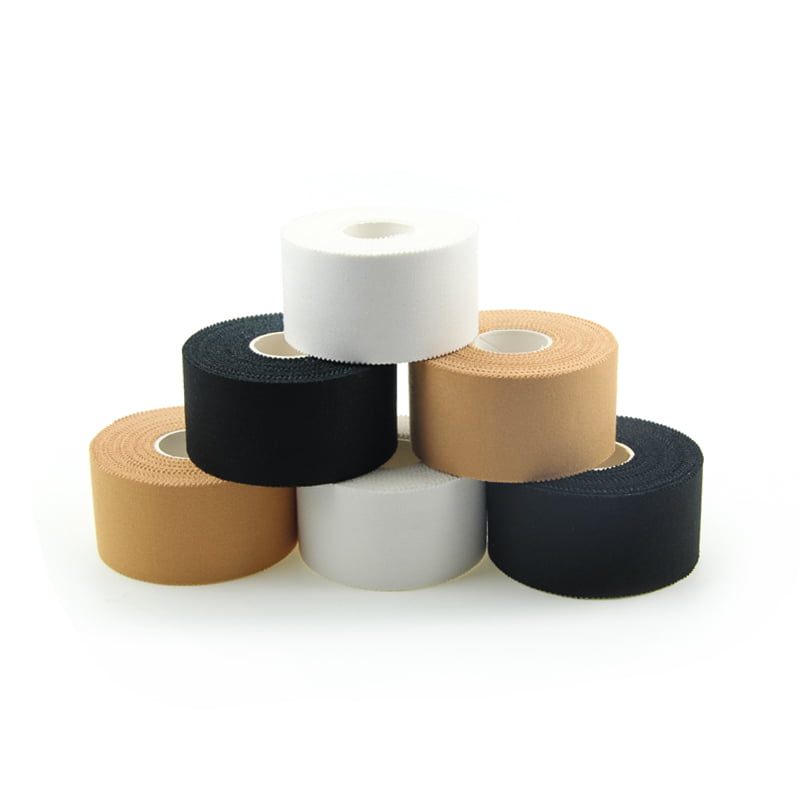
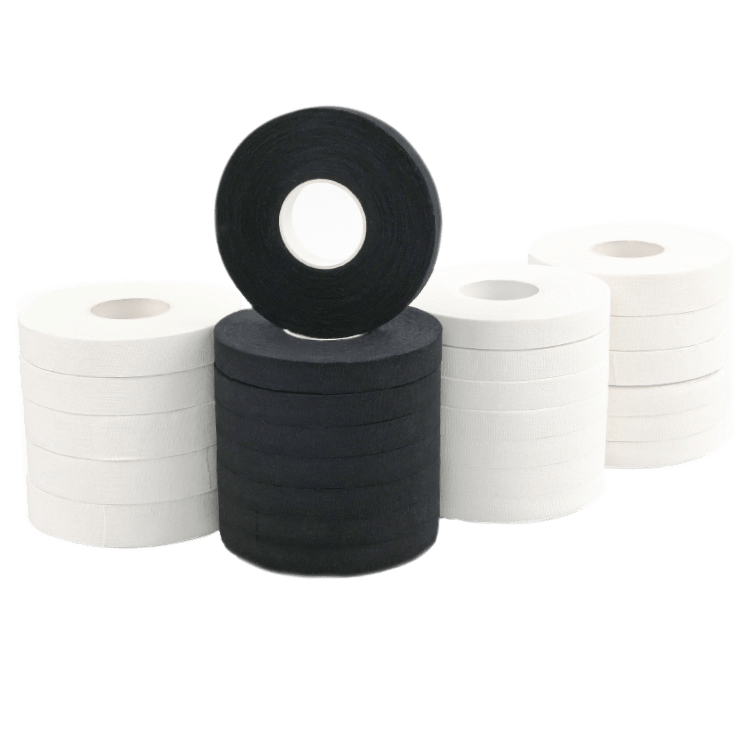
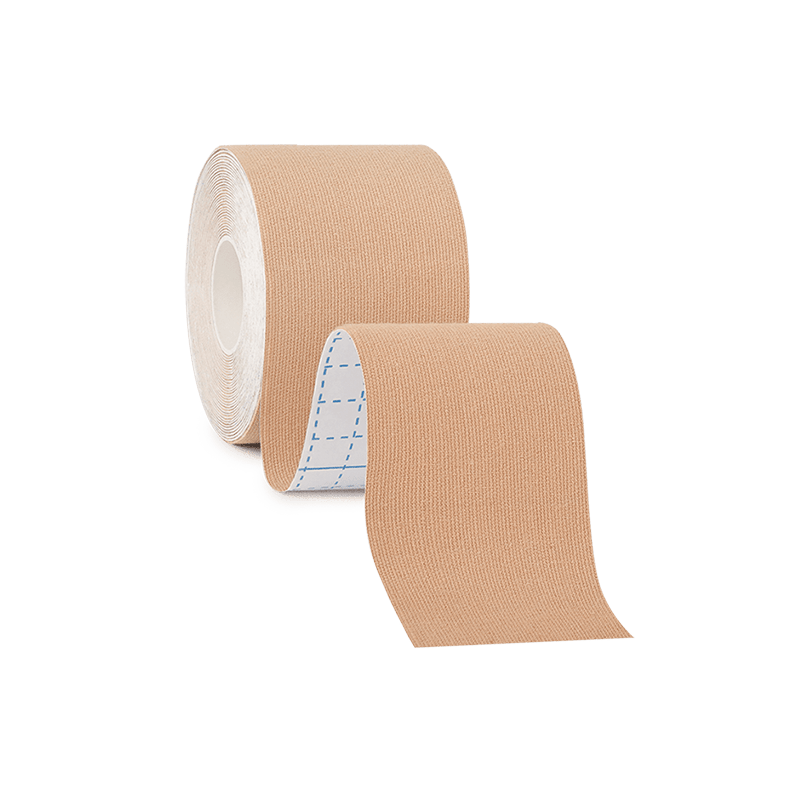
How to Use Kinesiology Tape for Runner’s Knee
Runner’s knee is one of the most common problems affecting runners, cyclists, and fitness enthusiasts. That familiar pain around the kneecap can turn an enjoyable workout into a frustrating experience, especially during long runs, downhill sections, squats, or repeated knee movements. In this guide, you will learn what causes runner’s knee, whether kinesiology tape for runner's knee can help, how to apply chondromalacia patella tape correctly, how long to wear it, and how to prevent common problems such as peeling and skin irritation.
Important: Runner's knee tape is a supportive tool and should not replace proper rehabilitation, strength training, or professional medical advice when needed.
How to Prevent Runner’s Knee Tape From Peeling
Many users experience early peeling due to application errors rather than poor tape quality. Follow these tips:
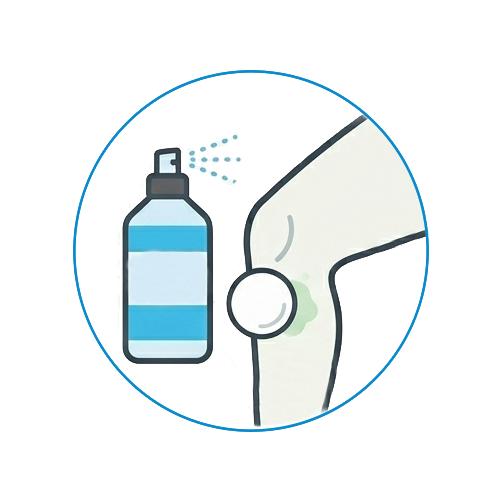

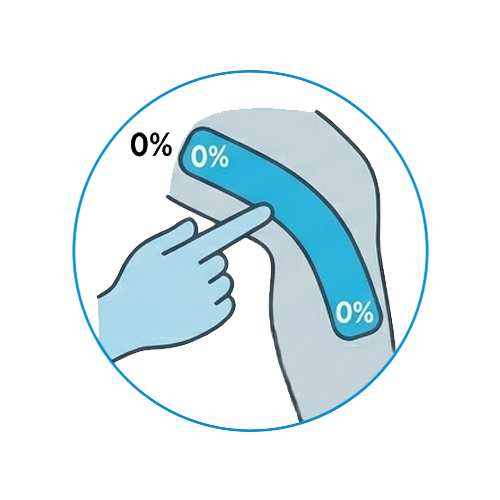
How to Apply Kinesiology Tape for Runner’s Knee Step-by-Step
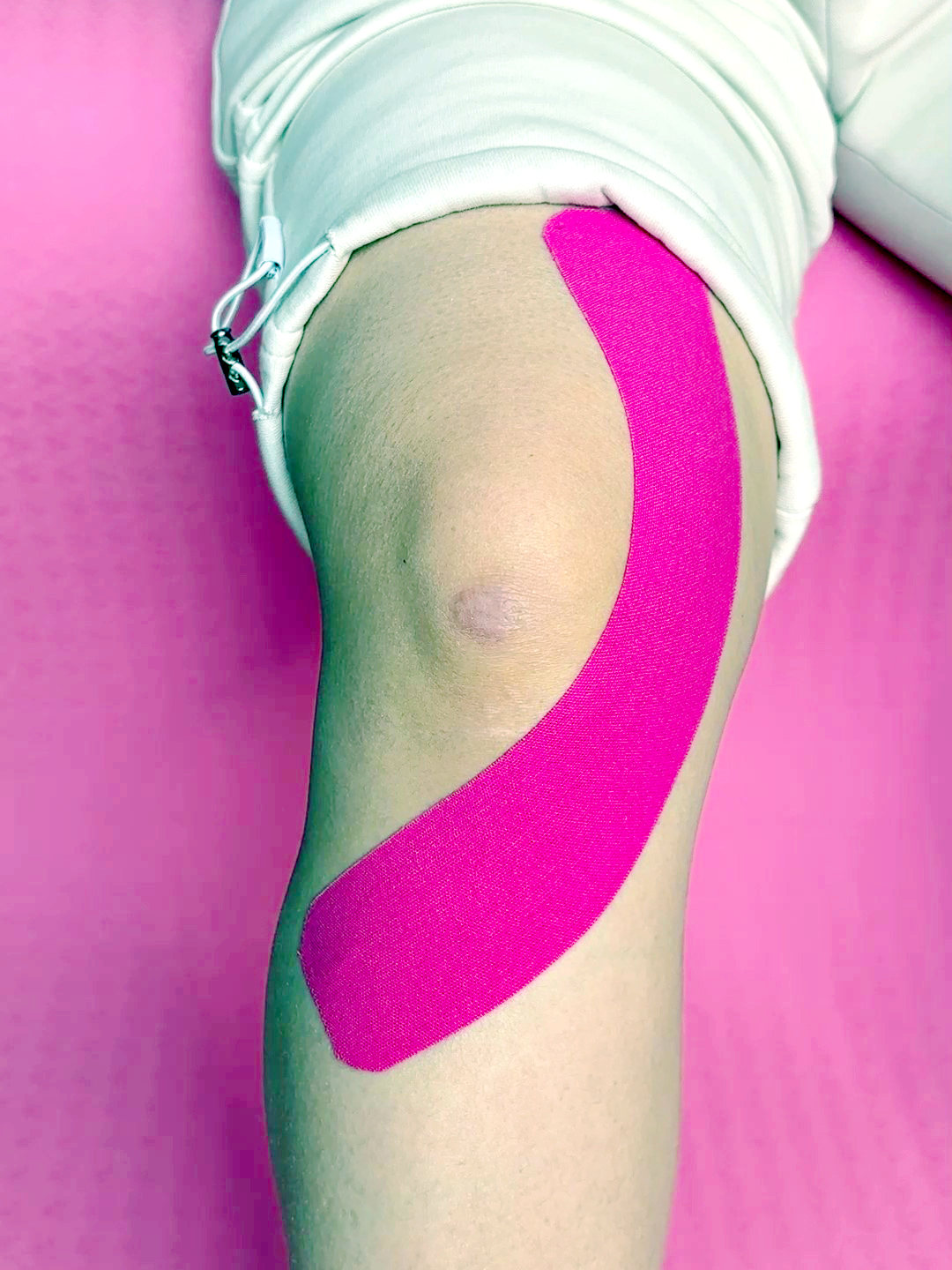
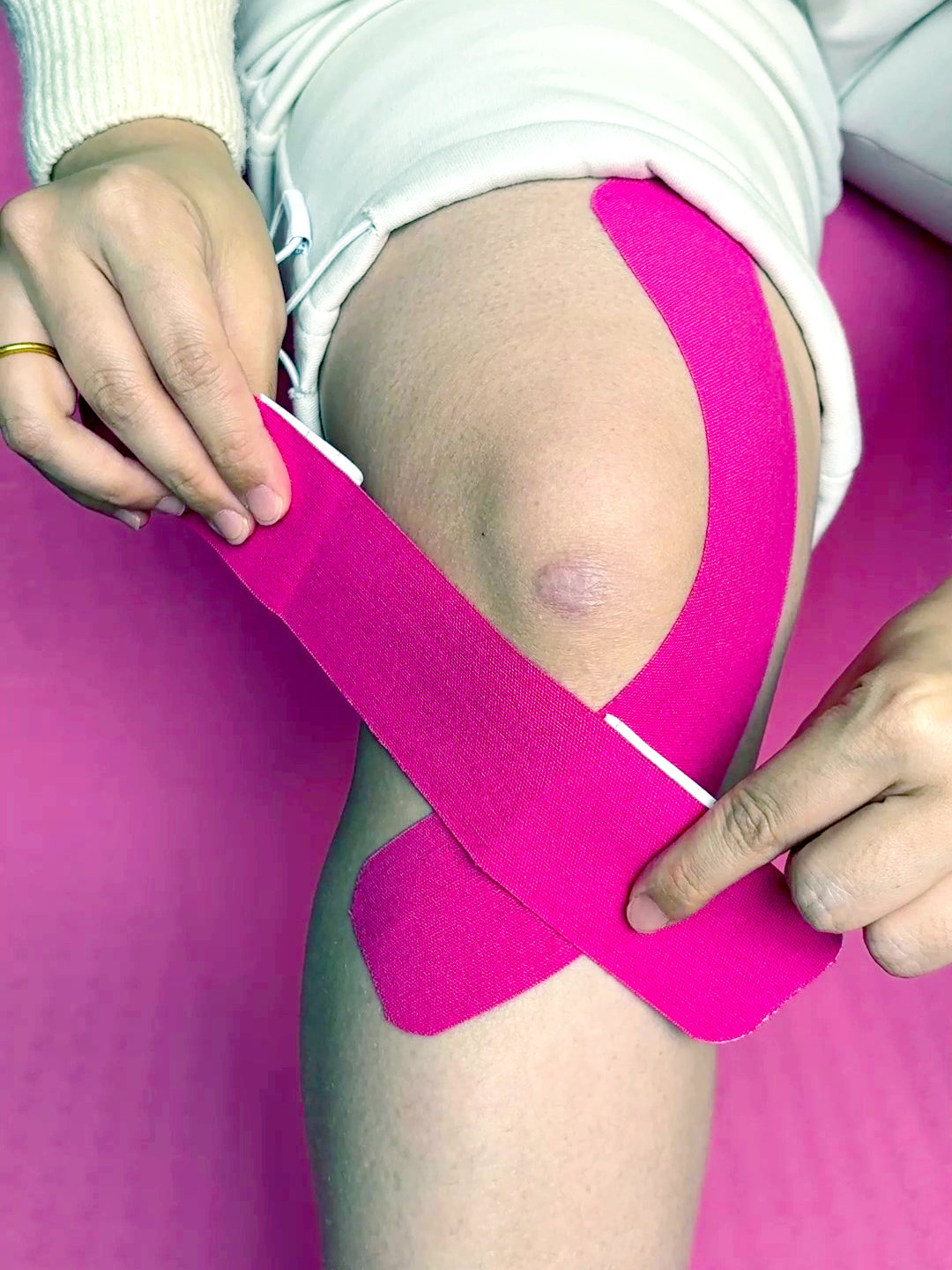
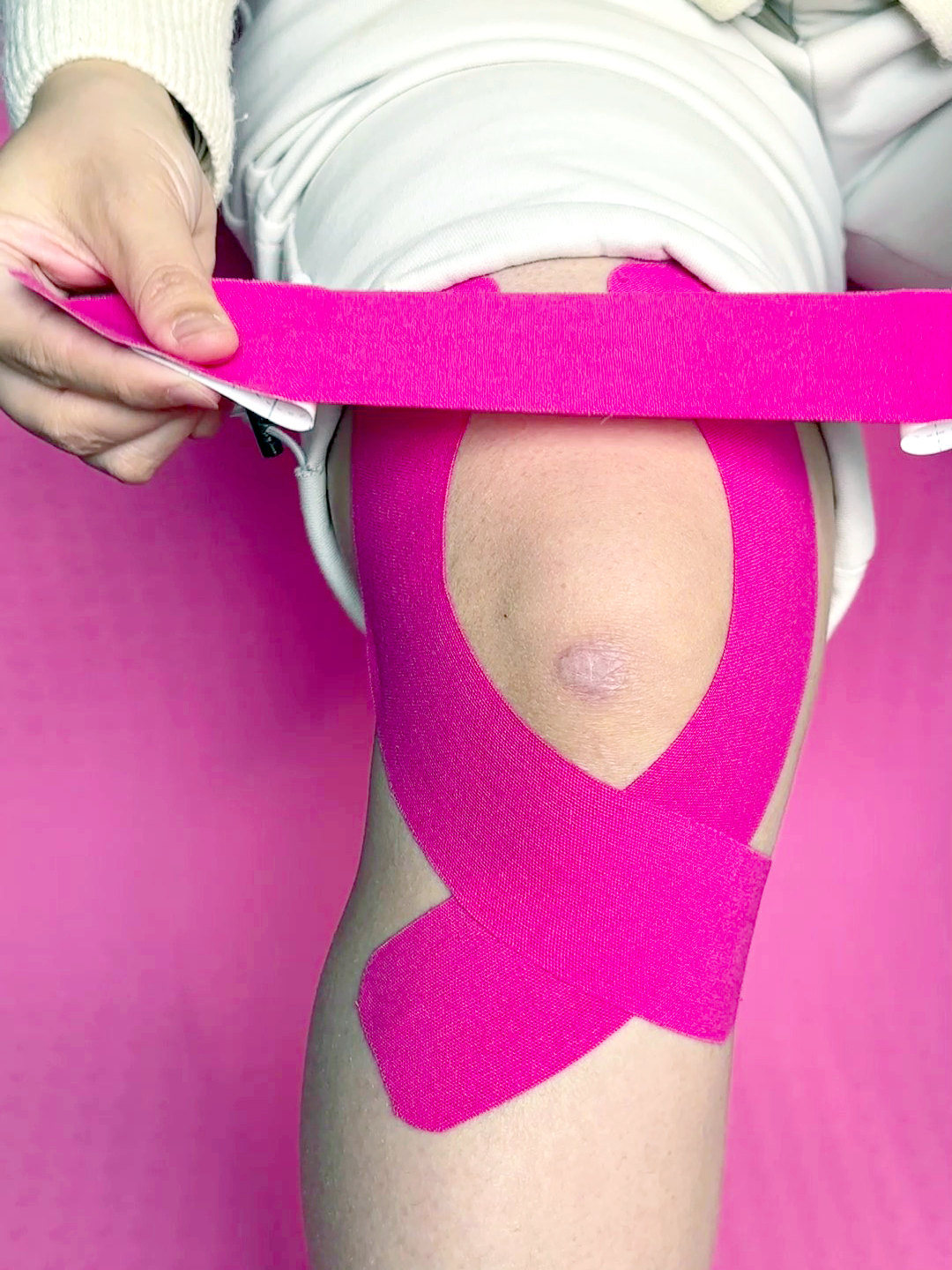
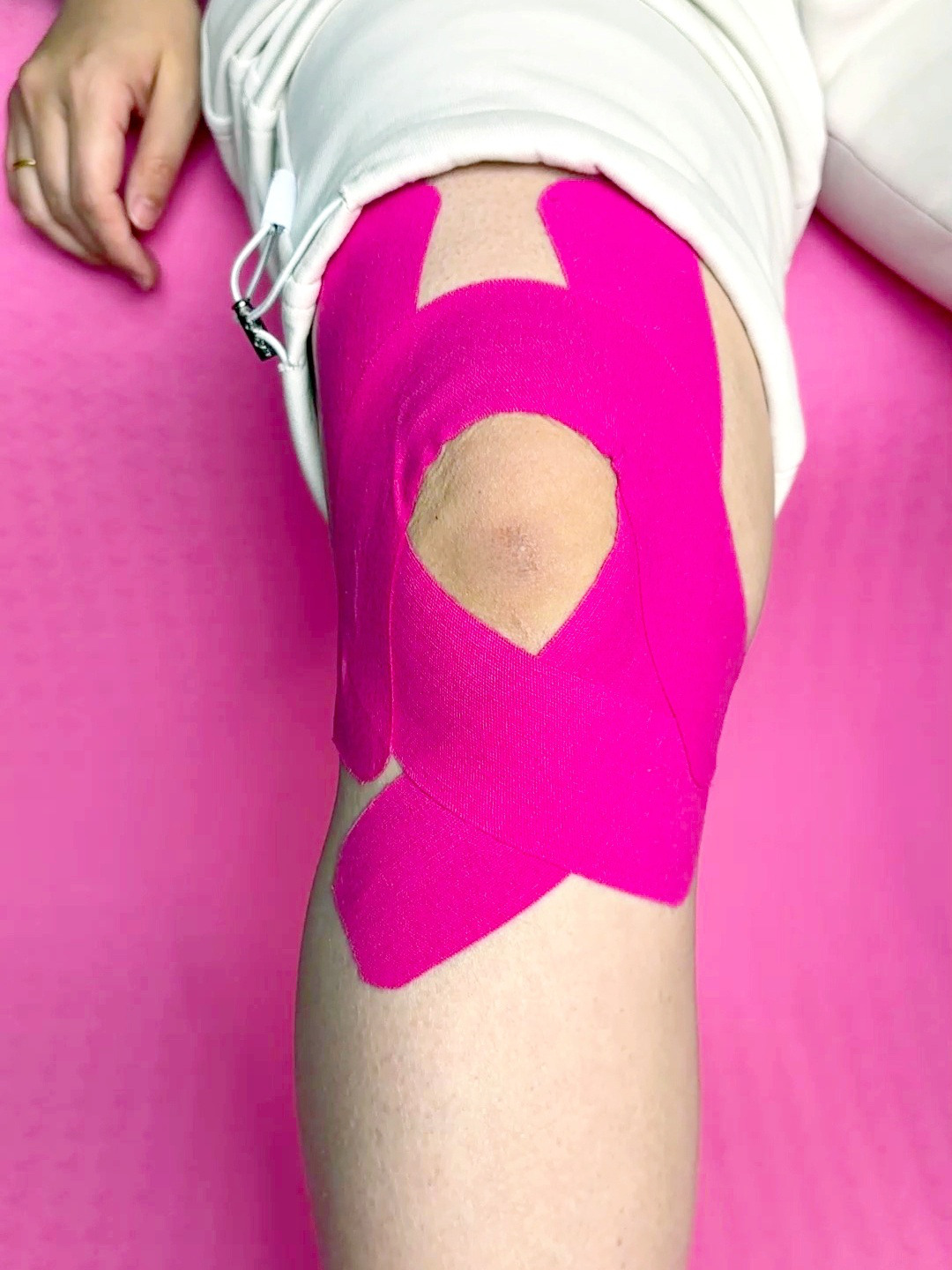
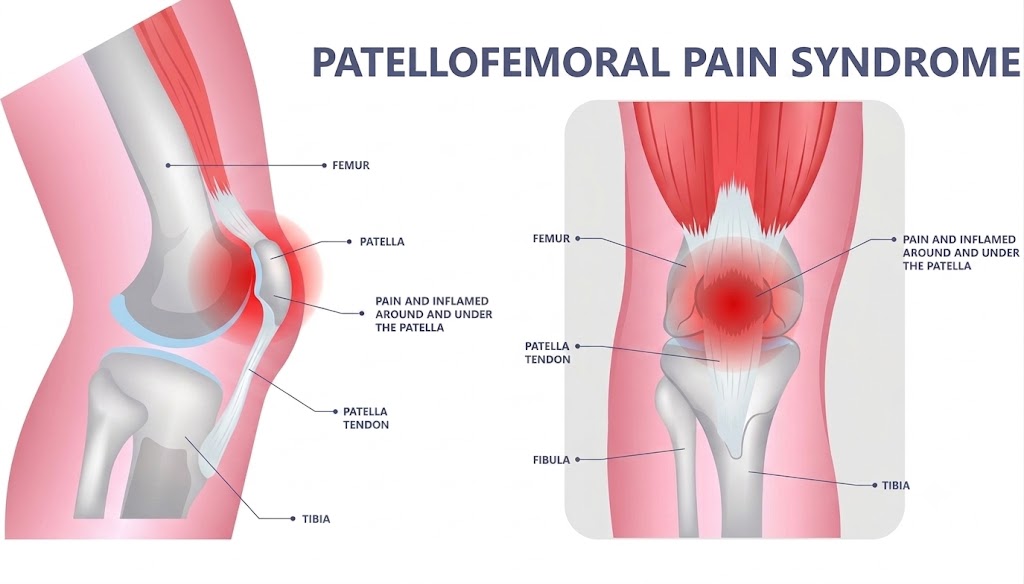
What Is Runner’s Knee?
Runner’s knee, also known as Patellofemoral Pain Syndrome (PFPS), refers to pain around the front of the knee, especially around or behind the kneecap (patella).
During normal movement, the patella should smoothly track through a groove at the end of the thigh bone. However, repetitive stress, muscle imbalance, sudden increases in training volume, or poor movement patterns may affect how the kneecap moves.
Common symptoms of runner’s knee include:
- Pain around or underneath the kneecap
- Discomfort when running downhill
- Pain during squats, lunges, or climbing stairs
- Stiffness after sitting with knees bent for a long time
Many athletes search for runner’s knee tape to find a simple way to improve comfort while continuing their daily activities.
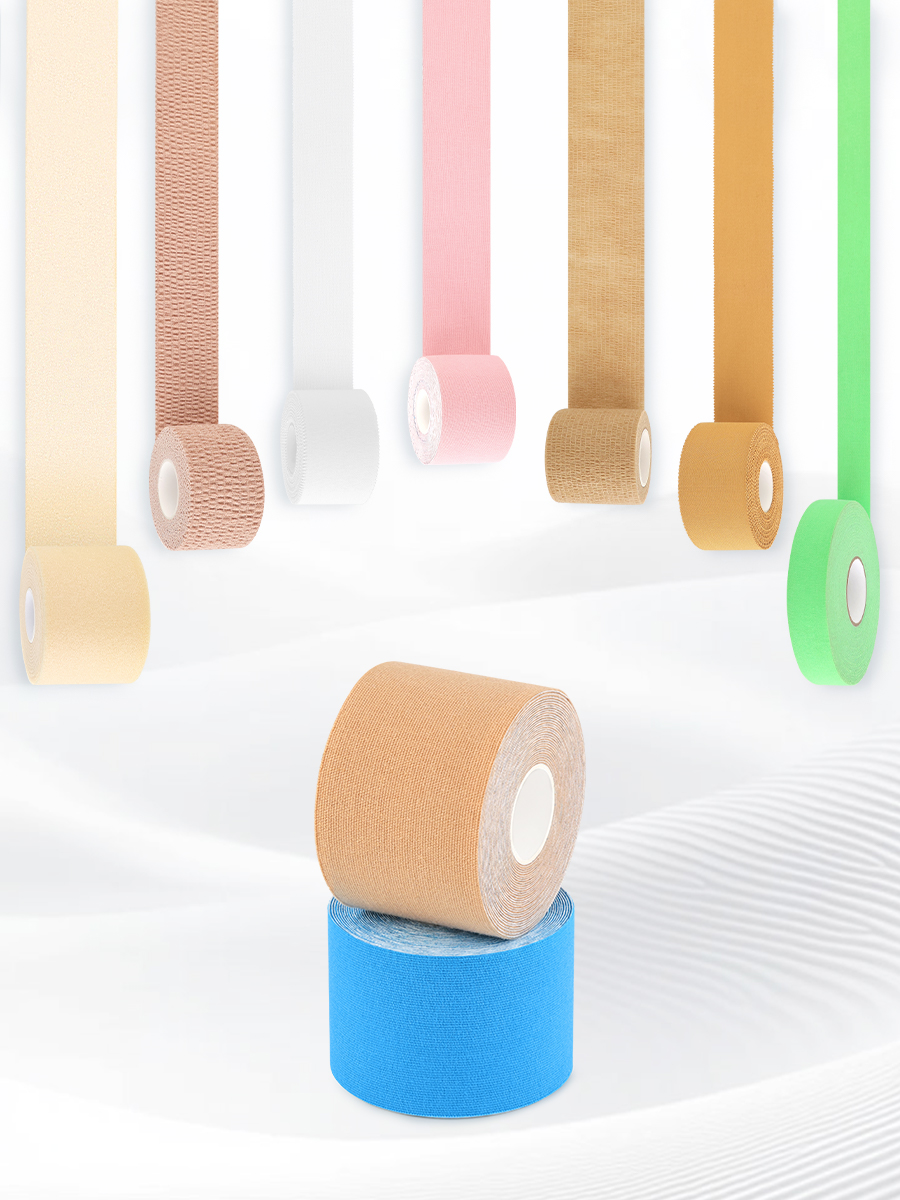
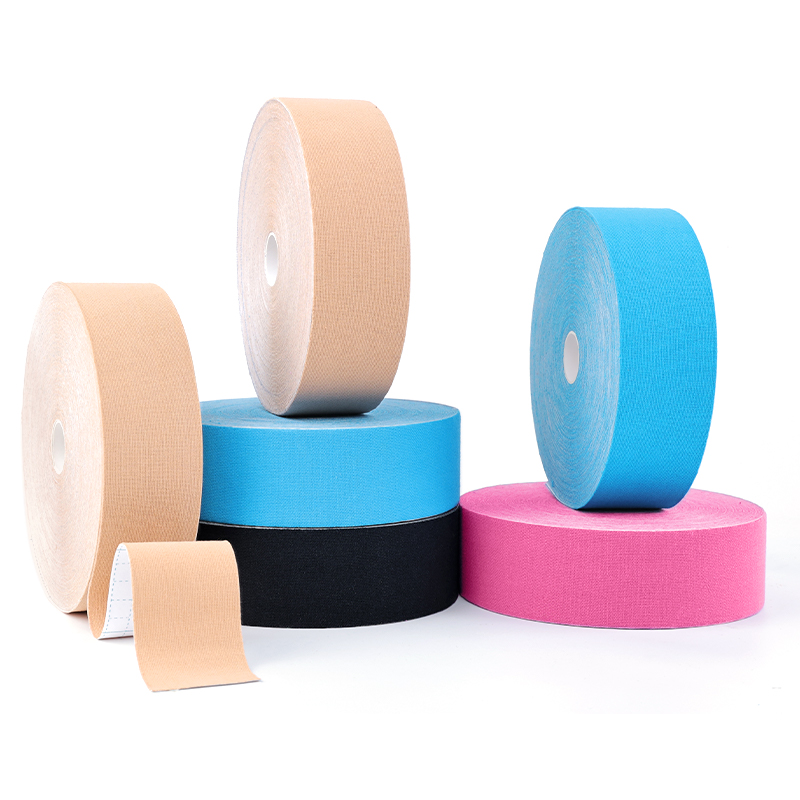
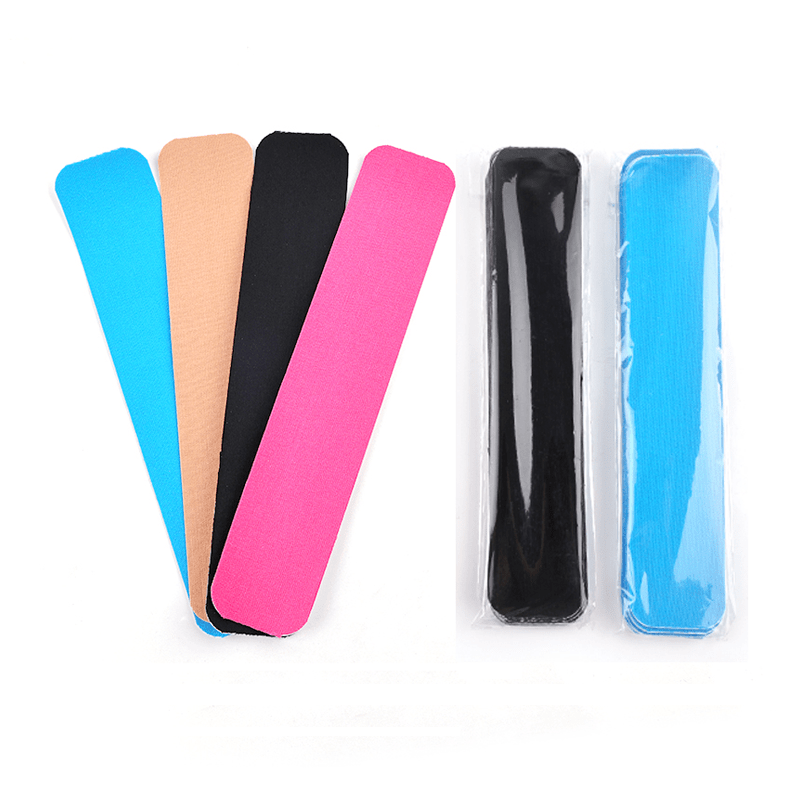
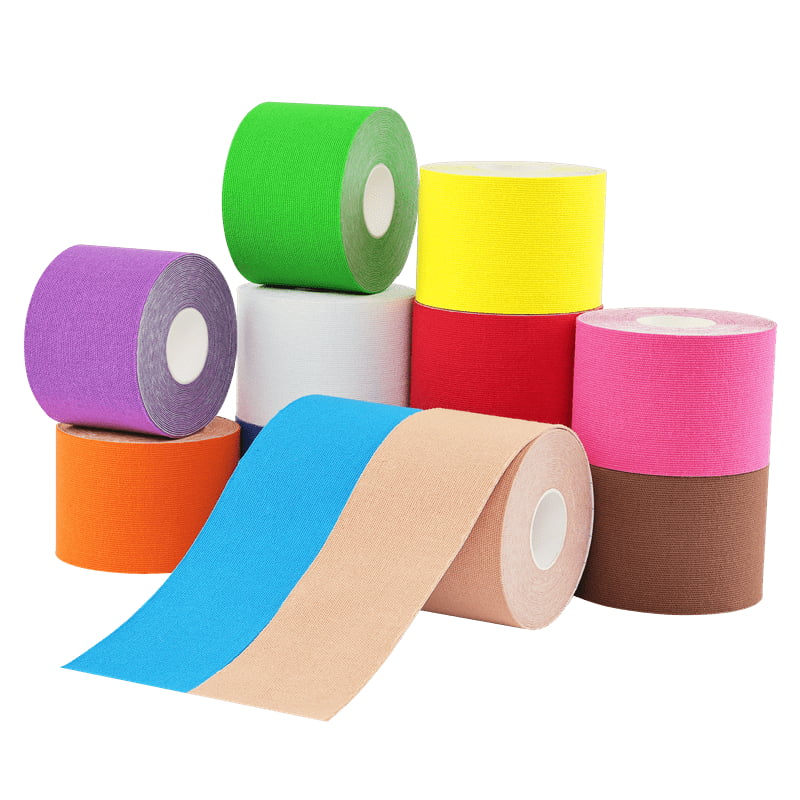
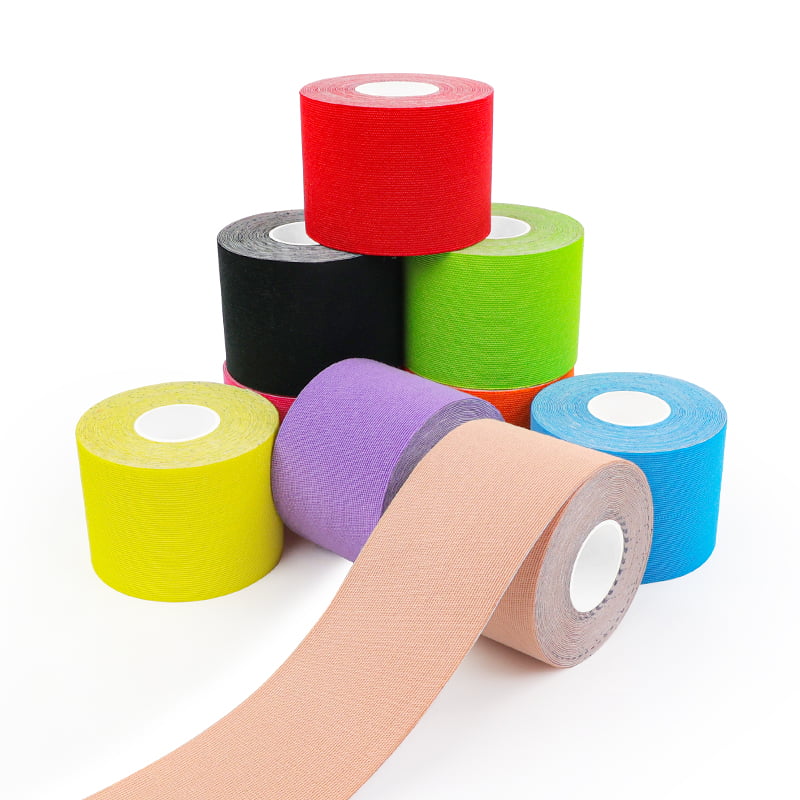
Many runners use kinesiology tape for runner's knee because it provides flexible support while allowing the knee joint to move naturally.
Unlike traditional sports tape that restricts movement, knee support tape uses elastic fabric designed to follow the movement of muscles and skin.
When applied correctly, it may help by:
Improving Body Awareness
The gentle tension of chondromalacia patella tape provides sensory feedback to the skin. This additional feedback may help athletes become more aware of knee positioning during running and exercise.
Supporting Patellar Movement
A properly applied patellar tracking tape technique may provide additional guidance around the kneecap area and improve comfort during movement.
Providing Lightweight Knee Support
Many runners prefer knee support tape because it offers support without the bulk of a traditional brace. This makes it suitable for:
- Running
- Gym workouts
- Hiking
- Marathon
- Football
- Basketball
- Sports training
Supporting Active Recovery
For runners dealing with mild discomfort, kinesiology tape for knee pain can be used together with strengthening exercises, mobility work, and proper training adjustments.
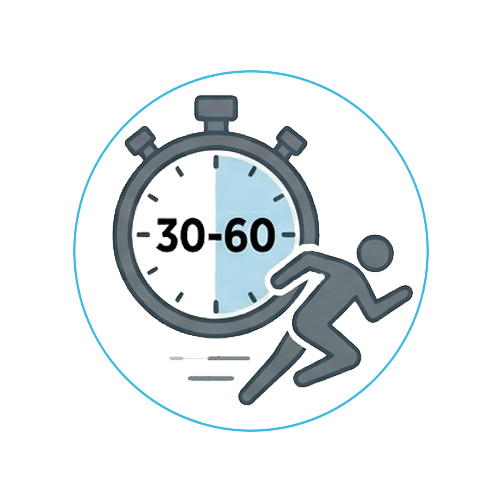
Most high-quality kinesiology tape for runner's knee can stay attached for approximately 3–5 days when applied correctly.
The actual wearing time depends on:
- Sweat level
- Skin condition
- Tape quality
- Daily activity
For runners, choosing a tape with strong adhesive performance can help reduce:
- Edge curling
- Tape peeling
- Frequent replacement
To learn more about usage time, please click: How Long to Wear Kinesiology Tape?
Using Too Much Stretch
More tension does not mean more support.
Excessive stretching may cause:
- Skin discomfort
- Reduced wearing comfort
- Faster peeling
Applying Tape Over Damaged Skin
Do not apply tape over:
- Open wounds
- Skin infections
- Severe irritation
Using Tape as the Only Solution
Runner’s knee is often related to training habits, muscle strength, and movement patterns.
For better long-term results, combine taping with:
- Quadriceps strengthening
- Hip and glute exercises
- Proper warm-up
- Training volume management
Here are the usual suspects:
Distance & Trail Running: Upping mileage too fast is a classic culprit. Throw in steep downhills, uneven roots, or hard pavement, and your kneecaps take a beating with every strike.
Court & Field Sports (Basketball, Soccer, Tennis): The constant hard stops, quick pivots, and repetitive landings place significant shear forces on the knee.
High-Impact Gym Work: Squats, lunges, HIIT, and box jumps build great strength, but poor form or ramping up intensity too quickly can easily agitate the joint.
Cycling: It's low-impact, but miles of high-cadence pedaling with a bad bike fit (like a seat that's too low) can lead to subtle, nagging tracking issues.
Note: If you're dealing with early-stage discomfort, using supportive kinesiology tape during workouts can help reduce stress on the joint and keep you moving comfortably while you address underlying strength or mechanics.
How to Apply for Knee Pain in Other Areas
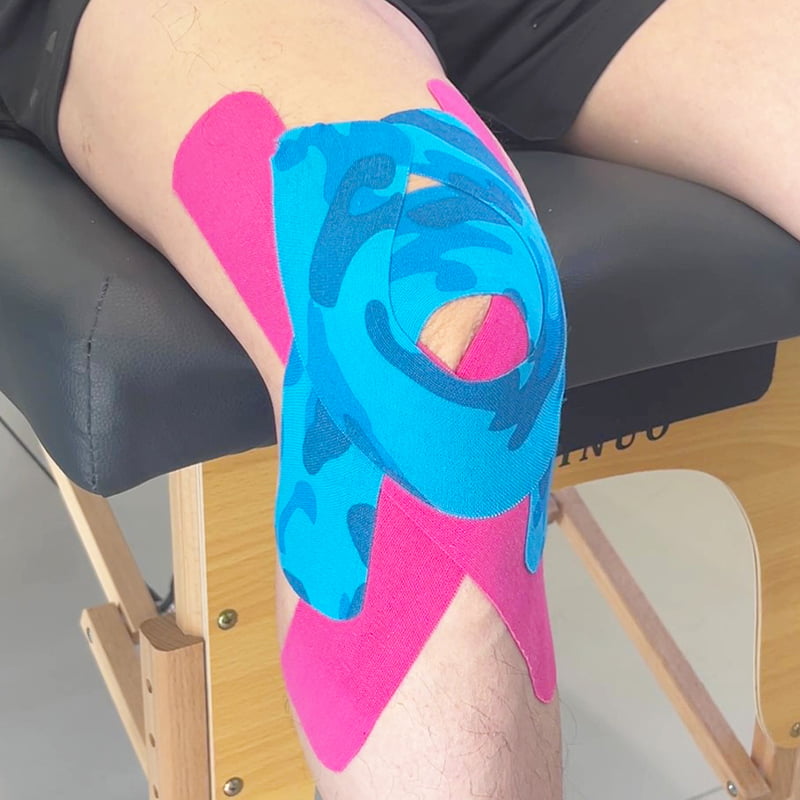
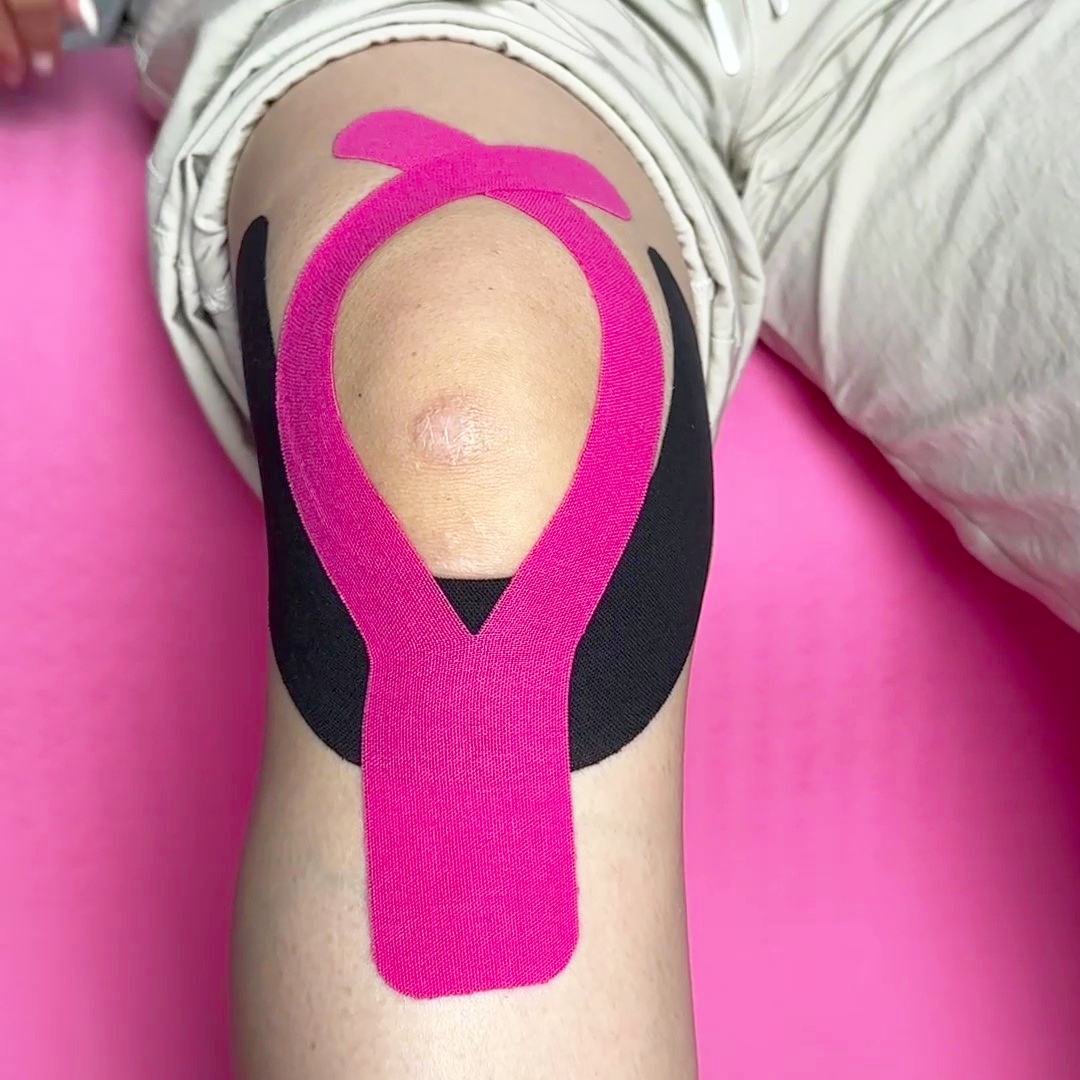
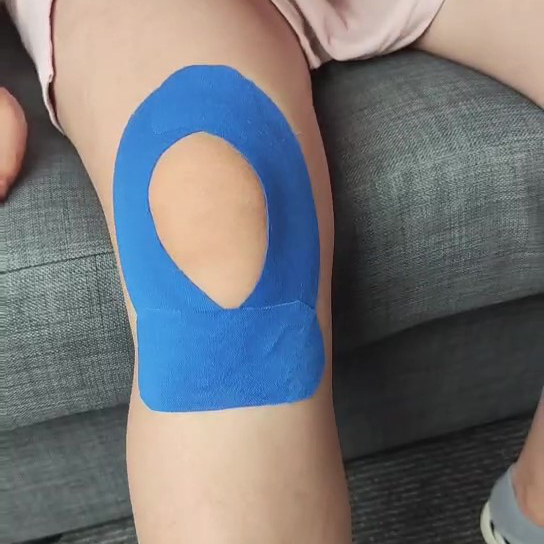
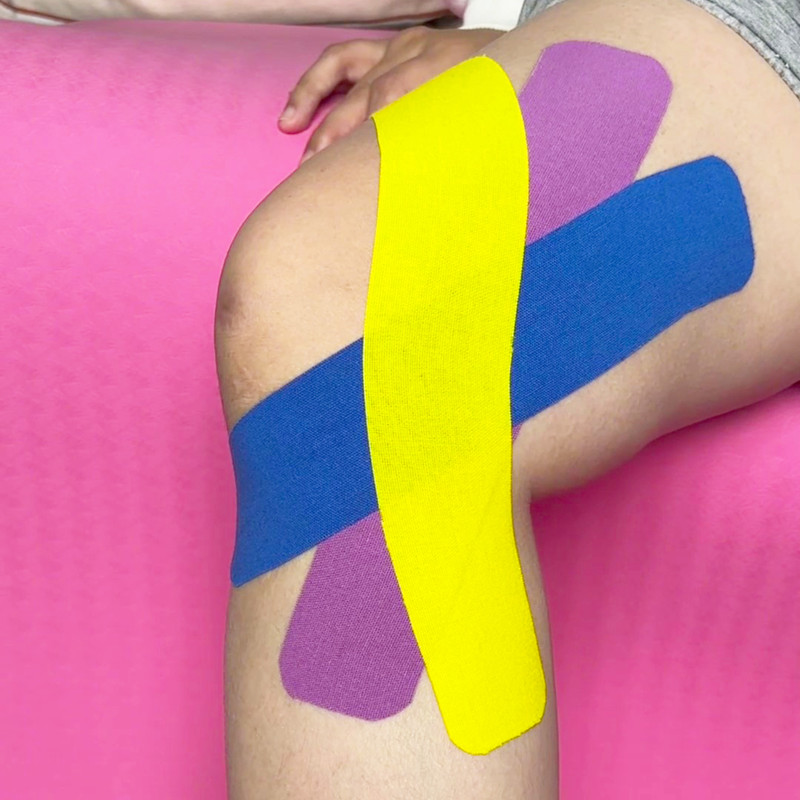
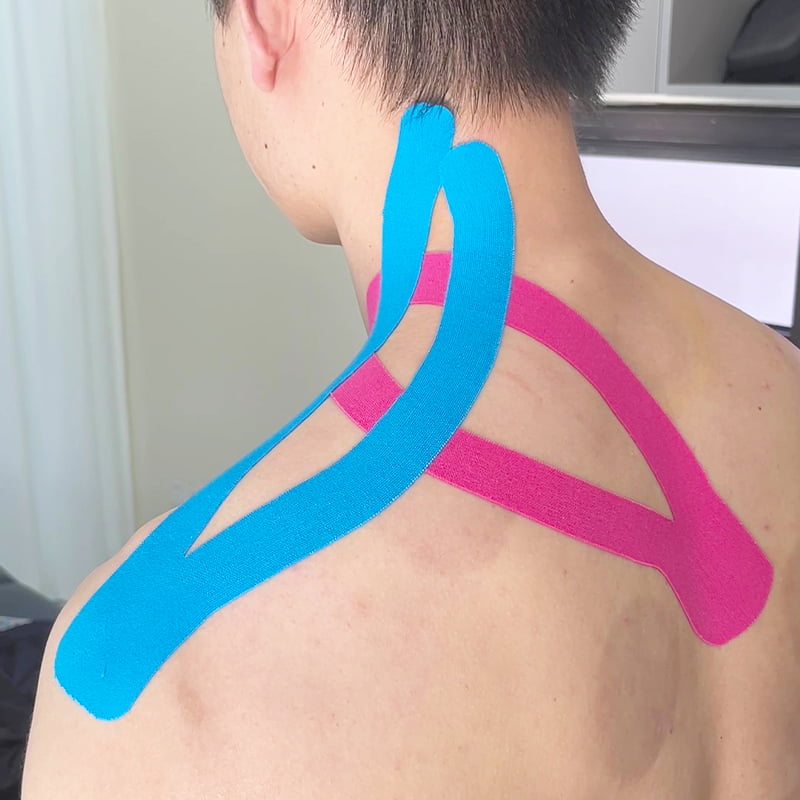
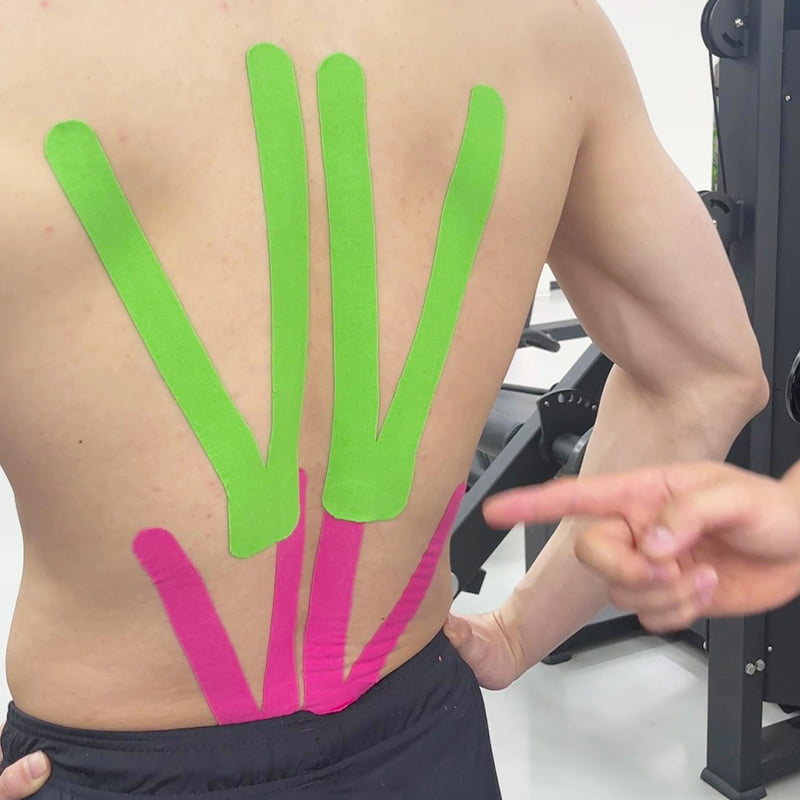
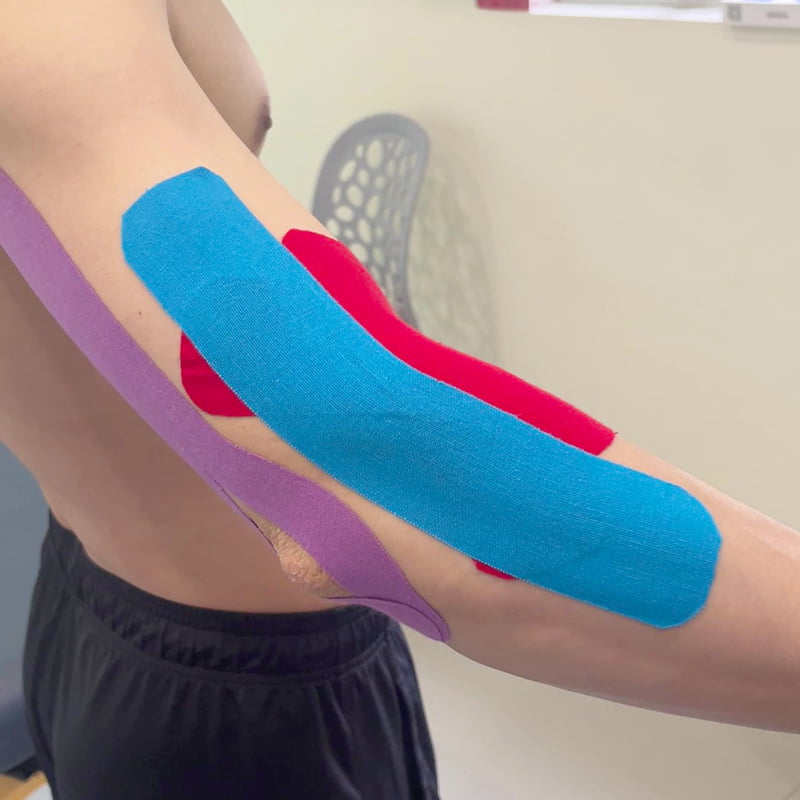
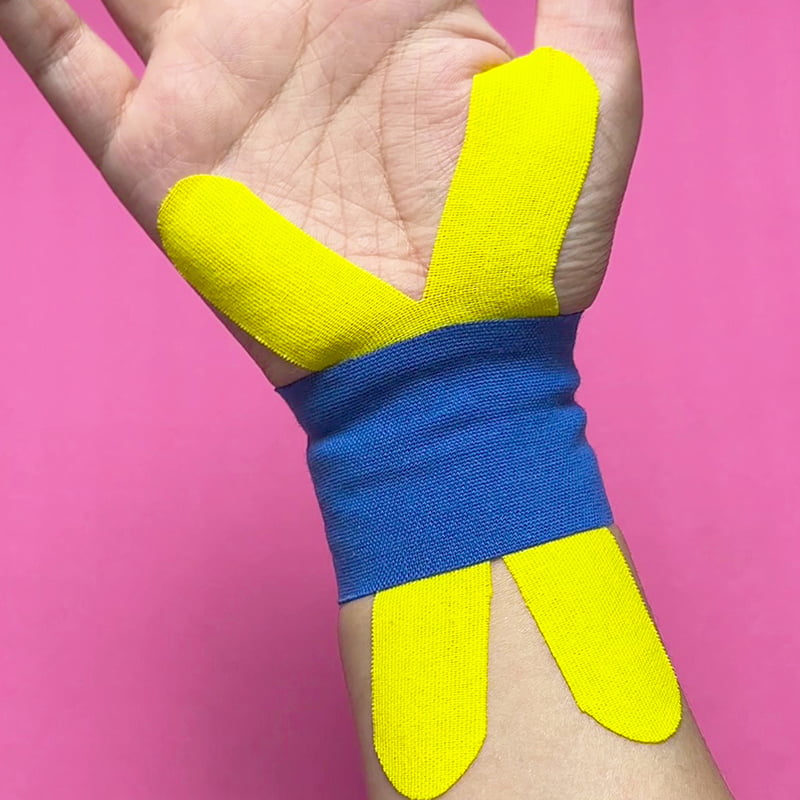
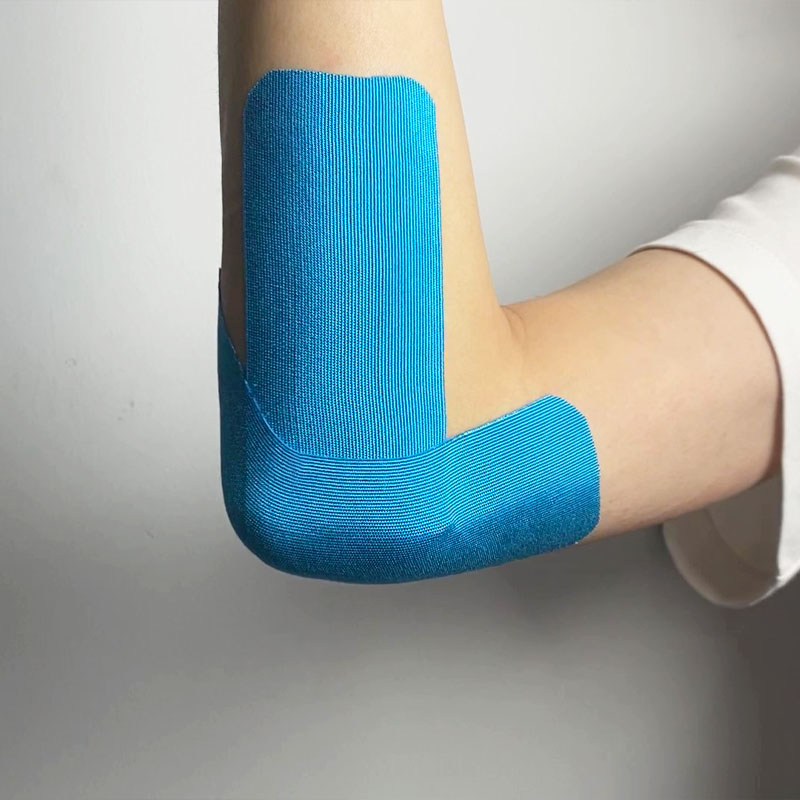
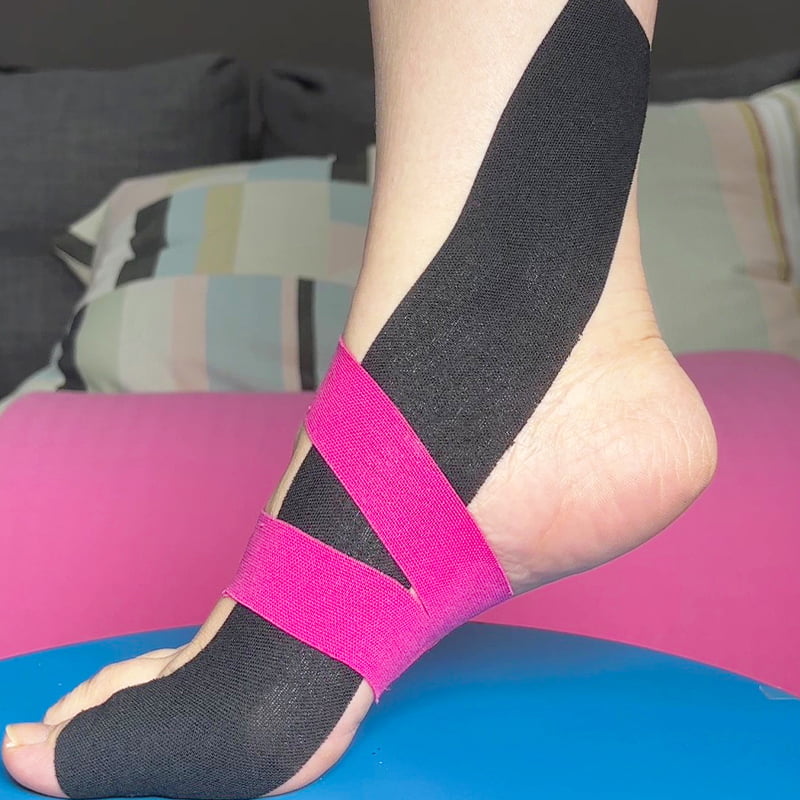
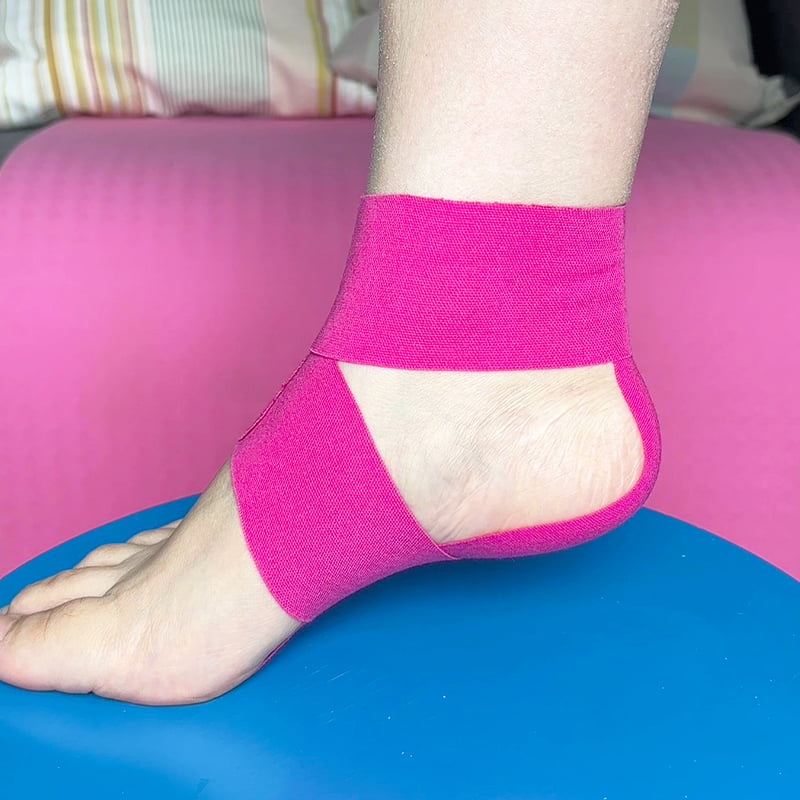
No. Kinesiology tape for runner's knee is a supportive tool that may improve comfort and body awareness during activity.
Long-term improvement usually requires a combination of:
- Strength training
- Proper running technique
- Mobility exercises
- Training adjustments
If pain continues or becomes severe, professional evaluation is recommended.
For daily training, cotton kinesiology tape offers a soft and breathable feel.
For marathon training, intense workouts, or heavy sweating, many runners prefer synthetic kinesiology tape because it:
- Dries faster
- Maintains stretch recovery when wet
- Handles active conditions better
The best choice depends on your activity level and environment.
Some runners use IT band syndrome tape techniques to provide additional sensory support around the outer thigh and knee area.
However, IT band discomfort can have different causes, so taping should be combined with proper training adjustments and mobility exercises.
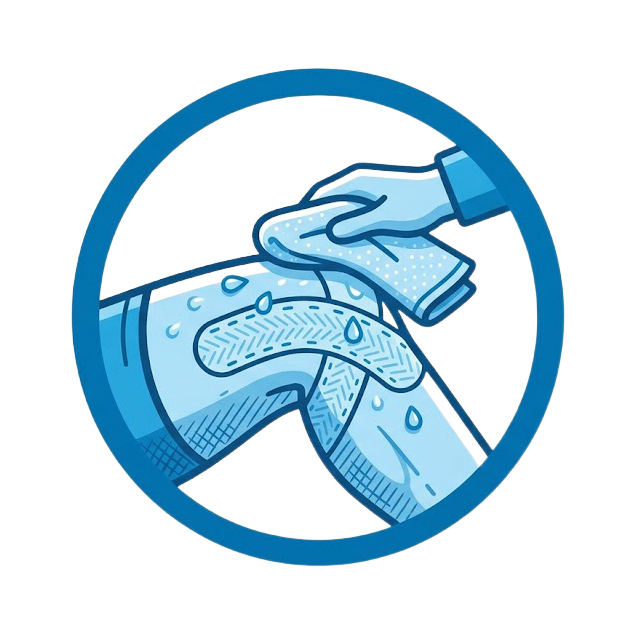
Yes. High-quality waterproof kinesiology tape is designed to handle normal showering and sweating.
After showering:
- Pat the tape dry gently
- Avoid rubbing the edges
- Allow the adhesive to maintain its bond naturally
Final Thoughts: Choosing the Right Kinesiology Tape for Runner’s Knee
- Comfortable wear
- Reliable adhesion
- Flexible movement
- Skin-friendly performance
Whether you are an individual runner looking for dependable runner's knee tape, or a business searching for wholesale kinesiology tape and OEM manufacturing, choosing a reliable supplier helps ensure better product performance and customer satisfaction.
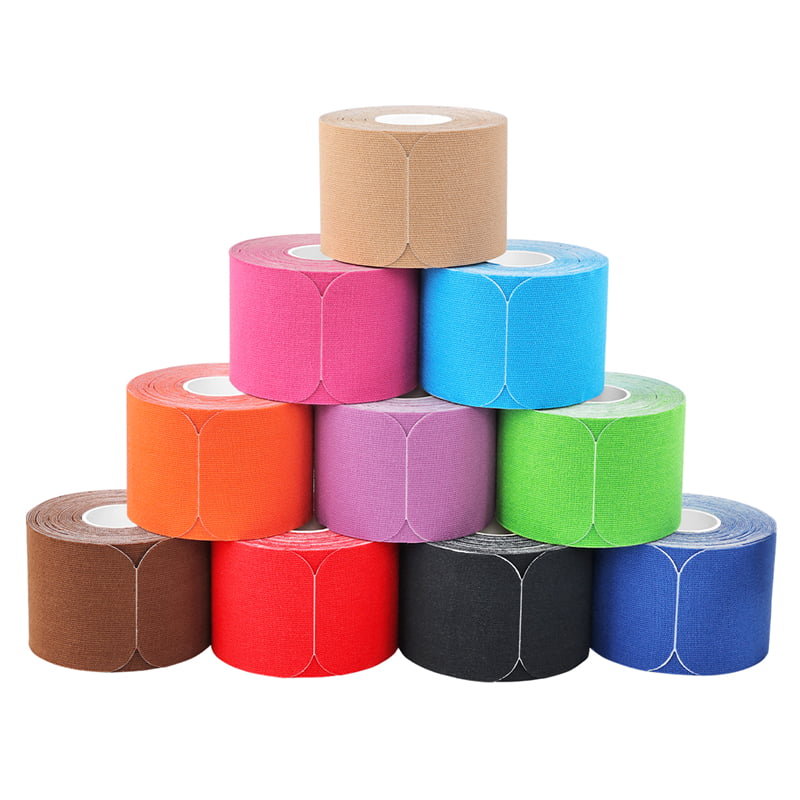
For athletes and individual users, Veefun provides factory-direct access to quality knee support tape at competitive prices.
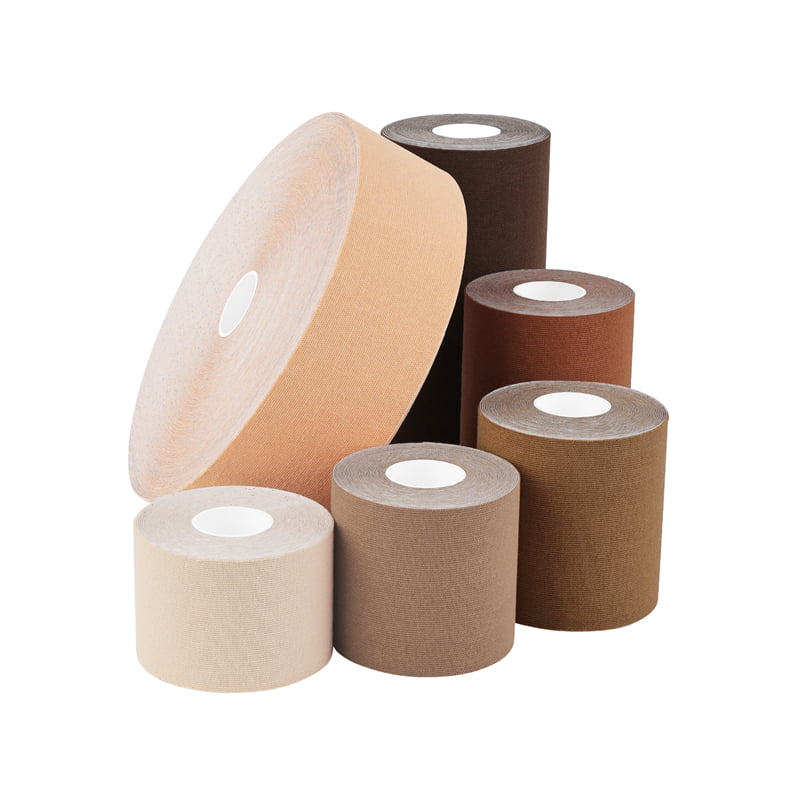
For distributors, clinics, sports brands, and retailers, we offer wholesale kinesiology tape and OEM private label solutions, including custom sizes, colors, packaging, logo printing, and bulk production support.
👉 Explore Veefun knee support tape solutions and request samples for your market.