
How to Use Kinesiology Tape for ACL Injury
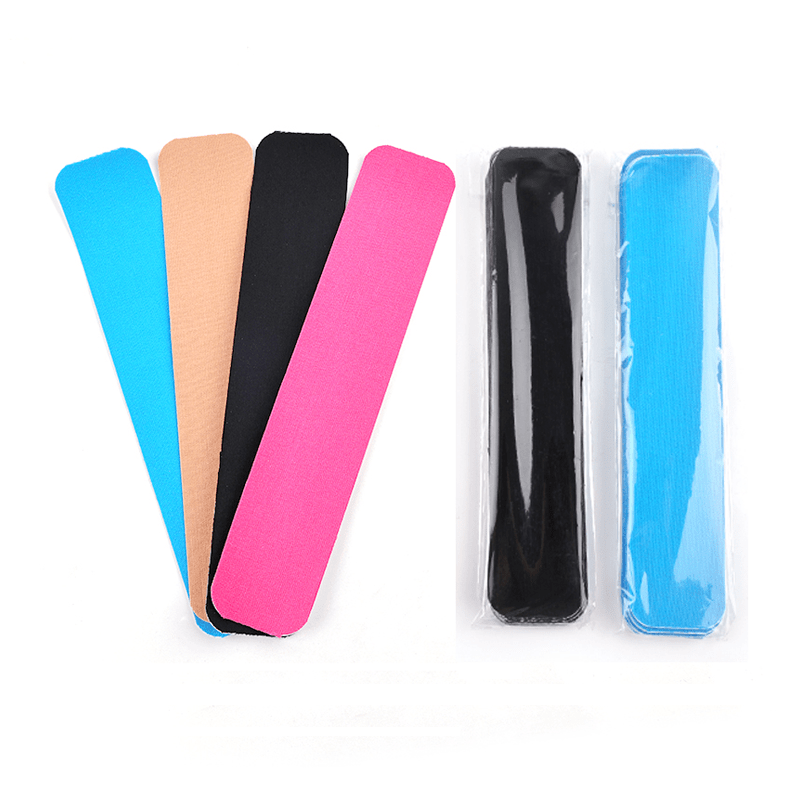
An ACL injury(Anterior Cruciate Ligament) is one of the most common knee injuries among athletes, especially in sports that involve sudden stops, jumping, twisting, and rapid changes in direction. While kinesiology tape for ACL injury cannot repair a torn ACL or replace medical treatment, it can provide additional support, improve body awareness, and help stabilize the knee during sports activities and rehabilitation. Many athletes use ACL support tape as part of their knee protection routine because it is lightweight, flexible, and allows natural movement compared with traditional rigid knee braces. This guide explains what an ACL injury is, how to apply kinesiology tape for ACL support, proper ACL strapping techniques, and important precautions before using knee tape.
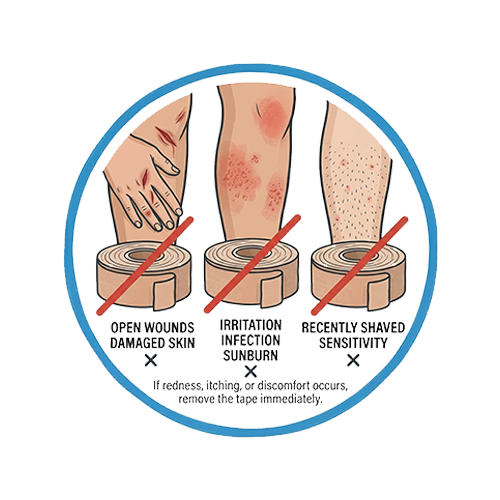
Important Precautions When Using ACL Tape
Before using kinesiology tape for ACL injuries, consider the following:



How to Use Kinesiology Tape for ACL Injury: Step-by-Step Guide
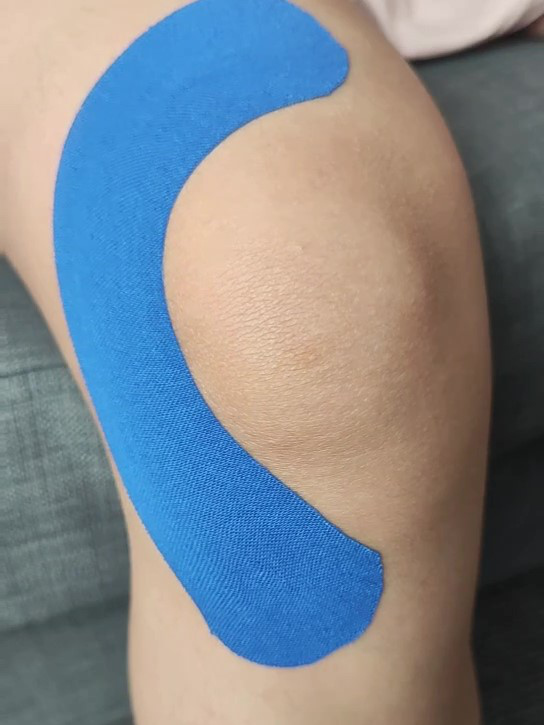
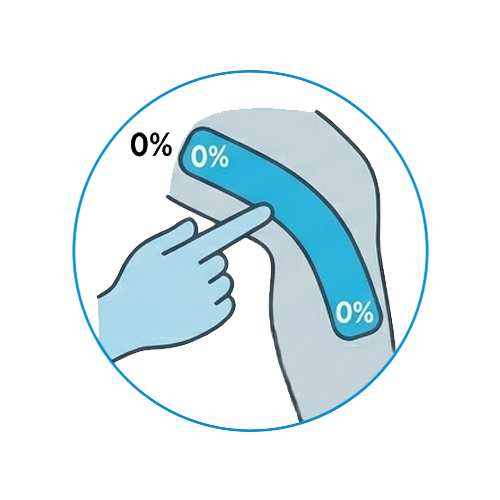
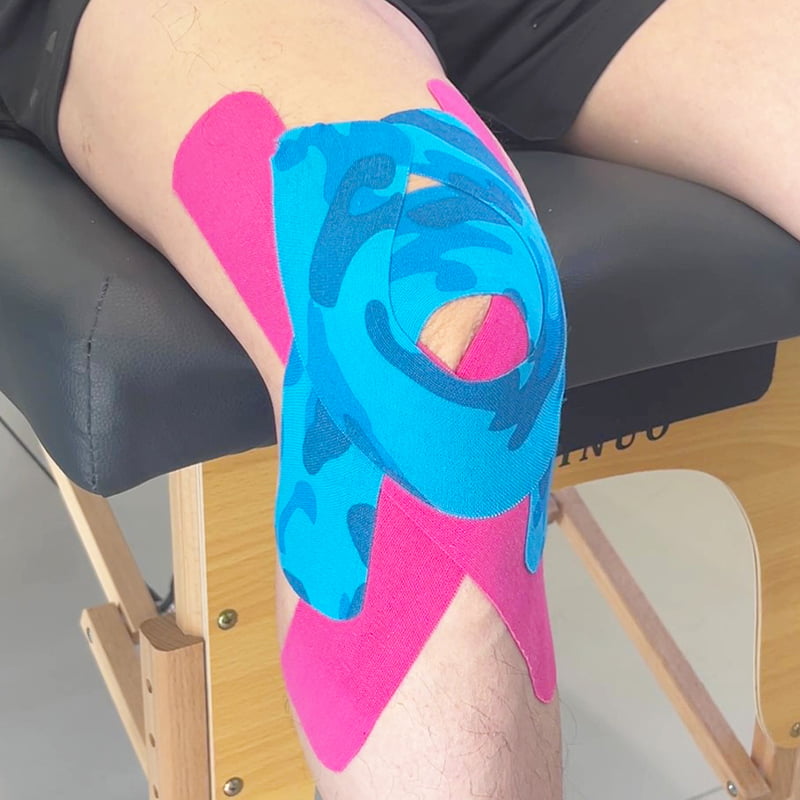
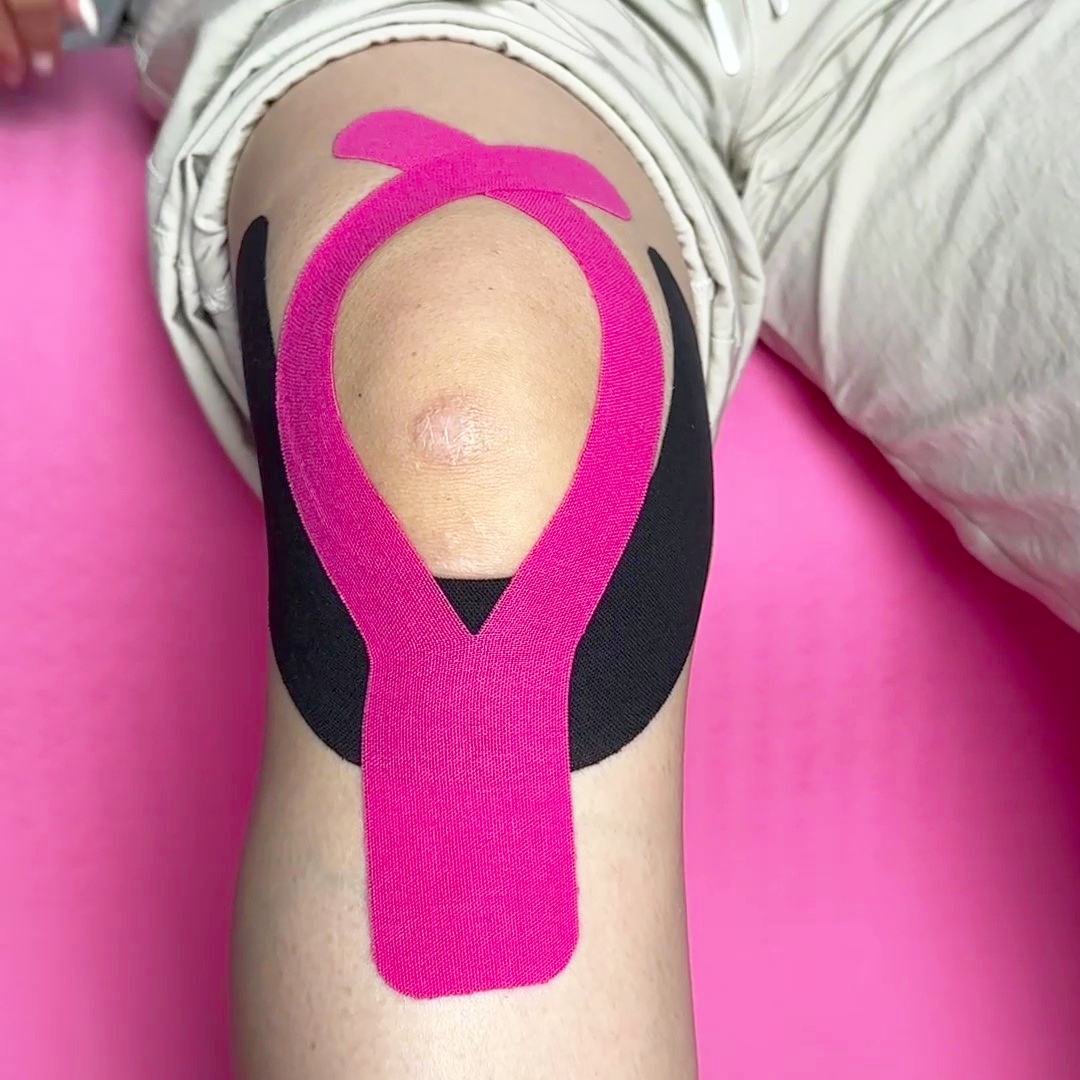
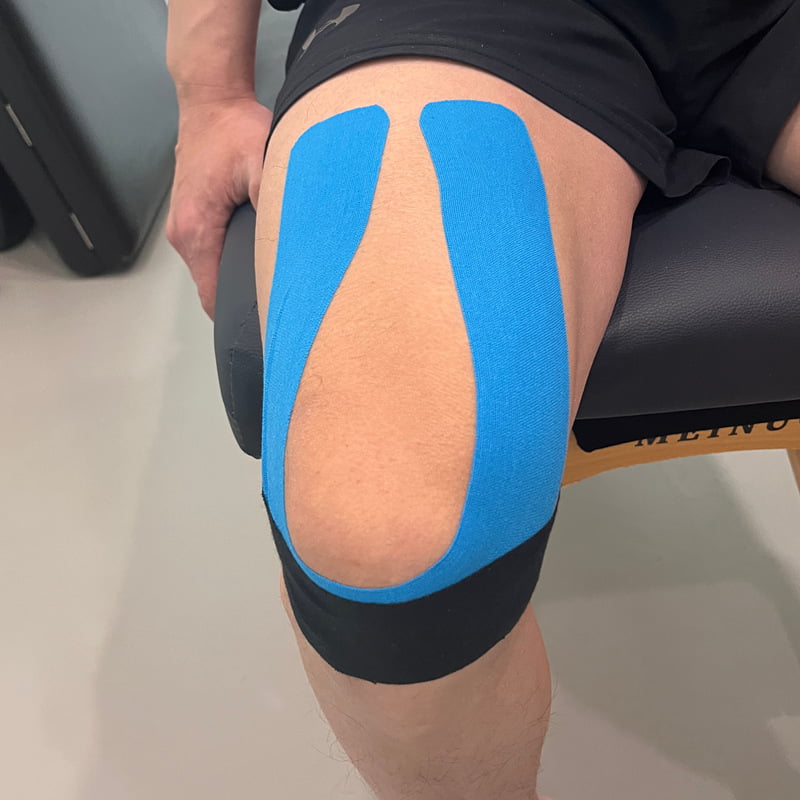
Place the first tape strip below the knee and guide it upward along the outside of the knee.
Apply gentle tension through the middle section while keeping the ends with no stretch. This creates supportive feedback around the knee instability.
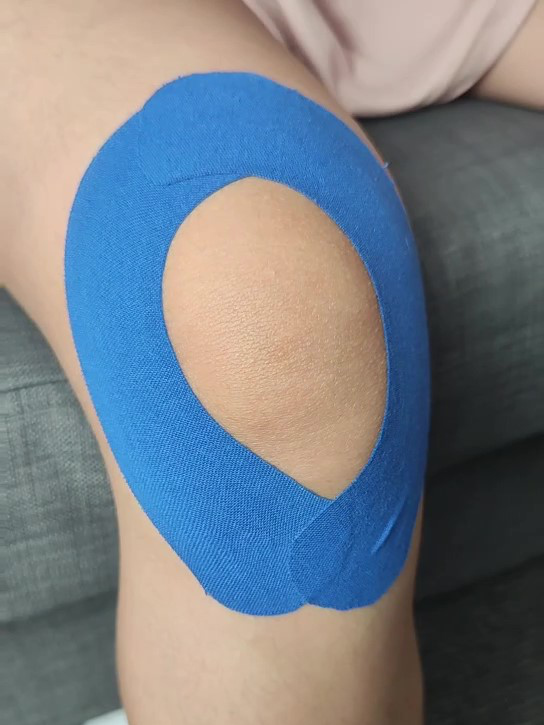
Apply a second strip of tape along the outside of the knee from the opposite direction to create a balanced support pattern.
The two strips should work together to provide additional stability without restricting natural movement.
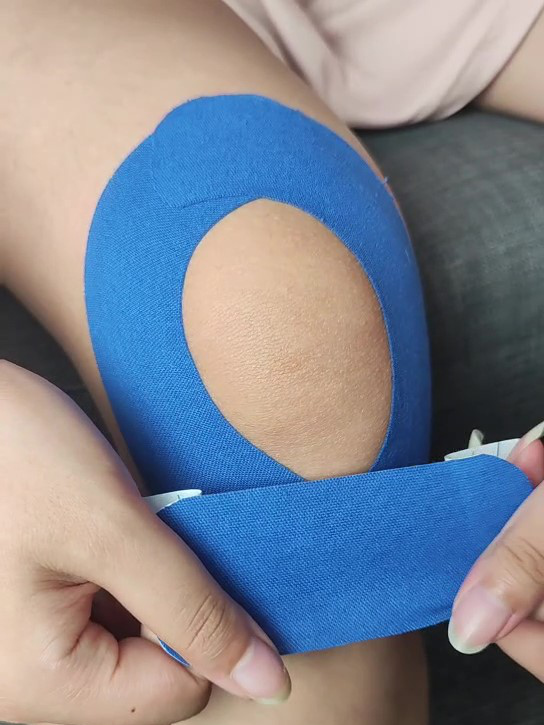
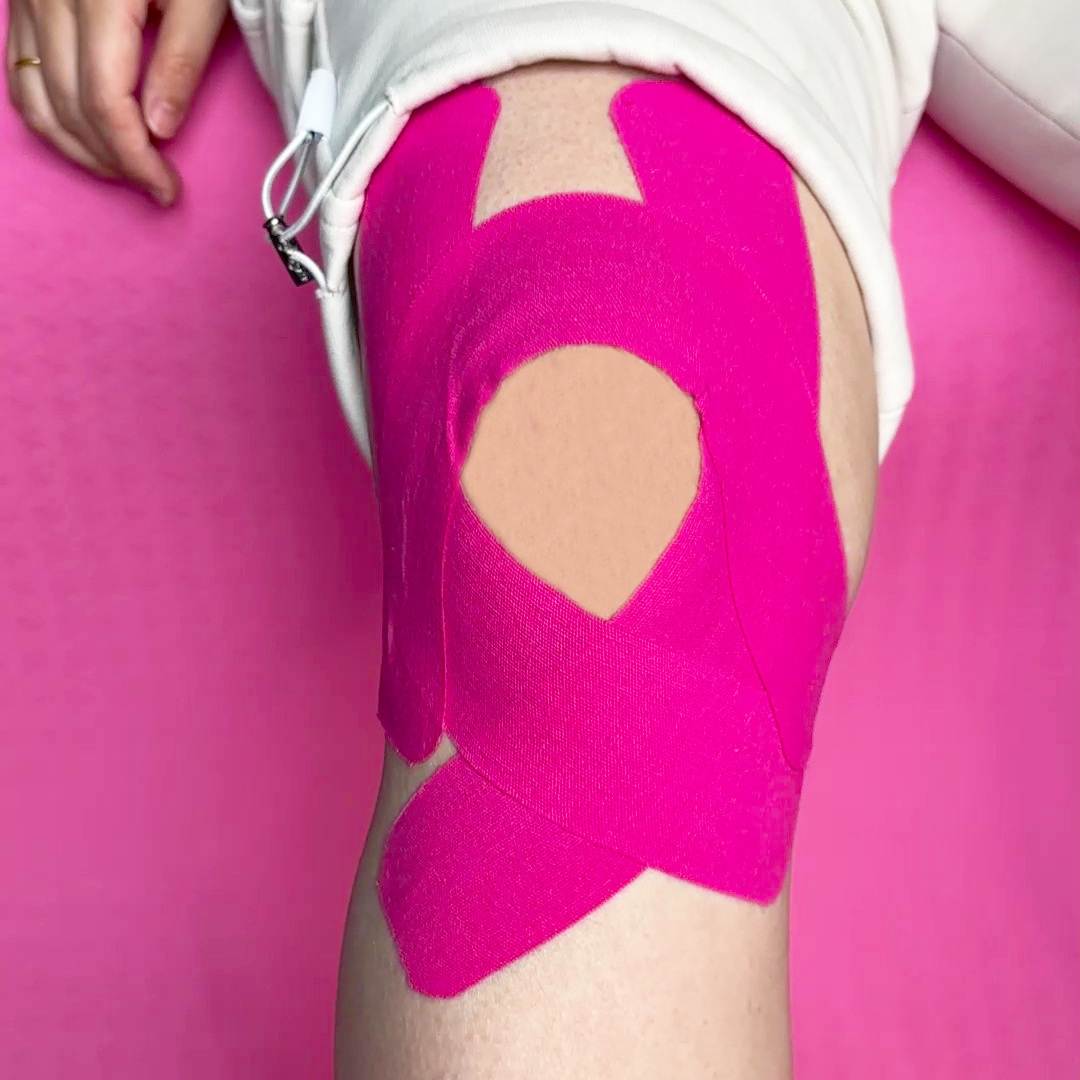
For athletes requiring additional support, a third strip can be applied around the knee area.
This type of ACL strapping technique helps provide extra awareness during sports movements. Avoid wrapping the tape too tightly because excessive compression may affect circulation.
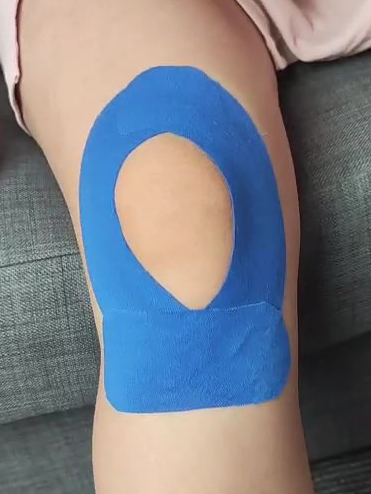
- Rub the tape gently for several seconds
- Allow body heat to activate the adhesive
- Check that edges are fully attached
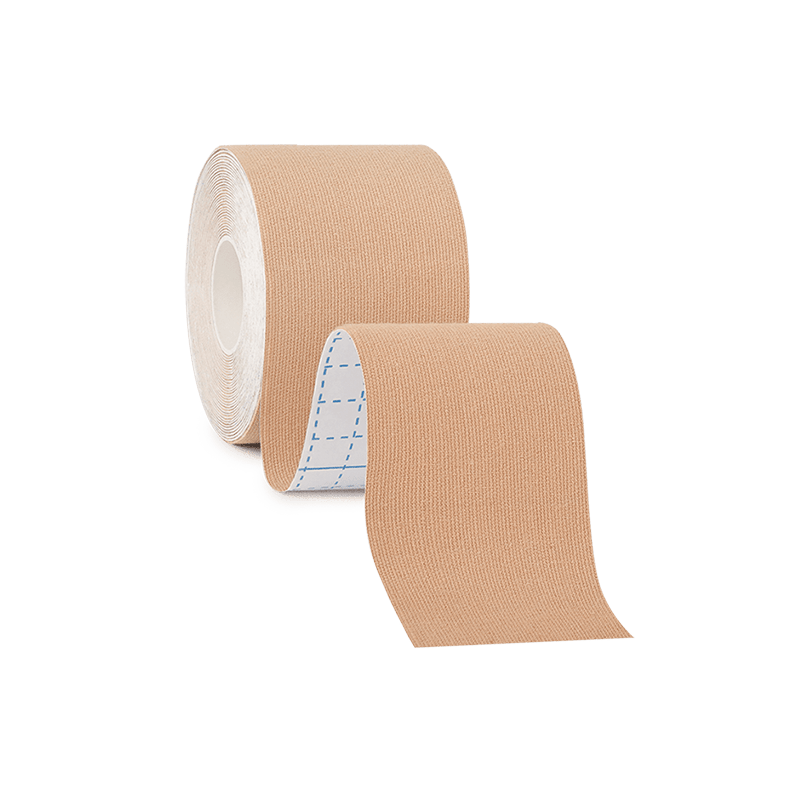
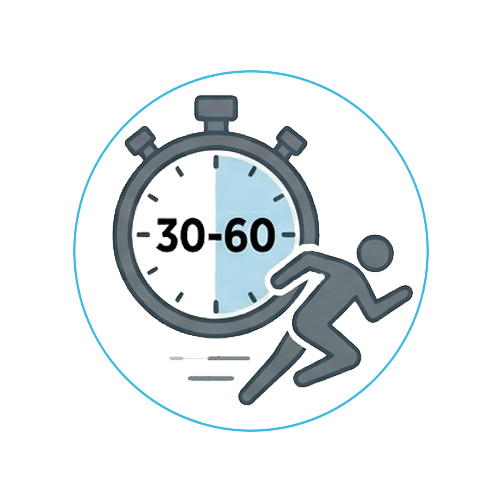
High-quality elastic therapeutic tape can typically stay in place for several days when properly applied.
Place the first tape strip below the knee and guide it upward along the outside of the knee.
Apply gentle tension through the middle section while keeping the ends with no stretch. This creates supportive feedback around the knee instability.
Apply a second strip of tape along the outside of the knee from the opposite direction to create a balanced support pattern.
The two strips should work together to provide additional stability without restricting natural movement.
For athletes requiring additional support, a third strip can be applied around the knee area.
This type of ACL strapping technique helps provide extra awareness during sports movements. Avoid wrapping the tape too tightly because excessive compression may affect circulation.
- Rub the tape gently for several seconds
- Allow body heat to activate the adhesive
- Check that edges are fully attached
High-quality elastic therapeutic tape can typically stay in place for several days when properly applied.
What Is an ACL Injury?
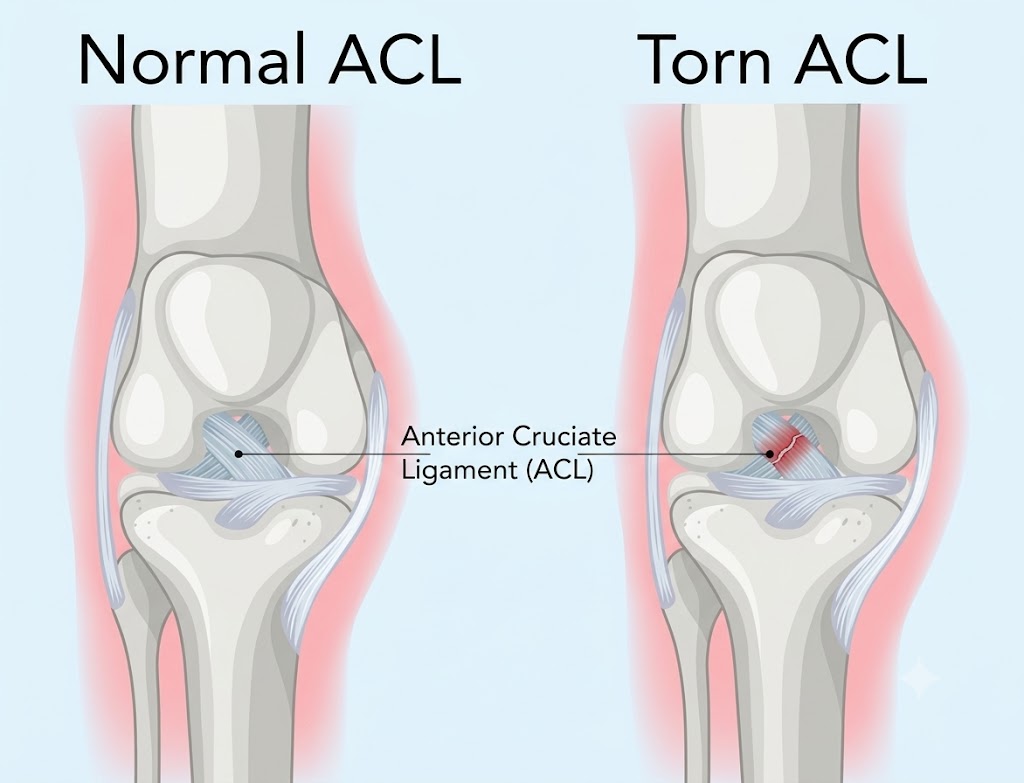
The ACL (anterior cruciate ligament) is one of the four major ligaments inside the knee joint. It connects the femur (thigh bone) to the tibia (shin bone) and plays an important role in controlling forward movement and rotational stability of the knee.
When the anterior cruciate ligament is overstretched or torn, it is called an ACL injury. Depending on the severity, ACL injuries can range from mild ligament stretching to complete tears.
Common symptoms of an ACL injury include:
- A popping sensation or sound inside the knee
- Sudden knee pain
- Swelling within several hours after injury
- Feeling that the knee is unstable or “giving way”
- Reduced range of motion
- Difficulty running, jumping, or changing direction
For athletes, ACL injuries often affect confidence because the knee may feel unstable during explosive movements.
Most ACL injuries are not caused by direct contact. Instead, they often happen during high-speed movements where the knee experiences excessive twisting or force.
Common causes include:
Sudden Direction Changes
Quick cutting movements can create rotational stress on the knee, especially when the foot stays planted while the body changes direction.
Examples:
- Changing direction while running
- Defensive movements in football
- Basketball crossover movements
Improper Landing Technique
Landing with the knee collapsing inward (known as knee valgus) increases pressure on the anterior cruciate ligament.
Common situations include:
- Landing after a jump
- Rebounding in basketball
- Jumping during volleyball
Sudden Stops and Deceleration
Rapidly slowing down creates strong forward movement of the tibia, increasing stress on the anterior cruciate ligament.
Direct Impact
A strong impact from another player or object can force the knee beyond its normal range.
ACL injuries are especially common in sports requiring speed, jumping, and quick reactions.
Common ACL injury sports include:
Soccer / Football
Soccer players frequently perform sudden turns, tackles, and explosive sprints, making ACL injuries common.
Basketball
Repeated jumping and landing movements place significant stress on the knee joint.
Skiing
Skiing involves high-speed rotation and fixed foot positions, which can create strong twisting forces on the anterior cruciate ligament.
Volleyball
Frequent jumping and landing increase the risk of ACL strain.
Tennis
Fast lateral movements and sudden stops can overload the knee ligament.
Rugby and American Football
Player contact and aggressive direction changes can contribute to ACL injuries.
Kinesiology tape for ACL injury is commonly used by athletes, physical therapists, and trainers as a supportive tool during rehabilitation and sports activities.
Although elastic therapeutic tape does not physically replace the ACL ligament, it may provide several benefits:
Provides ACL Support
Properly applied tape can help improve knee awareness and remind athletes to maintain better movement patterns.
Supports Knee Stability
The elastic properties of elastic therapeutic tape allow movement while providing light external support around the knee.
Helps Reduce Excessive Movement
Correct taping techniques may help limit unnecessary knee stress during activity.
Supports Sports Performance
Many athletes use elastic therapeutic tape during training sessions or competitions because it is lightweight and less restrictive than traditional braces.
Elastic therapeutic tape cannot guarantee ACL injury prevention, but it can be part of a broader knee protection strategy.
Using kinesiology tape for ACL injury prevention may help athletes by:
Improving Movement Awareness
Tape provides sensory feedback that reminds athletes to control knee position.
Supporting Proper Training
Many athletes combine supportive knee taping with:
- Strength training
- Balance exercises
- Mobility training
- Proper warm-up routines
Providing Extra Confidence
Some athletes feel more secure wearing knee support tape during high-intensity activities.
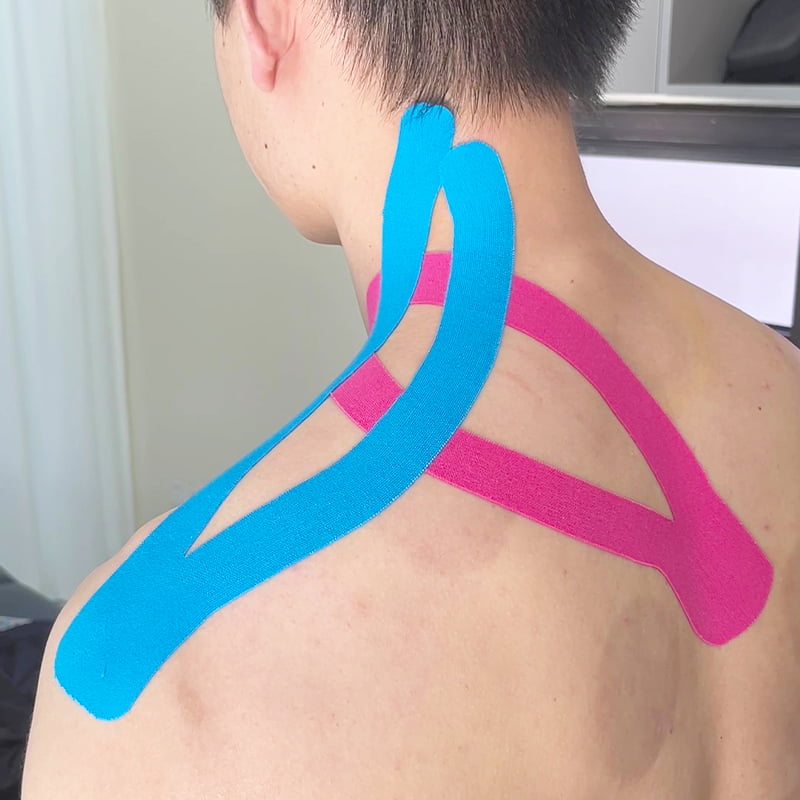
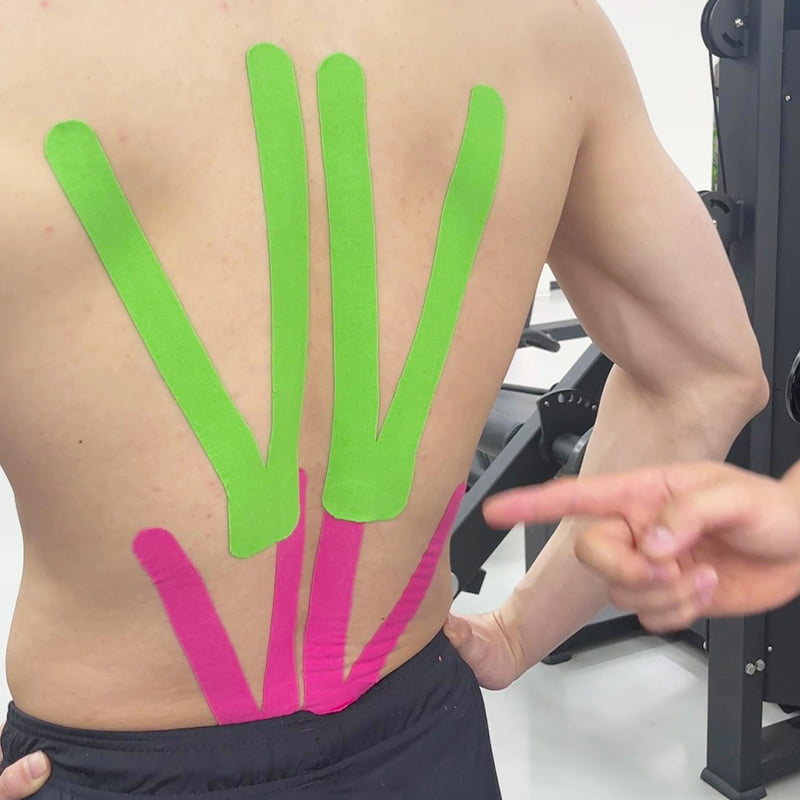
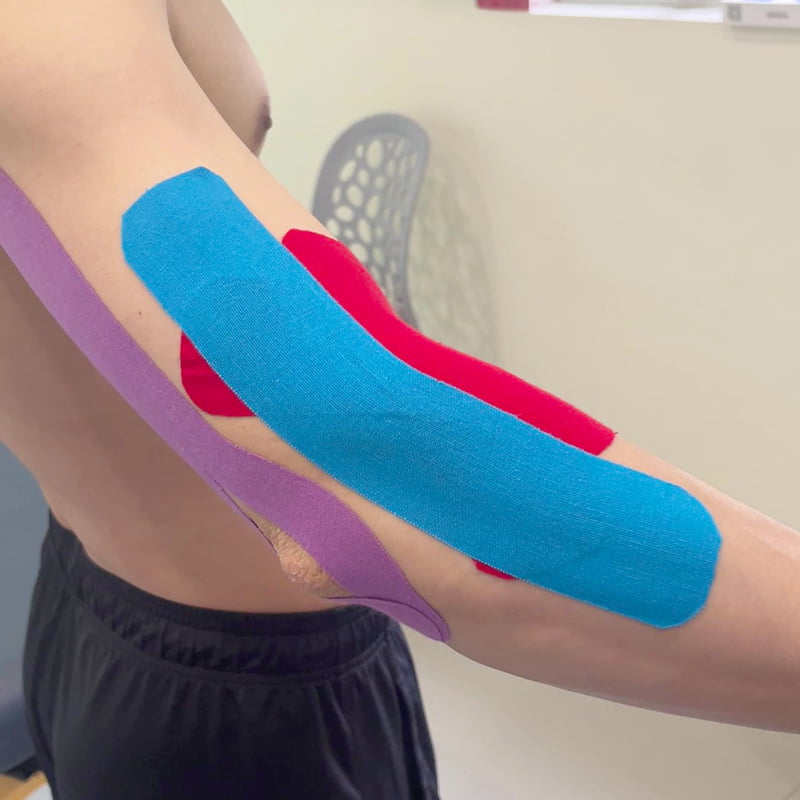
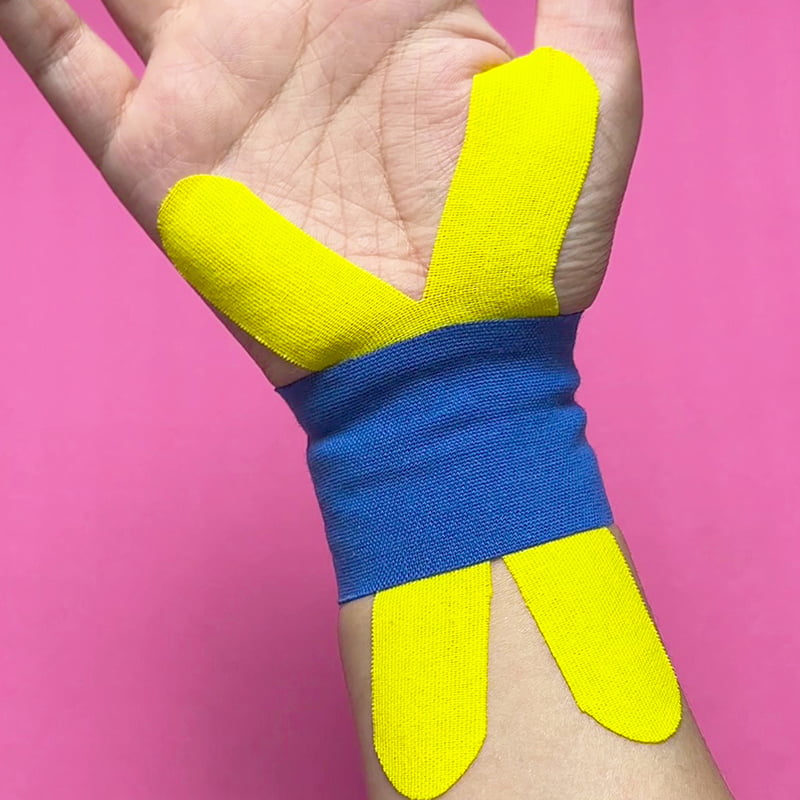
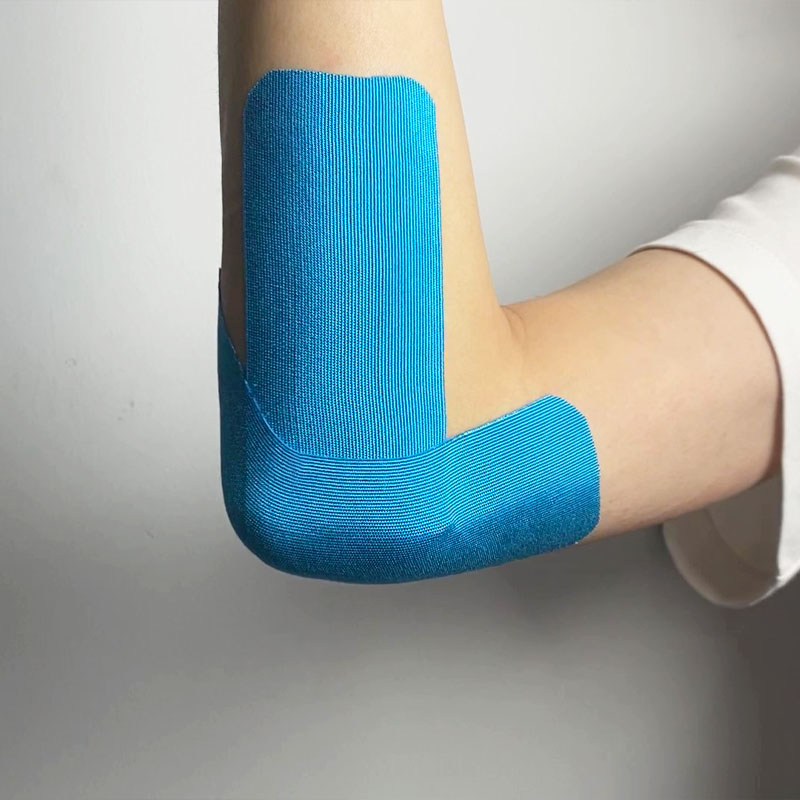
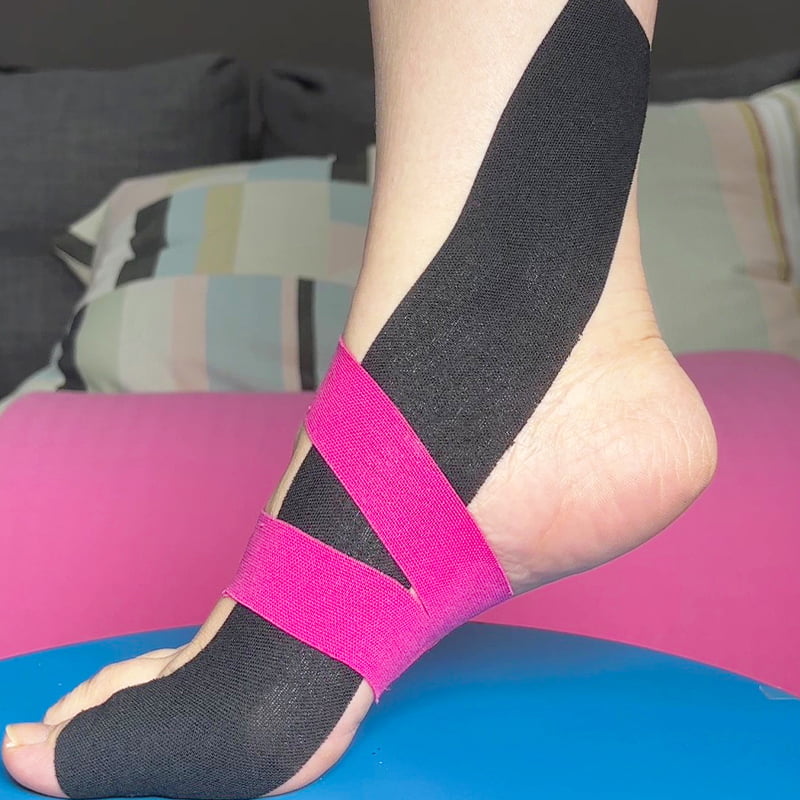
How to Apply for Knee Pain in Other Areas
No. elastic therapeutic tape cannot repair a torn ACL. It is designed to provide external support, improve body awareness, and assist athletes during movement.
Most high-quality physiotherapy tape can stay in place for around 3–5 days, depending on skin condition, sweating, and activity level.
For more details, please click: How Long to Wear Kinesiology Tape is Best?
No. A knee brace provides stronger mechanical support, while elastic therapeutic tape offers flexible support and movement feedback.
Physiotherapy tape may provide additional support and movement awareness, but the best ACL injury prevention methods include strength training, proper technique, and conditioning.
ACL taping usually refers to applying tape around the knee for support, while ACL strapping often describes a more structured taping technique designed to provide additional stability.
Final Thoughts on ACL taping techniques
When applied properly, kinesiology tape for ACL support offers lightweight knee stability, enhances proprioception, and builds athlete confidence during rehabilitation—all without restricting natural movement. For best results, tape application should always be combined with proper strength training and professional medical guidance.
However, many of our clients are physiotherapy centers, gyms, and professional sports teams, for whom a stable, low-priced, long-term supply is the preferred option.
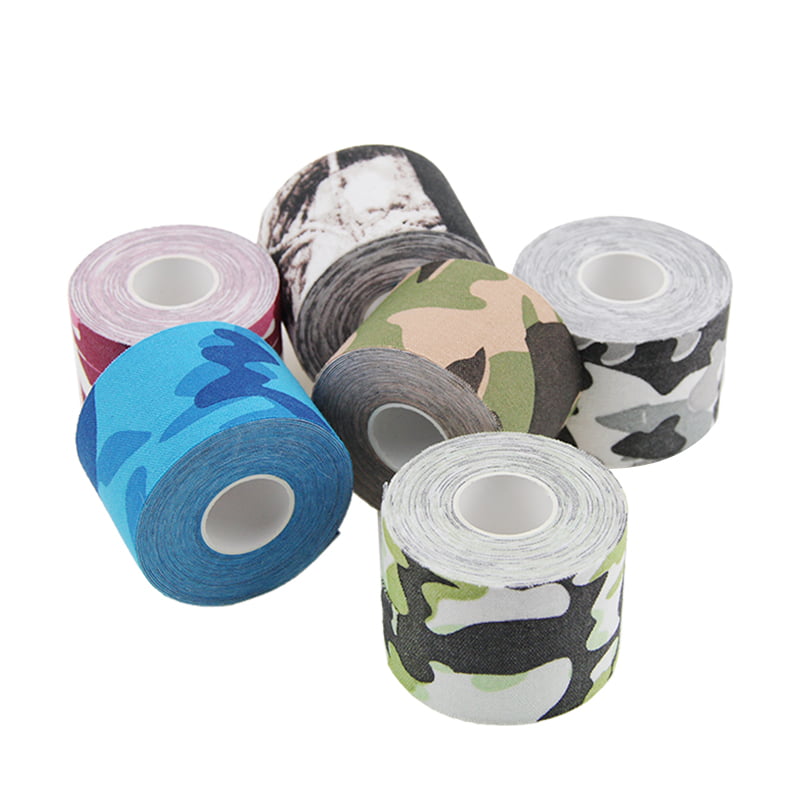
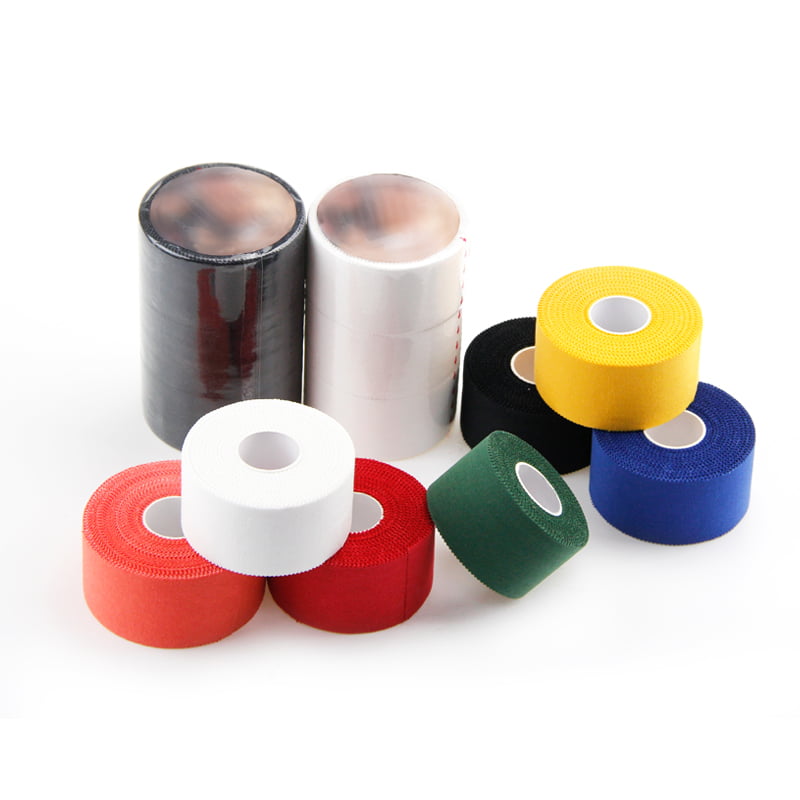
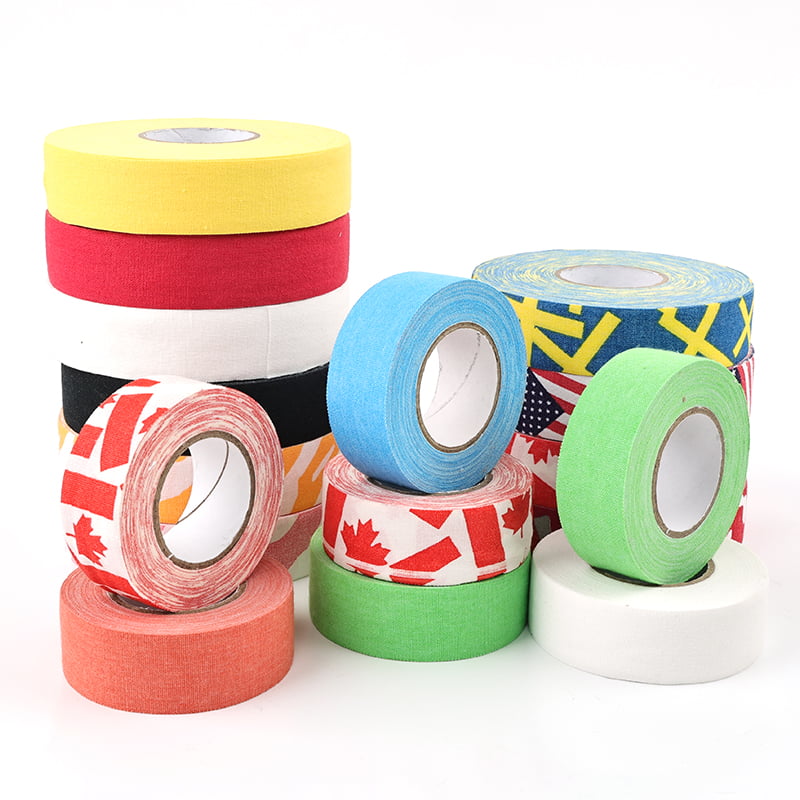
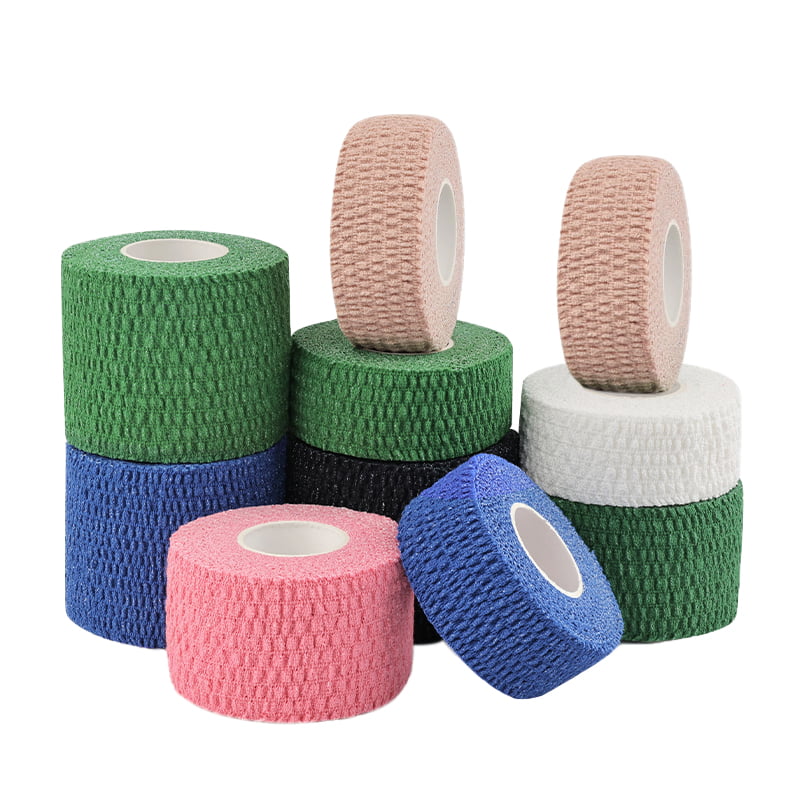
As a professional physiotherapy tape supplier, Veefun supplies high-performance, medical-grade elastic therapeutic tape for sports retailers, rehab suppliers, and distributors worldwide. We offer full OEM and private-label customization—including custom sizes, colors, logos, and packaging.
Explore our full range of custom kinesiology tape solutions or contact Veefun today for wholesale inquiries and free samples!