
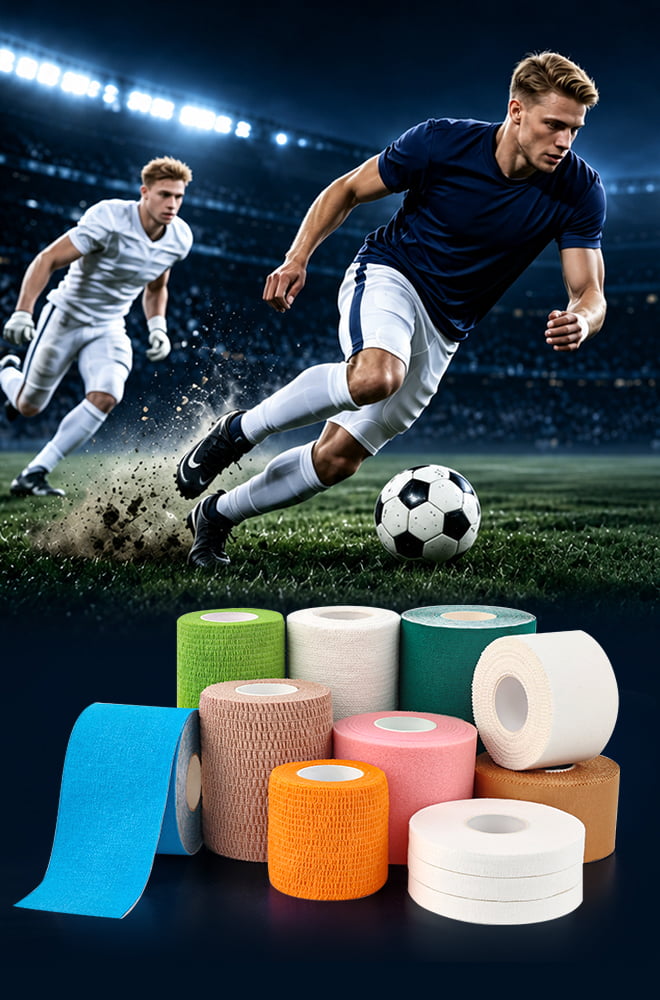
Soccer & Football Tape
What Are The Main Types of Soccer & Football Tape And Their Uses?
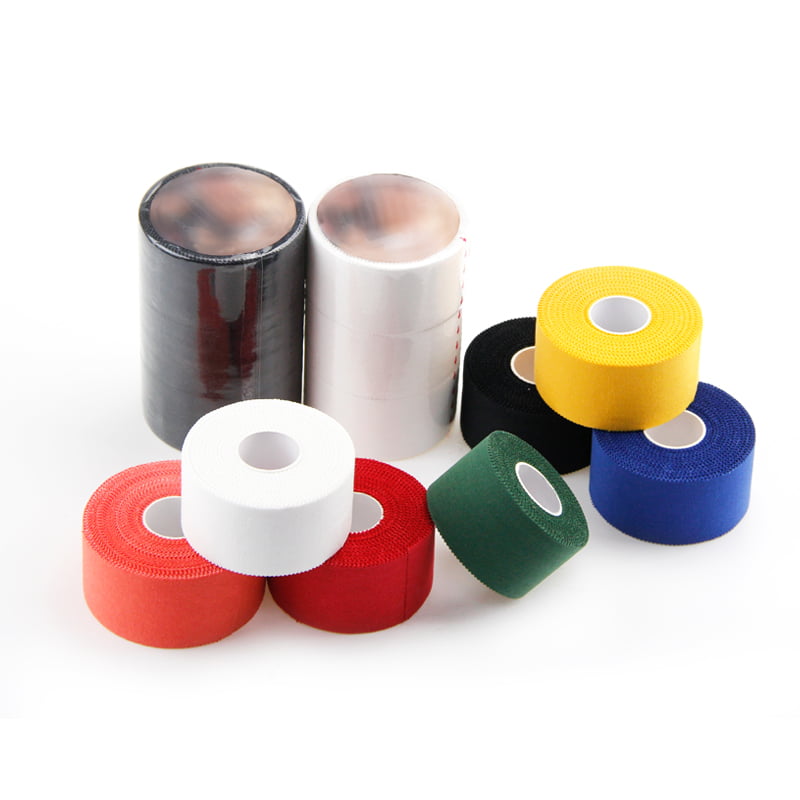
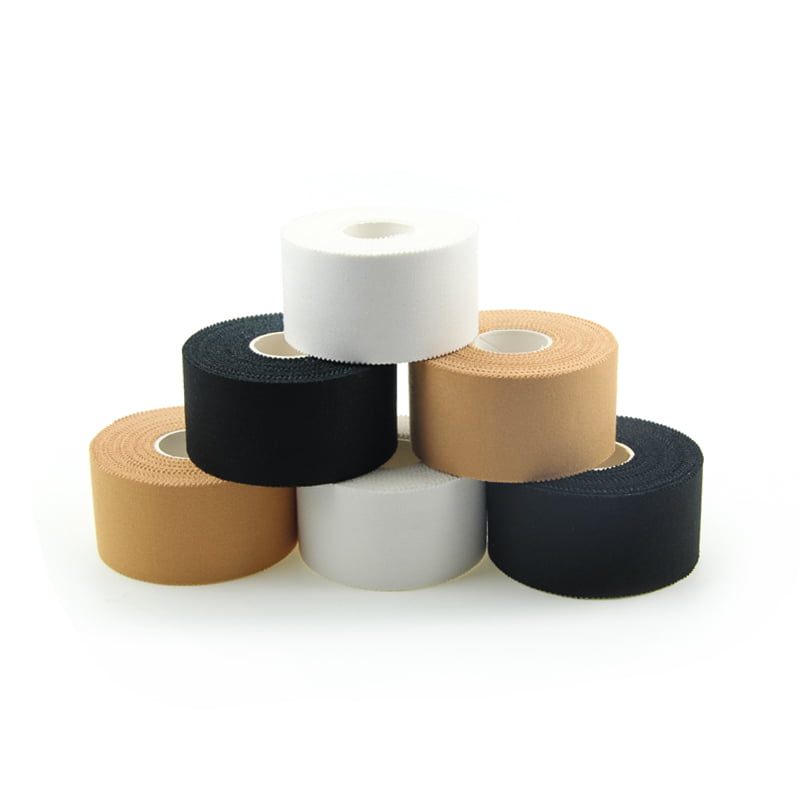
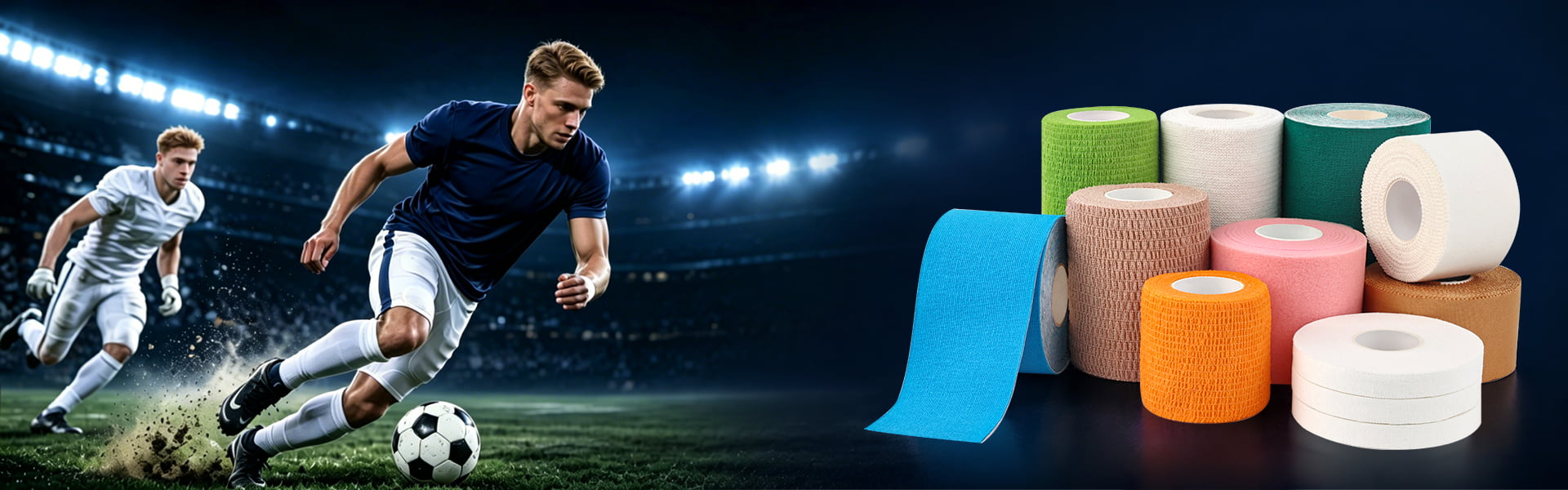
- Cotton athletic tape for supporting your wrists and ankles to prevent sprains.
- Football turf tape for preventing turf burns and abrasions
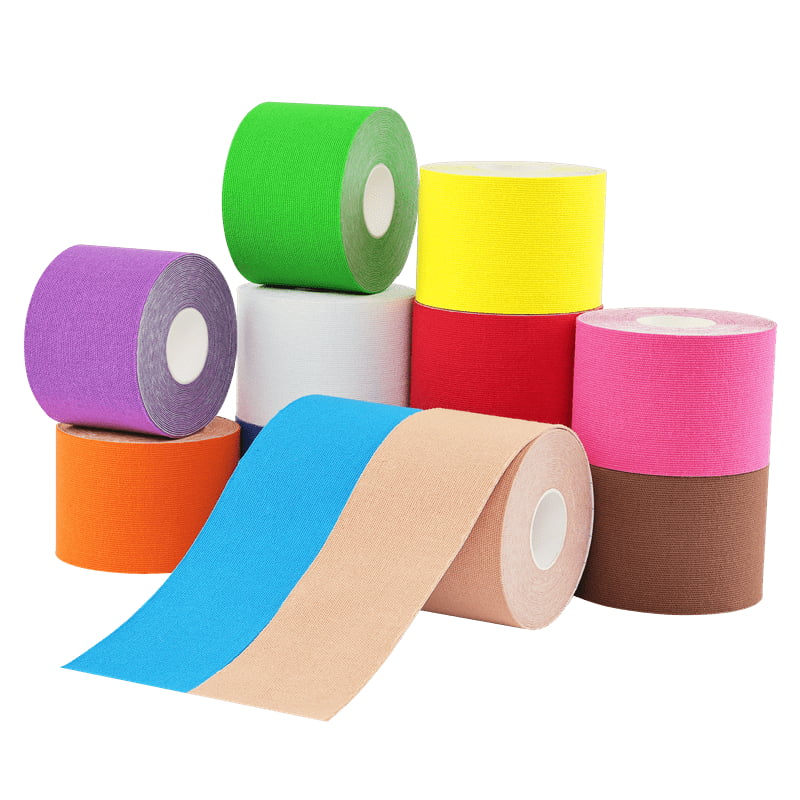
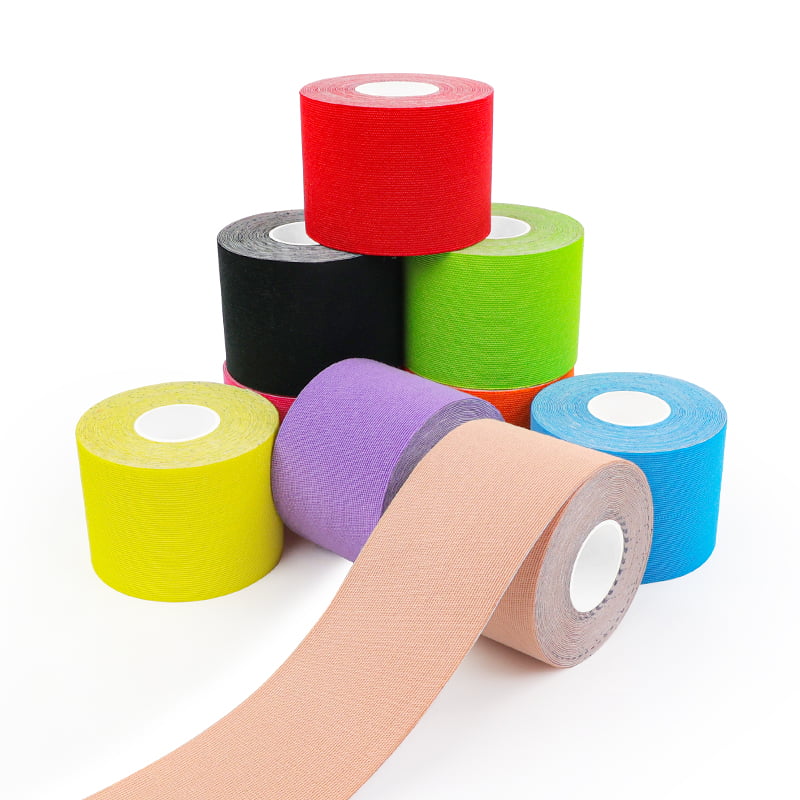
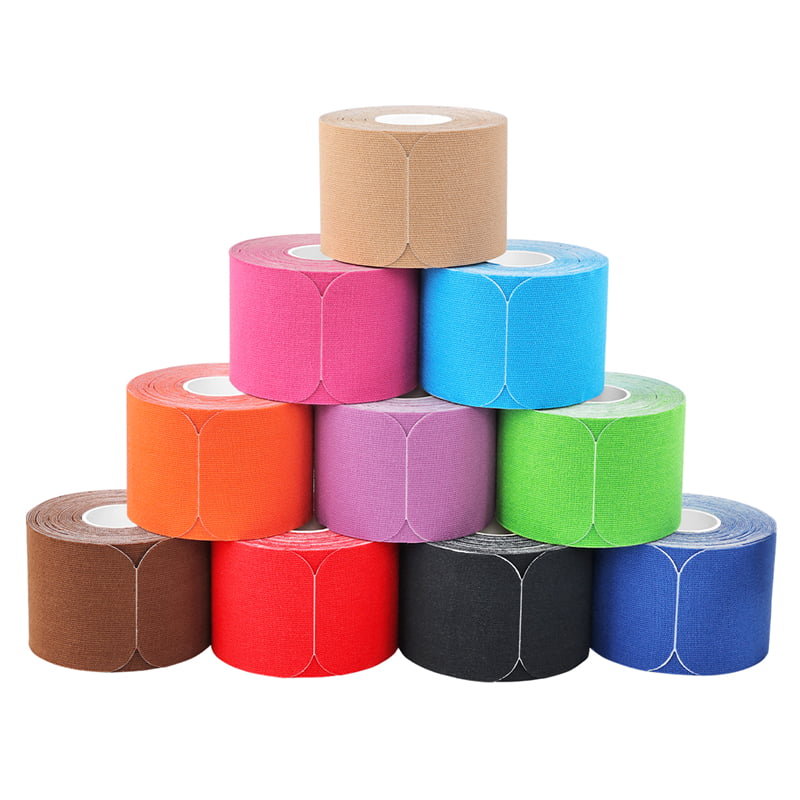
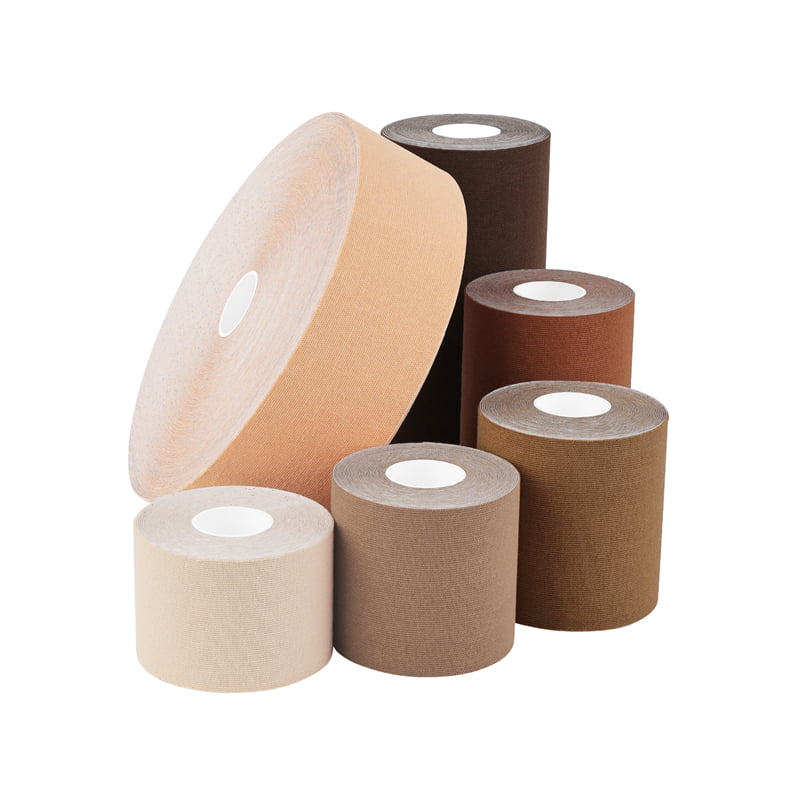
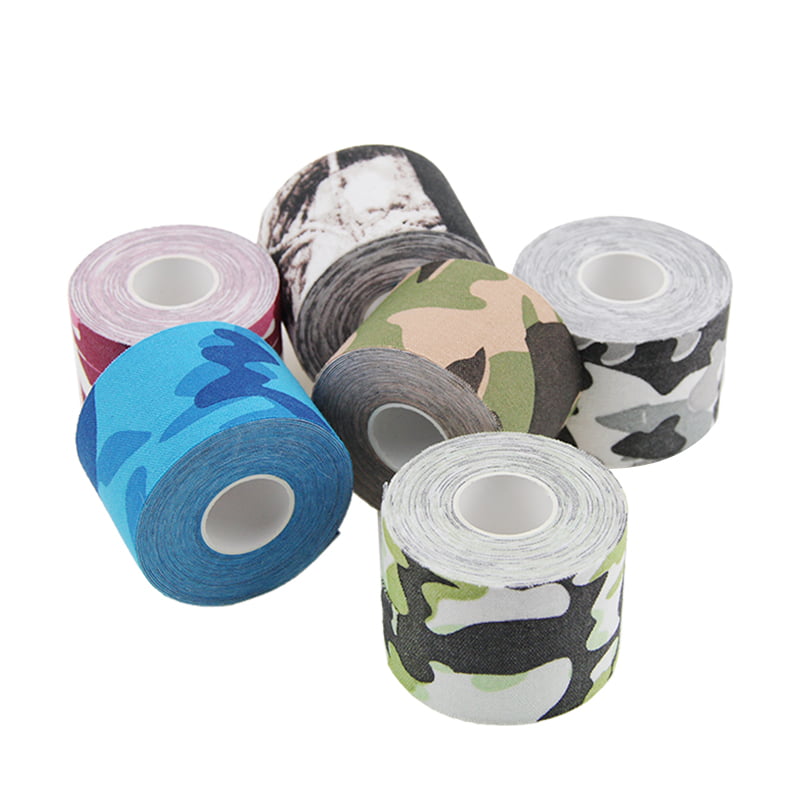
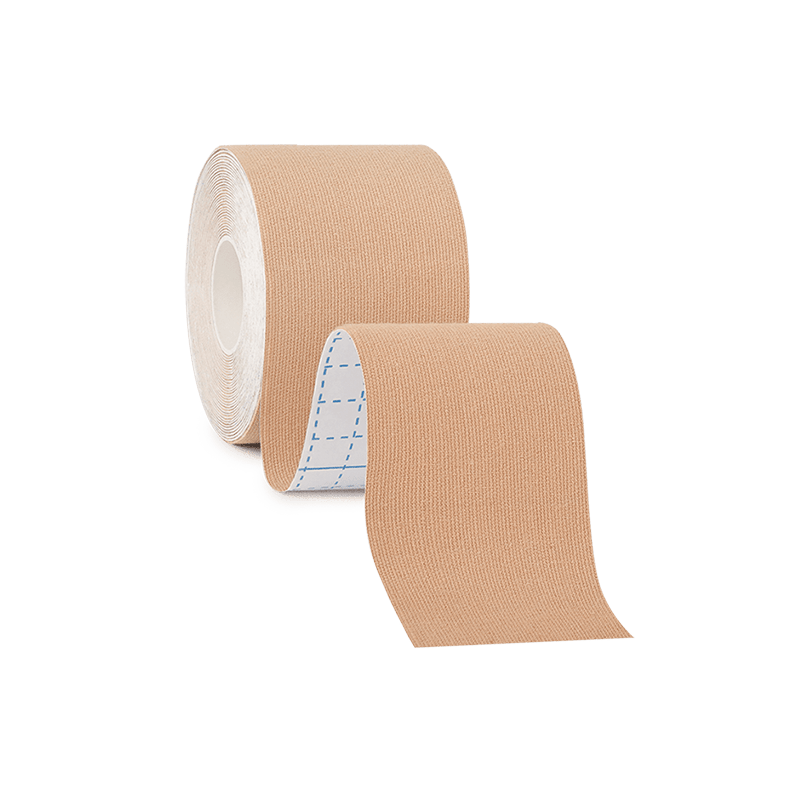
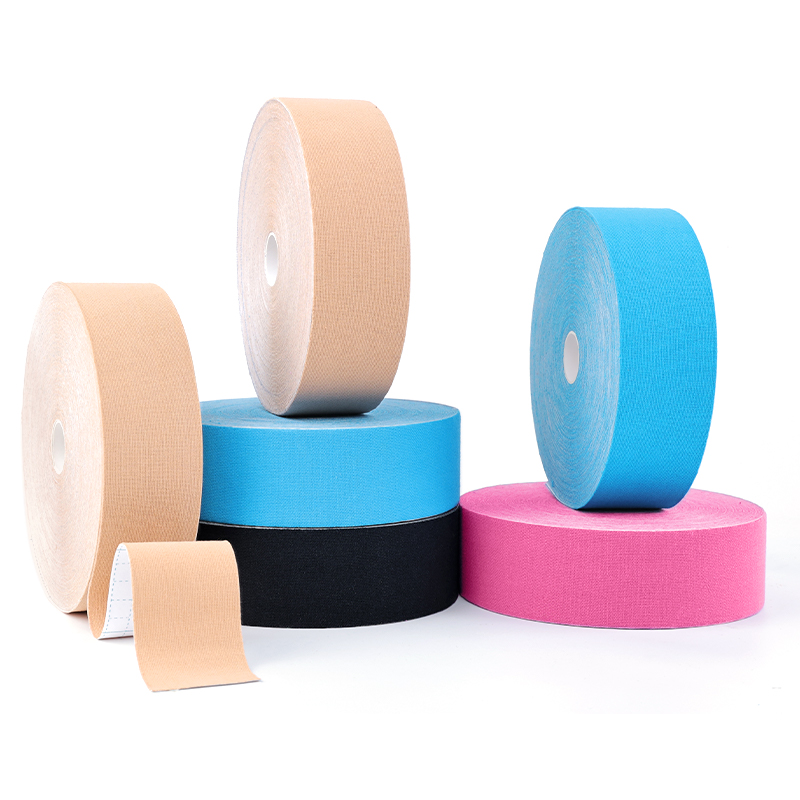
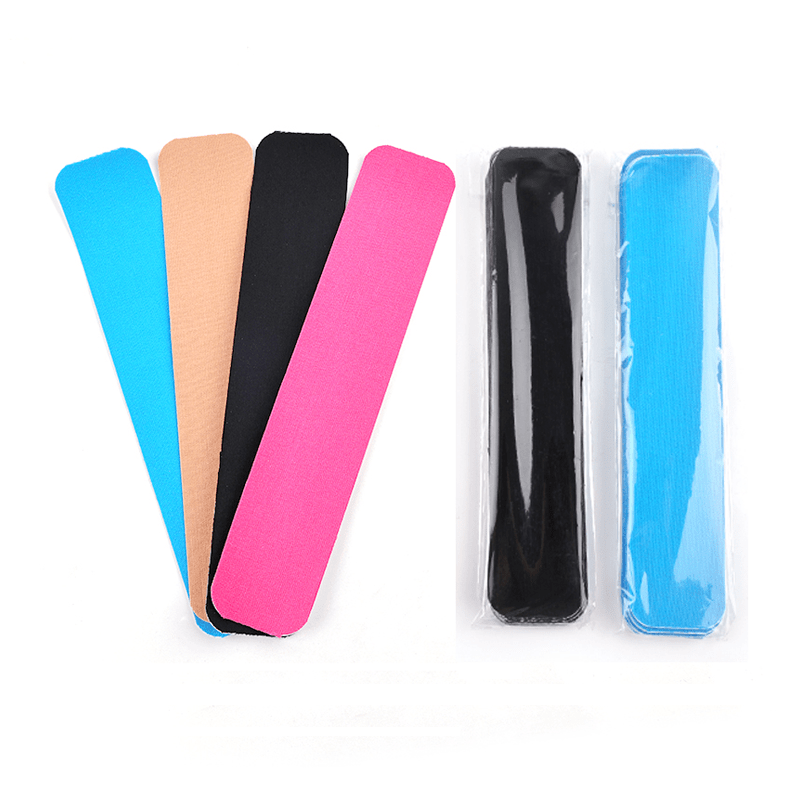
- Kinesiology tape for relieving muscle pain and tension
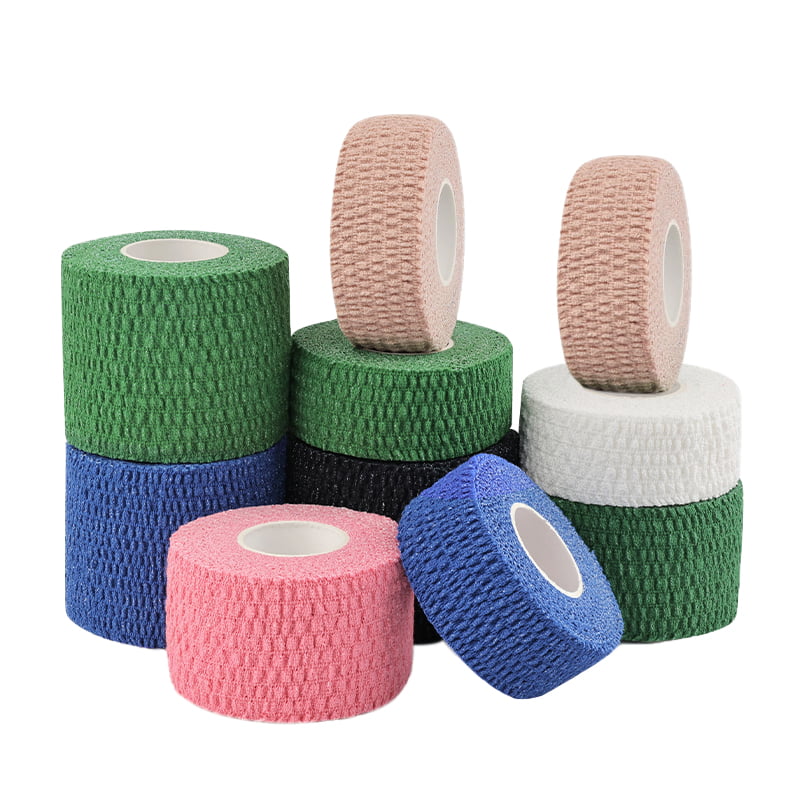
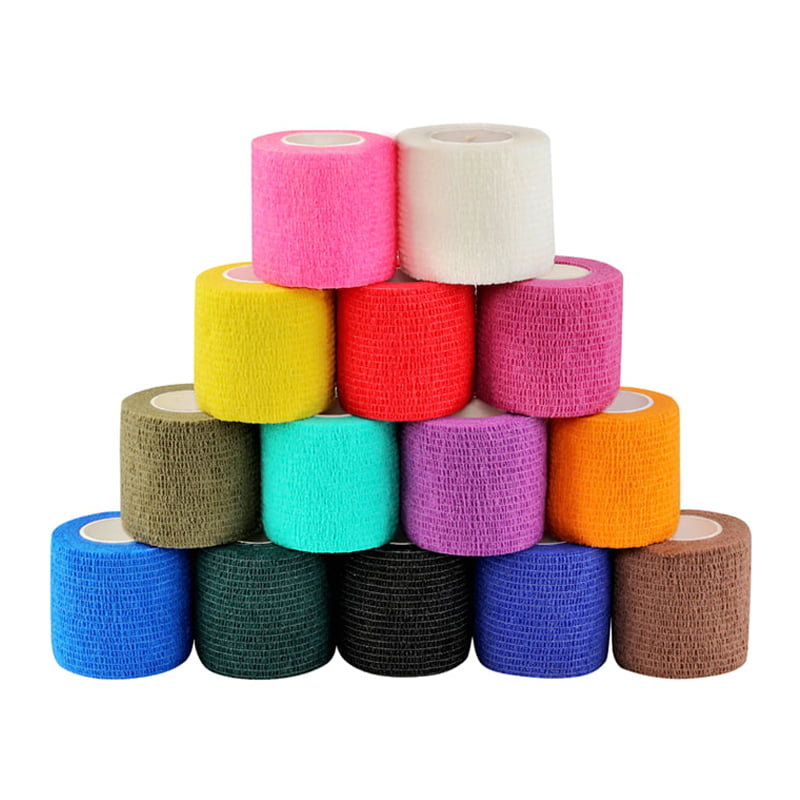
- Cohesive bandage for securing shin guards and football socks
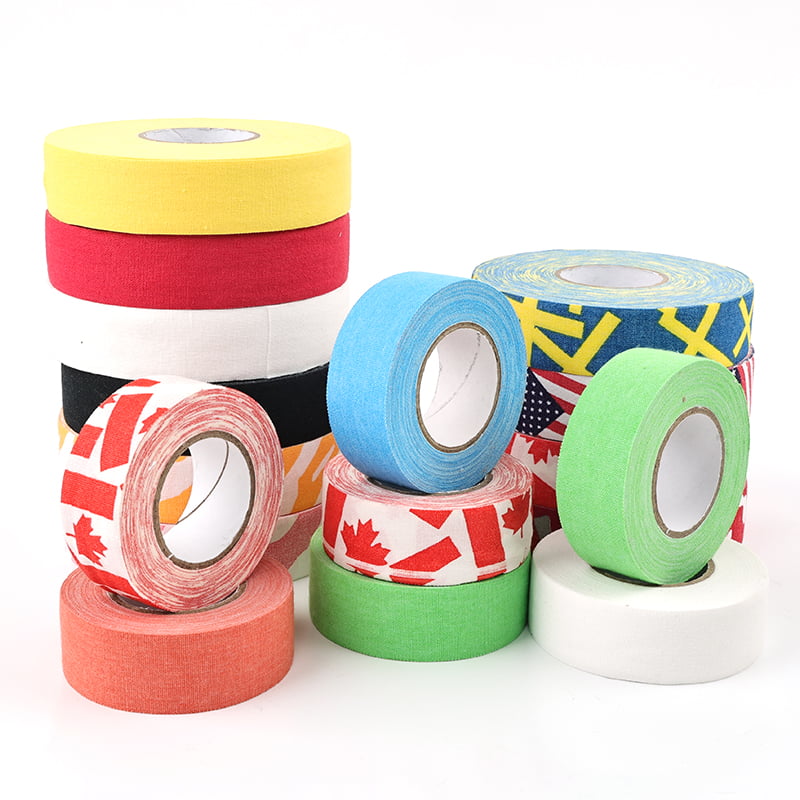
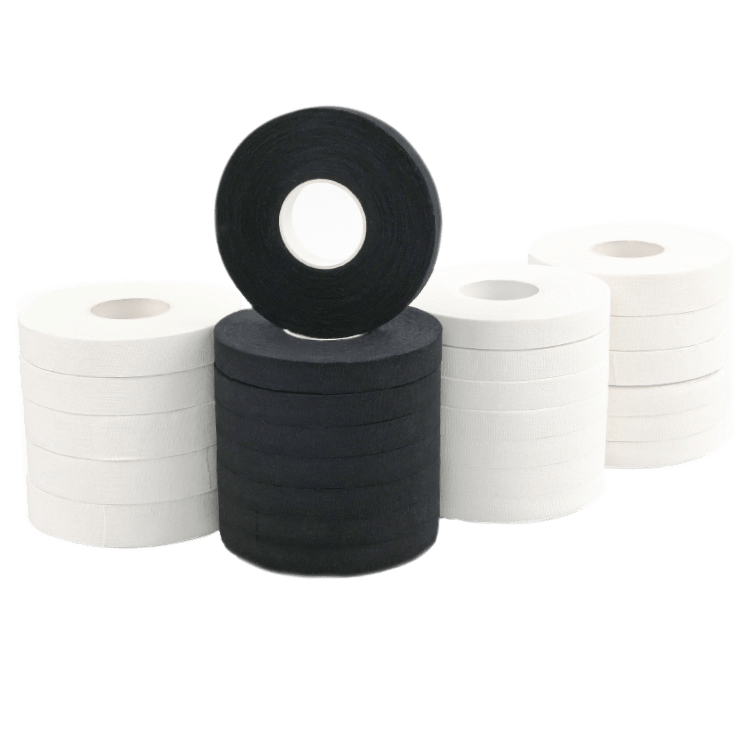
- Finger tape for protecting goalkeepers' fingers and outfielders' toes
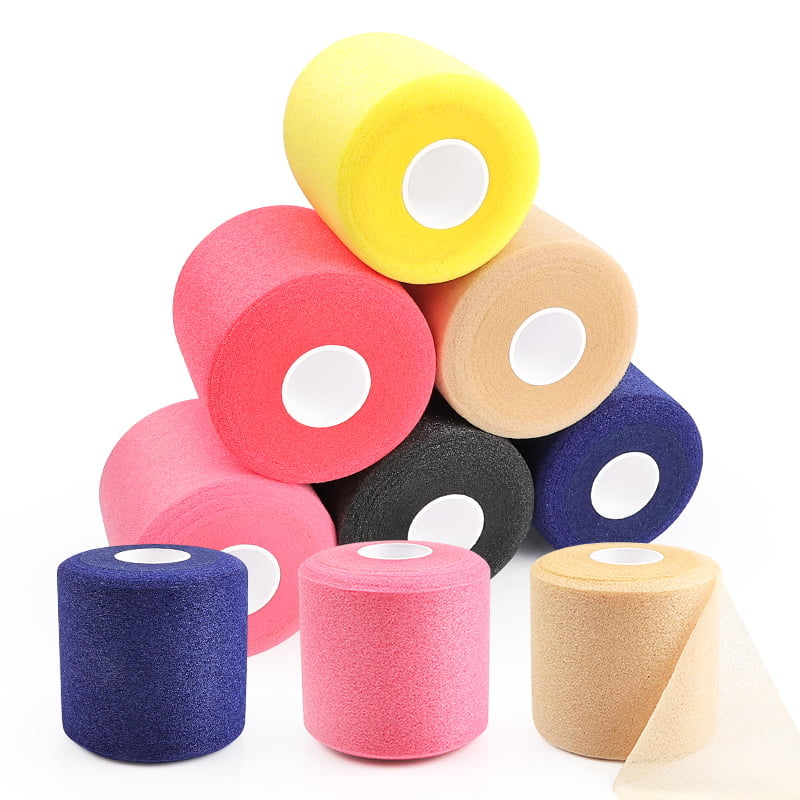
- Pre-wrap for protecting sensitive skin
- EAB sports bandages for strong support after injury

Why Use Soccer & Football Tape?
Using the right soccer & football tape can help improve stability, reduce discomfort, protect vulnerable areas, and keep equipment securely in place throughout training and competition.
At Veefun, we manufacture a complete range of soccer & football tapes and sports bandages for individual athletes and professional buyers alike.
For sports brands, distributors, soccer & football clubs, retailers, and wholesalers, we also provide OEM manufacturing, private labeling, and bulk supply directly from our factory in China.
Soccer & Football Tape Solutions for Every Match Situation
Prevent Turf Burns on Artificial Grass
Artificial turf can easily cause painful skin abrasions during tackles and sliding saves.
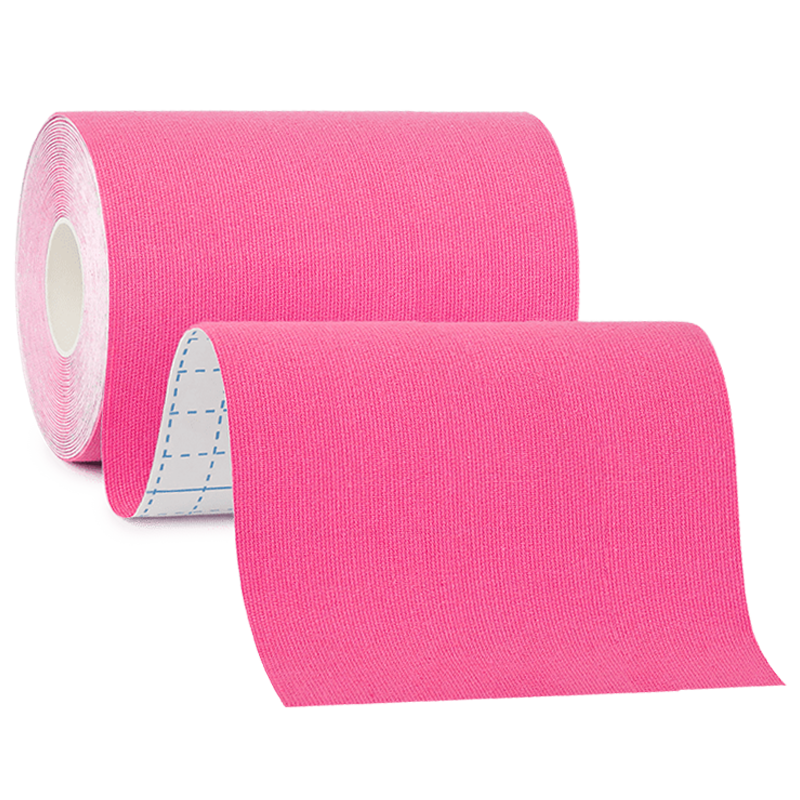
Wide 10 cm kinesiology tape, commonly known as turf football tape, creates a protective barrier between the skin and synthetic grass while remaining flexible enough for unrestricted movement.
Suitable for:
- Goalkeepers
- Defenders
- Players who frequently slide
- Artificial turf matches
- Training sessions
Support Muscles Throughout the Match
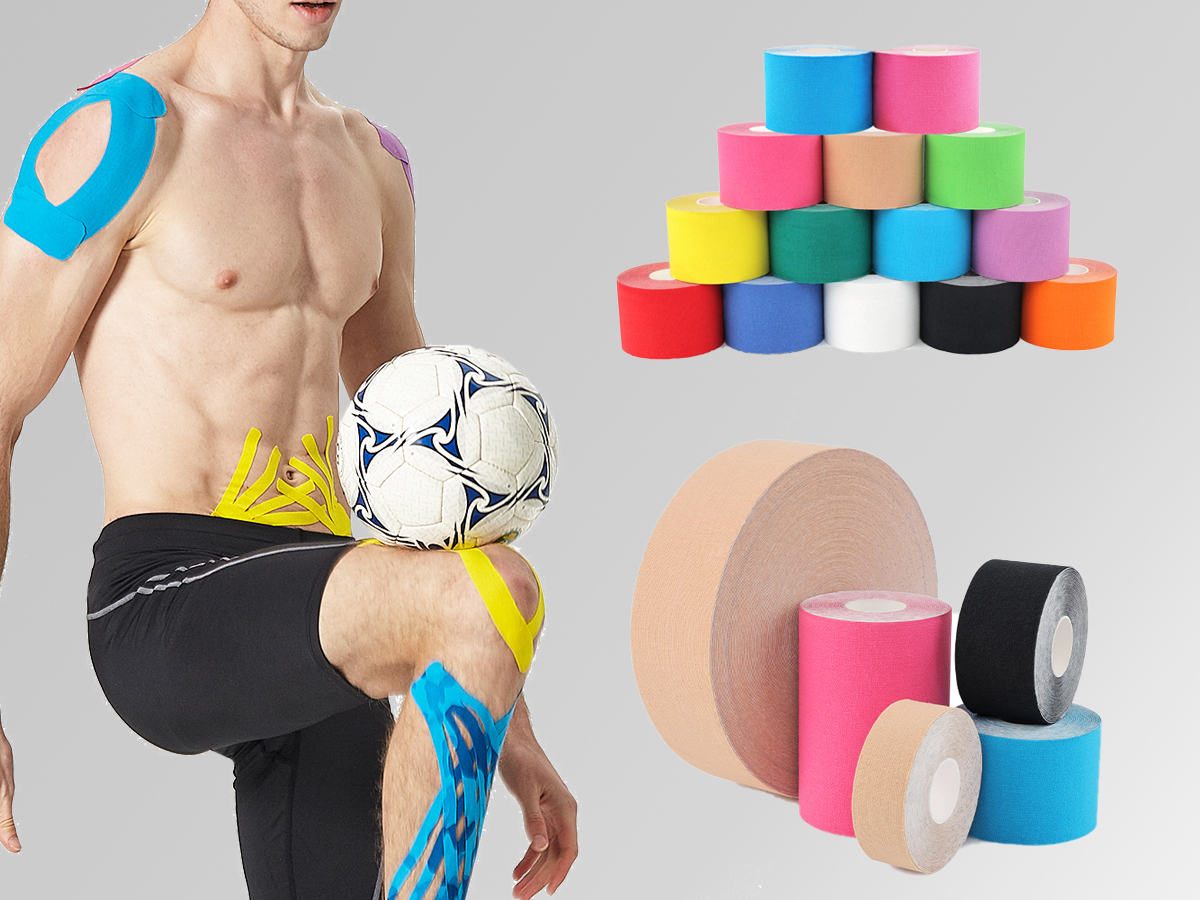
Soccer & Football players rely heavily on their calves, hamstrings, quadriceps, hips, lower back, and shoulders.
Using kinesiology tape before training or competition can help provide gentle support, relieve muscle pain, and reduce muscle fatigue without restricting natural movement.
Common taping locations include:
- Hamstrings
- Calves
- Knees
- Shoulders
- Lower back
- Achilles tendon
Keep Shin Guards Secure for 90 Minutes
Few things are more distracting than shin guards slipping during a match.
Soccer & Football players commonly use cohesive bandage (sock tape) to secure socks and shin guards because it sticks to itself rather than the skin or socks, making removal quick and comfortable.
Advantages
- No sticky residue
- Won't damage socks
- Easy to tear by hand
- Comfortable compression
- Reusable during training
Maximum Joint Stability
For soccer & football players who need stronger fixation, zinc oxide tape, EAB Sports Tape (Elastic Adhesive Bandage), or rigid strapping tape provides higher tensile strength than cohesive bandages.
Often used by professional players during competitive matches.
Ideal for
- Elite matches
- Heavy tackles
- Shin guard fixation
- Ankle taping
Protect Sensitive Skin Before Taping
Applying athletic tape directly to the skin can cause discomfort, especially during removal.
Under wrap, also called pre-wrap, forms a soft protective layer between the skin and rigid athletic tape. It helps reduce adhesive residue, minimizes hair pulling, and lowers the risk of skin irritation, making it especially useful for athletes with sensitive skin or those who tape frequently.
Ideal for:
- Sensitive skin
- Daily training
- Hairy legs
- Repeated taping
- Wearing under zinc oxide tape or rigid strapping tape
Protect Fingers and Toes from Impact
Soccer & football aren't just tough on ankles. Goalkeepers constantly expose their fingers to high-speed impacts, while outfield players often experience painful toe injuries from repeated kicking, sudden stops, and accidental contact.
Narrow cotton athletic finger tape helps stabilize small joints without reducing dexterity—available widths: 0.8 cm, 1 cm, 1.25 cm, 2.5 cm.
Suitable for:
- Goalkeepers
- Thumb taping
- Finger joints
- Toe taping
- Blister prevention
Shop by Sports
-
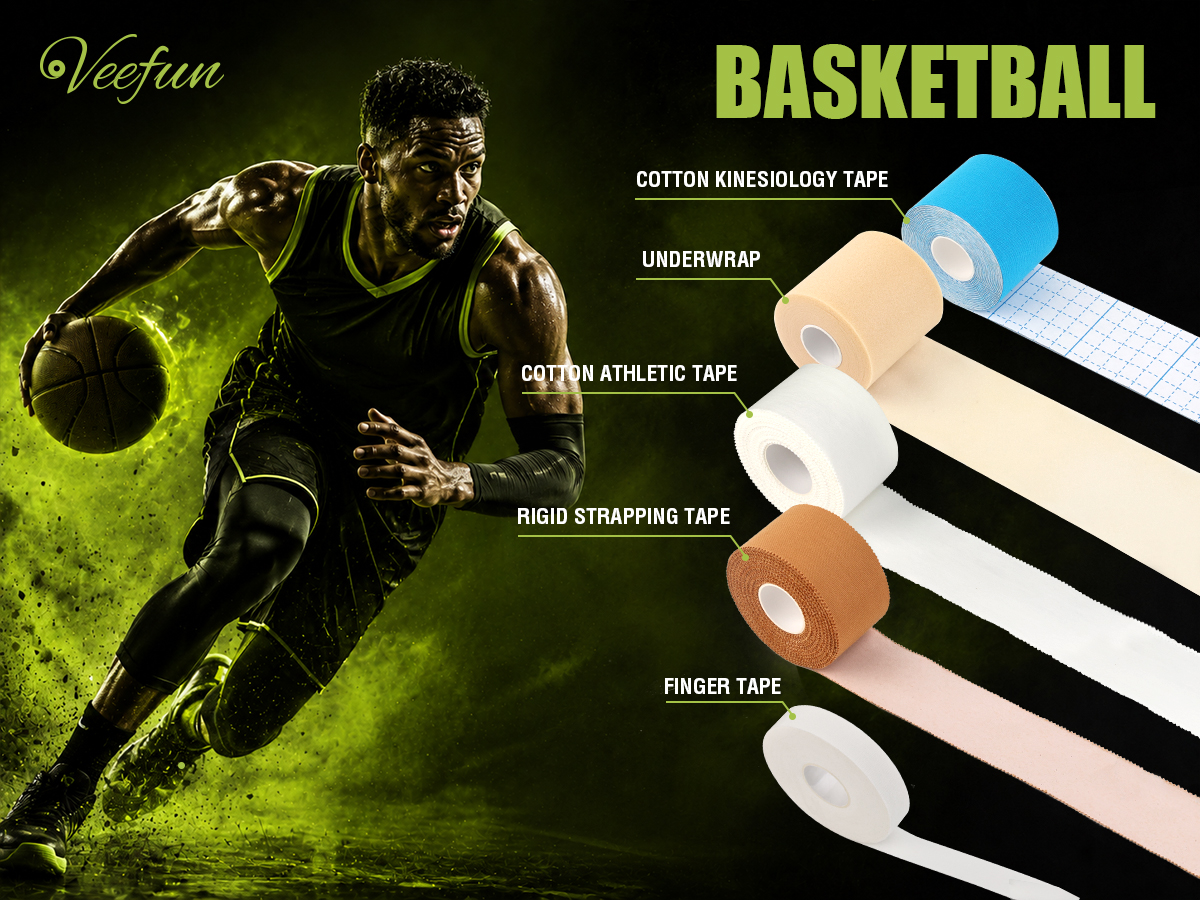 Basketball Tape
 -
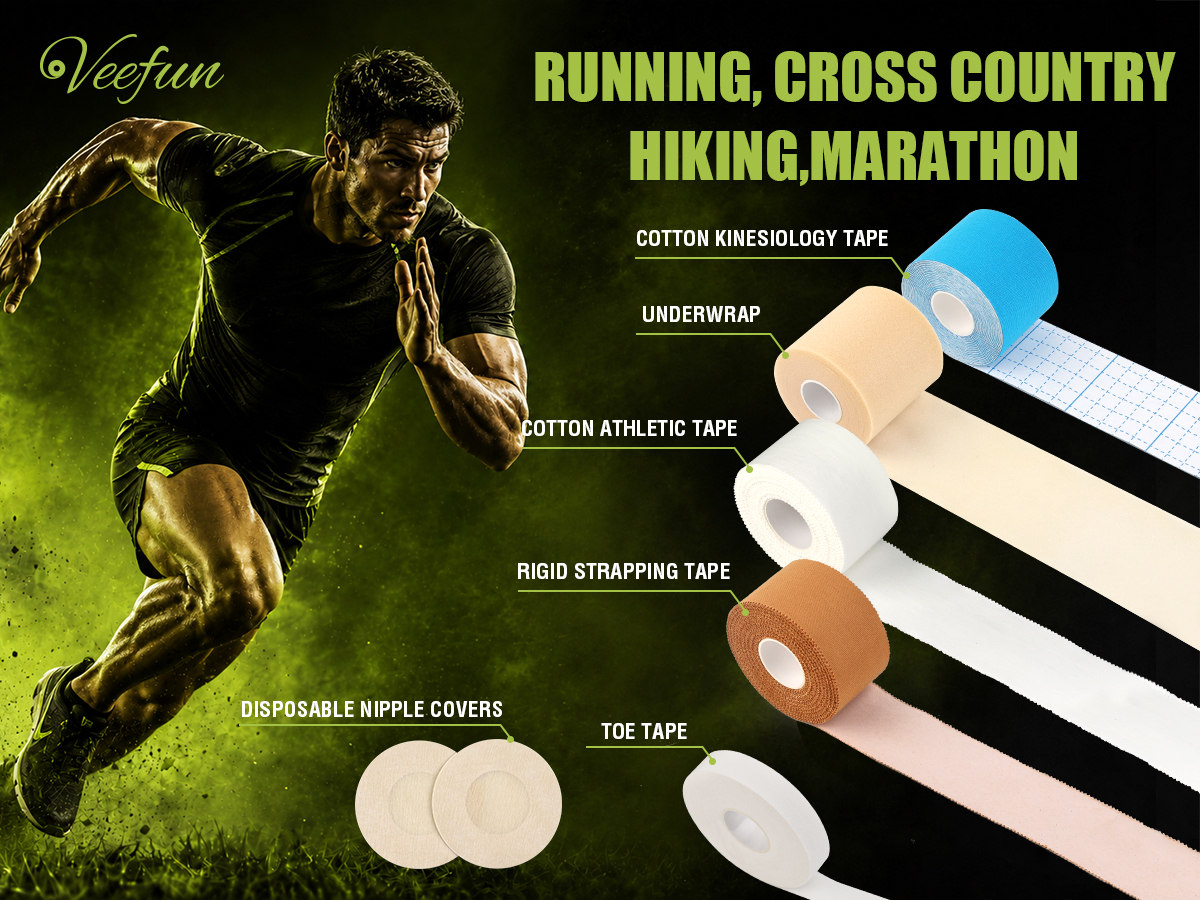 Running Tape
 -
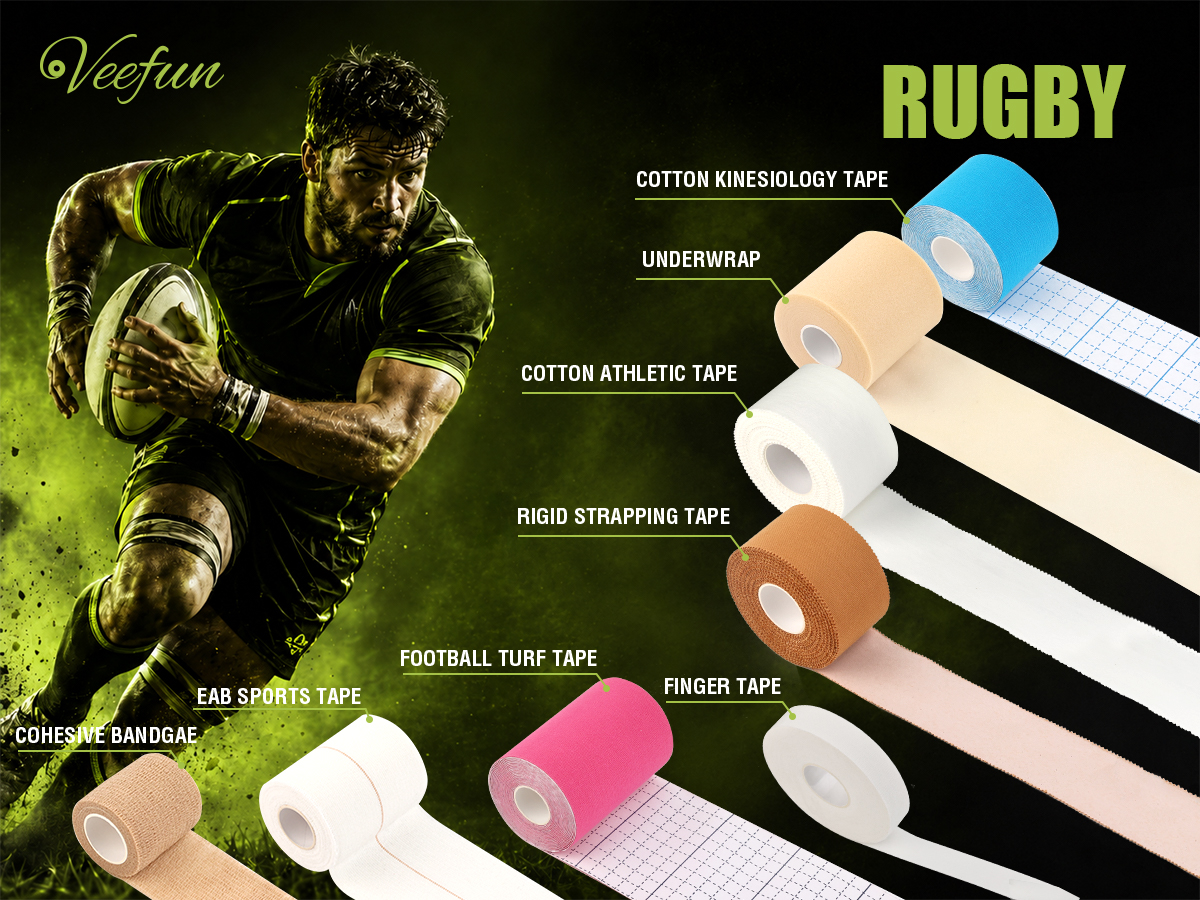 Rugby Tape
 -
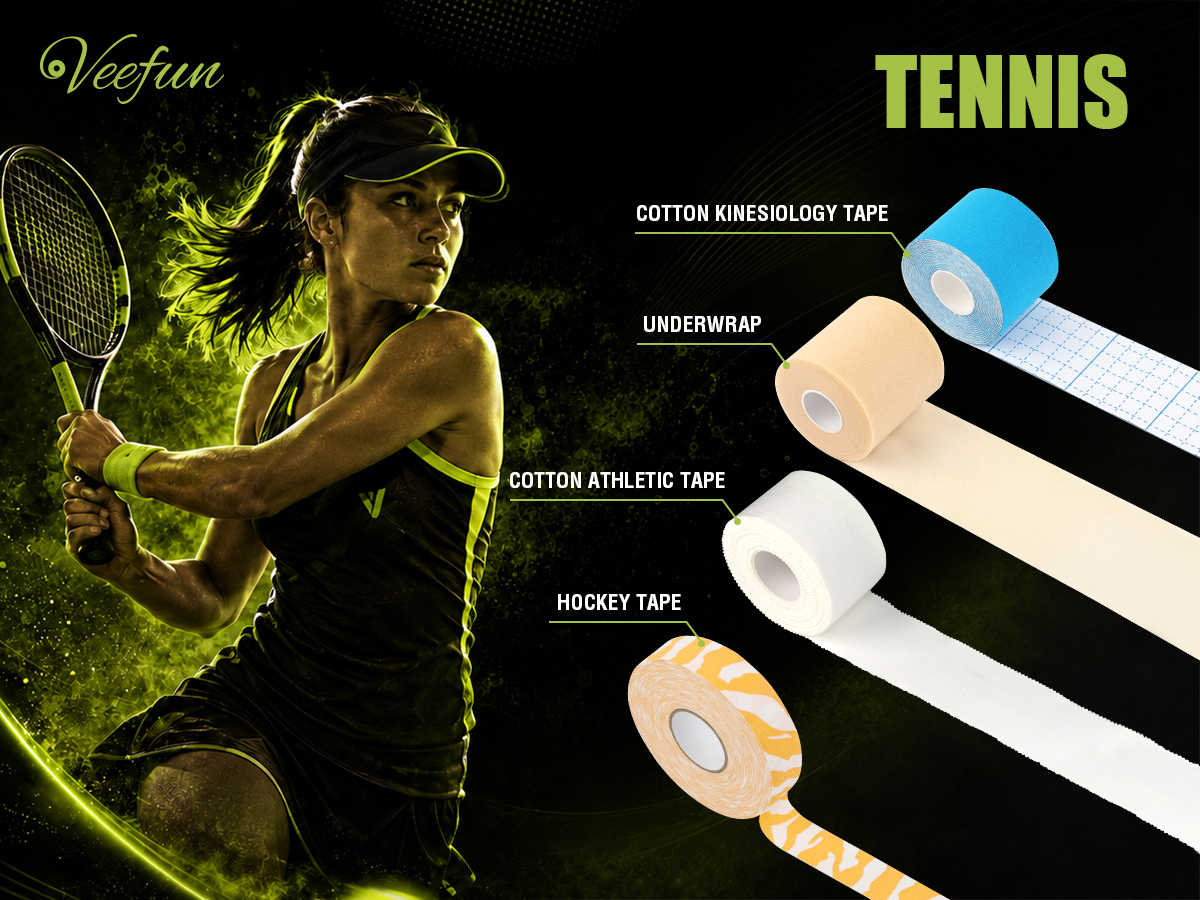 Tennis Tape
 -
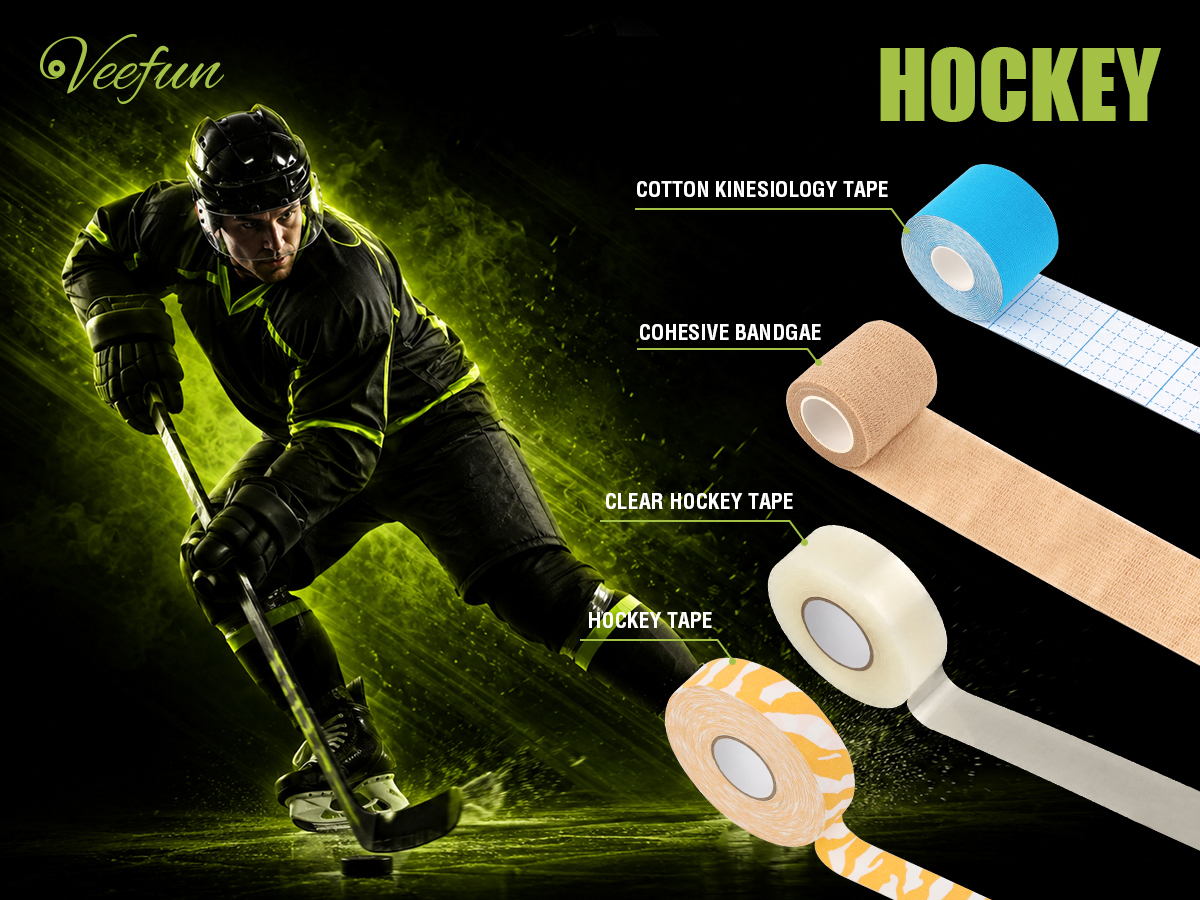 Hockey Tape
 -
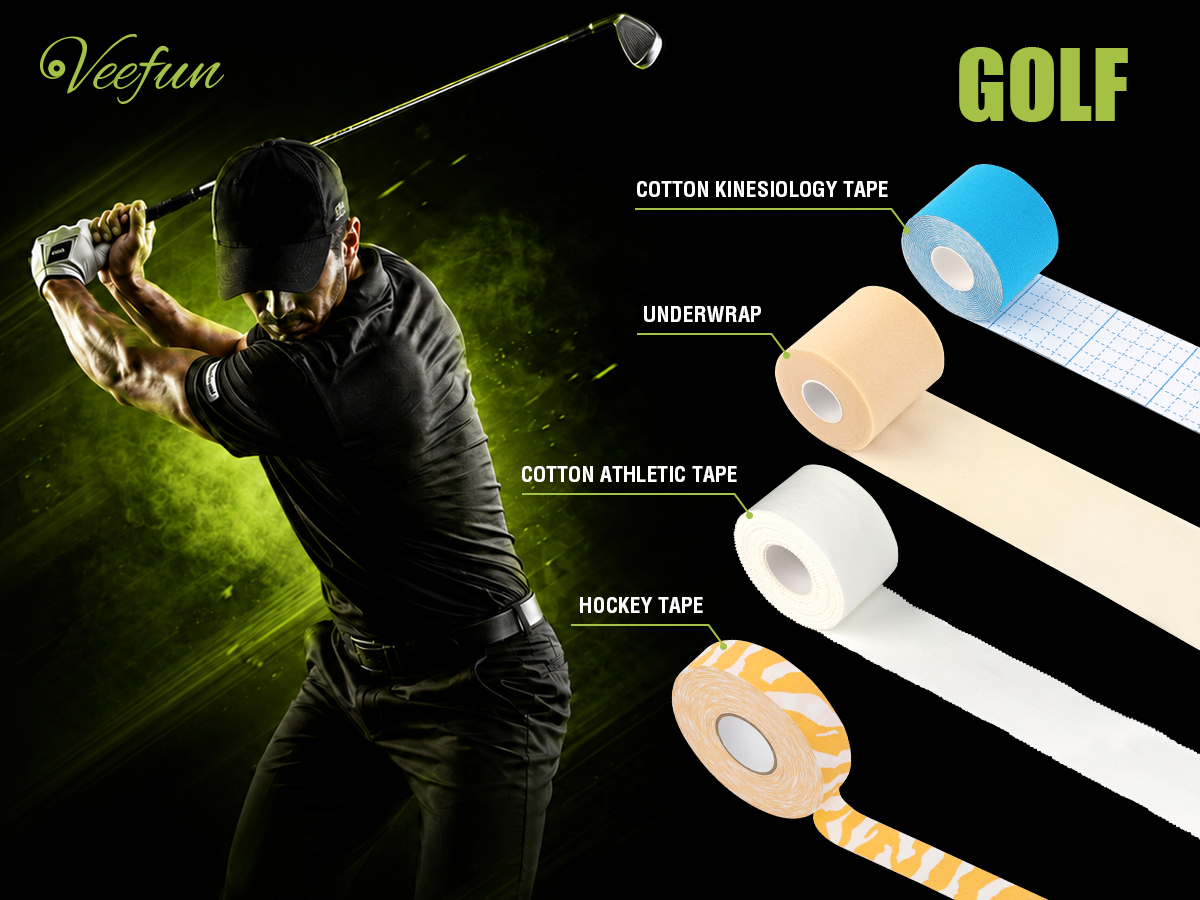 Golf Tape
 -
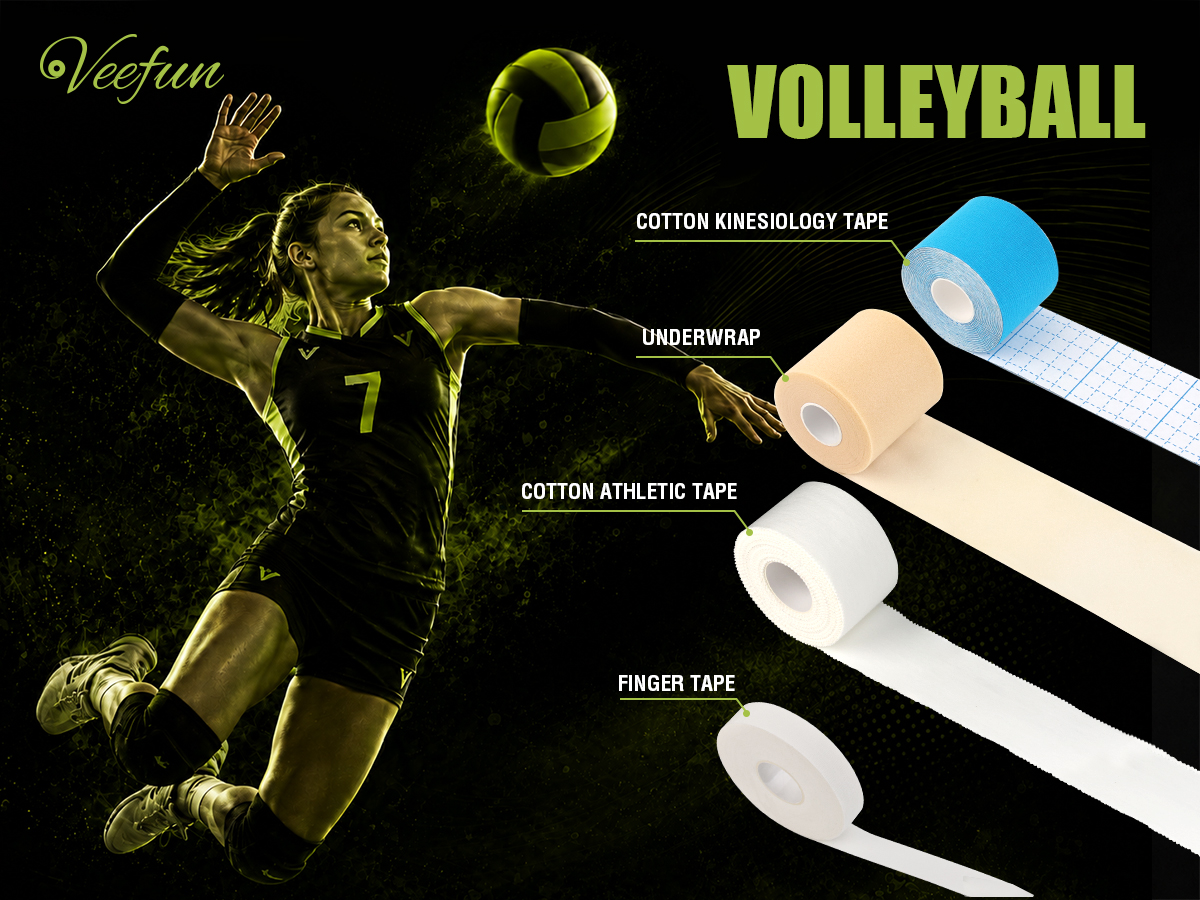 Volleyball Tape
 -
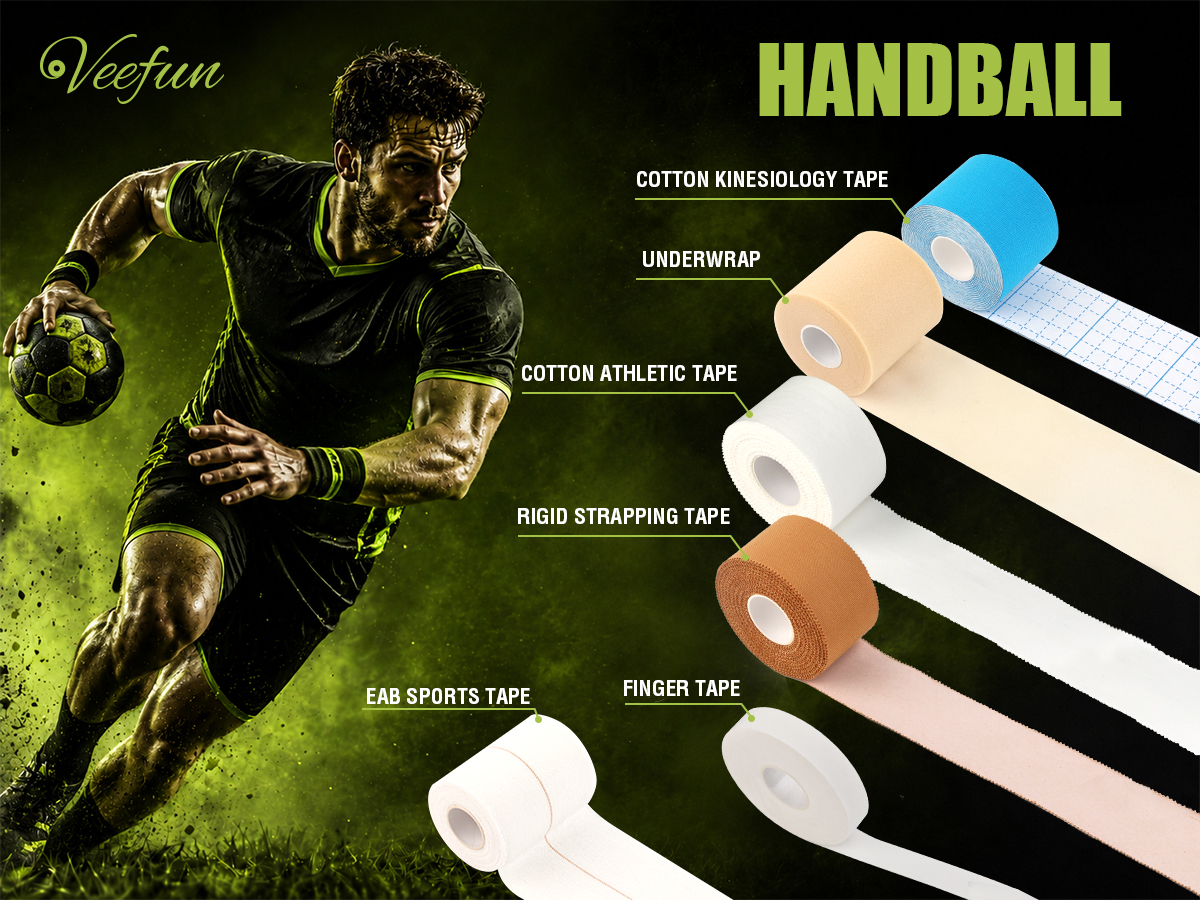 Handball Tape
 -
 GYM Tape
 -
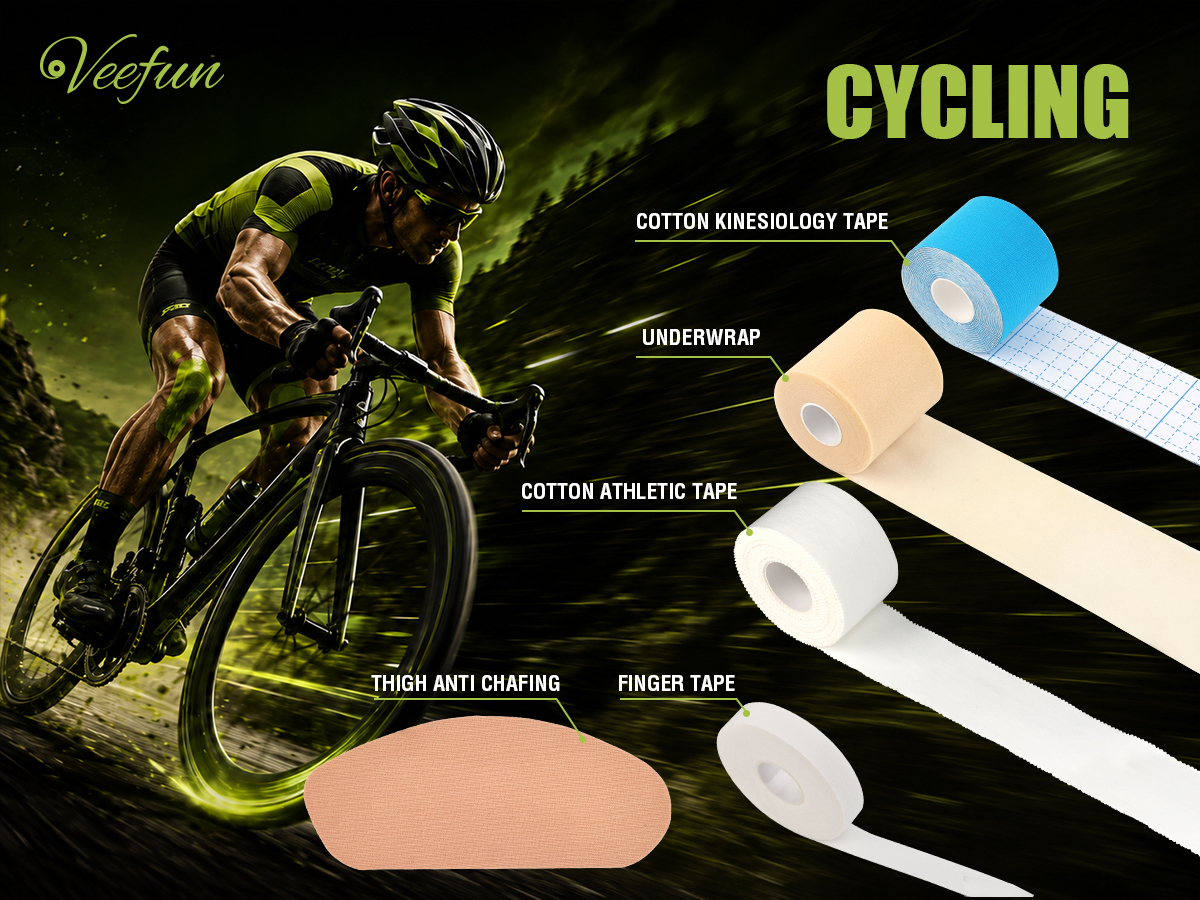 Cycling Tape
From Single Rolls to Custom Bulk Orders
Whether you need a few rolls for immediate play or a full-scale private label line for your brand, Veefun delivers factory-direct quality right to your door. Browse our football tape collection to order online, or contact our team for bulk pricing, mixed-SKU shipments, and custom packaging.
Veefun is a professional sports tape manufacturer and wholesale supplier in China, offering OEM, ODM, and private label rugby tape solutions for sports brands, medical distributors, wholesalers, retailers, and e-commerce businesses. As a direct rugby tape factory, we provide customized materials, sizes, adhesive specifications, colors, packaging, and branding to meet different market requirements. With advanced production equipment, strong manufacturing capabilities, and strict quality control, we support bulk orders and custom tape production from development to mass production. Contact us for wholesale prices on rugby tape, OEM/ODM solutions, and private-label services.
FAQ
What's the difference between Cohesive Sock Tape and Zinc Oxide Tape?
It comes down to elasticity and adhesion:
-
Cohesive Sock Tape is self-adhering (sticks to itself, not skin), flexible, and ideal for comfort around socks/shin guards.
-
Zinc Oxide Tape is rigid, non-elastic, and stickier—designed for maximum joint stability and ankle sprain prevention.