
How to Use Kinesiology Tape for MCL Injury
An injury to the medial collateral ligament (MCL)—whether a mild MCL sprain from running, rugby, football, basketball, skiing, or lifting—can leave the inner side of your knee feeling tender, unstable, and swollen. While kinesiology tape for MCL injury cannot physically reattach a torn ligament, applying physio tape provides crucial proprioceptive feedback (neuromuscular awareness), stabilizes the inner knee joint, and reduces pain during your daily rehabilitation or return-to-sport movement.
Precautions and Medical Disclaimer
This taping guide is intended for a mild MCL sprain (Grade 1). If you suspect a severe or complete ligament tear (Grade 2 or Grade 3) accompanied by joint locking or an inability to bear weight, seek immediate evaluation from a licensed healthcare professional. To ensure better adhesion, comfort, and support, please follow these precautions before applying kinesiology tape:

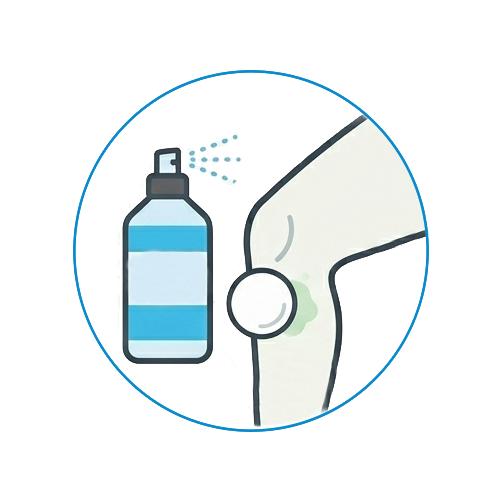
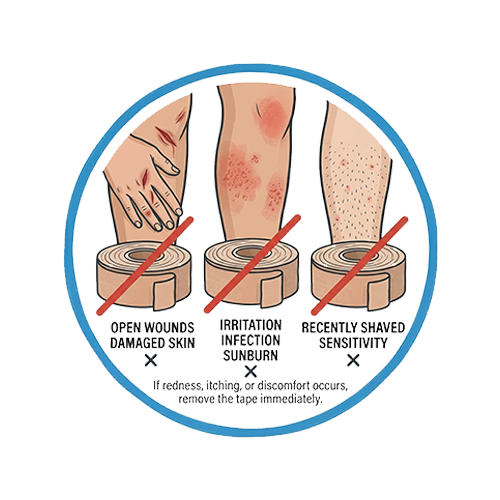
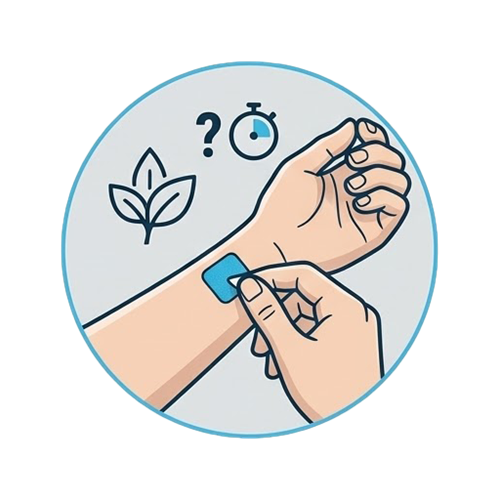
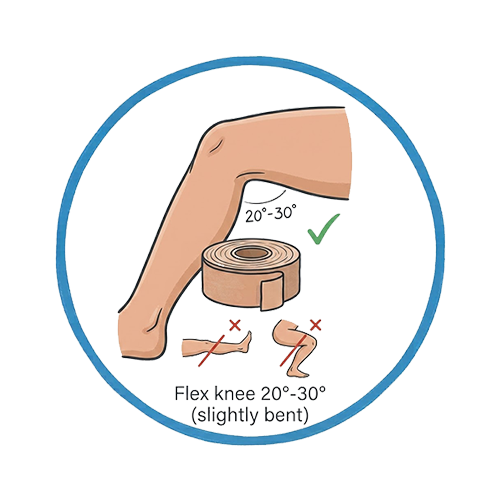
Step-by-Step: 3-Strip MCL Kinesiology Taping Technique
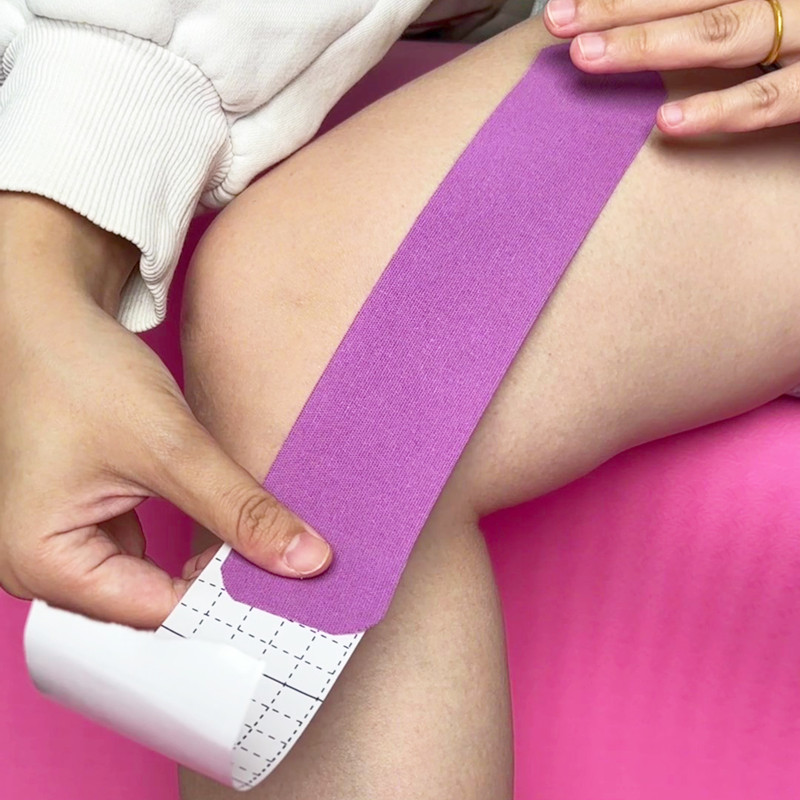
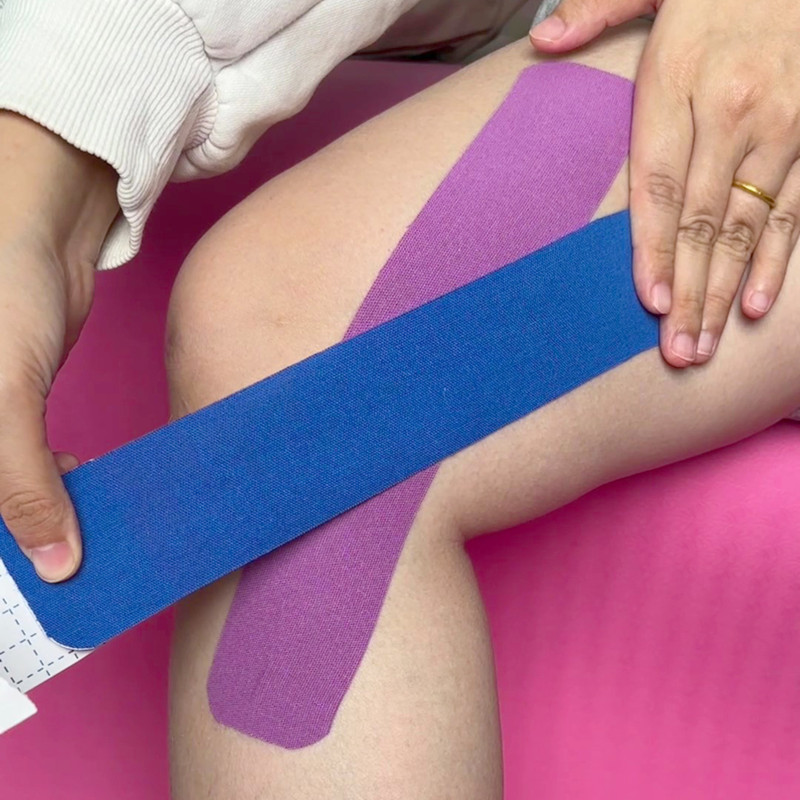
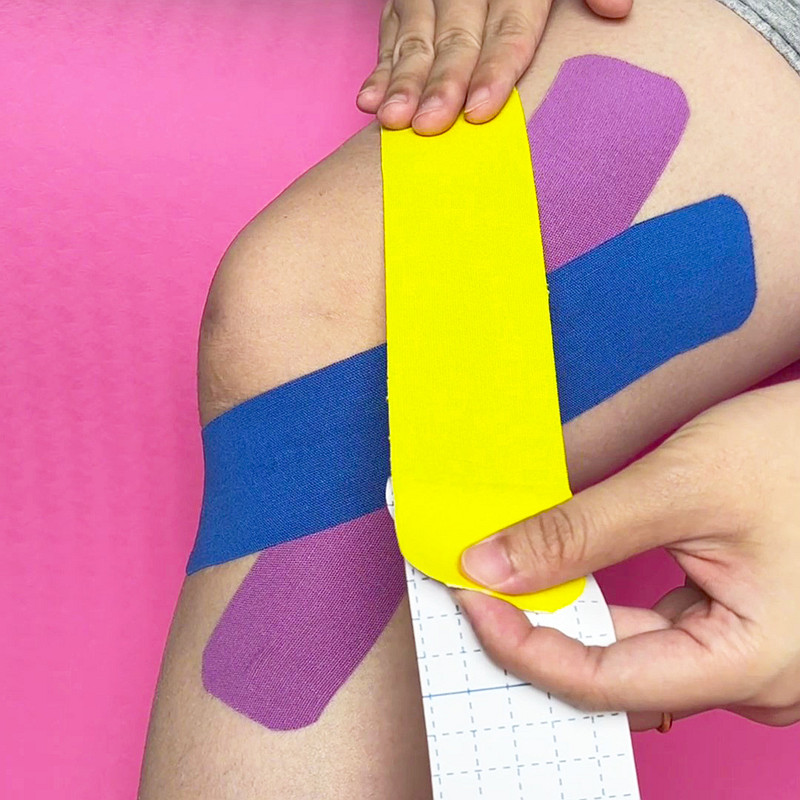
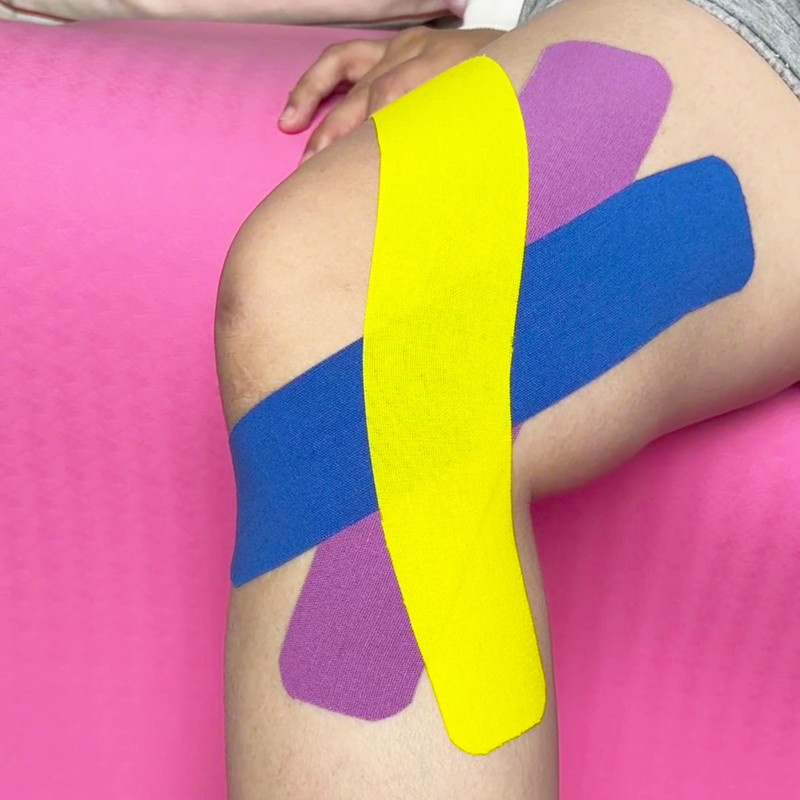
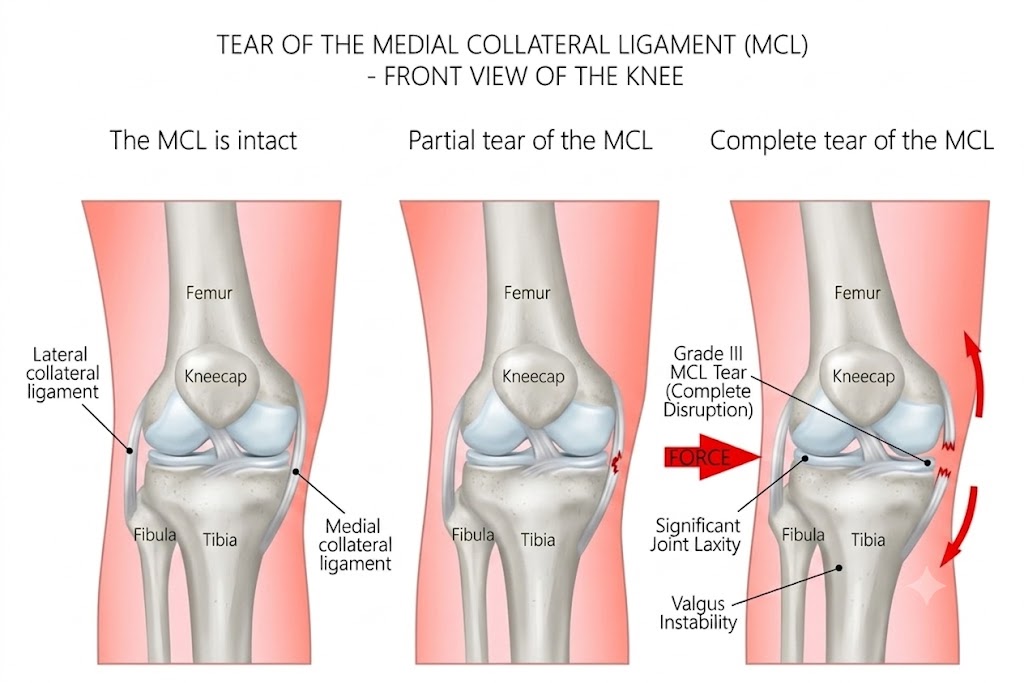
Understanding the MCL: Anatomy & Taping Rationale
When you apply elastic kinesiology tape along this specific anatomical line, two things happen:
Mechanical Awareness: The tension gently pulls on the skin, reminding your nervous system to keep the knee properly aligned during lateral cuts or walking.
Decompression & Circulation: The lifting effect created by targeted tape application reduces localized pressure, easing pain over the inflamed ligament.
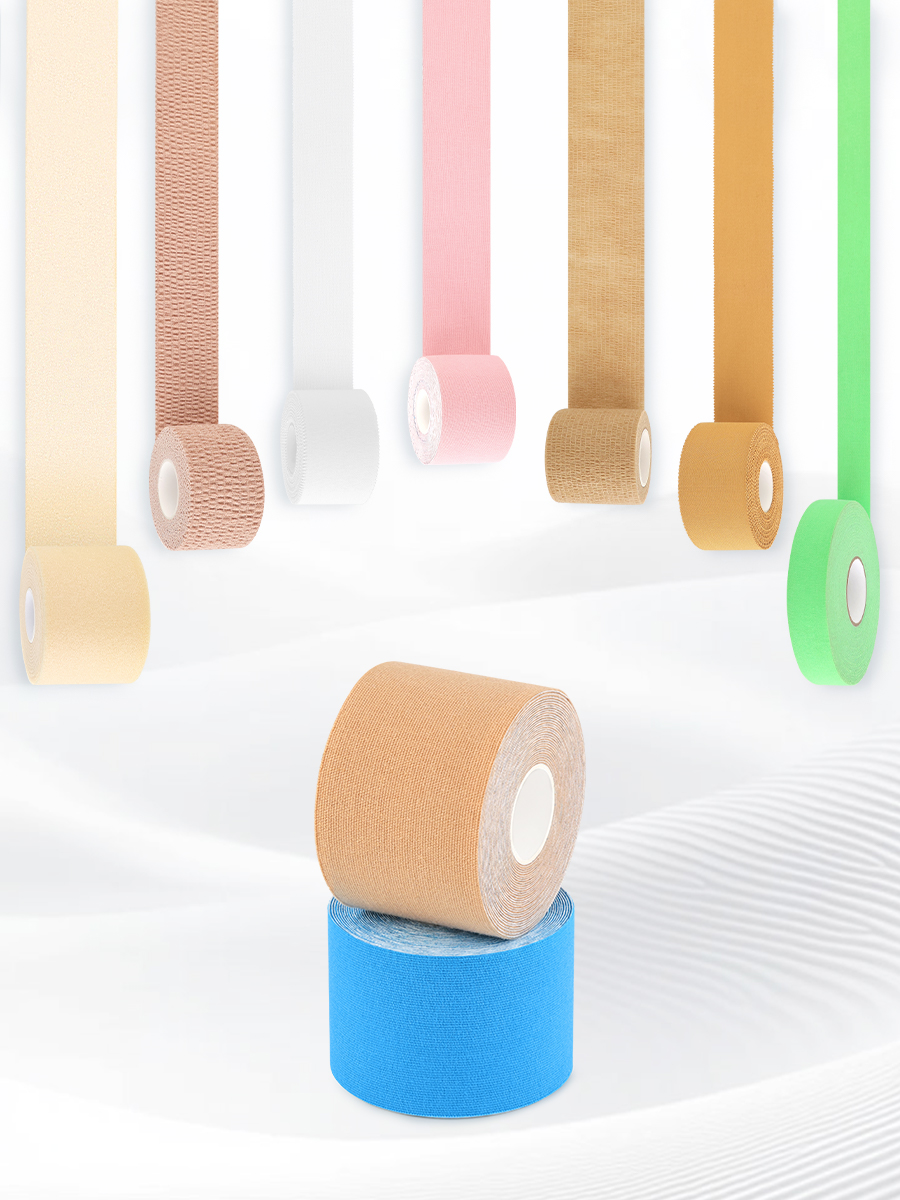
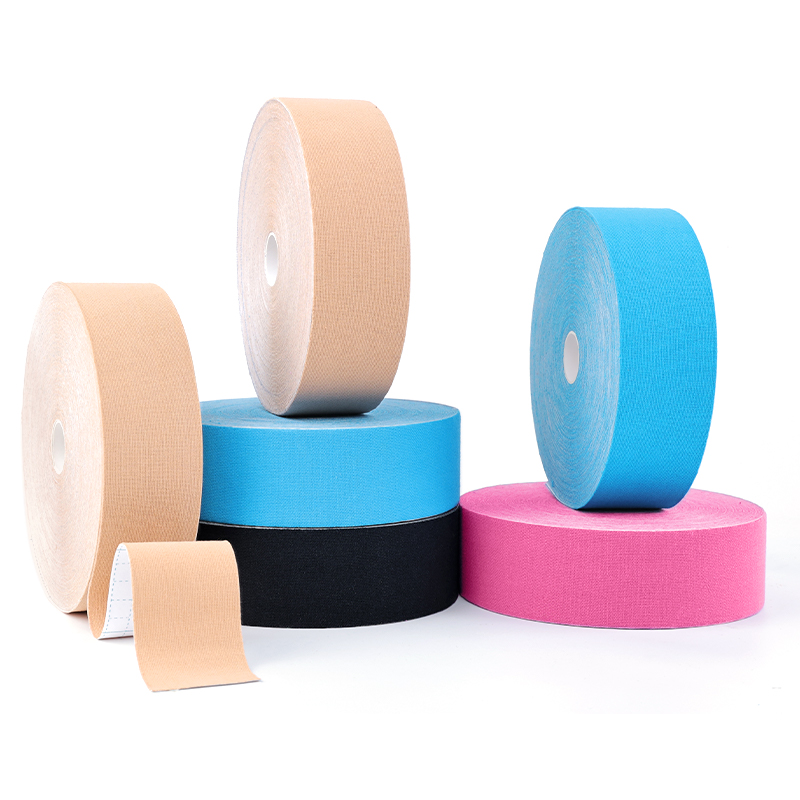
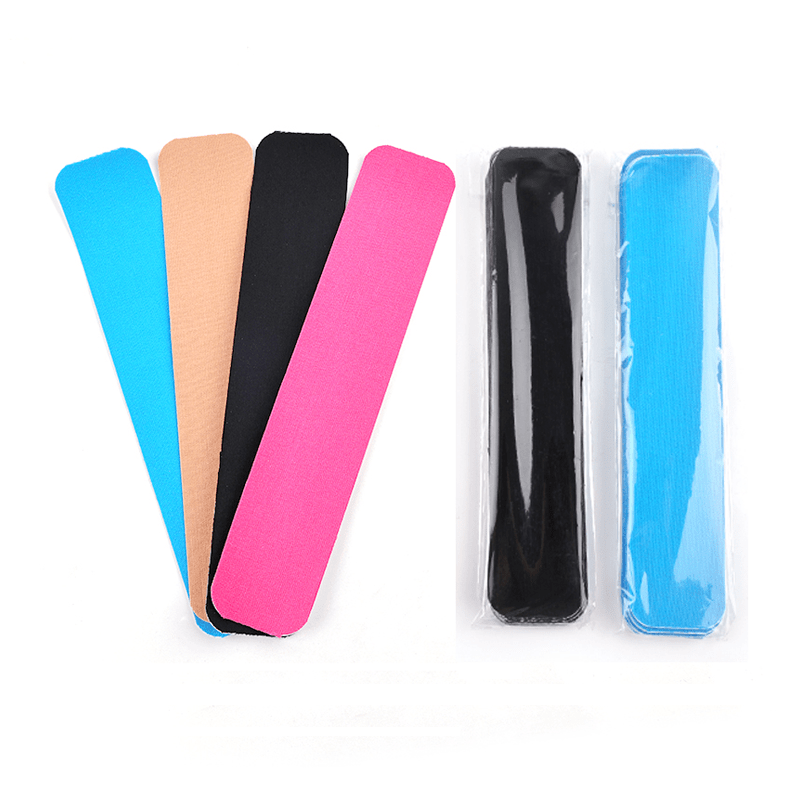
An MCL injury is damage to the medial collateral ligament (MCL), a strong band of tissue located on the inner side of the knee that helps keep the joint stable. When the MCL is stretched, irritated, or torn, it can cause inner knee pain, swelling, tenderness, and reduced stability during movement.
MCL injuries are common in sports that involve sudden contact, twisting, or rapid changes of direction. The most common causes include:
Lateral Impact: A direct blow to the outside of the knee can force the joint inward and overstretch the MCL.
Sudden Pivoting Movements: Quick turns, cutting, or changing direction while the foot is planted can place excessive stress on the ligament, especially in sports like soccer, basketball, and skiing.
Improper Landing: Poor landing technique or the knee collapsing inward (valgus movement) can increase strain on the MCL.
Overstretching or Twisting: Sudden knee rotation or excessive force beyond the normal range of motion may irritate or damage the ligament.
MCL injuries range from mild ligament irritation to partial or complete tears. Proper support, rehabilitation exercises, and appropriate recovery methods can help restore knee function and return to normal activities.
Kinesiology tape provides effective supportive benefits for MCL (Medial Collateral Ligament) injuries, but it cannot replace professional medical treatment or rigid knee braces.
Pain Relief: The elastic tension of the tape gently lifts the skin, facilitating lymphatic drainage and blood circulation to reduce localized swelling and pain around the injured ligament effectively.
Knee Stability: By delivering continuous tactile sensory feedback (proprioception), the tape reminds the brain to maintain proper knee alignment. It provides dynamic movement awareness rather than rigid mechanical support.
Mobility Recovery: During Grade 1 (mild) sprains or rehab phases, taping enhances movement confidence, allowing athletes to resume functional training without restricting joint range of motion.
Brace & Treatment Replacement: Kinesiology tape cannot replace a knee brace or clinical treatment. For moderate to severe Grade 2 or Grade 3 tears, a hinged knee brace is required to immobilize the joint, alongside a professional physical therapy plan.
Symptoms: Light inner knee pain, mild tenderness, minimal swelling.
Function: You can walk normally and bear weight. Kinesiology tape works great to relieve pain and support movement.
Grade 2 / Grade 3 (Partial or Complete Tear) ➔ DO NOT USE TAPE ALONE
Symptoms: Severe pain, heavy swelling, inability to bear weight, or the knee "gives way."
Action: Kinesiology tape cannot offer enough protection. You require a hinged knee brace and a professional medical evaluation.
How to Apply for Knee Pain in Other Areas
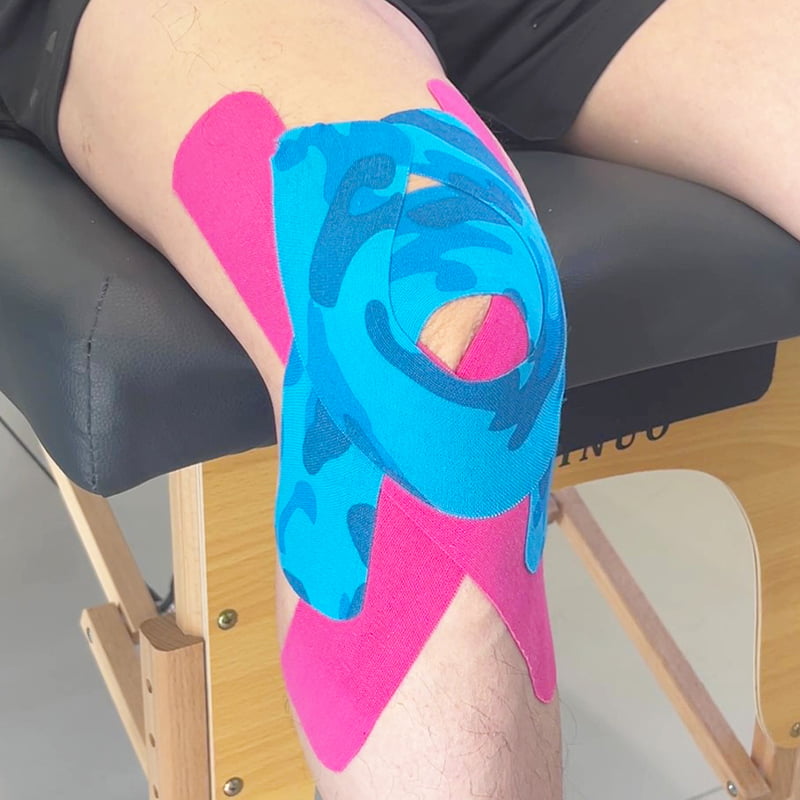
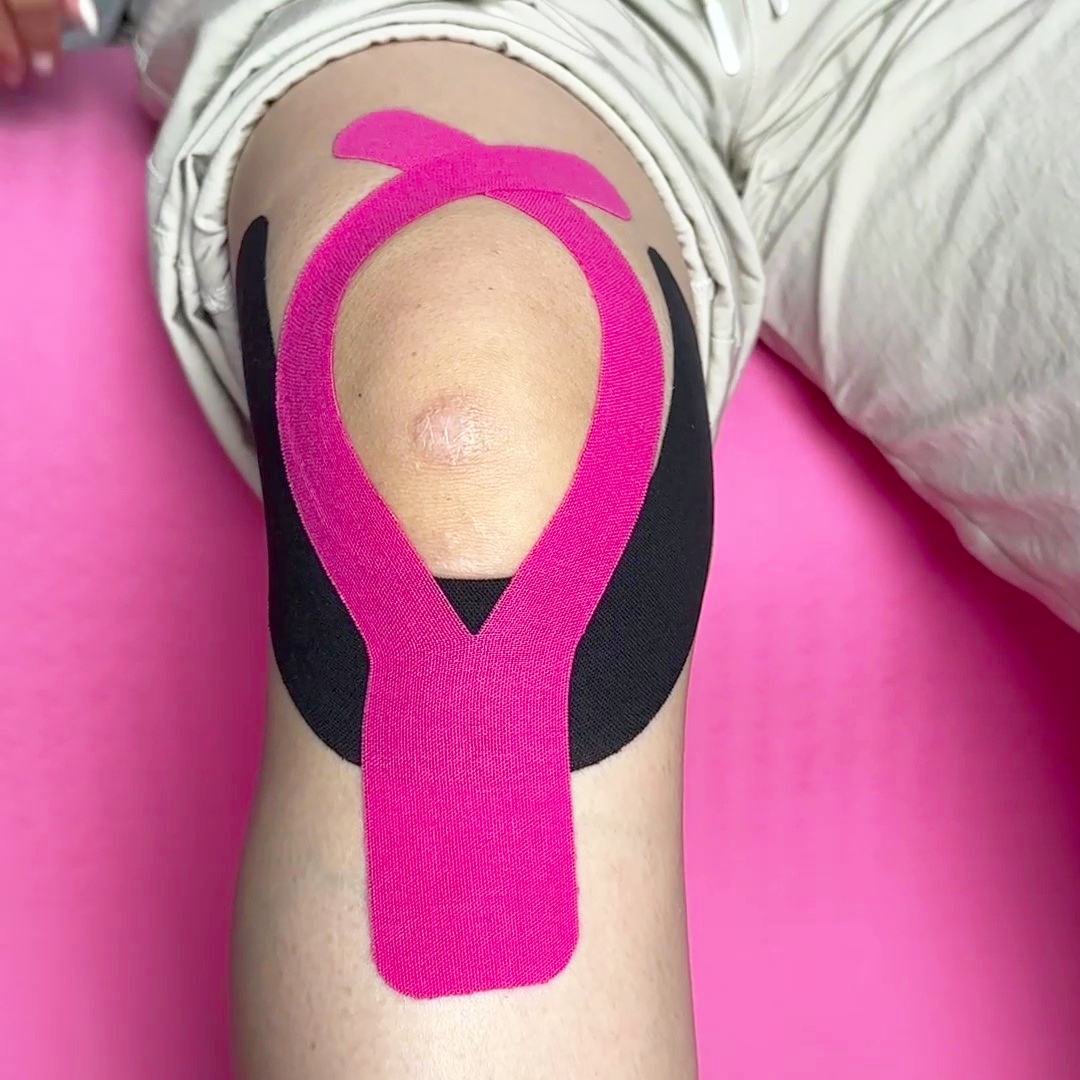
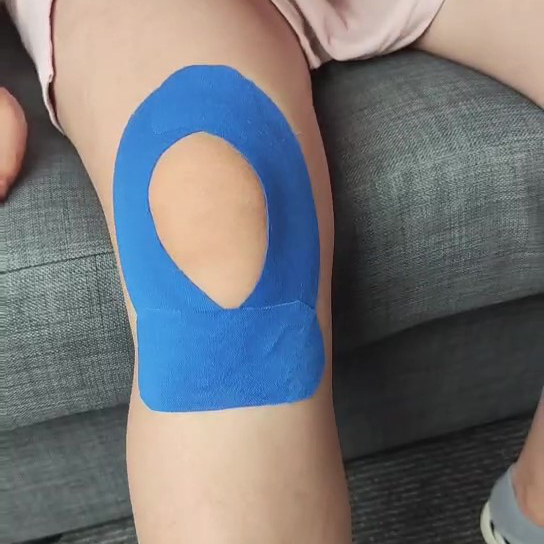
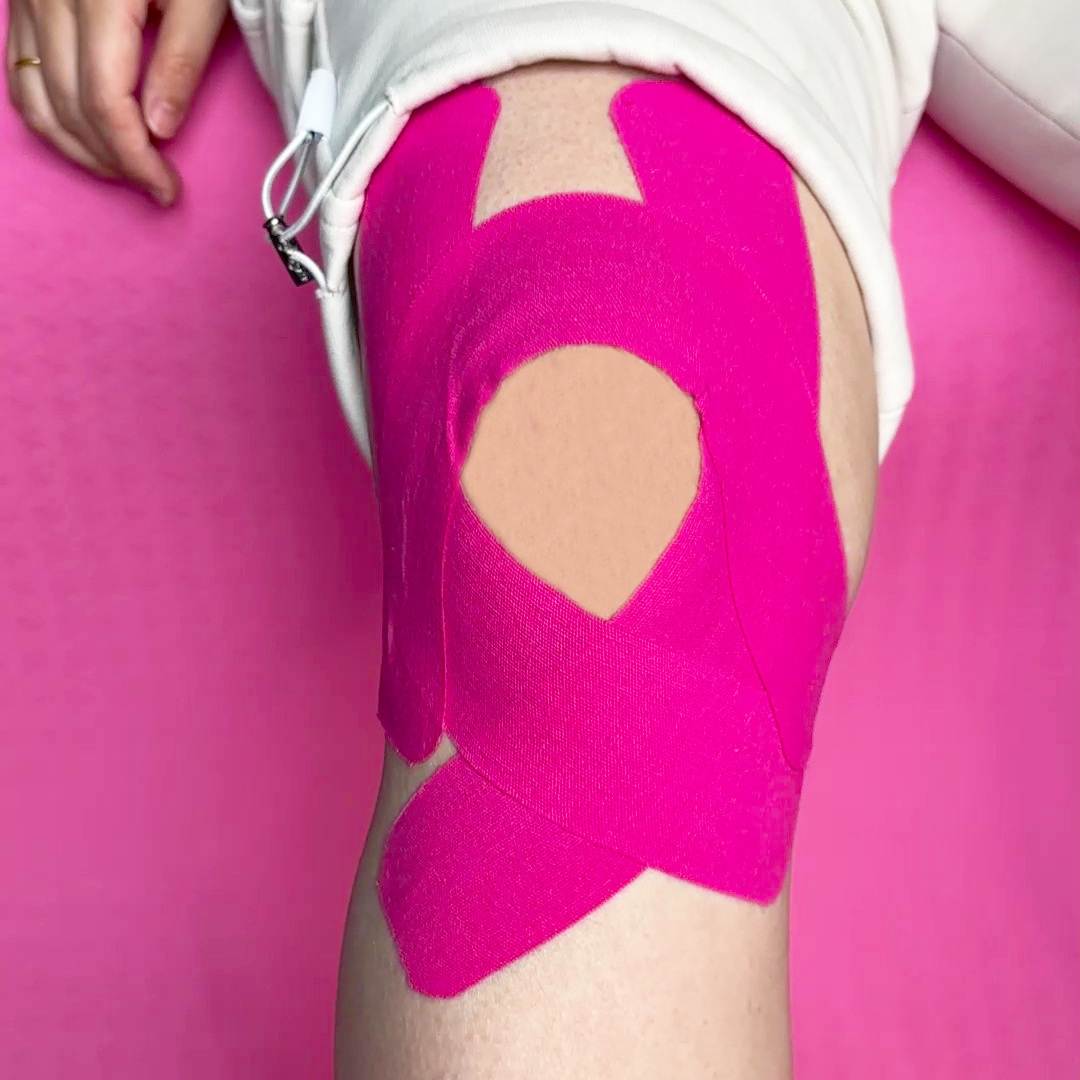
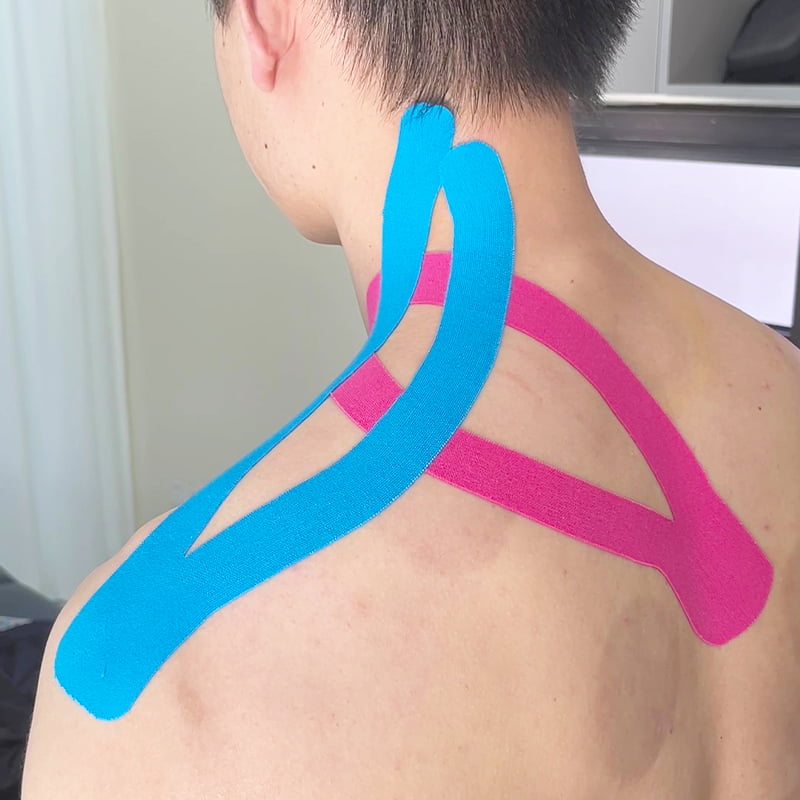
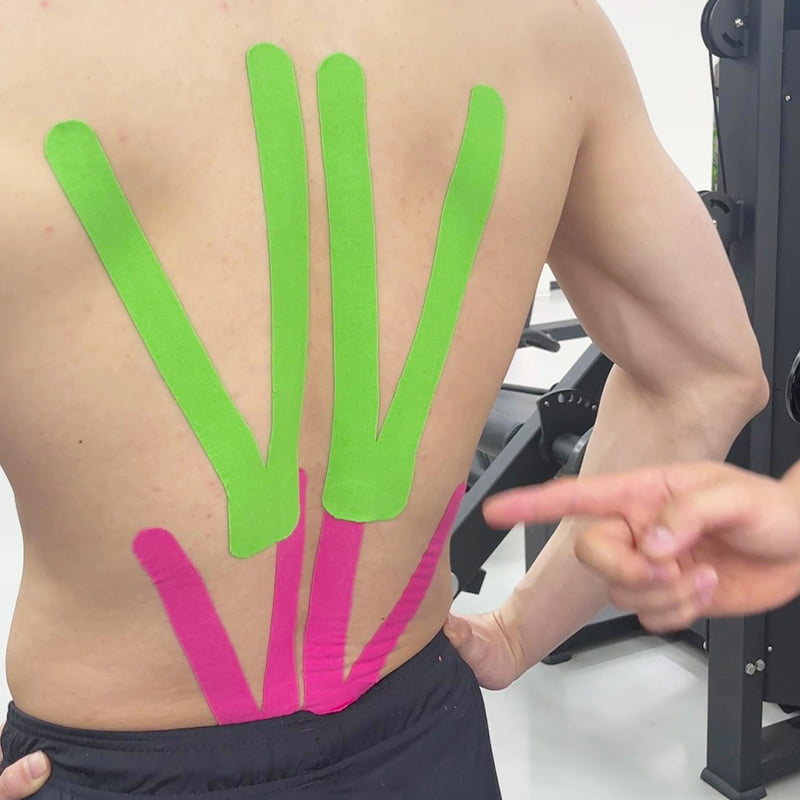
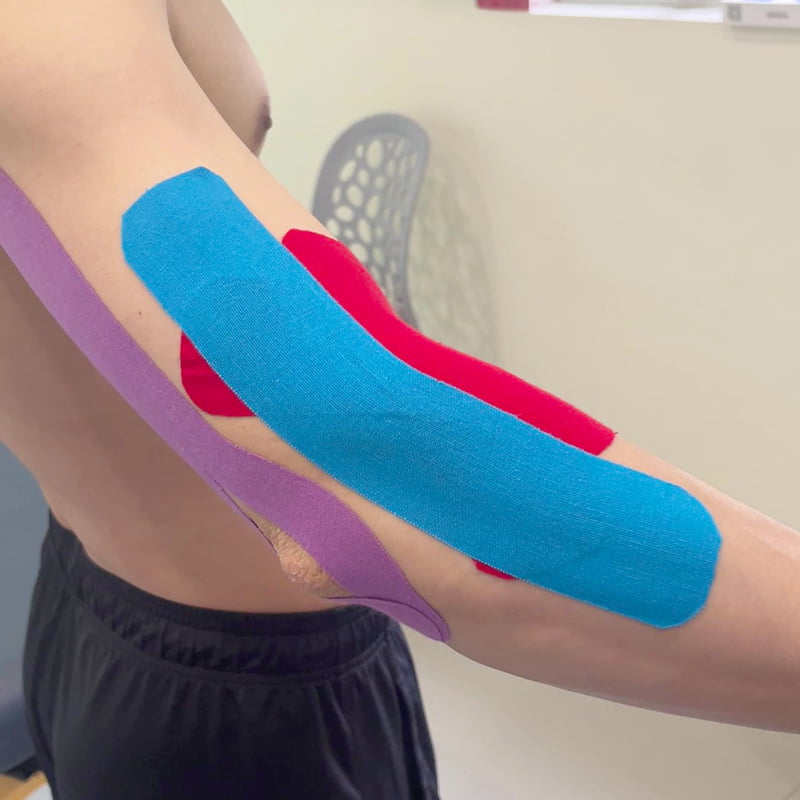
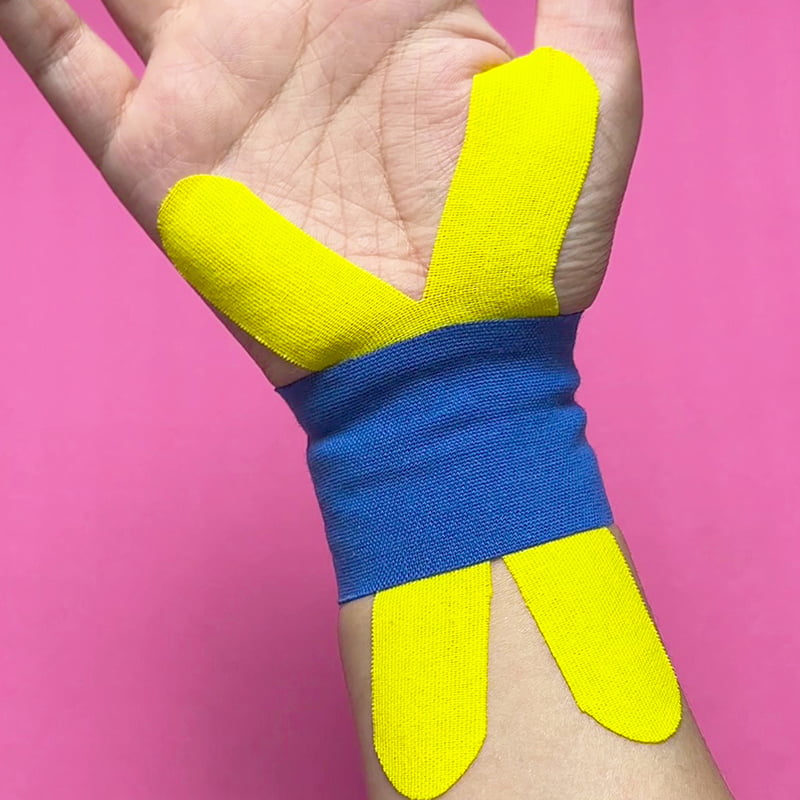
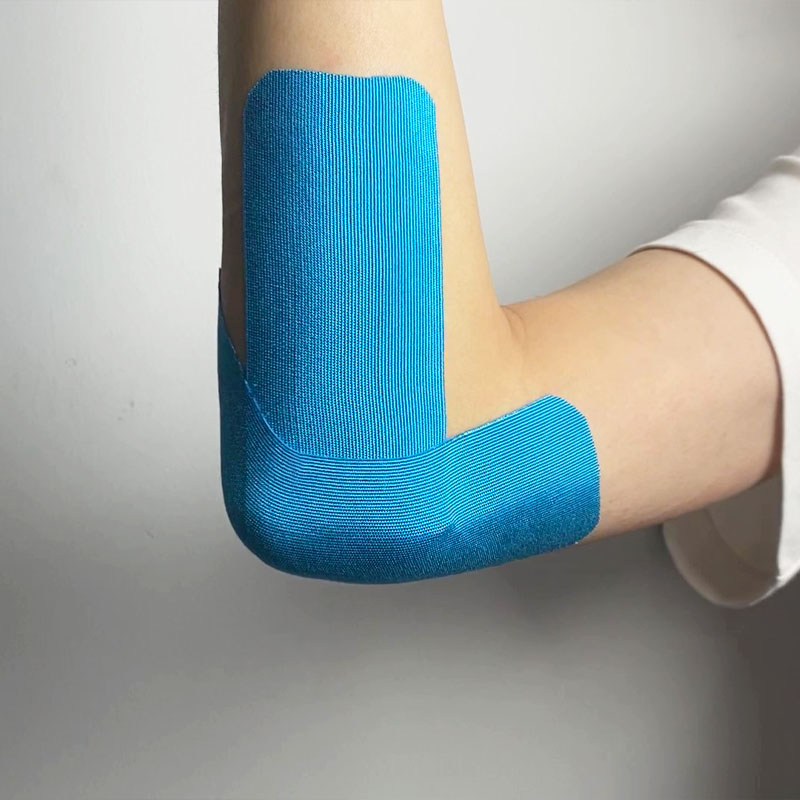
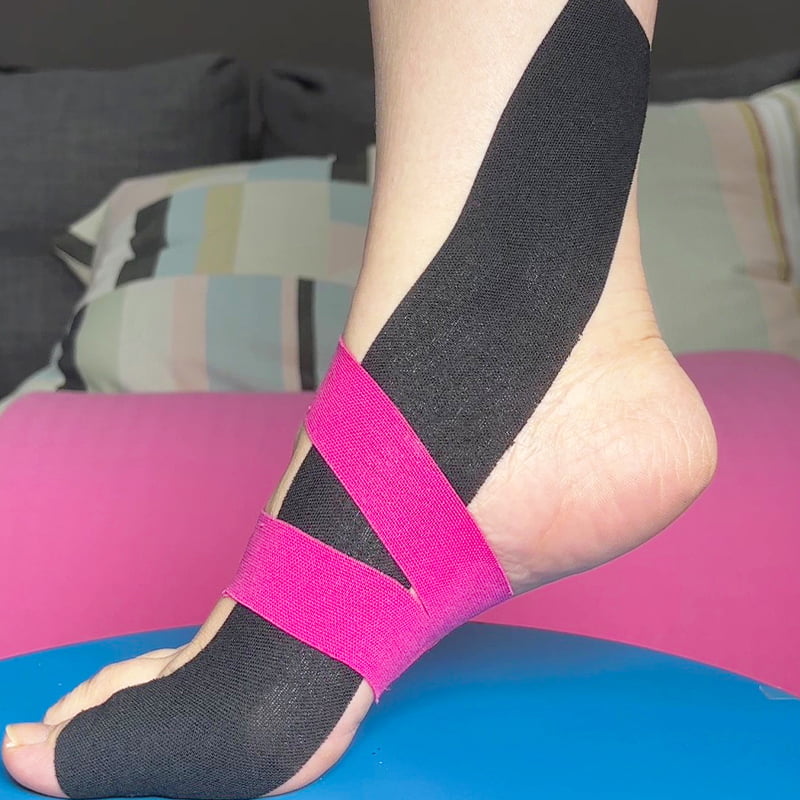
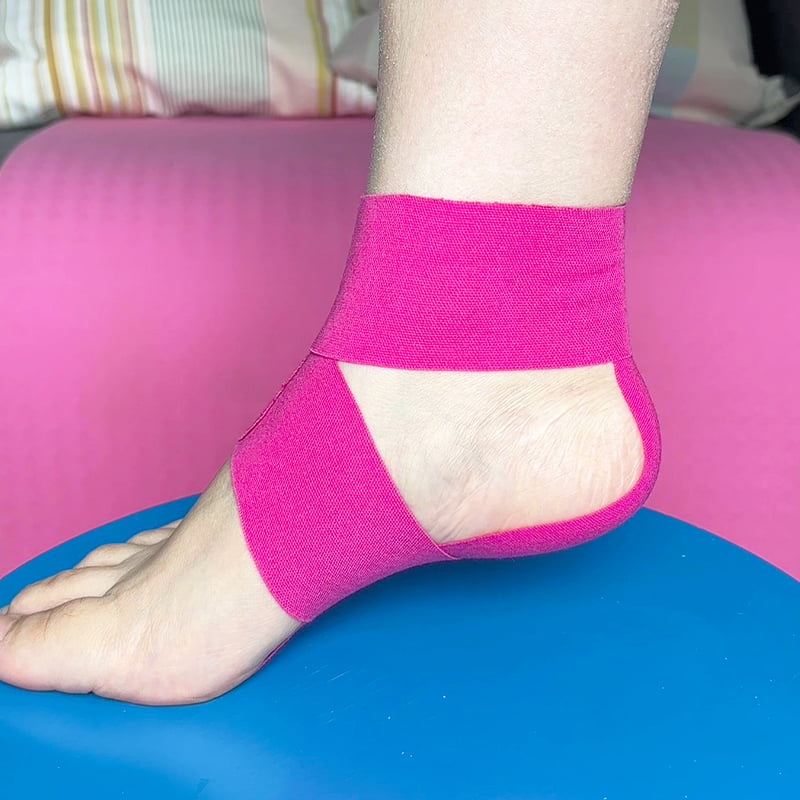
Yes, kinesiology tape can help support a mild to moderate MCL sprain by providing gentle tension around the inner knee. Proper taping may help improve MCL stability during daily activities, training, or rehabilitation exercises while allowing a natural range of motion.
Most kinesiology tapes can be worn for around 3–5 days, depending on skin condition, activity level, and product quality. If the tape becomes loose, causes itching, redness, or discomfort, remove it immediately and allow the skin to recover.
Many athletes use kinesiology tape during rehabilitation or light training after an MCL injury. It may provide additional confidence and support during movement, but exercise intensity should depend on the severity of the injury and recovery progress.
Kinesiology tape may provide comfort and external support for some people with an MCL tear, but it cannot reconnect or heal a torn ligament. A severe MCL tear should be evaluated by a medical professional to determine the appropriate treatment and recovery plan.
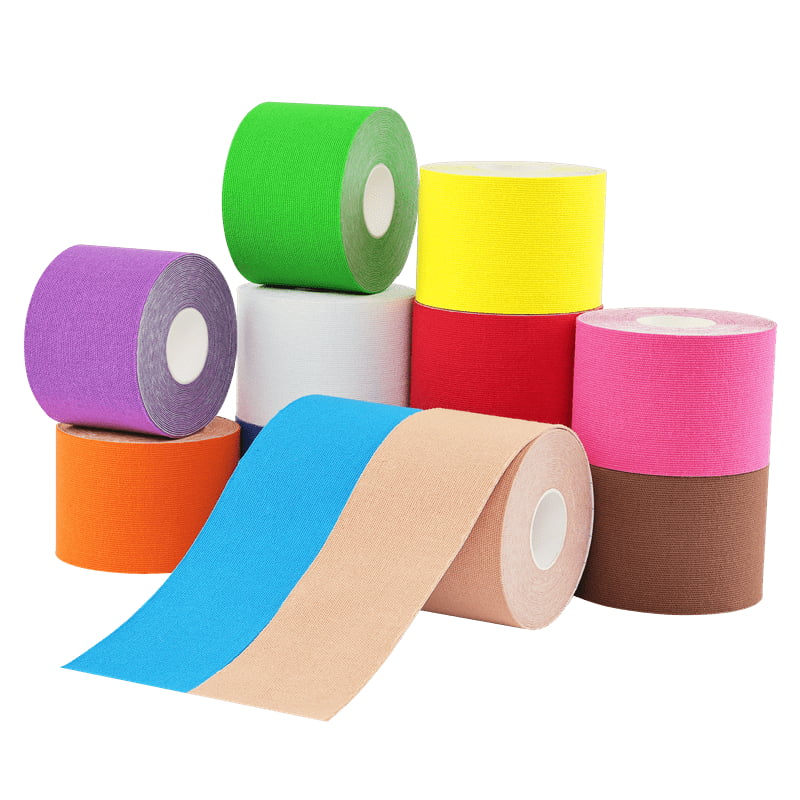
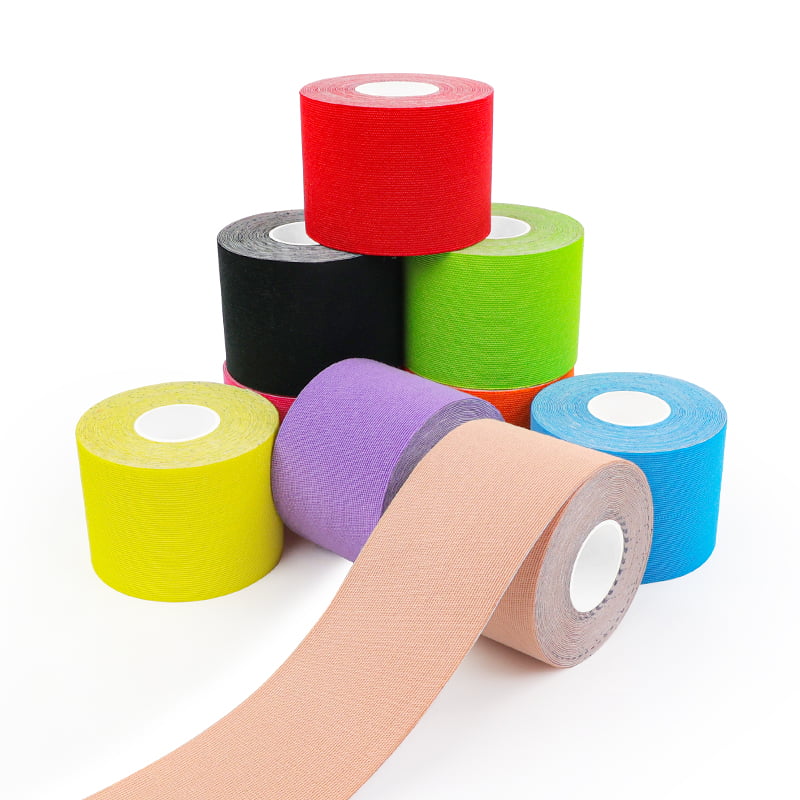
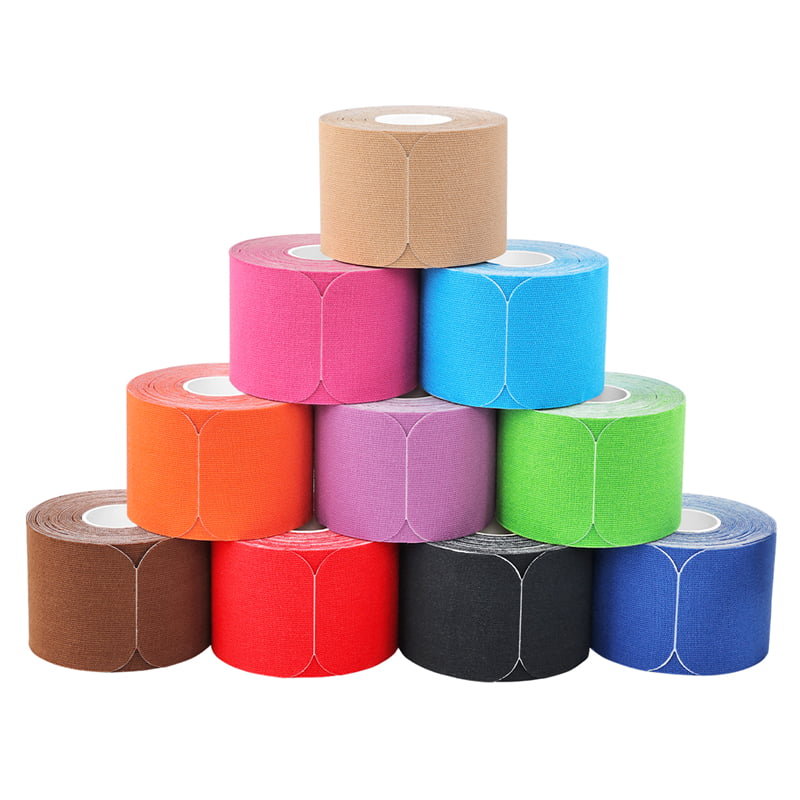
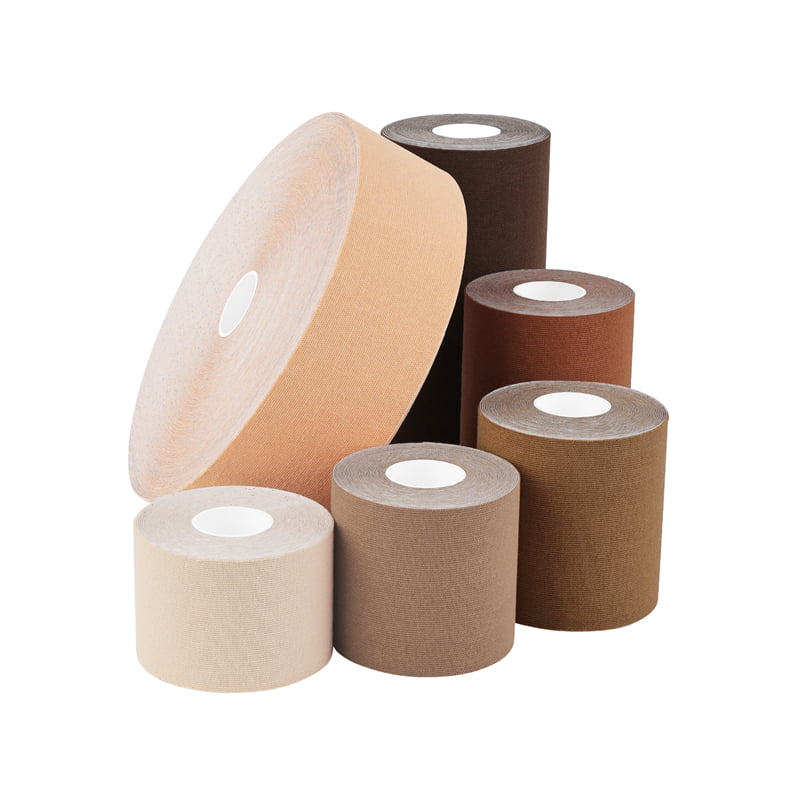
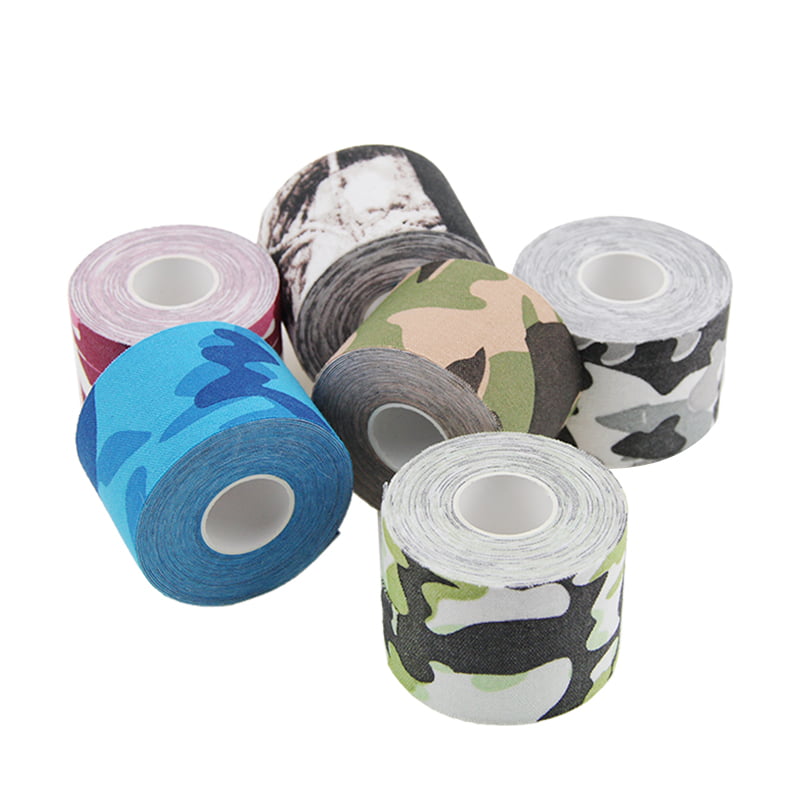
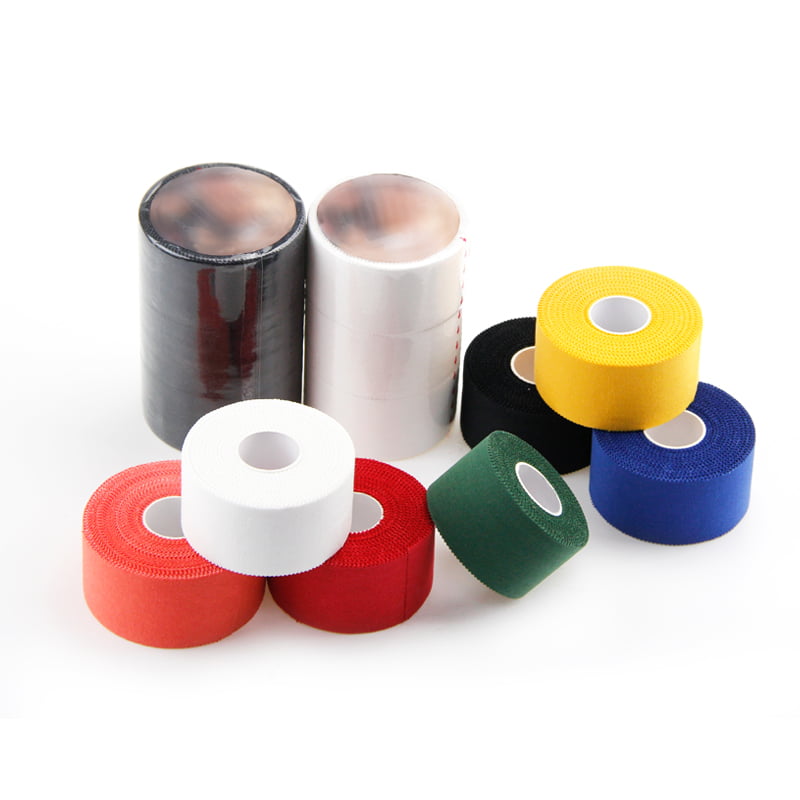
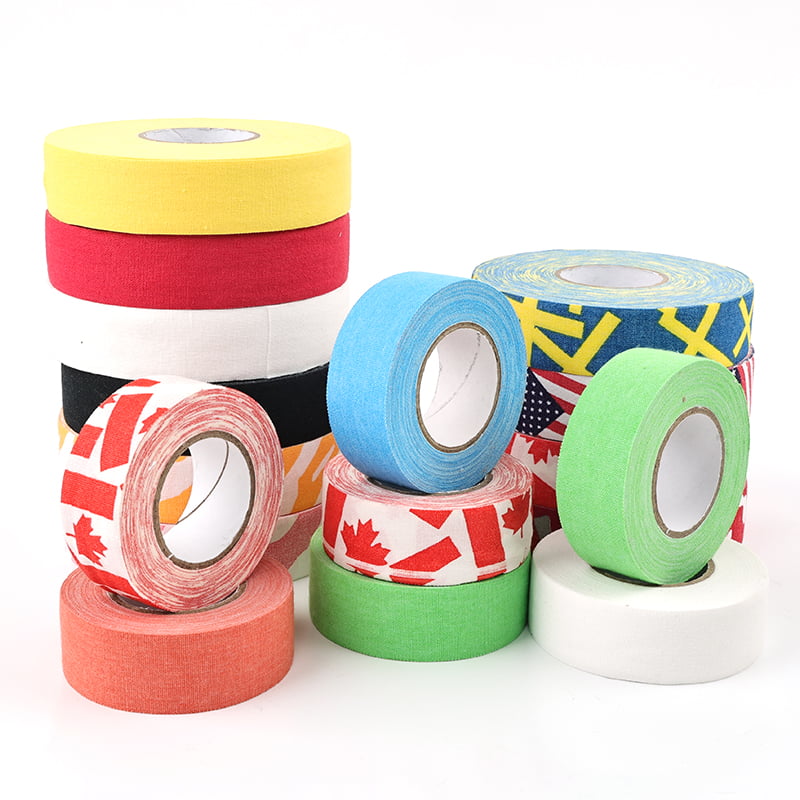
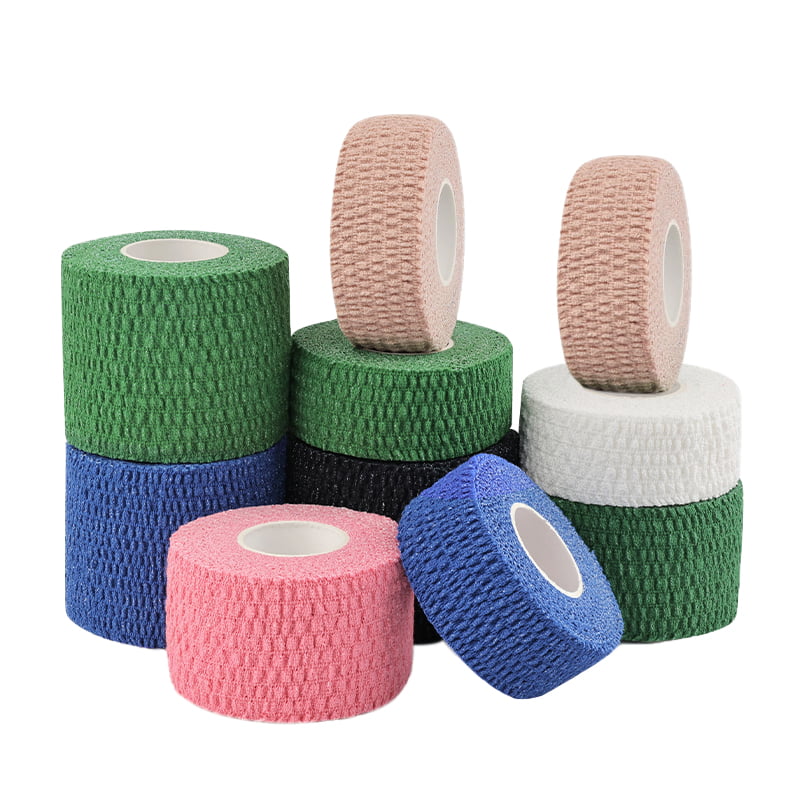
Premium Kinesiology Tape – Factory Direct Sales
Whether you're recovering from an MCL injury or sourcing supplies for a sports team or a physiotherapy clinic, the quality of the tape directly impacts your recovery experience. Inferior tape will peel off within hours, leaving a sticky, irritating residue on your skin.
Why pay retail prices? Work directly with Veefun:
Veefun manufactures medical-grade kinesiology tape using a high-adhesion, latex-free acrylic adhesive, designed to withstand heavy sweating and multi-day wear.
For individuals and athletes: Buy professional-grade kinesiology tape directly from our factory production line at fair prices.
For clinics, clubs, and brands: We offer flexible wholesale quantities, custom tape widths/lengths, unique color schemes, and complete OEM private label manufacturing services.
👉 [Explore Veefun Kinesiology Tape Solutions and Request Samples Now]