


Rugby Tape
What Kinds Of Rugby Tape Are There?
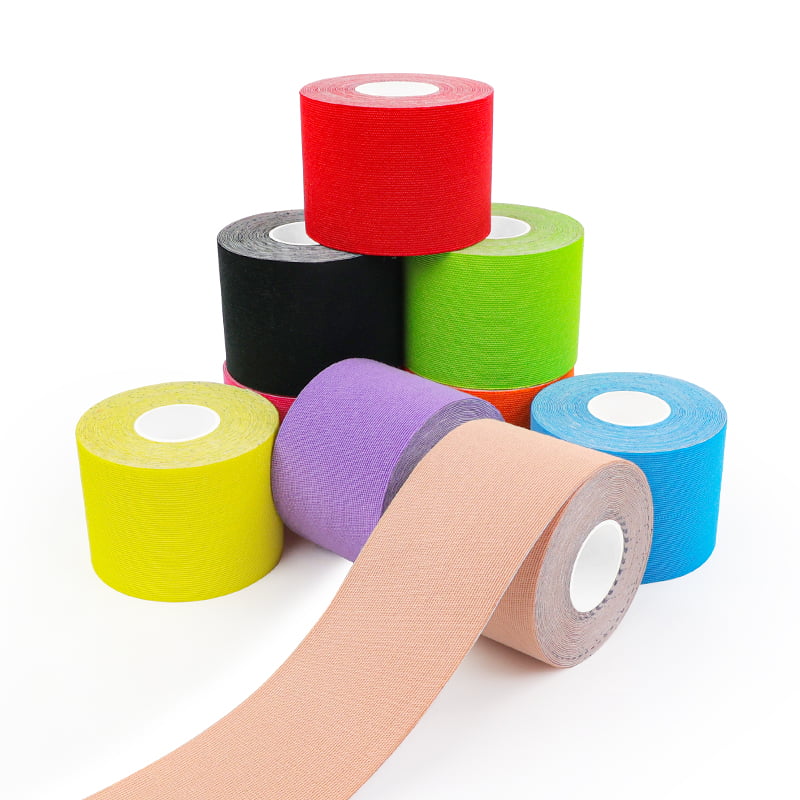
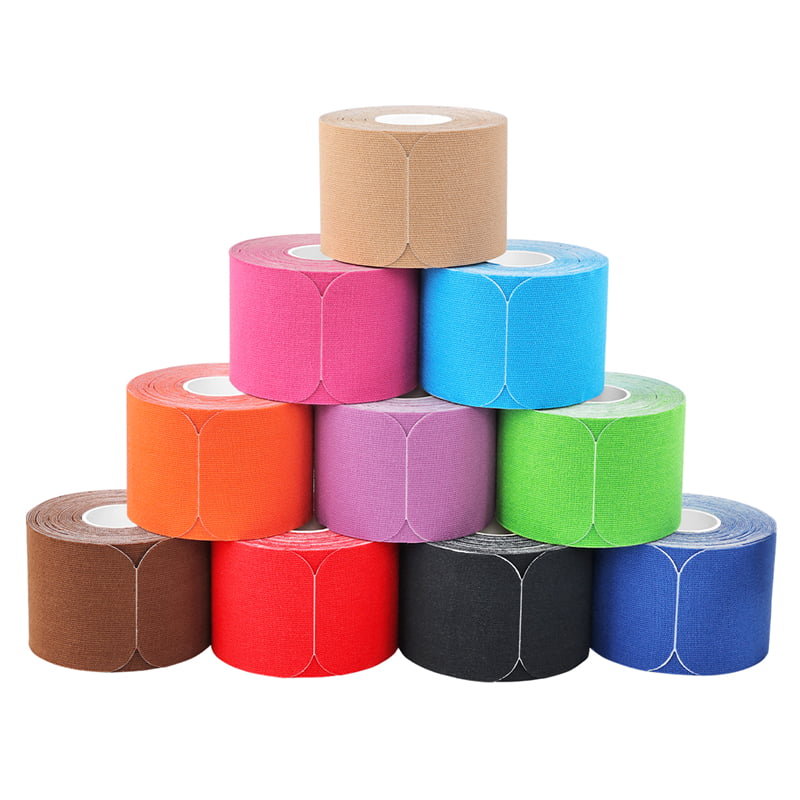
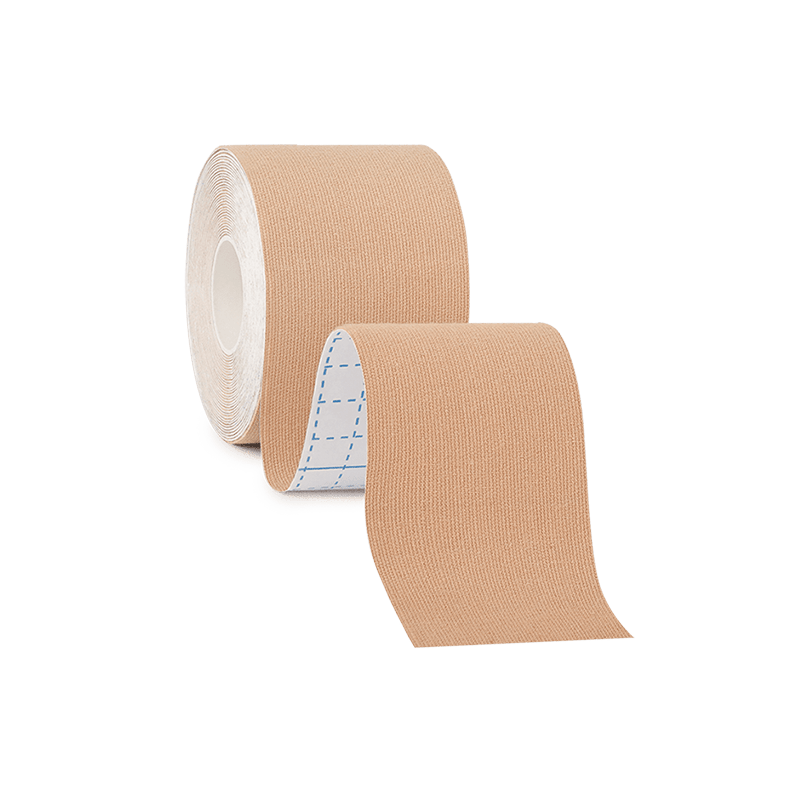
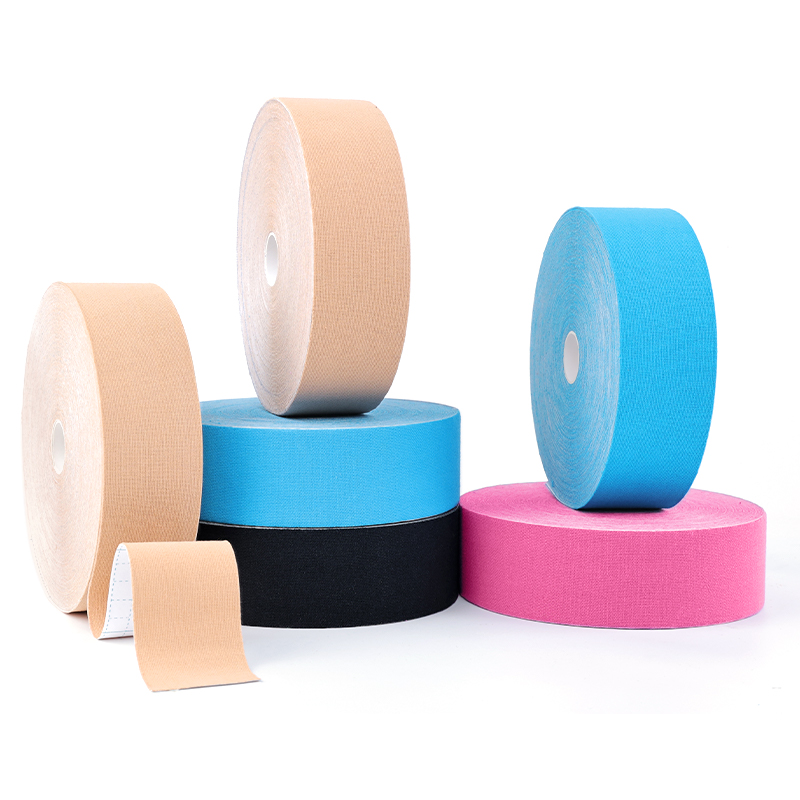
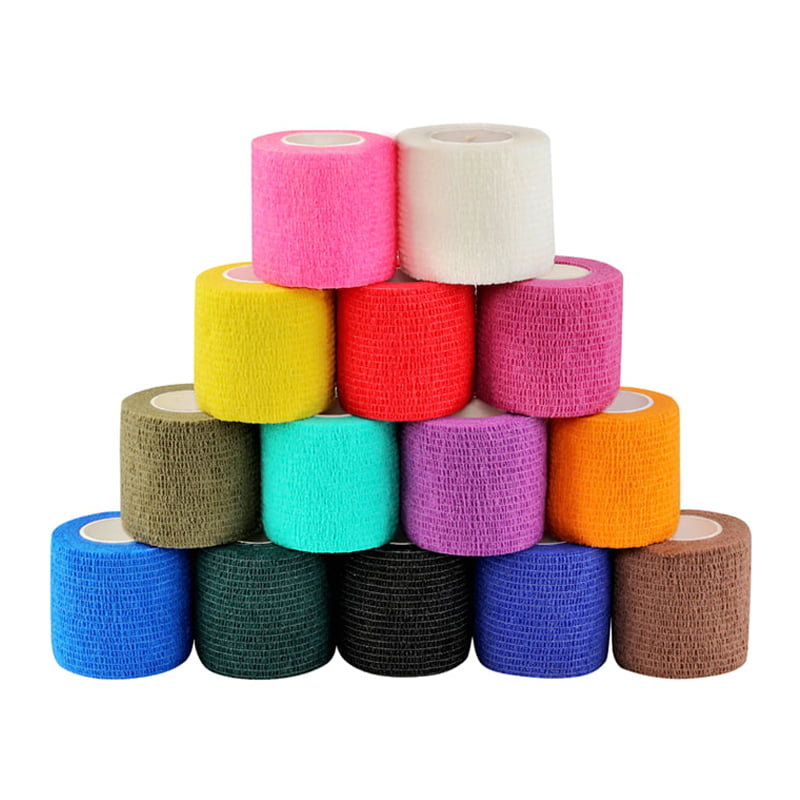
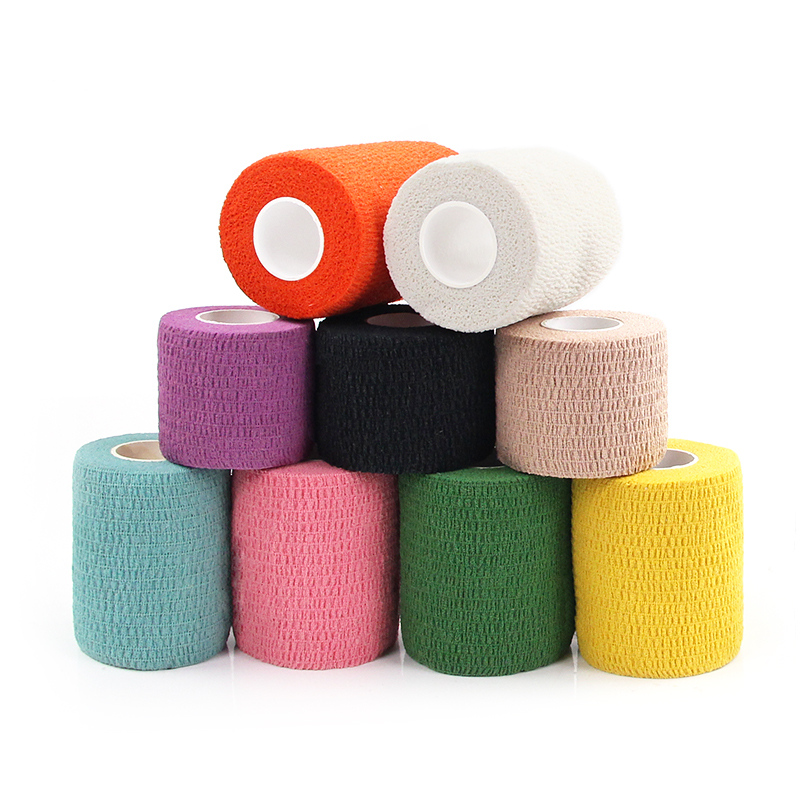
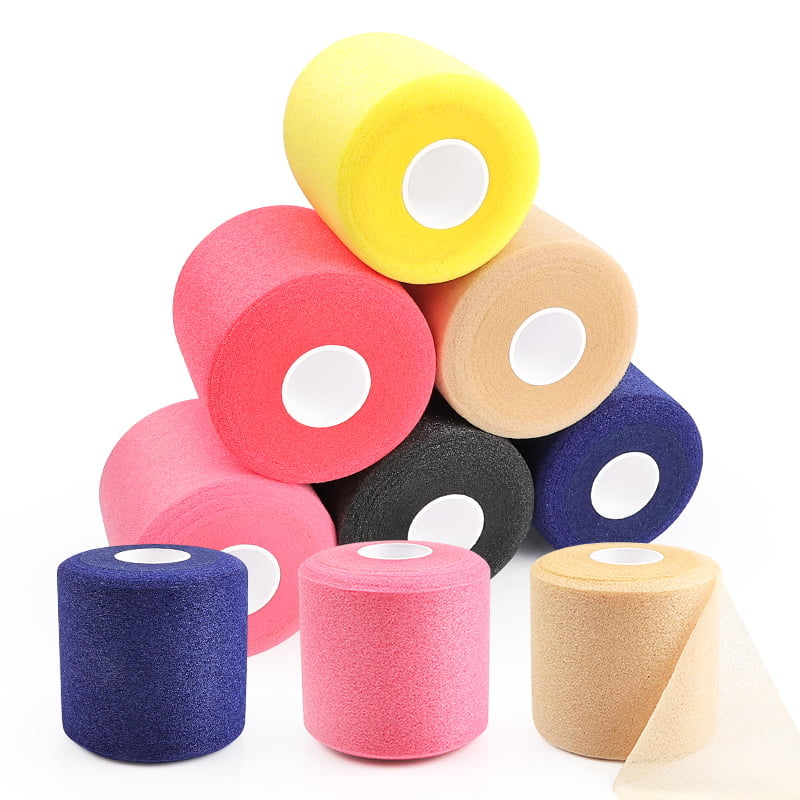
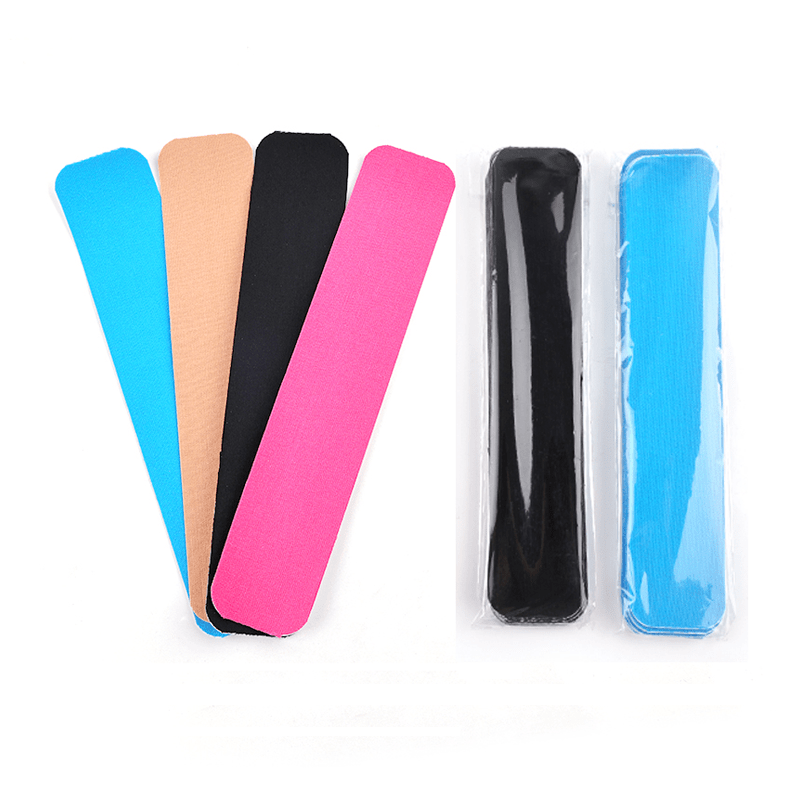
- Kinesiology tape
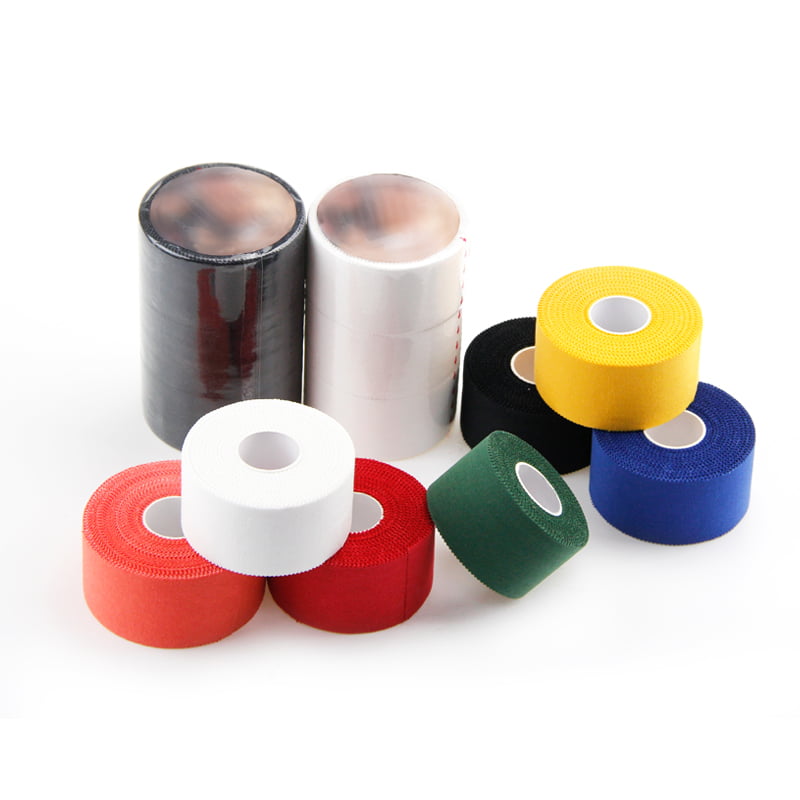
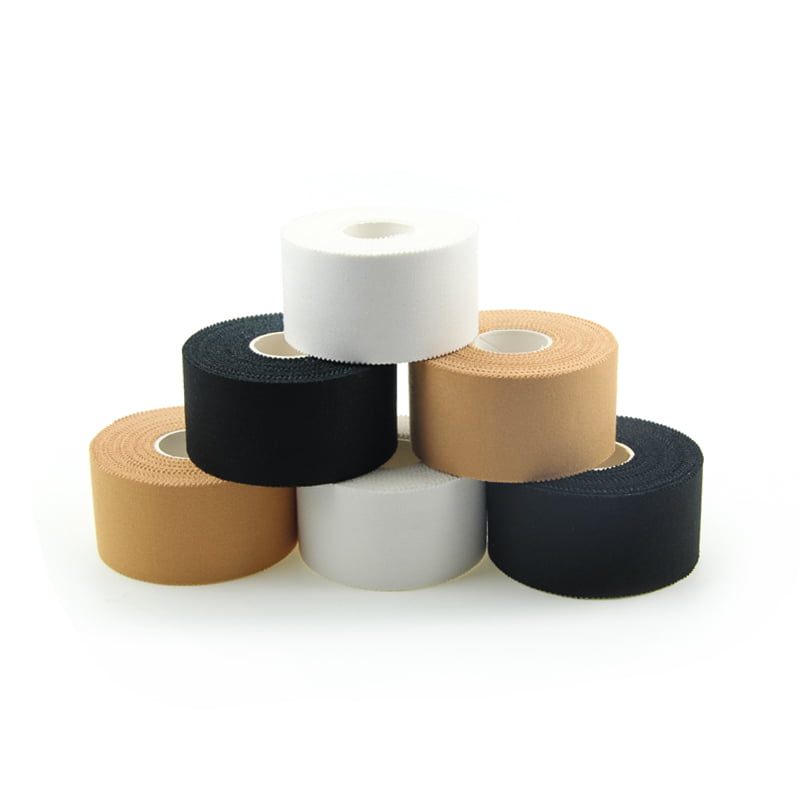
- Rigid athletic tape
- Zinc oxide tape
- EAB tape
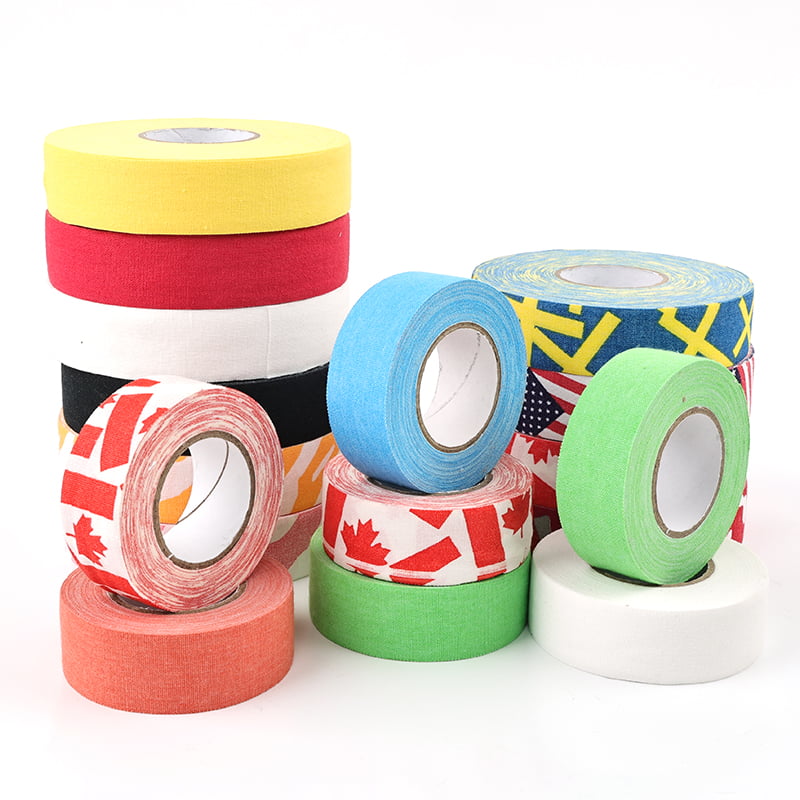
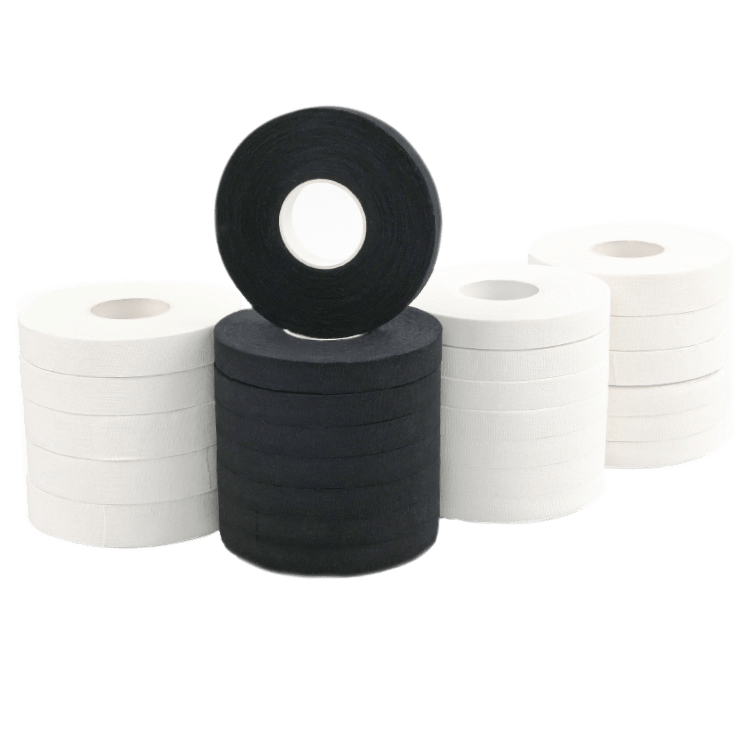
- Rugby finger tape
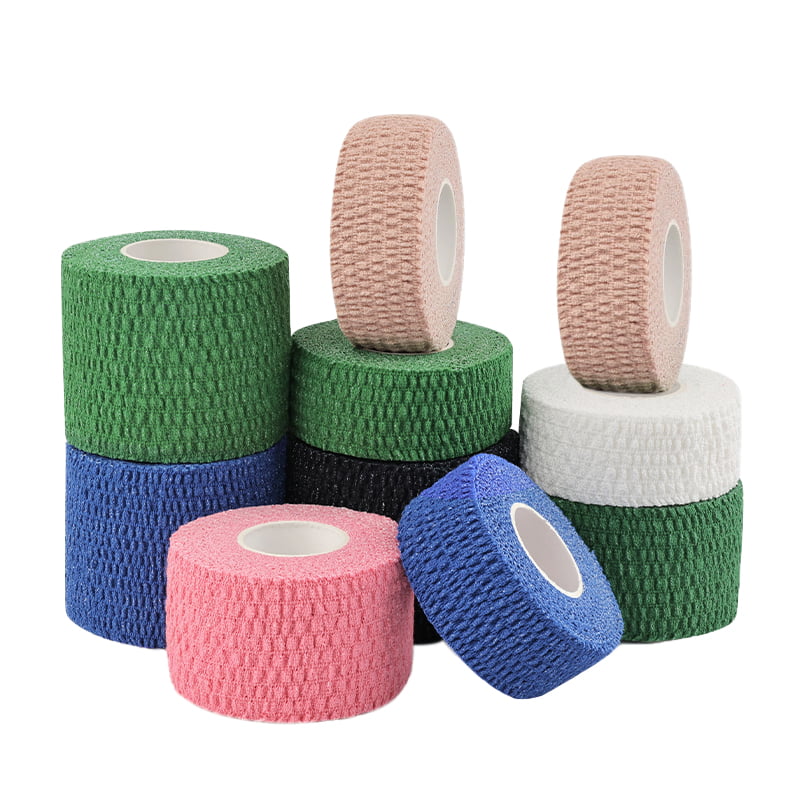
- Cohesive bandage

Why do so many athletes wear rugby tape?
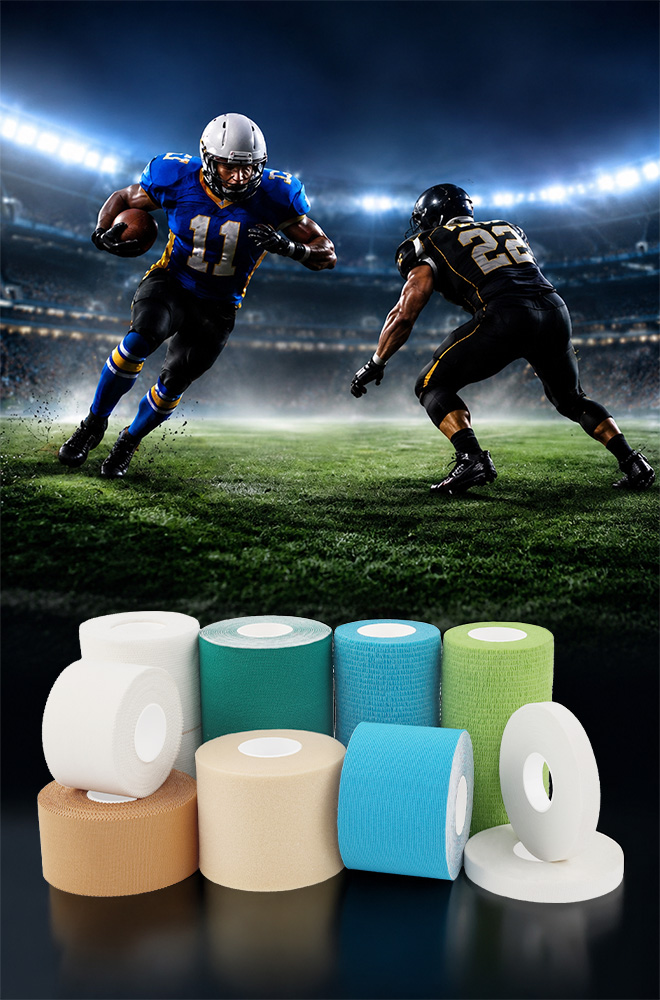
Finger and wrist tape can provide extra stability during tackles and ball handling, while turf tape is commonly used to cover and protect areas of the skin exposed to friction from artificial turf. Some players also use athletic or strapping tape around joints for additional support without bulky equipment.
The tape itself doesn’t replace proper training or injury treatment, but it can be a simple way to give certain areas a little extra protection and stability during play. On this page, we break down the main reasons rugby players use different types of tape and what each one is typically used for.
How To Choose The Right Rugby Tape For Different Uses
Strong Support For The Knees
Rugby players place a lot of stress on their knees from tackles, scrums, sudden changes of direction, and hard landings, so some use sports tape to provide extra support during play.
They typically use rigid strapping tape wrapped around the knee to provide firm support and help limit excessive movement. Cotton athletic tape and EAB sports tape can also replace it to achieve the same effect. Finally, add another layer of self-adhesive bandage on top of the tape to provide pressure, protect the application area, and help secure it.
This setup can be especially useful for forwards, rugby players who are frequently in contact, and athletes who need additional knee stability during training or matches.
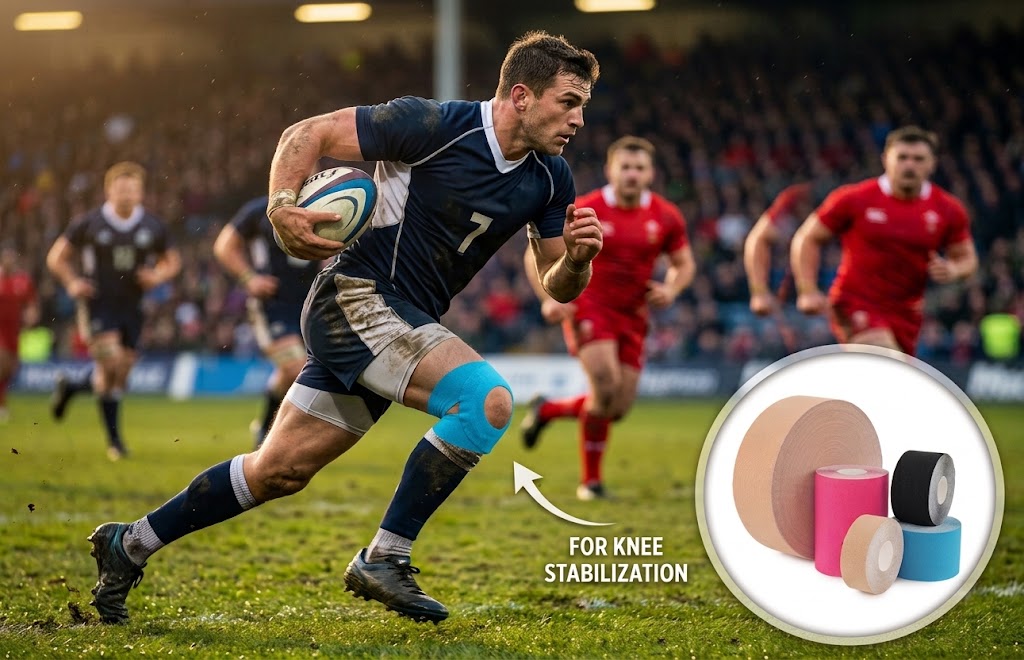
Flexible Knee Support for Rugby
During a rugby match, if you want to support your knee without restricting your movement, kinesiology tape is often a better choice than rigid strapping tape or cotton athletic tape.
While rigid tapes provide strong fixation, they can limit the knee’s natural range of motion. Kinesiology tape offers high elasticity, allowing your knee to bend, sprint, tackle, and change direction freely while still providing lightweight support.
It can also be used as part of a broader support strategy for patellar pain, MCL injuries, and ACL injuries, helping provide support and comfort during activity. If you have a history of knee injuries and are concerned about reinjury, cotton kinesiology tape can be a flexible option for added support and confidence on the rugby field.
Elbow Support for Rugby
During high-impact rugby activities, the elbows are exposed to frequent collisions, falls, and sudden movements.
Rigid strapping tape can help stabilize the elbow by limiting excessive movement and providing firm support when stronger joint control is needed.
Adding a non-woven cohesive bandage over the tape provides gentle compression and extra protection, and helps keep the strapping securely in place during play.
Together, they provide stable, secure elbow support while helping to protect the joint during intense rugby activities.
Wrist & Palm Protection for Rugby
Rugby players face a constant risk of falls, making wrist sprains and palm abrasions common injuries on the field. The impact of catching, passing, or throwing the ball can also place significant stress on the wrist.
Rigid sports tape provides firm wrist support by stabilizing the joint and limiting excessive movement. At the same time, a cotton cohesive bandage adds a protective layer over the hand and wrist, shielding the palm from direct contact with rough grass and reducing the risk of turf burns. Together, they provide reliable support and protection where rugby players need it most.
Finger Protection for Rugby Players
Rugby puts constant stress on the fingers through tackling, catching, passing, and contact with other players.
Finger tape provides additional support around the joints, stabilizing the fingers and reducing excessive bending during play. It can also protect the skin from friction and minor abrasions while giving players a more secure grip on the ball.
For rugby athletes with previously injured or easily strained fingers, finger tape can provide extra support and confidence without adding significant bulk or restricting natural hand movement.
Securing Socks & Shin Guards for Rugby
As in football, loose socks or shifting shin guards can be distracting and uncomfortable in rugby, especially during tackles, sprints, and sudden changes of direction.
A cohesive bandage is an easy way to keep both securely in place without the need for clips or bulky fasteners. It wraps around the sock and shin guard with gentle, adjustable compression to help prevent them from slipping or shifting during play. At the same time, its flexible, lightweight design allows players to move naturally while keeping their protective gear securely in place throughout the match.
Shop by Sports
-
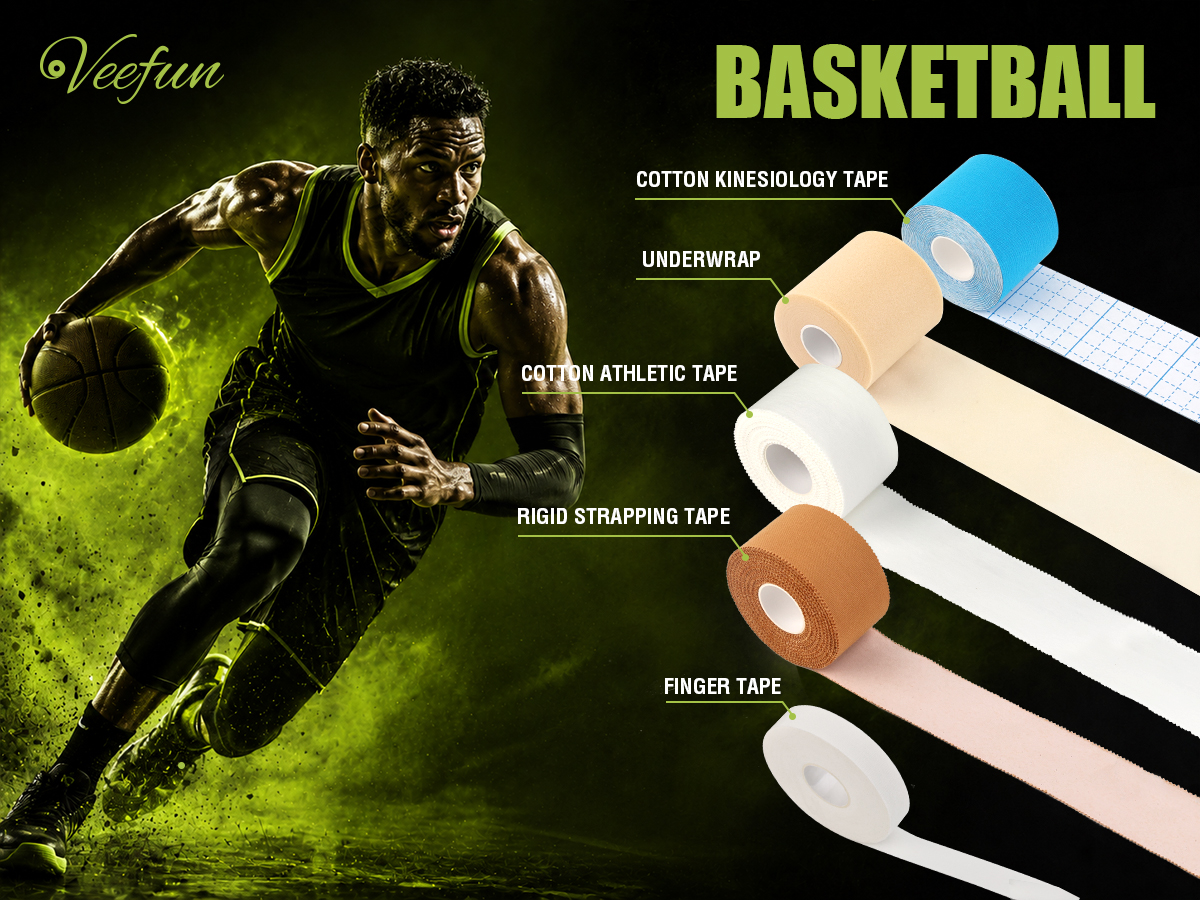 Basketball
 -
 Running Tape
 -
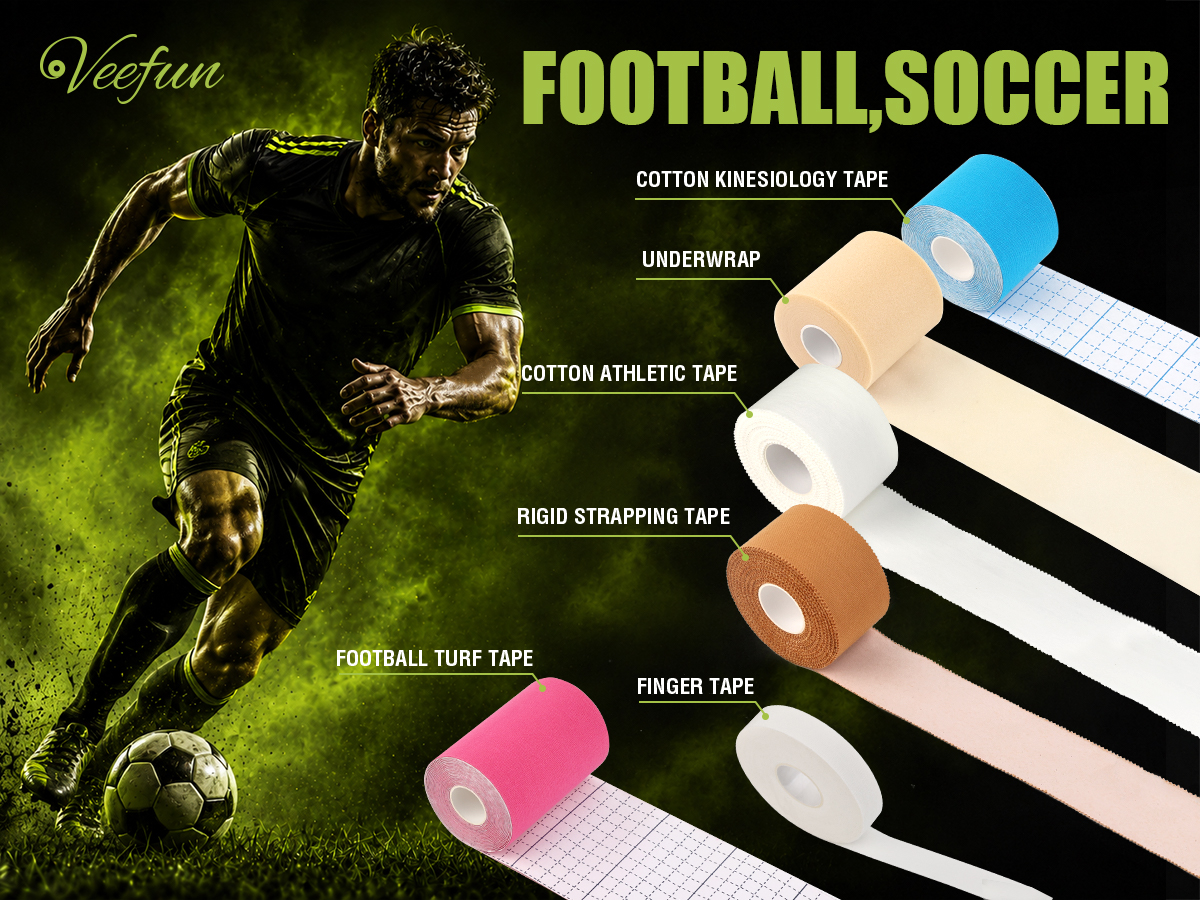 Football Tape
 -
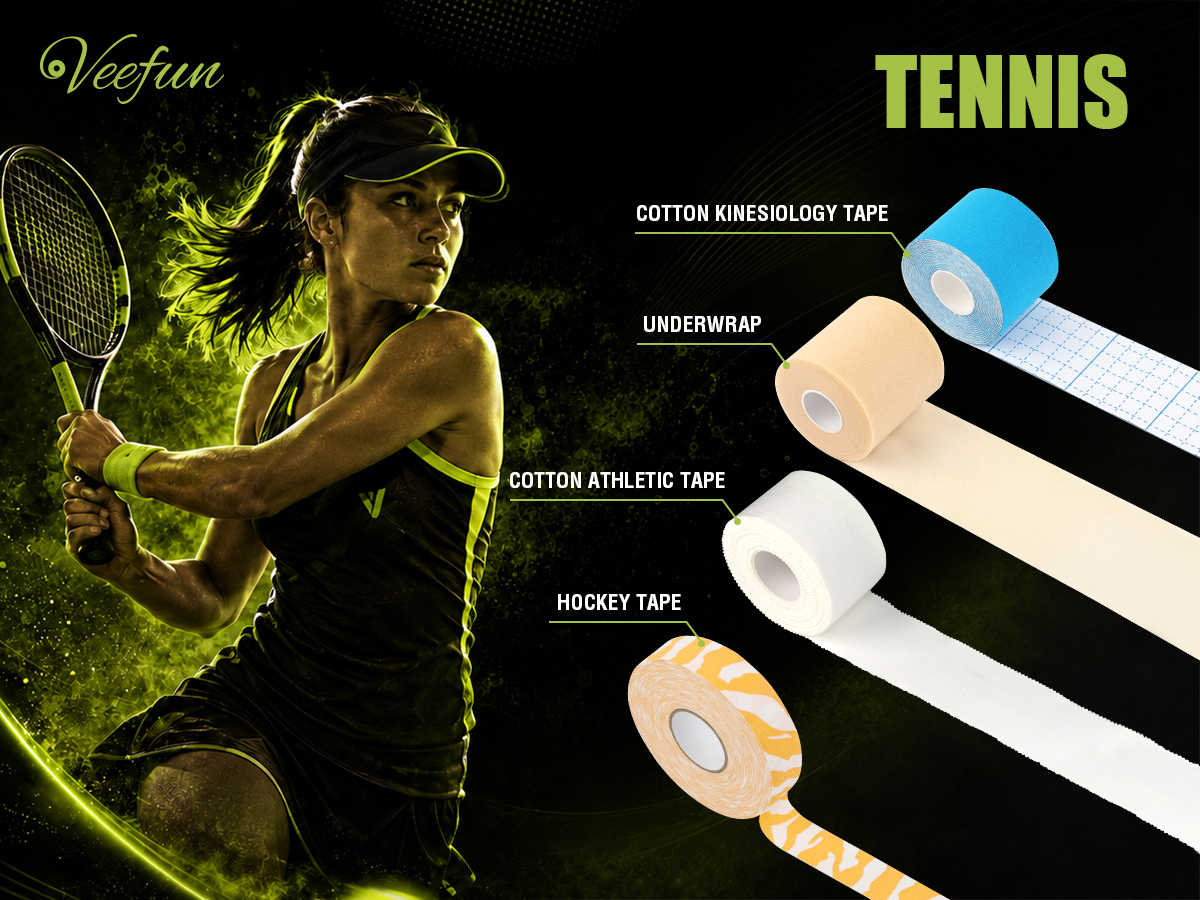 Tennis Tape
 -
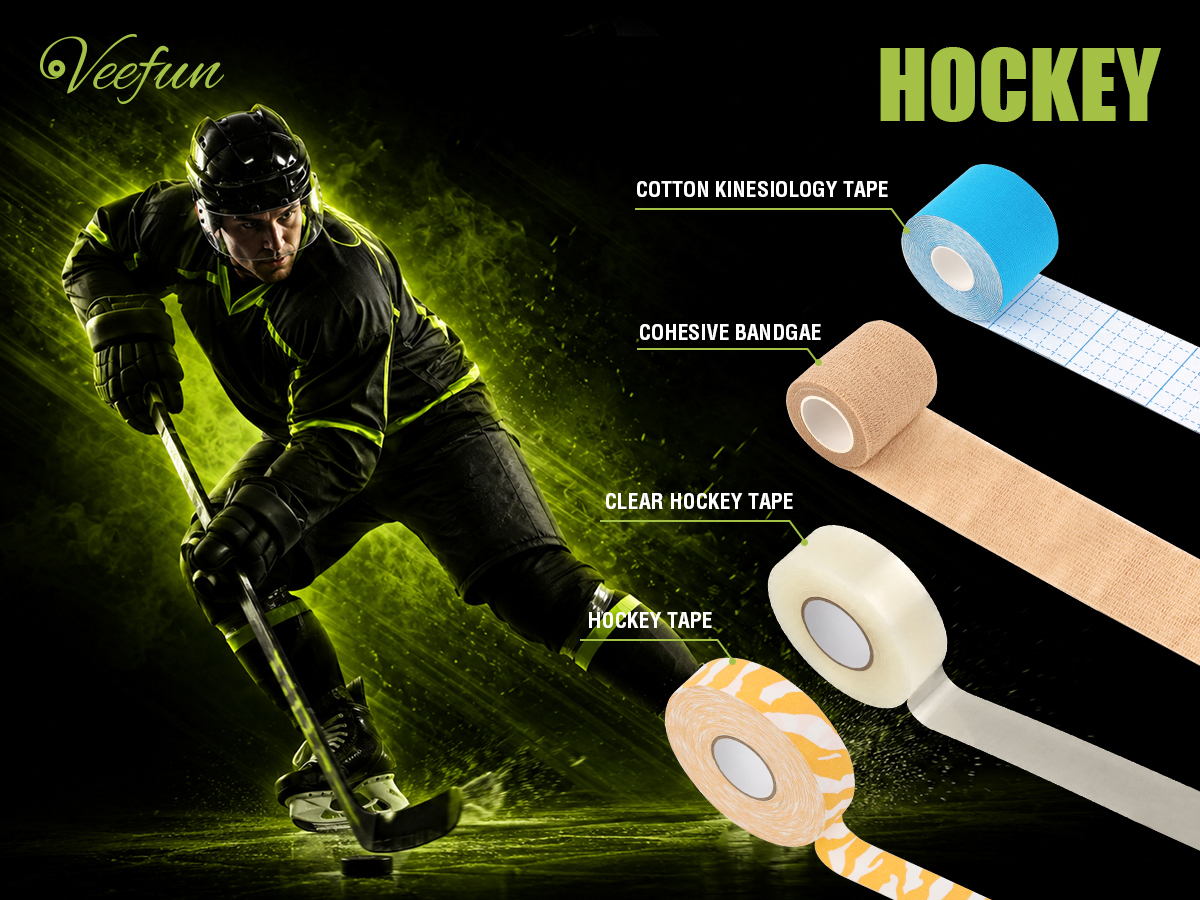 Hockey Tape
 -
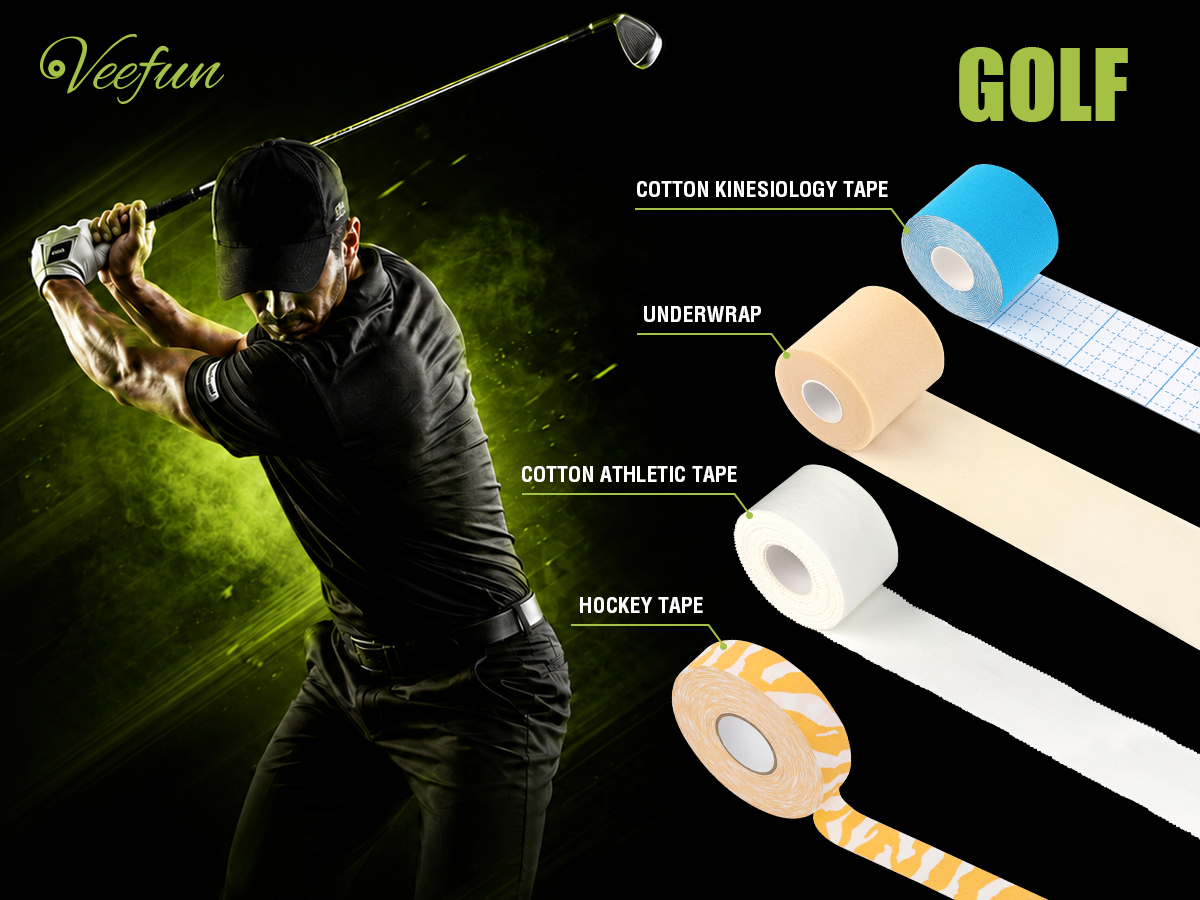 Golf Tape
 -
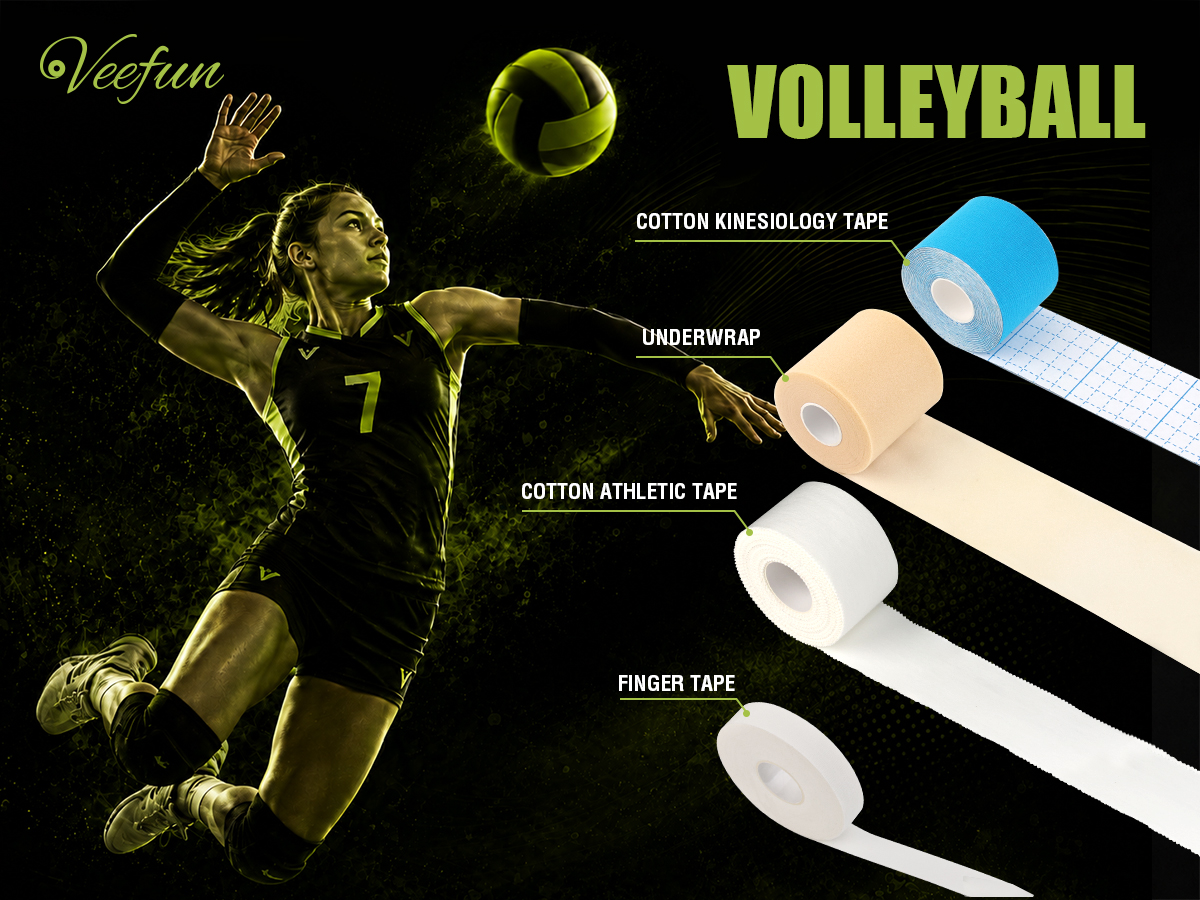 Volleyball Tape
 -
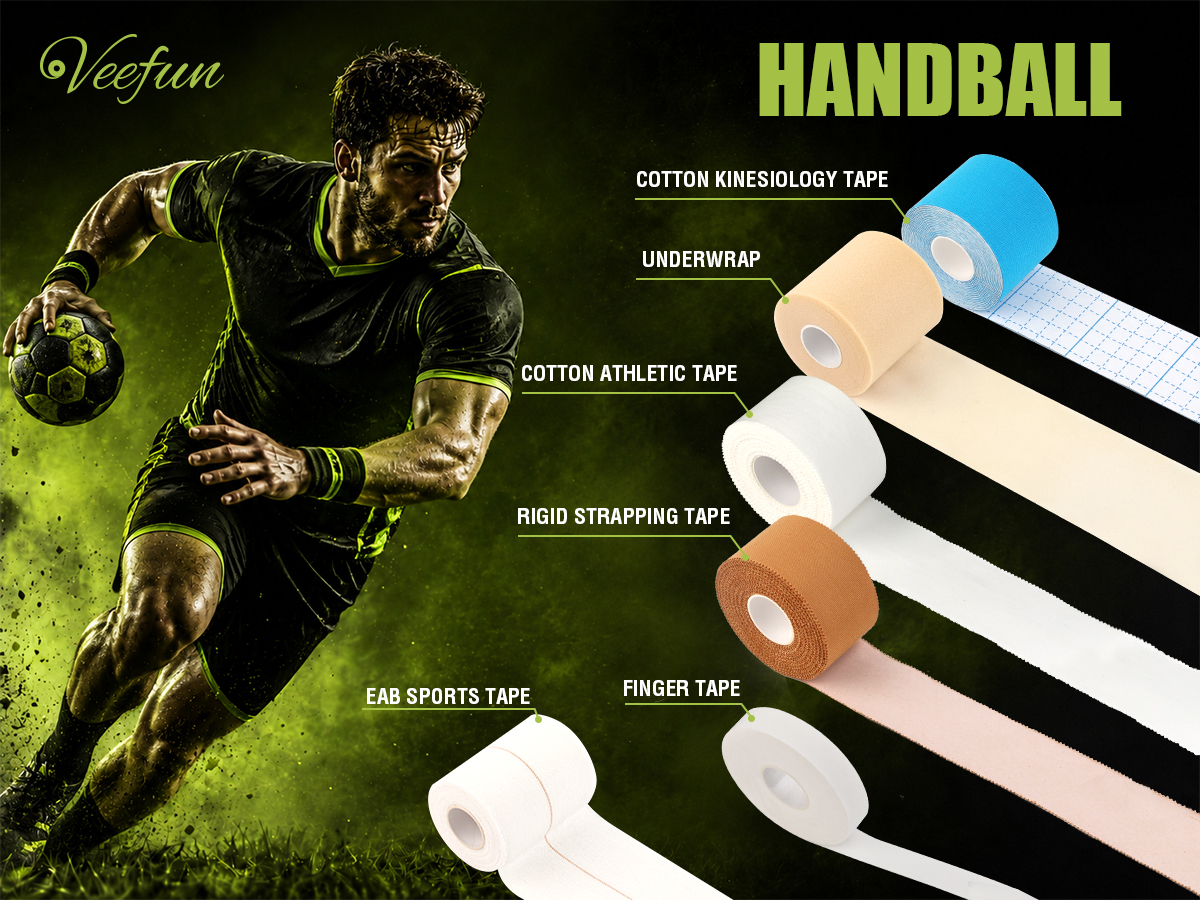 Handball Tape
 -
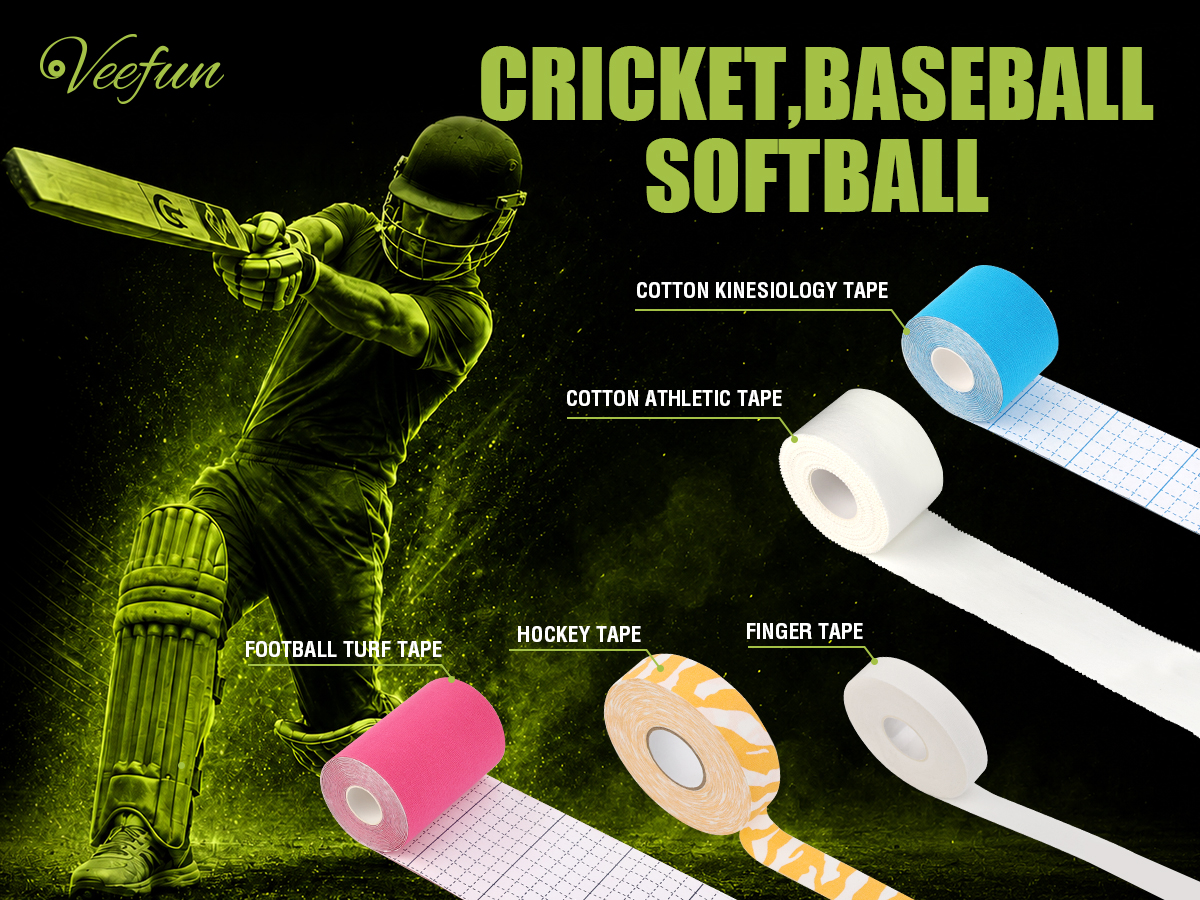 Cricket Tape
 -
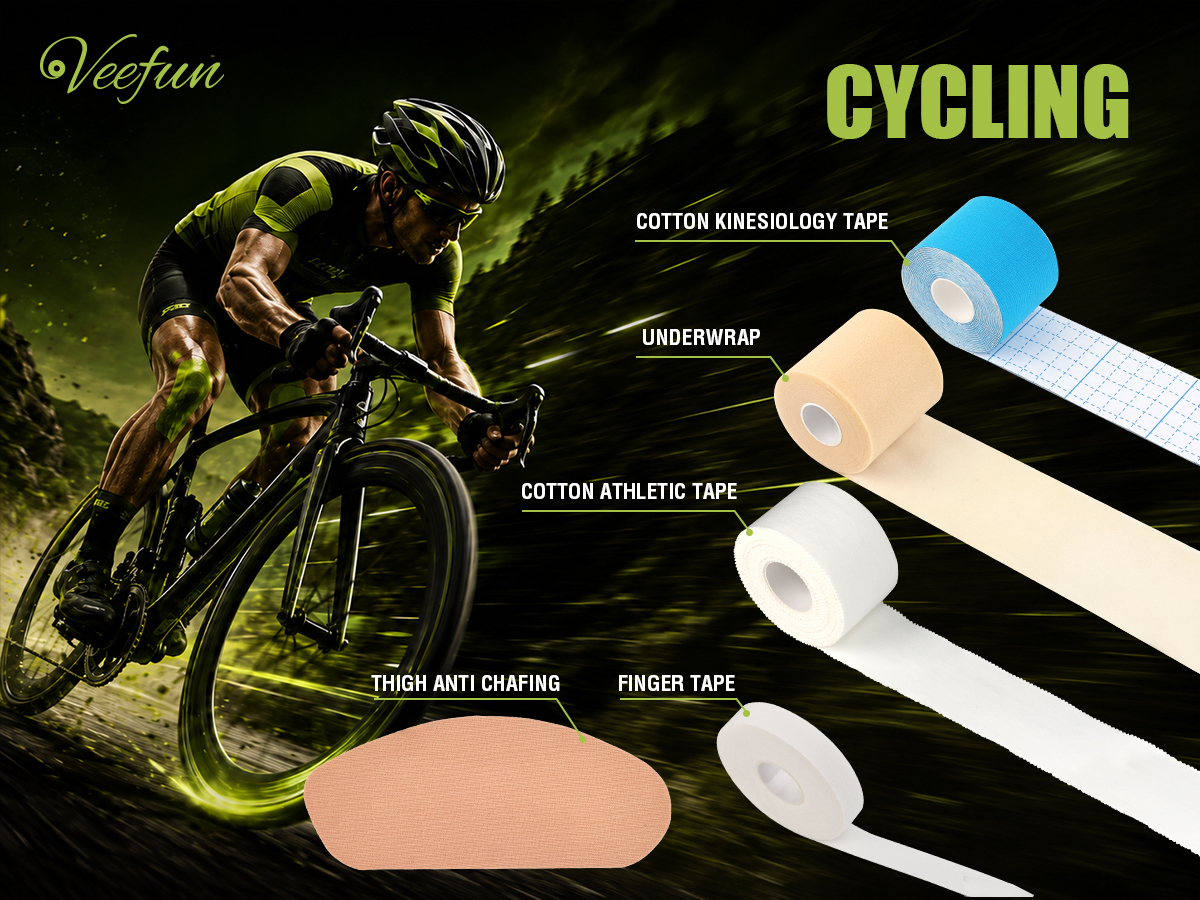 Cycling Tape
Find the Right Rugby Tape for Every Need
For personal use, Online orders can be delivered in 7-15 days. For businesses, Veefun provides bulk supply, OEM & private label customization, and multiple rugby tape options from one supplier.
Need help choosing the right rugby tape? Explore our products or contact Veefun for samples, wholesale pricing, and custom orders.
FAQ
What tape is best for rugby?
The best rugby tape depends on what you need it for. Kinesiology tape is suitable for flexible support without restricting movement, while rigid strapping tape provides stronger joint stabilization. A cohesive bandage is useful for securing socks and shin guards, and finger tape helps support and protect the fingers during contact sports.