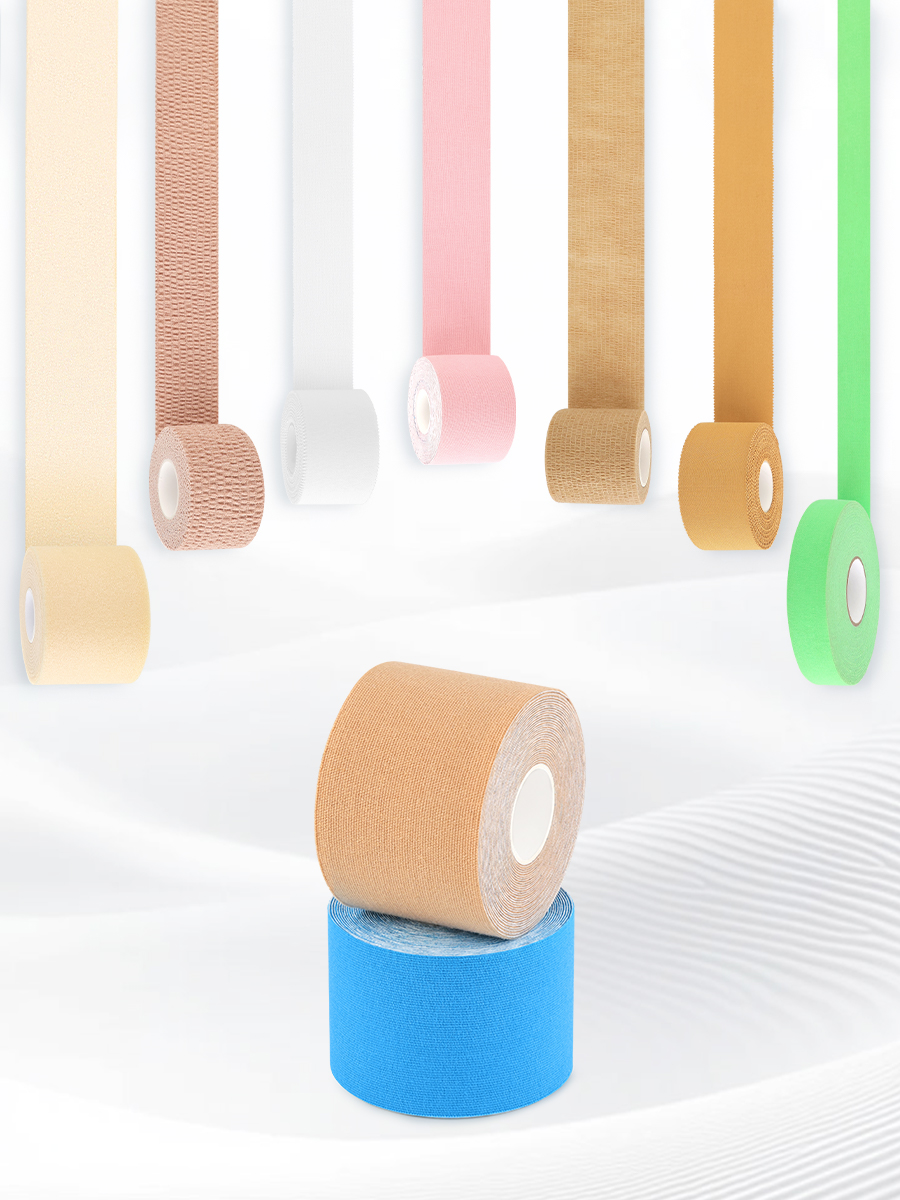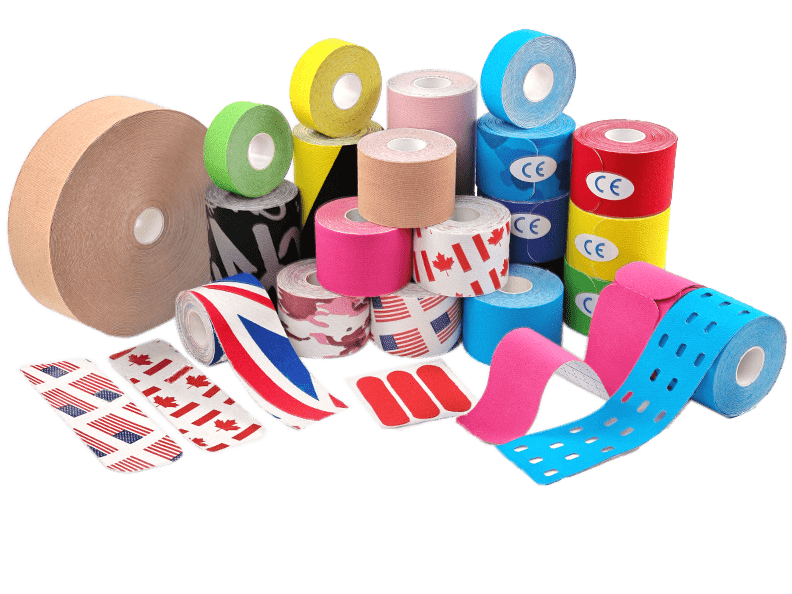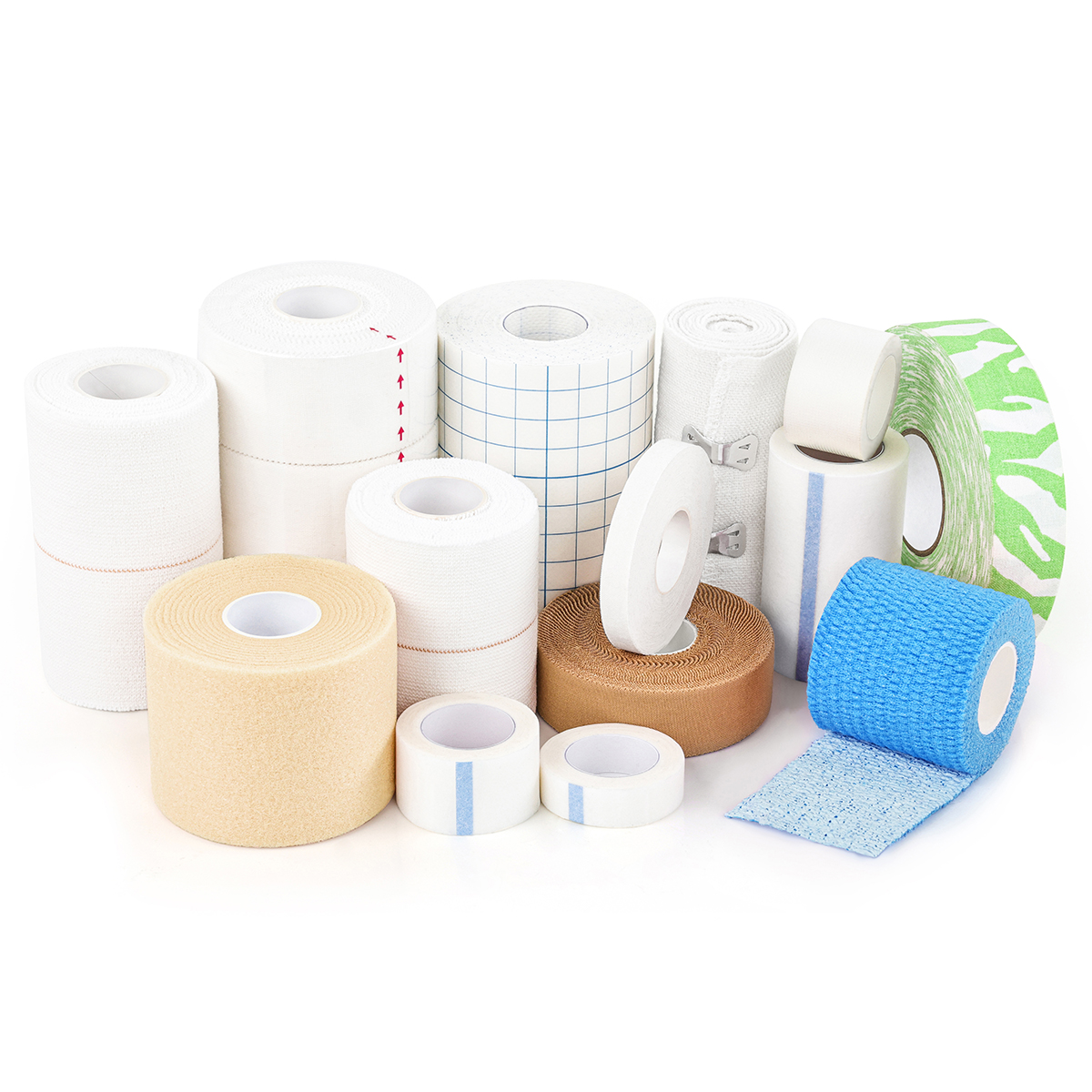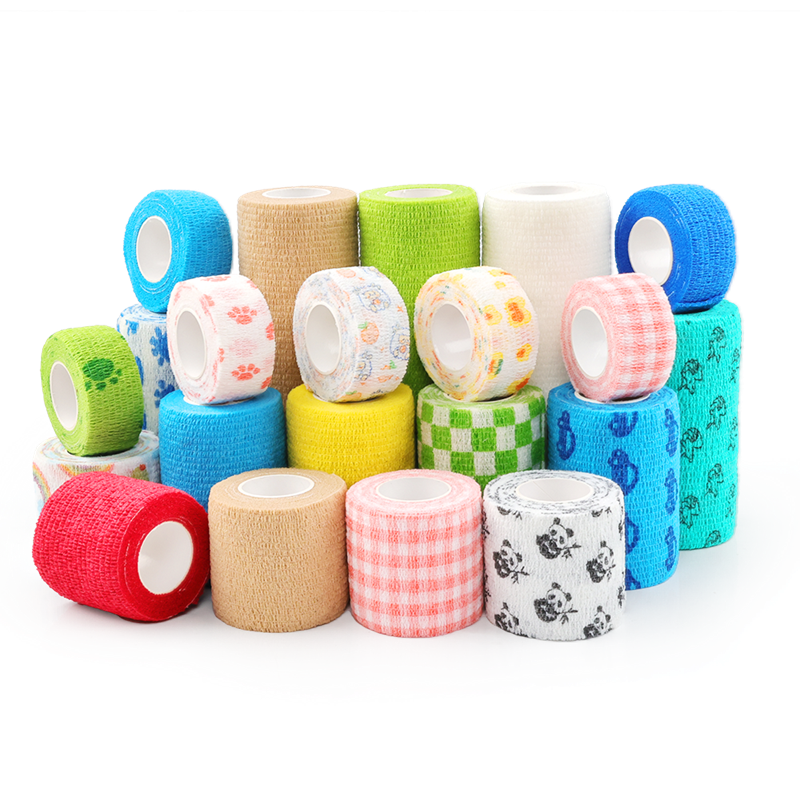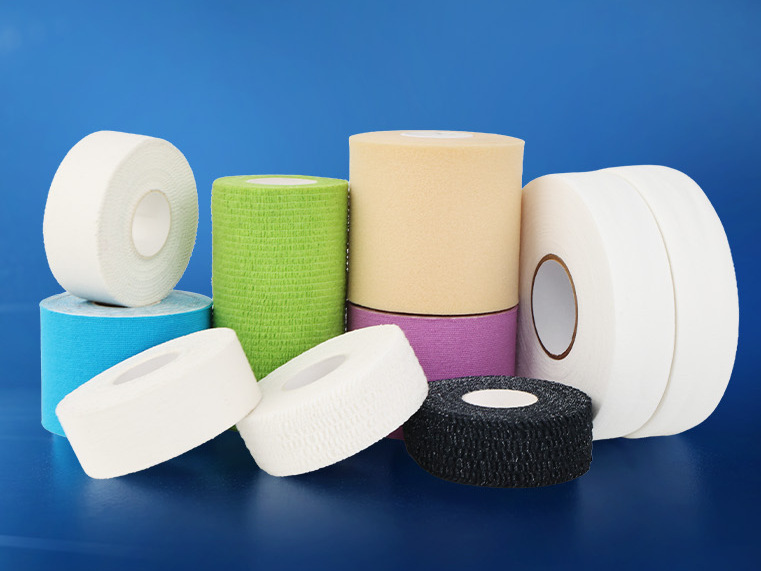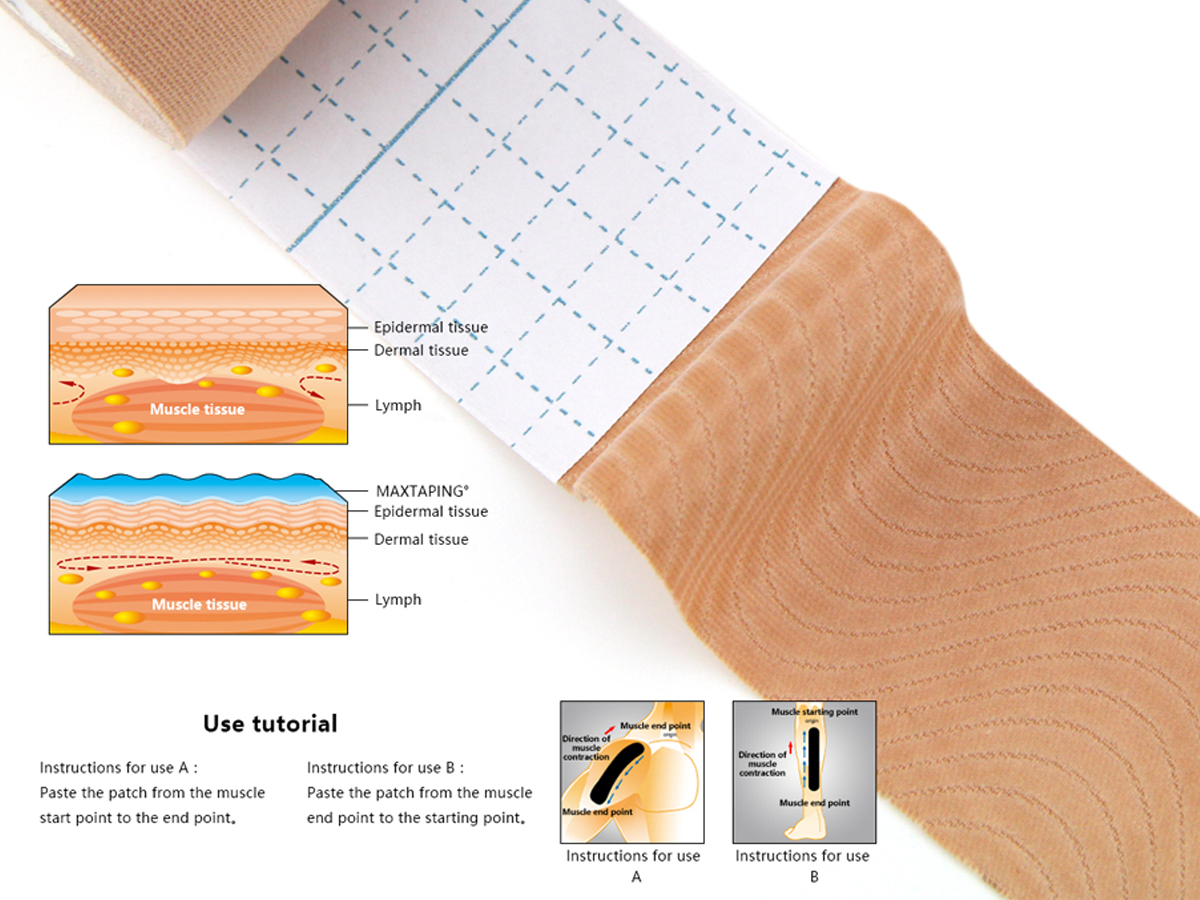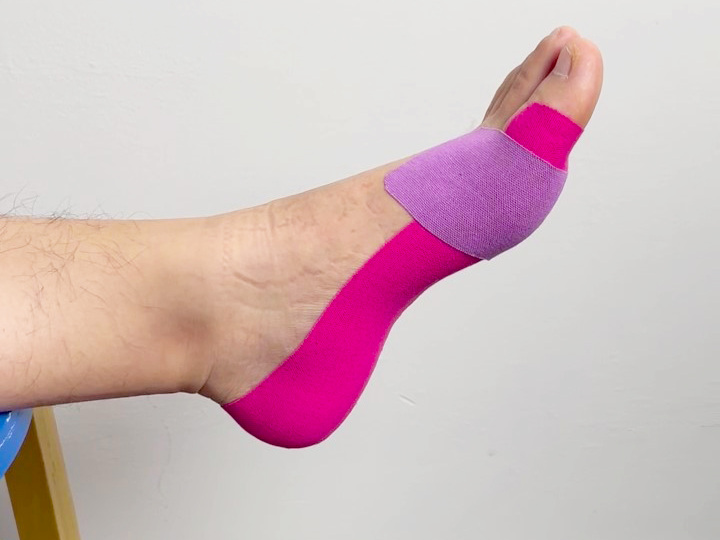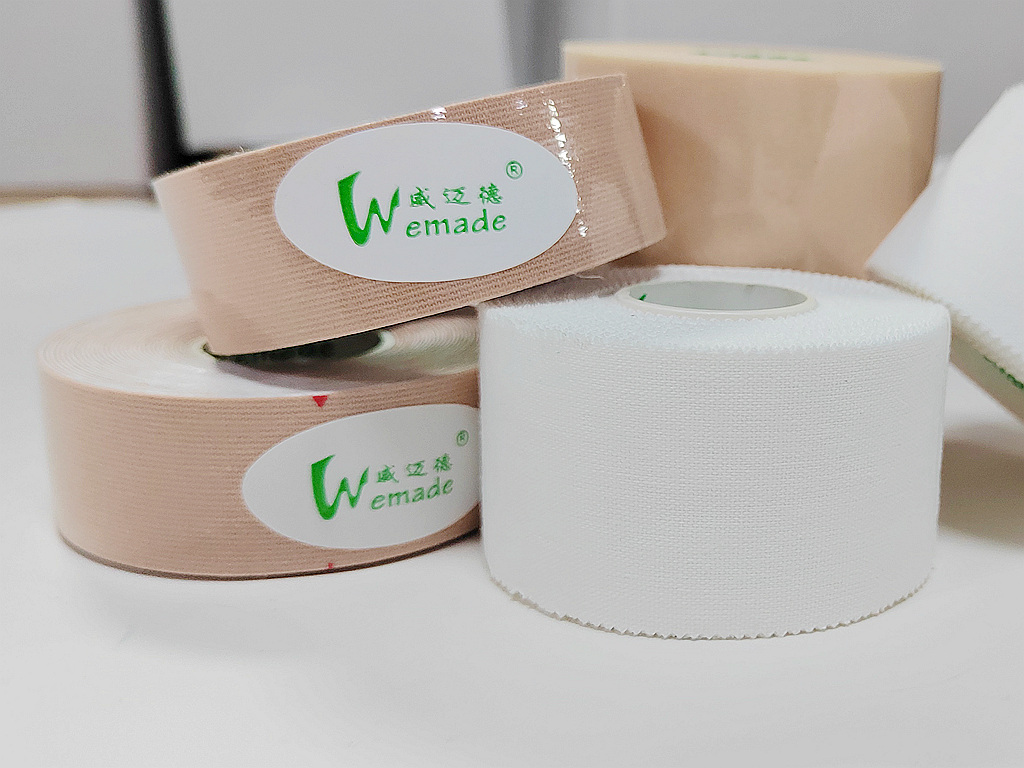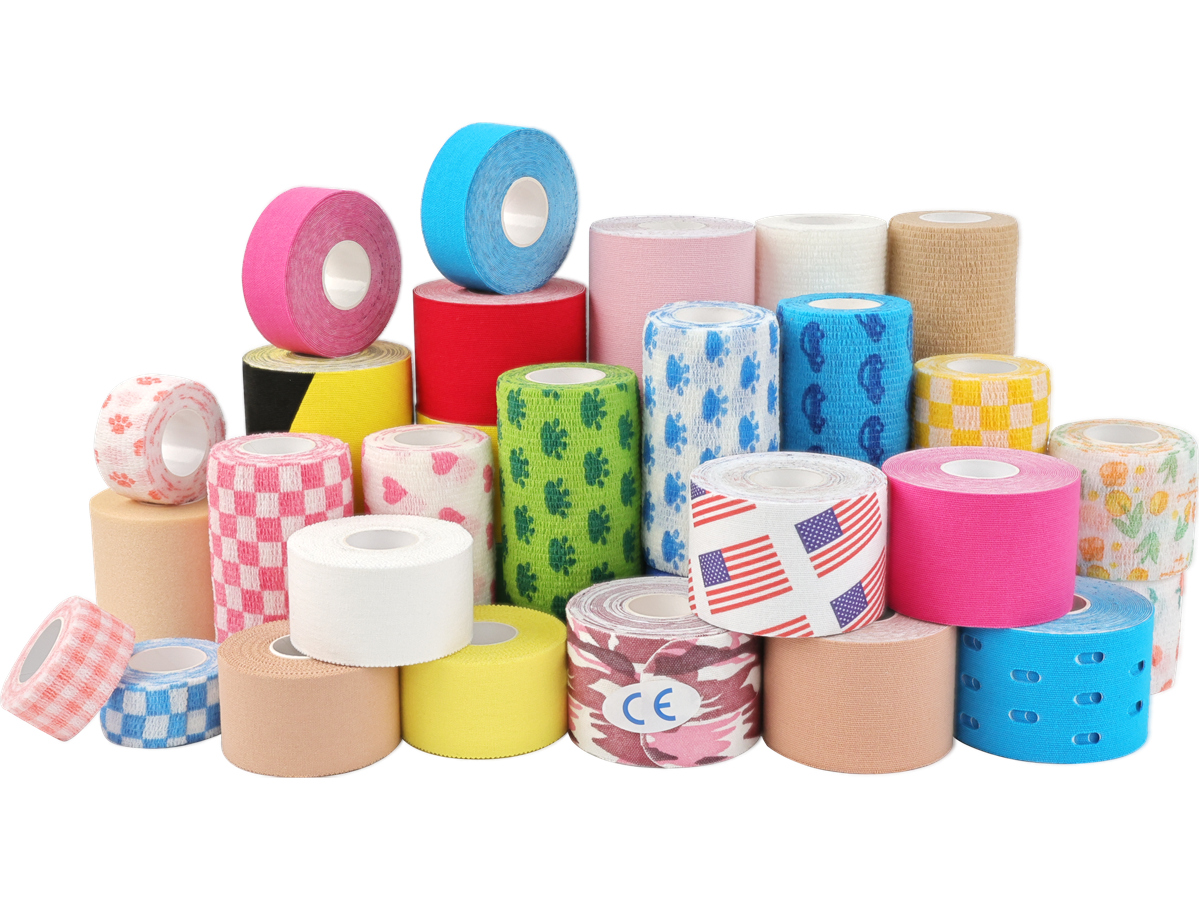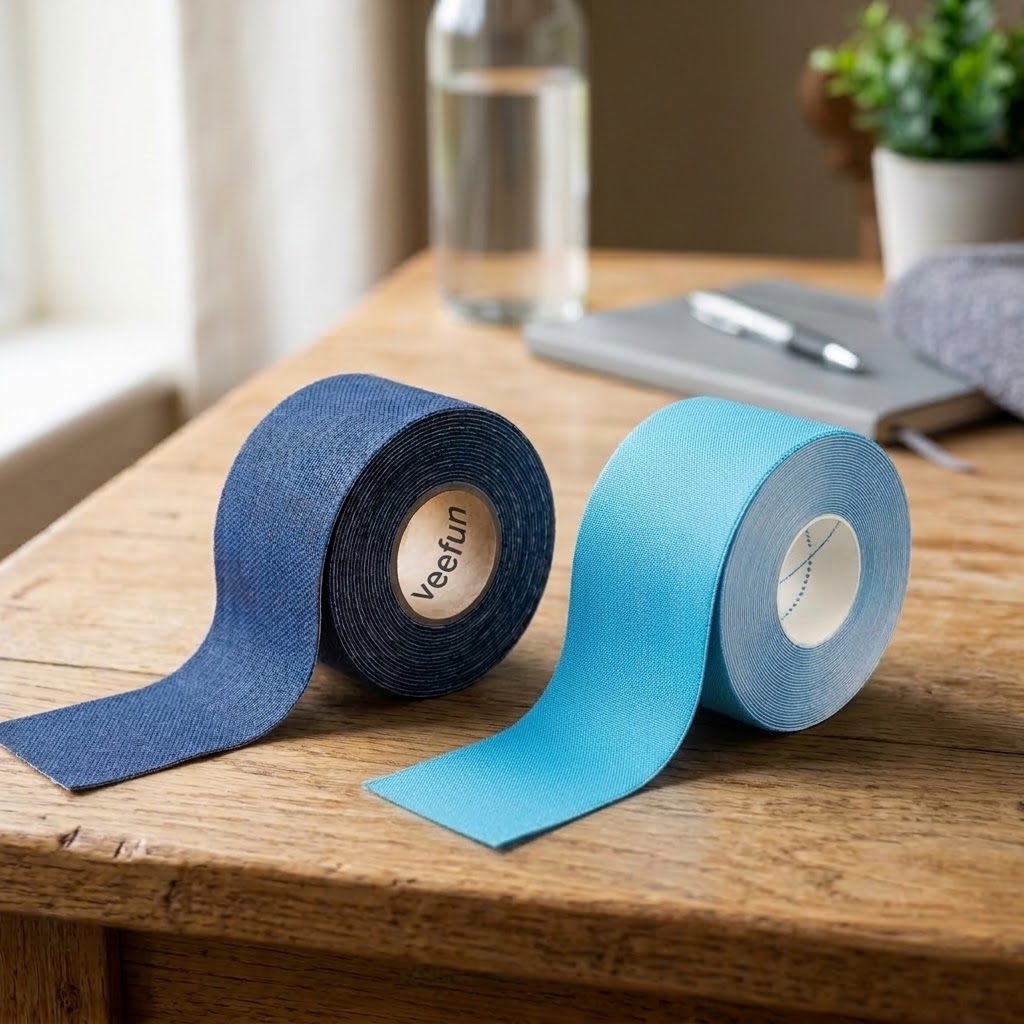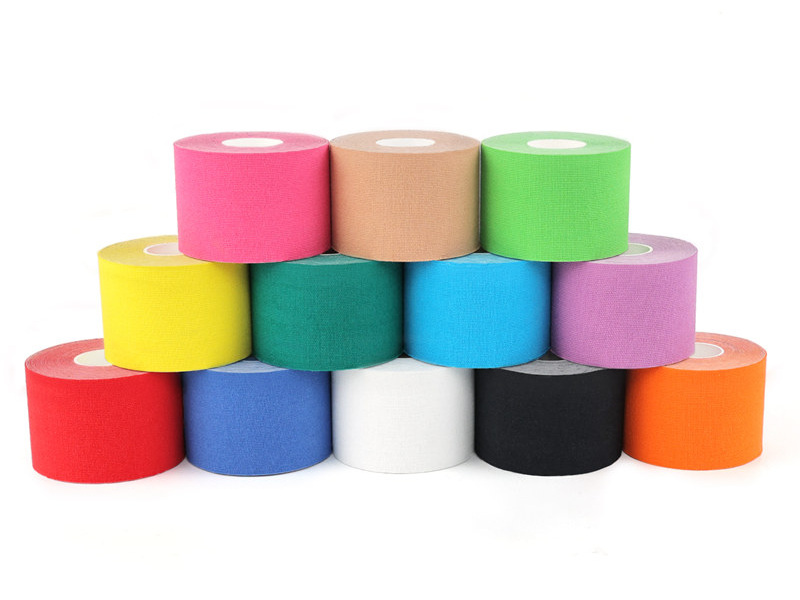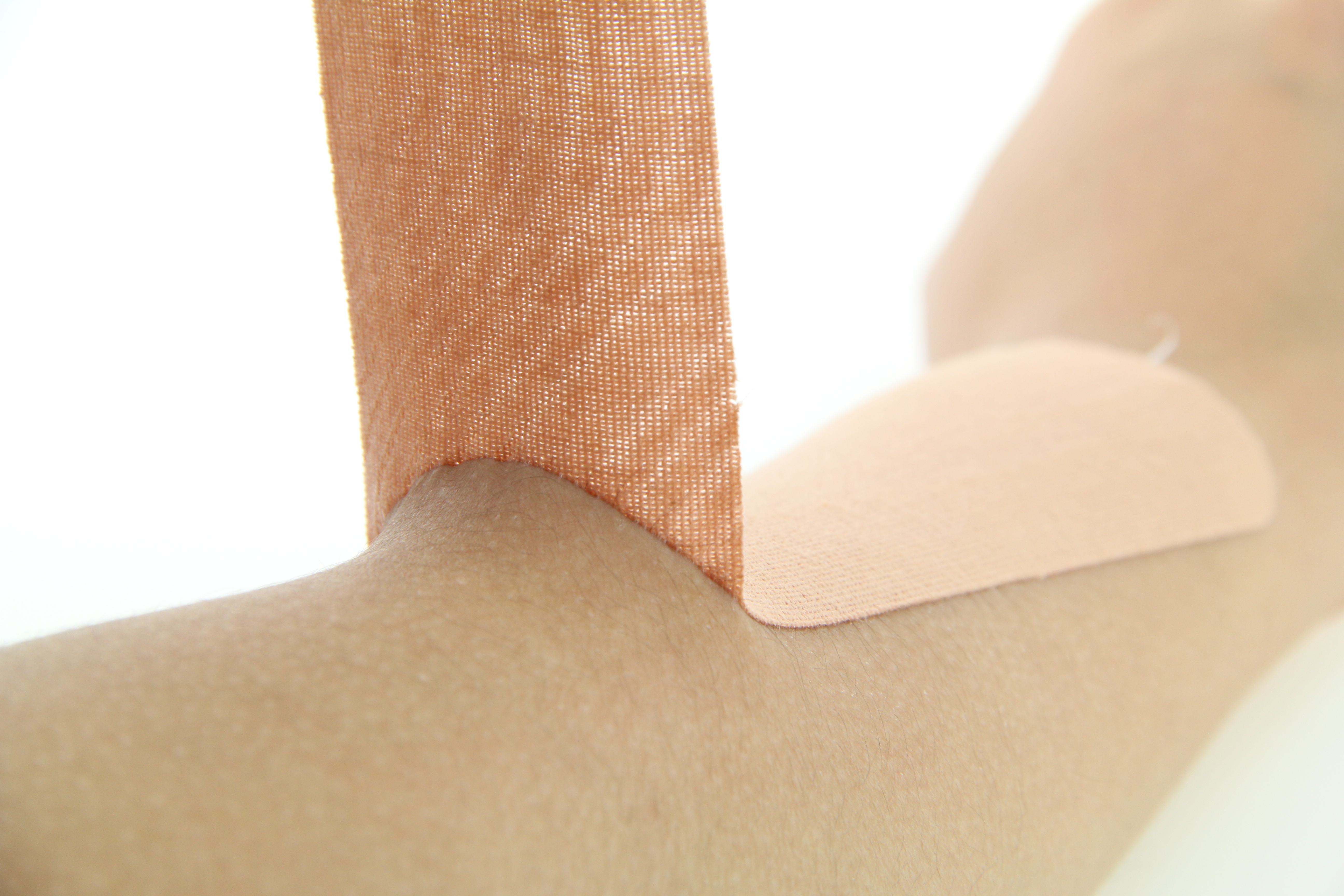
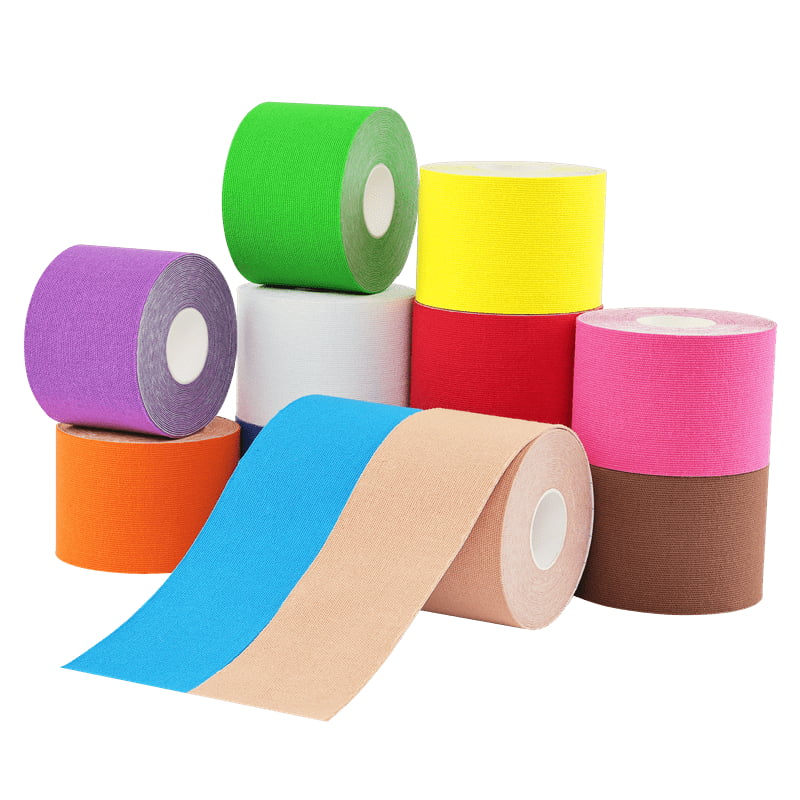
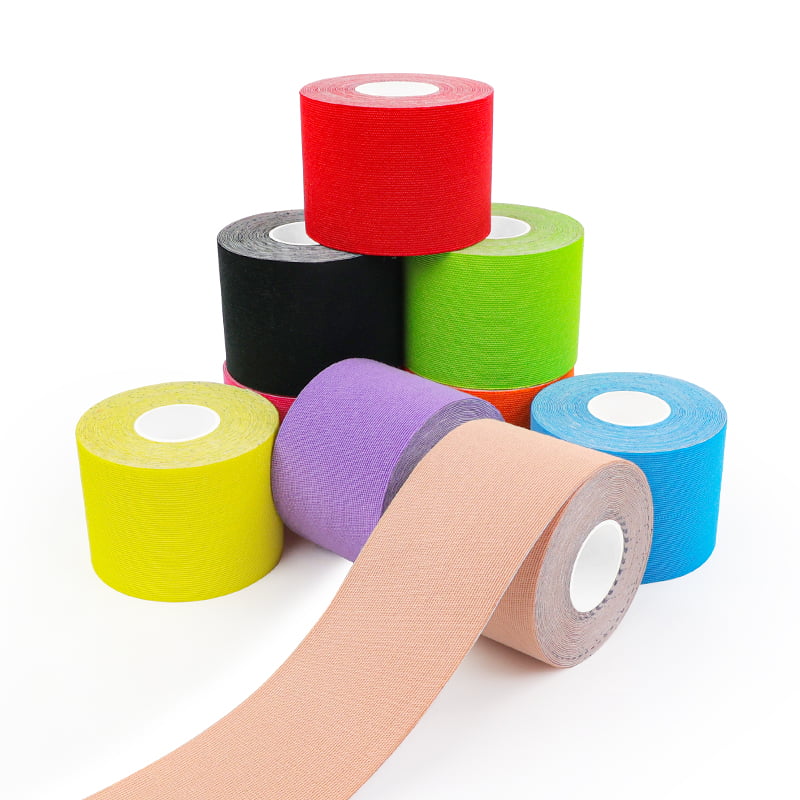
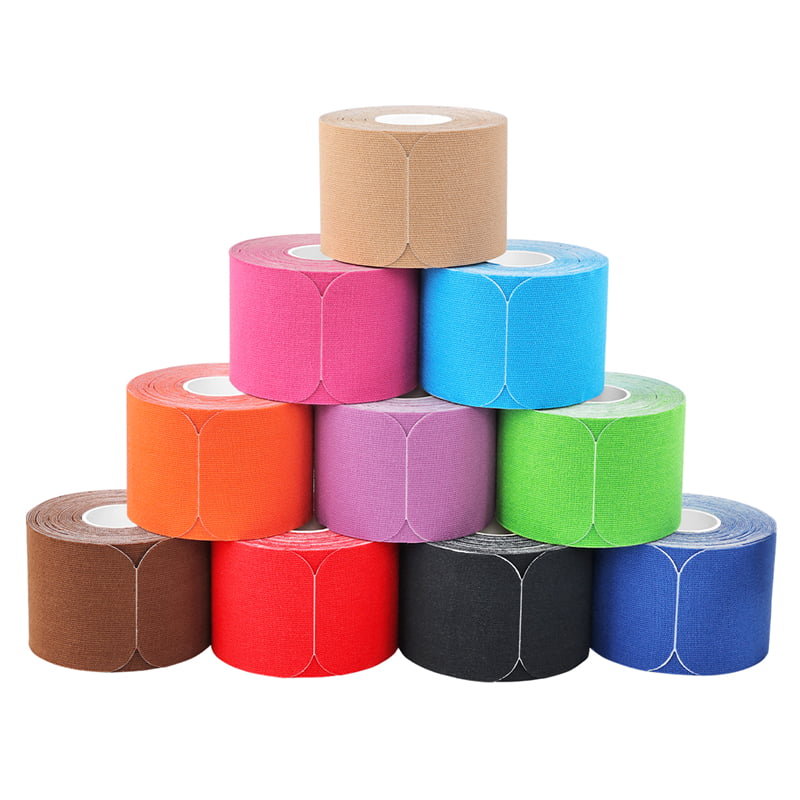
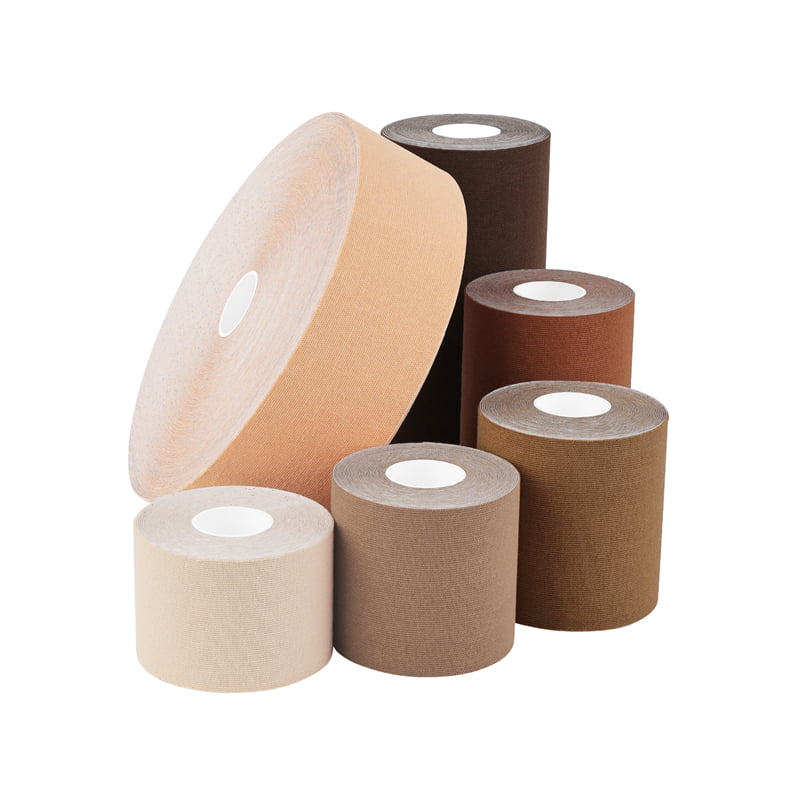
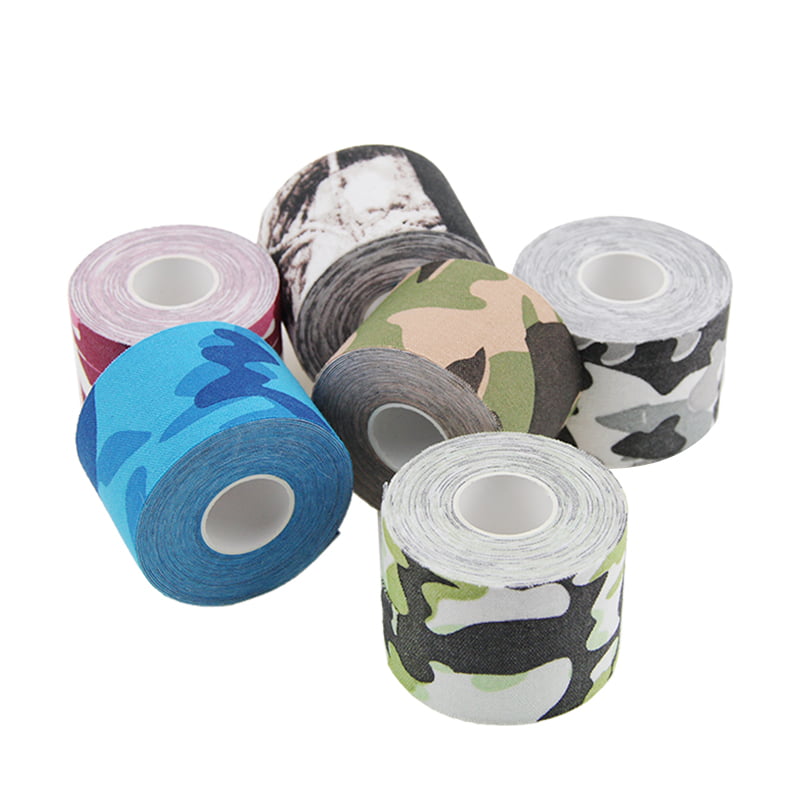
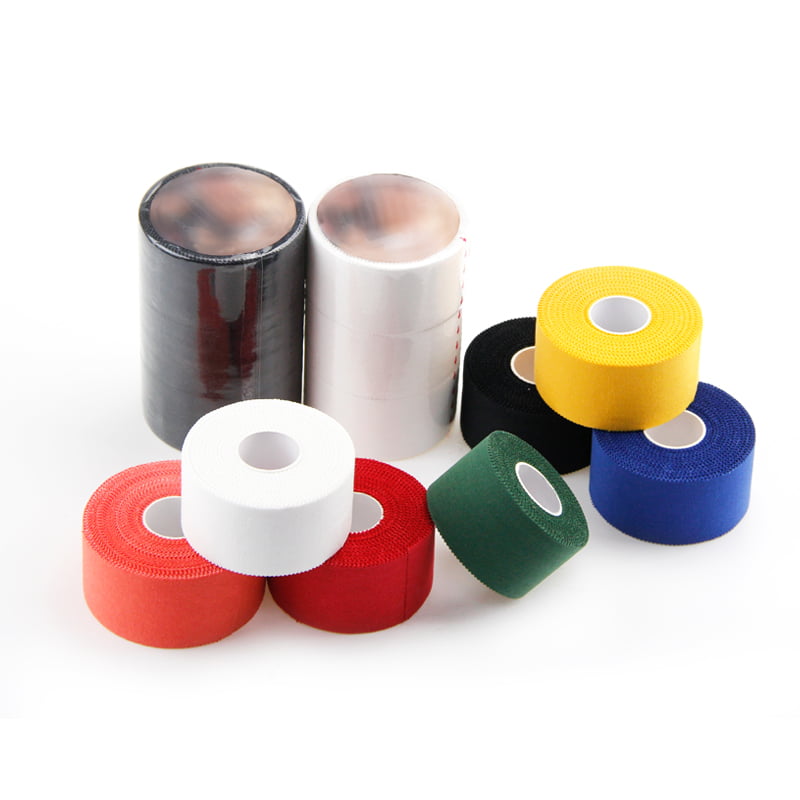
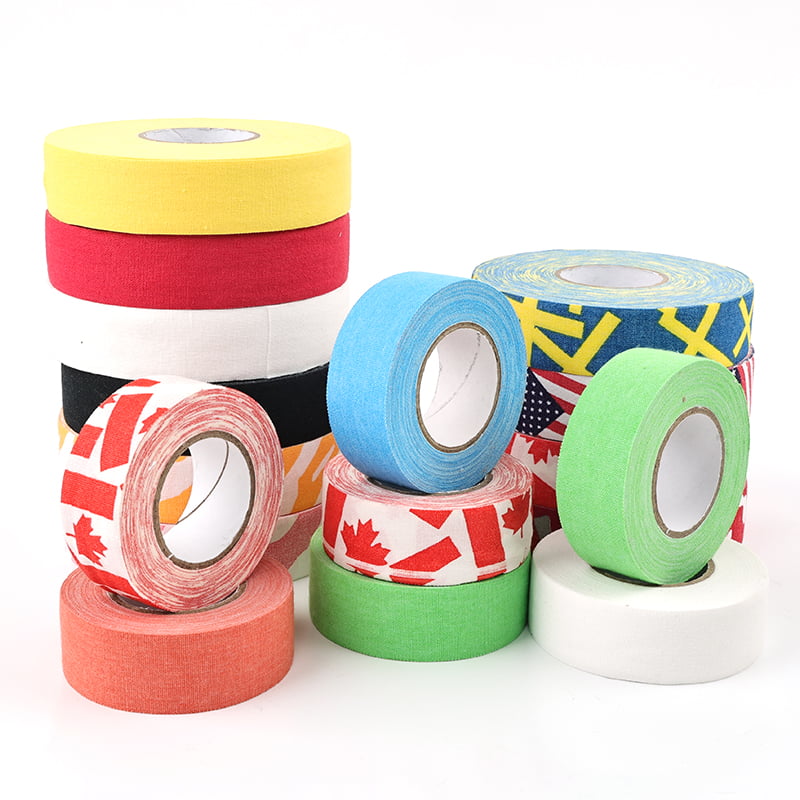
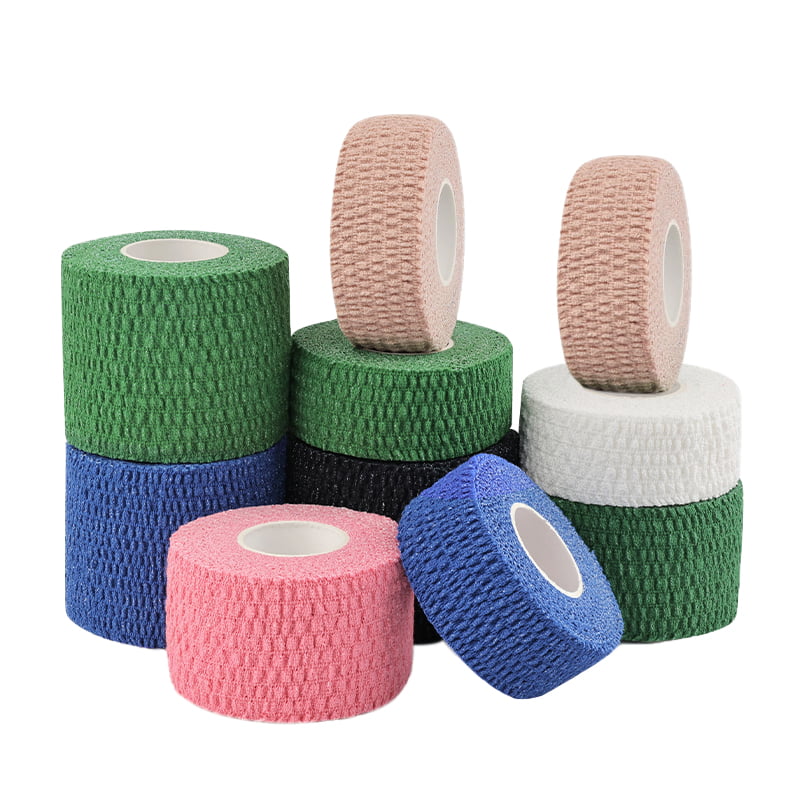
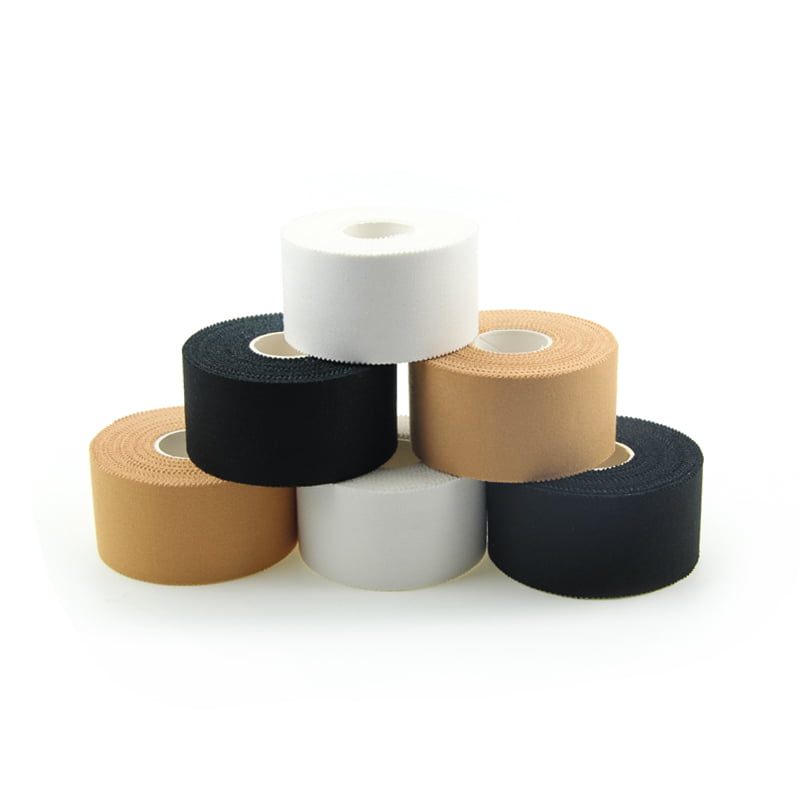
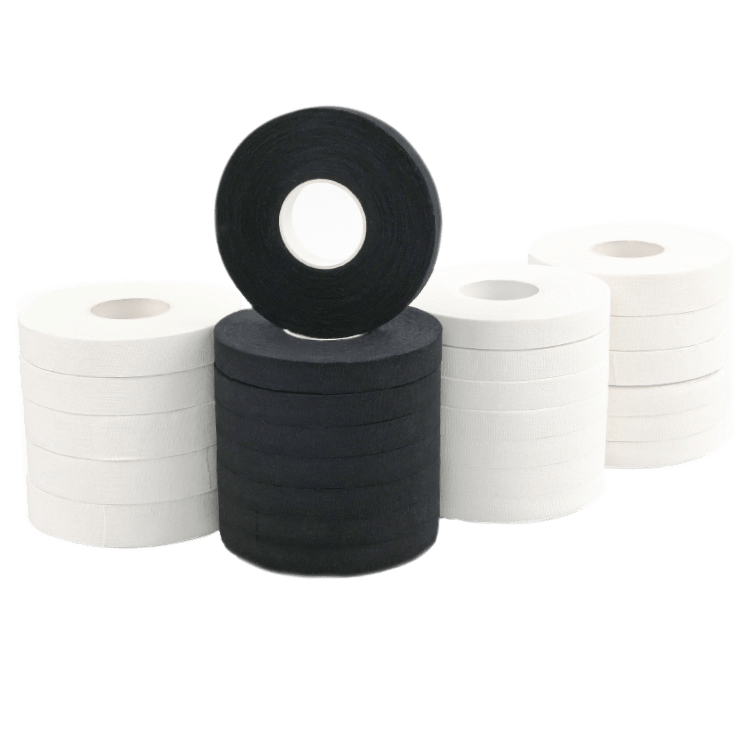
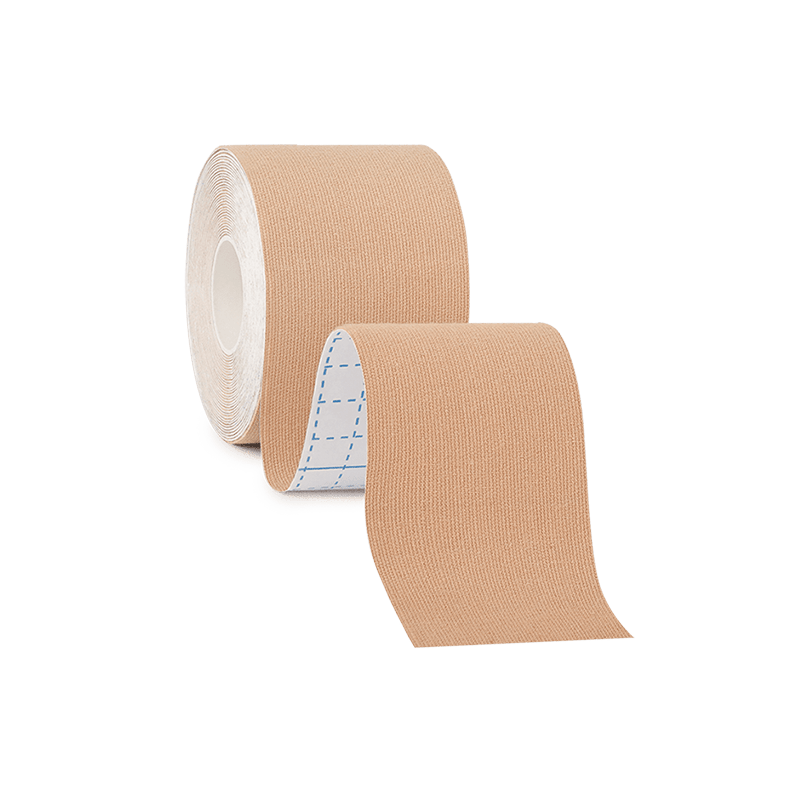
Choosing the right kinesiology tape can be confusing, especially with so many options available. The best kinesiology tape for you depends on your activity level, skin sensitivity, and how you plan to use it.
For daily use and beginners, cotton kinesiology tape is usually the most comfortable choice. For intense workouts, swimming, or heavy sweating, synthetic kinesiology tape(rayon) with better water resistance may be a better option.
In this guide, we will explain how to choose kinesiology tape based on material, adhesive quality, size, color, and your specific needs.
What Is Kinesiology Tape?
Kinesiology tape is a flexible, elastic sports tape designed to support muscles and joints while allowing natural movement.
Unlike traditional athletic tape, which limits movement, kinesiology tape stretches with your body. It is commonly used by runners, gym users, football players, athletes, and people who need extra support during physical activities.
How to Choose the Right Kinesiology Tape?
1. Choose the Material: Cotton vs Synthetic Kinesiology Tape
The material is one of the most important factors when choosing kinesiology tape.
| Type | Best For | Advantages |
|---|---|---|
| Cotton kinesiology tape | Beginners, daily wear, sensitive skin | Soft, breathable, comfortable |
| Synthetic kinesiology tape | Sports, workouts, swimming | More durable, faster drying, better water resistance |
Cotton Kinesiology Tape
Cotton kinesiology tape is the most popular choice for everyday users. It feels soft on the skin, allows good airflow, and is comfortable for long-term wear.
Choose cotton tape if you:
-
Are new to kinesiology tape
-
Prefer a natural and comfortable feel
-
Have normal or sensitive skin
-
Use tape for daily activities
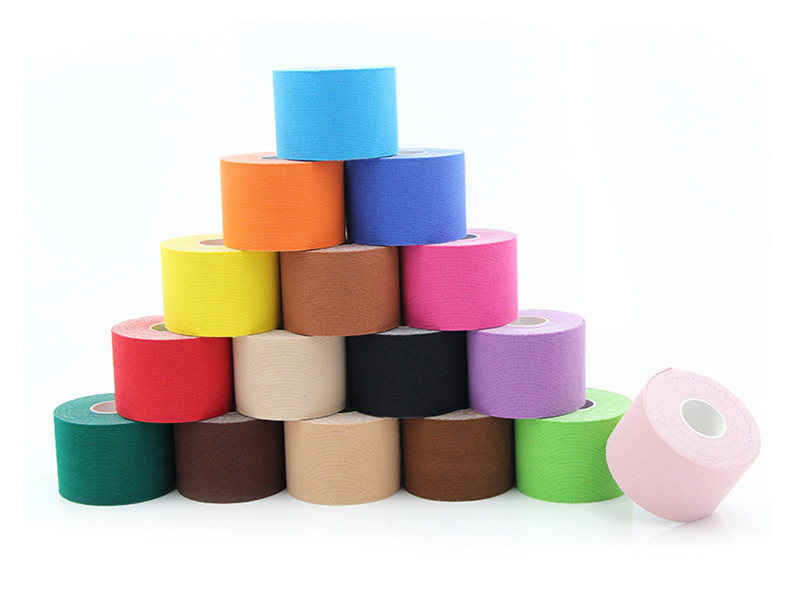
Synthetic Kinesiology Tape
Synthetic kinesiology tape is designed for users who need stronger performance during sports.
Choose synthetic tape if you:
-
Sweat heavily during workouts
-
Participate in running, fitness, or outdoor sports
-
Need better water resistance
-
Want a tape that dries quickly
Simple rule: Choose cotton for comfort. Choose synthetic for sports performance.
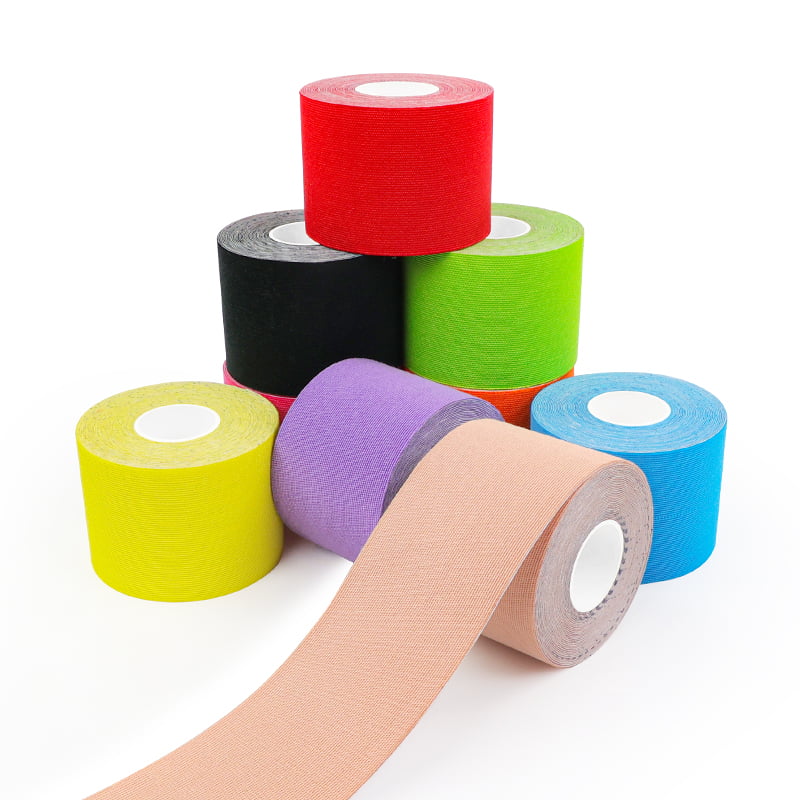

2. Choose Kinesiology Tape Based on Your Activity
Different activities require different tape features.
| Activity | Recommended Kinesiology Tape |
|---|---|
| Running | Breathable tape with strong adhesion |
| Gym workouts | Durable synthetic kinesiology tape |
| Swimming | Waterproof or water-resistant kinesiology tape |
| Daily support | Soft cotton kinesiology tape |
| Professional sports | High elasticity performance tape |
For athletes who train frequently, a tape with stable adhesive and good stretch recovery can help prevent problems like edge lifting during movement.
3. Check the Adhesive Quality
A good kinesiology tape should stay in place without causing unnecessary skin discomfort.
Low-quality kinesiology tape may cause:
-
Peeling edges after sweating
-
Poor adhesion during movement
-
Excessive glue residue after removal
When choosing kinesiology tape, look for:
✔ Skin-friendly acrylic adhesive
✔ Smooth and flexible edges
✔ Good adhesion without feeling too aggressive
✔ Latex-free options for sensitive skin users
The adhesive quality often determines how long kinesiology tape lasts and how comfortable it feels.
4. Choose the Right Size of Kinesiology Tape
Most users can start with standard 5cm (2 inch) kinesiology tape, which works well for common areas such as the knee, shoulder, back, and arm.
| Size | Recommended Use |
|---|---|
| 2.5cm / 1 inch | Finger, toes |
| 5cm / 2 inch | Most body areas, beginners, everyday use |
| 7.5cm / 3 inch | Larger muscle groups |
| 10cm / 4 inch | Thigh, hip, back, sports protection |
| 5cm X 35m | Team users' first choice |
If you are unsure which size to choose, the 5cm width is usually the most versatile option.
5. Best Kinesiology Tape for Sensitive Skin
If you have sensitive skin, choosing the right tape is important.
Look for:
-
Latex-free kinesiology tape
-
Breathable cotton fabric
-
Gentle adhesive
-
Easy removal without excessive residue
Avoid low-quality tapes that use harsh adhesives, as they may increase the chance of skin irritation.
How Long Does Kinesiology Tape Last?
Most high-quality kinesiology tape can stay on for 3–5 days when applied correctly.
The actual wear time depends on:
-
Sweat level
-
Shower frequency
-
Skin condition
-
Adhesive quality
-
Application method
To improve adhesion, clean and dry your skin before applying the tape and avoid applying lotion or oil.
Cotton vs Synthetic Kinesiology Tape: Which One Should You Choose?
Still not sure which kinesiology tape is right for you?
Use this simple comparison:
| Cotton Kinesiology Tape | Synthetic Kinesiology Tape | |
|---|---|---|
| Comfort | ★★★★★ | ★★★★ |
| Breathability | ★★★★★ | ★★★★ |
| Water resistance | ★★★ | ★★★★★ |
| Sports performance | ★★★★ | ★★★★★ |
| Sensitive skin | ★★★★★ | ★★★★ |
Choose cotton if comfort is your priority. Choose synthetic if you need stronger performance during sports.
Frequently Asked Questions
What is the best kinesiology tape for beginners?
Cotton kinesiology tape is usually the best choice for beginners because it is soft, breathable, and comfortable for first-time users.
Is cotton or nylon kinesiology tape better?
Cotton is better for comfort and daily use, while nylon kinesiology tape is better for sports, sweating, and water activities.
Can I shower with kinesiology tape?
Yes. High-quality waterproof or synthetic kinesiology tape can handle showering and sweating better. However, no kinesiology tape is completely waterproof.
How long can I wear kinesiology tape?
Most kinesiology tape lasts around 3–5 days depending on activity level, skin condition, and adhesive performance.
How do I stop kinesiology tape from peeling?
Make sure your skin is clean and dry before application. Choosing tape with high-quality adhesive also helps reduce edge lifting.
Choose High-Quality Kinesiology Tape from Veefun
Veefun provides comfortable and reliable kinesiology tape options for athletes, fitness users, and everyday customers.
Our kinesiology tape range includes cotton kinesiology tape, synthetic kinesiology tape, waterproof kinesiology tape, and custom printed options for different sports and personal needs.
Whether you need kinesiology tape for workouts, running, recovery, or daily support, Veefun helps you find the right tape with factory-direct quality.