Kinesiology Tape Blogs
-
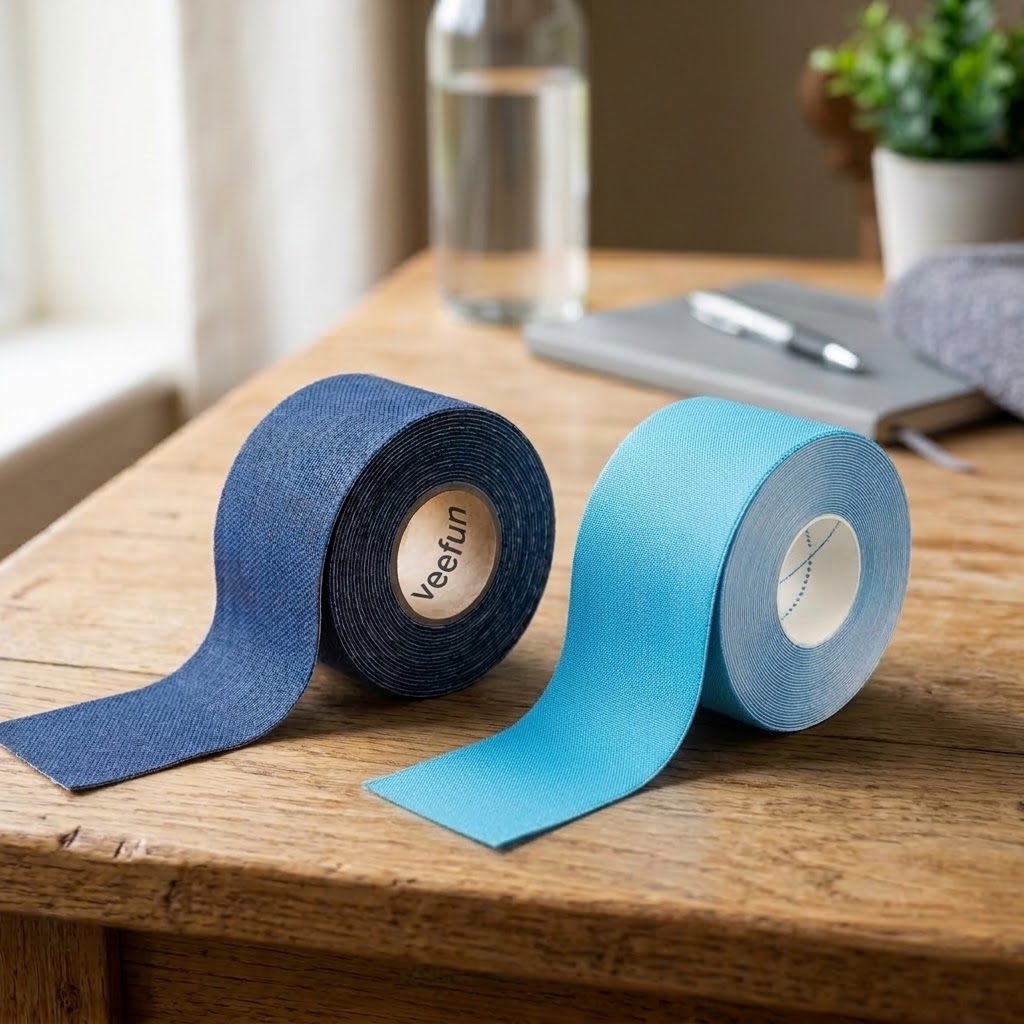
Cotton and nylon sports tape offer different cost and profit opportunities for B2B buyers. Cotton is typically more cost-effective and suitable for high-volume, price-sensitive markets, while nylon can support higher pricing through better stretch, recovery, and performance. This guide compares cotton vs. nylon sports tape by material cost, product performance, selling price, market positioning, and profit margin to help wholesalers and private-label brands choose the right material for their target market.
-
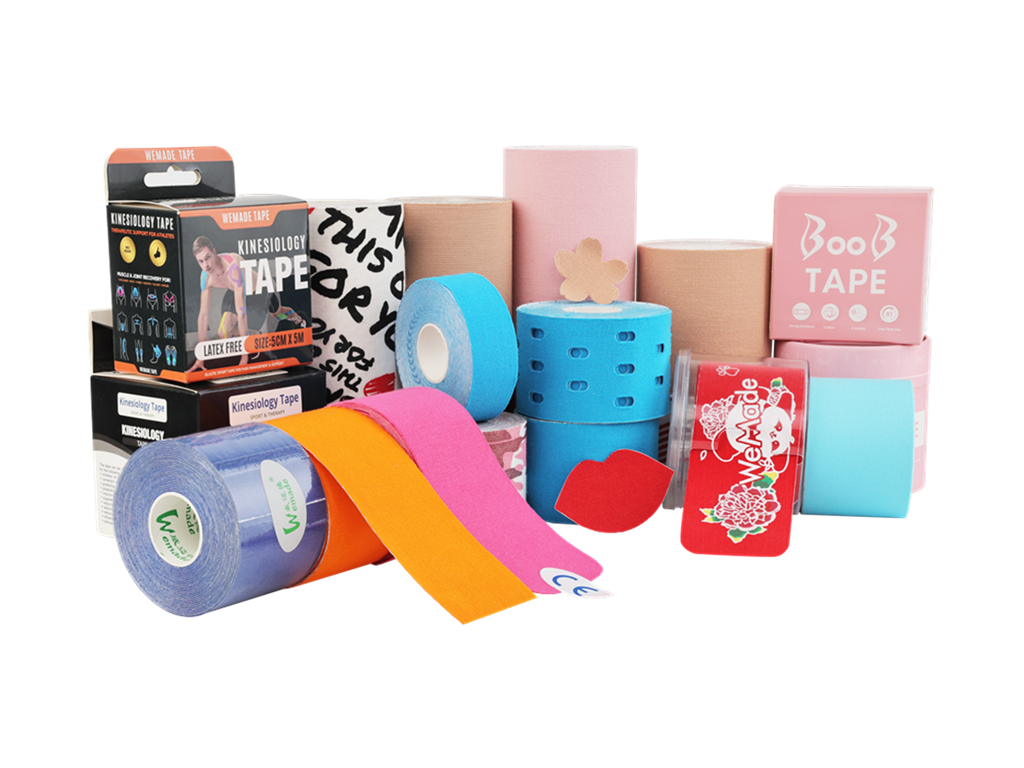
Struggling with skin rashes, blisters, or peeling tape? Discover how to choose the best kinesiology tape for your skin and sport. Learn why medical-grade acrylic adhesive matters, how to pick between cotton vs. synthetic fabrics, and proper application tips to prevent irritation.
-
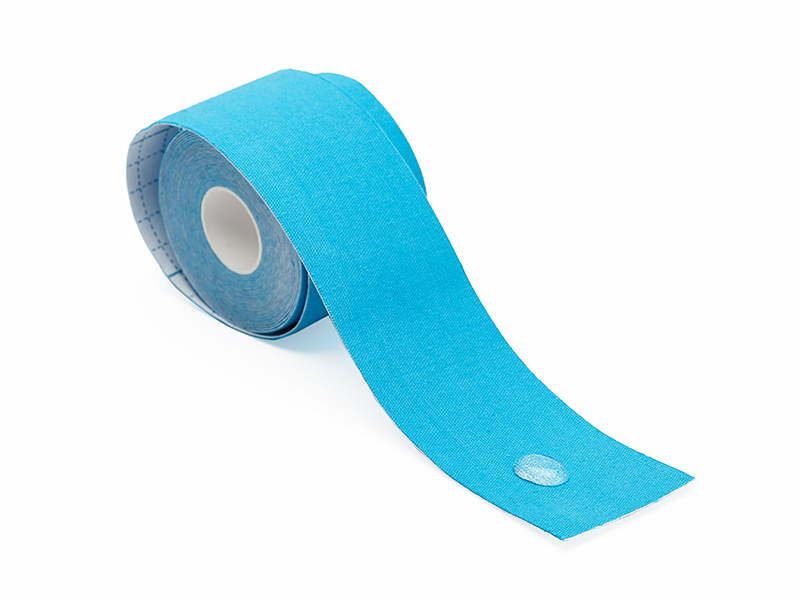
Sweat, water, and intense movement are the biggest challenges for any kinesiology tape. If your tape starts peeling off after a workout, shower, or outdoor activity, the problem may come down to adhesive quality, fabric durability, and application method. In this guide, we test how waterproof kinesiology tape performs under real sports conditions and explain why premium sweat-resistant kinesiology tape can stay securely attached for 3–5 days during running, training, swimming, and everyday movement.
More Blog Posts

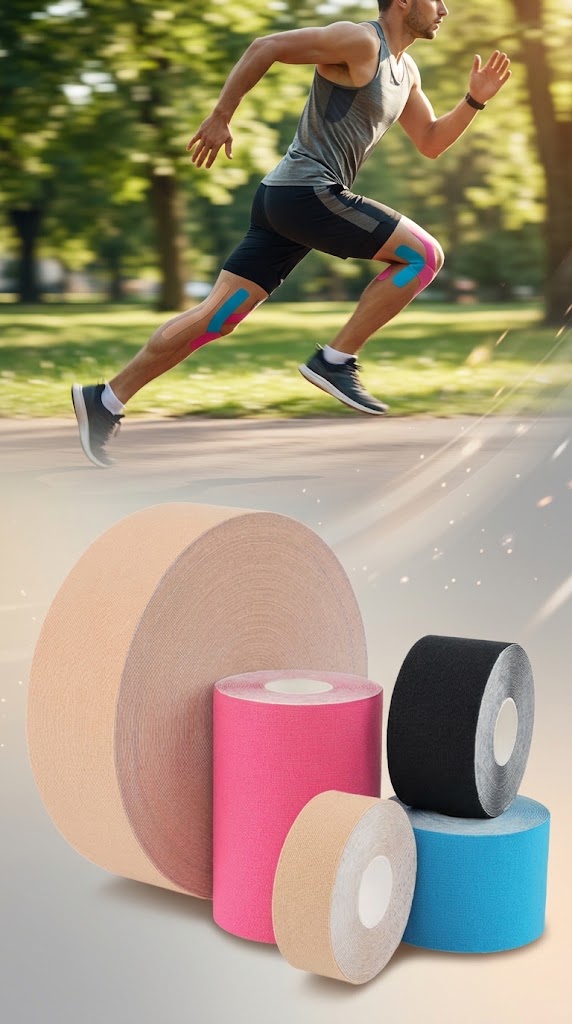
Trusted by Athletes, Designed for Everyday Movement
Looking for breathable, long-lasting kinesiology tape that moves with your body? Check out our top-rated kinesiology tapes for knees, ankles, and shoulders.
Buy Kinesiology Tape Now