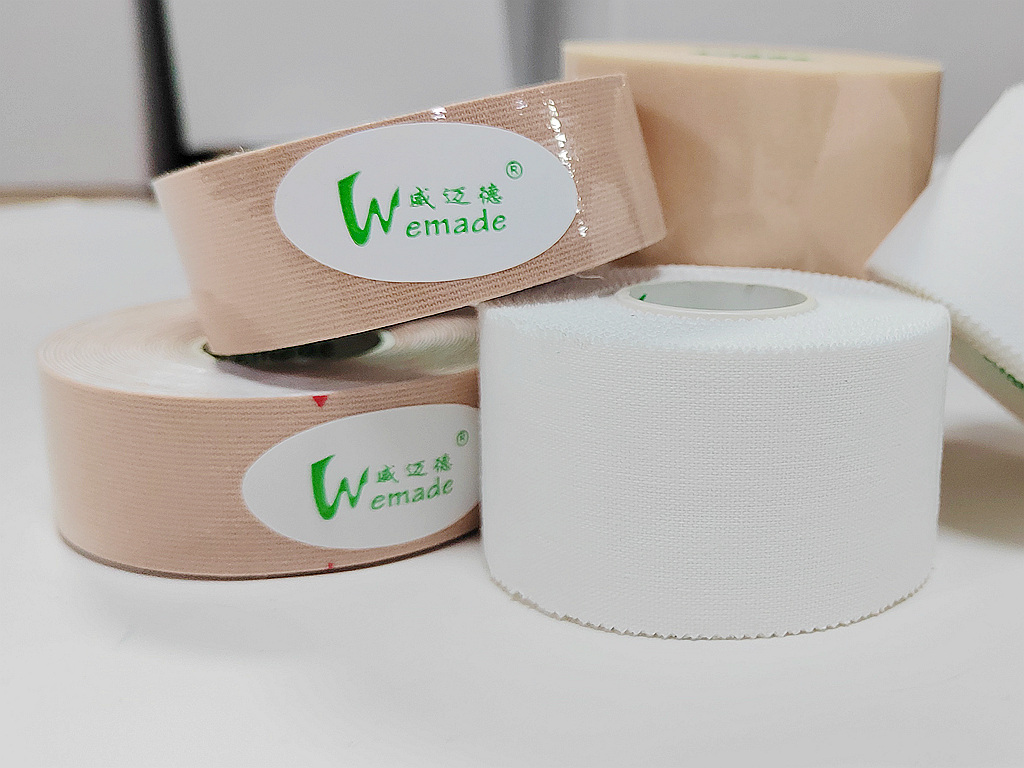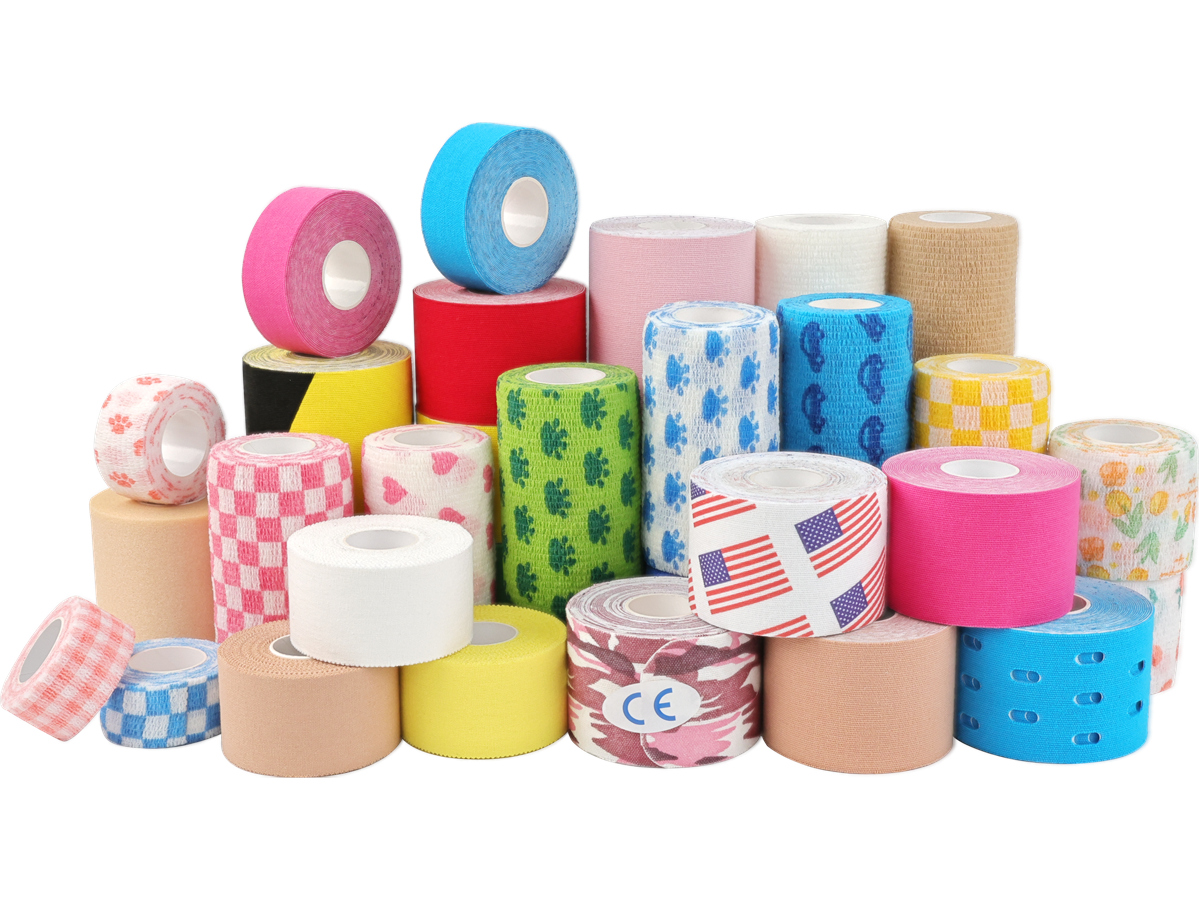

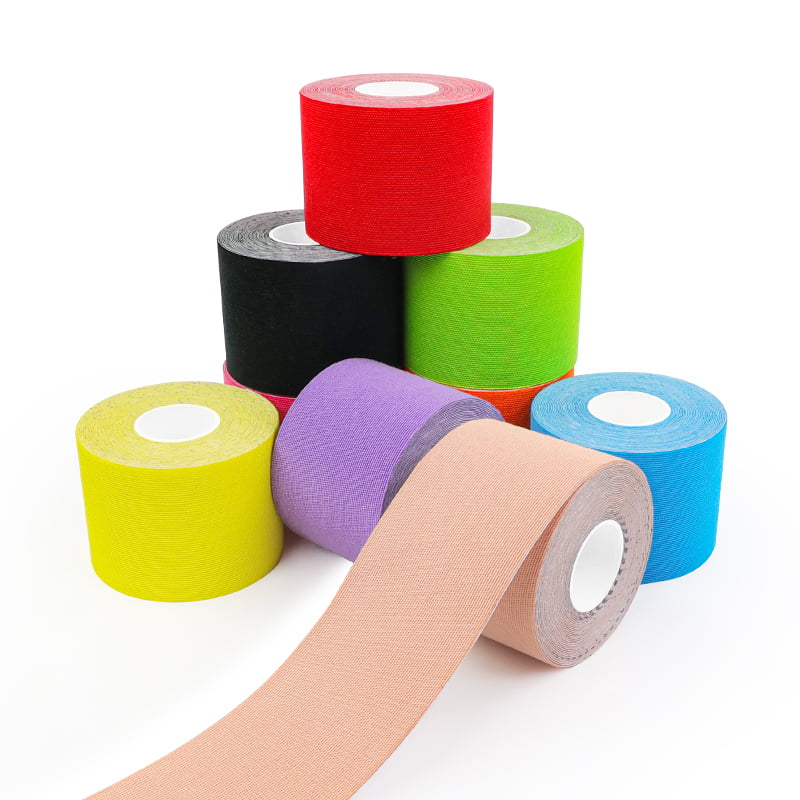
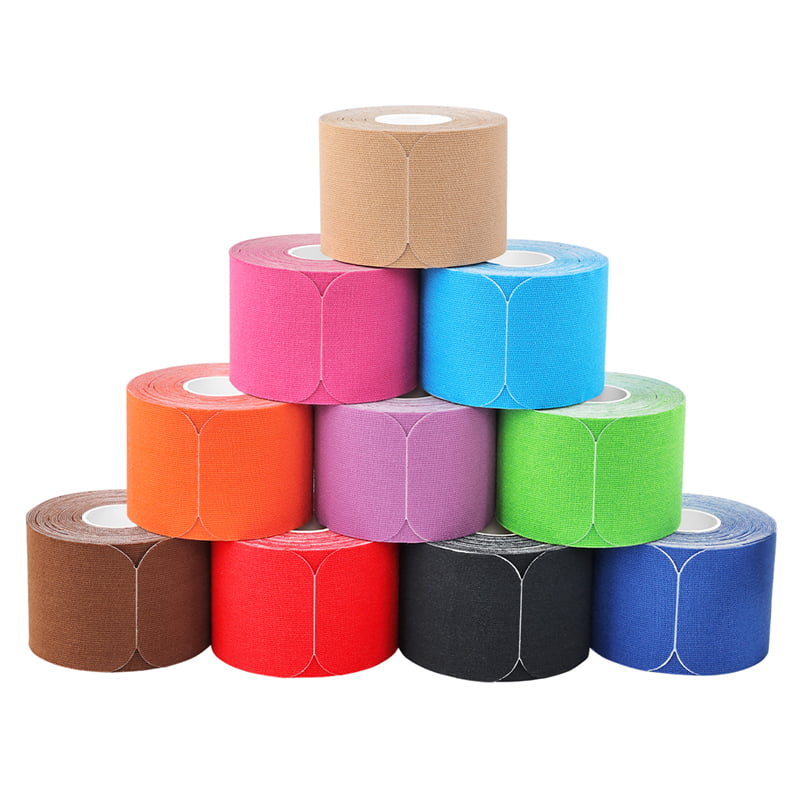
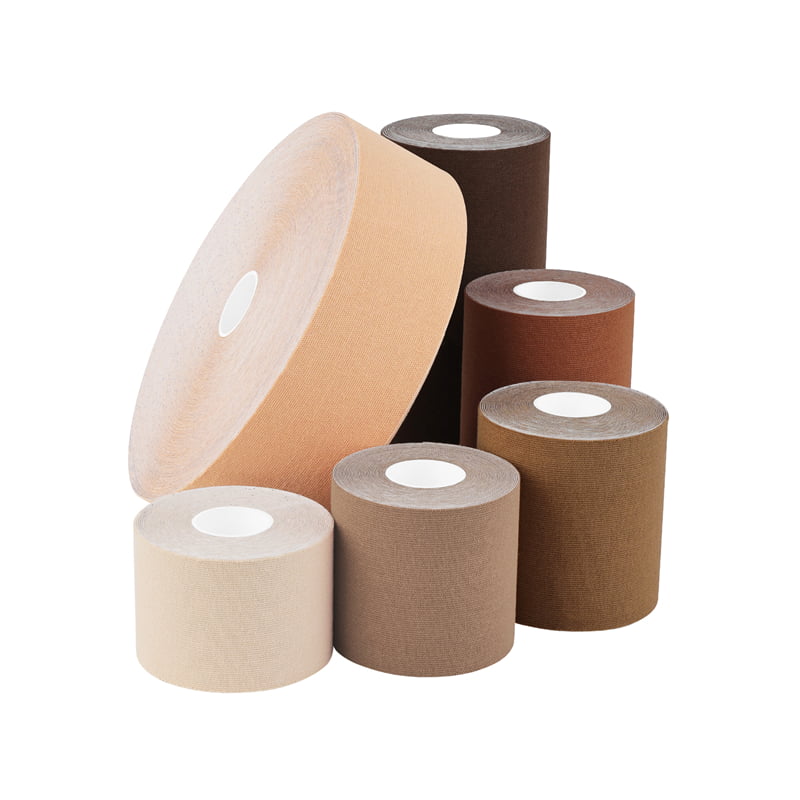
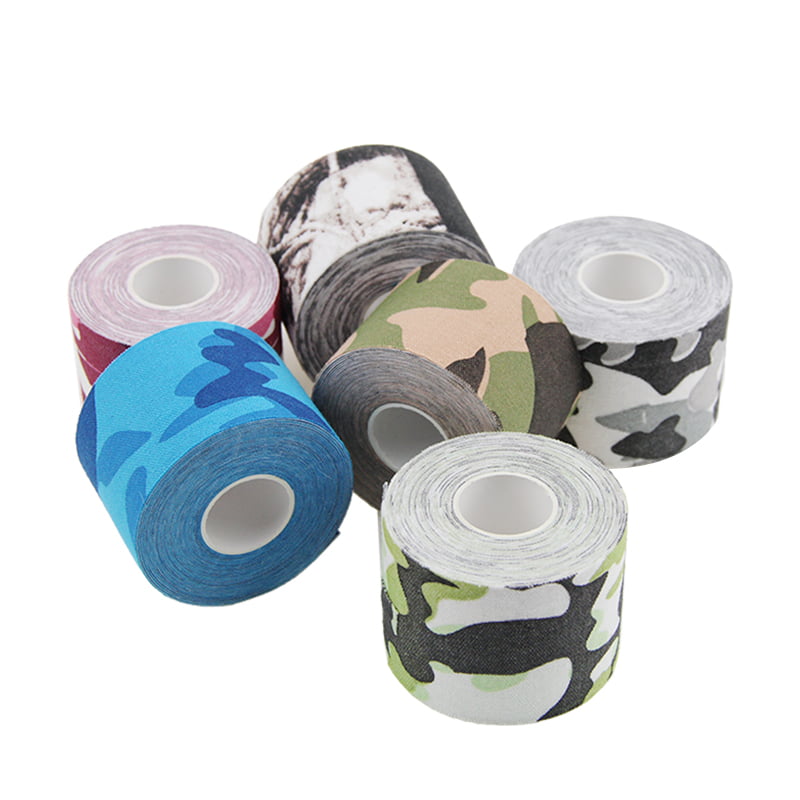
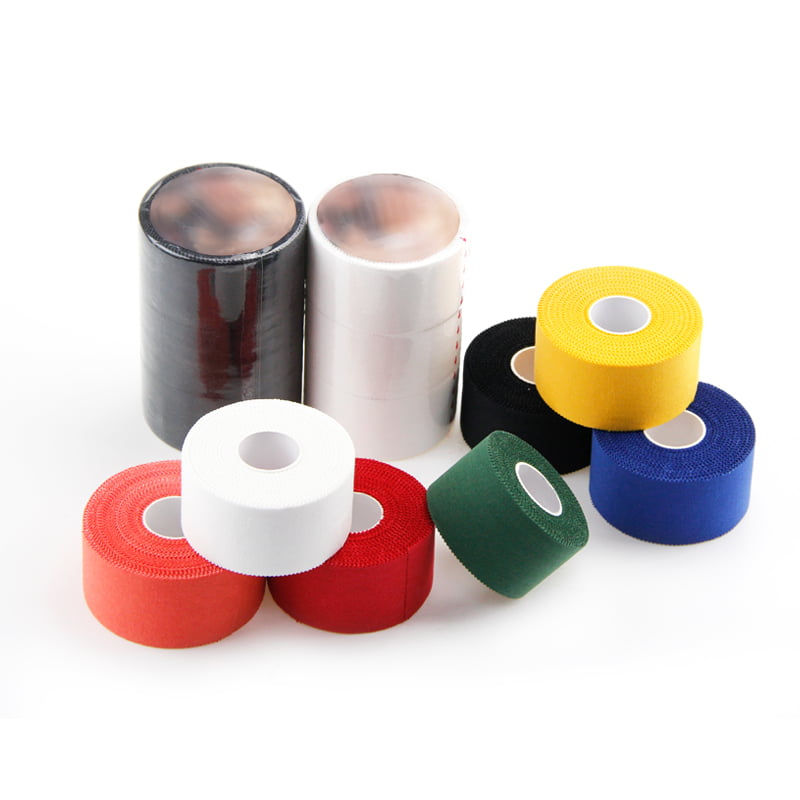
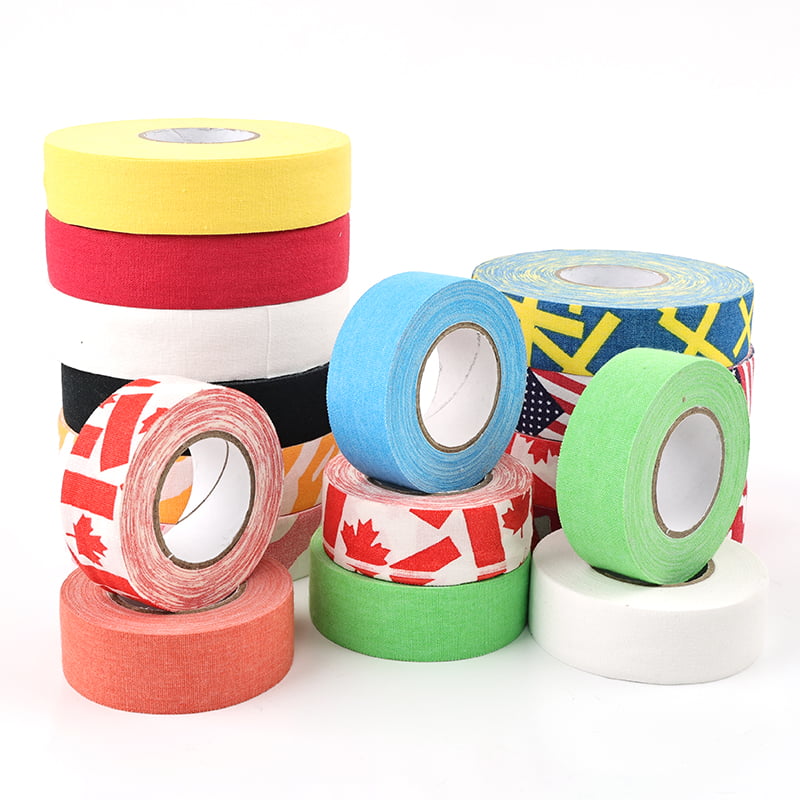
Shin guards can shift during sprints, tackles, and sudden changes of direction, leaving players distracted and exposed to impact. The fix is not simply to wrap more tape around the leg. Correct placement, controlled tension, and the right soccer tape keep shin guards in place without restricting movement or circulation.
Where Should You Put Soccer Shin Guard Tape?
The best position depends on the shin guard design, sock construction, and the reason the guard moves. The following table provides a practical starting point.
| Tape Position | Main Purpose | Application Advice |
|---|---|---|
| Around the sock at the upper edge of the guard | Helps limit downward movement | Apply evenly without squeezing the calf |
| Around the sock near the lower edge | Helps reduce shifting at the bottom | Keep clear of the ankle joint and moving parts |
| Around a designated fixation area | Secures guards designed for taped retention | Follow the equipment manufacturer's instructions |
| Around the entire lower leg | Usually unnecessary for basic fixation | Avoid excessive layers and compression |
Always check the competition's equipment regulations before applying tape. In particular, confirm whether the tape must match the sock color or meet other requirements. Do not assume that transparent PVC sock tape is automatically permitted in every competition.
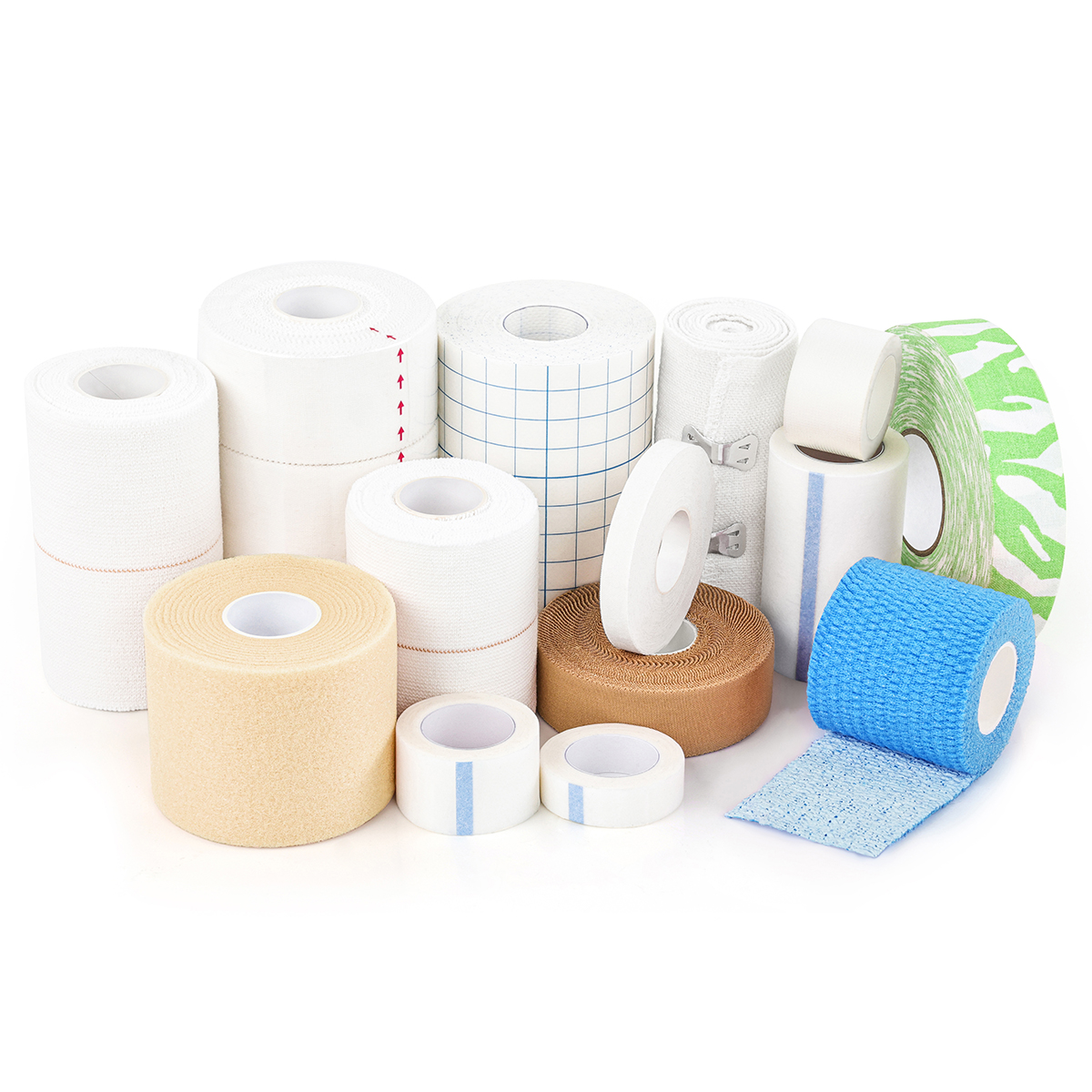
PVC Sock Tape vs. Sports Cloth Tape
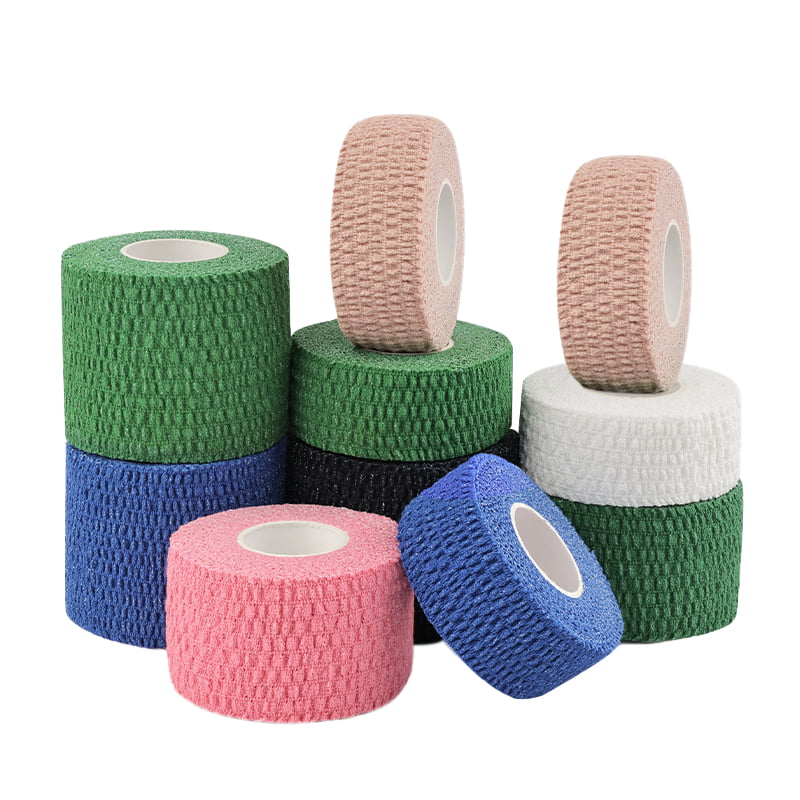
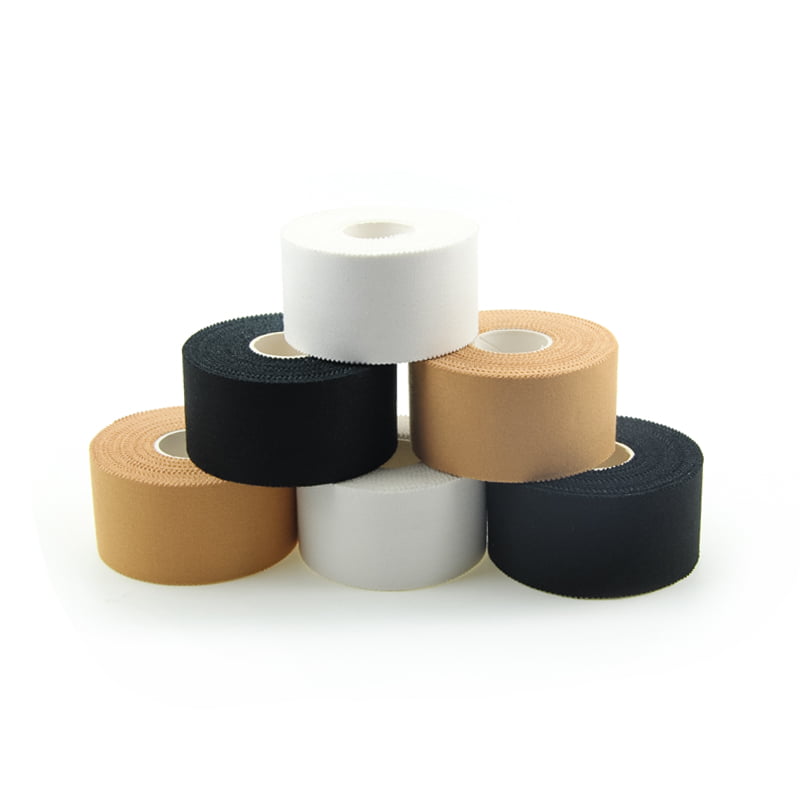
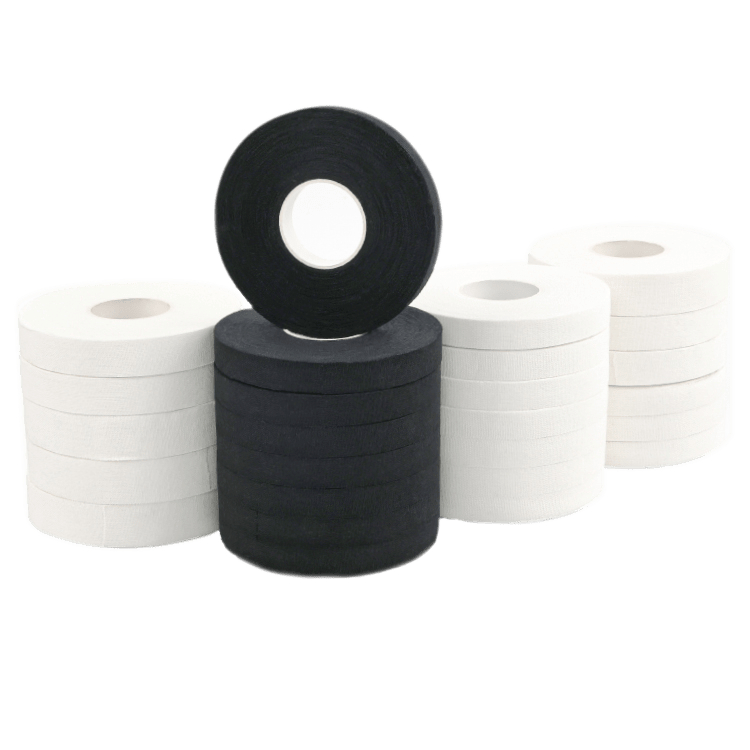
Both materials can secure shin guards, but their construction and intended use differ. Choose based on the guard design, sock fabric, playing conditions, and your preferred application method.
| Feature |  |
 |
|---|---|---|
| PVC Sock Tape | Sports Cloth Tape | |
| Material | PVC | Fabric-based backing |
| Appearance | Typically transparent or available in different colors | Usually opaque |
| Visibility of the sock | Depends on the tape color and transparency | Tape covers the sock |
| Application | Low-profile wrapping around the sock | Wrapping around the sock or designated fixation areas |
| Main consideration | Adhesion, flexibility, and film strength | Fabric flexibility, adhesive grip, and tearability |
| Best selection criteria | When a low-profile PVC wrap is preferred | When a fabric-based tape suits the application better |
Neither material is automatically superior. Adhesive performance depends on the specific formulation, tape construction, sock surface, moisture, and movement. A shin guard tape that adheres well to smooth fabric may behave differently on a textured or heavily stretched sock.
For brands, distributors, and sports equipment suppliers, product selection should consider roll width, length, adhesive type, unwinding behavior, packaging, and applicable regulatory requirements. Sample testing on the intended sock material is more useful than choosing solely by appearance.
PVC Sock Tape vs. Sports Cloth Tape for Securing Shin Guards
| How to use PVC tape to secure shin guards | How to use athletic cloth tape to secure shin guards |
Common Shin Guard Taping Mistakes
Wrapping the Tape Too Tightly
Excessive tension is one of the most serious mistakes to avoid. A tight wrap can cause discomfort and may compromise circulation, especially when combined with a closely fitted sock. Apply only enough tension to keep the guard stable.
Taping the Wrong Area
Tape placed too far below the guard may restrict ankle movement, while a strip placed too high may fail to control downward slipping. Check the actual movement of the guard before deciding where another strip is needed.
Using Too Many Layers
More tape does not necessarily produce a more secure fit. Multiple overlapping layers can create pressure points, increase discomfort, and make removal more difficult. Start with one strip and add another only if the guard still moves.
Applying Tape to Wet or Dirty Socks
Sweat, dirt, and fabric treatments can affect adhesion. Keep the sock and tape surface reasonably clean and dry before application, and replace tape that becomes loose during play.
Ignoring Skin Irritation
Repeated exposure to adhesive can irritate sensitive skin. Remove the tape carefully after playing, and stop using a product if it causes persistent redness, itching, or discomfort. Never pull tape aggressively from the skin.
Expert Tip: Test the Setup Before Match Day
A secure fit depends on the interaction between the shin guard, sock, and tape—not on tape tension alone. Test the complete setup during training, paying attention to guard movement, skin comfort, and freedom of movement.
If the guard continues to slide despite correct taping, reconsider its size, shape, and compatibility with the sock. Repeatedly adding tape is unlikely to solve a poor fit.
Frequently Asked Questions
What tape is best for securing soccer shin guards?
PVC sock tape is a practical option for players who want a low-profile wrap over their socks. Sports cloth tape is an alternative for those who prefer fabric-backed material. Compare adhesion, flexibility, residue, and compatibility with the sock before choosing.
How tight should soccer shin guard tape be?
The tape should be snug enough to keep the guard in place without compressing the leg. You should be able to move your ankle and knee normally, with no numbness, tingling, or unusual pressure. Remove and reapply the tape if discomfort develops.
Can I tape shin guards directly to my skin?
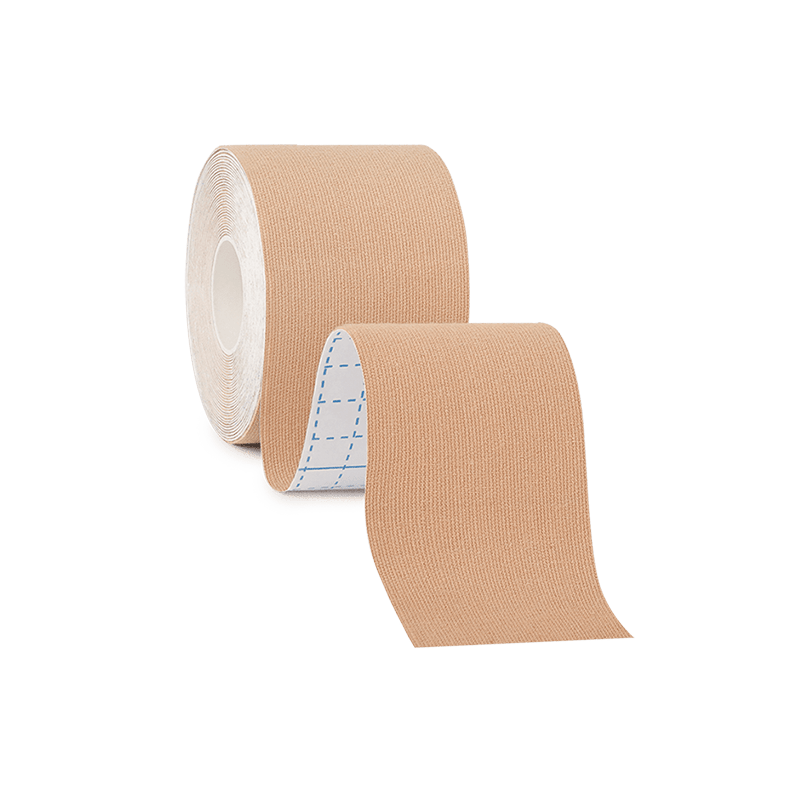
It is generally not recommended to apply shin guard tape directly to the skin, as its hot-melt adhesive is designed for use on equipment and is not formulated with the same strict standards for skin sensitivity or allergy prevention. If you need to provide support for your joints, it is better to use specialized products such as cotton athletic tape or kinesiology tape.
Can shin guard tape be used in official soccer matches?
That depends on the applicable competition regulations. Some competitions specify the color or appearance of tape applied over socks. Check the current rules for your league or tournament before match day rather than assuming that soccer shin guard tape is always acceptable.
How can I prevent shin guard tape from peeling off?
Start with a clean, dry sock and apply the tape smoothly without excessive stretching. Choose a product compatible with the sock material, press the adhesive evenly into place, and inspect the edges before playing. Replace the strip if sweat, dirt, or movement causes it to loosen.
Get Your Shin Guards Ready for Kickoff
The right shin guard tape helps keep your shin guards in place through sprints, tackles, and quick changes of direction. Choose a tape that fits comfortably over your soccer socks, apply it with moderate tension, and check your guard position before every match.
Before kickoff, make sure your shin guards feel secure without restricting movement or circulation. A few simple checks can help you stay comfortable and focused on the game.