

Choosing a kinesiology tape factory in 2026 is no longer a simple price comparison.
For importers, Amazon sellers, distributors, and sports brand owners, the real risk is not cost — it is batch inconsistency, adhesive failure, and compliance issues that can destroy a product line overnight.
This guide is based on real OEM manufacturing experience in large-scale kinesiology tape production and focuses on how professional buyers evaluate suppliers beyond marketing claims.
1. The Real Problem Most Buyers Don’t See
Most sourcing mistakes do not happen during negotiation.
They happen after production starts.
Common real-world failures include:
- One batch holds for 5 days, and the next batch peels in 24 hours
- Adhesive causes unexpected skin redness in EU retail testing
- The sample looks perfect, but bulk production uses a different coating density
- Factory delays shipment due to outsourced production capacity
👉 These are not “quality issues” — they are factory capability issues.

2. What Actually Defines a Reliable Kinesiology Tape Factory
A real manufacturer is not defined by brochures or certifications alone.
It is defined by control over four production layers:
✔ 1. Raw Material Stability
Reliable kinesiology tape factory control:
- cotton / rayon-spandex fiber consistency
- medical-grade acrylic adhesive sourcing
- coating thickness calibration per batch
👉 Without raw material control, certification is meaningless.
✔ 2. Coating Technology (Most Buyers Ignore This)
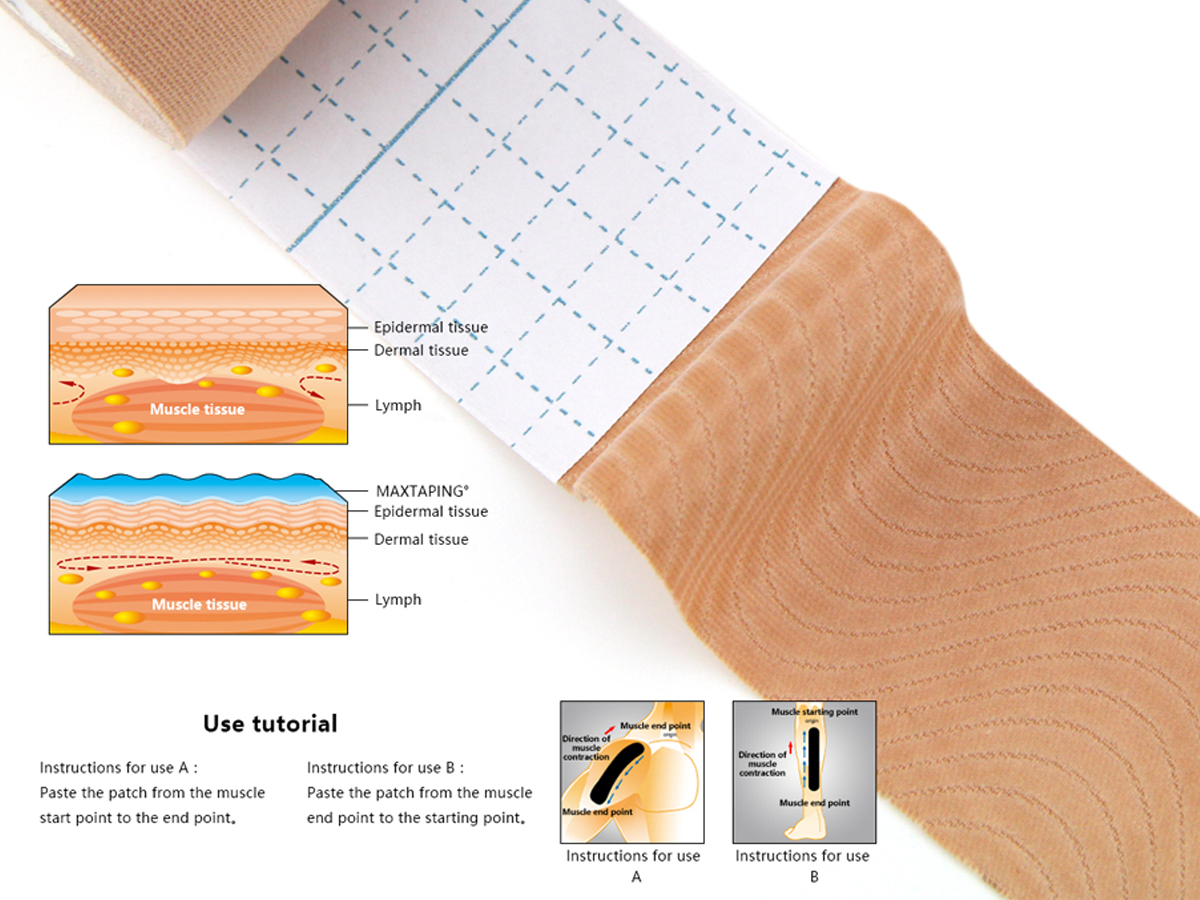
The adhesive pattern determines:
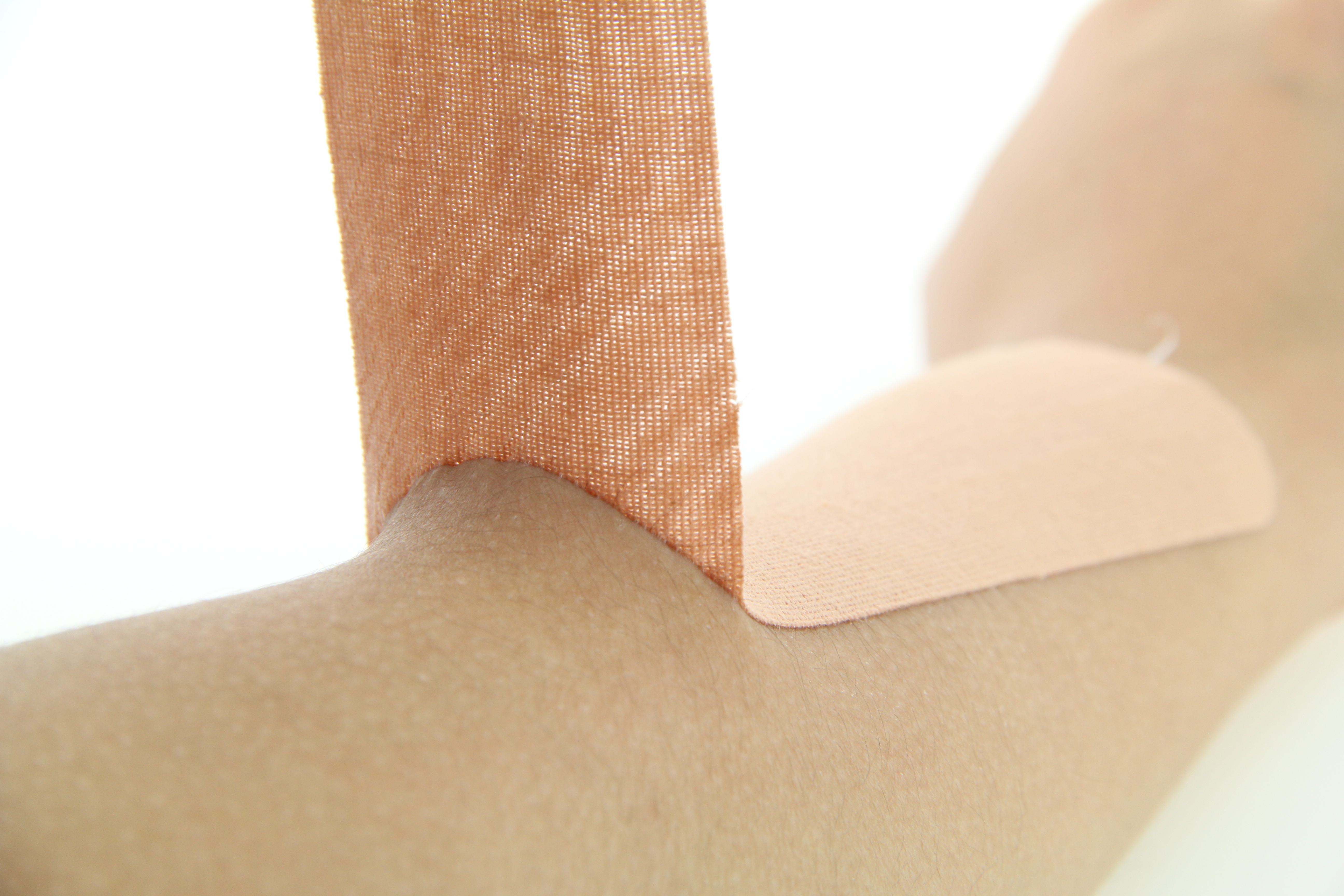
- breathability
- sweat resistance
- wear time consistency
Professional factories use:
- wave-pattern coating systems
- automated adhesive weight control
👉 This is where most low-cost suppliers fail.
✔ 3. Production Line Independence
A true kinesiology tape factory must have in-house:
- coating lines
- slitting machines
- printing & packaging systems
If any step is outsourced:
👉 batch inconsistency risk increases significantly.
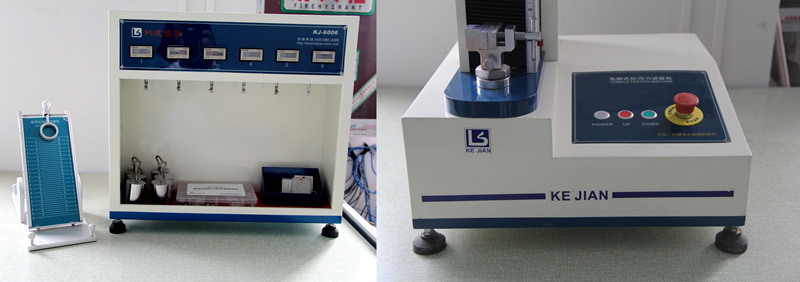
✔ 4. Quality Testing Before Shipment
Reliable suppliers test:
- 180° peel strength: 3.0-12.0 N/25mm
- Tensile: 50.0-80.0 N/25mm
- Elastic ratio: 1:1.5-1:2.3
- Retraction rate: ≤10%
- Appearance: The product should be flat and clean, without stains, foreign bodies, and obvious deformation
Without batch testing, CE/FDA documents mean very little in practice.
3. Factory vs Trading Company (Real Industry Difference)
| Factor | Real Factory | Trading Company |
|---|---|---|
| Adhesive consistency | Controlled in-house | Varies by supplier |
| Custom OEM capability | Full engineering support | Limited catalog options |
| Problem resolution speed | Direct technical fix | Communication delay |
| Cost structure | Transparent | Hidden margin layers |
👉 In real sourcing, the biggest risk is not price — it is loss of production control.
4. OEM Capability: Where Strong Factories Stand Out
A professional kinesiology tape factory should support:
✔ Product Engineering Options
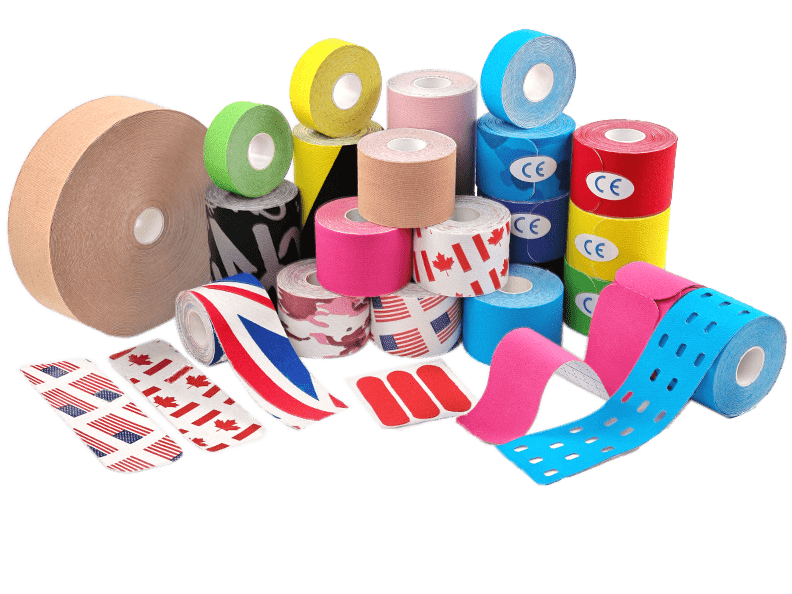
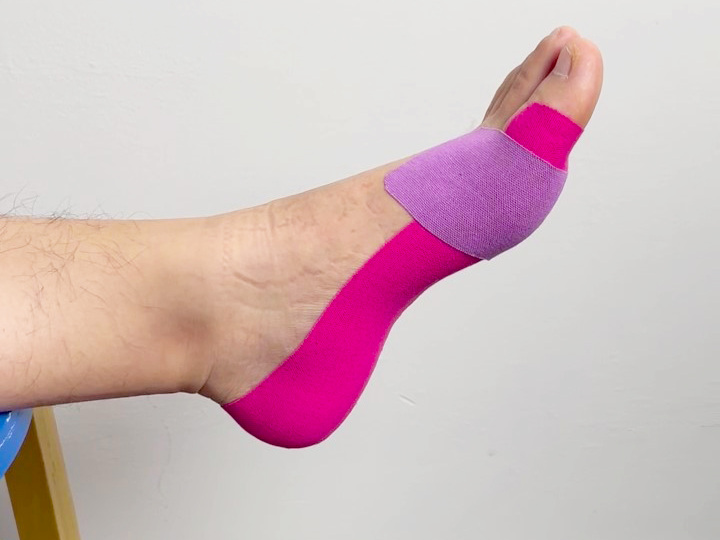
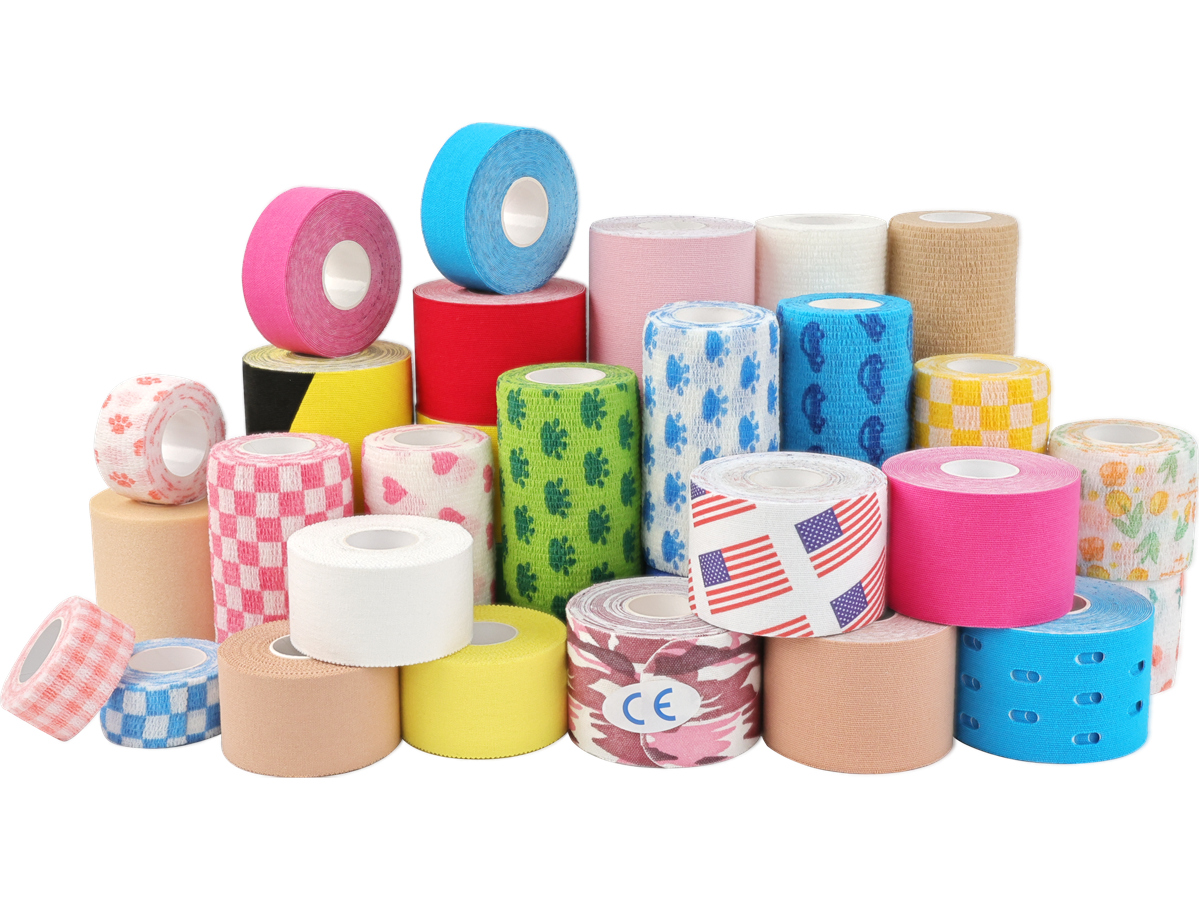
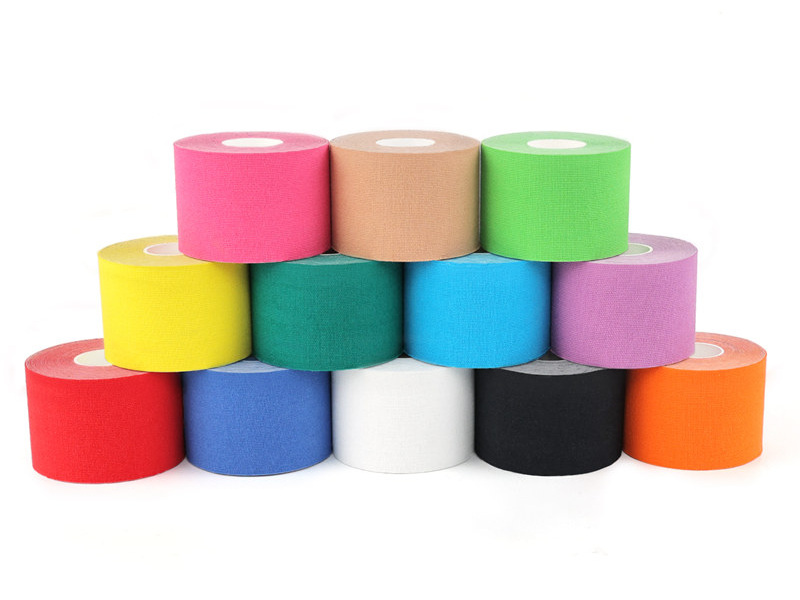
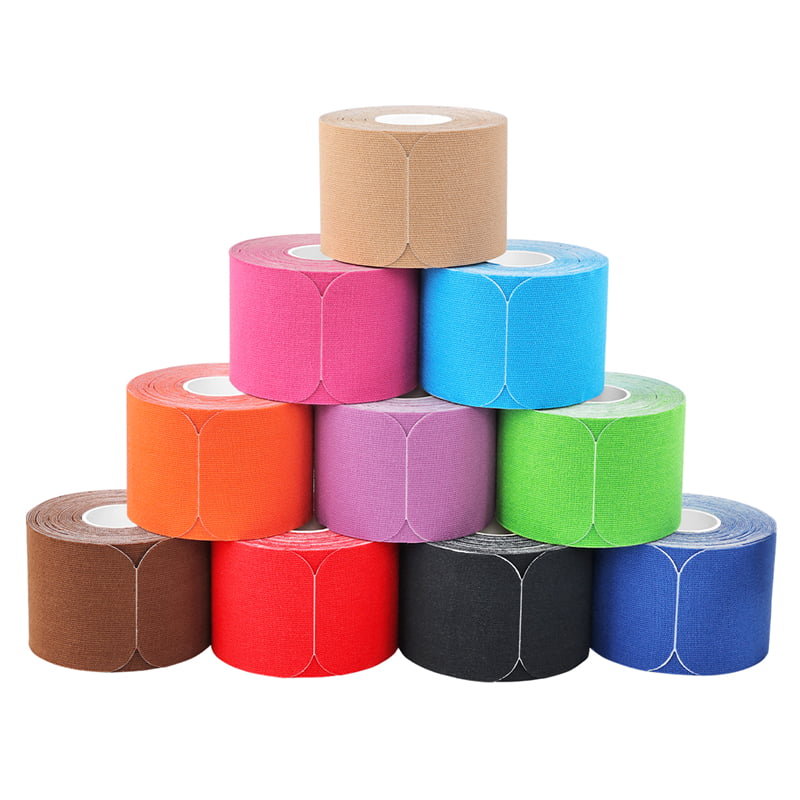
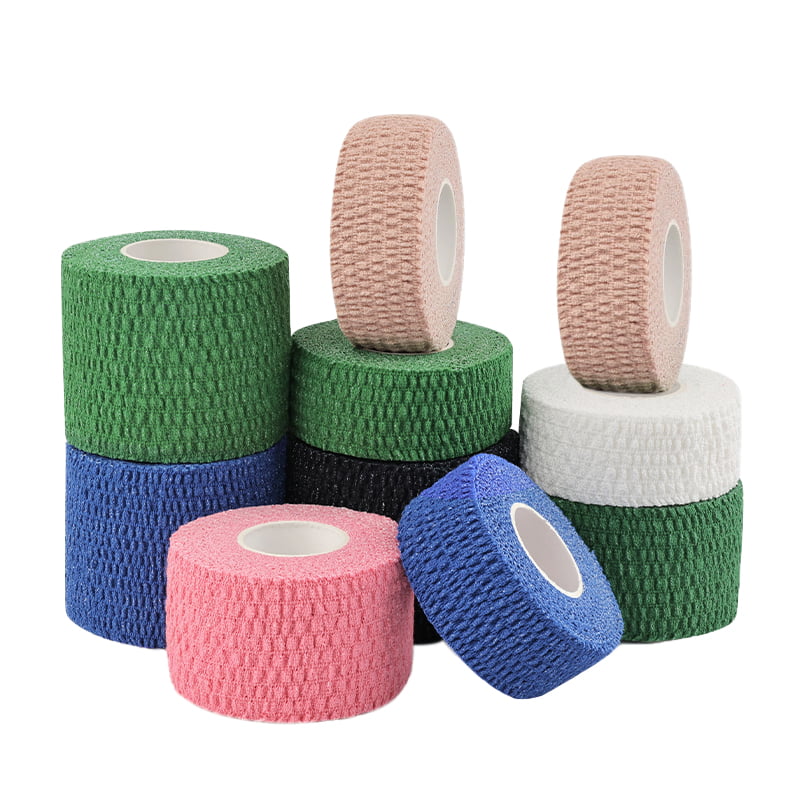
- I-strip / Y-strip / fan-cut pre-cut designs
- different tension levels (light/medium / strong support)
- water-resistant sports versions
- sensitive-skin medical versions
✔ Branding & Private Label Control
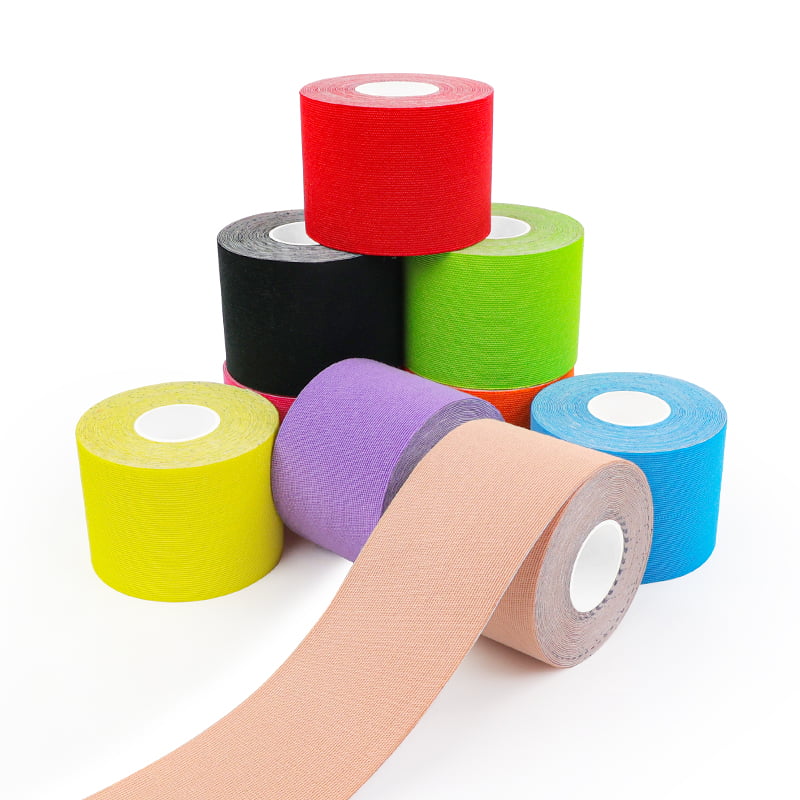
- logo printed on the backing paper
- custom retail packaging (box/can/kit)
- barcode & Amazon-ready labeling
👉 Weak factories only offer “standard rolls with logo print.”
That is not OEM — that is rebranding.
5. MOQ & Lead Time Reality (What Suppliers Don’t Tell You)
In the real kinesiology tape factory:
- stable factories: 2–4 weeks production cycle
- unstable factories: 5–8 weeks + unpredictable delays
⚠️ Red flags:
- “Everything is in stock.”
- no clear production schedule
- unwilling to share capacity limits
👉 These usually indicate trading or outsourced production.
6. How Experienced Buyers Actually Test a Factory
Professional importers do NOT trust certificates first.
They test:
Step 1: Sample wear test (72 hours)
- Check adhesion stability
- Check skin reaction
- Check edge curling
Step 2: Batch repeatability test
- Reorder the same SKU twice
- compare consistency
Step 3: Stress test
- sweat/gym/water exposure test
👉 If a kinesiology tape factory cannot pass repeatability testing, they are not scalable.
7. Common Mistakes That Lead to Product Failure
Most failed kinesiology tape brands make the same mistakes:
- Choosing a supplier based only on price
- Ignoring adhesive chemistry differences
- Not testing multiple batches
- Skipping real-use condition testing
- Accepting “sample ≠ mass production” explanations
👉 In reality, sample inconsistency = manufacturing instability.
8. Compliance: Why CE & FDA Alone Are Not Enough
Many suppliers claim:
- CE certification
- FDA registration (if required)
- ISO 13485 quality system
- REACH
- FDA
- UKCA
- BSCI
- MDR (DOC)
- RoHS
- MSDS
- CA Prop 65
But experienced buyers check deeper:
- Is certification tied to the actual production line?
- Is the testing batch-based or a one-time audit?
- Does the factory control adhesive sourcing?
👉 Certification is only valid when production is fully controlled in-house.
If you are planning to import kinesiology tape from China, please ensure you thoroughly familiarize yourself with local regulations *before* you begin preparing your order, to avoid any issues with customs clearance. For instance, the European Union requires either CE or MDR (DoC) certification.
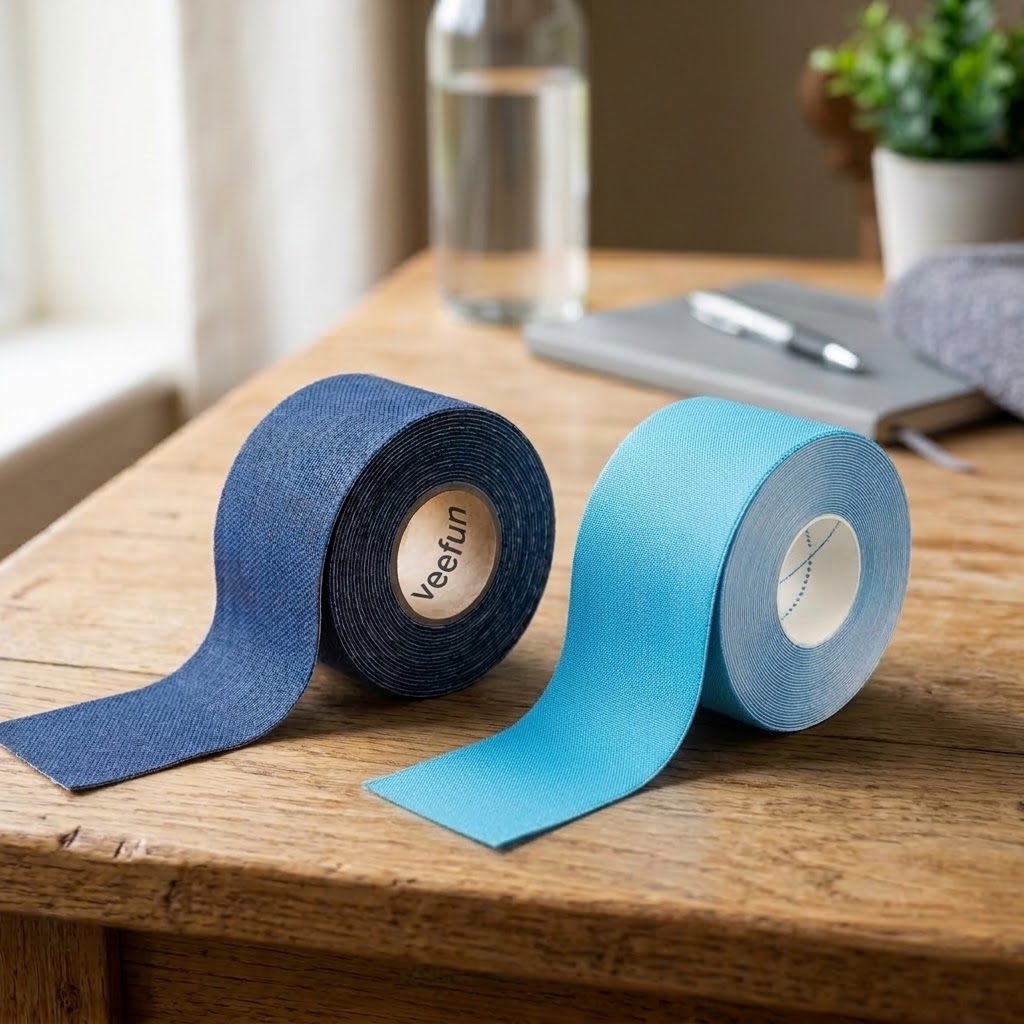
Please verify that your supplier holds these specific certifications. If you have not yet found a suitable kinesiology tape factory, please feel free to contact Veefun; our experienced sales team is well-versed in the import documentation requirements for 60% of the world's countries. Click the link to request the latest quotation.
9. Final Decision Framework (How Professionals Choose)
Choose your supplier based on:
✔ Stability (not price)
✔ Production control (not claims)
✔ Batch repeatability (not samples)
✔ OEM engineering ability (not catalog)
👉 The best kinesiology tape factories are not the cheapest — they are the most consistent at scale.
10. Working with a Reliable OEM Partner
If you are looking for a reliable kinesiology tape factory for:
- Amazon FBA
- sports brand development
- clinic or distributor supply chain
The first step is not placing an order — it is validating production stability through samples and technical discussion.