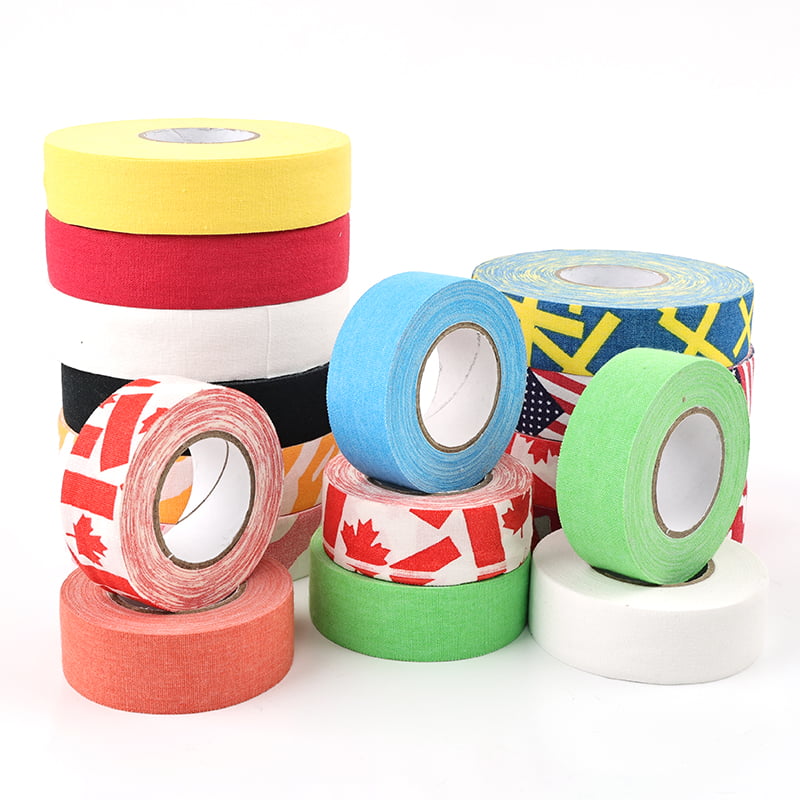
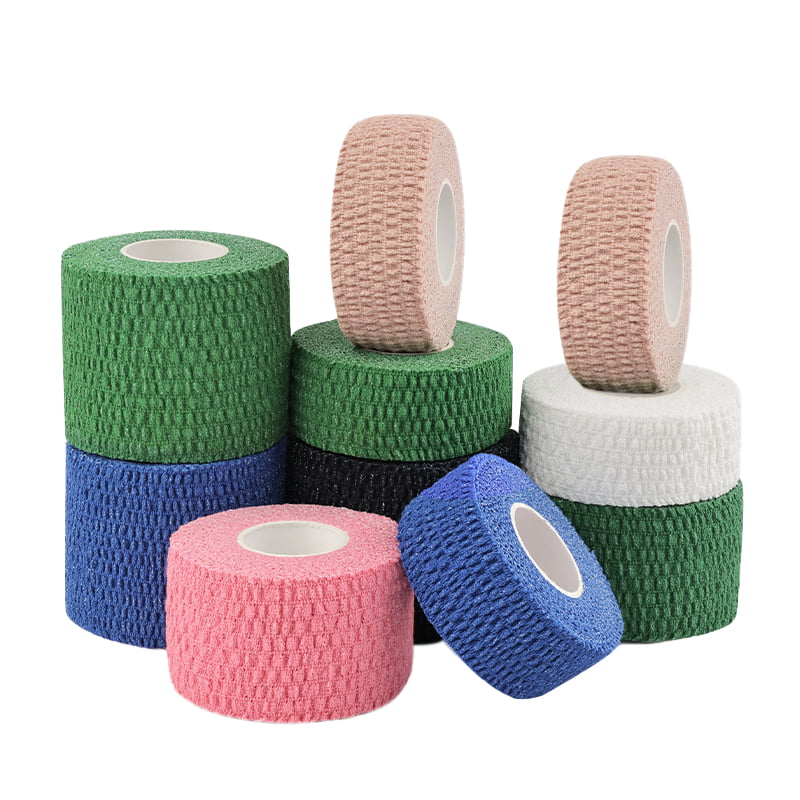
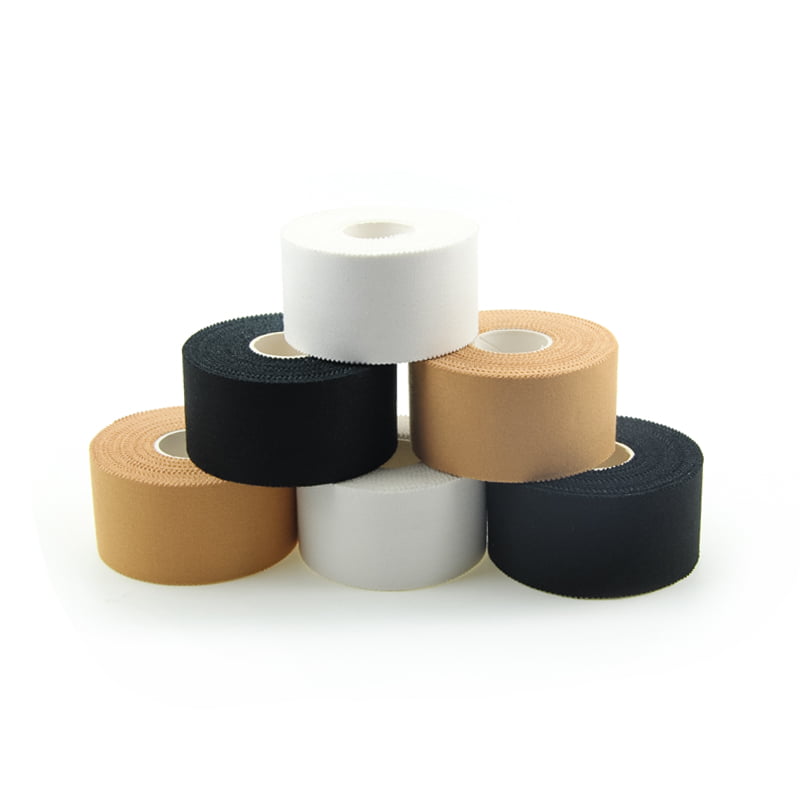
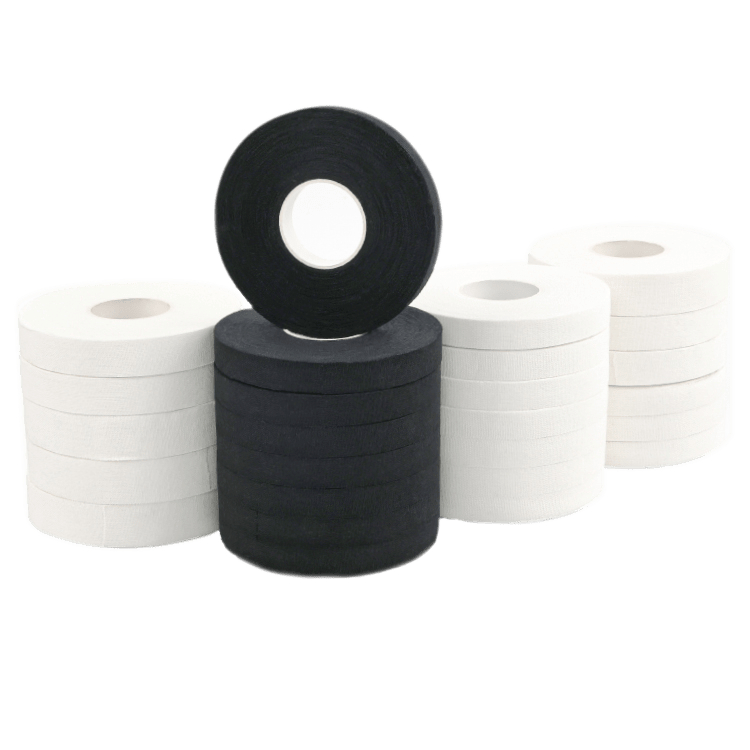
This guide gives you a simple routine and fixes for when things go wrong. It is general information, not medical advice.
Why Does the First Hour Matter More Than the Shower Itself?
Say someone tapes a sore shoulder in the morning, then hops in the shower twenty minutes later. By evening, the edges are curling, and the strip is half off. They blame the water. The real culprit was the timing.
The glue on kinesiology tape needs time to settle. It bonds best to clean, dry skin free of lotion, oil, and sweat. Early in that process,s the adhesive is still gripping, and water can sneak under the edges before the bond is firm.
Warmth helps. After you apply a strip, rub it gently with your palm for a few seconds. The friction warms the tape, and the glue grips the skin more firmly. Think of it like pressing a sticker down after you place it.
Then give it a little time. One source on tape use suggests avoiding exercise or heavy use of the taped area for roughly 20 to 30 minutes, and that is a sensible habit for water too. Brand instructions vary, so check the packet.
Early water exposure is a very common reason tape peels. Once the glue has settled, a normal shower is usually no trouble.

Can You Shower With Kinesiology Tape On?
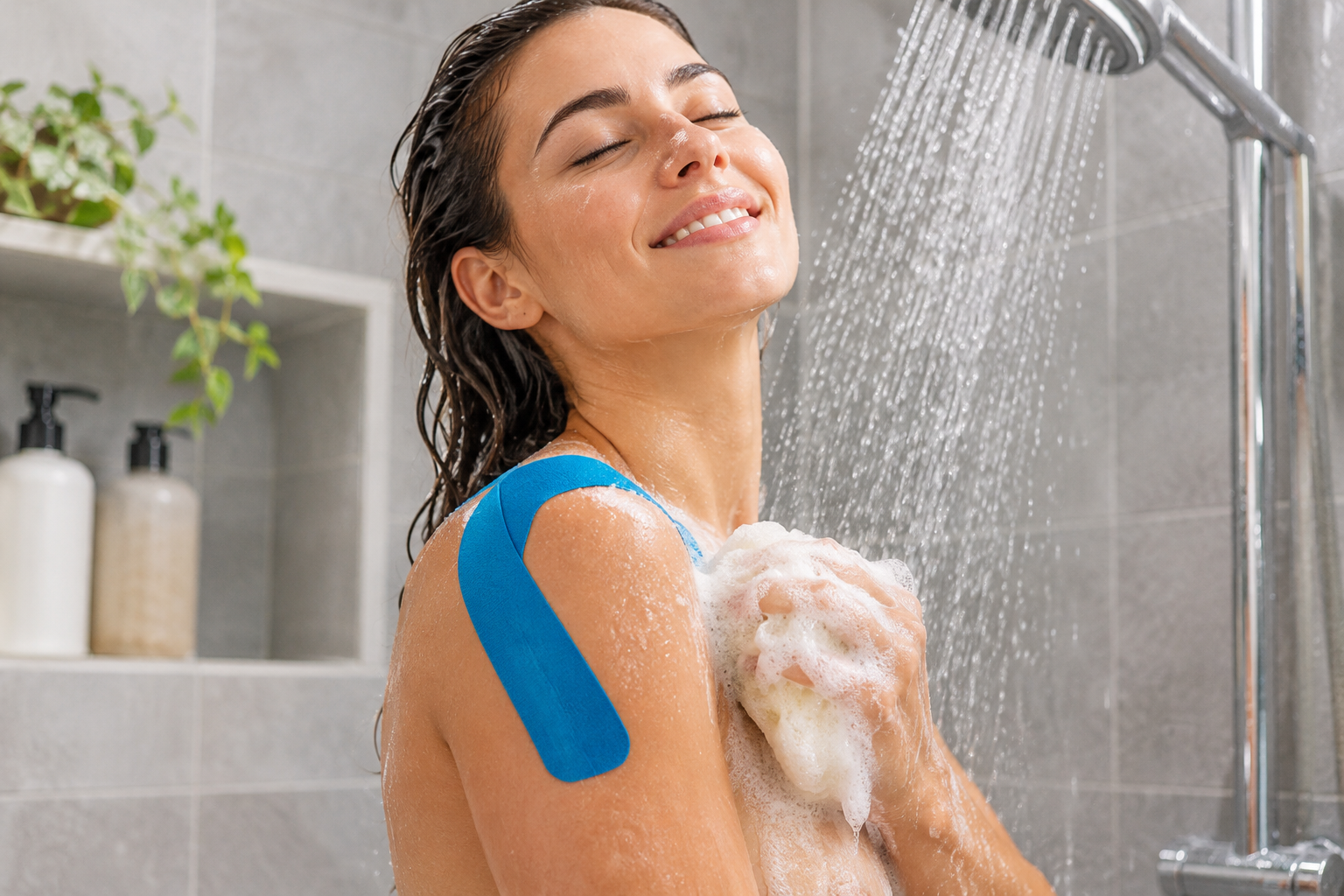
Yes, you can. Most kinesiology tape is water-resistant and designed to withstand showers and bathing, though it may feel a little damp afterward. One maker of a gentle-skin version, Veefun, states plainly that its tape is water-repellent and can be worn in the shower or bath.
"Water-resistant" is a phrase worth reading carefully. It means the tape handles splashes and a normal shower without giving up. It does not mean the tape is sealed like a waterproof dressing, so long soaks and hard scrubbing are a different story.
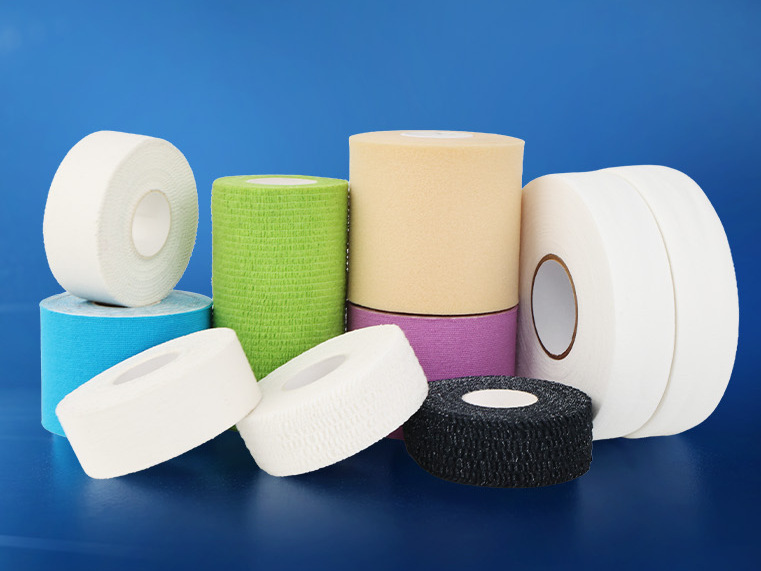
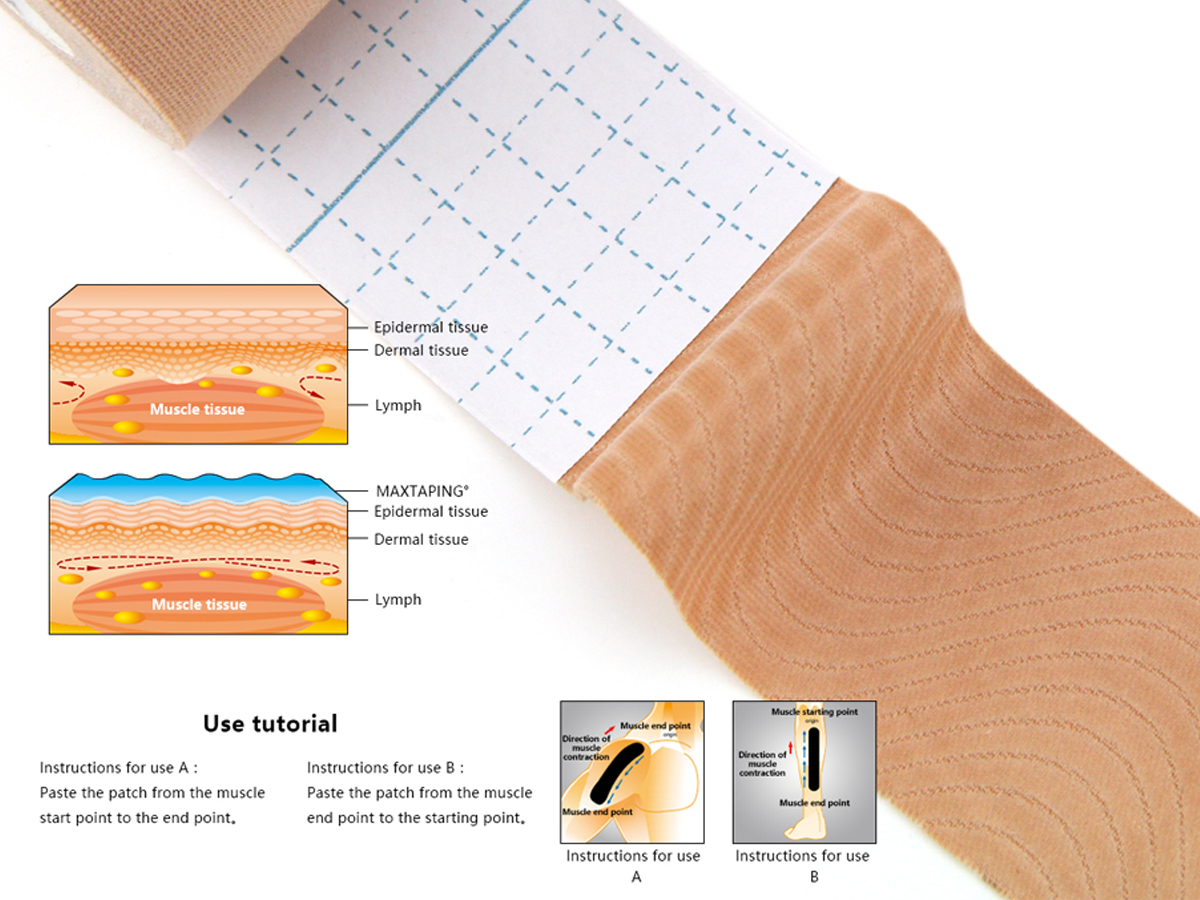
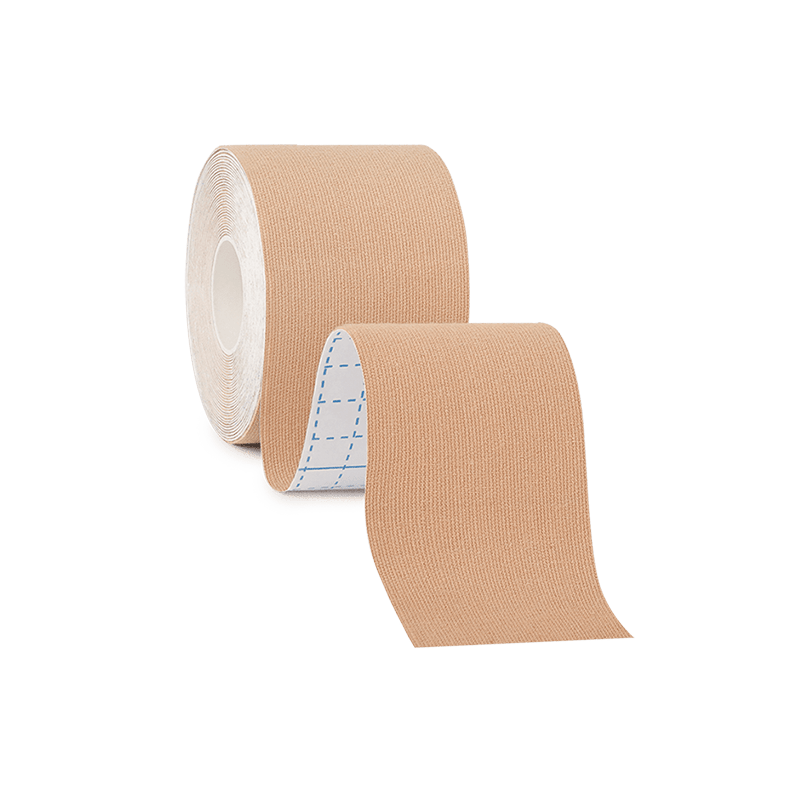
The fabric explains the damp feeling. Kinesiology tape is usually a cotton elastic fabric with an acrylic adhesive underneath. Cotton soaks up some moisture, so the tape holds a little water even while the glue keeps its grip. Think of a cotton T-shirt in light rain: it gets wet, but it stays on.
Wear time matters here too. Sources commonly report about 3 to 5 days per application, including showers, when the tape is applied properly.
Does Water Make Kinesiology Tape Fall Off?
Water alone usually doesn't. The likelier culprits are edges that were already lifting, hot water jets aimed directly at the tape, heavy rubbing with a washcloth or towel, body oils and lotions, and skin that wasn't clean and dry when the tape was applied.
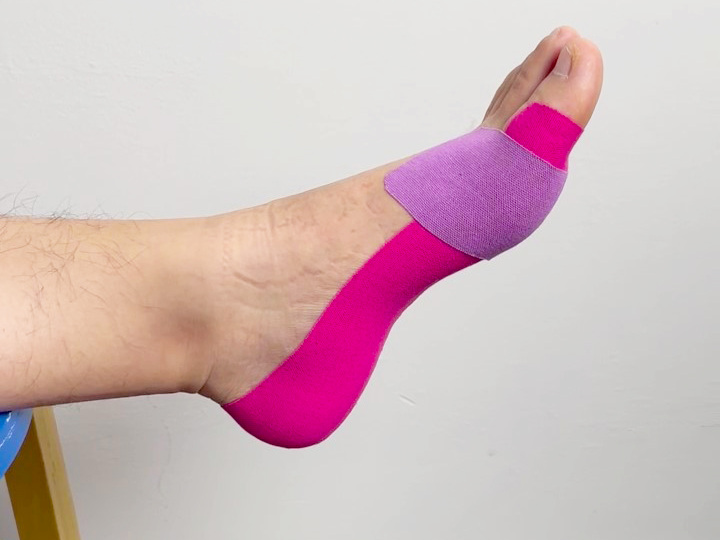
Results do vary. Brand, skin type, and body area all play a part, and tape on a spot that flexes or rubs against clothing tends to loosen sooner than tape on a flat, quiet area. This is general information, not medical advice, so follow the instructions on your tape's packet.
The Truth About Waterproof Kinesiology Tape
Because kinesiology tape is made from fabric, it naturally gets wet when you shower. The real question is not whether the material is waterproof, but whether its adhesive can maintain a secure bond with the skin in wet, warm conditions.
“Waterproof kinesiology tape” means the tape can maintain adhesion during showering and sweating, rather than remain completely dry.
If your kinesiology tape starts peeling off in the shower, the issue is not simply water exposure, but a loss of adhesive strength.
How Long Should You Wait Before Getting Kinesiology Tape Wet?
A good rule of thumb is to wait at least 20 to 30 minutes after applying the tape before it comes into contact with water. Some tape makers give their own time on the packet, and that figure beats any general rule.
Why does the wait help? Kinesiology tape is a stretchy cotton elastic strip with a heat-activated glue on one side, and that glue needs a little time to settle into your skin. Think of it like pressing a sticker onto a window. If you splash it straight away, the edges haven't fully gripped yet and are much more likely to lift.
Rub the tape firmly with your palm once it's on. The friction warms the adhesive and helps it grip. Then keep still, avoid hard exercise, and let it sit.
A longer wait is a sensible habit when your day allows it. Many people find it easier to tape up before a long errand or before bed, then shower later, so the glue has more time to bond. This is a habit rather than a strict requirement, and the packet instructions always come first.
The rule can bend. If your skin is damp, oily, or freshly moisturized when you apply the tape, even a long wait may not save it, because the glue never grips well in the first place. The same goes for areas that bend a lot, such as knees and shoulders. The wait is only part of the story, and clean, dry skin matters just as much.
This is general information, not medical advice.
How to Shower Without Wrecking Your Tape
Here is the routine in order, from the moment you step toward the water to the last check afterward.
-
Confirm the tape has had its settling time. If you put it on less than 20 to 30 minutes ago, wait a little longer before turning on the tap.
-
Keep the water warm rather than hot, and angle the spray away from the tape. A gentle flow over the strip is fine. A hot, direct jet is what tends to lift edges.
-
Skip the scrubbing. Wash around the tape with your hands, and keep oily body products, such as body oil or thick lotion, off it, since oils can weaken the glue.
-
Step out and pat the tape dry with a clean towel. Press gently instead of rubbing, because rubbing drags at the edges.
-
Check every edge and corner once you are dry.
So what does "looks right" mean? The edges lie flat against the skin. Nothing curls up at the corners. The tape still feels snug, without wrinkles or gaps. A little dampness in the fabric is normal, as noted earlier, and it should dry out on its own.
Tip: If a corner has started to lift, don't pick at it with a wet fingernail. Trim it flat with a pair of scissors so it can't catch on clothing and peel further.
If the tape looks wrinkled, has lifted along a long stretch, or has slid out of place, it has likely done its job for now. Take it off gently and reapply a fresh strip once your skin is clean and dry. This is general information, not medical advice.
How Do You Dry Kinesiology Tape After a Shower?
You have two good options: pat it with a towel and let it air-dry, or finish with a hair dryer on cool. Towel-and-air-dry alone is the gentlest choice. The hair dryer is faster and helps when the tape stays damp, for example, under clothing.
Towel and Air-Dry
Press a clean, dry towel against the tape, then lift it away. Repeat along the strip until the surface no longer feels wet. Don't rub, because the edges catch easily on terry cloth and curl up. After that, leave the area uncovered for a few minutes. The cotton elastic fabric absorbs some moisture so that it may feel damp for a while.
Hair Dryer on Cool or Low
If the tape is still damp, switch the hair dryer to its cool or low setting. Hold it a hand's width or more away and keep it moving along the strip. Stop once the tape feels dry or just slightly cool to the touch. Dry tape grips better than damp tape, and gentle airflow helps avoid stressing the glue.
Which One Fits Your Day?
If you aren't in a hurry, let the towel and air do the work. If you need to get dressed soon, or the edges look soggy, use the hair dryer. Rubbing clothing on damp tape is a common cause of the edges lifting.
Note: Never use high heat. Skin under the tape can burn before you notice, and strong heat may also soften the glue. If the area feels hot, stop and move the dryer farther away.