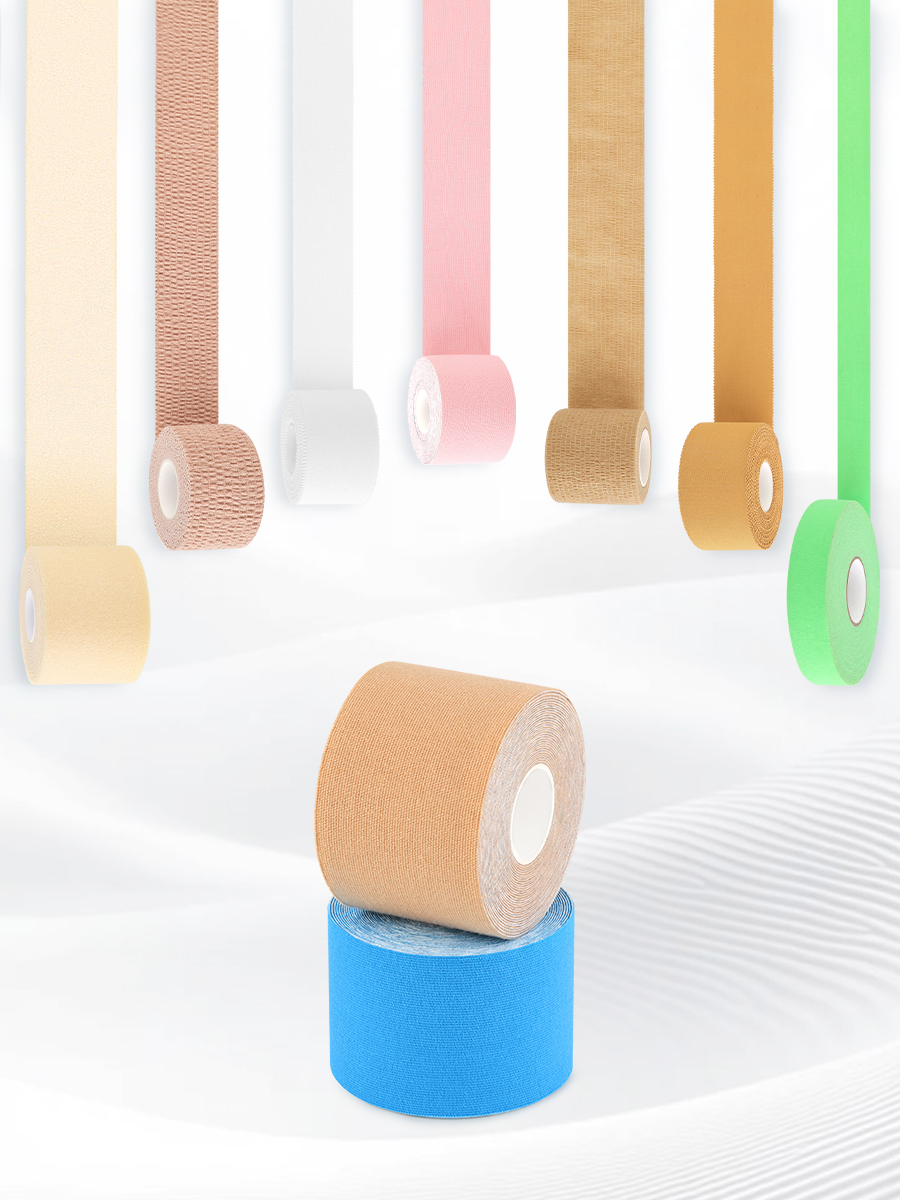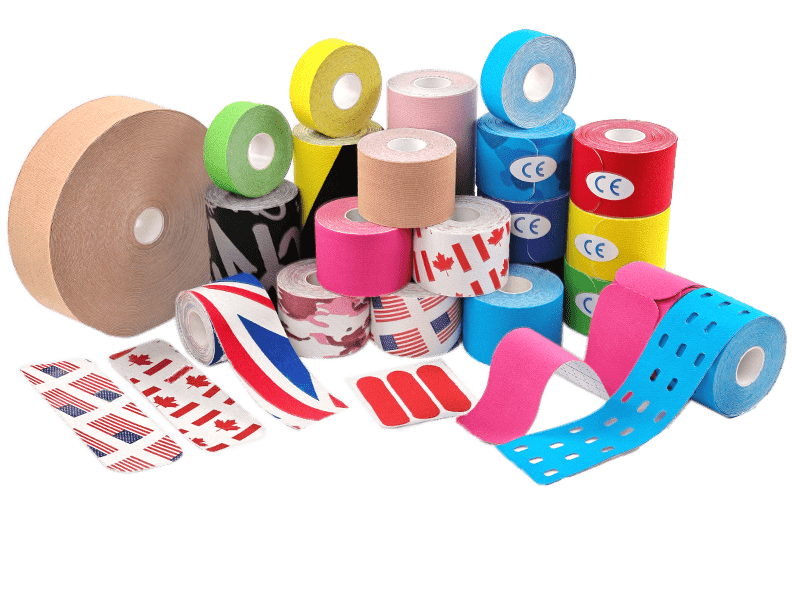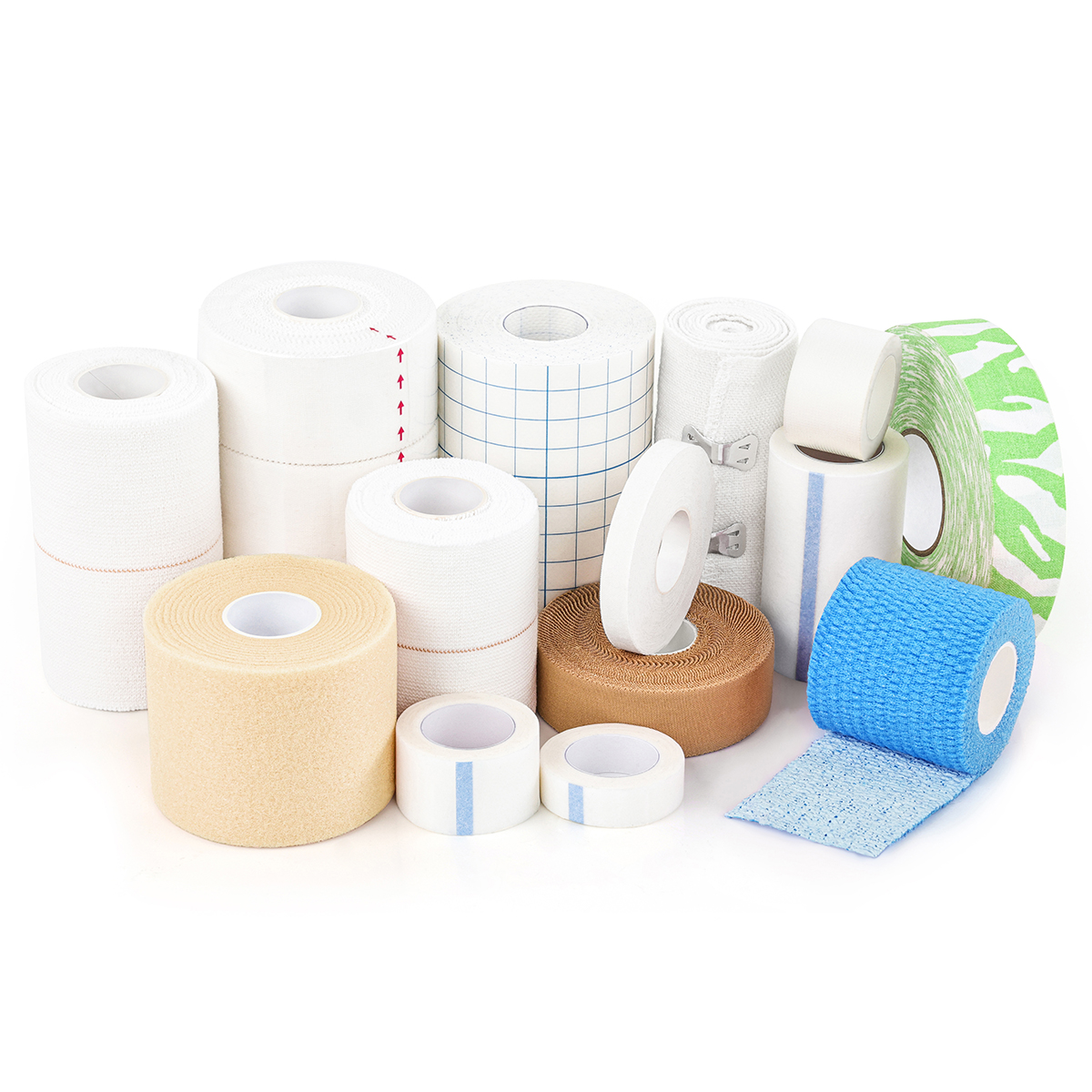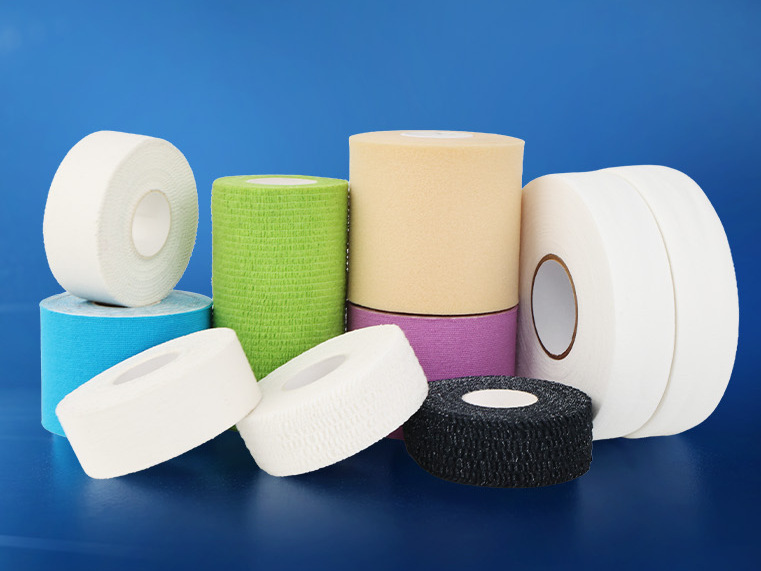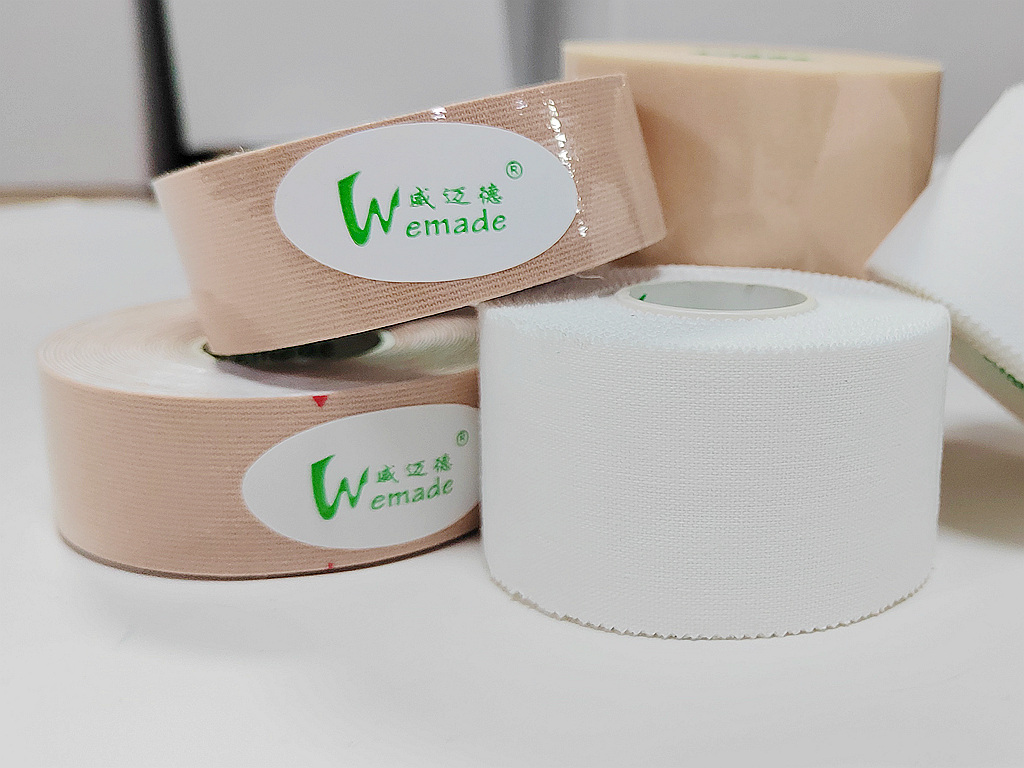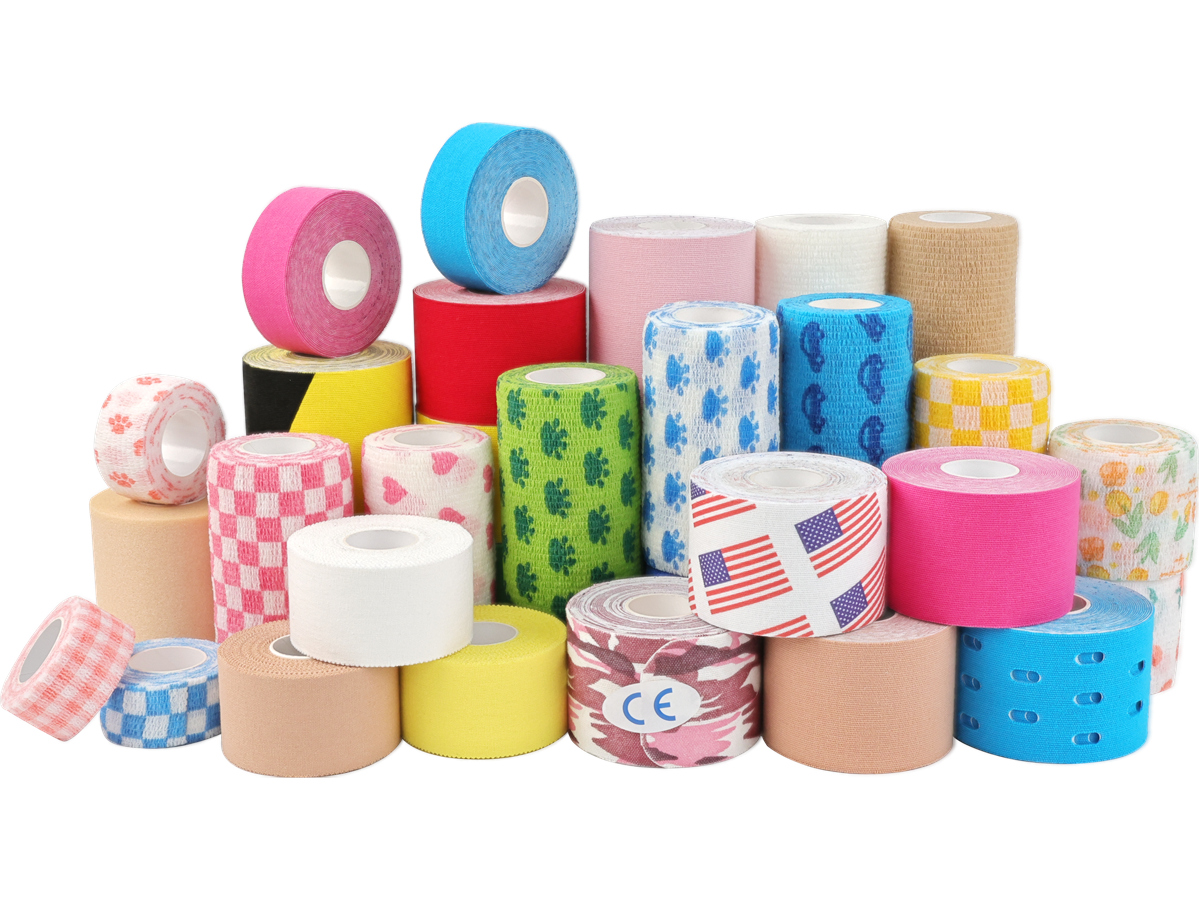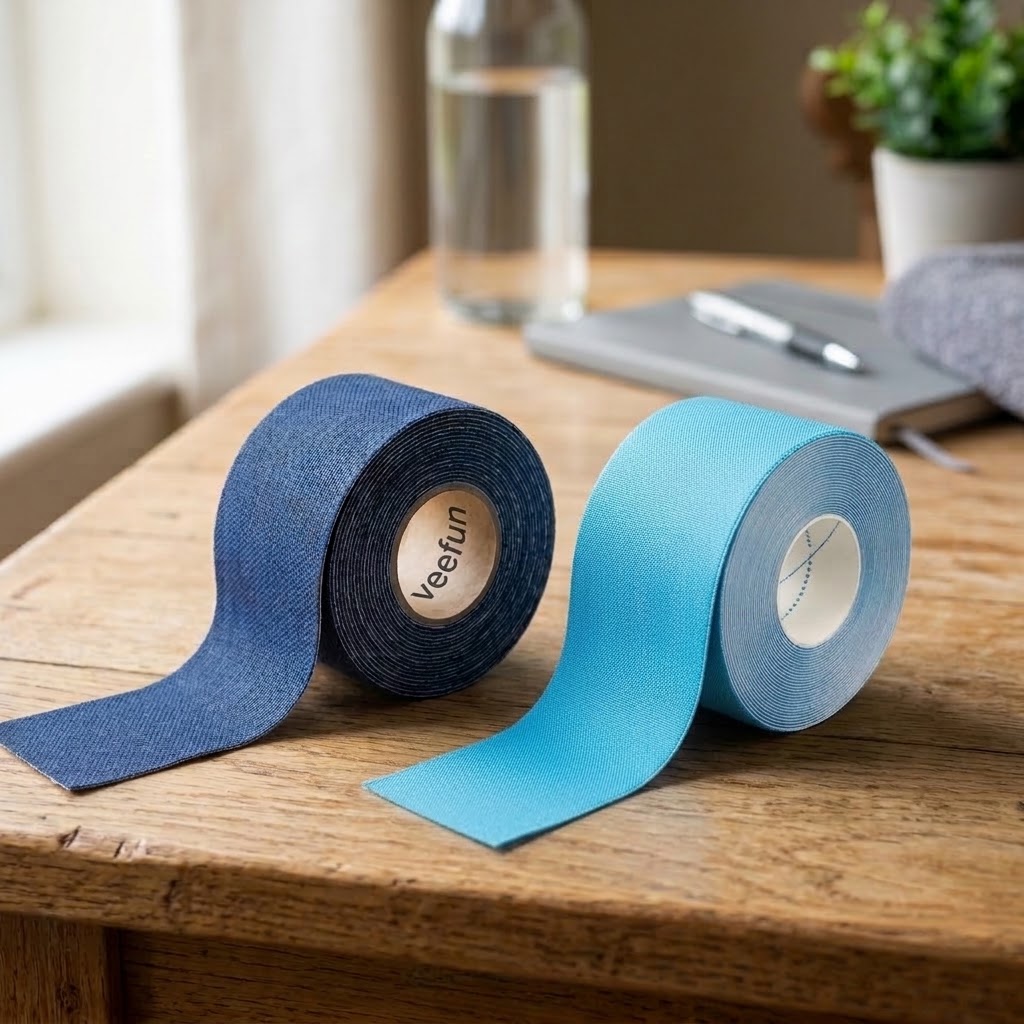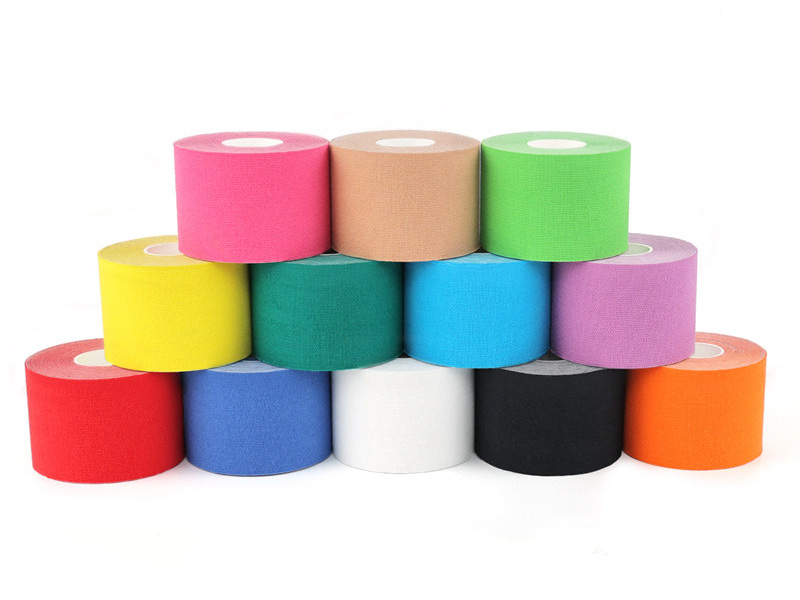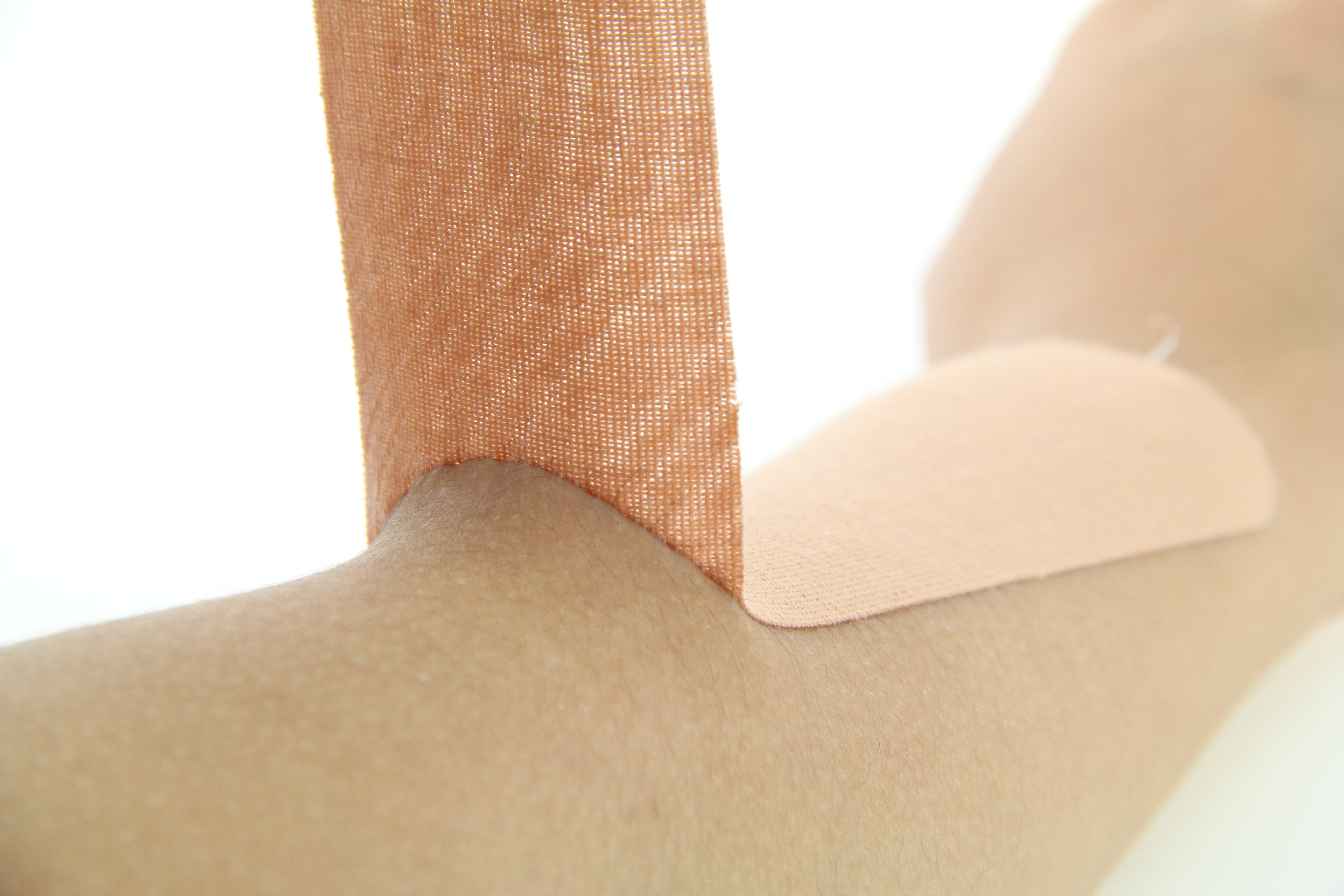
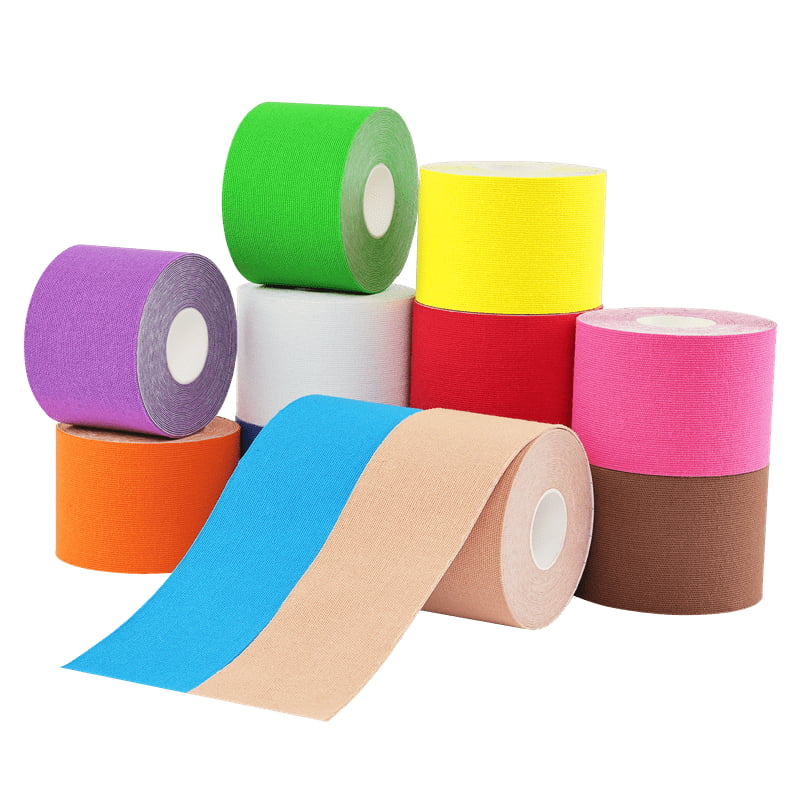
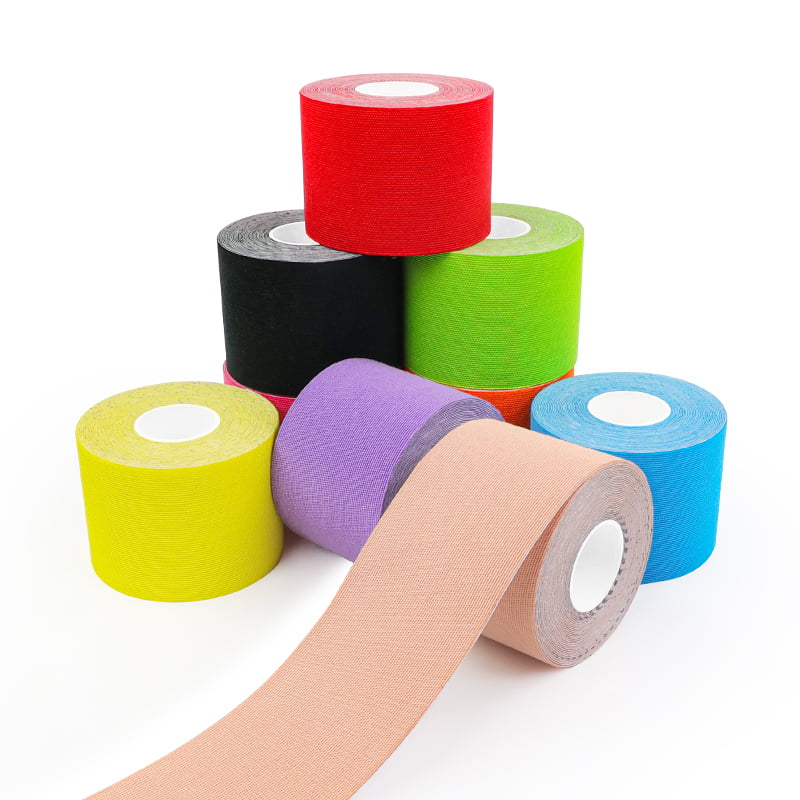
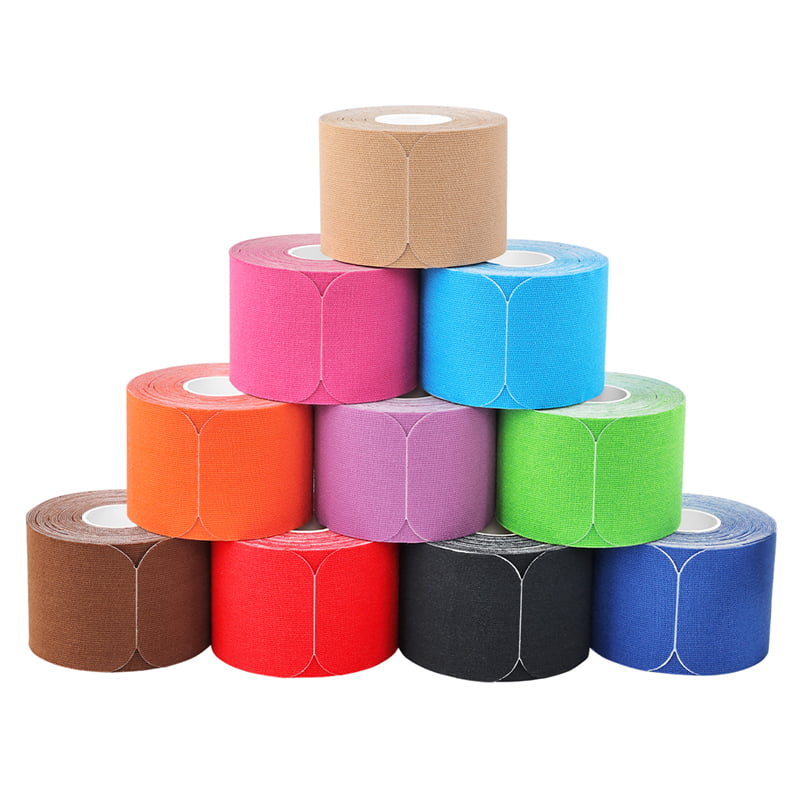
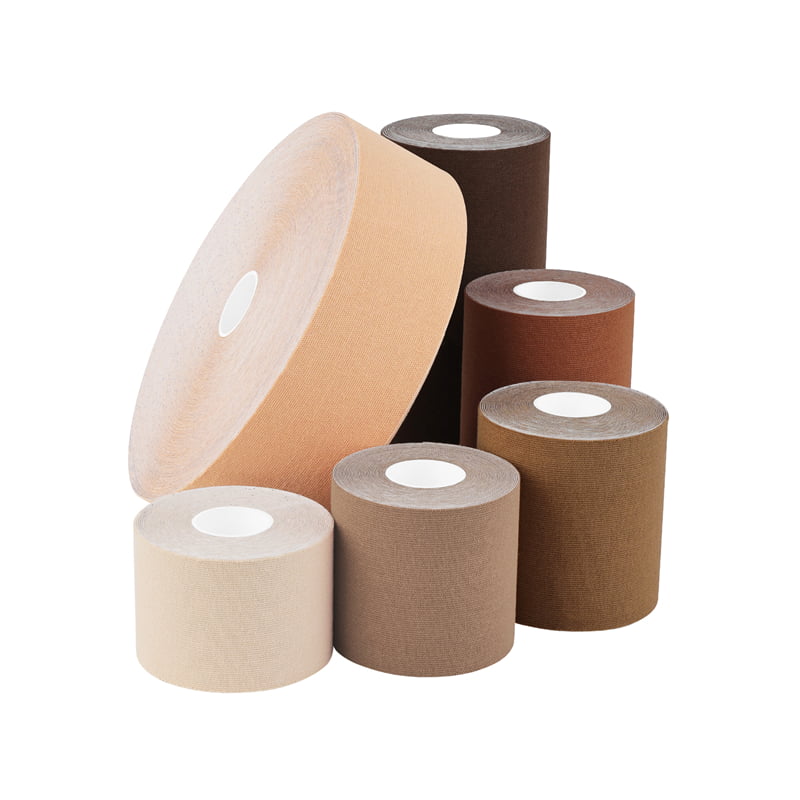
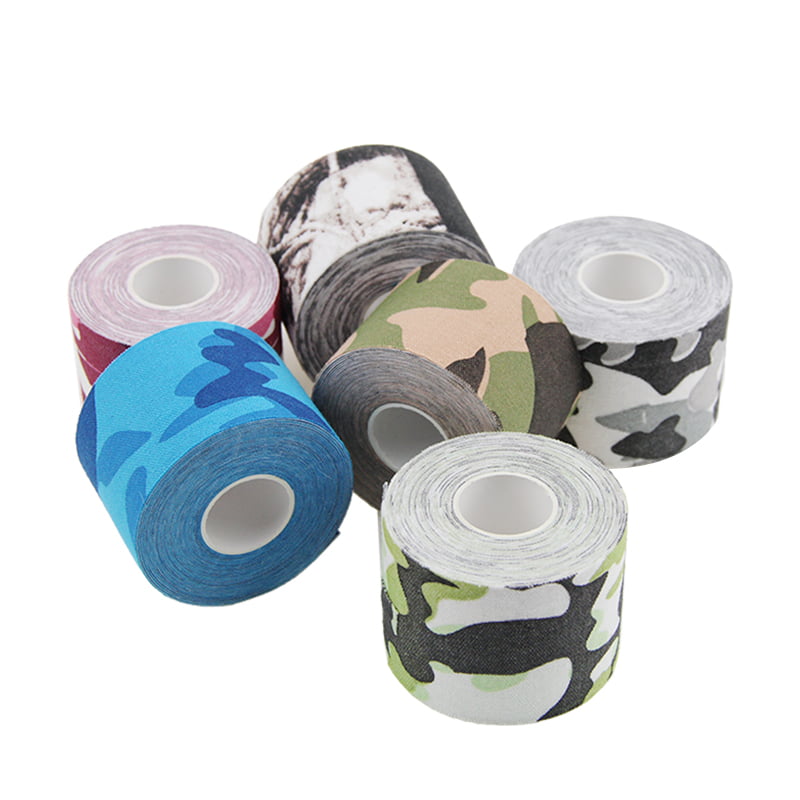
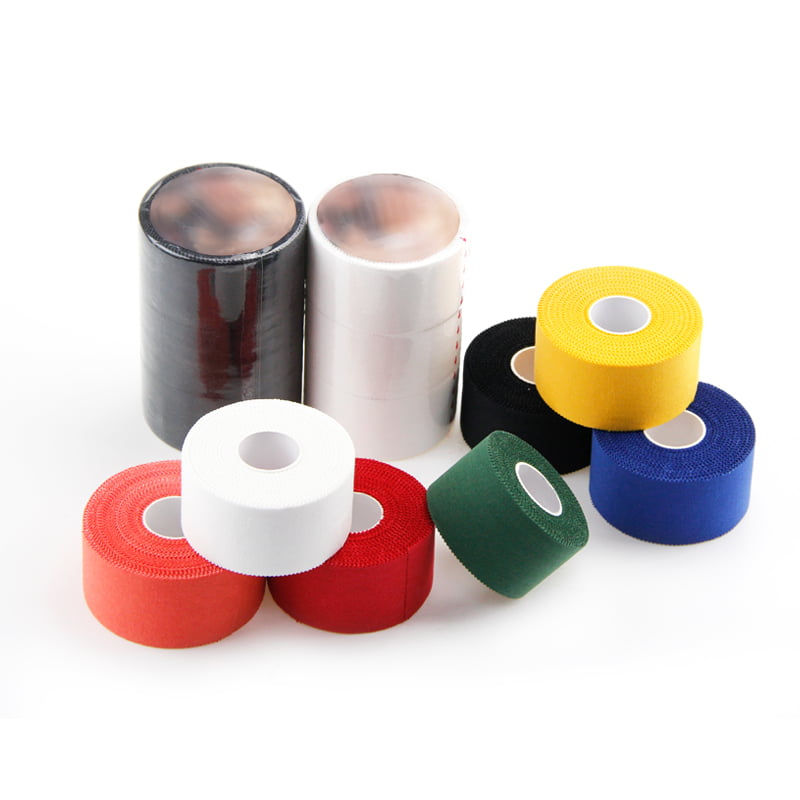
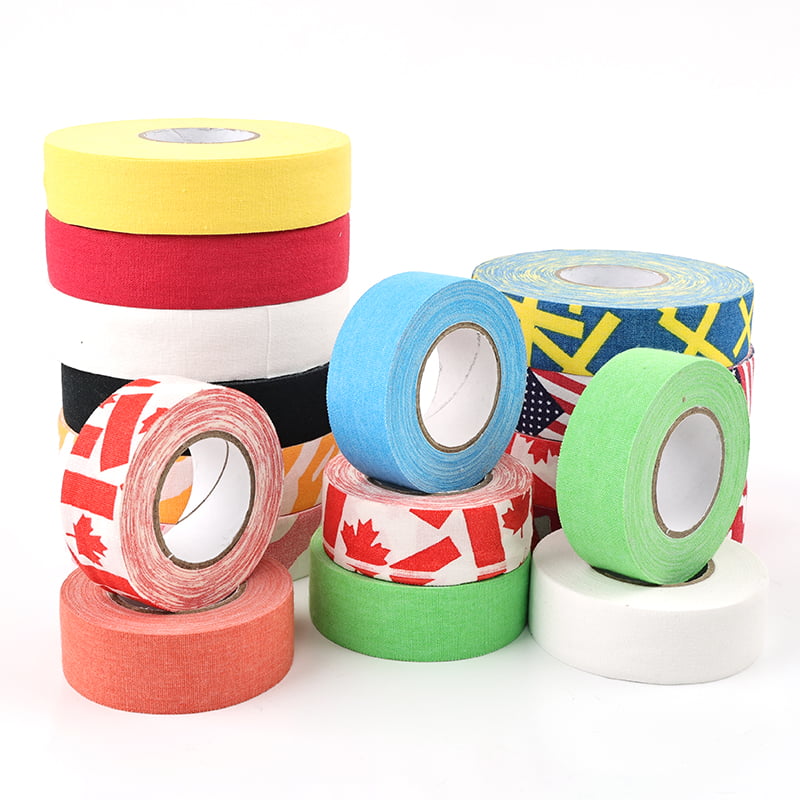
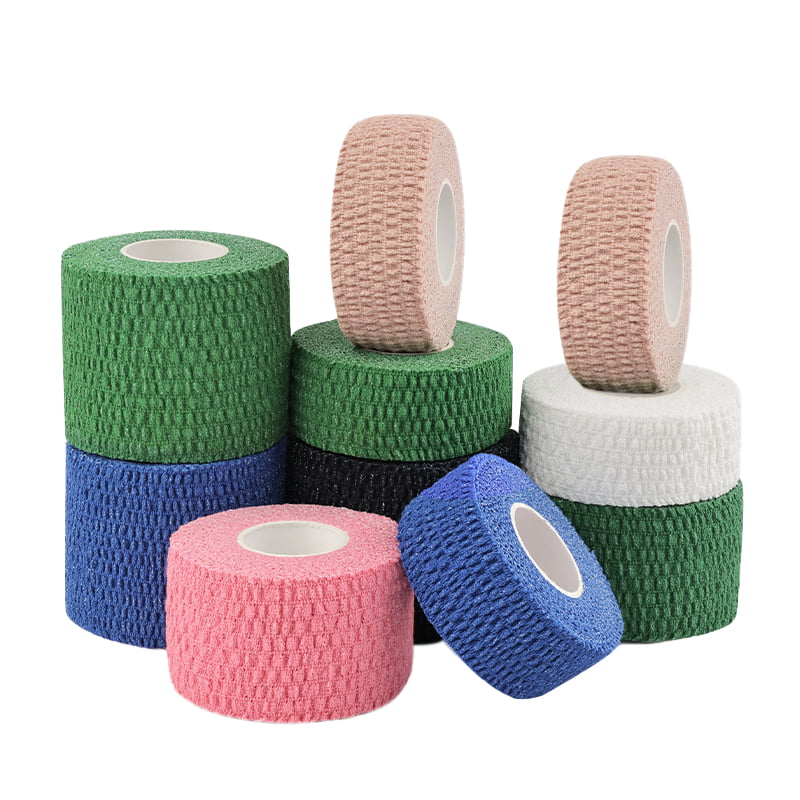
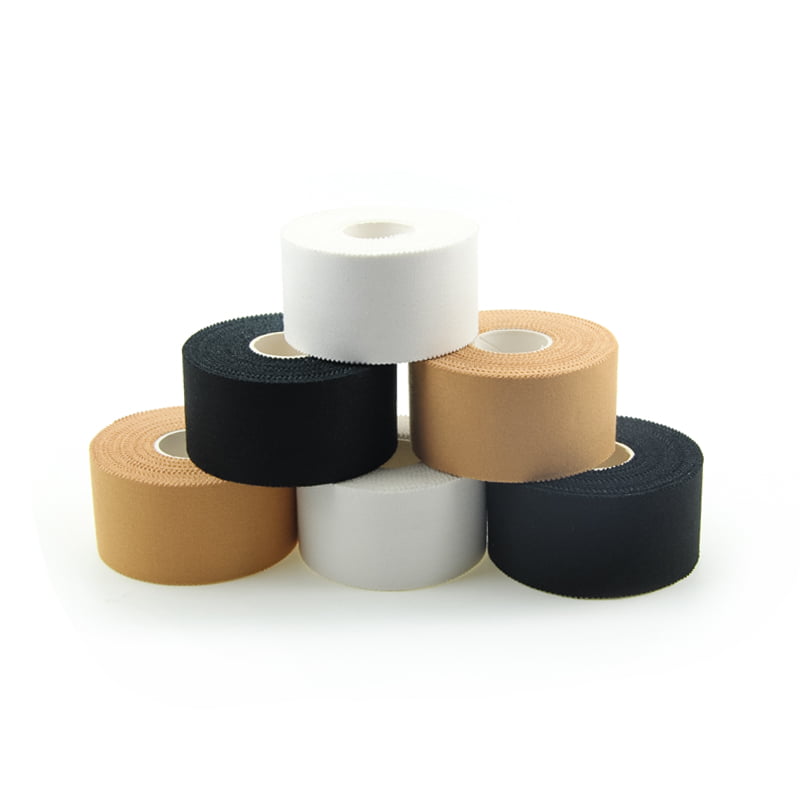
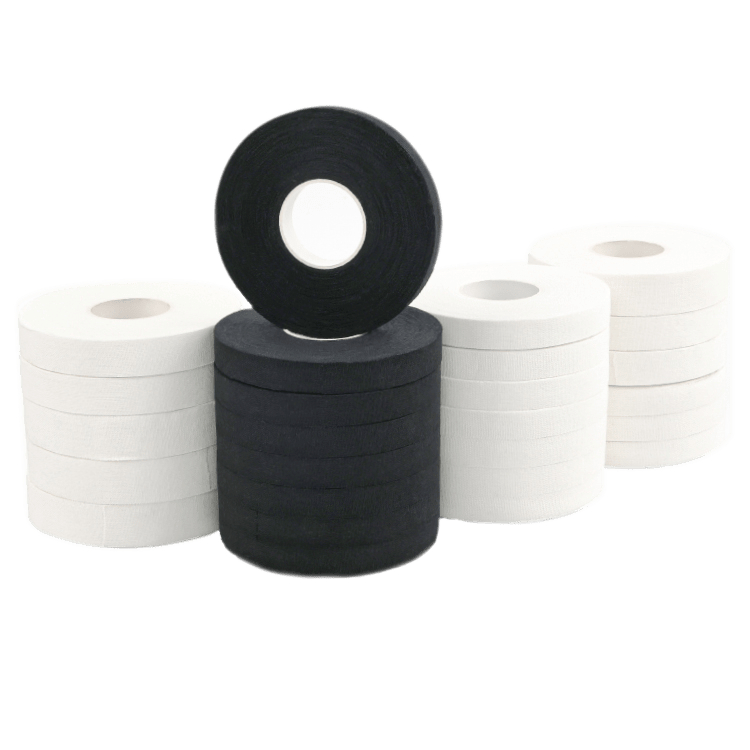
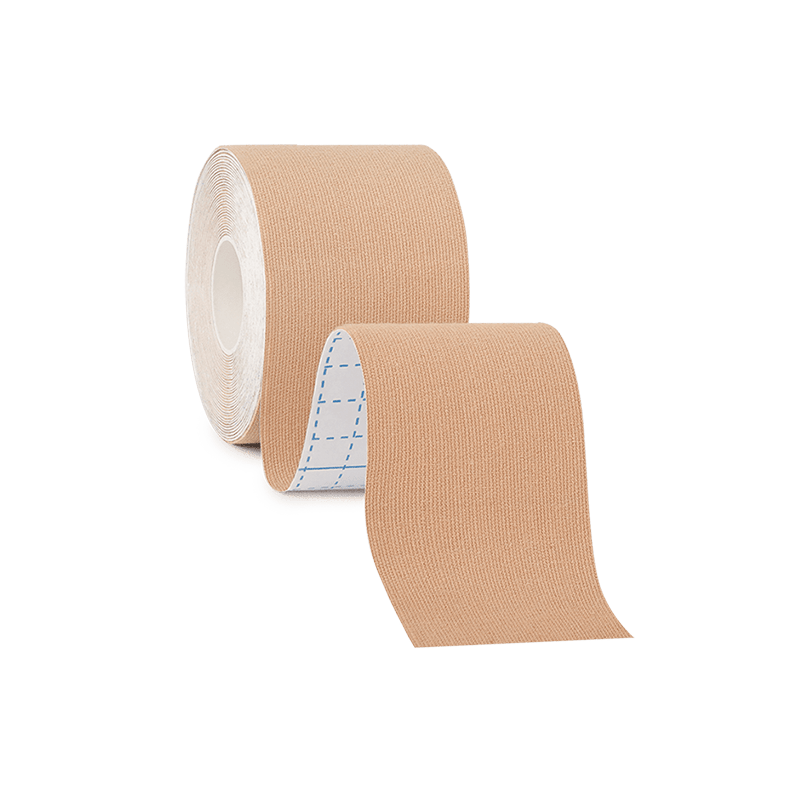
Choosing the right soccer ankle tape depends on the type of support you need. Cotton athletic tape and rayon-based rigid strapping tape are non-elastic sports tapes commonly used for ankle strapping, whereas kinesiology tape stretches with the skin, allowing greater freedom of movement.
Although cotton athletic tape and rigid strapping tape share similar functional characteristics, rayon-based rigid strapping tape generally offers greater abrasion resistance. Kinesiology tape serves a different purpose because of its elastic construction.
This guide compares the three types of tape by stretch, support, application, placement, and removal to help soccer players choose the right football ankle tape for their needs.
Quick Answer: What Is the Best Soccer Ankle Tape?
The best soccer ankle tape depends on your taping goals.
-
Cotton athletic tape: A non-elastic option for ankle strapping when selected movements need to be restricted.
-
Rigid strapping tape: Another non-elastic option with similar functional characteristics; rayon-based versions generally offer greater abrasion resistance.
-
Kinesiology tape: An elastic tape designed to stretch with the skin and accommodate movement.
If you need non-elastic ankle strapping, cotton athletic tape may be suitable when applied correctly, or rigid strapping tape may be suitable. If you prefer an elastic tape, kinesiology tape offers an alternative but does not provide the same level of movement restriction as rigid tape.
The right choice also depends on the taping technique, the player's needs, skin tolerance, and whether professional guidance is needed.
1. What Is Soccer Ankle Tape Used For?
Soccer ankle tape is a broad term for tape applied around the foot and ankle for different taping purposes. The product and application method should match the intended result.
Ankle strapping for soccer
Ankle strapping for soccer commonly uses non-elastic athletic tape applied around selected areas of the foot and ankle. When applied with an appropriate technique, the tape can help restrict particular ankle movements.
The result depends on the taping pattern, tape properties, and application technique. Tape should not be excessively tight, and ankle strapping does not guarantee protection from injury.
Elastic taping for the ankle
Kinesiology tape stretches with the skin and is used when flexibility is preferred. Its purpose differs from rigid ankle strapping, so the two should not be treated as interchangeable.
Players should follow the product instructions and seek guidance from a qualified sports medicine professional if they are taping because of pain, recurring ankle problems, or a previous injury.
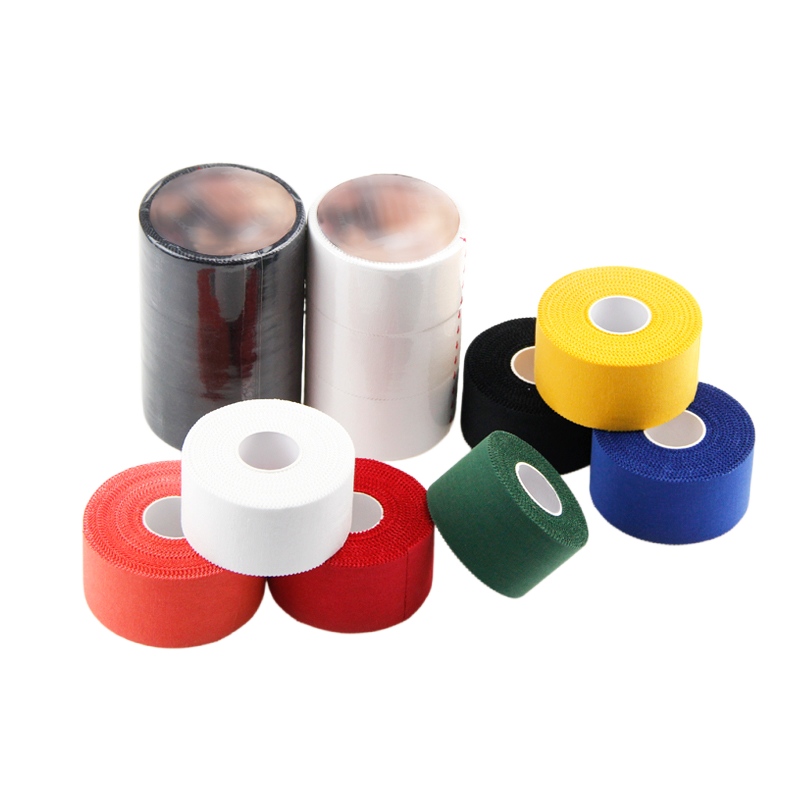
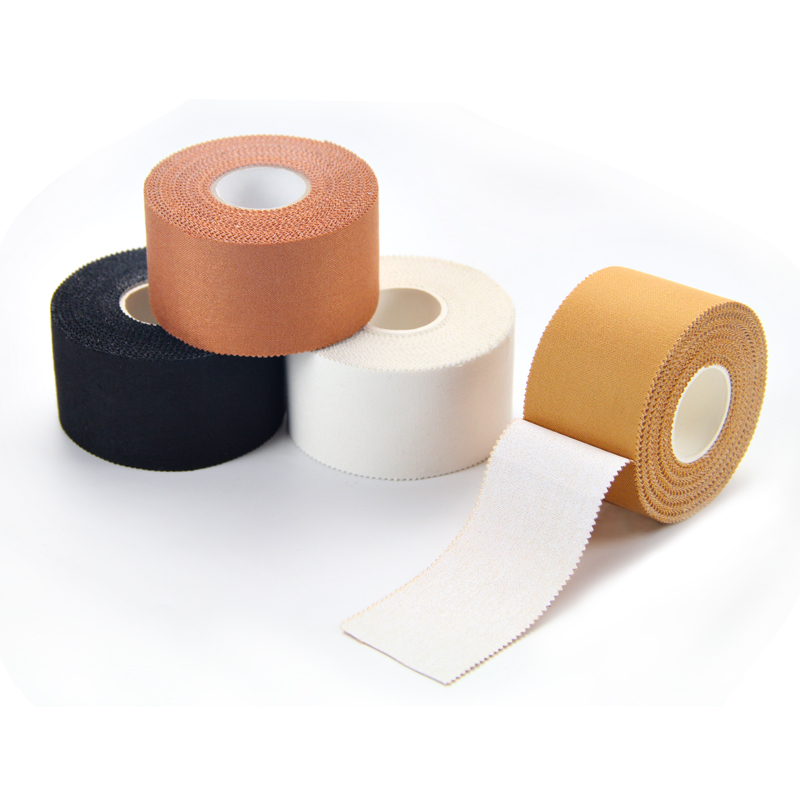
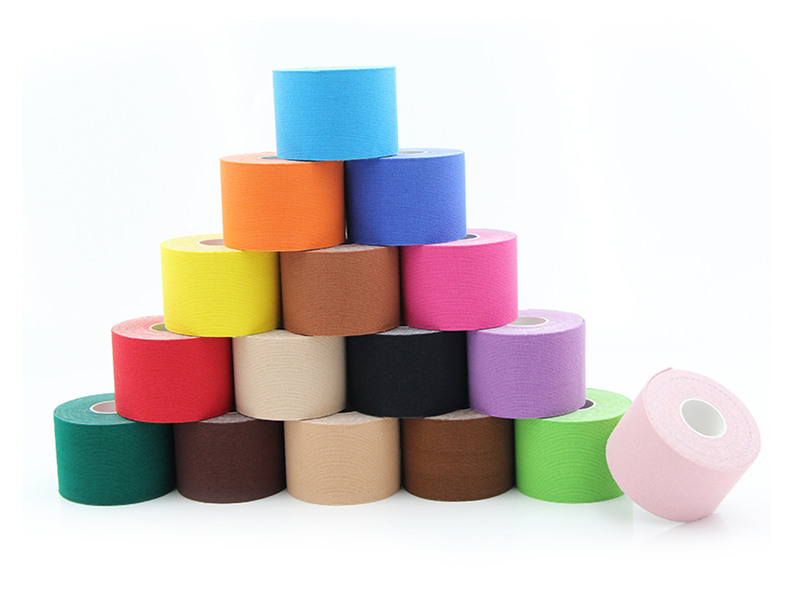
2. Cotton Athletic Tape vs. Rigid Strapping Tape vs. Kinesiology Tape
 |
 |
 |
|
| Feature | Cotton Athletic Tape | Rigid Strapping Tape | Cotton Kinesiology Tape |
| Stretch | Non-elastic | Non-elastic | Elastic |
| Main characteristic | Traditional sports tape for firm strapping | Non-elastic tape with generally greater abrasion resistance | Flexible tape that stretches with the skin |
| Ankle application | Can restrict selected movements when correctly applied | Can restrict selected movements when correctly applied | Used for applications where flexibility is preferred |
| Feel | Firm, with little give | Firm, with little give | Flexible and more accommodating of movement |
| Typical placement | Around selected areas of the foot and ankle | Around selected areas of the foot and ankle | Along or around the target area according to the intended application |
| Removal | Peel carefully; adhesive remover may help | Peel carefully; adhesive remover may help | Peel slowly and gently while supporting the skin |
Is cotton athletic tape the same as rigid strapping tape?
Cotton athletic tape and rayon-based rigid strapping tape are both non-elastic sports tapes. They share similar production processes and functional characteristics and can be used for ankle strapping when appropriate.
The main difference is the material. Rayon-based rigid strapping tape generally offers greater strength and abrasion resistance. When extra abrasion resistance is not a priority, the two options can be broadly similar in function.
How is kinesiology tape different?
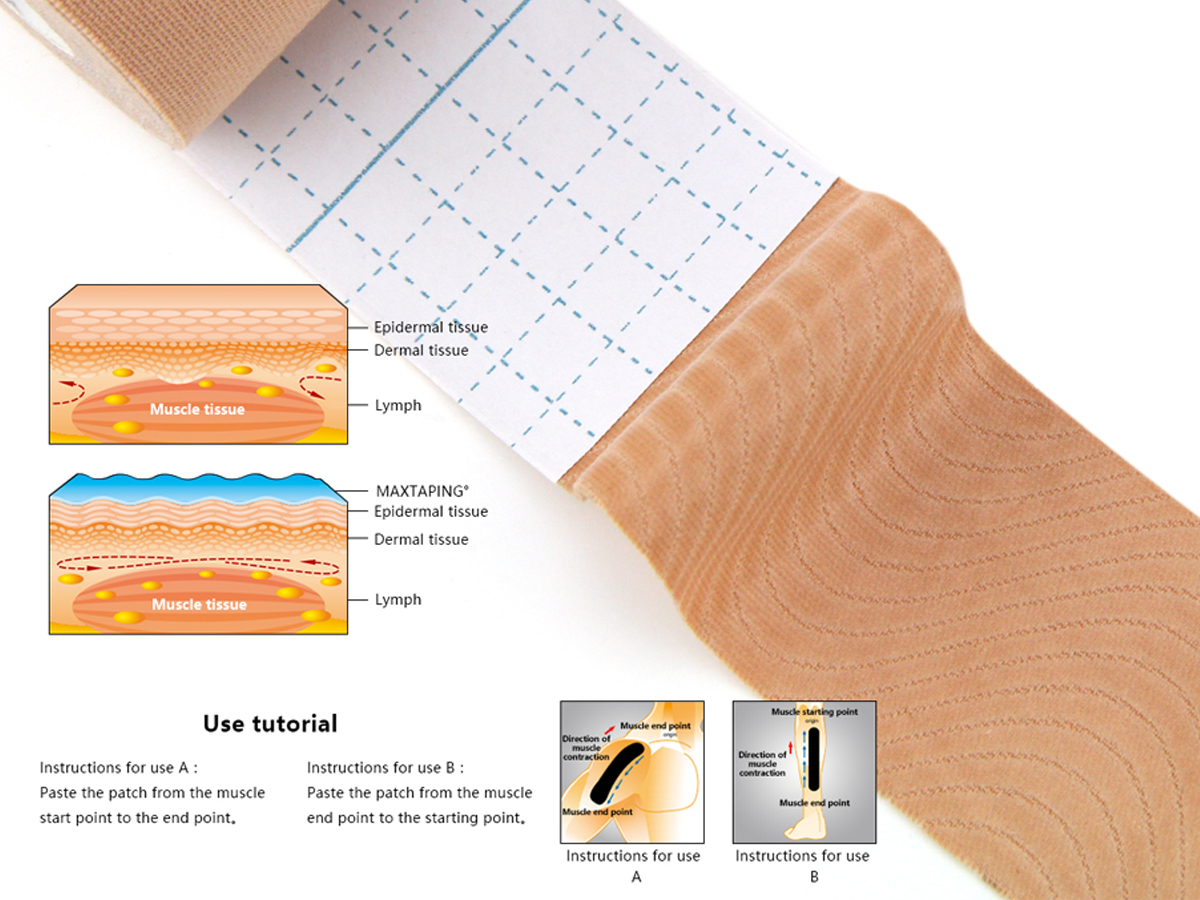
Kinesiology tape uses an elastic fabric construction designed to stretch with the skin. It accommodates movement but does not provide the same movement restriction as non-elastic ankle strapping.
When choosing between football ankle tape and kinesiology tape, start with the intended application. If the goal is non-elastic strapping, cotton athletic tape or rigid strapping tape may be more appropriate. If an elastic tape is better suited to the intended use, kinesiology tape may be worth considering.
3. How to Choose the Right Football Ankle Tape
When comparing football ankle tape, focus on the intended level of movement restriction, material, durability, and application method.
Choose non-elastic tape for ankle strapping
Cotton athletic tape and rigid strapping tape are commonly used to restrict specific ankle movements.
Choose between them based on material, abrasion resistance, width, adhesion, and the conditions in which the tape will be used. Rayon-based rigid strapping tape may be preferable when greater abrasion resistance is important. Cotton athletic tape remains a practical option for many traditional sports-taping applications.
Choose kinesiology tape when elasticity is preferred
Kinesiology tape stretches with the skin and allows greater freedom of movement than non-elastic tape. It should not be relied upon as a substitute for rigid strapping when movement restriction is the goal.
Application technique, tape tension, placement, and skin tolerance all affect comfort and wear.
What should you consider before buying?
When choosing ankle support tape for football, consider:
-
Material: Non-elastic cotton or rayon-based tape versus elastic kinesiology tape.
-
Intended use: Whether you need a movement restriction or a flexible tape.
-
Width and roll length: Choose a format suitable for the intended taping technique.
-
Adhesive performance: Consider the application conditions and skin tolerance.
-
Removal: Select a product that can be removed carefully using an appropriate method.
No single product is the best choice for every player. If you are taping because of an injury or persistent pain, consult a qualified sports medicine professional.
4. How to Apply Soccer Ankle Tape
The correct application depends on the tape type and the purpose of the taping.
Applying non-elastic ankle strapping tape
Non-elastic tape is applied around selected areas of the foot and ankle using a suitable taping pattern. The aim is to achieve the intended level of movement restriction without applying excessive pressure.
-
Start with clean, dry skin and avoid applying tape over damaged or irritated areas.
-
Use a taping technique appropriate for the player's needs.
-
Avoid excessive tension, folds, and pressure points.
-
Check comfort and skin condition after application.
-
Remove the tape if it causes pain, tingling, numbness, unusual swelling, or changes in skin color.
If you have not been trained in ankle strapping, ask a qualified professional to demonstrate an appropriate technique.
Applying kinesiology tape
Apply kinesiology tape according to the intended use and the manufacturer's instructions. Different applications require different amounts of stretch; pulling every strip as tightly as possible is not appropriate.
Avoid applying it over irritated or broken skin. Remove the tape carefully if itching, burning, or a rash develops.
5. Where Should Ankle Support Tape Be Placed?
The correct placement depends on the taping goal and the individual player's needs.
Placement for non-elastic ankle strapping
Non-elastic tape may be applied to selected areas of the foot and ankle to restrict specific movements. The exact pattern depends on the intended result and should be chosen according to the player's needs.
There is no single taping pattern suitable for every player or ankle problem. Incorrect placement or excessive tension can cause discomfort and may compromise circulation.
Placement for kinesiology tape
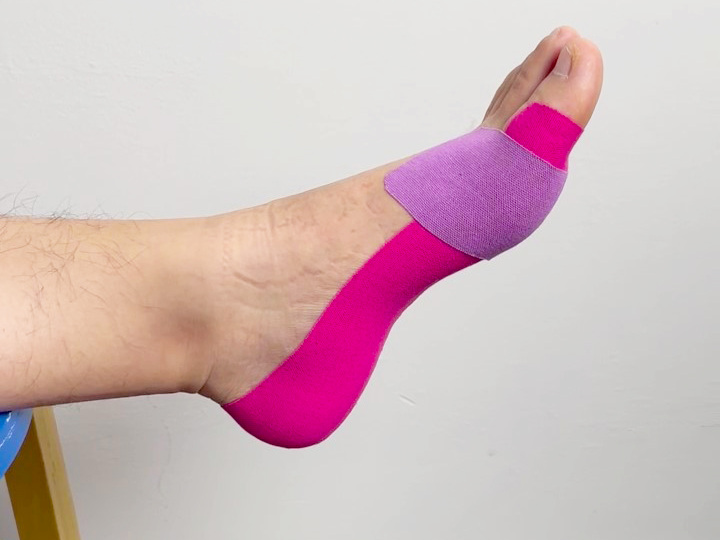
Kinesiology tape is placed along or around the target area, depending on the intended application. Because it stretches with the skin, placement and tension influence how it feels during movement.
It should not be assumed to stabilize the ankle in the same way as a non-elastic strapping technique.
6. How to Remove Football Ankle Tape
Sports tape can adhere firmly to skin and hair, particularly after exercise. Remove it slowly and avoid pulling forcefully.
Removing cotton athletic tape and rigid strapping tape
-
Start at an edge and peel slowly rather than pulling the tape away in one sharp motion.
-
Support the surrounding skin with your other hand.
-
If the adhesive resists, use a suitable adhesive remover according to its instructions.
-
Avoid scraping the skin or using sharp tools directly against it.
-
Check the skin after removal for redness, irritation, or damage.
If removal is painful or the tape covers a large area, ask a trained professional for help.
Removing kinesiology tape
Peel kinesiology tape slowly while supporting the skin. Wetting the tape or using a suitable remover may help loosen the adhesive, depending on the product.
Do not force the tape off irritated skin. Stop if removal causes significant pain or skin damage.
7. What Is the Best Ankle Wrap for Soccer Players?
The phrase best ankle wrap for soccer can refer to sports tape, an elastic wrap, or a dedicated ankle support. These products are not interchangeable, so identify the purpose before choosing one.
| Your main need | Product type to consider | Why |
|---|---|---|
| Non-elastic ankle strapping | Cotton athletic tape or rigid strapping tape | Both can restrict selected movements when correctly applied |
| Greater abrasion resistance in a rigid tape | Rayon-based rigid strapping tape | Typically offers better resistance to rubbing and wear |
| An elastic tape that moves with the skin | Kinesiology tape | Designed to stretch rather than act as rigid strapping |
| A dedicated ankle support | An appropriate ankle brace or support | May suit needs that cannot be met by tape alone |
When comparing ankle wraps for soccer, consider material, width, adhesion, skin compatibility, intended use, and application technique.
There is no universally best ankle tape for football. The right product depends on the player, the purpose of the taping, and whether movement restriction or elasticity is preferred.
8. Choosing Soccer Ankle Tape for Teams, Retailers, and Distributors
Individual players may focus on comfort, ease of application, and suitability for a particular taping method. Teams, sports retailers, and distributors may also need consistent specifications, packaging, and supply arrangements.
When sourcing soccer player ankle tape or related sports-taping products, compare:
-
Material: Cotton-based non-elastic tape, rayon-based rigid strapping tape, and elastic kinesiology tape serve different purposes.
-
Adhesive performance: Adhesion should suit the intended application and expected conditions.
-
Width and roll length: Select formats suitable for the intended taping technique.
-
Packaging: Individual rolls, multipacks, and retail-ready packaging may suit different sales channels.
-
Customization: Private-label buyers may need customized labels, colors, packaging, or product specifications.
-
Supply terms: Wholesale buyers should confirm minimum order quantities, lead times, sample availability, and applicable documentation directly with the supplier.
Veefun offers sports tape products for retail customers and wholesale buyers. If you are comparing cotton athletic tape with kinesiology tape for your product range, select each product according to its intended use rather than treating them as interchangeable alternatives.
For wholesale or private-label inquiries, confirm the required specifications and packaging before requesting a quotation.
Frequently Asked Questions
What tape do soccer players use on their ankles?
Soccer players may use cotton athletic tape or rigid strapping tape for non-elastic ankle strapping. Some use kinesiology tape for applications that call for elasticity. The right choice depends on the application's purpose and the player's needs.
What is the difference between soccer ankle tape and kinesiology tape?
Soccer ankle tape is a broad term that may refer to different products used around the ankle. Kinesiology tape is specifically designed to stretch with the skin. Non-elastic athletic tape is more suitable when the aim is to restrict specific ankle movements using an appropriate taping technique.
Is cotton athletic tape the same as rigid strapping tape?
Cotton athletic tape and rayon-based rigid strapping tape are both non-elastic sports tapes with similar functional characteristics. Rayon-based rigid strapping tape generally offers greater abrasion resistance. When extra durability is not a priority, their functionality can be broadly similar.
What is the best ankle wrap for soccer players?
There is no single best option for every player. Cotton athletic tape or rigid strapping tape may suit non-elastic ankle strapping, while kinesiology tape offers elasticity. Dedicated ankle support may be more appropriate for certain needs. Choose based on the intended use and seek professional advice if you have an ankle injury.
Can I use kinesiology tape instead of rigid ankle tape?
Not when the application specifically requires the movement restriction provided by non-elastic strapping. Kinesiology tape stretches with the skin and serves a different purpose. If you need ankle support after an injury, consult a qualified sports medicine professional to determine the appropriate option.
How tight should football ankle tape be?
Tape should not be so tight that it causes pain, numbness, tingling, unusual swelling, or changes in skin color. Correct tension depends on the product and application. Remove the tape if you notice these symptoms and seek medical advice when appropriate.
Is football ankle tape the same as soccer ankle tape?
In many countries, football means soccer, so the terms are often used interchangeably. However, the exact meaning depends on the context and market. When choosing a product, check whether it is intended for non-elastic ankle strapping or elastic taping.
Find the Right Soccer Ankle Tape
The right soccer ankle tape depends on whether you need non-elastic strapping or an elastic tape. Cotton athletic tape and rayon-based rigid strapping tape offer similar non-elastic functionality, with rayon-based tape generally providing greater abrasion resistance. Kinesiology tape offers a more flexible alternative but does not provide the same movement restriction.
Explore Veefun's football tape range to compare products for your intended application. Retail customers can find tape for their sports routines, while teams, retailers, and distributors can enquire about wholesale and private-label options.