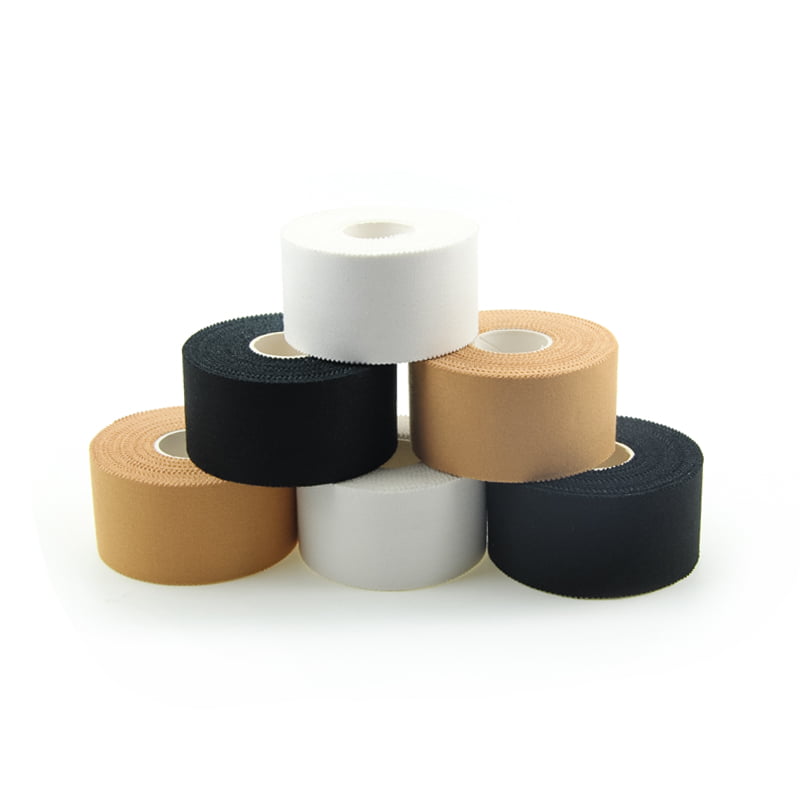
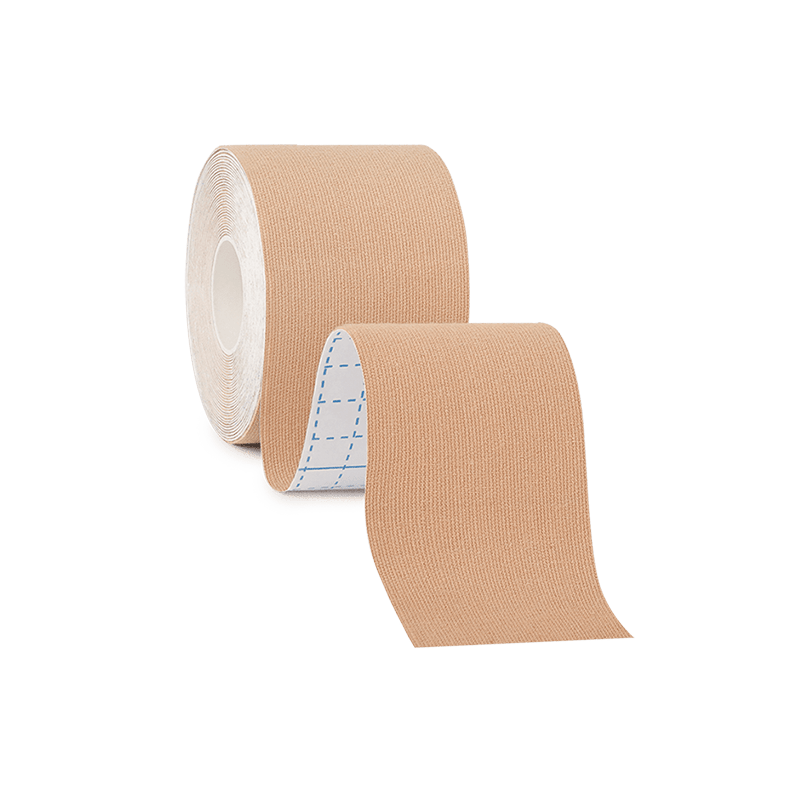
The spec sheet and the first sample are where mismatches between what was promised and what ships start, quietly, weeks before anyone sees a complaint. This list shows how to choose a reliable kinesiology tape factory by grouping the checks into three situations: product specs, compliance paperwork, and order terms. It is general information, not medical or regulatory advice, and requirements vary by market.
A reliable kinesiology tape factory is one that puts fabric, adhesive, stretch, and compliance documents in writing, matches production to approved samples, and confirms MOQ and lead time per quotation. Verify each of these before you pay for volume, not after the first shipment lands.
Where do problems at a kinesiology tape factory start?
A buyer approves a sample that feels right, signs off on a quote that says "cotton, acrylic adhesive, 5 cm x 5 m", and receives a first shipment that peels sooner and frays at the cut. Nothing in the paperwork was technically wrong. Nothing in it was specific either.
That is how most problems begin. The adhesive type is unspecified, the stretch range is undefined, and the fabric is labeled "cotton" with no weight or weave. Each gap allows the supplier to substitute a cheaper input without violating the agreement.
Written specs are the cheapest protection you have. A one-page specification that names the fabric composition and weight, adhesive system, stretch range, dimensions with tolerances, and packaging format turns a vague quote into something you can inspect against. It also gives you grounds to reject a batch that drifts.
Buyer guides in this category, such as the one from Vivomed, point to the same basics: cloth that doesn't fray at cut edges and a backing whose water resistance is stated. If a supplier can't commit to those in writing, the sample tells you very little about production.
Group 1: Which product specs should you pin down first?
Settle fabric, adhesive, and stretch in writing before you discuss price. Price comparisons only mean something once every quote describes the same tape.
Fabric and edge quality
Material: state whether the base is cotton, a cotton blend, or a synthetic, and ask for the fabric weight.
Edges: cut a sample strip and check whether the edge frays.
Backing: confirm how water-resistant it is, since this affects how the tape behaves in showers and sport.
Adhesive type and coating
Most kinesiology tape uses an acrylic adhesive, but systems and coating patterns differ, and these patterns influence breathability and grip. Ask whether the tape is latex-free and have that stated on the spec sheet. Ask how the adhesive behaves on moist or hairy skin, and agree a reasonable wear-time expectation for your market rather than accepting a headline number.
Stretch, width and roll length
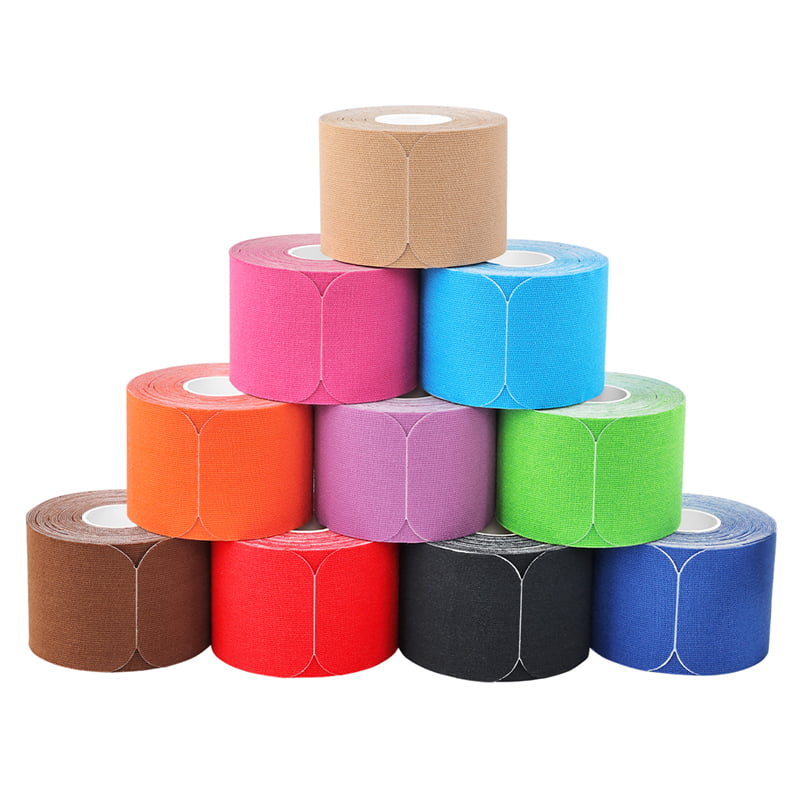
Get the stated stretch range, plus the width and length tolerances, from the spec. Then ask how the factory checks them, roll-to-roll. A factory that measures only at the start of a run can ship drift in the middle of it. Common widths are around 5 cm, with rolls of about 5 m, though pre-cut kinesiology tape and wider formats are also available.
What certifications should a kinesiology tape manufacturer have?
Look for three things: a documented quality system, evidence of market registration in the markets where you sell, and skin-contact safety testing. Treat each as a document you can request and read, not a logo on a web page.
Quality management system
ISO 13485 is the standard reference for medical device quality management systems. Ask for the certificate and check that its scope actually covers adhesive tape or similar products, and that the certificate is current and issued by an accredited body.
Market-specific registration
Rules differ by region. In the EU, devices are governed by the Medical Device Regulation (EU MDR), and the UK has its own requirements. In the US, the FDA expects establishment listing and a device classification for products marketed as devices. Whether a given tape counts as a medical device also depends on its claims and intended use, so confirm that the factory's documents match the country you ship to.
Skin-contact and material safety
Biocompatibility testing in line with the ISO 10993 series is the common benchmark for skin-contact materials. Ask for the test report scope, along with material declarations covering latex and adhesive components. Check dates: a report on an older adhesive formulation says little about the current one.
Group 3: What MOQ, lead time, and branding terms should you expect?
What is the MOQ you should expect for wholesale kinesiology tape? Typically, a few thousand rolls for custom work and fewer for stock designs, but confirm the exact figures per the quotation. Branding on tape and boxes is normally available.
Minimums and lead time
MOQ usually moves with color count, printing, and packaging format. A plain stock roll in a generic box sits at the low end; a custom color with printed backing paper and retail boxes sits at a higher price point. Sample lead times are often measured in days to a couple of weeks, and production in a few weeks, depending on the complexity of printing and packaging.
Cost drivers are mostly adhesive grade, printing, and carton type. If two quotes differ sharply, compare those three first.
Can kinesiology tape carry your own brand and packaging?
Yes. Private label is normally available on rolls, custom-printed backing paper, retail boxes, and inserts. Artwork approval adds time, so build it into your schedule. Ask whether packaging claims are reviewed against local labeling rules, because wording that passes in one market can be a problem in another.
How can you test the quality of kinesiology tape before a bulk order?
Order samples from the intended production line, run the same checks on samples from every factory, and keep records. Samples from a different line or a hand-picked roll prove little. Use this checklist:
- Request pre-production samples and a retained reference roll.
- Check adhesion, edge fraying, stretch recovery, and water exposure on a consistent protocol.
- Record each result against the written spec, with dates and roll or batch numbers.
- Ask about incoming material inspection and AQL sampling.
- Run a small first order before committing volume.
Adhesion is the check most worth taking seriously. Published comparisons show that brands differ in how well they stick to skin, and buyer discussions often single out adhesive quality as the gap between premium and budget tape. Test it the same way every time, so any differences come from the tape, not from you.
How to Choose a Reliable Kinesiology Tape Factory Across All Three Groups
Weigh the three groups by your situation. If you are entering a new market, put compliance first, because missing registration can stop a shipment outright. If you are reordering, put product specs first, since consistency is your main risk. If your budget is tight, start with order terms, but only after the specs are fixed so quotes are comparable.
Across all situations, four criteria carry the decision: written specs the supplier will sign, certificates whose scope and date you have read, samples from the real production line, and MOQ and lead time confirmed in each quotation. A rule of thumb: if a factory resists putting any of these in writing, treat that as your answer.
Manufacturers worth adding to your shortlist
Both go through the same checks as any other kinesiology tape factory: written specs, certificate scope and date, pre-production samples, and MOQ and lead time confirmed per quotation.
|
Area |
What to request |
A solid answer |
What should raise doubts |
|
Product specs |
Written spec sheet |
Fabric, adhesive, stretch, and tolerances stated |
Generic terms like "high-grade cotton" |
|
Compliance documents |
Certificates and test reports |
Scope covers tape; dates current |
Logos only, or scope for other products |
|
Sample results |
Pre-production samples and a reference roll |
Samples from the production line, with batch records |
Hand-picked rolls, no batch numbers |
|
MOQ and lead time |
Quotation per design |
Figures tied to color, print, and packaging |
One fixed number quoted for everything |
|
Branding options |
Artwork process and packaging formats |
Clear approval steps and label-rule review |
No mention of labeling rules |
The takeaway: every row has a document behind it, and a factory that can't supply the document hasn't really answered.
FAQ
Can a factory share documents before you pay for samples?
Yes, a genuine kinesiology tape manufacturer usually can. Certificates, test reports, and spec sheets cost nothing to send. Reluctance at this stage is worth noting.
How often should you re-audit a factory's certificates?
At least once a year, and at every renewal date. Also recheck when the supplier changes adhesive, fabric, or factory, since earlier reports may no longer apply.
What should a purchase agreement say about batch consistency?
It should tie each batch to the approved written spec and reference sample. Add inspection rights, an AQL level, and a remedy for nonconforming goods, such as replacement or credit.
Is a trading intermediary acceptable if the manufacturer is named?
Sometimes, yes. The manufacturer's name must appear on the documents, and you need access to its certificates and sample records. Without that, you can't verify who makes the tape.