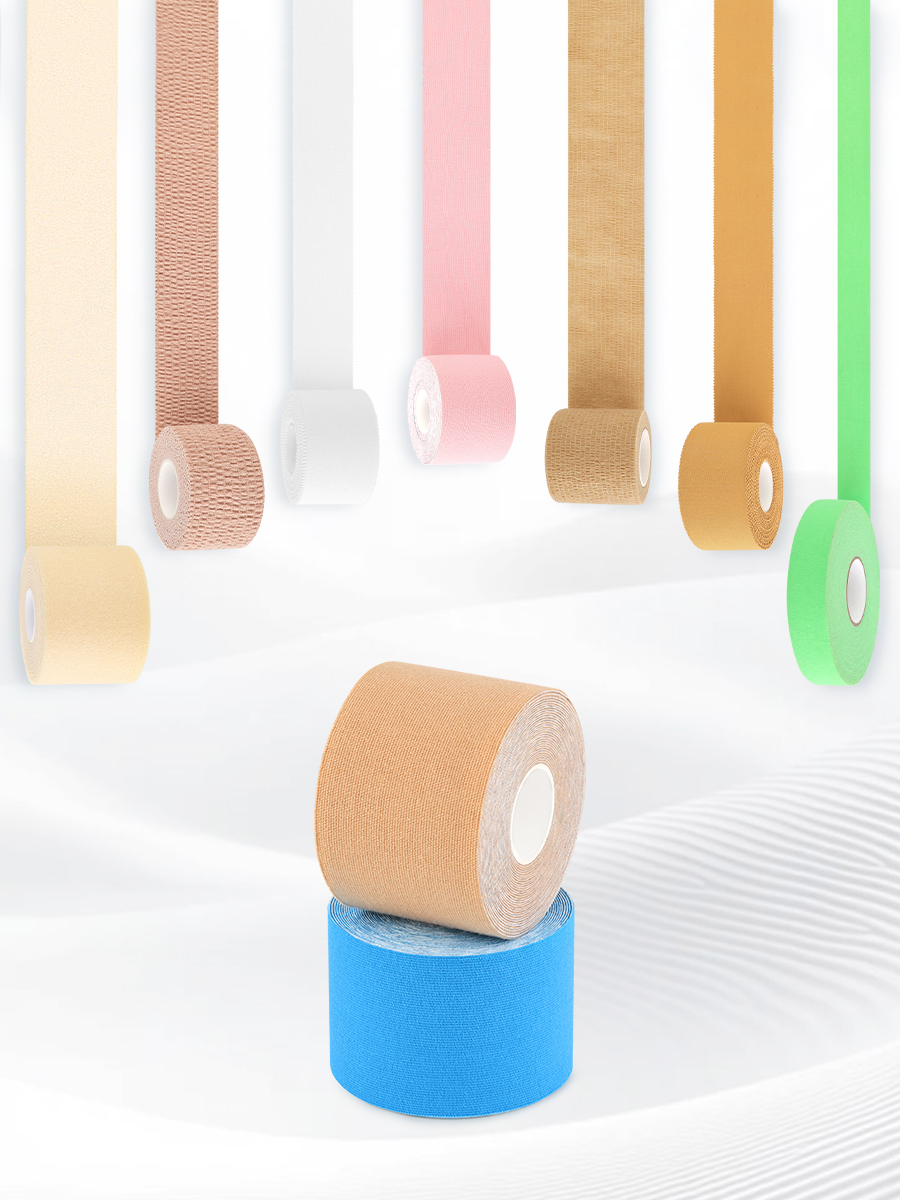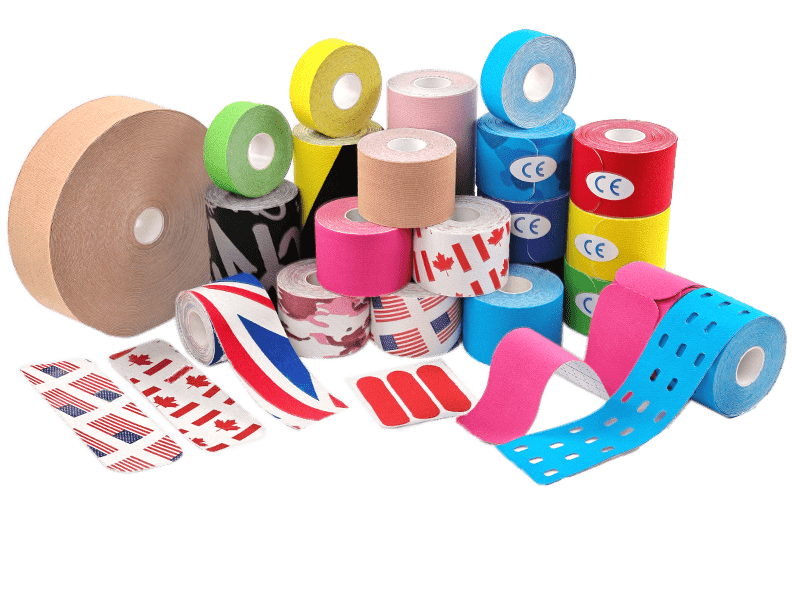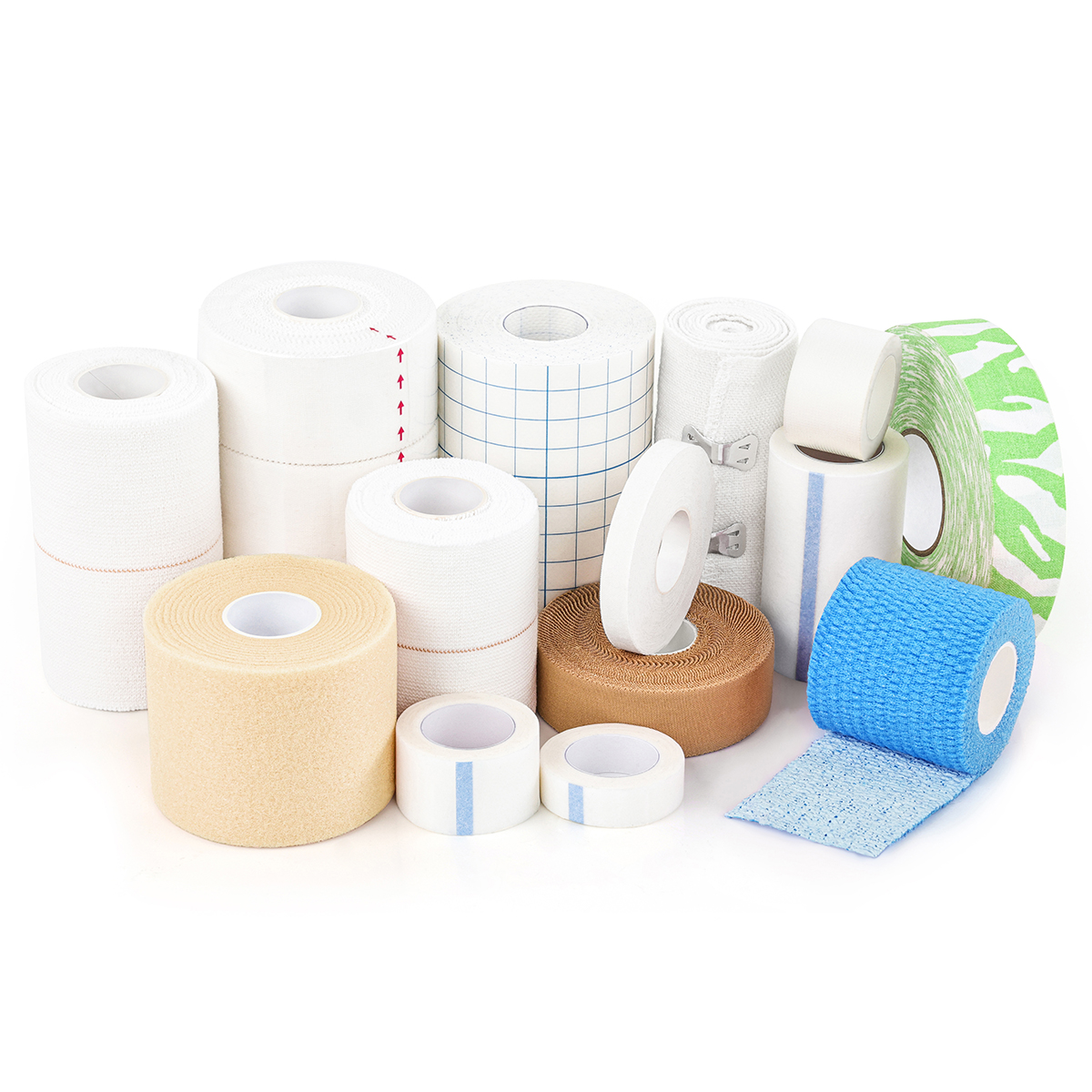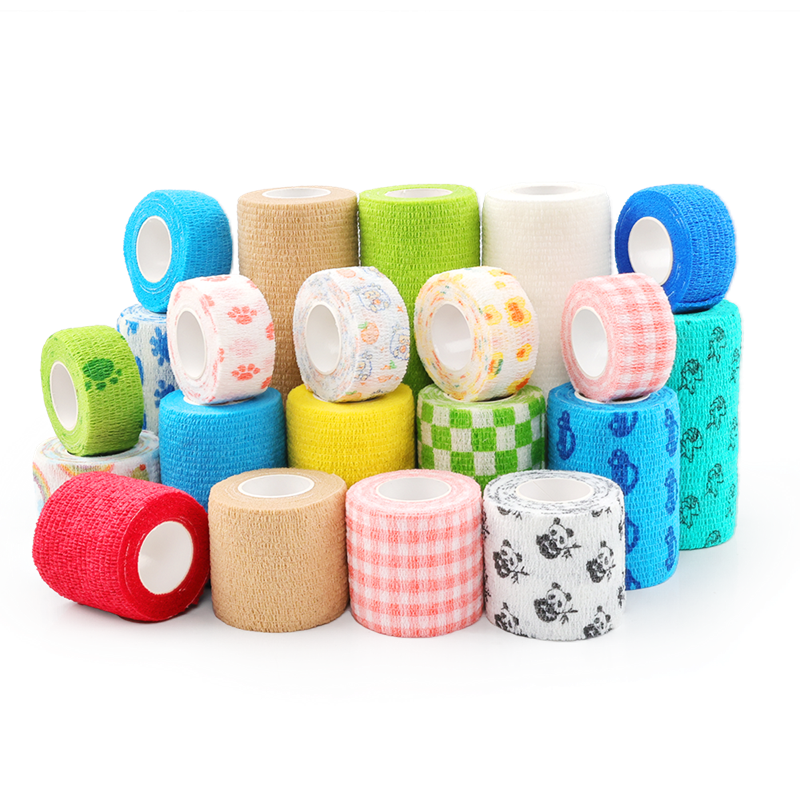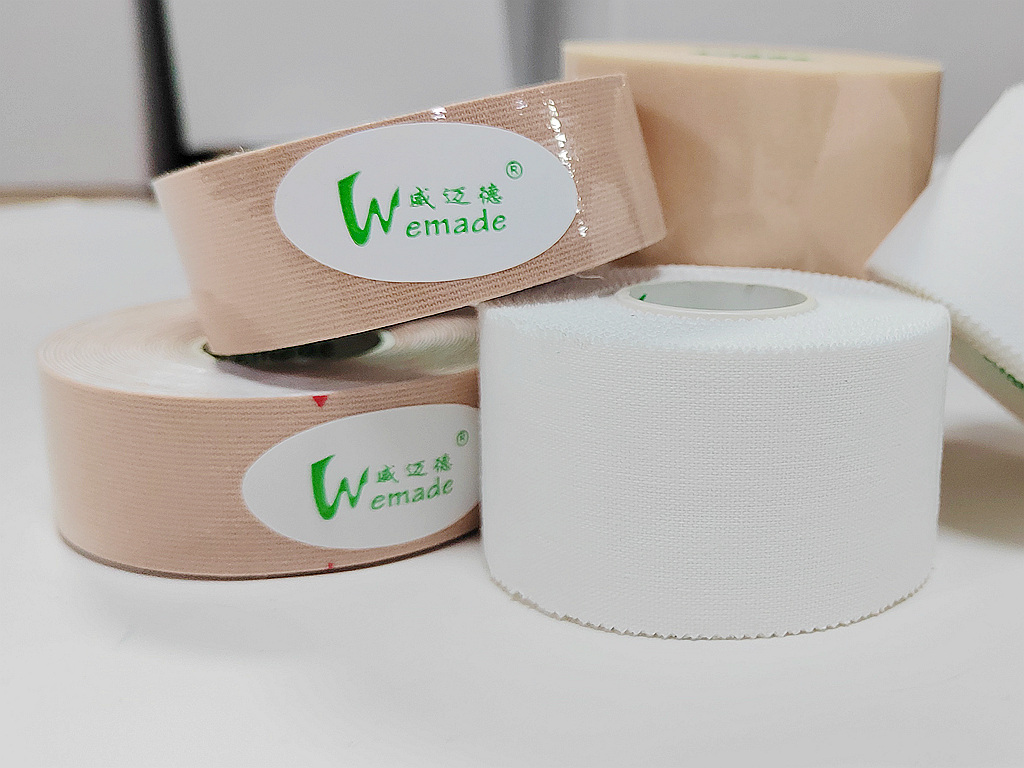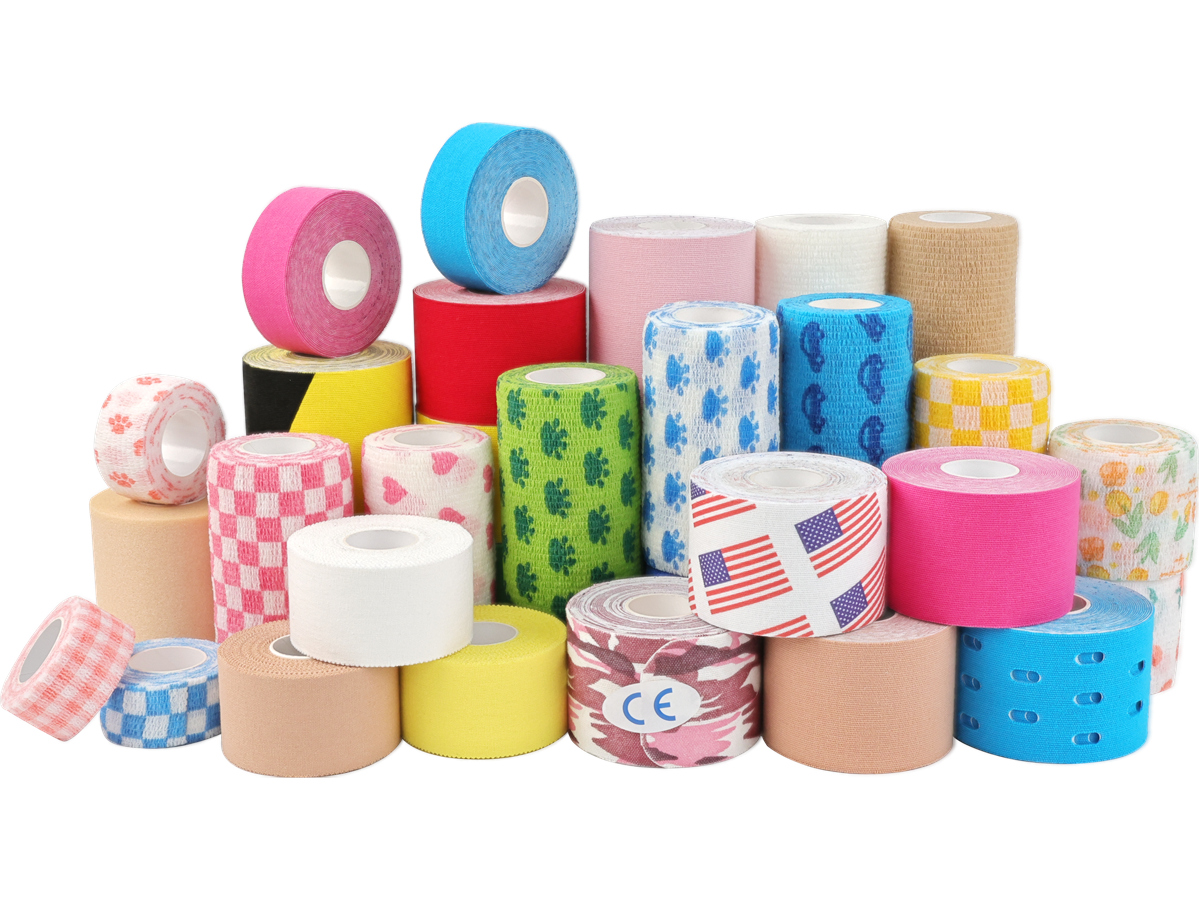
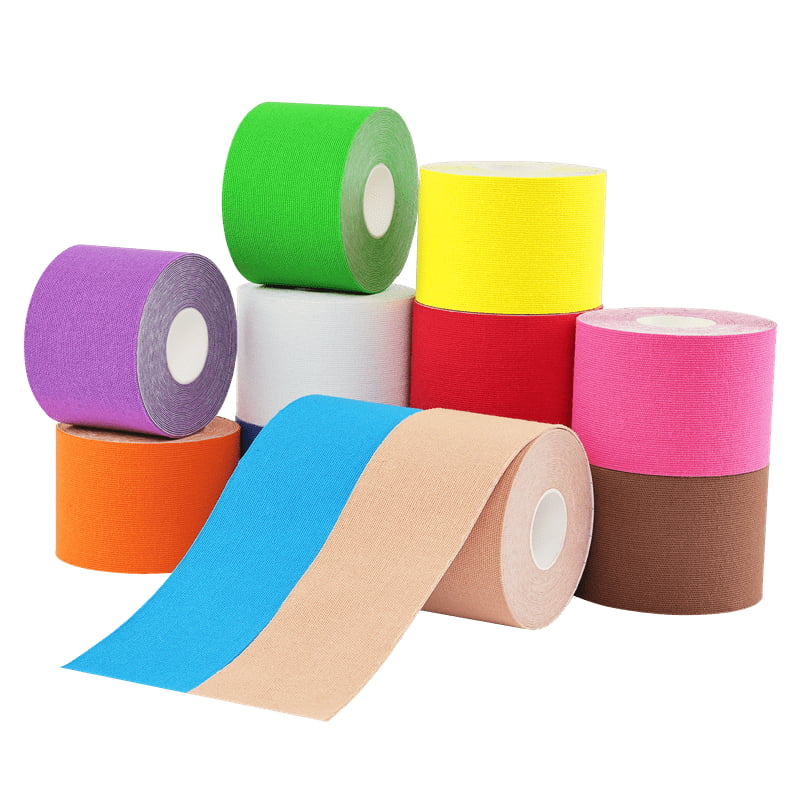
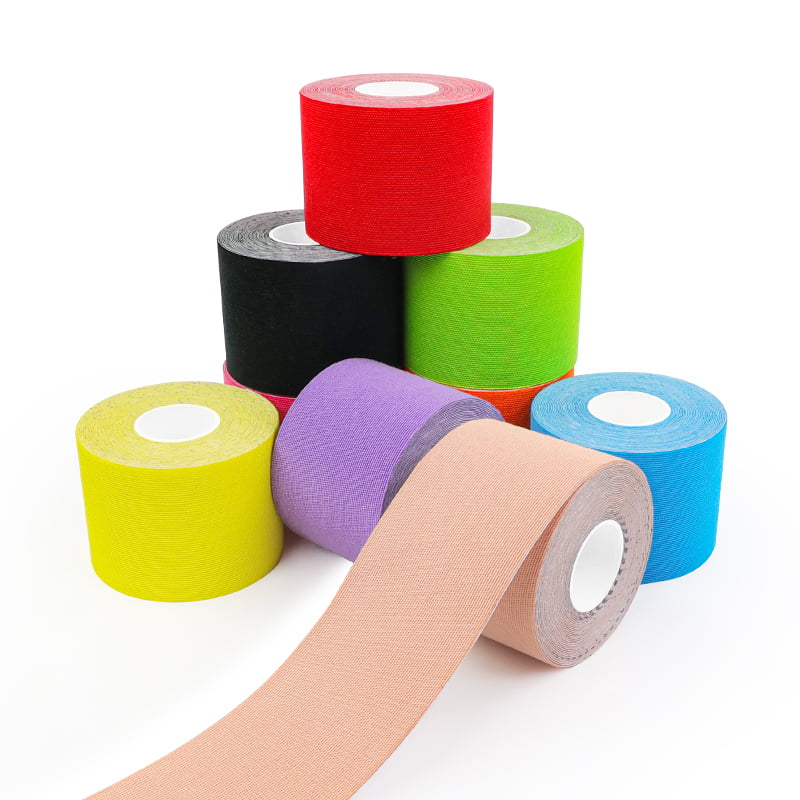
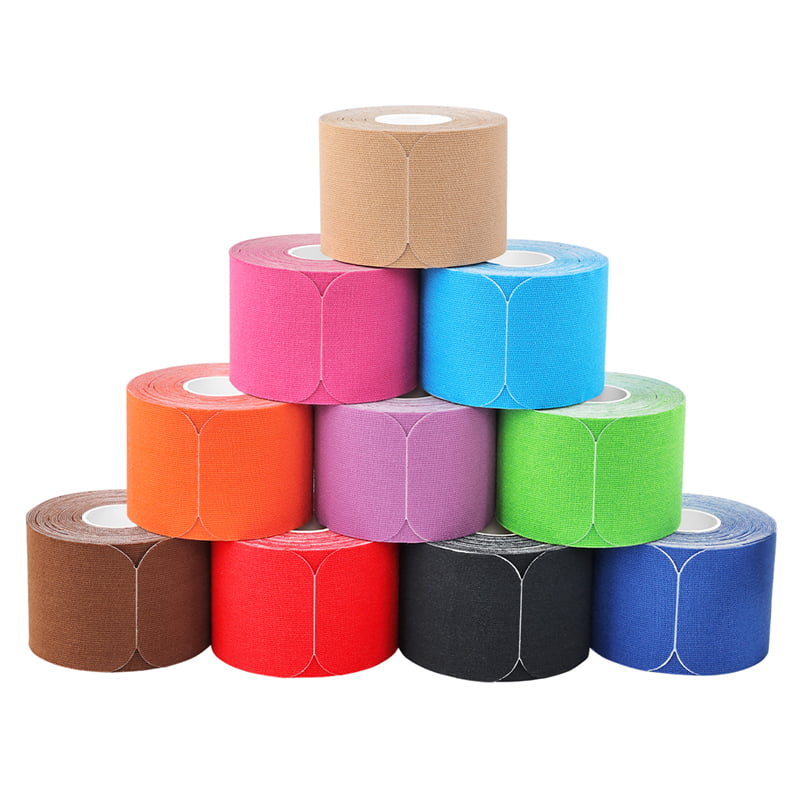
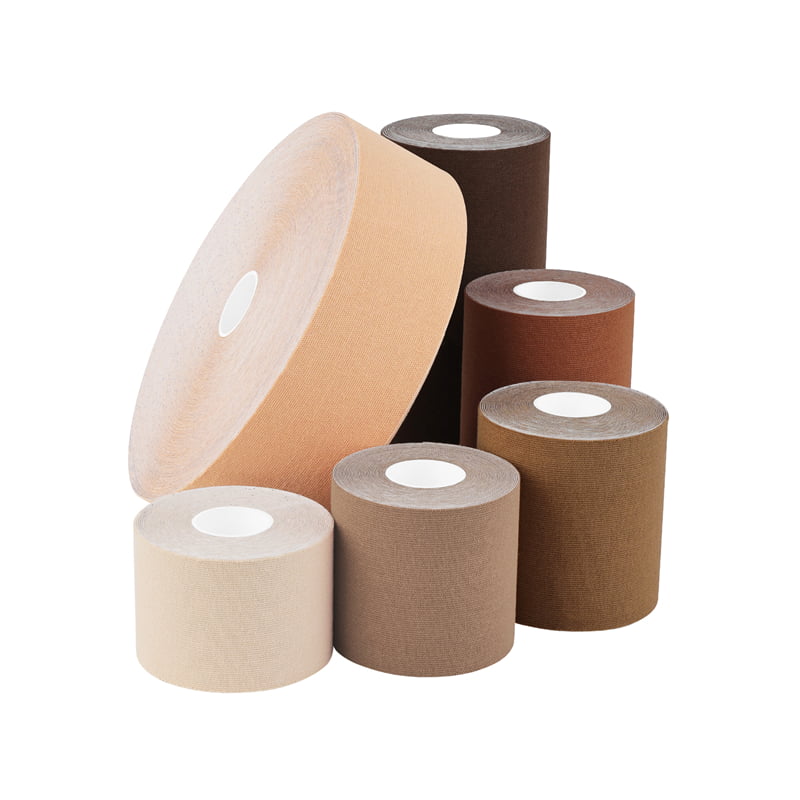
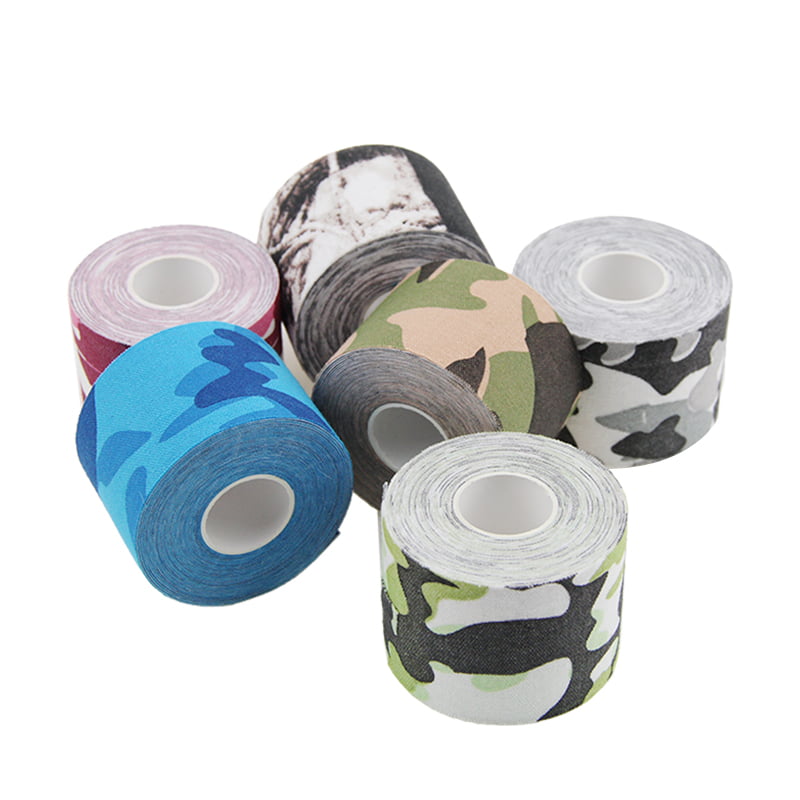
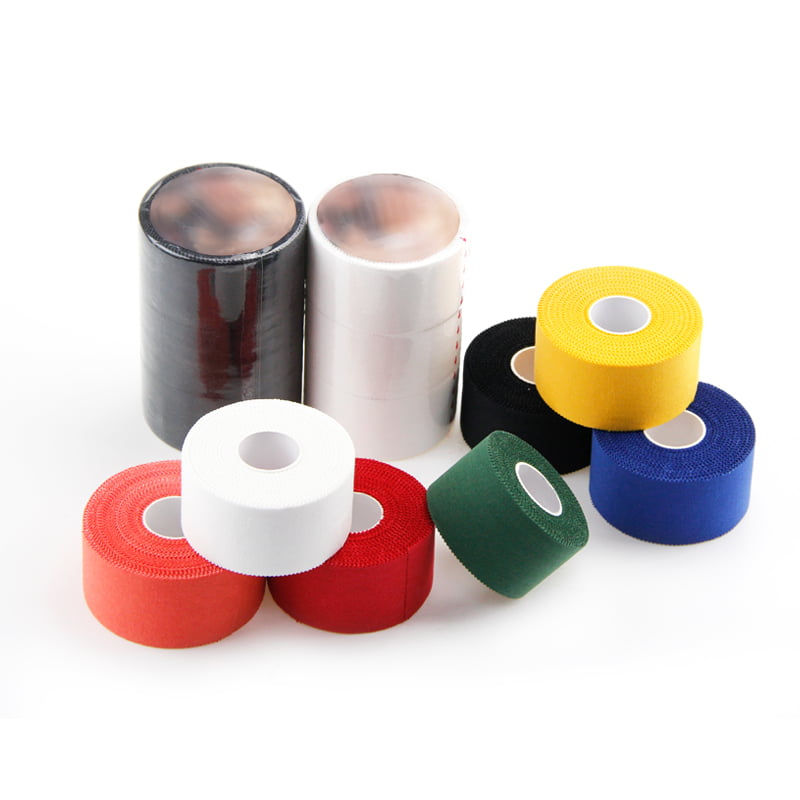
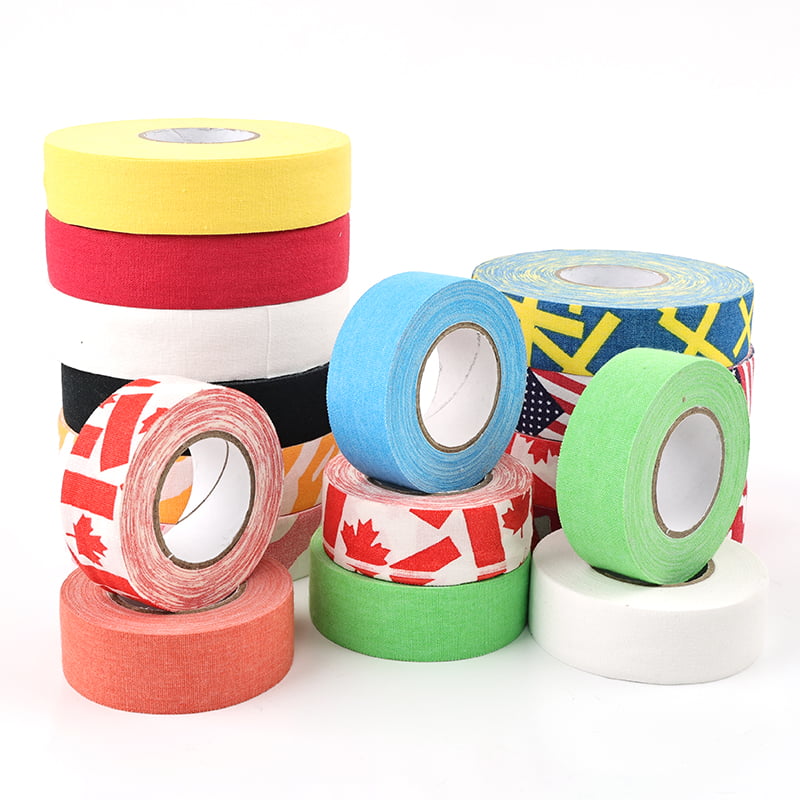
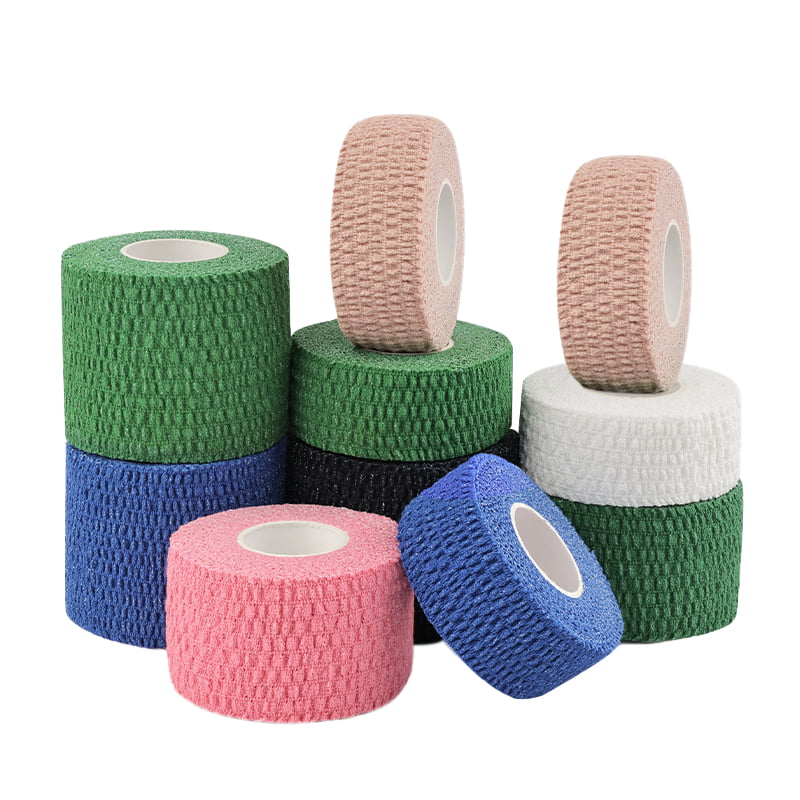
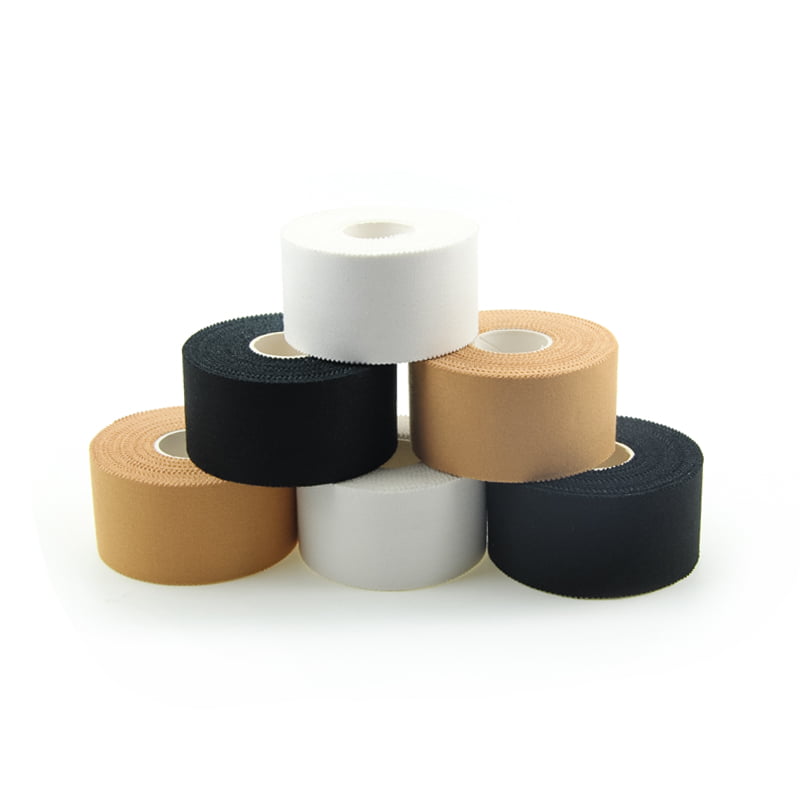
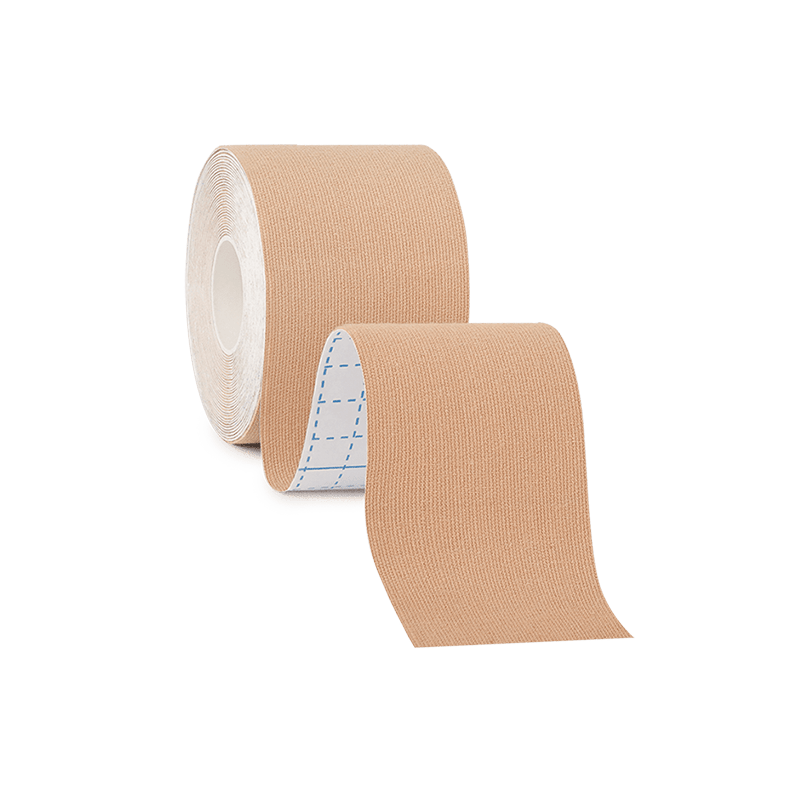
No kinesiology tape is truly waterproof. It is made of fabric, and fabric soaks up water.
So "waterproof kinesiology tape" really means the tape stays stuck through showers and sweat, not that it stays dry. This article is general information, not medical advice.
Why "Waterproof" Kinesiology Tape Isn't Really Waterproof
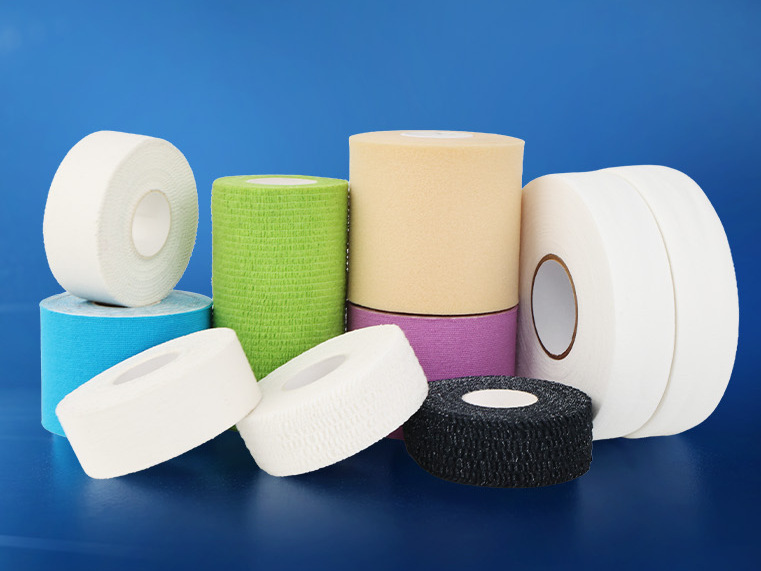
Many people assume a "waterproof" label means water bounces off the tape like rain off a jacket. It doesn't. Kinesiology tape is woven fabric, usually made of cotton, rayon, or synthetic fibers, so it absorbs water and gets damp in the shower. It can't stay dry the way a plastic film would.
What actually stays put is the glue. The label is really describing the adhesive: how well it keeps its grip on skin when moisture and warmth are present. The fabric gets wet either way, and that is fine.
This changes how you should read a product page. A tape that dries off quickly or looks "sealed" is not necessarily better. A tape whose edges stay down after a shower, a workout, or a sweaty afternoon is doing the job the word promises.
It also changes how you read a problem. If your tape starts peeling in the shower, the water is rarely the true culprit. Peeling points to the adhesive letting go, which depends on the glue itself, how evenly it is spread, and how the tape was applied.
Expect damp tape after washing, then judge it by whether it is still firmly attached. Keep that one test in mind, and the marketing wording matters a lot less.
Waterproof vs. Water-Resistant: What's the Difference?
"Waterproof" sounds like a promise of total protection, while "water-resistant" sounds like a modest one. On kinesiology tape, the gap between them is much smaller than the labels suggest. Both words are used loosely, and neither means the fabric stays dry.
Here is what each label usually tells you. "Water-resistant" generally means the tape is designed to withstand sweat, showers, and everyday splashes without coming off. "Waterproof" usually claims the same thing, with a little extra confidence for longer or heavier exposure, such as swimming. In both cases, the tape is woven fabric, so it still soaks up water and feels damp afterward.
No single, agreed test sits behind either word on a roll of tape. One brand's "waterproof" can behave like another brand's "water-resistant".
Why an IPX rating doesn't apply
An IPX rating is a code that indicates how well a sealed device, such as a phone or earbuds, resists water ingress. It measures a case that can be closed up. Tape is an open-weave material stuck to skin, with edges that water can reach, so that kind of rating doesn't apply. If a box shows one, treat it as marketing rather than a measurement.
What to judge by instead
Ignore the wording and watch how long the tape stays bonded. Does it lie flat after a shower? Do the edges stay down after a sweaty workout? That is the real test, because the adhesive is what carries the job. Tape that stays attached and comfortable through water is doing what "waterproof" is supposed to mean, whatever the box says.
Can You Swim or Shower With Kinesiology Tape On?
Picture someone who taped a sore shoulder in the morning and now wants a shower before work. Do they have to cover it in plastic? Usually not.
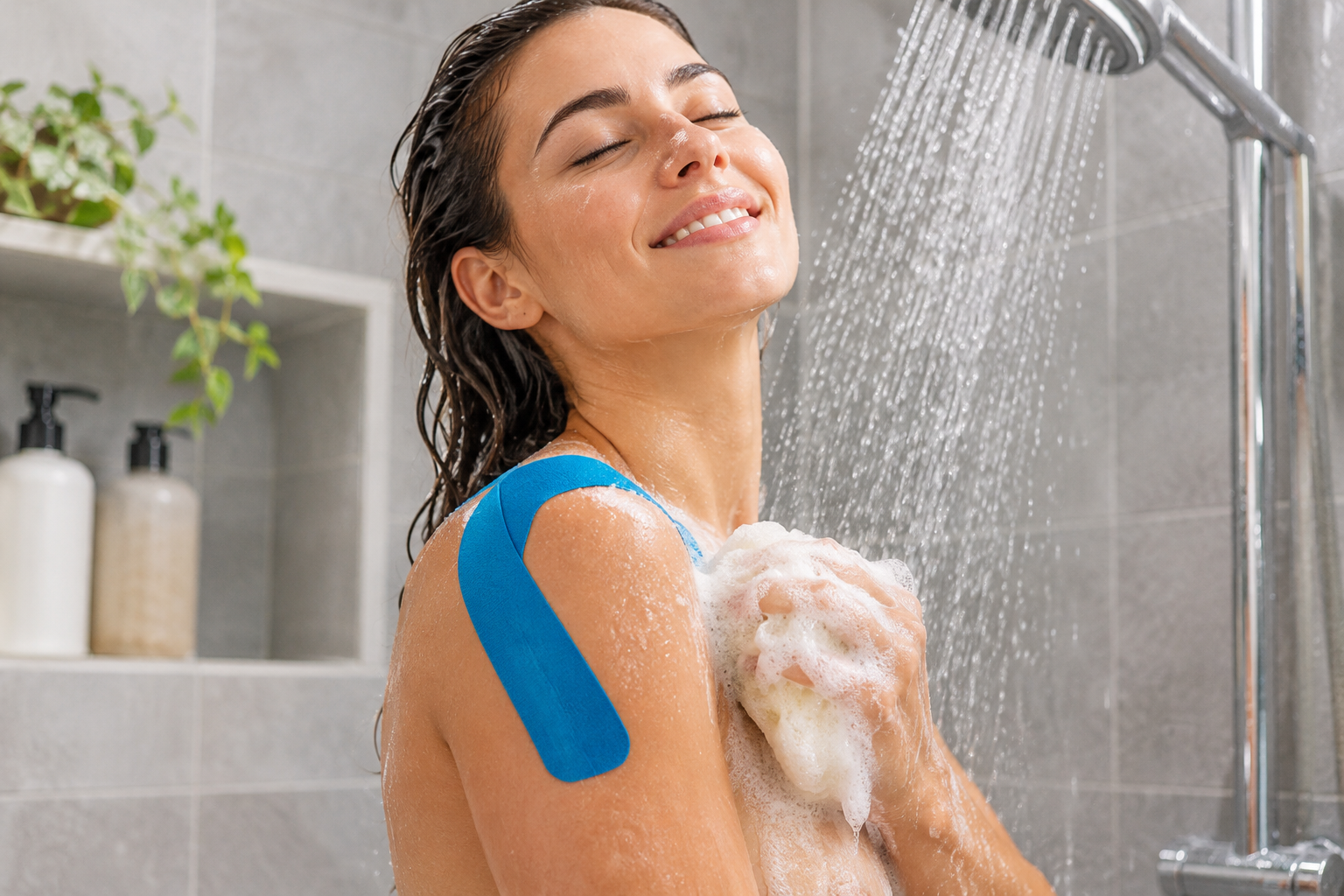
Yes, you can shower with kinesiology tape on. It is made to stay in place through showers and workouts. The fabric will get wet and feel damp afterward, but a well-bonded tape should still hold.
Warm water is rarely a problem. A hot shower or a soak in a hot tub does not usually harm the tape. Dry heat is different. A hair dryer held close, or a very hot, dry environment, can affect the glue, so keep direct dry heat away from it.
Swimming is a tougher test. Soaking for a long time, plus movement, chlorine, or salt, puts more strain on the edges than a few minutes in the shower. Expect the tape to last fewer days if you swim in it, and expect that some edges may lift sooner.
A few habits help in either case:
- Give the tape 30 to 60 minutes to settle on the skin before it gets wet.
- Keep the water pressure gentle and avoid scrubbing over the tape.
- Pat it dry afterward instead of rubbing.
If the edges start curling after a swim, the glue has had enough. Trim the loose corner and replace the tape once it no longer lies flat. This is general information, not medical advice, so ask a healthcare professional if you are unsure whether taping is suitable for your situation.
How Long Can Kinesiology Tape Stay On in Water?
Kinesiology tape is typically worn for 3–5 days, and regular water exposure can shorten that duration. Treat the number as a rough guide, not a promise. Your own skin, sweat, and activity level decide the real result.
Four things move the figure up or down. The first is the adhesive, the glue on the back. Acrylic glue, a common type that grips skin through moisture, usually holds longer than hot-melt glue, which tends to weaken in heat and when wet.
The second is your skin. Oily, hairy, or lotion-soaked skin gives the glue less to grab onto. The third is sweat: a long run in humid weather tests the edges more than a quick shower does.
The fourth is activity. Swimming, with long soaks and constant movement, is usually harder on tape than showering. Tape on a shoulder that rubs against clothing or a bag strap may also lift sooner than tape on a calf.
Water is rarely the whole story. A tape that lasts four days on a desk worker may last two on someone who trains daily and showers twice.
Tip: Don't judge by the calendar alone. Take the tape off when the edges lift and won't lie flat, or when the skin itches, burns, or looks irritated. Pulling off tape early is better than leaving a loose strip on irritated skin.
Some products make longer claims, but a longer claim does not guarantee a longer wear on your body. If you are unsure how long taping suits your situation, ask a healthcare professional.
Why Does Kinesiology Tape Peel in the Shower?
You step out of the shower, and one corner of the tape is curling up. Within a day, the whole strip is loose. It's easy to blame the water, but peeling is nearly always the glue failing, not the water itself.
The tape is fabric, so it was always going to get wet. What matters is whether the adhesive keeps its grip on damp, warm skin. When it doesn't, the edges go first.
Weak adhesive
Some adhesives lose strength under heat and moisture. A hot melt adhesive (a glue that is melted and applied to the fabric while hot) is the usual example. It can start lifting quickly in a warm shower, often beginning at the edges.
Uneven glue coating
If the glue is spread unevenly, some patches grip well, and others barely hold. Weak spots near the edges let water creep underneath. Once water gets under the tape, the lifting spreads.
A thin glue layer
Coating weight is the amount of glue applied to the fabric. A thin layer leaves the skin with less to bond with, so water enters more easily. Even a good adhesive can disappoint when there isn't enough of it.
Roll-to-roll differences
Quality control matters too. When production isn't consistent, one roll may hold for days while the next lets go in the first shower. If one roll keeps peeling while an earlier one didn't, the roll itself may be the cause, not your technique.
Note: Skin that is oily, damp, or freshly moisturized can also make good tape lift early. Your skin preparation counts as much as the glue.
If the tape lifts and the skin underneath feels itchy, hot, or sore, take it off. Persistent irritation is a reason to ask a healthcare professional, not to try another roll.
What Really Decides Waterproof Performance: Adhesive, Coating and Fabric
Think of two rolls that look identical on the shelf. One stays put through a week of showers, and the other curls at the corners on day one. The difference comes down to three things: the type of adhesive, how much of it is spread and how evenly it is spread, and how consistently the tape is made.
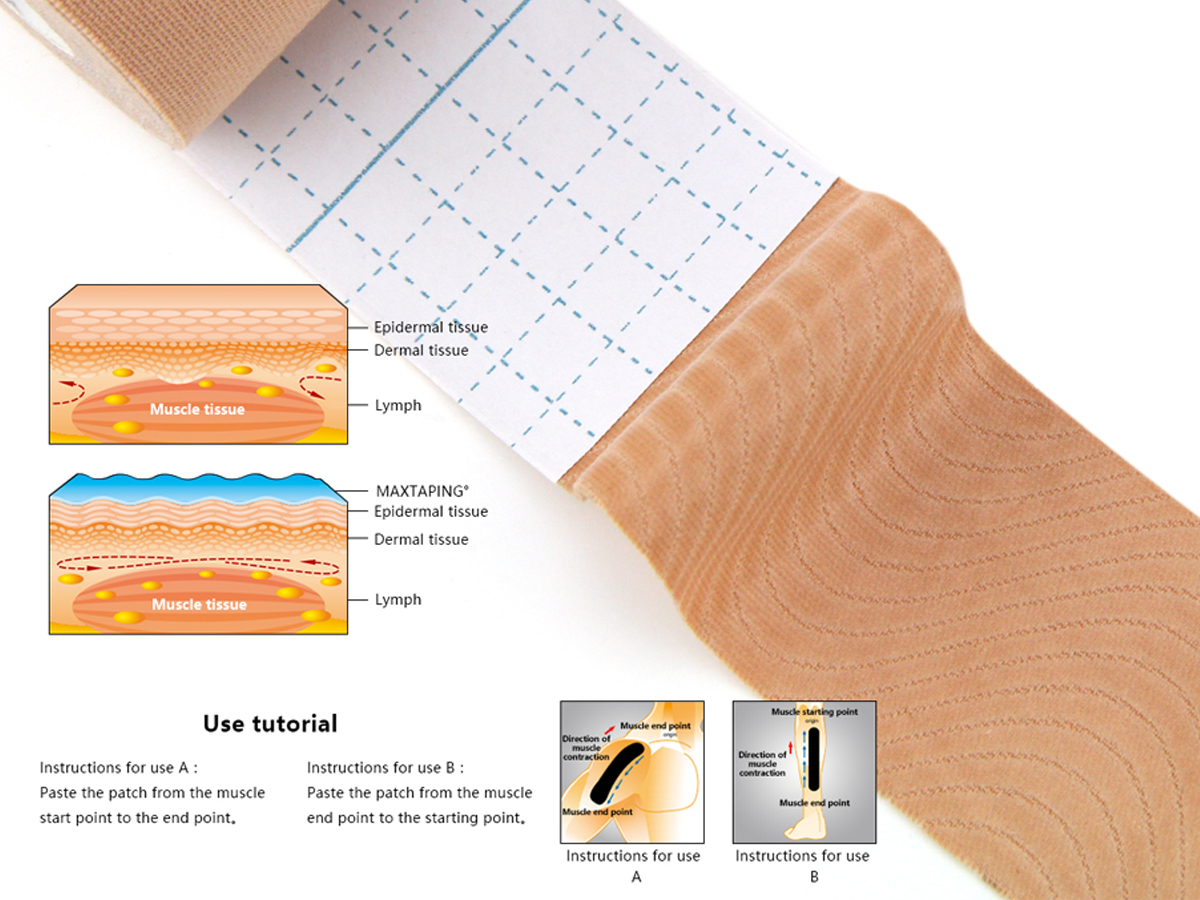
Start with the glue. Acrylic adhesive is a synthetic, pressure-sensitive glue that adheres to skin without requiring heat to remain bonded. It generally handles moisture better than hot-melt glue, which tends to soften when it gets warm and wet. Acrylic formulas still vary, so the label alone doesn't tell you how a given roll will behave.
Next is coating weight, which simply refers to how much glue is applied to each patch of fabric. Too thin, and water finds its way in at the edges. Too uneven, and some spots grip while others let go. Consistency matters as well, because a well-made roll is no use if the next one from the same brand is coated differently.
Then there is the fabric. A cotton-spandex weave (cotton threads with stretchy elastic fiber) soaks up water and dries more slowly than a synthetic fabric. Damp tape isn't a failure, but a long-wet edge has more time to loosen.
There's a trade-off, too. Stronger grip can irritate sensitive skin, especially when the tape stays on for days.
So which to favor? If you sweat heavily or swim, put edge hold and even coating first, and consider a synthetic fabric that dries faster. If your skin reacts easily, a gentler adhesive that wears for fewer days is the better bet.
Adhesive Types Compared at a Glance
Acrylic adhesives generally hold up to moisture better than hot melt adhesive, which tends to weaken under heat and wet. Within acrylic, quality still varies, so the table below shows general tendencies rather than guarantees.
|
Adhesive type |
Handling of water |
Skin comfort |
Typical wear time |
|
Higher-grade acrylic |
Usually holds well through showers and sweat |
Varies; stronger grip can irritate sensitive skin |
Often toward the longer end of 3–5 days |
|
Standard acrylic |
Moderate; edges may lift sooner |
Generally good |
Often shorter, sometimes 1–3 days |
|
Hot melt |
Tends to weaken with heat and moisture |
Often less comfortable |
Frequently under a day when wet |
The takeaway: for tape you expect to get wet, acrylic is the safer starting point, and hot melt is a poor fit.
Read the table as a guide, not a ranking. Coating thickness, how evenly the glue is spread, and your own skin all shift the result. Two acrylic tapes can behave quite differently on the same arm.
Product labels rarely name the adhesive, so a short patch test and a trial wear tell you more than the box does.
How Do You Make Kinesiology Tape Stick Better in Water?
Good grip in water comes down to a few habits, done in order. Follow these steps, and the glue has the best chance of holding.
Skin Preparation and Application
- Clean the area with plain water or a mild wash, and remove any lotion or oil.
- Let the skin dry completely, and trim long hair if needed.
- Round the corners of the tape with scissors so they are less likely to catch and lift.
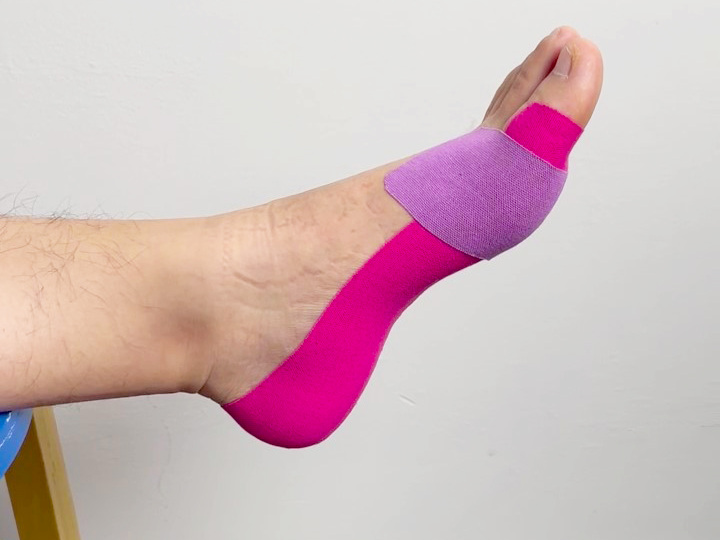
- Apply the tape with light, even stretch, and leave the last bit of each end unstretched.
- Rub the tape firmly with your palm to warm it and press the glue into the skin.
- Wait 30–60 minutes before the first shower so the adhesive can settle.
Skipping the wait is a common reason tape lifts early.
Drying Without Pulling It Off
Pat the tape dry with a towel instead of rubbing it. Rubbing catches the edges and peels them back.
Synthetic physio tape tends to dry faster than cotton muscle tape, so it may suit you better if you shower or sweat often. If a corner lifts anyway, trim it rather than tugging at it. These steps help, but they cannot rescue weak glue.
Common Myths About Waterproof Kinesiology Tape
Which beliefs about waterproof tape are worth dropping? Four come up again and again, and each one leads to wasted tape or false expectations.
Myth: "Waterproof" means the tape stays dry. Reality: the tape is fabric, so it soaks up water. The label really describes glue that keeps gripping while the tape is damp.
Myth: It will last a week no matter what. Reality: most tape lasts about 3–5 days, but sweat, skin type, and activity can shorten that duration. Treat any promise of a full week with caution.
Myth: Peeling means you applied it wrong. Reality: sloppy preparation can cause it, but weak or unevenly spread glue is a common culprit too. Careful application helps without rescuing a poor roll.
Myth: Stronger glue is always better. Reality: A tighter grip can irritate sensitive skin and hurt more when removed. Choose the strength that suits your skin and activity level.
One more point deserves honesty. Research has yet to show any lasting benefit from kinesiology tape, according to Cleveland Clinic, so don't rely on it to solve ongoing pain. If pain persists, see a healthcare professional.
How to Choose a Waterproof Kinesiology Tape
Rule of thumb: match the glue to your day. Heavy sweat or swimming calls for strong, evenly coated acrylic adhesive. Sensitive skin calls for a gentler one. Four checks help you decide.
Adhesive type. Look for acrylic rather than hot-melt, since hot-melt tends to weaken under heat and wet conditions.
Edge hold. Even coating matters most at the corners, where water creeps in. Round the corners with scissors before you apply.
Drying speed. Synthetic fabric usually dries faster than a cotton-spandex weave, which suits frequent showers.
Skin comfort. Stronger grip can irritate sensitive skin, so more stick is not automatically better.
Tip: Patch test first. Stick a small piece on your inner forearm for a day, then check for redness or itching before taping a joint.
Rule of thumb, restated: choose the gentlest tape that still stays put through your normal routine. If you have a skin condition or an injury, check with a healthcare professional before using it. This is general information, not medical advice.
FAQ
Is waterproof kinesiology tape really waterproof?
No. The tape is fabric, so it gets damp, but a good adhesive can stay bonded through showers and sweat.
Can I wear it in a hot tub or sauna?
Usually yes for hot water, which tends not to harm the tape. Dry heat, such as a sauna or a heating pad, can affect the glue.
What should I do if an edge lifts?
Trim the loose edge with scissors. Avoid pulling off the rest, since that can lift the part that still holds.
When should I take it off?
Remove it if it itches, burns, or irritates your skin, and once the usual wear time has passed. This is general information, not medical advice.