Every horse owner knows the heart-sinking feeling of finding their horse "three-legged lame" in the paddock. More often than not, the culprit is a hoof abscess. While painful, a quick and clean poultice is the key to recovery.
However, the biggest challenge isn't just drawing out the infection—it’s keeping the bandage on! In the muddy fields of the UK or the dry, dusty paddocks of the USA, a standard equine medical tape just won't cut it. You need a non-slip horse bandage that stays secure until the job is done.
Step 1: Identify and Clean
Before reaching for your roll of equine medical tape, confirm it’s an abscess. Look for heat in the hoof or a strong digital pulse. Once identified, clean the hoof thoroughly with a stiff brush and water.
Step 2: Soak and Poultice
To "ripen" the abscess, soak the hoof in warm water with Epsom salts for 15 minutes. Apply a medicated poultice pad directly over the suspected exit point (usually the sole or the coronary band).
Step 3: How to Wrap a Horse Hoof Abscess Securely
This is where most owners struggle. To ensure the treatment stays in place, follow this professional wrapping technique:
The Cushion: Place a thick layer of padding (like cotton wool) over the poultice.
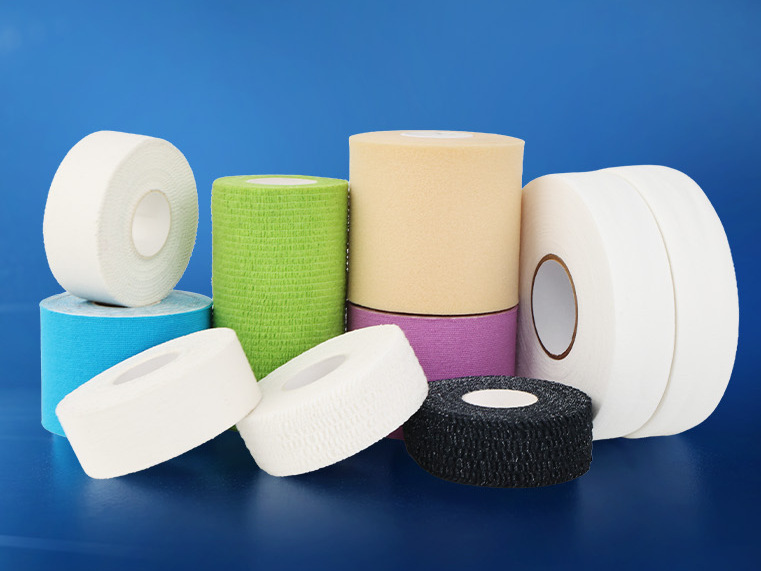
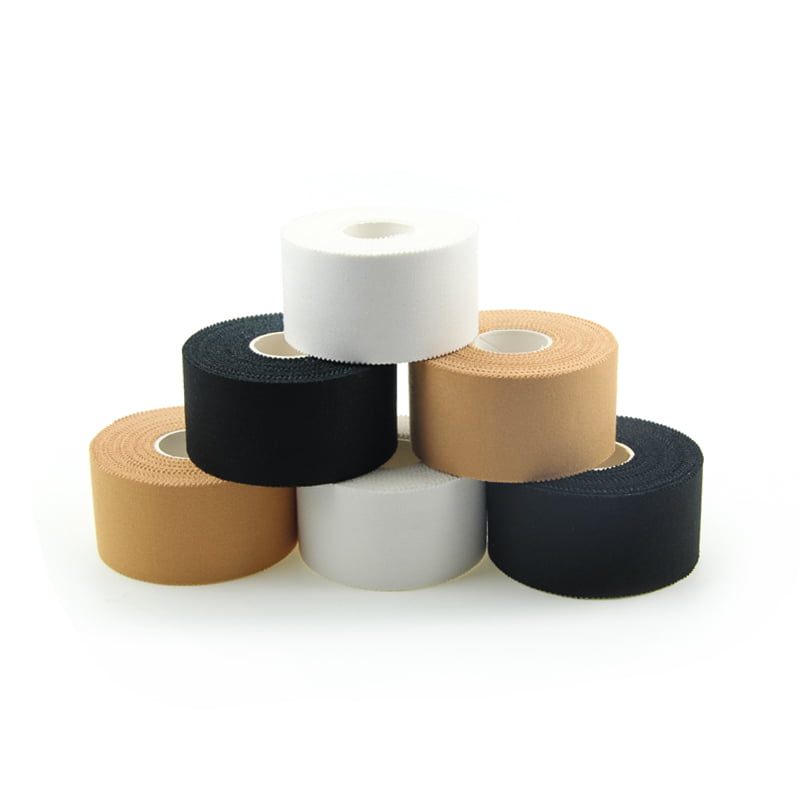
The Primary Wrap: Use equine medical tape (10cm/4" width is ideal) to secure the padding.
The "Figure-Eight": Wrap in a figure-eight pattern around the hoof and bulb of the heel.
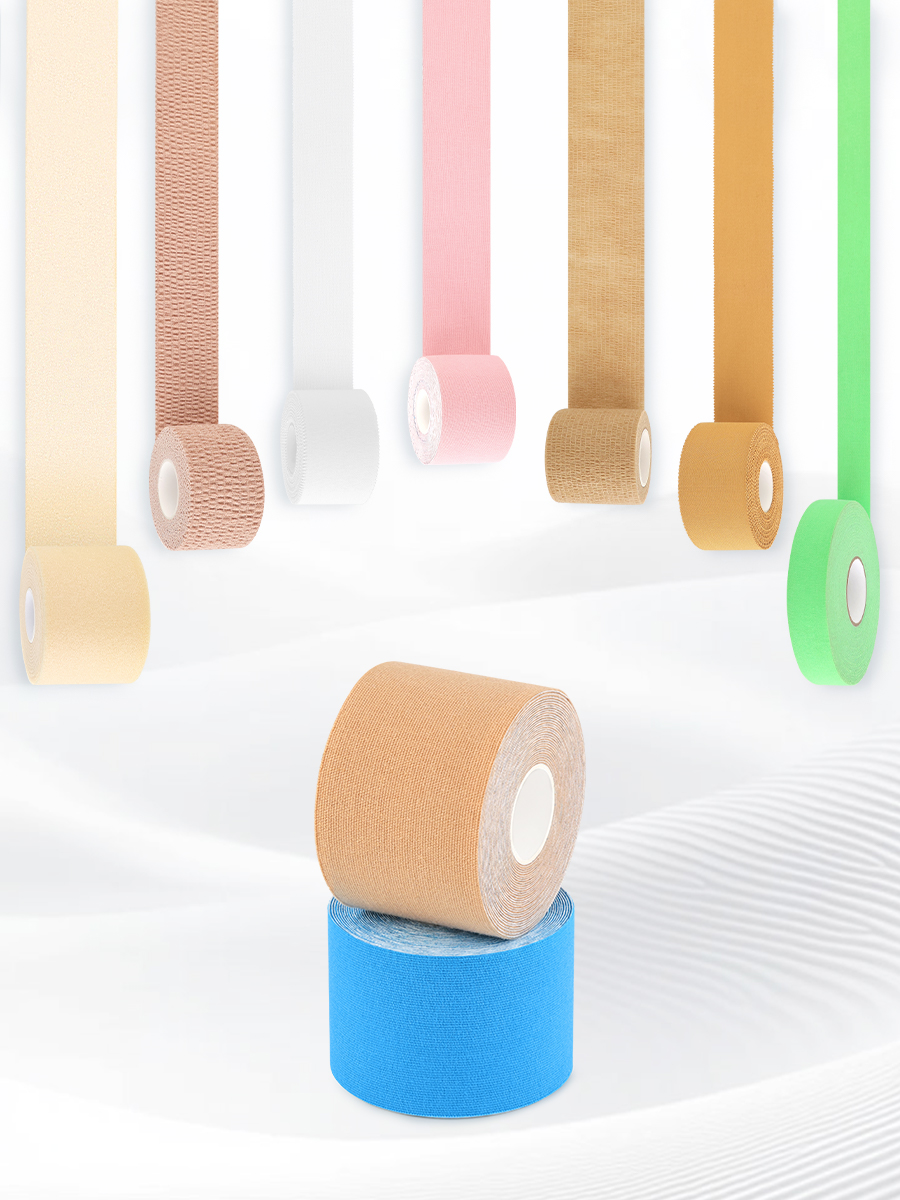
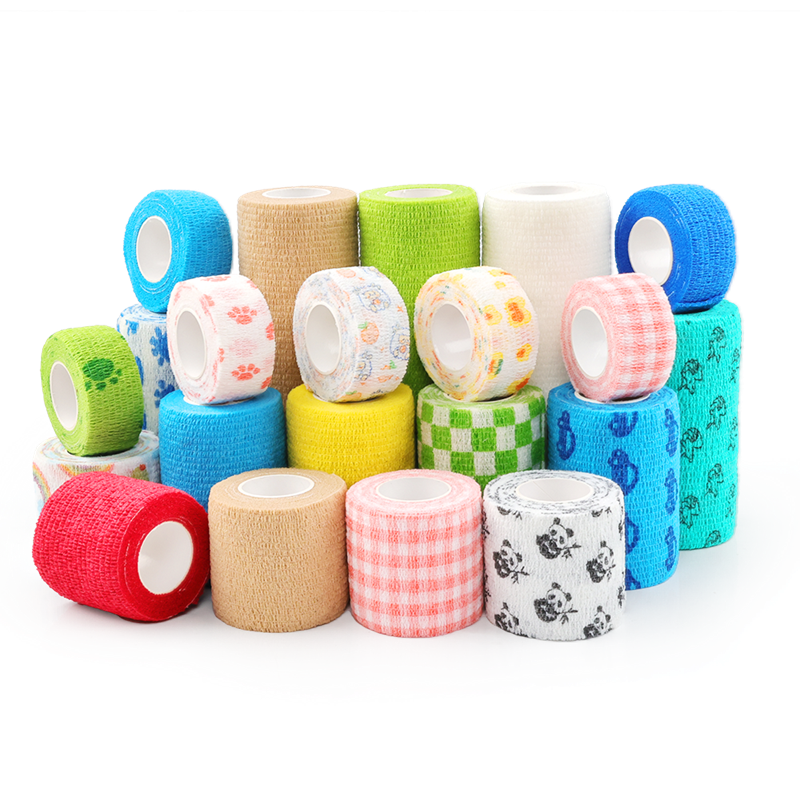
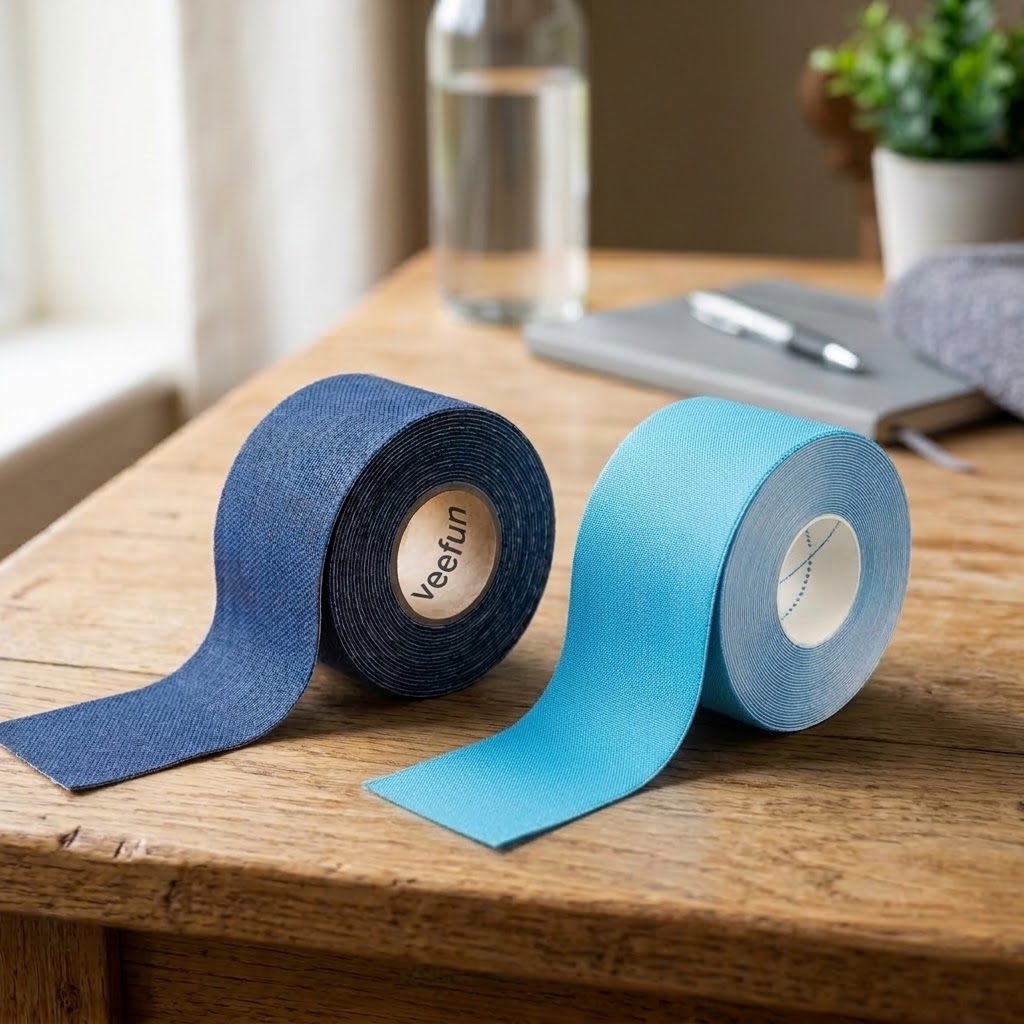
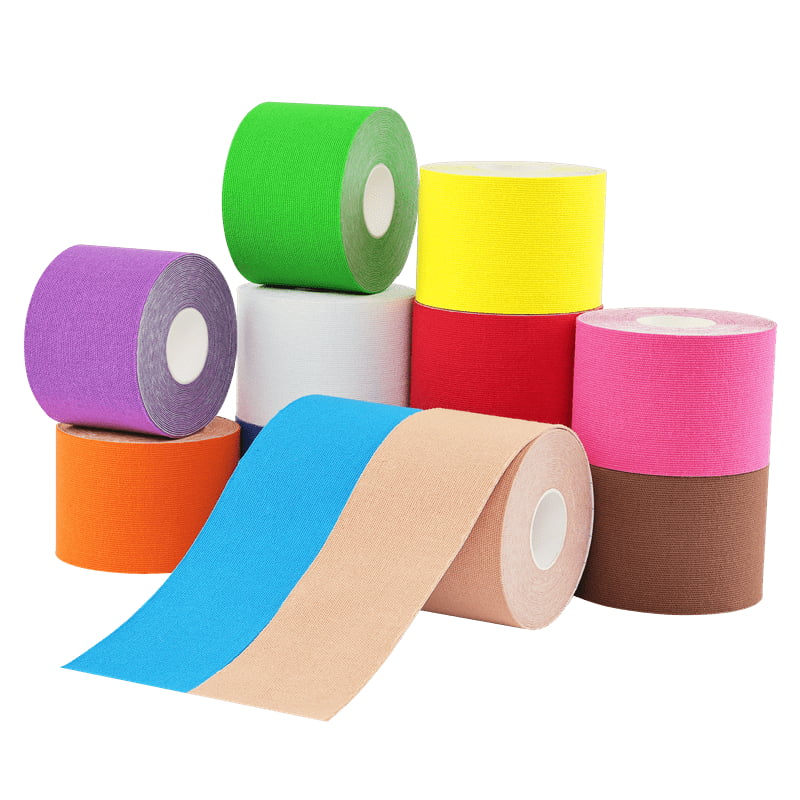
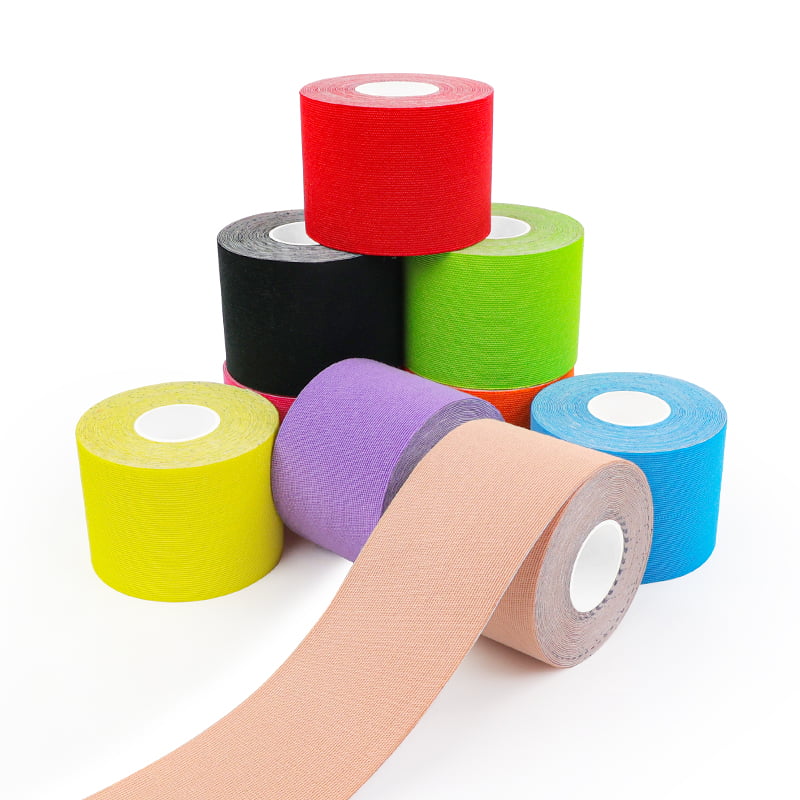
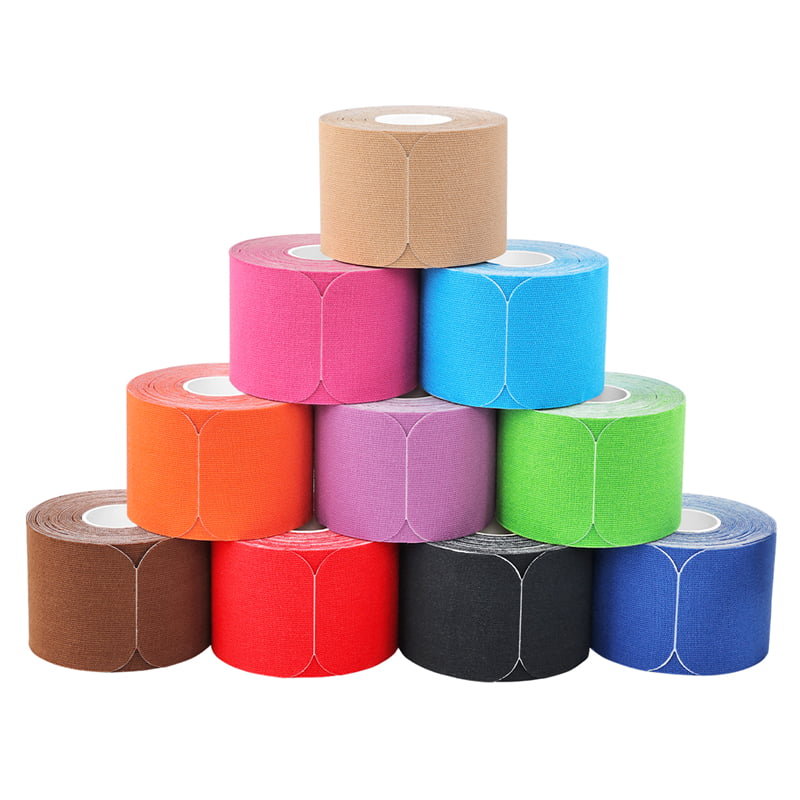
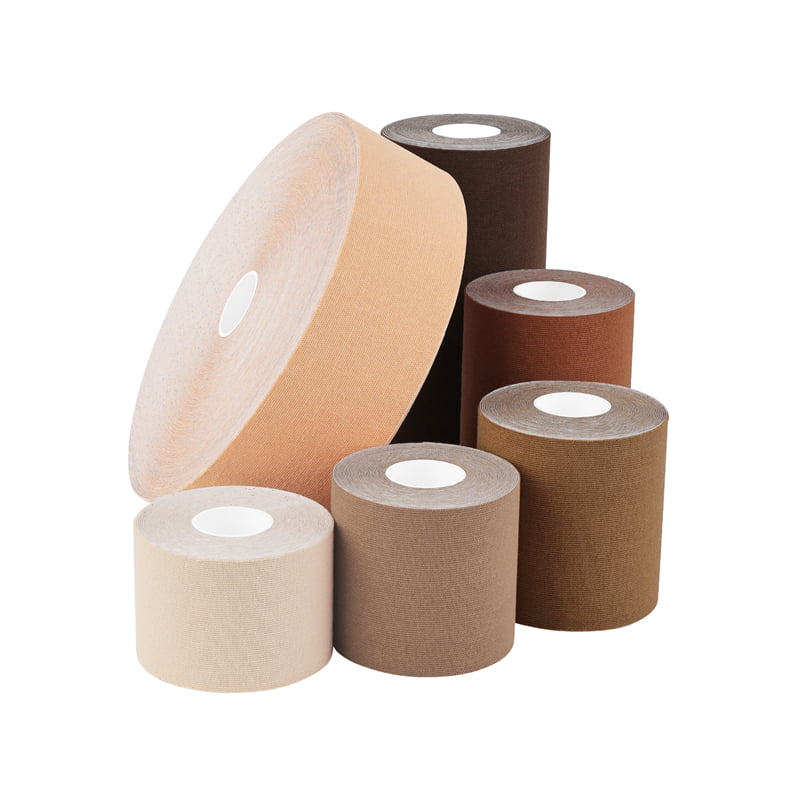
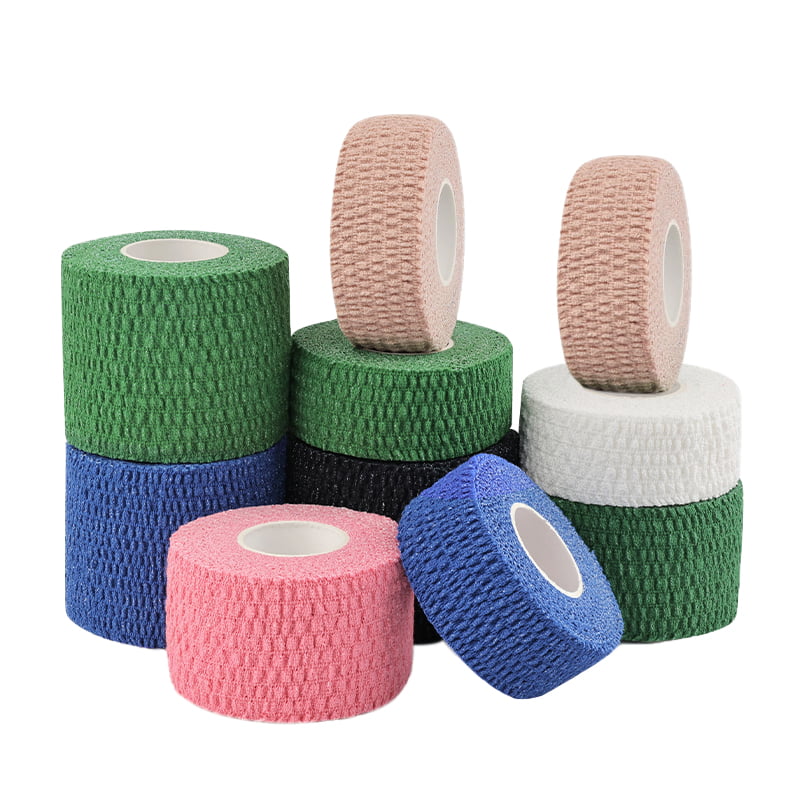
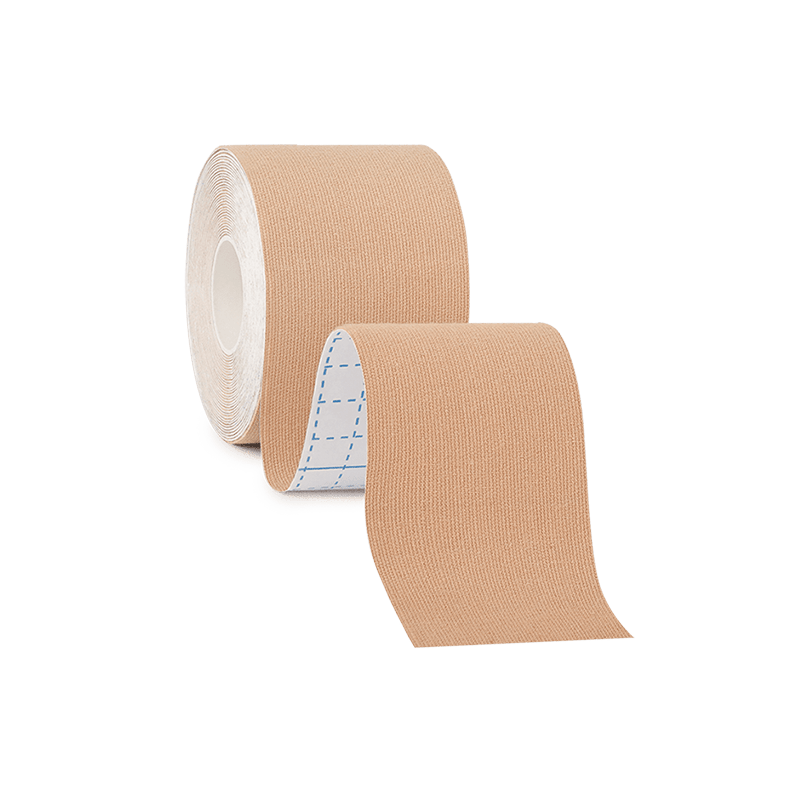
The Non-Slip Edge: Because Veefun cohesive bandages stick only to themselves and not to the hoof wall or hair, they provide a reliable, non-slip horse bandage seal that won't shift when the horse moves.
Pro Tip: For horses with sensitive skin or handlers with allergies, always opt for Latex-free equine medical tape. It provides the same high-compression support without the risk of irritation.
Step 4: Beyond the Abscess – Daily Support
While equine medical tape is a lifesaver for hoof injuries, its utility doesn't stop there. Professional trainers use the same 10cm wrap for horse leg support during training. Its 180%–220% stretch capacity provides the perfect balance of protection and flexibility for tendons during strenuous exercise.
Why Quality Matters for Stables and Clinics
Managing a large horse farm means you can't afford to run out of essentials. Whether you are looking for Horse care products in the USA, specialized Equine supplies in the UK, or seeking Wholesale equine medical tape in Australia, reliability is non-negotiable.
For professional managers, buying Bulk horse bandages for stables is the most cost-effective way to ensure every horse has access to medical-grade care. Veefun’s range of 10cm x 4.5m cohesive bandage is CE, ISO, REACH, UKCA, BSCI, MDR (DOC), and FDA-certified, ensuring they meet the global standards required by veterinary clinics worldwide.
Summary: Your Equine First Aid Kit Essential
A hoof abscess doesn't have to be a disaster. With the right technique and a roll of high-quality equine medical tape, you can have your horse back on its feet in no time.
What is the best vet wrap for horses?
A high-quality cohesive bandage is the best vet wrap for horses because it:
- Strong self-adhesion (sticks to itself, not hair)
- Elasticity and compression that stay the same
- Material that lets air flow through it to keep moisture from building up
- Consistent performance while in motion
When it comes to caring for horses, vet wrap is often judged on how well it sticks, how stretchy it is, and how long it lasts, especially for wound care and leg support.
👉 Tip: Always use padding underneath to keep from getting pressure points.
How long does Vet Wrap stay on a horse?
Most of the time, a vet wrap for horses is only used for 12 to 24 hours before it needs to be changed.
Light use: 24 hours at most
Active conditions: usually 12 hours or less
Medical situations: change every day or as needed
Vet wrap isn't meant to be used for a long time without being replaced, since it can get dirty or loose over time.
👉 Always look for swelling, slipping, or wetness.
Is it okay for Vet Wrap to get wet?
Yes, most horse vet wraps can handle water, but not all of it.
- It can handle sweat or a little bit of water.
- Heavy exposure to water may make things less sticky.
- To keep things clean, wet wraps should be changed.
High-quality wraps are made to stay grippy even when it's humid, but they may still lose some of their grip over time.
Is 10cm vet wrap better for horses?
Yes, a 10 cm (4 in) vet wrap is usually the best size for horses because
- It covers big limbs better.
- Makes the pressure more evenly spread out
- Less time spent wrapping
- Makes things more stable
For big animals like horses, it is best to use wider wraps (4–6 inches) to bandage them properly.
Does equine medical tape stick to hair?
No. A good equine medical tape is:
- Only sticks to itself
- It doesn't stick to hair or skin.
- Comes off easily without pulling
One of the main reasons vet wrap is so popular in horse care is that it sticks to itself. Looking to restock your stable?
👉 [Explore our Bulk Latex-Free Vet Wrap Options – Worldwide Shipping Available]