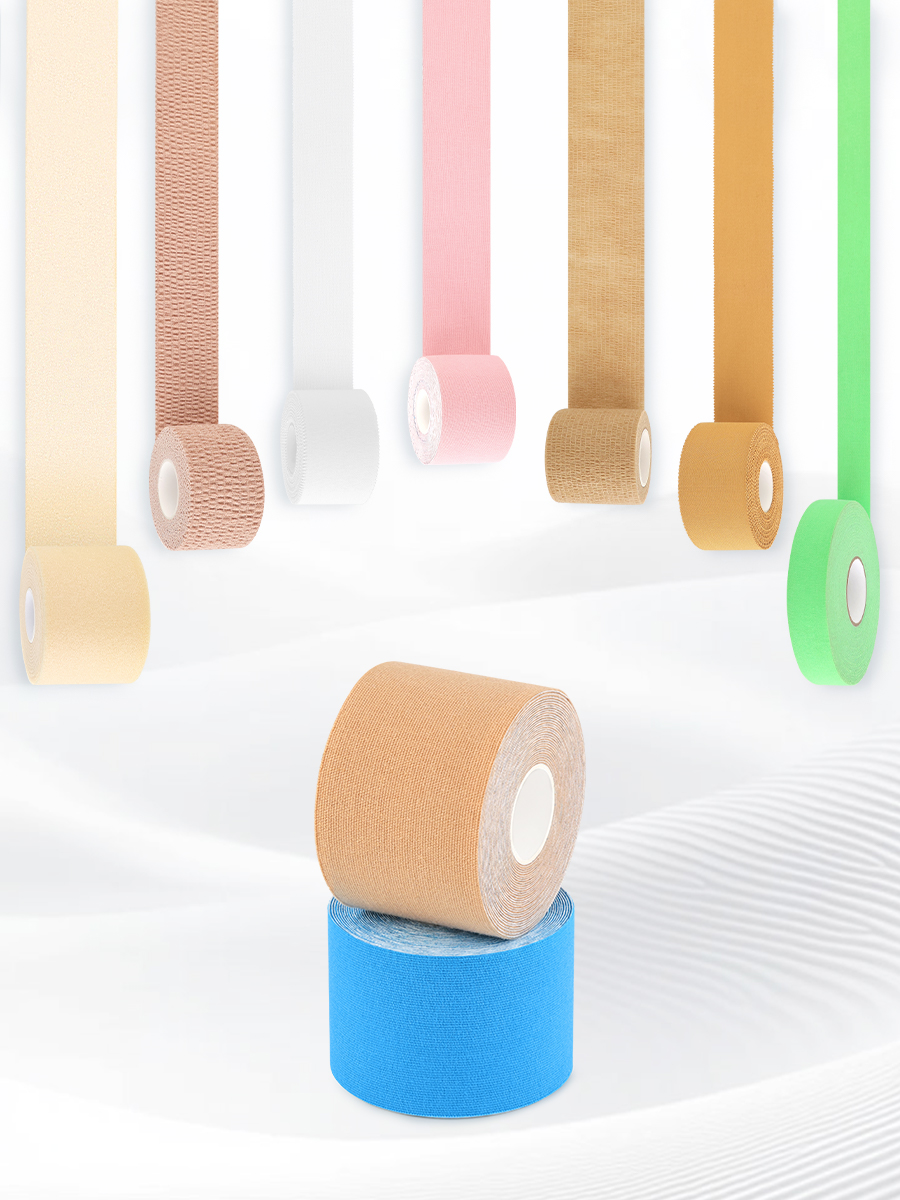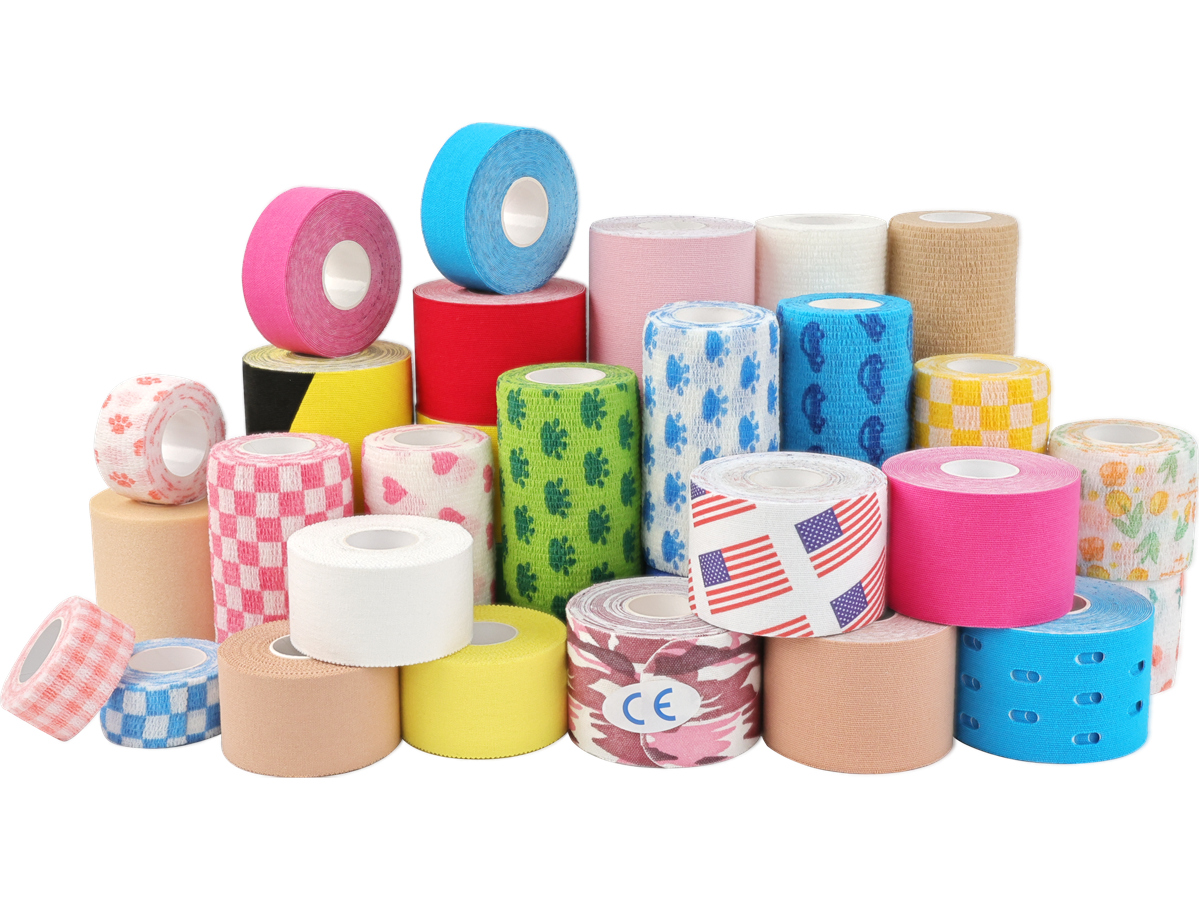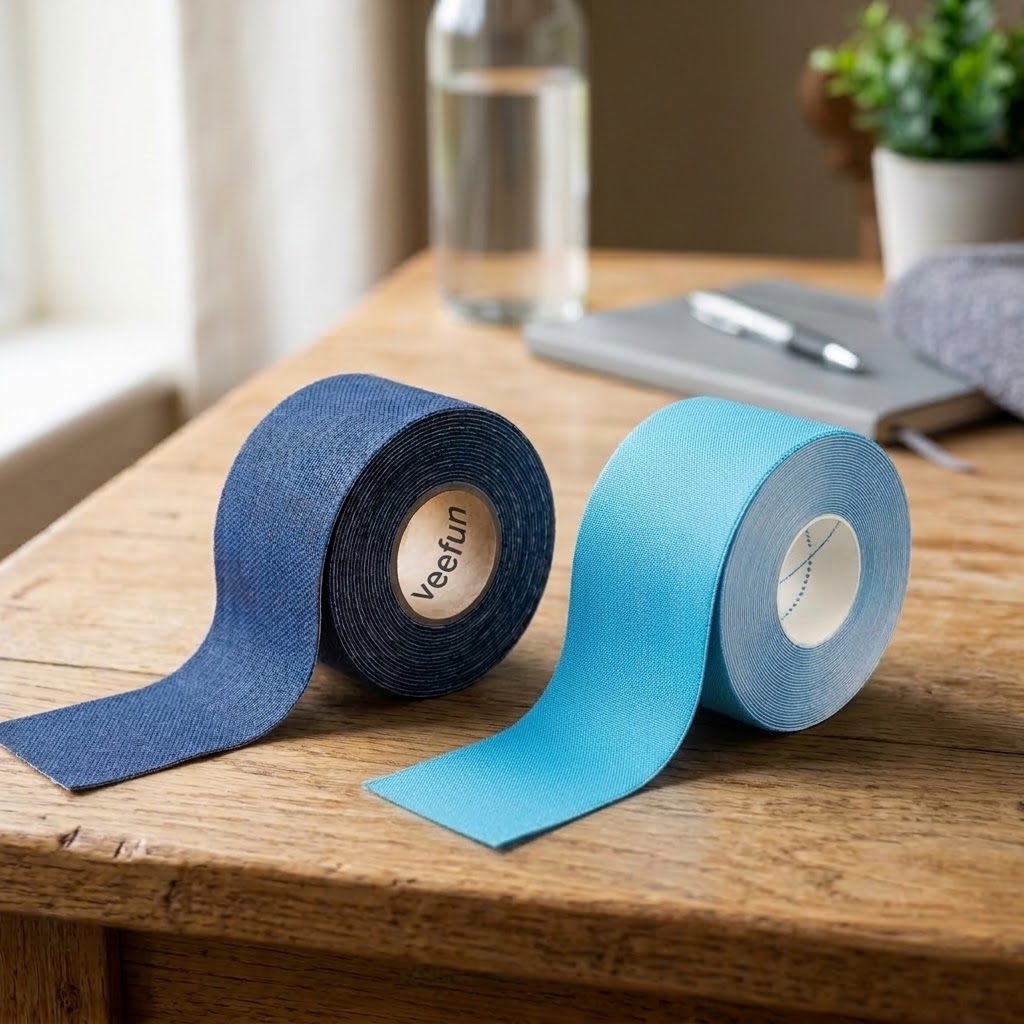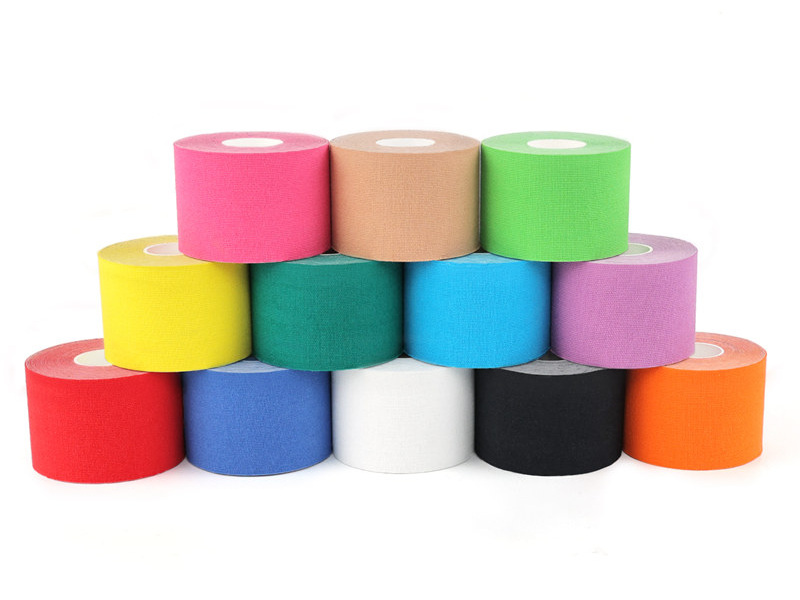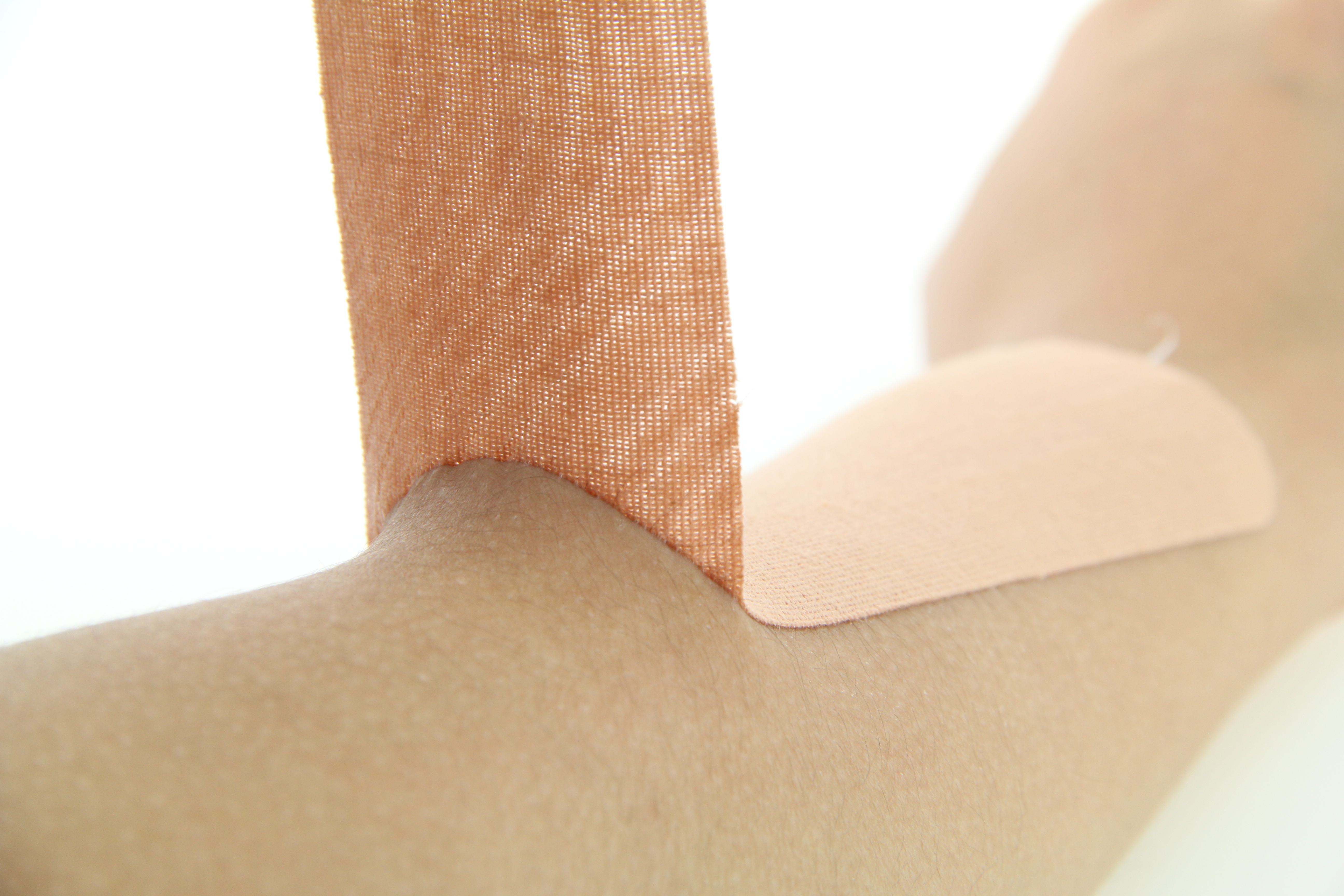
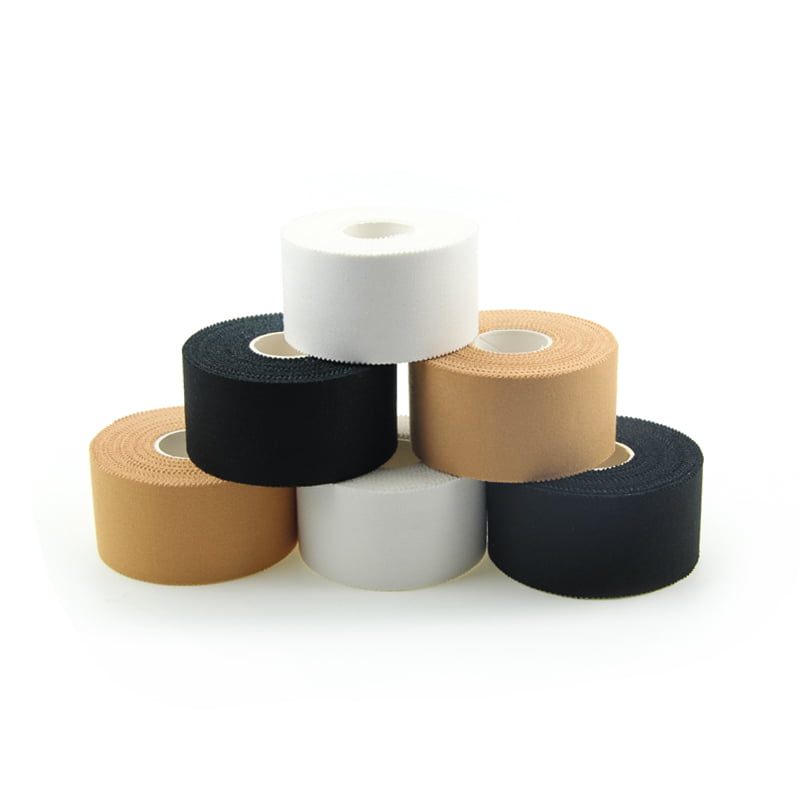
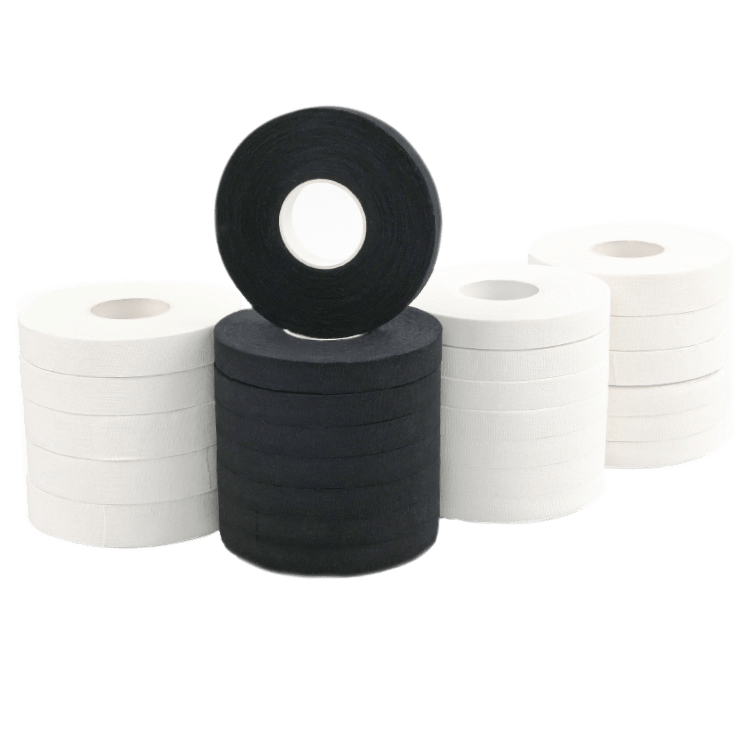
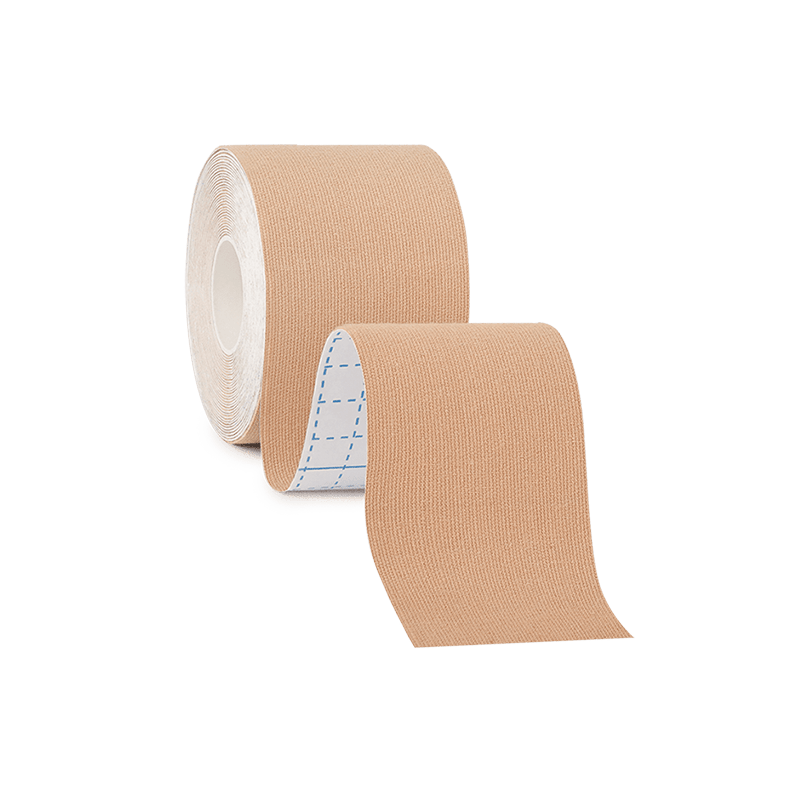
Choosing the right gear is important for peak performance, whether you want the best football tape for ankle support or to avoid turf burn. Knowing how to use and mix these professional tools can help you avoid injuries that end your season. For example, you can use zinc oxide tape to keep your joints stable or elastic kinesiology tape to help your muscles recover. This ultimate guide explains the most important uses of football athletic tape, cohesive bandages, and pre-wrap so you can stay safe and confident "on the pitch."
Your ankles, knees, and fingers are always in danger when you play football or soccer. Using the right football tape is a must for preventing injuries, whether you're a Sunday league legend or a competitive academy player.
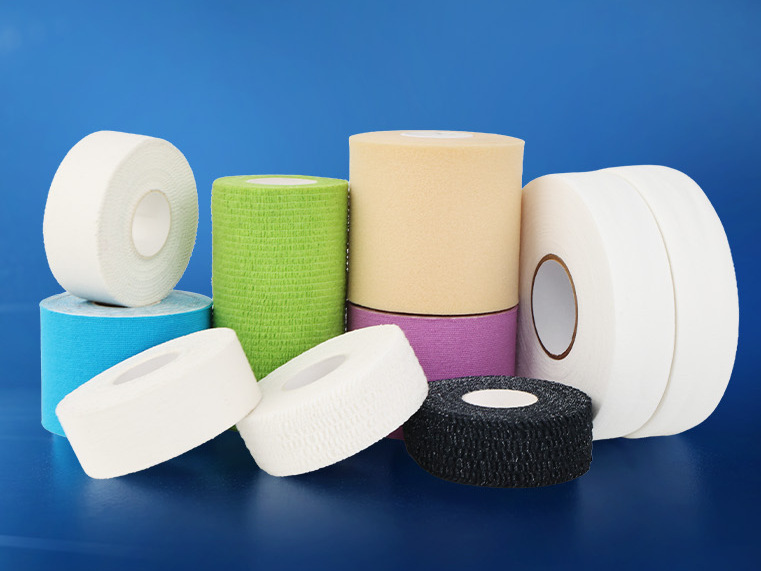
There are many athletic tape options, such as zinc oxide tape, rigid athletic tape, kinesiology tape (KT-Tape), football turf tape, and cohesive bandages. How do you know which one to use? This guide explains the science behind soccer's most important football tape and how to use it "on the pitch."
1. Zinc Oxide Tape: The "Internal Boot" for Ankle Support
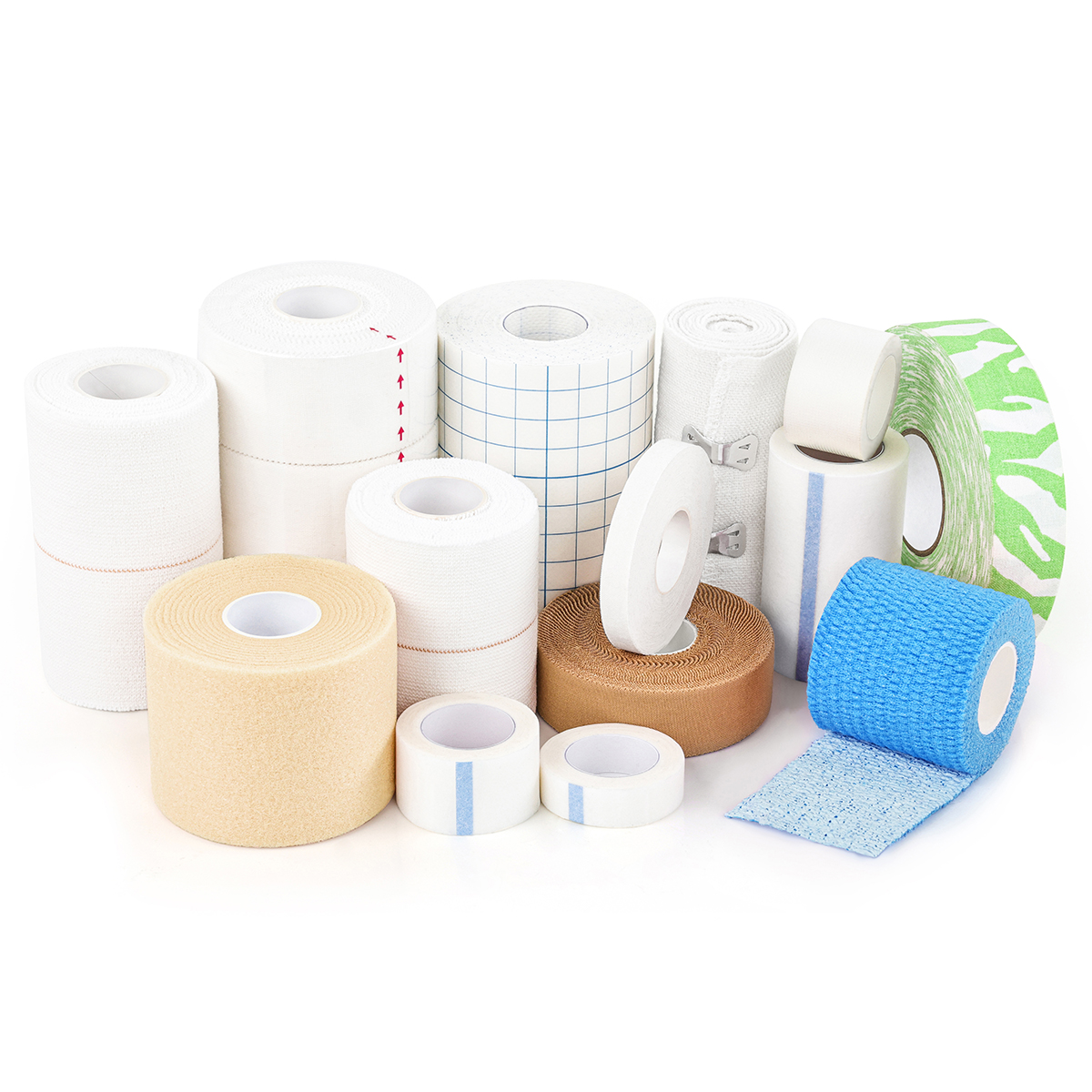
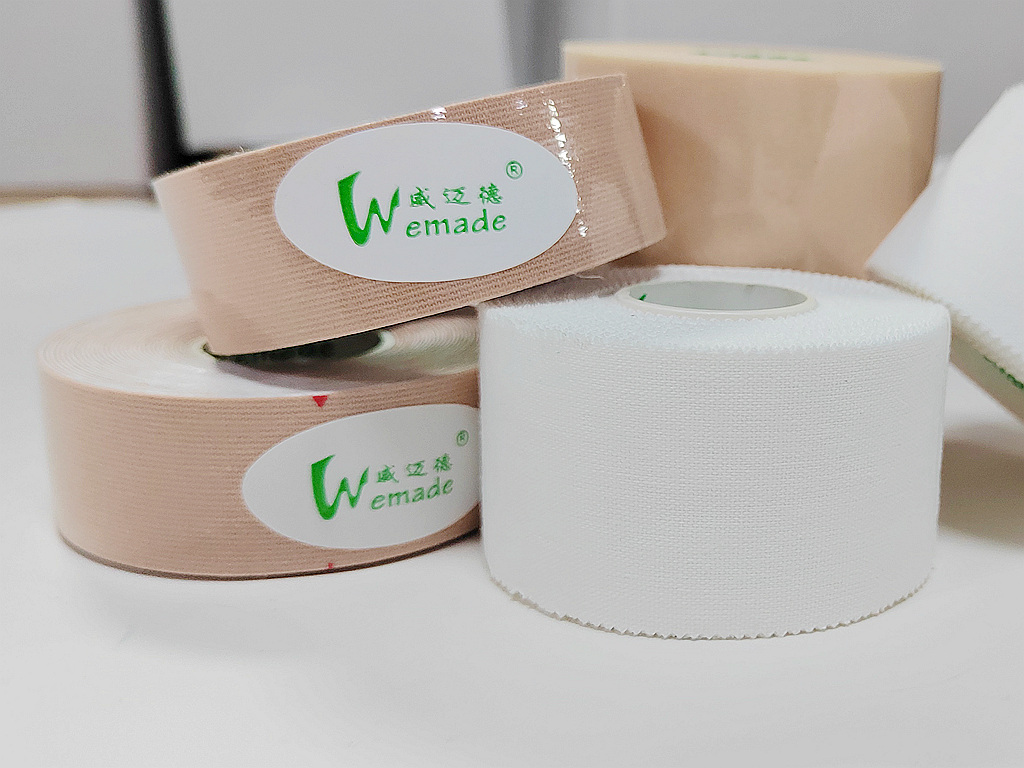
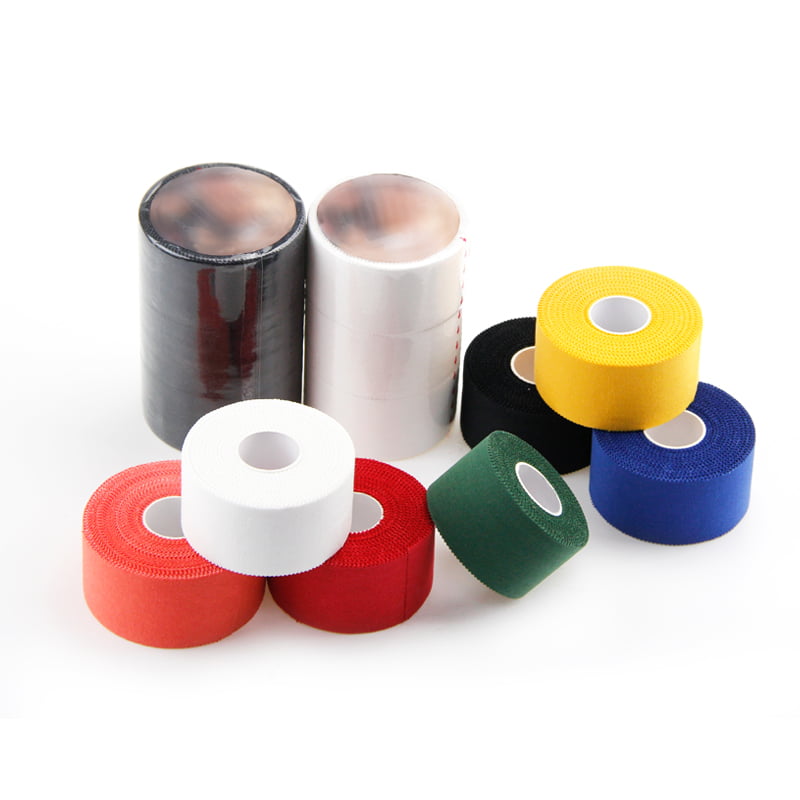
Zinc oxide tape is the most widely used football tape. It is a stiff, non-stretchy tape made of cotton. Its main job in soccer and football is to keep a joint from moving in a way that could hurt it.
Best for: It can prevent ankle and wrist sprains when playing football, maintain "turf toe" stability, and alleviate long-term joint instability. Therefore, it is also called wrist tape or ankle tape.
Use: It works like a cast for your Joints. It is very important for football players who have torn their ligaments in grades 1 or 2.
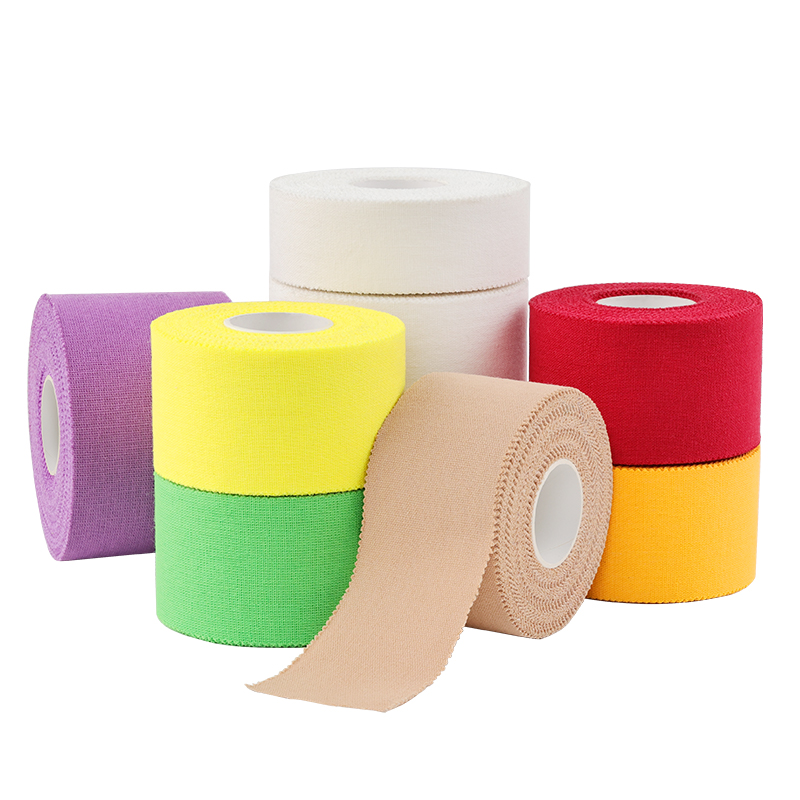
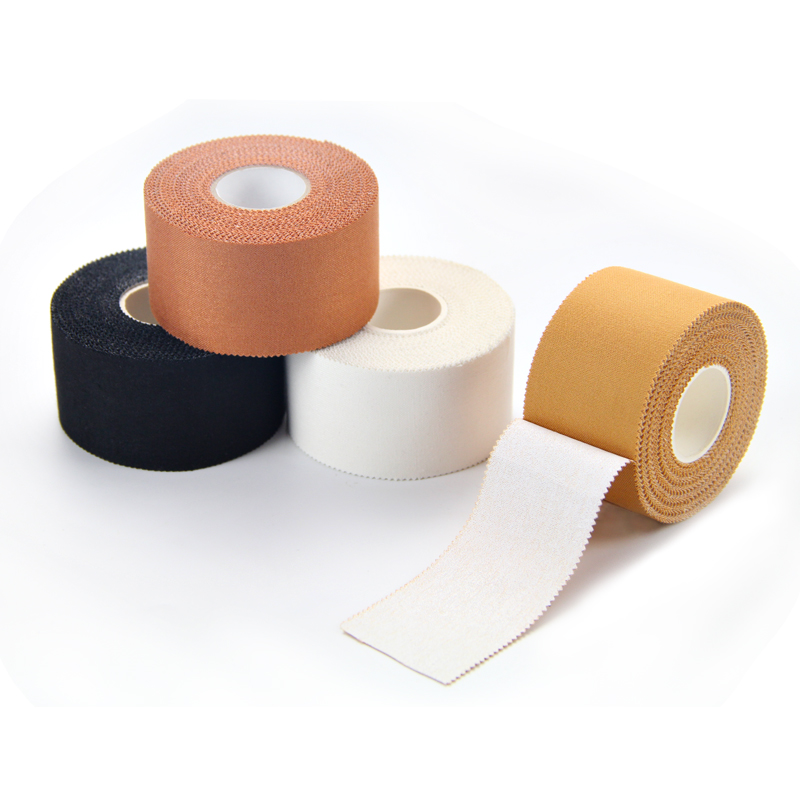
2. Rigid Athletic Tape: A More Professional Choice
Rigid athletic tape can also be used for the same thing as zinc oxide tape, but the material is a little different. All of them are types of rigid tape. It is also the most common type of football tape.
Rigid athletic tape is made of rayon, which makes it stronger and shinier, but it also costs more. Cotton athletic tape, on the other hand, is made of cotton, which makes it cheaper and comes in more colours.
For lower-intensity training, cotton athletic tape is a better choice. However, for high-intensity training or intense football matches, rigid athletic tape is more suitable.
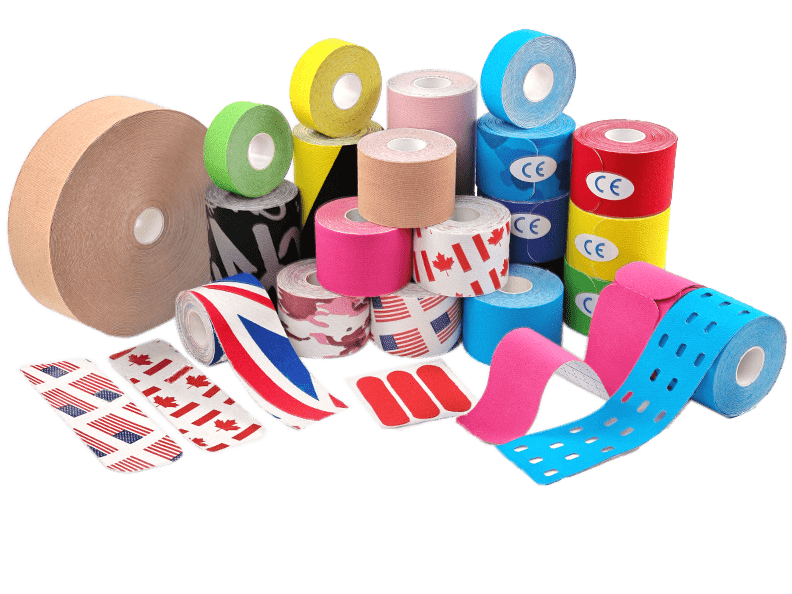
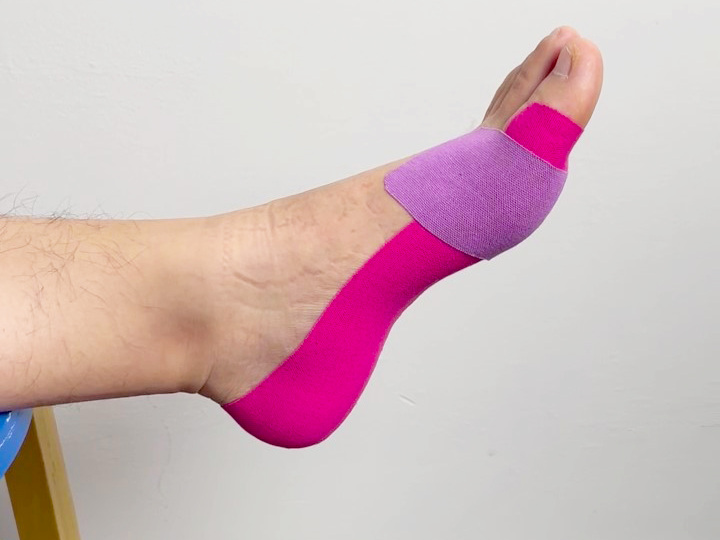
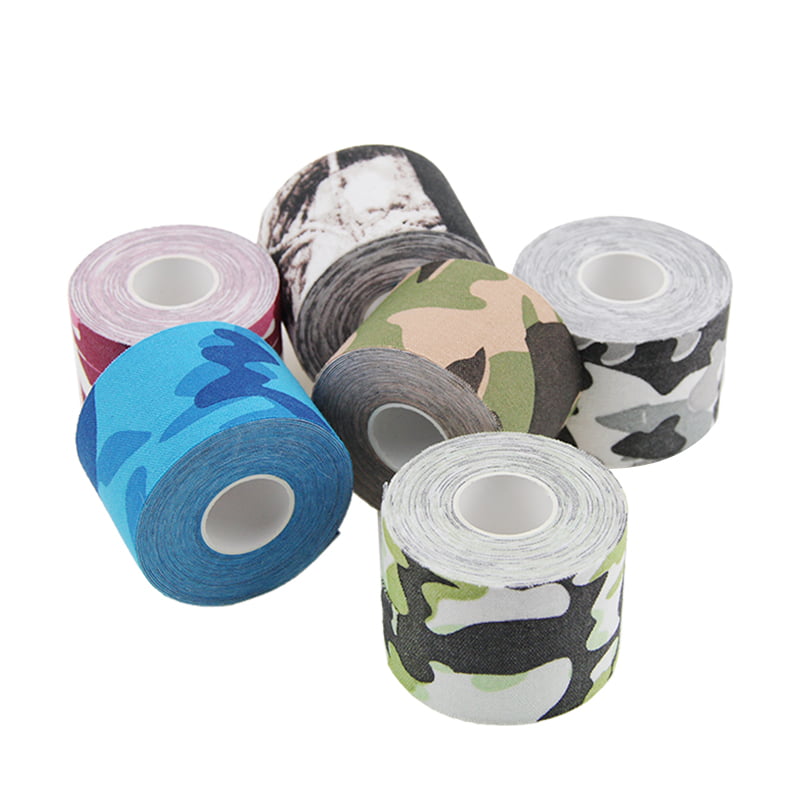
3. Kinesiology Tape (KT-Tape): Helps muscles recover and supports them.
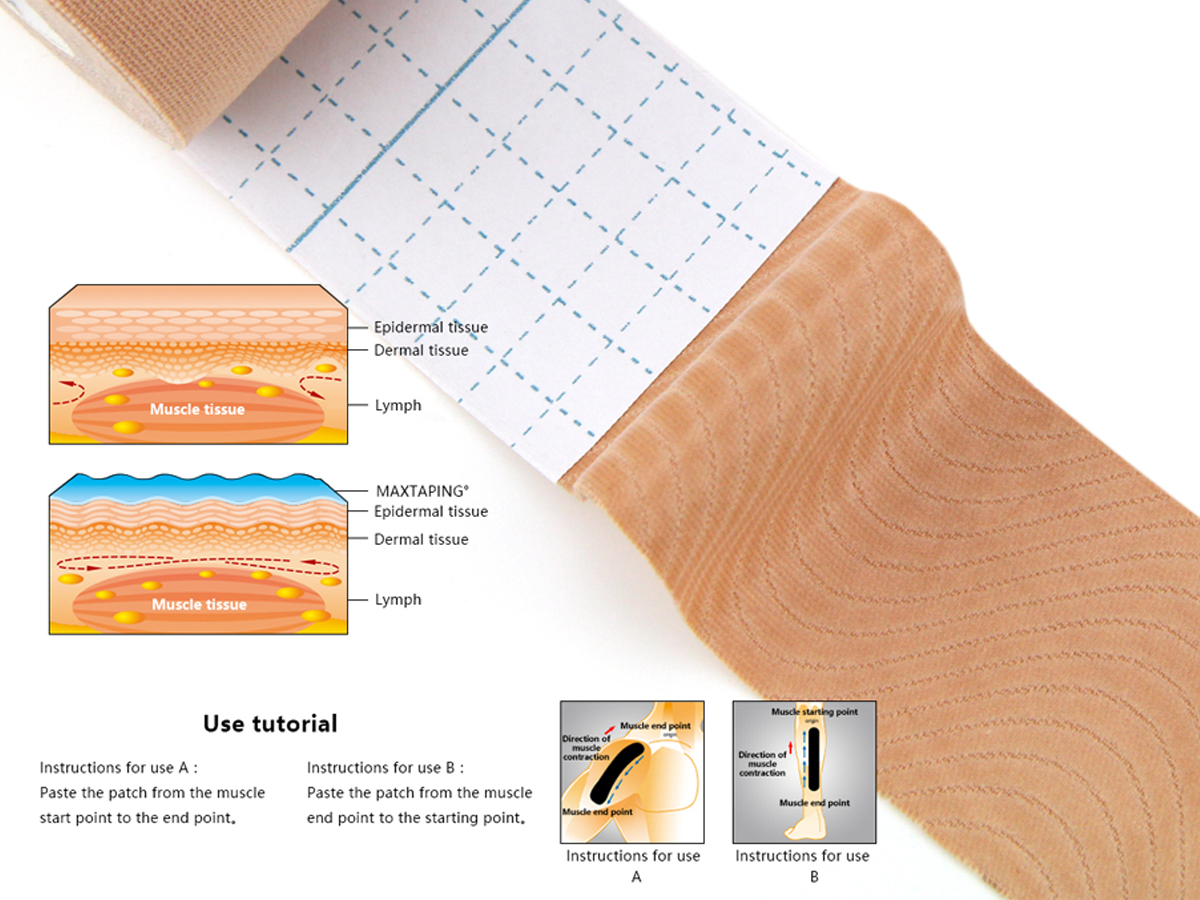
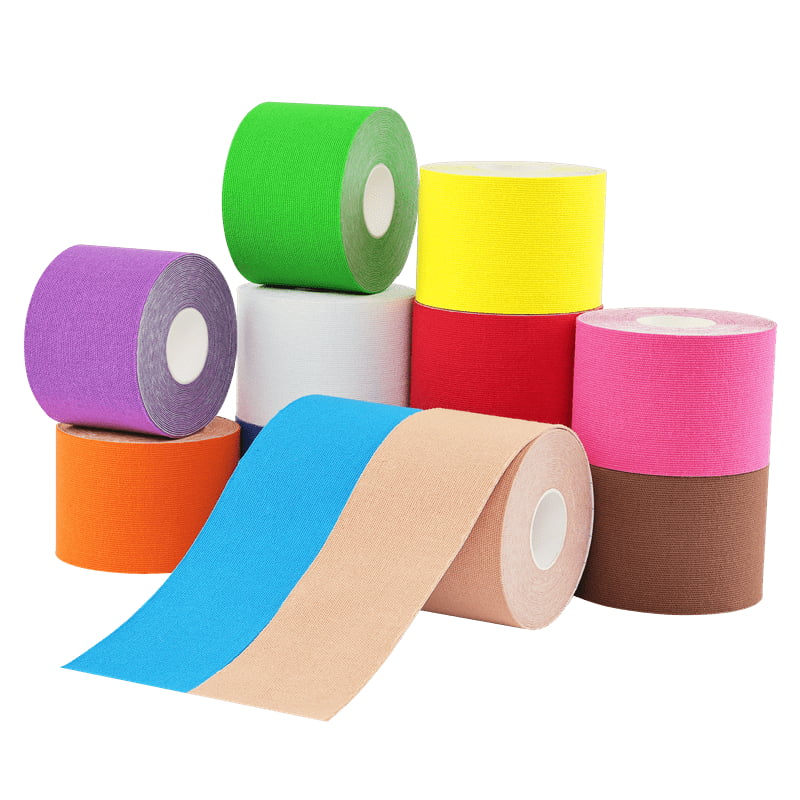
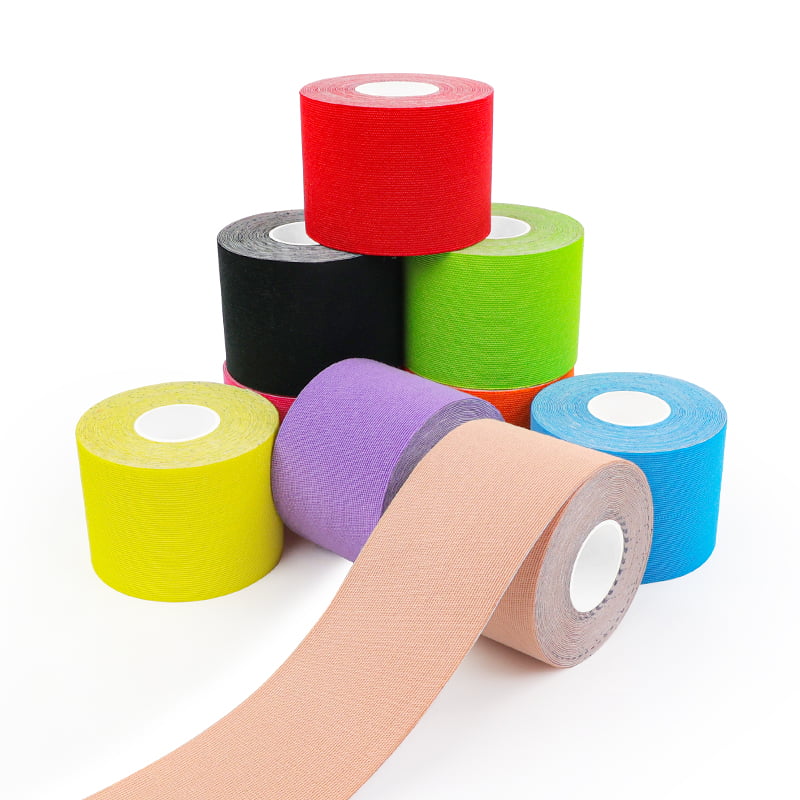
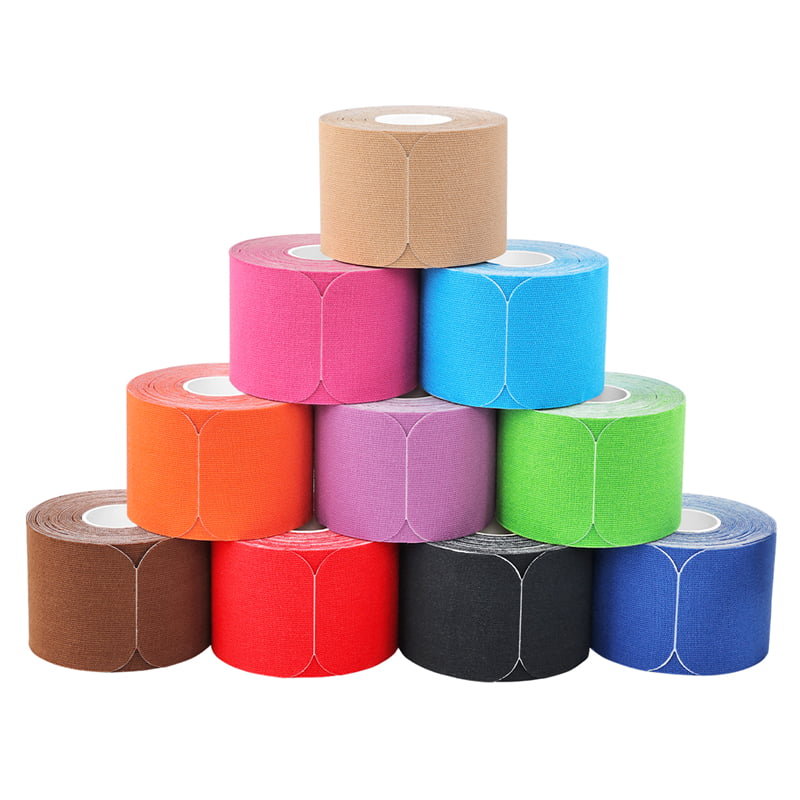
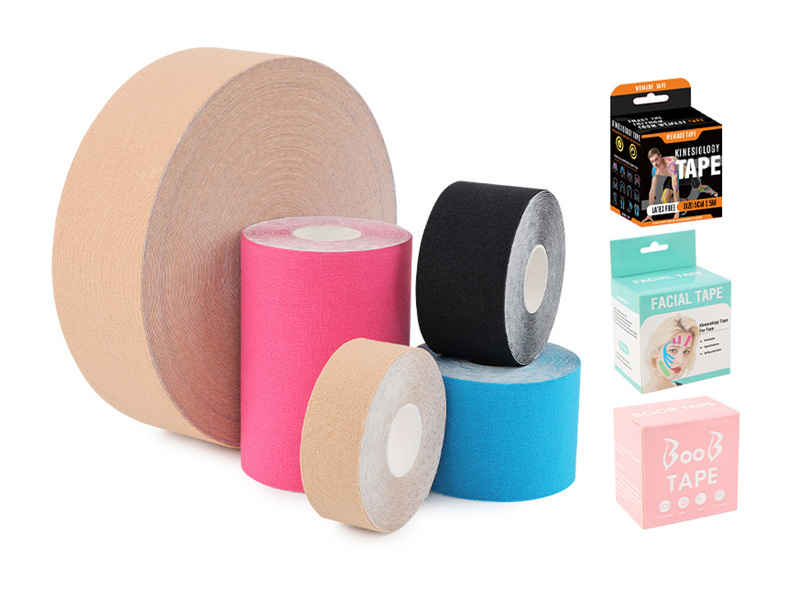
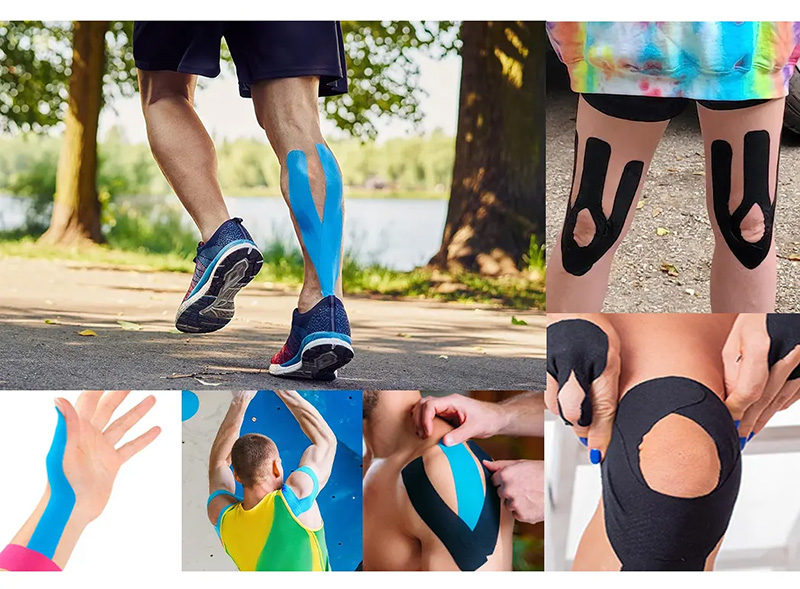
Unlike rigid tape, kinesiology tape can stretch up to 180%. It feels like skin and supports you without hindering your movement in any direction. It can prevent and relieve muscle pain caused by high-intensity football exercise.
Best for: helping the hamstrings and calves, and reducing swelling.
How it Works: It gently lifts the skin, which helps blood flow and lymphatic drainage. That's why you see Bellingham or Grealish with bright stripes on their legs.
Tip: After you put the tape on, rub it. The glue will stick better when it's warm.
The easiest way to tell the difference between cotton athletic tape, rigid athletic tape, and cotton kinesiology tape is that rigid tape stops movement, while kinesiology tape does not. Kinesiology tape is mostly used on muscles, while rigid tape is mostly used on joints.
4. Football Turf Tape: The secret weapon to prevent lawn burn
If you've ever played soccer or football on fake grass, you know that stinging pain: a red, swollen spot on your skin called a "turf burn". This is basically a friction burn from sliding or diving on fake grass. It hurts, is annoying, and definitely hurts performance. You can avoid this with football turf tape.
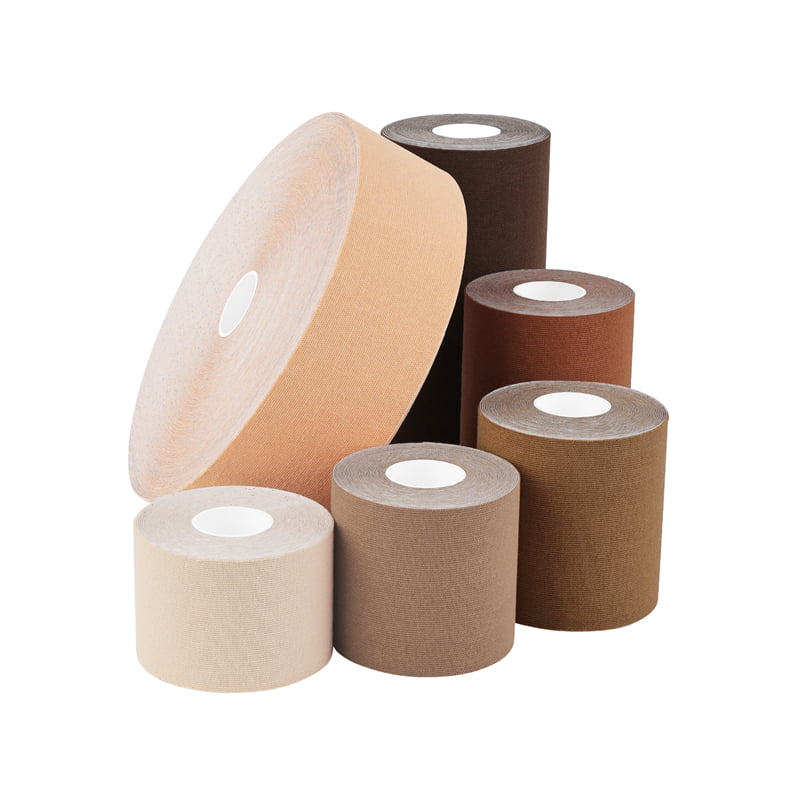
Football turf tape is basically a wider version of kinesiology tape. It is usually 10cm wide, but it can also be 15 cm or wider. It's thinner than arm sleeves, fits the skin better, doesn't move around, and only needs to be put on the hurt area, so it doesn't feel stuffy.
5. Finger Tape: The Goalkeeper's Secret Weapon
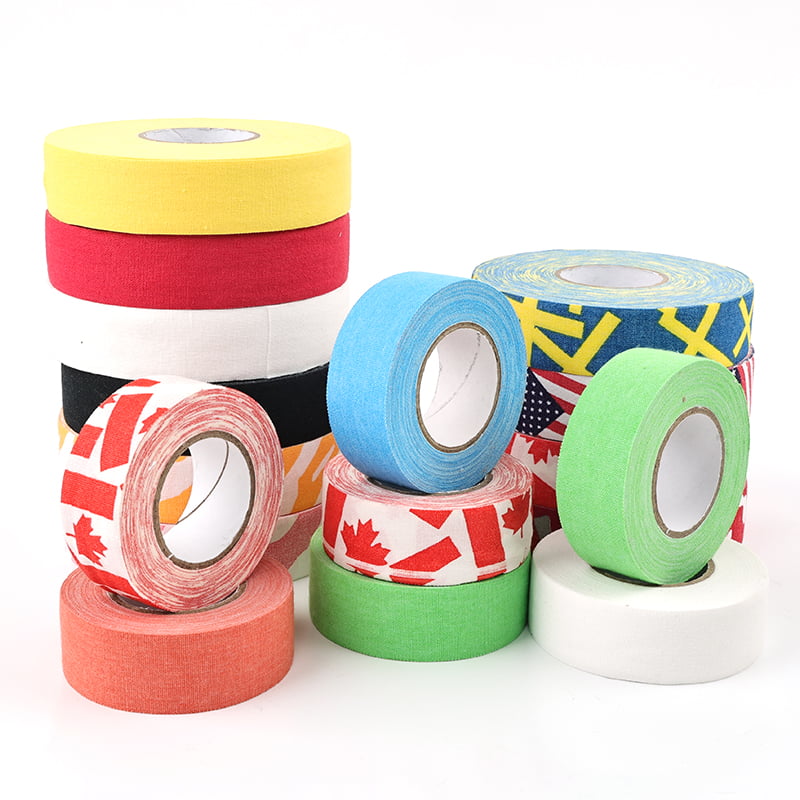
Football finger tape is a thinner, rigid tape made for smaller joints, such as fingers and toes.
Use Case: Football goalkeepers use it to "buddy tape" a weak finger or toes to a strong one or to protect their knuckles from hard shots.
Pros: Goalkeeper finger tape stops hyperextension (bending your fingers back) when you hit a heavy ball. Or protect the injured finger to prevent more serious damage.
6. Cohesive Bandage and Pre-Wrap: The Comfort and Utility Pair
People often confuse these two, but they are used for very different things in a football or soccer kit bag:
A thin foam layer called Pre-Wrap (Underwrap). Put this on your skin before the Zinc Oxide tape to keep it from getting irritated and to avoid the "painful wax" effect when you take off the tape.
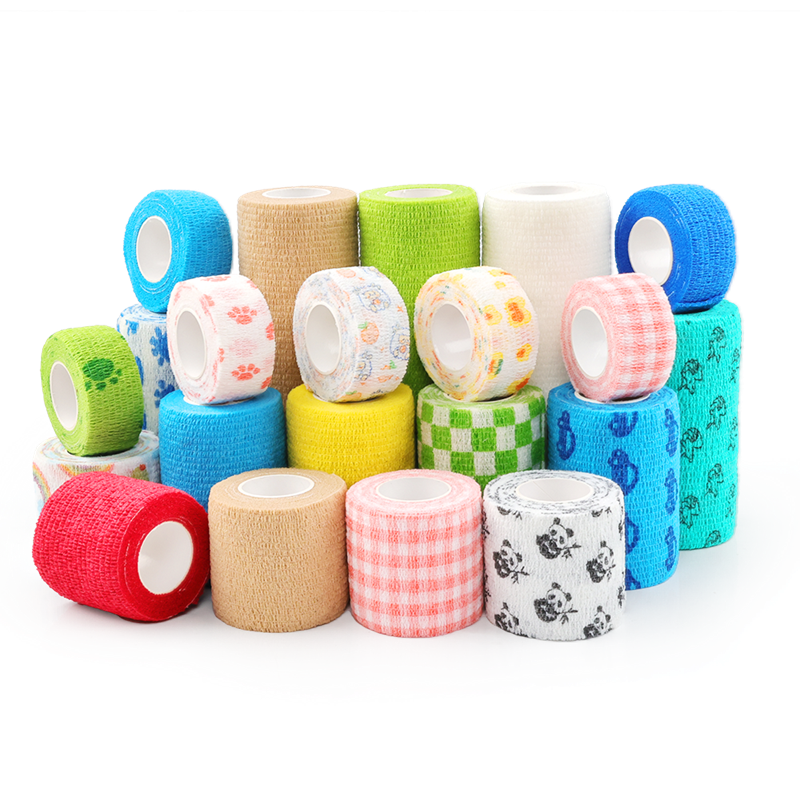
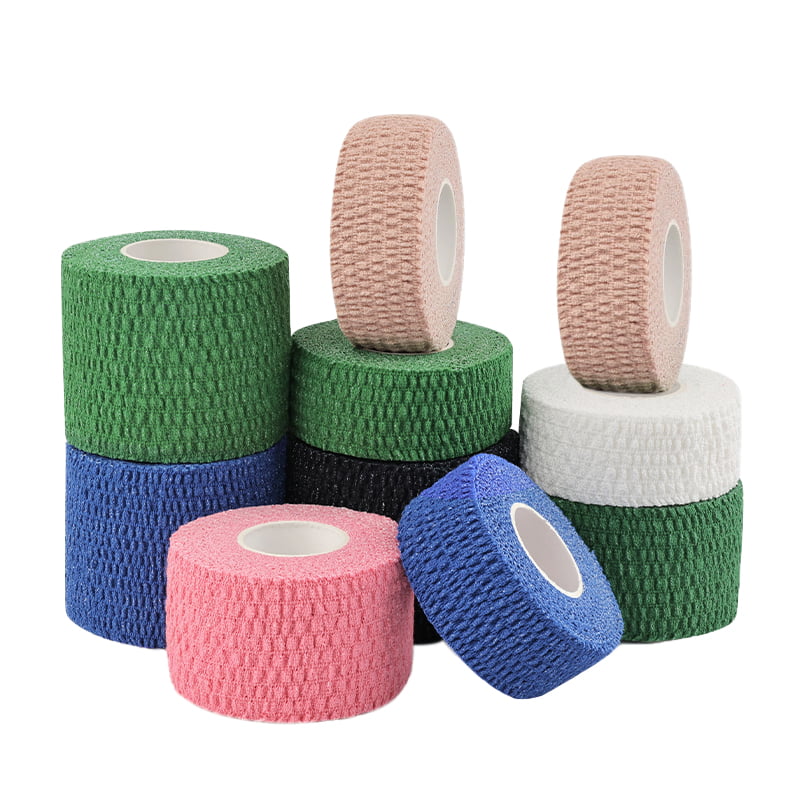
Cohesive bandage (Self-Adherent Wrap): This tape only sticks to itself. As a football or soccer player, the main job is to keep shin guards in place and football socks from slipping down. It does this without leaving a sticky film on the fabric.
These are all common types of football tape. So how should they be combined?
Setting up like a pro: how to get the most out of your football tapes
For most football or soccer needs, this is how to put these things together:
The "Locked-In" Ankle Combo
- First Layer (Protection): Put a pre-wrap around the midfoot and lower calf.
- Second Layer (Support): Use zinc oxide tape to make a "heel lock" and "stirrup" shape over the pre-wrap.
- Third Layer (Fix): Finally, wrap a layer of cohesive bandage around the ankle, making sure the edges are smooth so that it fits well.
"Shin Guard" Gear Combination
Wear the shin guards, then wrap the top and bottom of the shin guards with cohesive bandage. It provides sufficient pressure to prevent the shin guards from slipping during football sprints.
Preventing Muscle Fatigue
Applying kinesiology tape to areas that require significant strength and are prone to muscle fatigue, such as the gastrocnemius and soleus muscles on the back of the calf, as well as the quadriceps, hamstrings, and biceps femoris, with 50% tension, can effectively relieve muscle fatigue and prevent soreness caused by overexertion during soccer or football matches.
Summary Table: Which Soccer Tape Should I Buy?
The following table summarises the key differences between rigid and elastic football tapes to help you choose.
Need |
Recommended Tape |
Key Feature |
|
Joint Stability |
Zinc Oxide Tape / Rigid Athletic Tape |
Rigid / Non-stretch |
|
Muscle Pain |
Kinesiology Tape / Football Turf Tape |
Elastic / Breathable |
|
Skin Protection |
Pre-Wrap |
Foam-based / No adhesive |
|
Shin Guard Fix |
Cohesive Bandage |
Self-sticking / Reusable |
|
GK Finger Protection |
Finger Tape |
Narrow / High-tensile |
Conclusion
Choosing the right football tape is just as important as choosing the right boots. The right mix of kinesiology tape for muscle fatigue and zinc oxide tape for rigid stability will help you stay on the field longer. Always start with a pre-wrap to protect your skin and end with a cohesive bandage to keep everything safe during sprints. This is the pro secret.
Don't let an injury that could have been avoided ruin your season. Get a professional taping kit and learn these skills so you can play with complete confidence.
Are you unsure about which football tape to use for your injury? Get in touch with us for a personalised suggestion, or watch the step-by-step video tutorials below!