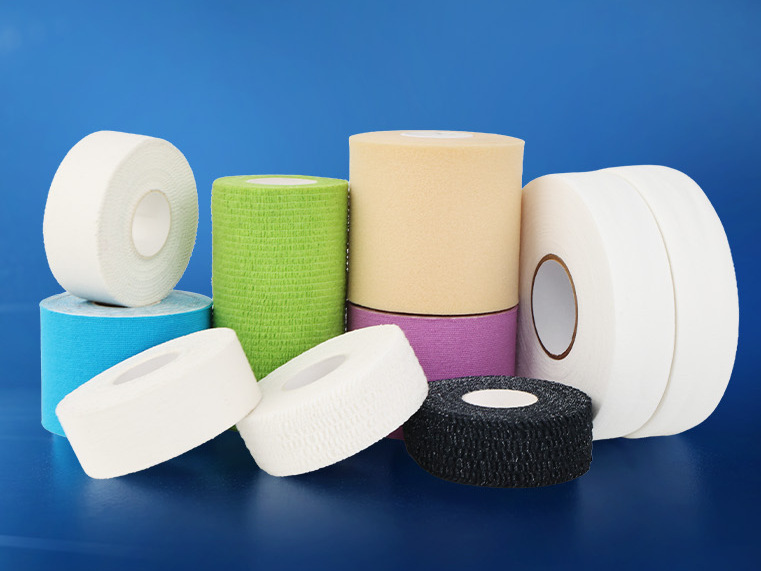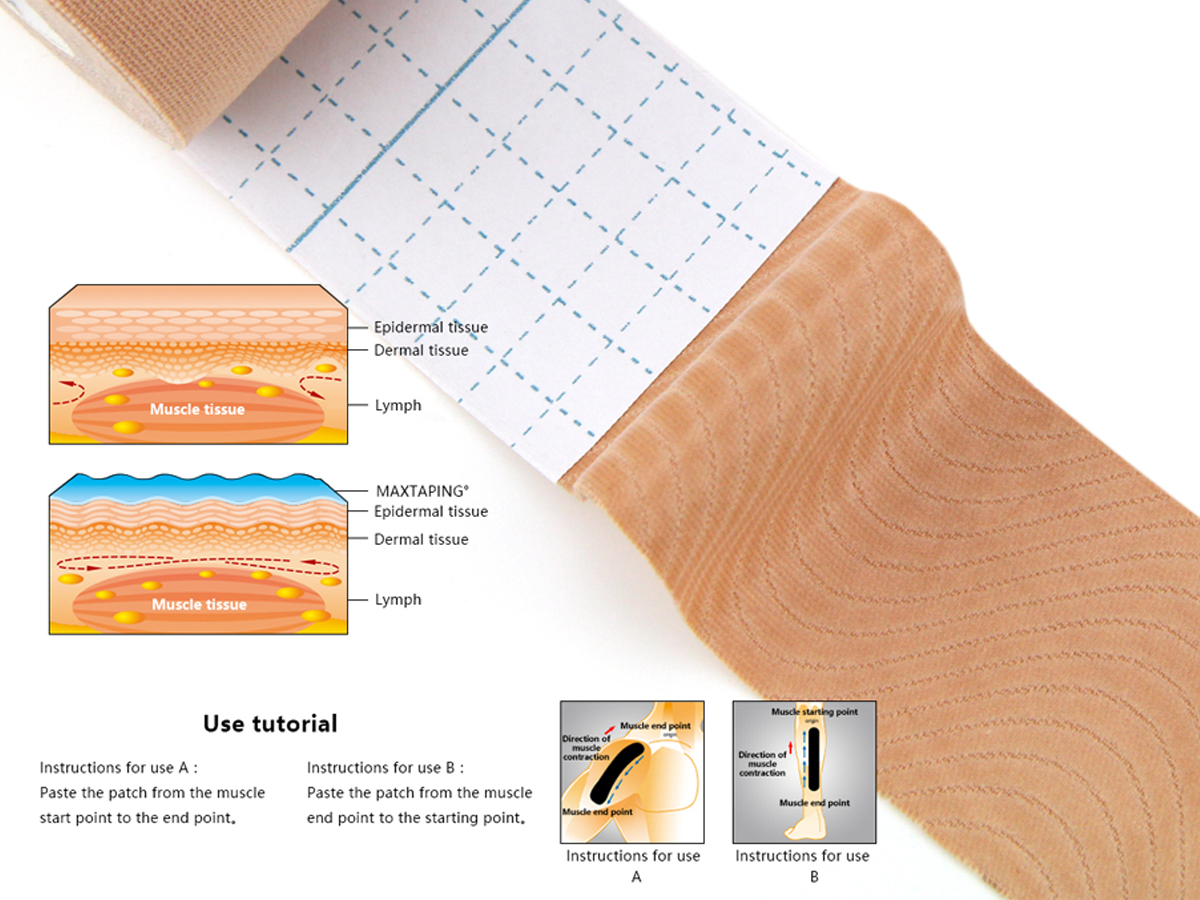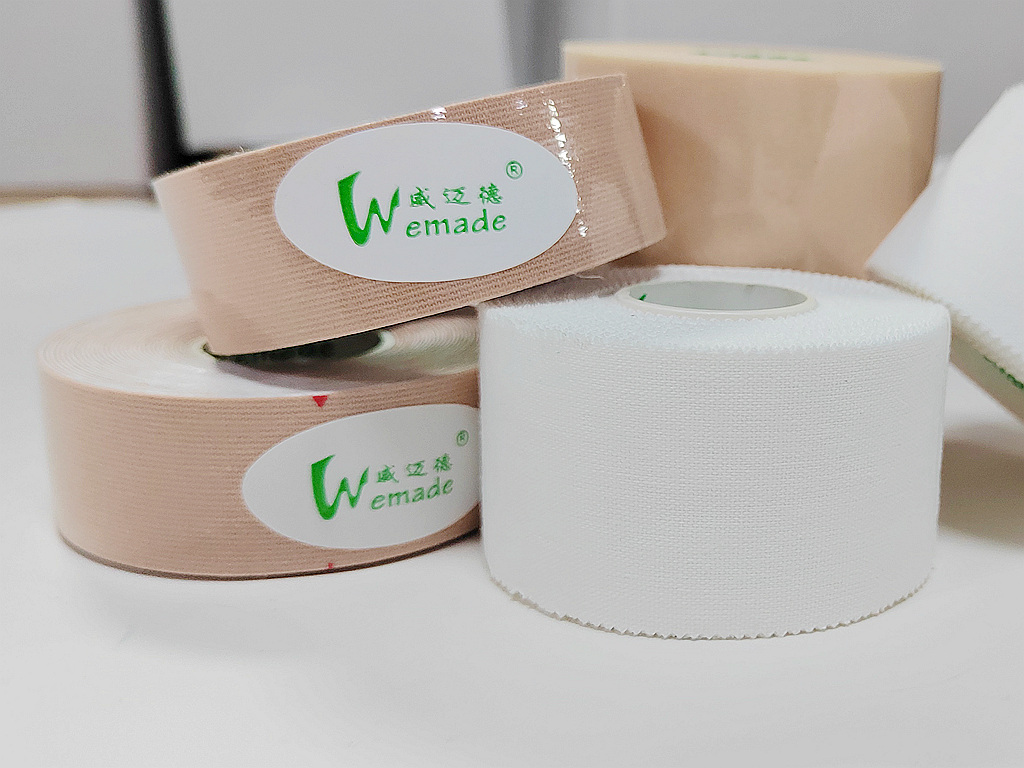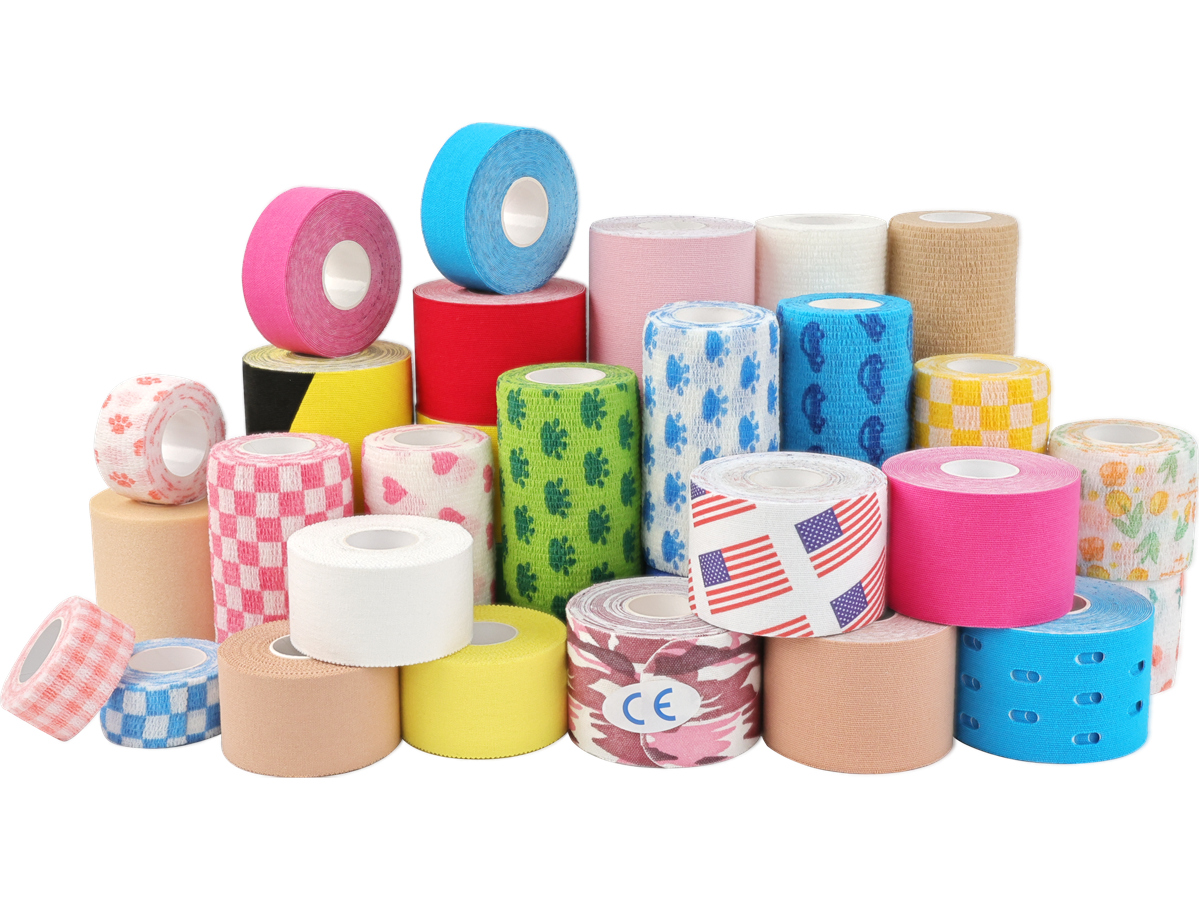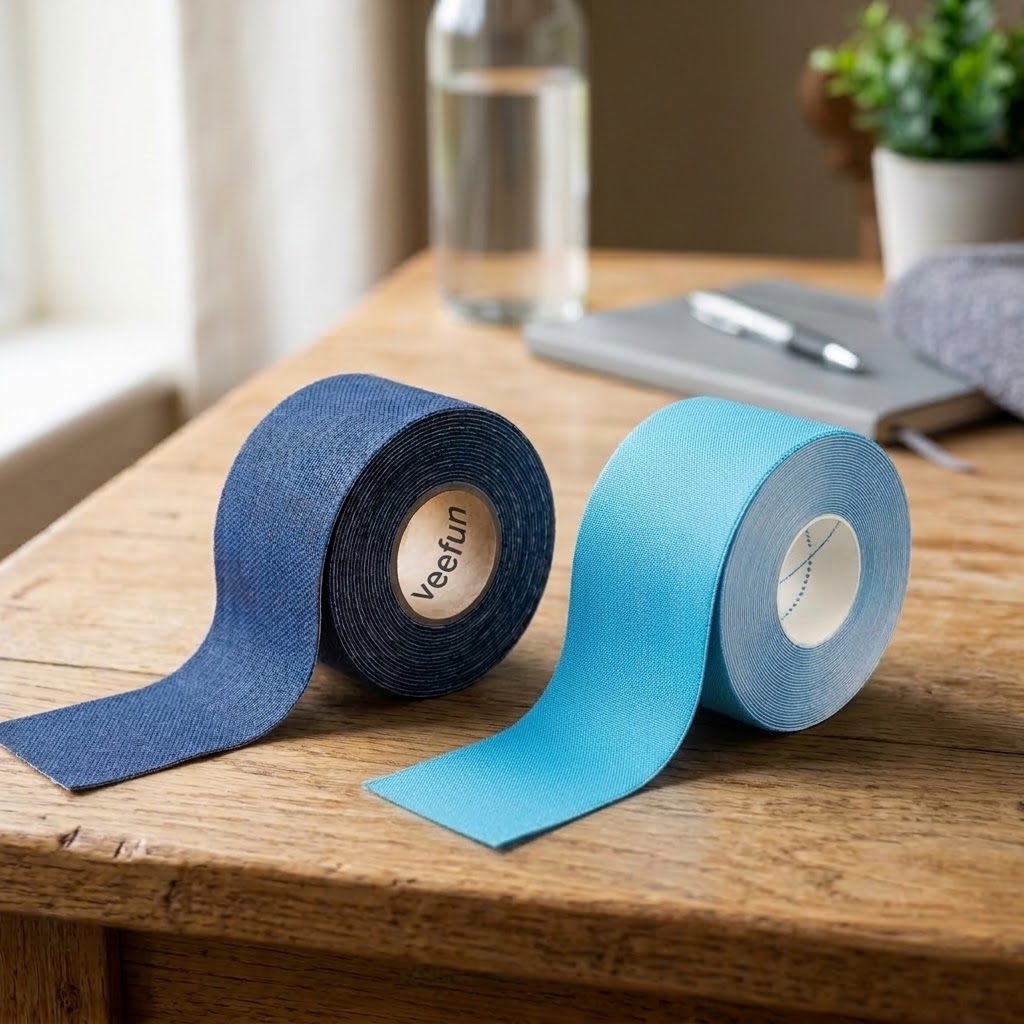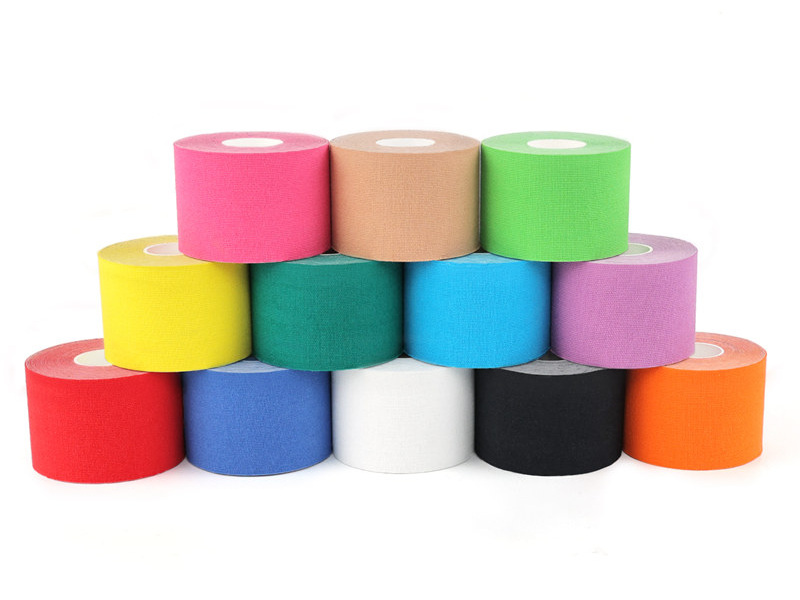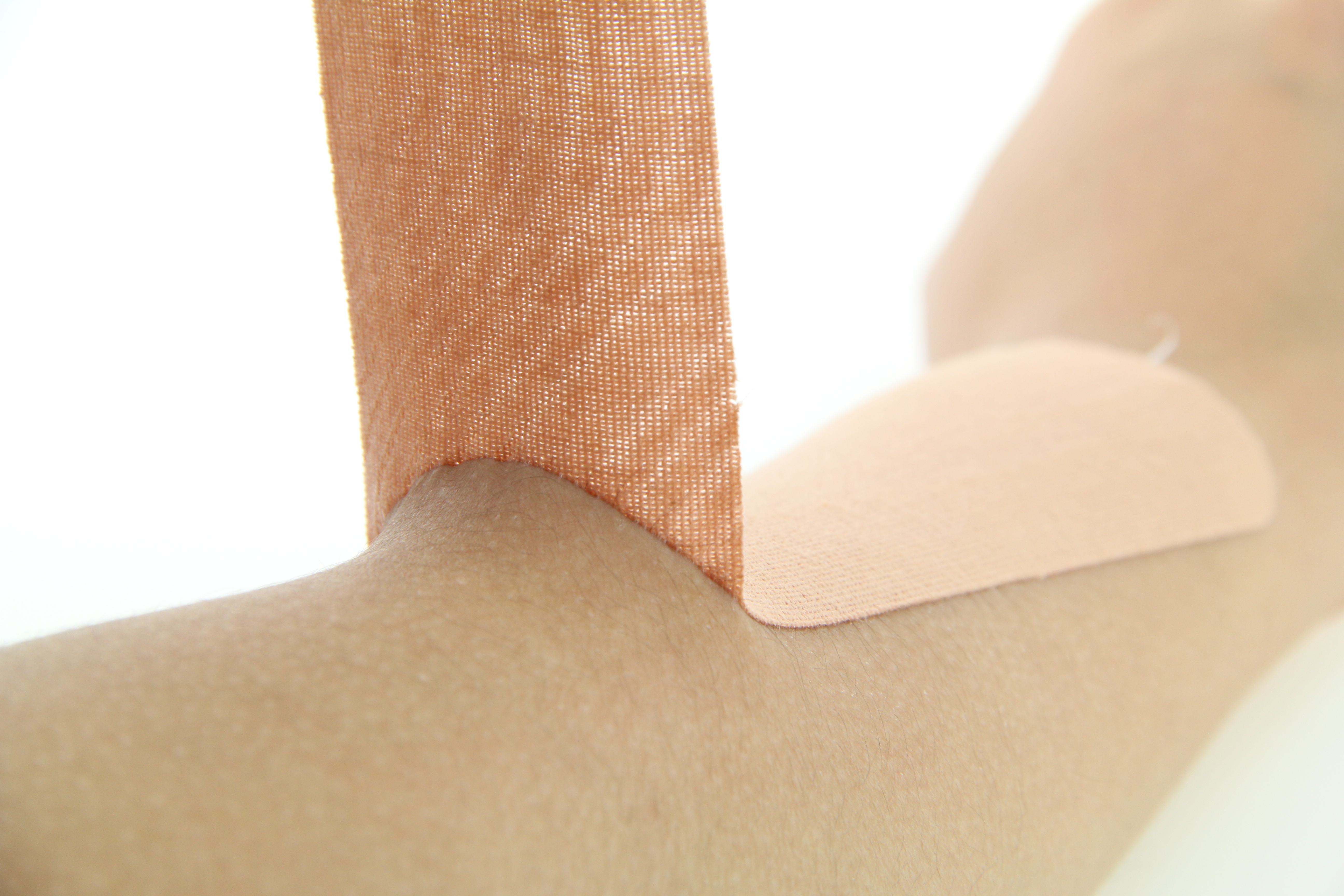
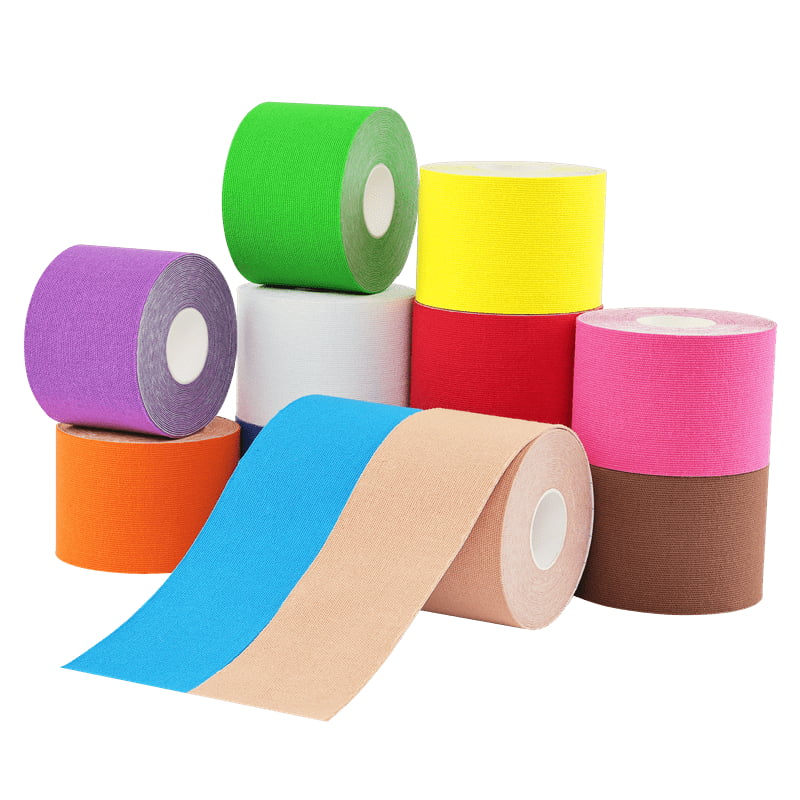
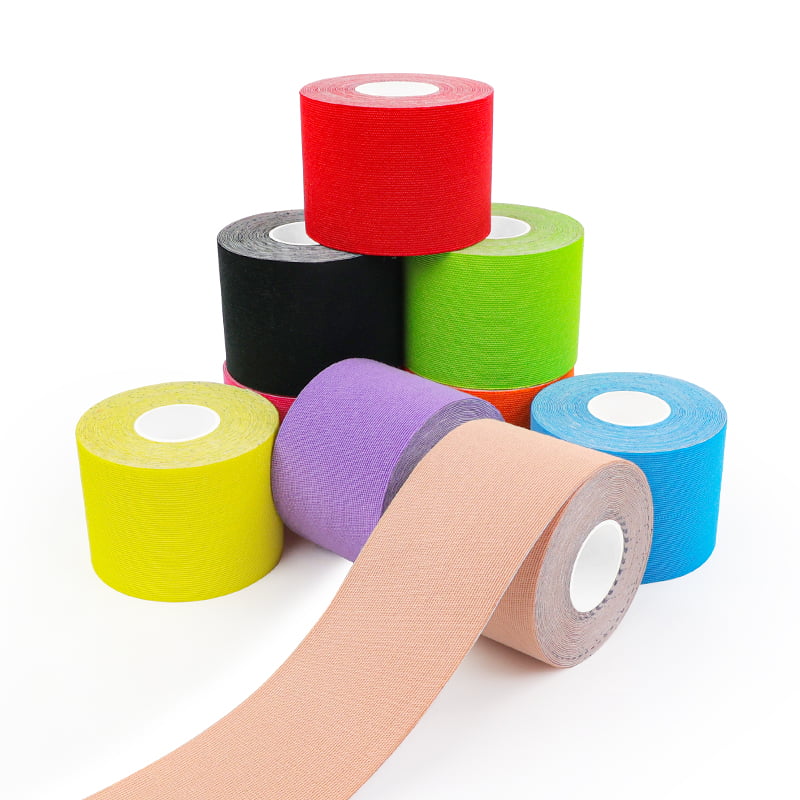
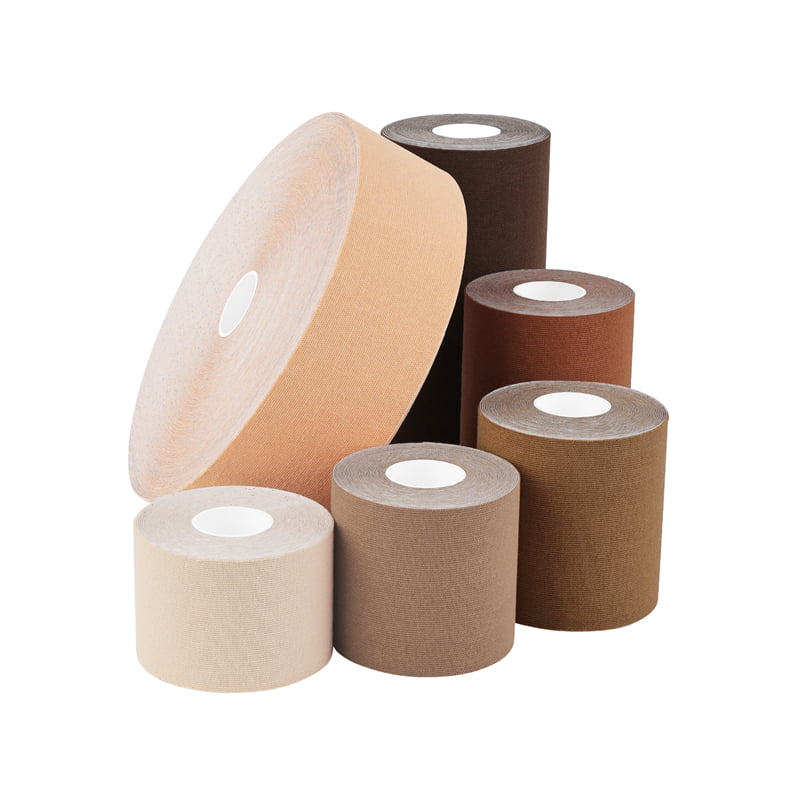
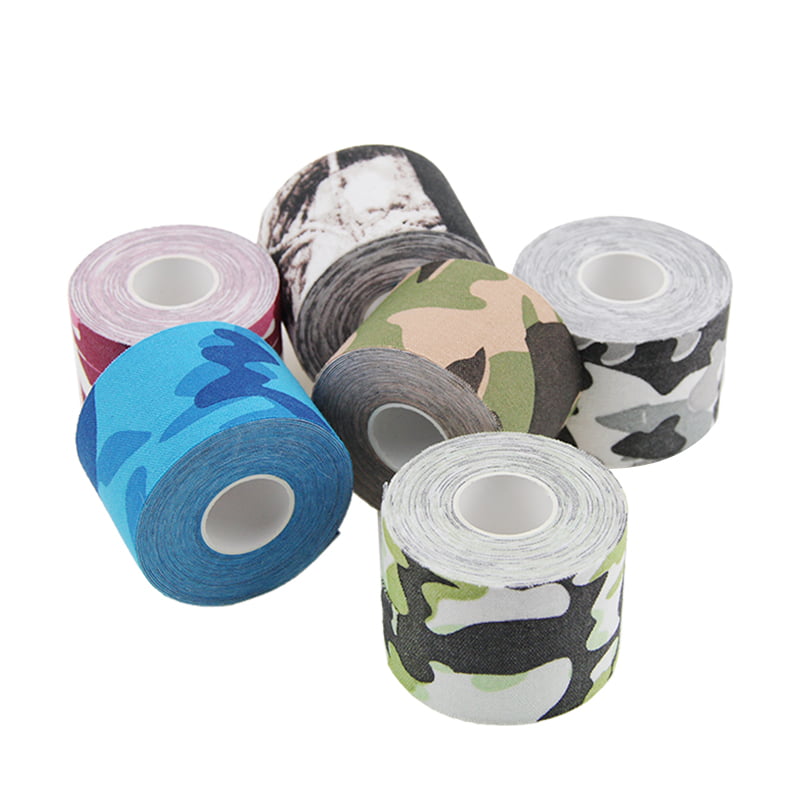
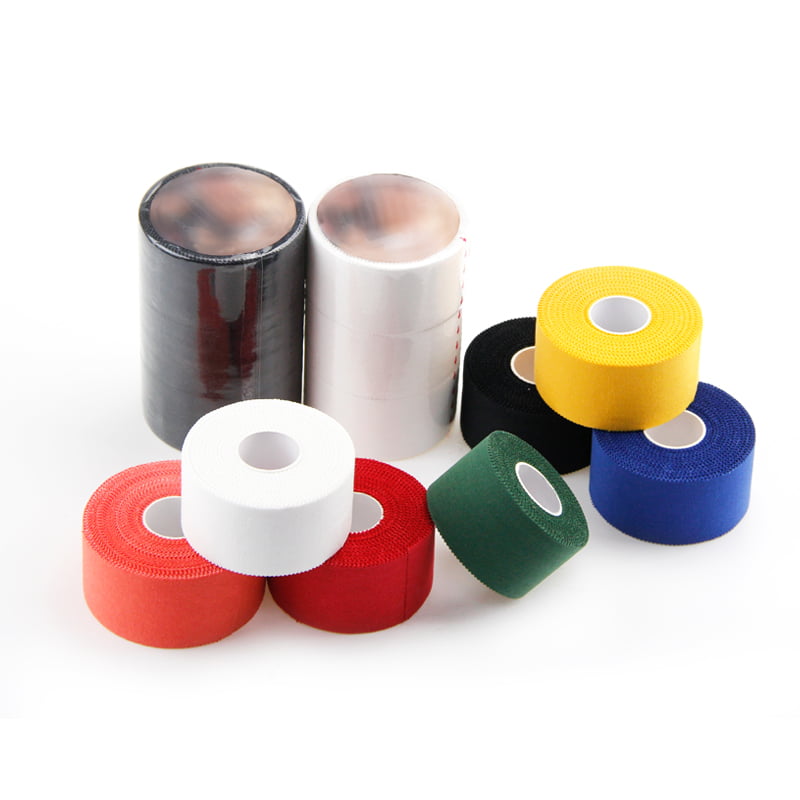
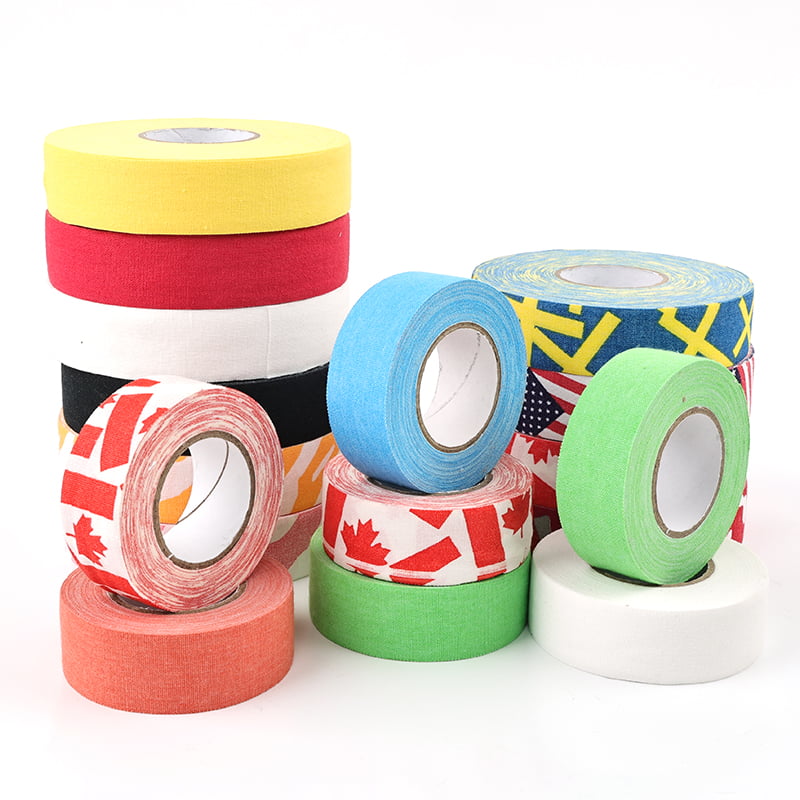
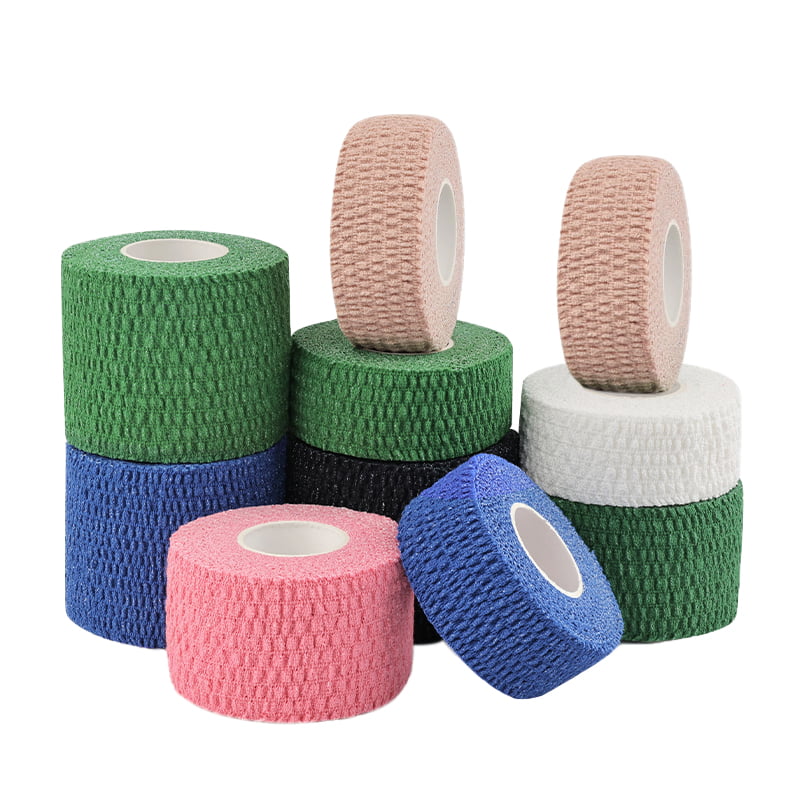
If you've ever looked for kinesiology tape online, you probably already know that there are more than one type.
Many of them.
Different kinds of materials.
Different cuts.
Different kinds.
Different uses.
It can get confusing very quickly.
This guide breaks down the different types of kinesiology tape in an easy-to-understand way, without using complicated medical terms. Just short explanations to help you figure out what really works for your sport, brand, or market.
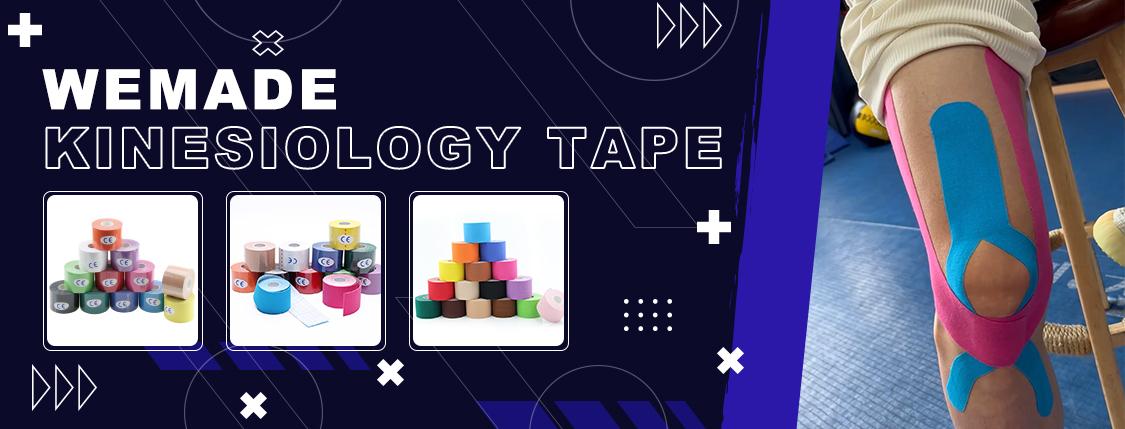
1. Different types of kinesiology tape are made from different materials
The base is made of a material.
Stretch, comfort, breathability, and price are all affected.
When people compare different types of kinesiology tape, they usually start by looking at the material.
Cotton Kinesiology Tape (about 90% of the world)
This is the old-fashioned way.
When athletes are on the field or in the gym, they almost always use cotton tape.
Why cotton is so common:
-
Soft and good for your skin
-
Breathable and resistant to sweat
-
Stretch from 160% to 180% (close to human skin)
-
Cheap for making things on a large scale
-
Works for most sports uses
It's easy to grow a lot of cotton, and it's stable and reliable.
Because of this, it sends out more kinesiology tape than any other kind in the world.
Most of the time, cotton tape is the safest choice for brands and wholesalers.
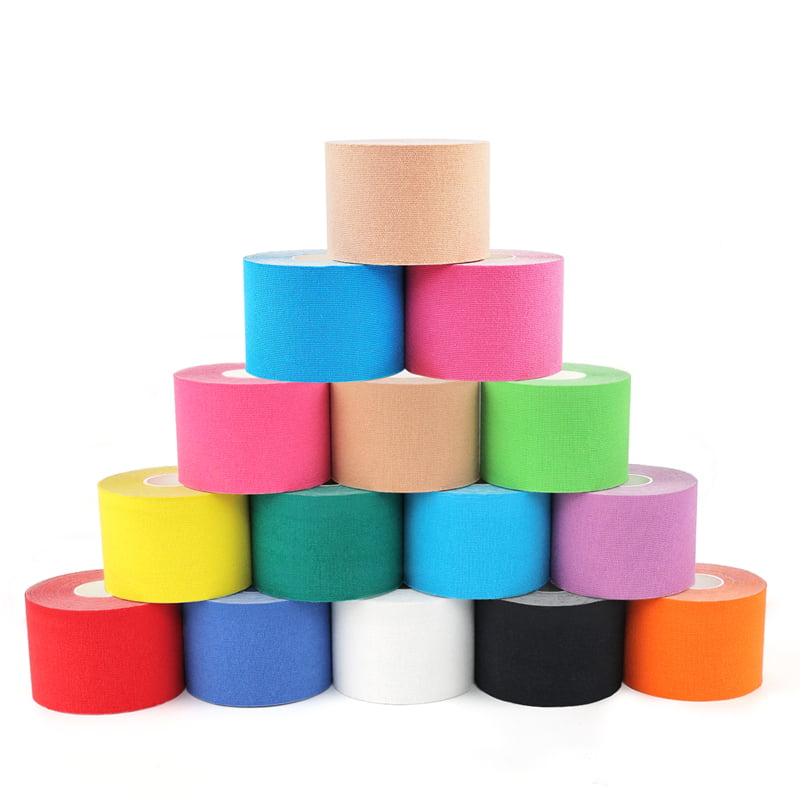
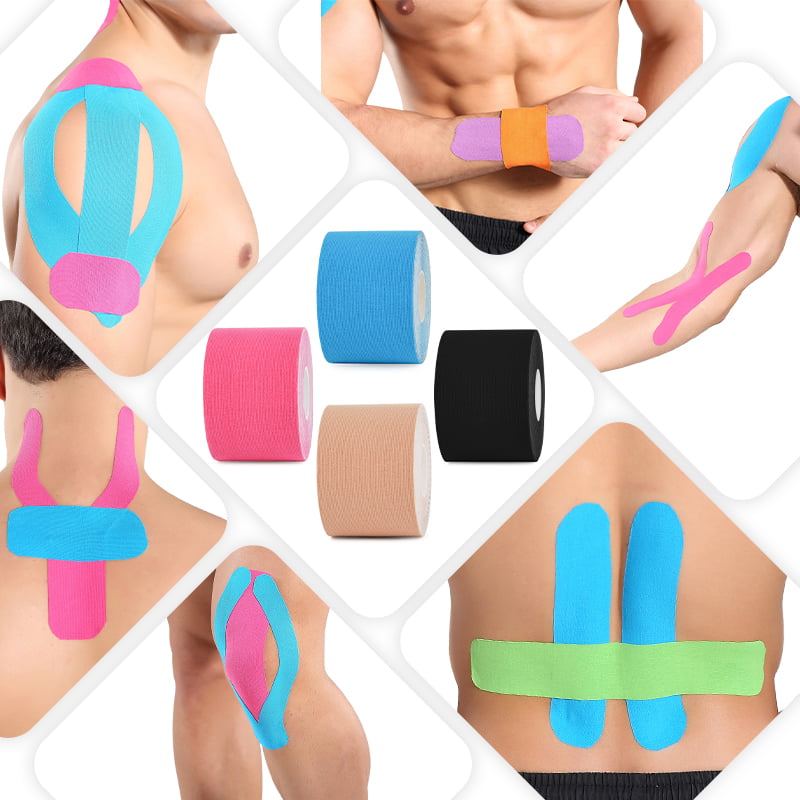
Synthetic Kinesiology Tape (about 9%)
Synthetic kinesiology tape is made for harder conditions and is often made of polyester.
Perfect for:
-
Swimming
-
Triathlon
-
High sweat levels
-
Long-term use outside
It dries faster and holds moisture better than cotton.
But its higher price limits how much of the market it can take over compared to other types of kinesiology tape.
New and Uncommon Nylon Kinesiology Tape
Market share: very small (but growing lately)
Nylon kinesiology tape is newer and feels smoother and more flexible.
It often has:
-
More stretch for the rebound
-
More support for tension
-
A slightly shiny surface
-
The most important thing about it is that it can be stretched in different ways.
Cotton and synthetic kinesiology tapes can only be stretched up and down, but nylon tape can be stretched in any direction, horizontally or vertically.
It's getting more popular in high-end markets, but it's still a small group compared to other kinds of kinesiology tape.


2. Different Types of Kinesiology Tape by Format
The material is on one side.
The other is the way it looks.
This is where product diversification really happens.
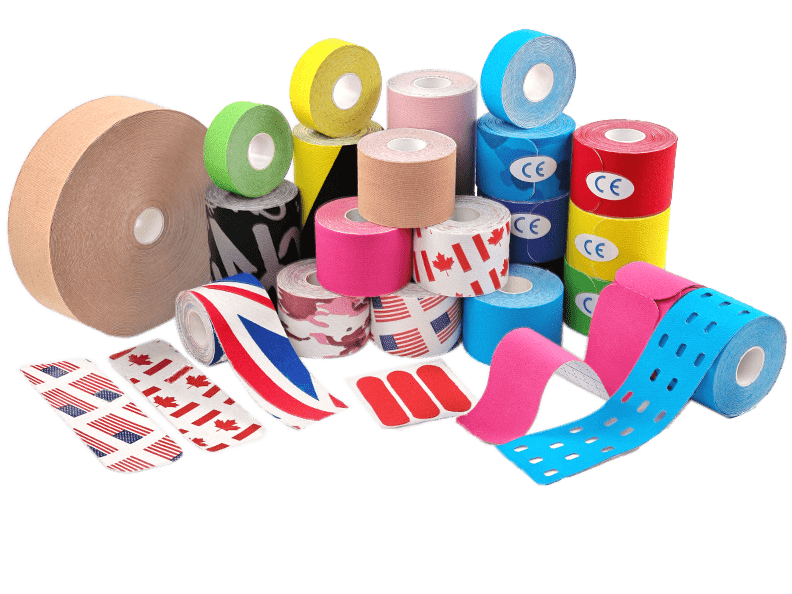
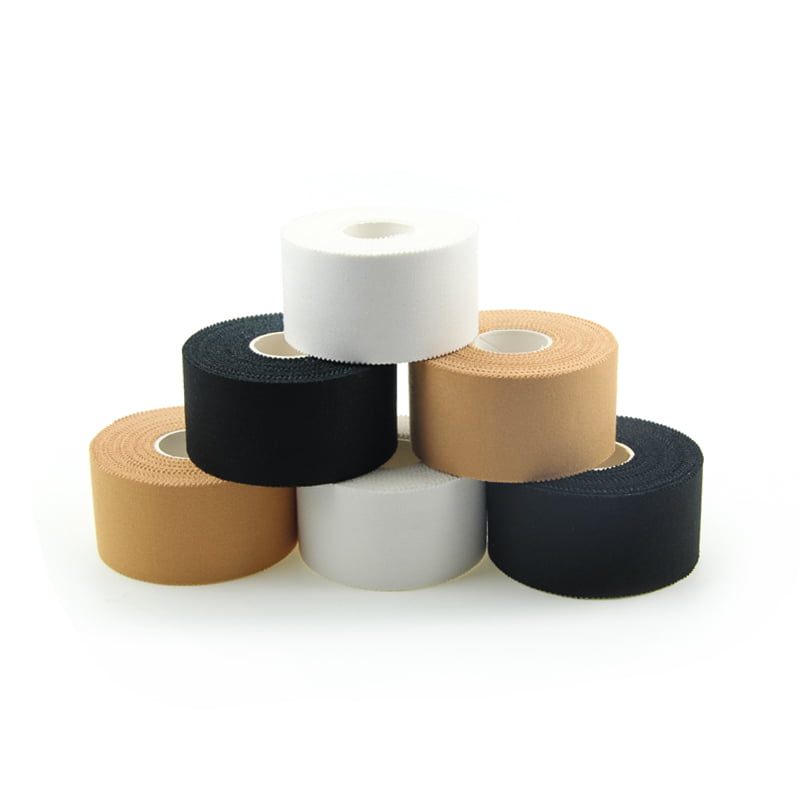
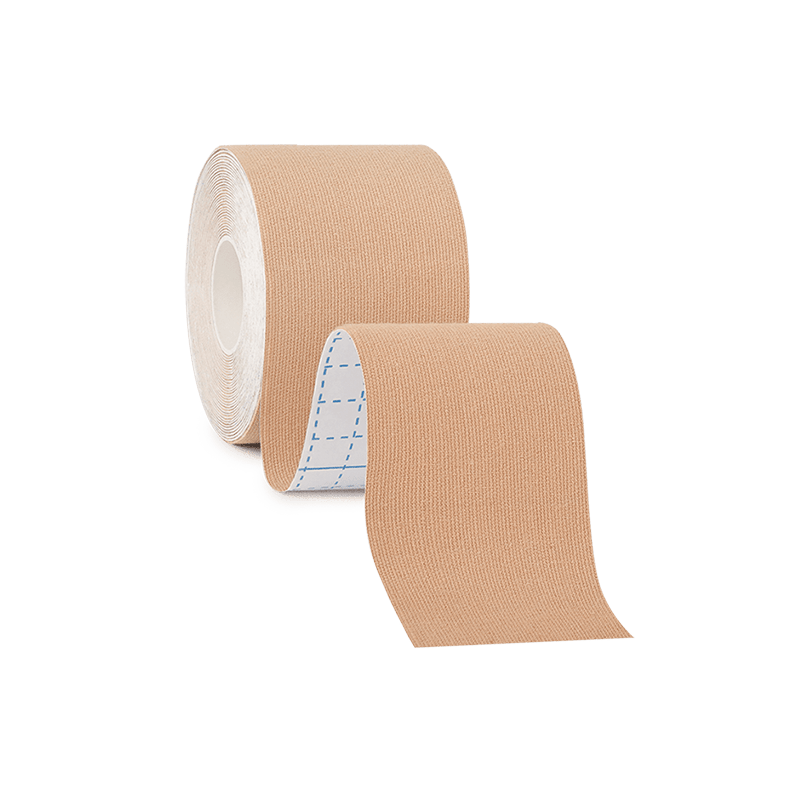
Uncut Kinesiology Tape Rolls
This is the most common format.
Why people like it:
-
Cut to any size
-
Can be used on different parts of the body
-
Lowered the cost of making things
-
Easy for hospitals and sports teams
Uncut rolls are the most popular type of kinesiology tape.
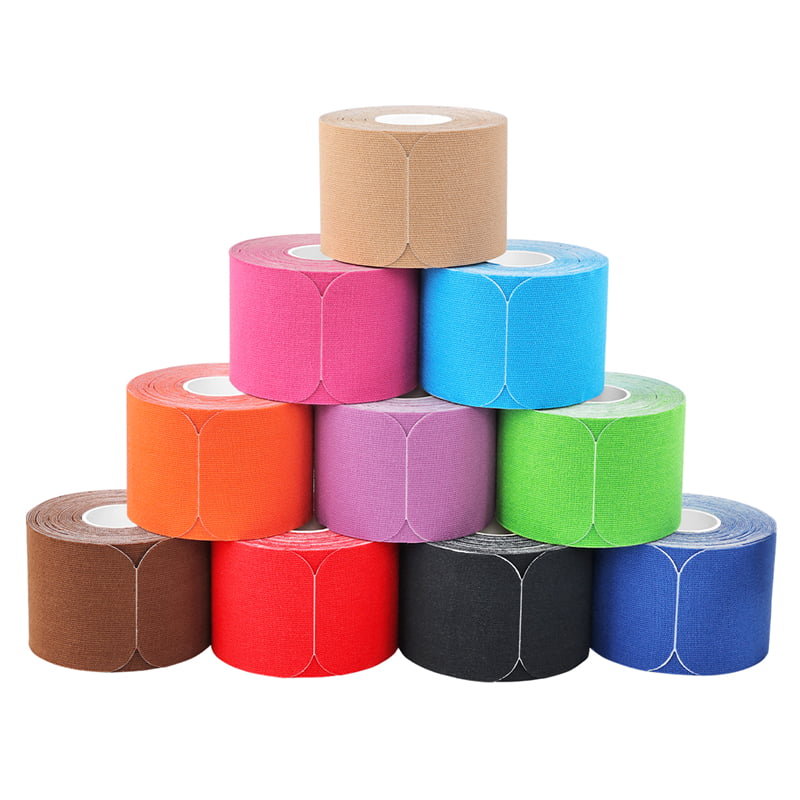
Pre-cut Kinesiology Tape Rolls
These have lines or holes that make a grid.
Pros:
-
Easy for beginners
-
Faster application
-
Rounded corners
Pre-cut options are quickly becoming more popular in e-commerce because they are easy to use.
Kinesiology Tape Strips
Strips that are individually packaged.
Excellent for:
-
Packaging for retail
-
Travel gear
-
Internet-based markets
Strips are frequently the first step towards value-added products when brands experiment with various kinds of kinesiology tape.
Kinesiology Tape Patches
Performed patches for particular regions:
-
The shoulder
-
The knee
-
Lower back
-
The neck
Typically, these are cut from regular kinesiology tape.
Perforated kinesiology tape
The design included small holes to make it easier to breathe.
It looks high-tech, but it mostly makes the different types of kinesiology tape more comfortable.
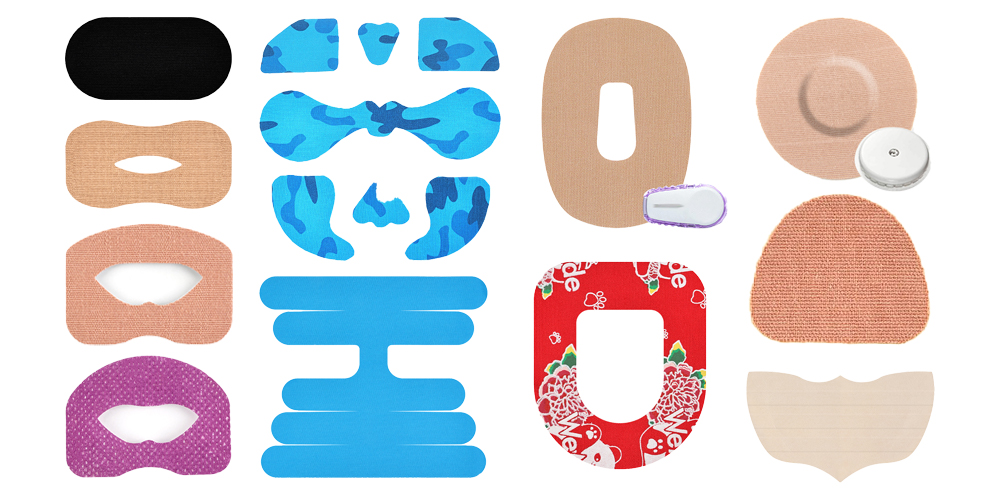
Customized Kinesiology Tape Patches
Things start to get interesting at this point.
To fit various body parts and satisfy particular requirements, manufacturers cut kinesiology tape into specific shapes.
Regular cotton kinesiology tape is used to cut the majority of these into new shapes.
Typical examples include:
-
Mouth sleep tape(Prevent your mouth from opening while sleeping)
-
Acupuncture tape(Physical acupuncture)
-
Antifreeze face tape(Preventing facial frostbite)
-
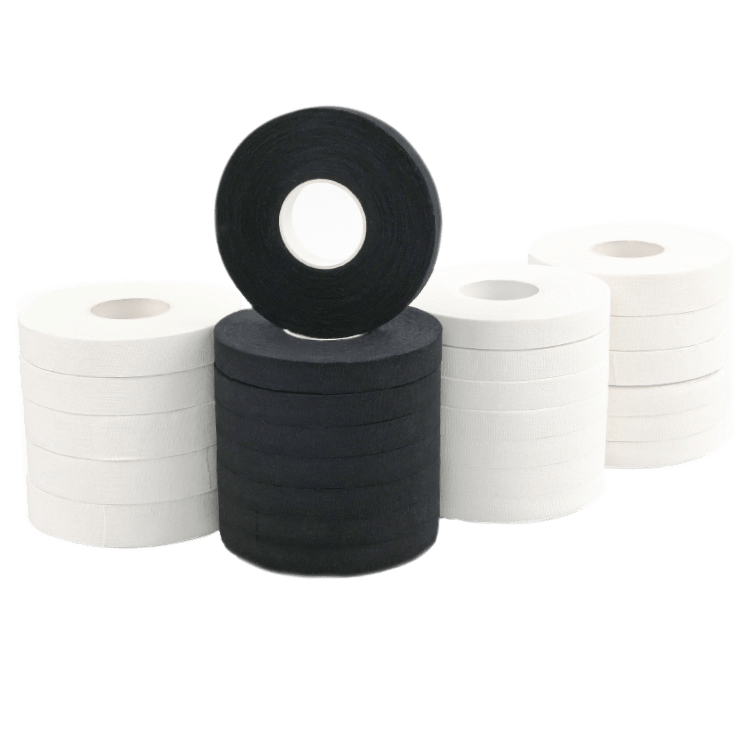
Bowling fingers tape(Adjust the bowling hole and finger spacing)
-
Glucose sensor tape(blood sugar sensor cover)
-
Beach foot stickers(Prevent your feet from getting dirty)
-
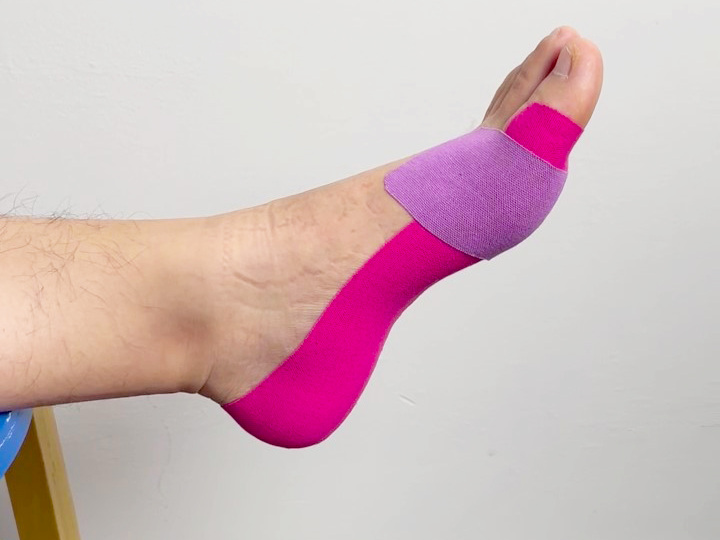
Heel stickers(Preventing blisters on the heels)
They are technically a kind of kinesiology tape, even though they are designed for particular purposes.
Real product innovation takes place here.
How Can I Pick Between Different Types of Kinesiology Tape?
How do you choose from the different types of kinesiology tape?
Here's a straightforward way to think about it:
-
If you sell in bulk, start with uncut cotton rolls
-
If you sell online, add pre-cut rolls and strips
-
If you want higher margins, create patches
-
If you're aiming for a swim or triathlon, think about synthetic
-
If you're building a premium brand, look into nylon
Keep things simple. Don't make it too difficult.
Which Businesses Can Provide Such a Wide Variety?
Not all factories are able to manufacture all of these varieties of kinesiology tape.
To provide:
-
Nylon, cotton, and synthetic
-
Rolls, strips, and patches
-
Shapes that are cut out by hand
-
Packaging for private labels
-
Support for exporting in bulk
A qualified kinesiology tape supplier needs to:
-
A steady supply of raw materials
-
Advanced lines for coating
-
Ability to cut dies
-
OEM/ODM experience
-
Strong compliance with export rules
Always check to see if the supplier actually makes the goods or just trades them if you're getting them from China, Korea, or the US.
Last Thoughts
It may not look like it, but the market for different types of kinesiology tape is a lot bigger than you think.
Cotton is still the best.
Synthetic can handle tough situations.
Nylon is becoming more popular in high-end markets.
Margin growth is being driven by patches and custom shapes.
In the end, the best choice depends on your audience, where you are, and what channel you use.
Don't just sell tape if you want to build a brand.
Offer solutions for sale.
Now that you know what different types of kinesiology tape are really like, you can make better choices about what to buy in the future.