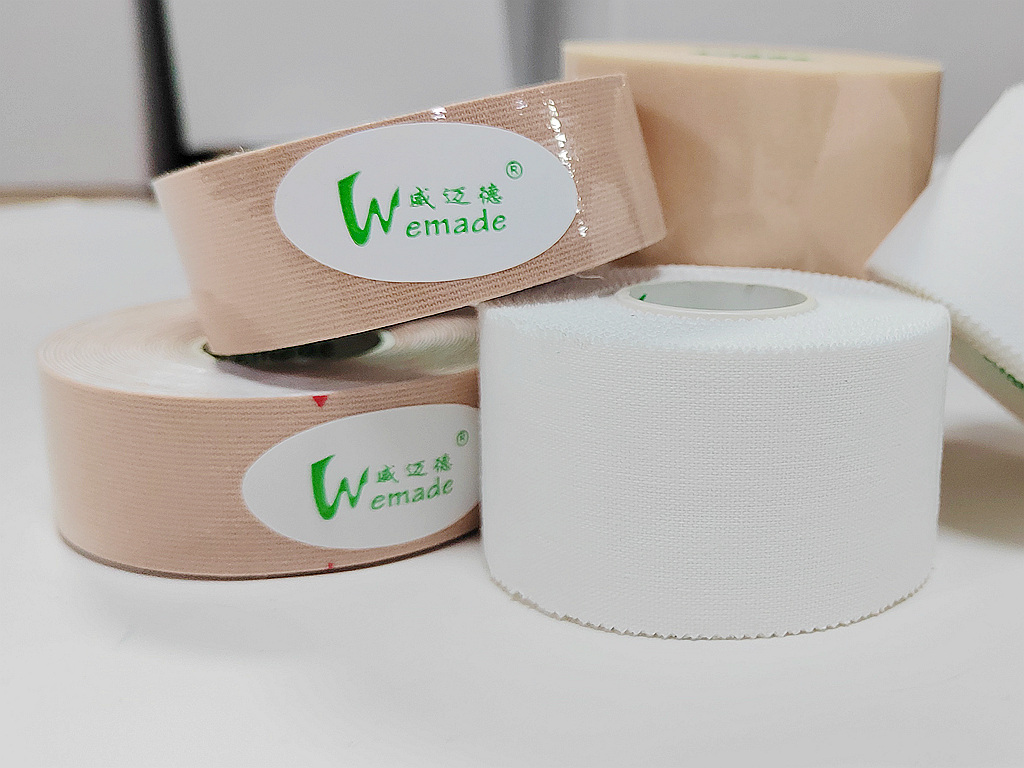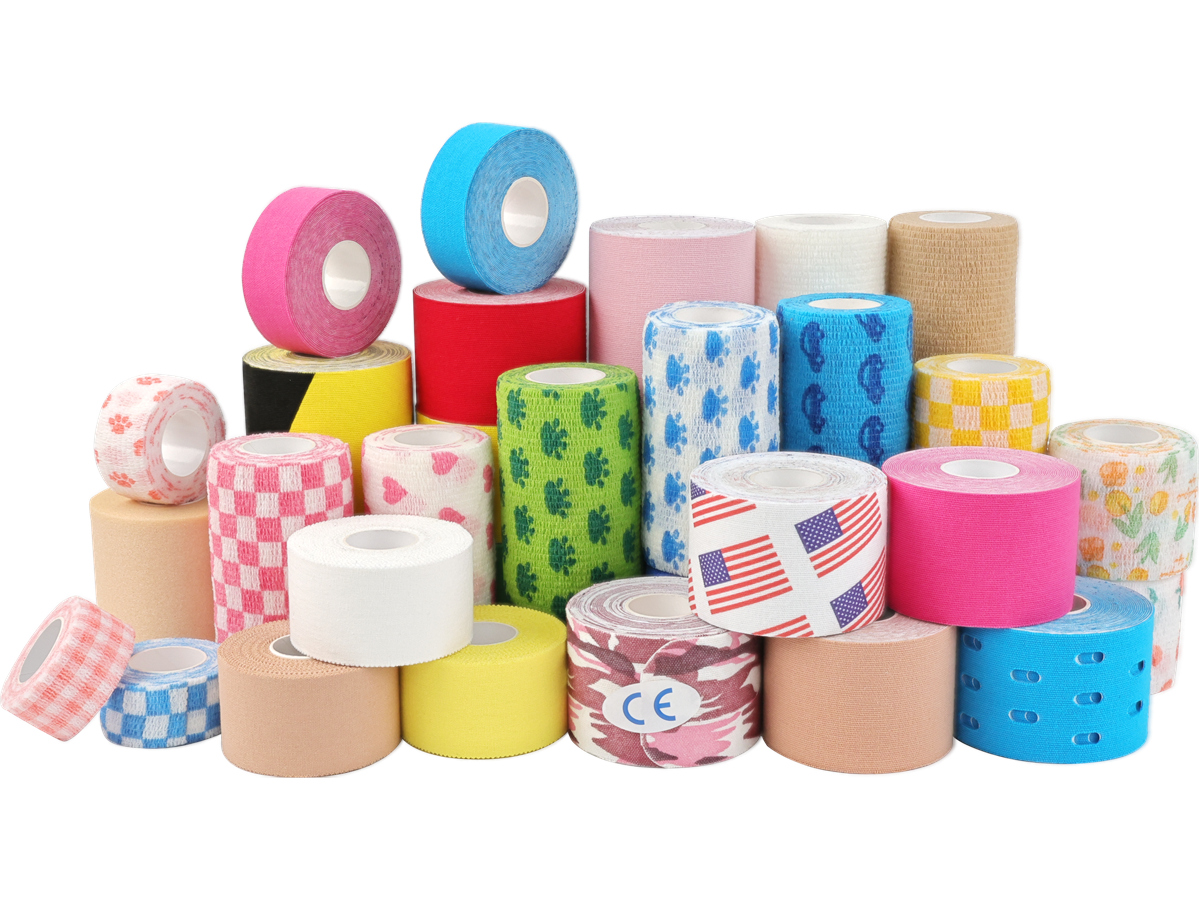
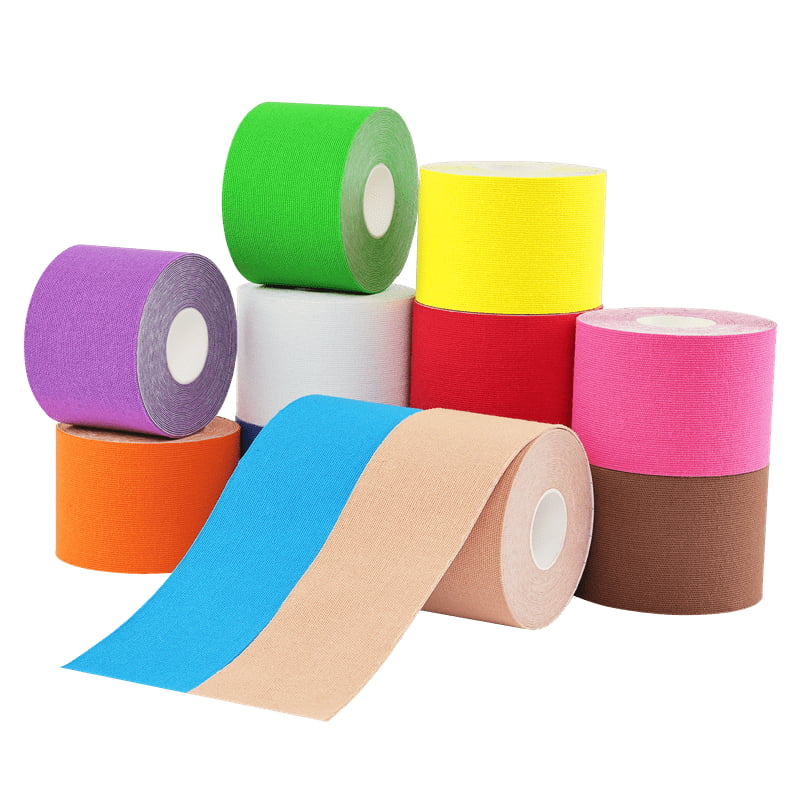
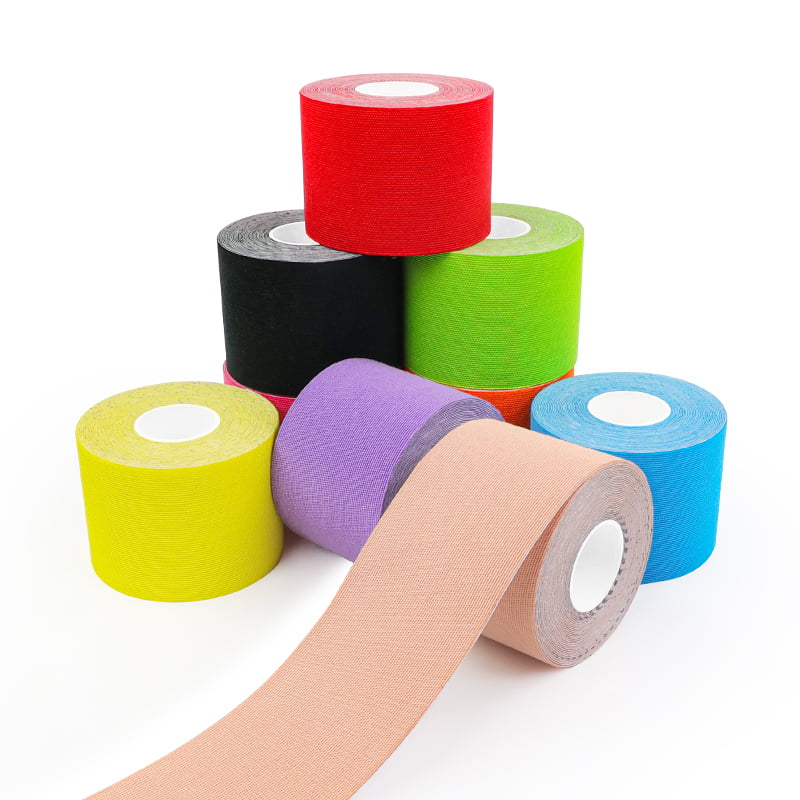
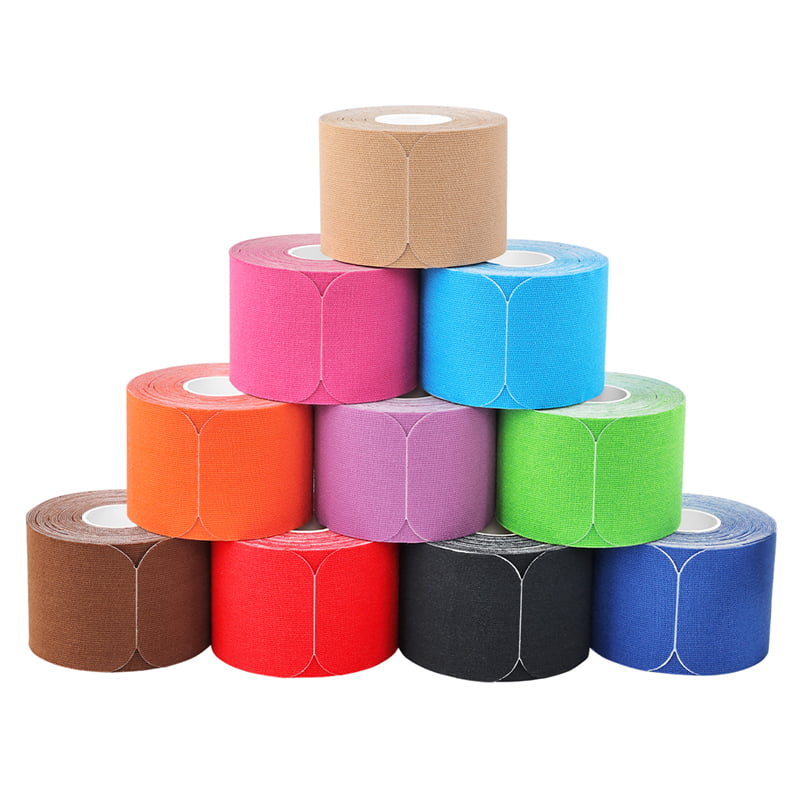
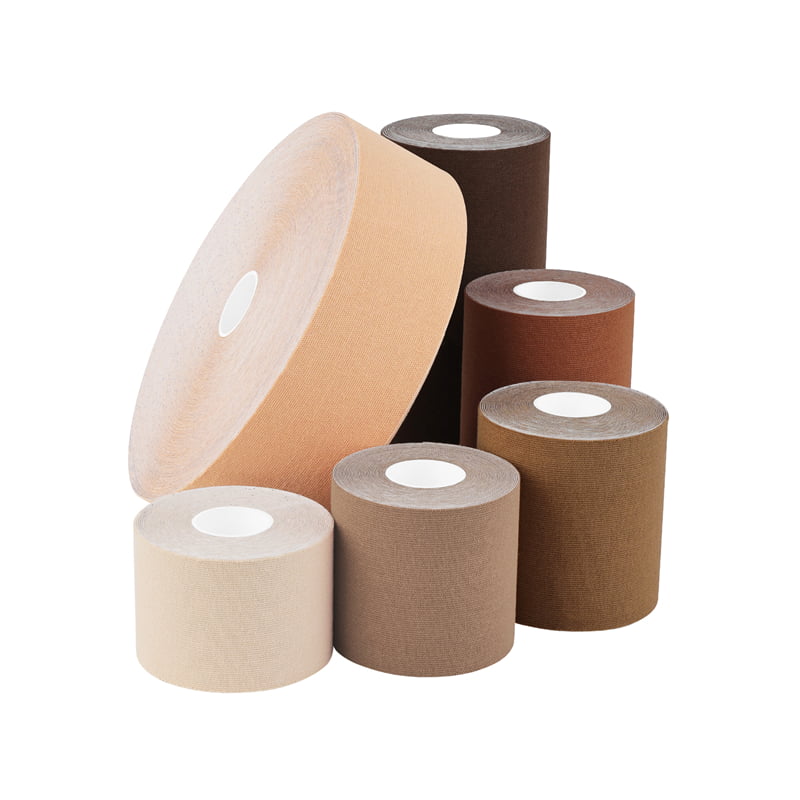
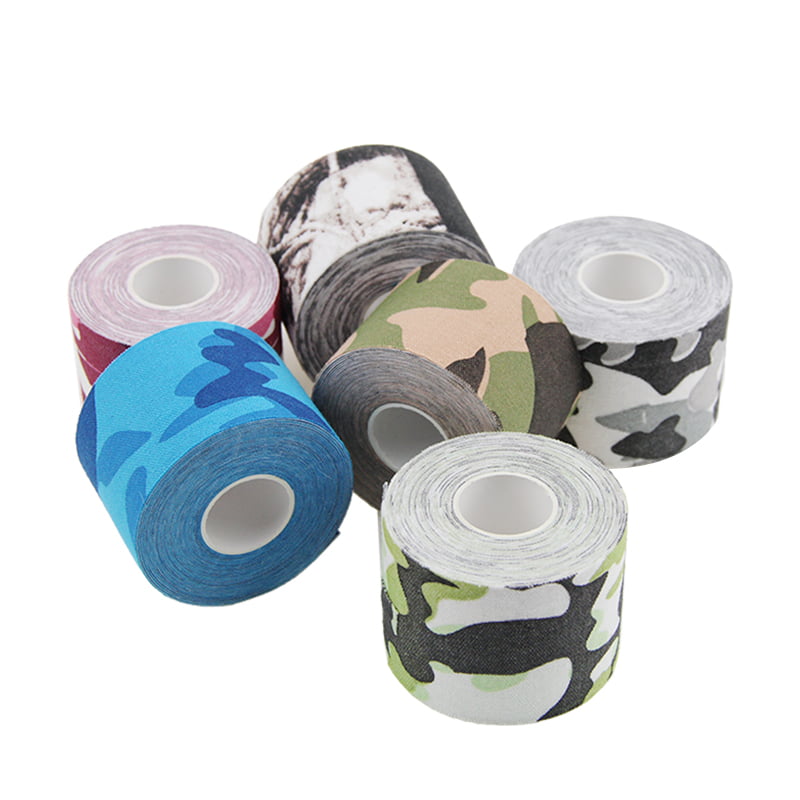
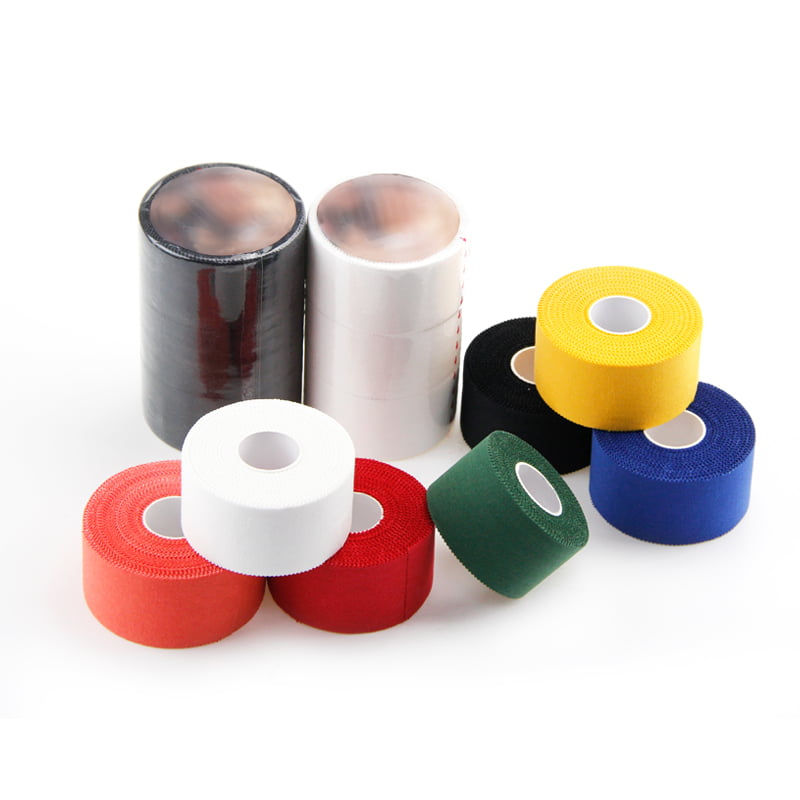
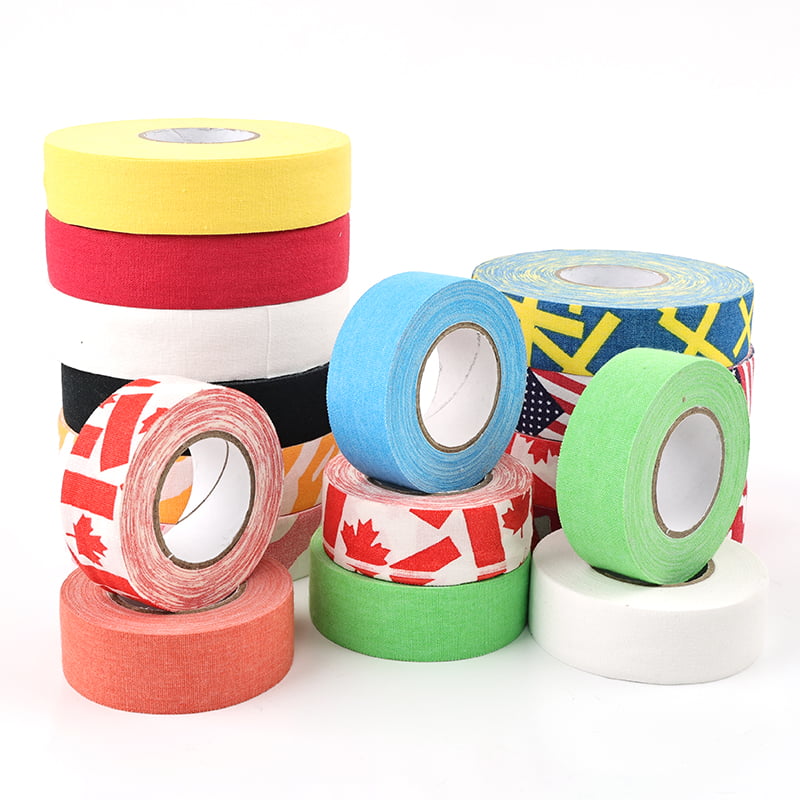
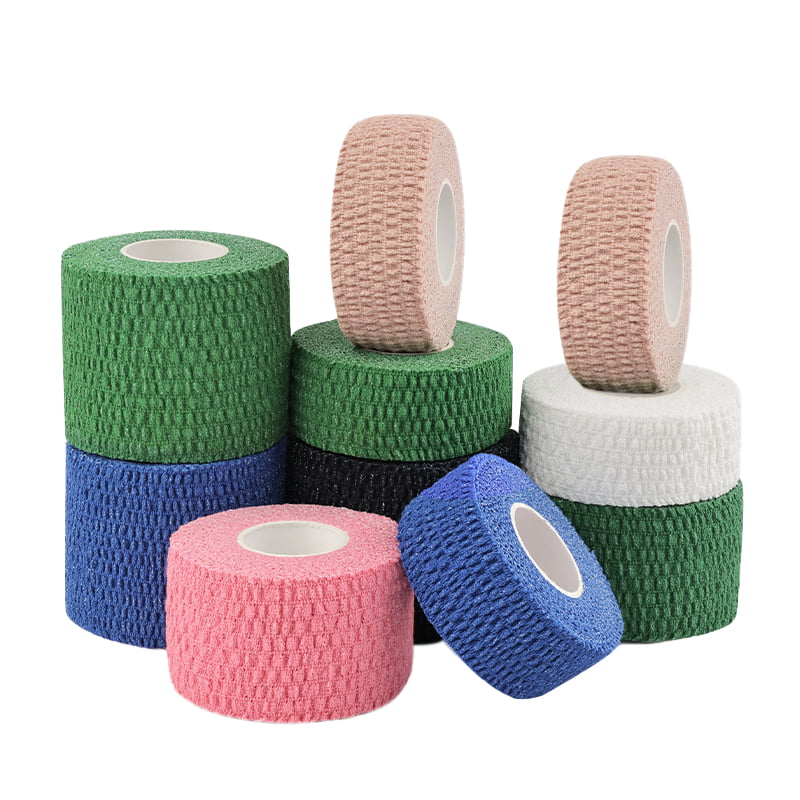
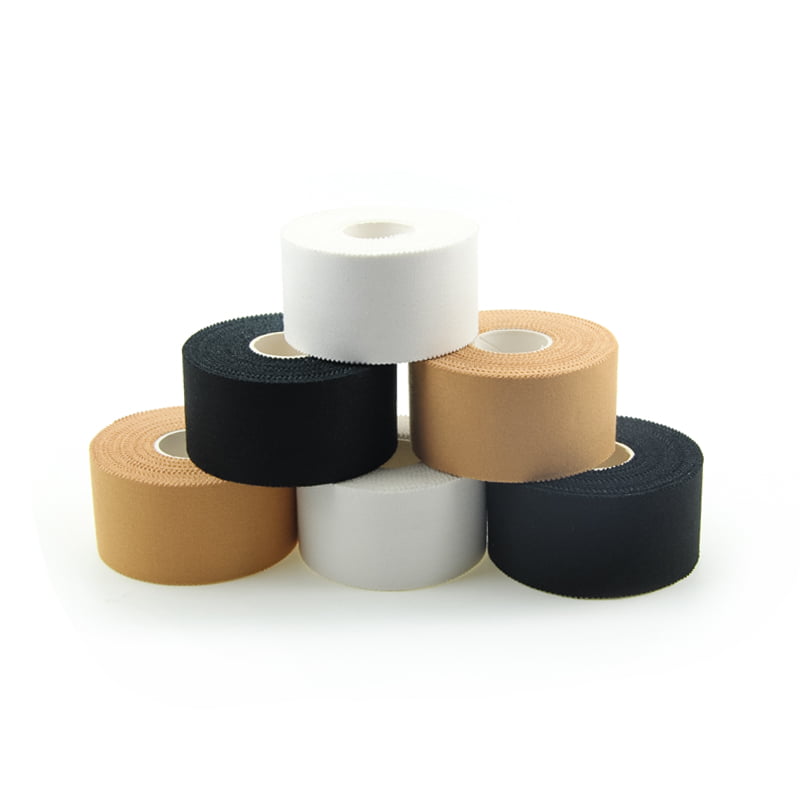
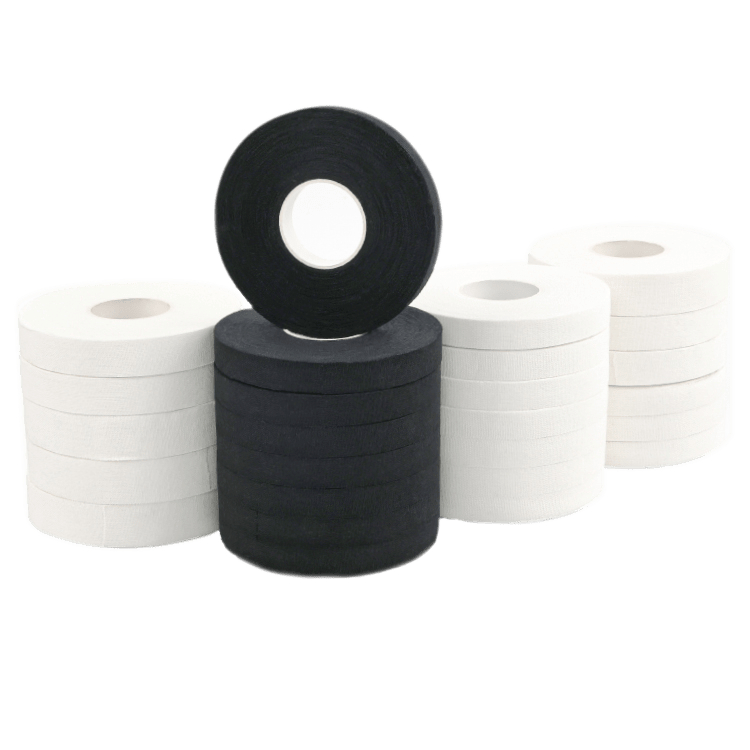
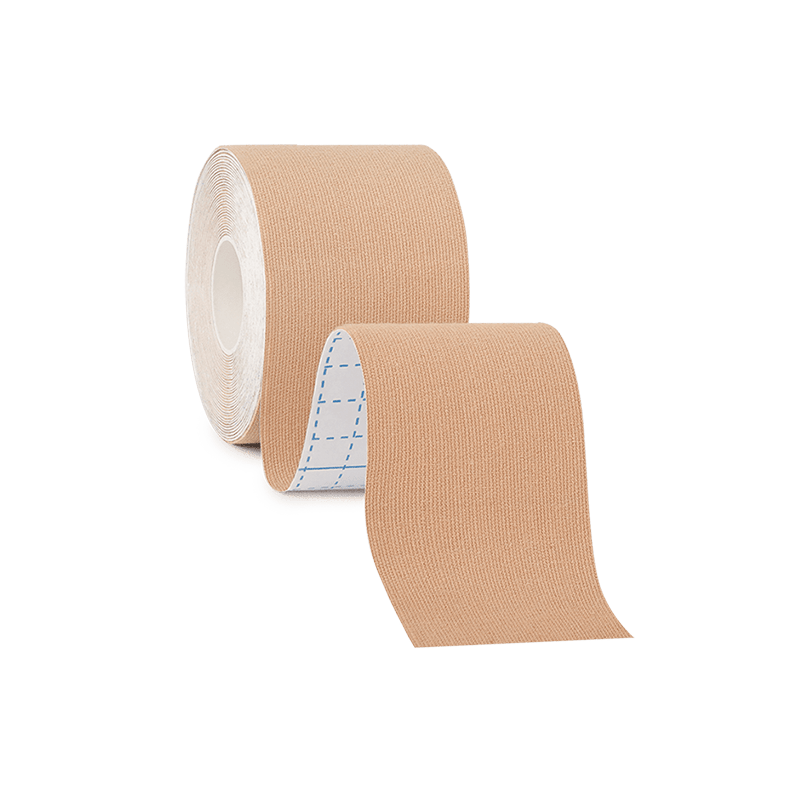
Tennis finger tape can help protect fingers and palms from painful blisters caused by powerful serves and aggressive forehands. The key is to identify where friction occurs and protect those areas without compromising racket control.
-
Repeated friction and shear can cause skin layers to separate and form blisters.
-
Finger tape can protect specific contact points when selected and applied correctly.
-
Veefun offers cotton athletic finger tape options for targeted protection.
-
Correct grip size, a suitable overgrip, and moisture management help reduce recurring friction.
-
Existing blisters need appropriate wound care rather than tighter taping.
Why Do Tennis Players Develop Finger Blisters?
If you've ever felt a hot spot on your fingers after a long tennis session, you know how quickly it can turn into a painful blister. Every time you swing, the racket handle rubs against your skin. Repeated rubbing can damage the skin and cause fluid to build up underneath.
Blisters often show up at the base of the index finger, between the thumb and index finger, or along the heel of the palm. Where they appear depends on how you hold the racket and which parts of your hand take the most friction.
Sweaty hands can make things worse, especially when your overgrip gets slippery, and you keep adjusting your hold. Gripping the racket too tightly may also increase pressure on certain spots. If blisters keep appearing in the same place, check your grip, overgrip, and racket handle before simply adding more tape.
How to Choose Tennis Tape for Your Finger
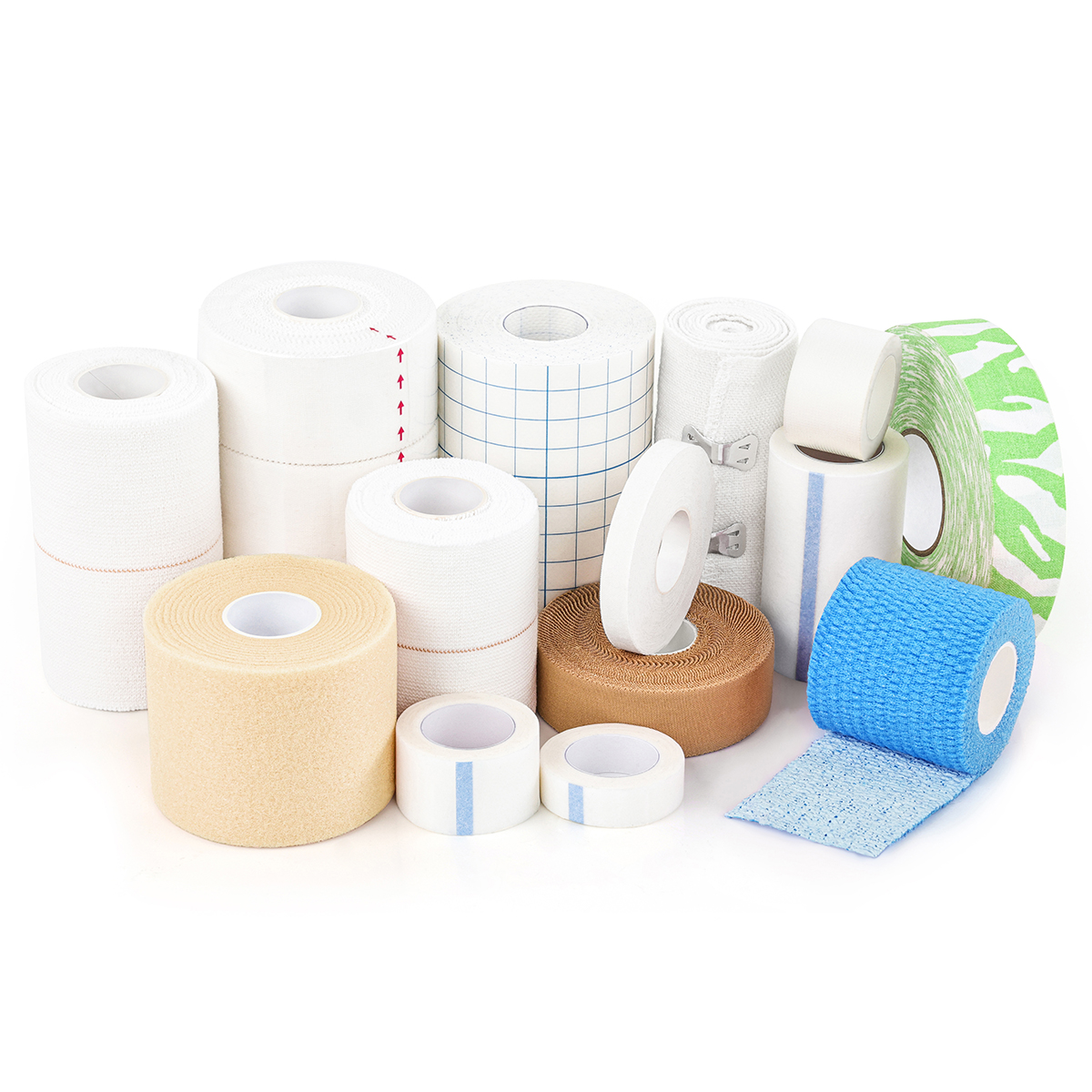
The right tennis tape should cover the affected area without creating unnecessary bulk or restricting finger movement. Narrow cotton athletic tape is one option for targeted protection, but adhesive performance, fabric construction, and application technique all influence how well it stays in place.
|
Product Type |
Key Characteristics |
Potential Use |
Limitations |
|---|---|---|---|
|
Fabric backing, adhesive coating, and narrow-width options |
Targeted protection for friction-prone fingers and intact skin |
Rigid tape can restrict movement or circulation if applied too tightly |
|
|
Strong adhesive backing with a flexible or rigid fabric construction, depending on the product |
Protecting fingers and supporting grip during weightlifting exercises |
May restrict finger movement or affect grip feel if applied too tightly or too thickly |
|
|
Adheres to itself rather than directly to skin |
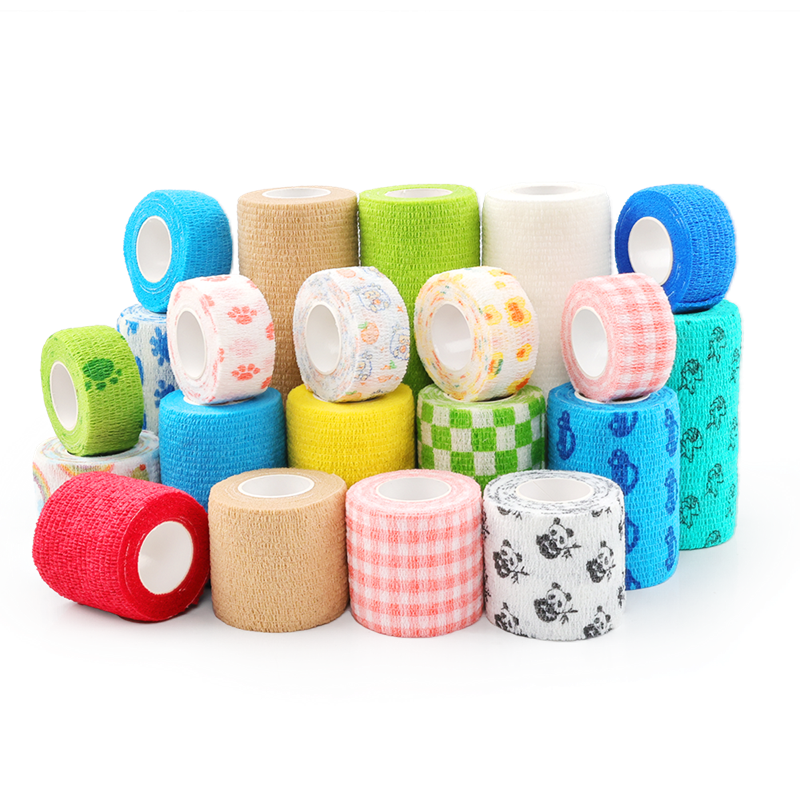
Securing a suitable dressing when appropriate |
Can become bulky and should not be applied tightly or directly over an open wound |
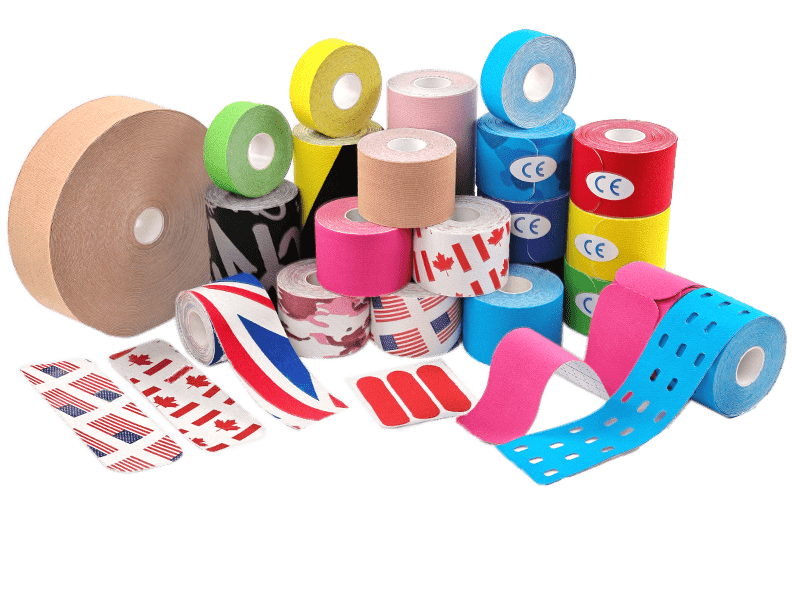
Of course, there are many brands to choose from for the same type of product. If you are new to this and aren't sure which brand to pick, you might want to start with Veefun Sports Finger Tape. This brand offers the most comprehensive range of sports tapes, reasonably priced, with a wide variety of sizes and colors—making it an excellent, user-friendly choice for beginners.
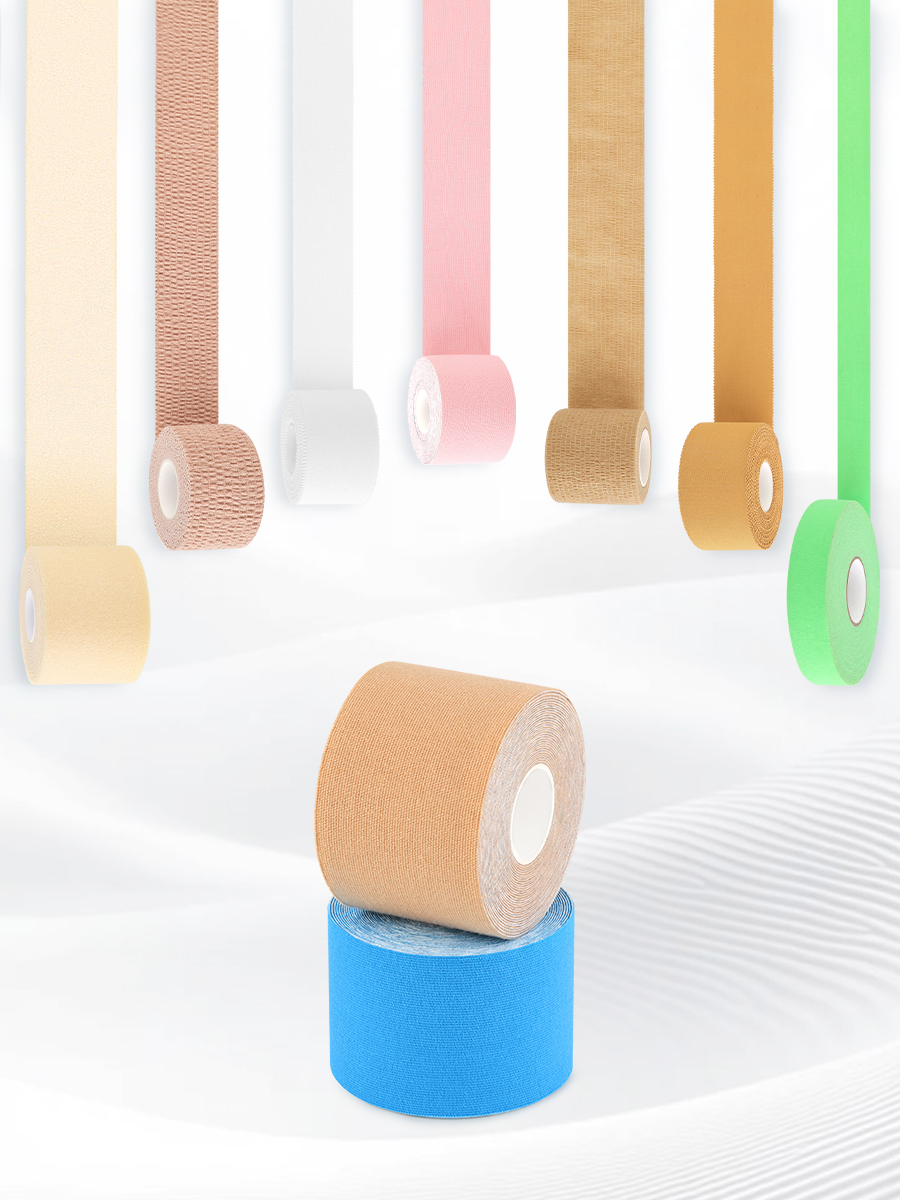
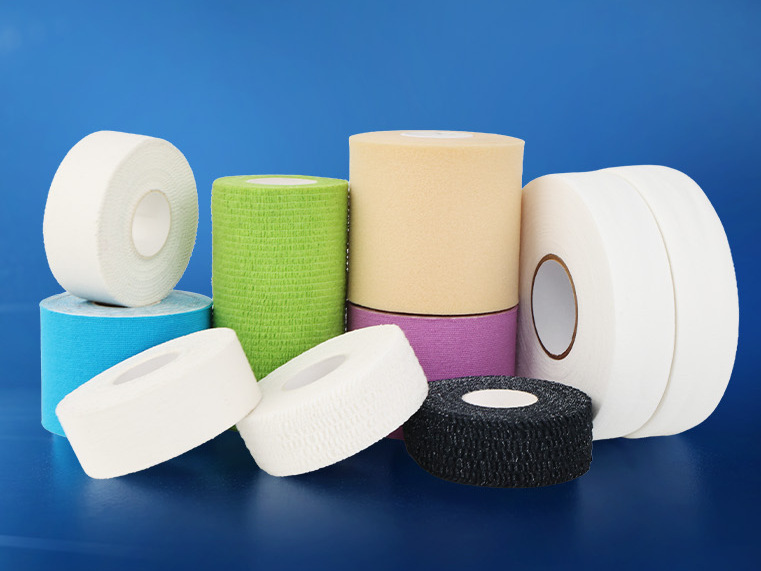
Veefun offers cotton sports finger tape with zinc oxide hot-melt adhesive. Its published product range includes narrow widths intended for finger taping, making it an option to consider when protection needs to be concentrated around a small area.
Product details: https://www.veefun.com/products/sports-finger-tape
Three Practical Taping Techniques
1. Protect the Index Finger
If friction repeatedly affects the index finger, position a narrow strip over the affected area while keeping the joint creases clear where practical. Apply the tape without stretching it and avoid excessive overlap.
Bend the finger and grip the racket before playing. If the tape feels restrictive, causes discomfort, or changes your grip significantly, remove it and adjust the placement.
2. Protect the Thumb-Index Web Space
For friction between the thumb and index finger, position a short strip over the affected area without pulling the two digits together. If additional anchoring is needed, use another strip only if it preserves normal thumb movement.
Test the placement with your usual grip and a few gentle practice swings. Do not use tape to compensate for a grip that repeatedly slips or feels unstable.
3. Cover the Heel of the Palm
If the heel of the palm is the main friction point, place a protective strip over the intact skin. Secure the ends without wrapping tightly around the entire hand.
Full circumferential wrapping can become restrictive, particularly if swelling occurs. Check finger movement and comfort before returning to high-intensity play.
What to Do When a Blister Has Already Formed
Preventive tape and blister care are not the same thing. If a blister develops, stop the activity causing repeated friction and protect the area with an appropriate dressing.
The American Academy of Dermatology recommends leaving blisters intact when possible. The overlying skin helps protect the underlying tissue while it heals.
Avoid placing adhesive directly over a blister if removal could tear the skin. Large or painful blisters may require professional assessment. Seek medical attention if you notice spreading redness, increasing pain, swelling, pus, or other signs of infection.
Reduce Friction Beyond Tennis Finger Tape
Check Your Overgrip
Replace an overgrip when it becomes worn or slippery enough to affect your hold. Replacement frequency depends on playing time, sweat levels, and material wear; a fixed weekly schedule is not necessary for every player.
Review Your Racket Grip Size
An unsuitable grip size may make comfortable racket control more difficult. A commonly used preliminary check is to see whether the index finger of your non-dominant hand fits into the gap between the fingertips and palm of your gripping hand when holding the racket.
Treat this as a practical guide rather than a precise measurement. If the racket feels uncomfortable or you repeatedly squeeze too hard, ask a qualified coach or racket specialist to assess the fit.
Manage Moisture and Watch for Hot Spots
Dry your hands during changeovers and check whether the overgrip remains secure. If an area becomes red, tender, or painful, address the friction before it develops into a blister.
Recurring blisters in the same location may indicate a technique or equipment issue. Review your grip, racket setup, and contact points instead of relying on increasingly thick layers of tape.
Frequently Asked Questions
Does finger tape affect tennis racket feel?
It can, depending on the tape's thickness, width, and placement. Narrow tape may add less bulk than a thick wrap, but even thin tape can alter grip sensation. Apply only what is needed, then check finger movement and racket control before starting a full session.
Should I use finger tape before every tennis session?
Not necessarily. Preventive taping is most useful when you have identified a recurring friction point. If your skin remains comfortable without tape, routine application may not be necessary. Monitor your hands and adjust protection according to the conditions that trigger irritation.
Can calluses still develop blisters?
Yes. Callused skin does not eliminate the risk of friction blisters. If a callus becomes excessively thick, gentle filing may help, but avoid cutting it with a blade or removing healthy skin. Seek professional advice if the area becomes painful, bleeds, or shows signs of infection.
What should I do if finger tape comes loose during a match?
Remove the loose section and dry the skin before applying a fresh strip, provided the skin remains intact and the product instructions permit it. Avoid adding tight layers to hold the tape in place. If the skin is damaged, use an appropriate dressing instead of repeatedly applying adhesive tape.
Get Ready for Your Next Match
Don't let painful blisters distract you from your game. Check your racket grip, identify friction-prone areas, and choose tennis finger tape that helps protect your skin without compromising racket control.
Whether you're preparing for a weekend match or training for your next tournament, Veefun sports finger tape is worth considering for targeted finger protection. Find the right tape for your needs and play with greater confidence.
Shop Veefun Sports Finger Tape: https://www.veefun.com/products/sports-finger-tape