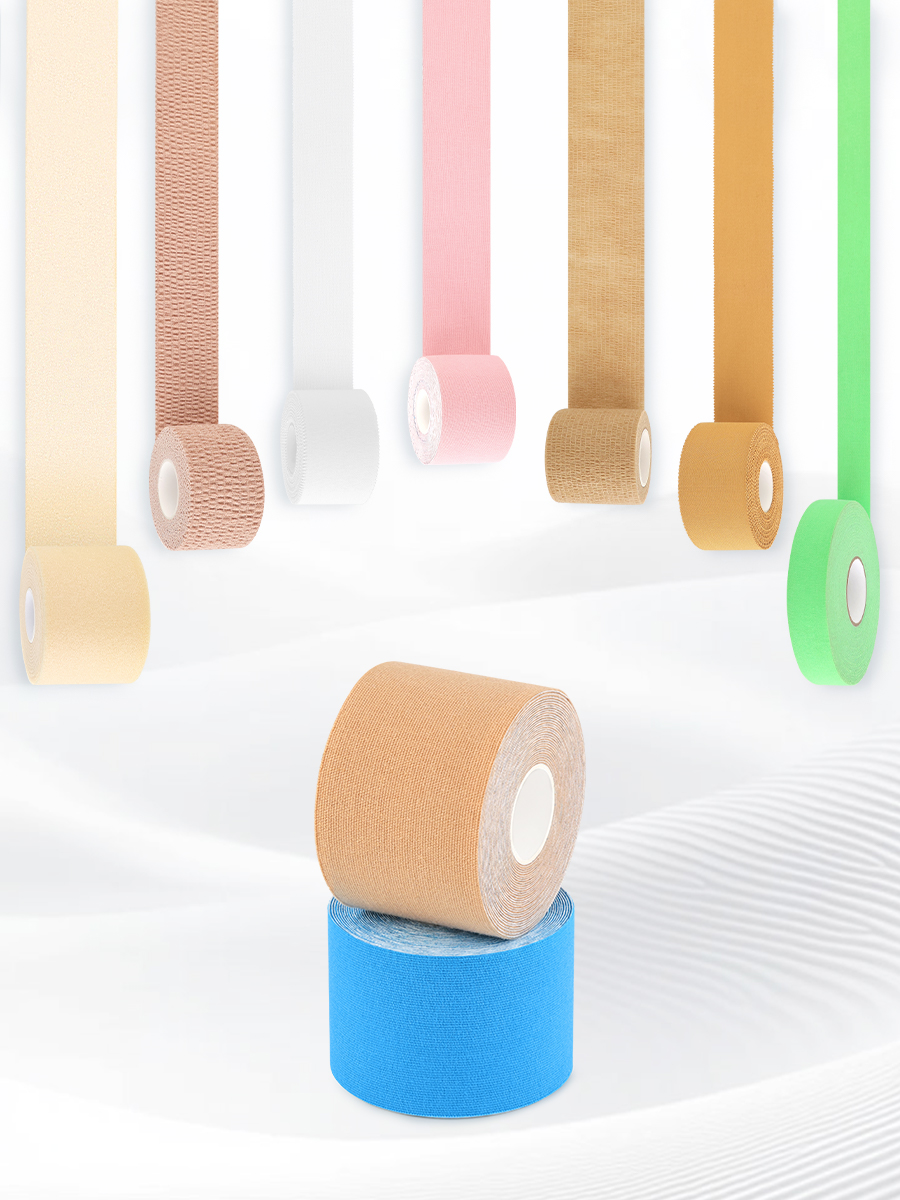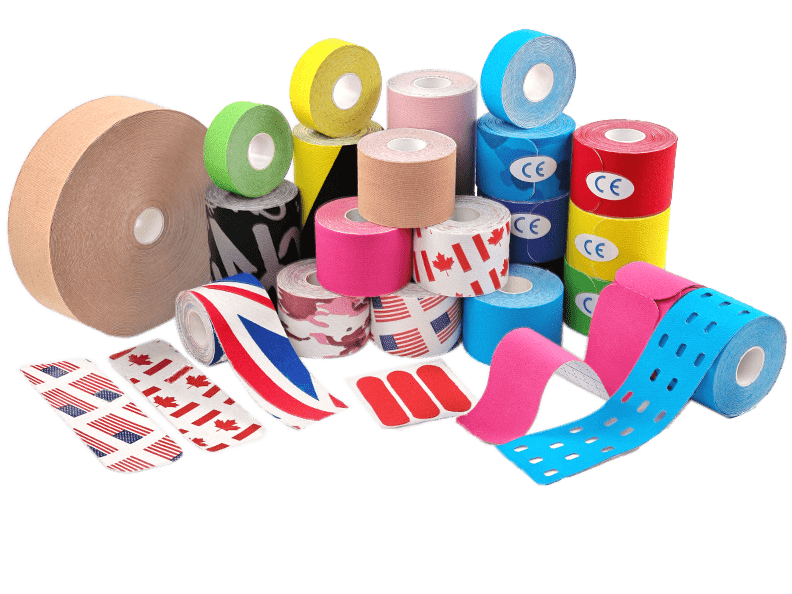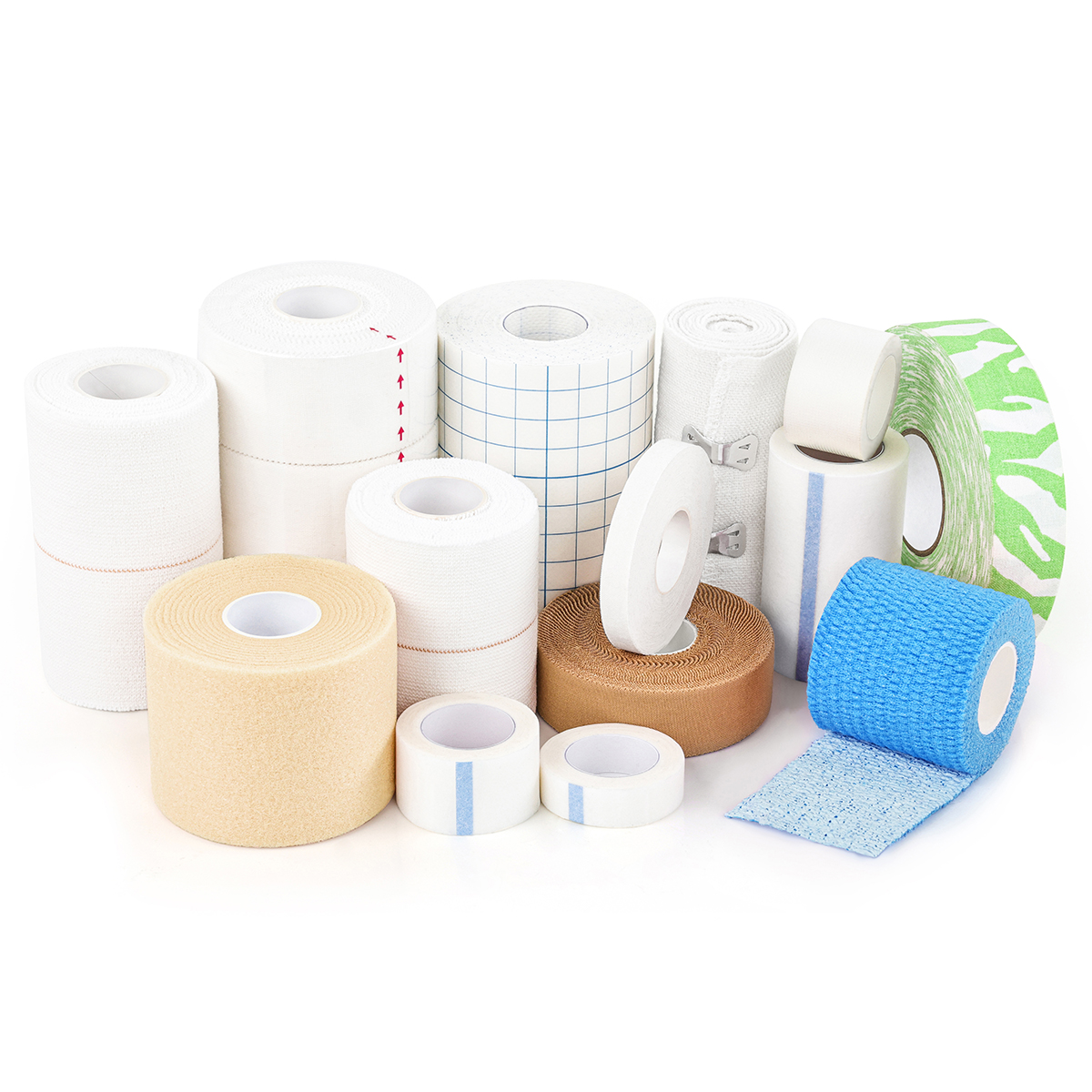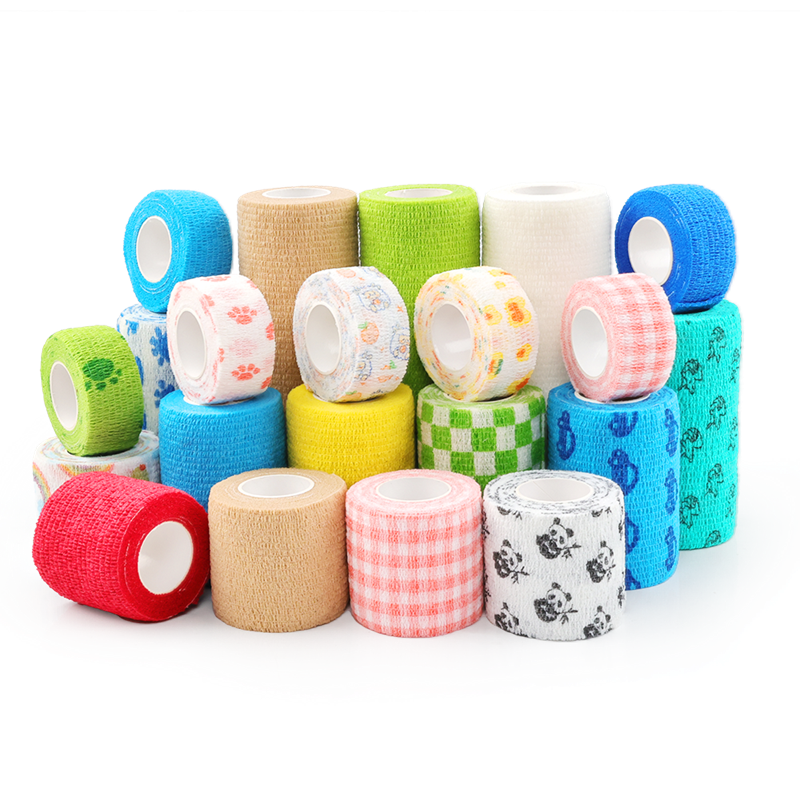
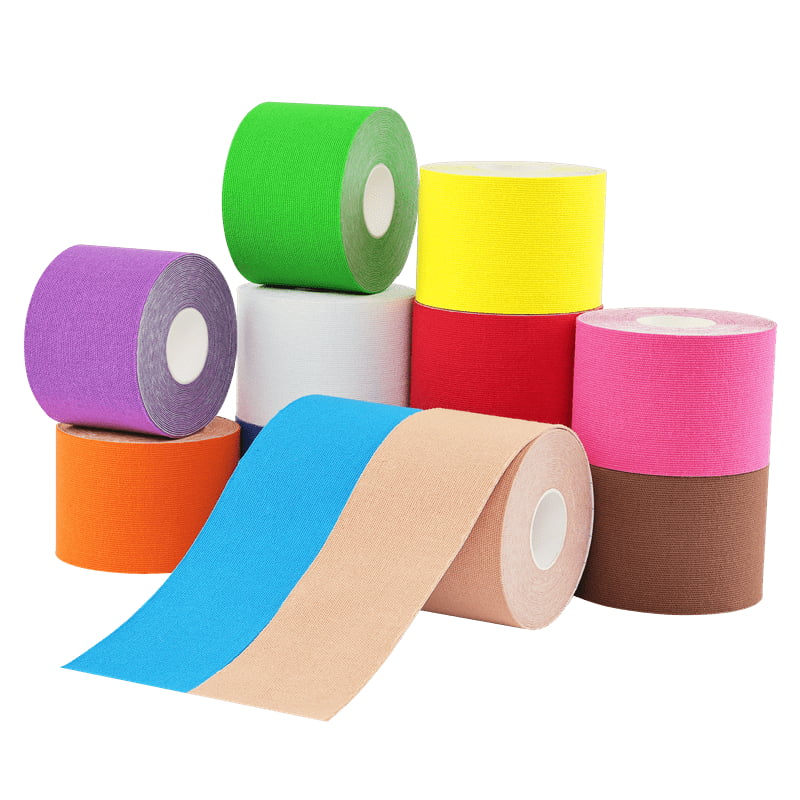
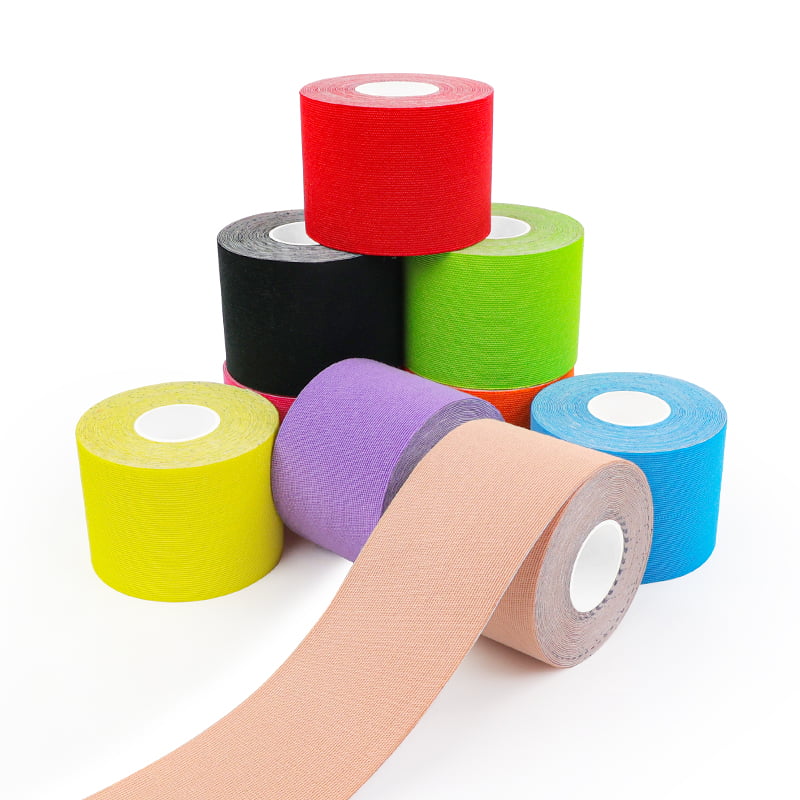
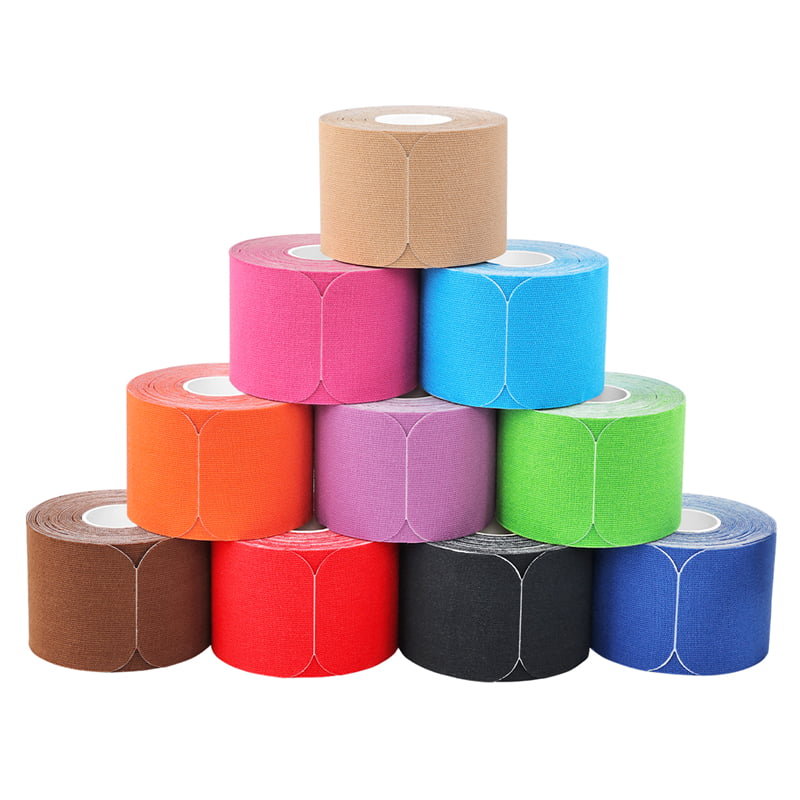
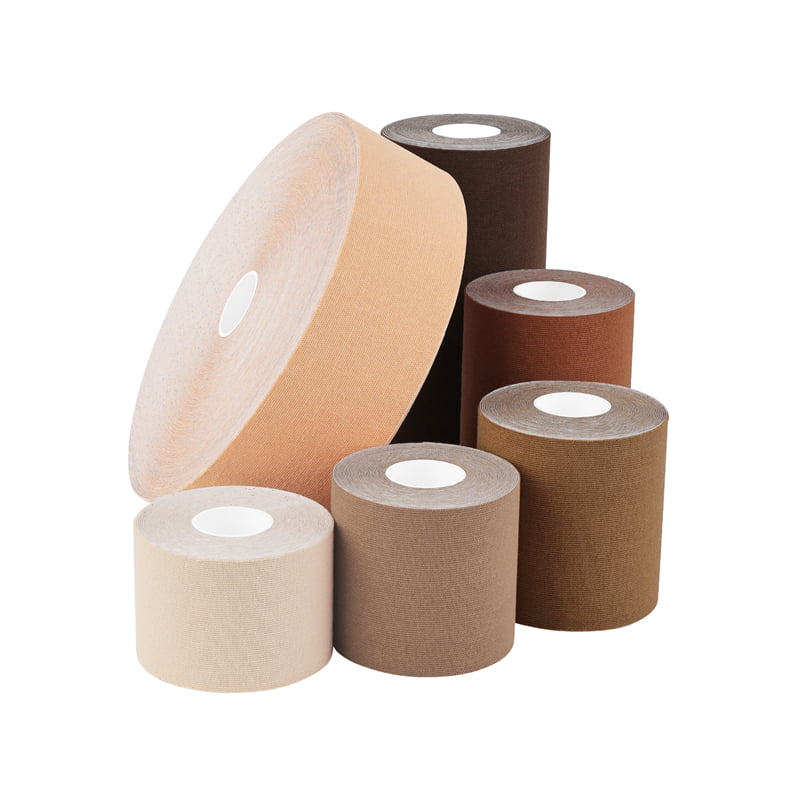
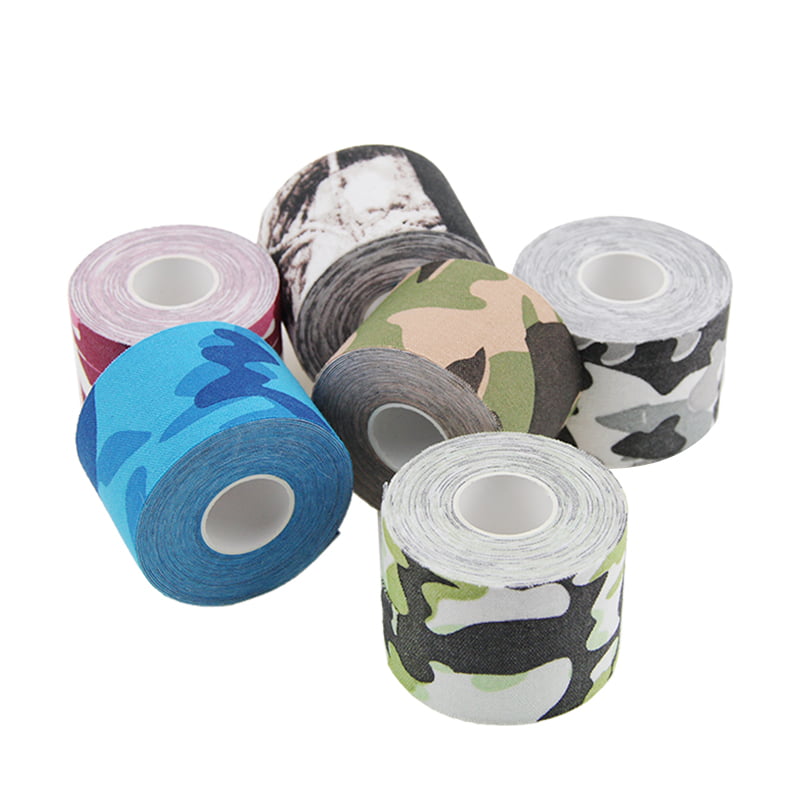
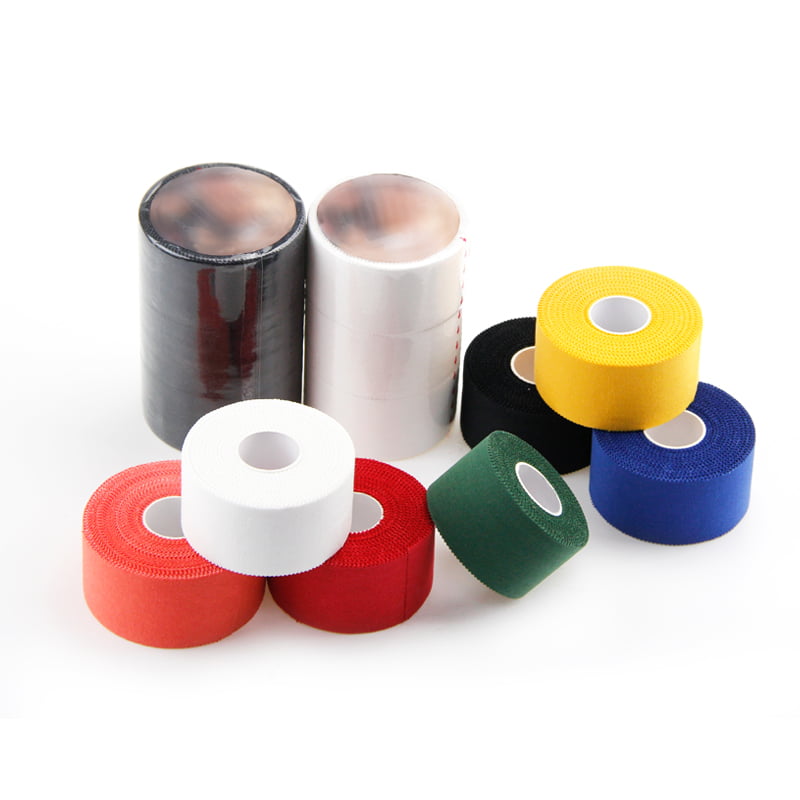
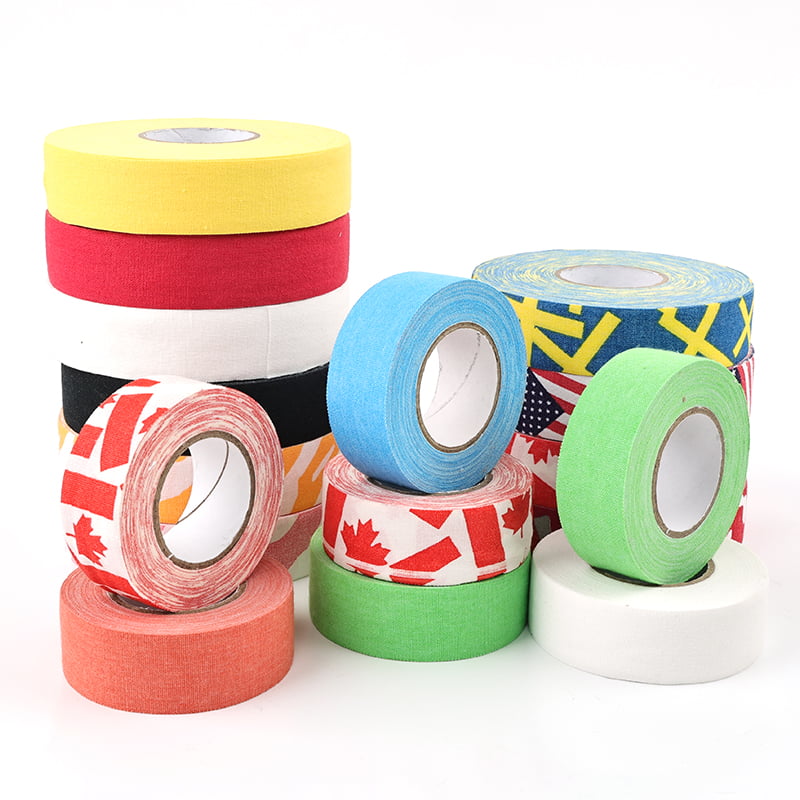
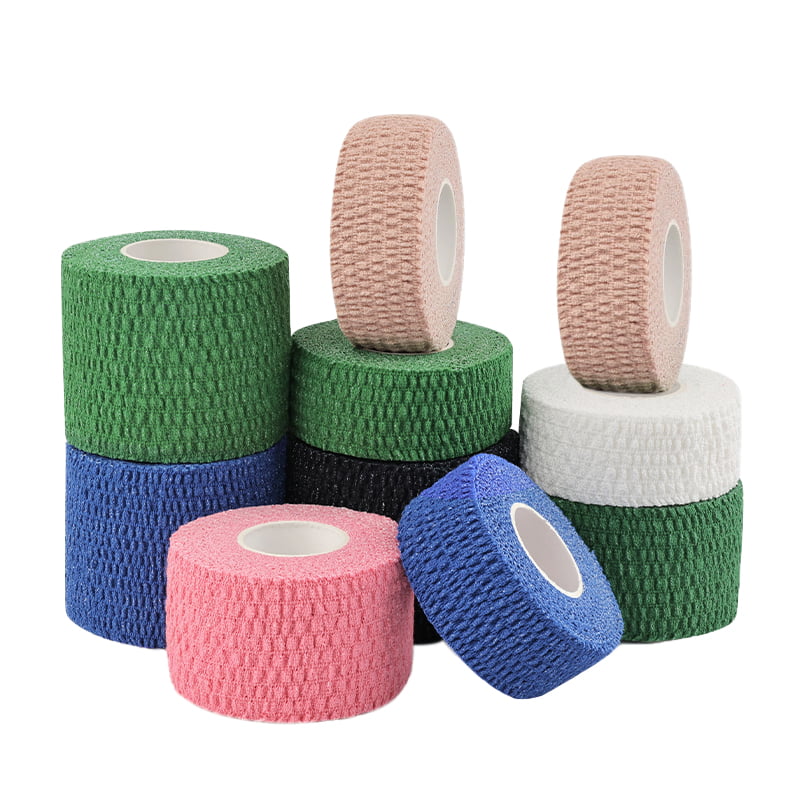
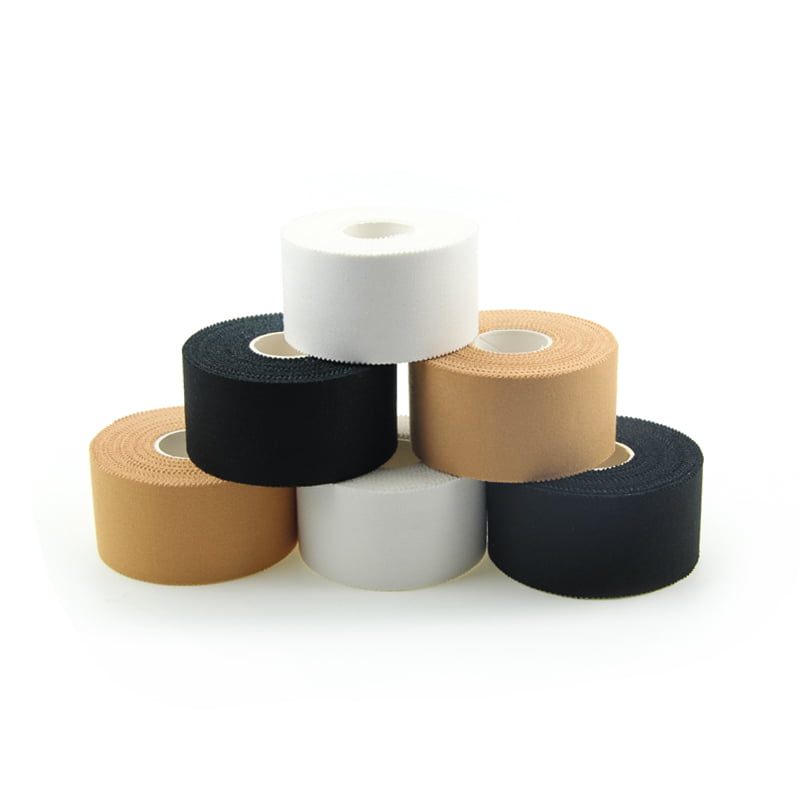
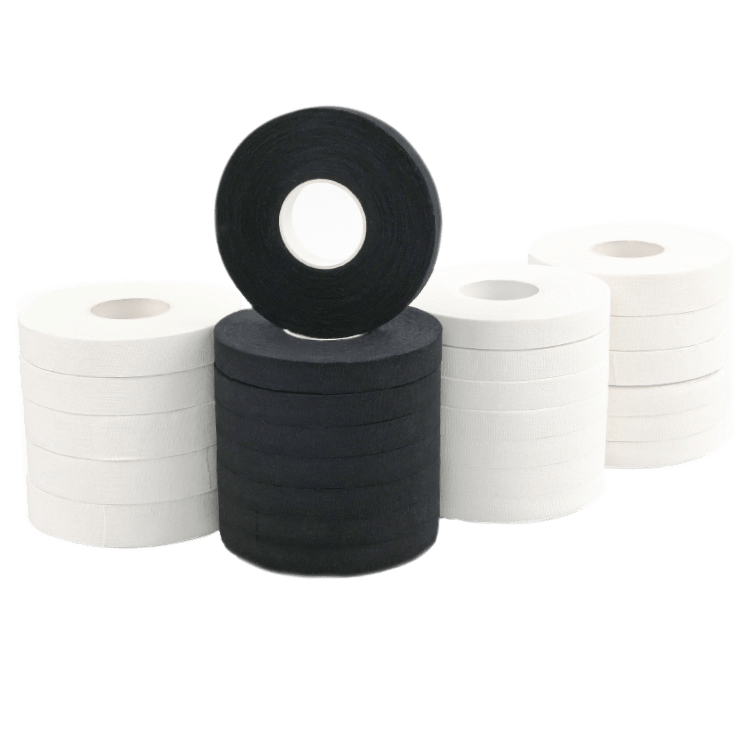
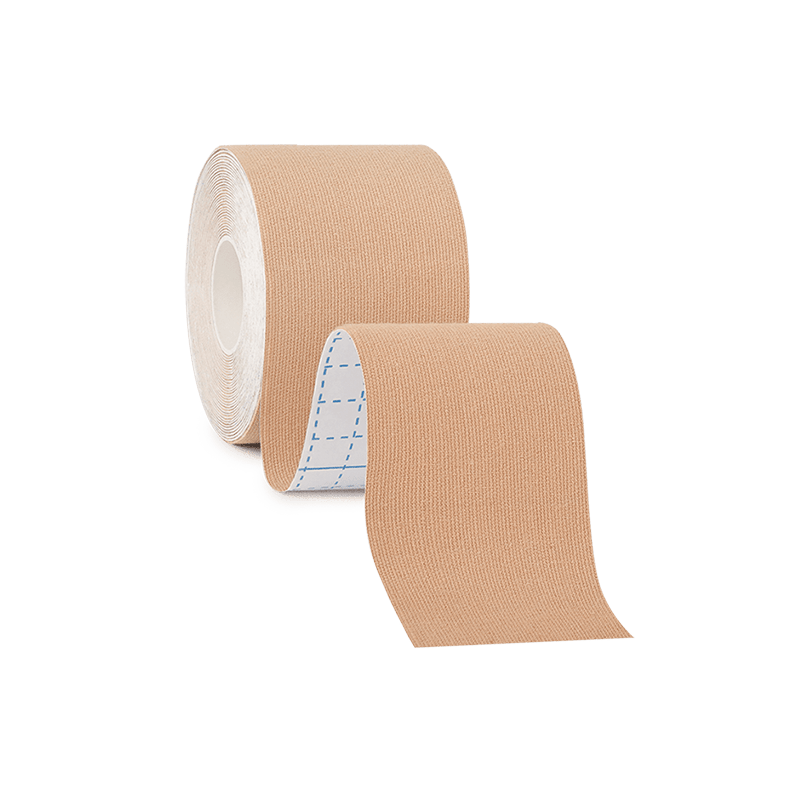
Athletes, coaches, and equipment managers often compare athletic tape to zinc oxide tape. A lot of the time, they wonder if hockey tape and athletic tape can be used in place of each other. These tapes are very similar, but they are made of different materials, use different types of glue, last for different amounts of time, and have different purposes.
This page helps you decide between hockey tape, athletic tape, and zinc oxide tape by explaining the real differences between them based on how the equipment is made, how it is used, and what materials are used.
1. The Zinc Oxide Confusion: It’s an Adhesive, Not Just a Tape
First, let's clear up a common misconception. When people ask for "Zinc Oxide Tape," they are usually talking about the glue, not the fabric. Zinc oxide is the gold standard for sports adhesives because it’s skin-friendly and doesn't turn into a gooey mess when you start sweating.
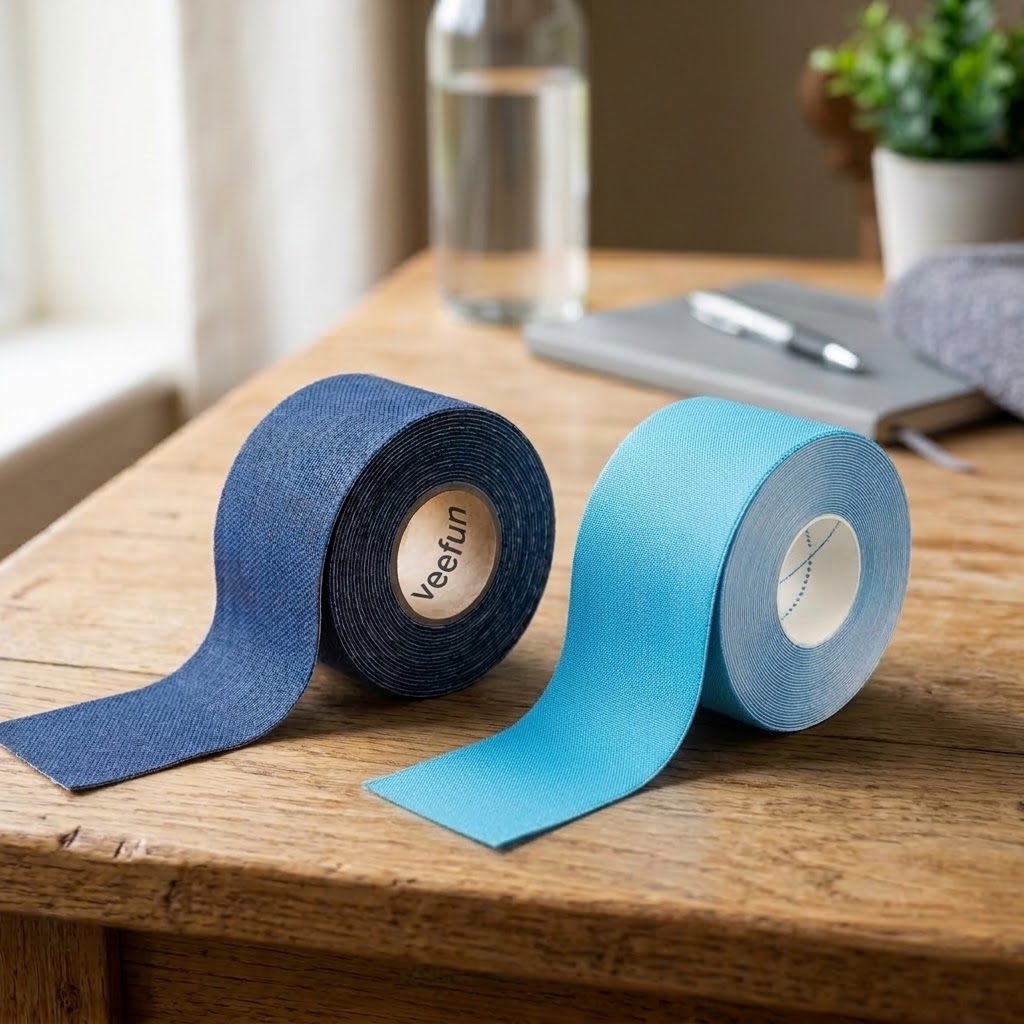
In the Veefun lab and on the field, we generally see this adhesive on two very different fabrics:
-
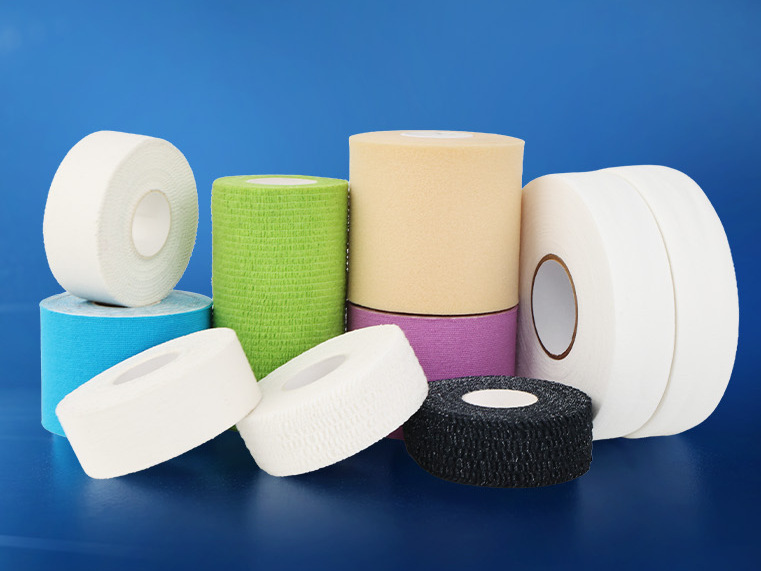
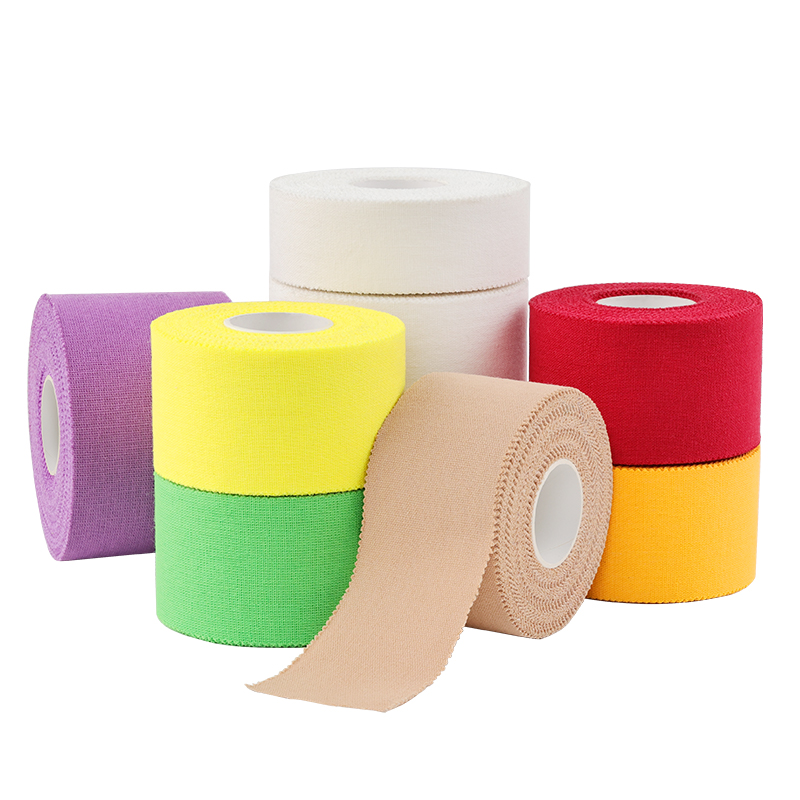
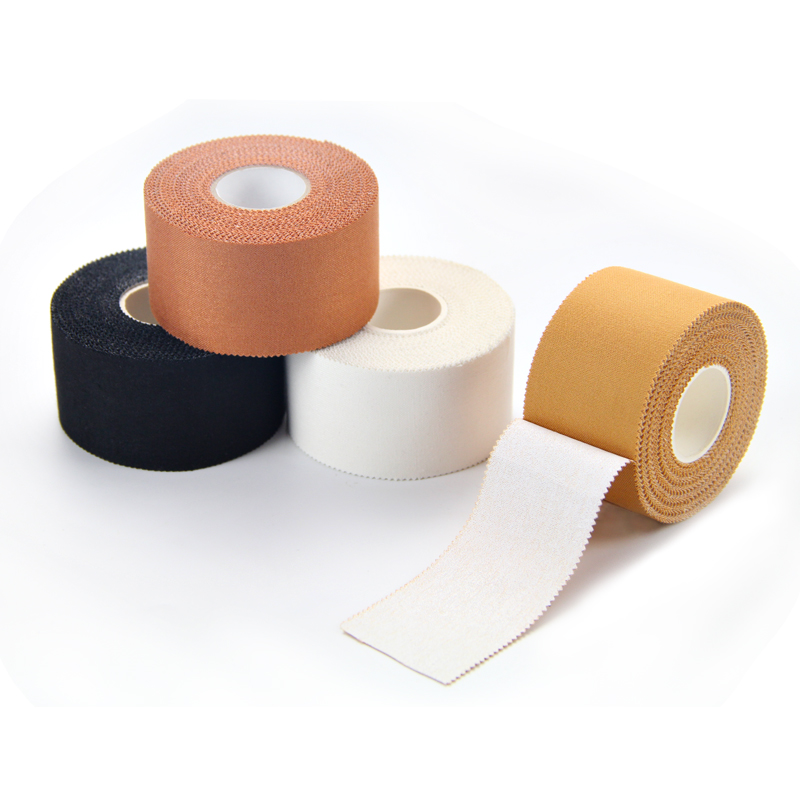
The "Standard" (Cotton): This is your everyday white athletic tape. It’s breathable, easy to tear by hand, and has a rougher texture that grips skin and gloves well.
-
The "Rigid" (Rayon): This is the heavy-duty stuff. Rayon is a synthetic fiber that doesn't stretch. If you need to completely immobilize a joint (like a high ankle sprain), this is what you reach for. It’s tougher, shinier, and significantly more expensive. When searching for this product on Google, the most accurate terms would be "sports strapping tape" or "rigid zinc oxide tape."
2. Zinc Oxide vs. Athletic Tape: Support vs. Comfort
The debate over zinc oxide tape vs athletic tape usually boils down to how much movement you're willing to allow.
Material & Strength
Most high-quality athletic tapes already use zinc oxide glue. The real choice is between Cotton and Rayon (Rigid Strapping).
-
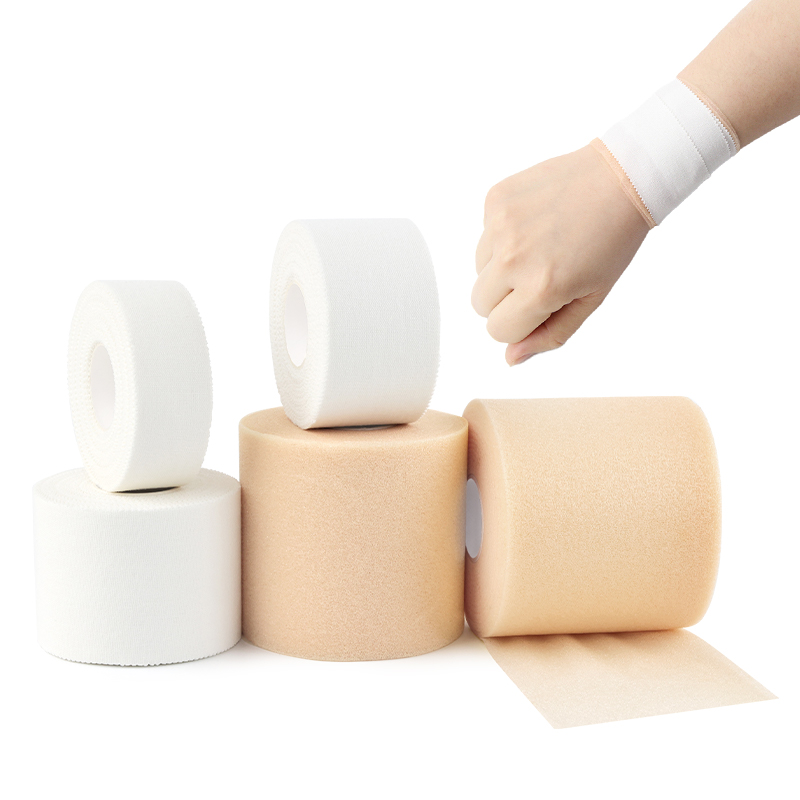
Cotton Athletic Tape is soft and forgiving. It’s great for "preventative" wrapping—giving you a little extra confidence without feeling like you're wearing a cast.
-
Rigid Strapping Tape is uncompromising. It has a higher tensile strength and won't "give" during high-impact lateral movements.
Friction & The "Grip" Factor
One thing the manuals don't always tell you: Texture matters. Cotton athletic tape has a natural "bite." If you're wrapping your fingers for rock climbing or rugby, that cotton friction helps you maintain grip. Synthetic rigid tapes are often smoother, which can actually feel slippery inside a glove.
Can They Replace Each Other?
In many situations, yes.
Both tapes provide:
Strong joint stabilization
Finger and toe protection
Skin reinforcement
Many trainers simply choose based on comfort VS durability needs.
Athletic Tape vs. Hockey Tape: A Warning for Your Skin
This is the most common mistake we see, and it’s a painful one. While they are both cloth-based, athletic tape vs hockey tape is a comparison of "Skin-Safe" vs. "Gear-Only."
Why Hockey Tape Stays on the Stick
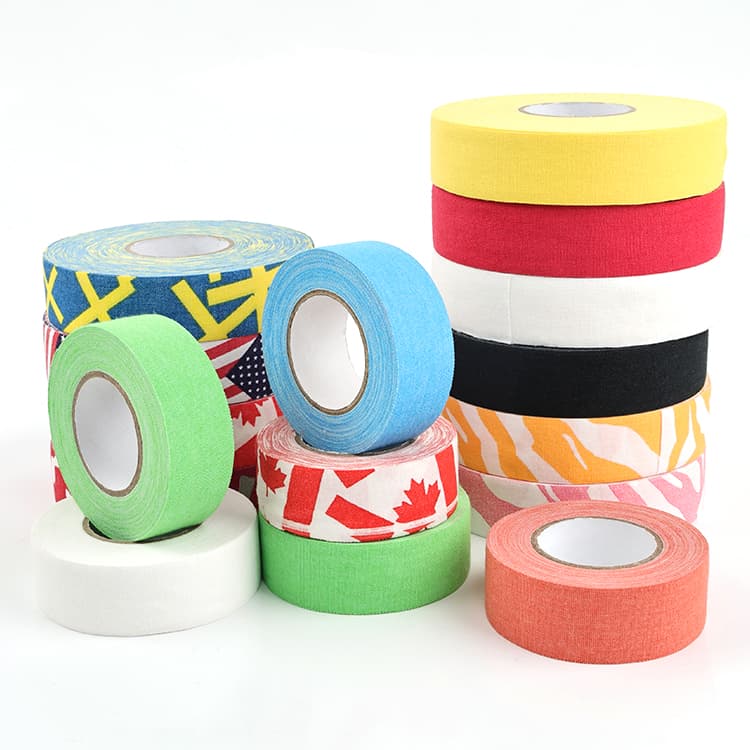
Hockey tape is designed to survive ice, slush, and the brutal friction of a 100mph slap shot. To do that, manufacturers use a "gummy," aggressive adhesive that is not designed for human skin.
-
The Result? If you use hockey tape on your ankle, you’re likely to end up with a chemical rash or a "free wax job" when you try to peel it off.
Durability of the Blade
In the athletic tape vs hockey tape showdown for equipment, hockey tape wins every time. Its thicker weave acts like armor for a composite stick blade. Athletic tape would shred within the first five minutes of the first period.
The Trainer's Cheat Sheet: When to Use What?
| If you are... | Use This... | Why? |
| Wrapping a stable ankle for practice | Cotton Athletic Tape | Cheap, breathable, and provides "just enough" support. |
| Coming back from a Grade 2 sprain | Zinc Oxide Rigid Tape | Zero stretch. It acts as an external ligament to prevent re-injury. |
| Fixing a grip on a stick or bat | Hockey Tape | Aggressive adhesive and thick fabric that handles moisture. |
| Dealing with sensitive skin | Zinc Oxide (Cotton) | The zinc oxide helps soothe the skin and reduces "tape burn." |
What Sports Trainers Usually Recommend
Sports medicine professionals usually have a lot of different kinds of tape on hand.
The National Athletic Trainers' Association (NATA) and sports taping manuals used in athletic training programs say that the right tape to use depends on:
Needs for preventing injuries
Conditions of surface friction
Sensitivity of the skin
Length of time spent doing something
For the best support, experienced trainers usually use a combination of cotton athletic tape and rigid strapping tape.
Because it is better at resisting wear and tear, ice hockey teams' equipment managers almost always use hockey tape.
People who teach sports taping often use these sources:
Guidelines for taping from the National Athletic Trainers' Association (NATA)
Brukner & Khan's Clinical Sports Medicine
Perrin's book on athletic taping and bracing
These resources stress that the type of adhesive and the structure of the fabric have a direct effect on how well tape works.
Last Thoughts
People often argue about zinc oxide tape vs. athletic tape and athletic tape vs. hockey tape based on the materials, how long they last, and what they are meant to be used for.
Zinc oxide tape is a tape that uses zinc oxide glue. It is often used in athletic tape and rigid strapping tape.
Athletic tape puts comfort, grip, and breathability of the skin first.
Hockey tape is made to last a long time when used on equipment.
In an emergency, these tapes can sometimes be used instead of each other, but choosing the right tape for the job will give you better protection, better performance, and longer-lasting results.
Don't treat tape as an afterthought. Use Zinc Oxide (Rayon) for stabilization, Cotton Athletic Tape for everyday protection, and keep the Hockey Tape for your sticks. Your skin will thank you.
Author
Amelia Chen
Official Website Contributor for WEMADE
About the Author
Amelia Chen has worked with sports tape manufacturers and athletic trainers for over a decade, focusing on sports protection materials and performance textiles used in professional and amateur athletics.
References
National Athletic Trainers' Association – Sports Taping Guidelines
Brukner, P. & Khan, K. Clinical Sports Medicine
Perrin, D. Athletic Taping and Bracing
American College of Sports Medicine – Injury Prevention Resources