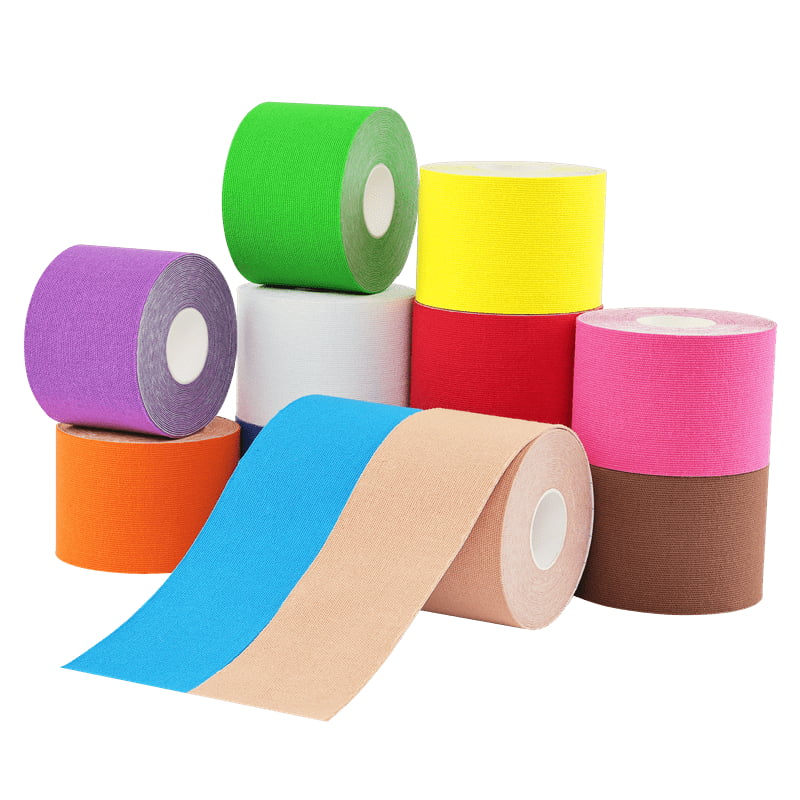
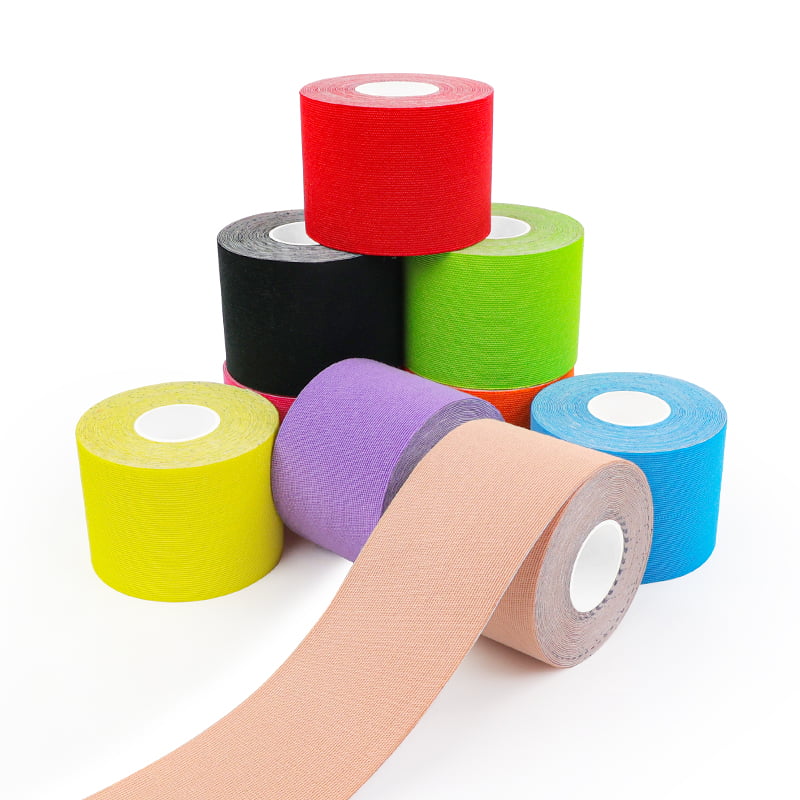
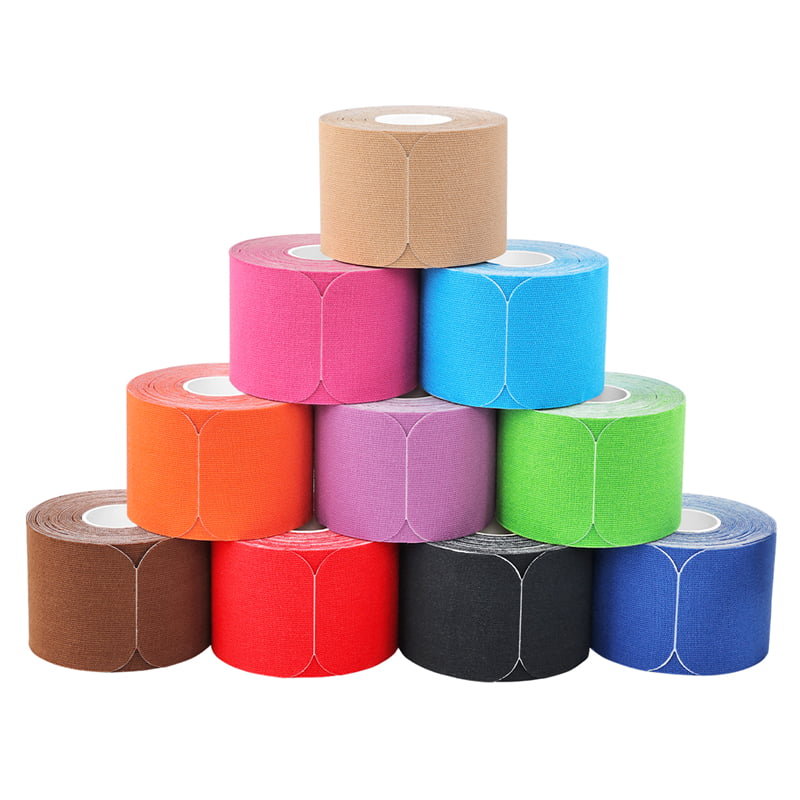
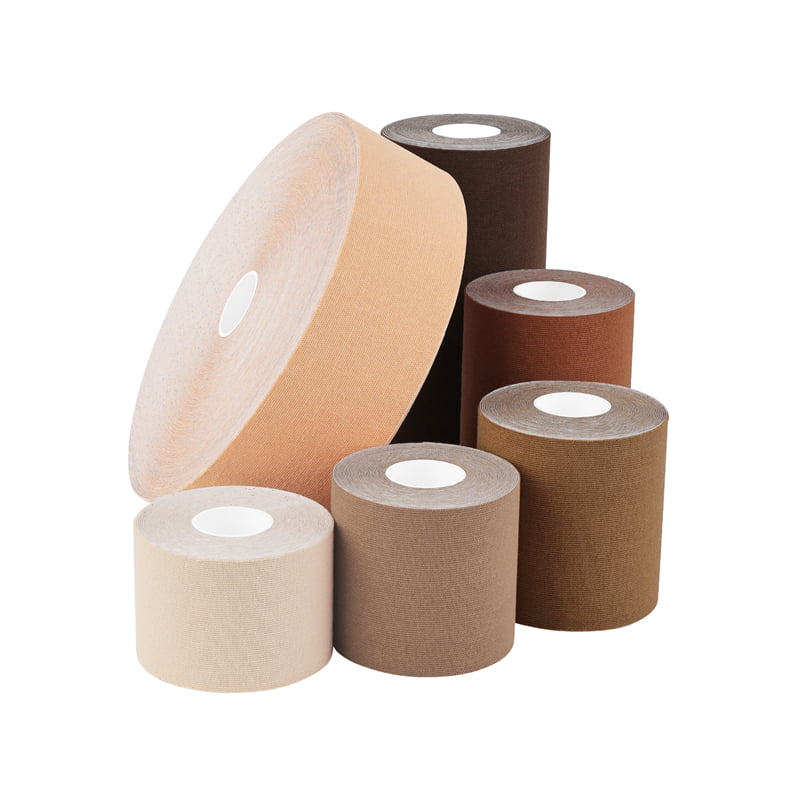
When sourcing wholesale athletic tape, many buyers focus only on price per roll. But in real supply chain experience, that is usually the least reliable indicator of product quality.
As a sports tape manufacturer working with global sports brands and distributors for 10+ years, we’ve seen that most sourcing problems come from hidden quality differences, not pricing differences.
This guide explains how to evaluate athletic tape suppliers properly—so you can avoid common mistakes in wholesale purchasing.
1. Don’t Judge Quality by Appearance Alone
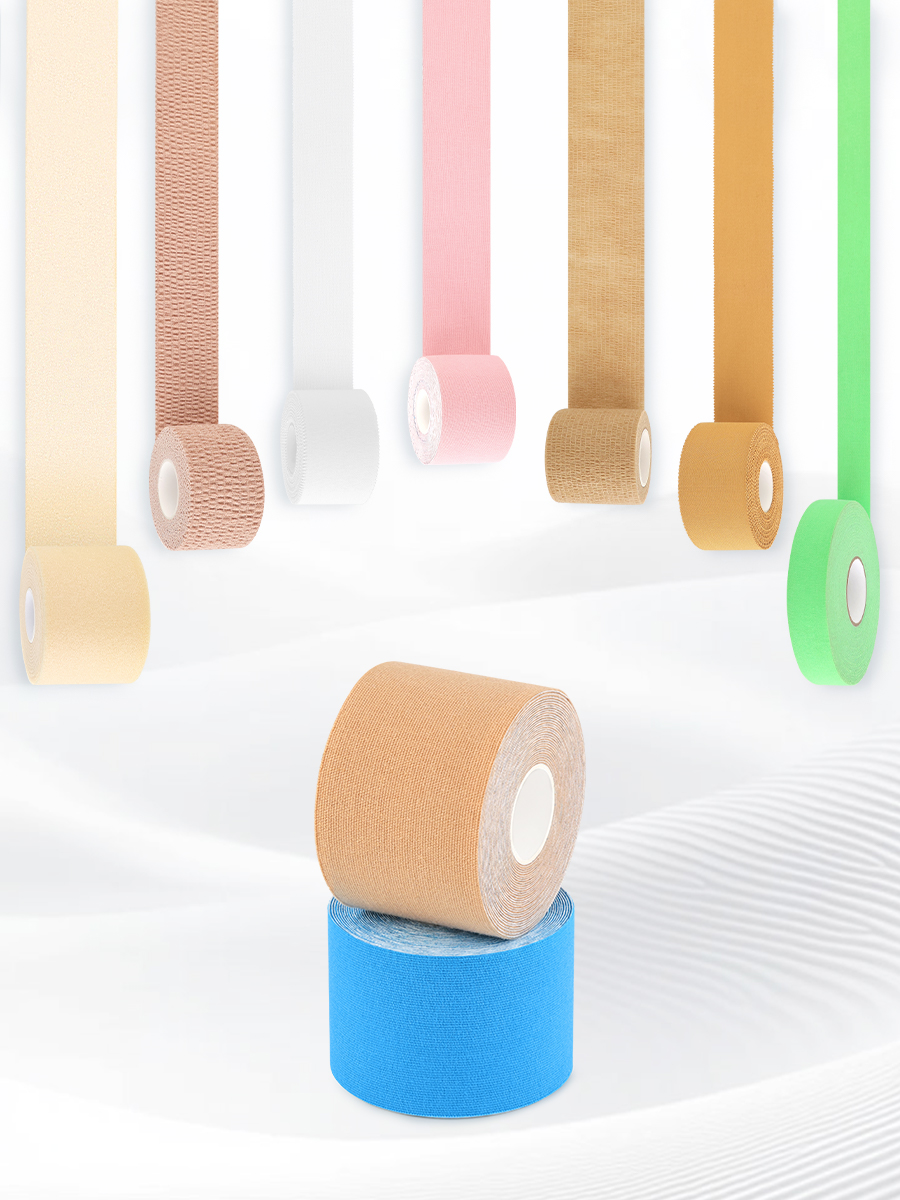
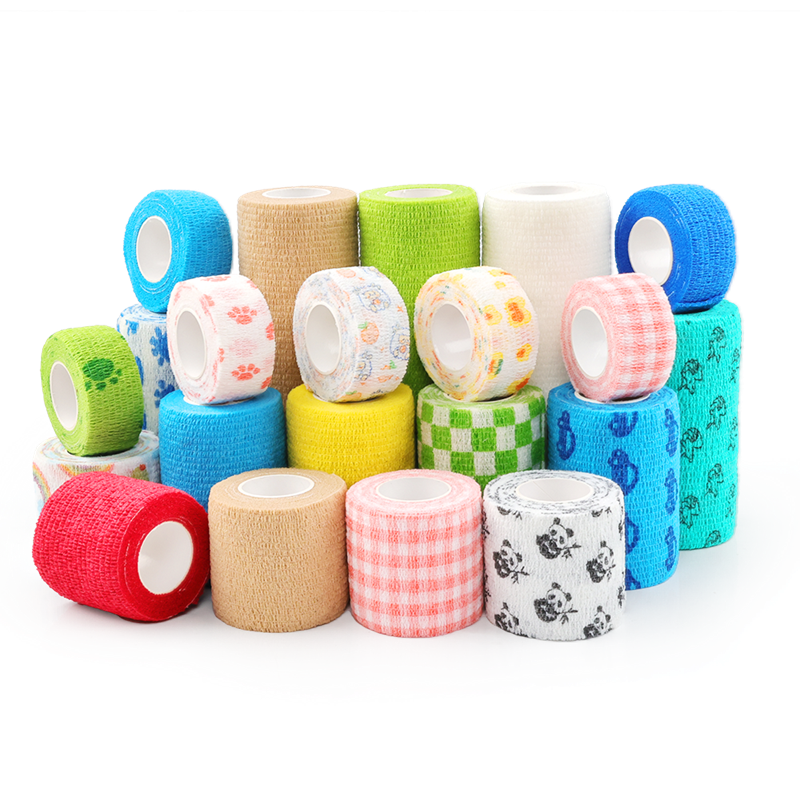
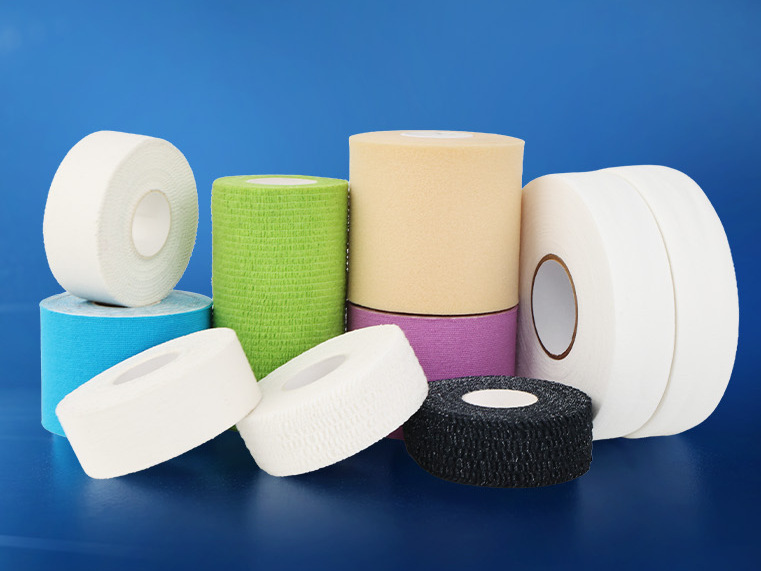
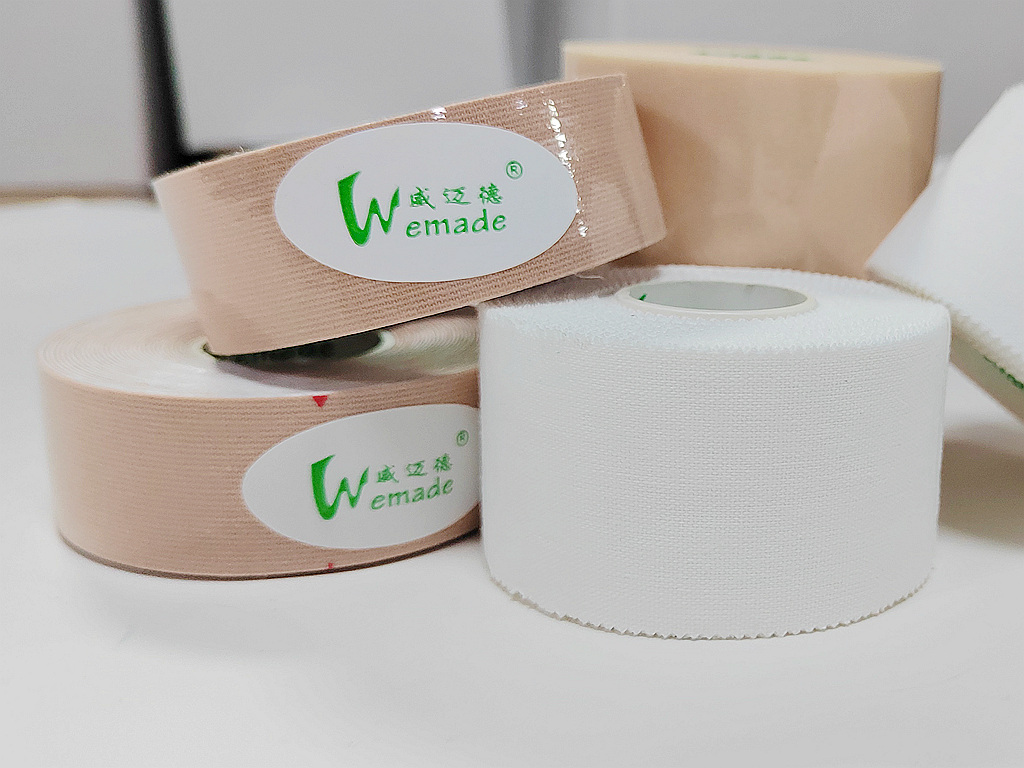
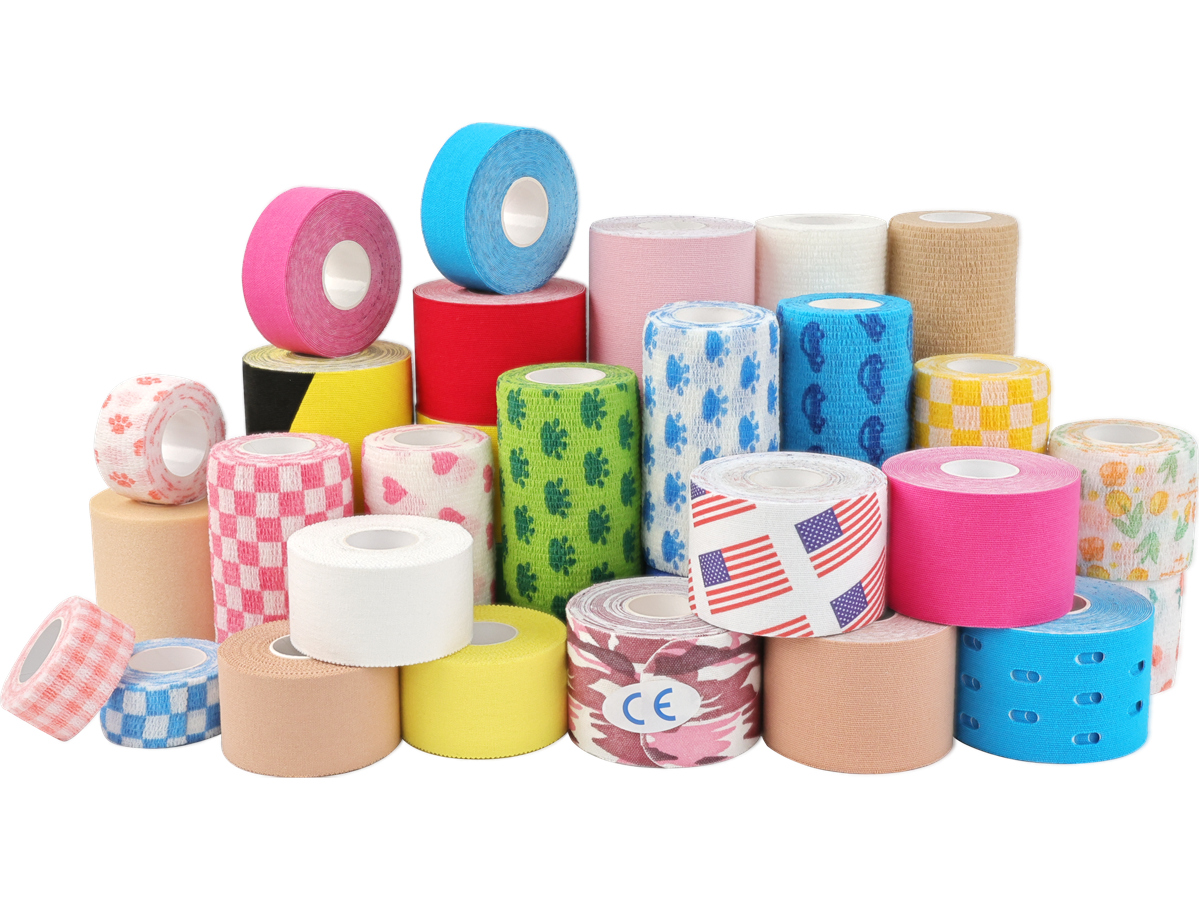
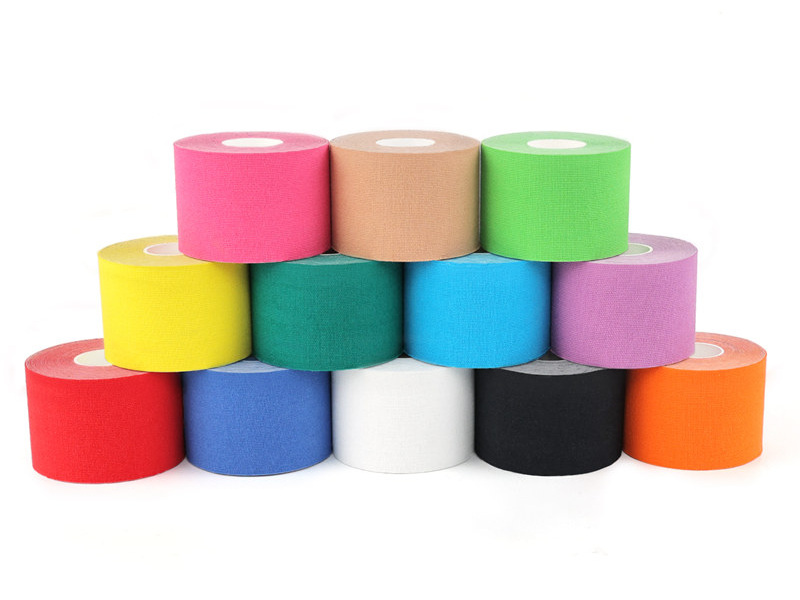
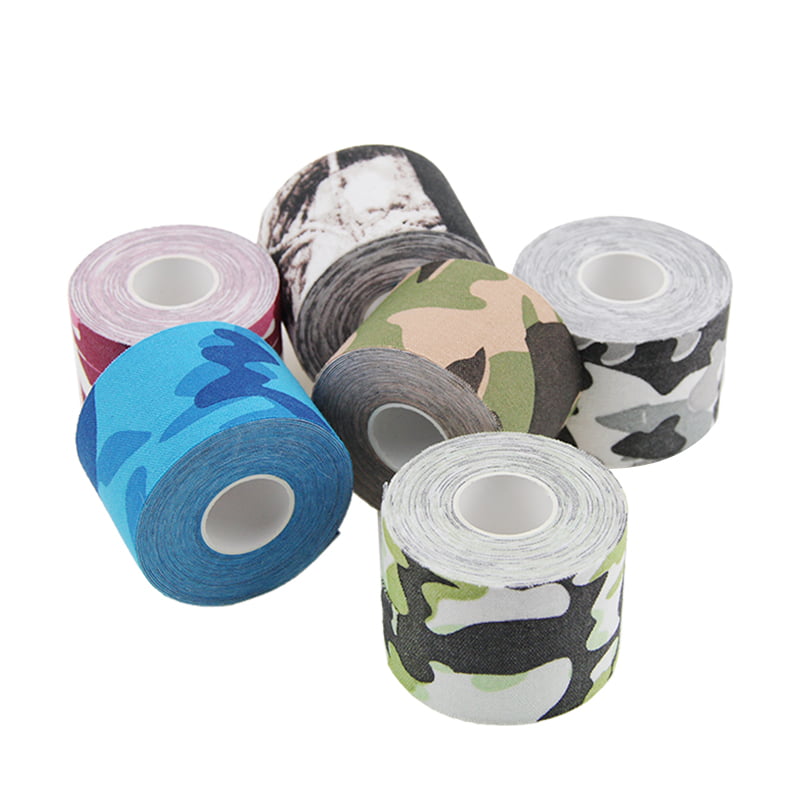
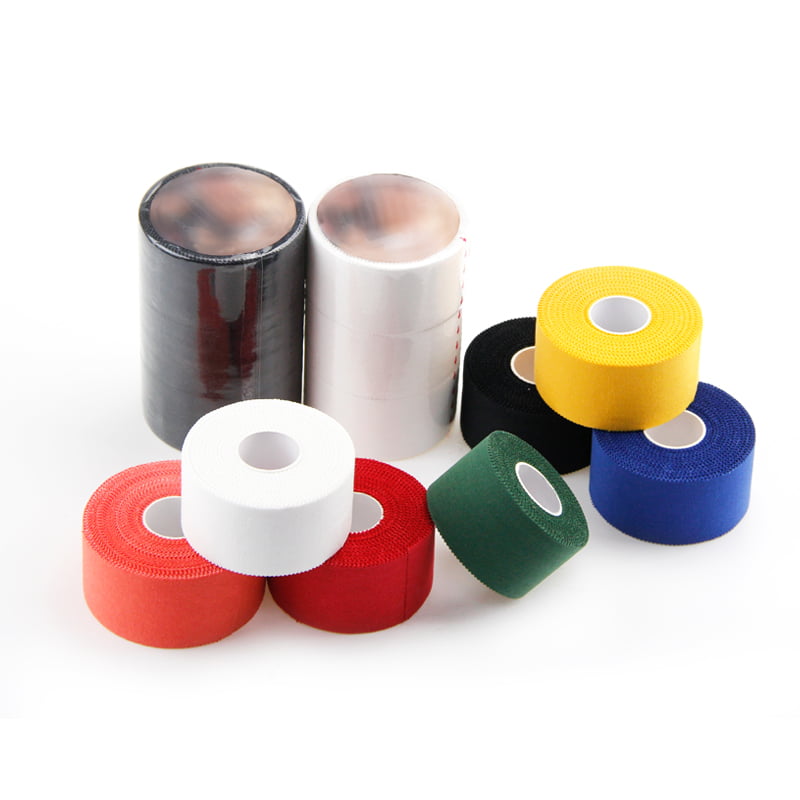
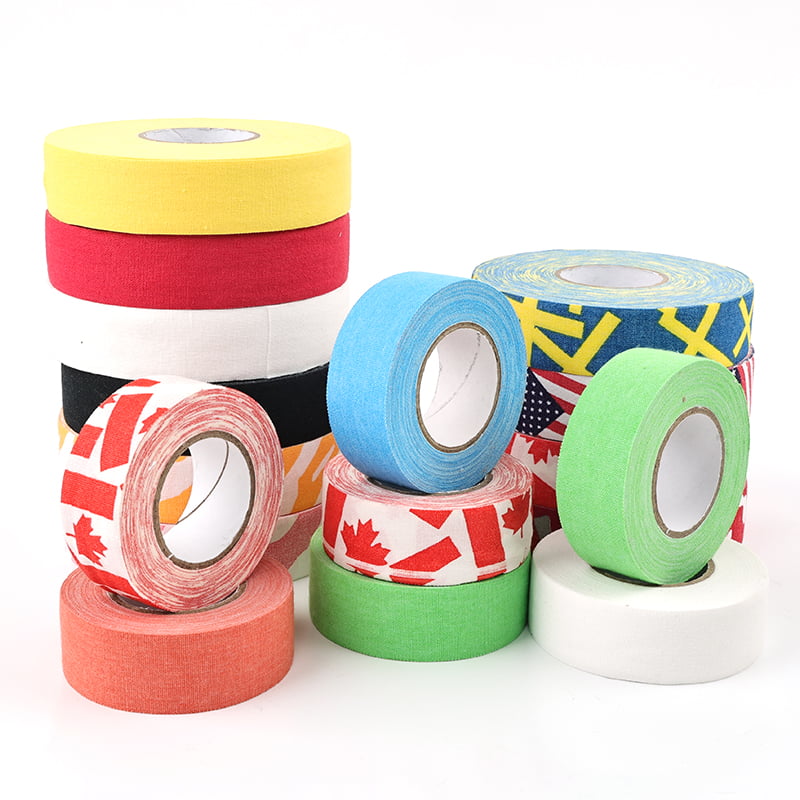
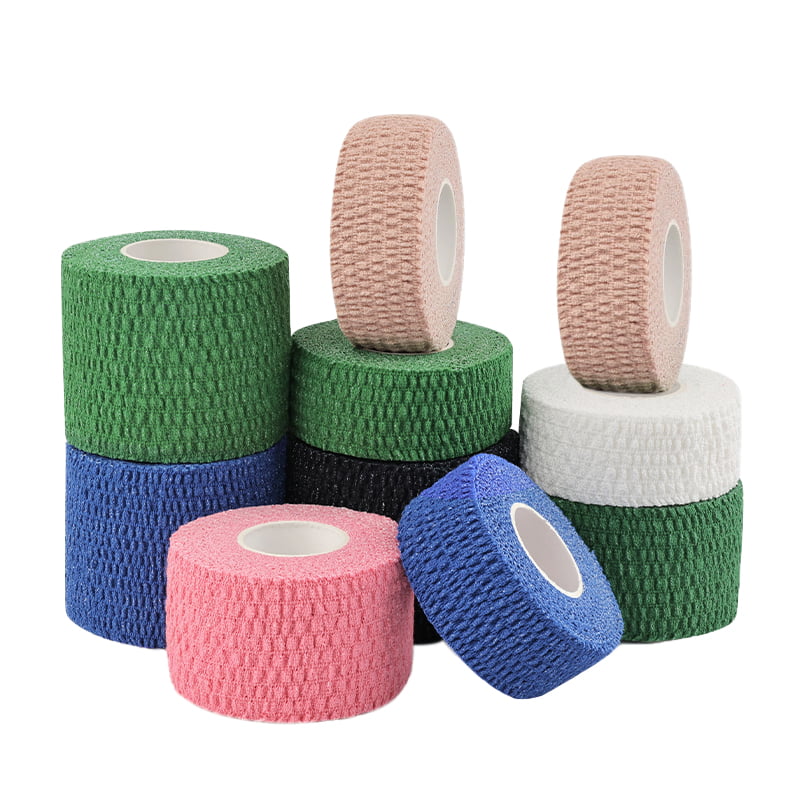
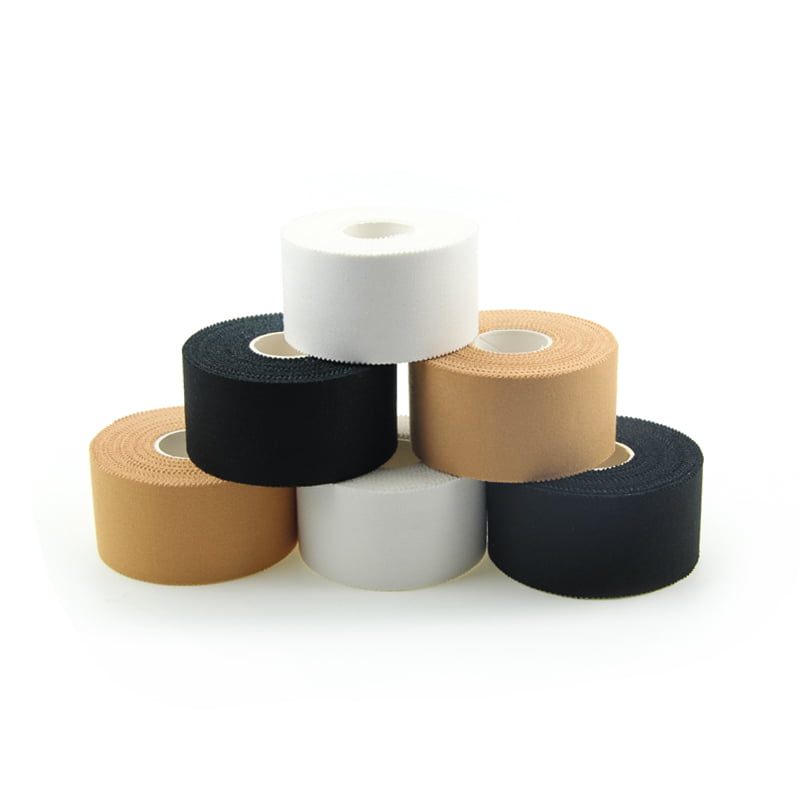
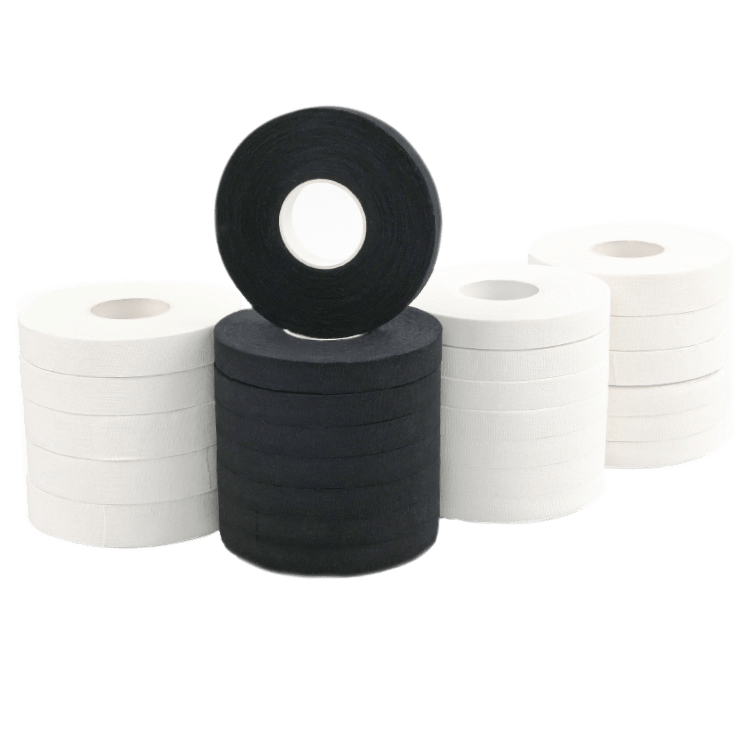
Many athletic tapes look identical at first glance, but performance can be very different.
The real differences usually come from:
- Adhesive formulation
- Fabric weaving density
- Coating consistency
- Production batch control
👉 A visually similar roll does not guarantee the same performance in real use.
2. Adhesive Performance Is the Most Important Factor
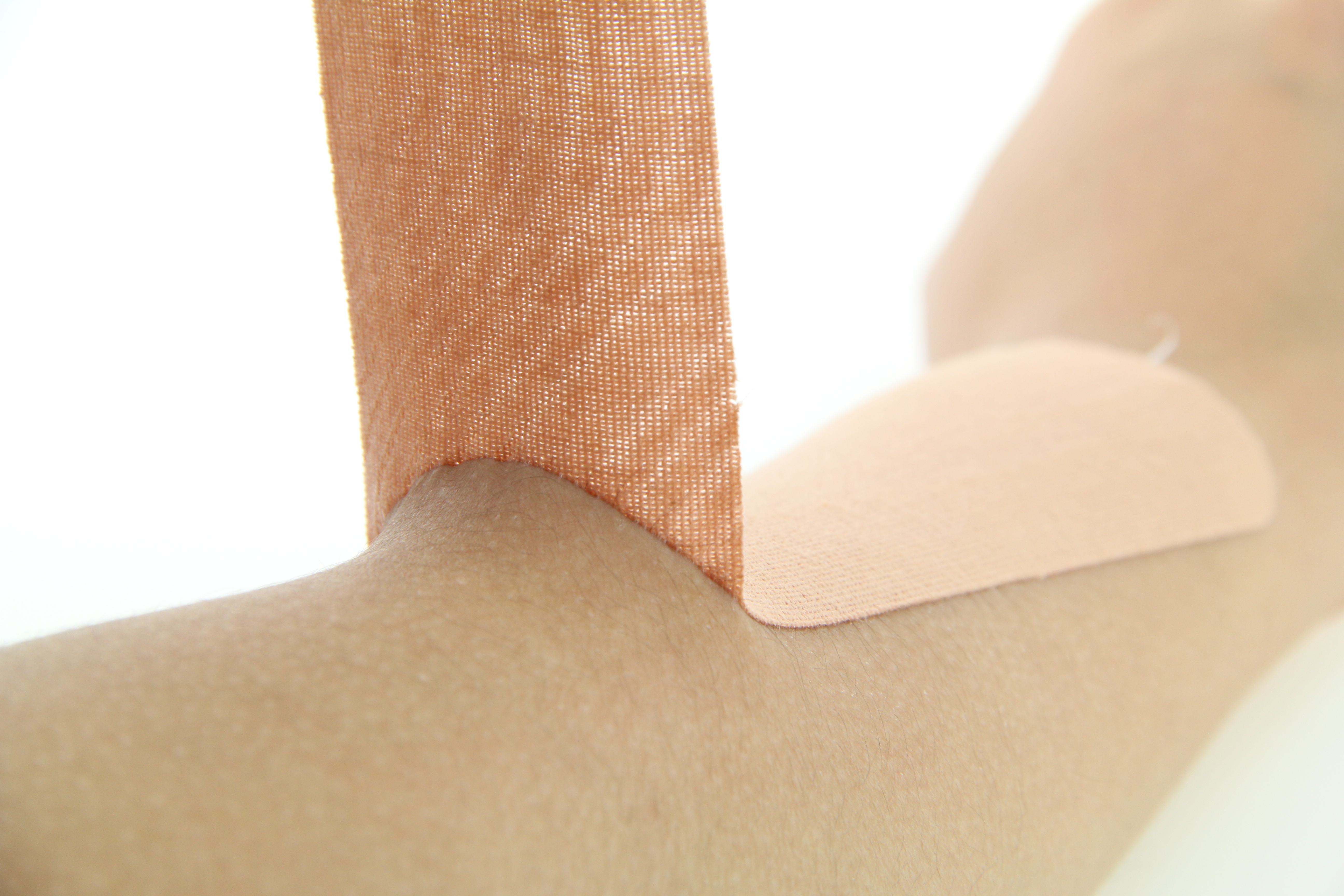
The most common failure in low-quality athletic tape is adhesive instability.
In real applications, poor adhesion leads to:
- Tape peeling during movement
- Weak performance under sweat
- Excess residue after removal
👉 A reliable athletic tape supplier should be able to provide consistent adhesion performance across different environments.
3. Fabric Quality Affects Comfort and Durability
Athletic tape is typically made from cotton-based fabric, but not all cotton fabrics are the same.
Key factors include:
- Fiber quality
- Weaving tightness
- Breathability balance
Low-quality materials often result in:
- Skin discomfort
- Reduced durability
- Poor flexibility during movement
4. Edge Cutting and Tearability Matter More Than You Think
In real sports or clinical environments, usability is critical.
A good athletic tape should allow:
- Clean hand tearing
- No fabric fraying
- Consistent edge structure
If the sports tape is difficult to tear, it slows down the application and affects professional use efficiency.
5. Don’t Be Misled by “Cheap Bulk Pricing”
One of the most common sourcing traps is focusing only on unit price.
However, wholesale athletic tape pricing can be misleading because:
- Roll lengths may differ between athletic tape suppliers
- Packaging sizes may not be standardized
- The hidden cost comes from inconsistent quality
👉 The correct comparison is cost per meter + consistency across batches.
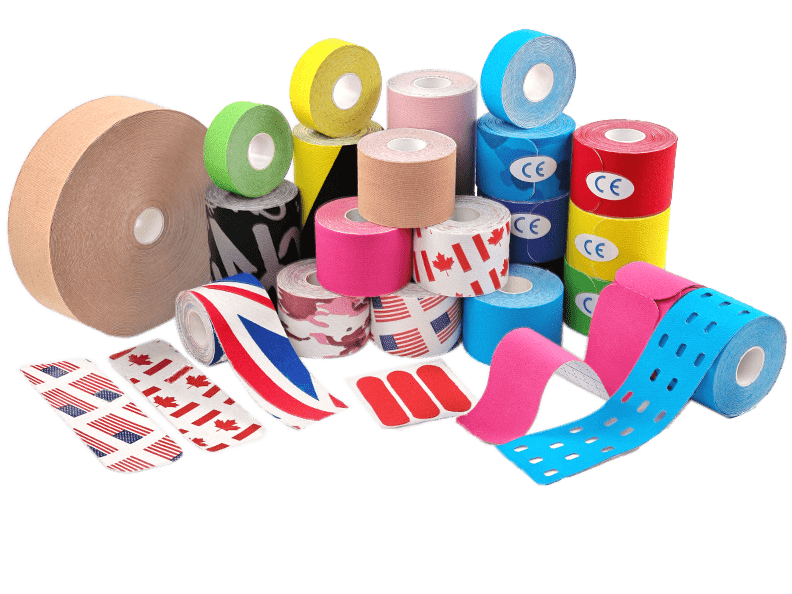
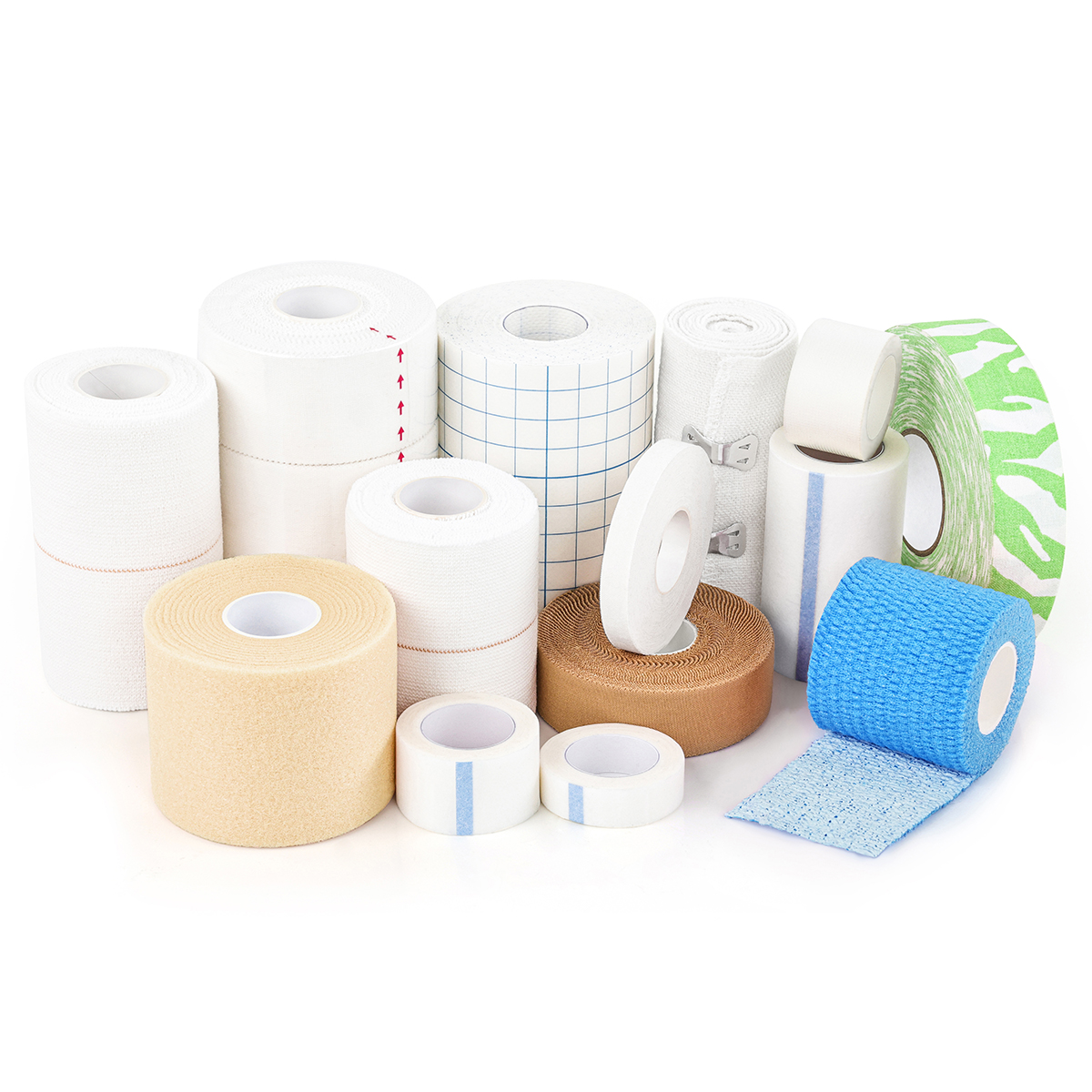
6. Understand the Difference Between Tape Types
Many buyers mix up:
- Non-elastic athletic tape (rigid support)
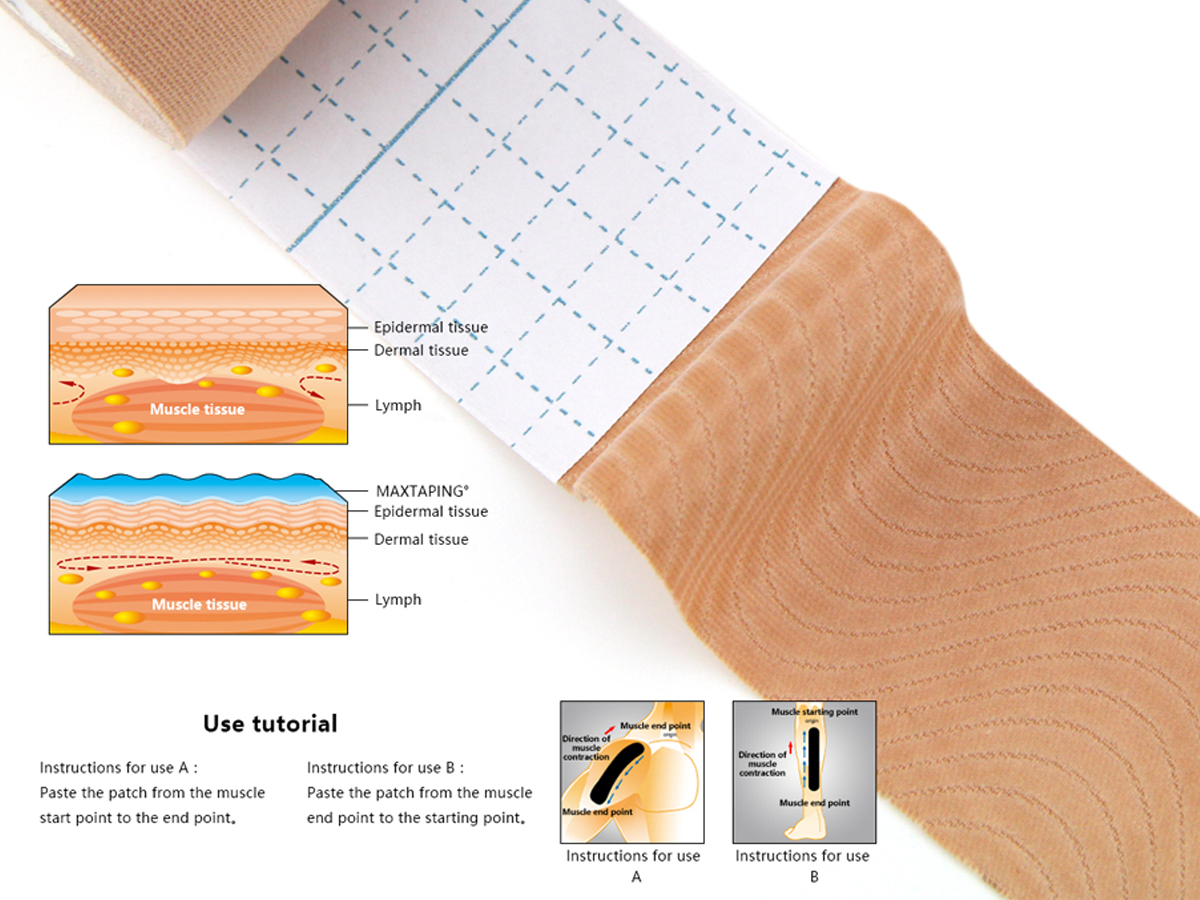
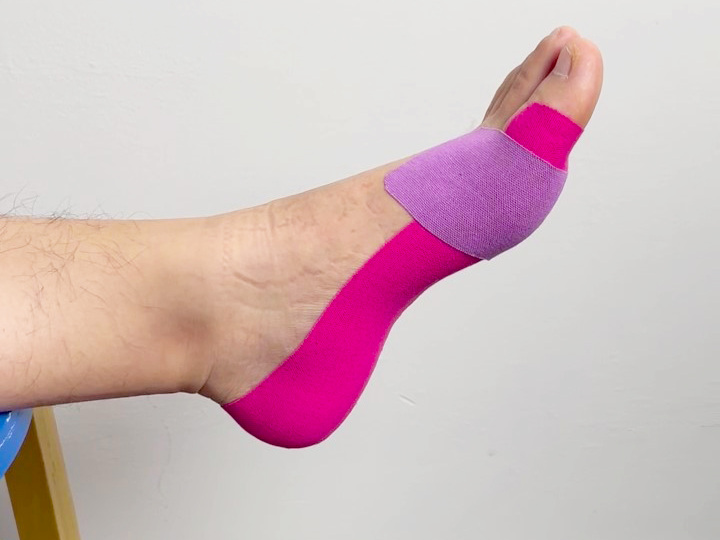
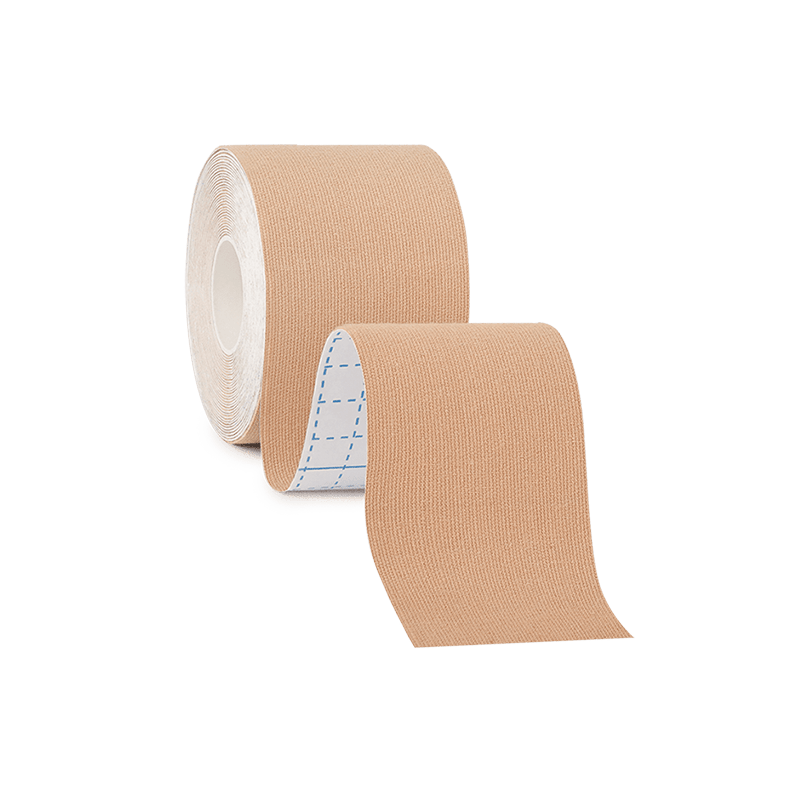
- Elastic kinesiology tape (flexible support)
Each serves different functions:
- Rigid sports tape → joint stabilization
- Elastic tape → muscle support and movement assistance
👉 Choosing the wrong type often leads to poor user experience, even if product quality is good.
7. Supplier Consistency Is More Important Than One-Time Quality
In wholesale sourcing, the biggest risk is not the first order—it’s the repeat orders.
Problems often appear as:
- Batch-to-batch variation
- Color or texture inconsistency
- Adhesive changes without notice
👉 A stable athletic tape supplier system is more valuable than a low initial price.
🧭 Conclusion: How to Choose the Right Athletic Tape Supplier
When evaluating wholesale athletic tape suppliers, focus on:
- Adhesive stability
- Fabric consistency
- Production control
- Transparent specifications
- Long-term reliability
👉 Price should be the last factor, not the first.
In most cases, sourcing failure comes from a lack of evaluation criteria, not a lack of sports tape manufacturers.