
How to Use Kinesiology Tape for Patellofemoral Pain
If your knee hurts when running downhill, climbing stairs, squatting, or standing up after sitting for a long time, you may be dealing with patellofemoral pain syndrome (PFPS), often called runner’s knee. This type of pain often feels frustratingly persistent. The knee may look normal from the outside, yet every workout, stair descent, or long commute can trigger a dull ache around or behind the kneecap. One tool frequently used by physiotherapists, sports clinicians, runners, and rehabilitation specialists is kinesiology tape for patellofemoral pain.
Preparations Before Use
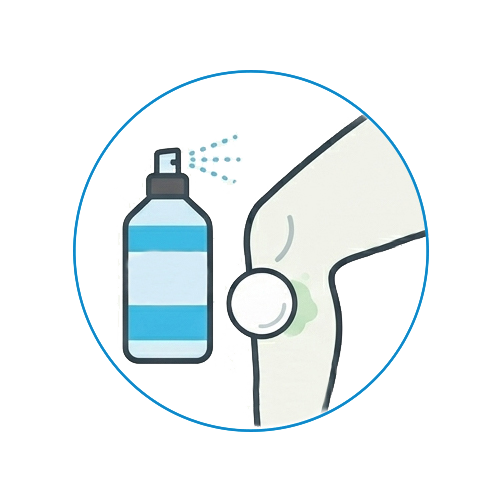
Prepare the Skin Properly
Skin prep often determines whether your tape lasts hours or several days. Poor preparation is one of the biggest reasons knee tape fails early.

Trim Excess Hair
Heavy leg hair doesn't automatically prevent taping, but it often shortens wear time and makes removal noticeably less comfortable.
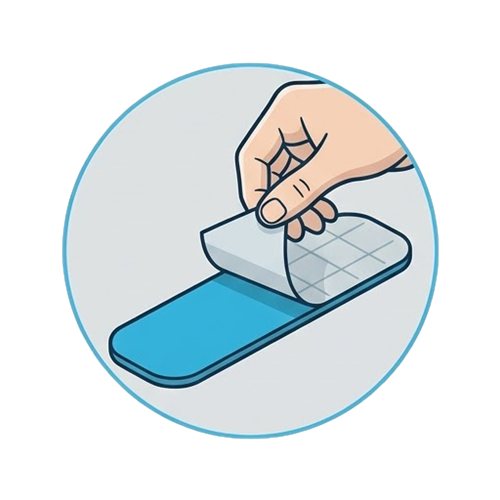
Cut the Tape Strips
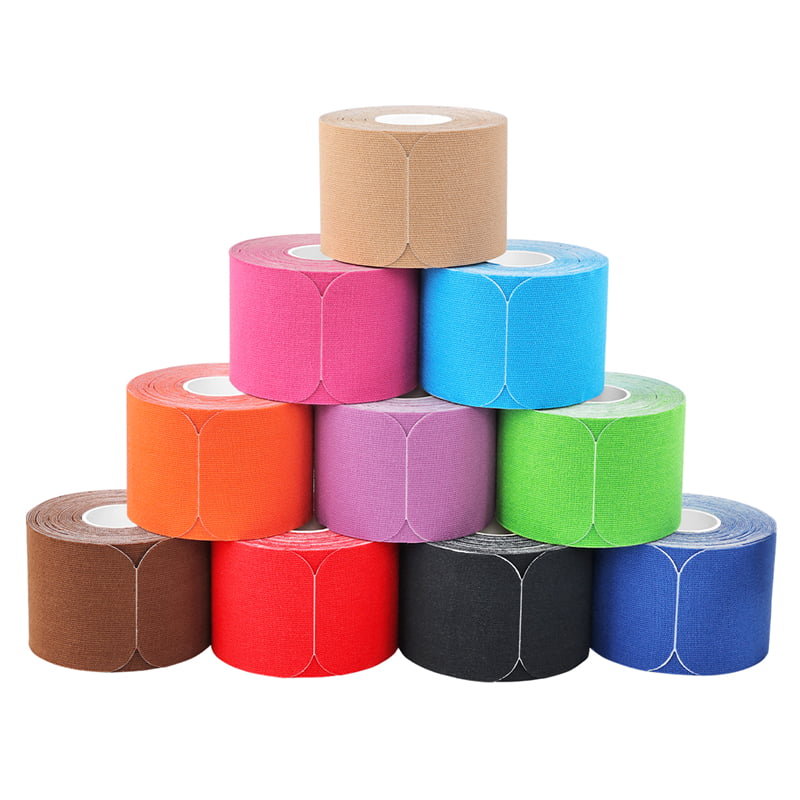
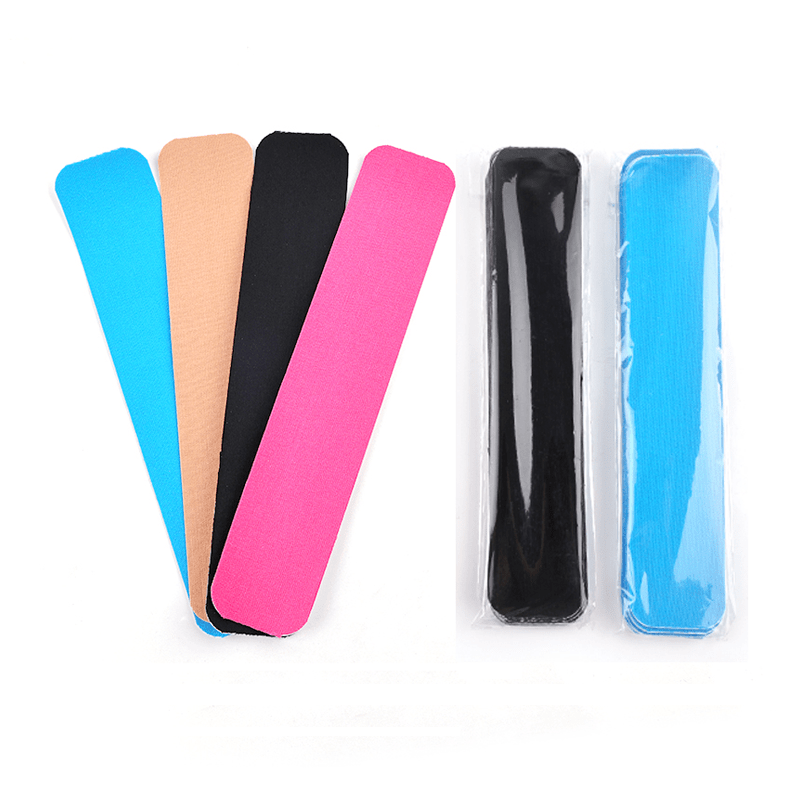
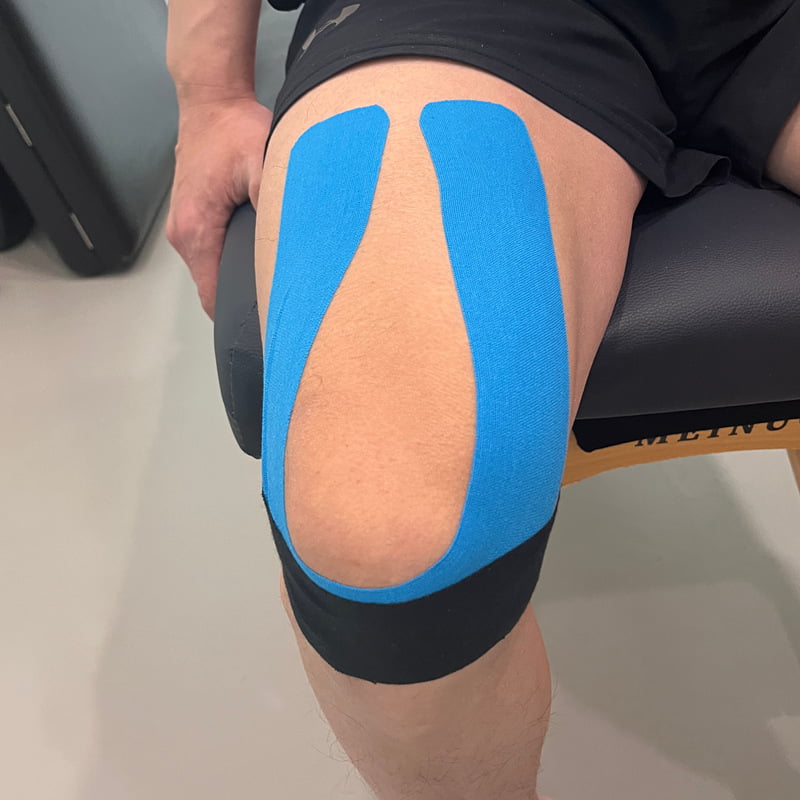
Prepare 4 I-shaped adhesive strips, each about 15-20 cm (6-8 inches), the exact length depending on your body type.

Round All Edges
Round the four corners of the I strips; this effectively prevents the edges from curling up.
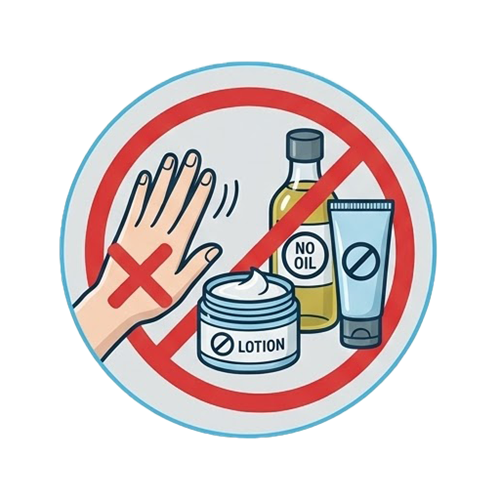
Avoid Creams or Oils
Avoid using body oils, sunscreen, lotion, sweat residue, moisturizer, and topical creams.
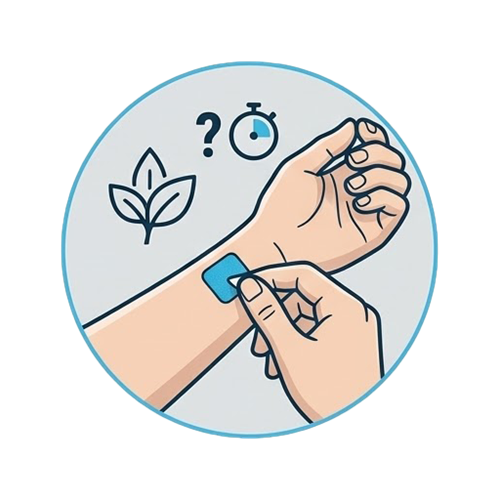
Step-by-Step Guide: How to Apply Kinesiology Tape for Patellofemoral Pain
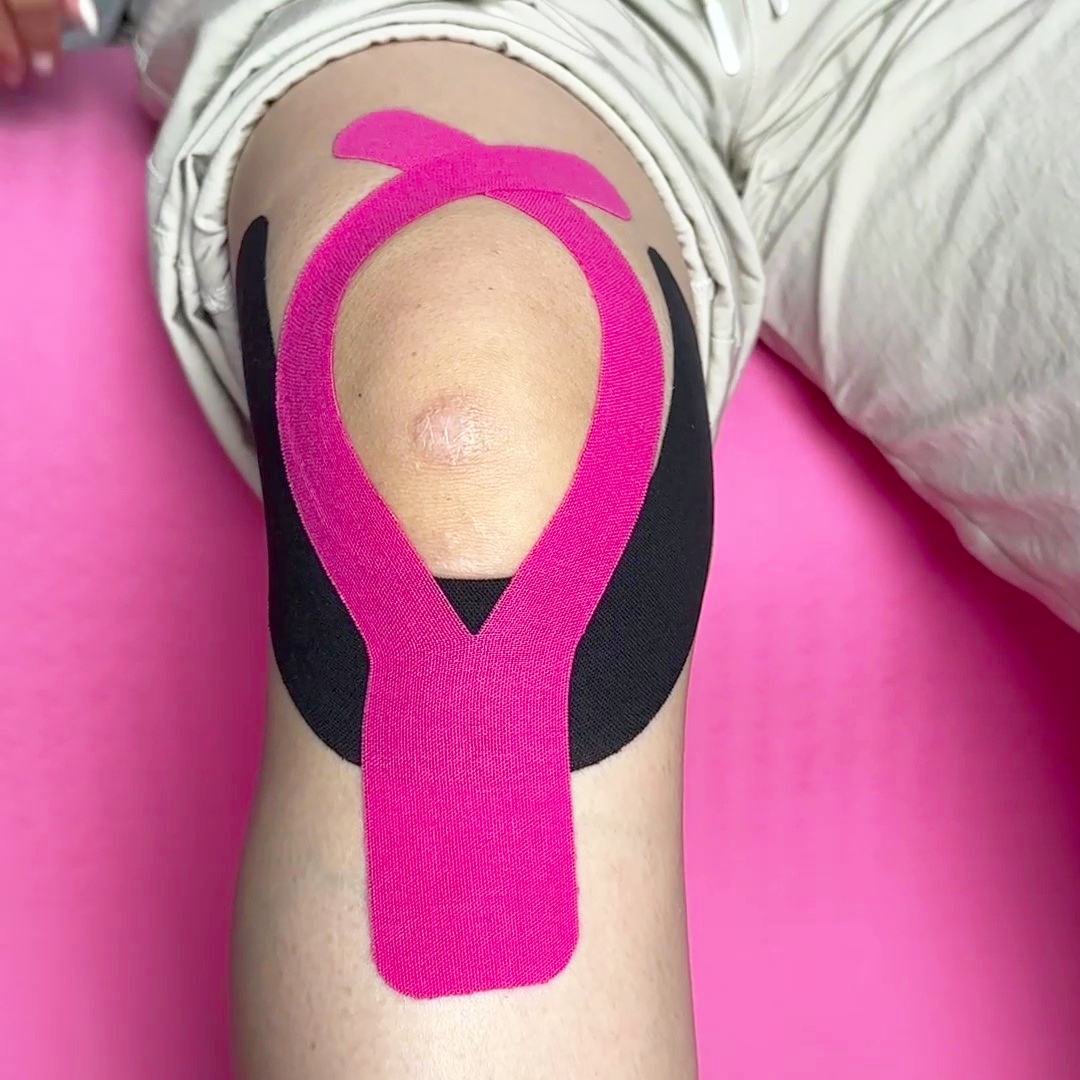
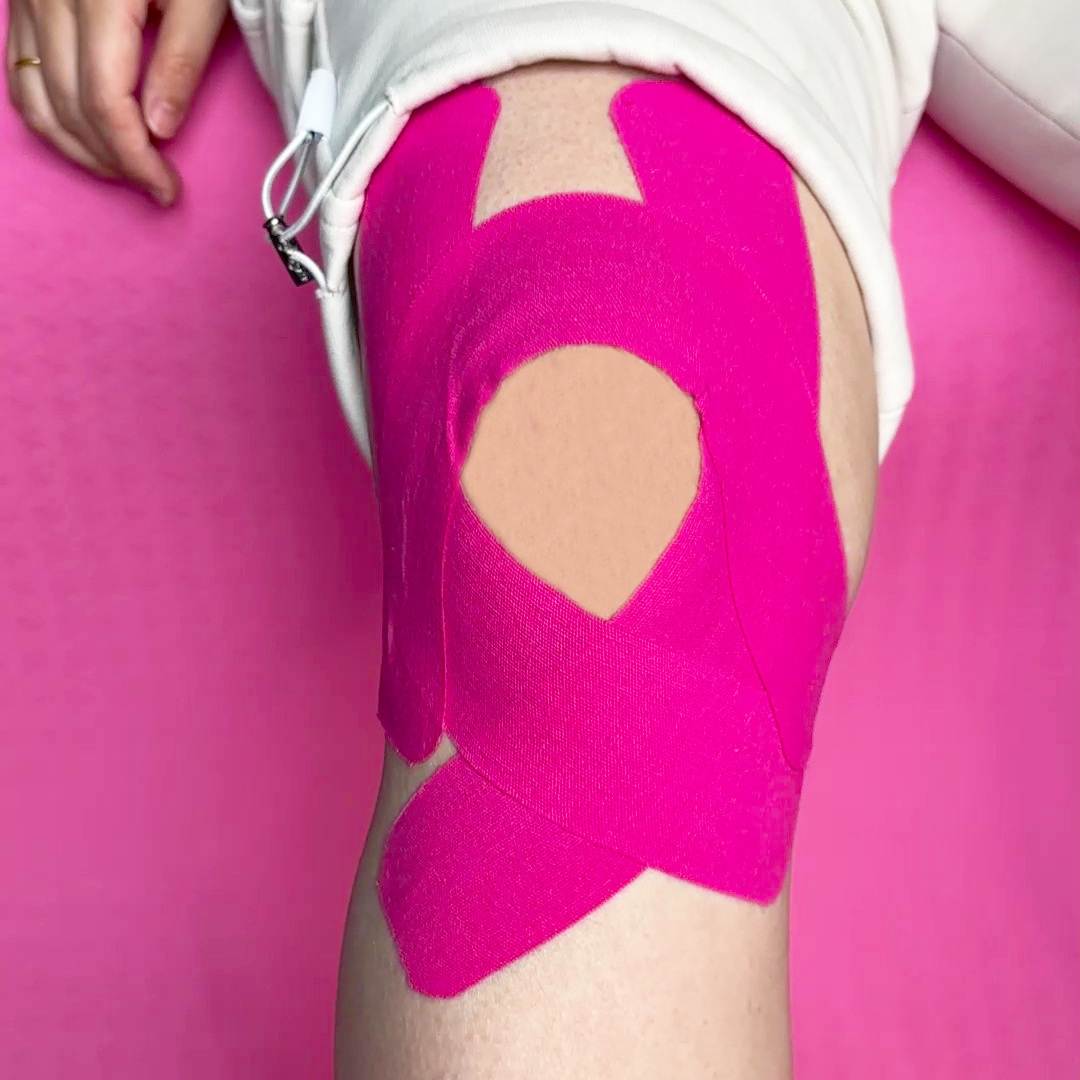
This section covers a practical PFPS taping method commonly used for runner’s knee, anterior knee pain, and mild patellar tracking support. You do not need advanced equipment. But precision matters. Small details — skin prep, tension level, knee position, and anchor placement — can significantly affect comfort, adhesion, and performance.
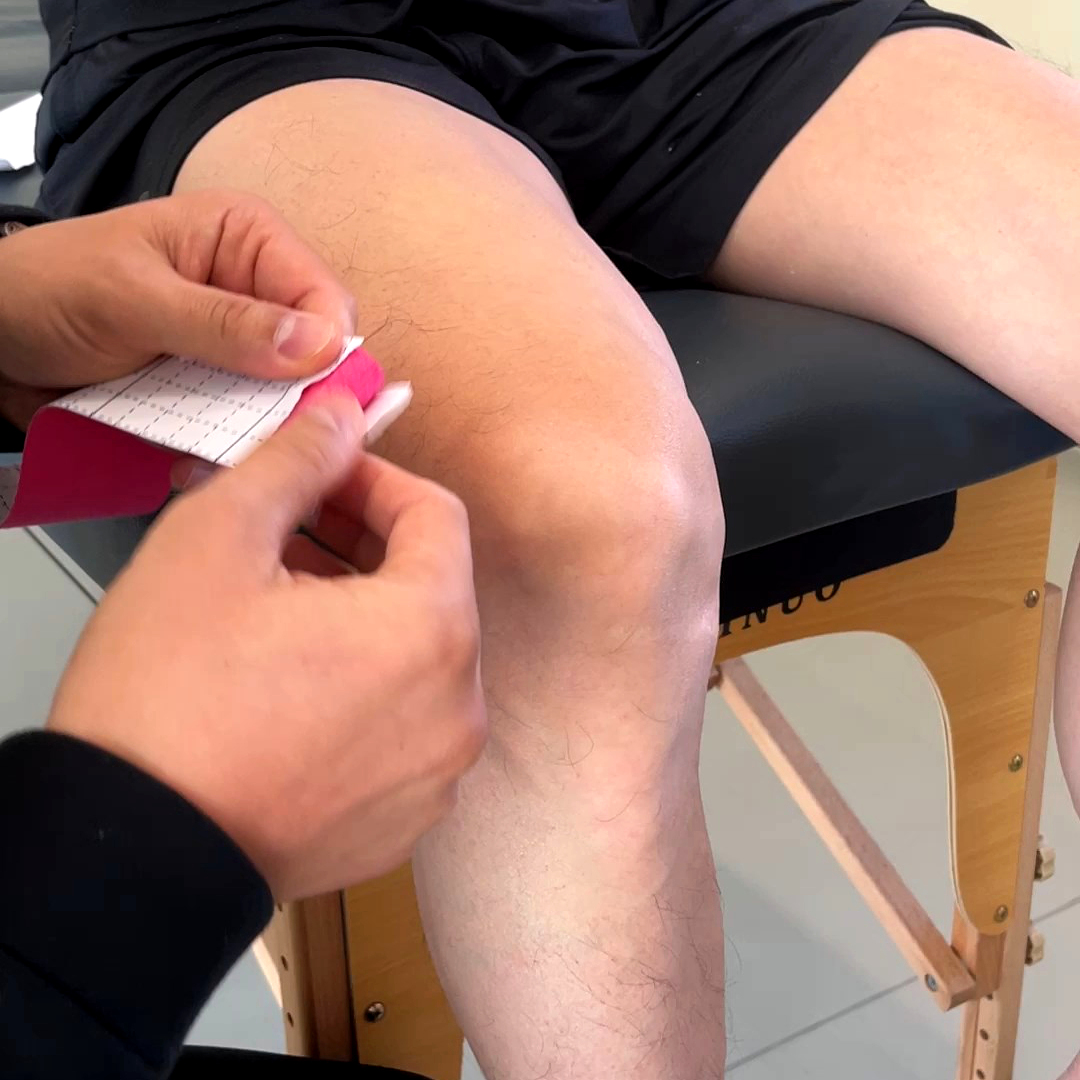
Sit comfortably on a chair, treatment table, or bench. Bend the knee to roughly 90 degrees of flexion.
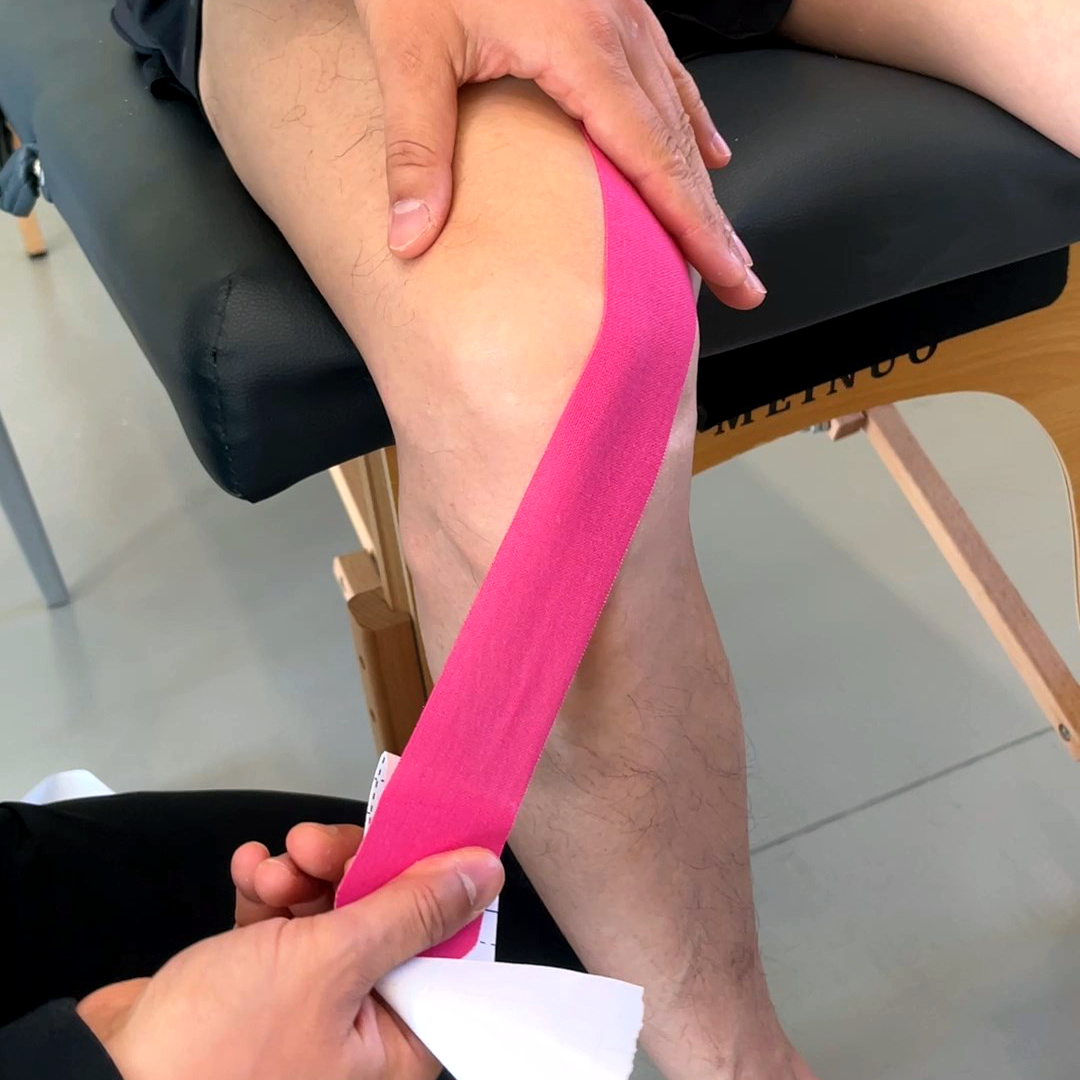
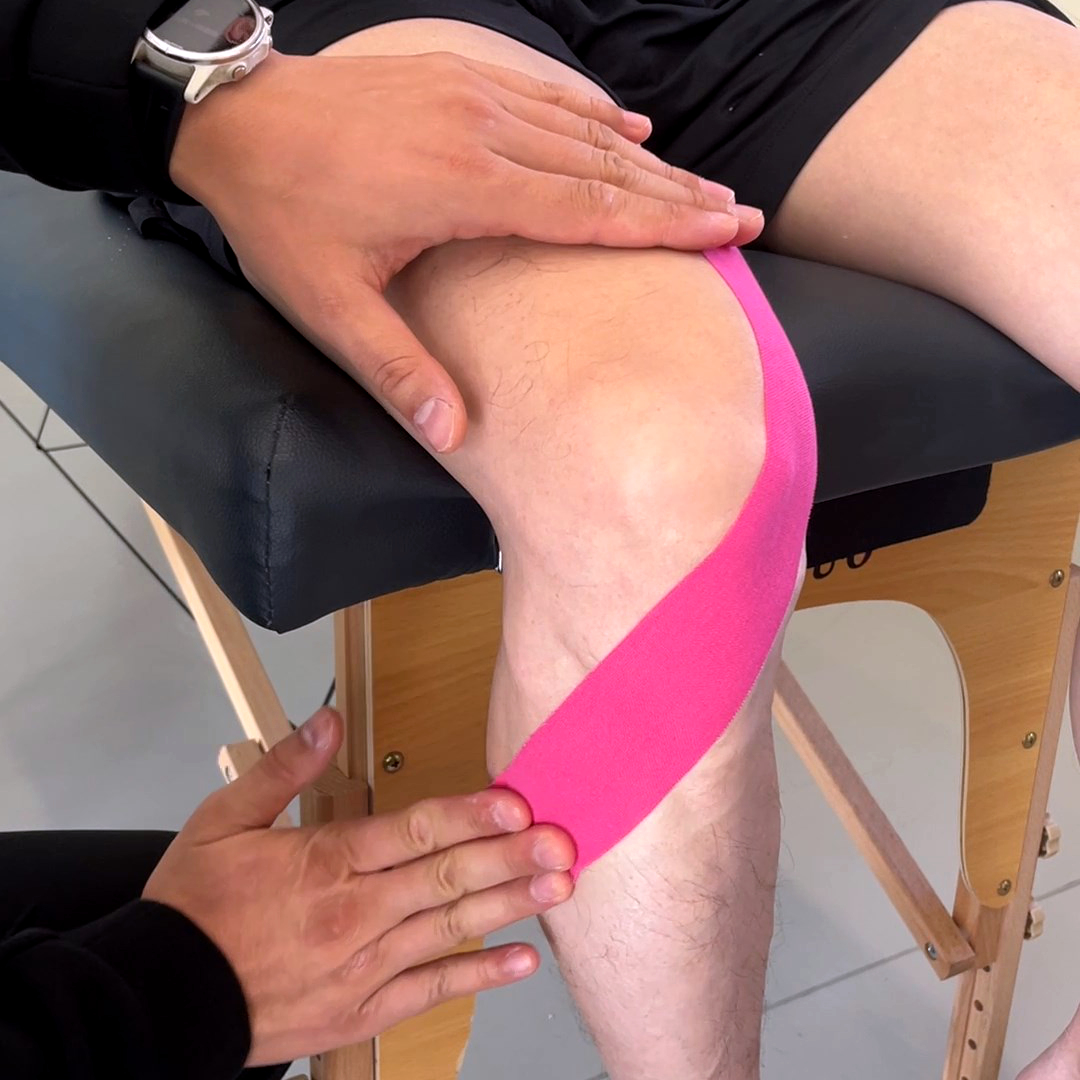
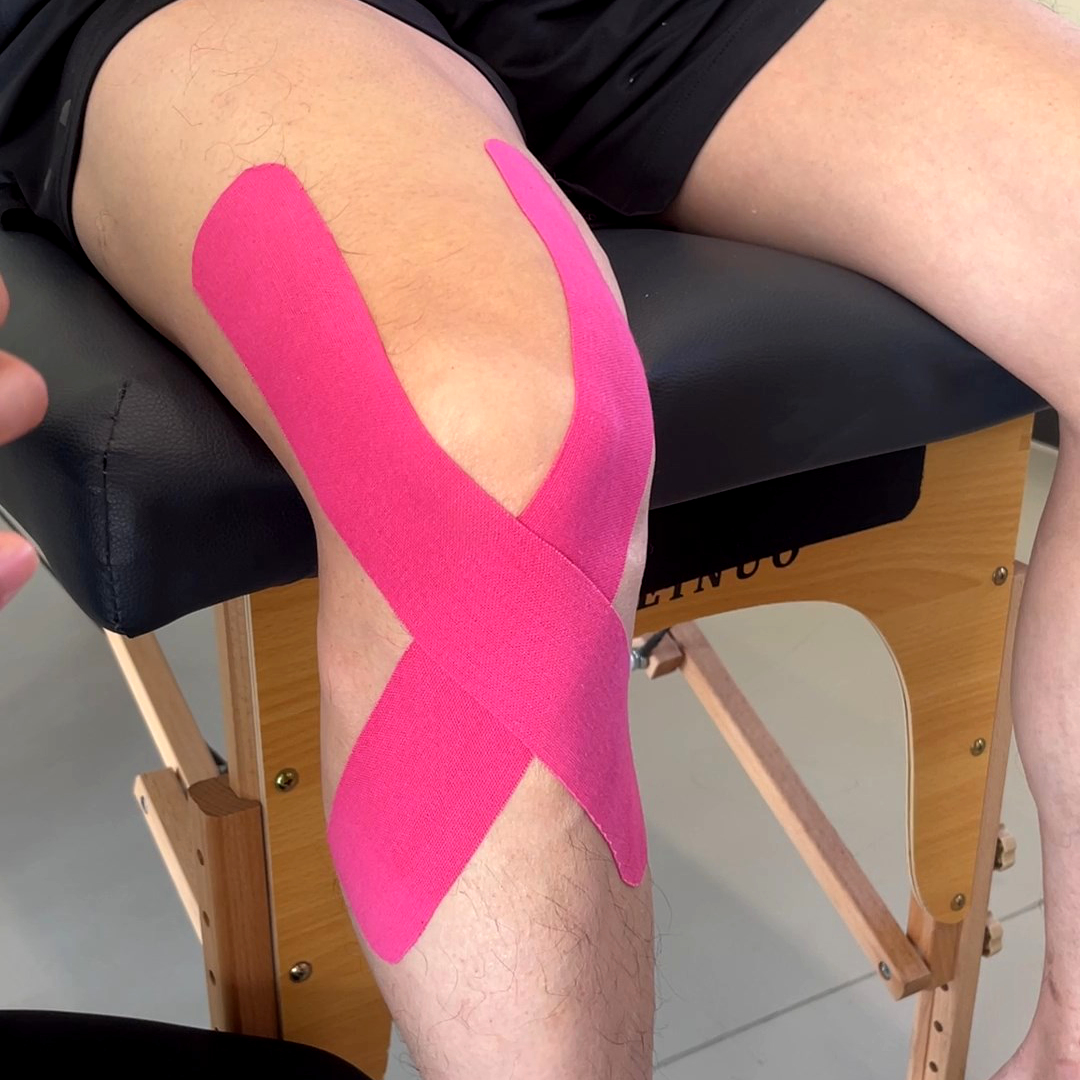
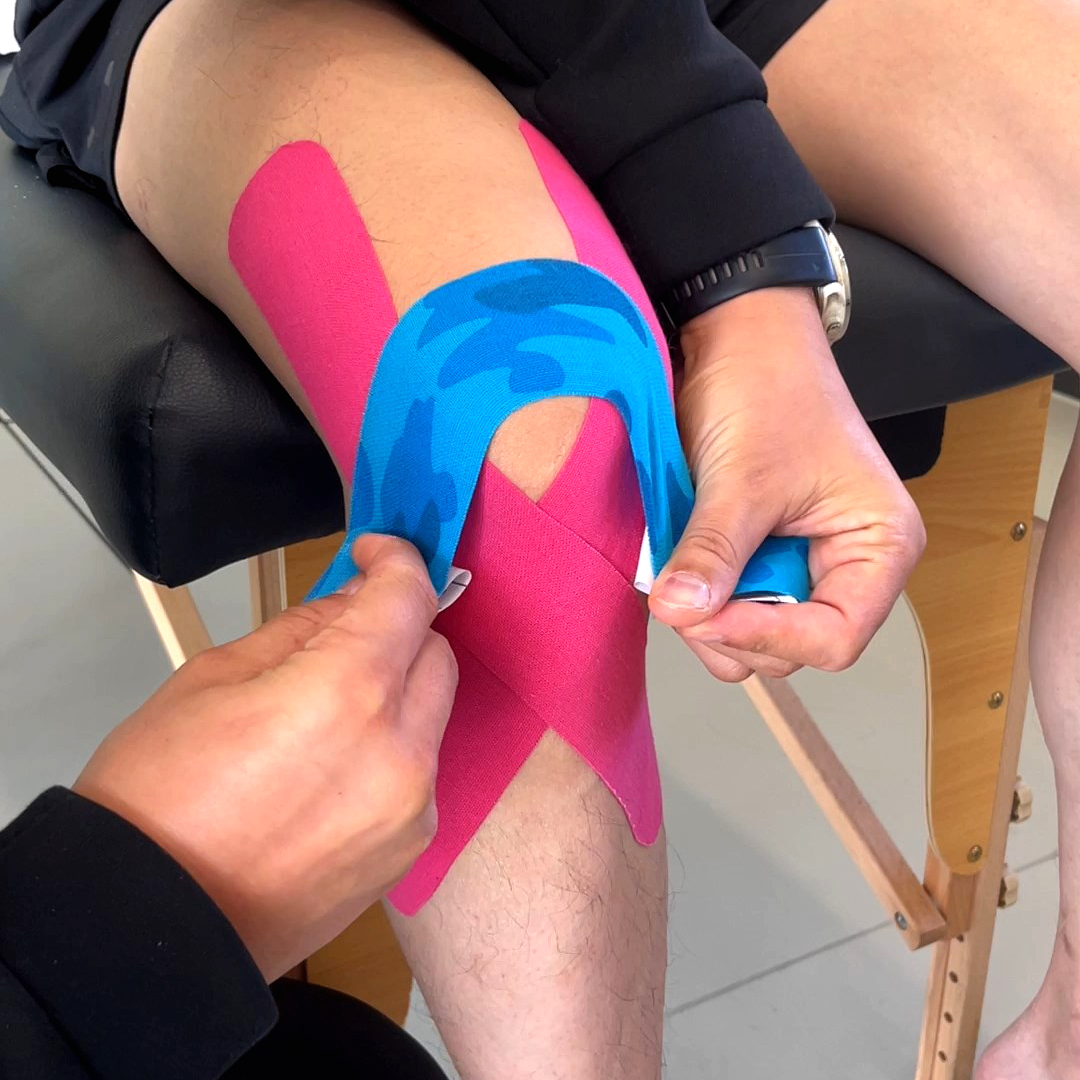
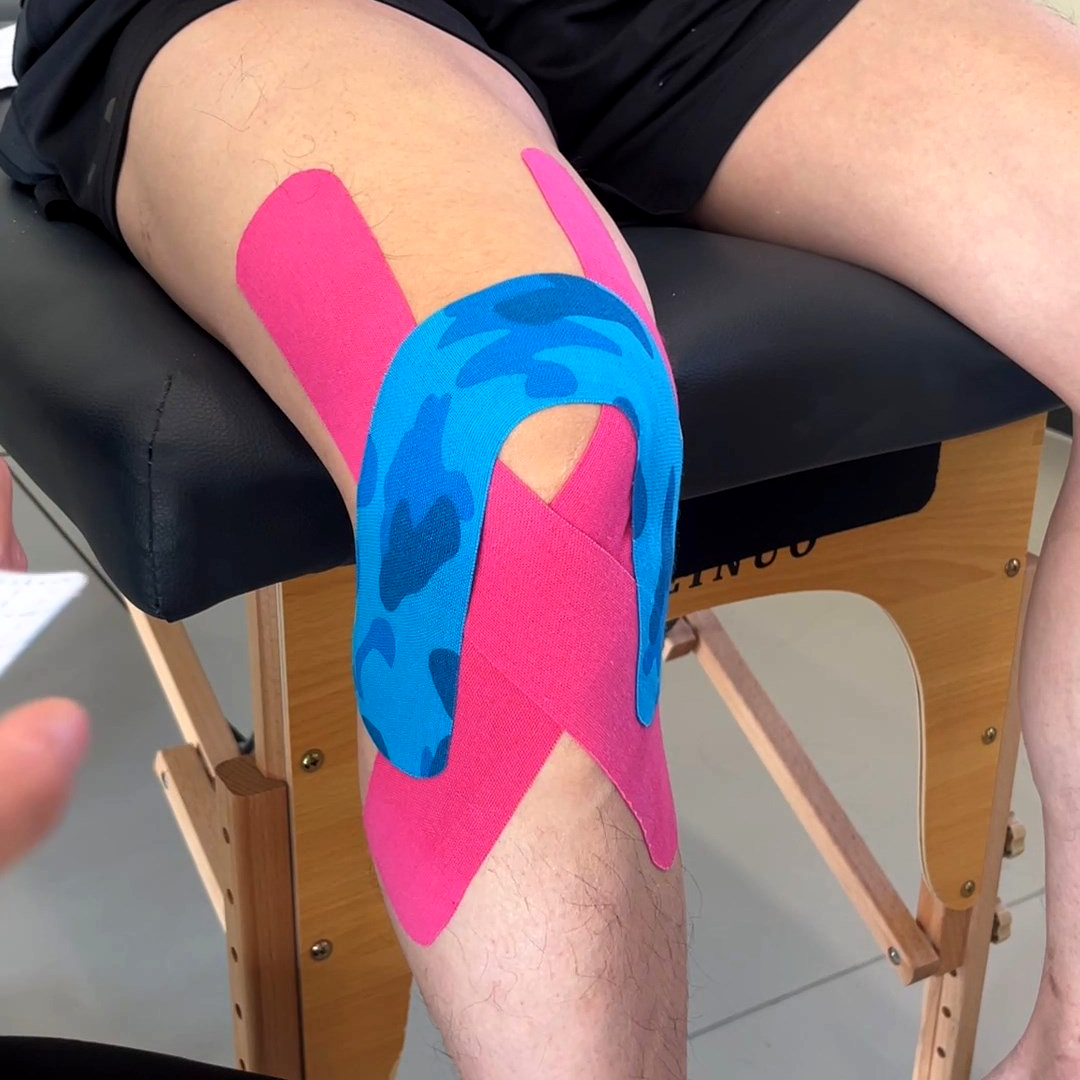
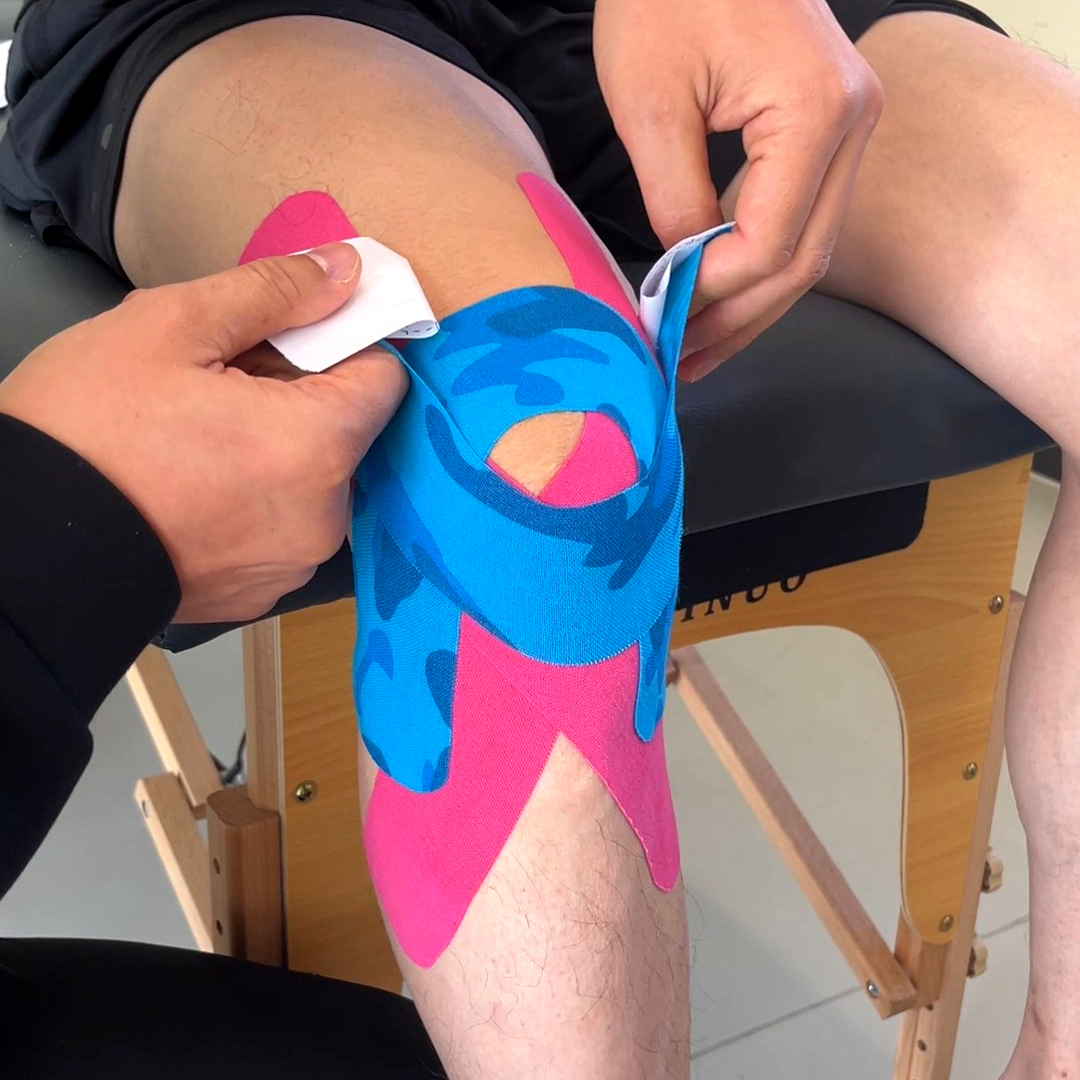
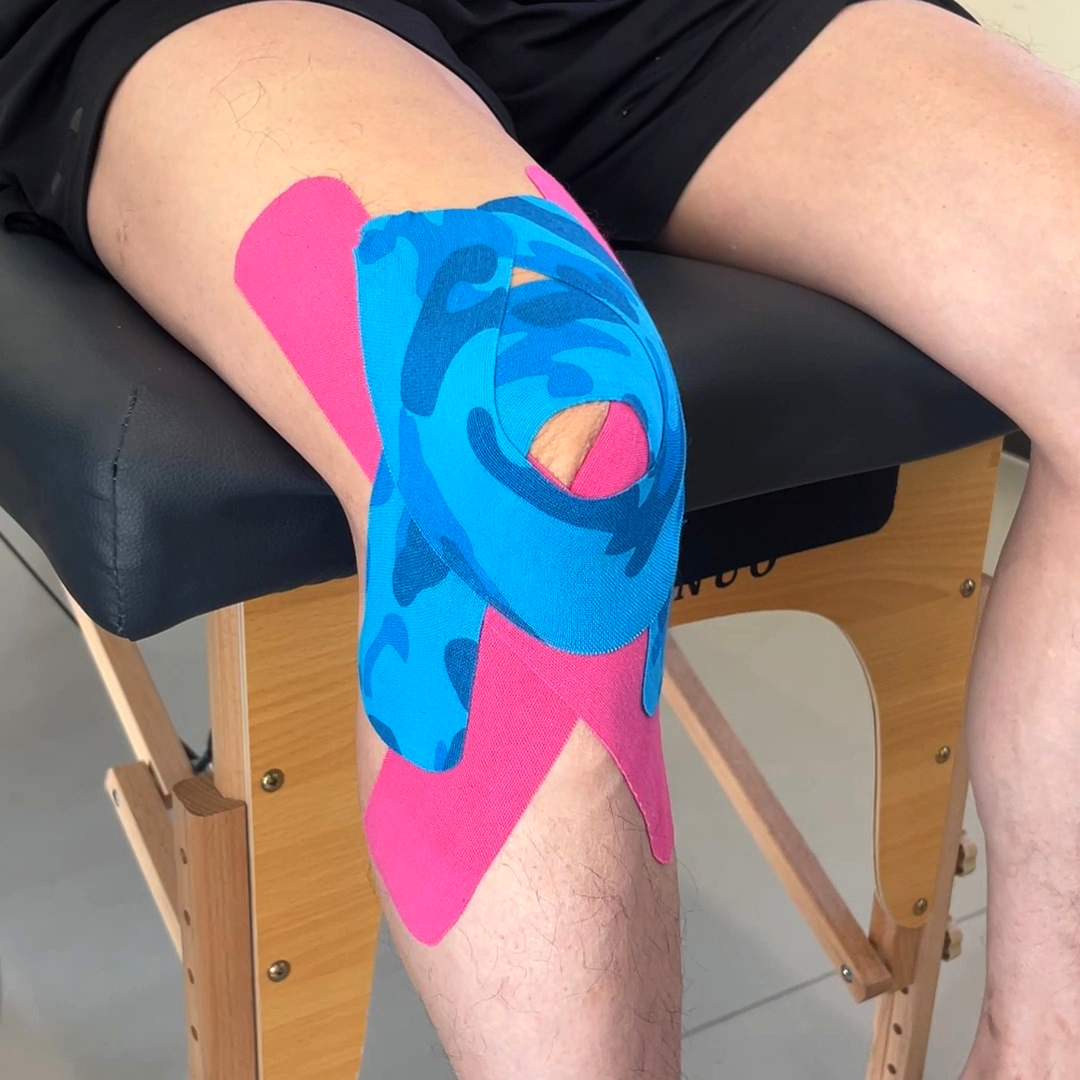
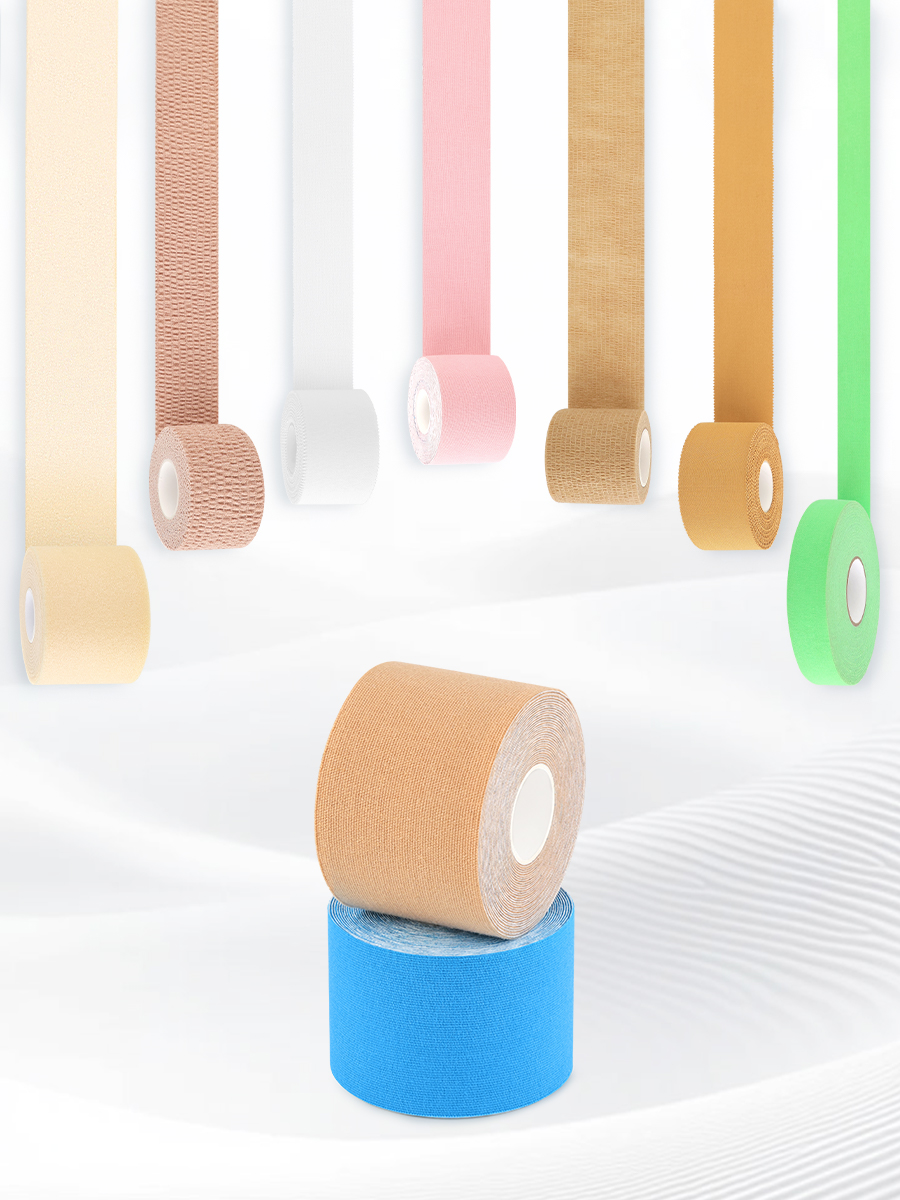
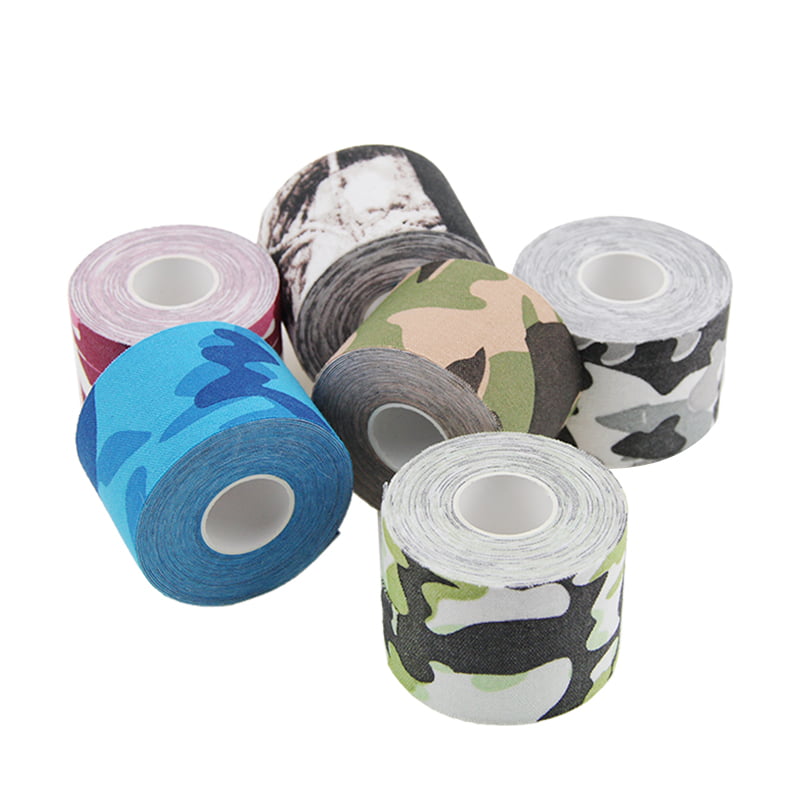
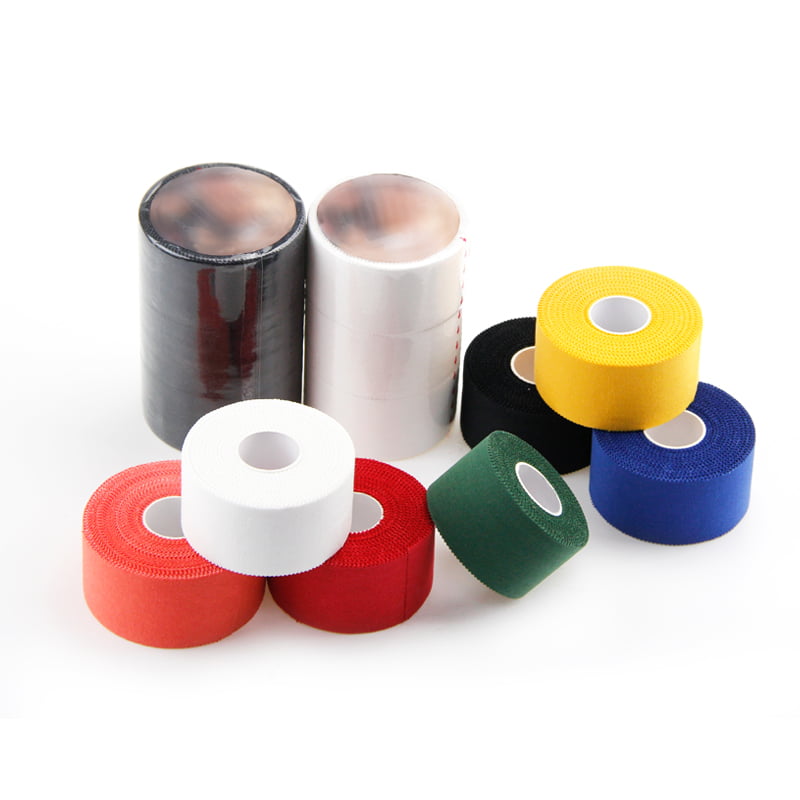
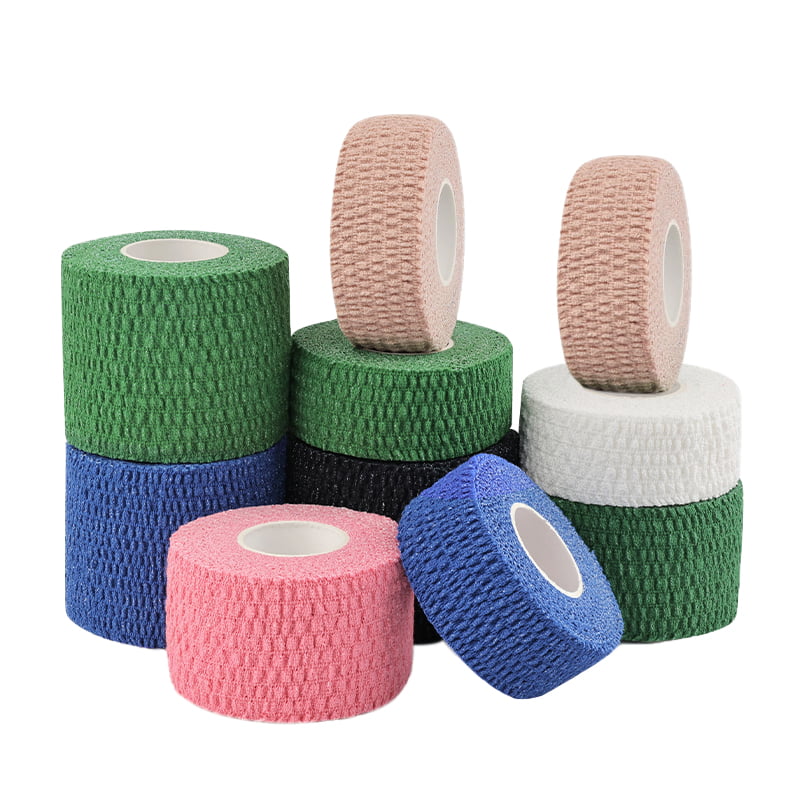
Don't You Have the Right Kinesiology Tape For Patellofemoral Pain
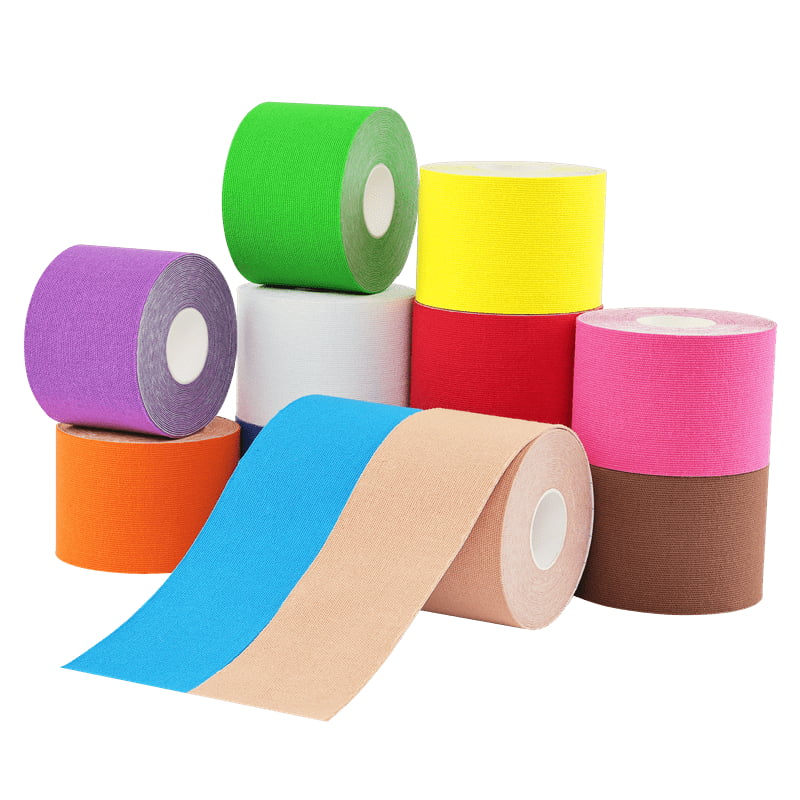
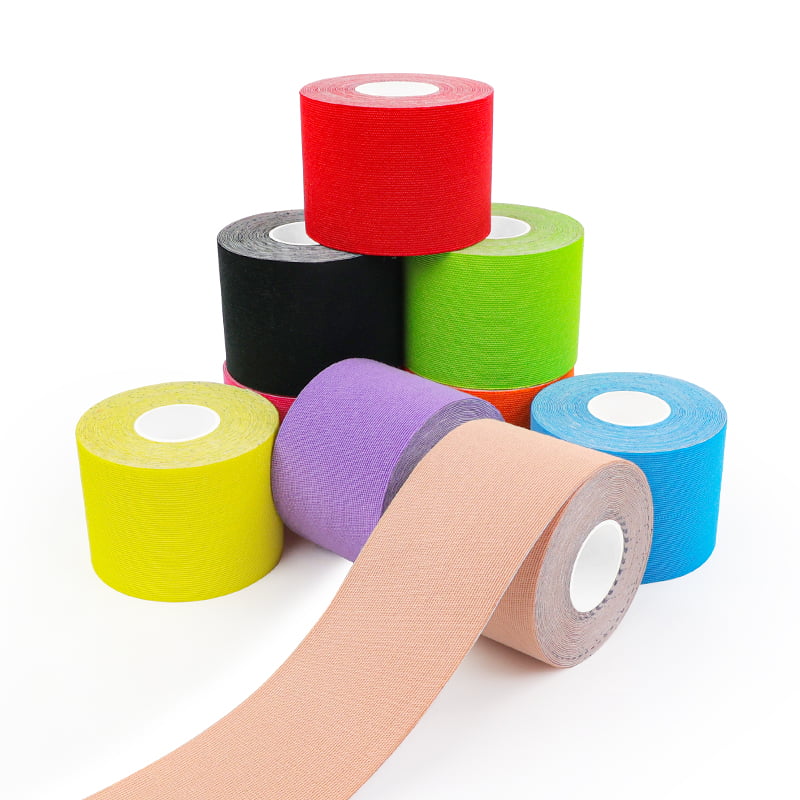
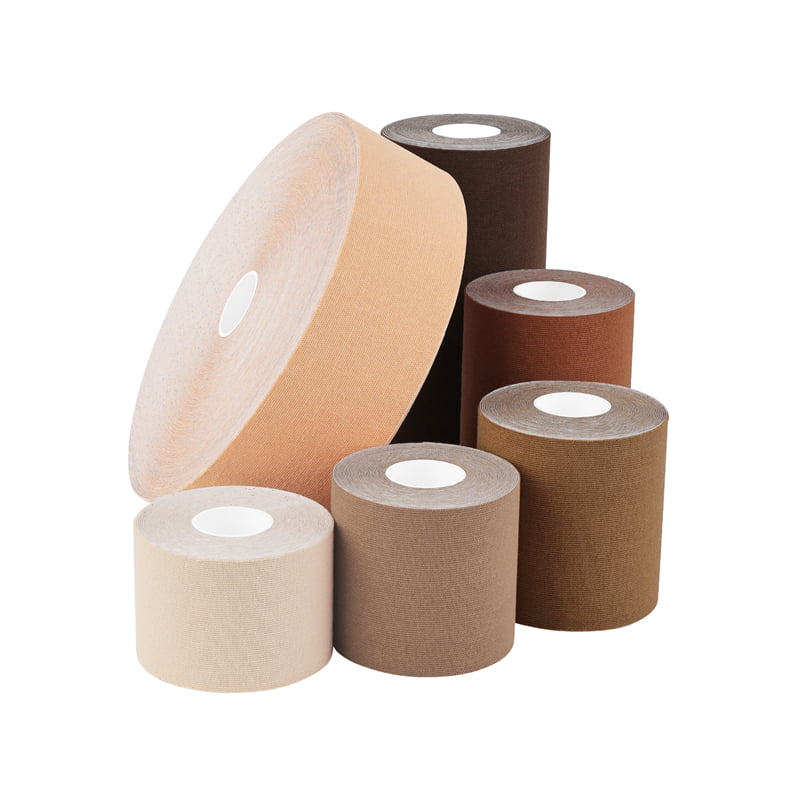
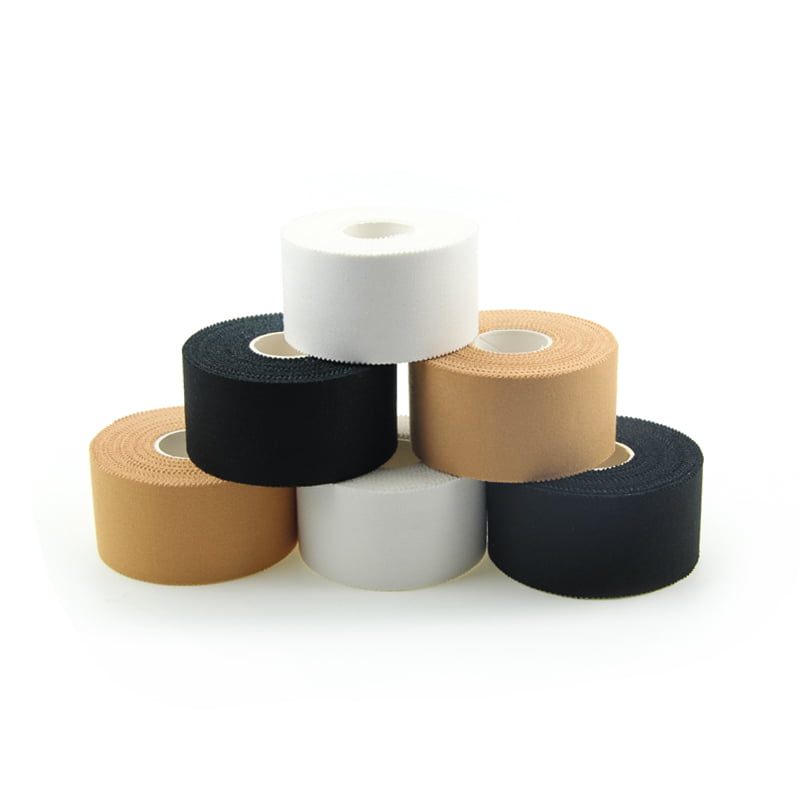
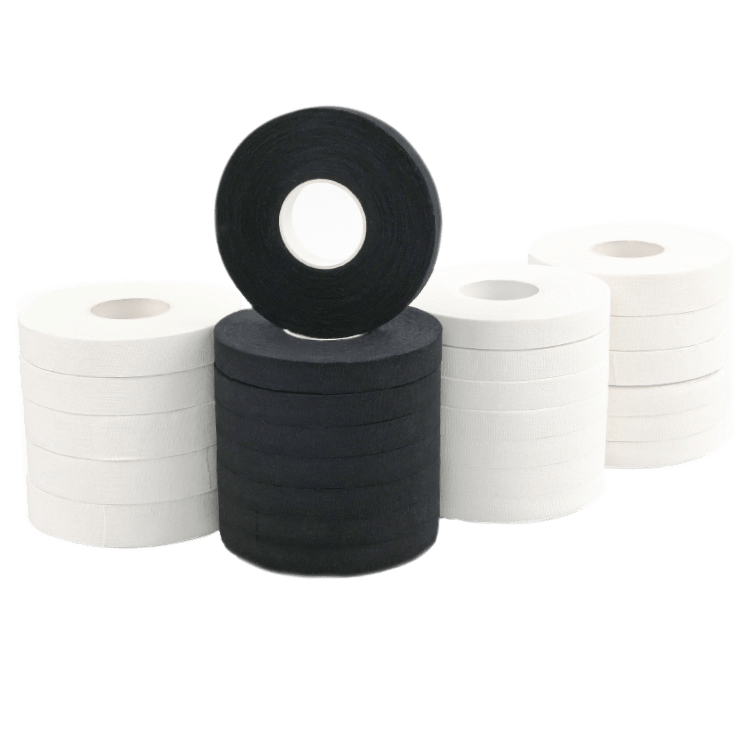
Latex-free cotton physio tape, hypoallergenic synthetic tape, and medical-grade acrylic adhesive I Strips are all suitable for people with sensitive skin, those who need to wear them for extended periods, people living in humid climates, and endurance athletes.
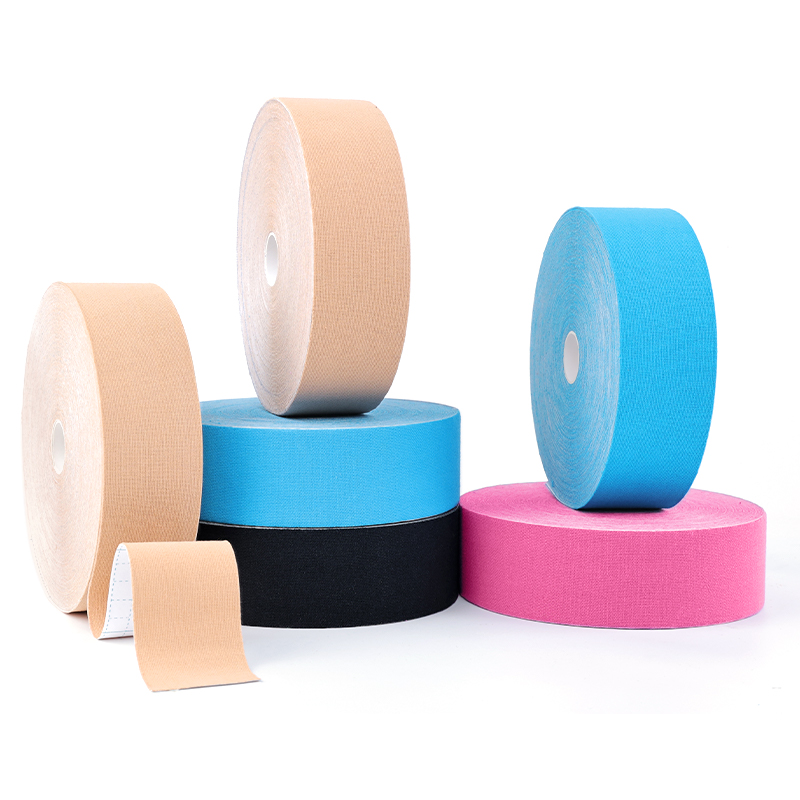
What a Correct Application Should Feel Like
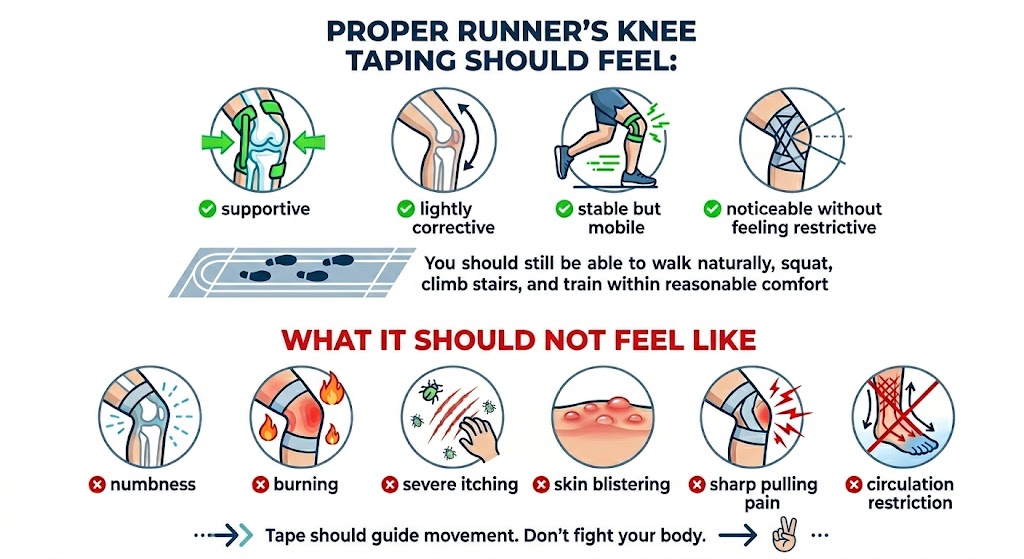
Proper runner’s knee taping should feel:
✔ supportive
✔ lightly corrective
✔ stable but mobile
✔ noticeable without feeling restrictive
You should still be able to walk naturally, squat, climb stairs, and train within reasonable comfort
What It Should NOT Feel Like
Remove or reassess the application if you experience:
✖ numbness
✖ burning
✖ severe itching
✖ skin blistering
✖ sharp pulling pain
✖ circulation restriction
Tape should guide movement. Don't fight your body.
Common Kinesiology Taping Mistakes to Avoid
More stretch doesn't always mean better support.
Over-tightening often causes edge lifting, skin irritation, or discomfort. For most knee taping methods, 25–50% stretch is usually enough.
If your tape peels quickly, check the anchors first.
The ends should always be applied with 0% stretch. Stretching them makes the tape more likely to lift during movement, sweat, or showers.
Cheapest Tapes may look similar, but performance can vary.
Lower-quality tape often has weaker adhesive, uneven stretch, or poor sweat resistance. Breathable, skin-friendly materials usually perform better.
Kinesiology tape for patellofemoral pain can provide support, but it doesn't solve the root problem.
Issues like weakness, poor movement patterns, or overtraining still need proper rehab or training adjustments.
Patellofemoral pain syndrome refers to pain generated around the patellofemoral joint — the contact area between the back surface of the kneecap (patella) and the groove at the end of the thigh bone (femur).
In a healthy movement pattern, the kneecap glides smoothly inside this groove when you bend or straighten your knee.
In PFPS, that movement becomes less efficient.
This is often linked to:
- patellar maltracking
- excessive patellofemoral joint loading
- muscular imbalance
- movement biomechanics issues
- repetitive overuse
Instead of moving smoothly, the kneecap may drift slightly laterally (outward) or experience increased compression during motion.
Over time, this can produce irritation, inflammation, and pain. Many runners notice symptoms worsen after increasing mileage, downhill running, or adding speed work too quickly.
People with PFPS frequently report:
- dull aching pain around or behind the kneecap
- discomfort during running, squatting, lunges, jumping, or stair use
- increased symptoms when walking downhill
- stiffness after prolonged sitting ("moviegoer’s knee")
- clicking, grinding, or popping sensations during knee movement
- discomfort after training volume increases
One pattern clinicians commonly notice:
descending stairs usually hurts more than climbing them.
This happens because stair descent substantially increases patellofemoral joint reaction force.
Patellofemoral pain does not only affect competitive athletes.
However, several groups appear more vulnerable.
Runners
High repetition knee flexion under load can amplify minor tracking problems quickly.
Even small biomechanical inefficiencies become noticeable after hundreds or thousands of running strides.
Cyclists
Improper saddle height, excessive training volume, or repetitive flexion patterns can increase anterior knee loading.
Jumping and Court Athletes
Basketball players, volleyball athletes, CrossFit participants, and hikers frequently expose the knee to high eccentric quadriceps demand.
Individuals with Muscle Imbalances
Several muscular factors may contribute:
- weak gluteus medius
- reduced hip stability
- quadriceps imbalance
- delayed VMO activation
- poor lower limb control
Structural Contributors
Certain movement or alignment patterns may also increase risk:
- overpronation / flat feet
- elevated Q-angle
- hip control deficits
- valgus knee mechanics
Women are often disproportionately affected due to anatomical and biomechanical differences influencing lower-extremity alignment.
Short answer:
sometimes, particularly for short-term symptom management and movement support.
That distinction matters.
Kinesiology tape for patellofemoral pain is not a cure for PFPS.
It does not rebuild cartilage.
It does not permanently realign the kneecap.
It does not replace rehabilitation.
However, many athletes and clinicians use kinesiology tape for patellofemoral pain because it may provide meaningful short-term relief during activity.
Several sports medicine studies have reported modest short-term improvements in pain perception and functional movement after patellar taping interventions.
Clinical response varies from person to person.
In clinic settings, some users feel immediate relief during stair descent, while others notice little change.
1. Patellar Tracking Support
One practical goal of PFPS taping methods is to influence how the kneecap behaves during movement.
Kinesiology tape is unlikely to dramatically reposition the kneecap the way rigid orthopedic bracing attempts to do. Its role is usually subtler — providing directional feedback while allowing functional movement.
Many runners describe the sensation as:
“The knee feels guided rather than locked.”
That difference is important.
You retain mobility while receiving gentle mechanical guidance.
2. Improved Proprioception
Kinesiology tape continuously stimulates cutaneous sensory receptors.
This may improve proprioception — your body’s awareness of joint position and movement.
In practical sports settings, improved positional awareness can sometimes help reduce awkward micro-shifts during:
running
squatting
landing
cutting
stair movement
Many athletes report that their knees feel “more stable,” even without dramatic mechanical restriction.
3. Temporary Pain Modulation
Another proposed mechanism involves sensory competition within the nervous system.
This concept is often discussed in the context of the Gate Control Theory. In practical terms, some users simply notice that running, stairs, or squats feel less irritating for a while.
The simplified explanation:
Sensory input generated by the tape may partially compete with incoming pain signals.
The result for some users:
less noticeable discomfort during movement.
This does not mean that tissue healing improves instantly.
Rather, the perception of pain may become temporarily more manageable.
4. Light Dynamic Support Without Mobility Loss
Rigid athletic tape and traditional white sports tape are designed primarily to restrict movement.
That approach has its place in injury management.
But PFPS patients often need something different.
They need support without sacrificing functional motion.
High-quality elastic therapeutic tape stretches and recoils with movement.
This makes it suitable for:
running sessions
gym training
hiking
sports practice
day-to-day functional movement
Many clinicians prefer latex-free, hypoallergenic kinesiology tape with medical-grade acrylic adhesive, especially for multi-day wear, sweat exposure, and users with sensitive skin.
This question comes up constantly.
The honest answer:
sometimes, modestly, and often indirectly.
Kinesiology tape for patellofemoral pain is unlikely to produce dramatic orthopedic repositioning.
That is not really its primary strength.
Its practical value often comes from combining:
- sensory feedback
- movement awareness
- mild mechanical cueing
- temporary symptom reduction
Many runners describe a meaningful difference during:
- tempo runs
- gym sessions
- stair use
- return-to-training periods
Others notice little change.
Clinical response remains individual.
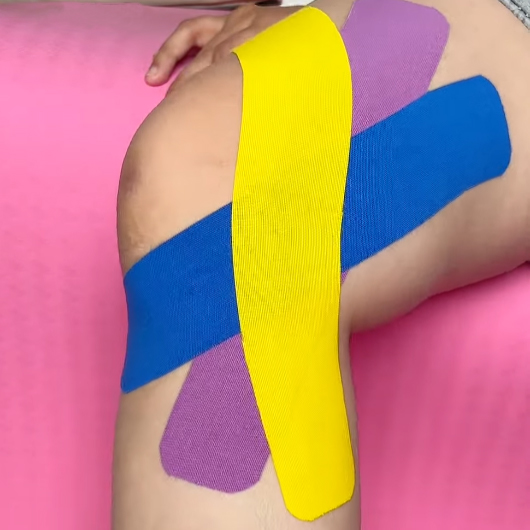
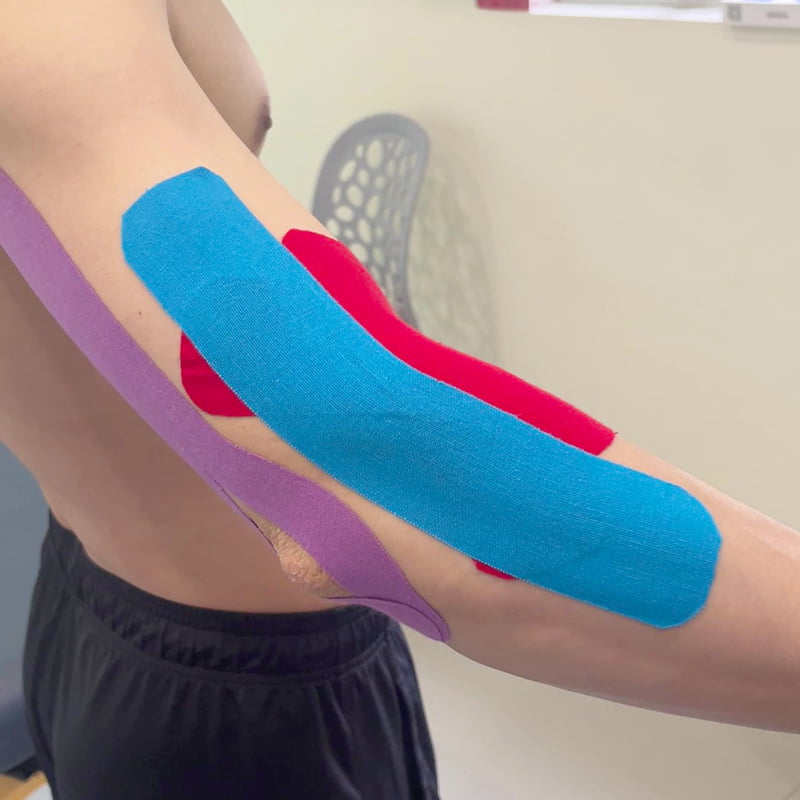
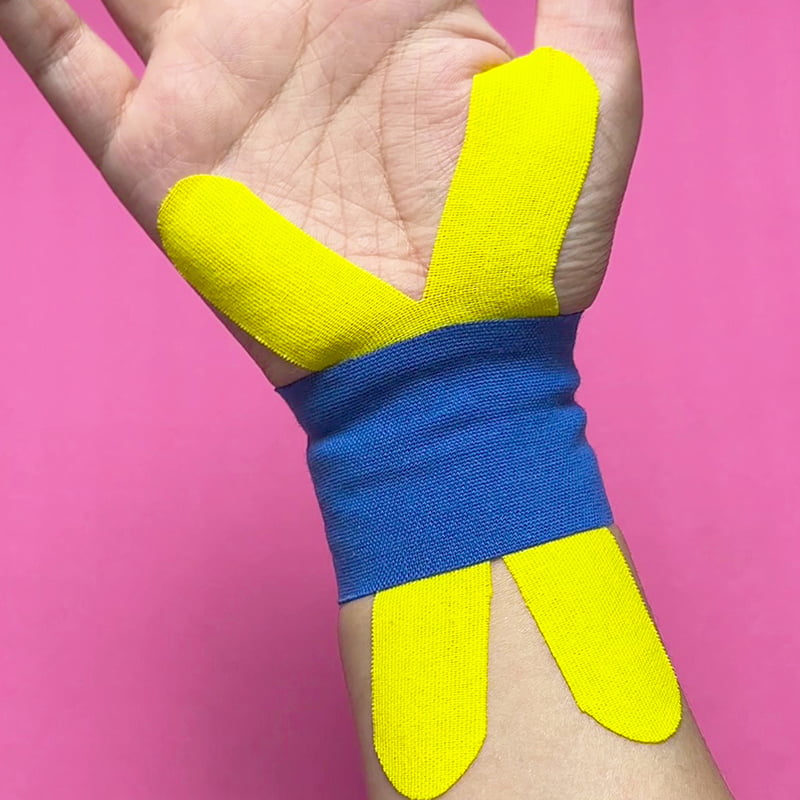
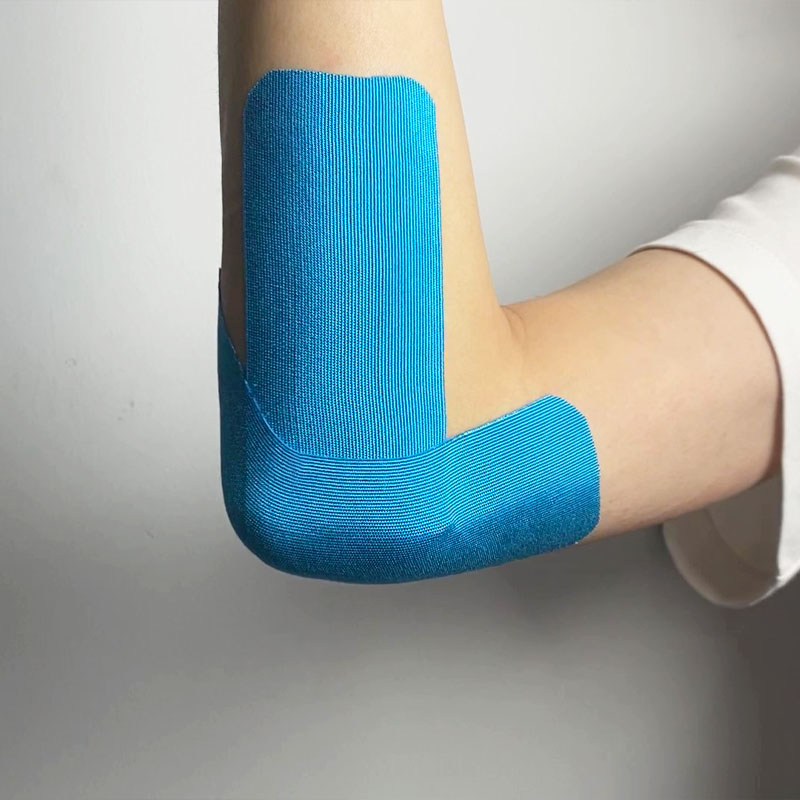
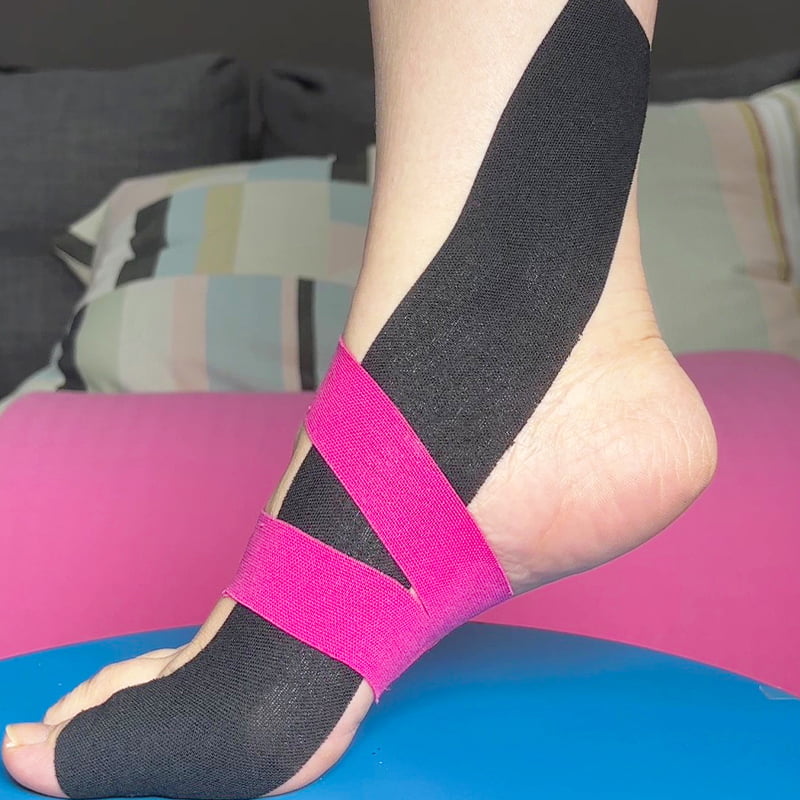
How to Apply for Knee Pain in Other Areas
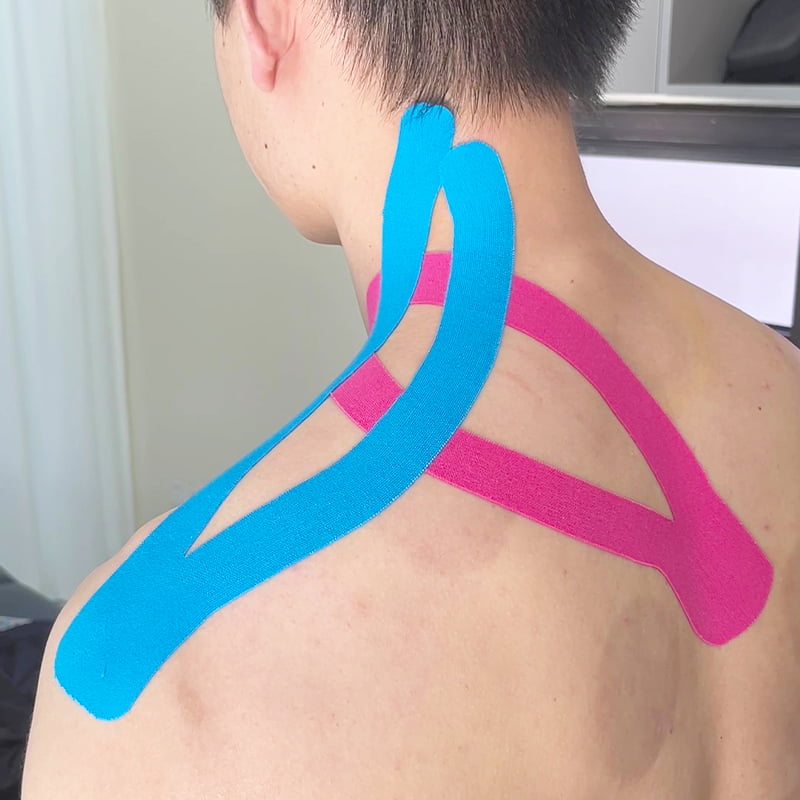
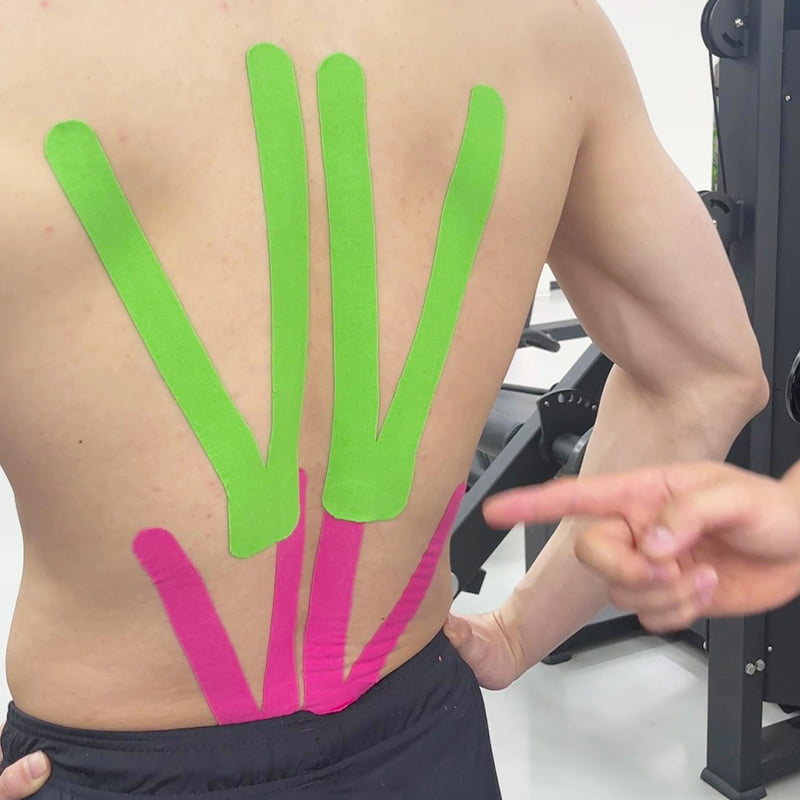
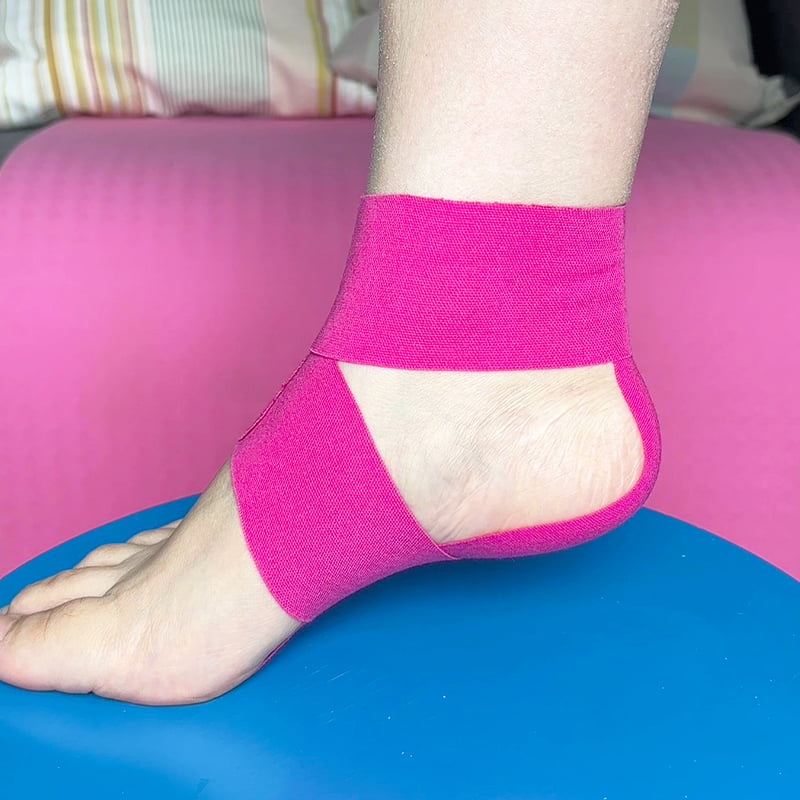
Most quality kinesiology tape for patellofemoral pain are designed for:
3–5 days of wear.
Actual duration depends on:
- sweat exposure
- skin condition
- tape quality
- application technique
- activity level
You can generally:
- shower
- exercise
- sweat
- perform normal daily activity
while wearing properly applied waterproof tape.
Click “How Long to Wear Kinesiology Tape?” for more details.
Often, yes.
Many runners use runner’s knee taping methods during:
- easy runs
- return-to-training phases
- race preparation
- symptom-managed training blocks
However:
Pain that escalates during activity should not be ignored.
Taping should not become permission to overload an irritated joint.
It depends on the individual.
Kinesiology tape for patellofemoral pain offers:
- lightweight feel
- movement freedom
- low-profile wearability
- proprioceptive support
Braces typically provide:
- stronger mechanical structure
- higher perceived stability
- easier repeatability
Some athletes prefer tape.
Others prefer braces.
Some use both depending on context.
Possible causes include:
- overstretching
- friction
- prolonged wear
- moisture accumulation
- adhesive sensitivity
Remove the tape if you experience:
- severe itching
- rash
- blistering
- burning sensation
- worsening irritation
Hypoallergenic, latex-free options may help reduce sensitivity risk.
No. Kinesiology tape may improve short-term movement awareness or comfort, but it does not permanently realign the patella.
This is an important misconception to clear up.
It may assist with:
- symptom management
- movement awareness
- activity support
- short-term functional comfort
Long-term change usually requires rehabilitation addressing:
- strength
- movement mechanics
- load management
- contributing biomechanical factors
There is no single universal method.
However, many PFPS taping techniques include:
- central patellar tracking strip
- lateral stabilization strip
- horseshoe support configuration
- moderate working tension
- tension-free anchors
Technique may be adjusted based on:
- symptom presentation
- body anatomy
- activity demands
- clinician preference
Final Thoughts
Patellofemoral pain is rarely just about your kneecap — it’s often a sign that your body is struggling with movement patterns, load management, or impact tolerance. Kinesiology tape for patellofemoral pain can be a helpful tool, not a cure. It may improve body awareness, reduce discomfort, and support movement, but good technique matters more than extra tension.
For runners, athletes, and active individuals, taping can be a practical, low-profile way to make training and daily movement feel more manageable. Still, it works best as part of a bigger strategy: building strength, improving movement quality, and managing training load.
If your knee is locking, swelling, or feels unstable after an injury, get a professional opinion. Tape can support recovery — but it usually shouldn’t be the entire plan.