
How to Use Kinesiology Tape for Meniscus Tear
Can kinesiology tape help a meniscus tear? Yes. Kinesiology tape for meniscus tear support works by creating a functional "bridge" around the knee joint to improve stability and offload pressure from the torn cartilage. By lifting the skin to enhance circulation, it effectively manages meniscus swelling and relieves medial meniscus pain. For athletes and patients, proper taping provides the necessary sensory feedback to restore confidence during walking, pivoting, and recovery exercises.
Preparing the Knee Before Taping
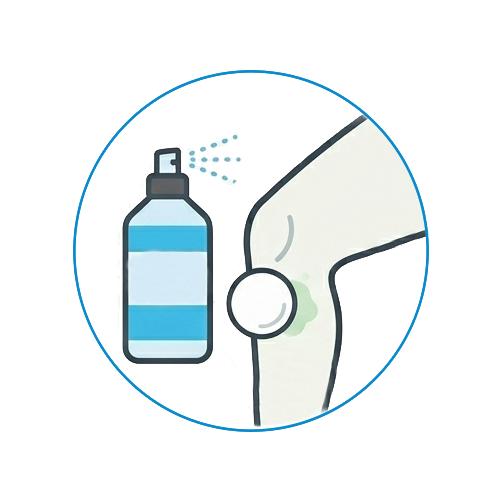
One of the biggest reasons tape fails too early is poor skin preparation. In sports rehabilitation settings, therapists spend extra time preparing the skin because it directly affects how long the kinesiology tape for meniscus tears lasts and how well it supports the joint.
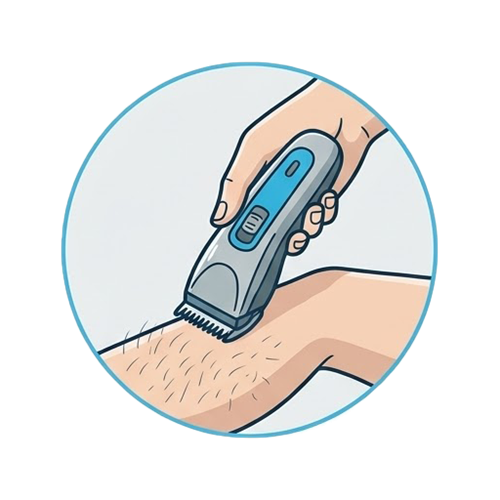
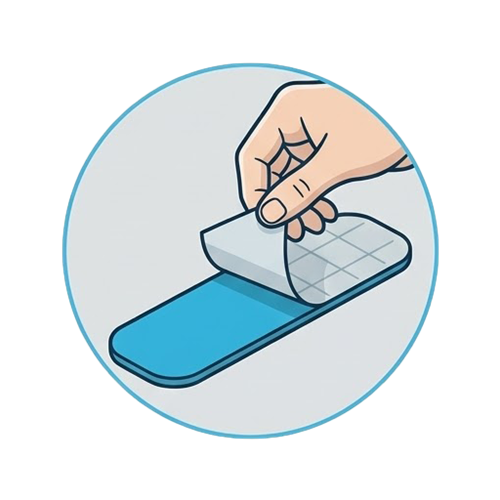

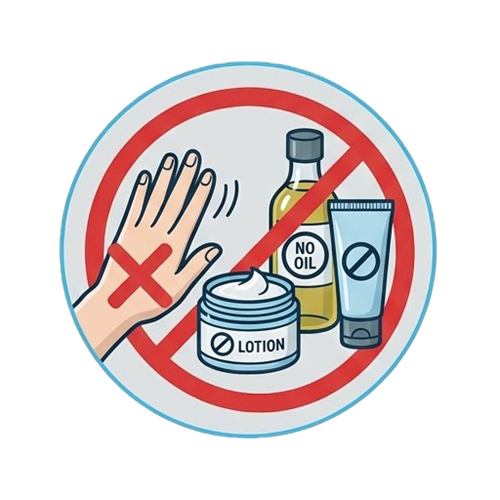

Common Mistakes That Make Meniscus Taping Less Effective
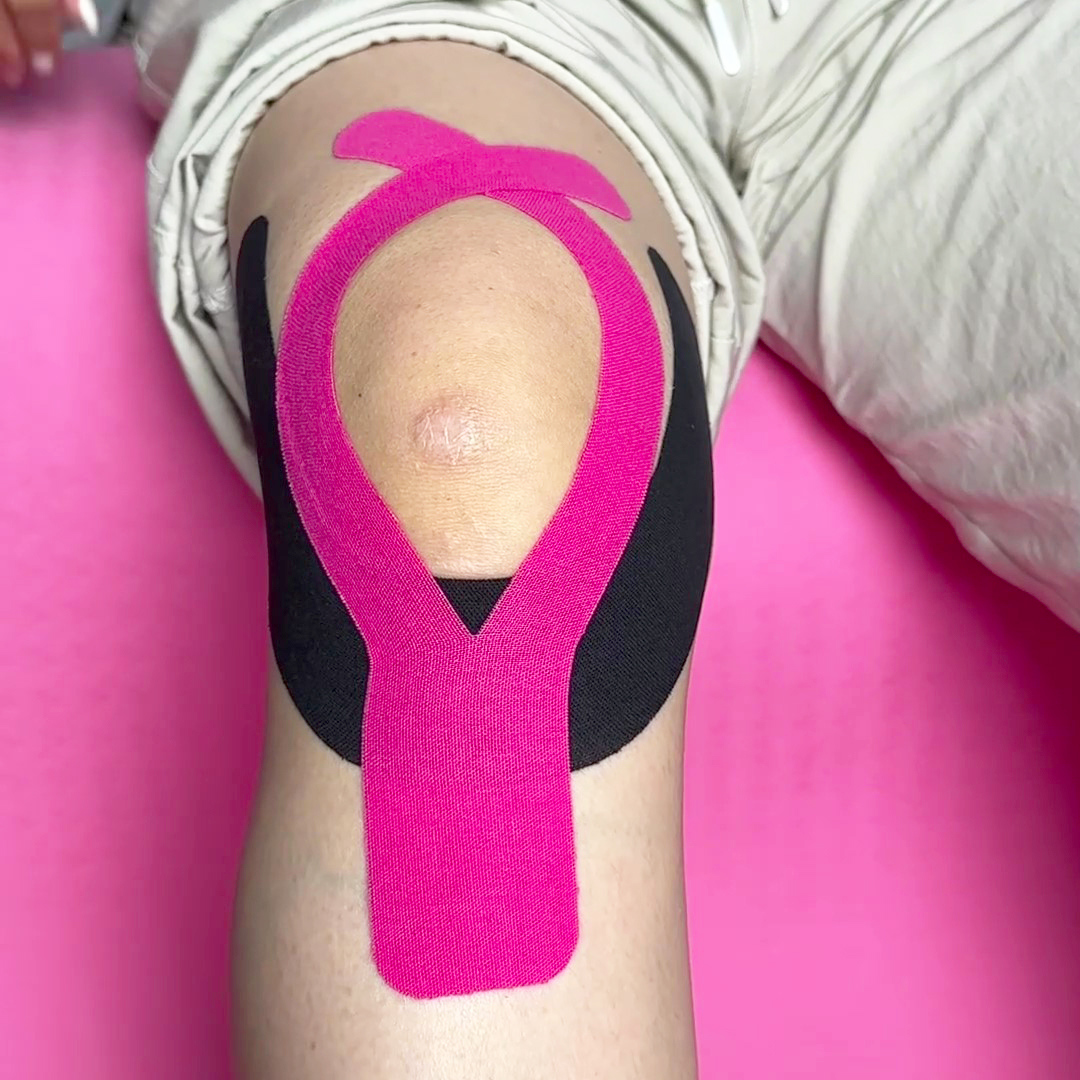
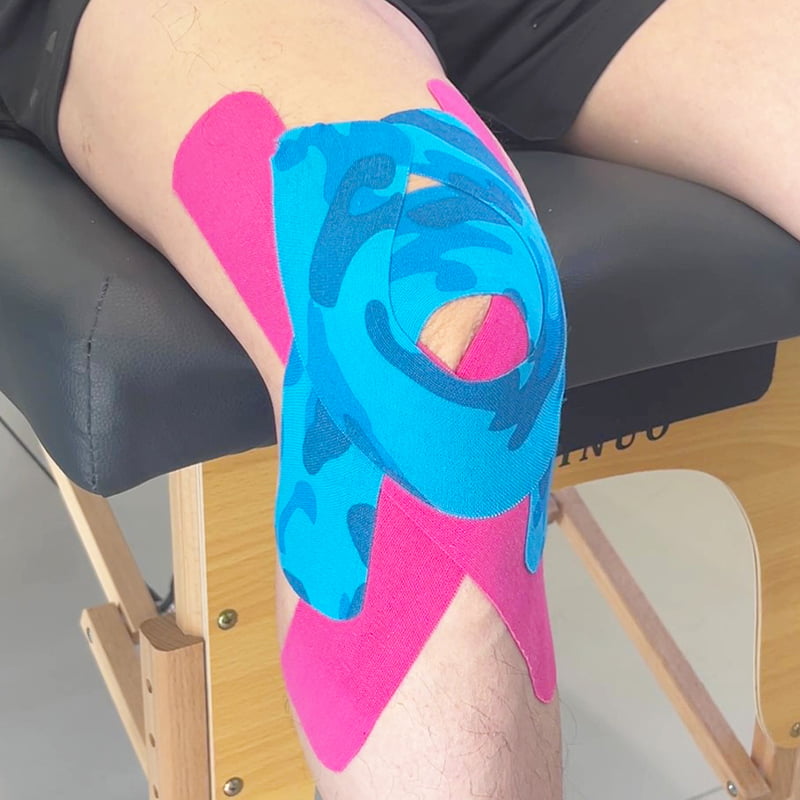
Kinesiology Tape for Meniscus Tear Step-by-Step Taping Guide
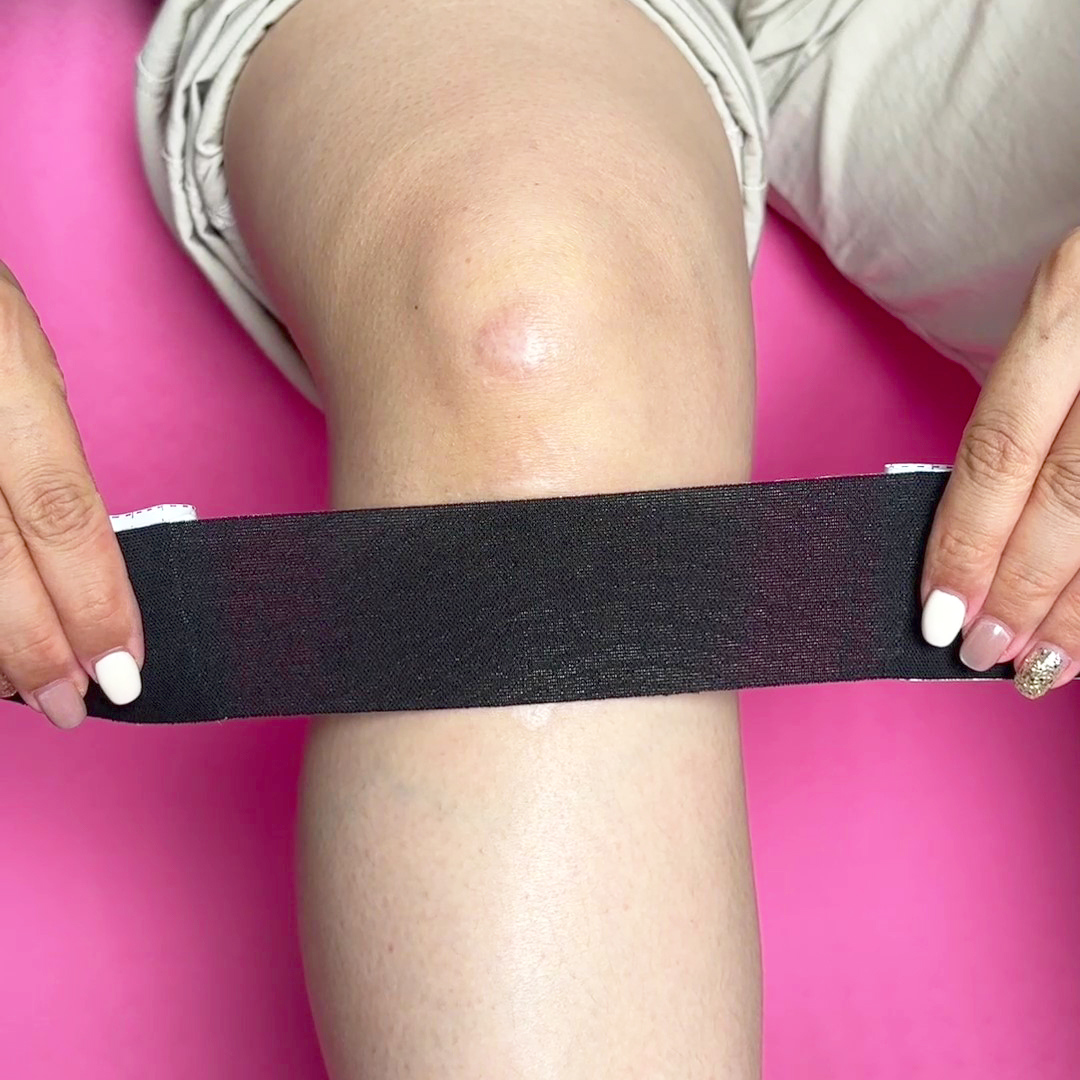
Sit comfortably and bend the knee approximately 30–45 degrees. This position helps the tape conform naturally to the joint contours.
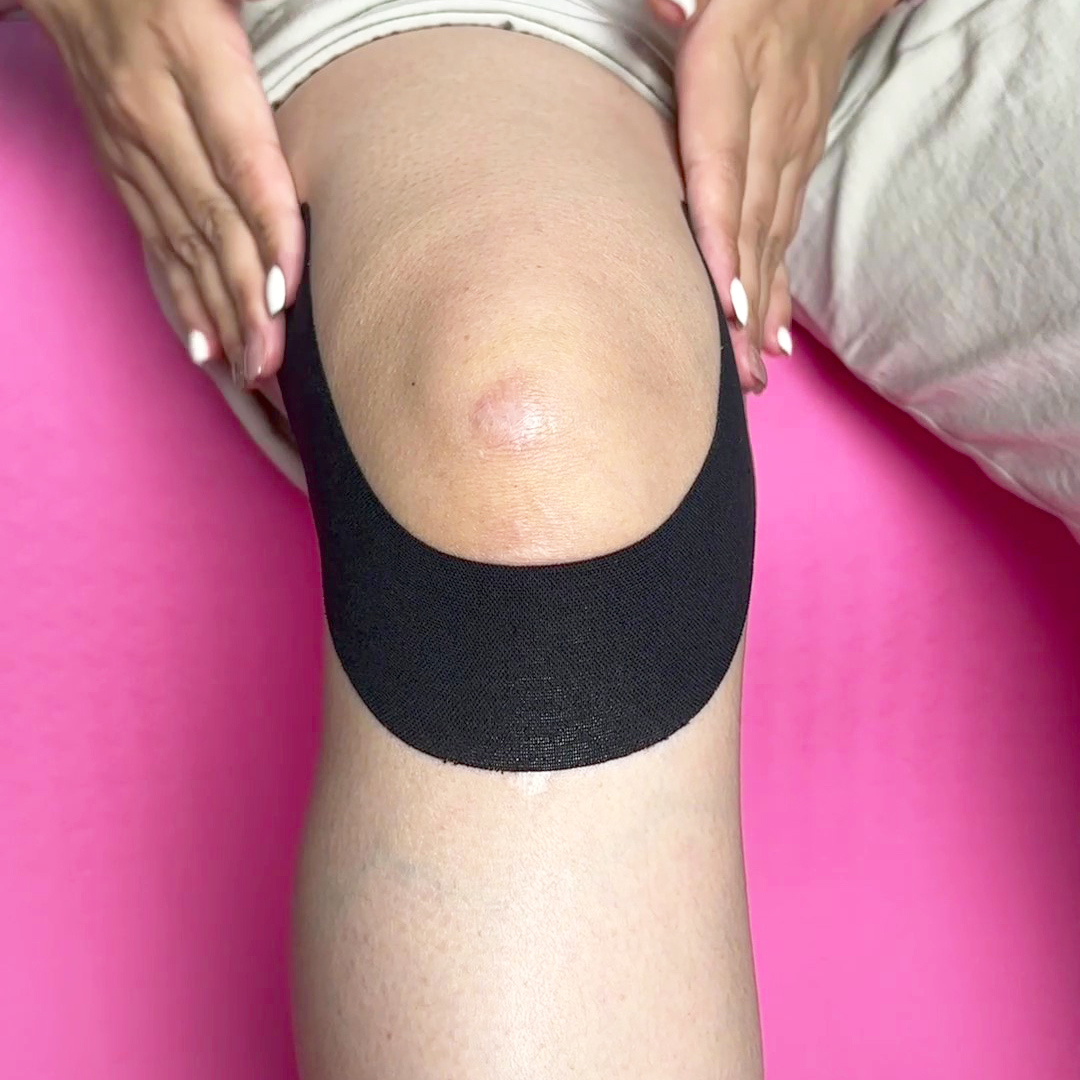
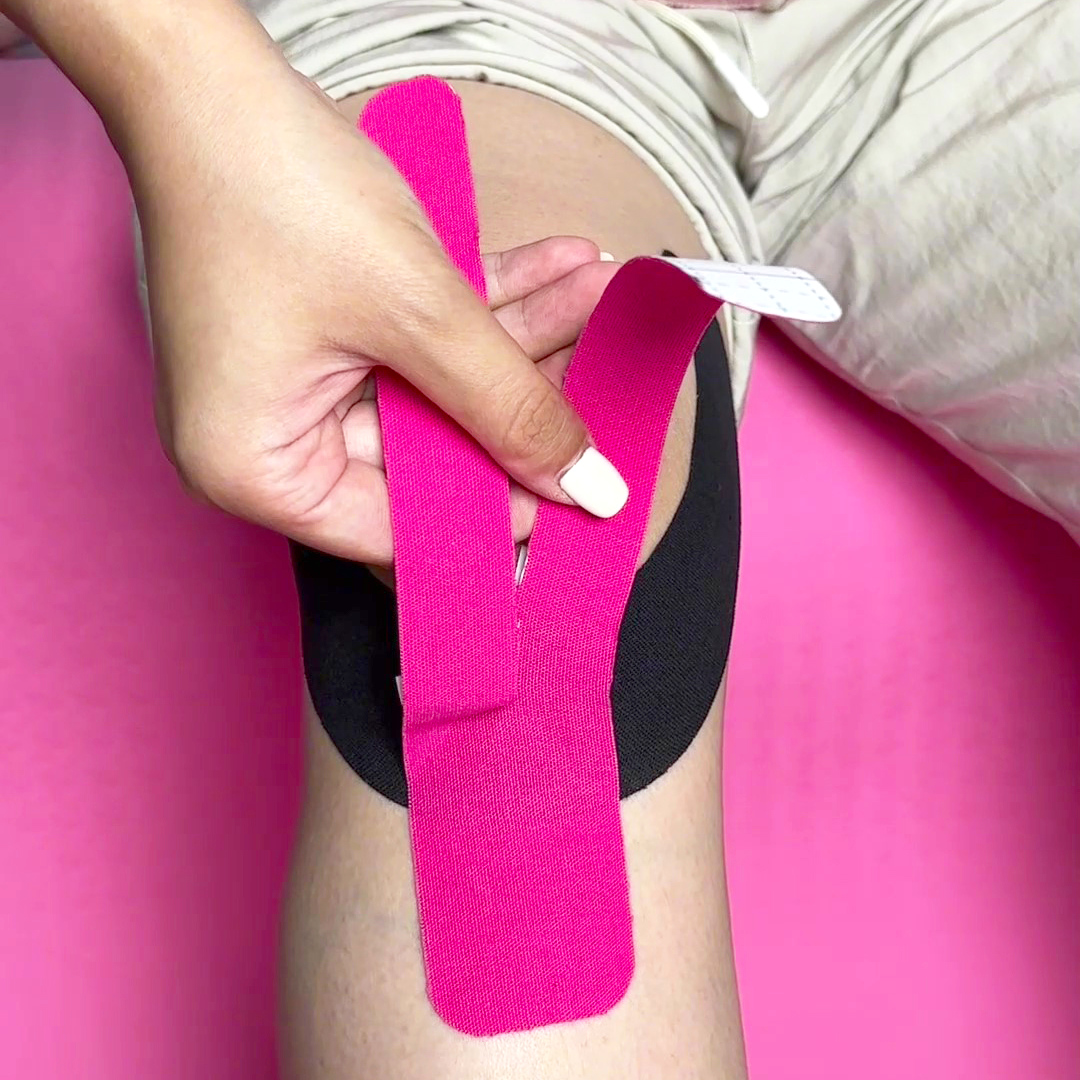
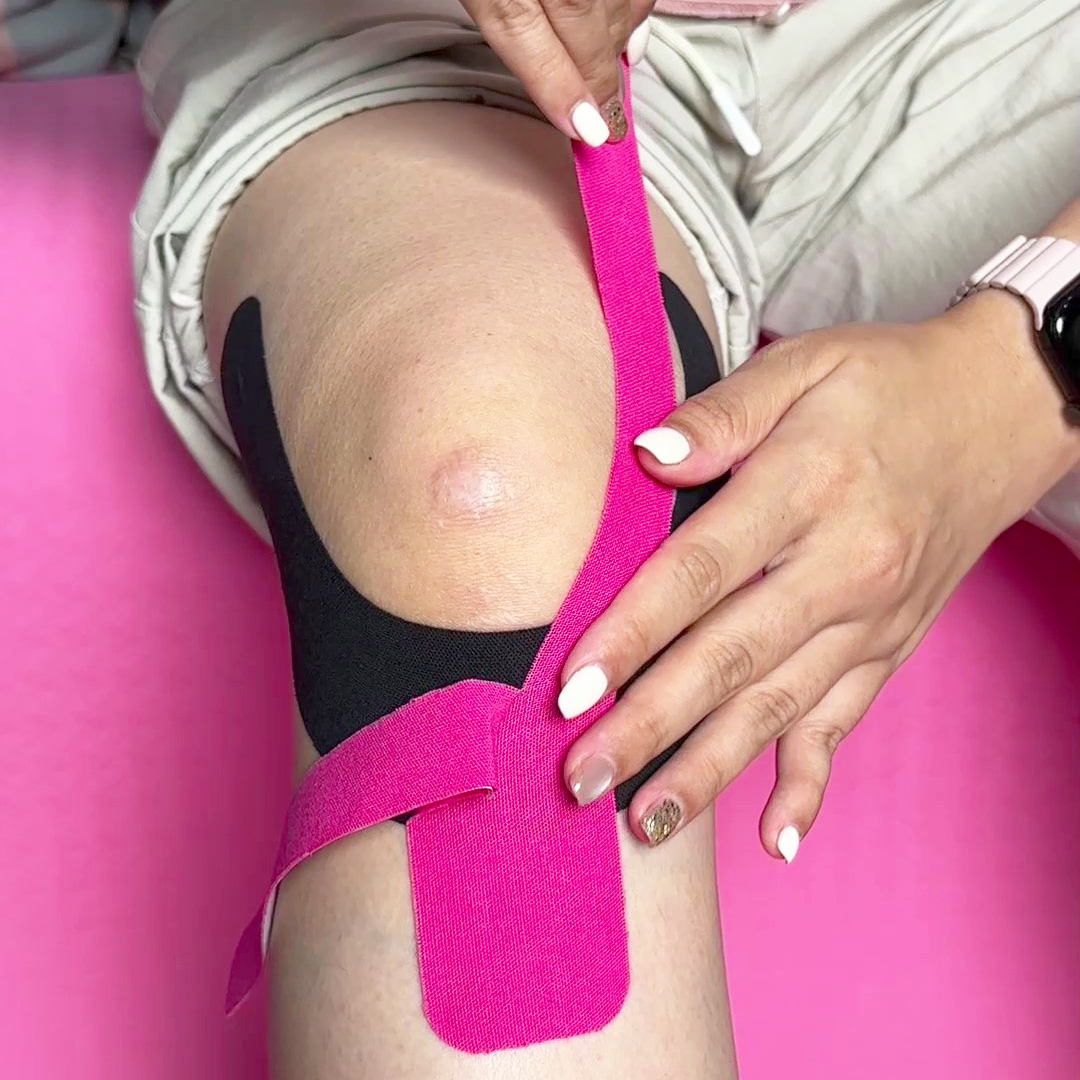
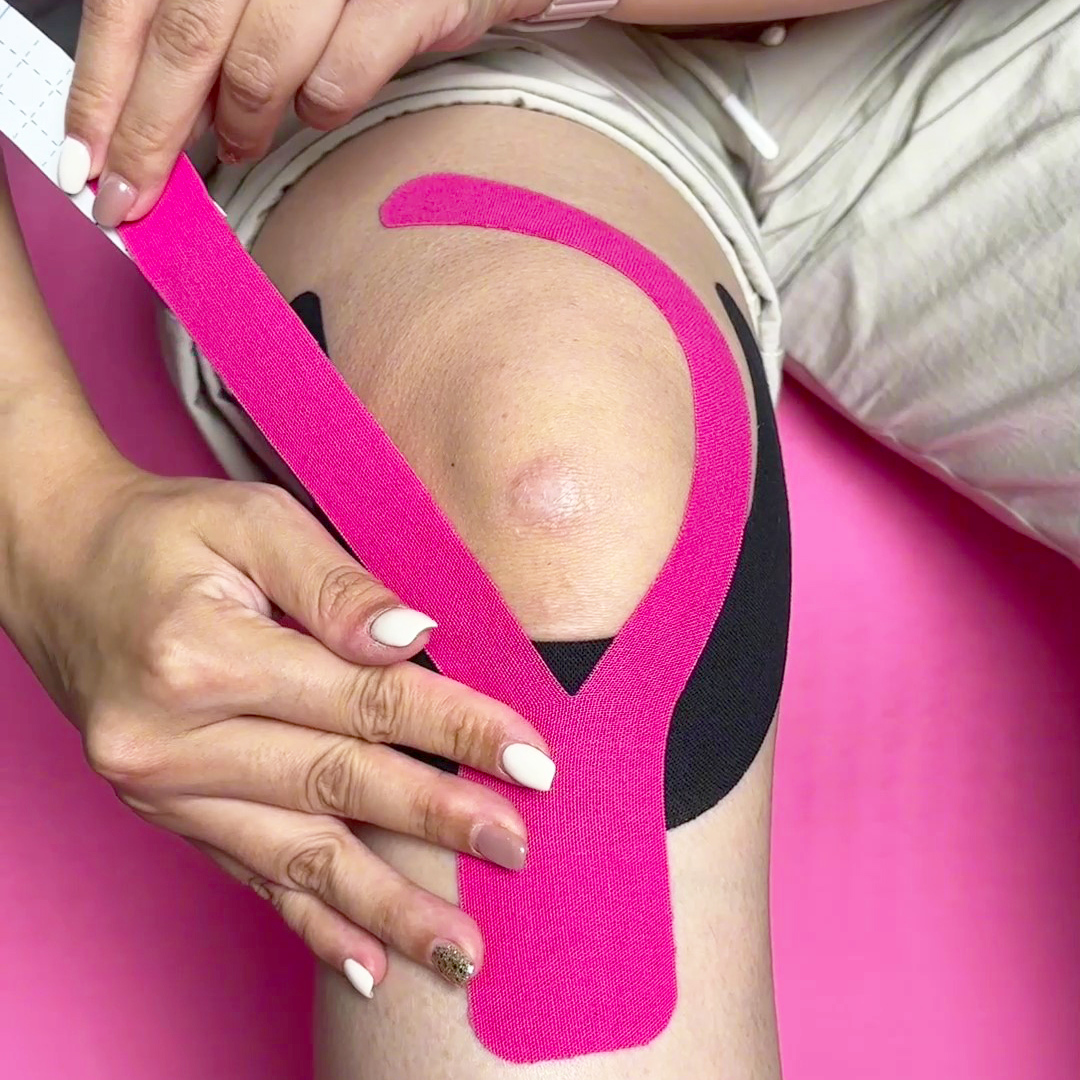
Which Tape Type Works Best?
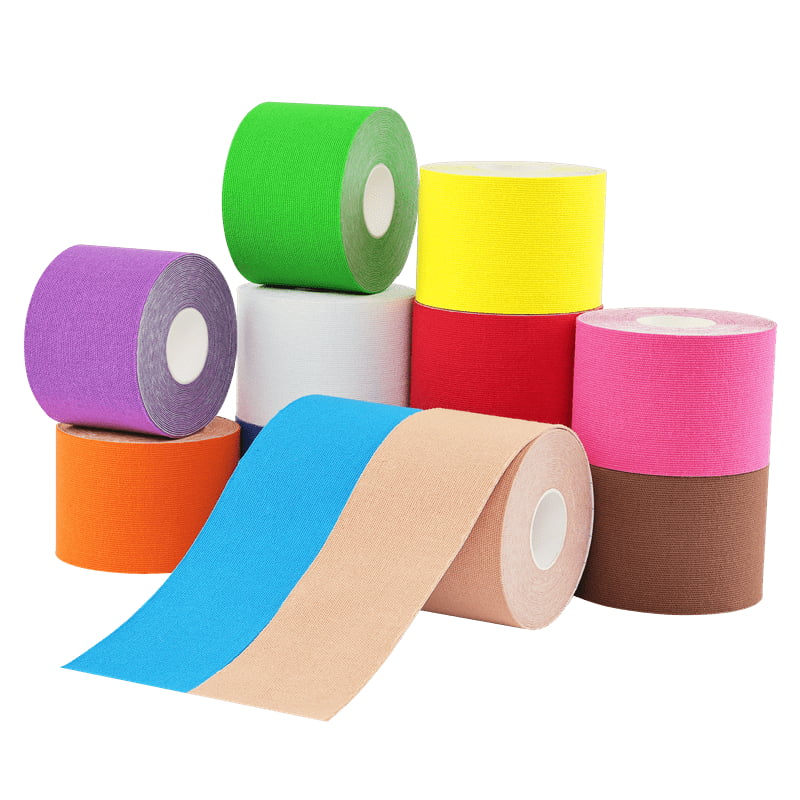
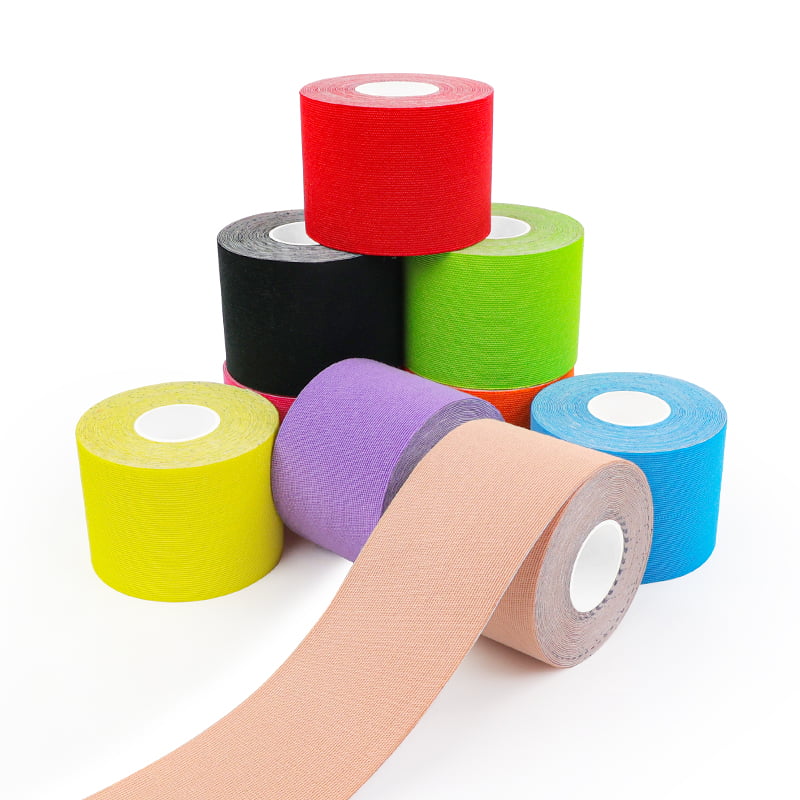
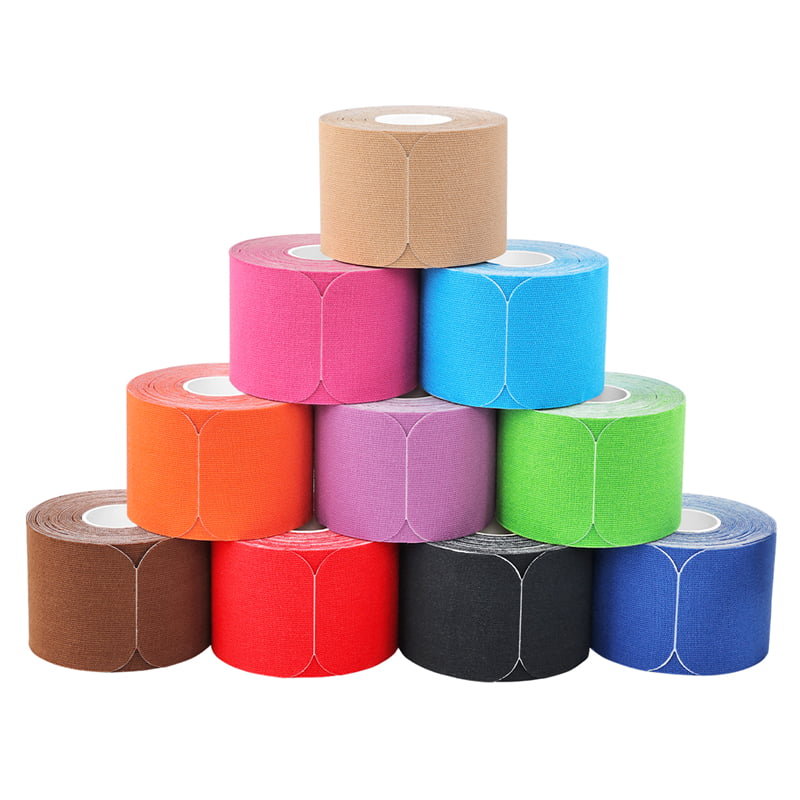
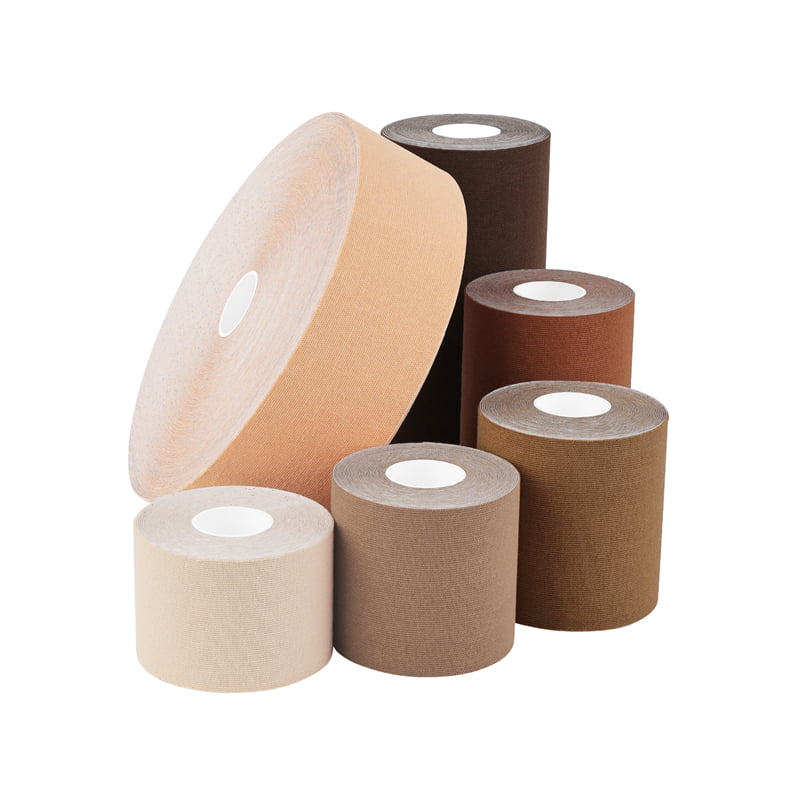
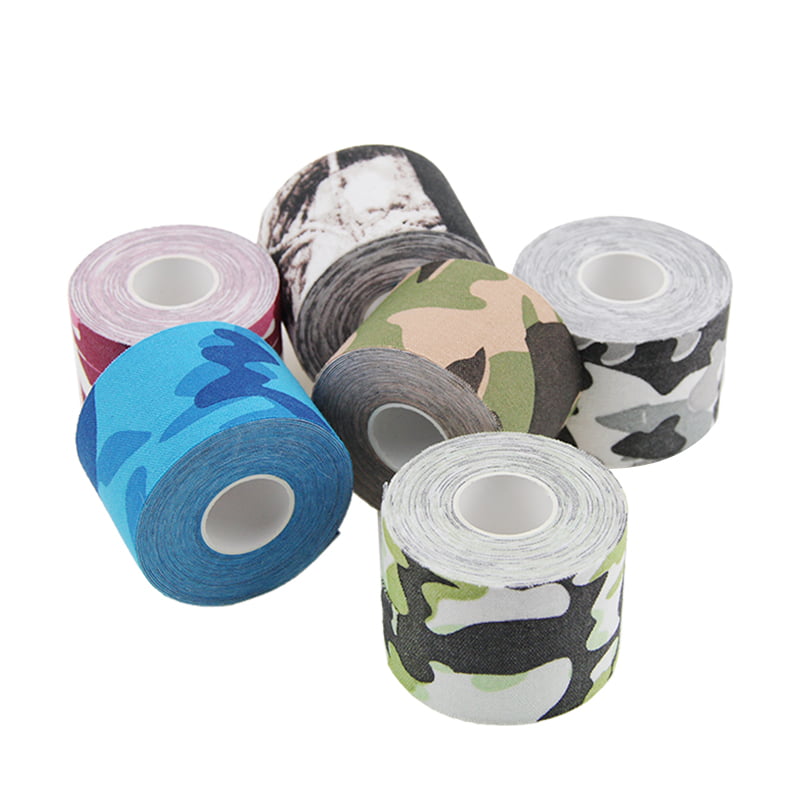
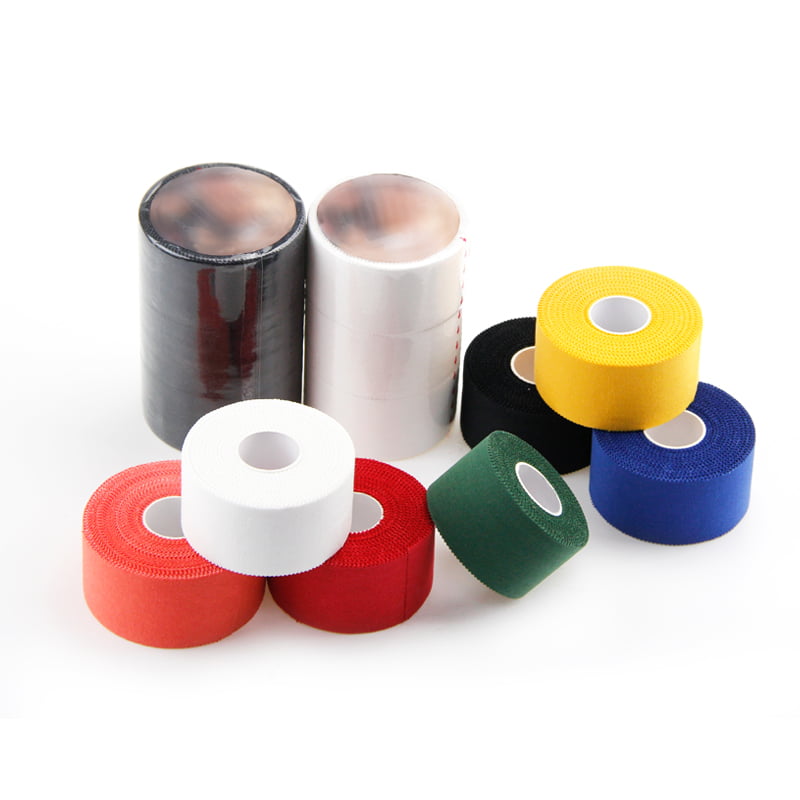
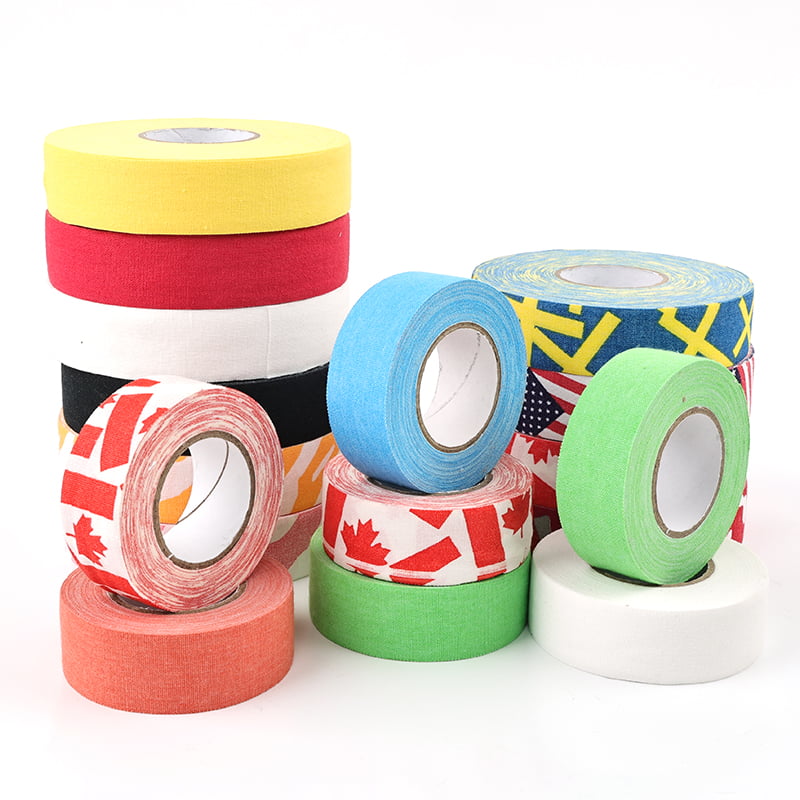
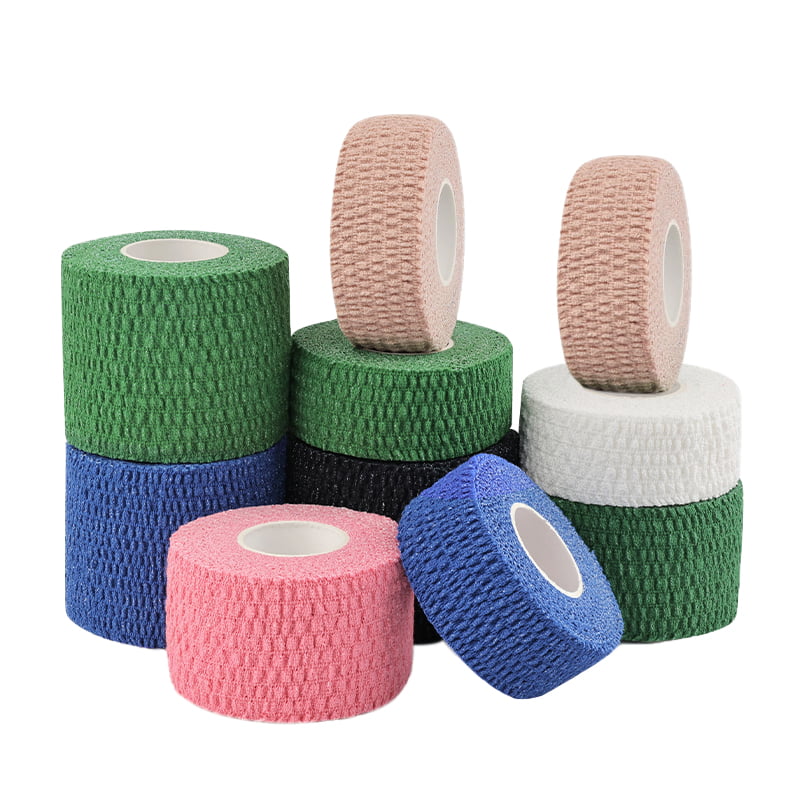
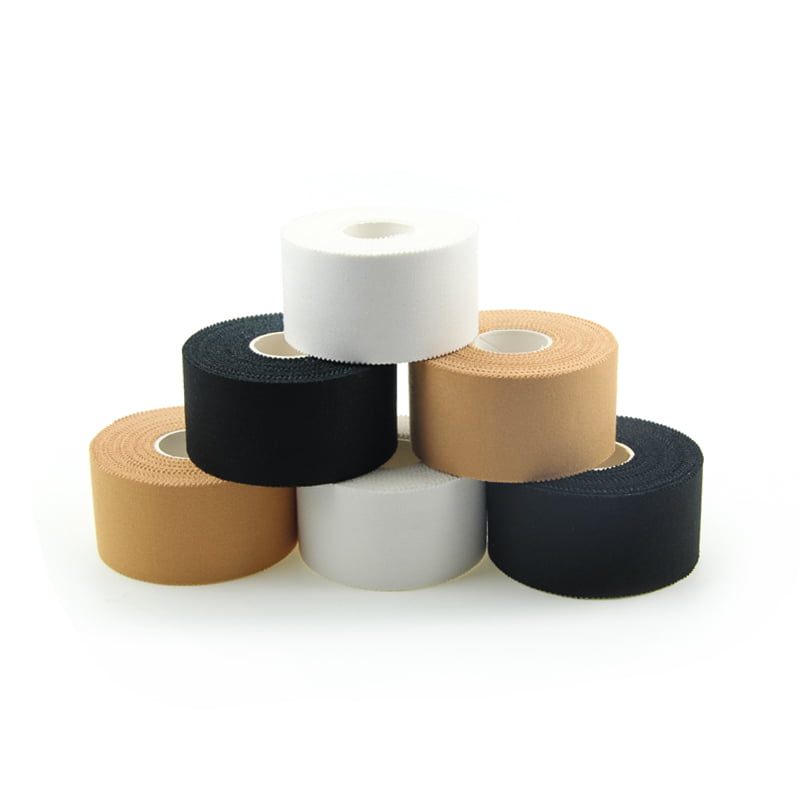
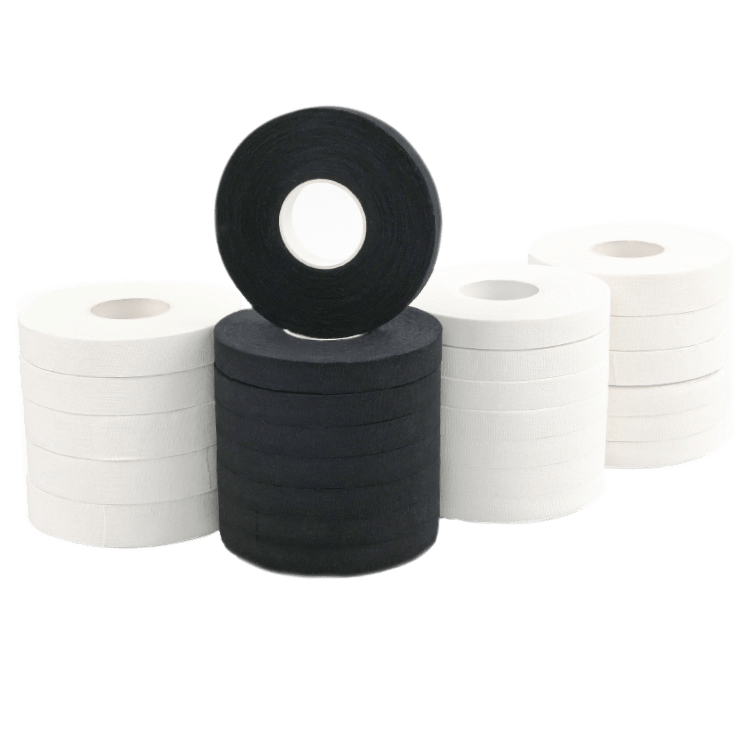
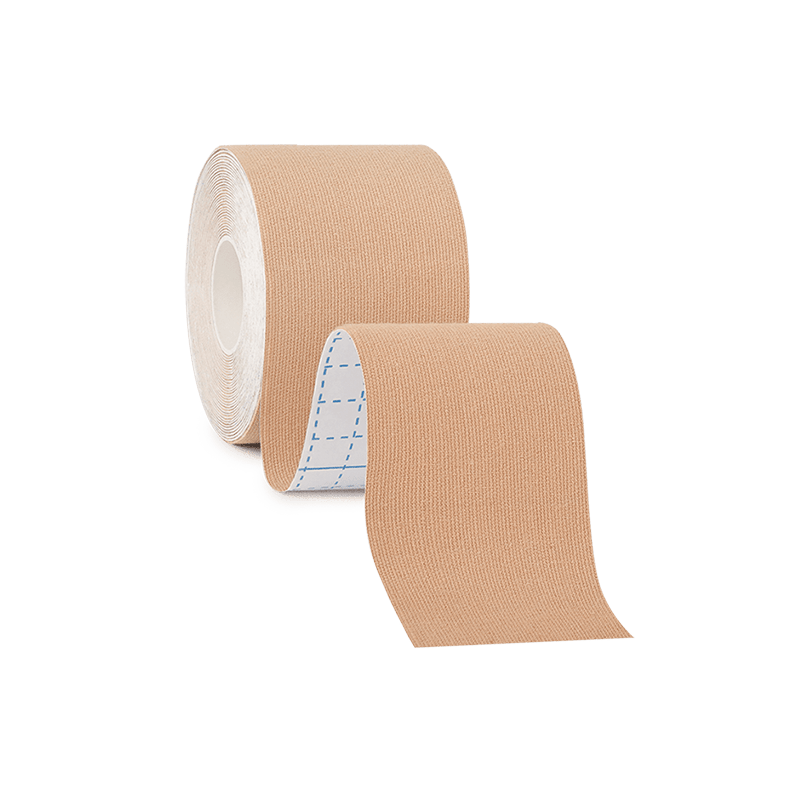
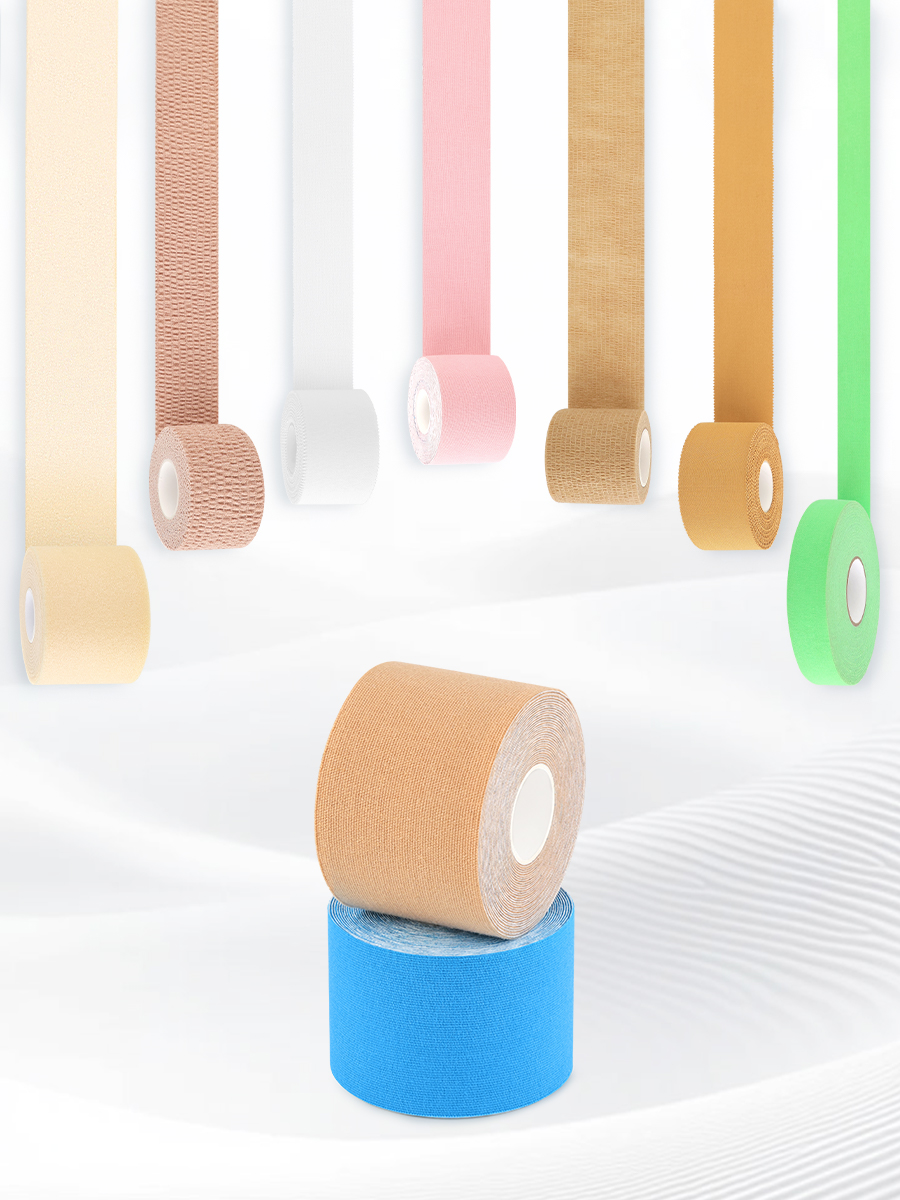
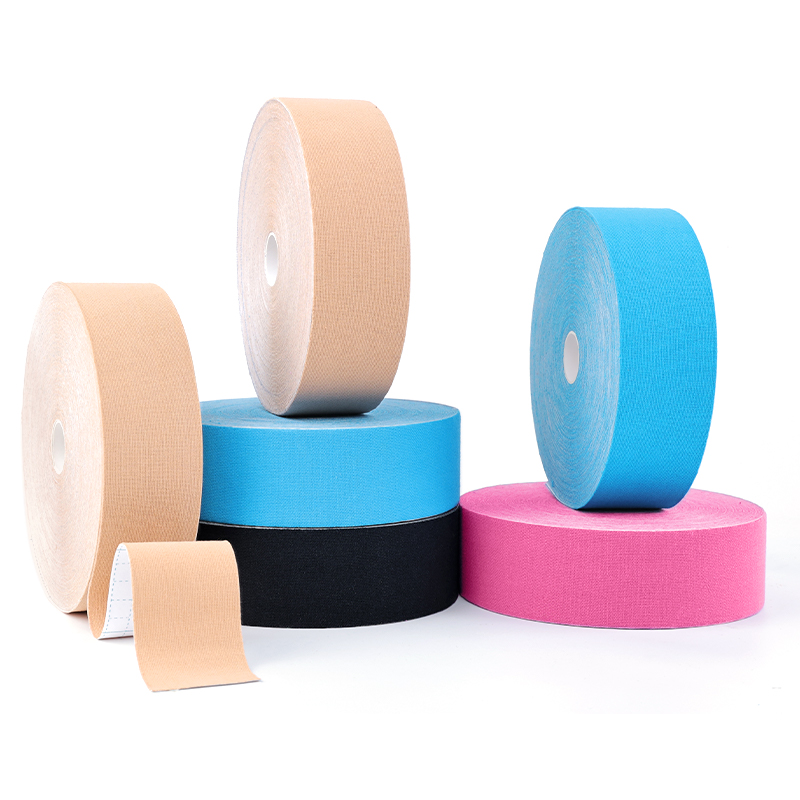
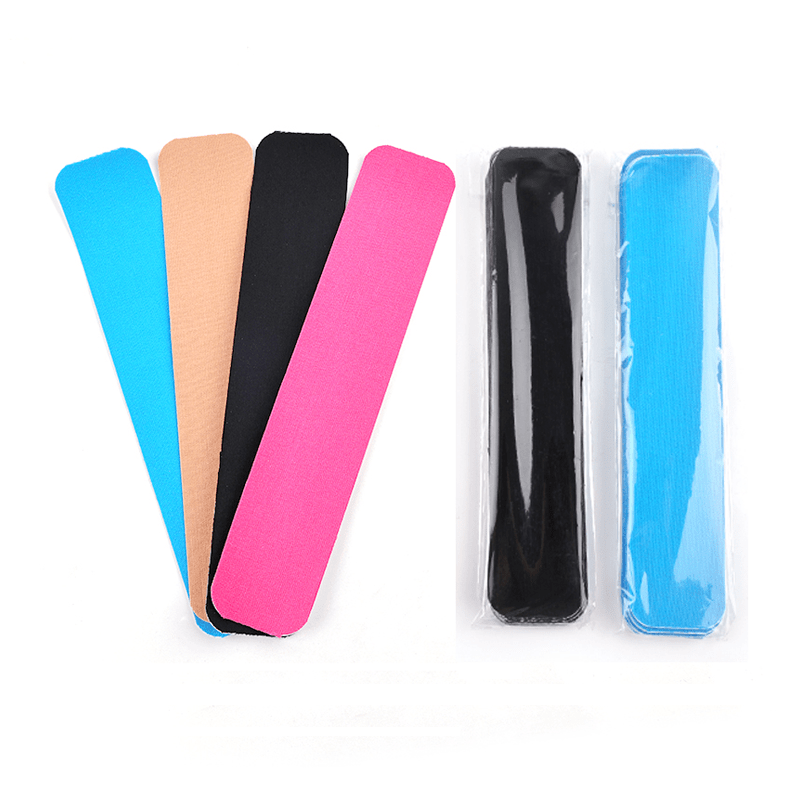
Isn't there a suitable kinesiology tape for meniscus tear yet? Choose the tape that suits you best now. Cotton tape is more popular, synthetic KT tape is better suited for water sports, pre-cut rolls and pre-sliced sheets are more convenient, and 35m rolls are more durable and economical.
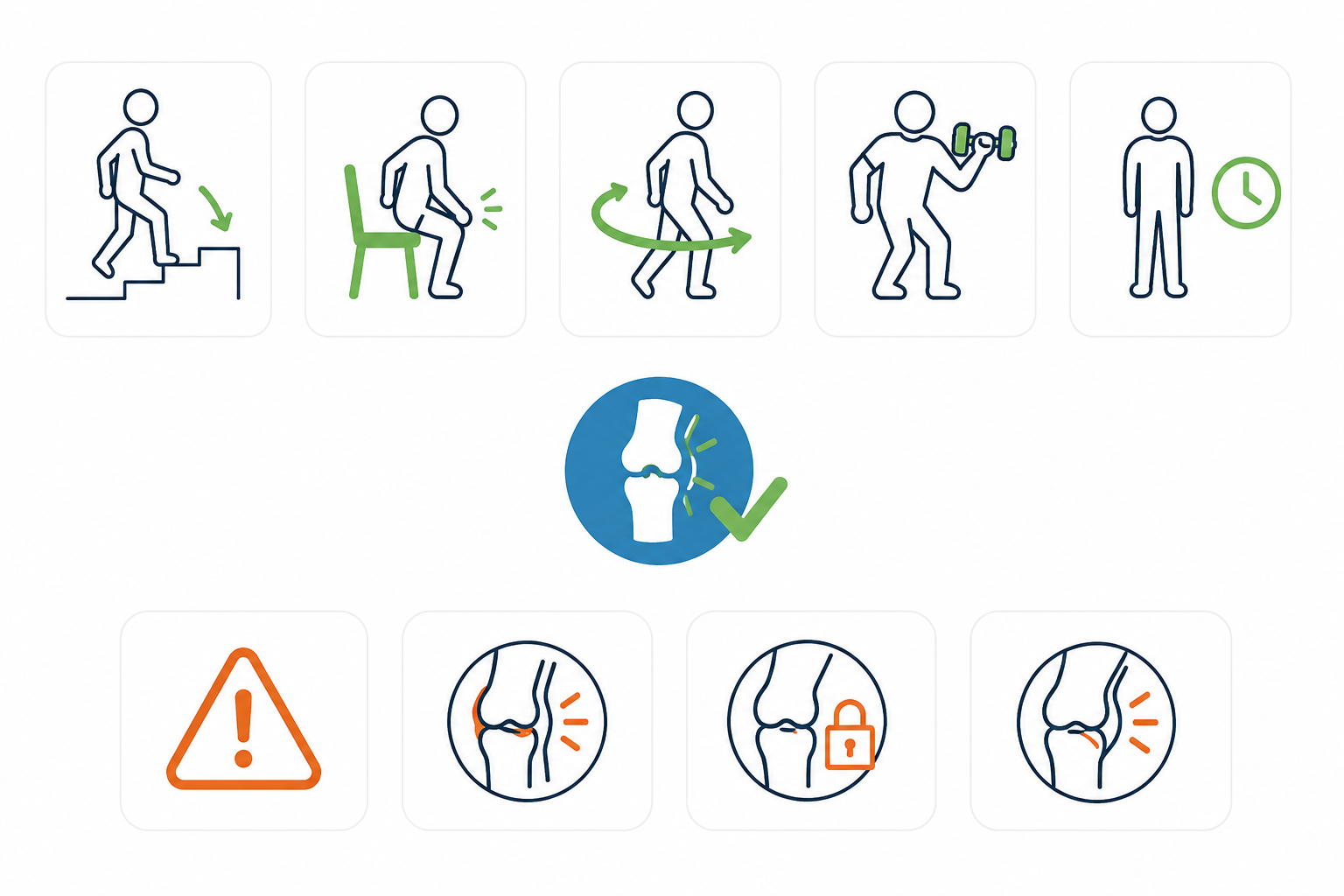
What Users Commonly Report After Proper Taping
One reason kinesiology tape became so popular in sports medicine is the immediate sensation change 80% of users describe after application.
People commonly report:
- The knee feels more stable
- Turning movements feel less stressful
- Walking downstairs feels smoother
- Squats feel more controlled
- The knee feels “held together”
- Less awareness of instability during movement
Some users also describe a psychological effect:
Once the knee feels supported, they stop constantly thinking about the joint during movement.
For active people recovering from knee irritation, that confidence alone can make a major difference during daily activity.
The meniscus is a C-shaped cartilage structure inside the knee that acts as a shock absorber between the thigh bone and shin bone.
Each knee contains:
- Medial meniscus (inside)
- Lateral meniscus (outside)
A torn meniscus occurs when the cartilage becomes twisted, overloaded, or compressed beyond its normal range.
This type of knee meniscus injury is extremely common in:
- Athletes
- Active adults
- Workers with repetitive kneeling or squatting
Symptoms vary depending on severity, but common signs include:
- Pain when twisting the knee
- Meniscus swelling
- Clicking or popping sensations
- Knee stiffness
- Locking or catching
- Weakness while walking downstairs
- Pain during squatting
- Medial meniscus pain
- Discomfort when turning in bed
Many people describe the knee as feeling unstable, almost like it may “give out.” Interestingly, many users say stairs feel harder than running after a meniscus irritation.
Based on therapist feedback and sports recovery experience, kinesiology tape for meniscus tear support may help by:
- Reducing pressure around the joint
- Improving movement awareness
- Helping control meniscus swelling
- Improving comfort during activity
🔹 Important: Kinesiology tape for meniscus tear does not repair cartilage damage.
Different knee injuries create different movement problems.
Kinesiology tape for meniscus tear applications is most commonly used for:
Medial Meniscus Pain
Inner knee pain is the most common complaint, especially during walking downstairs, pivoting, or getting up from a chair.
Sports Recovery
Athletes often use kinesiology tape during basketball, football, volleyball, tennis, CrossFit, running, and Jobs involving repeated kneeling, squatting, or heavy lifting may also increase the risk of meniscus injury because it allows movement while still providing support.
Swelling After Activity
After training, some knees feel “full,” stiff, or tight. The lifting effect of kinesiology tape may help manage this post-activity swelling sensation.
A common real-world situation is this:
This is exactly when many active users start experimenting with kinesiology tape support.
Rest and Reduce Aggravating Movement
Avoid movements that overload the knee, especially:
- Deep squats
- Pivoting
- Jumping
- Sudden direction changes
Trying to “push through” a meniscus injury often delays recovery.
Ice the Knee Regularly
Ice helps reduce meniscus swelling and discomfort, especially during the first 48 hours after irritation.
Apply ice for 15–20 minutes at a time.
Strengthen Supporting Muscles
Improving quadriceps and glute strength may help reduce stress on the knee and improve movement control during recovery.
Consider Physical Therapy
Professional rehabilitation programs often focus on strength, mobility, and movement correction to improve long-term knee stability.
Use Compression and Support
Compression sleeves, sports braces, and supportive taping techniques can all help improve confidence during movement.
This depends on the goal.
| Feature | Kinesiology Tape | Hinged Knee Brace |
|---|---|---|
| Range of Motion | Natural | Restricted |
| Muscle Engagement | Higher | Lower |
| Bulkiness | Low | High |
| Sports Comfort | Excellent | Moderate |
| Stabilization Strength | Moderate | Strong |
| Best Use | Daily support & recovery | Acute instability & post-surgery |
Many athletes prefer kinesiology tape for sports because it feels lighter and allows more natural movement, while braces typically provide stronger structural support.
Avoid applying tape over:
- Broken skin
- Rashes
- Open wounds
- Active irritation
Do not overstretch the tape.
Too much tension can:
- Irritate the skin
- Restrict movement
- Reduce comfort
If pain becomes significantly worse after taping, remove the kinesiology tape for meniscus tear and seek medical advice.
Kinesiology tape is a support tool — not a replacement for medical evaluation.
Do not rely on kinesiology tape alone if you experience:
- Knee locking
- Major swelling
- Sudden collapse during walking
- Inability to bear weight
- Sharp popping sensations
- Suspected ACL or ligament rupture
- Severe instability after injury
If symptoms continue worsening, a professional medical assessment is strongly recommended.
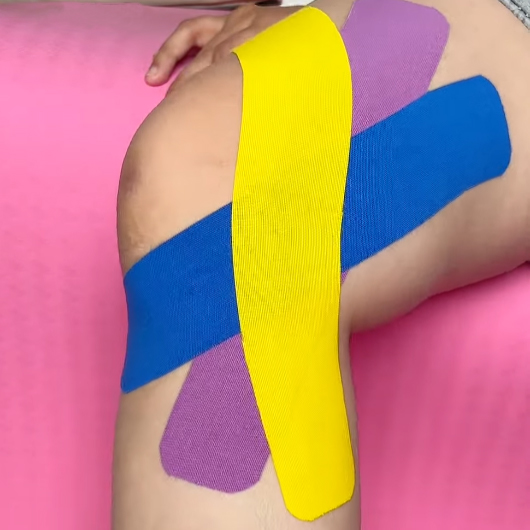
How to Apply for Knee Pain in Other Areas
.jpg?w=1080&h=1080)
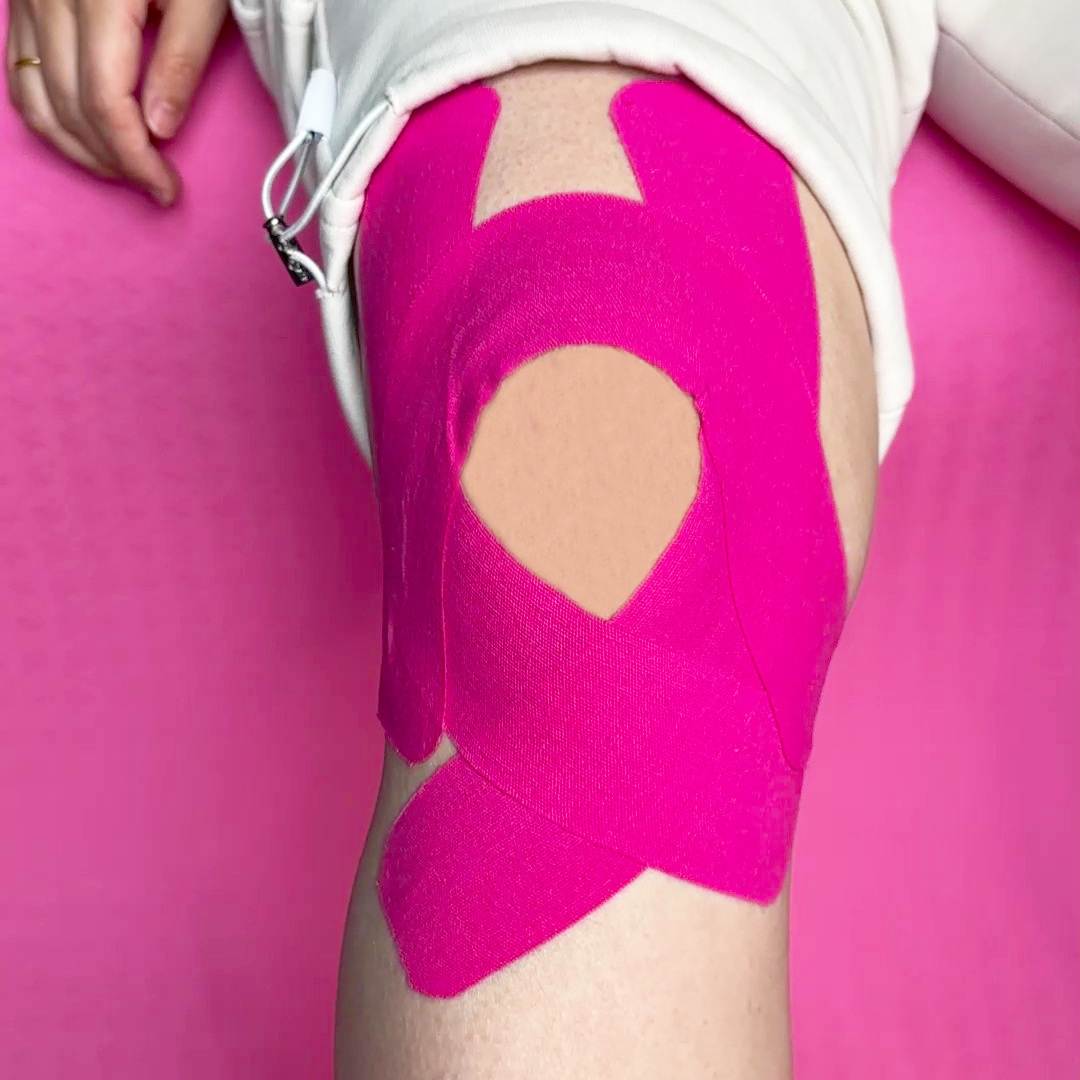
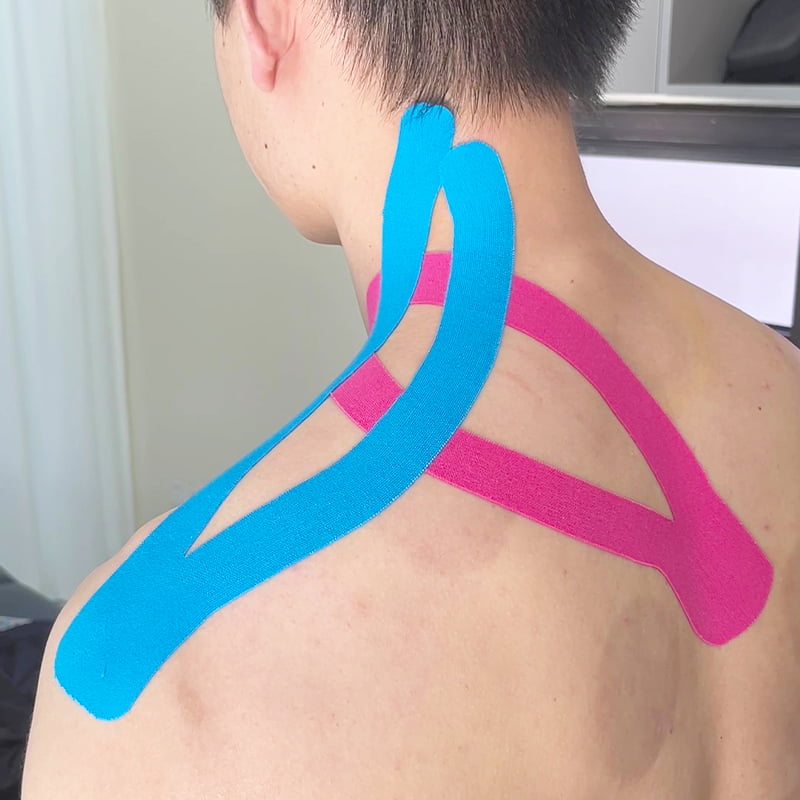
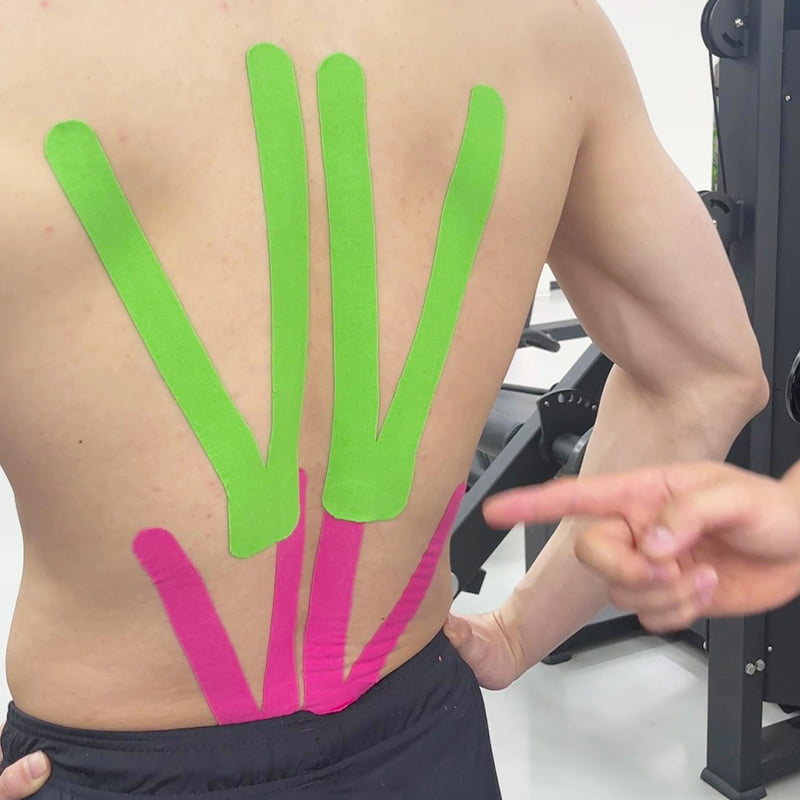
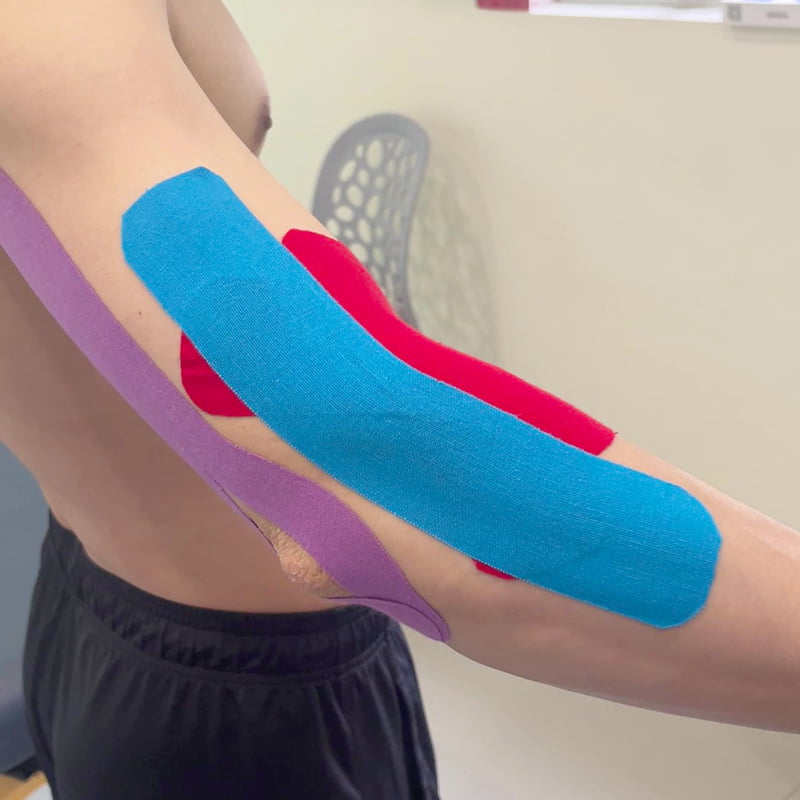
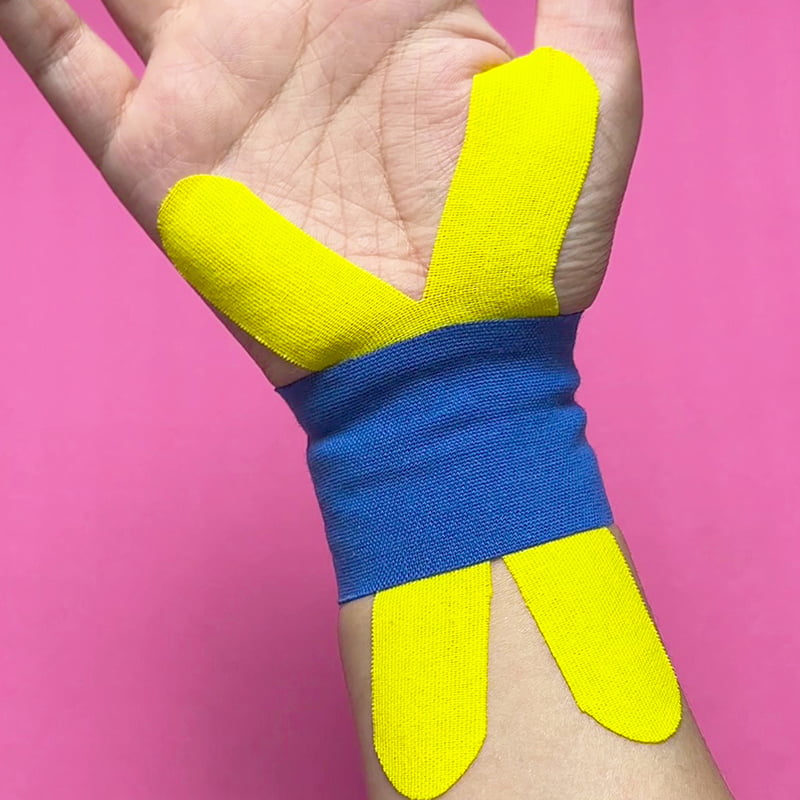
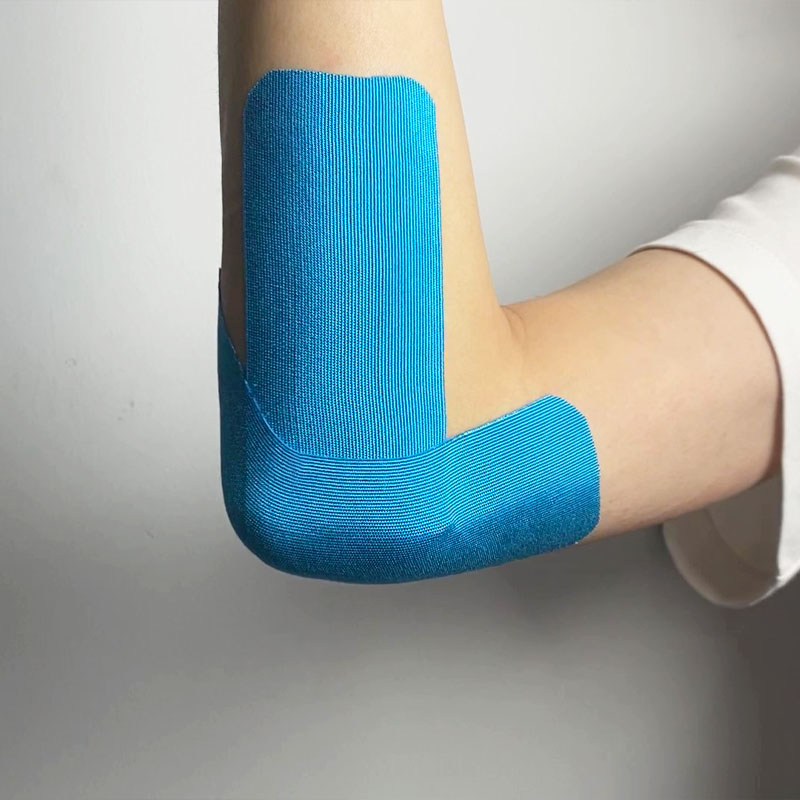
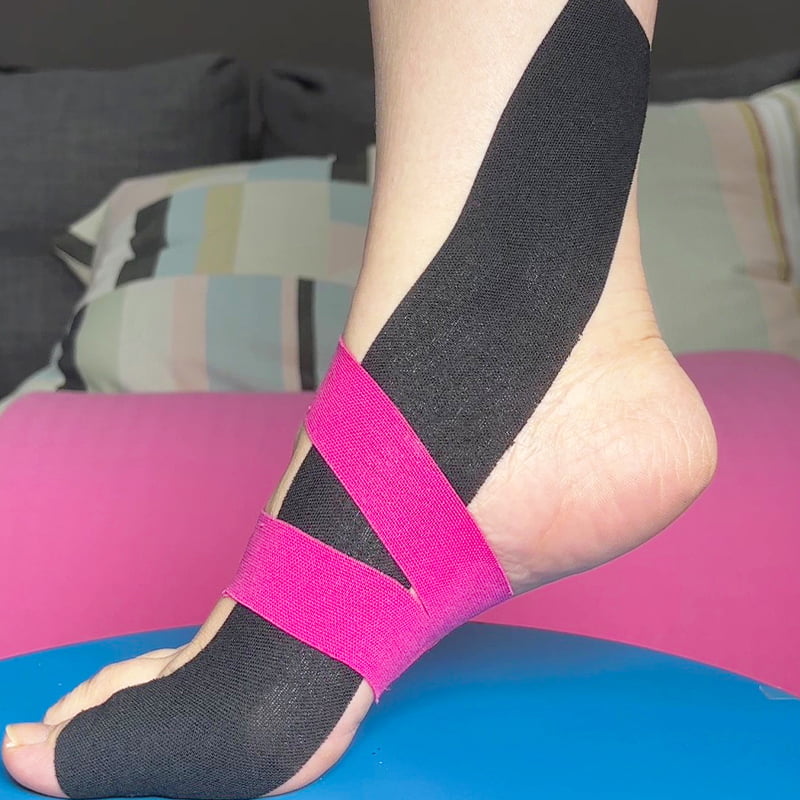
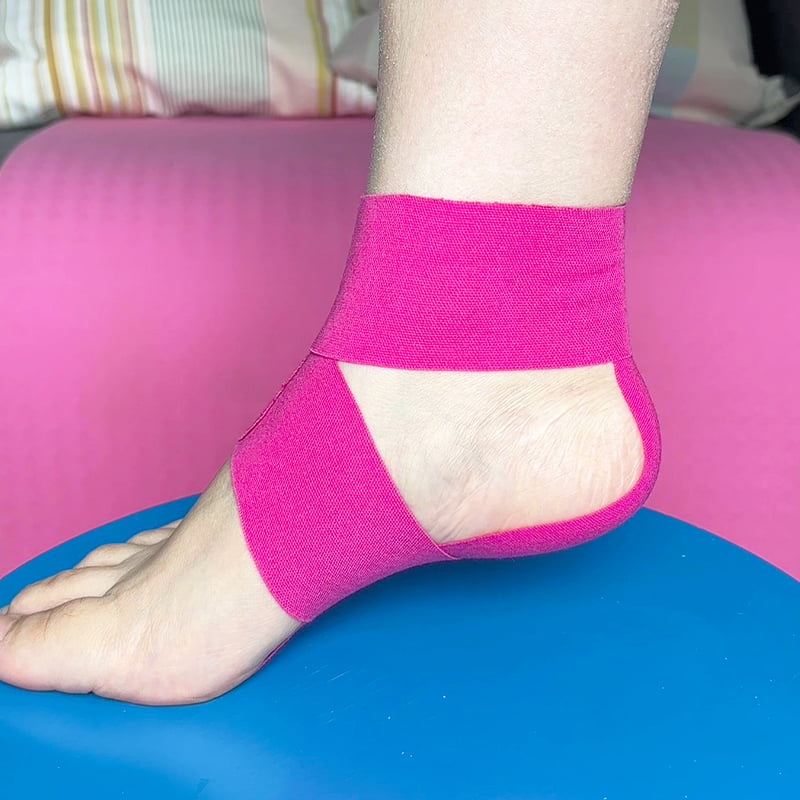
Most kinesiology tape lasts 3–5 days, depending on sweating, activity level, skin condition, and adhesive quality.
50% of athletes usually change their tape after sweating a lot. Click "How Long to Wear?" to learn more.
Kinesiology tape for meniscus tear allows more flexibility and natural movement, while braces provide stronger restriction and stabilization.
For higher levels of support, therapists often combine it with:
Depending on the activity level and recovery stage.
Not all kinesiology tape performs the same once the knee starts moving.
As a professional kinesiology tape manufacturer and OEM supplier, Veefun focuses on two key factors that directly affect knee support performance:
1. Elastic Recoil
The tape’s “snap-back” force affects how supportive it feels during movement.
For meniscus support, synthetic kinesiology tape is often preferred because it maintains stronger elastic recovery during repeated knee flexion, sports activity, and high-sweat conditions.
2. Adhesive Stability
Knees experience constant friction, stretching, and sweat exposure. Low-quality tape often begins peeling around the kneecap within hours, reducing overall support performance.
Professional-grade kinesiology tape typically uses medical-grade acrylic adhesive designed to remain stable during movement while staying skin-friendly.
Many first-time users think the taping method failed, when the real issue is often the tape quality itself.
Final Thoughts
Kinesiology tape for meniscus tear support cannot repair cartilage damage, but proper taping may help improve comfort, movement confidence, and knee support during recovery.
Veefun manufactures professional-grade kinesiology tape, rigid sports tape, zinc oxide tape, EAB tape, and OEM private label solutions for sports clinics, distributors, and rehabilitation brands worldwide.
Contact our team for samples, OEM support, and bulk quotation solutions.
Medical Disclaimer
This guide is for educational purposes only and reflects practical experience from the kinesiology tape manufacturing and sports-support industries. It does not replace professional medical diagnosis or treatment.
Persistent knee pain, locking, swelling, or instability should always be evaluated by a qualified healthcare professional.