
How to Use Kinesiology Tape for the Shoulder
Shoulder taping is not just one technique. Depending on where you feel discomfort and what you are doing, kinesiology tape can be applied around the deltoid, supraspinatus, biceps, shoulder blade, upper trapezius, and the front of the shoulder. Different cuts and application directions are useful for different movement goals. This guide brings the most common kinesiology tape for shoulder applications together in one place, with the tape shape, starting position, approximate tension, and application steps for each pattern. It is designed for mild sports-related soreness, muscle fatigue, and movement support. It is not a treatment for a shoulder dislocation, fracture, or serious shoulder injury.
Applicable to Common Shoulder Discomfort
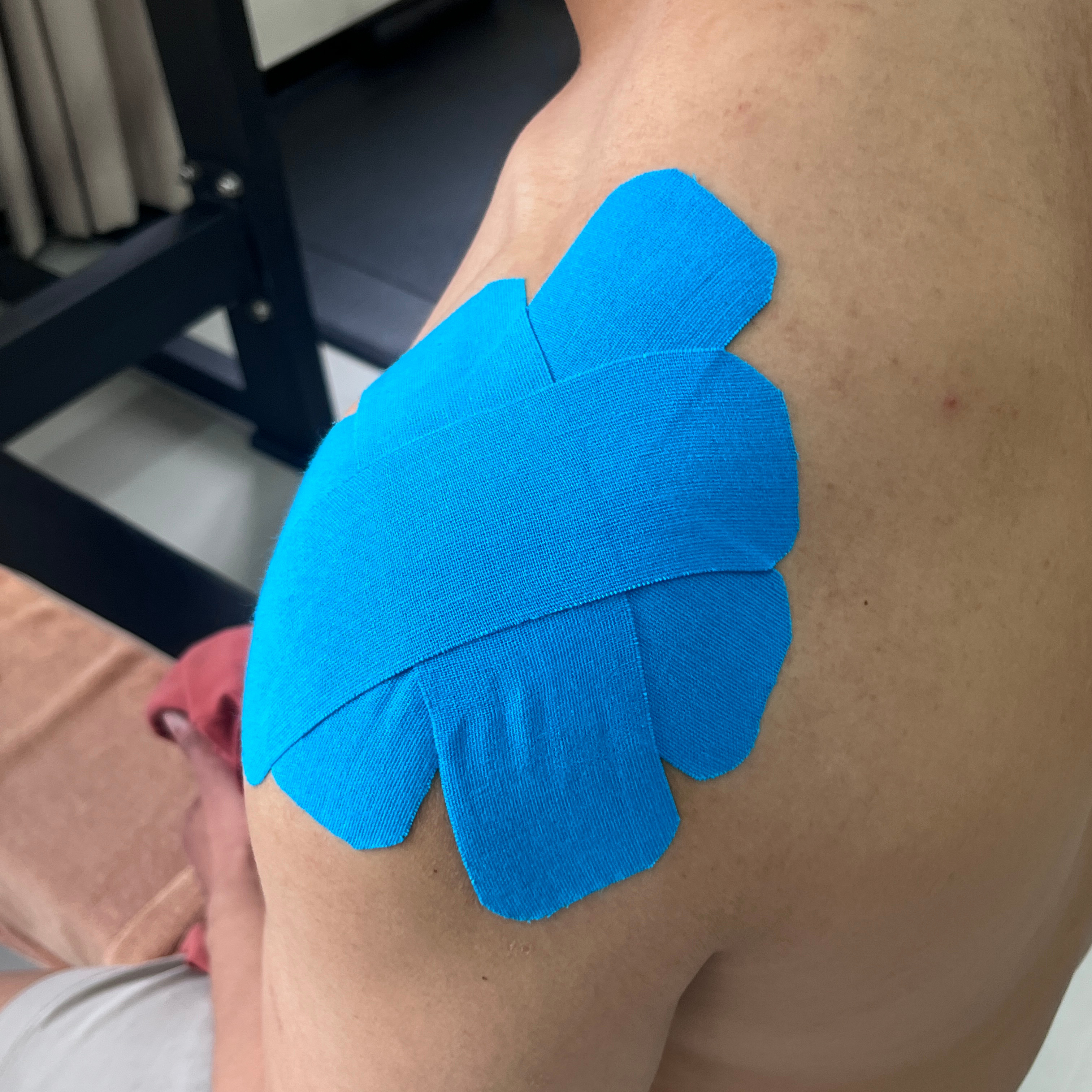

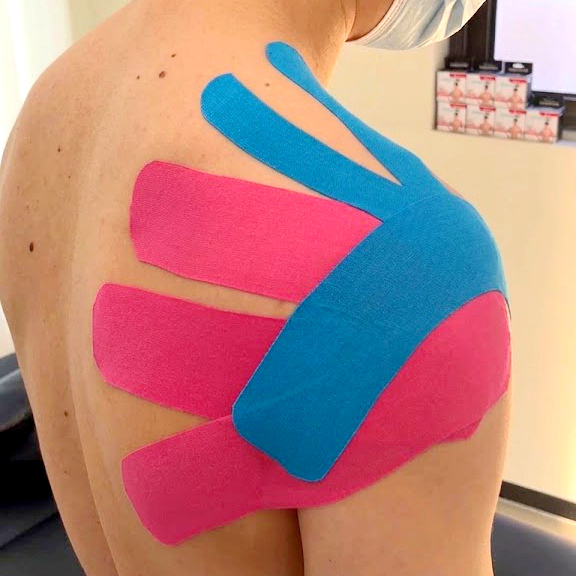
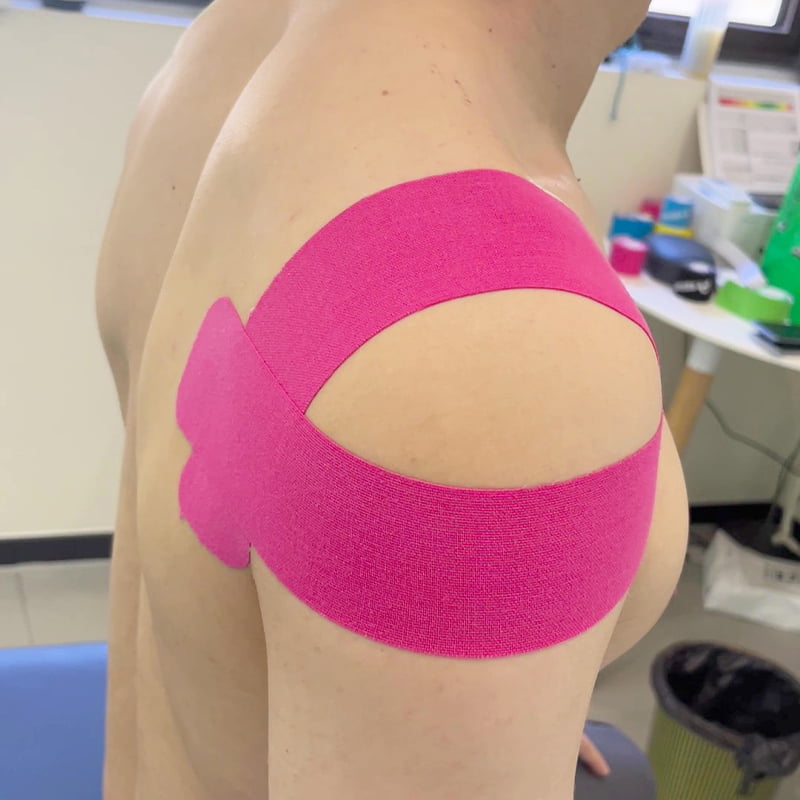


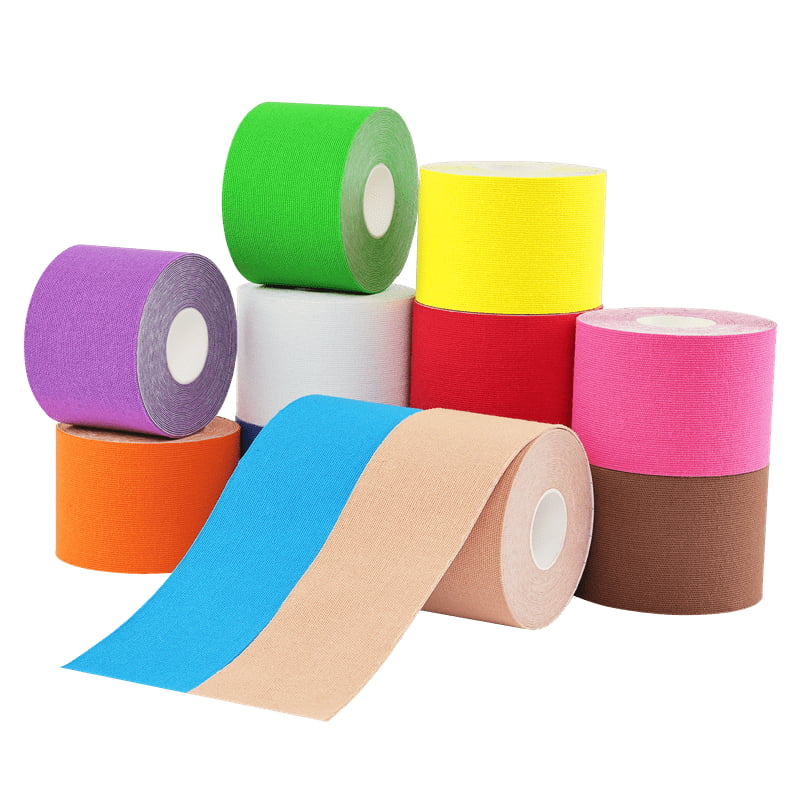
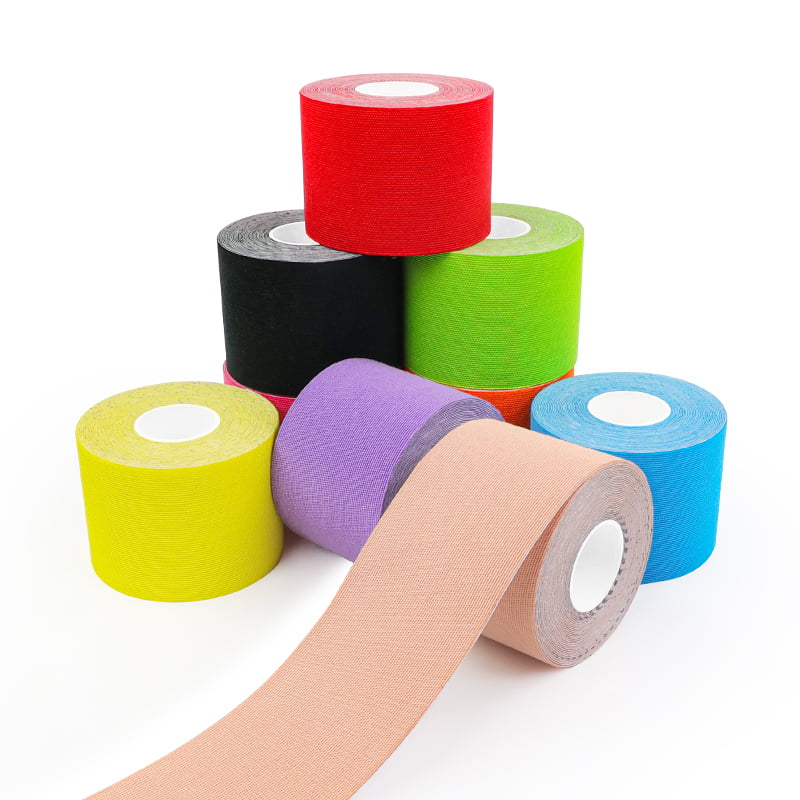
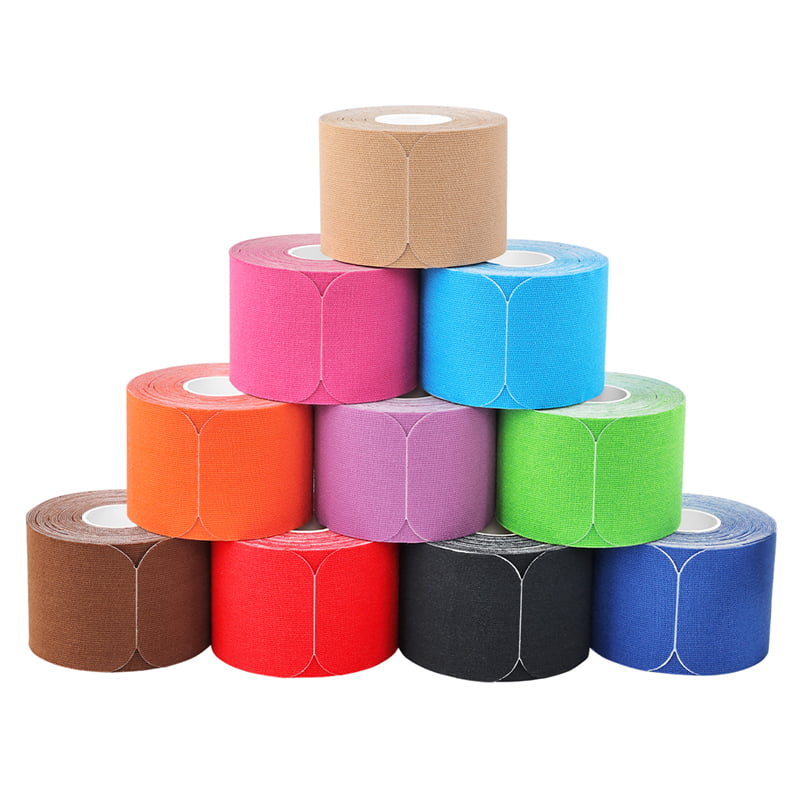
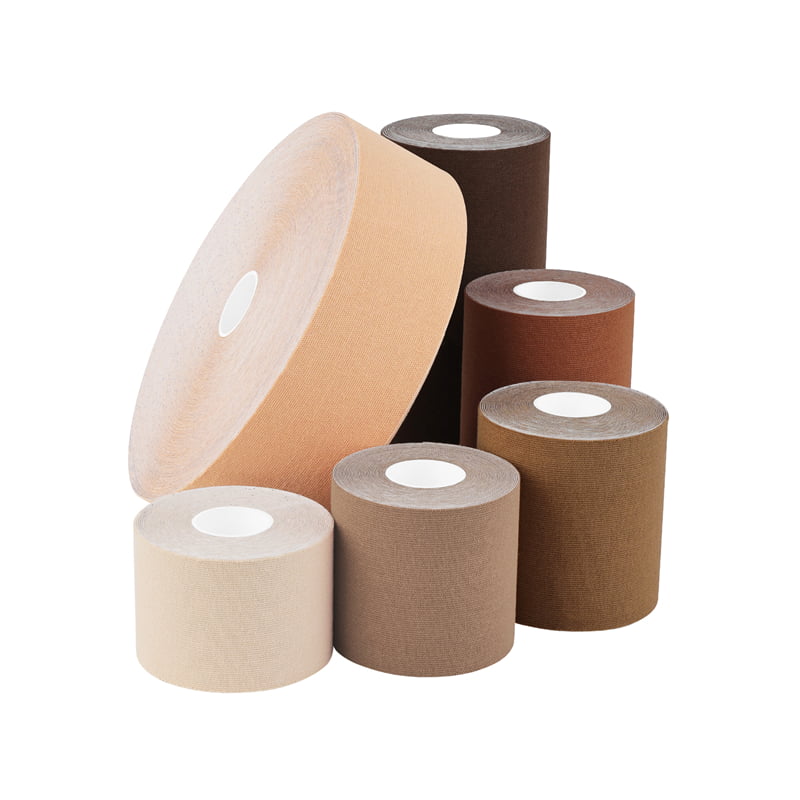
What Type of Kinesiology Tape Is Best for the Shoulder?
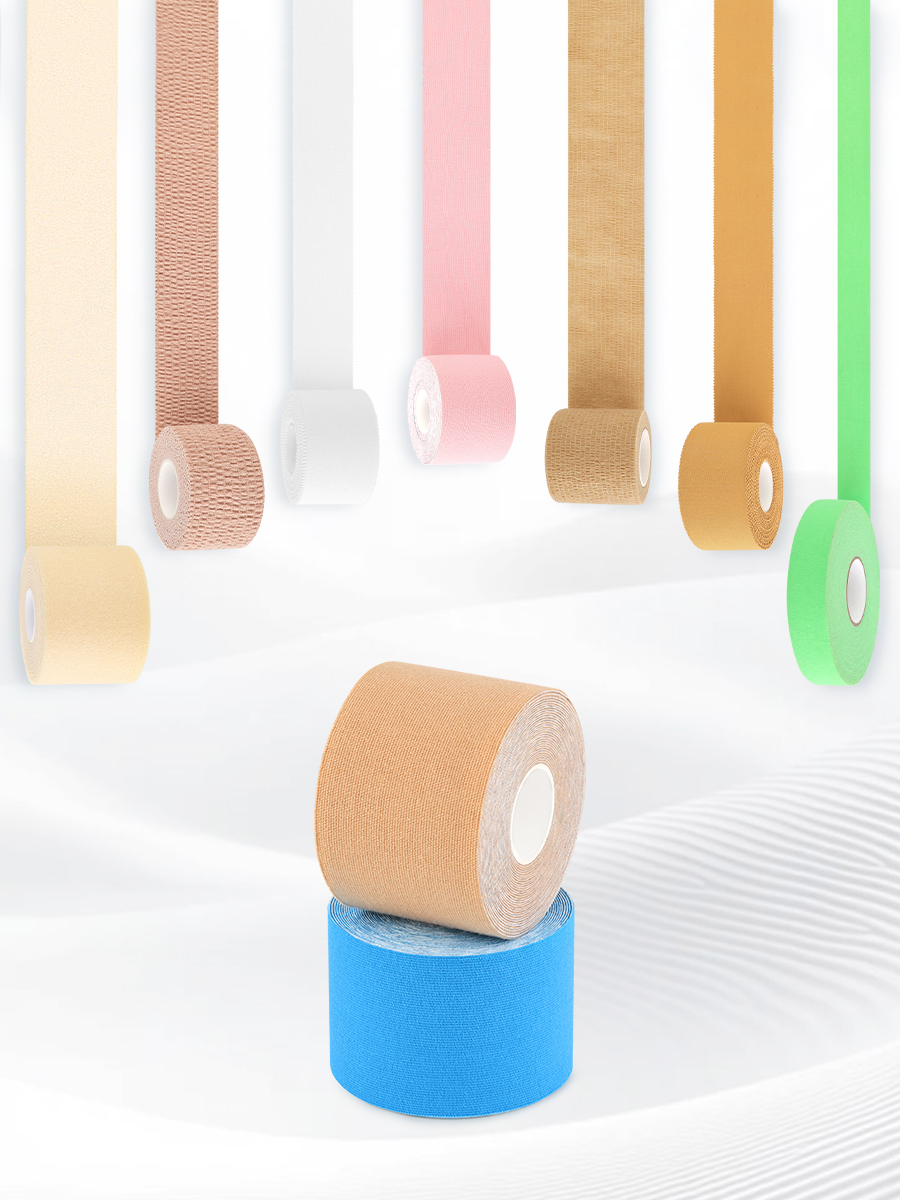
The shoulder needs both support and freedom of movement, so flexibility is a key factor when choosing tape.
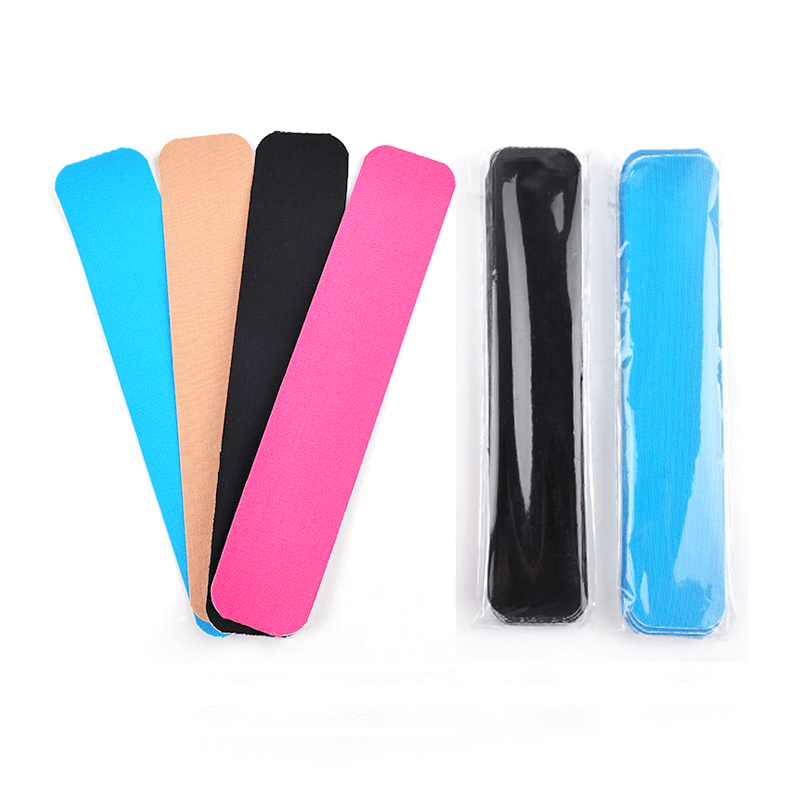
Buy Kinesiology Tape
Universal Golden Rules for Shoulder Taping
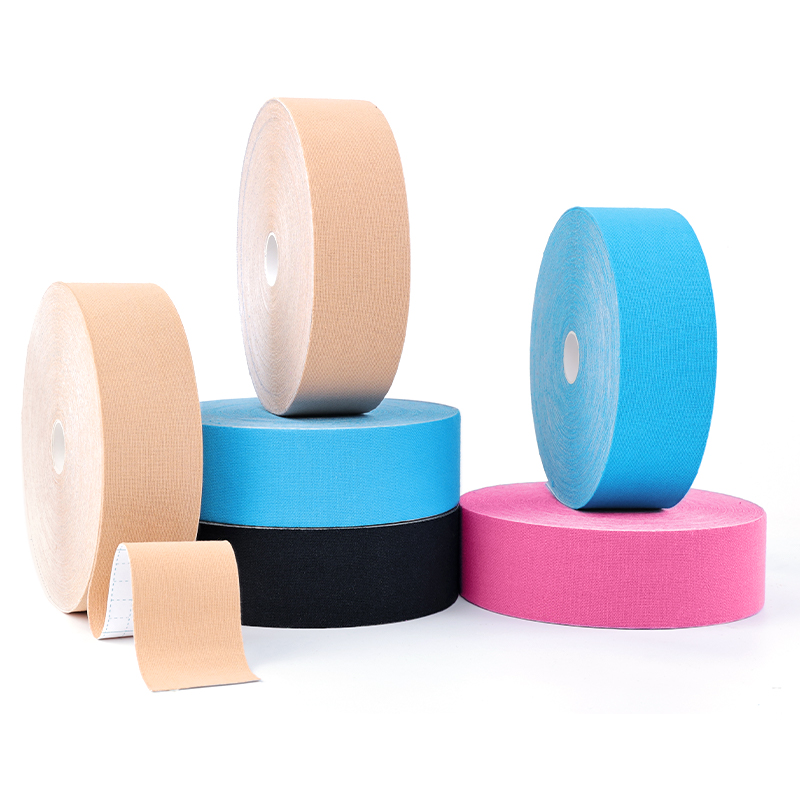
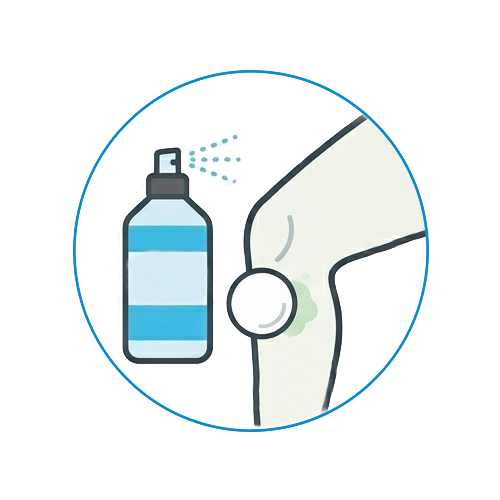
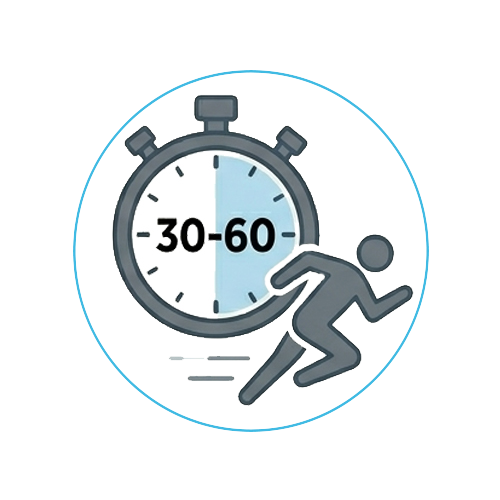
Once you know which application you want, the basic preparation is simple.



Choose the Right Shoulder Tape for Your Activity
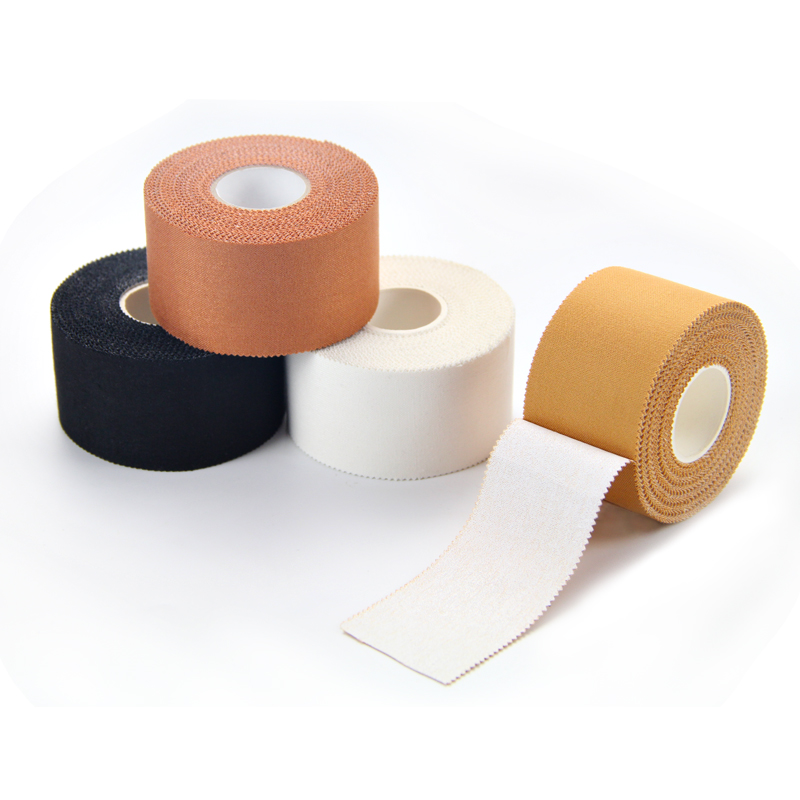
The best choice depends on what your shoulder needs during the activity. If you need freedom of shoulder movement while requiring support, kinesiology tape is the best choice. If you need stronger support and a clear need to restrict movement, rigid sports tape may be more suitable than kinesiology tape.




Kinesiology Tape vs Other Shoulder Tapes
For a moving shoulder, elastic therapeutic tape generally makes more sense than rigid tape when the goal is to maintain a broad range of motion. Rigid athletic tape is better suited for applications requiring a restricted shoulder range of motion.

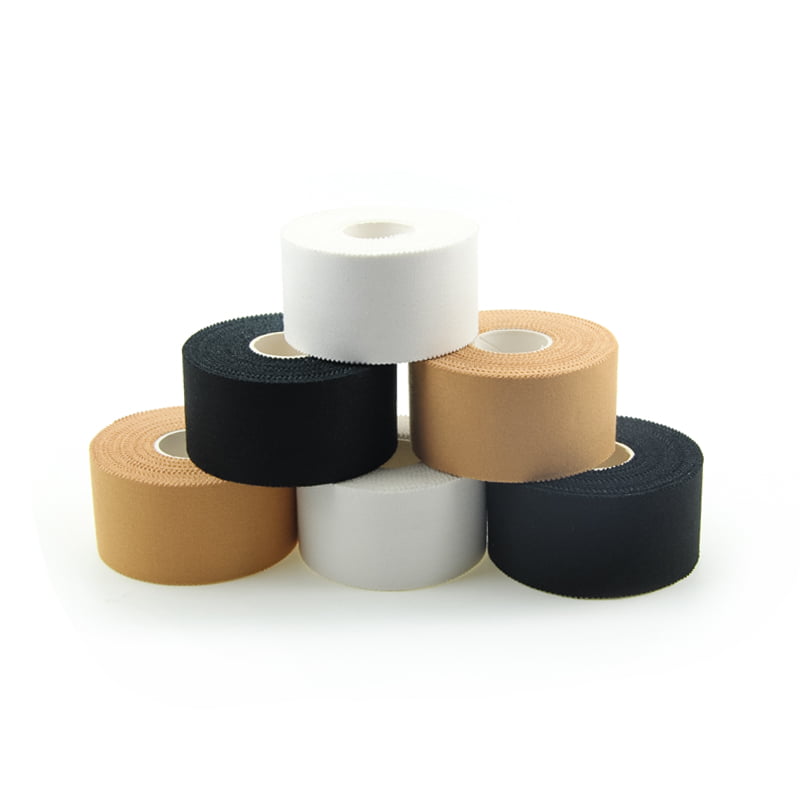
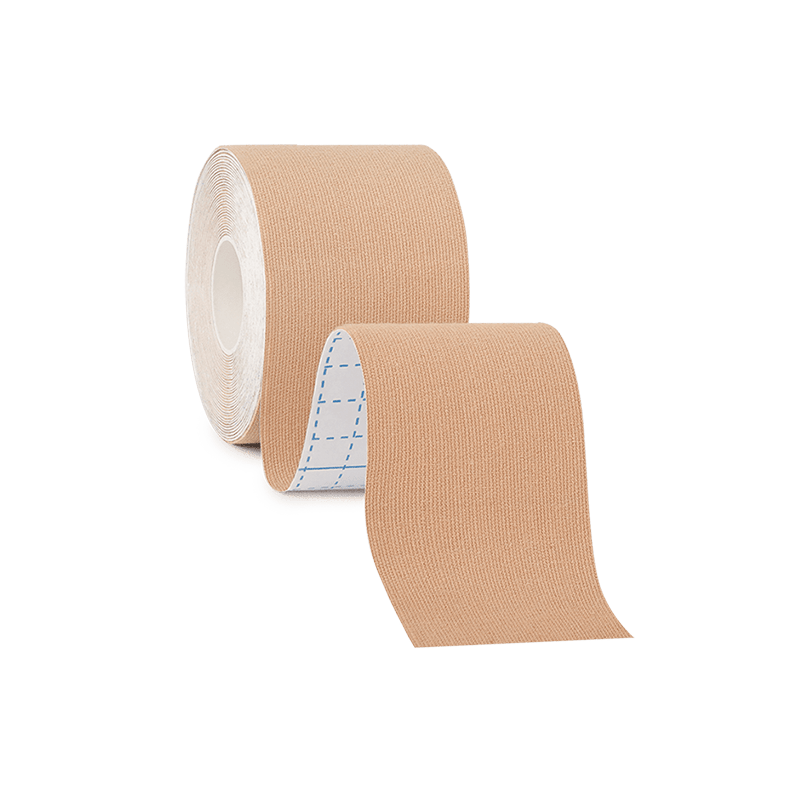
Cotton Kinesiology Tape
|

Synthetic Kinesiology Tape
|

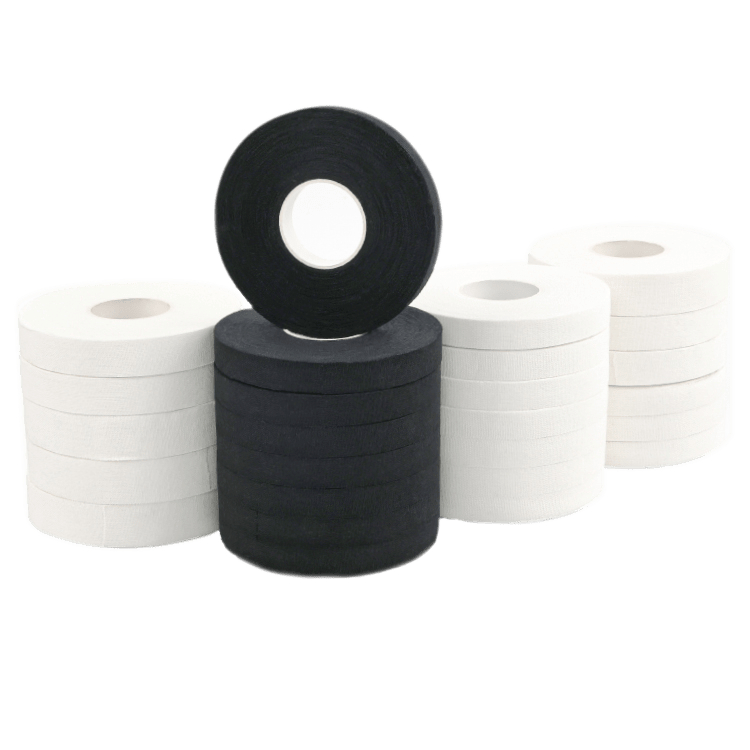
Cotton Athletic Tape
|
Rigid Strapping Tape
|
|
|---|---|---|---|---|
| Stretch & Support | ||||
| Shoulder Applications | ||||
| Best For | ||||
| Main Advantage | ||||
| Key Limitation |

When Should You Not Use Kinesiology Tape?
Some shoulder problems require assessment rather than taping. Do not use kinesiology tape as a substitute for medical care if you have:
- A suspected shoulder dislocation
- A significant shoulder injury
- A suspected fracture
- Visible deformity
- Severe or sudden pain
- Major swelling or bruising
- Significant loss of movement
- New or significant weakness
- Numbness or persistent tingling
- Pain after a major fall or collision
A shoulder dislocation should not be “taped back into place.” It requires appropriate medical management. Likewise, persistent neck pain or arm pain accompanied by neurological symptoms should not simply be covered with tape.
Remove the tape if you develop burning, blistering, significant itching, swelling, or worsening redness.
How Much Stretch Should Shoulder Kinesiology Tape Have?
No single stretch percentage applies to every shoulder application.
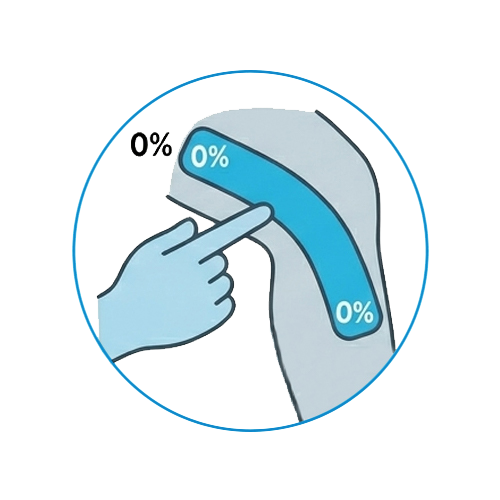
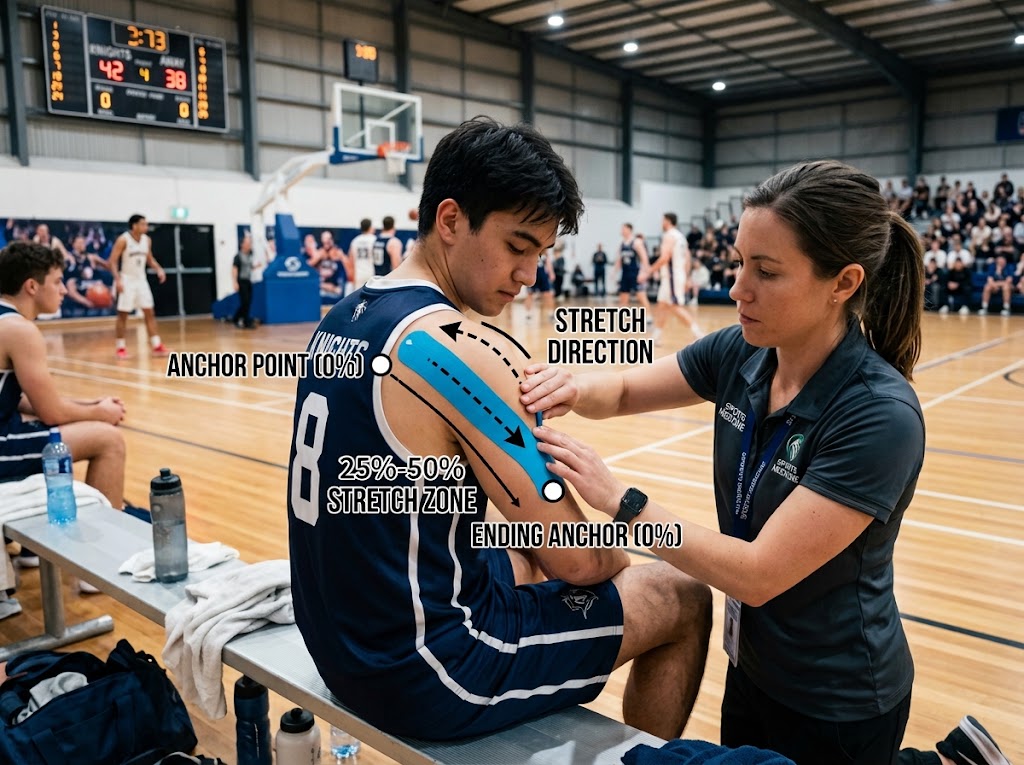
For general elastic support, the following is a useful starting reference:
| Application Area | Starting Point |
|---|---|
| Anchor | 0% |
| Working section25-50 | 25-50% |
| Final anchor | 0% |
The exact tension should also account for the tape itself.
Tape with different elasticity, adhesive, fabric weight, or construction may behave differently even when pulled to the same apparent percentage.
For beginners, start lighter and increase only when a specific application calls for it.
Shoulder Taping: Match the Pattern to Your Activity
There is no single shoulder taping technique for every athlete.
The deltoid, supraspinatus, bicep, scapula, and upper shoulder can each require a different application pattern depending on the activity and the location of discomfort.
For everyday sports use, flexible kinesiology tape or elastic therapeutic tape provides support without the bulk and restriction of rigid athletic tape.
Start with the simplest pattern that matches your goal, use light working tension, keep the anchors at 0%, and pay attention to how your skin and shoulder respond.
If the problem involves a significant shoulder injury, shoulder dislocation, severe pain, weakness, numbness, or loss of movement, stop treating it as a taping problem and seek appropriate medical care.
FAQ
Can kinesiology tape help with shoulder pain?
It may provide temporary support or improve comfort during activity, particularly for mild sports-related soreness. Research on shoulder conditions is mixed, so tape is best used as a supportive option rather than a standalone treatment.
How much stretch should I use for shoulder kinesiology tape?
For a general application, a 25–50% stretch through the working section is a practical starting point. Keep the first and final anchors at 0% stretch. Exact tension depends on the tape and application.
Can kinesiology tape help with shoulder pain in volleyball?
It may be used for mild shoulder or muscle fatigue related to repeated serving, spiking, and other overhead movements. Recurrent or worsening pain should be assessed rather than repeatedly covered with tape.
Is kinesiology tape better than athletic tape?
They serve different purposes. Kinesiology tape is elastic and designed to move with the body, whereas rigid athletic tape is primarily used for restriction or fixation.
Can I use kinesiology tape for a shoulder dislocation?
No. Kinesiology tape should not be used to reposition or manage an acute shoulder dislocation. Appropriate medical care is needed.