
How to Use Kinesiology Tape for Knee
Find the right treatment method for your specific knee injury. Before use, please be sure to carefully read the safety and usage instructions for the kinesiology tape for knee.
If you’ve ever watched a marathon or a professional volleyball match, you’ve probably noticed those bright strips of tape across athletes’ knees. It’s not just for looks. For people dealing with instability or ongoing discomfort, kinesiology tape for knee support has quietly become a go-to solution to stay active without feeling restricted. Whether you’re logging miles as a runner or just trying to get through daily movement without pain, learning how to use kinesiology tape for knee properly can make a noticeable difference in how your knee feels and performs.
Why Use Kinesiology Tape for Knee Injuries?
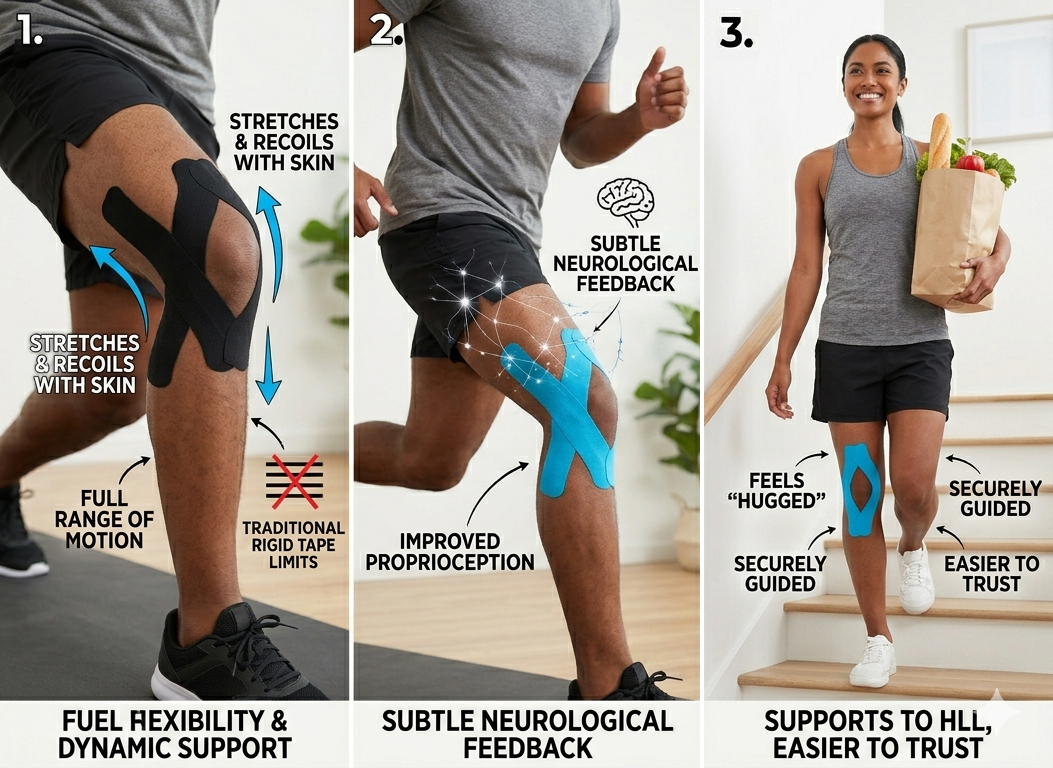
Unlike traditional rigid strapping, which can feel restrictive, kinesiology tape for knee support is designed to move with your body rather than limit it. It stretches and recoils with your skin, so you can still bend, walk, and train without feeling locked in.
Some research suggests that kinesiology tape for knee may help improve proprioception—basically, your body’s awareness of how your knee is positioned during movement. For many people, that subtle feedback is actually what makes the knee feel more stable during daily activity or light exercise.
Precautions for the Safe Use of Kinesiology Tape
Before you start, keep these practical tips in mind so your kinesiology tape for knee application actually works (and stays on):
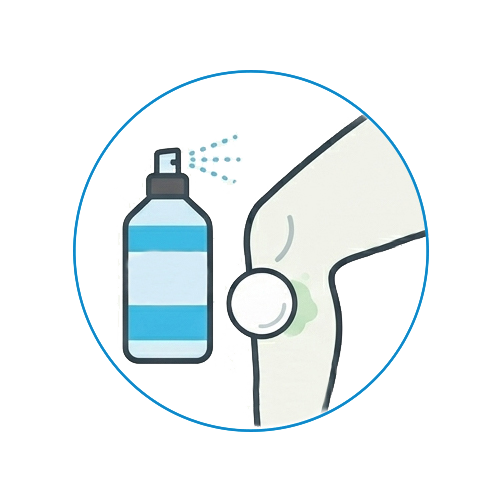
Clean the area with warm water. Even a small amount of oil or sweat can cause the kinesiology tape for knee to peel off much sooner than expected.

Trim the edges with scissors. Sharp corners tend to catch on clothing and start lifting within hours.
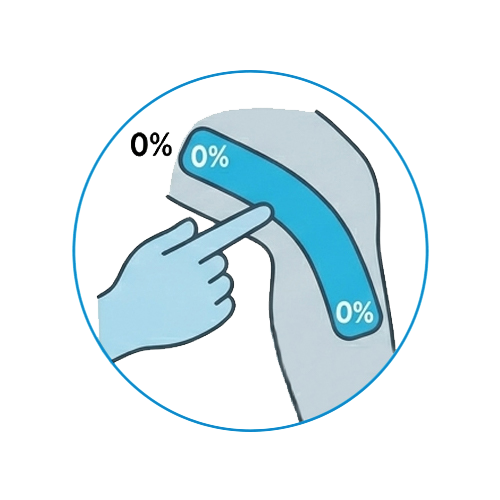
Keep the first and last couple of inches completely stretch-free. This small step makes a big difference in preventing irritation.
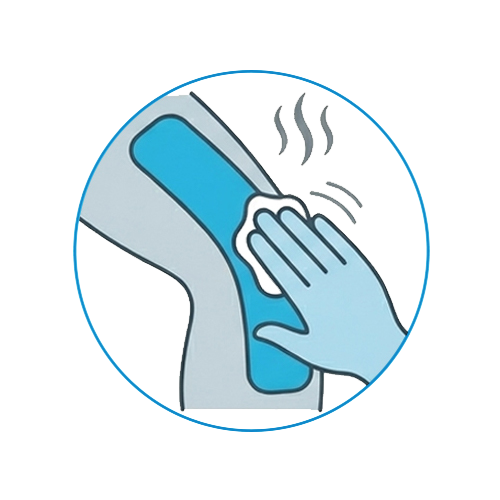
The adhesive is heat-sensitive. After applying your kinesiology tape for knee, rub it firmly to help it bond better.
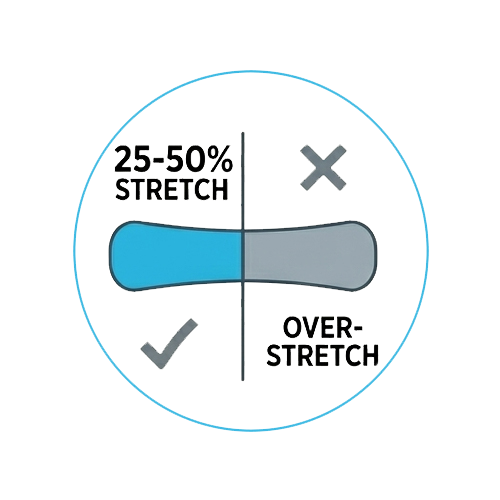
More tension doesn’t mean more support. In most cases, 25%–50% stretch is enough to get the benefit without stressing your skin.
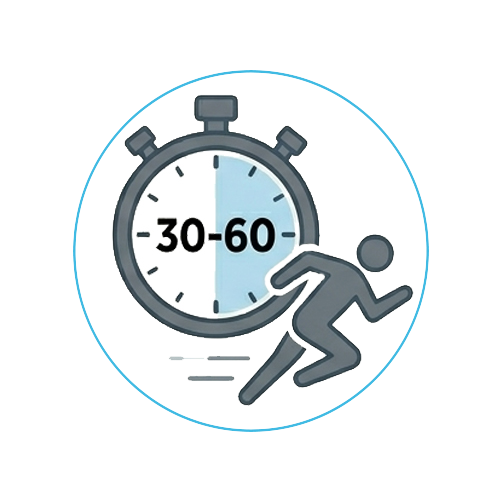
Give it 30–60 minutes before working out or showering so the adhesive has time to set properly.
Applicable to Common Knee Injuries
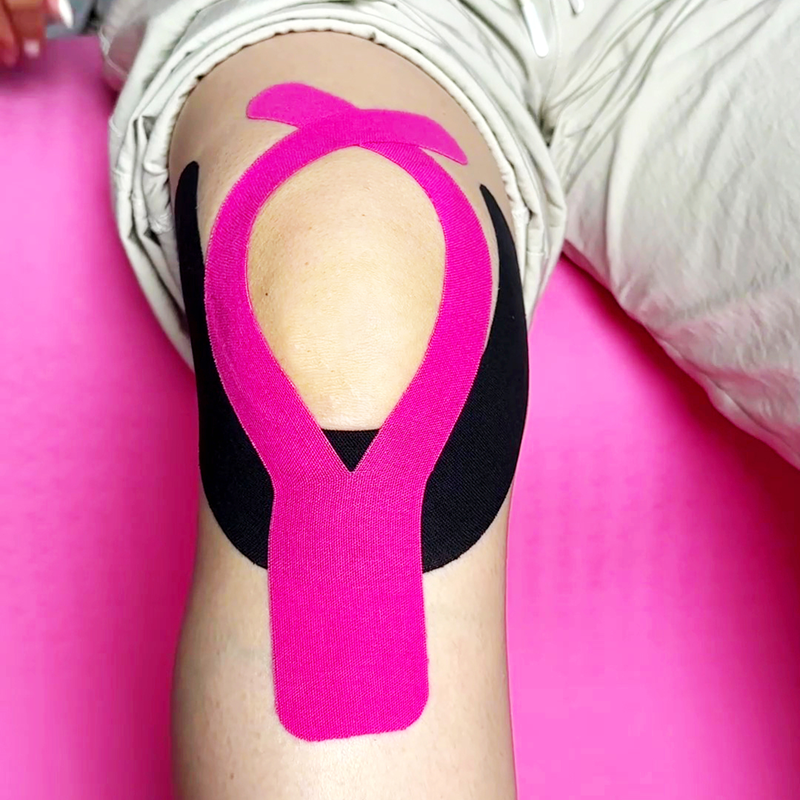
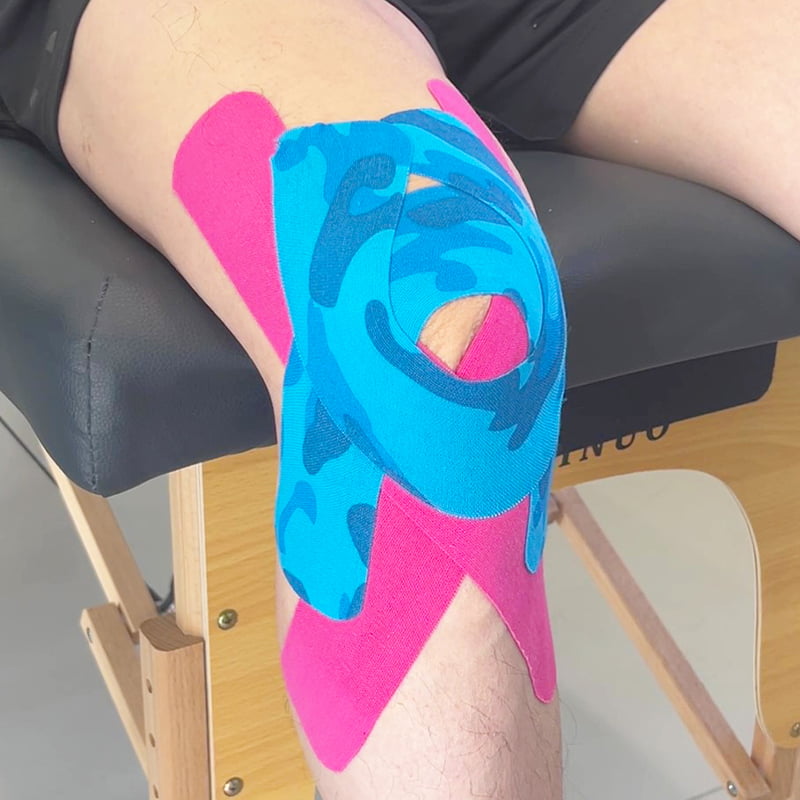
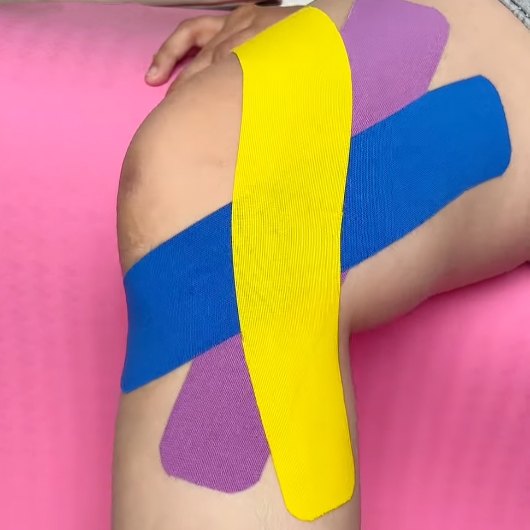
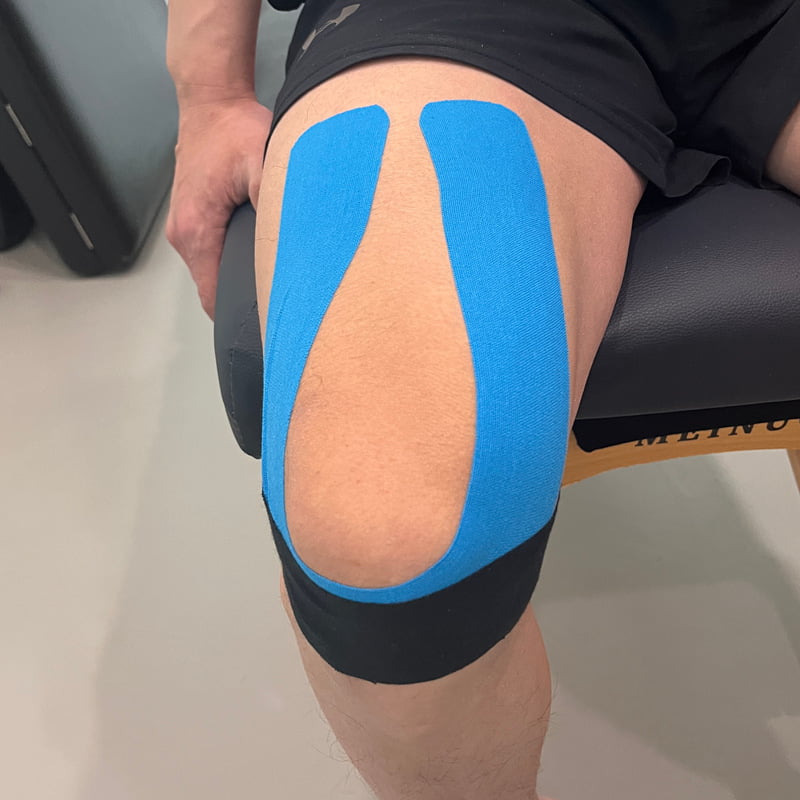
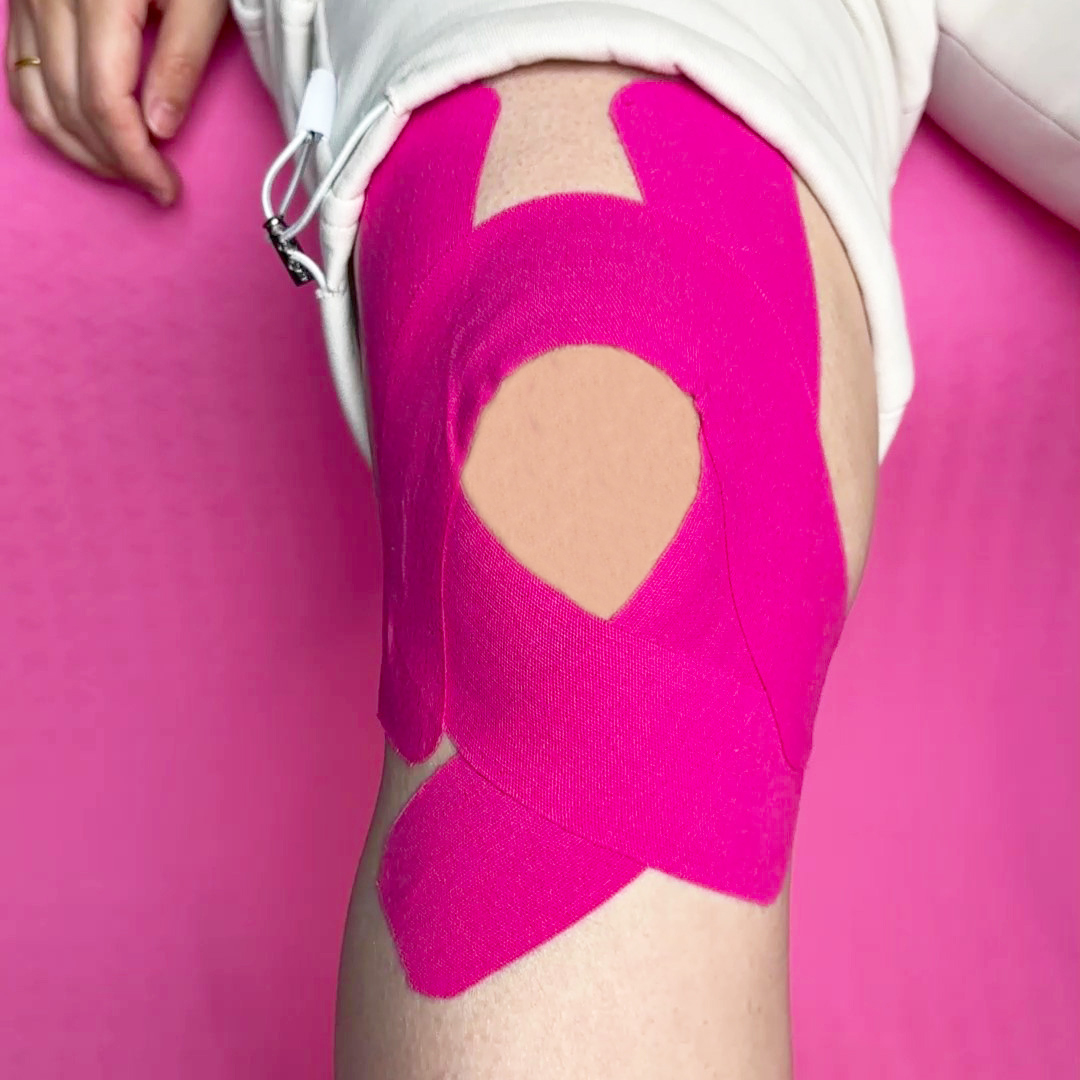
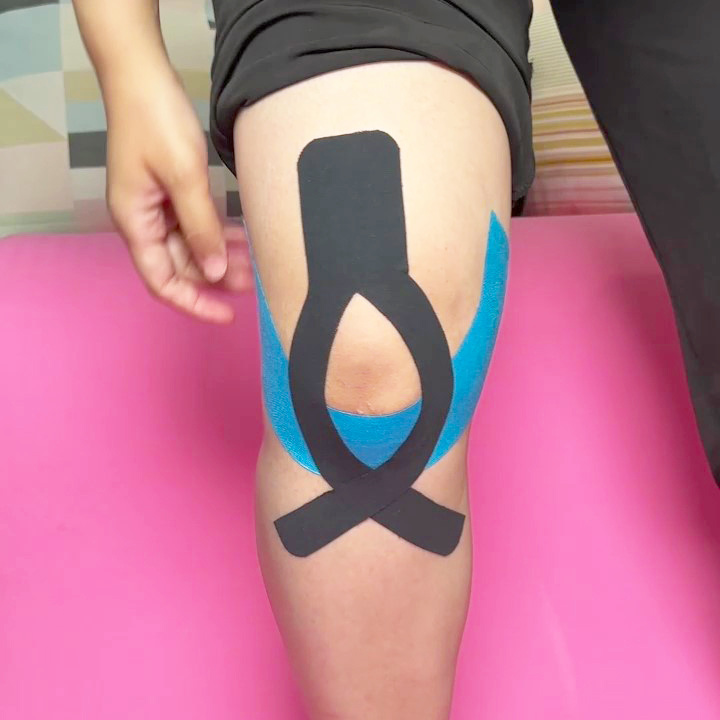
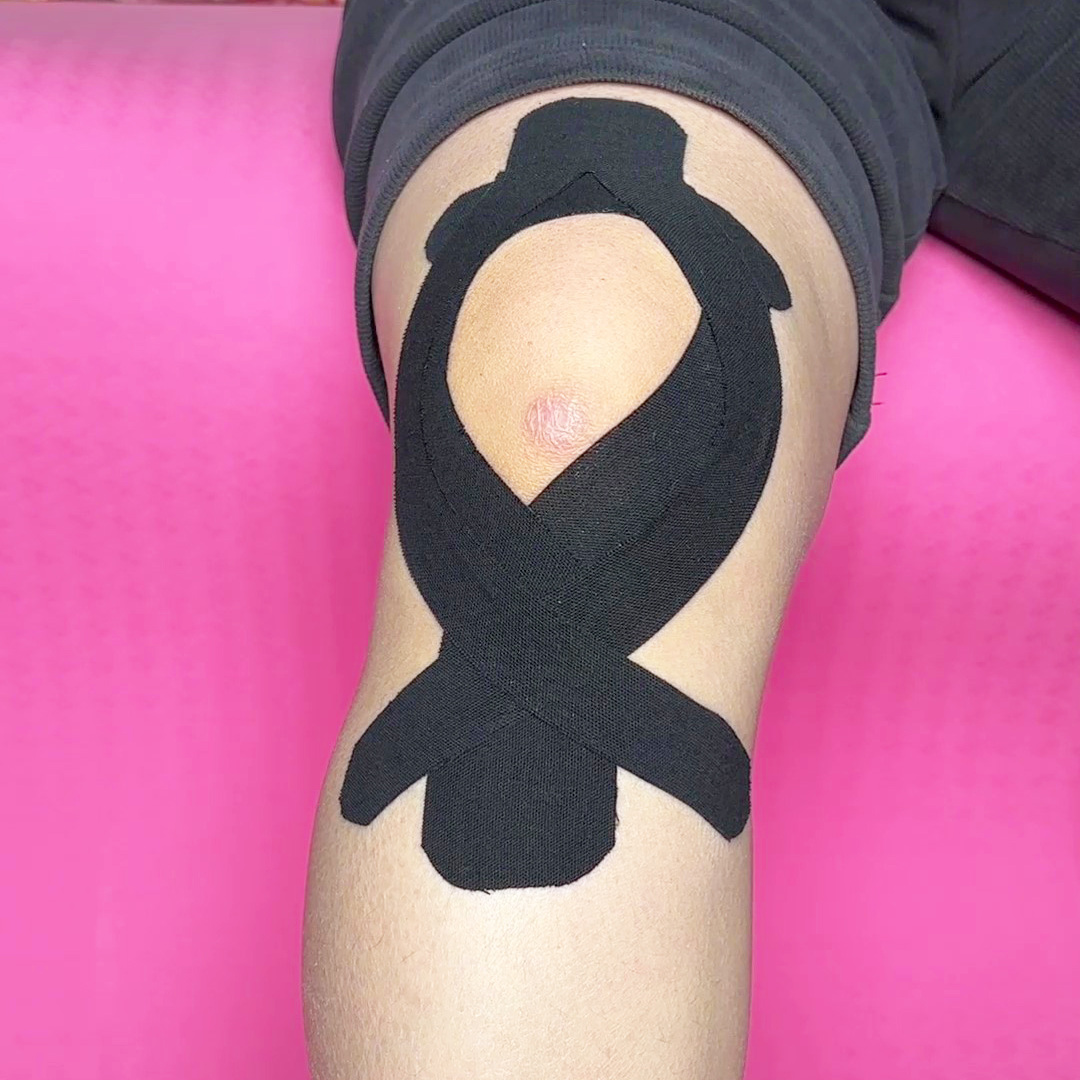
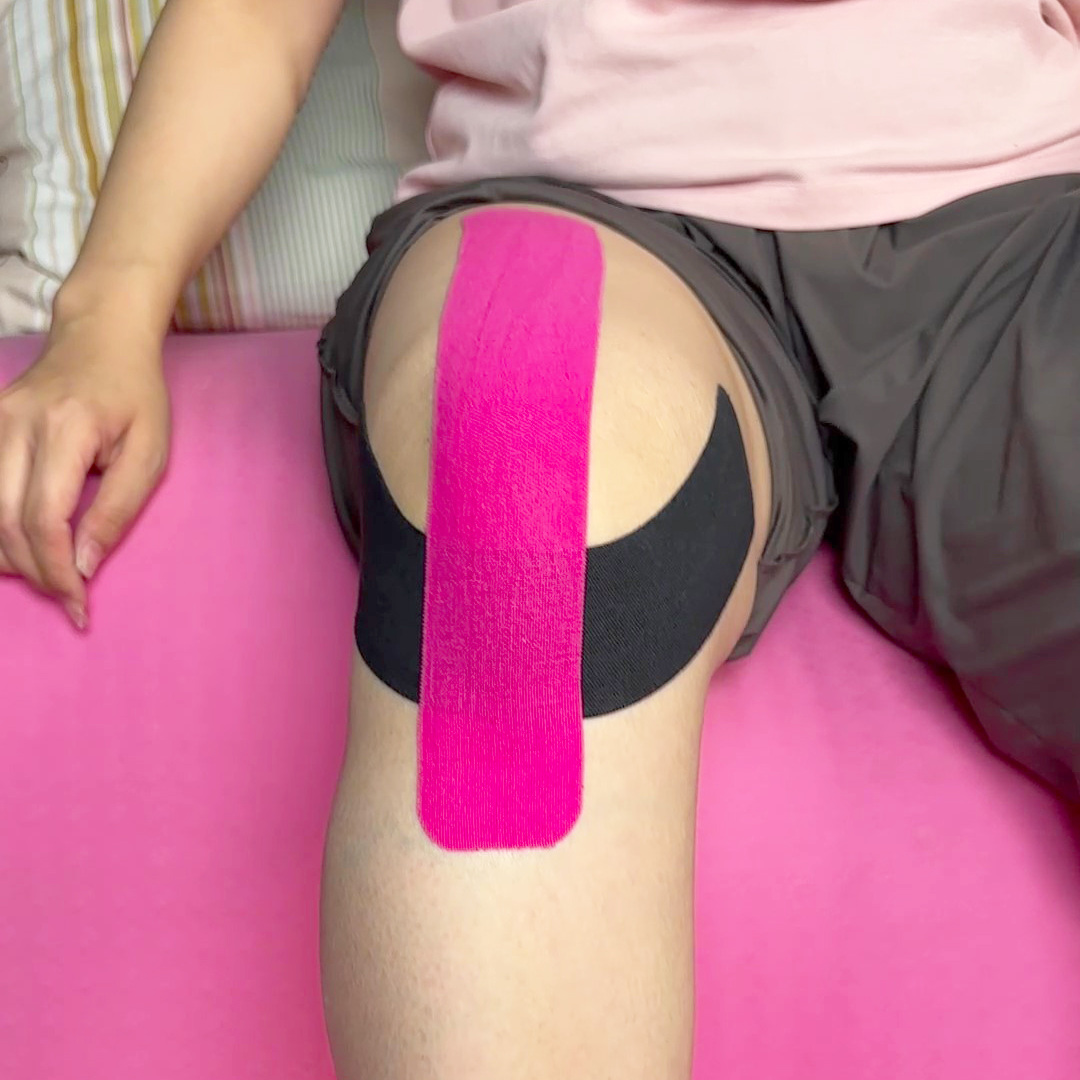
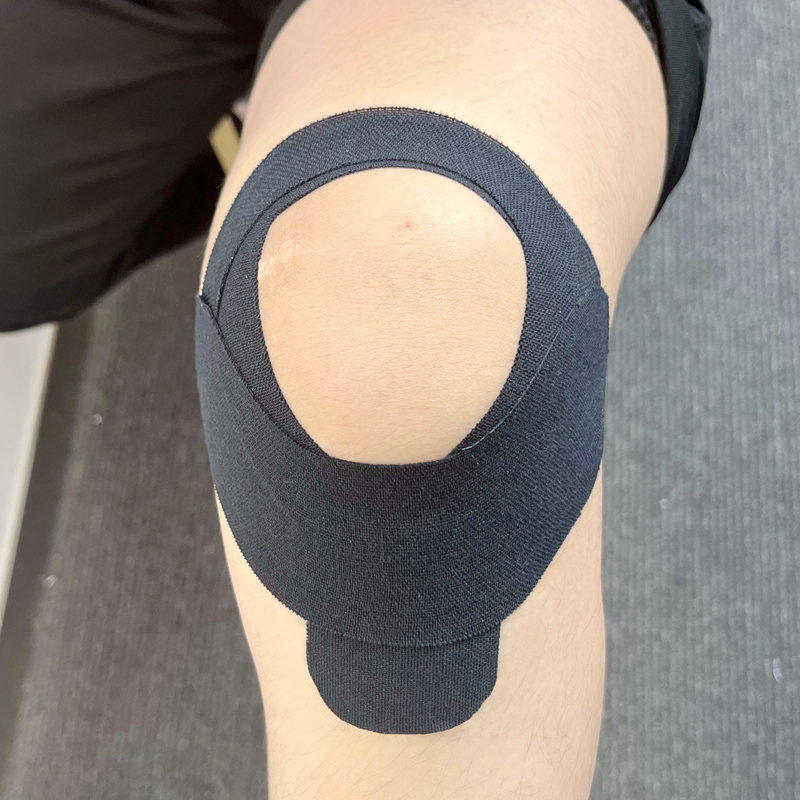
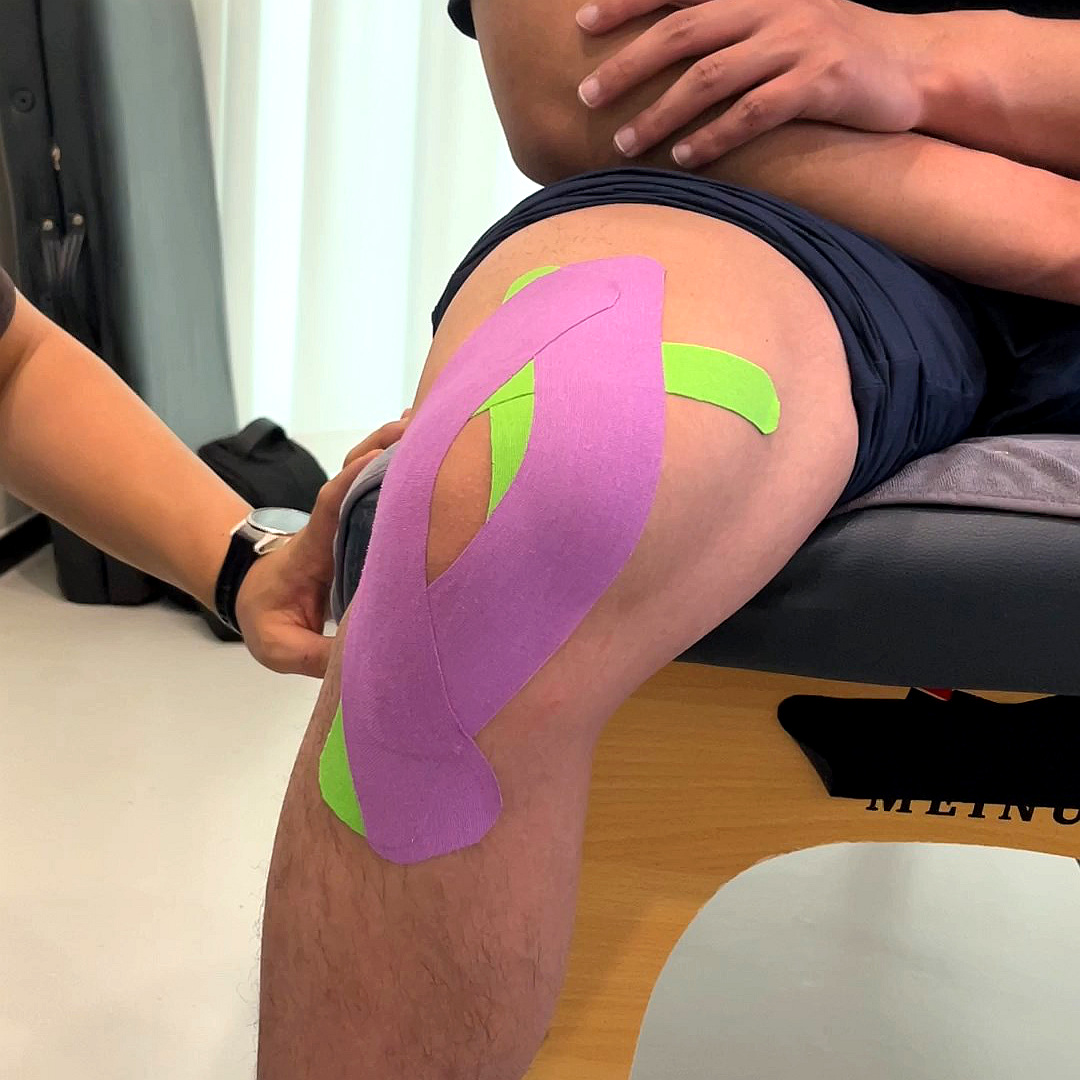
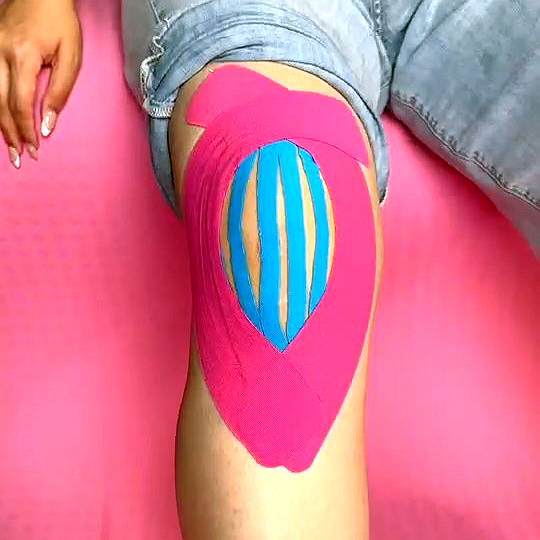
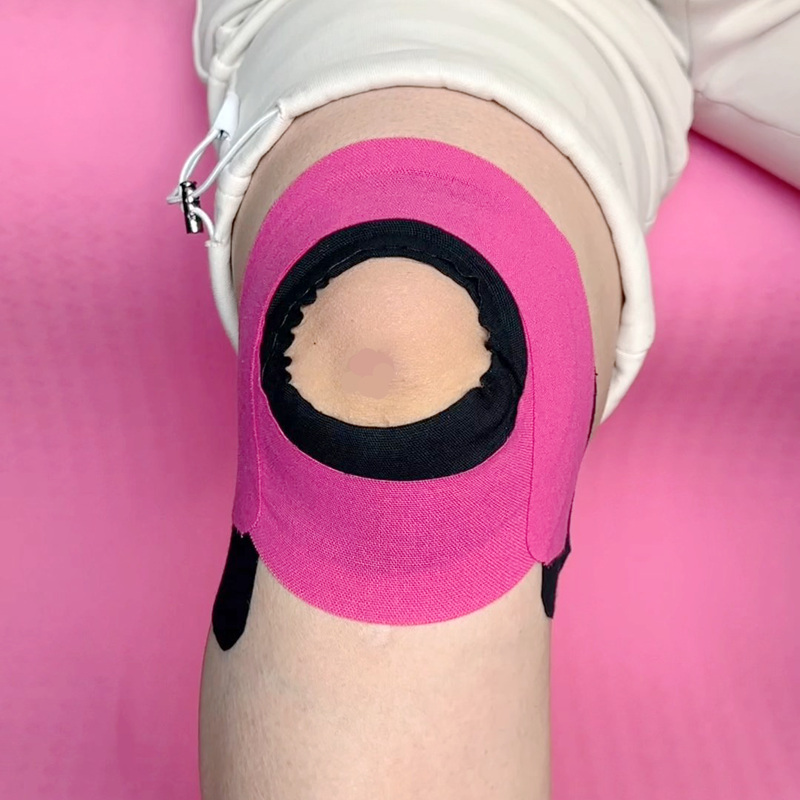
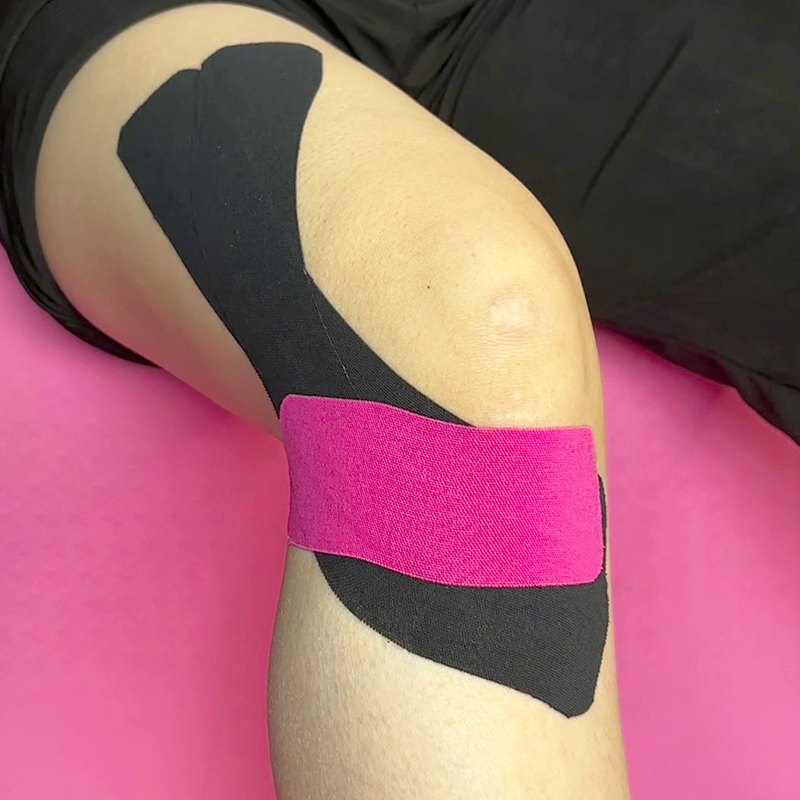
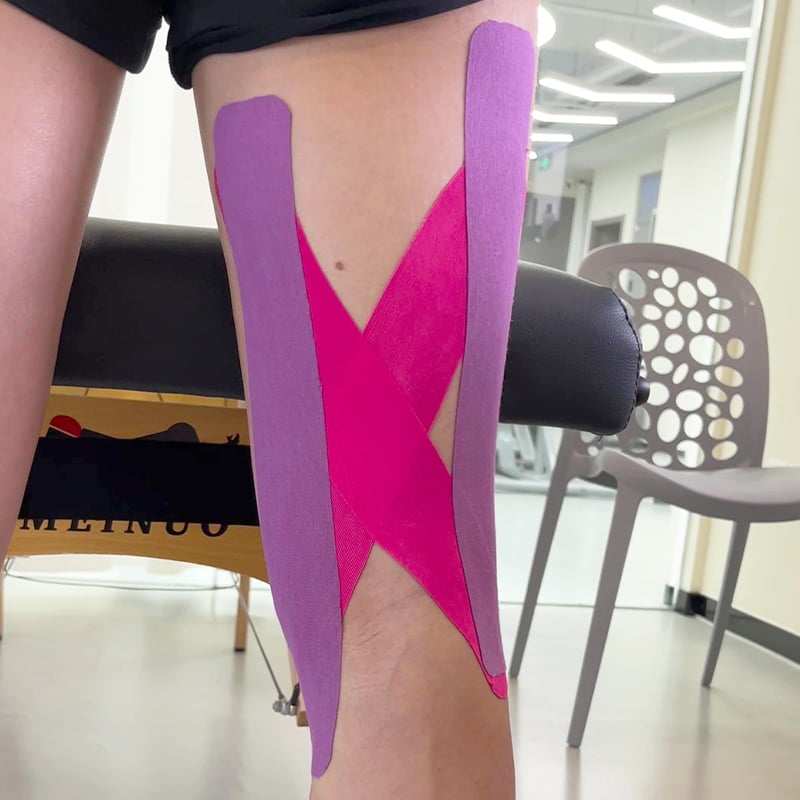
If You’re Not Sure Where the Pain Is
Knee pain isn’t always easy to pinpoint. If you’re unsure, start with these general kinesiology tape for knee approaches. These methods are safe, reliable, and ideal for beginners; you simply need to know the approximate location, as the coverage provided by these application techniques is comprehensive.
Kinesiology Tape for Knee: 6 MiStakes to Avoid
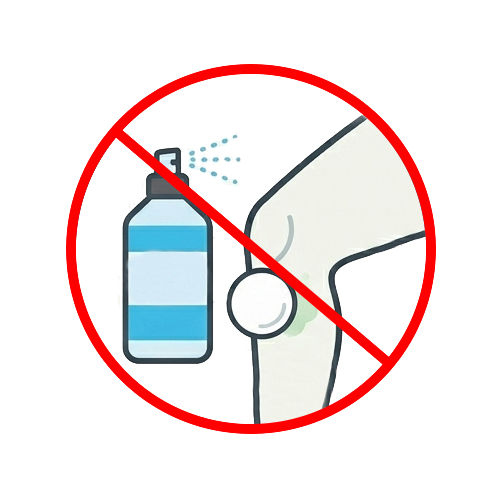
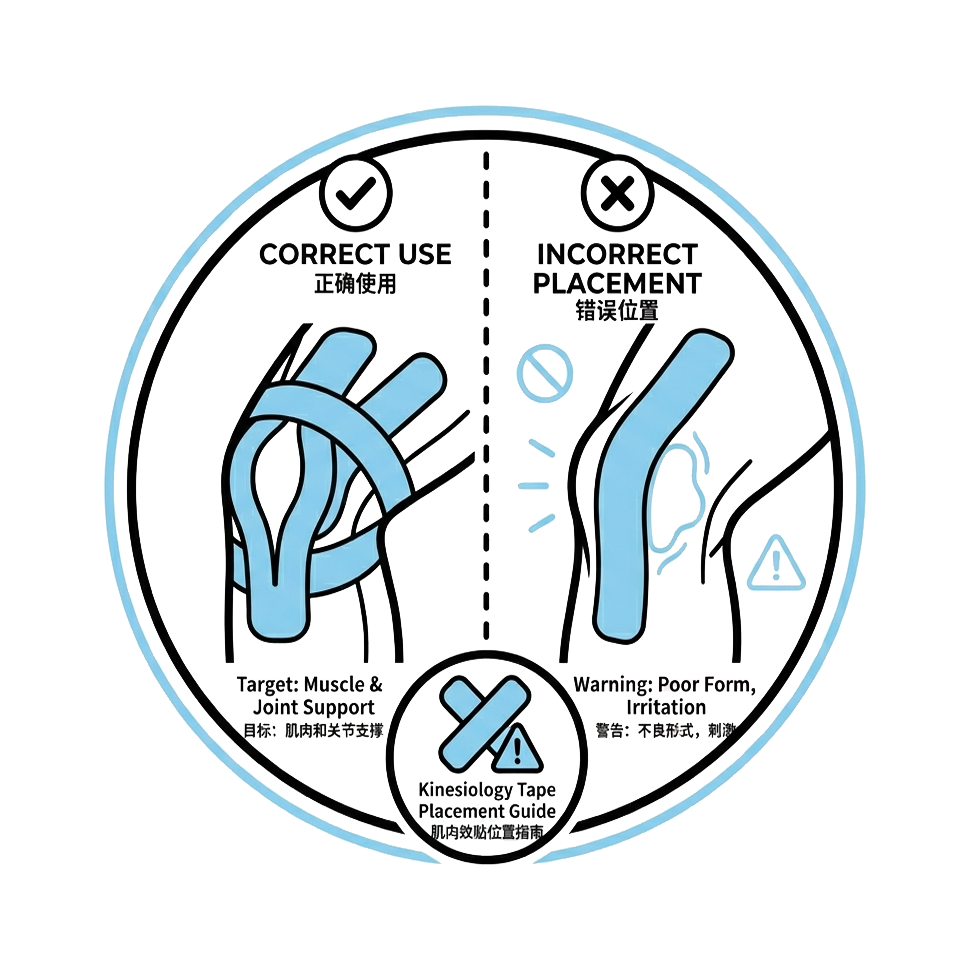
Adhesive residue and allergic reactions caused by inferior tape represent the most significant post-sale risks for retail brands. Veefun medical-grade acrylic adhesive effectively eliminates these problems. Even with good Kinesiology Tape for Knee, small mistakes can ruin the result:



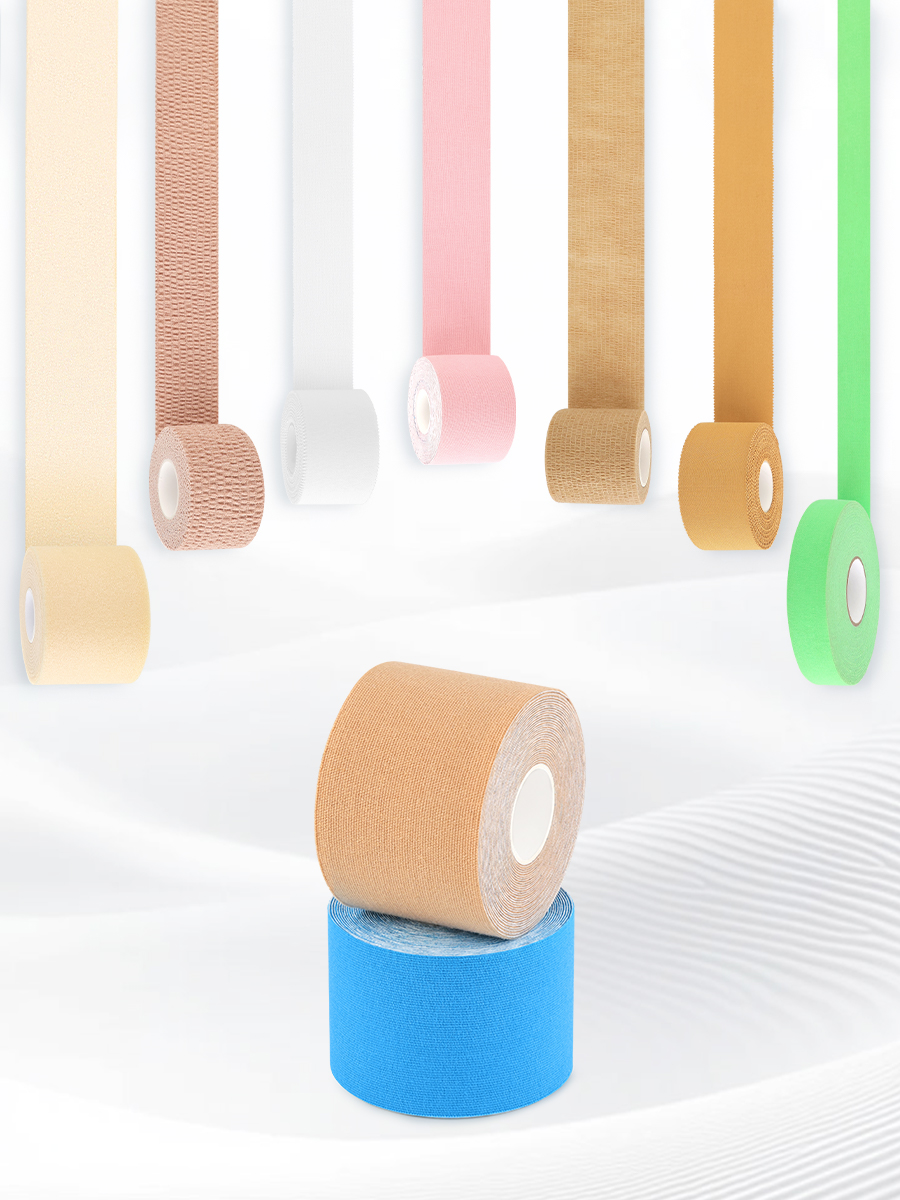
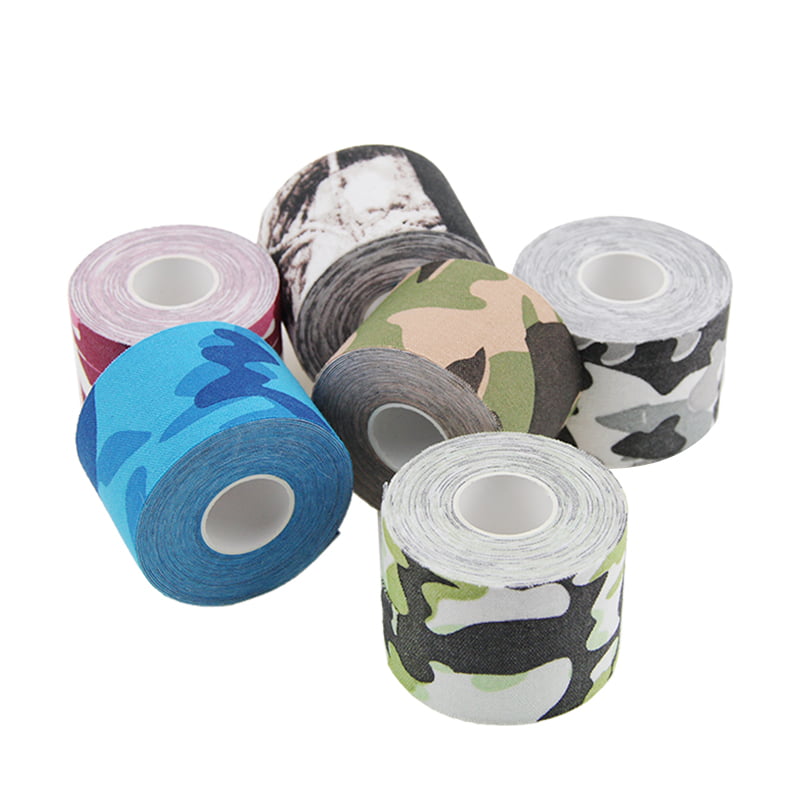
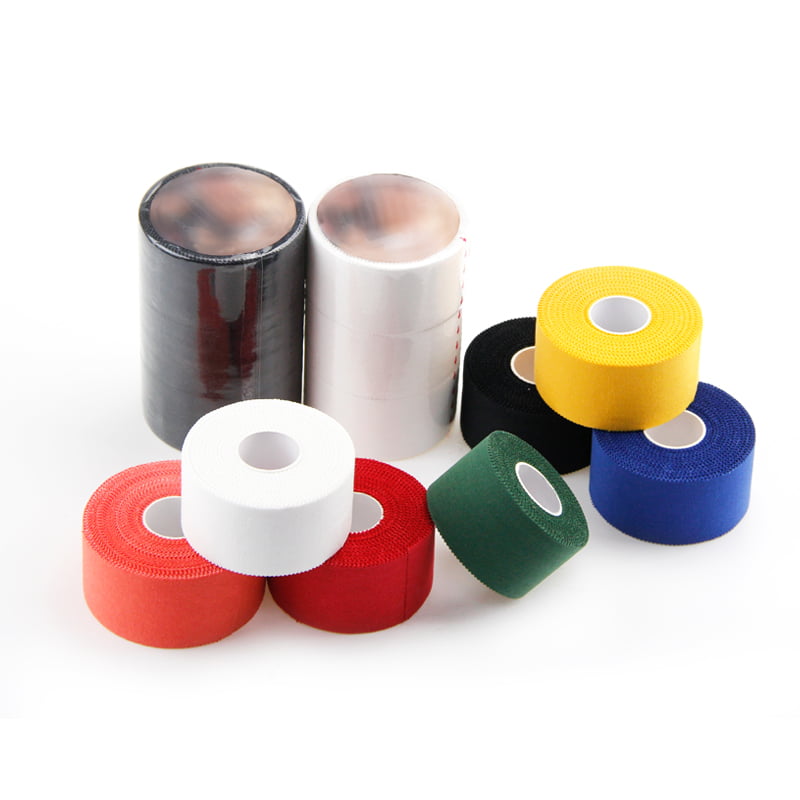
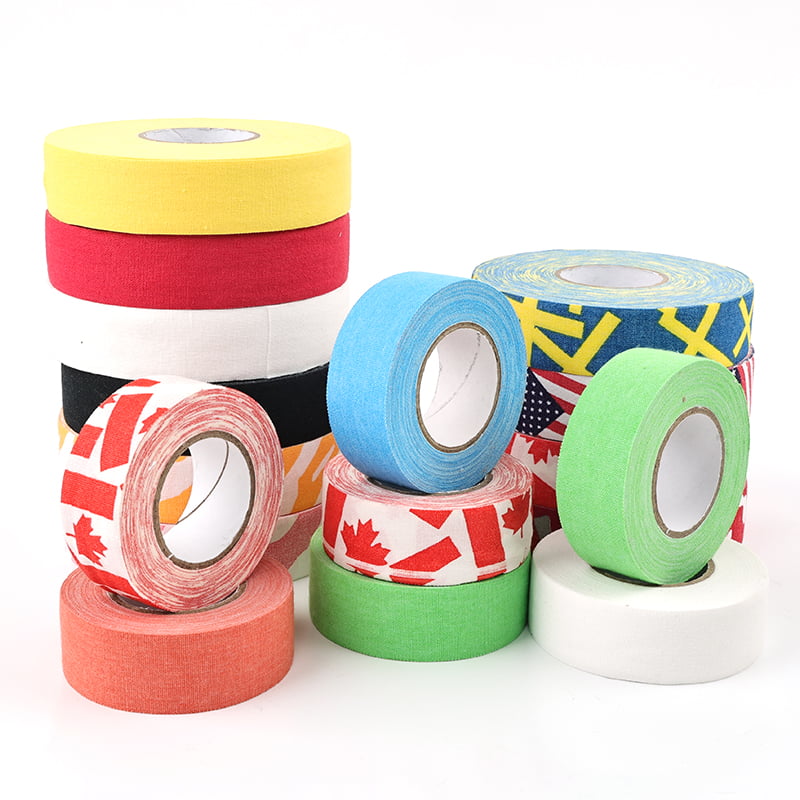
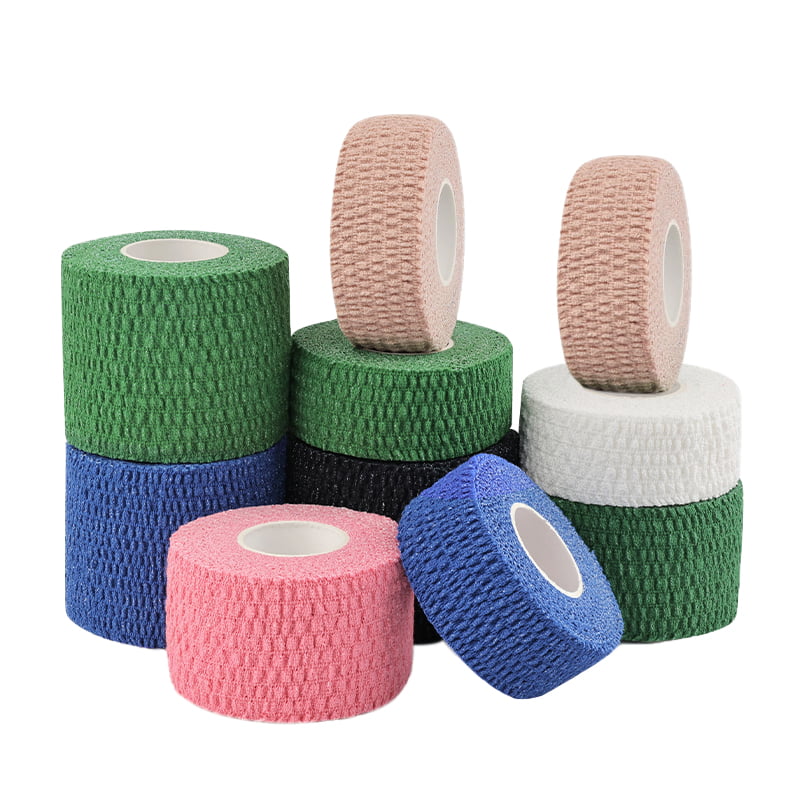
Best Types of Kinesiology Tape for Knee
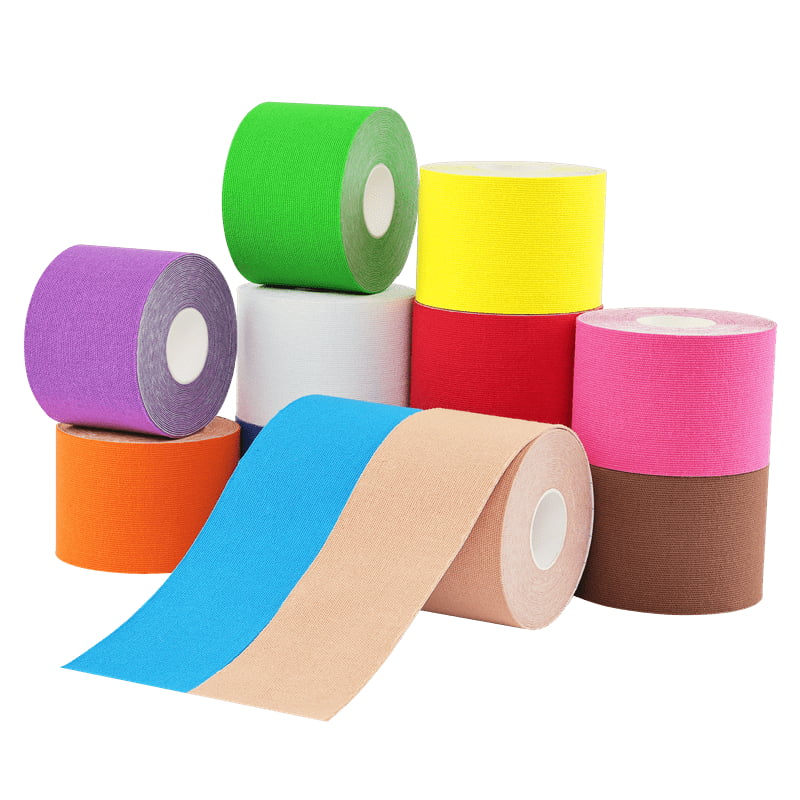
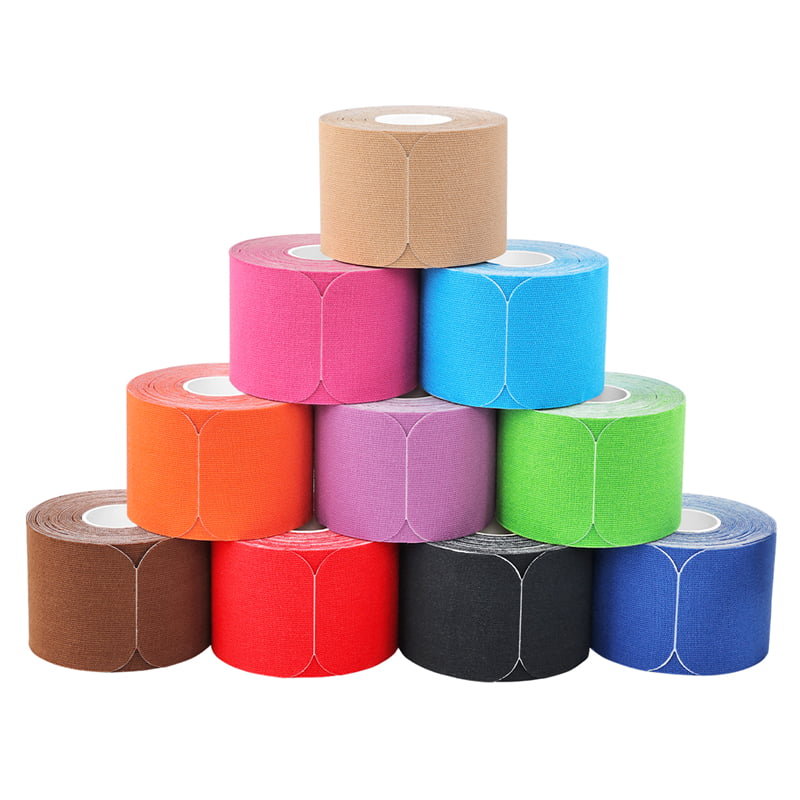
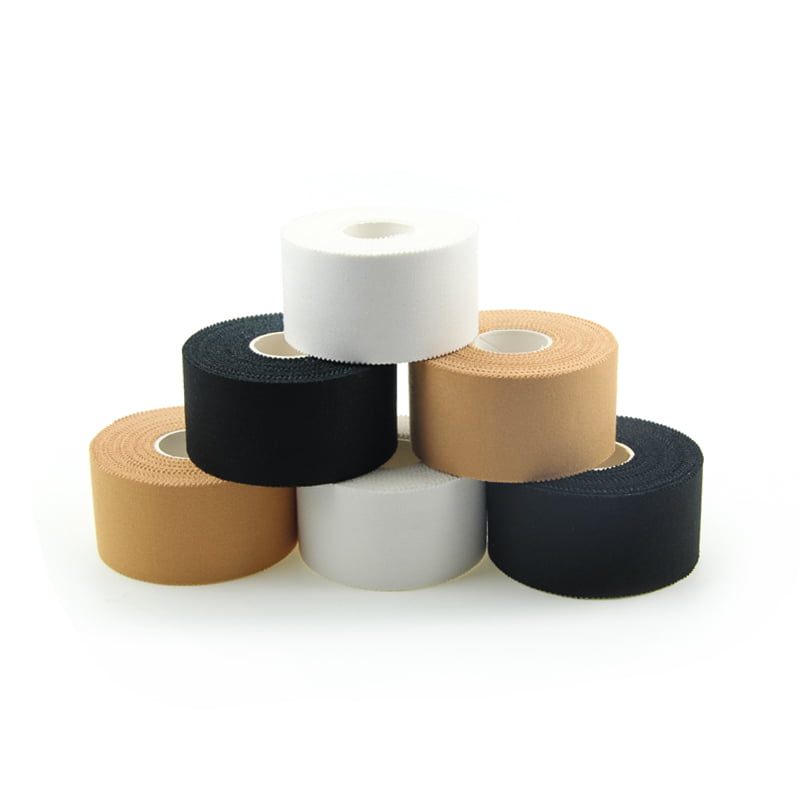
Choosing the right kinesiology tape can help you recover quickly from injuries. If you're new to kinesiology tape for knee support, pre-cut options are the easiest way to get started with consistent results.
Shop this
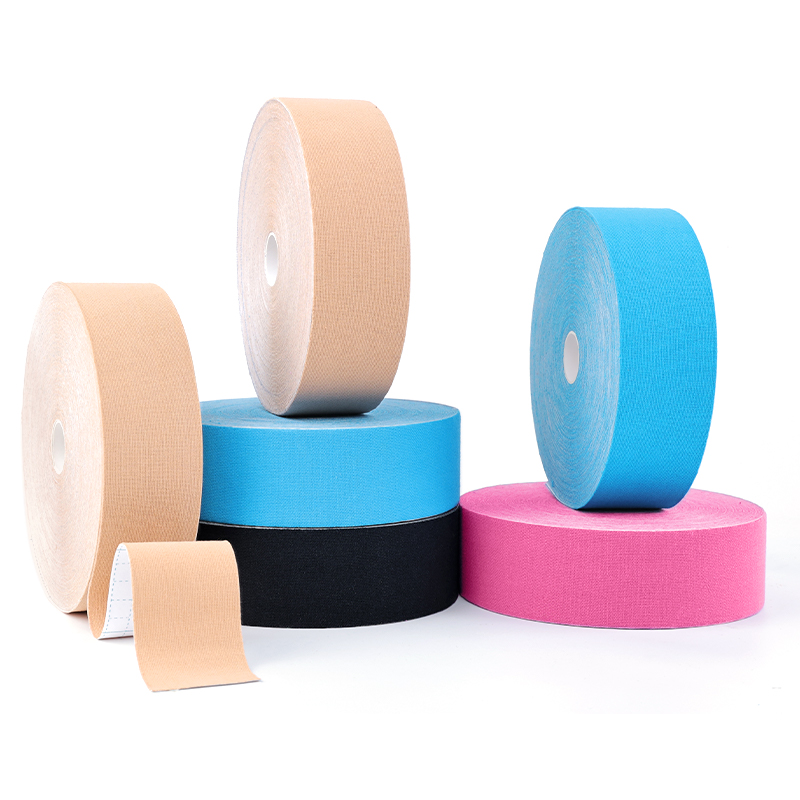
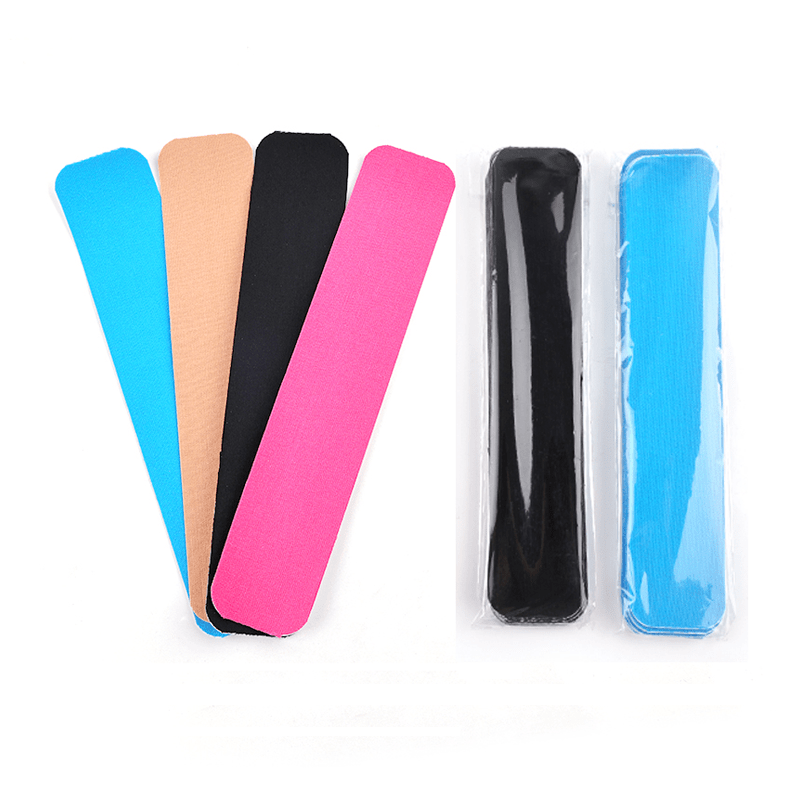
| Type | Key Features | Best For | Pros |
|---|---|---|---|
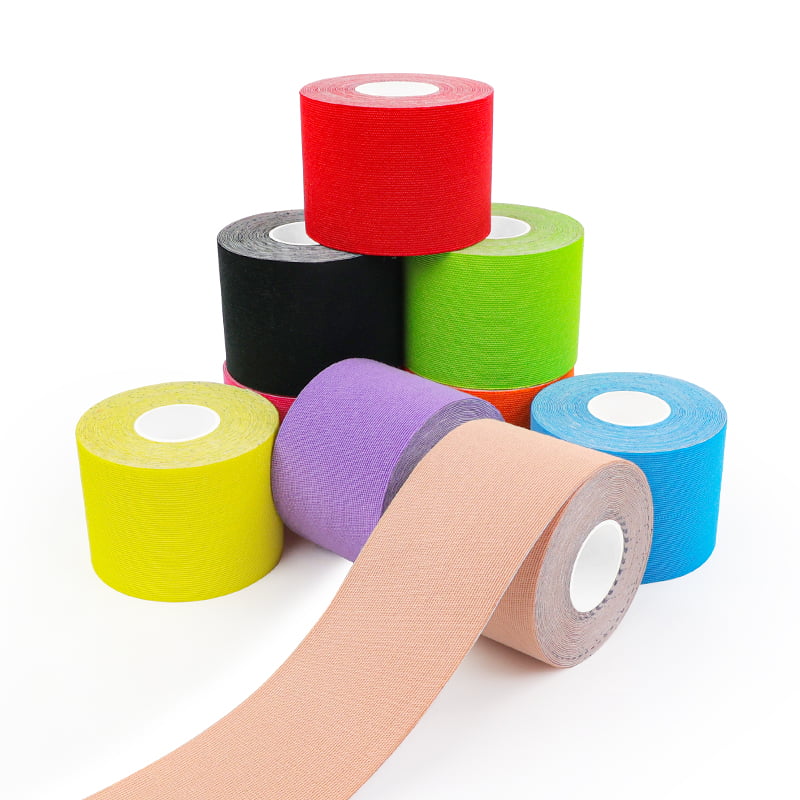
| Cotton Series | ~180% elasticity, breathable, skin-friendly | Daily use, general knee support | Comfortable, cost-effective, mimics natural movement |
| Synthetic Series | Water-resistant, stronger recoil, durable fibers | Sports, swimming, heavy sweating | Long-lasting, performs well in wet conditions |
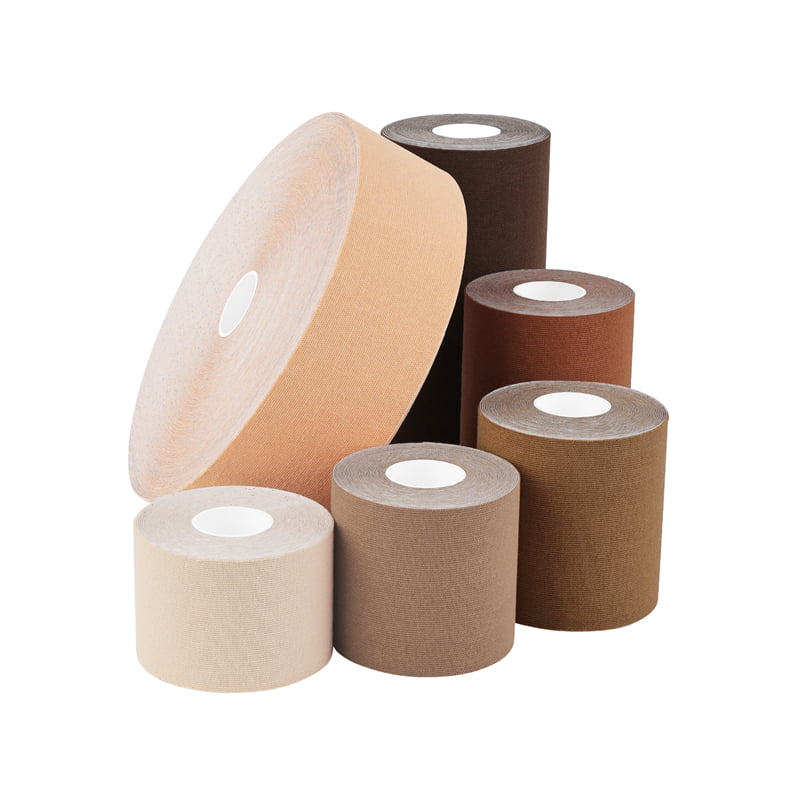
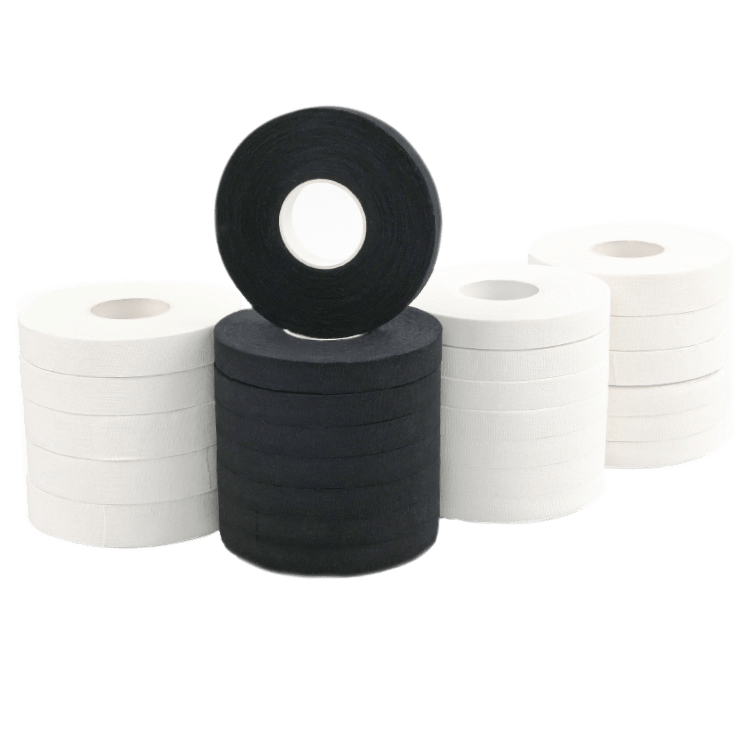
| 35m Roll | Affordable—offering the best value for money. | Sports Teams, Physical Therapy Clinics | More for Less |
| Pre-Cut Rolls And Strips | Pre-cut shapes (I, Y), ready to apply | Beginners, quick application | Saves time, reduces mistakes |
| Pre-Cut Knee Tape | Designed for knee structure, wrap-around fit | Retail users, beginners | Easy to use, consistent support |
Alternatives to Kinesiology Tape for Knee Support
While kinesiology tape—used to maintain knee joint stability—is highly suitable for sports and offers flexibility, there may be times when you require a "rigid" restriction on the joint's range of motion, or a non-adhesive option.
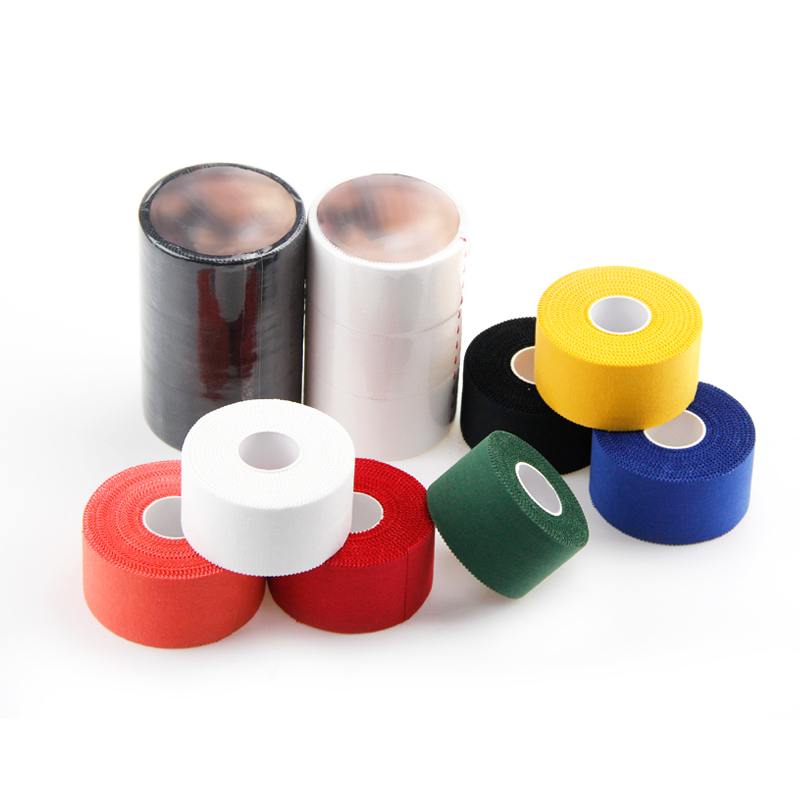
For Strong Support:
These limit movement more and are better for:
- Acute injuries
- High-impact sports
- Joint instability
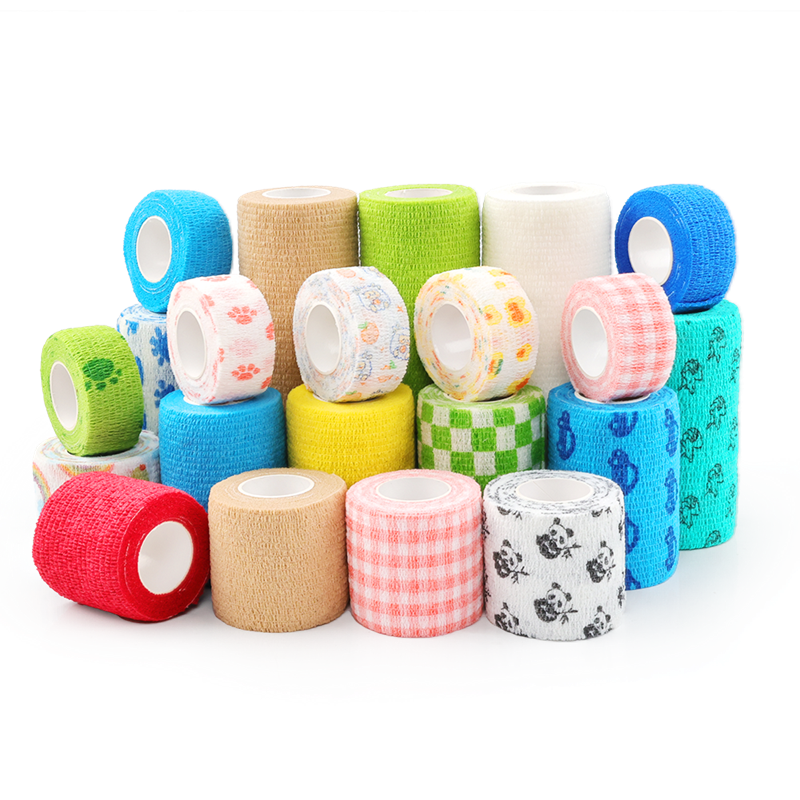
If You Don’t Want Adhesive on Skin:
These options:
- Protect skin
- Add compression
- Provide adjustable support
Final Thoughts
Using kinesiology tape for knee issues is a fantastic way to bridge the gap between injury and full performance. It isn't a "cure-all," but it provides the sensory feedback and stability your brain needs to move safely.
If you’re dealing with mild to moderate knee pain, start with a basic taping method, adjust based on where it hurts, and pay attention to how your body responds.
Always remember: if your pain is sharp, persistent, or accompanied by significant swelling, consult a physical therapist or sports doctor before DIY-taping. Listen to your body, prep your joint well, and keep moving!
FAQ: Kinesiology Tape for Knee
How long can you wear kinesiology tape on your knee?
Most people wear kinesiology tape for knee for 3–5 days. If it starts peeling, itching, or feeling uncomfortable, it’s best to remove it sooner.
Can kinesiology tape help knee pain immediately?
You might feel some relief right away, especially during movement. That said, the biggest benefit usually comes from improved support over time.
Can you shower with kinesiology tape on your knee?
Yes. Most kinesiology tape for knee products are water-resistant. Just pat it dry afterward instead of rubbing.
Is kinesiology tape safe for daily use?
Generally yes, as long as your skin tolerates it well. If you notice irritation, take a break or switch to a different tape type.
Need Reliable Kinesiology Tape Manufacturer?
If you’re sourcing kinesiology tape for knee for retail or wholesale, consistency matters more than anything—adhesion, stretch, and skin safety all affect user experience.
We provide:
- Custom shapes (I, Y, pre-cut knee designs)
- Cotton & synthetic options
- Private label & OEM support
- Stable bulk production with consistent quality
Want to know how to find a reliable manufacturer? Click the link to learn more.