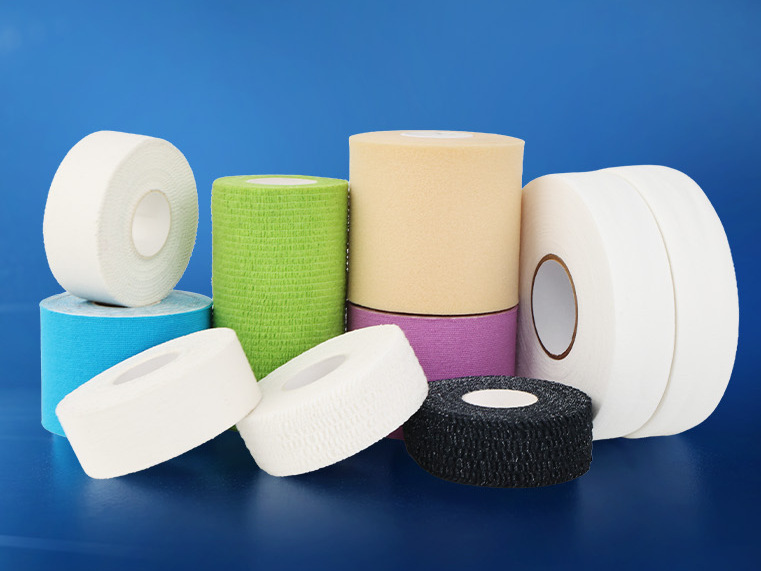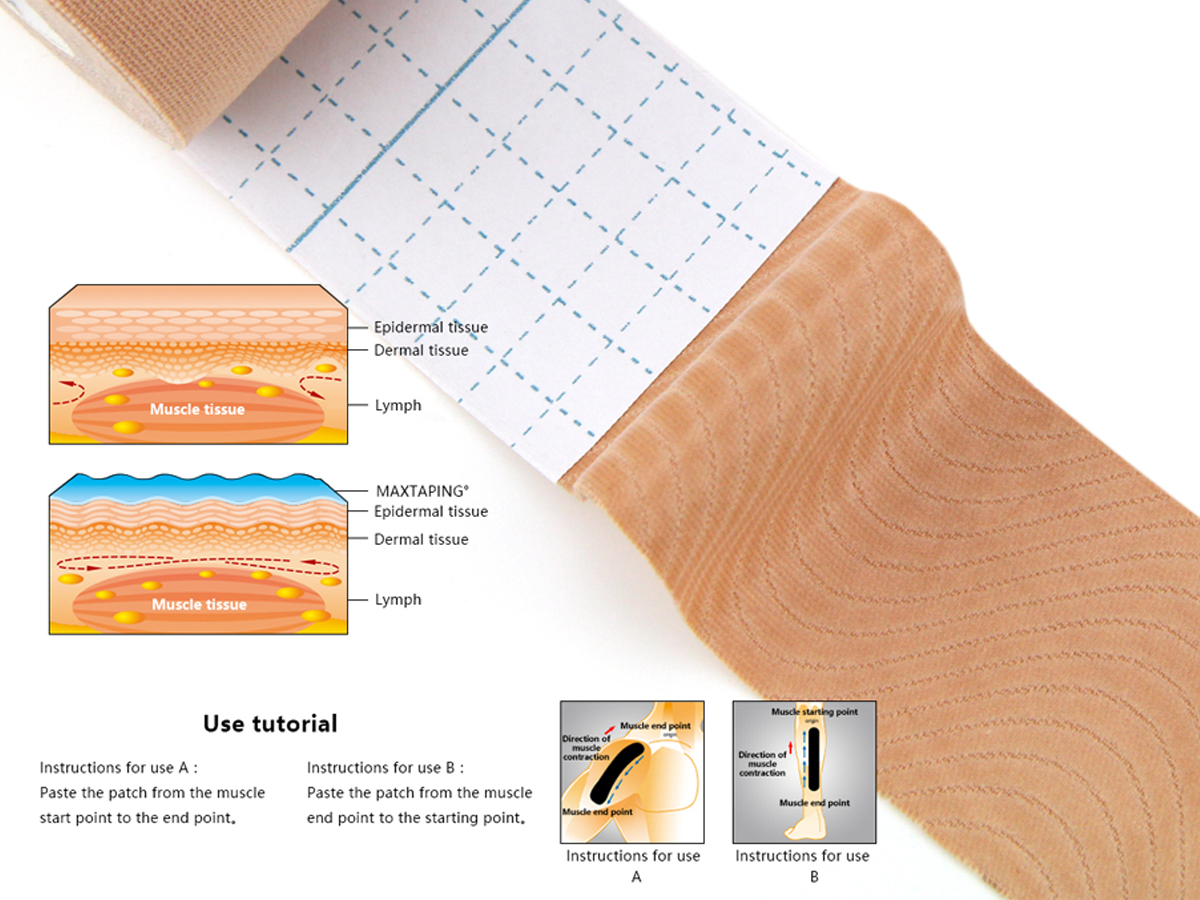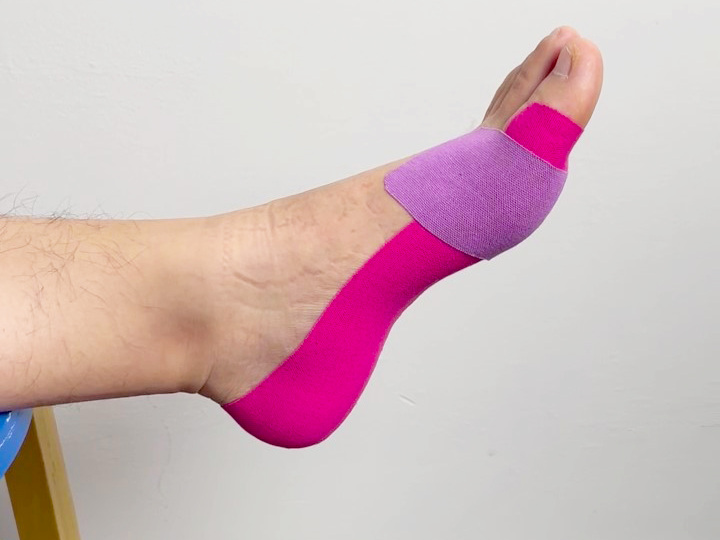
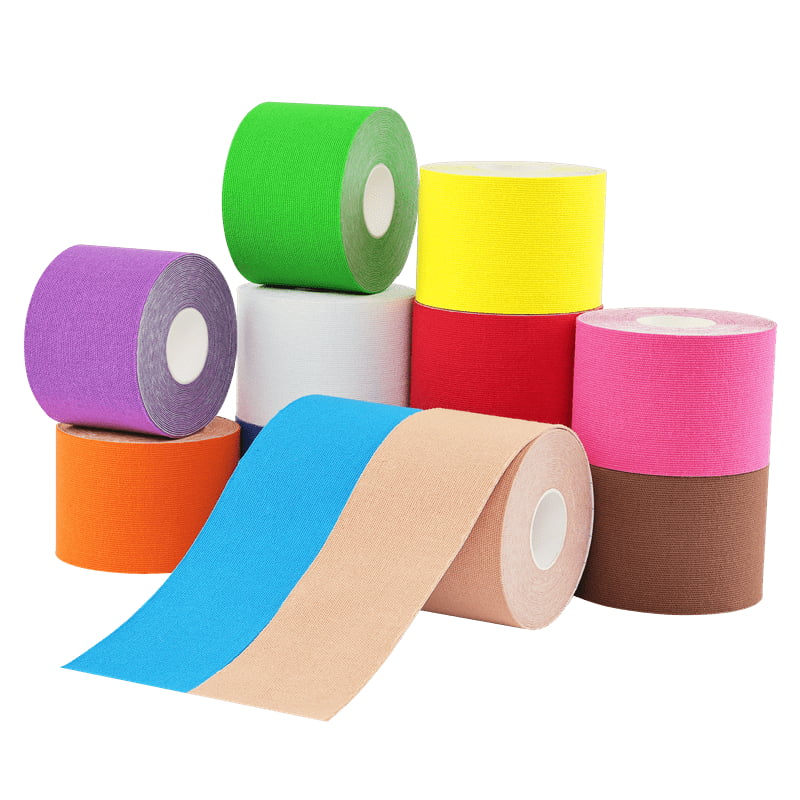
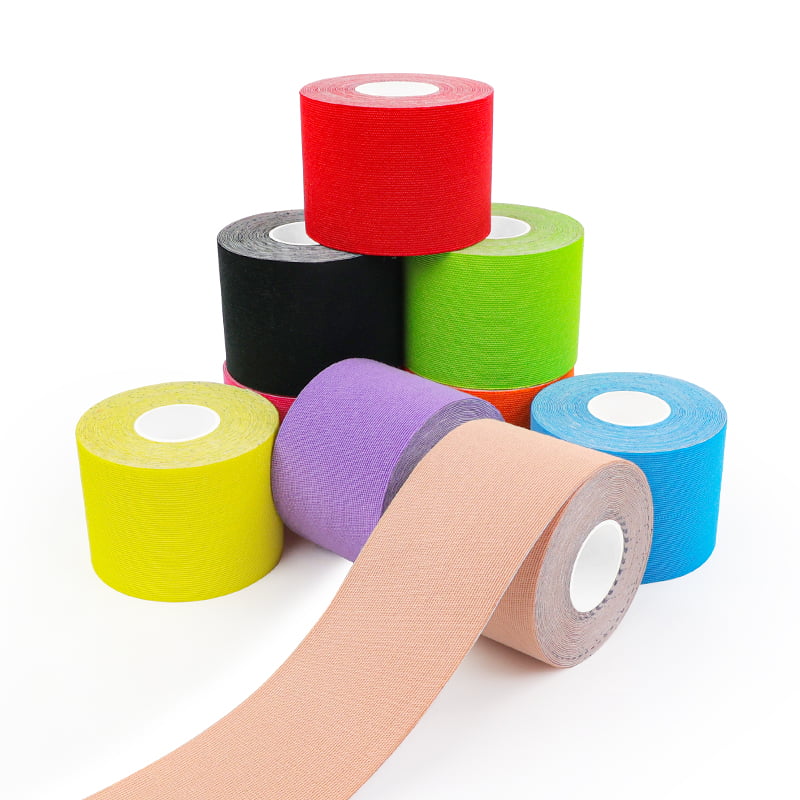
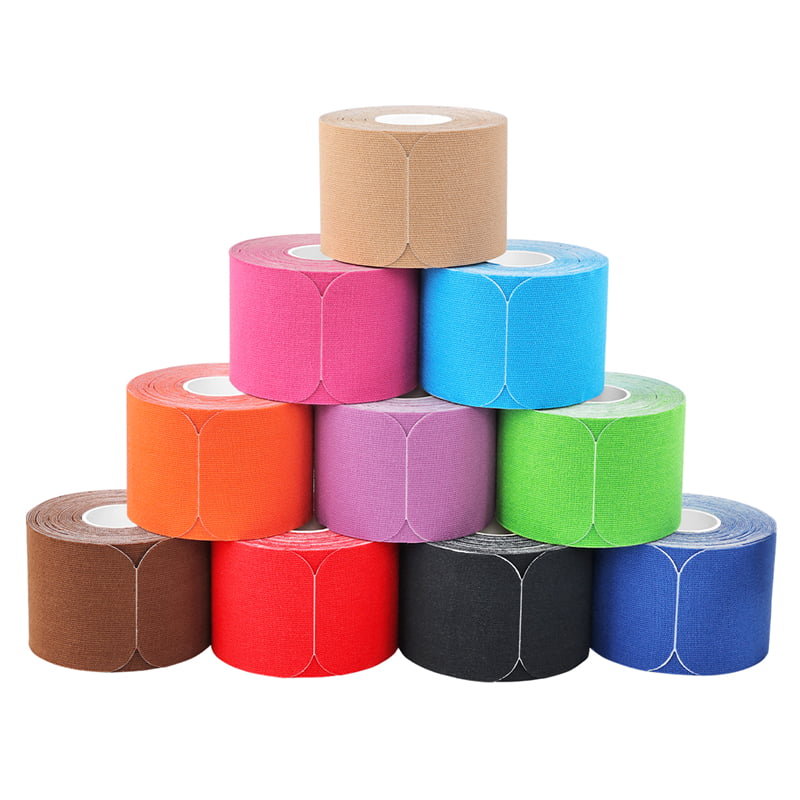
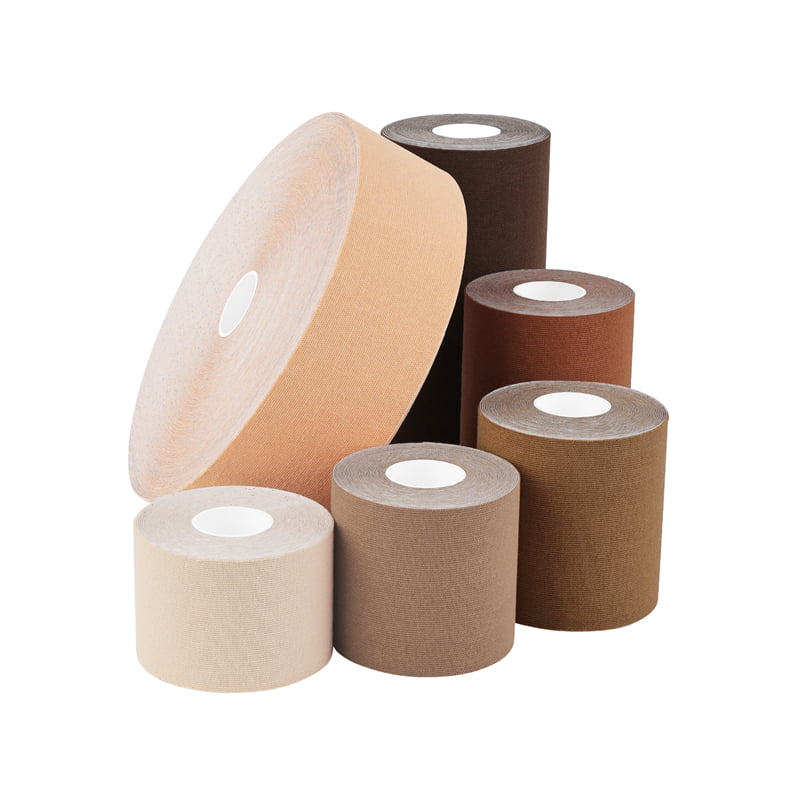
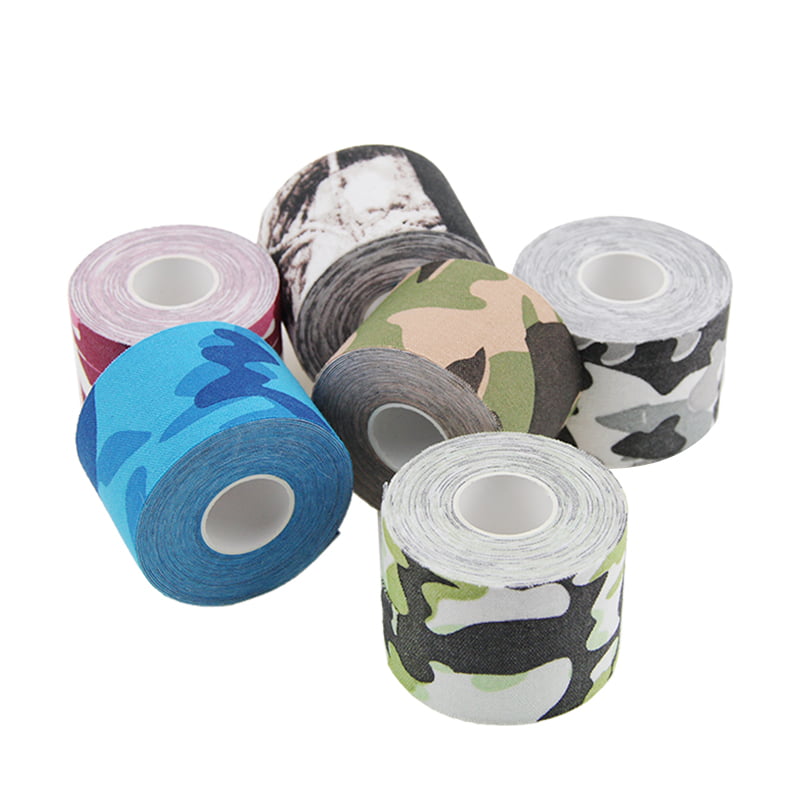
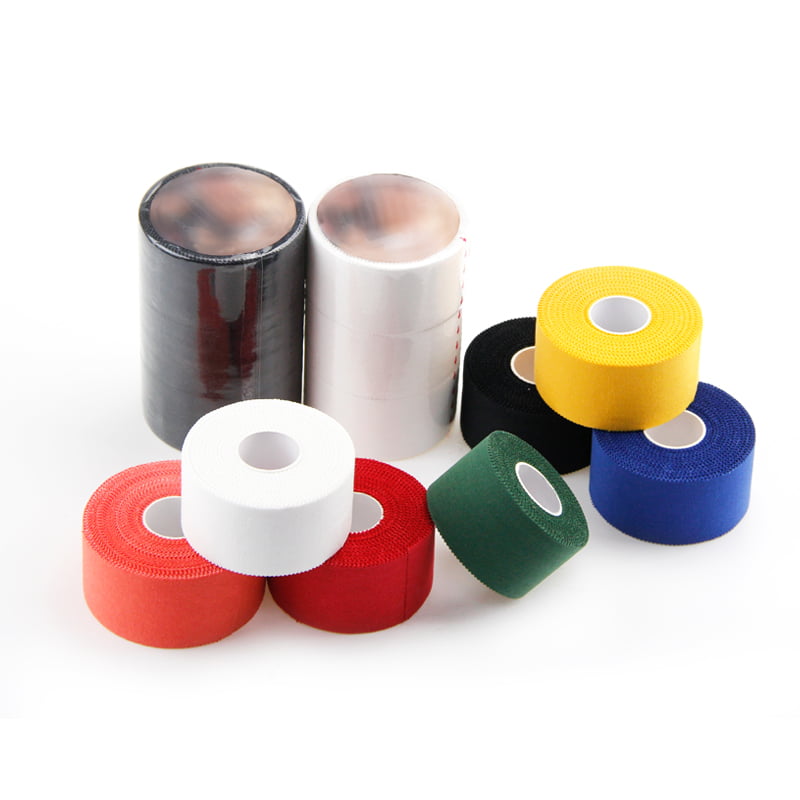
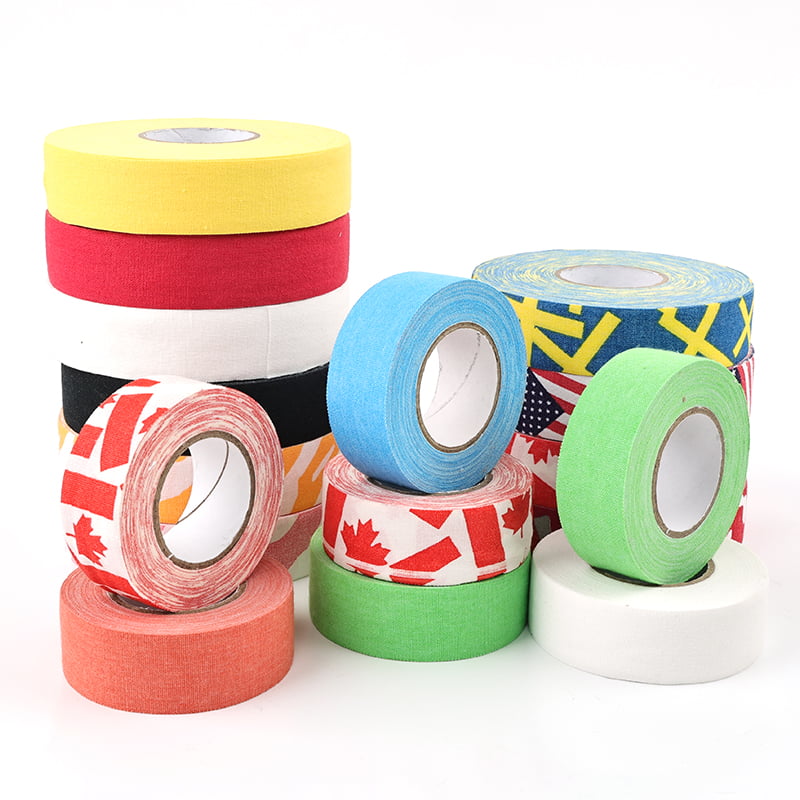
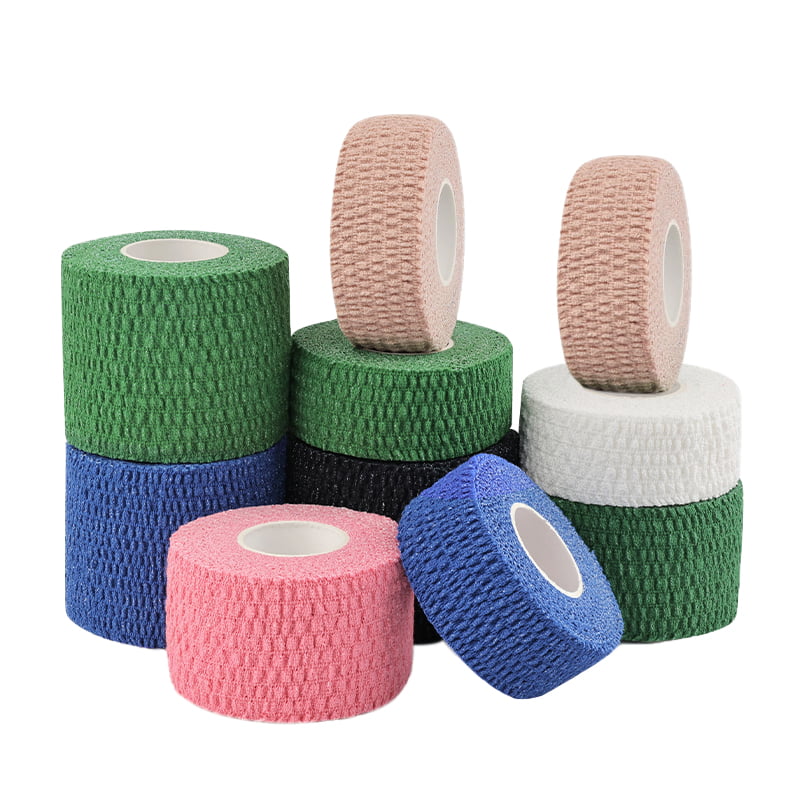
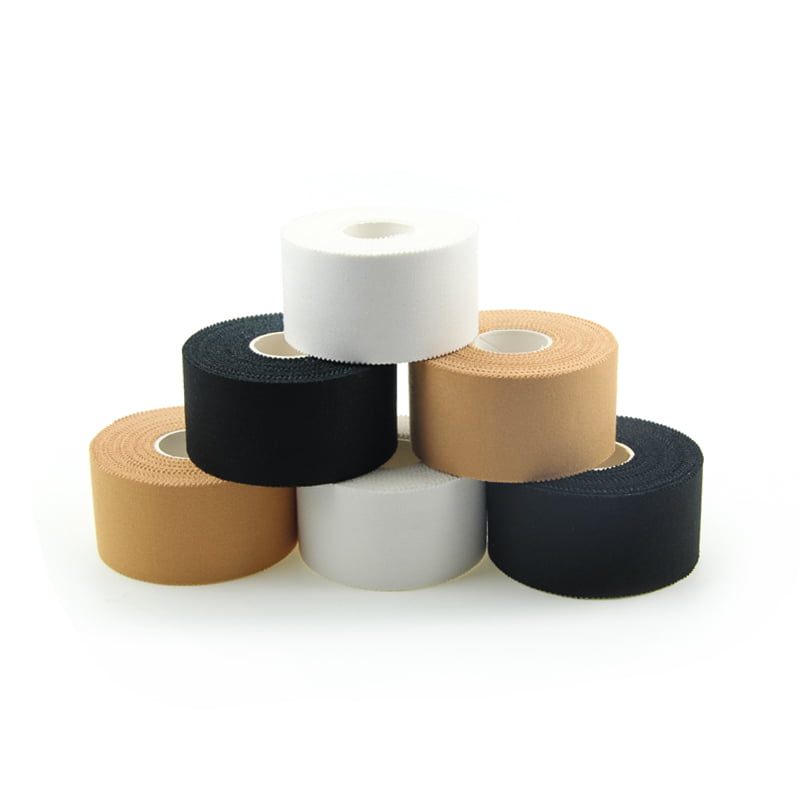
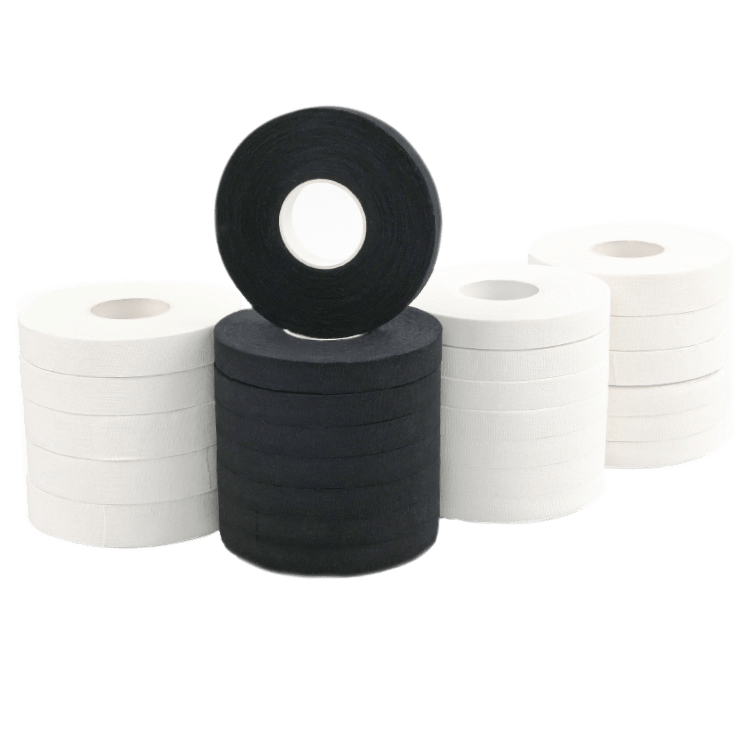
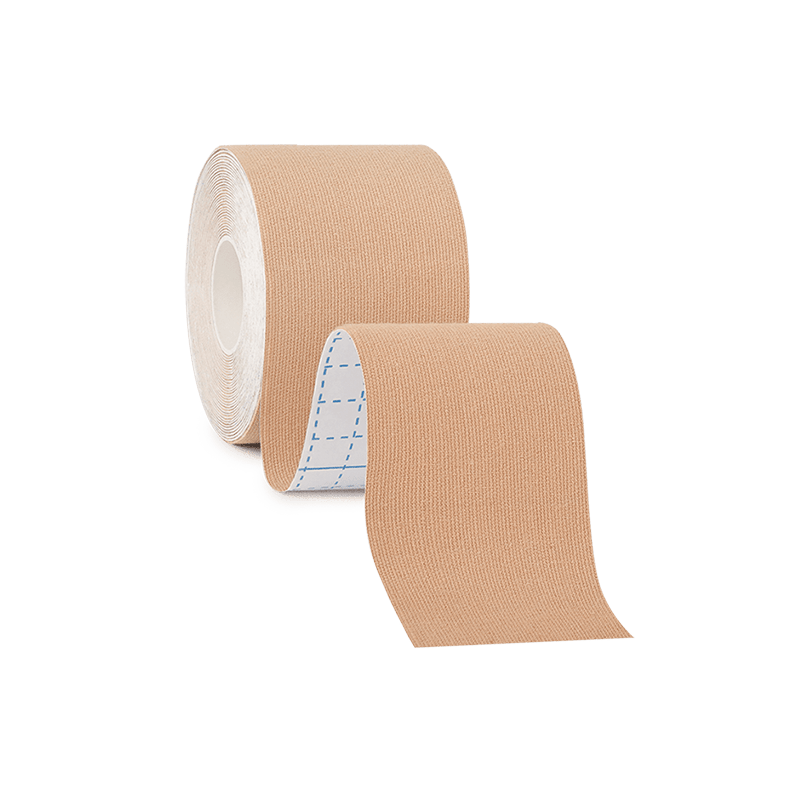
As a professional kinesiology tape manufacturer and OEM supplier, we work with sports brands, physiotherapy clinics, distributors, and healthcare partners in different global markets.
Kinesiology tape (also known as physio tape or muscle tape) is widely used in athletic support, muscle recovery, and rehabilitation. It is one of the best-selling types of sports tape. In real production and application feedback, we’ve seen that while the product is generally safe, it is not suitable for every user or every condition.
Understanding these limitations is important for both end users and brands building their own product lines.
Who Should NOT Use Kinesiology Tape?
1. People with open wounds or damaged skin
Kinesiology tape should never be applied to broken or irritated skin, including:
- Cuts, scrapes, or abrasions
- Surgical wounds are still healing
- Active skin infections or inflammation
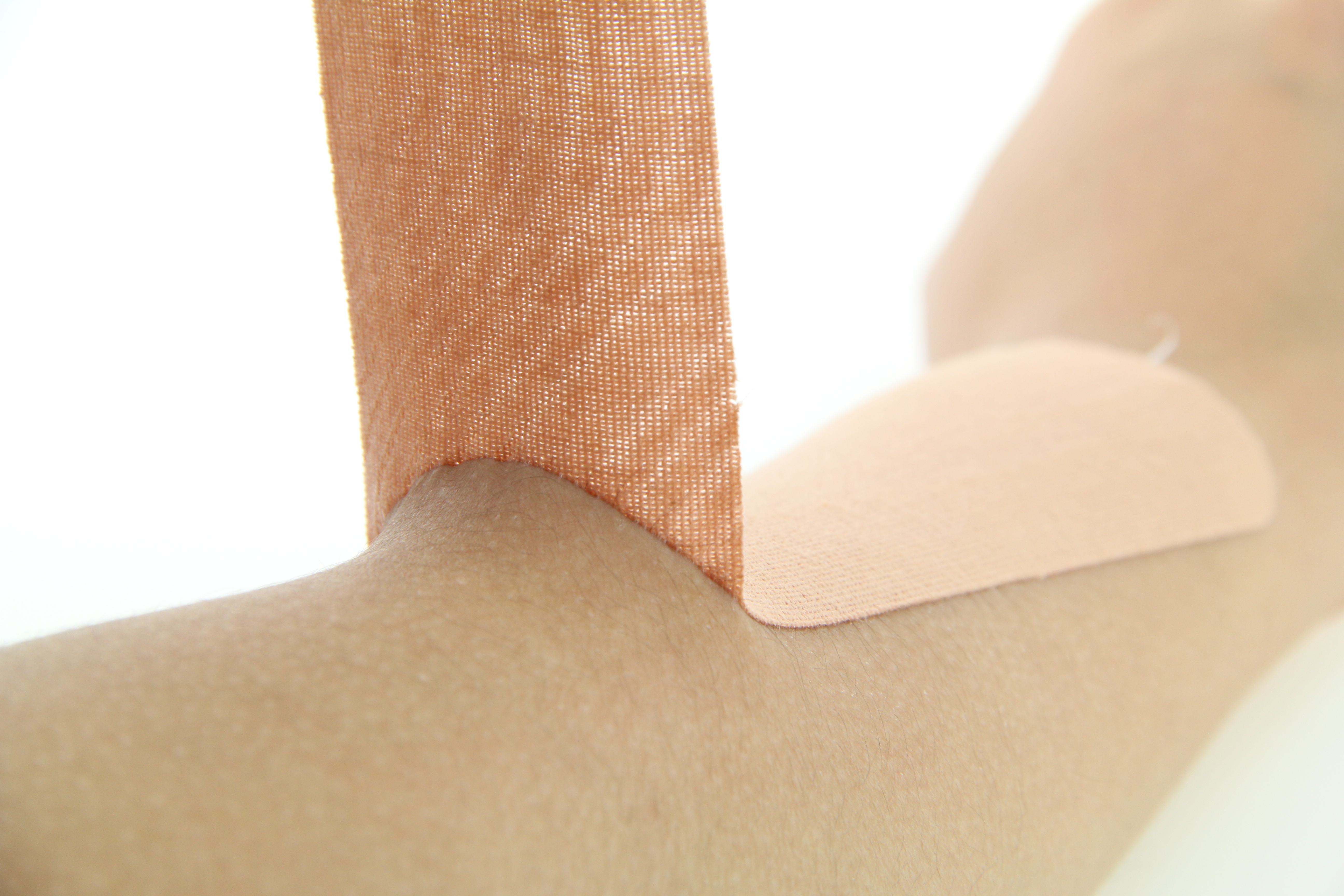
Because the tape uses medical-grade adhesive, applying it to damaged skin may:
- Delay natural healing
- Increase irritation or discomfort
- Raise the risk of infection
- Damage the newly formed skin during removal
👉 The product is designed for healthy, intact skin only.
2. Individuals with adhesive allergies or sensitive skin
Although modern kinesiology tape uses low-irritation acrylic adhesive, skin reactions can still occur in a small percentage of users.
Possible reactions include:
- Redness or rash
- Itching or burning sensation
- Blisters in rare cases
We always recommend a patch test before full application, especially for users with a history of sensitivity to medical tapes or adhesives.
👉 In OEM production, different markets (EU, US, Asia) often require different adhesive sensitivity formulations depending on skin safety standards.
👉 If your brand is targeting elderly users or sensitive skin markets, contact our team to request free samples of customized low-sensitivity hypoallergenic acrylic adhesive formulations.
(We can support OEM testing and formulation matching based on your target market.)
3. Elderly users with fragile skin
As skin ages, it naturally becomes thinner and more fragile.
Potential risks include:
- Skin tearing during removal
- Bruising or irritation
- Damage along tape edges
For this group, kinesiology tape should be used carefully or under physiotherapy supervision.
4. Pregnant women (use with caution)
Pregnancy is not an absolute restriction, but careful usage is necessary.
We recommend:
- Avoid abdominal or pelvic application without medical approval
- Avoid early pregnancy use unless advised by a healthcare professional
- Use only a professionally guided application for back or posture support
Some physiotherapy clinics use kinesiology tape for pregnancy-related discomfort, but the correct application technique is critical for safety.
5. Infants, toddlers, and young children
Kinesiology tape is generally not recommended for very young children, mainly due to:
- Highly sensitive skin
- Difficulty expressing discomfort
- Risk of accidental removal
Pediatric use should only be done under professional supervision.
Important Safety Guidelines for Use
From a kinesiology tape manufacturer's perspective, most issues are not caused by the tape itself, but by incorrect application or misuse.
To ensure safe and effective use:
- Apply only on clean, dry, intact skin
- Always perform a patch test before first use
- Avoid application over active infections or rashes
- Do not apply excessive stretch during application
- Remove within 24–48 hours if irritation occurs
- Seek professional guidance when using for injury support or rehabilitation
👉 In real-world use, application technique often matters more than the product itself. For more details, please click on Safety and Usage Tips.
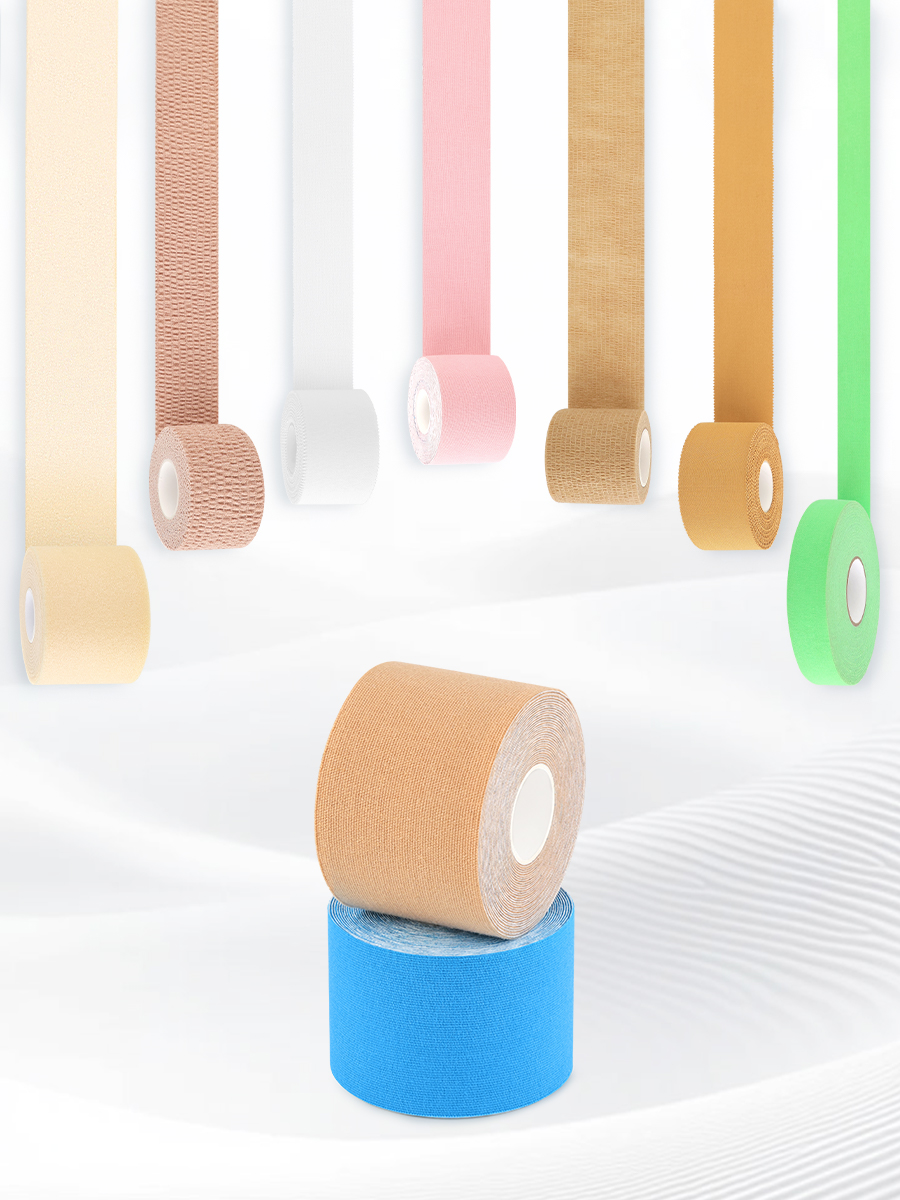
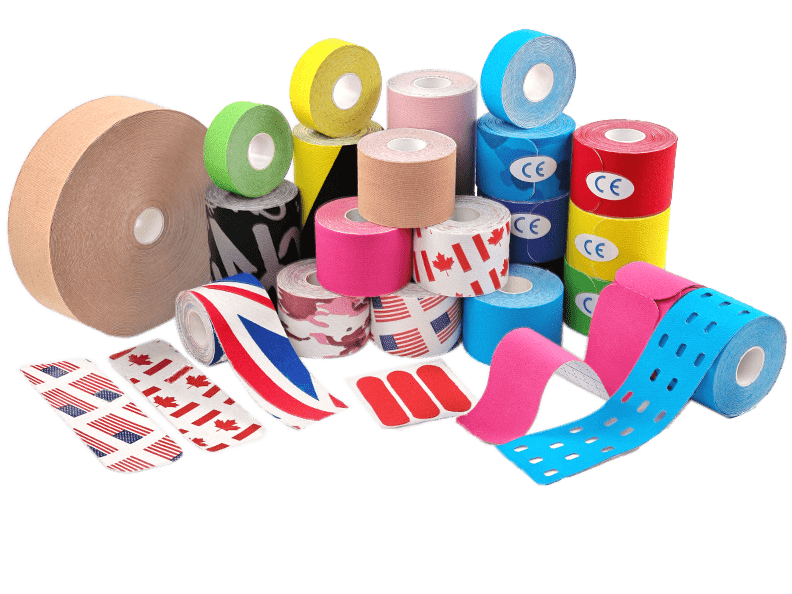
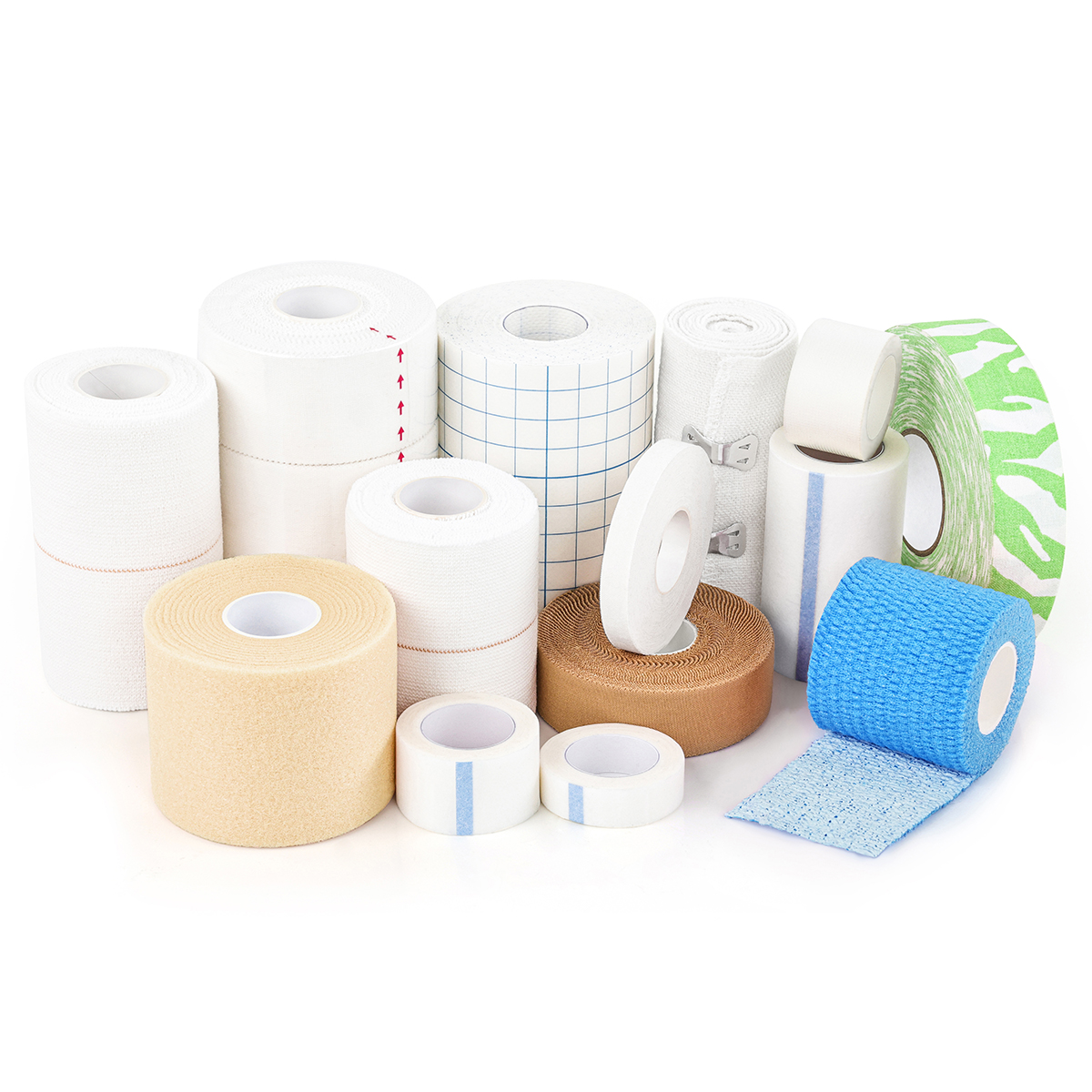
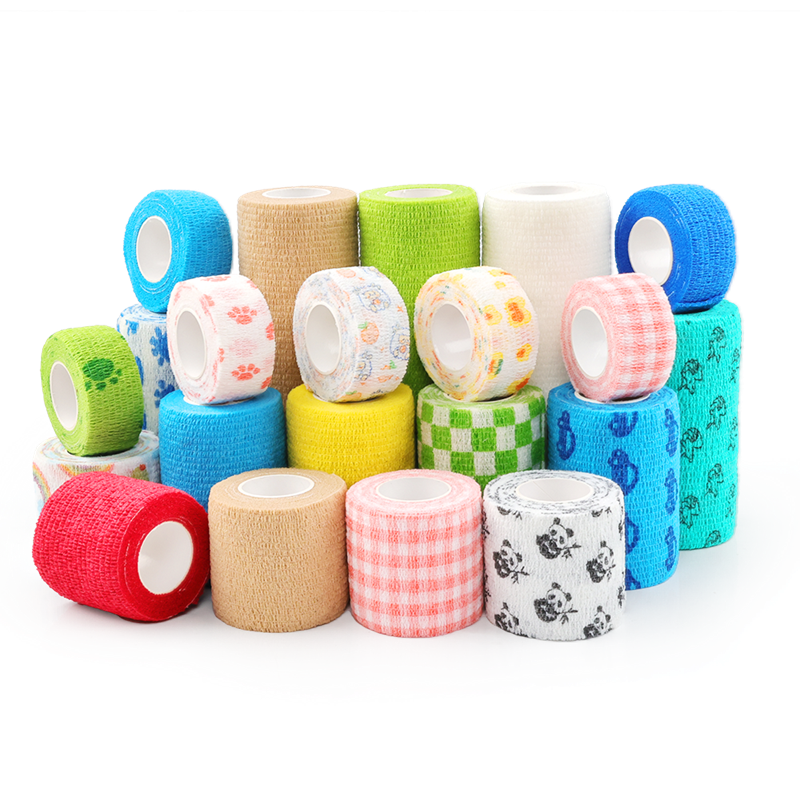
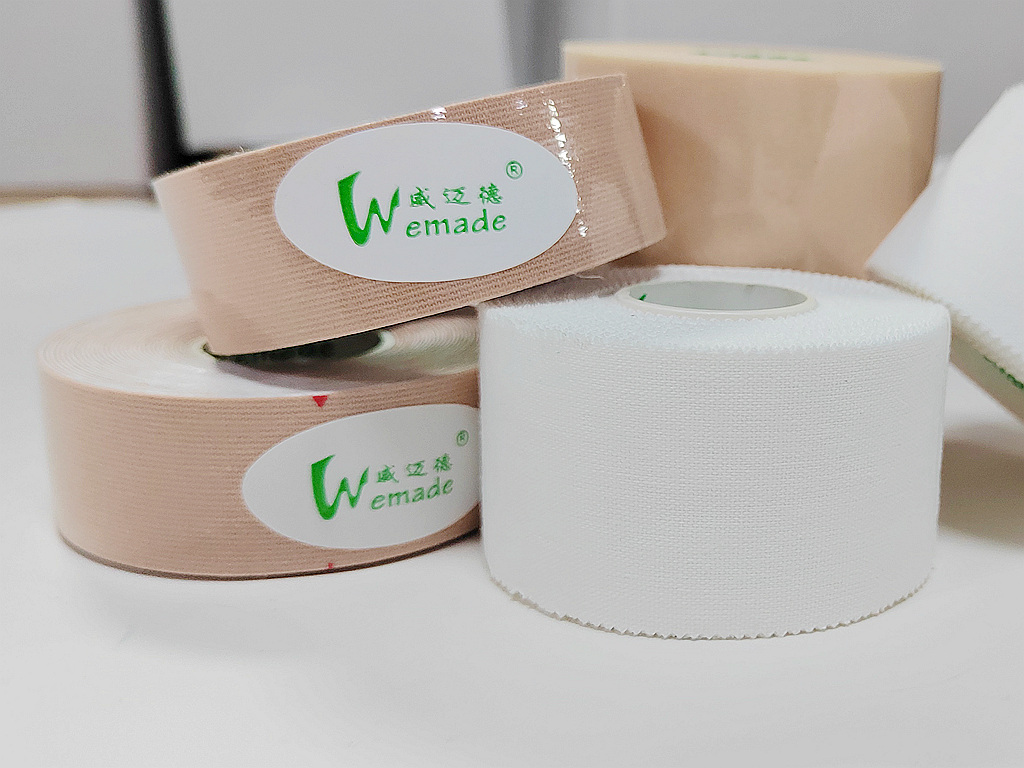
Visual & Quality Assurance (OEM Manufacturing Insight)In the global B2B supply, buyers increasingly expect transparent production and quality proof. Our kinesiology tape manufacturing process includes strict quality control across:
We also support OEM clients with custom kinesiology tape packaging, retail-ready design, and compliance labeling for different markets. |
Manufacturer Insight: Why Safety Information Matters
As a kinesiology tape supplier and OEM manufacturer, safety guidance is an essential part of product development because:
- Skin sensitivity varies across different populations
- Improper use can affect user experience and brand reputation
- Clear instructions improve customer satisfaction and repeat purchase rate
- Global distributors often require localized safety labeling
Conclusion
Kinesiology tape is a widely used sports support product, but it is not suitable for everyone.
From a manufacturing and OEM perspective, responsible use depends on:
- Skin condition compatibility
- Correct application methods
- Understanding of usage limitations
If you are unsure whether kinesiology tape is suitable for your needs, professional advice is always recommended.
Medical Disclaimer
Disclaimer: This article is provided for informational purposes only from a manufacturing and product perspective. It is not intended to replace professional medical advice, diagnosis, or treatment. Always consult a qualified healthcare professional regarding any medical condition or product usage.
FAQ
Is kinesiology tape safe for everyone?
No. It is generally safe for healthy skin but not recommended for open wounds, severe allergies, or certain medical conditions.
Can kinesiology tape cause side effects?
Yes, in rare cases, it may cause skin irritation, redness, or allergic reactions due to adhesive sensitivity.
Who should avoid kinesiology tape?
People with skin injuries, adhesive allergies, fragile skin, or specific medical conditions should avoid or use under supervision.
Can pregnant women use kinesiology tape?
Yes, but only under professional guidance and correct application methods.