Overview: What Is Athletic Tape?
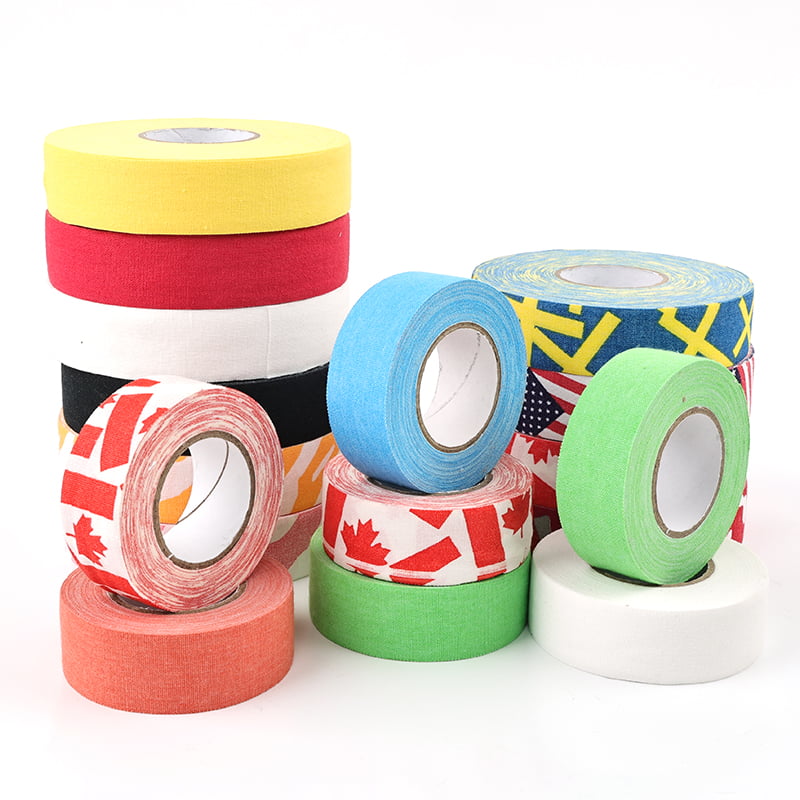
Athletes, trainers, and physiotherapists use athletic tape, also known as sports tape, as a specialised adhesive tape to support joints, stabilise muscles, and ward off injuries while engaging in physical activity.
Athletic tape helps lessen the strain on tendons and ligaments and adds extra joint stability without significantly limiting motion, whether you're weightlifting, playing rugby, basketball, or football.
One of the most popular sports medicine techniques in the world is athletic taping, which is utilised by gyms, physical therapy clinics, and professional sports teams.
Why Athletic Tape Is Used
Athletic tape's primary objective is to protect against and prevent injuries. Sports tape can do the following by securely binding muscles and joints:
- Avoid excessive movement that could result in dislocations or sprains.
- Give weak or healing joints stability.
- During the healing process, support injured muscles and permit safe participation.
- Boost proprioception, or body awareness, to perform better in sports.
- In the event of minor injuries, lessen bruising and swelling
In high-impact sports like basketball, football, hockey, gymnastics, boxing, and weightlifting, athletic taping is crucial.
How Does Athletic Tape Operate?
Neuromuscular feedback and mechanical support are how athletic tape functions.
1. Mechanical Assistance
The tape physically restricts range of motion when it is applied to a joint (such as the wrist or ankle) to avoid twisting or overextension.
By maintaining joint alignment and lowering the chance of ligament tears, rigid sports tape functions as an external brace.
2. Feedback from the Neuromuscular System
Additionally, the sports tape uses skin receptors to give the brain tactile feedback. Proprioception, the body's sense of movement and position, is enhanced by this sensory input, which aids athletes in exercising greater control.
Athletic tape is one of the most reliable resources in sports medicine and rehabilitation because of these combined benefits.
Typical Sports Tape Types
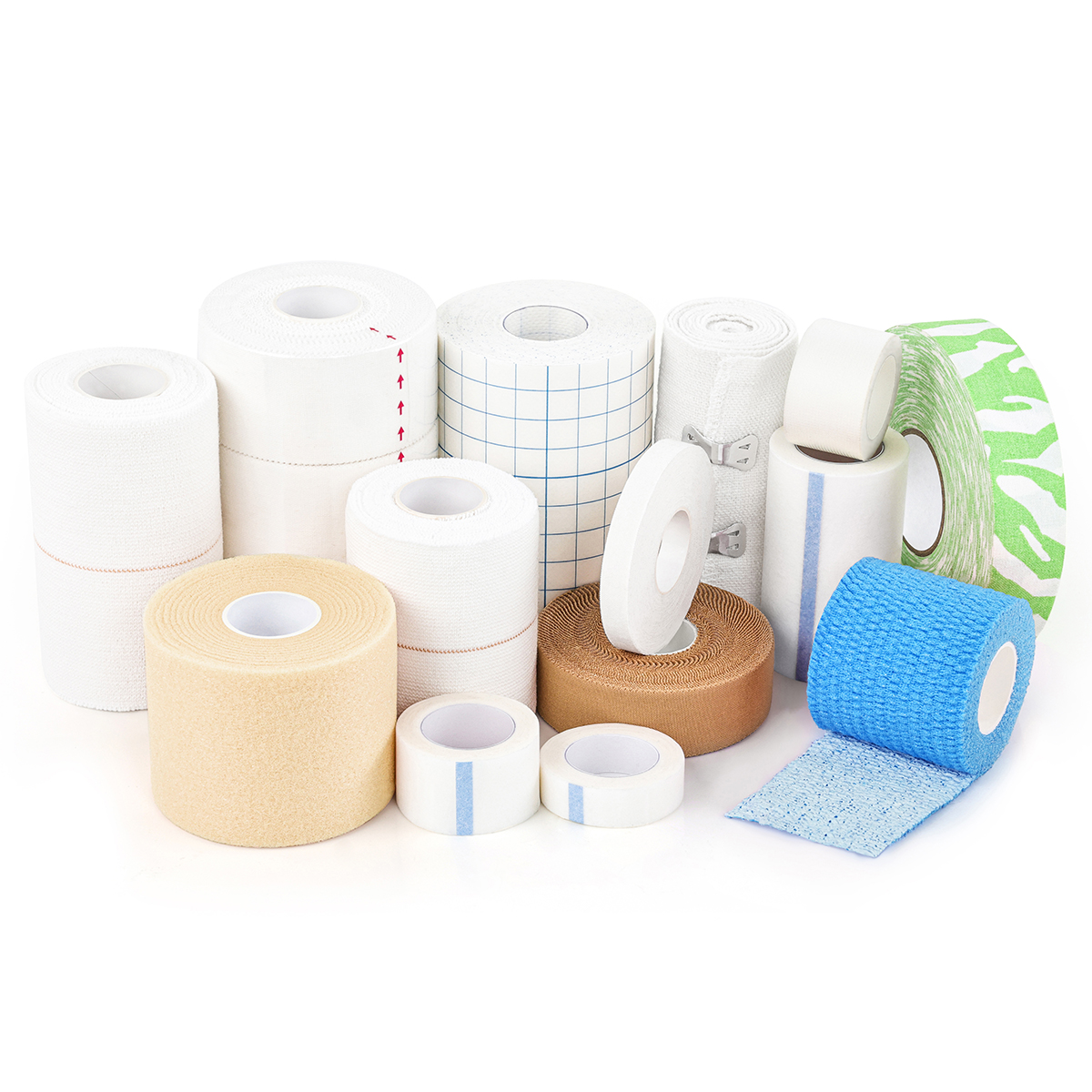
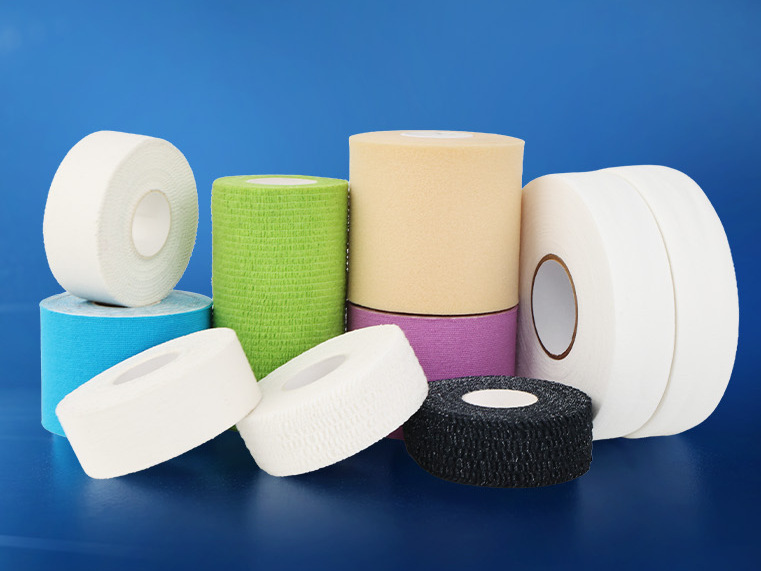
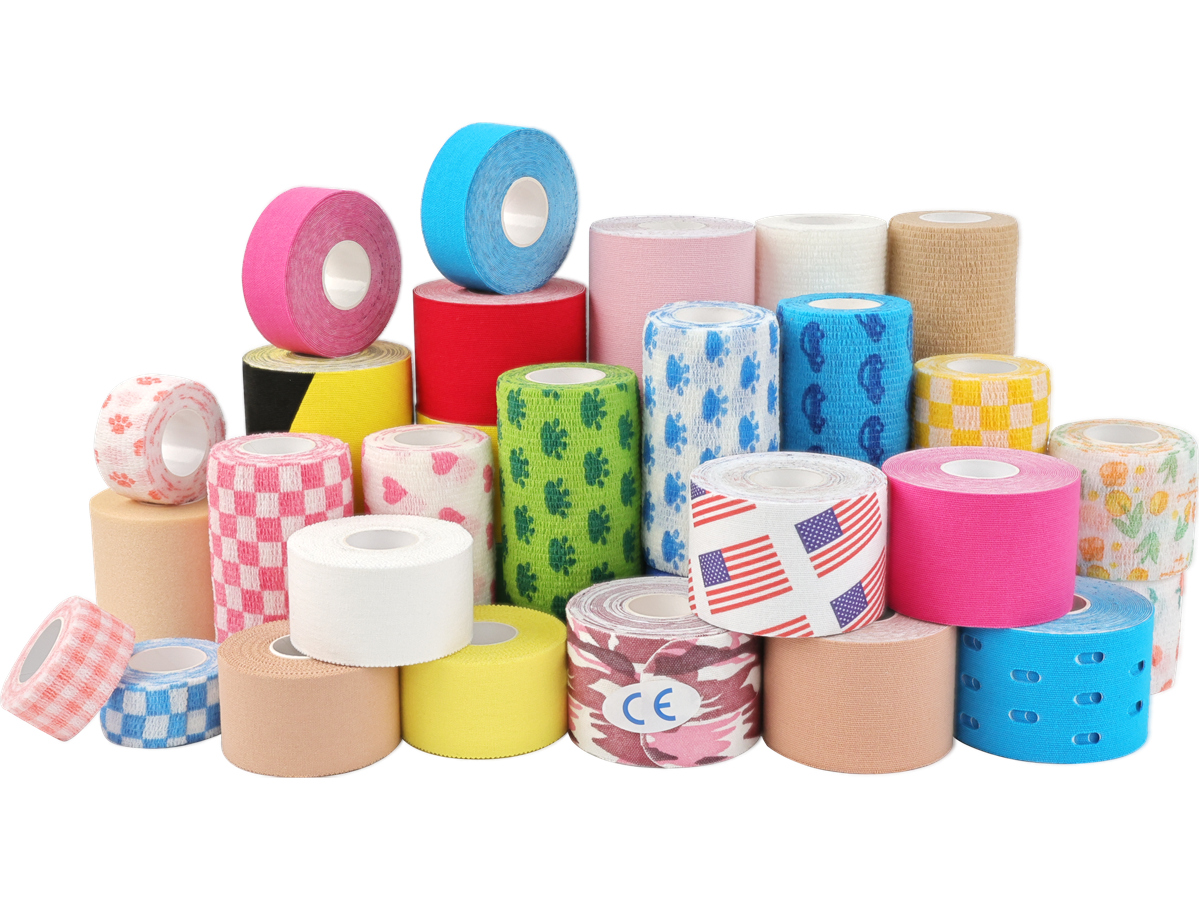
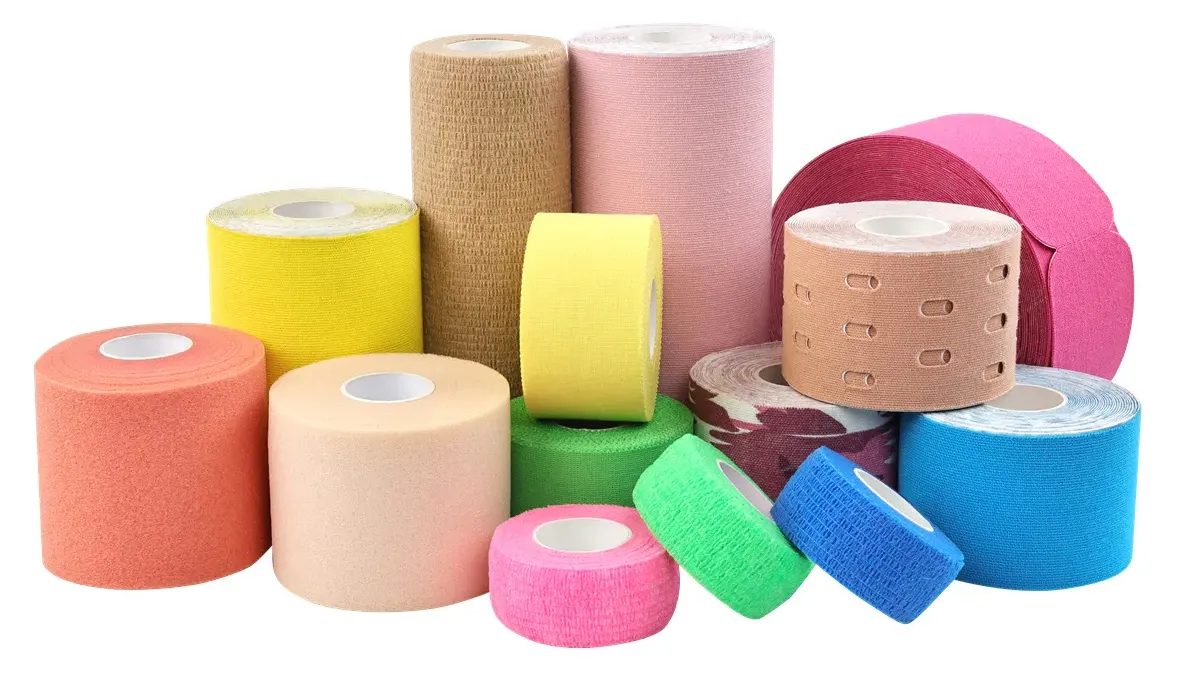
Sports tape comes in a variety of forms, each intended for a particular sport, injury, and skin type. The most well-liked ones are listed below:
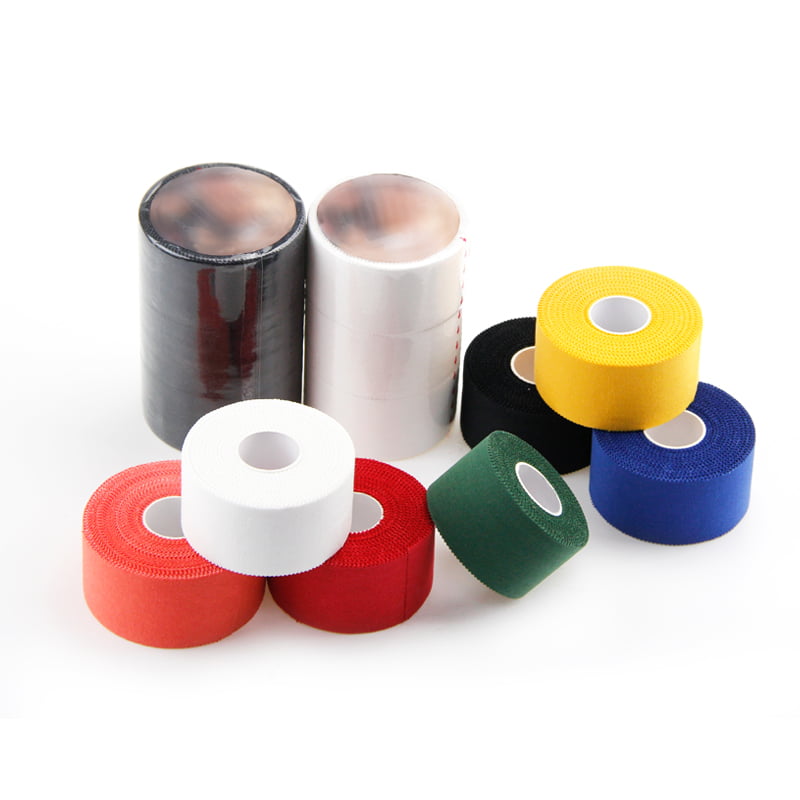
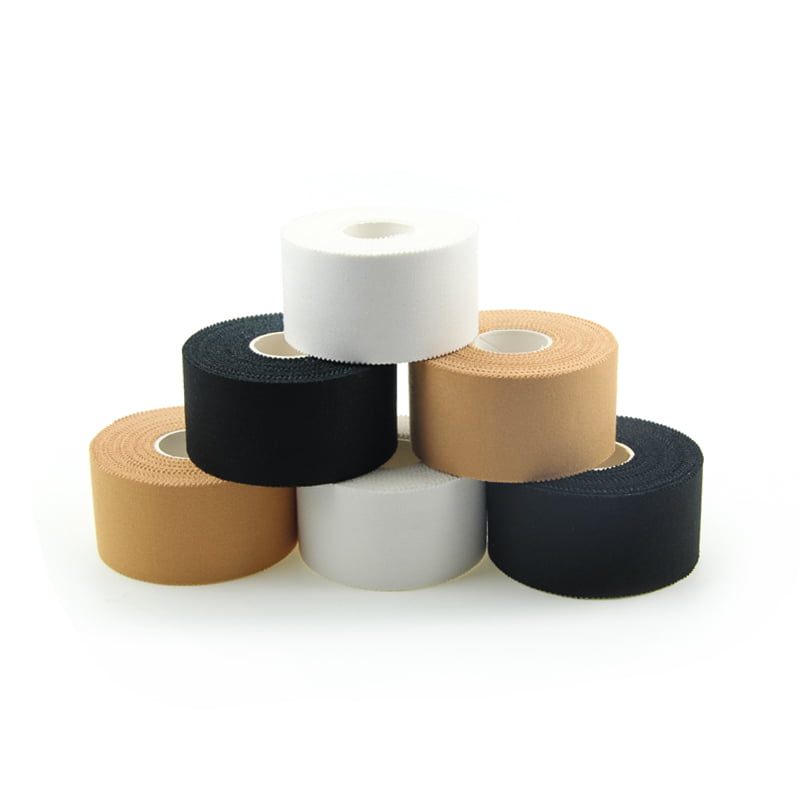
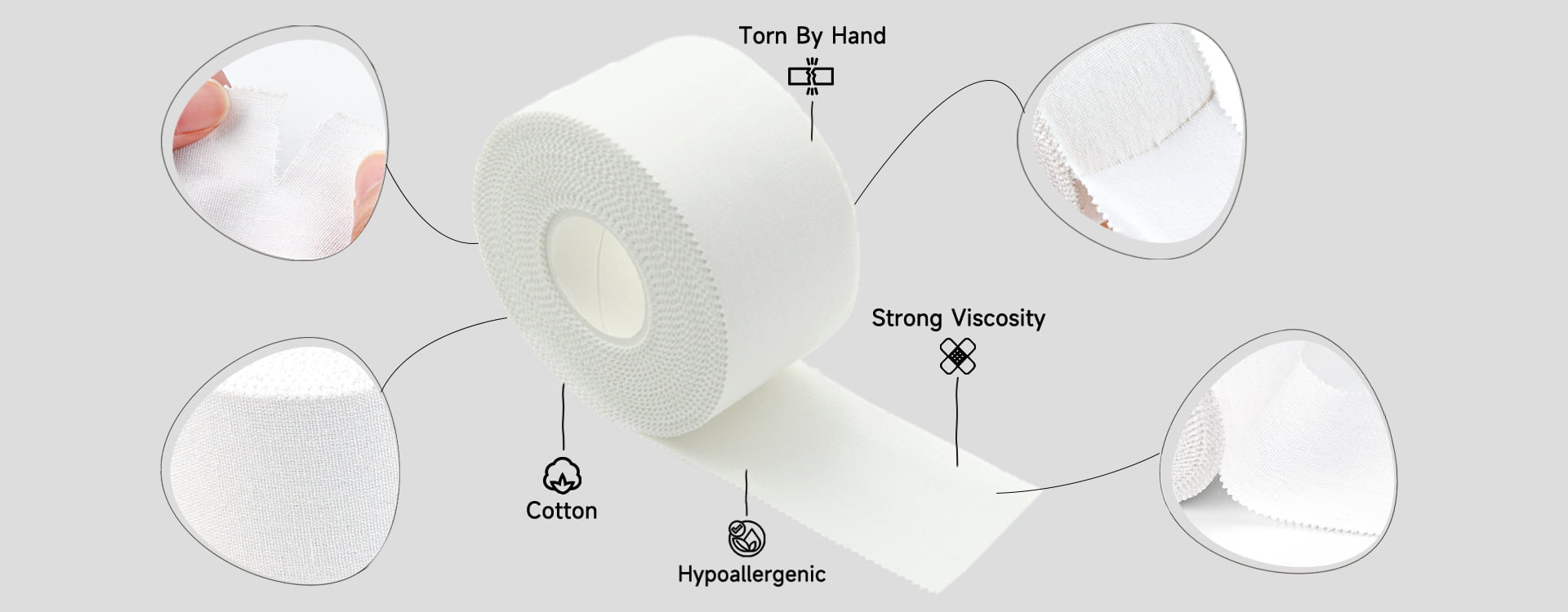
1. Zinc Oxide Tape
- composed of cotton fabric that isn't elastic and has been coated with zinc oxide adhesive.
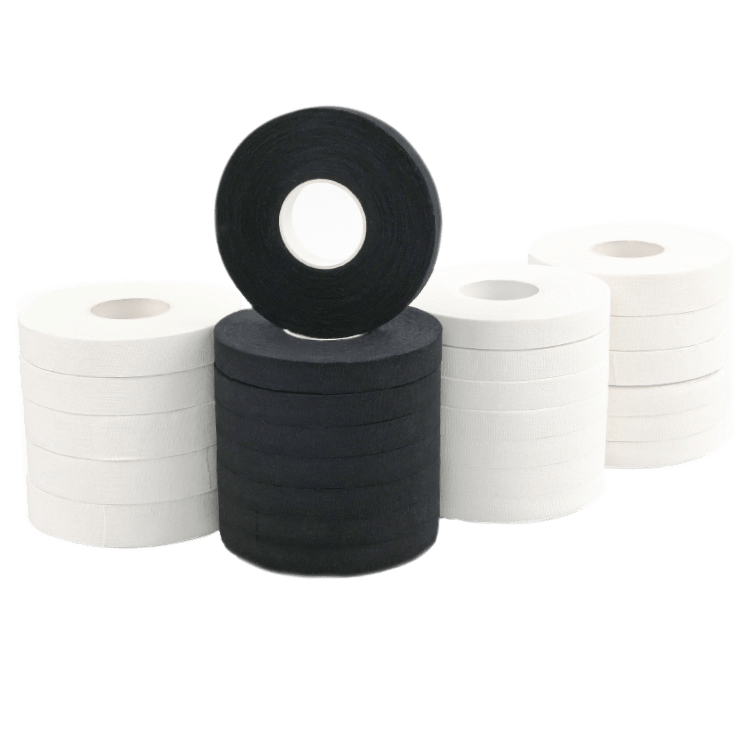
- gives knees, shoulders, wrists, finger and ankles solid, firm support.
- used to prevent sprains by taping joints.
- Perfect for intense sports like volleyball, football, basketball, and rugby
For instance, football players secure their ankles before games with white zinc oxide tape.
2.Elastic Adhesive Bandage (EAB)
- made of cotton that can be stretched to fit the shape of the body.
- provides compression and support while permitting a restricted range of motion.
- frequently applied to calves, hamstrings, and thighs
When some flexibility is required without sacrificing support, this kind is recommended.
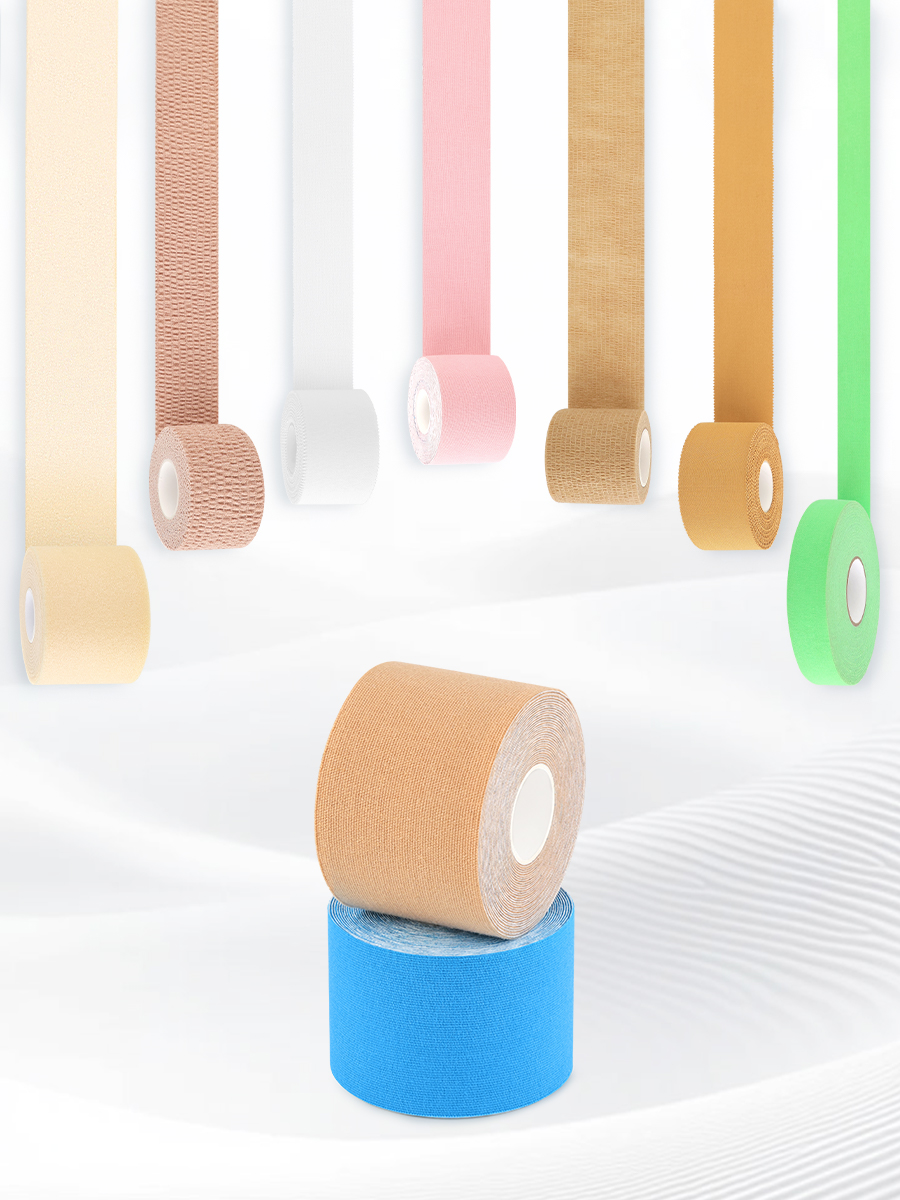
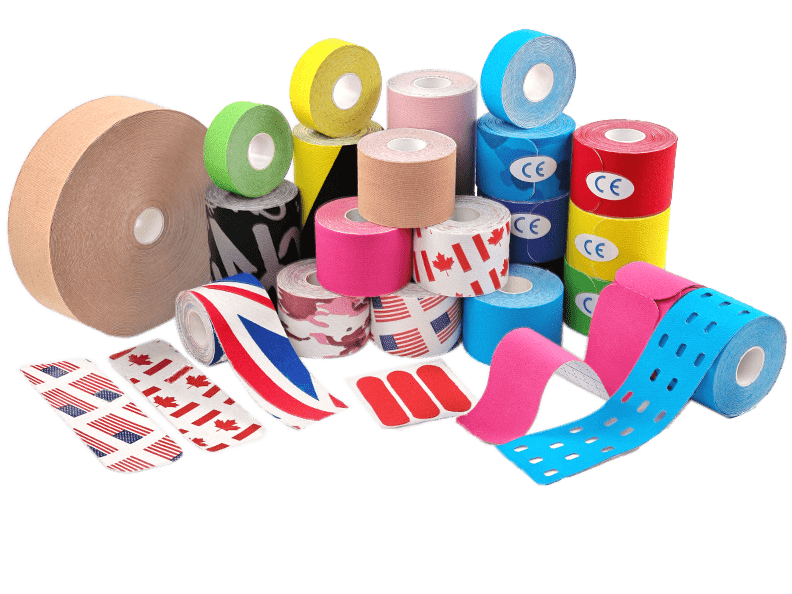
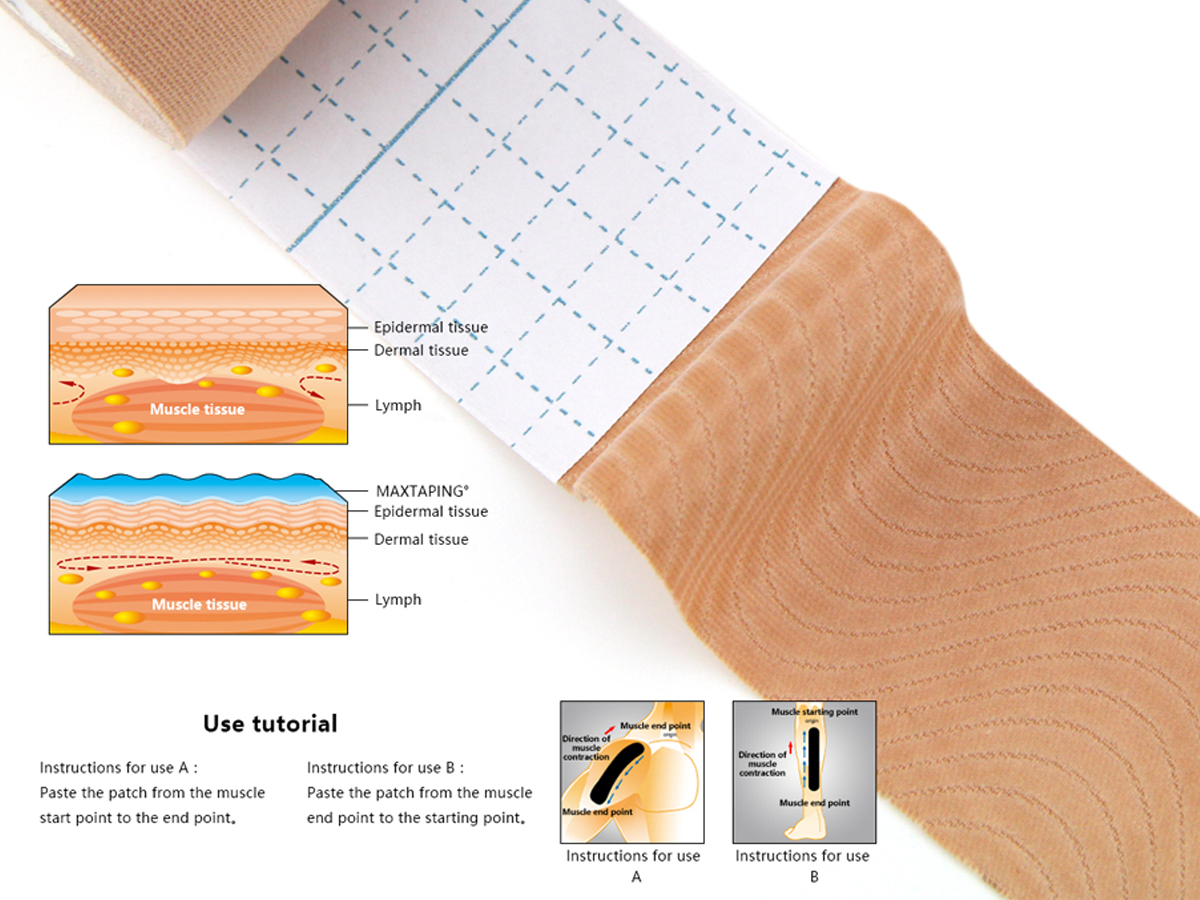
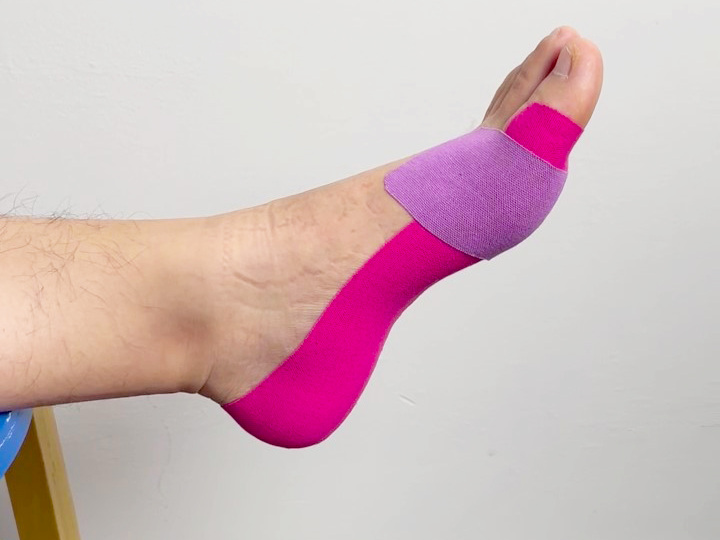
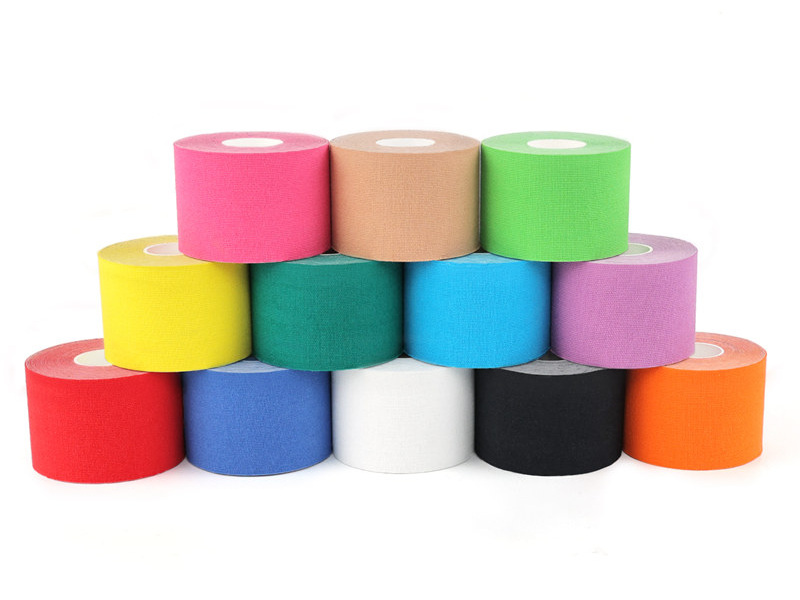
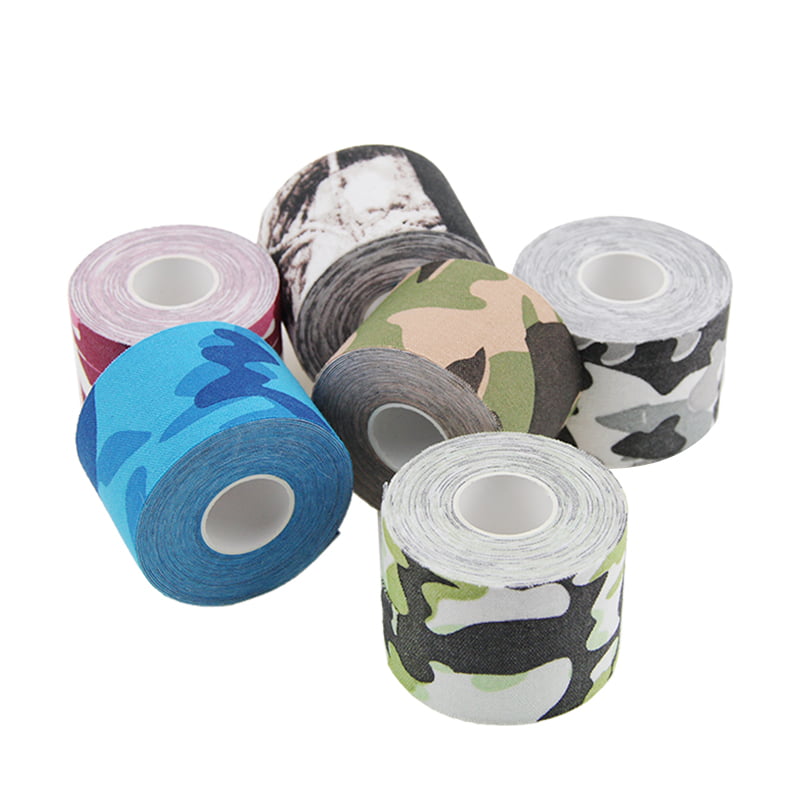
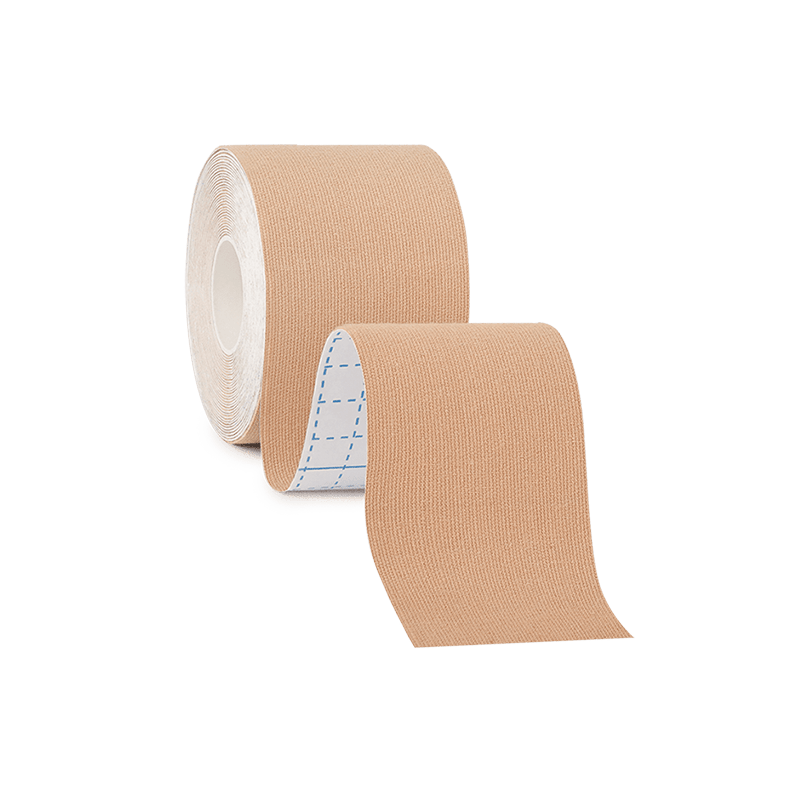
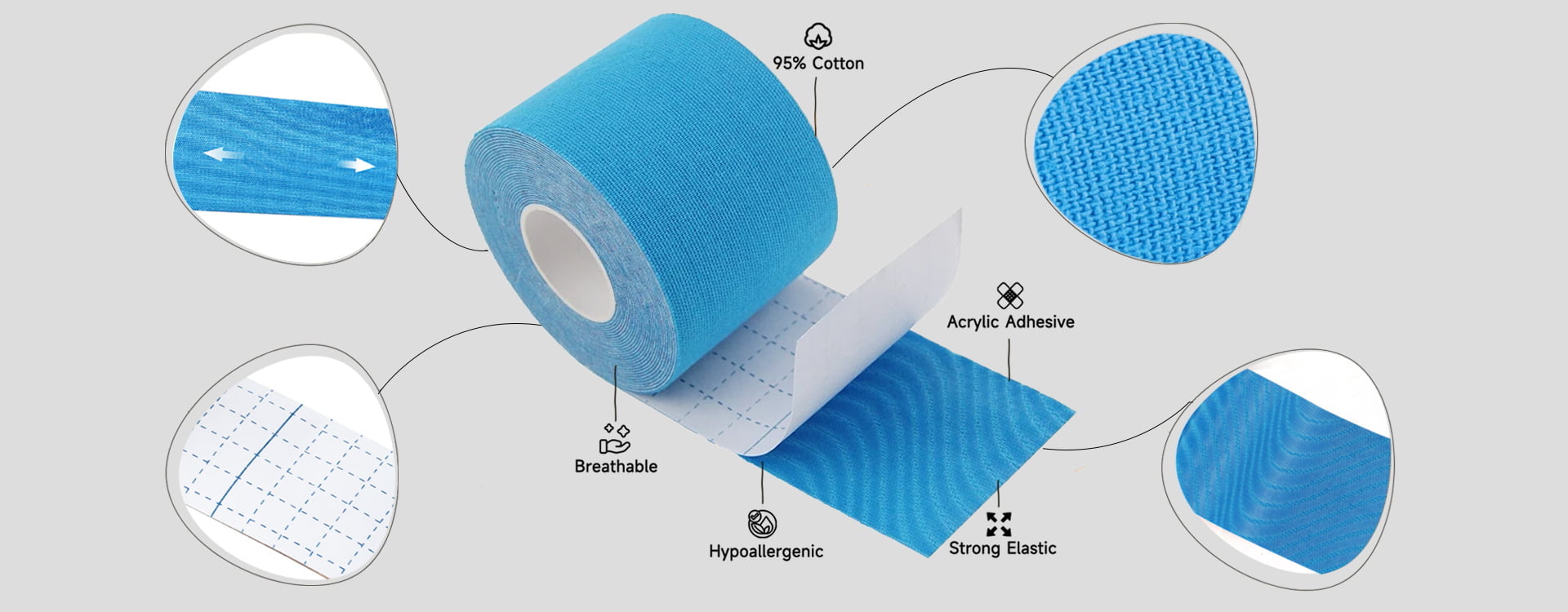
3. Kinesiology Tape (Elastic Therapy Tape)
- Lightweight, elastic tape that raises the skin to increase blood flow
- utilised for muscle activation, pain reduction, and recuperation
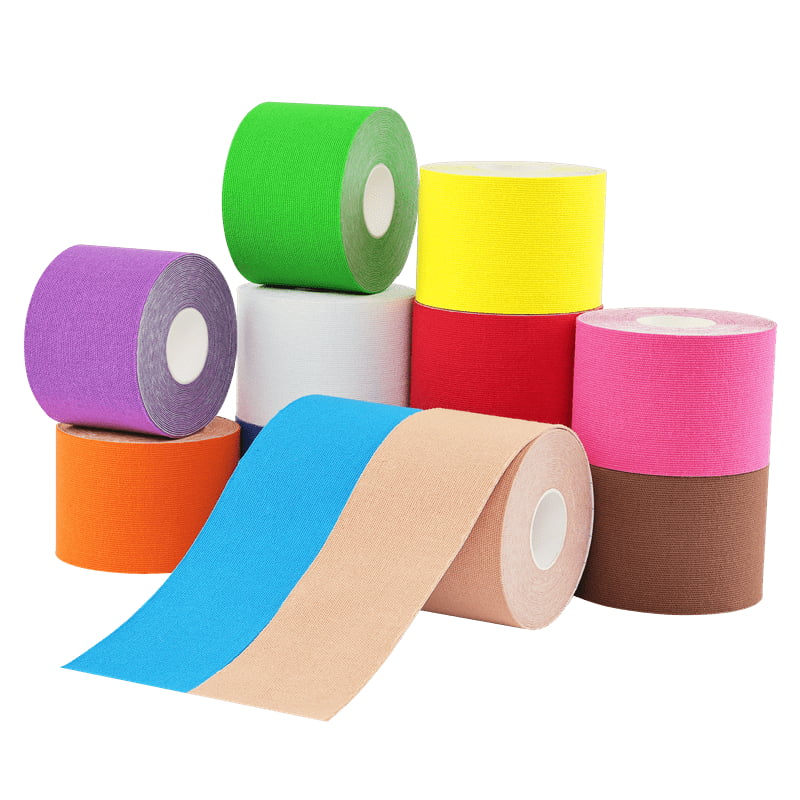
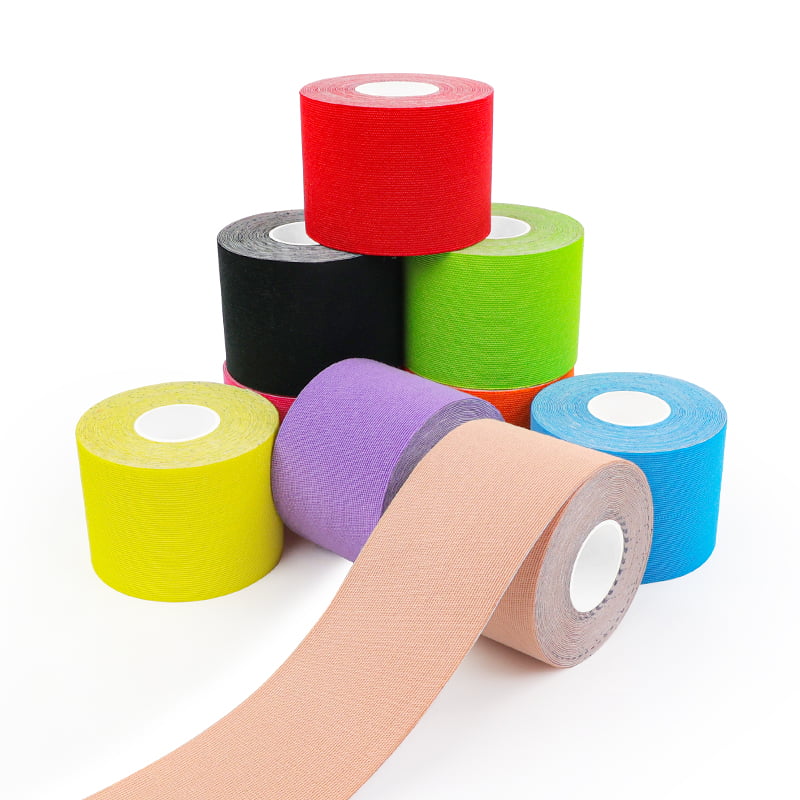
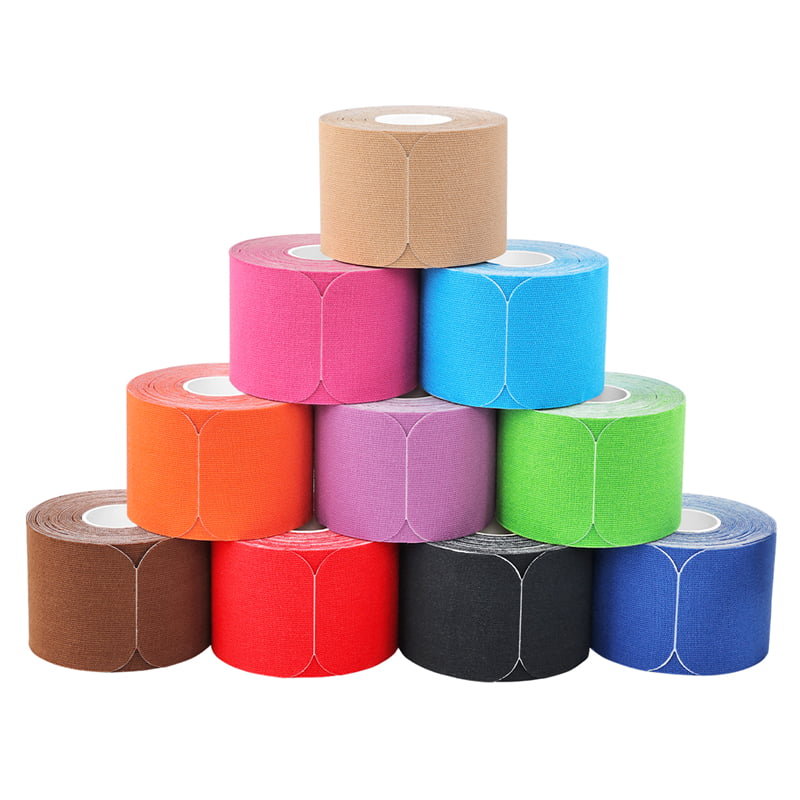
- offered in a range of hues and designs (black, beige, pink, and blue).
- Professional athletes' attire for workouts and competitions
Kinesiology tape can be used for both performance improvement and rehabilitation because it is less restrictive than zinc oxide tape.
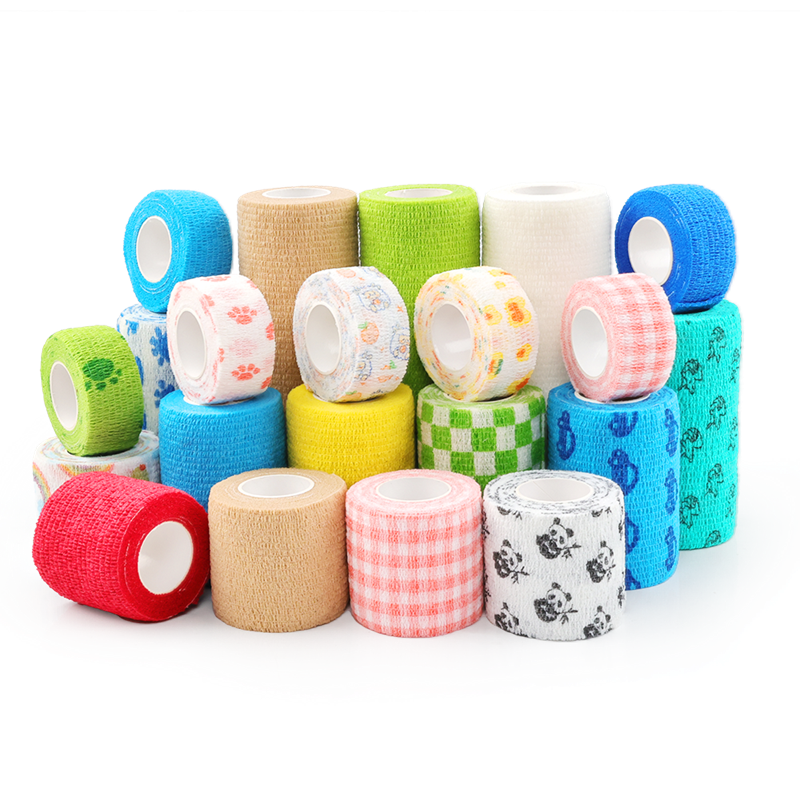
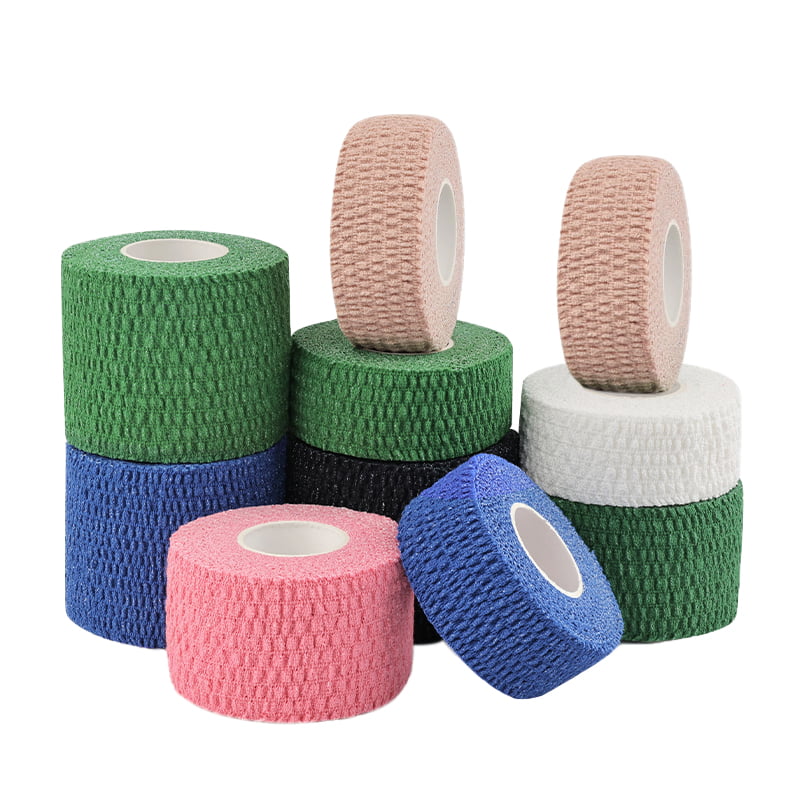
4. Self-Adhesive Bandage (Cohesive Bandage)
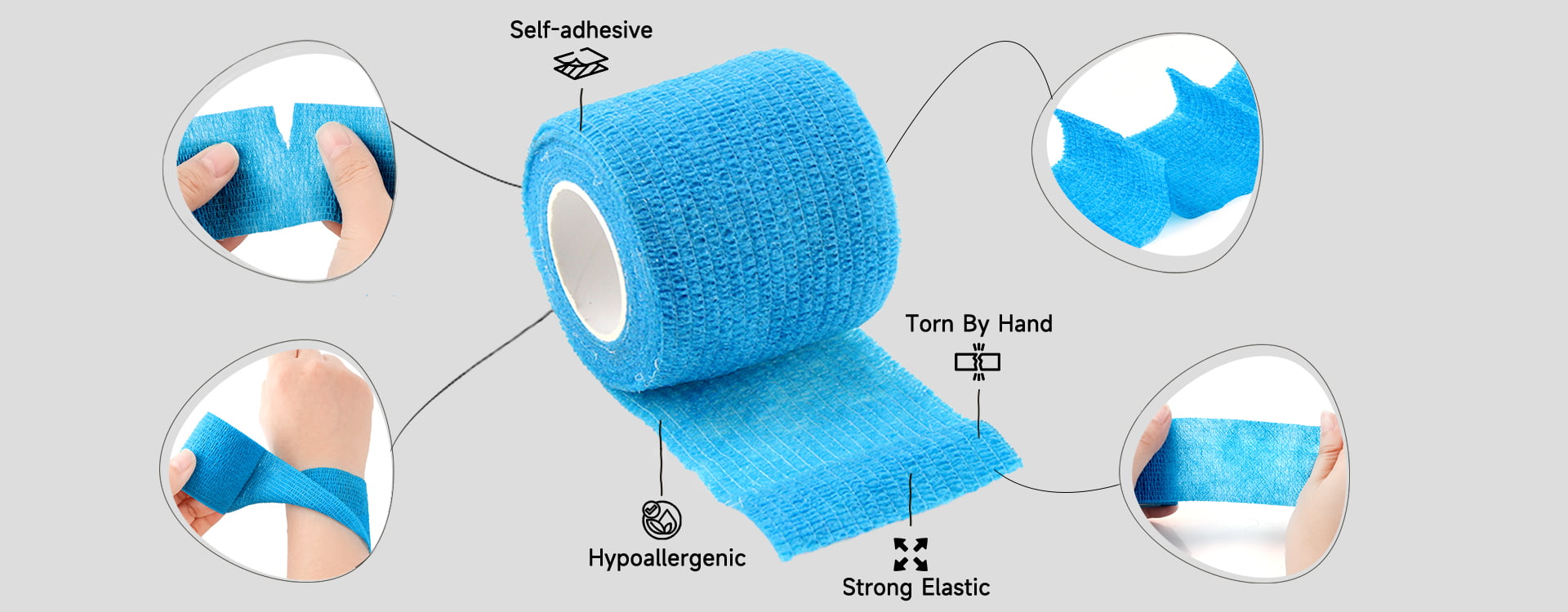
- Ideal for people with sensitive skin, it adheres to itself rather than the skin.
- frequently utilised as pre-wrap for joints or compression wraps
- Reusable and easily adjustable
- frequently observed in sports like boxing, hockey, and soccer
5. Pre Wrap(Underwrap Foam)
- Under zinc oxide tape, a thin layer of foam is applied to protect the skin.
- reduces irritation and facilitates the removal of tape.
- It can also be used to secure shin guards or hair.
For optimal comfort and protection, many athletes combine pre-wrap with sports tape.
Advantages of Athletic Tape Use
Preventing Injuries
Avoids common sports injuries like shoulder dislocations, wrist strains, and ankle sprains.
Stabilisation of Joints
Gives weak or unstable joints strong external support.
Support and Recovery for Muscles
Prevents overuse and aids in the healing of injured muscles.
An increase in athletic performance
Improves confidence and muscle coordination while playing.
Pain Management and Control of Swelling
lessens inflammation and the perception of pain.
Rehabilitation Following an Injury
Gives athletes more stability so they can safely resume their activities.
How to Use Athletic Tape Properly
Effective use of zinc oxide tape requires proper technique. This is a broad guide:
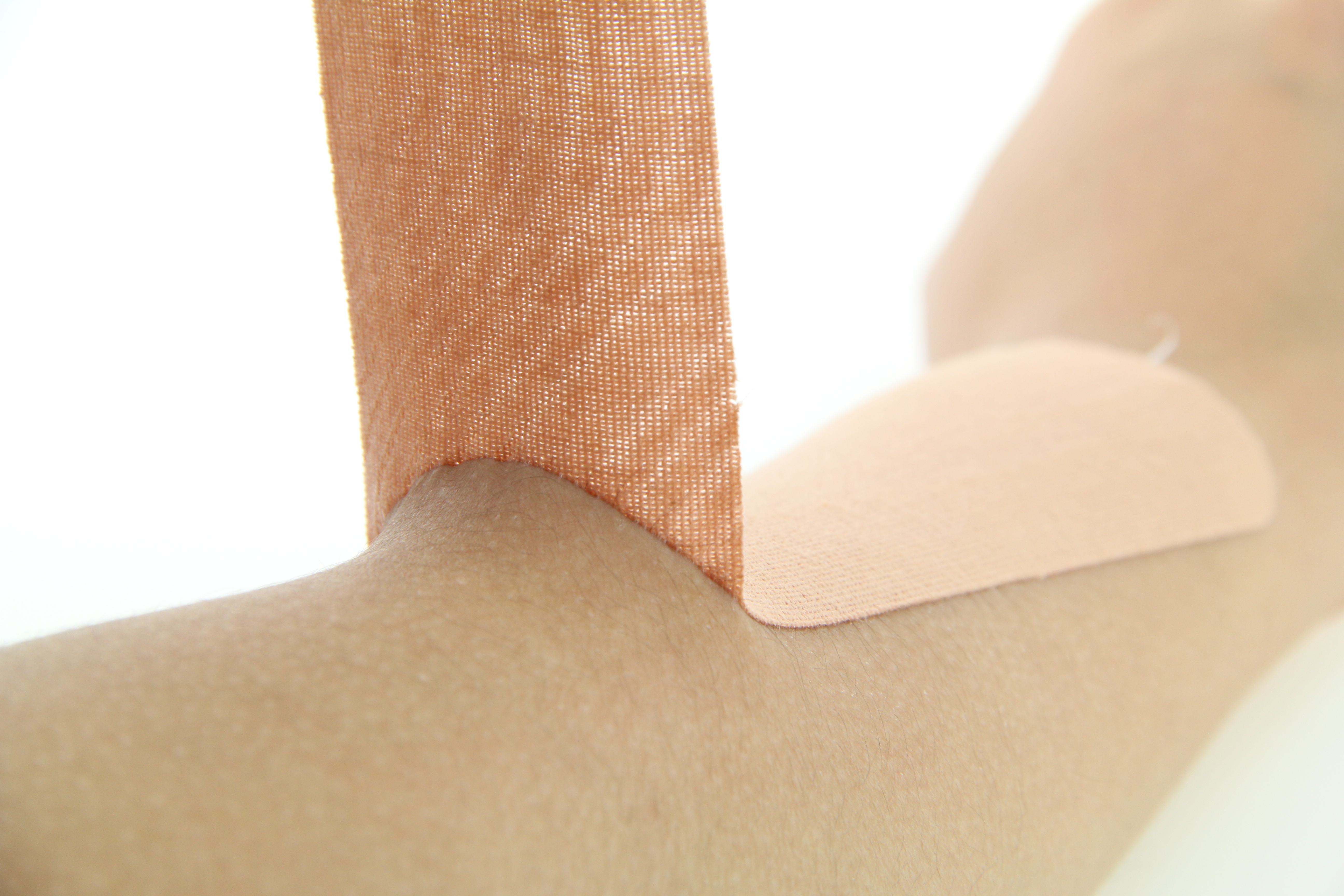
Get the skin ready.
Dry and clean the area. If required, apply pre-wrap to protect the skin.
Place the Joint
Don't flex or fully extend the joint; instead, keep it in its natural position.
Put the anchor strips on.
For stability, position the first strips above and below the joint.
Include Support Strips
To limit undesirable motion, cross over the joint (e.g., figure-8 or stirrup method for ankles).
Verify Comfort
Make sure there is no restriction on circulation; neither the fingers nor the toes should feel numb.
Take Out After Using
To avoid irritation, carefully take off the tape and clean any remaining adhesive.
Trained professionals, such as physiotherapists, trainers, or sports medicine specialists, should apply sports tape, particularly for injury prevention or rehabilitation purposes.
Kinesiology Tape VS Athletic Tape
|
Feature |
Athletic Tape |
Kinesiology Tape |
|
Elasticity |
Non-elastic (rigid) |
Stretchable (up to 180%) |
|
Purpose |
Joint stabilization, injury prevention |
Pain relief, muscle support |
|
Duration |
Short-term use during sports |
Worn up to 3–5 days |
|
Material |
Cotton with zinc oxide adhesive |
Cotton or synthetic fabric with acrylic adhesive |
|
Restricts Movement |
Yes |
No |
|
Common Sports |
Football, Rugby, Hockey |
Running, CrossFit, Basketball |
Conclusion: Use zinc oxide tape for firm support and prevention, and kinesiology tape for flexible recovery and performance.
Sports Where Athletic Tape Is Frequently Used
Football And Soccer: Stabilisation of the ankle and wrist in football and soccer
Basketball: Support for the knees and fingers
Hockey and Rugby: Taping the shoulders and thighs in hockey and rugby
Boxing: Wrist and thumb wrapping in boxing and mixed martial arts
Weightlifting: Taping the thumb and wrist to gain a hook grip when lifting weights
Volleyball: Protection for the fingers and ankles in volleyball
Running and Track: Support for the calf and shin
Nowadays, sports tape is used in practically all competitive sports.
Leading Brands of sports tape
Mueller Sports Medicine provides professional teams with long-lasting sports tapes.
Worldwide use of Johnson & Johnson Coach® Tape, a traditional rigid cotton tape.
For lightweight medical taping, 3MTM Micropore & Transpore Tapes are reliable.
KT Tape® and RockTape® are well-known for their hybrid and kinesiology tape varieties.
StrengthTape® is a line of advanced performance kinesiology tapes.
Retail establishments, sports clinics, and internet marketplaces like Amazon frequently carry these brands.
Top China Athletic Tape Manufacturers
One of the biggest athletic tape manufacturers in the world, China supplies both private-label and branded products to consumers all over the world. Among the leading producers are:
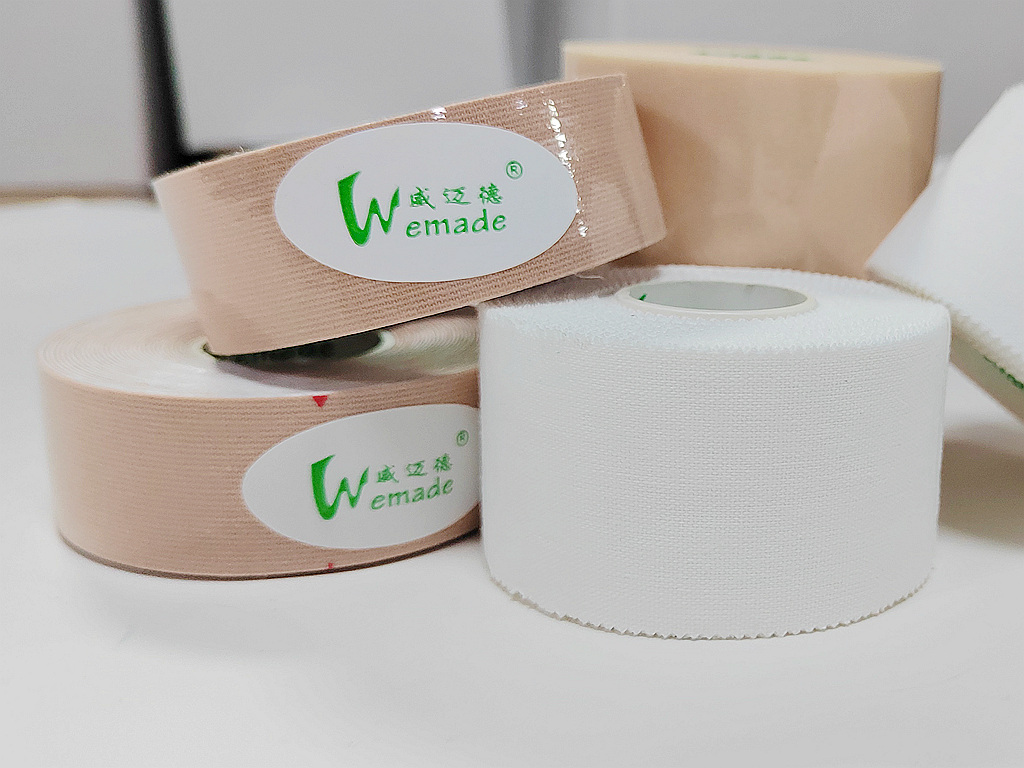
Wuxi Wemade Healthcare Products Co., Ltd. is a 13,000 square meter factory that specialises in pre-wrap, kinesiology tape, and sports tape.
Professional OEM athletic tape manufacturer of medical adhesive tape and athletic tape is Zhejiang Guanma Medical Co., Ltd.
Aupcon Medical Technology Co., Ltd. is a medical and athletic tape manufacturing facility that focusses on exports.
Jiaxing Fuluo Medical Supplies Co., Ltd. is a cutting-edge roll-cutting and adhesive coating facility.
These athletic tape manufacturers are perfect for international distributors because they provide OEM/ODM customisation, including packaging design, colour selection, and logo printing.
Which Region Has the Best Prices for sports tape and Where Is It Made?
The United States, South Korea, Japan, and China are the main athletic tape manufacturing regions.
Best Quality: Medical-grade adhesives and high-end R&D are well-known in the US and Japan.
Best Price: For large orders, China provides the most scalable and reasonably priced production.
OEM Advantage: While keeping their ISO and CE certifications, Chinese suppliers offer competitive pricing and a wide range of customisation options.
The most economical option if you're sourcing zinc oxide tape in large quantities is to work with a skilled Chinese OEM factory.
Purchasing Advice for Sports Tape
If your skin is sensitive, go for latex-free varieties.
Look for easy tearability and strong adhesion.
Depending on the body part, check the width (1.5in, 2in, 3in).
Prior to long-term use, always test a small patch.
To preserve the adhesive strength, keep tape in a cool, dry location.
Conclusion: The Importance of Athletic Tape for All Athletes
A vital component of any athlete's equipment, zinc oxide tape is more than just a roll of sticky tape. Athletic tape gives athletes the confidence and support they need to perform at their highest level, preventing injuries and improving performance.
Knowing how to apply zinc oxide tape correctly can help you stay competitive, protect your joints, and speed up your recovery, regardless of your level of experience.
Additionally, selecting the best athletic tape manufacturer, particularly from China's leading OEM factories, guarantees both excellent quality and reasonable costs if you're a distributor, brand, or gym owner.