Start
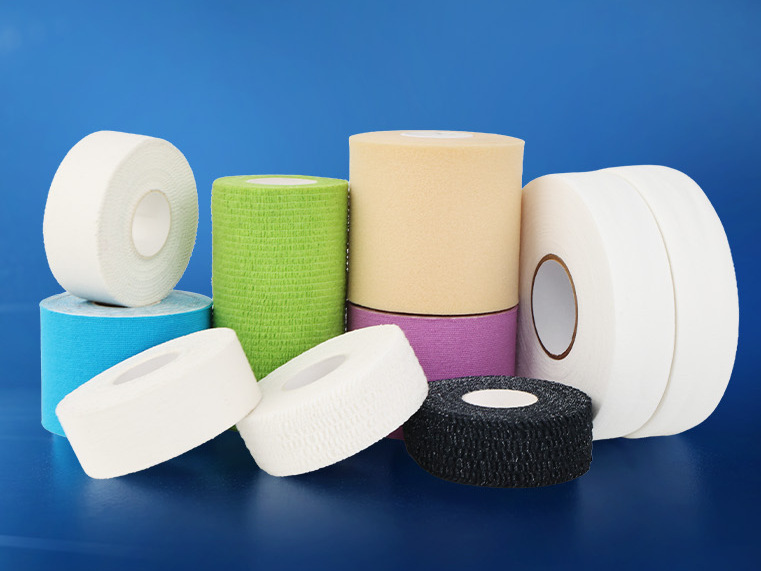
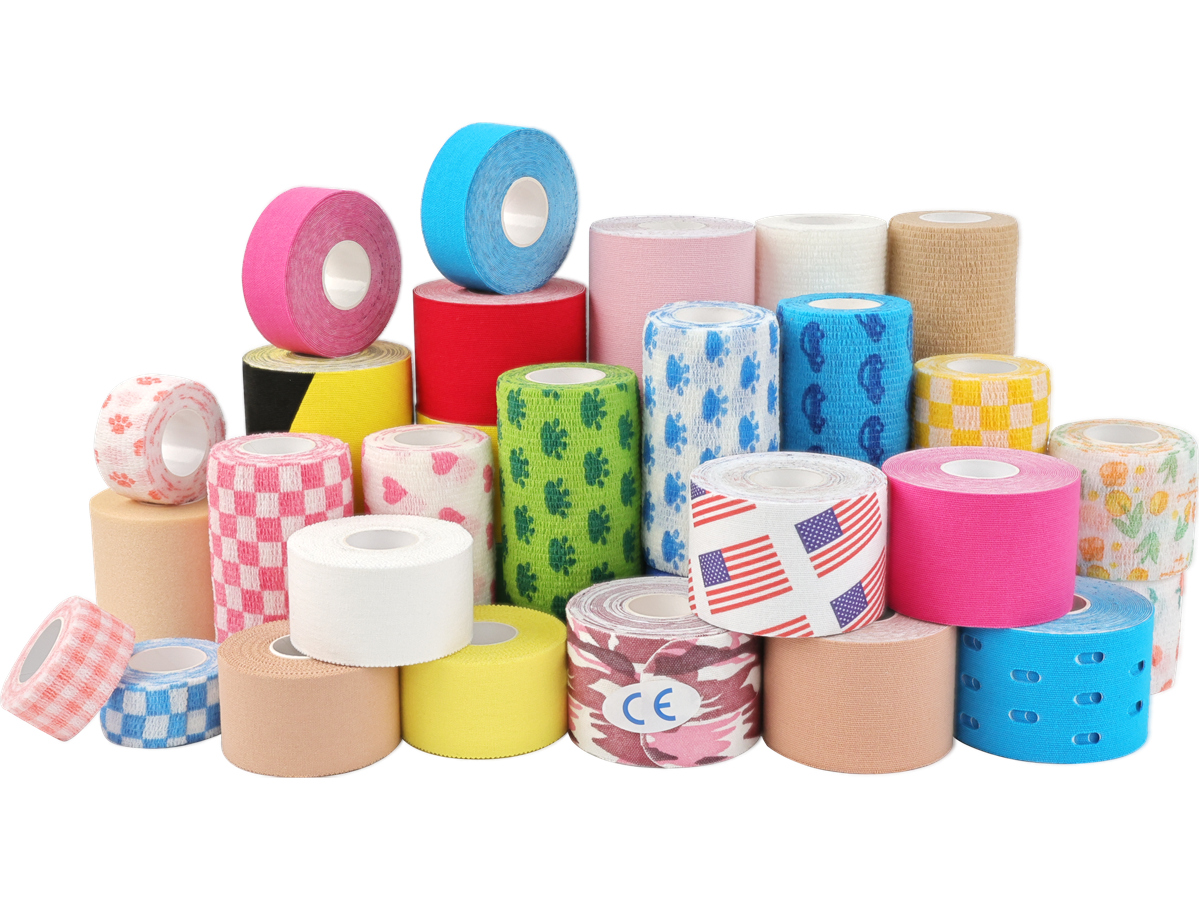
Sports tape is an important tool for athletes of all levels and sports. It helps support, protect, and keep them from being hurt. These particular tapes are necessary in sports medicine and athletic performance because they help preserve equipment, stabilize muscles, and secure joints. They are used by everyone from professional rugby players to weekend joggers. This complete tutorial looks at the many different kinds of sports tape, how to use them, and how to choose the correct one for your purposes.
Knowing the distinctions between different types of tape may have a big effect on your safety and athletic performance, whether you're dealing with an accident, trying to avoid more harm, or making your equipment work better. This article will go into detail about the most popular varieties of sports tape, what makes each one different, when to use them, and the best companies that make them.
Different kinds of sports tape and how they are used
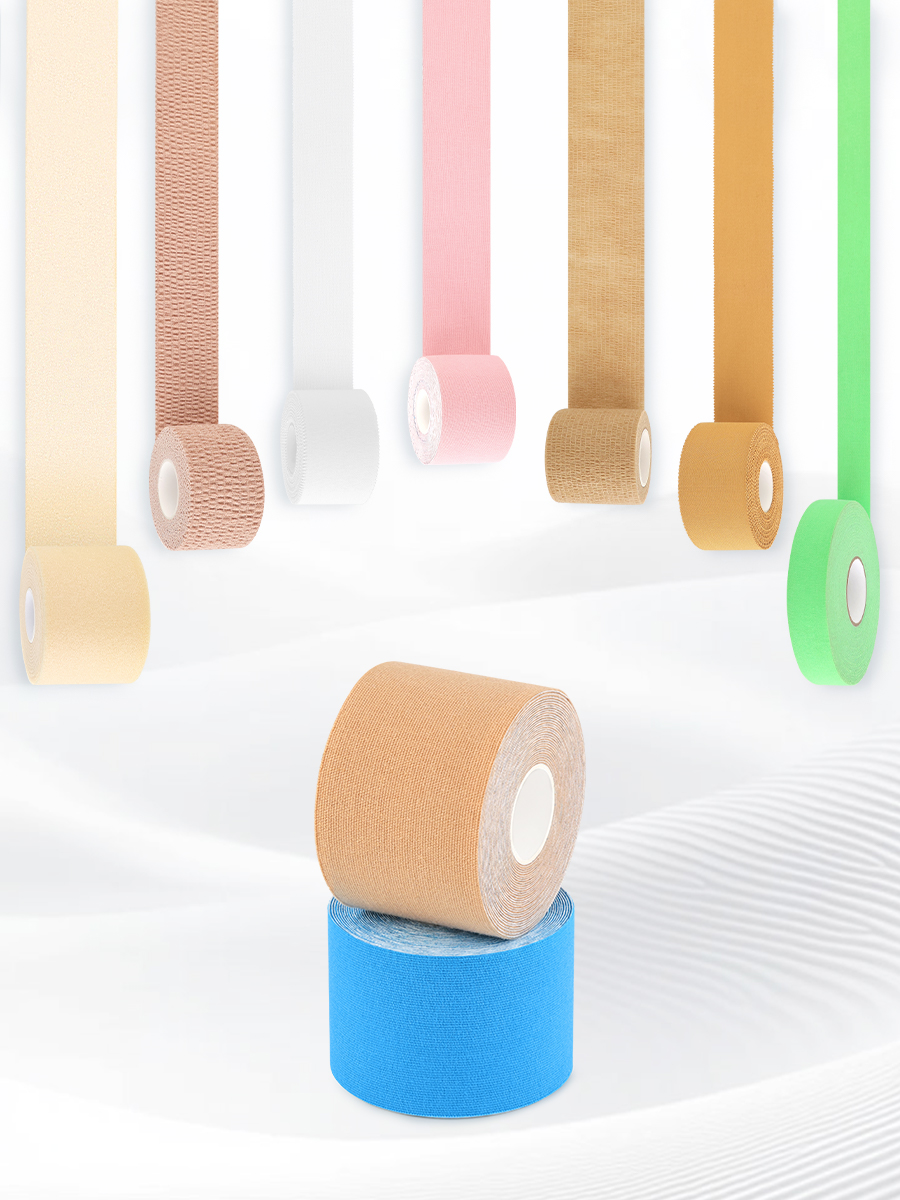
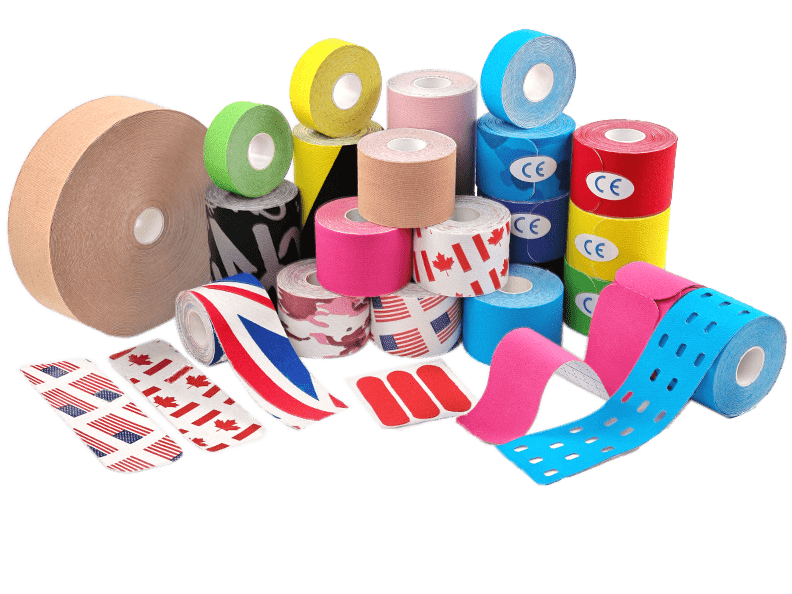
Kinesiology Tape
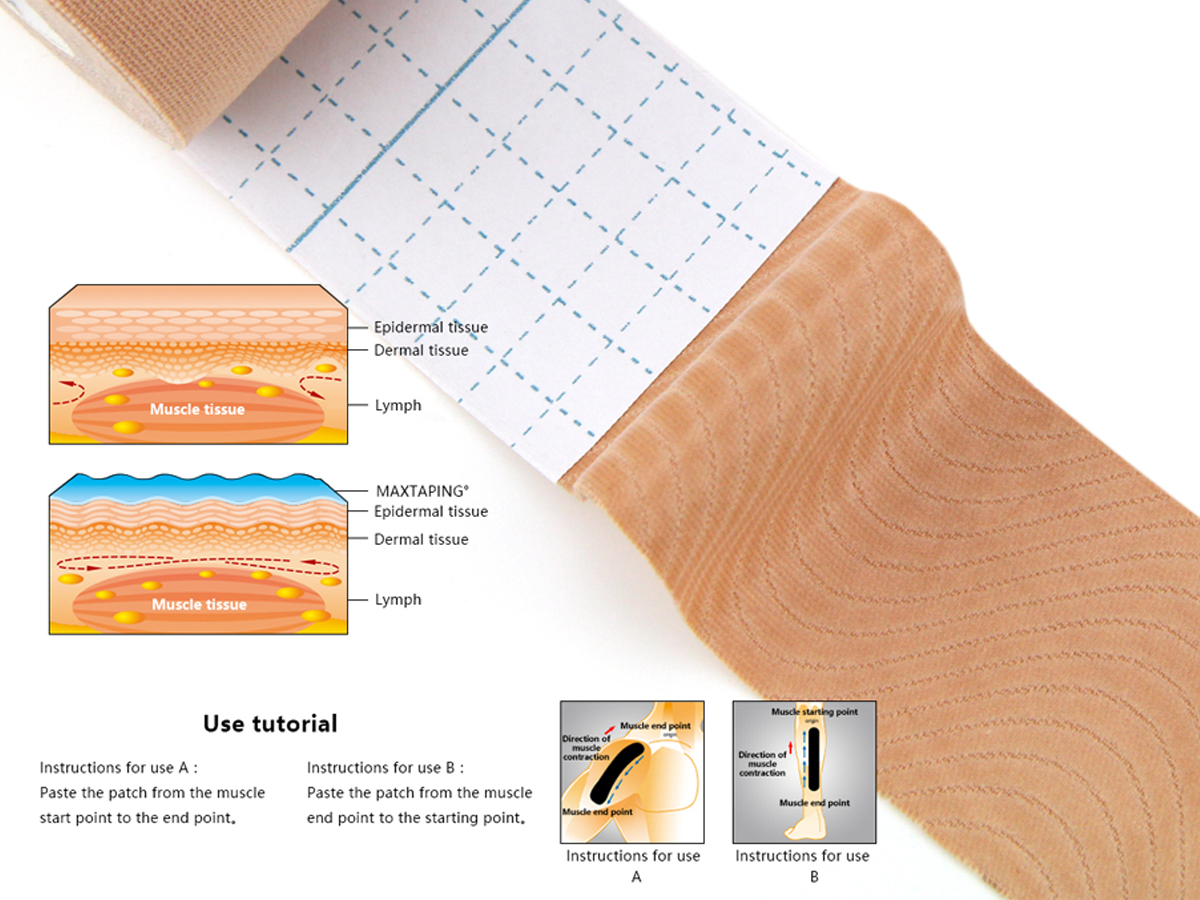
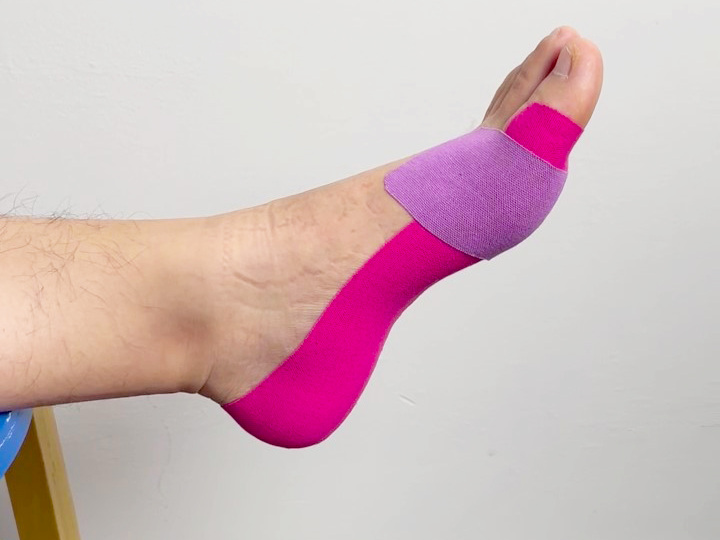
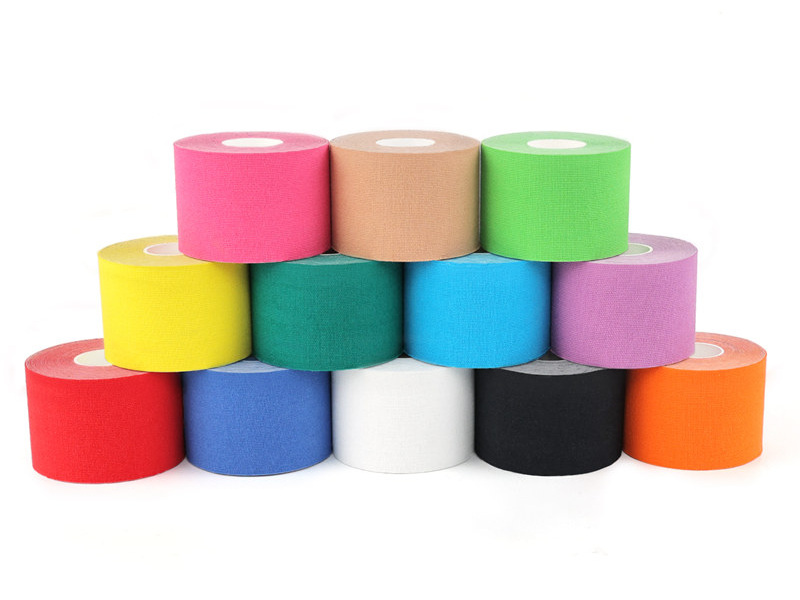
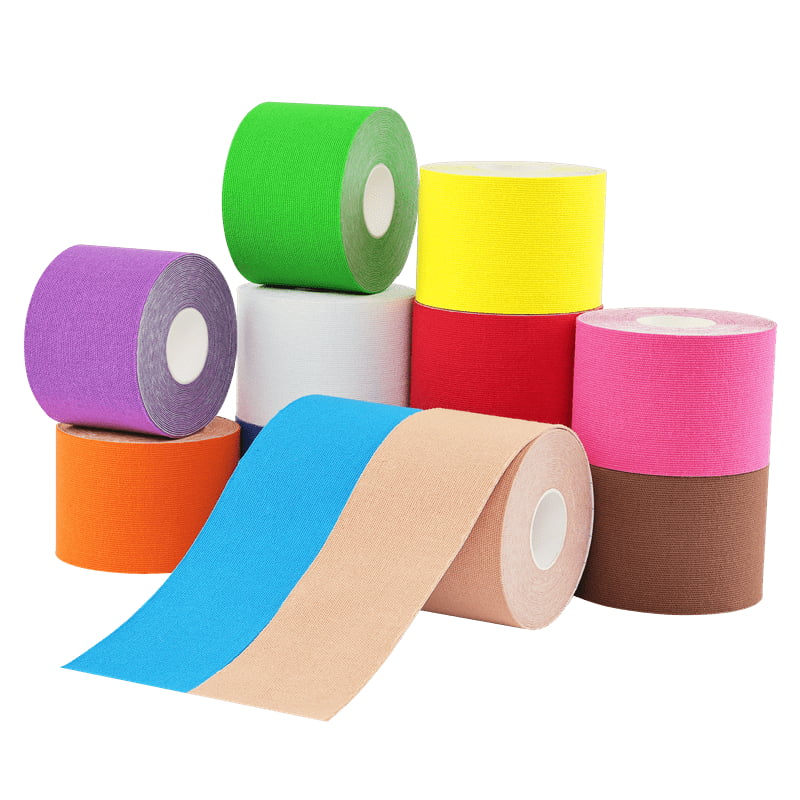
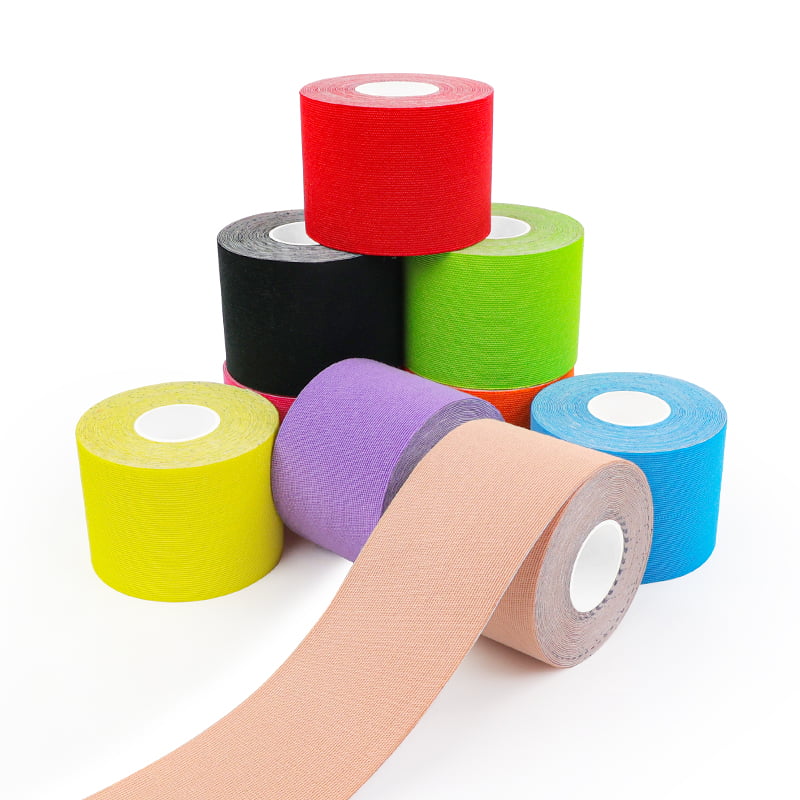
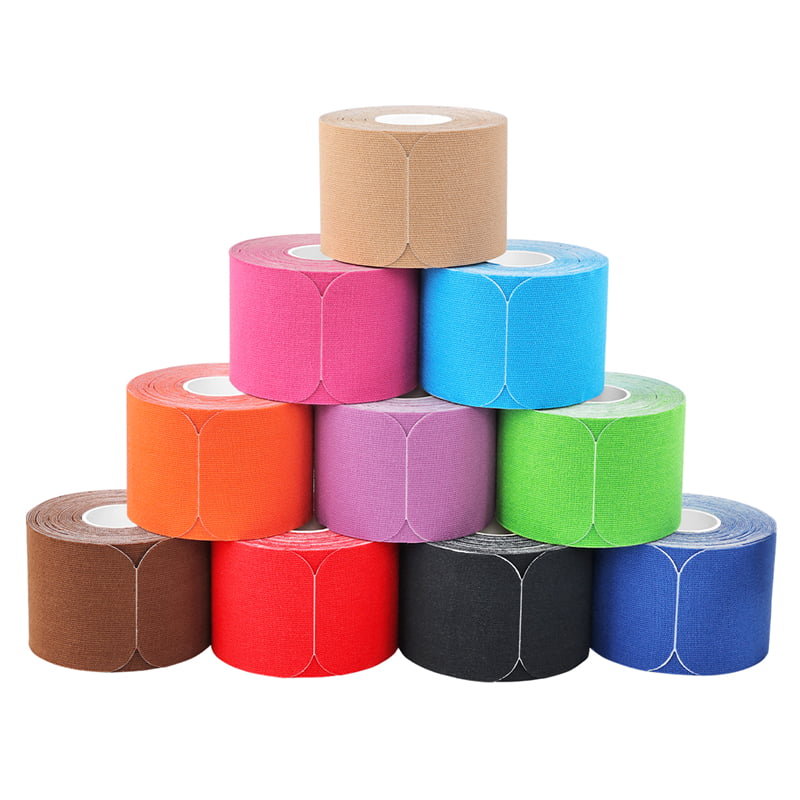
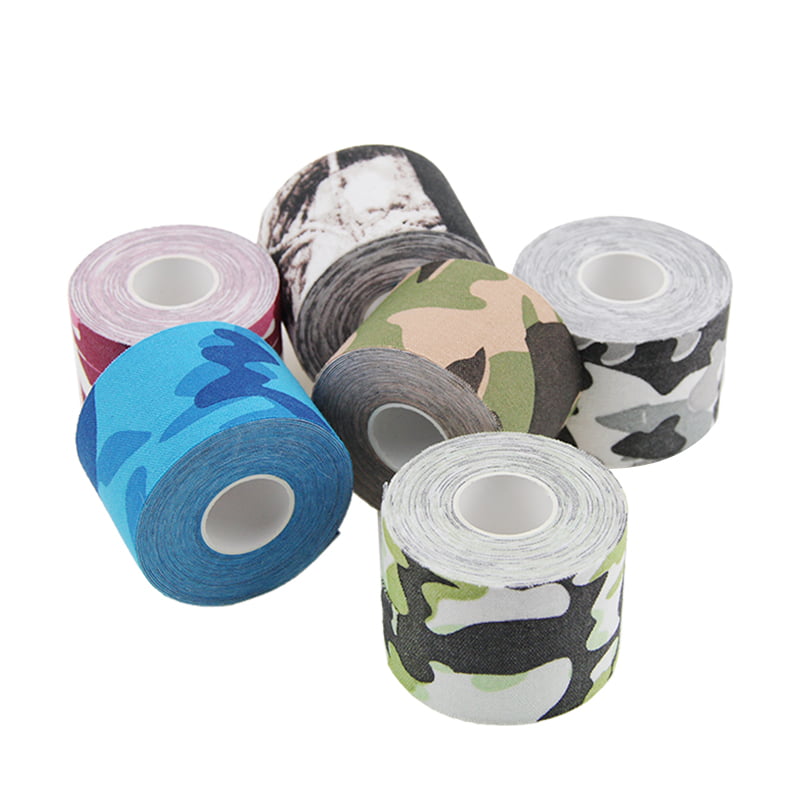
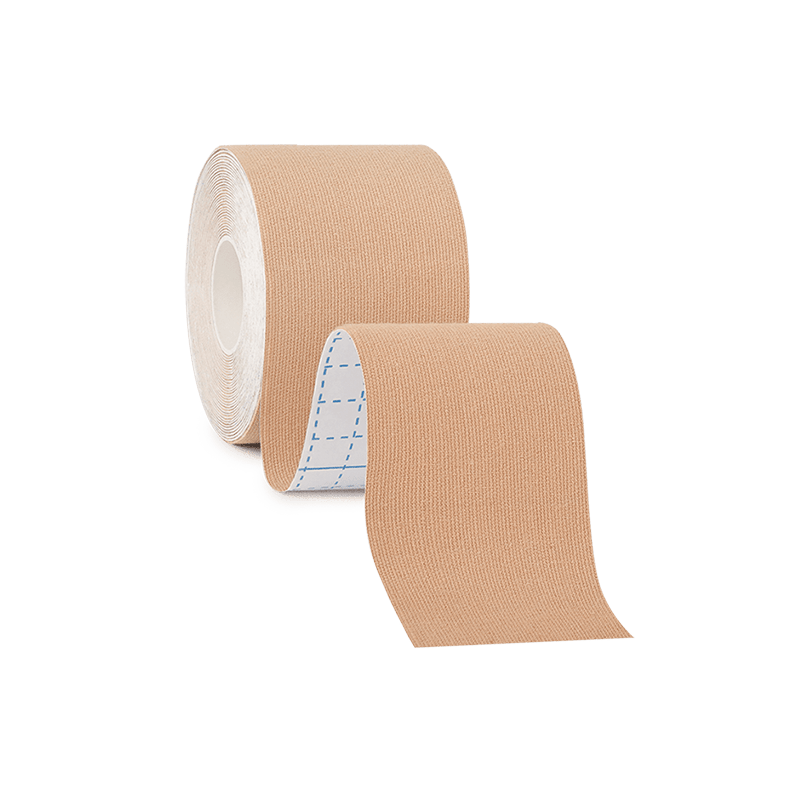
Kinesiology tape is a kind of sports tape that is made to look and feel like skin. It lets you move freely while yet giving you support. It raises the skin a little bit, which helps blood flow and lowers inflammation, unlike regular inflexible tapes. People often use this tape to bolster their muscles, ease discomfort, and help lymphatic drainage. Runners, swimmers, and athletes in sports that need a lot of joint mobility really like it.
Zinc Oxide Athletic Tape
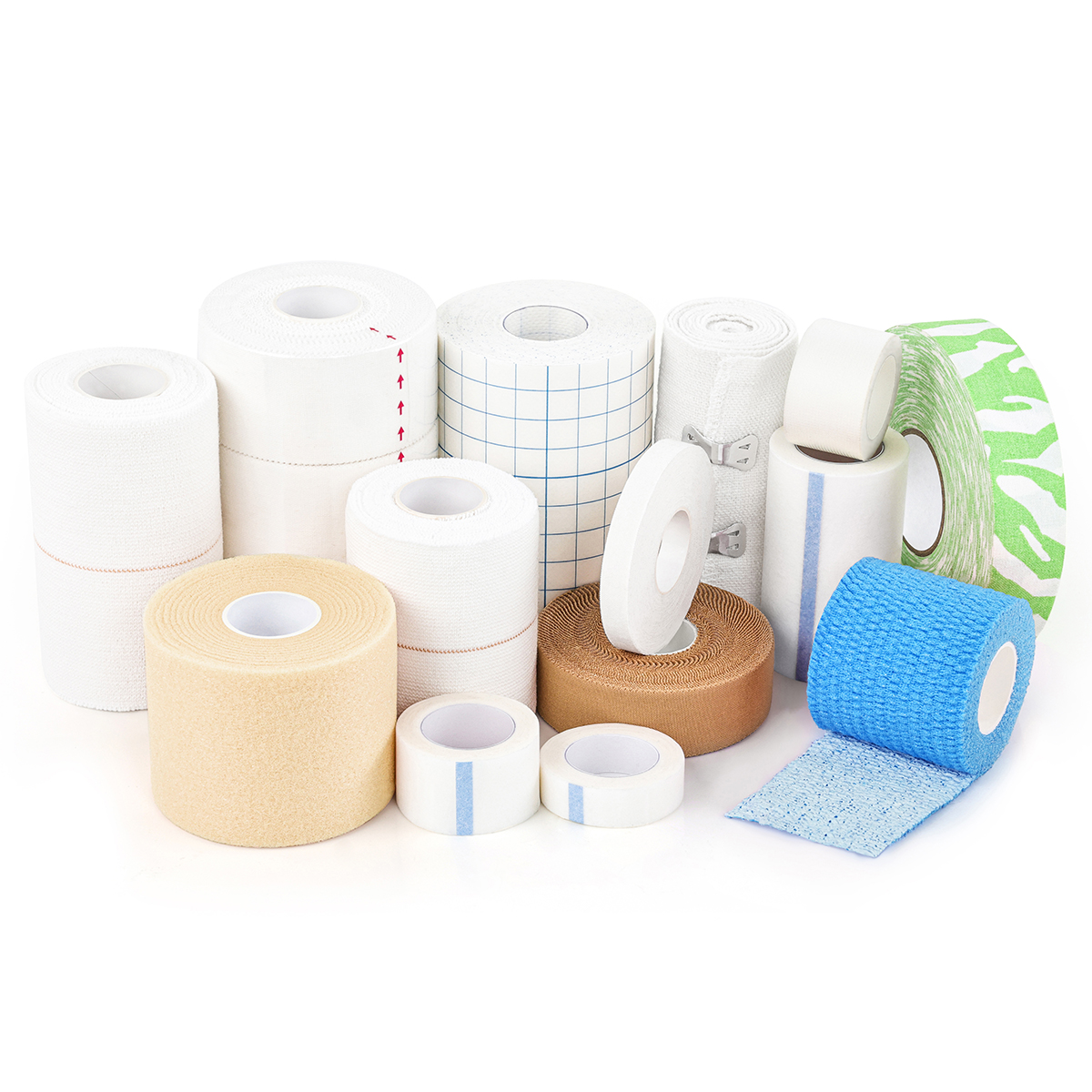
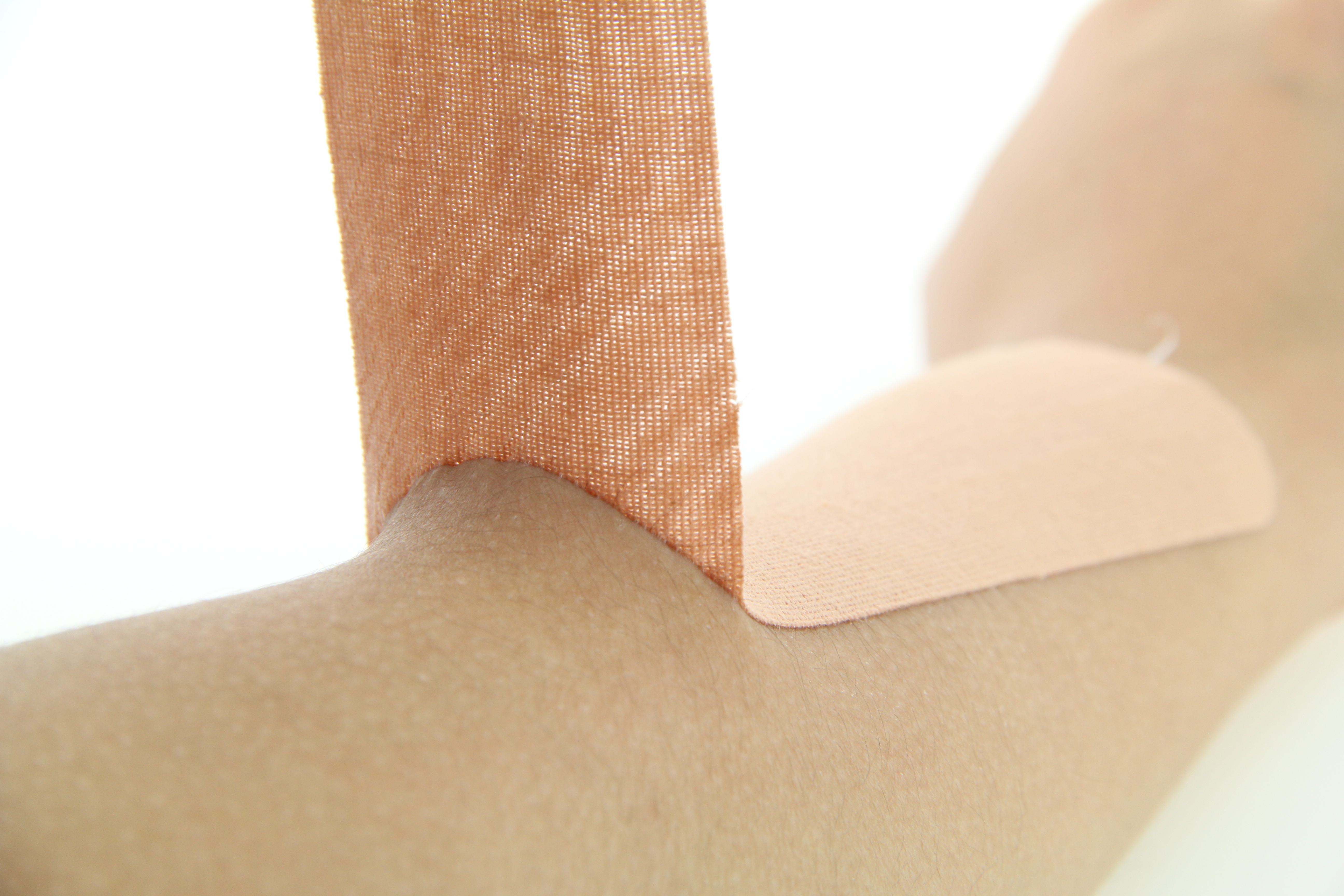
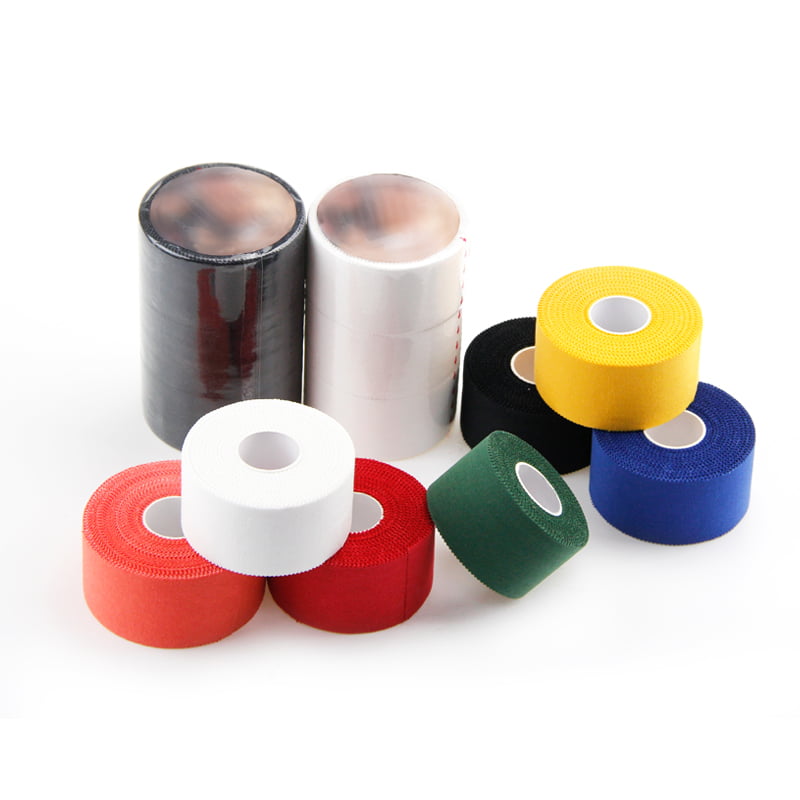
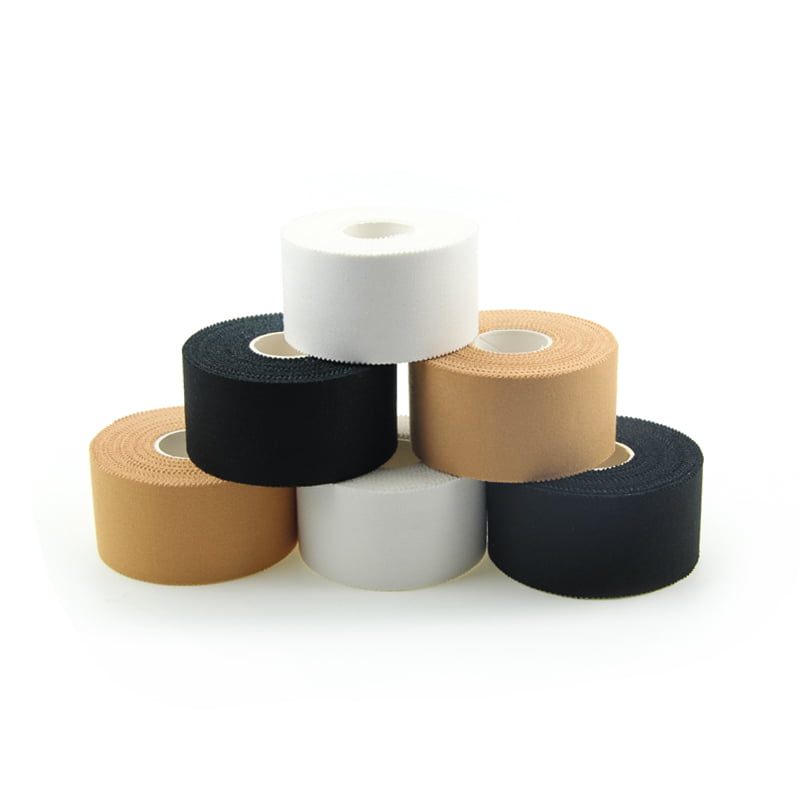
Zinc oxide tape, also known as cotton athletic tape or sports tape, is inelastic and provides the strongest support for joints. It's primarily made of 100% cotton fabric with a zinc oxide-based adhesive that offers reliable stickiness with a low allergy rate. This tape is ideal for rigid support of wrists, ankles, and fingers to prevent sprains during high-impact activities. It's frequently used in sports like basketball, football, and volleyball where joint stability is crucial.
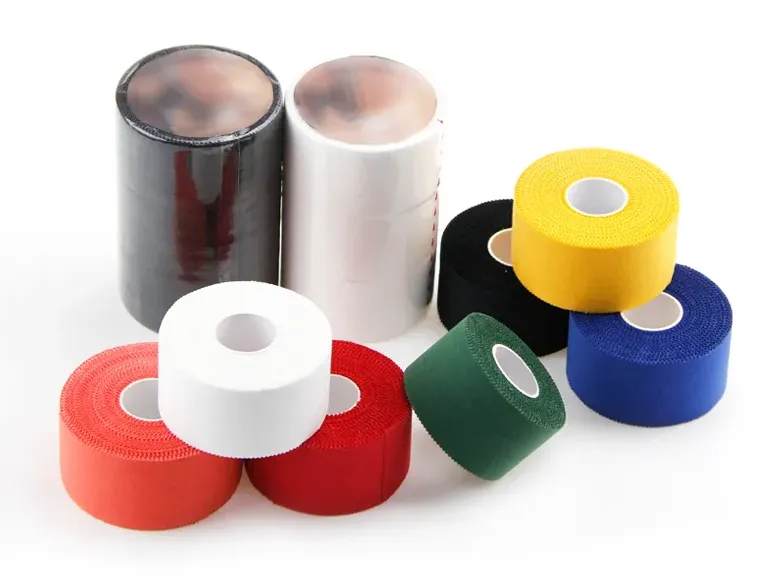
Rigid Strapping Tape
Rigid strapping tape, also known as sports strapping tape, is similar to zinc oxide tape but usually lasts longer. It is made of rayon or a similar synthetic material and provides strong support for joints while being less likely to wear out than cotton-based tapes. This makes it great for sports that involve rough surfaces or friction, like climbing, kayaking, and weightlifting.
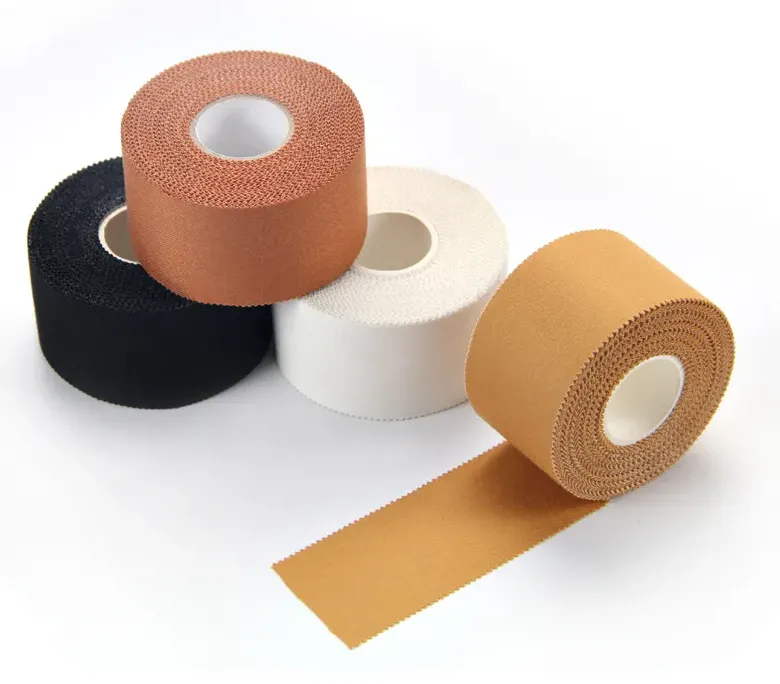
EAB Tape (Elastic Adhesive Bandage )
People who play contact sports like rugby often use elastic adhesive bandages. It is slightly elastic, which gives the joint stable support while still letting it move around a bit. When wrapped around the joint, its centerline design makes sure that the pressure is spread out more evenly. This bandage is a lot like cotton sports tape, and you can use them both. Elastic Adhesive Bandage, on the other hand, is thicker, lasts longer, and is more resistant to wear and tear. However, it costs more.
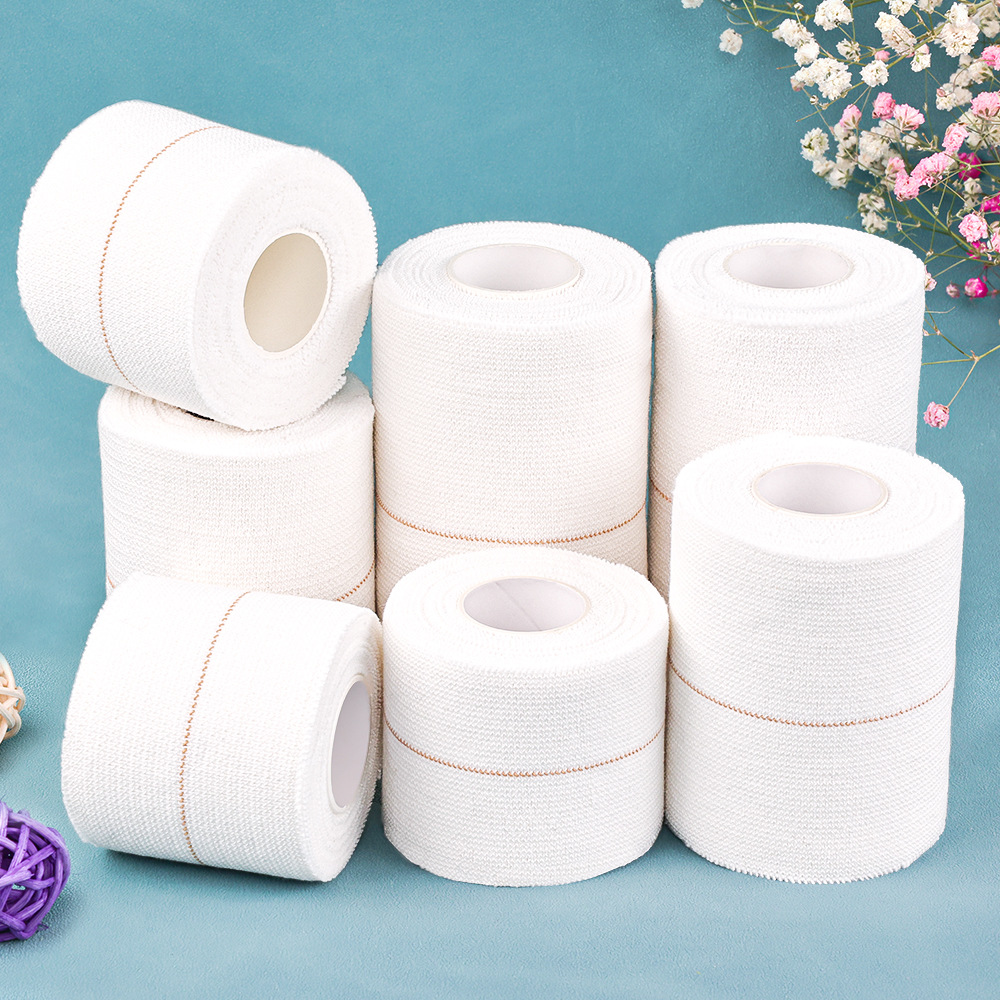
Weightlifting Thumbs Tape
This elastic, tearable adhesive bandage is made just for weightlifters and protects the thumb during moves like the clean and jerk. Also called hook grip tape or thumb weightlifting tape, it helps athletes get a better grip, which keeps their fingers and palms from getting blisters or tears. Its higher elasticity doesn't limit range of motion and makes it great for grip exercises because it resists abrasions so well.
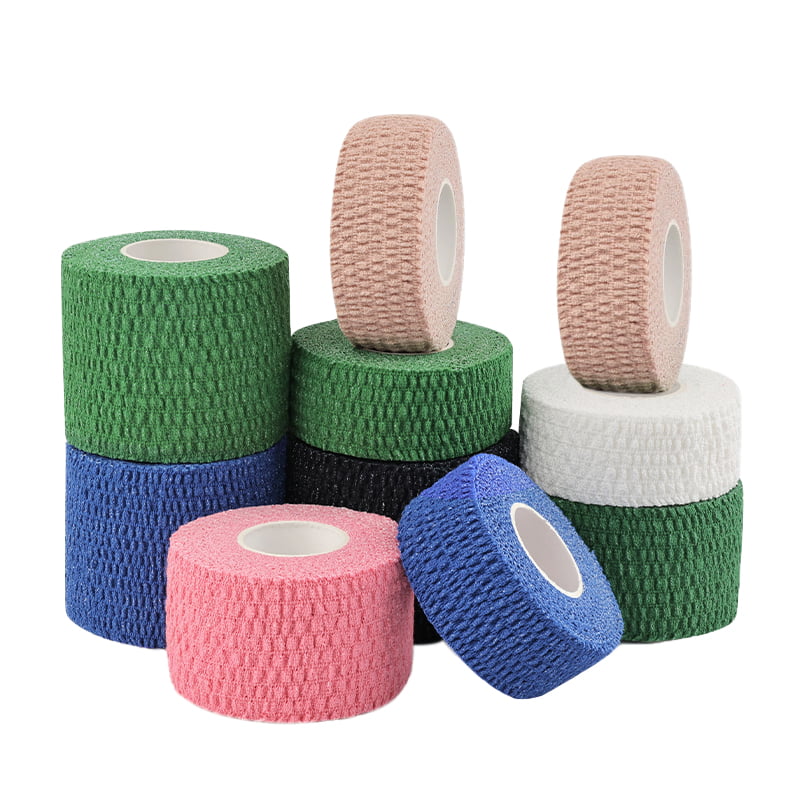
Sports Fingers Tape
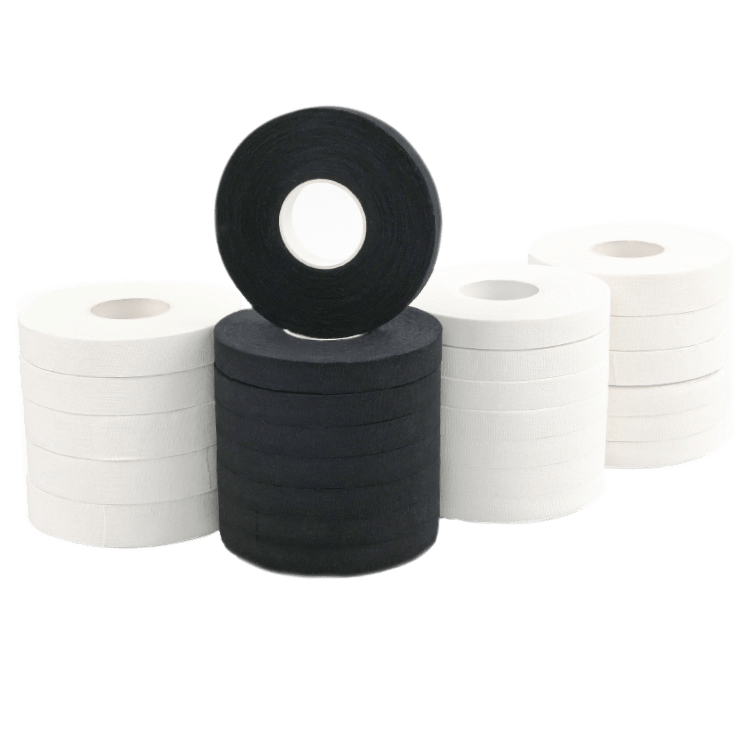
Sports finger tape is basically smaller zinc oxide bandages that fit perfectly around the finger joints. It gives targeted support for finger injuries or weakness in sports like basketball, volleyball, and rock climbing, where keeping fingers stable and safe is very important.
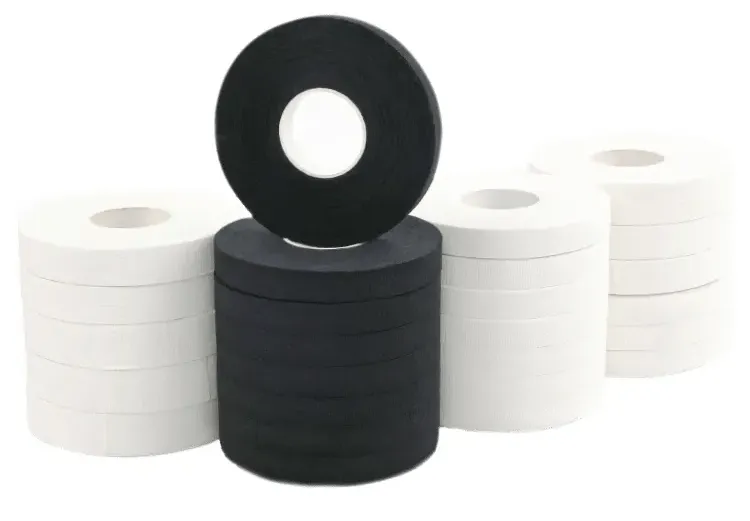
Hockey Tape
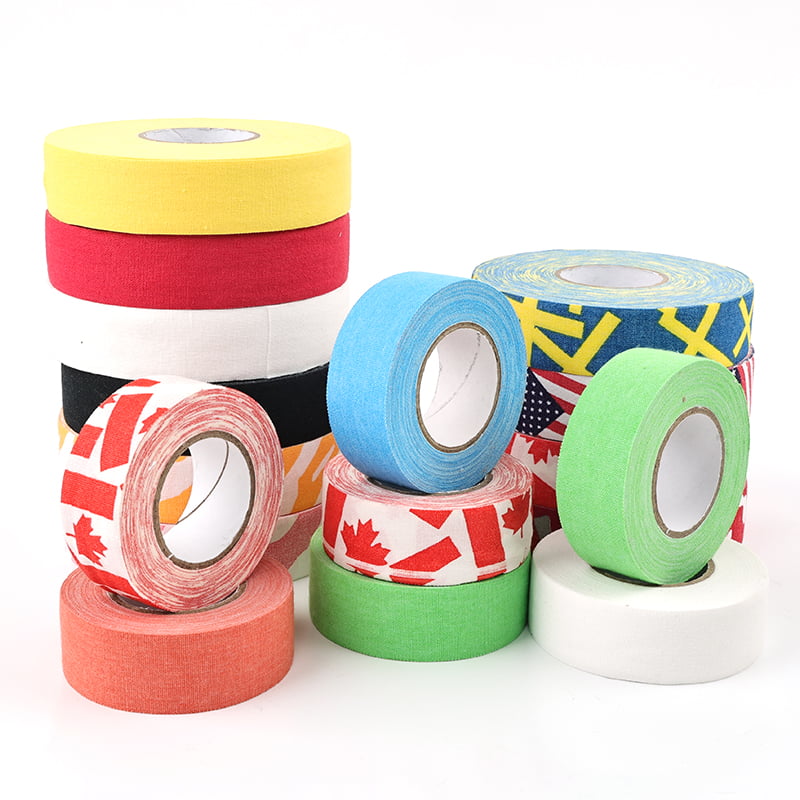
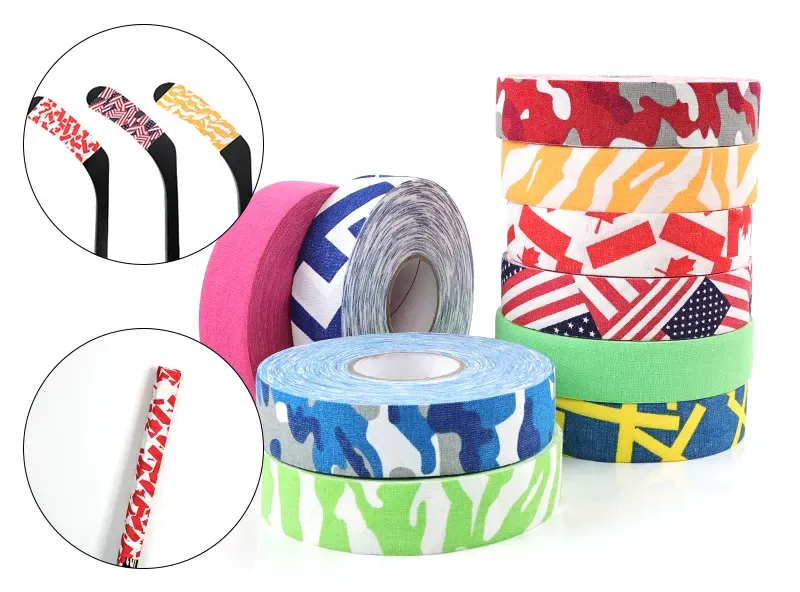
There are two main types of hockey tape: clear hockey tape and cloth hockey tape. Hockey players use cloth tape on the blades of their sticks to keep ice and snow from building up, protect the blade, make it easier to control the puck, and make the stick last longer. Clear hockey tape, which is made of PVC, works in the same way as regular sports tape but is better at hiding things and has a smoother surface that looks like clear tape.
Underwrap (Pre-Wrap)
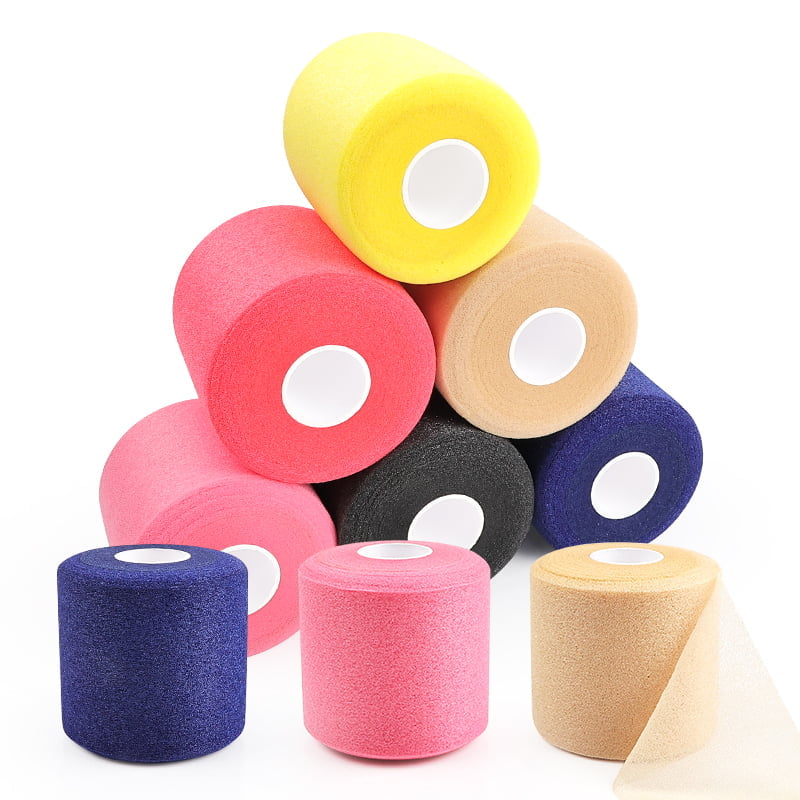
Underwrap, which is also known as pre-wrap tape, is a foam-based material that goes directly on the skin before athletic tape is put on. It keeps the skin from getting irritated by the adhesive, makes it less painful to take off the tape, and can add extra cushioning. You can also use underwrap on its own for light support or to keep your hair in place while you work out.
Cohesive Sports Tape
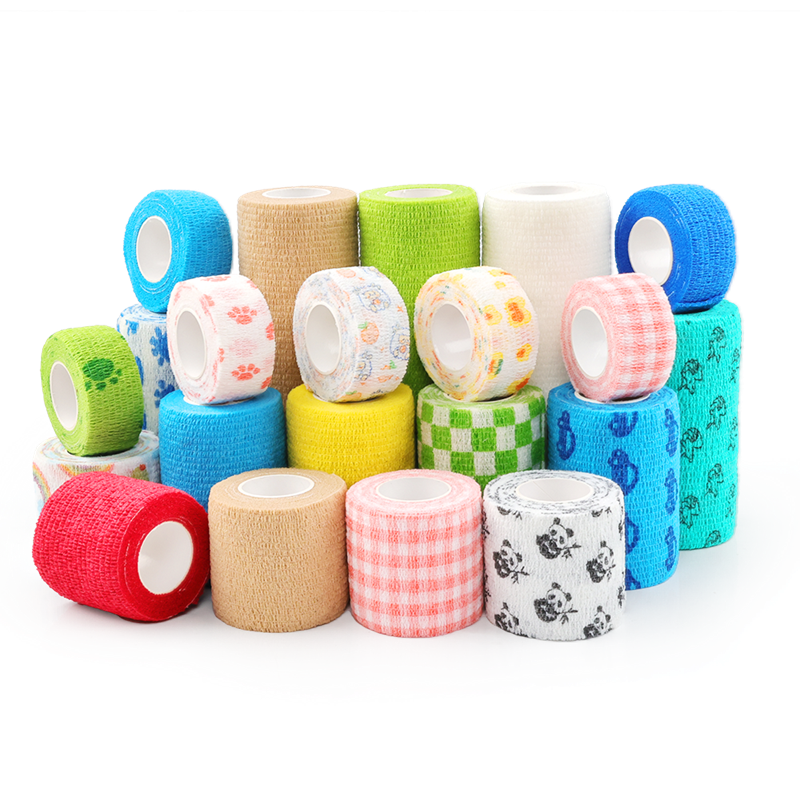
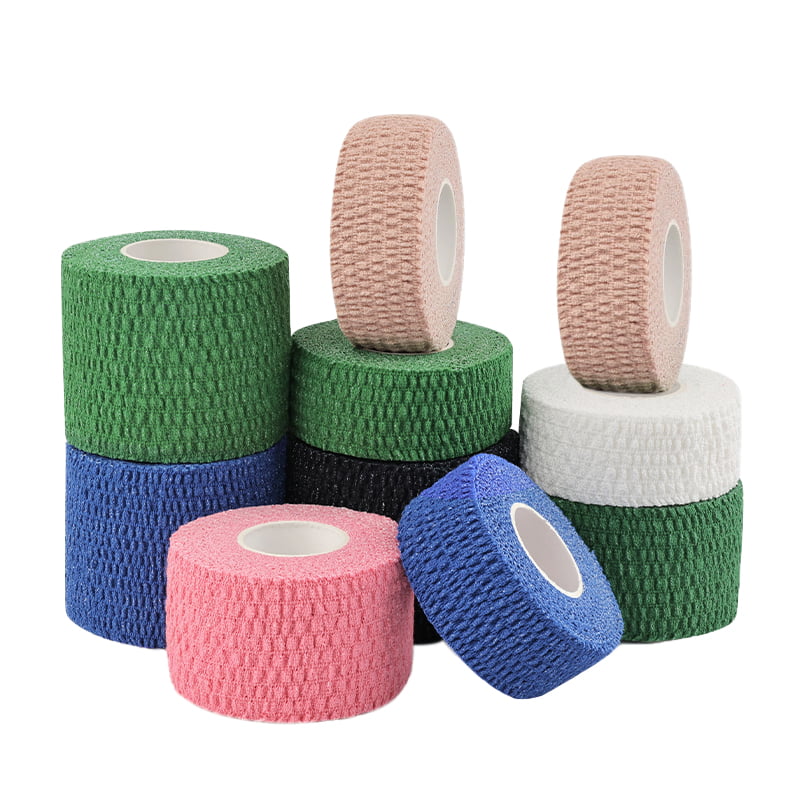
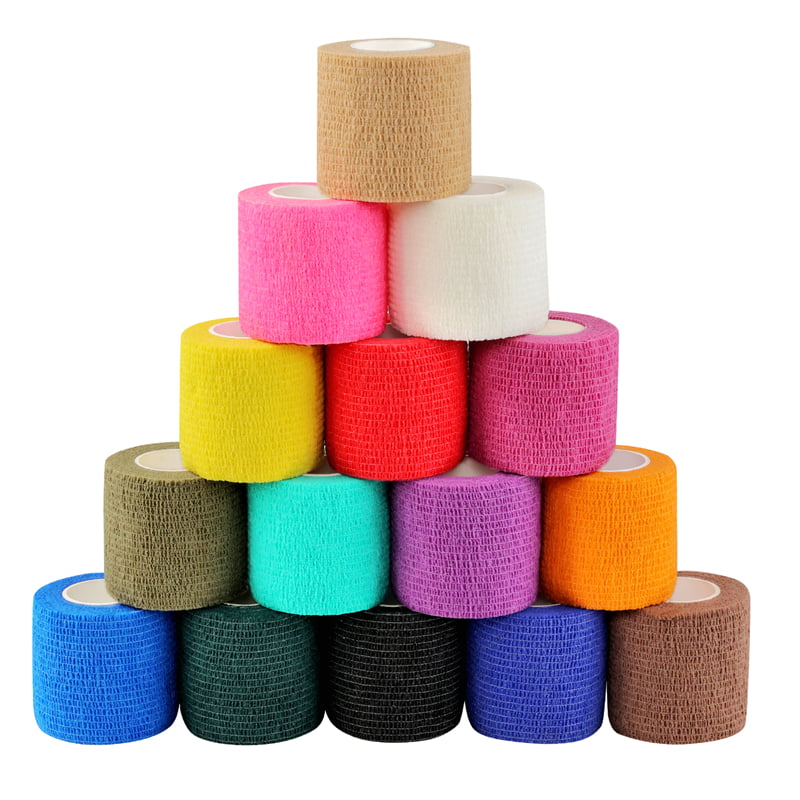
Cohesive sports tape only sticks to itself, not to skin or hair, so it's easy to put on and take off. It gives muscles and joints support and compression without leaving behind any adhesive residue. This cohesive sports tape is great for wrapping around the handles of equipment, holding bandages in place, or giving muscles a little extra support during different sports.
Comparative Analysis: Tape Types at a Glance
|
Tape Type |
Material |
Elasticity |
Primary Function |
Common Applications |
|
Zinc Oxide Tape |
Cotton |
Non-elastic |
Maximum joint support, immobilization |
Wrist, ankle, finger stabilization in high-impact sports |
|
Rigid Strapping Tape |
Rayon/Synthetic |
Non-elastic |
Joint support with abrasion resistance |
Climbing, kayaking, weightlifting |
|
EAB Tape |
Cotton blend |
Slightly elastic |
Compression with controlled mobility |
Rugby, contact sports, general joint support |
|
Kinesiology Tape |
Cotton with acrylic adhesive |
Highly elastic |
Muscle support, pain relief, enhanced circulation |
Running, swimming, general athletic performance |
|
Hockey Tape |
Cloth or PVC |
Varies |
Equipment protection, grip enhancement |
Hockey sticks, other sports equipment |
|
Weightlifting Thumb Tape |
Synthetic blend |
Elastic |
Finger protection, grip enhancement |
Weightlifting, powerlifting |
|
Underwrap |
Foam |
Elastic |
Skin protection, cushioning |
Underlayer for athletic tape, light support |
|
Cohesive Tape |
Various synthetic materials |
Self-adherent only |
Compression, bandage securing |
General sports support, equipment wrapping |
Are they interchangeable?
Zinc Oxide and Rigid Sports Tape: For the majority of amateur athletes, zinc oxide and rigid strapping are frequently interchangeable. Professional-grade rigid tape, on the other hand, is typically stronger and more difficult to rip by hand.
Underwrap (Pre-Wrap) vs. Cohesive Sports Tape: Cohesive tape is a fantastic alternative to Underwrap if you require compression without adhering to your skin.
K-Tape VS Other Sports Tapes: No replacement. K-tape is distinct. The "lifting" effect of K-tape cannot be achieved with rigid tape, and its excessive stretch makes it useless for stabilizing an ankle that is broken or severely sprained.
Selecting the Tape by Body Part
Ankles: Always choose Zinc Oxide + Underwrap for the ankles. Preventing lateral roll is typically the aim here.
Knees: Use rigid sports tape if you have trouble tracking. Use Kinesiology Tape for general soreness.
Shoulders: Since the shoulder requires its complete range of motion, kinesiology tape is recommended in this situation.
Fingers: Weightlifting tape or athletic finger tape for the fingers and thumbs.
Thighs And Calves: EAB or cohesive sports tape can be used to compress large muscles, such as the thighs and calves.
Where can I purchase athletic tape?
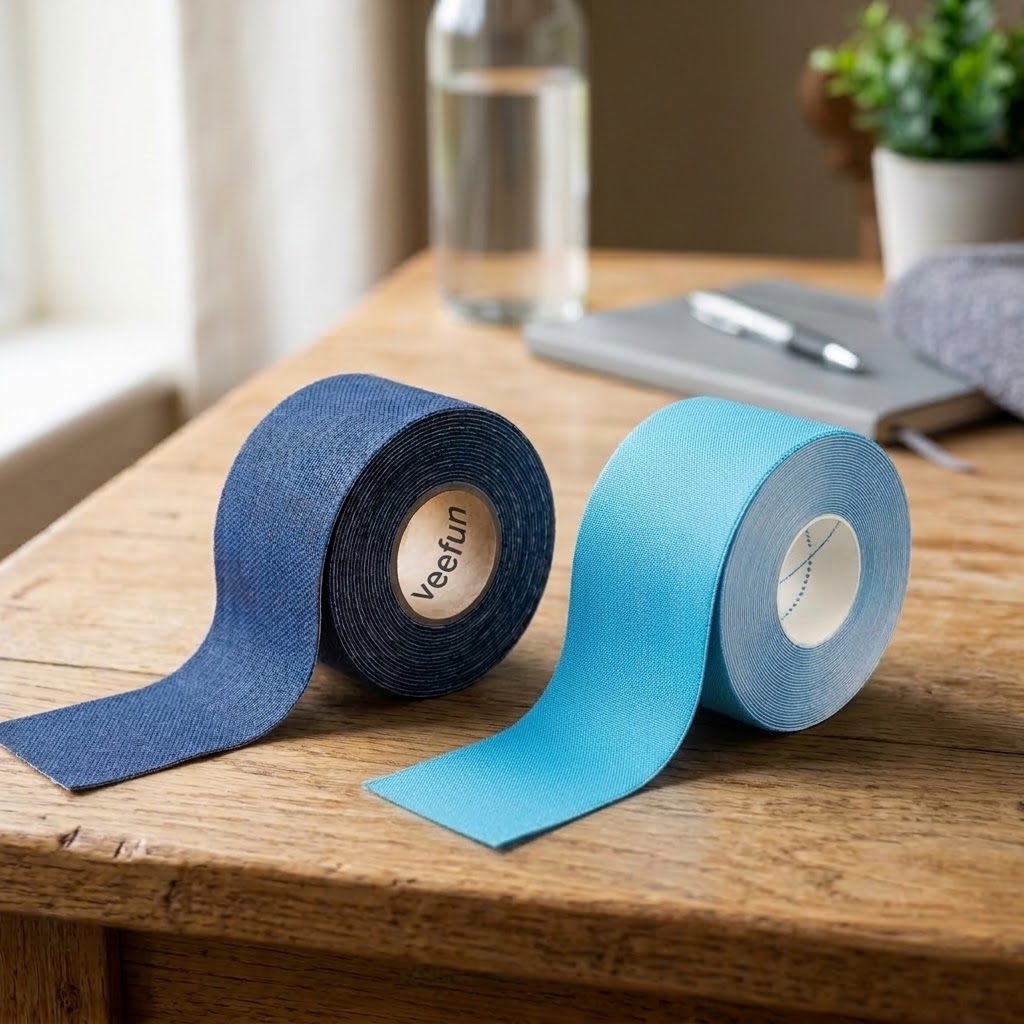
If you wish to purchase it for yourself, Veefun is a good option. They ship straight from the factory, which results in better quality, lower prices, and decreasing prices the more you purchase.
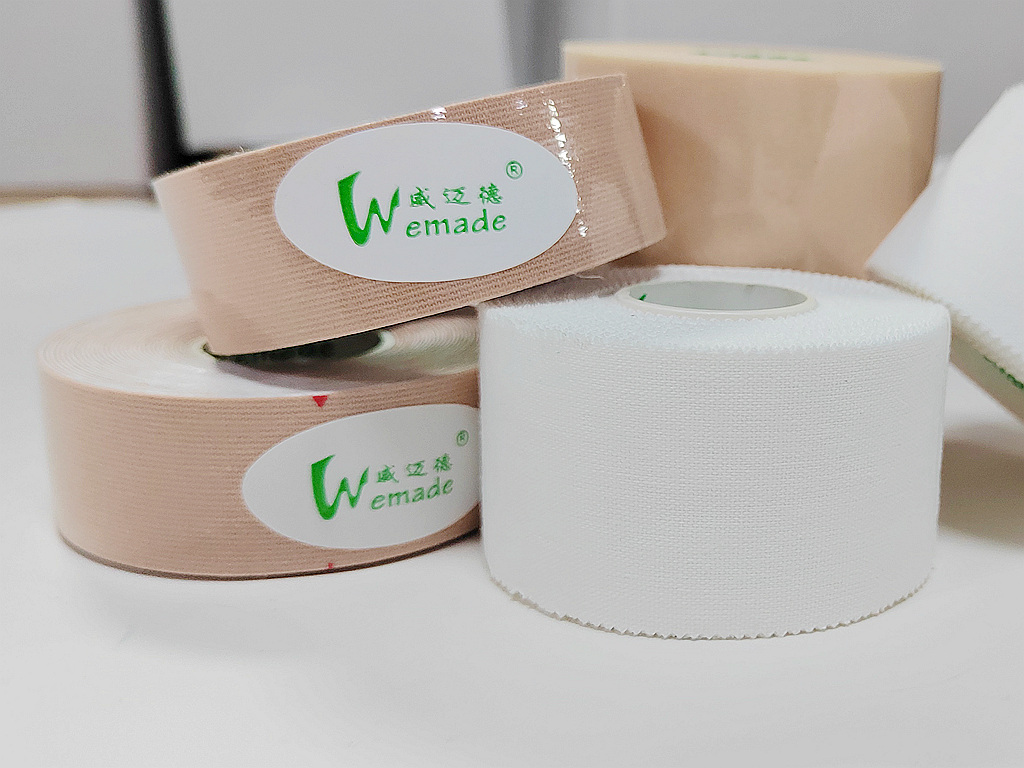
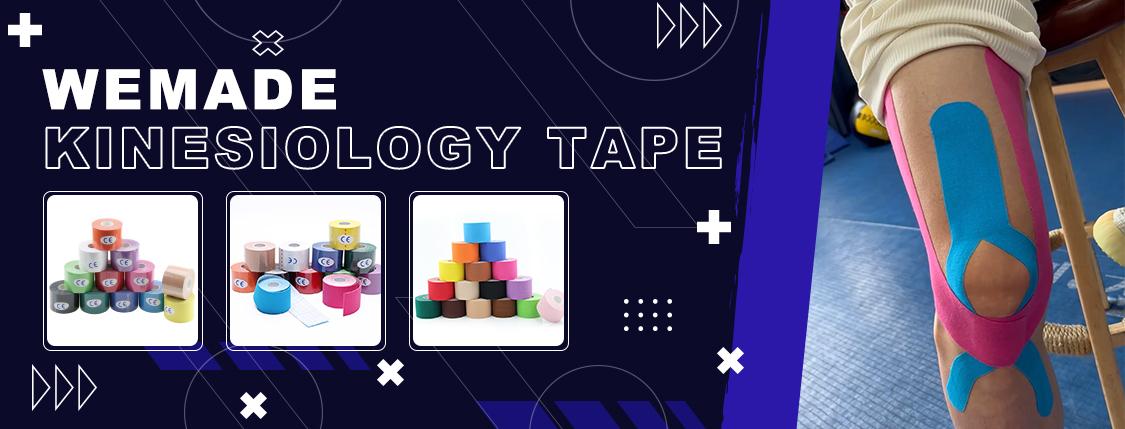
If you need wholesale sports tape, WEMADE tape is the best manufacturer. With its extensive OEM and ODM experience, this Chinese sports tape factory can assist you in launching your own brand from the ground up.
Additionally, your best options are internet supermarkets like Amazon, eBay, and Carrefour. Large supermarkets, pharmacies, and sporting goods stores typically carry them if you prefer to purchase in-store.
To sum up
Sports tape is a tool, not merely an accessory. It's crucial to understand how these materials function so that you can use Kinesiology tape to "wake up" a dysfunctional muscle or Zinc Oxide tape to connect a weak ligament.
The next time you reach for a roll of sports tape, consider whether you want to assist or hinder movement. And never forget that the quality of the tape—which is supplied by reputable businesses like Wemade—can mean the difference between a full recovery and a new injury.