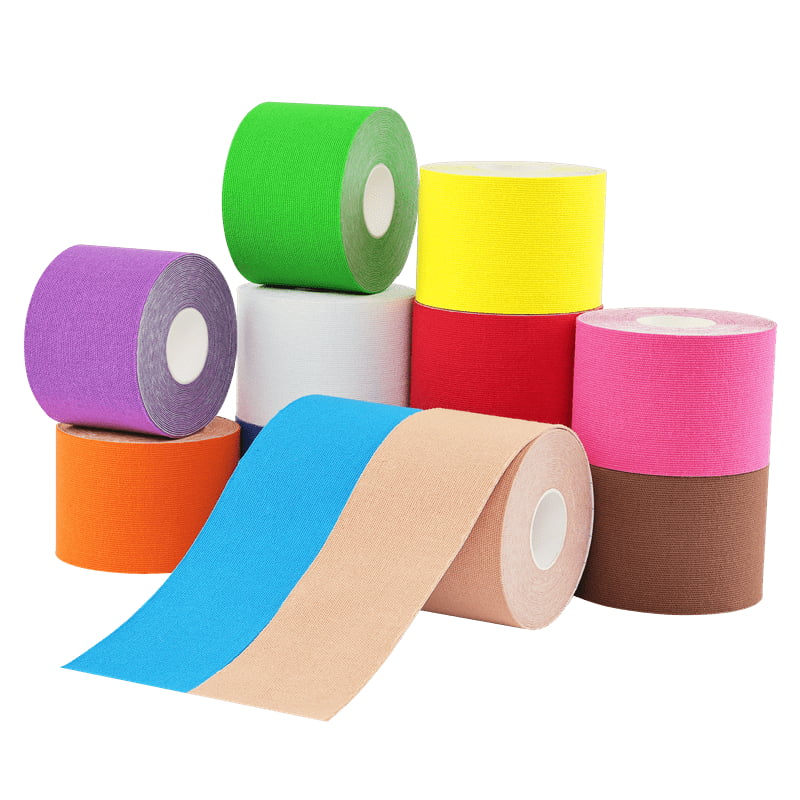
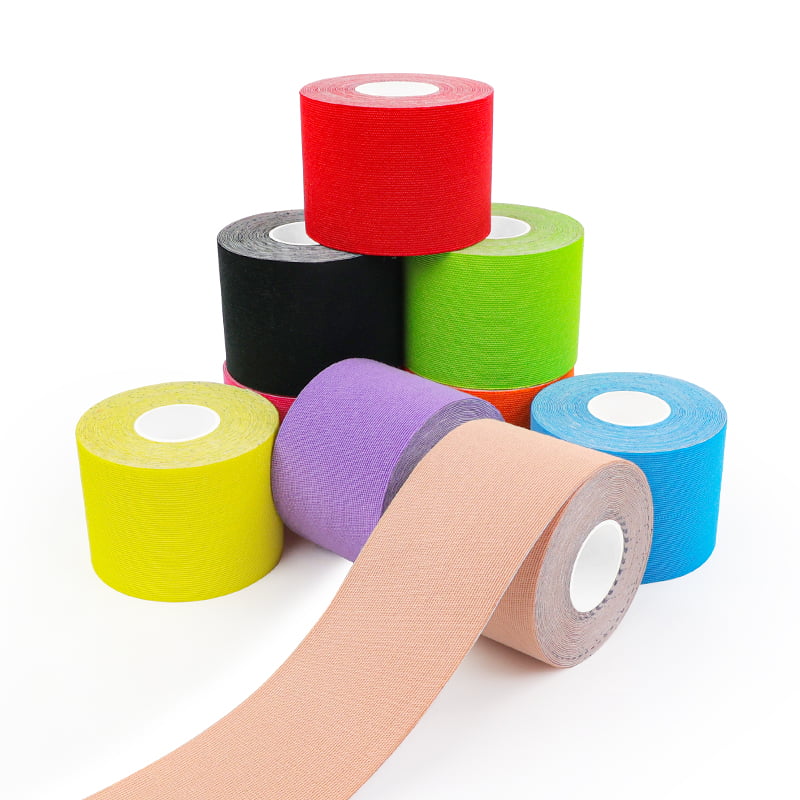
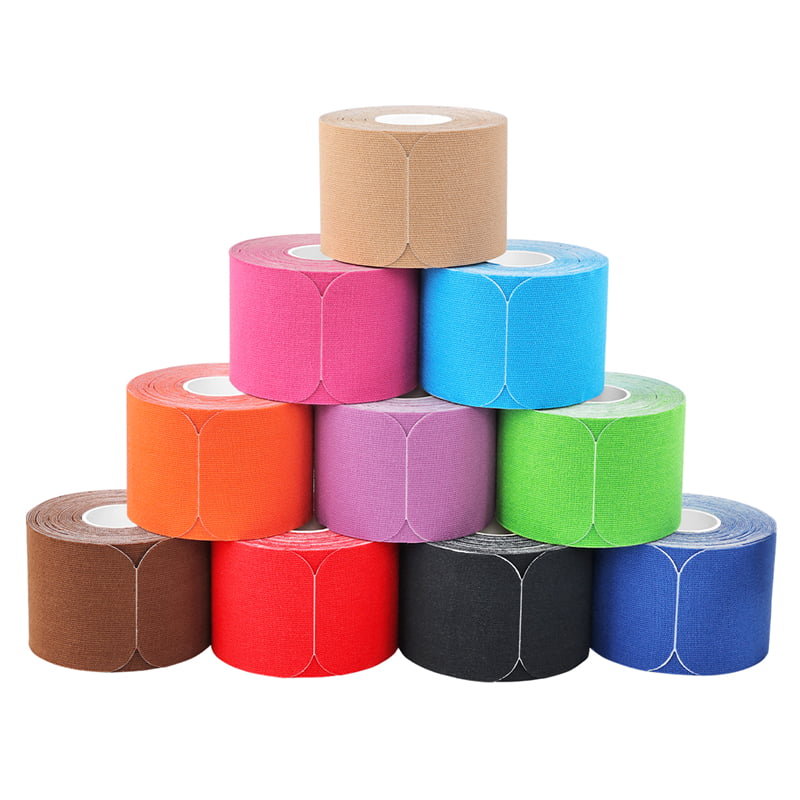
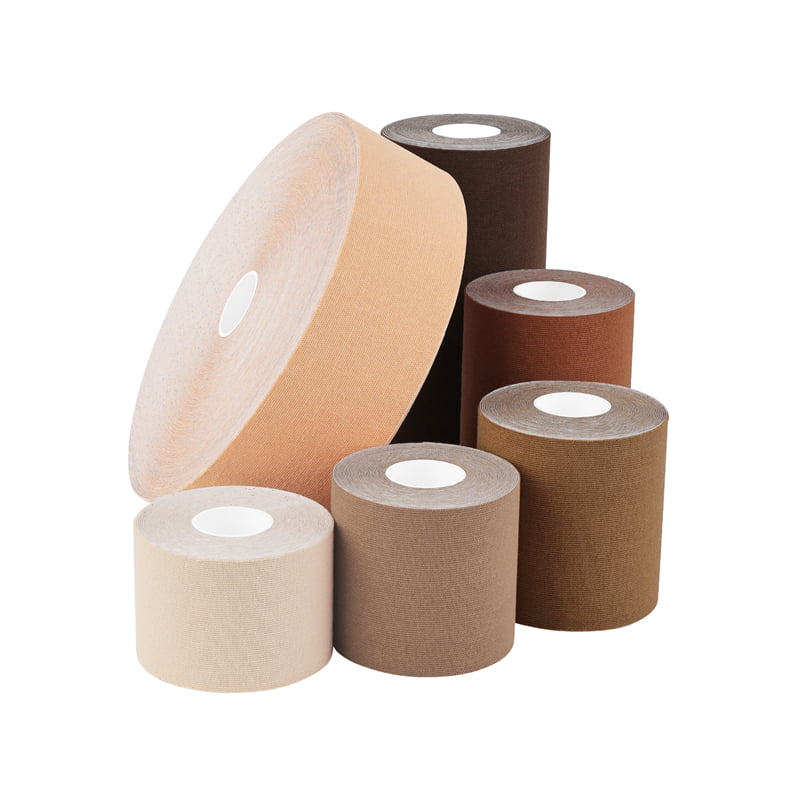
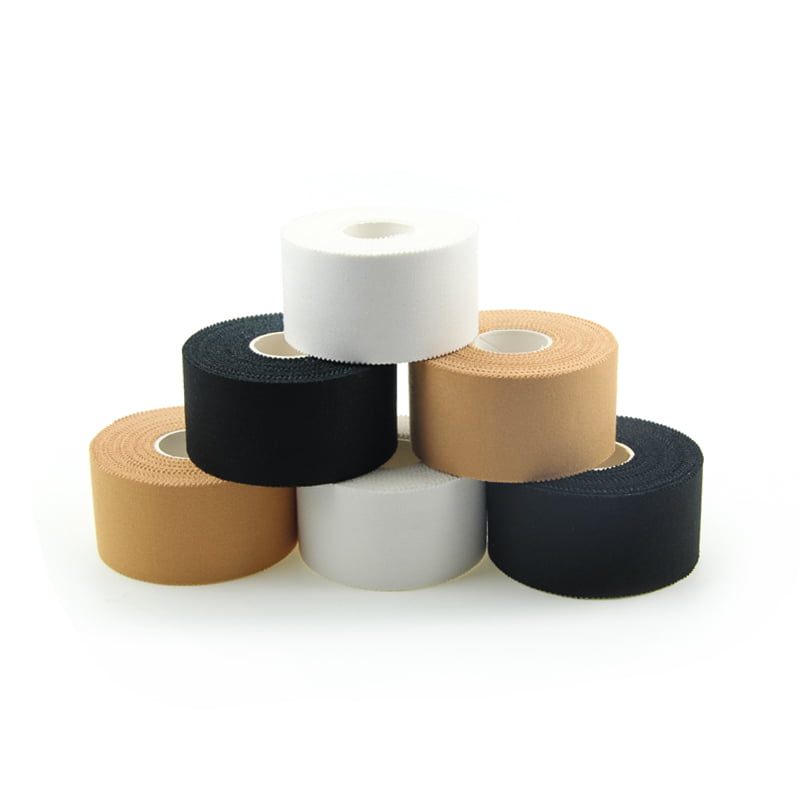
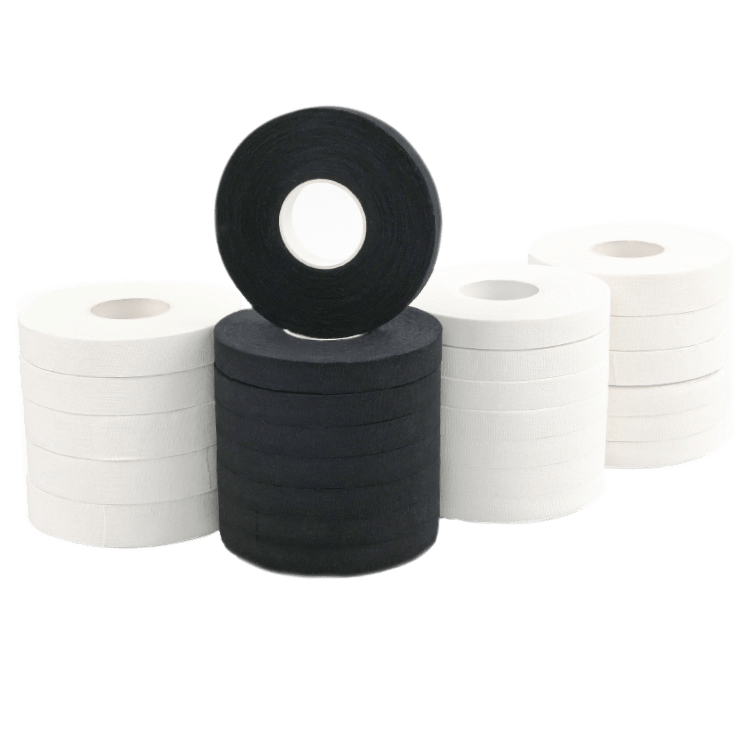
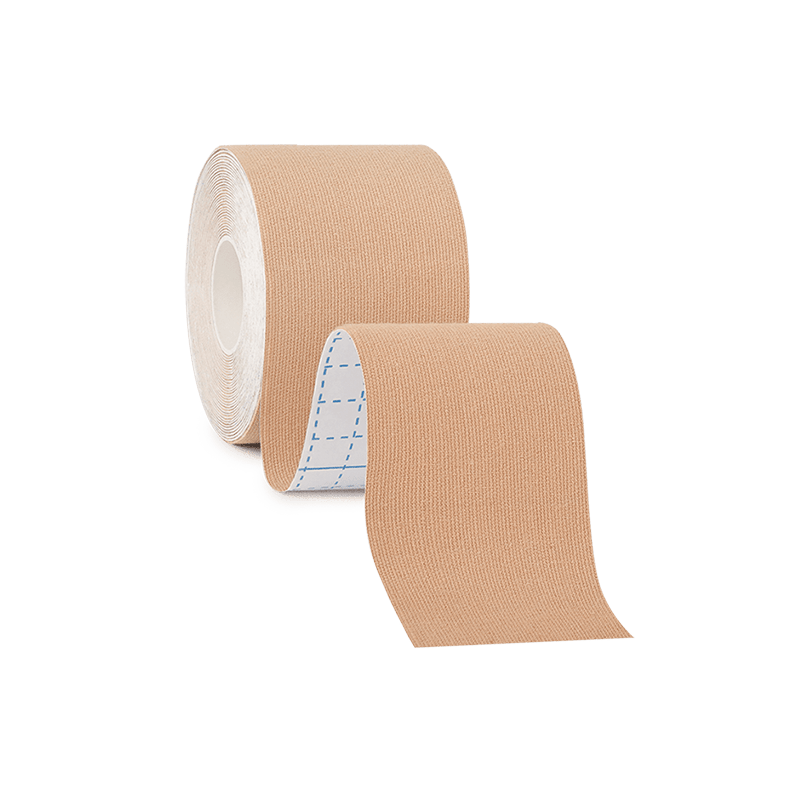
Athletic tape for fingers is one of the most useful and important things you can have in your gear bag, whether you're a professional athlete, a weekend warrior, or someone recovering from a minor injury. The right way to tape can make the difference between staying in the game and sitting on the sidelines. For example, it can keep "jersey finger" from happening in football or protect skin from rough rock surfaces when climbing.
This complete guide will cover everything you need to know about athletic tape for fingers, such as its advantages for both fingers and toes, who needs it the most, and step-by-step instructions for the most common ways to use it.
What Is Tape for Fingers That Is Used in Sports?
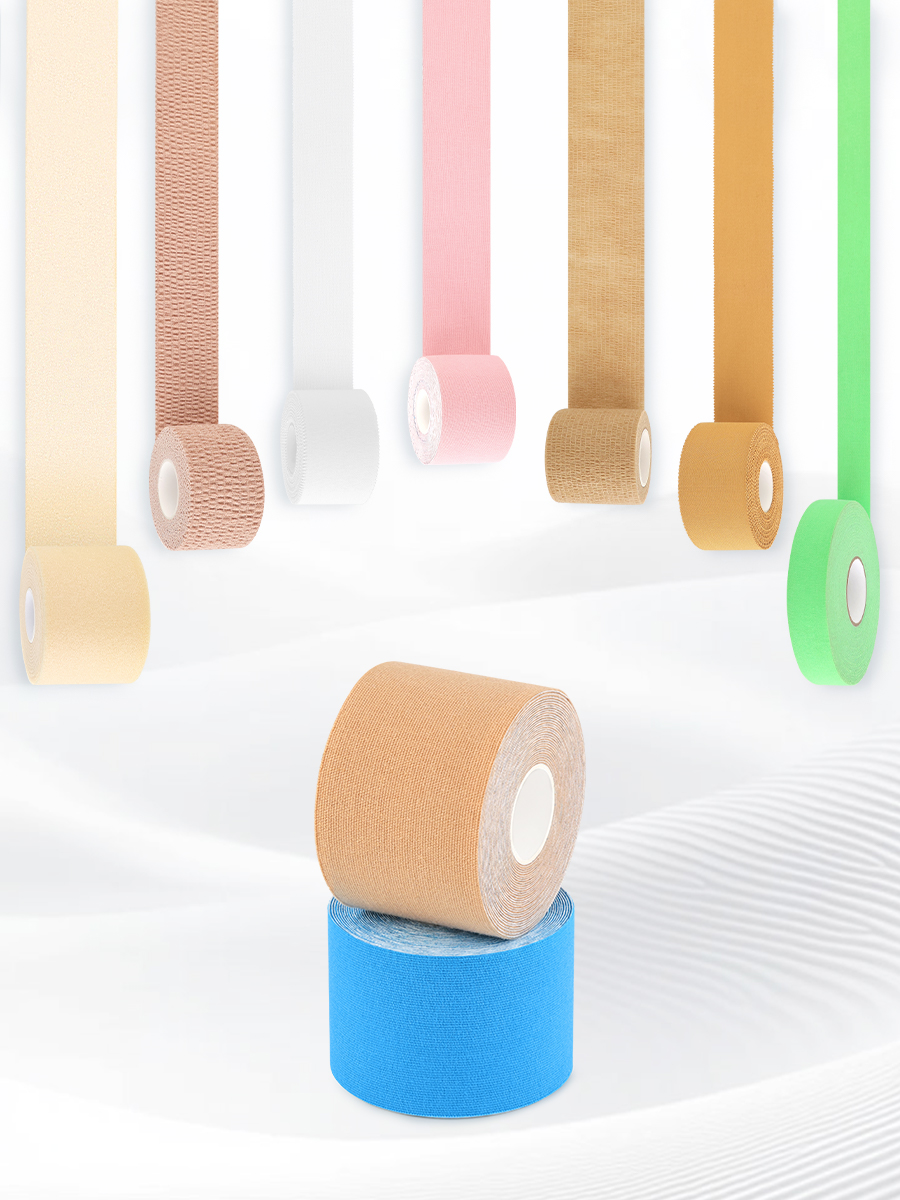
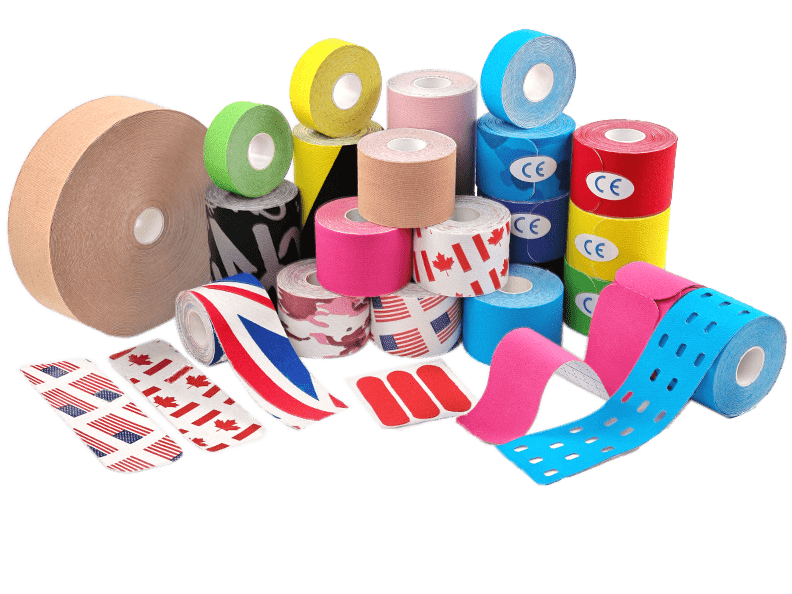
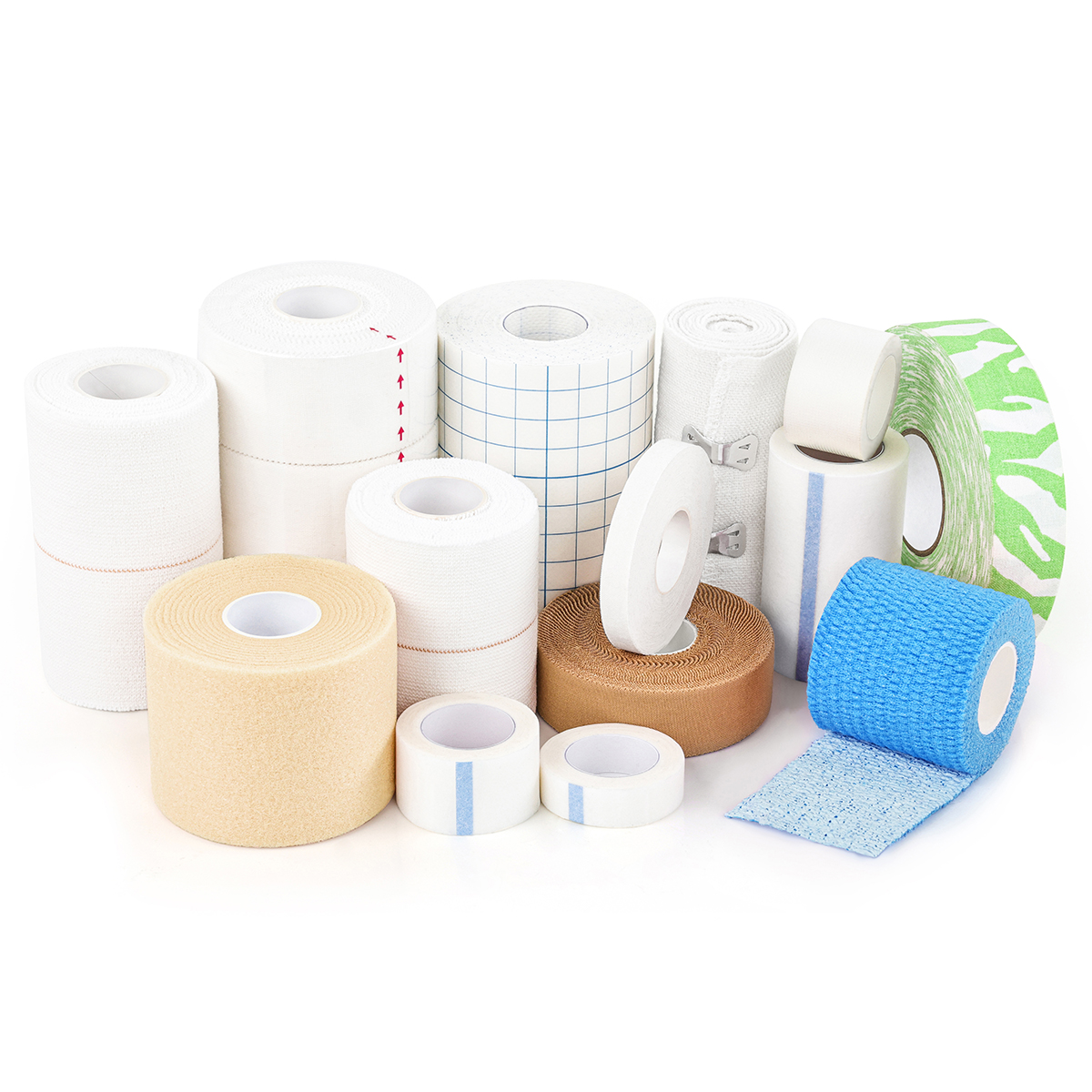
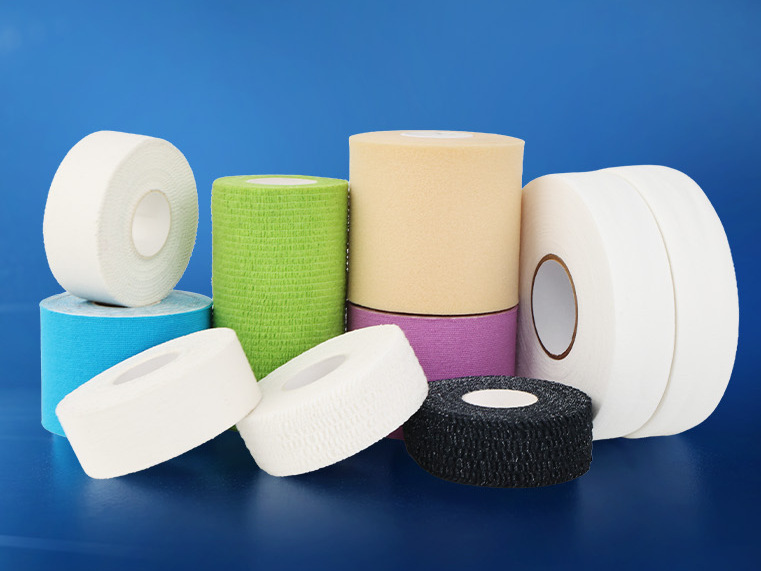
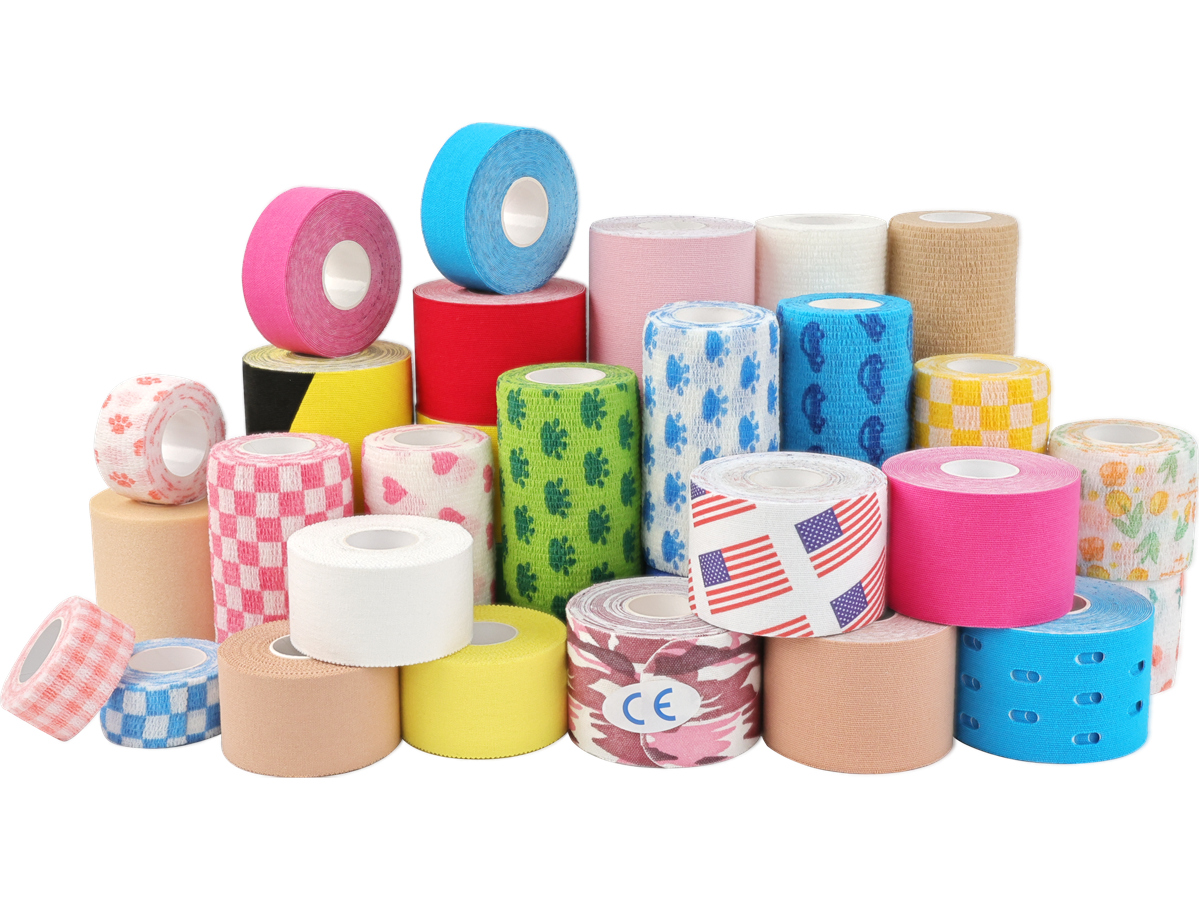
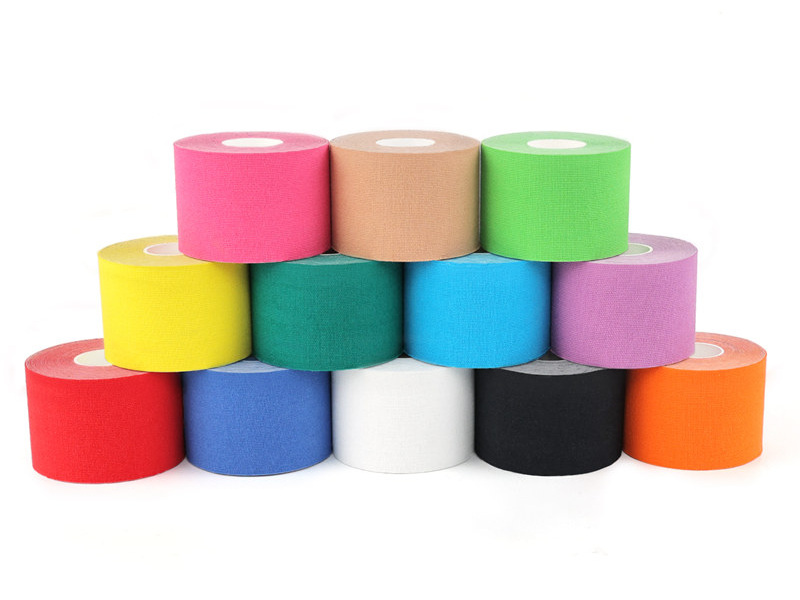
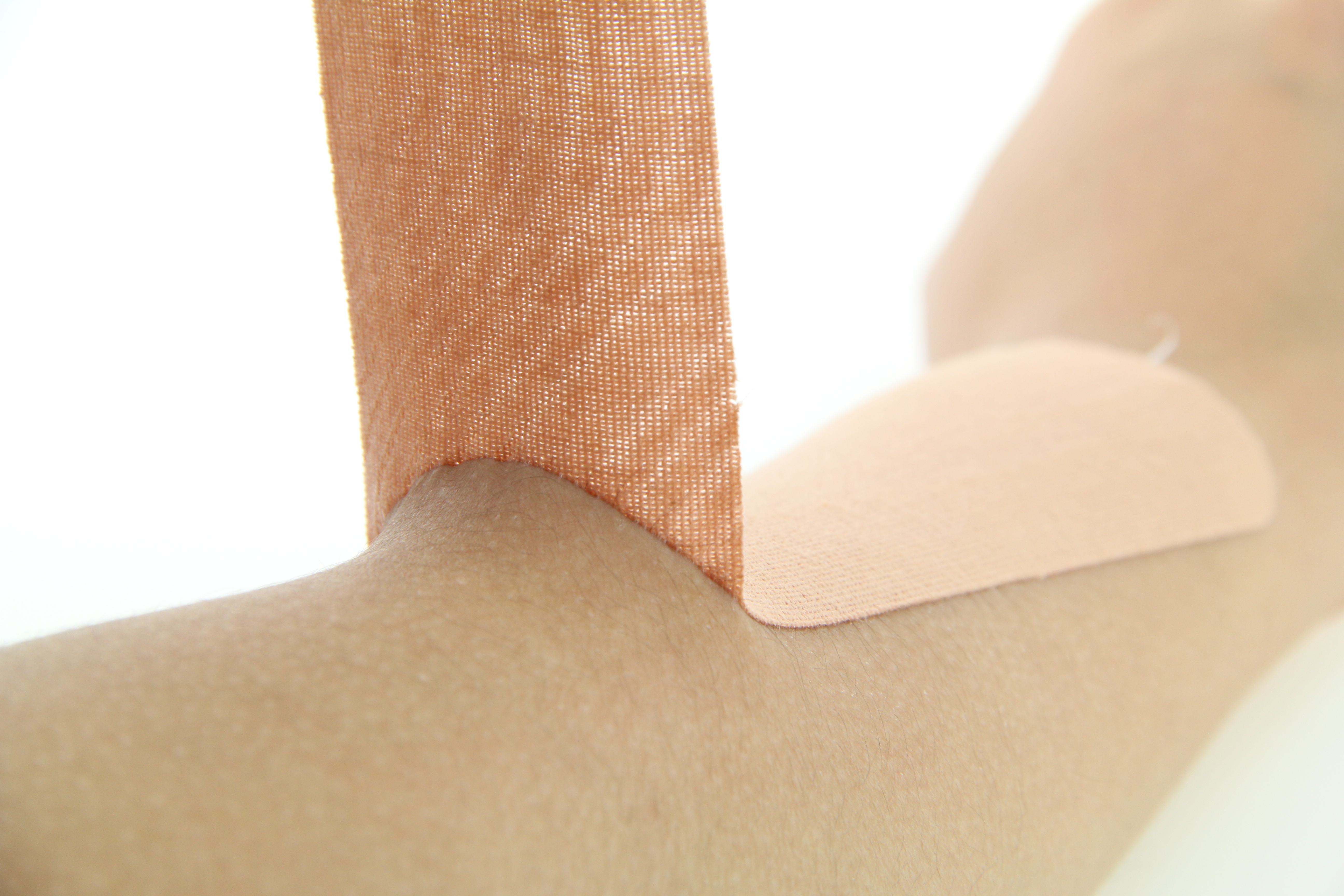
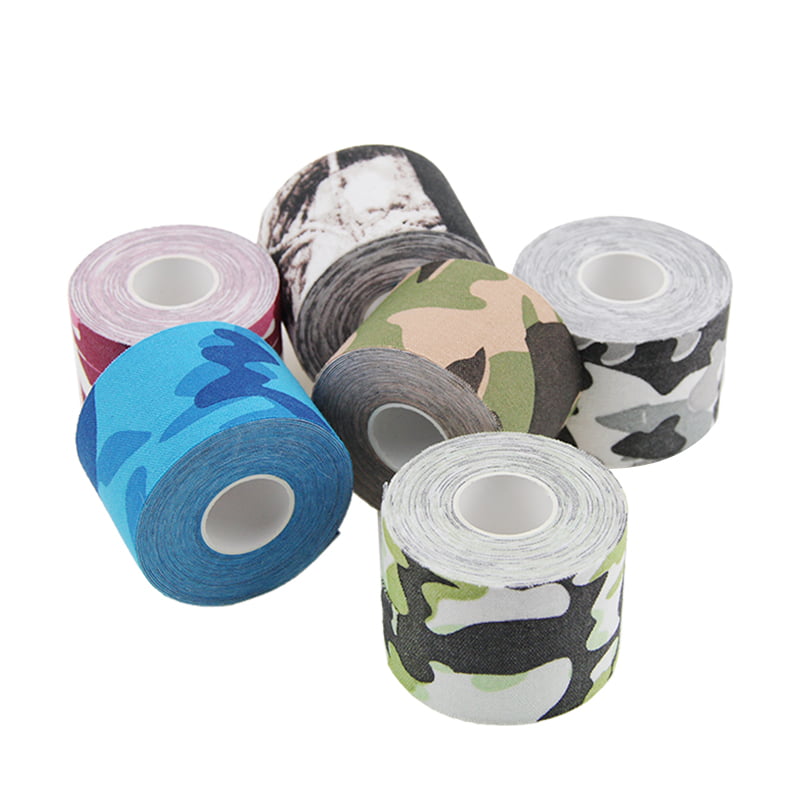
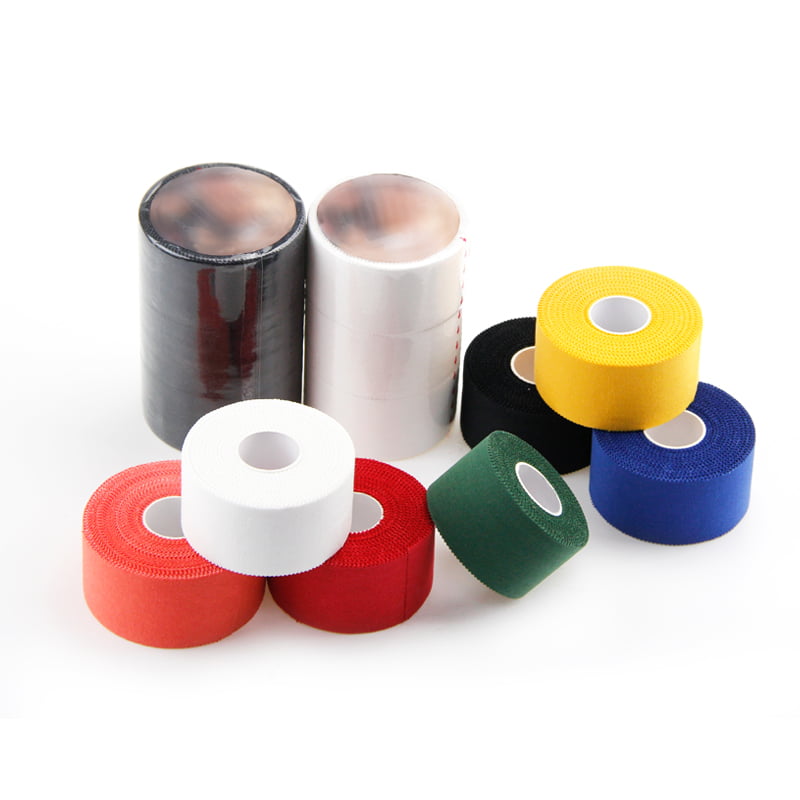
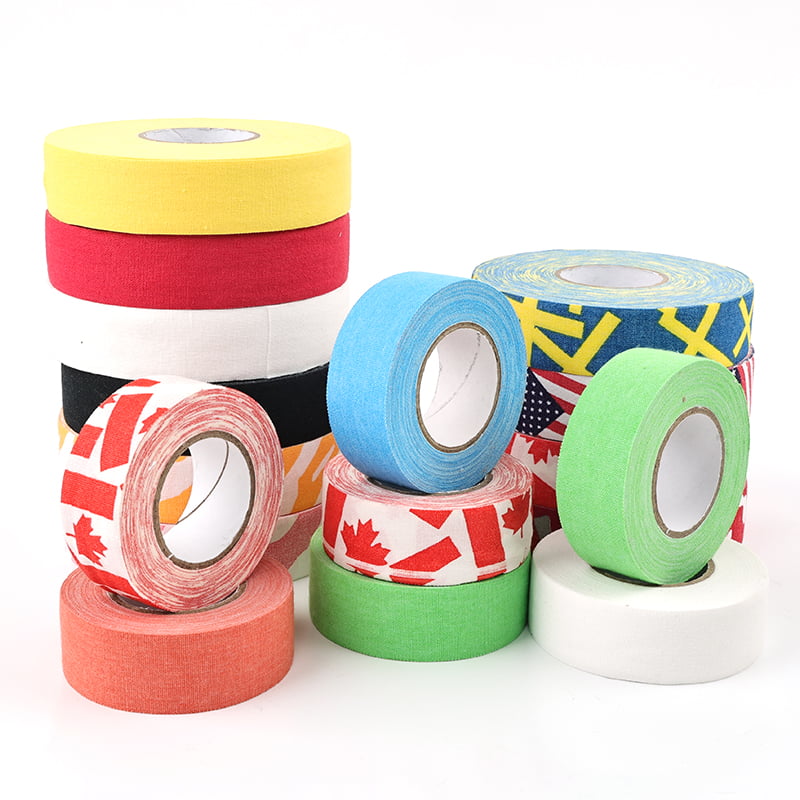
Finger athletic tape is a special kind of adhesive bandage that helps support, compress, and keep the joints and tendons in the fingers still. High-quality athletic tape is different from regular medical tape because it is made to be breathable, sweat-resistant, and high-tensile, so it stays in place during intense movements.
Why Quality Is Important
When picking out athletic tape for your fingers, you should look for tape that has:
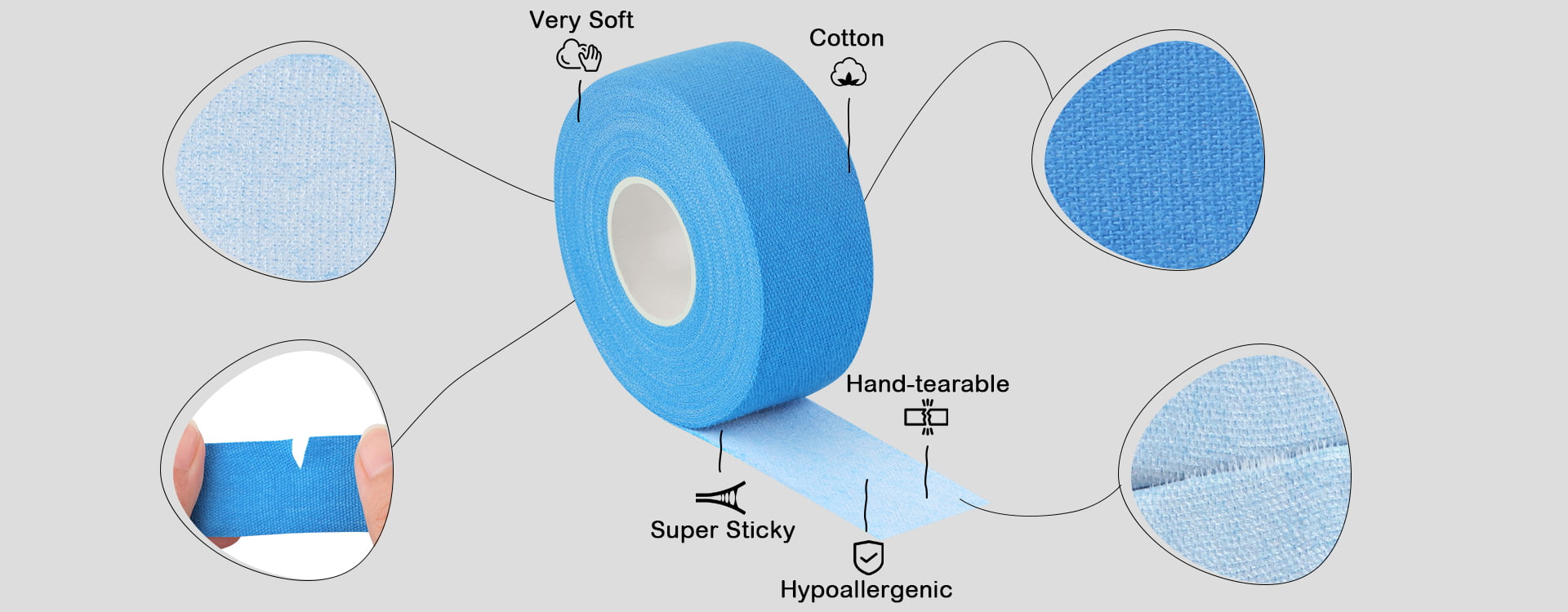
Strong Adhesion: It needs to stay on even when you sweat and rub against it.
Easy to Tear: You should be able to tear it by hand for a quick application.
Zinc Oxide Coating: This is used by many professional tapes to make skin less irritated.
Zero Elasticity: Non-elastic cotton tape is better for structural support because it stops joints from hyperextending.
The Main Reasons to Use Athletic Tape on Your Fingers
Athletic tape for fingers serves three main purposes: to protect, stabilize, and help with recovery.
1. Preventing Injuries
Tape keeps ligaments from stretching too far by limiting how much a joint can move. This is very important in sports where fingers can get stuck in jerseys or hit by balls.
2. Protecting Your Skin
Athletic tape for fingers works like a second skin for sports like rock climbing and CrossFit. It stops "flappers," which are painful tears in the skin, and keeps calluses from cracking.
3. The "Buddy" System for Structural Support
If a finger is already sprained, taping it to a healthy finger next to it makes a natural splint that lets the injured finger move normally while keeping it safe from more damage.
Using Athletic Tape on Toes: Beyond Hands
The name makes it sound like it's only for hands, but athletic tape for fingers works just as well on toes. The way the joints work is very similar, and the benefits are the same for the lower body.
How to Avoid Turf Toe
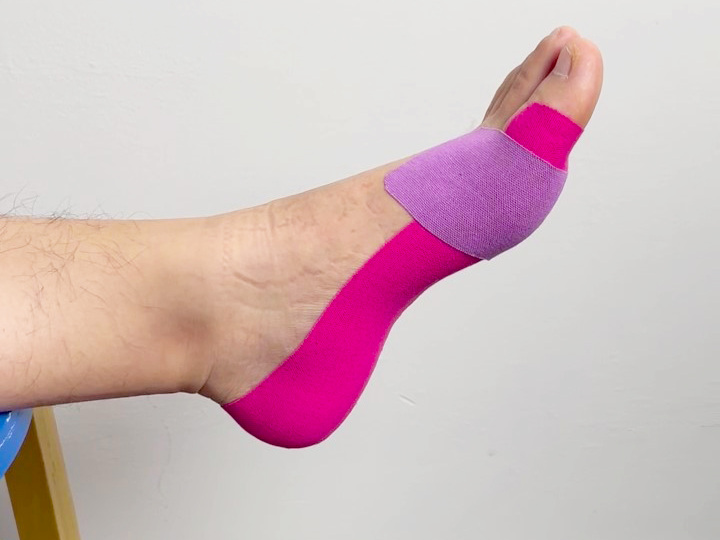
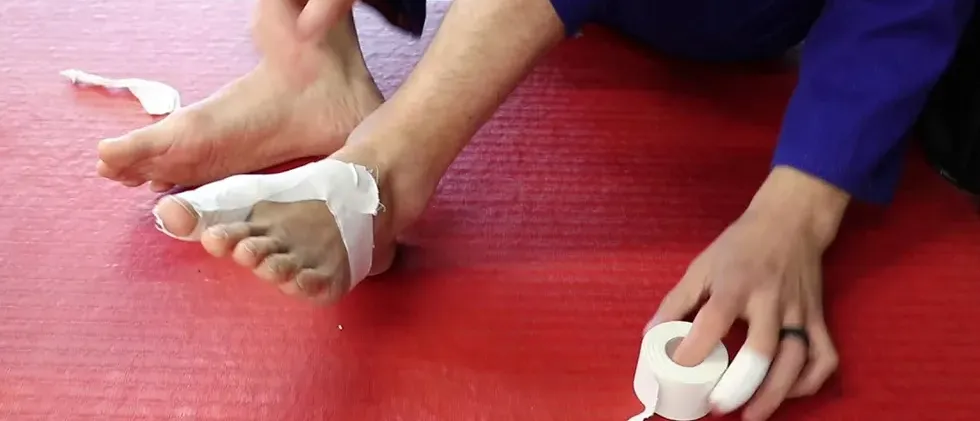
A common hyperextension injury to the big toe is "turf toe." Putting athletic tape around the base of the toe can stop the toe from moving up, which protects the joint during sprints and pivots.
Taking Care of Toe Fractures and Blisters
The "buddy taping" method that is used for fingers is the standard first-aid treatment for small "stubbed" toe fractures. Wrapping smaller toes can also help keep tight-fitting athletic shoes or long-distance running from causing painful friction blisters.
Who Uses Athletic Tape on Their Fingers the Most?
Anyone can benefit from extra finger support, but some sports need athletic tape for fingers every day.
1. People Who Climb Rocks and Boulder
Climbers probably use athletic tape for their fingers the most. They use "pulley taping" to hold up the A2 and A4 pulleys in the finger, which have to deal with a lot of pressure during "crimp" holds.
2. Judo and Jiu-Jitsu (BJJ) Athletes
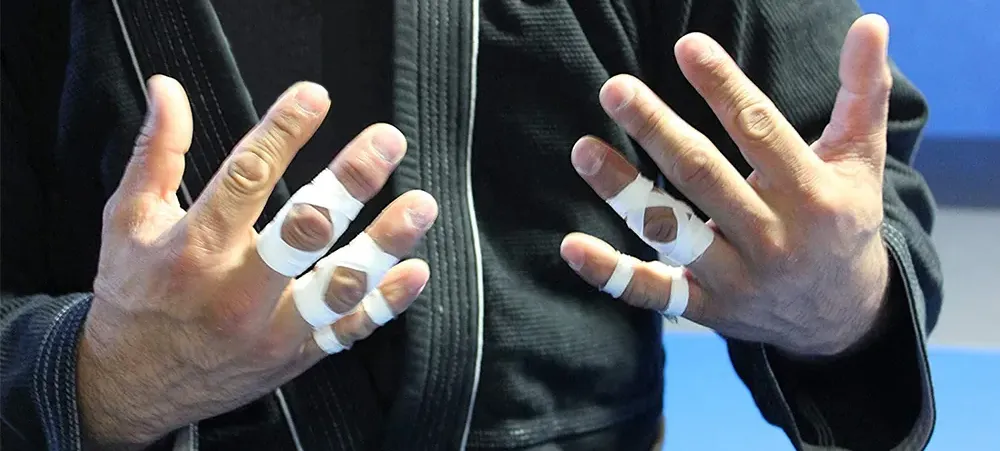
In "Gi" sports, players always grab their opponent's heavy cotton uniform. This puts a lot of stress on the proximal interphalangeal (PIP) and distal interphalangeal (DIP) joints. Athletes can avoid chronic arthritis and acute sprains by using athletic tape on their fingers.
3. Players of Basketball and Volleyball
In these sports, "jammed fingers" are a sign that you are growing up. Players use tape to keep their joints from moving too much when the ball hits them.
4. People Who Lift Weights and Do CrossFit
Many lifters tape the base of their fingers or thumbs (often called "hook grip" taping) to get a better grip and keep the bar from tearing their skin during high-repetition moves like snatches or pull-ups.
Common Ways to Use Athletic Tape on Your Fingers
You need to use your athletic tape for fingers the right way to get the most out of it. These are the four most common methods that athletic trainers use all over the world.
1. Buddy Taping (The Universal Splint)
This is the most common way to use athletic tape on fingers. It means putting tape on an injured finger and a healthy one next to it.
Step 1: Put a small piece of foam or cotton between the two fingers to keep the skin from getting irritated.
Step 2: Put the athletic tape for fingers around the base of the fingers, between the knuckle and the middle joint.
Step 3: Put a second strip between the top joint and the middle joint.
Important: Never tape over the joints themselves. Always tape above and below them so they can bend a little.
2. The "X" Tape (To Help Ligaments)
This method is great for supporting the PIP joint (the middle knuckle) without making it impossible to move.
Step 1: Begin with an anchor wrap under the joint.
Step 2: Put the athletic tape for fingers across the joint at an angle so that it goes above the knuckle.
Step 3: Wrap around the top and then come back down diagonally, making an "X" shape over the palm side of the joint.
Step 4: At the bottom, finish with an anchor wrap.
3. H-Taping (For Climbers' Pulley Support)
For this method to work for the A2 pulley, you need a thin strip of athletic tape for your fingers.
Step 1: Cut a 4-inch piece of tape.
Step 2: Cut or fold the tape lengthwise, leaving a small "bridge" in the middle that looks like the letter H.
Step 3: Put the four "arms" of the H around the finger parts above and below the joint. This keeps the tendon close to the bone while still letting blood flow.
4. Circle Taping (To Protect the Skin)
The easiest way, mostly used to keep blisters from forming or cuts from getting worse.
Step 1: Just wrap the athletic tape around the area where the fingers rub together two to three times.
Step 2: Make sure it's not too tight because your fingers can swell when you work out.
How to Pick the Best Athletic Tape for Your Fingers
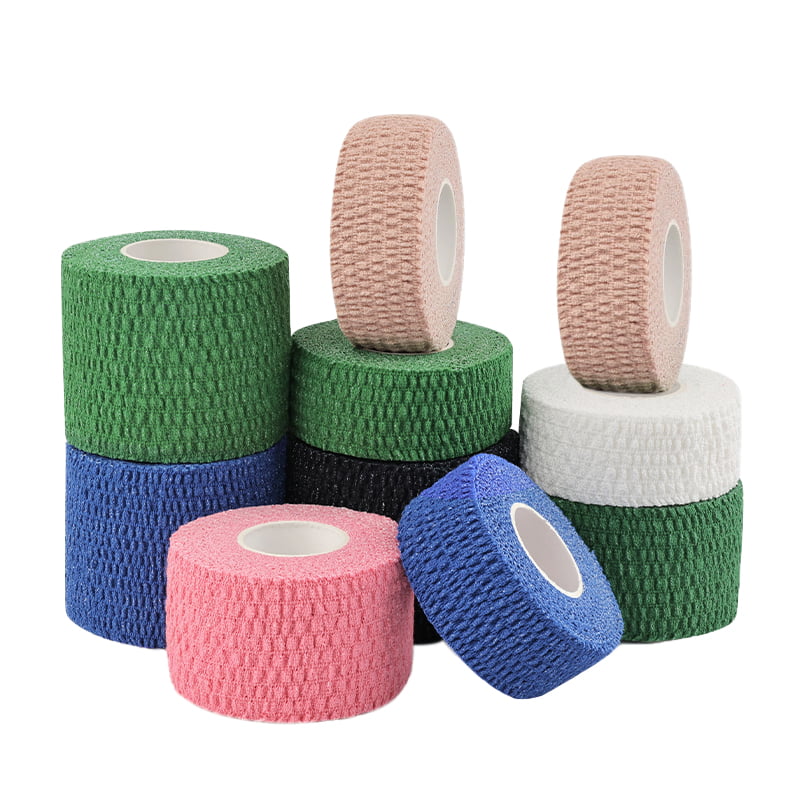
Not all tapes are the same. When you go to buy athletic tape for fingers, think about these three groups:
|
Tape Type |
Best For |
Pros |
Disadvantages |
|
Rigid Cotton Tape |
Stability and Buddy Taping |
Most support, easy to tear |
Can feel heavy, limits mobility |
|
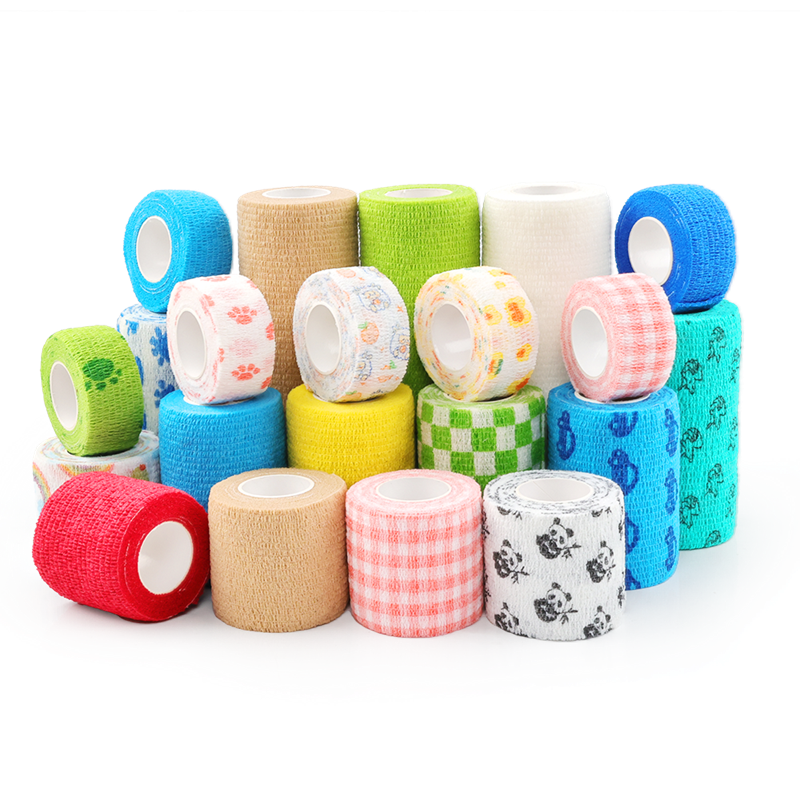
Elastic Adhesive Bandage (EAB) |
Compression |
Stays flexible and allows swelling |
Less structural support |
|
Kinesiology Tape (Pre-cut) |
Tendonitis and Blood Flow |
Comfortable, water-resistant |
Harder to apply on small fingers |
How to Use Athletic Tape on Your Fingers Like a Pro
Follow these expert tips to make sure your athletic tape for fingers stays on during your workout:
Before applying, wash your hands to get rid of oils, chalk, or dirt.
Don't tighten the tape too much. If your fingertip turns blue or feels cold, the tape is too tight.
Tear, don't cut: tearing makes edges that stick better.
Use adhesive spray if you sweat a lot to improve grip.
Questions That Are Often Asked (FAQ)
Is it okay to leave athletic tape on my fingers overnight?
After you're done with your activity, it's best to take off the tape. If you leave it on for too long, it can trap moisture and cause skin irritation or maceration.
Does using athletic tape on your fingers help with arthritis?
Yes. Many people say that the gentle pressure helps lessen the "throbbing" pain that comes with arthritis when they do everyday things.
Is finger tape different from regular athletic tape?
Mostly the size. Athletic tape for fingers is thinner (0.3 to 0.5 inches) while regular tape is wider. You can tear regular tape in half, but pre-cut finger tape is easier for small joints.
Conclusion: Get the Right Help to Improve Your Game
Every athlete needs to know how to use athletic tape on their fingers. It is a cheap and effective way to treat small injuries and stop big ones from happening. The right way to use athletic tape on your fingers will make sure that your smallest joints aren't your weakest link, whether you're wrapping your toes for a marathon or taping your knuckles for a BJJ tournament.
Buy a high-quality finger tape roll today, practice the "X" and "Buddy" methods, and give your hands the protection they need.