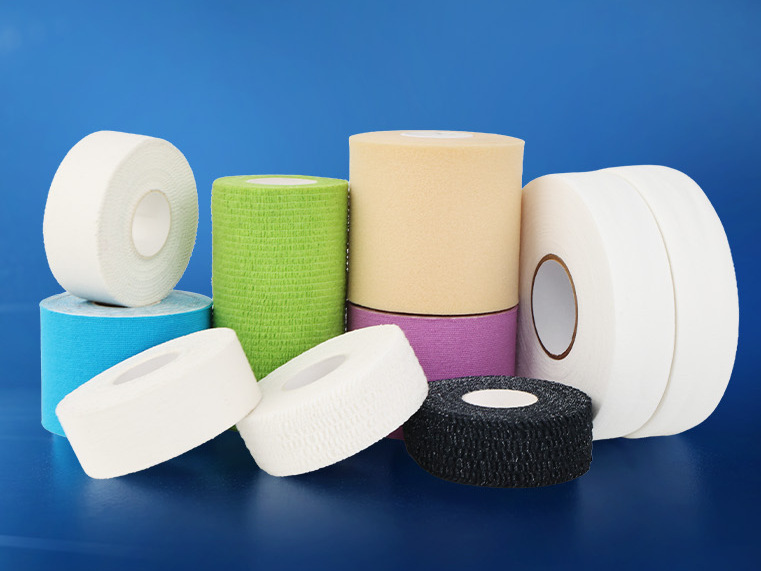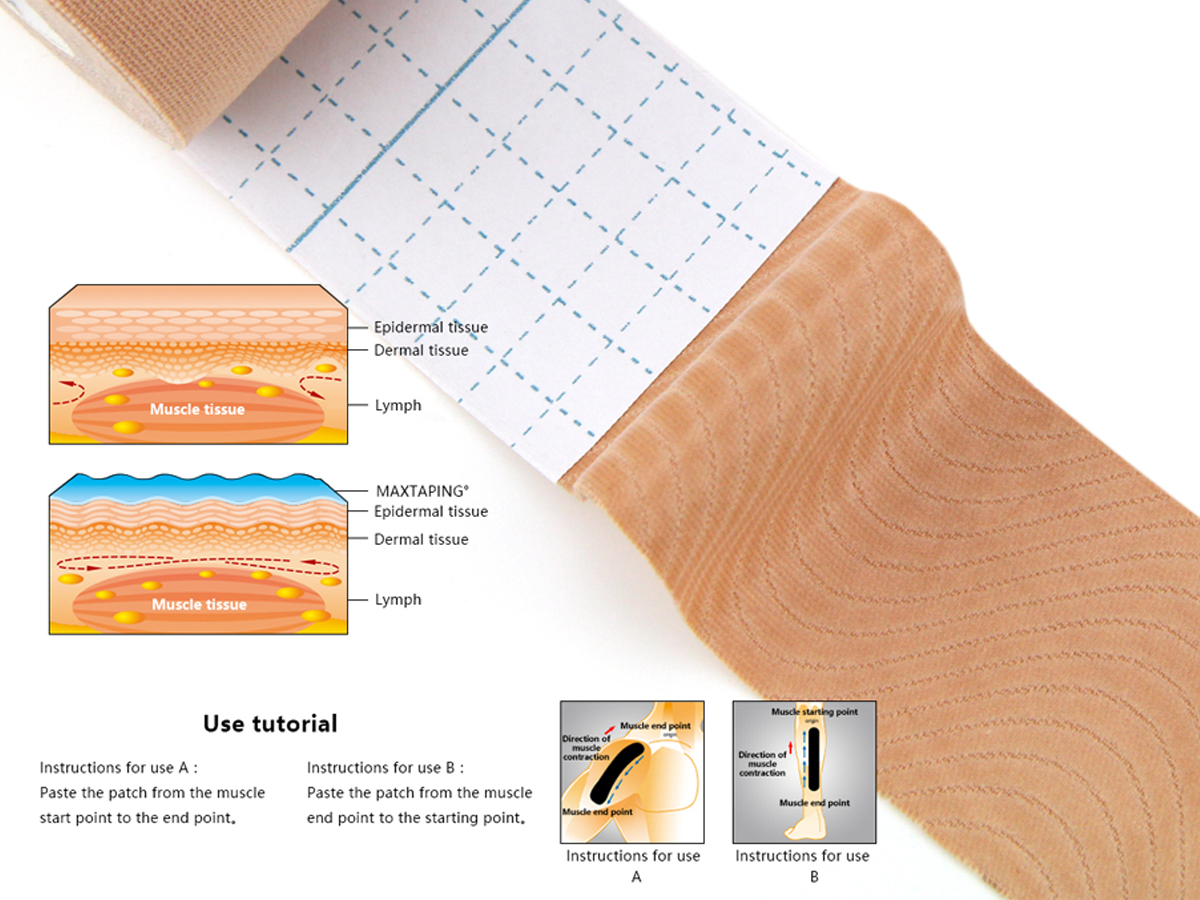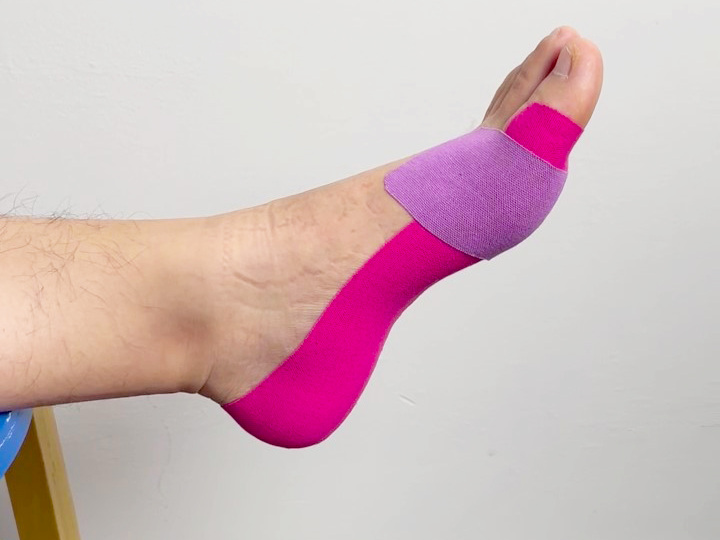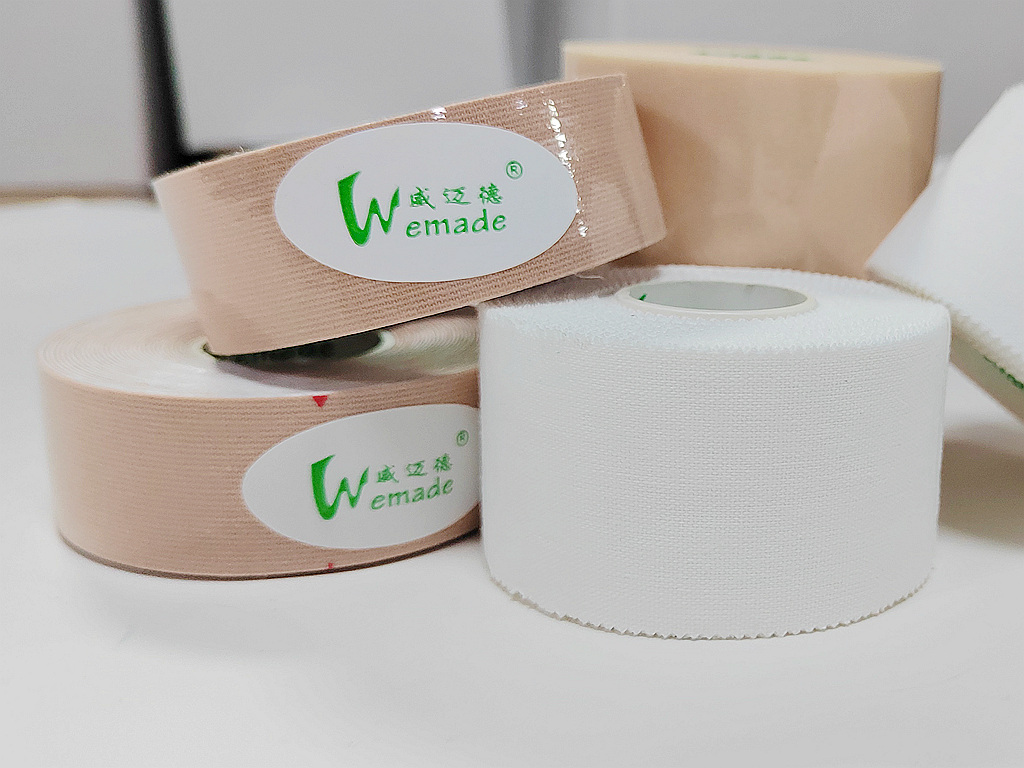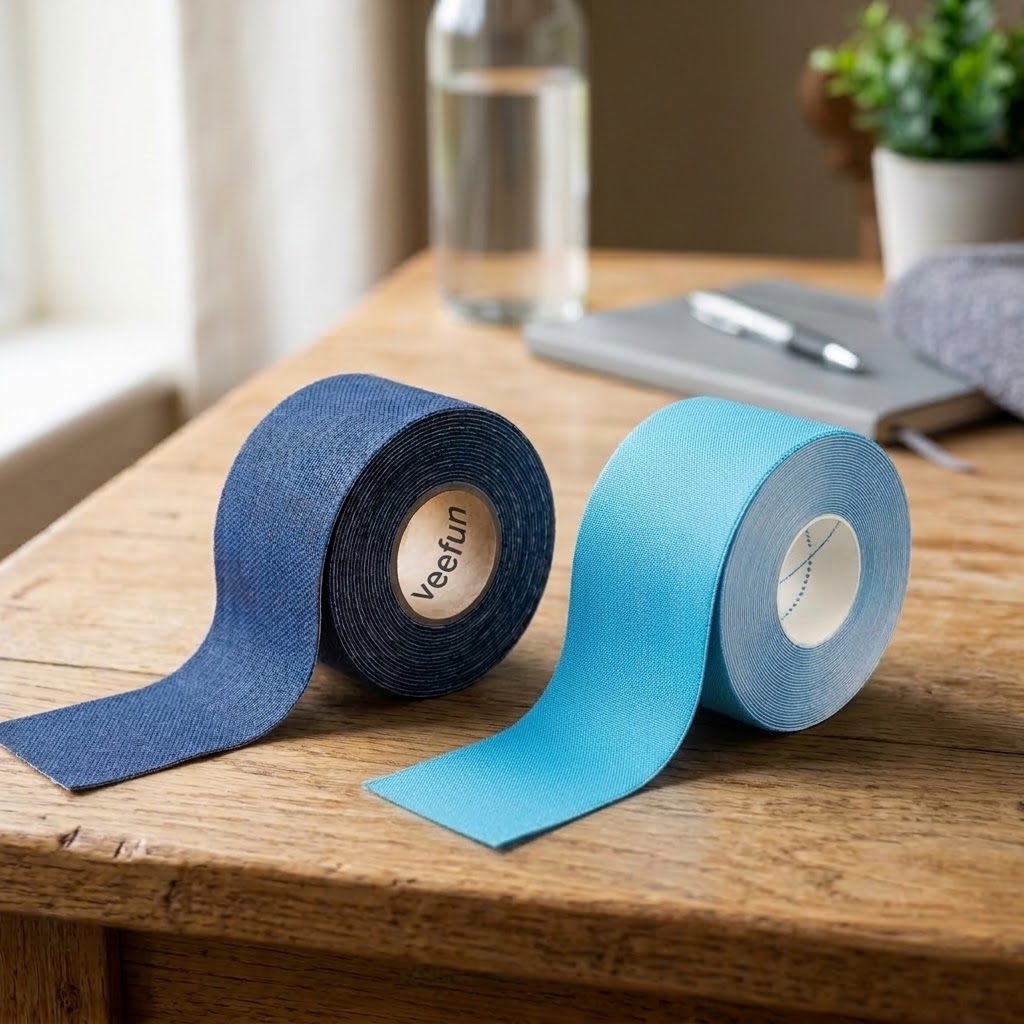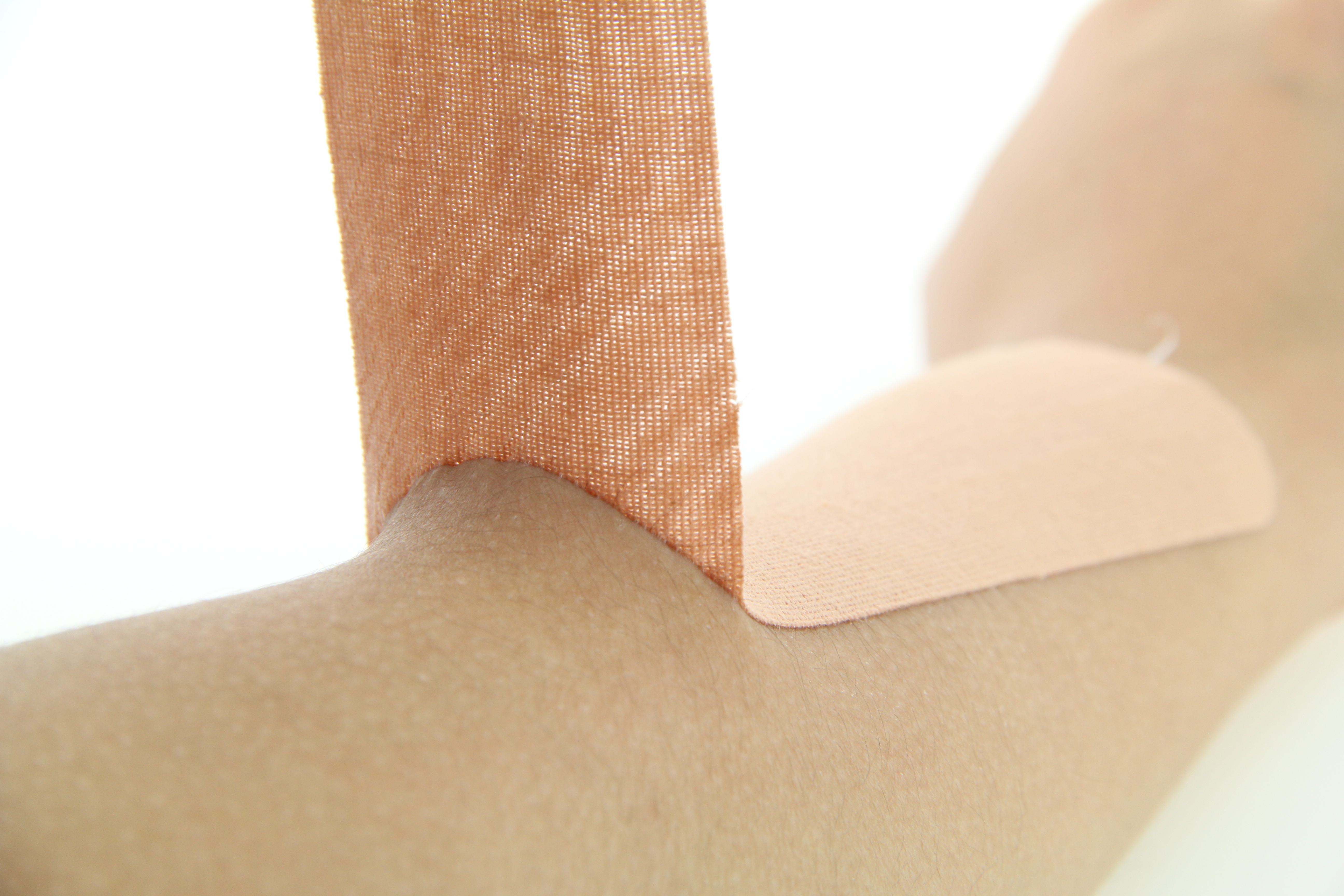

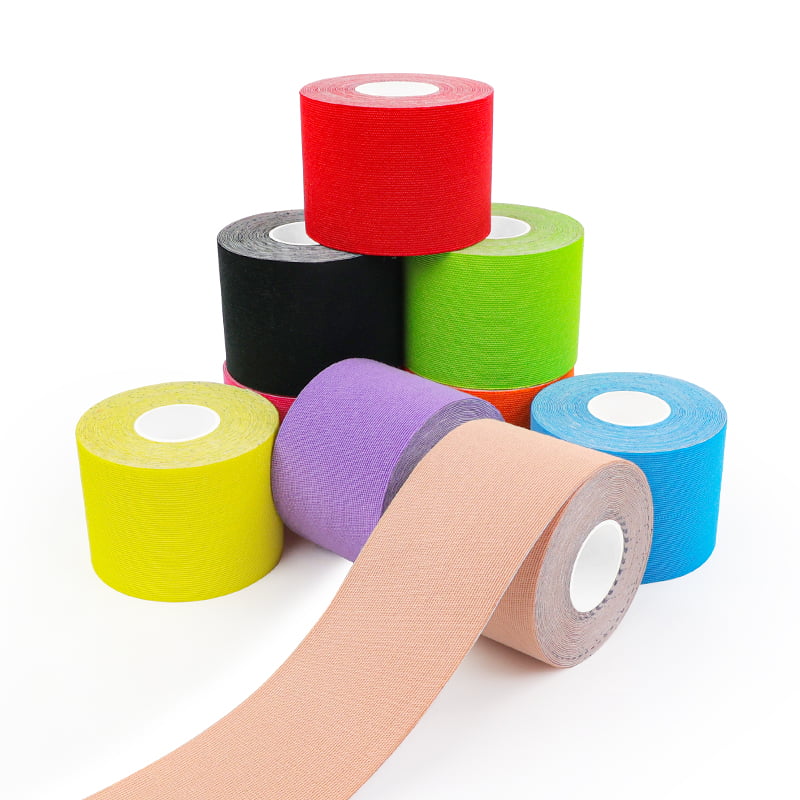

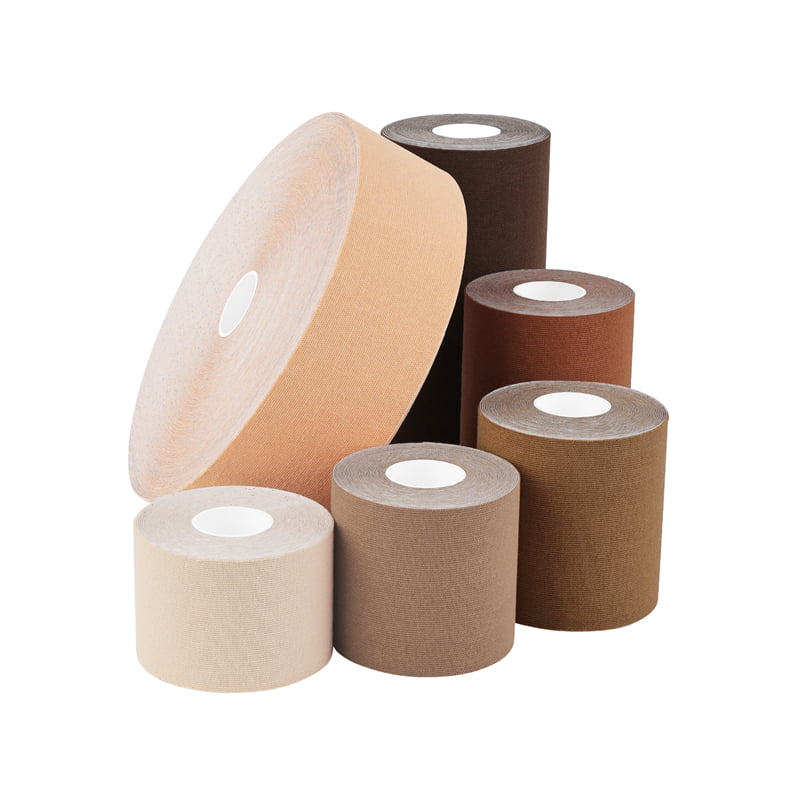
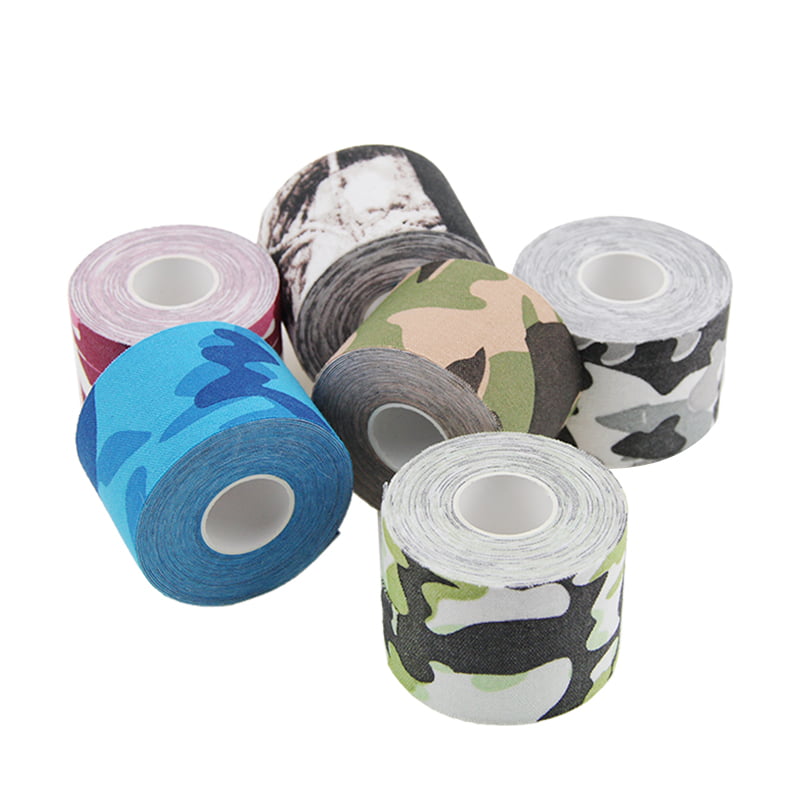
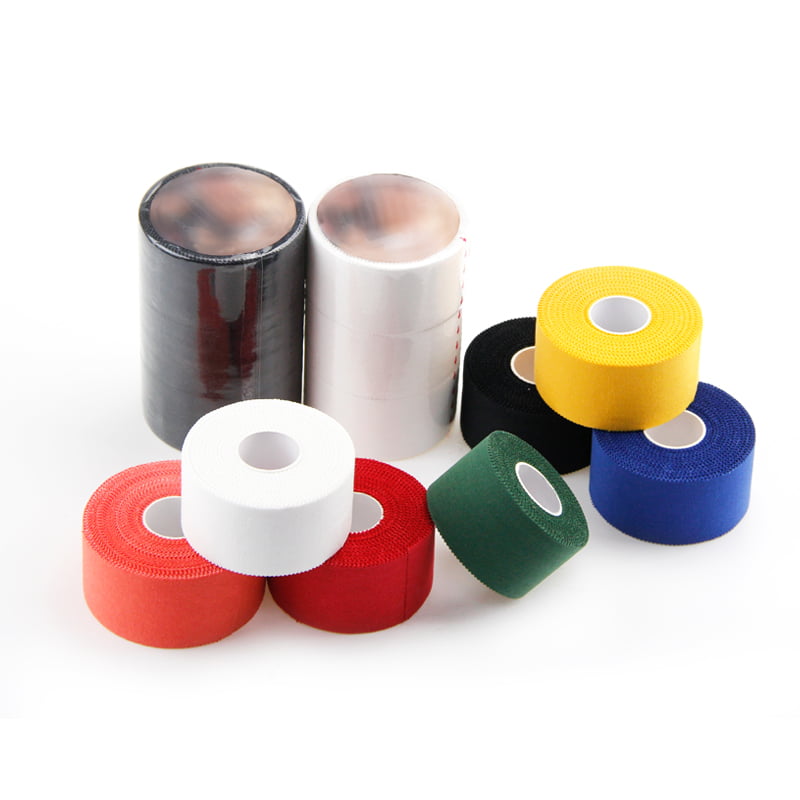

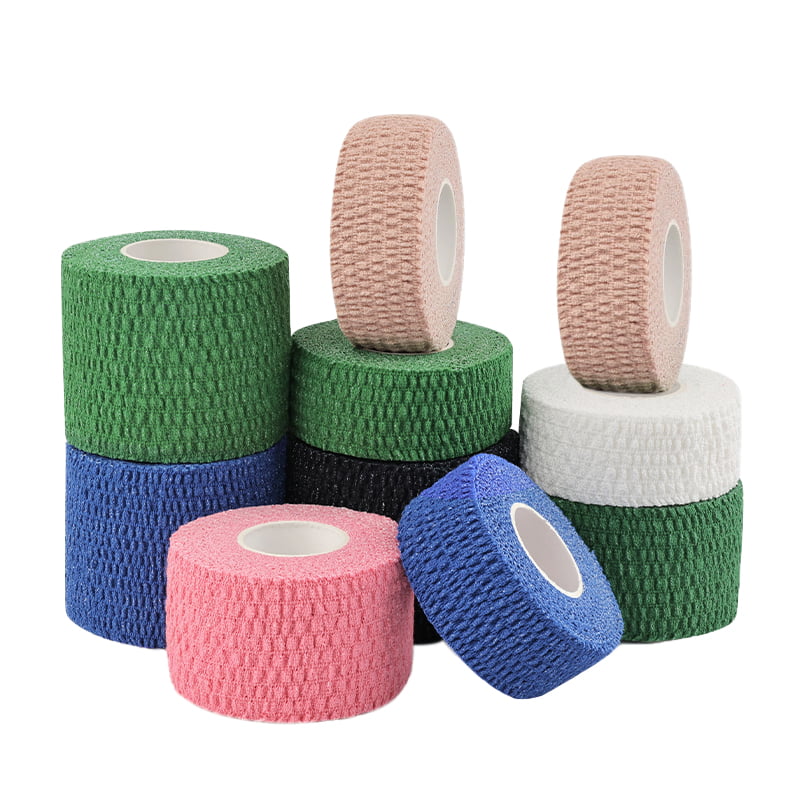
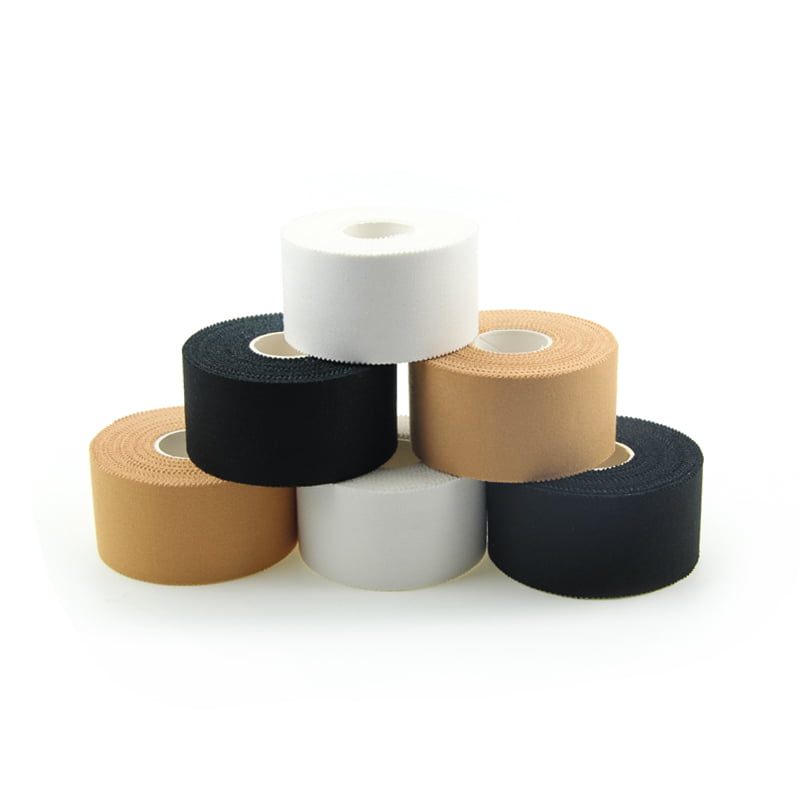
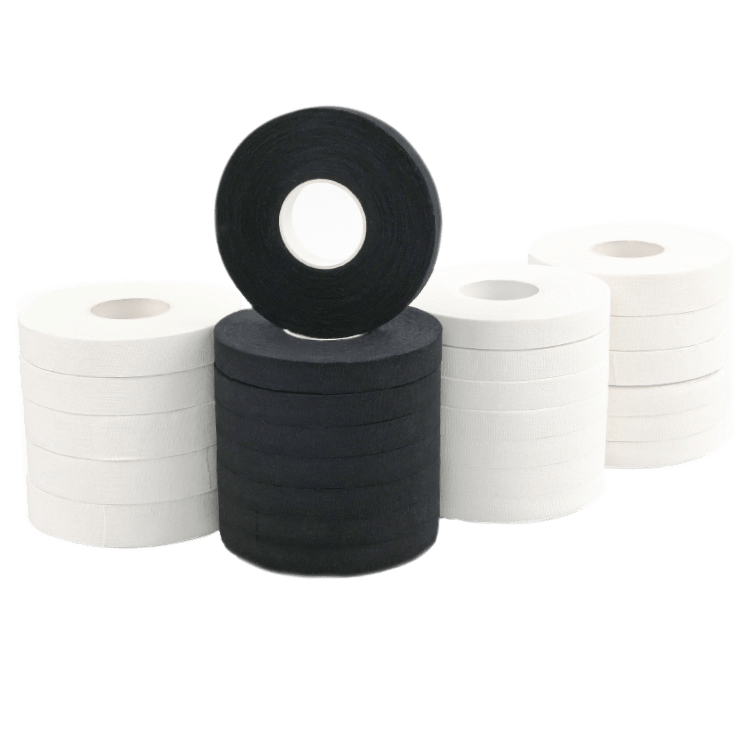
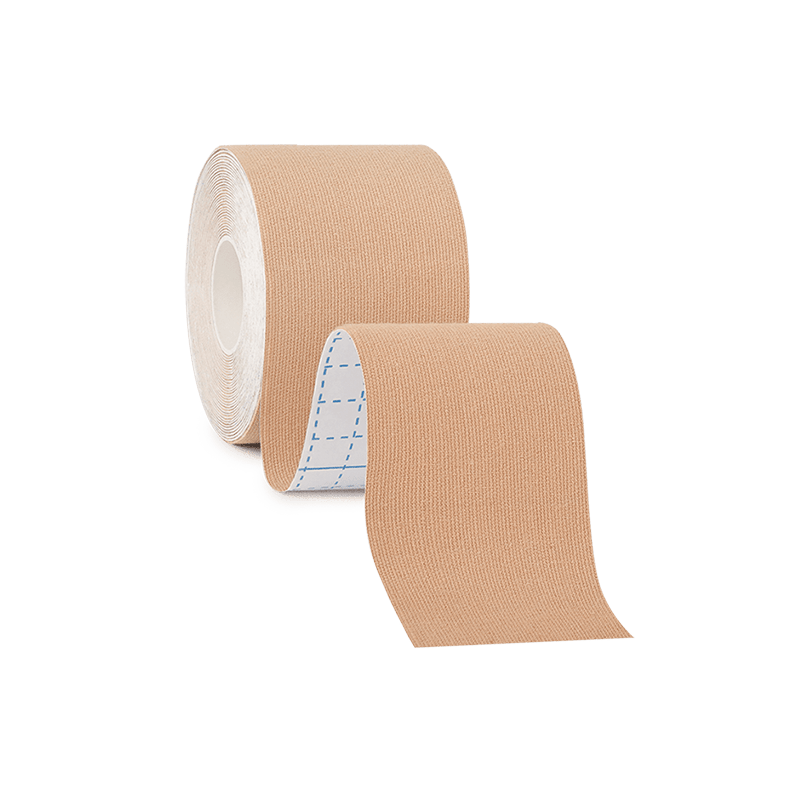
Wybierająctaśma kinezjologiczna, wiele osób skupia się tylko nakolor,rozmiar, wzór, lub jak lepka jest taśma. Jednak prawdziwa różnica między zwykłymtaśma sportowai premiumowa taśma mięśniowa tkwi w czymś, czego nie możesz zobaczyć od razu:taśma kinezjologiczna elastyczność.
Dobre taśmy kinesiology powinny naturalnie poruszać się z twoim ciałem, rozciągać się, gdy twoje mięśnie się poruszają, i delikatnie wracać do swojego pierwotnego kształtu, nie czując się ciasno ani ograniczająco.
Dlatego taśmy mięśniowe premium są zazwyczaj zaprojektowane z myślą oZakres rozciągliwości 160%-180%. Ta zrównoważona elastyczność sprawia, że taśma jest wygodna podczas treningów, aktywności sportowych i codziennych ruchów, jednocześnie zapewniając niezawodne wsparcie.
Ale dlaczego procent rozciągania ma znaczenie? Przyjrzyjmy się temu bliżej.
Co oznacza elastyczność 160%-180% dla taśmy kinesiology?
Elastyczność taśmy kinesiology opisuje, jak bardzo taśma może się rozciągać w porównaniu do swojej pierwotnej długości.
Na przykład taśma o elastyczności 160%-180% może znacznie się rozciągać, jednocześnie zachowując zdolność do powrotu do pierwotnego kształtu.
To ma znaczenie, ponieważ twoje ciało nieustannie się porusza:
-
Twoje kolano zgina się podczasdziałanie
-
Podczas treningu Twoje ramię obraca się
-
Twoje mięśnie rozszerzają się podczas ćwiczeń
-
Twoja skóra rozciąga się podczas codziennych ruchów
Wysokiej jakości taśma kinesjologiczna powinna poruszać się razem z twoim ciałem, a nie przeciwko niemu.
Dlaczego taśma kinesiology premium używa rozciągania 160%-180%
1. Wygodne wsparcie bez ograniczania ruchu
W przeciwieństwie do tradycyjnej taśmy sportowej, która ogranicza ruch, taśma kinesjologiczna jest zaprojektowana, aby wspierać twoje ciało, jednocześnie pozwalając na naturalny ruch.
Dzięki zrównoważonej elastyczności taśma może:
-
Podążaj za ruchem swojej skóry i mięśni
-
Rozciąganie podczas ćwiczeń
-
Odzyskaj siły po ruchu
-
Zachowaj komfort podczas długiego noszenia
Czy biegasz, podnosisz ciężary, grasz w tenisa, wędrujesz, czy regenerujesz się po codziennym bólu mięśni, taśma powinna być odczuwana jak część twojego ciała, a nie dodatkowa warstwa.
2. Lepsza sprężystość i dłuższa wydajność
Ta taśma może wydawać się elastyczna, gdy po raz pierwszy ją wyciągniesz z rolki, ale prawdziwym testem jest to, co się wydarzy później.
Taśma kinezjologiczna premium wymaga wytrzymałościpamięć elastyczna— zdolność powrotu do pierwotnego kształtu po rozciągnięciu.
Taśma niskiej jakości może:
-
Rozciągnij się szybko
-
Utrata napięcia po ruchu
-
Poczuj się rozluźniony po treningu
Dobrze zaprojektowana taśma mięśniowa utrzymuje swoją elastyczność i wsparcie przez kilka dni normalnego noszenia.
3. Pomaga zapobiegać nadmiernemu naciąganiu skóry
Taśma kinezjologiczna elastycznośćwpływa również na komfort.
Jeśli taśma jest zbyt sztywna, może ciągnąć za skórę, gdy twoje ciało się porusza.
Jeśli taśma zbyt łatwo się rozciąga, ale nie może wrócić do pierwotnego kształtu, może stracić swoje wspierające uczucie.
Zakres elastyczności 160%-180% zapewnia równowagę:
✓ Wystarczająco elastyczny, aby zapewnić swobodę ruchu
✓ Wystarczająco mocny, aby zapewnić wsparcie
✓ Wystarczająco wygodne do dłuższego noszenia
Zbyt duże rozciągnięcie nie zawsze oznacza lepszą taśmę
Wiele osób zakłada:
„Więcej rozciągania = lepsza taśma kinezjologiczna”.
Ale nie zawsze jest to prawdą.
Taśma o niezwykle dużym rozciągnięciu może na początku wydawać się miękka, ale jeśli nie będzie w stanie prawidłowo się zregenerować, może szybko stracić swoją skuteczność.
Tennajlepsza taśma kinezjologicznanie jest tym, który sięga najdalej.
To jest ten, który zapewnia odpowiednią równowagę między:
-
Rozciągać się
-
Powrót do zdrowia
-
Komfort
-
Przyczepność
Jak wybrać odpowiednią taśmę kinesiology dla swoich potrzeb
Zanim kupisz taśmę kinesjologiczną, weź pod uwagę te czynniki:
Do sportu i fitnessu
Wybierz taśmę, która:
-
Porusza się naturalnie, zgodnie z ruchem ciała
-
Radzi sobie z potem i codzienną aktywnością
-
Zapewnia wsparcie podczas ćwiczeń
Dla codziennego wsparcia mięśni
Wybierz taśmę, która:
-
Przyjemny dla skóry
-
Nie ogranicza ruchu
-
Można nosić przez kilka dni
Dla skóry wrażliwej
Szukać:
-
Miękka faktura materiału
-
Przyjazny dla skóry klej
-
Płynne usuwanie
Elastyczność to tylko jedna część jakości. Najlepsza taśma kinesjologiczna łączy odpowiednią rozciągliwość, wygodny materiał, niezawodny klej i przyjazne dla skóry właściwości.
Dlaczego taśma mięśniowa Veefun została zaprojektowana zgodnie z normą rozciągania 160%-180%
W Veefun koncentrujemy się na tworzeniu taśmy, która wydaje się naturalna podczas ruchu w rzeczywistym życiu.
Nasze taśmy zostały zaprojektowane z uwzględnieniem:
✓ Zrównoważona elastyczność 160%-180%
✓ Miękka i elastyczna tkanina
✓ Silna odbudowa sprężysta
✓ Komfortowy kontakt ze skórą
✓ Niezawodna przyczepność podczas uprawiania sportu i codziennego użytku
Od treningów na siłowni po zajęcia na świeżym powietrzu,VeefunTaśma mięśniowa jest stworzona, aby poruszać się razem z Tobą.
Często zadawane pytania
Jaki jest najlepszy stopień rozciągliwości taśmy?
Zakres rozciągania 160%-180% jest powszechnie stosowany w przypadku premium taśmy kinesjologicznej, ponieważ zapewnia dobrą równowagę między elastycznością, wsparciem a komfortem.
Czy taśma kinezjologiczna rozciąga się za bardzo?
Wysokiej jakości taśma kinesjologiczna powinna łatwo się rozciągać, ale także odzyskiwać swój kształt. Nadmierne rozciąganie bez regeneracji może zmniejszyć wsparcie.
Dlaczego moja taśma kinezjologiczna traci napięcie?
Taśma może stracić napięcie z powodu słabego powrotu elastycznego, niewłaściwego zastosowania, nadmiernego rozciągania podczas aplikacji lub długotrwałej intensywnej aktywności.
Jak długo można stosować taśmę kinezjologiczną?
Większość taśm wysokiej jakości może być noszona przez kilka dni, gdy jest prawidłowo nałożona i używana na czystej, suchej skórze.
Czy elastyczna taśma kinezjologiczna jest lepsza do uprawiania sportu?
Tak, ale tylko wtedy, gdy taśma ma dobrą elastyczność. Taśma, która się rozciąga, ale nie wraca prawidłowo, może nie zapewniać stałego wsparcia.
Co wyróżnia wysokiej jakości taśmy kinezjologiczne?
Premium taśma kinesjologiczna łączy w sobie zrównoważoną elastyczność, wygodny materiał, niezawodny klej i stałą wydajność podczas ruchu.