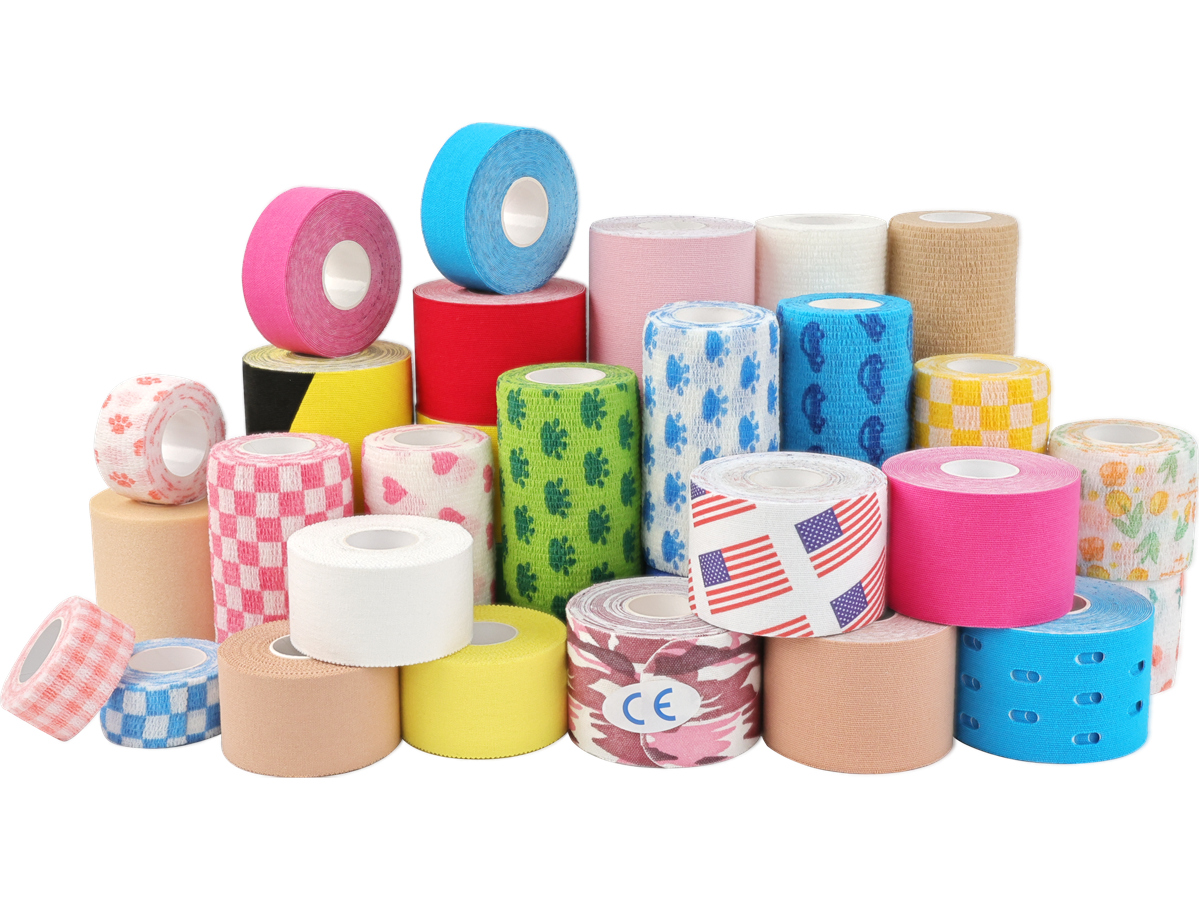
Se hai mai aperto due diversi rotoli di nastro in palestra e ti sei chiesto"Quale dovrei usare in realtà?"– Non sei solo. La risposta breve?Usa il nastro in ossido di zinco quando hai bisogno di un supporto serio e stabile. Usa il nastro elastico quando desideri un supporto che si muova con te.Ma analizziamolo in un modo che abbia senso per la vita reale, che tu sia un atleta, un guerriero del fine settimana o semplicemente qualcuno che cerca di mantenere il proprio corpo in buona forma.
La differenza principale
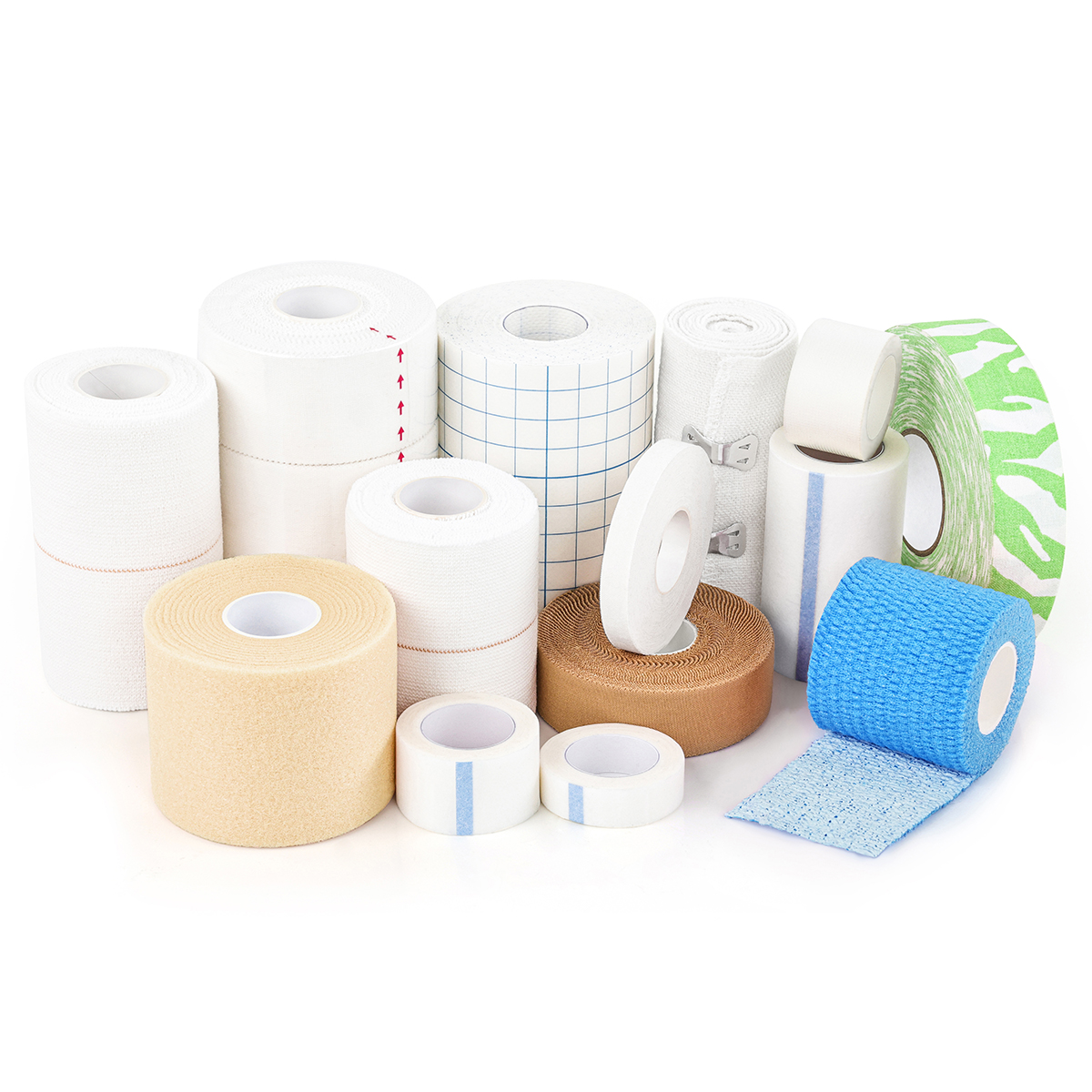
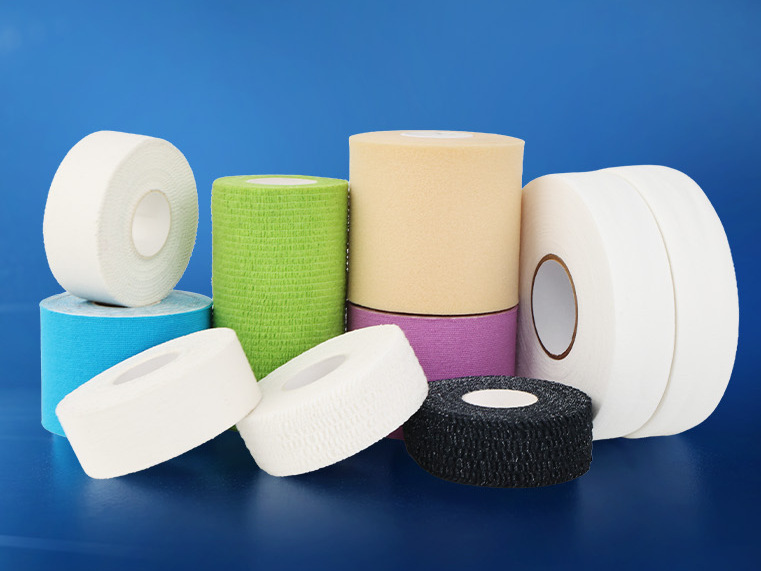
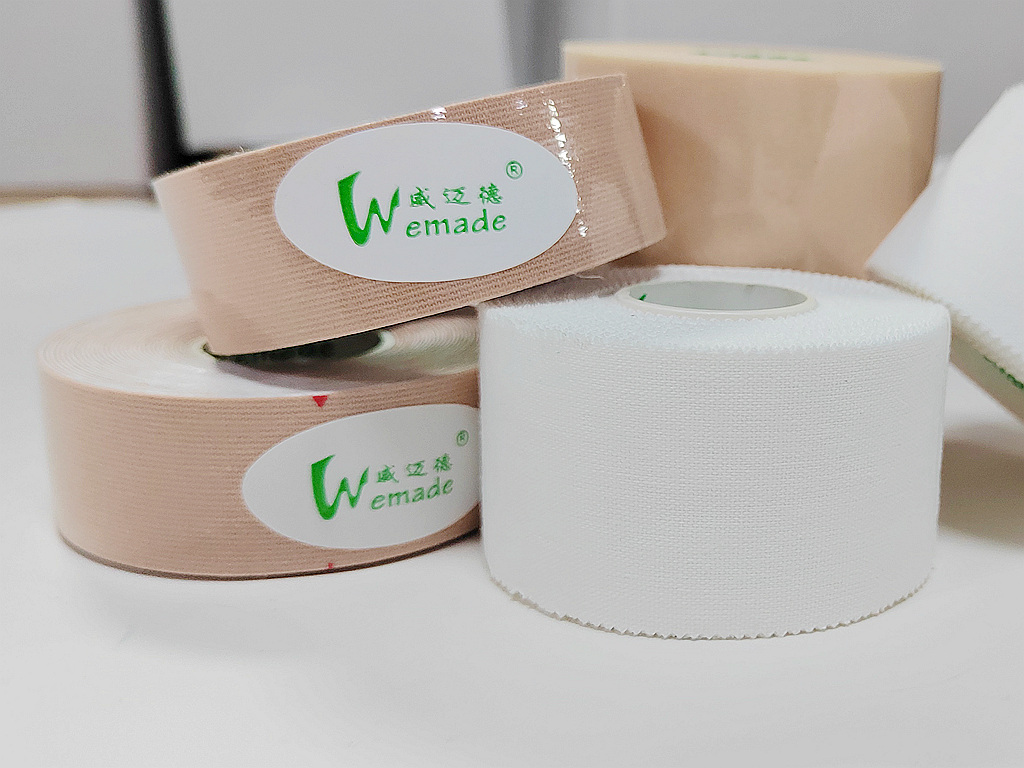
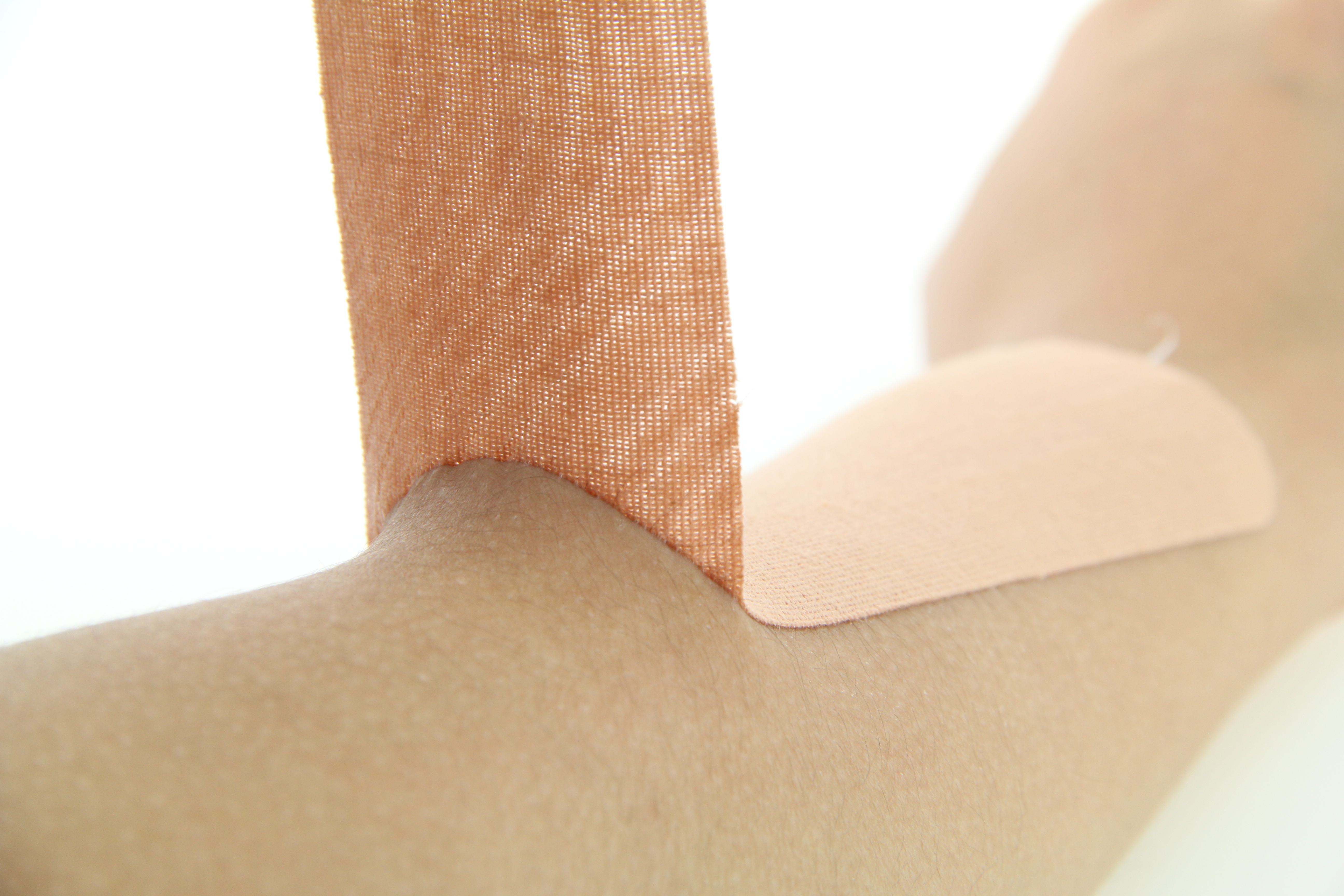
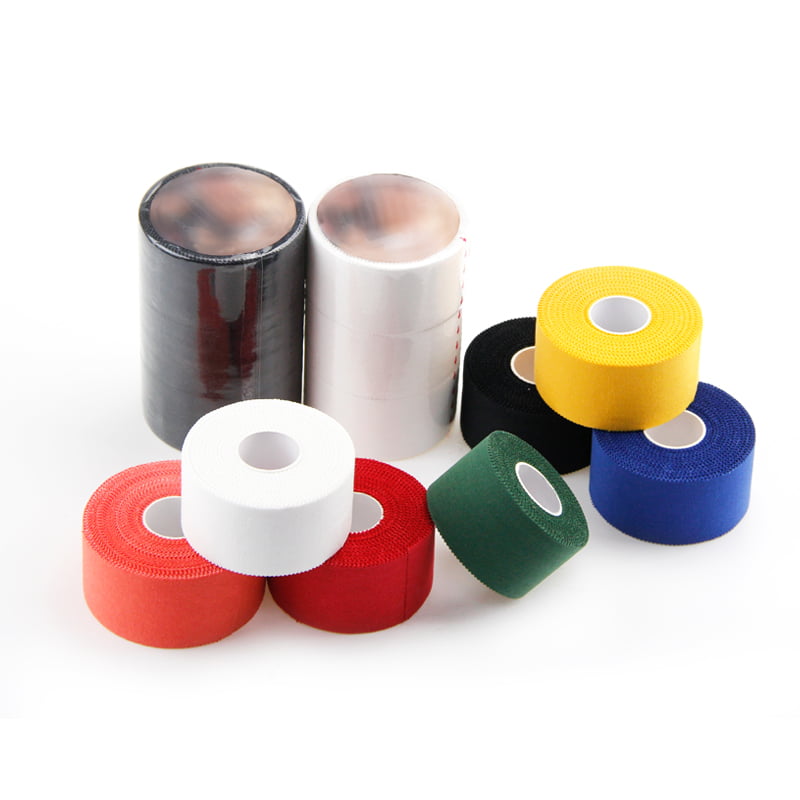
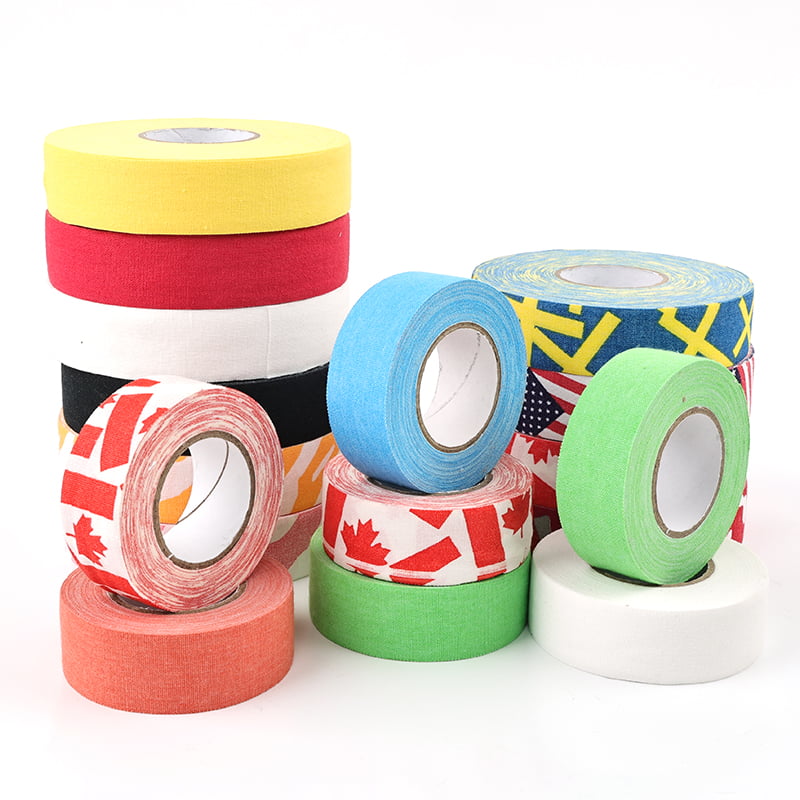
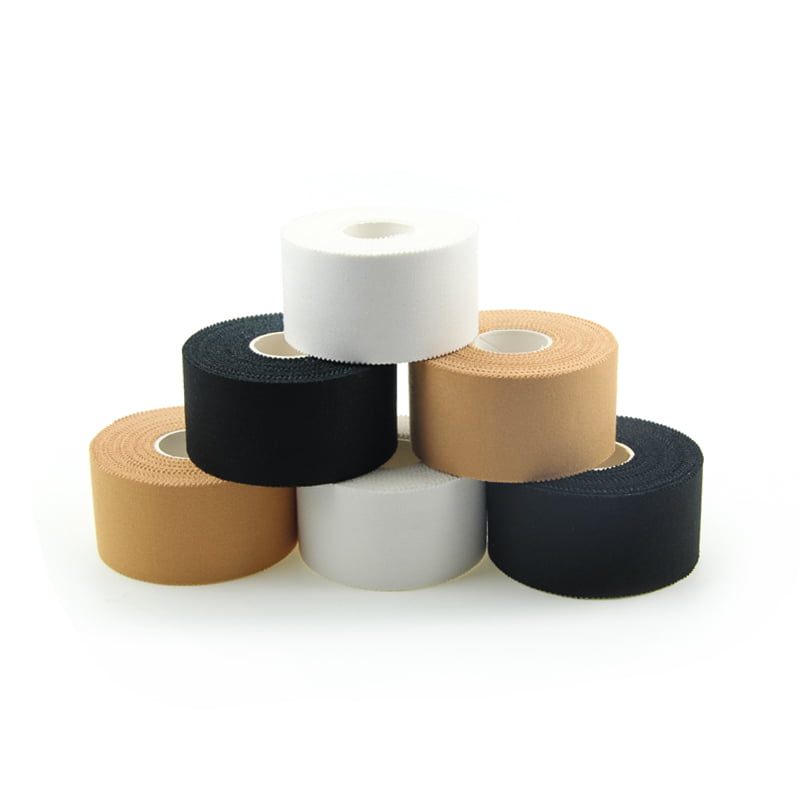
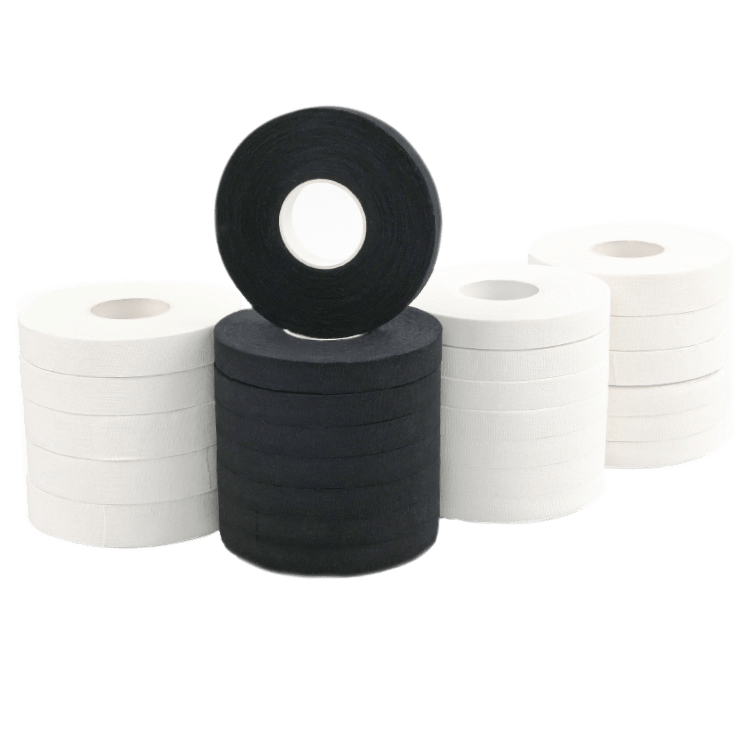
nastro all'ossido di zinco E nastro di fissaggio sportivosono rigidi – non si allungano affatto. Pensalo come una stecca di legno che si attacca alla tua pelle. Il suo compito principale è quello dilimitare il movimento e bloccare le articolazioni in posizione.
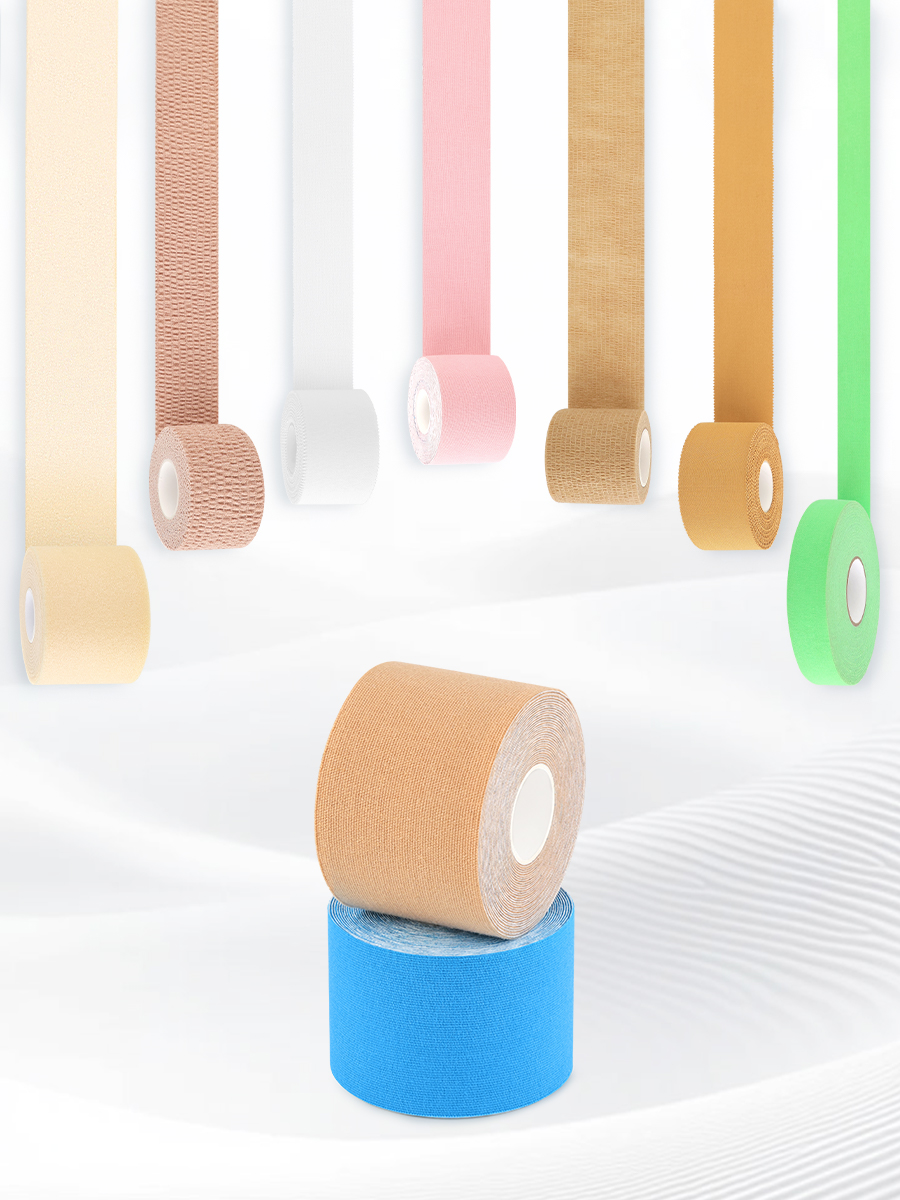
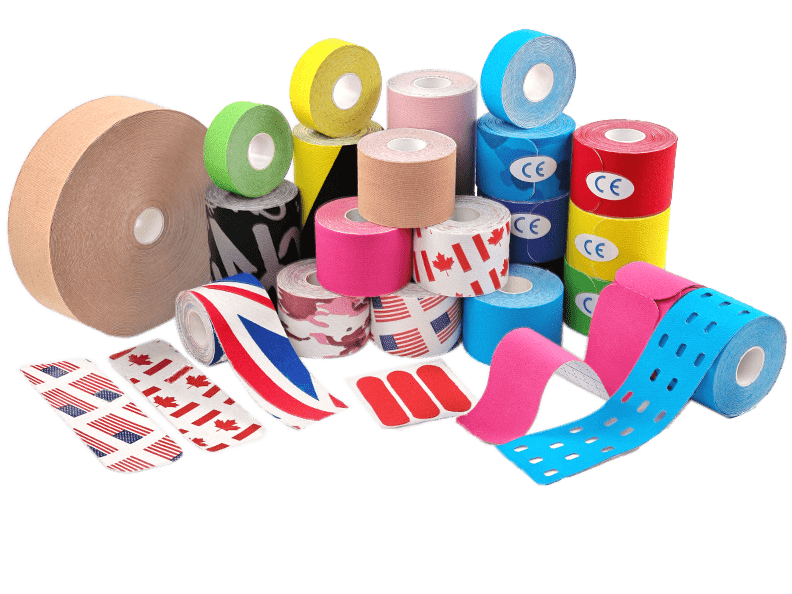
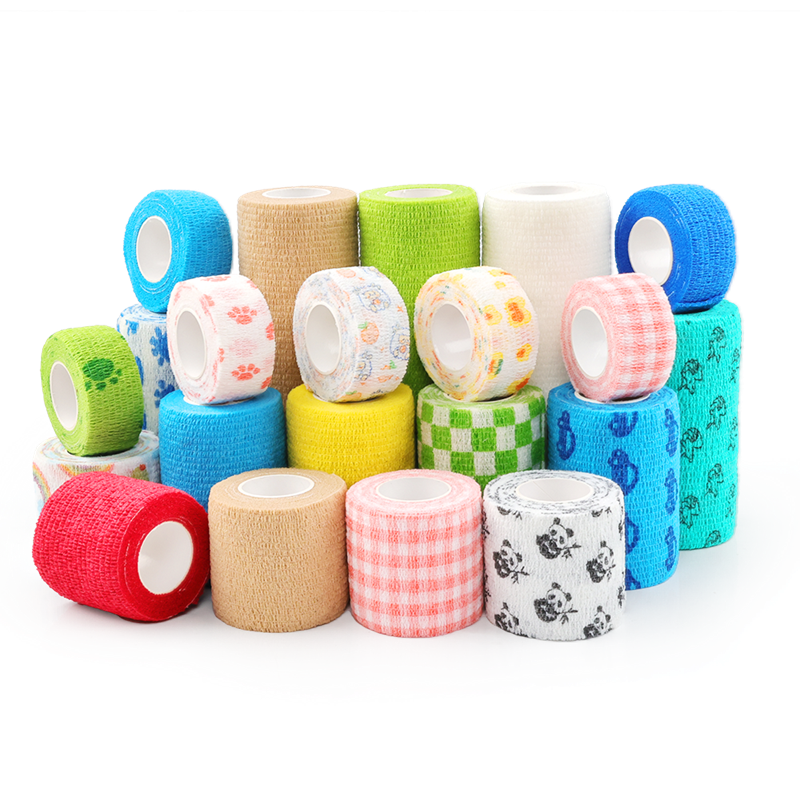
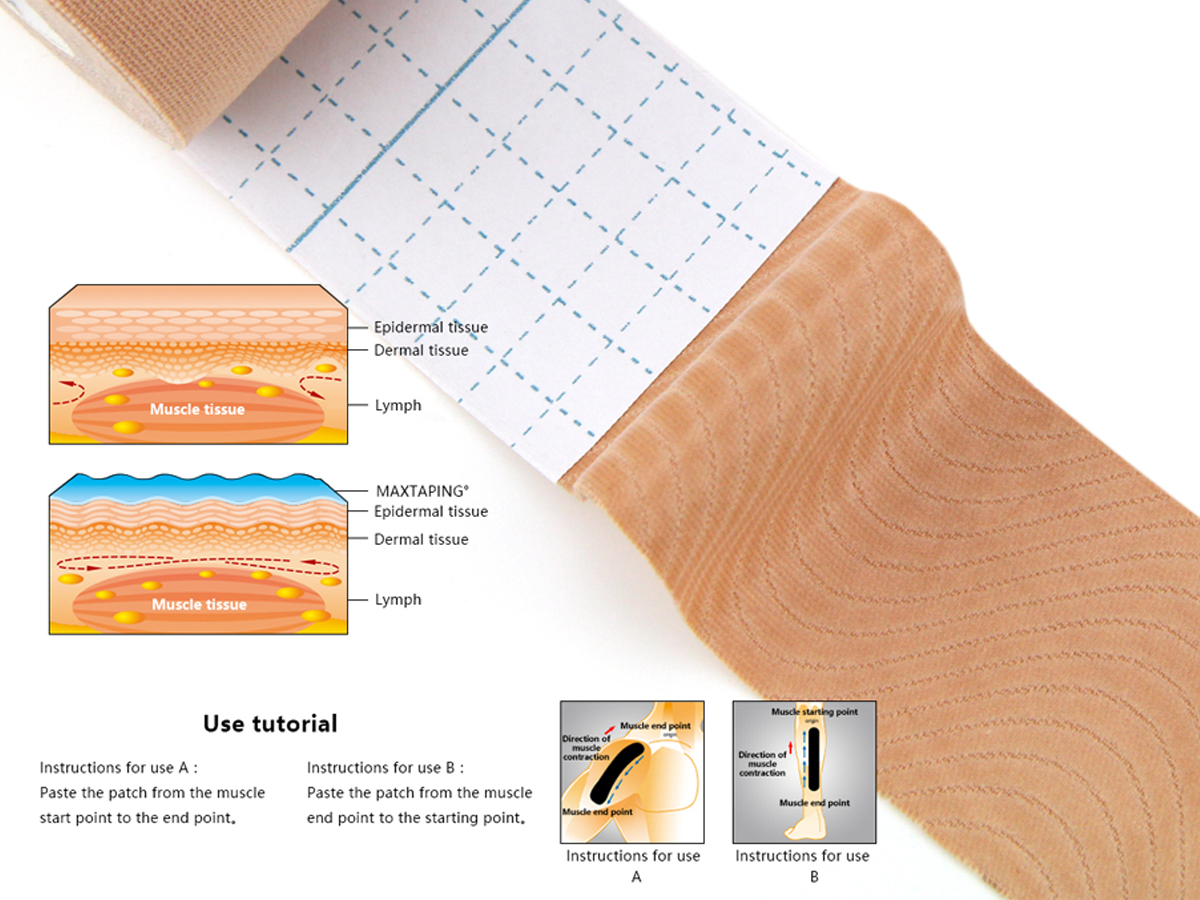
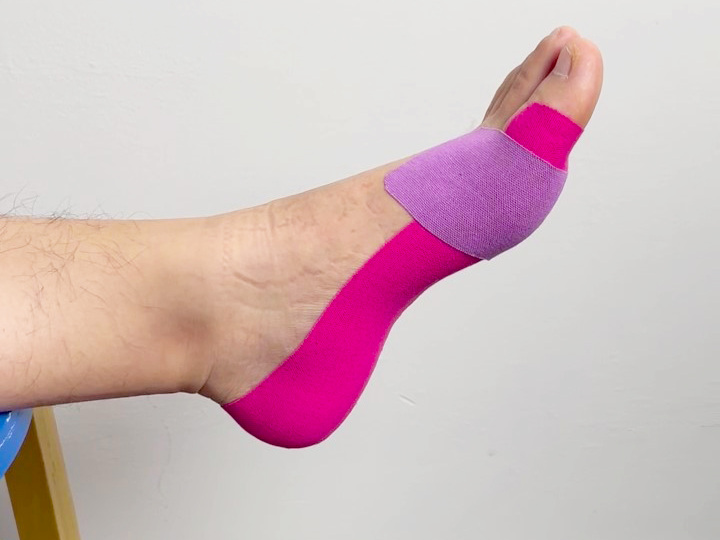
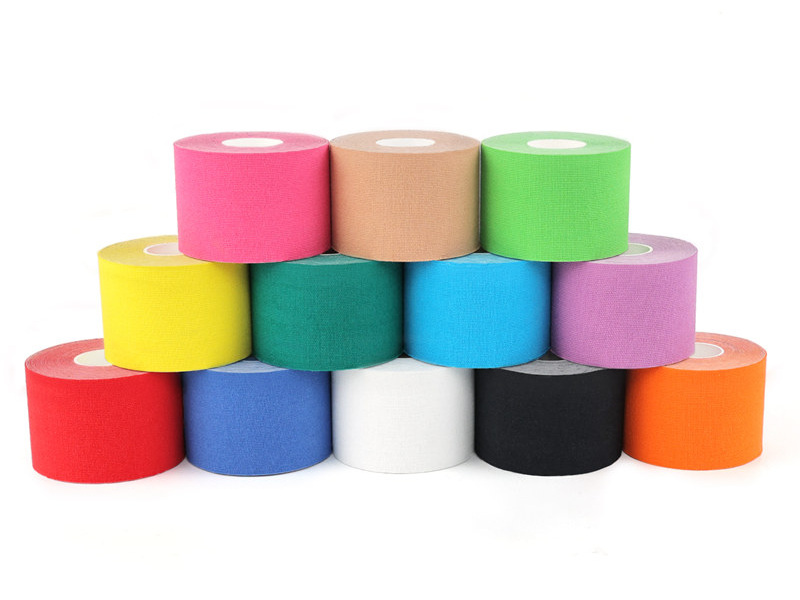
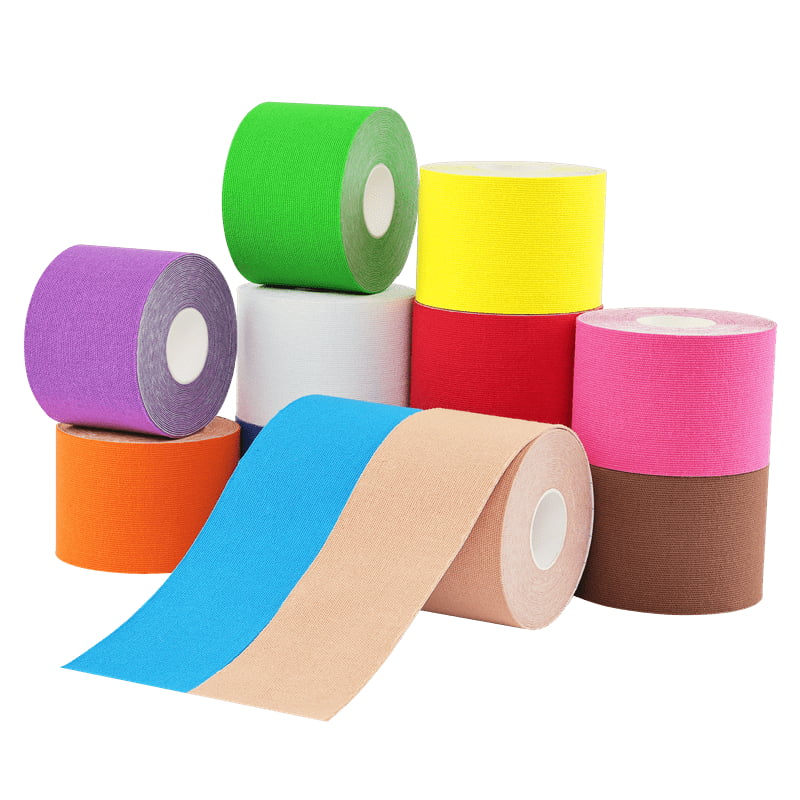
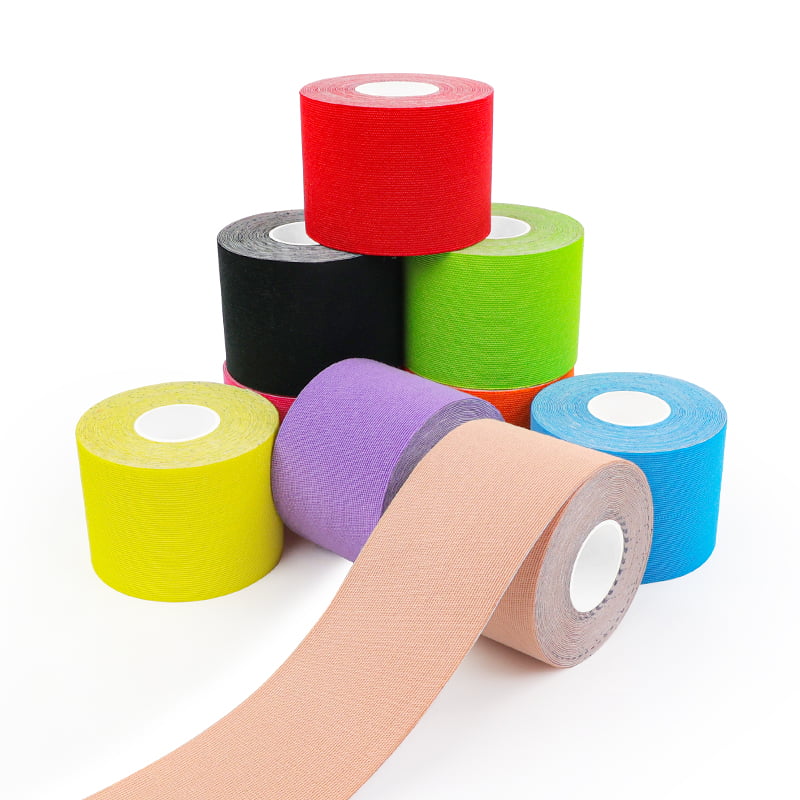
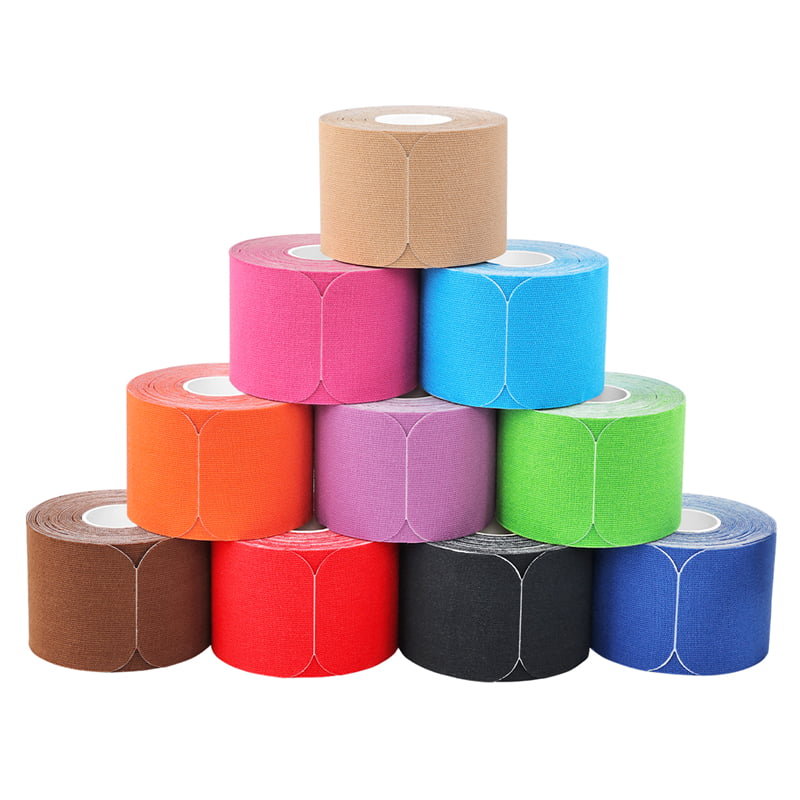
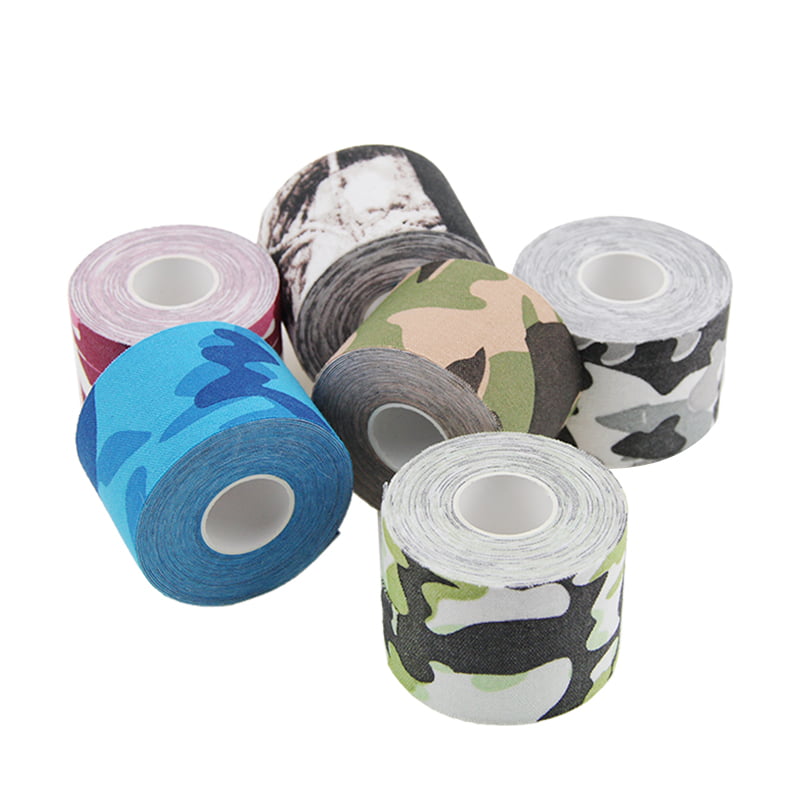
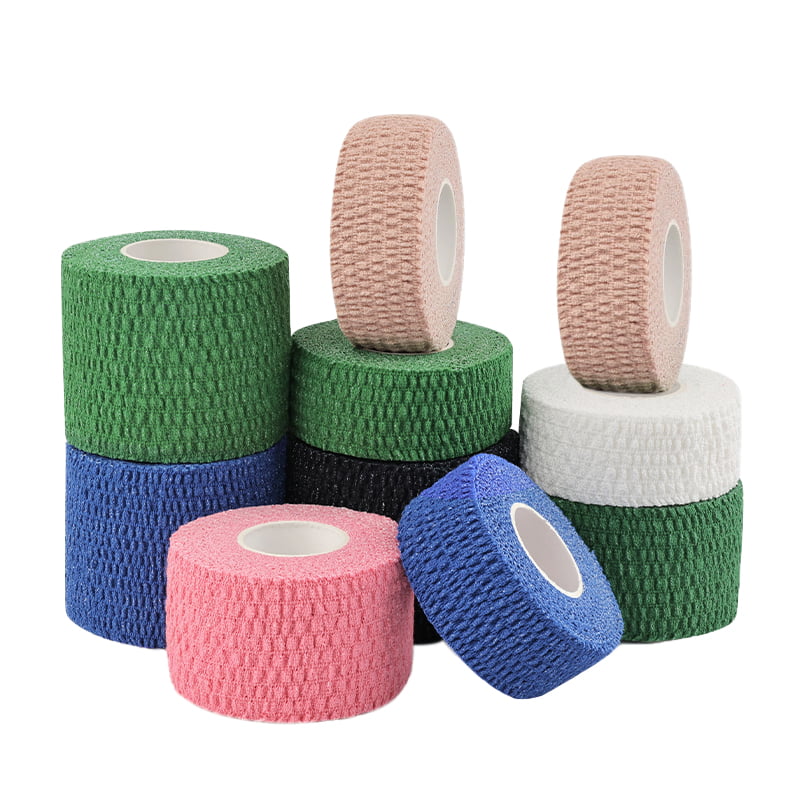
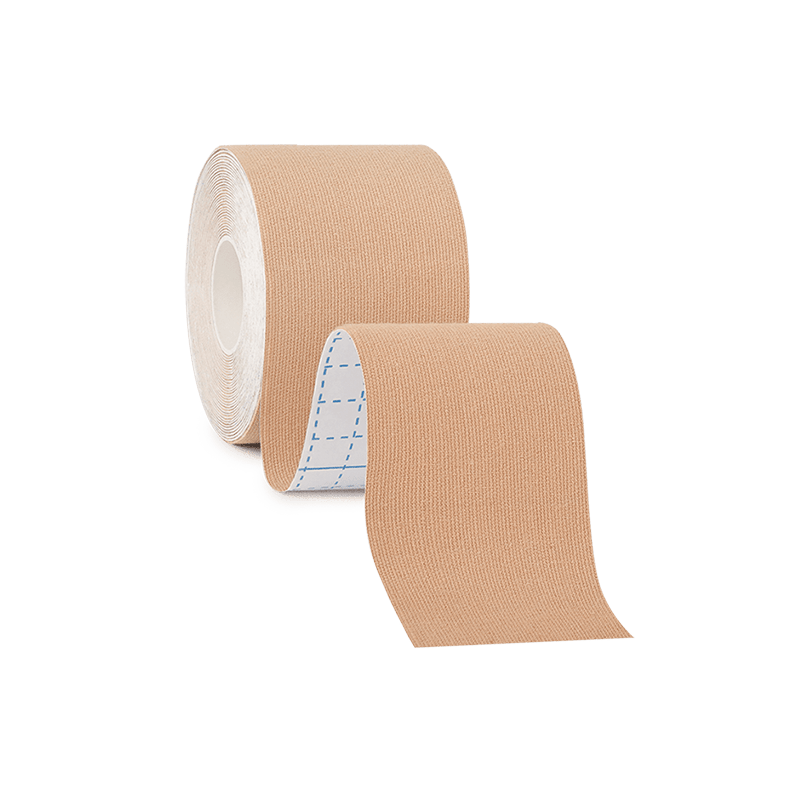
nastro elastico (Piace nastro kinesiologico O benda coesiva) si estende con il tuo corpo. Offre supporto ma ti consente di muoverti liberamente, un po' come un abbraccio di supporto per i tuoi muscoli.
Confronto rapido
Quando utilizzare il nastro adesivo all'ossido di zinco
Ecco quando il nastro all'ossido di zinco è la soluzione migliore:
1. Hai distorto qualcosa e hai bisogno che rimanga fermo
Dopo undistorsione alla caviglia, il nastro in ossido di zinco è la scelta ideale per il fissaggio perché previene il rotolamento o la torsione. È ciò che vedirugbyI giocatori indossano i braccialetti alle caviglie per un motivo.
2. Stai praticando sport di contatto
In sport comerugby,calcio, o BJJ, le tue articolazioni subiscono colpi reali. Il nastro di ossido di zinco protegge le dita, i pollici e le caviglie dall'essere piegati nel modo sbagliato.
3. Hai bisogno di protezione contro le vesciche
Quando la pelle sfrega costantemente (come durante lunghe escursioni odurante un allenamento intenso), il nastro di ossido di zinco crea uno scudo resistente chenon si muove.
4. Vuoi la massima stabilità articolare per attività rigorose
Se stai facendo qualcosa di impegnativo in cuiLa stabilità articolare costante è fondamentale, il nastro di ossido di zinco continua a fornire quell'effetto restrittivo residuo anche dopo un intenso esercizio.
5. La pelle è pulita e asciutta
Prima di applicare il nastro di ossido di zinco, assicurati che la pelle sia pulita e asciutta: questo fa sì che l'adesivo aderisca molto meglio. Non cercare di metterlo su pelle sudata, altrimenti si staccherà più velocemente della tua risoluzione il Giorno 2 del nuovo anno.
Quando il nastro elastico è la scelta migliore
Ora ribalta la situazione. Prendi il nastro elastico quando:
1. Hai bisogno di supporto senza movimenti bloccati
In ambienti della palestra, il nastro elastico è spesso più pratico perché supporta l'articolazione senza interferire con i tuoi schemi di movimento. Pensa ai supporti per il pollice nel sollevamento pesi o ai leggeri supporti per il ginocchio.
2. Stai eseguendo movimenti dinamici
Quando hai bisogno di comprimere i muscoli o supportare lievi fastidi mentre ti muovi naturalmente, il nastro elastico fa il suo lavoro senza sembrare un gesso.
3. Desideri traspirabilità e comfort
Le fasce elastiche sono solitamente più traspiranti, quindi sono migliori per un uso prolungato o in ambienti caldi.
Cosa succede quando si usa il nastro adesivo sbagliato?
È qui che le cose si fanno imbarazzanti:
-
Nastro sportivo rigido quando hai bisogno di movimento→ il nastro è rigido e ti limita
-
Nastro elastico quando hai bisogno di un supporto deciso→ il nastro adesivo sembra allentato e praticamente inutile
Capire quale nastro fa cosa rende la scelta molto più facile.
Consigli per sfruttare al meglio il nastro all'ossido di zinco
-
Non allungarlo– il nastro di ossido di zinco è non elastico, quindi applicalo senza tirare a meno che tu non stia intenzionalmente limitando il movimento come la flessione del polso
-
Sovrapposizione per metà– per una stabilità extra, sovrapporre le strisce per metà della loro larghezza senza spazi.
-
Ancoraggio su punti stabili– avvolgere le estremità attorno a ossa o tendini per prevenire lo srotolamento
-
Non stringere troppo– questo può interrompere la circolazione e causare disagio
-
Se necessario, spuntare i capelli.– meno capelli significa migliore adesione e meno dolore durante la rimozione
In conclusione
Quando ne hai bisognoun supporto forte e concretoper proteggere le articolazioni da rotolamenti, torsioni o schiacciamenti – afferranastro all'ossido di zincoQuando vuoisupporto con flessibilitàche si muove con il tuo corpo durante l'allenamento, vai connastro elastico.
Conoscere la differenza tra nastro di ossido di zinco e nastro elastico ti salva da un momento frustrante quando il tuo nastro sembra un gesso o come se non stesse facendo nulla. Le tue articolazioni ti ringrazieranno e il tuo allenamento sarà molto più fluido.
Quindi la prossima volta che ti prepari per l'allenamento o il recupero, chiediti:Devo bloccarlo, o devo muovermi con esso?Quella semplice domanda ti dice esattamente quale nastro di ossido di zinco o nastro elastico prendere.