
Anwendung von Kinesiologie-Tape bei Meniskusriss
Kann Kinesiotape bei einem Meniskusriss helfen? Ja. Kinesiotape zur Unterstützung bei Meniskusrissen funktioniert, indem es eine funktionale "Brücke" um das Kniegelenk bildet, um die Stabilität zu verbessern und den Druck vom gerissenen Knorpel zu entlasten. Durch das Anheben der Haut zur Verbesserung der Durchblutung wird effektiv die Schwellung des Meniskus behandelt und Schmerzen im medialen Meniskus gelindert. Für Sportler und Patienten bietet das richtige Taping das notwendige sensorische Feedback, um das Vertrauen beim Gehen, Drehen und bei Rehabilitationsübungen wiederherzustellen.
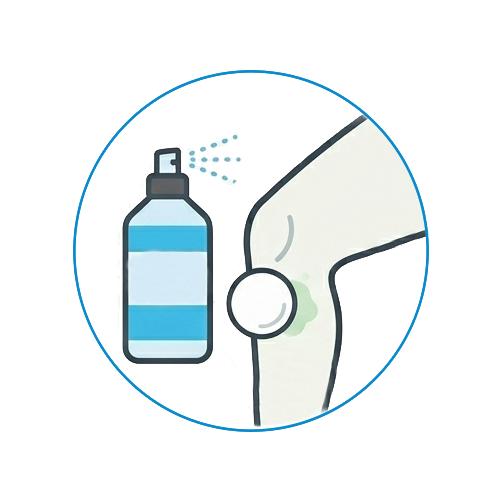
Vorbereitung des Knies vor dem Tapen
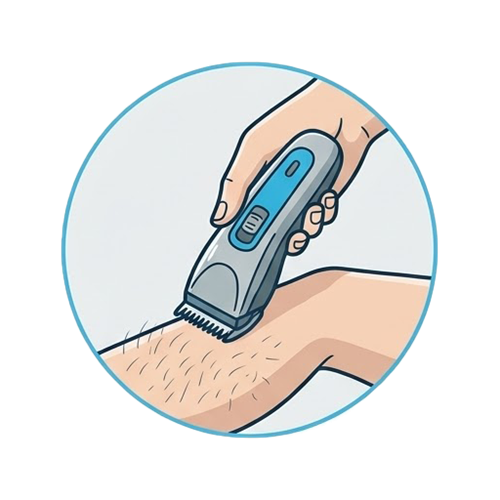
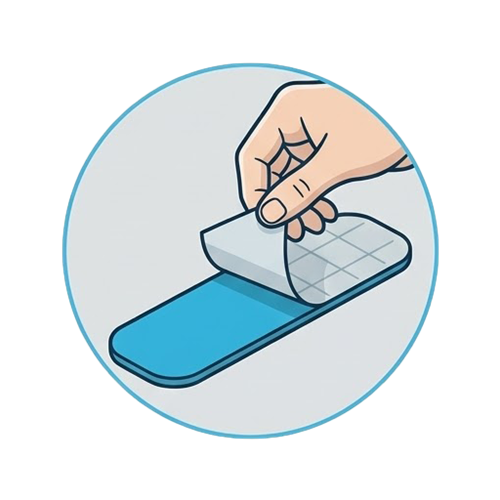
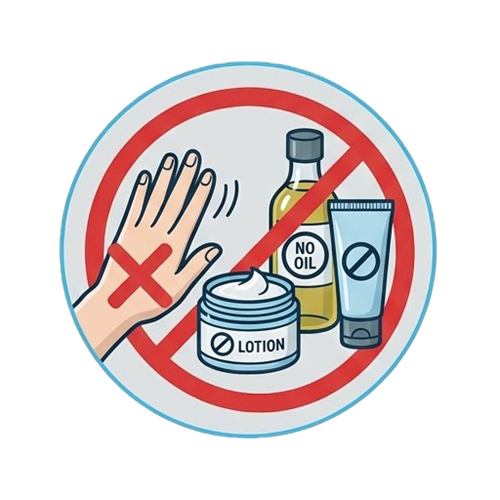
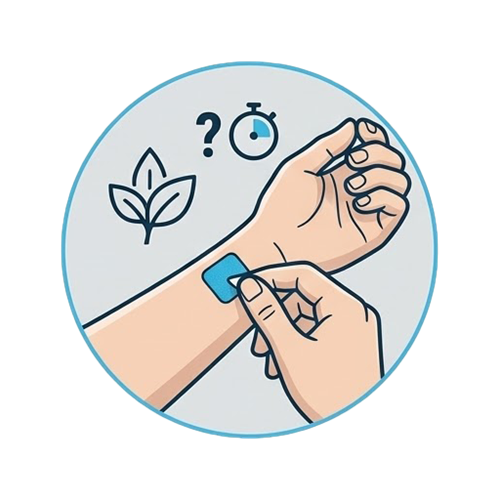
Einer der größten Gründe, warum Tape zu früh versagt, ist eine unzureichende Hautvorbereitung. In der Sportrehabilitation verbringen Therapeuten zusätzliche Zeit mit der Vorbereitung der Haut, da dies direkt beeinflusst, wie lange das Kinesiotape bei Meniskusrissen hält und wie gut es das Gelenk unterstützt.

Häufige Fehler, die das Meniskus-Taping weniger effektiv machen
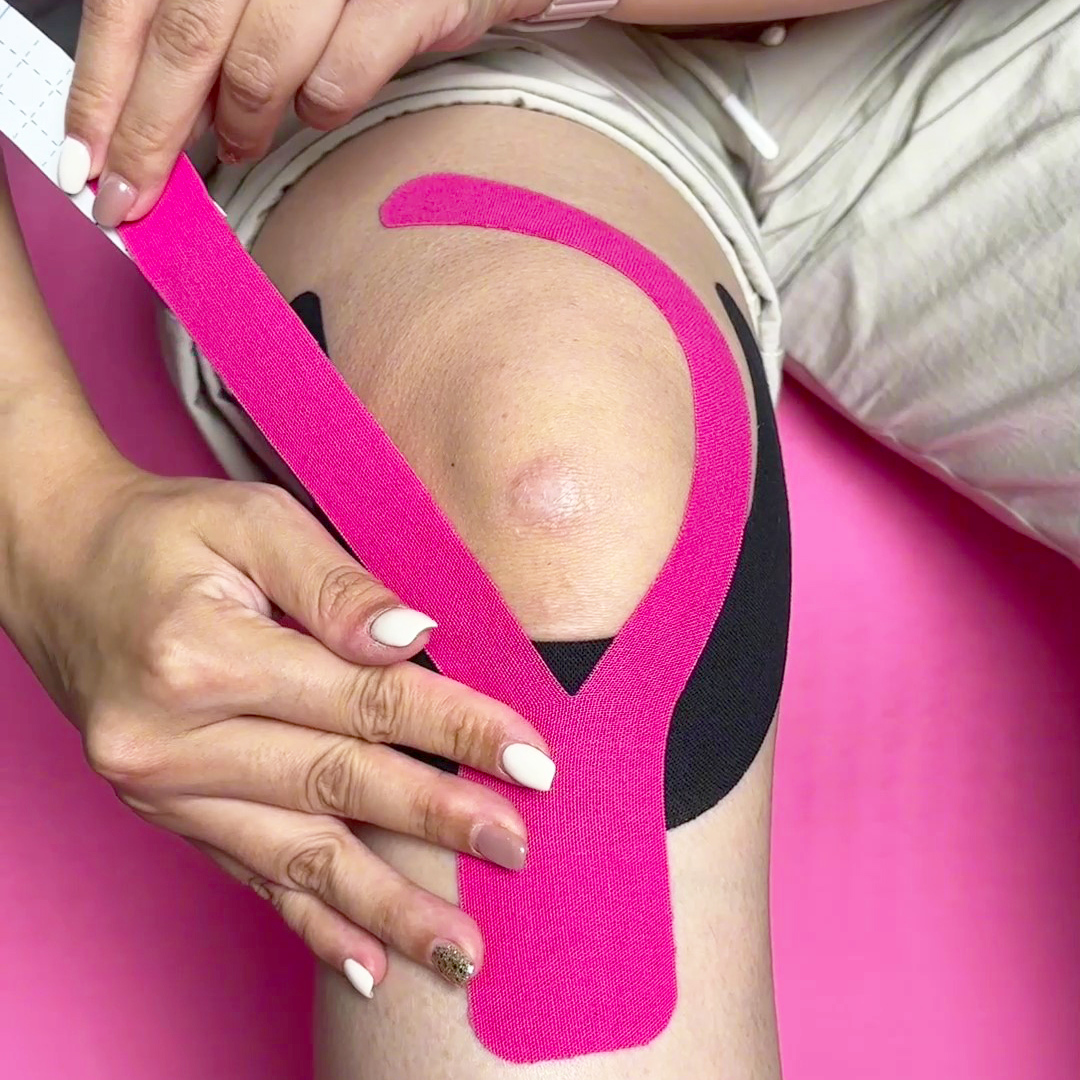
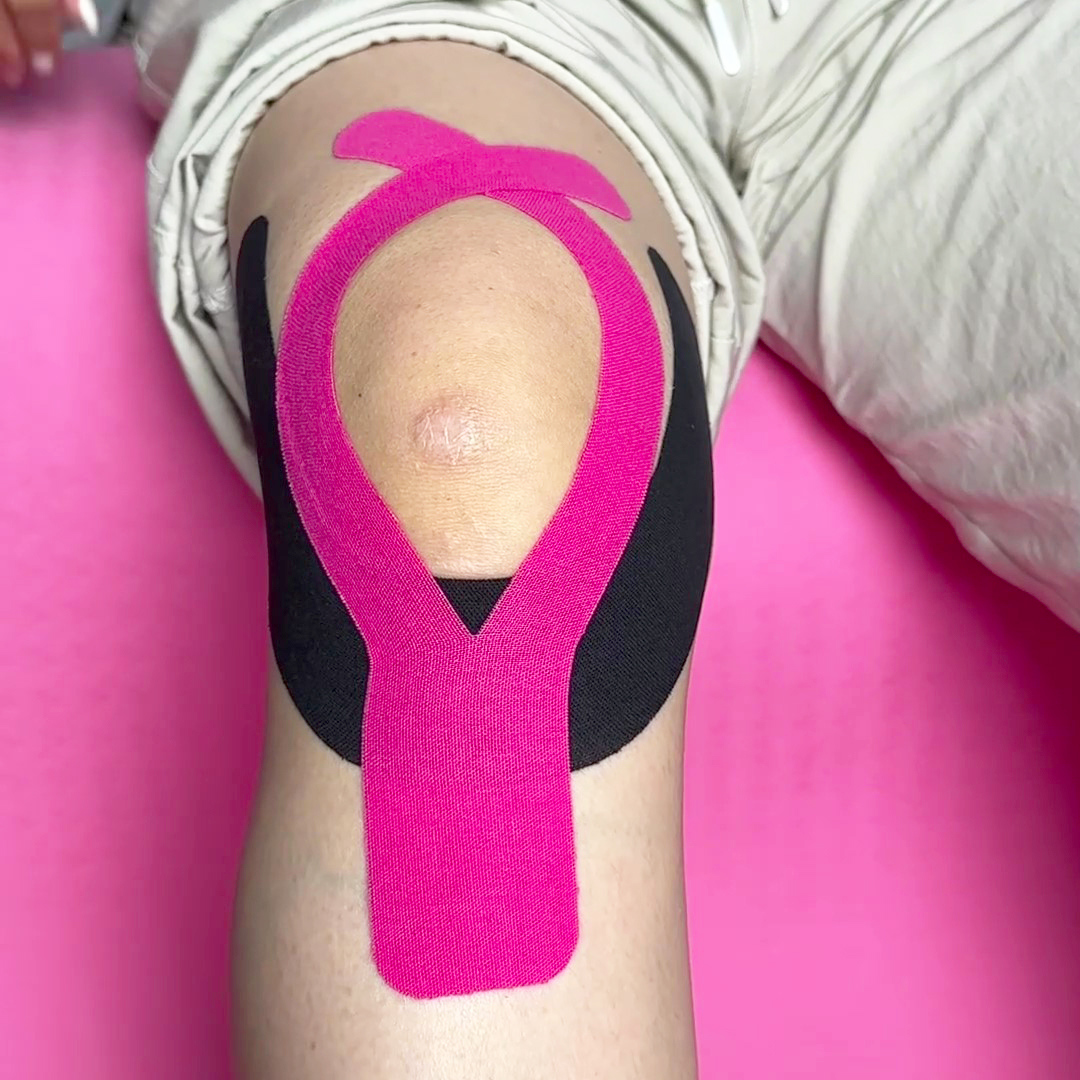
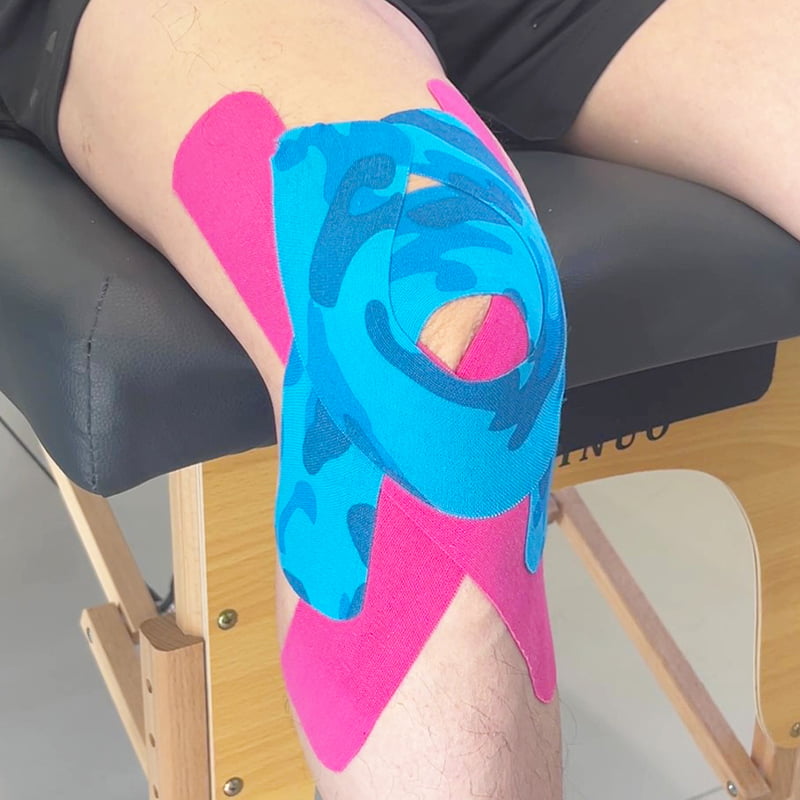
Kinesiologisches Tape für Meniskusriss Schritt-für-Schritt Tape-Anleitung
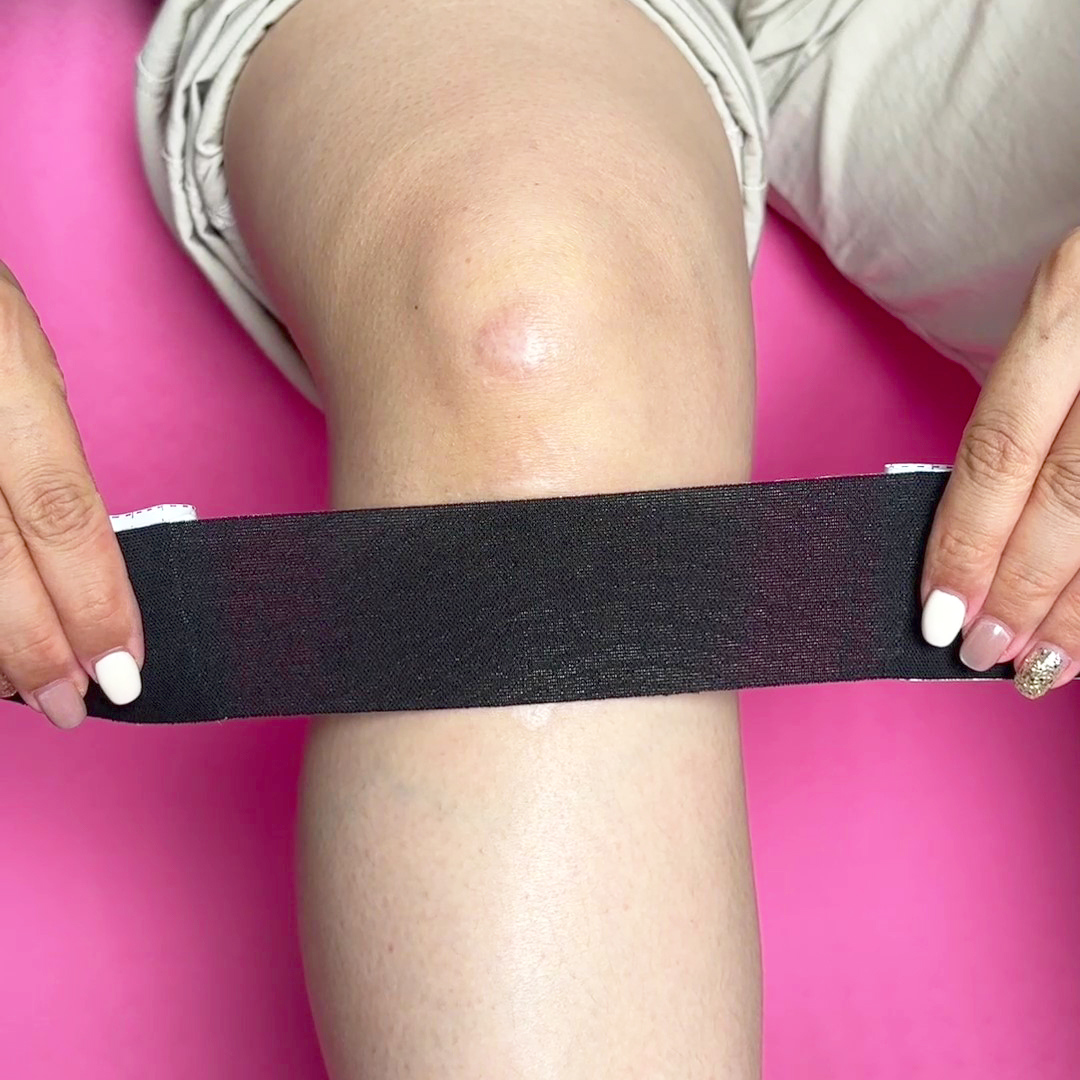
Setzen Sie sich bequem und beugen Sie das Knie etwa 30–45 Grad. Diese Position hilft dem Tape, sich natürlich an die Konturen des Gelenks anzupassen.
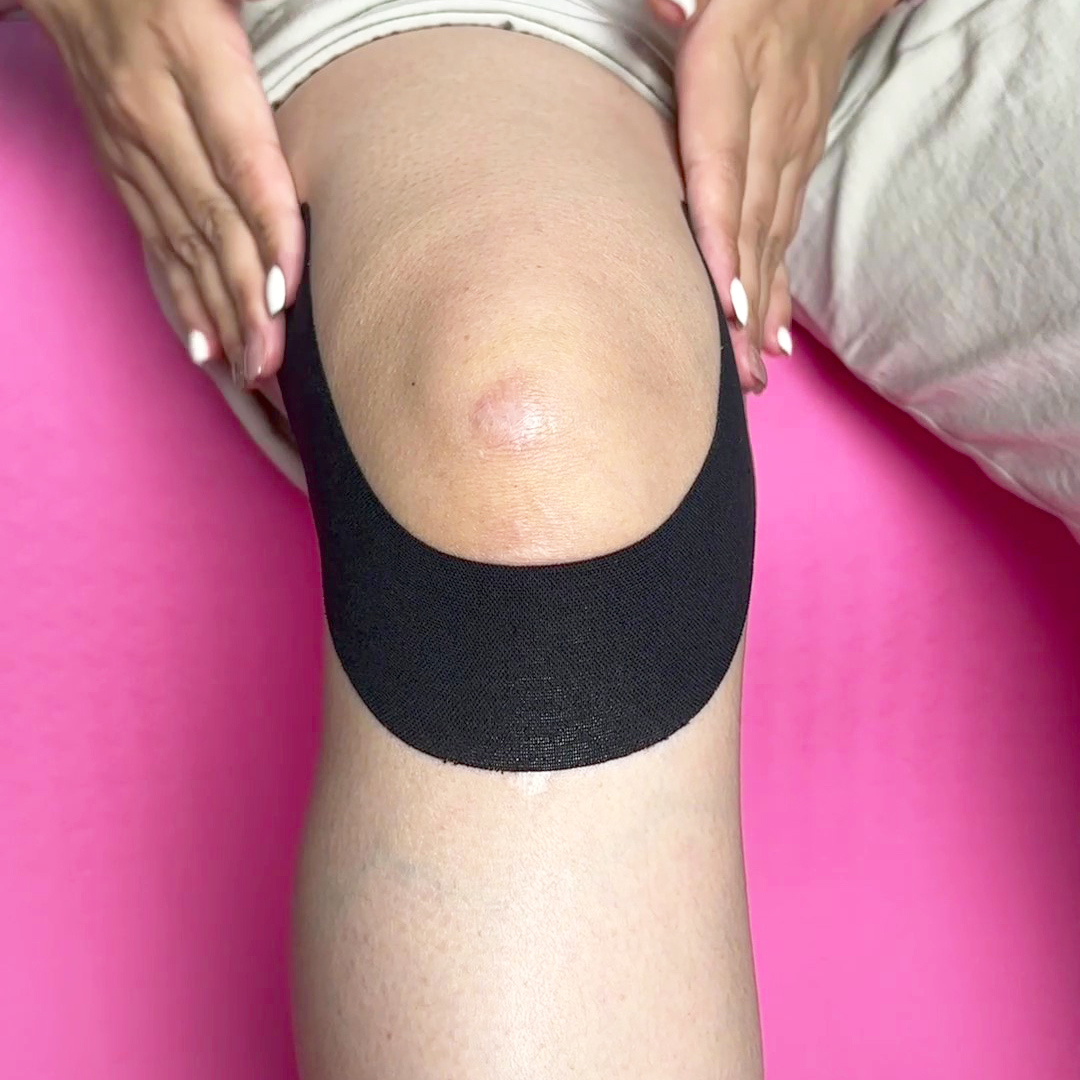
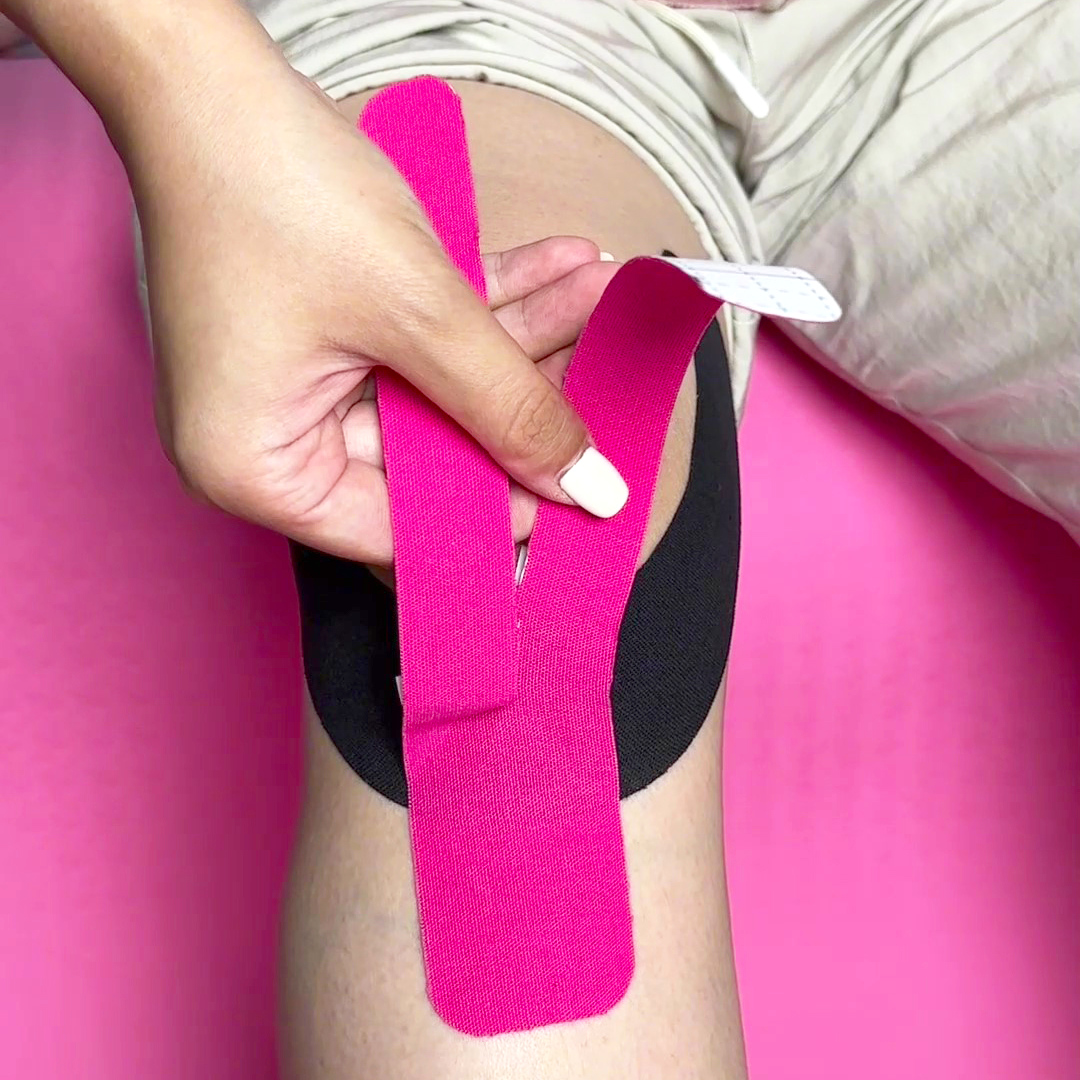
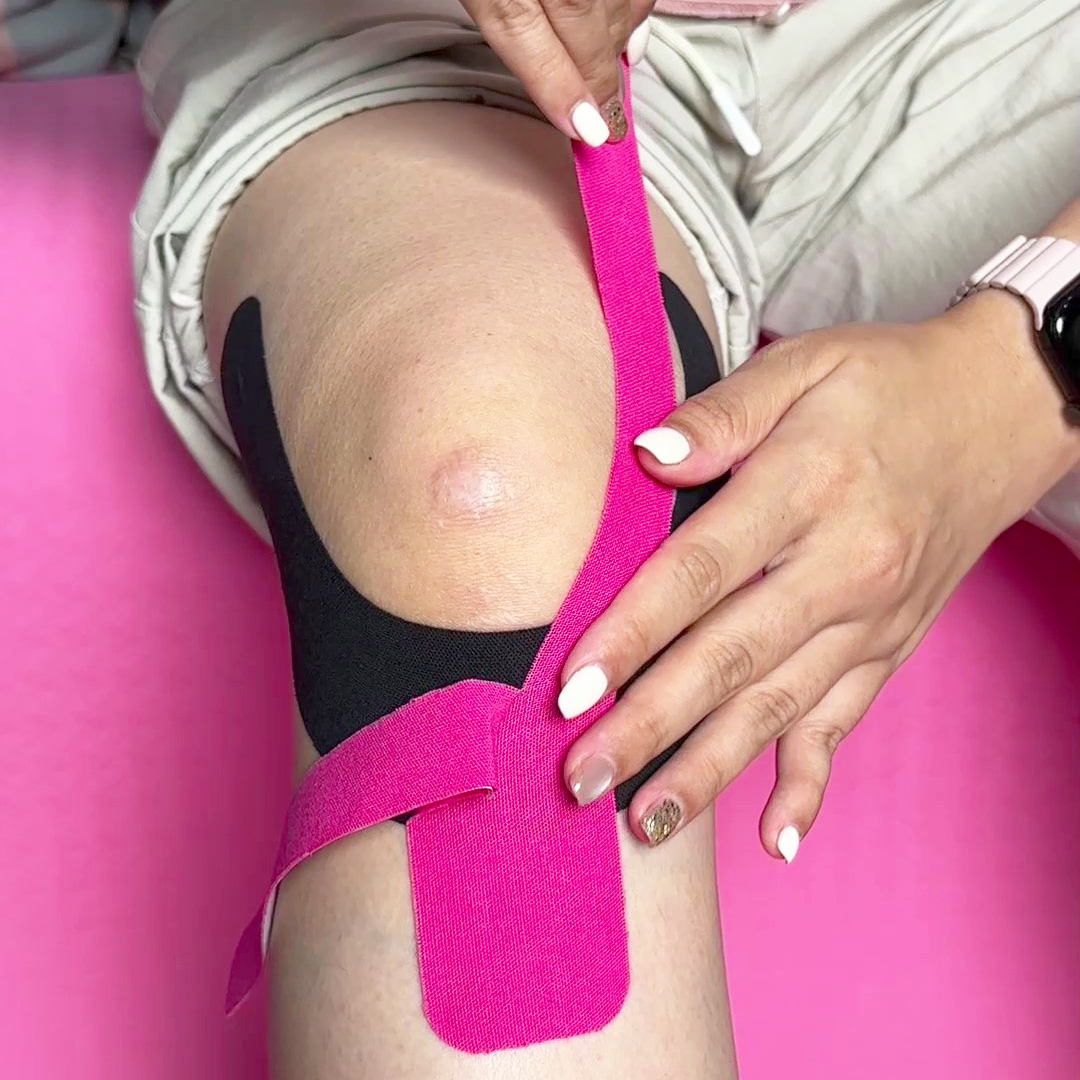
Welcher Klebebandtyp ist am besten geeignet?
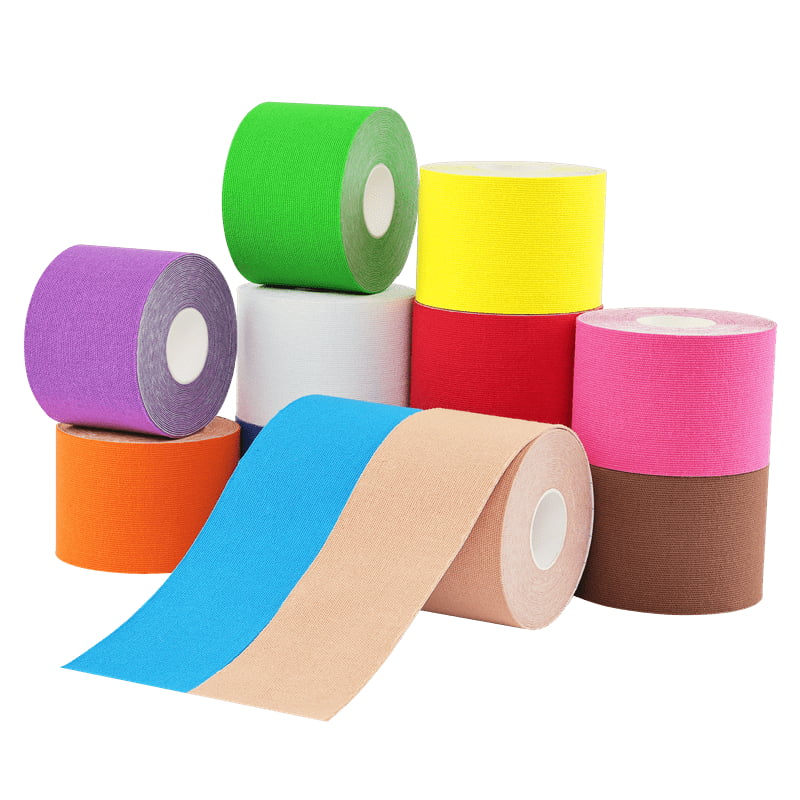
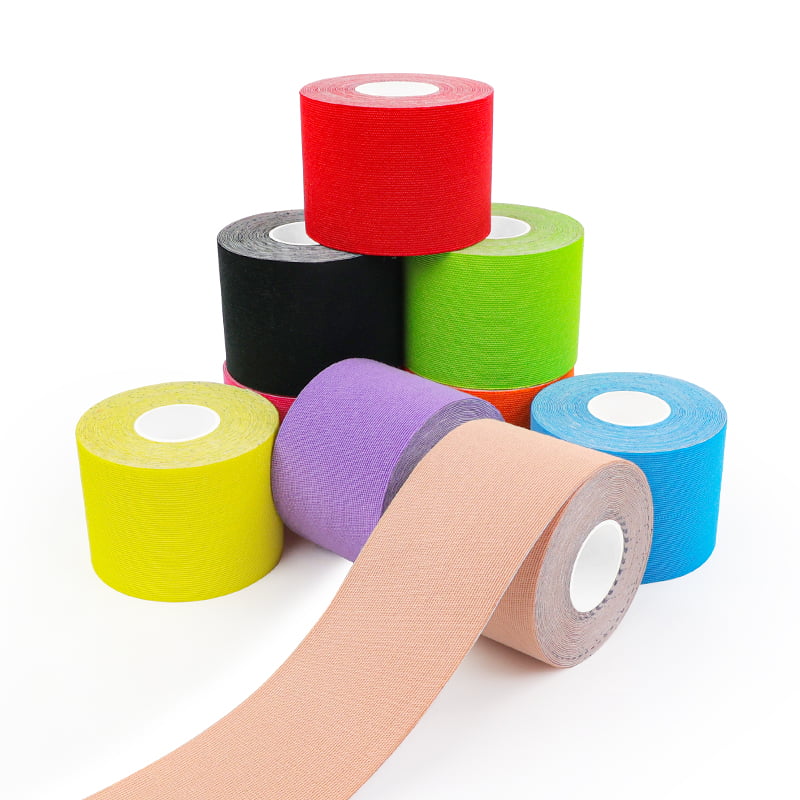
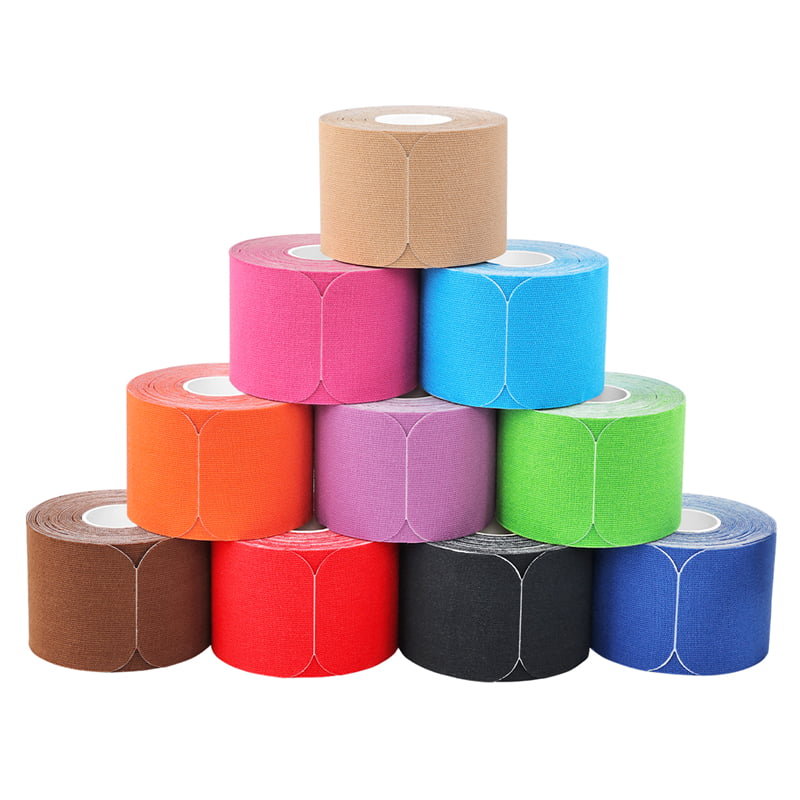
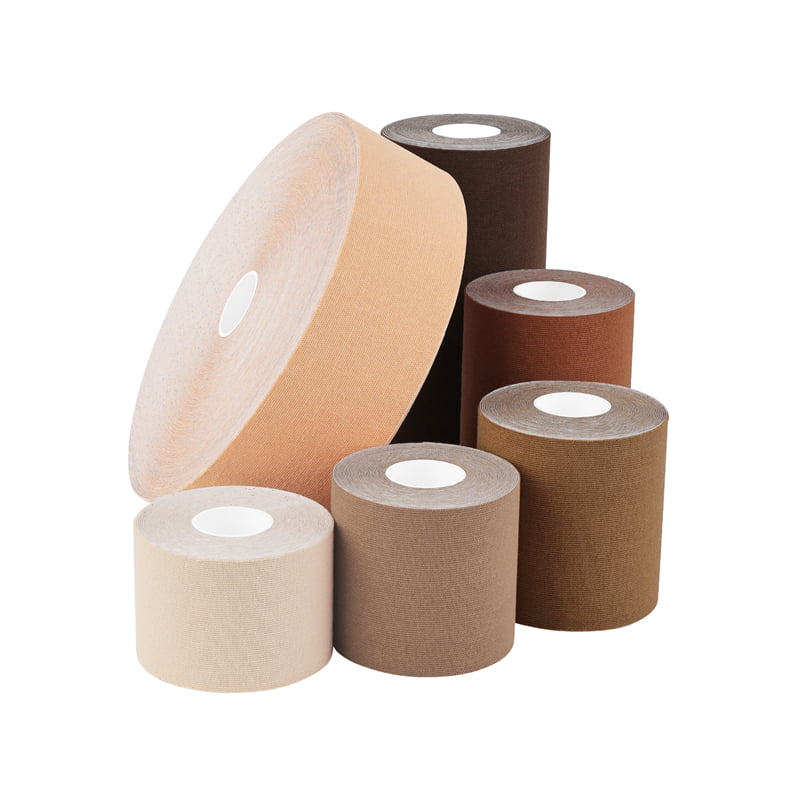
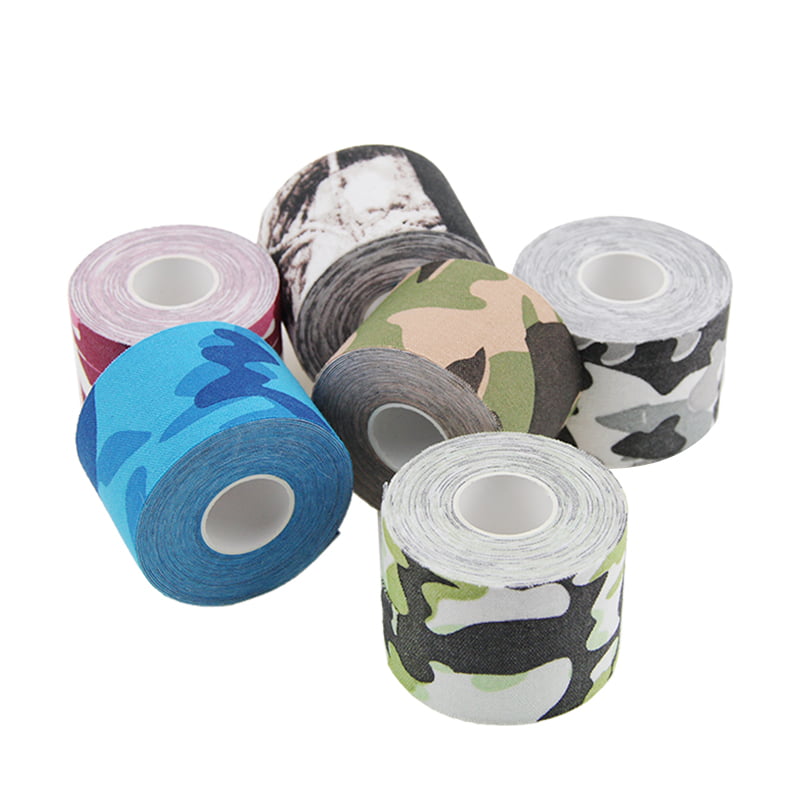
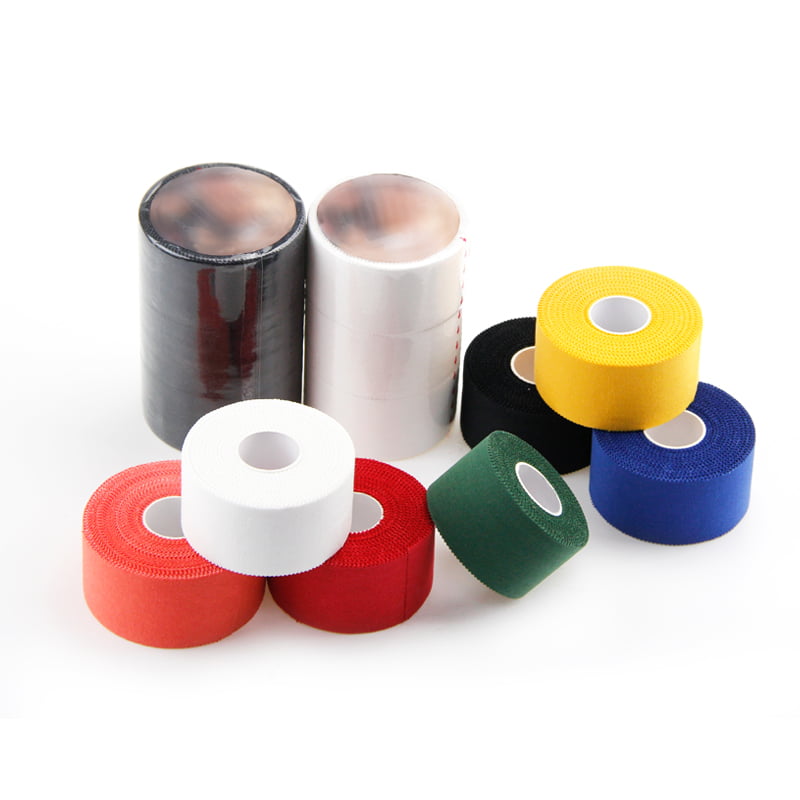
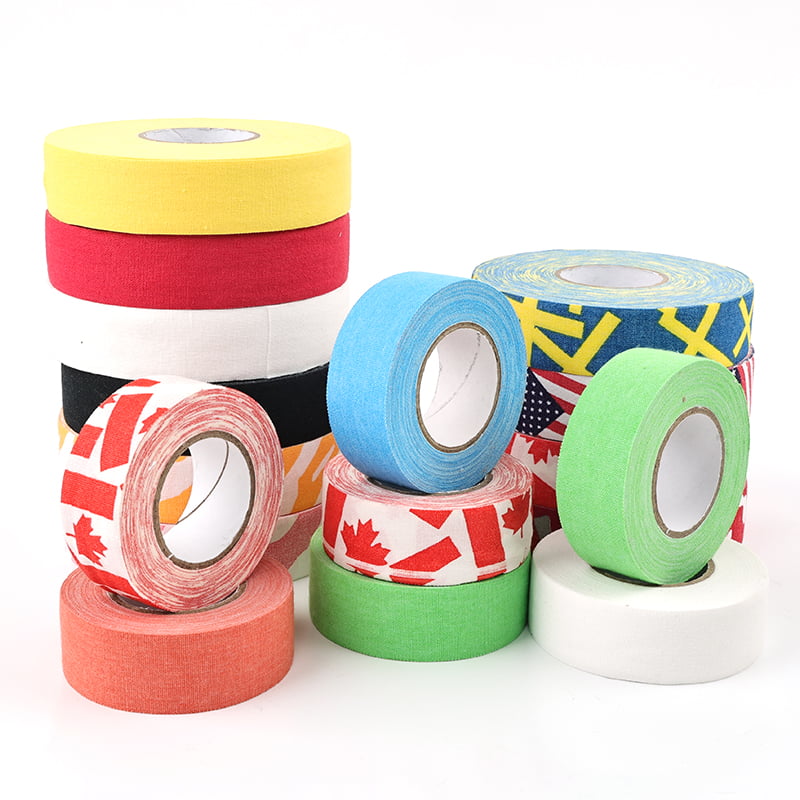
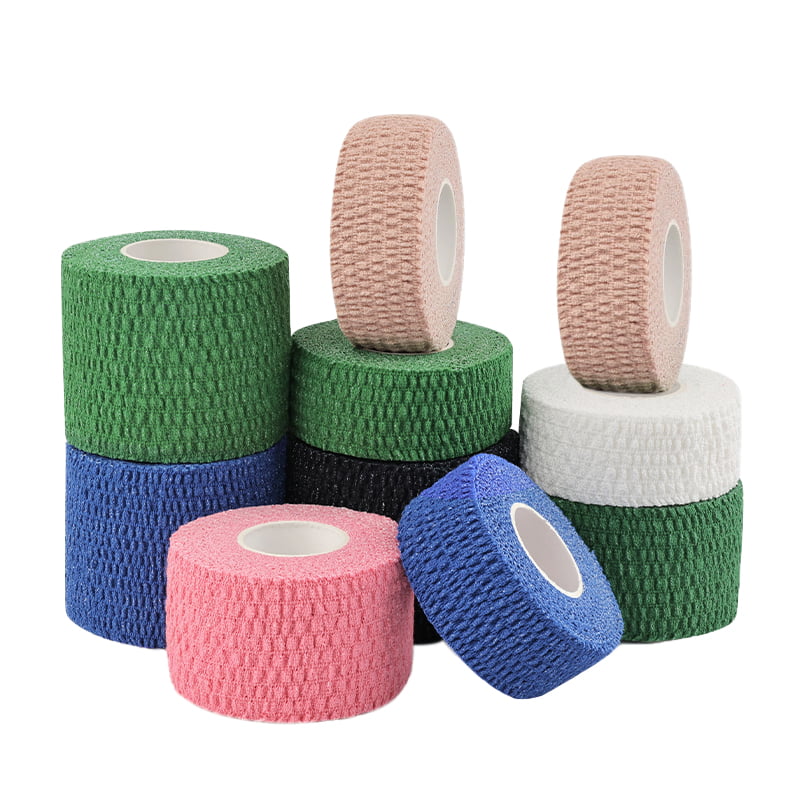
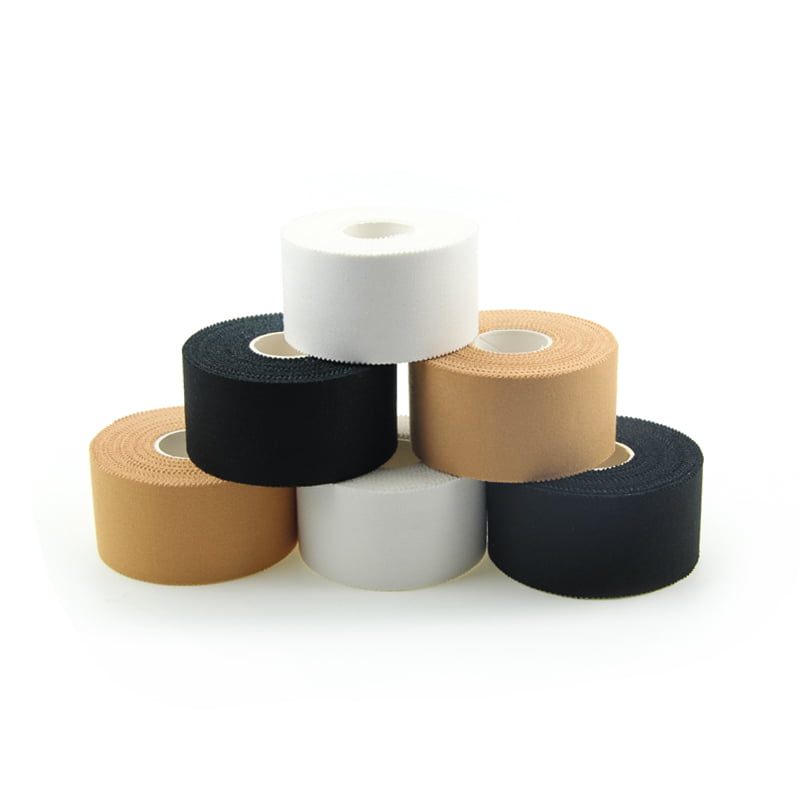
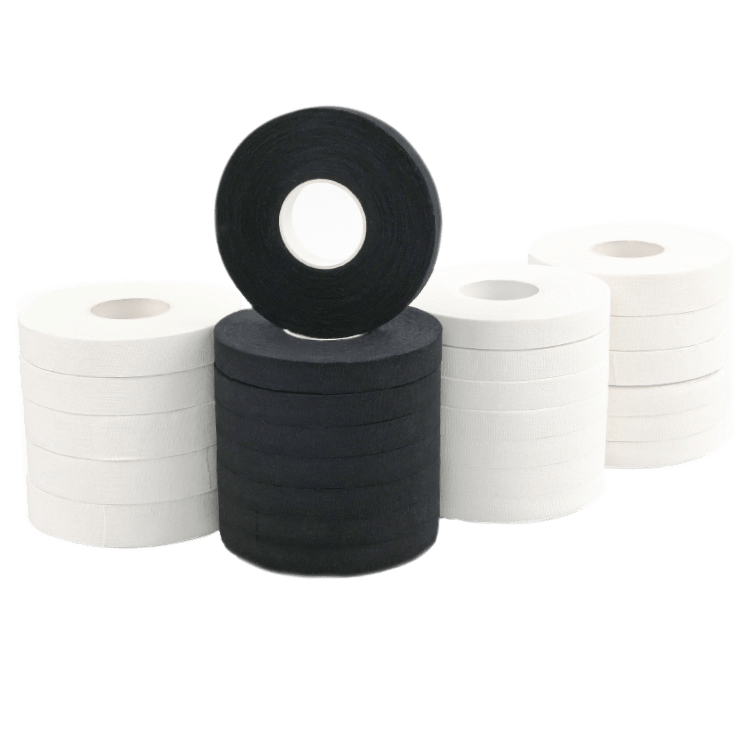
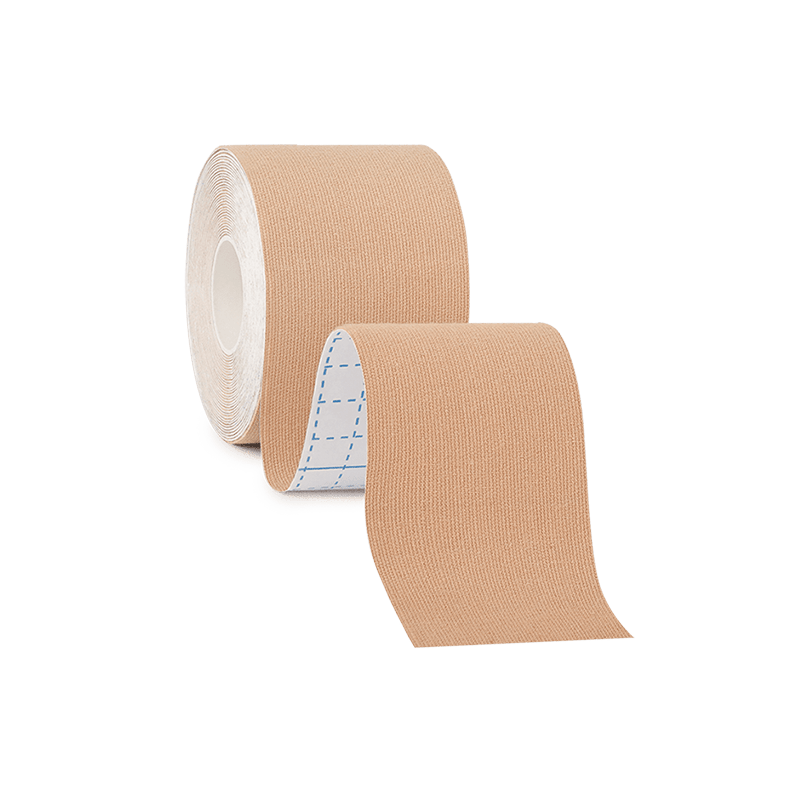
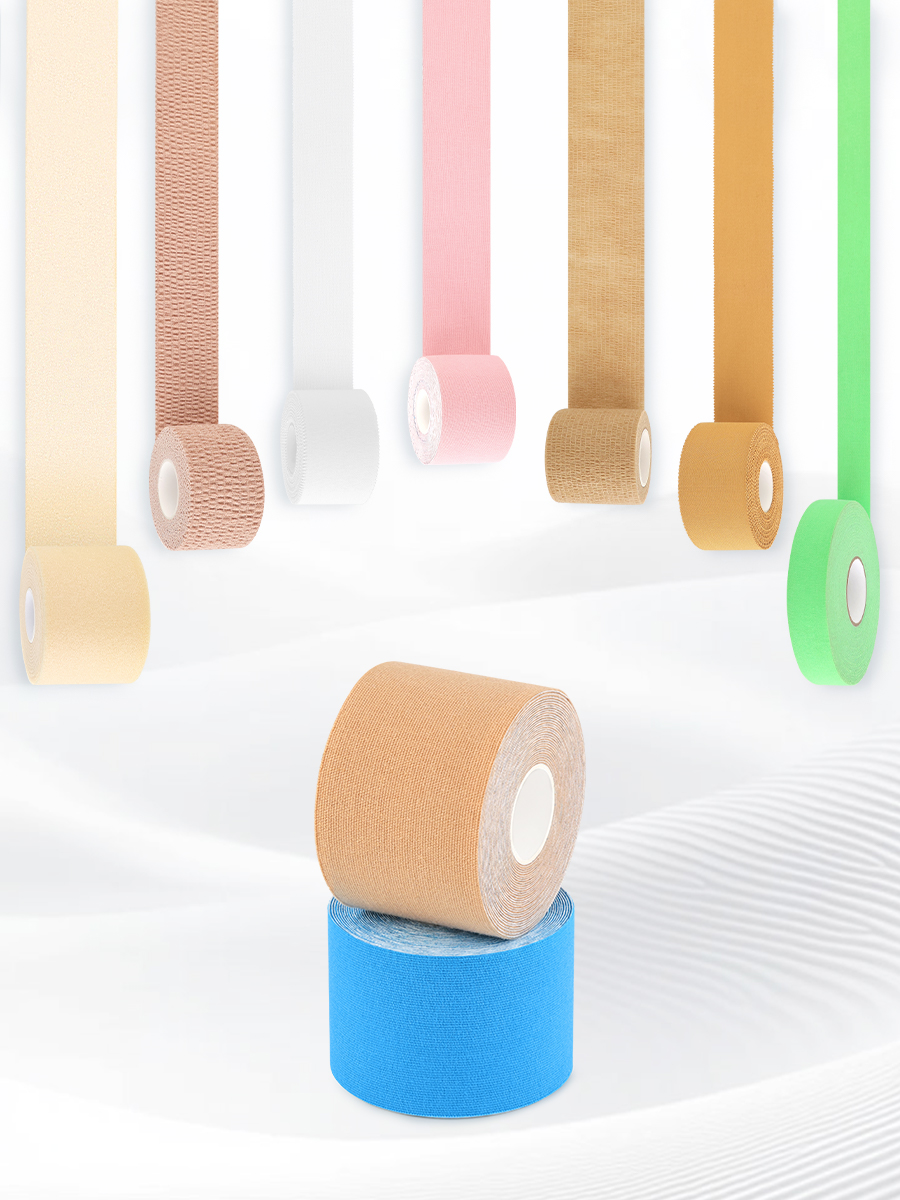
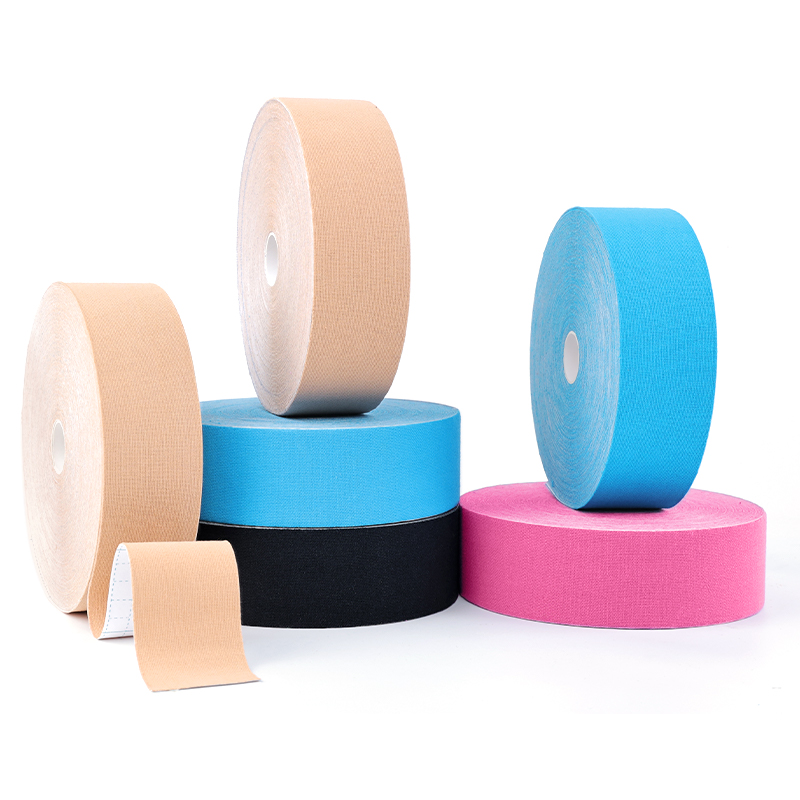
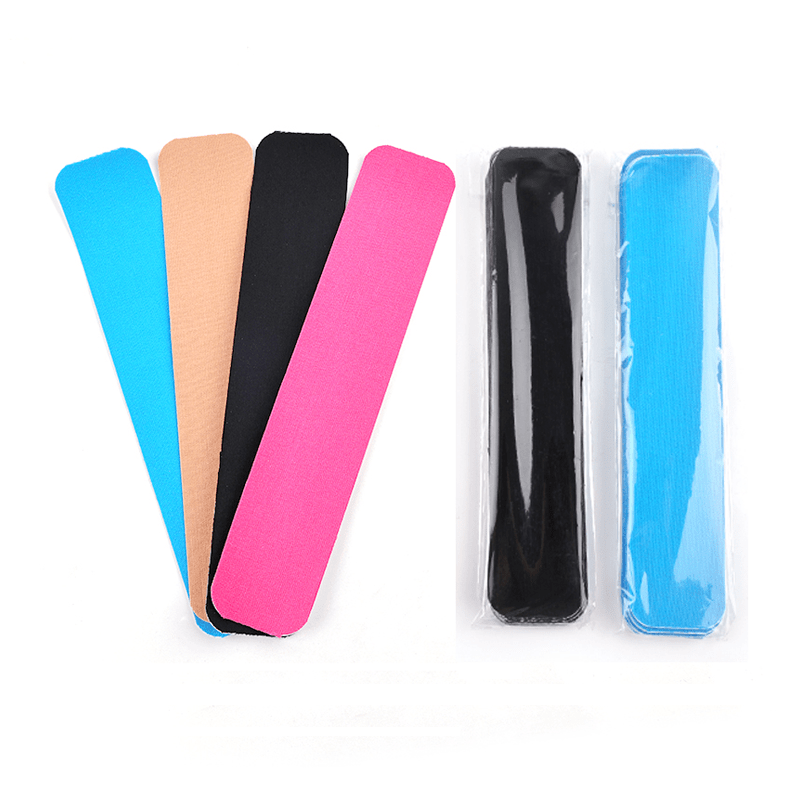
Gibt es noch kein geeignetes Kinesiologie-Tape für Meniskusrisse? Wählen Sie jetzt das Tape, das am besten zu Ihnen passt. Baumwollband ist beliebter, synthetisches KT-Band eignet sich besser für Wassersport, vorgeschnittene Rollen und vorgeschnittene Blätter sind praktischer, und 35m Rollen sind langlebiger und wirtschaftlicher.
Was Benutzer häufig nach ordnungsgemäßem Abkleben berichten
Ein Grund, warum Kinesiotape in der Sportmedizin so beliebt wurde, ist die sofortige Veränderung des Empfindens, die 80 % der Benutzer nach der Anwendung beschreiben.
Die Leute berichten häufig:
- Das Knie fühlt sich stabiler
- an. Drehbewegungen fühlen sich weniger belastend
- an. Das Treppensteigen fühlt sich geschmeidiger
- an. Kniebeugen fühlen sich kontrollierter
- an. Das Knie fühlt sich „zusammengehalten“
- an. Weniger Bewusstsein für Instabilität während der Bewegung.
Einige Benutzer beschreiben auch einen psychologischen Effekt:
Sobald das Knie sich unterstützt anfühlt, hören sie auf, ständig an das Gelenk während der Bewegung zu denken.
Für aktive Menschen, die sich von Kniebeschwerden erholen, kann dieses Vertrauen allein einen großen Unterschied im Alltag machen.
Der Meniskus ist eine C-förmige Knorpelstruktur im Knie, die als Stoßdämpfer zwischen dem Oberschenkelknochen und dem Schambein fungiert.
Jedes Knie enthält:
- Medialer Meniskus (innen)
- Lateraler Meniskus (außen)
Ein gerissener Meniskus tritt auf, wenn der Knorpel verdreht, überlastet oder über seine normale Reichweite komprimiert wird.
Diese Art von Knie-Meniskusverletzung ist äußerst häufig bei:
- Sportlern
- Aktiven Erwachsenen
- Arbeitern mit wiederholtem Knien oder Hocken
Die Symptome variieren je nach Schweregrad, aber häufige Anzeichen sind:
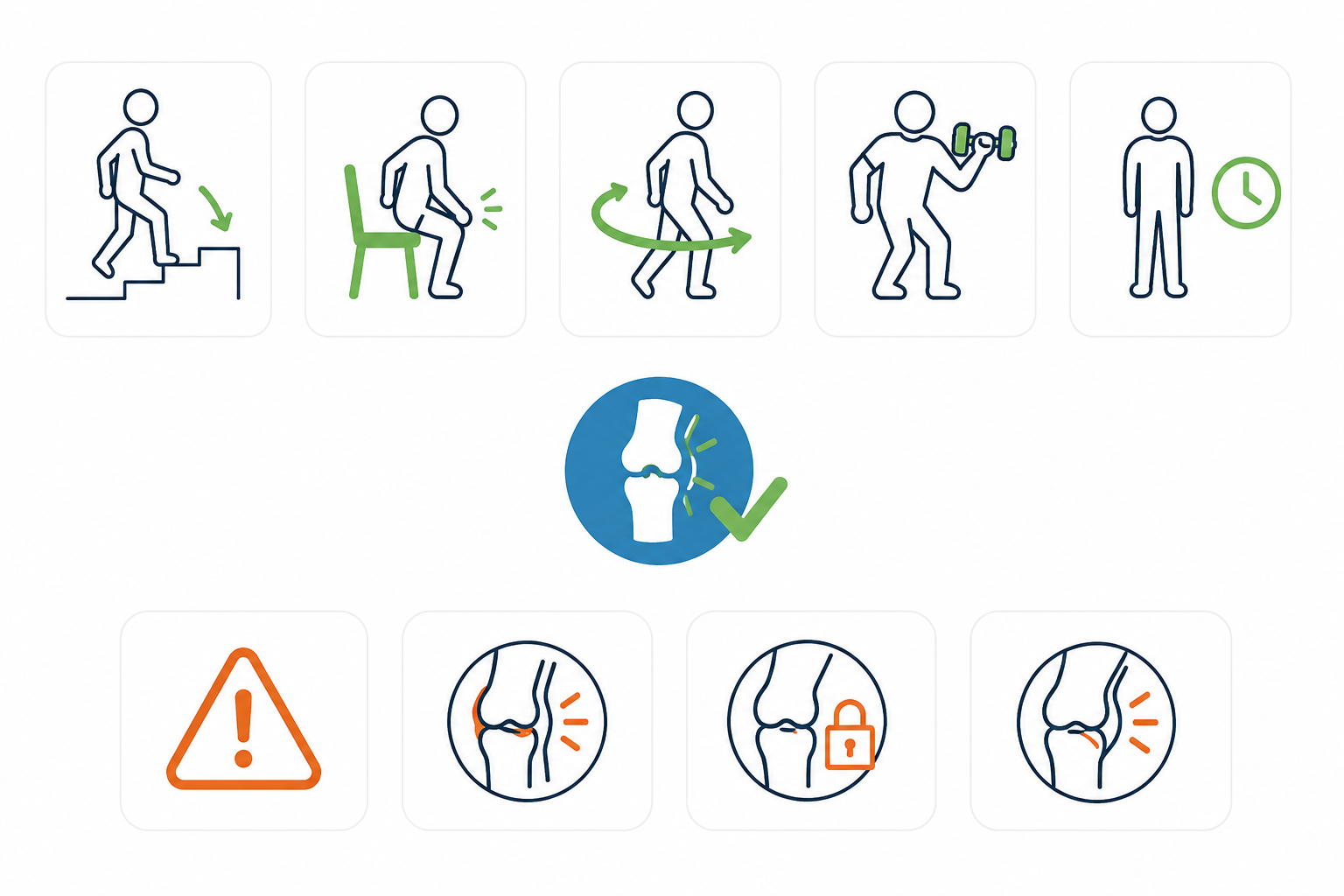
- Schmerzen beim Drehen des Knies
- Schwellung des Meniskus
- Klick- oder Knackgeräusche
- Kniesteifheit
- Blockieren oder Festhängen
- Schwäche beim Treppensteigen
- Schmerzen beim Hocken
- Schmerzen im medialen Meniskus
- Unbehagen beim Umdrehen im Bett
Viele Menschen beschreiben das Knie als instabil, fast so, als könnte es „nachgeben“. Interessanterweise sagen viele Benutzer, dass Treppen schwieriger erscheinen als Laufen nach einer Meniskusreizung.
Basierend auf dem Feedback von Therapeuten und Erfahrungen mit der sportlichen Rehabilitation kann Kinesiotape bei Meniskusrissen unterstützen, indem es:
- Druck um das Gelenk reduzieren
- Bewegungsbewusstsein verbessern
- Hilfe bei der Kontrolle von Meniskusschwellungen
- Komfort während der Aktivität verbessern
🔹 Wichtig: Kinesiotape für Meniskusrisse repariert keinen Knorpelschaden.
Verschiedene Knieverletzungen verursachen unterschiedliche Bewegungsprobleme.
Kinesiology Tape für Meniskusriss-Anwendungen wird am häufigsten verwendet für:
Medialer Meniskusschmerz
Innenschmerz im Knie ist die häufigste Beschwerde, insbesondere beim Treppenabwärtsgehen, Drehen oder Aufstehen von einem Stuhl.
Sportliche Erholung
Athleten verwenden oft Kinesiology Tape während Basketball, Fußball, Volleyball, Tennis, CrossFit, Laufen, und Berufe, die wiederholtes Knien, Hocken oder schweres Heben beinhalten, können ebenfalls das Risiko einer Meniskusverletzung erhöhen weil es Bewegung ermöglicht und gleichzeitig Unterstützung bietet.
Schwellung nach Aktivität
Nach dem Training fühlen sich einige Knie „voll“, steif oder angespannt an. Der Lifting-Effekt von Kinesiology Tape kann helfen, dieses Schwellungsgefühl nach der Aktivität zu managen.
Eine häufige reale Situation ist diese:
Genau dann beginnen viele aktive Nutzer, mit Kinesiology Tape Unterstützung zu experimentieren.
Ruhe und Reduzierung belastender Bewegungen
Vermeiden Sie Bewegungen, die das Knie überlasten, insbesondere:
- Tiefe Kniebeugen
- Drehbewegungen
- Springen
- Plötzliche Richtungswechsel
Zu versuchen, eine Meniskusverletzung „durchzustehen“, verzögert oft die Genesung.
Kühlen Sie das Knie regelmäßig
Eis hilft, Schwellungen und Beschwerden des Meniskus zu reduzieren, insbesondere in den ersten 48 Stunden nach der Reizung.
Wenden Sie Eis für 15–20 Minuten auf einmal an.
Stärken Sie unterstützende Muskeln
Die Verbesserung der Kraft der Oberschenkel- und Gesäßmuskulatur kann helfen, den Stress auf das Knie zu reduzieren und die Bewegungssteuerung während der Genesung zu verbessern.
Erwägen Sie Physiotherapie
Professionelle Rehabilitationsprogramme konzentrieren sich oft auf Kraft, Mobilität und Bewegungsverbesserung, um die langfristige Stabilität des Knies zu verbessern.
Verwenden Sie Kompression und Unterstützung
Kompressionsärmel, Sportbandagen und unterstützende Tapetechniken können alle helfen, das Vertrauen während der Bewegung zu verbessern.
Das hängt vom Ziel ab.
| Funktion | Kinesiologie Tape | Gelenkstütze für das Knie |
|---|---|---|
| Bewegungsumfang | Natürlich | Eingeschränkt |
| Muskelaktivierung | Höher | Niedriger |
| Volumen | Niedrig | Hoch |
| Sportlicher Komfort | Ausgezeichnet | Mäßig |
| Stabilisationskraft | Mäßig | Stark |
| Beste Verwendung | Tägliche Unterstützung & Erholung | Akute Instabilität & nach der Operation |
Viele Sportler bevorzugen Kinesiologie Tape für den Sport, da es leichter ist und eine natürlichere Bewegung ermöglicht, während Schienen typischerweise stärkeren strukturellen Halt bieten.
Vermeiden Sie es, Klebeband über Folgendes anzuwenden:
- Gebrochene Haut
- Ausschläge
- Offene Wunden
- Aktive Reizung
Dehnen Sie das Klebeband nicht übermäßig.
Zu viel Spannung kann:
- Die Haut reizen
- Die Bewegung einschränken
- Den Komfort reduzieren
Wenn die Schmerzen nach dem Anbringen des Kinesiotapes bei Meniskusriss erheblich zunehmen, entfernen Sie das Kinesiotape und suchen Sie medizinischen Rat.
Kinesiotape ist ein Unterstützungswerkzeug — kein Ersatz für eine medizinische Untersuchung.
Verlassen Sie sich nicht nur auf Kinesiotape, wenn Sie Folgendes erleben:
- Knieblockade
- Starke Schwellung
- Plötzlicher Zusammenbruch beim Gehen
- Unfähigkeit, Gewicht zu tragen
- Scharfe Knackgeräusche
- Verdacht auf ACL- oder Bänderriss
- Schwere Instabilität nach einer Verletzung
Wenn die Symptome weiterhin schlimmer werden, wird dringend eine professionelle medizinische Bewertung empfohlen.
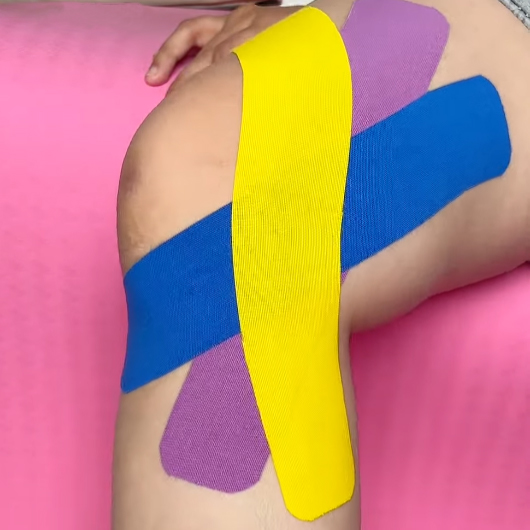
Wie man bei Knieschmerzen in anderen Bereichen einen Antrag stellt
.jpg?w=1080&h=1080)
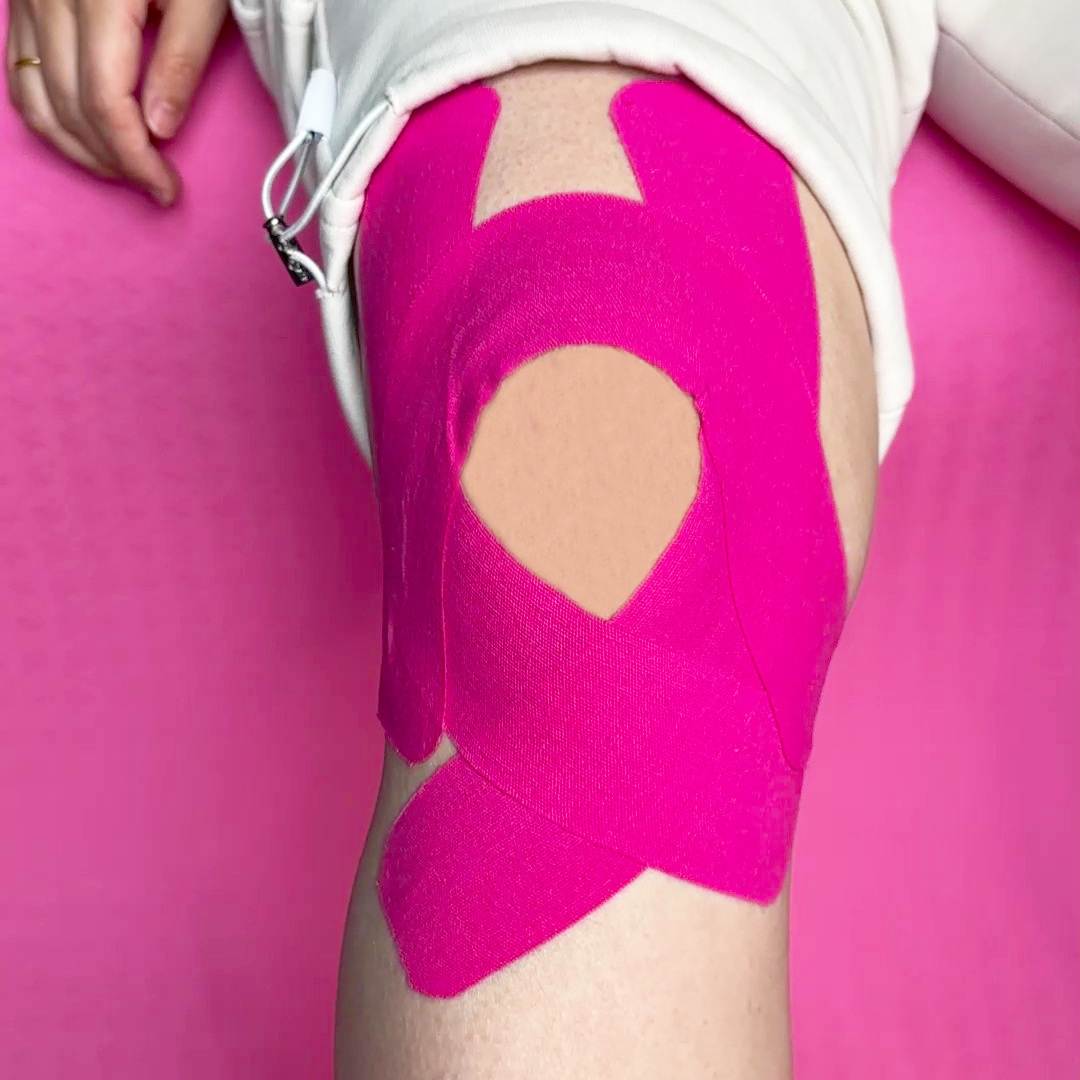
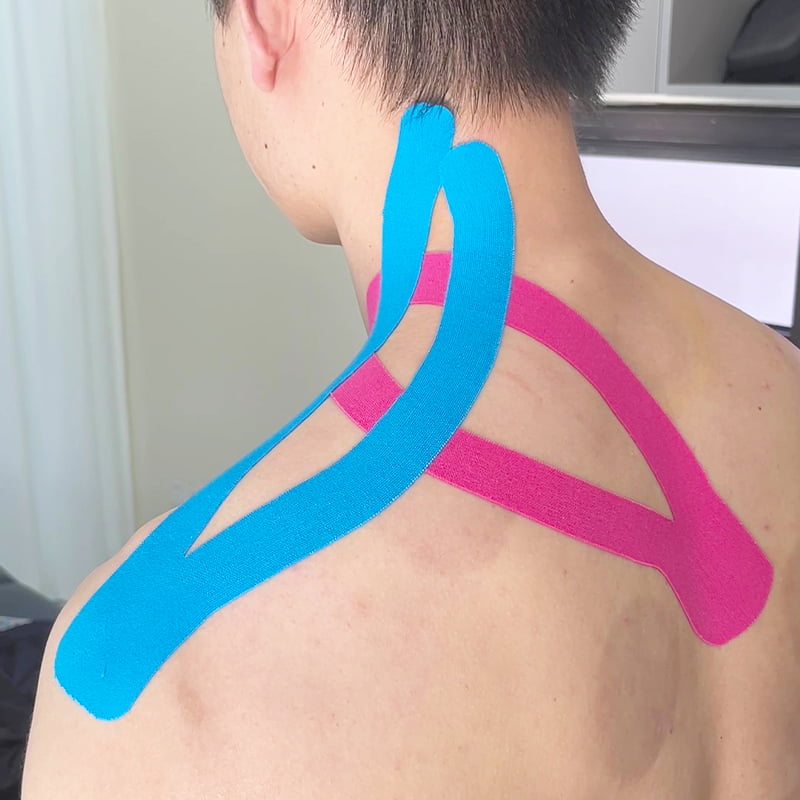
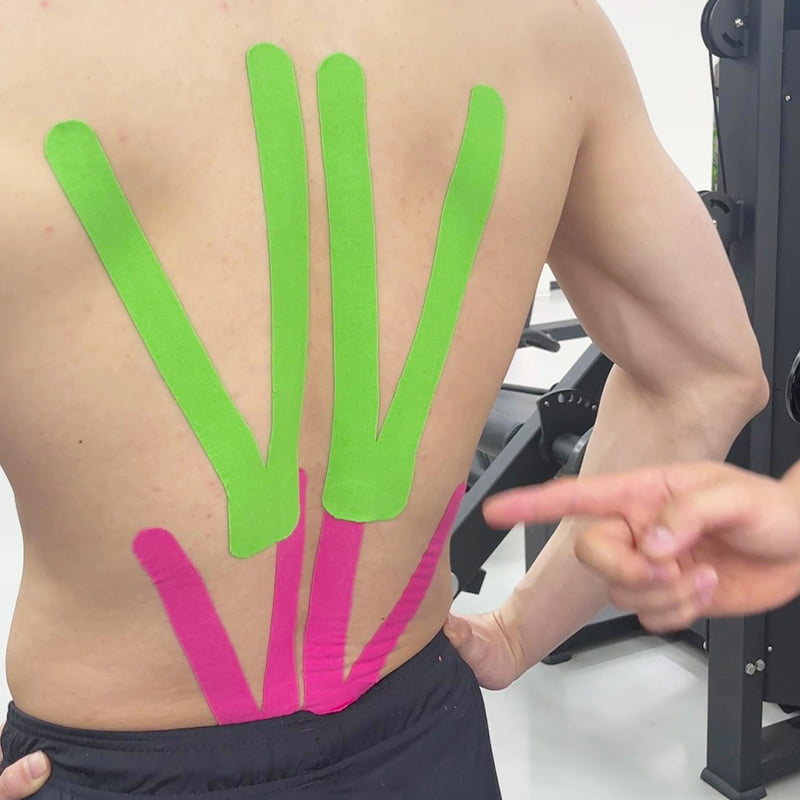
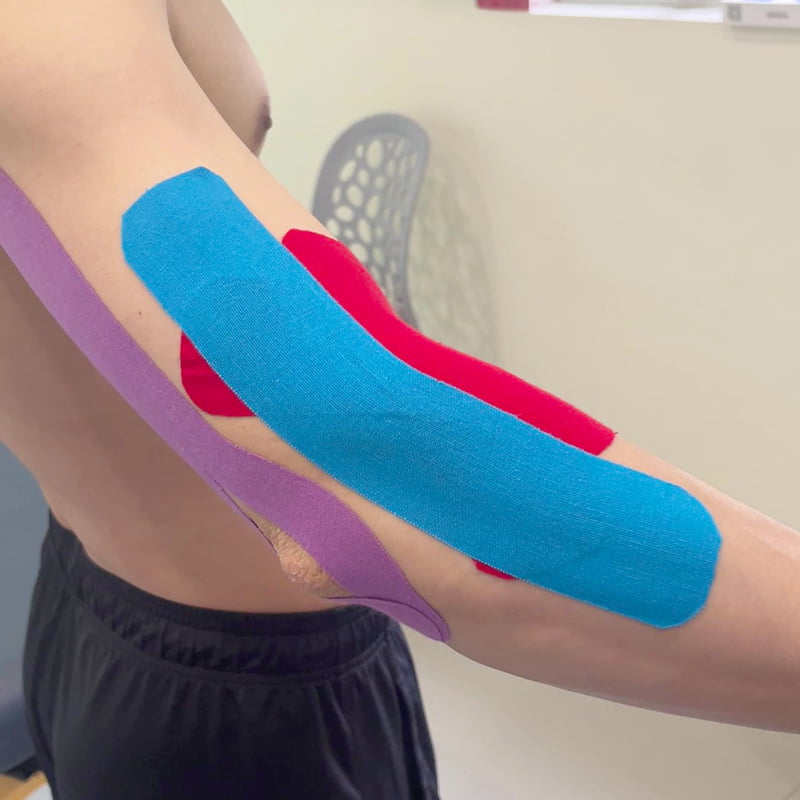
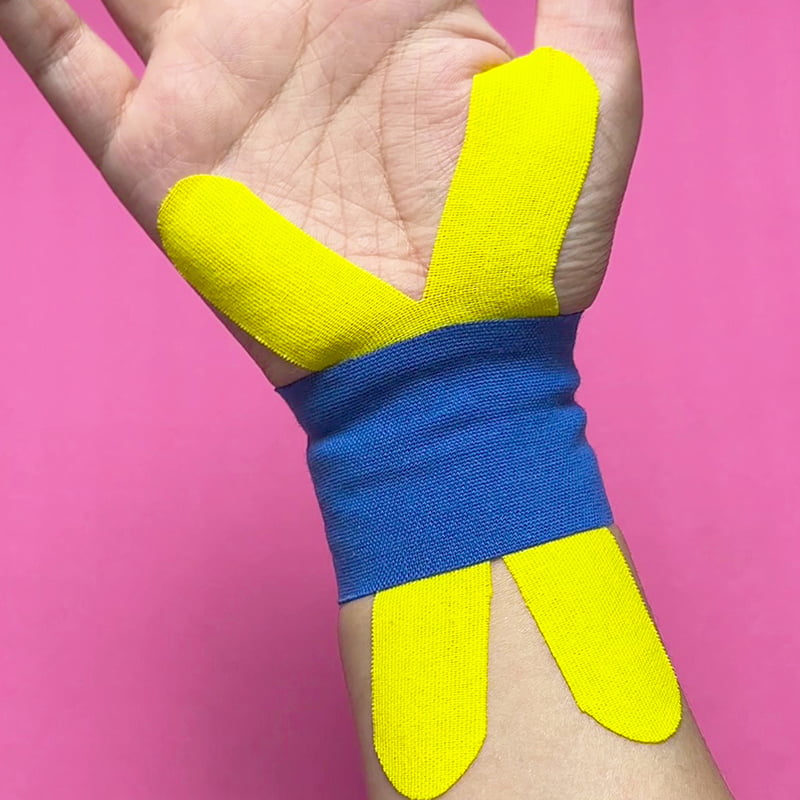
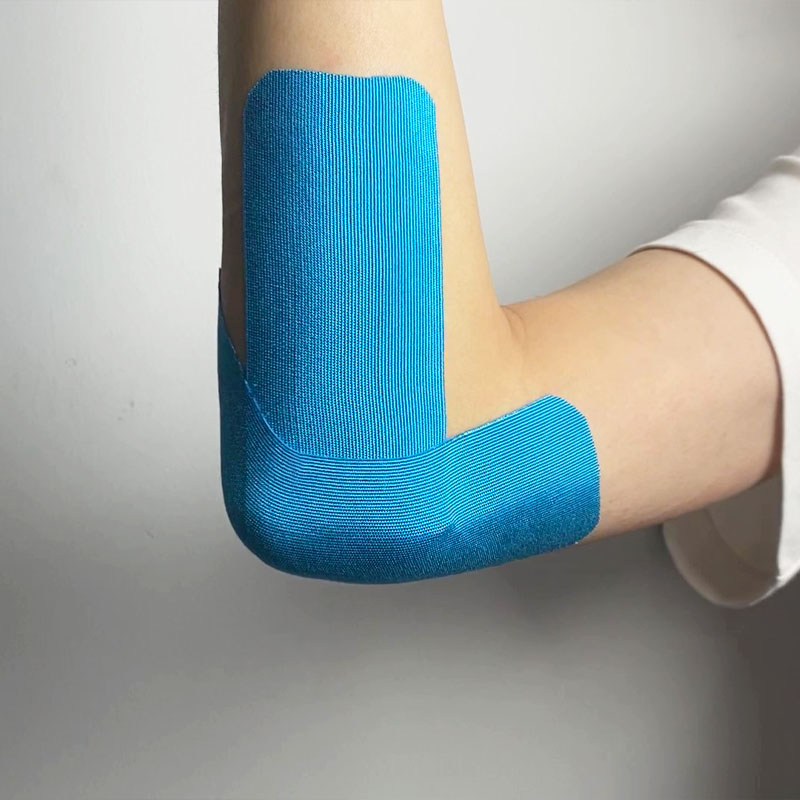
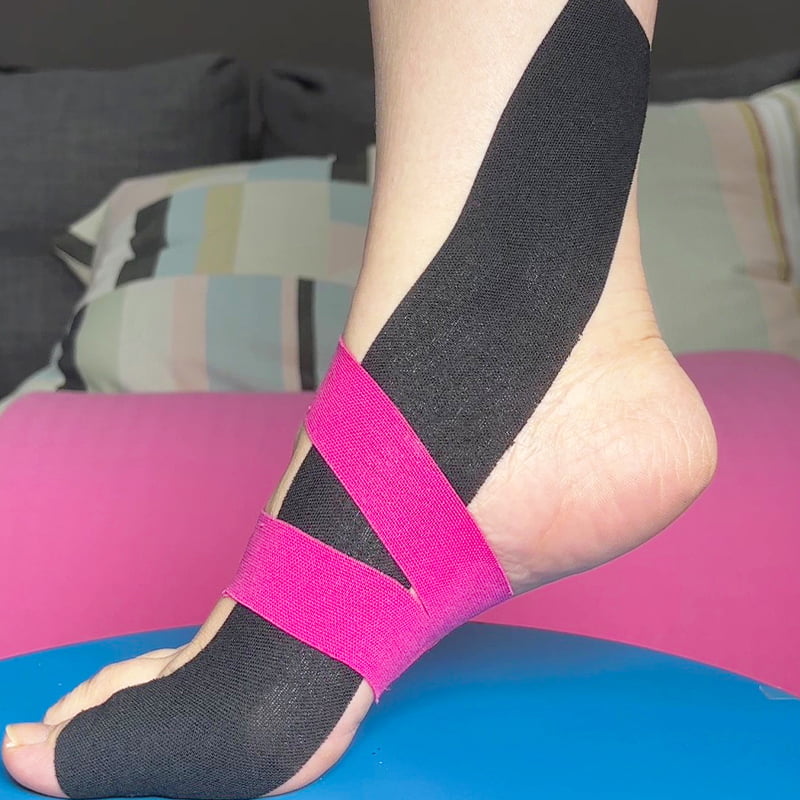
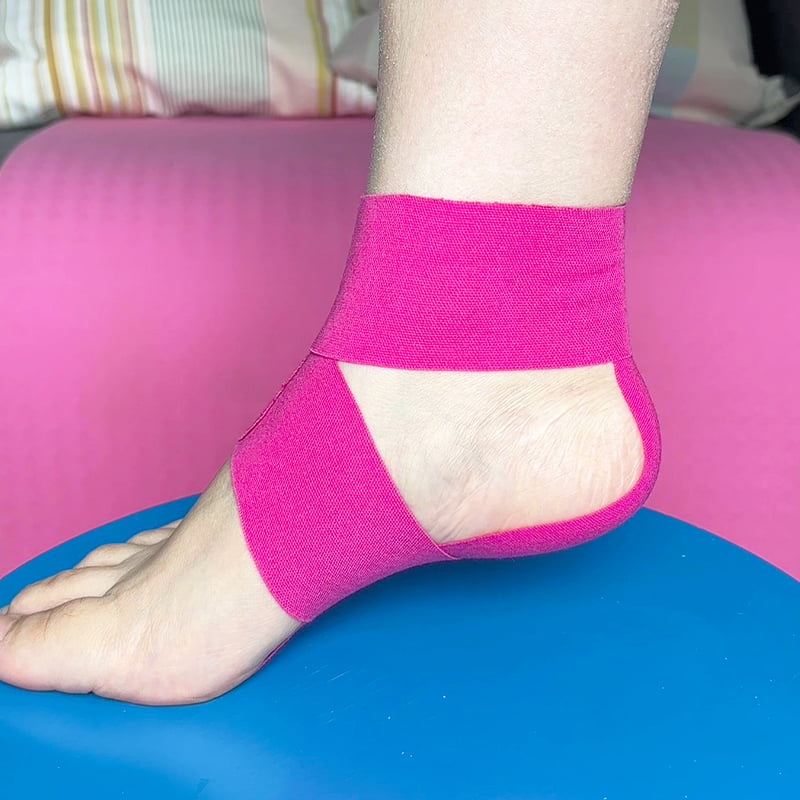
Die meisten Kinesiologie-Tapes halten 3–5 Tage, abhängig von Schwitzen, Aktivitätsniveau, Hautzustand und Klebequalität.
50% der Athleten wechseln normalerweise ihr Tape, nachdem sie viel geschwitzt haben. Klicken Sie auf "Wie lange tragen?", um mehr zu erfahren.
Kinesiologisches Tape für Meniskusriss ermöglicht mehr Flexibilität und natürliche Bewegung, während Schienen eine stärkere Einschränkung und Stabilisierung bieten.
Für höhere Unterstützungsstufen kombinieren Therapeuten oft es mit:
Je nach Aktivitätsniveau und Genesungsphase.
Nicht alle Kinesiologie-Bänder funktionieren gleich, sobald das Knie sich bewegt.
Alsprofessioneller Hersteller von Kinesiologie-Tape und OEM-Lieferant, Veefun konzentriert sich auf zwei Schlüsselfaktoren, die die Leistung der Knieschützer direkt beeinflussen:
1. Elastischer Rückstoß
Die „Snap-Back“-Kraft des Bandes beeinflusst, wie unterstützend es sich während der Bewegung anfühlt.
Zur Unterstützung des MeniskusSynthetisches Kinesiologie-Tapewird oft bevorzugt, da es eine stärkere elastische Rückfederung während wiederholter Kniebeugungen, sportlicher Aktivitäten und bei starkem Schwitzen aufrechterhält.
2. Haftstabilität
Die Knie erfahren ständige Reibung, Dehnung und Schweißexposition. Niedrigwertiges Tape beginnt oft innerhalb von Stunden um die Kniescheibe herum abzulösen, was die Gesamtunterstützungsleistung verringert.
Professionelle Kinesiologie-Bänder verwenden typischerweise medizinischen Acrylkleber, der dafür ausgelegt ist, während der Bewegung stabil zu bleiben und gleichzeitig hautfreundlich zu sein.
Viele Erstbenutzer denken, dass die Abklebemethode gescheitert ist, während das eigentliche Problem oft die Qualität des Klebebands selbst ist.
Schlussbetrachtung
Kinesiologisches Tape zur Unterstützung bei Meniskusrissen kann Knorpelschäden nicht reparieren, aber das richtige Taping kann helfen, den Komfort, das Bewegungsgefühl und die Unterstützung des Knies während der Genesung zu verbessern.
Veefun stellt professionelles Kinesiologisches Tape, starres Sporttape, Zinkoxid-Tape, EAB-Tape und OEM-Private-Label-Lösungen für Sportkliniken, Händler und Rehabilitationsmarken weltweit her.
Kontaktieren Sie unser Team für Muster, OEM-Unterstützung und Lösungen für Großangebote.
Medizinischer Haftungsausschluss
Dieser Leitfaden dient nur zu Bildungszwecken und spiegelt praktische Erfahrungen aus der Herstellung von Kinesiotape und der Sportunterstützungsindustrie wider. Er ersetzt nicht die professionelle medizinische Diagnose oder Behandlung.
Anhaltende Knieschmerzen, Blockaden, Schwellungen oder Instabilität sollten immer von einem qualifizierten Gesundheitsdienstleister bewertet werden.