

Jak stosować taśmę kinezjologiczną w przypadku uszkodzenia łąkotki
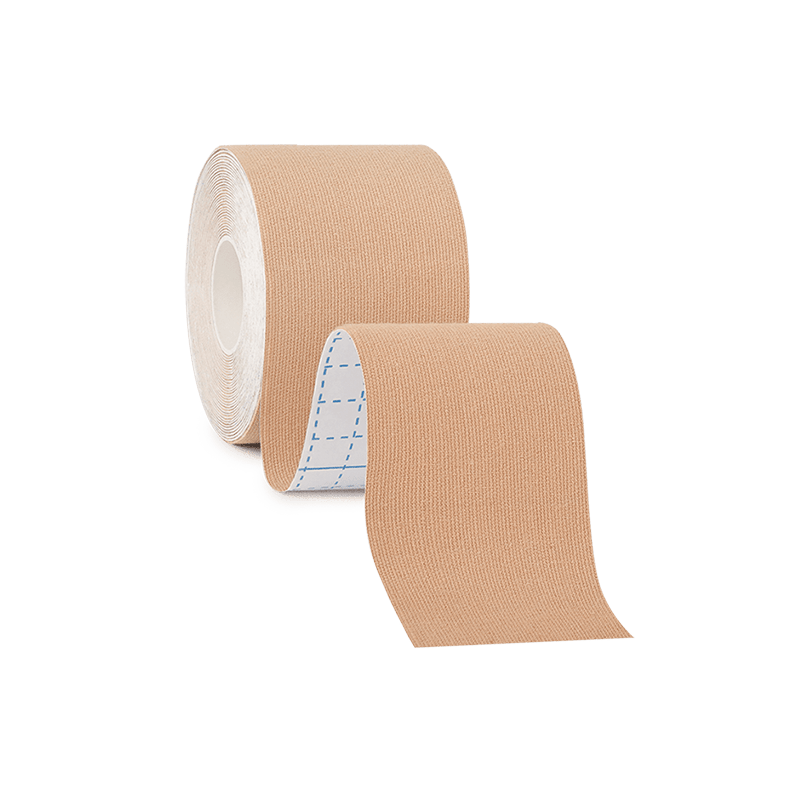
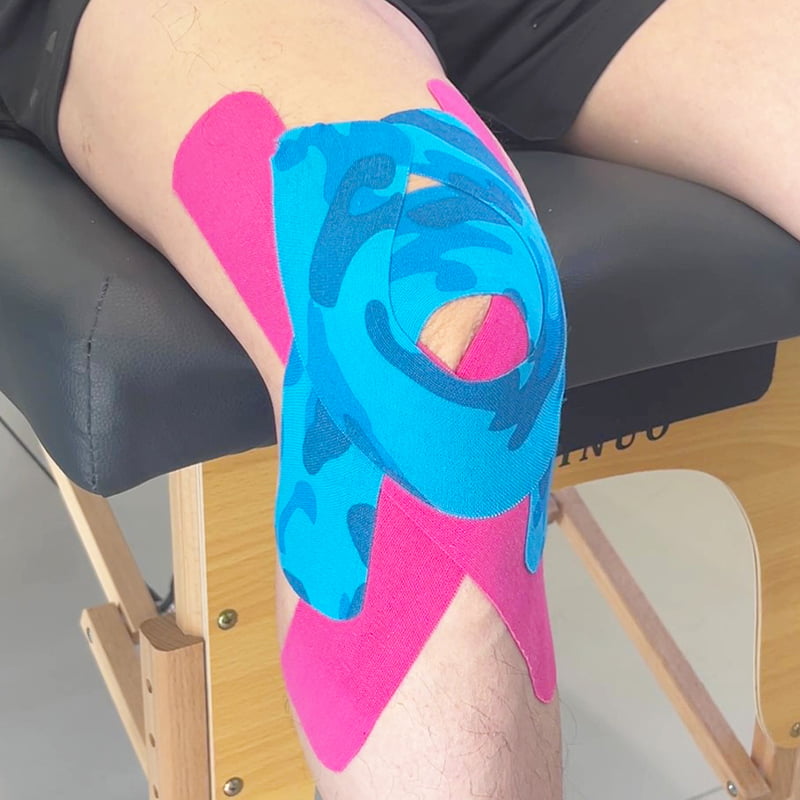
Czy taśma kinesiology może pomóc w zerwaniu łąkotki? Tak. Taśma kinesiology do wsparcia zerwania łąkotki działa poprzez stworzenie funkcjonalnego "mostu" wokół stawu kolanowego, aby poprawić stabilność i odciążyć nacisk z uszkodzonej chrząstki. Podnosząc skórę w celu poprawy krążenia, skutecznie zarządza obrzękiem łąkotki i łagodzi ból przyśrodkowej łąkotki. Dla sportowców i pacjentów odpowiednie oklejanie zapewnia niezbędne informacje sensoryczne, aby przywrócić pewność podczas chodzenia, skręcania i ćwiczeń rehabilitacyjnych.
Przygotowanie kolana przed plastrem
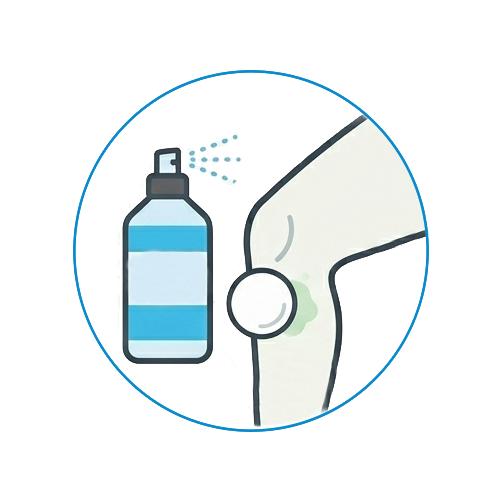
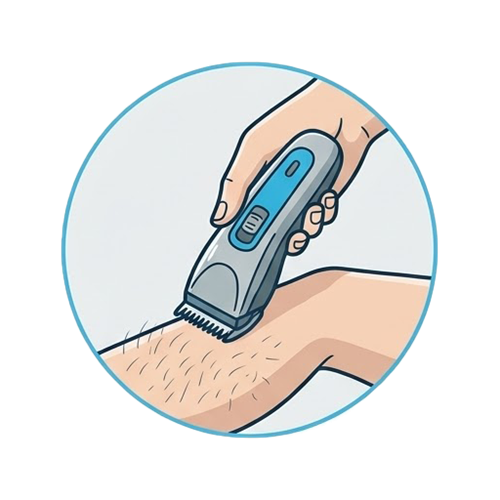
Jednym z największych powodów, dla których taśma zawodzi zbyt wcześnie, jest słabe przygotowanie skóry. W ustawieniach rehabilitacji sportowej terapeuci poświęcają dodatkowy czas na przygotowanie skóry, ponieważ ma to bezpośredni wpływ na to, jak długo taśma kinesiology dla uszkodzeń łąkotki trwa i jak dobrze wspiera staw.
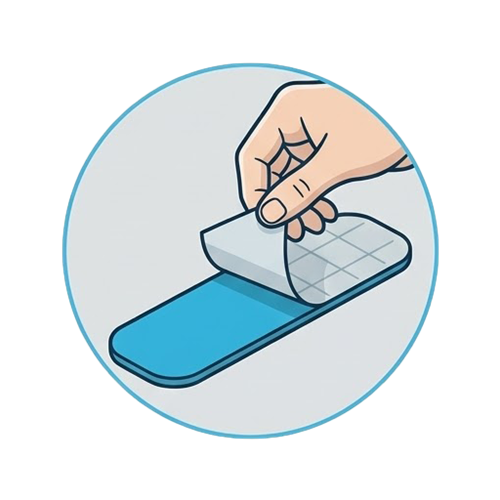

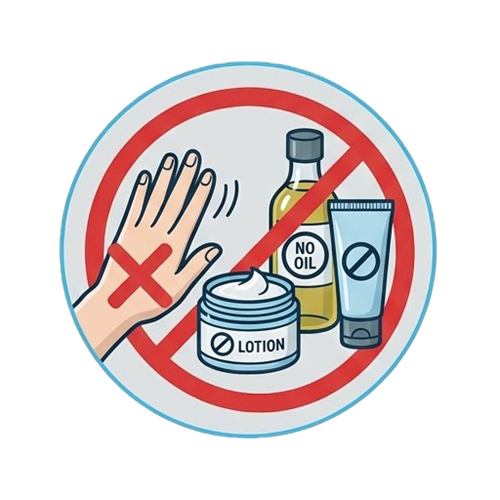

Powszechne błędy, które sprawiają, że taping łąkotki jest mniej skuteczny
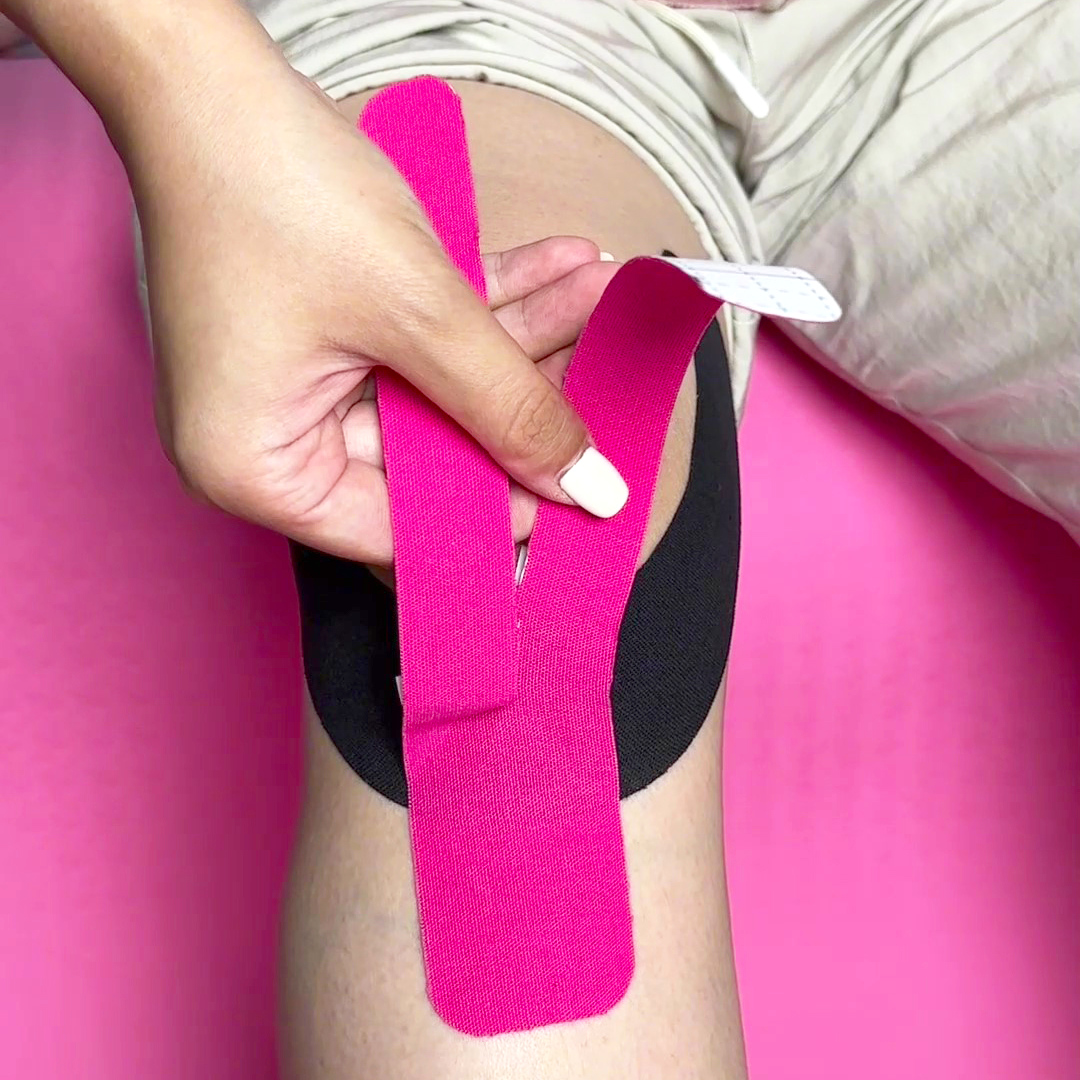
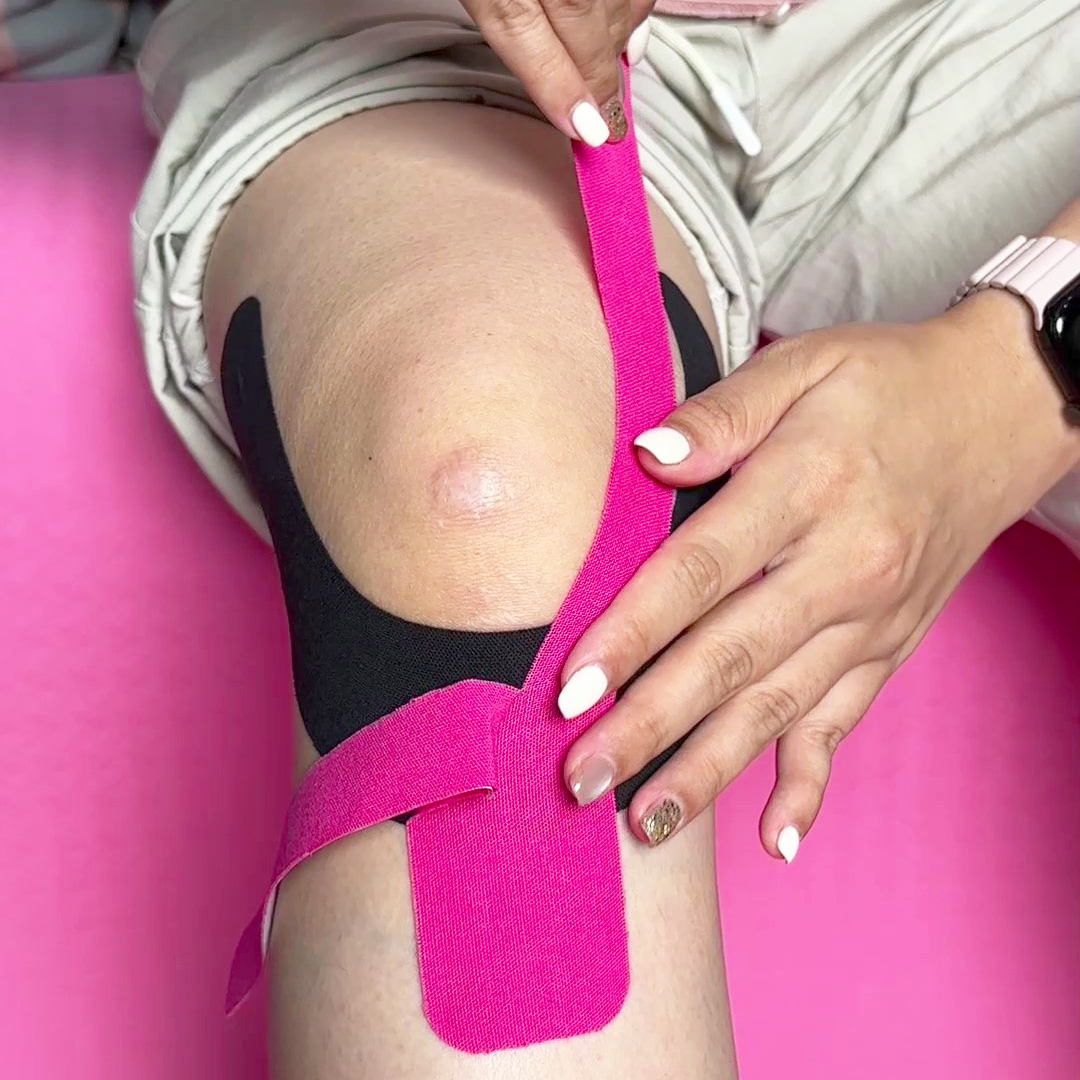
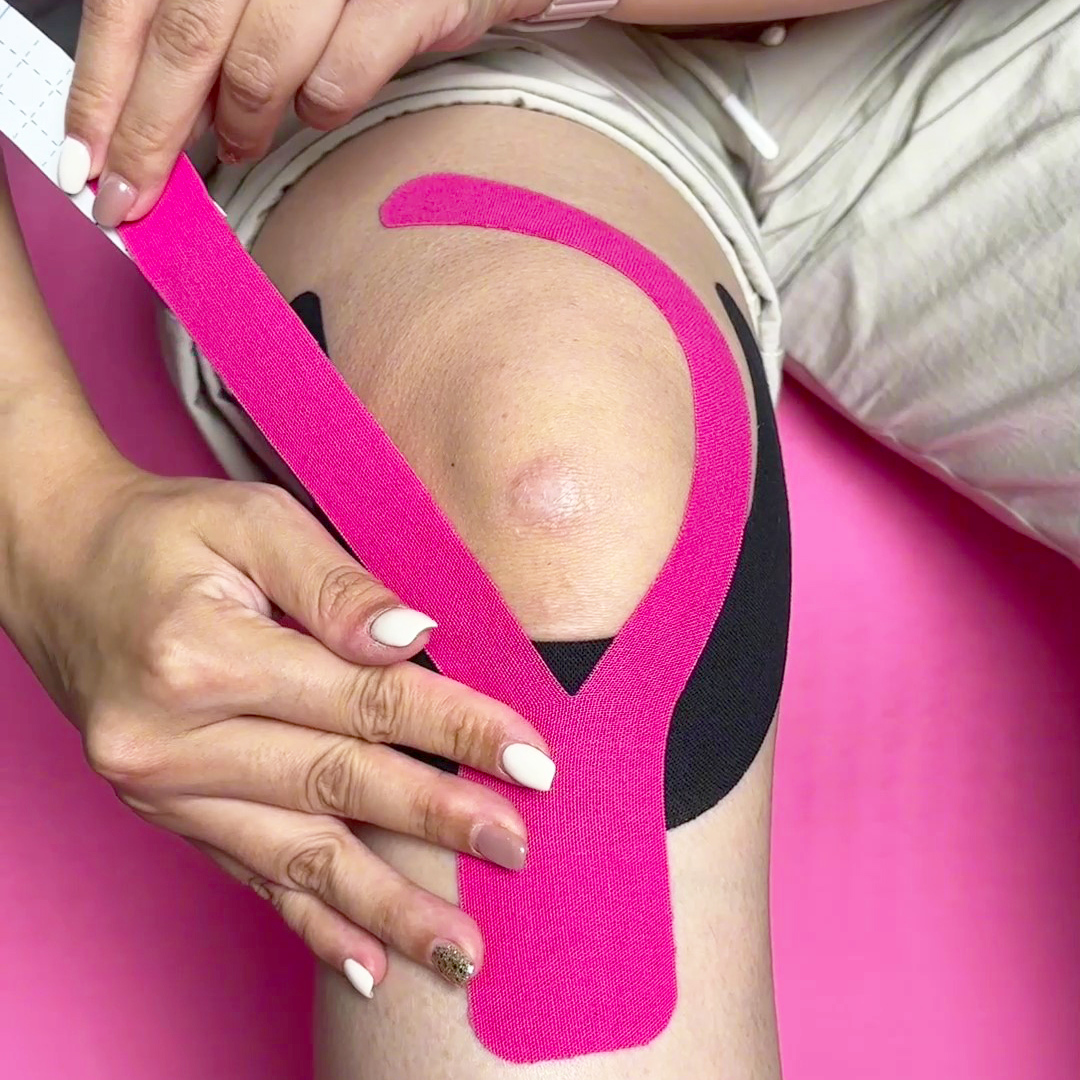
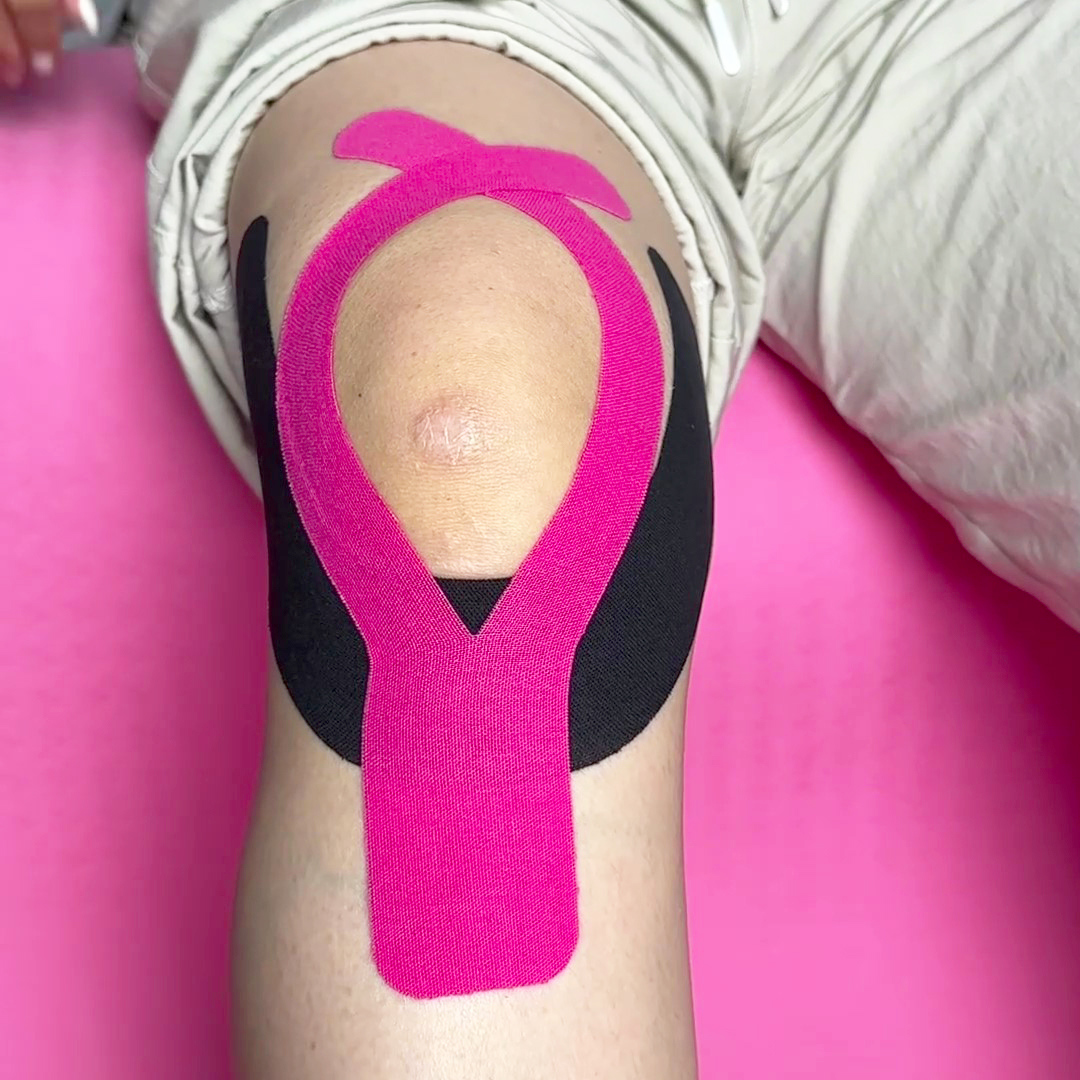
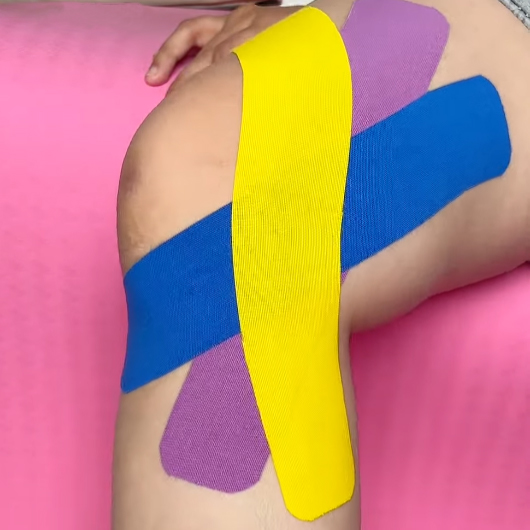
Kinesiology Tape dla zerwania łąkotki Przewodnik po taping krok po kroku
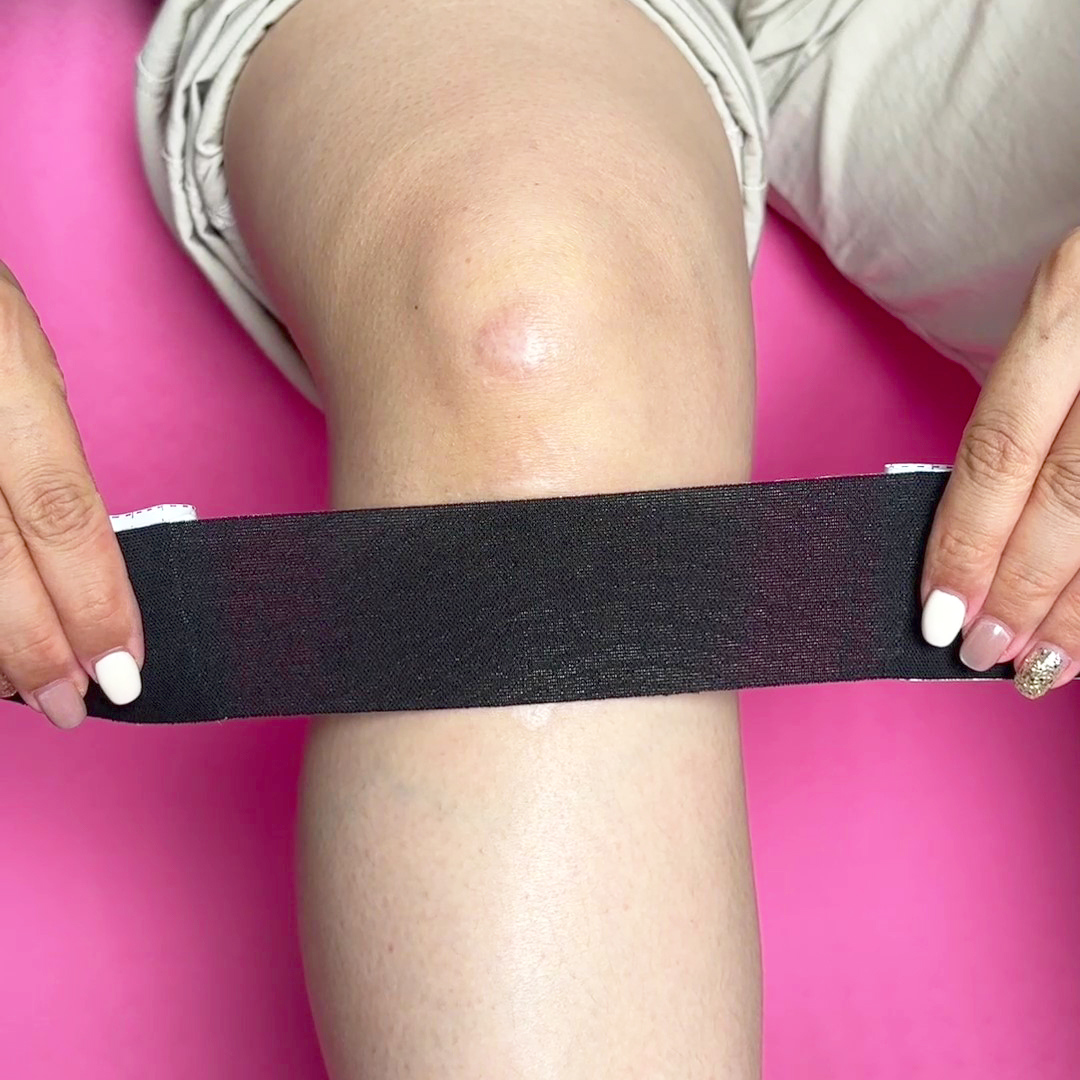
Usiądź wygodnie i zegnij kolano pod kątem około 30–45 stopni. Ta pozycja pomaga taśmie naturalnie dopasować się do konturów stawu.
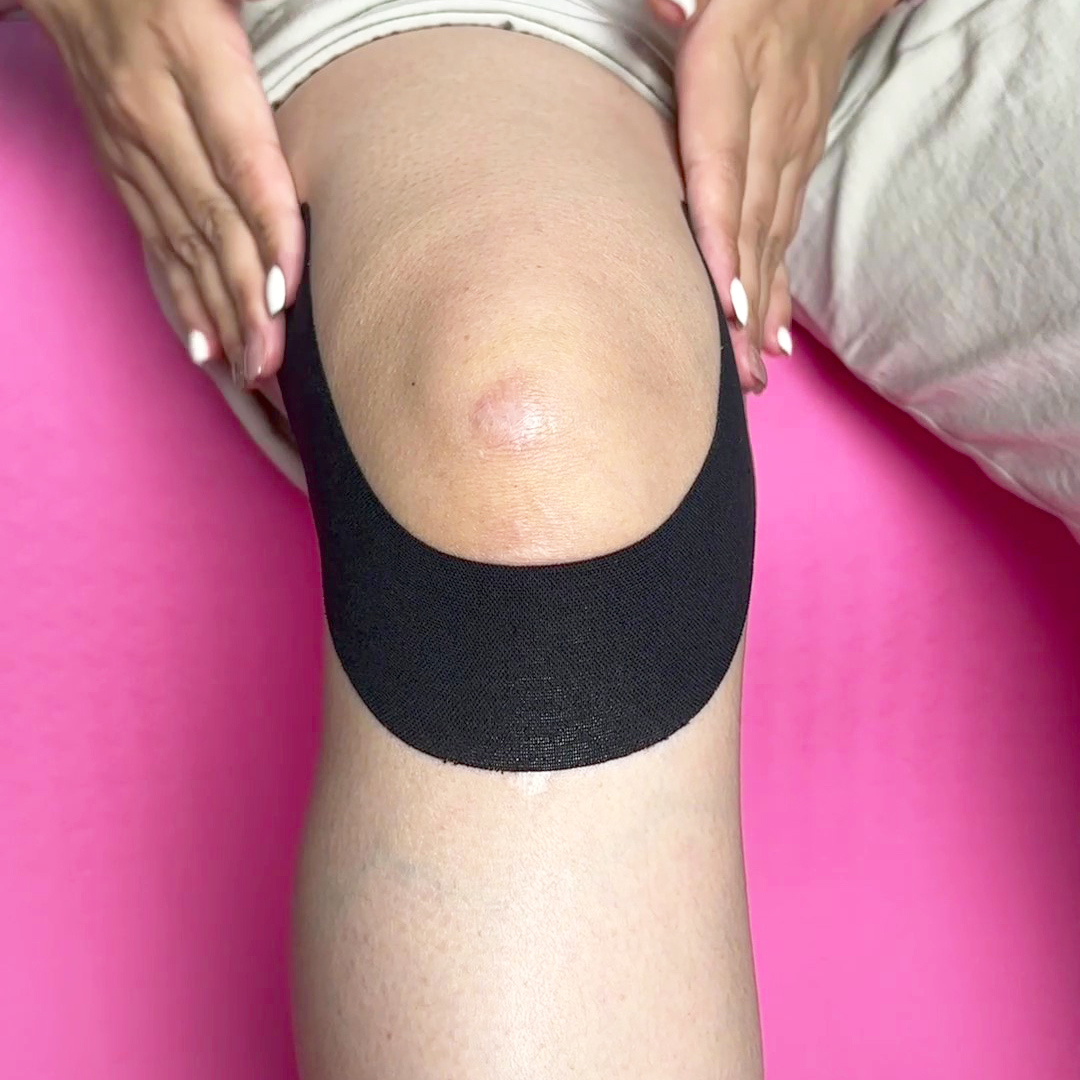
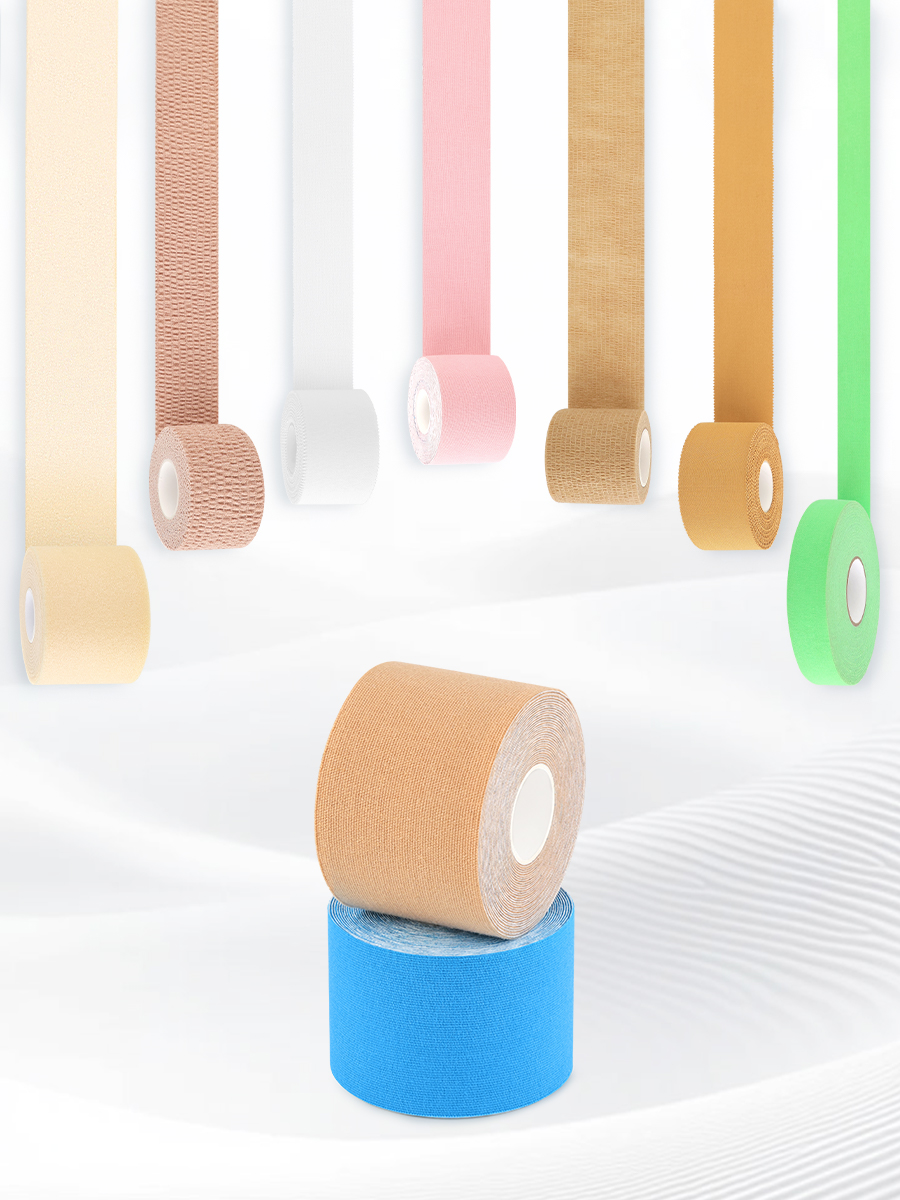
Który typ taśmy jest najlepszy?
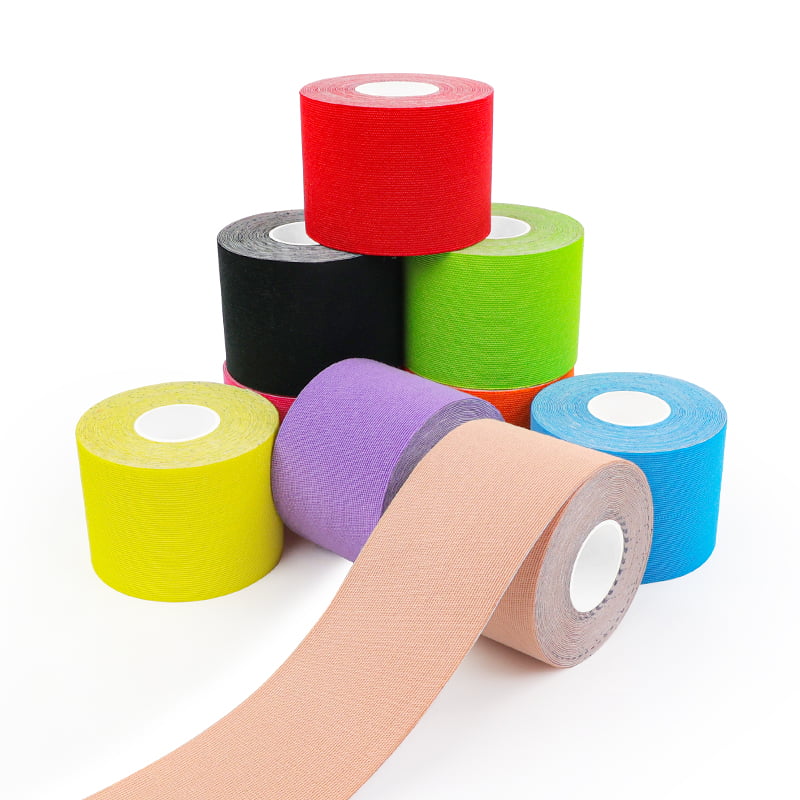
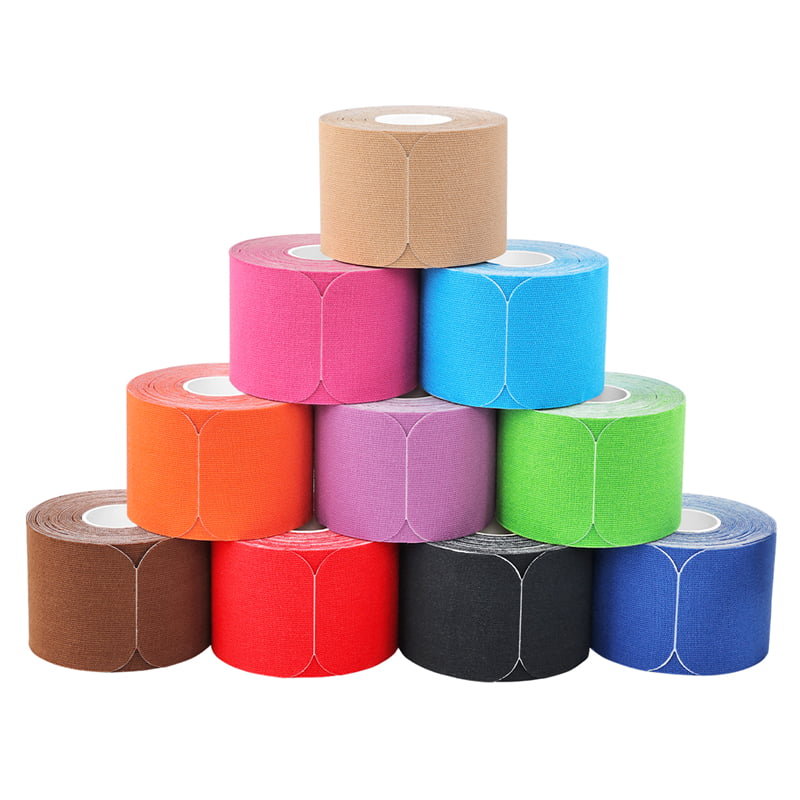
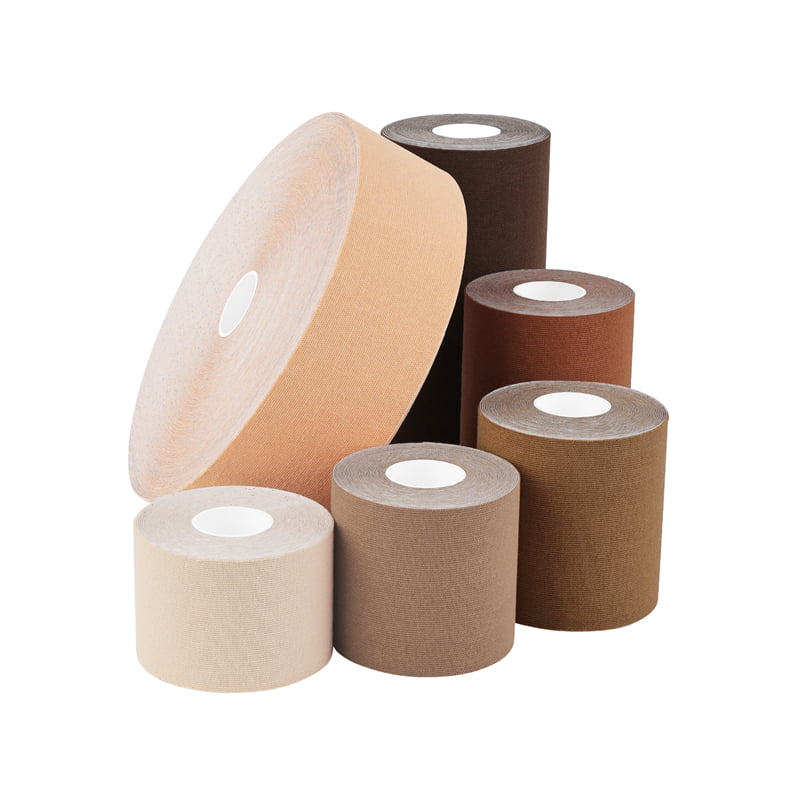
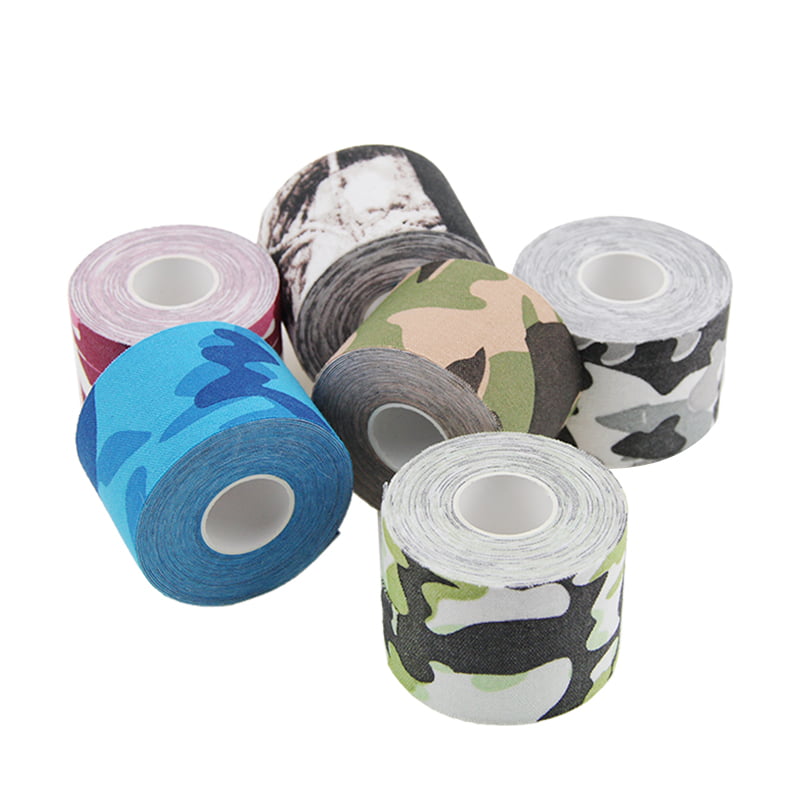
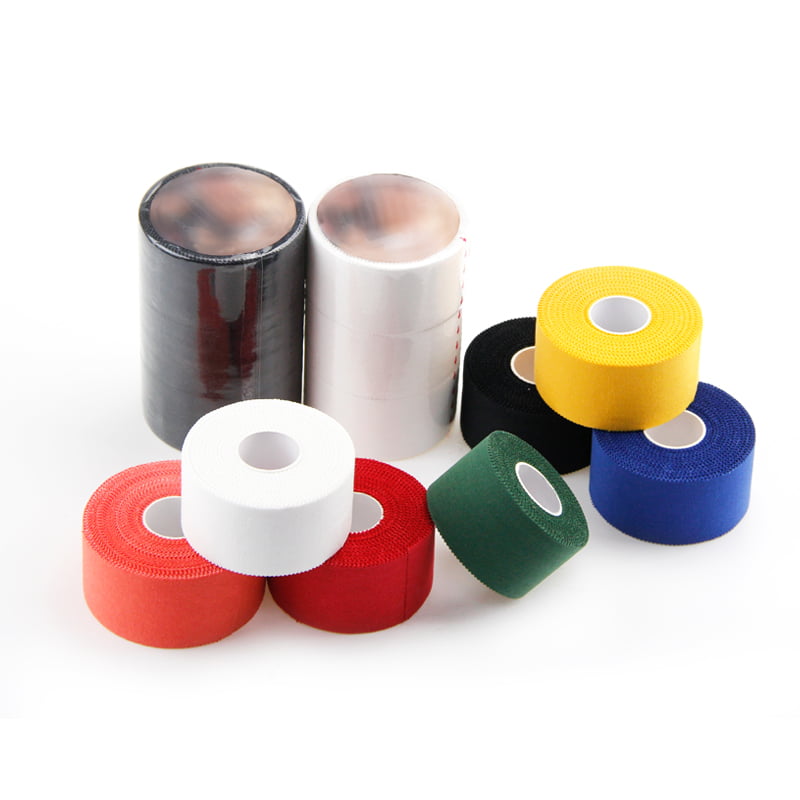
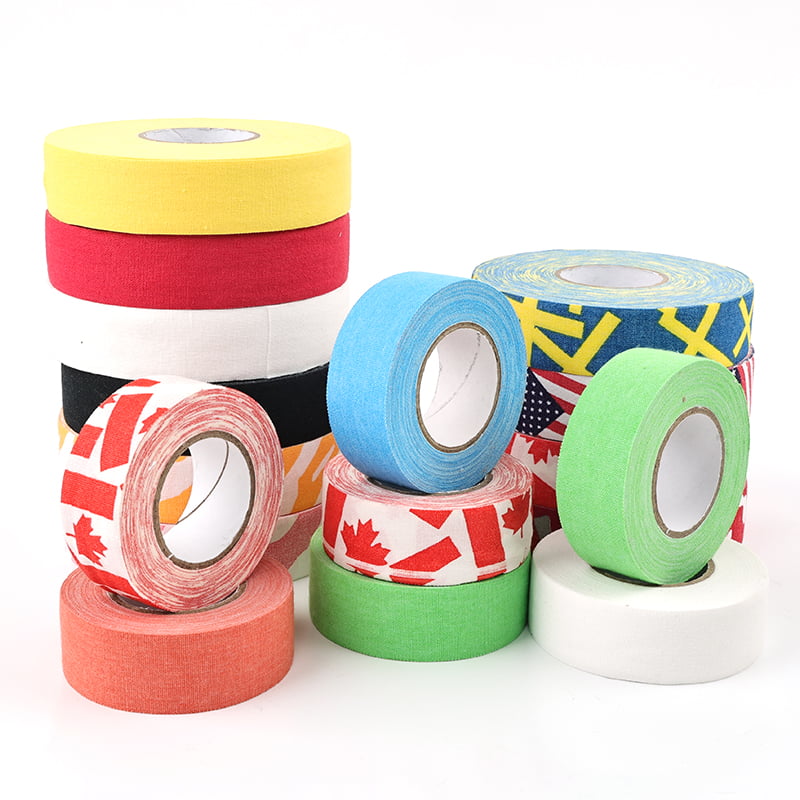
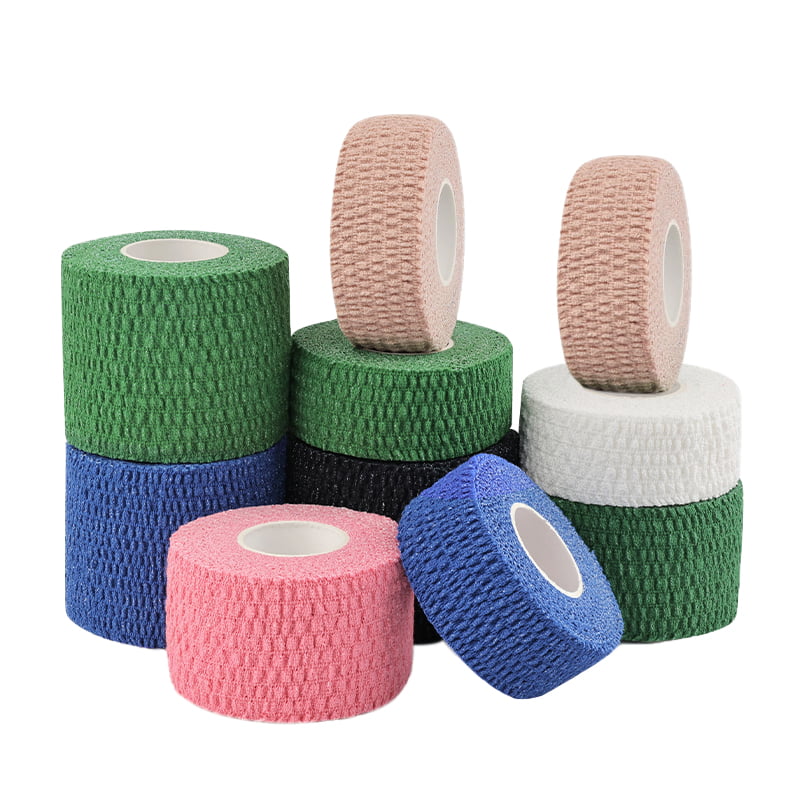
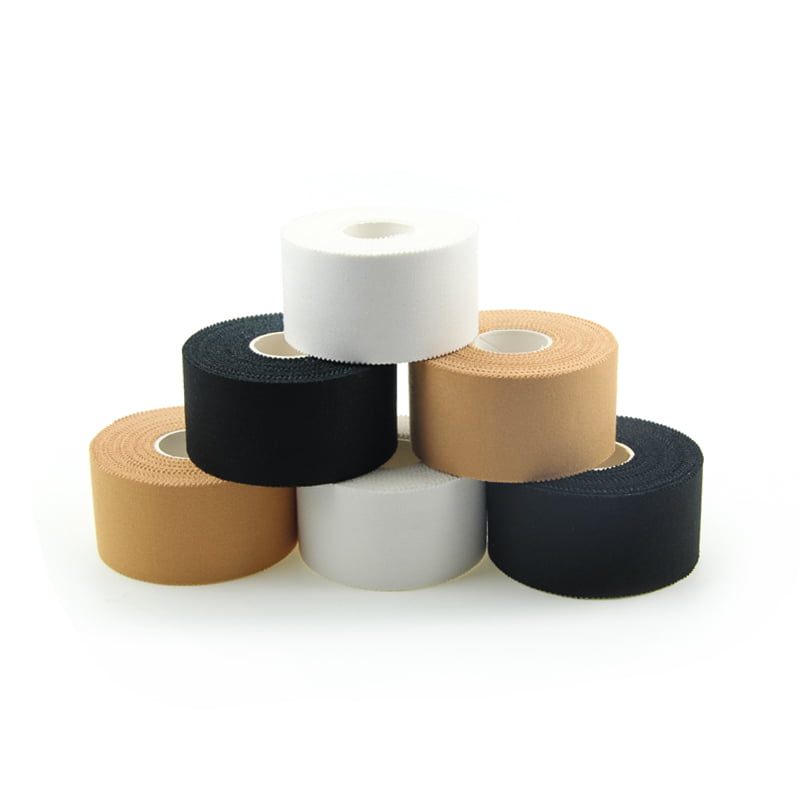
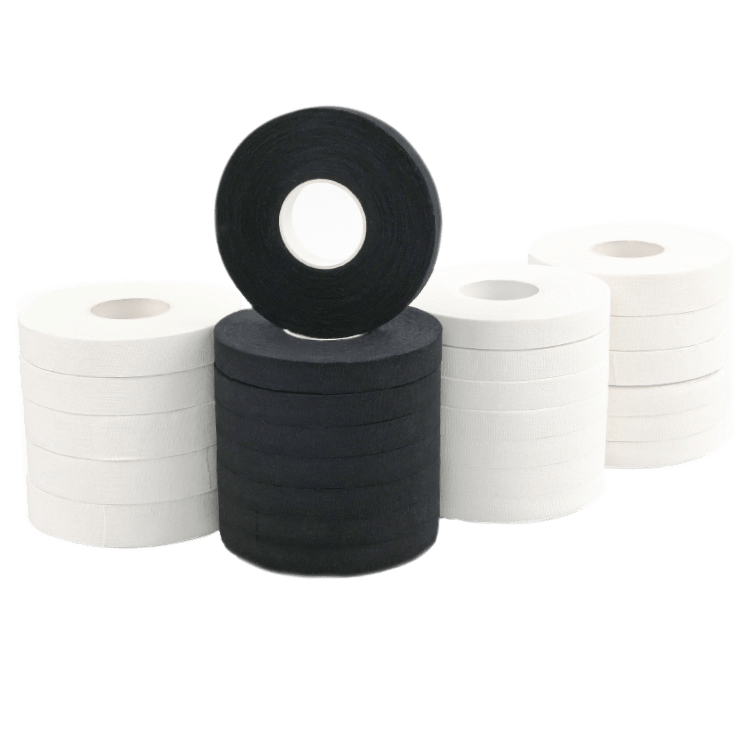
Czy nie ma jeszcze odpowiedniej taśmy kinesiology dla zerwania łąkotki? Wybierz teraz taśmę, która najlepiej Ci odpowiada. Taśma bawełniana jest bardziej popularna, syntetyczna taśma KT lepiej nadaje się do sportów wodnych, taśmy wstępnie przycięte i wstępnie pokrojone arkusze są bardziej wygodne, a rolki 35m są bardziej trwałe i ekonomiczne.
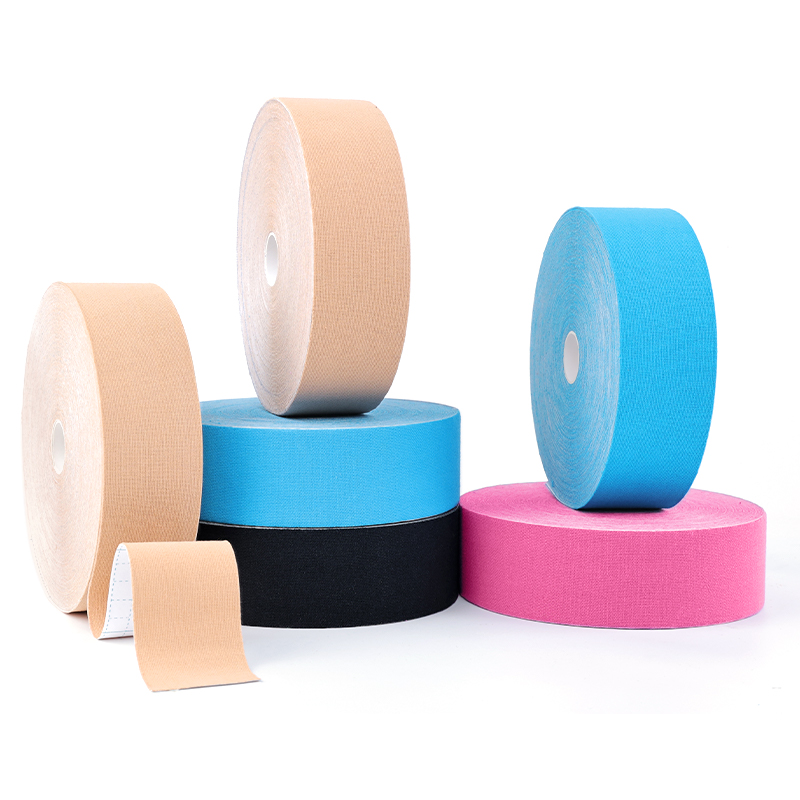
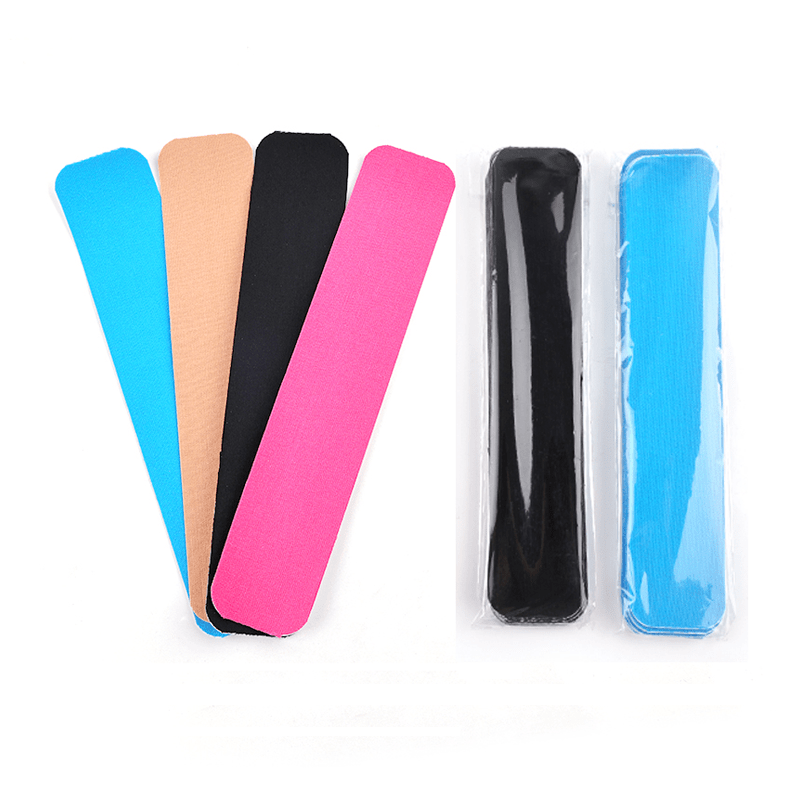
Co użytkownicy najczęściej zgłaszają po prawidłowym naklejeniu taśmy
Jednym z powodów, dla których taśma kinesiology stała się tak popularna w medycynie sportowej, jest natychmiastowa zmiana odczucia, którą 80% użytkowników opisuje po aplikacji.
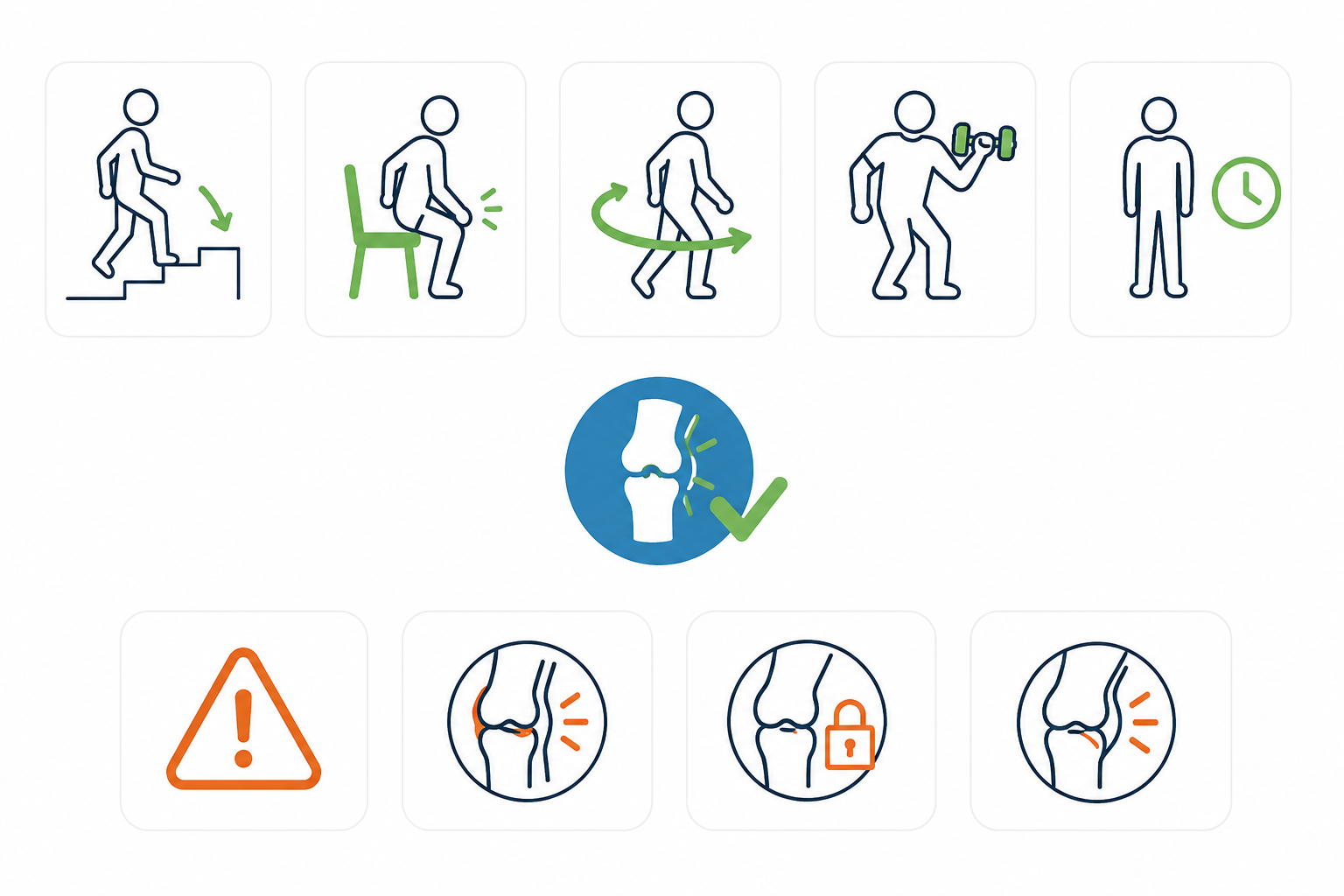
Ludzie powszechnie zgłaszają:
- Kolano czuje się bardziej stabilne
- Ruchy skrętne wydają się mniej stresujące
- Chodzenie po schodach w dół wydaje się płynniejsze
- Przysiady wydają się bardziej kontrolowane
- Kolano czuje się „trzymane razem”
- Mniejsze poczucie niestabilności podczas ruchu
Niektórzy użytkownicy opisują również efekt psychologiczny:
Gdy kolano czuje się wspierane, przestają ciągle myśleć o stawie podczas ruchu.
Dla aktywnych osób wracających do zdrowia po podrażnieniu kolana, sama ta pewność może znacząco wpłynąć na codzienną aktywność.
Łękotka to struktura chrzęstna w kształcie litery C wewnątrz kolana, która działa jako amortyzator między kością udową a kością piszczelową.
Każde kolano zawiera:
- Łękotka przyśrodkowa (wewnętrzna)
- Łękotka boczna (zewnętrzna)
Zerwanie łękotki występuje, gdy chrząstka zostaje skręcona, przeciążona lub ściśnięta poza swój normalny zakres.
Ten typ urazu łękotki kolanowej jest niezwykle powszechny wśród:
- Sportowców
- Aktywnych dorosłych
- Pracowników wykonujących powtarzające się klęczenie lub przysiady
Objawy różnią się w zależności od nasilenia, ale do powszechnych oznak należą:
- Ból przy skręcaniu kolana
- Obrzęk łąkotki
- Dźwięki kliknięcia lub trzaskania
- Sztywność kolana
- Zatrzymywanie się lub łapanie
- Osłabienie podczas schodzenia po schodach
- Ból podczas przysiadu
- Ból przyśrodkowej łąkotki
- Dyskomfort podczas obracania się w łóżku
Wielu ludzi opisuje kolano jako niestabilne, prawie jakby mogło „się poddać.” Ciekawe, że wielu użytkowników mówi, że schody wydają się trudniejsze niż bieganie po podrażnieniu łąkotki.
Na podstawie opinii terapeutów i doświadczeń w zakresie regeneracji sportowej, taśma kinesiology dla uszkodzenia łąkotki może pomóc poprzez:
- Zmniejszenie ciśnienia wokół stawu
- Poprawę świadomości ruchu
- Pomoc w kontrolowaniu obrzęku łąkotki
- Poprawę komfortu podczas aktywności
🔹 Ważne: Taśma kinesiology dla uszkodzenia łąkotki nie naprawia uszkodzeń chrząstki.
Różne urazy kolana powodują różne problemy z ruchem.
Taśma kinesiology do zastosowań w przypadku zerwania łąkotkijest najczęściej stosowana w przypadku:
Ból łąkotki przyśrodkowej
Ból wewnętrznej części kolanajest najczęstszą skargą, szczególnie podczas schodzenia w dół, skręcania lub wstawania z krzesła.
Regeneracja sportowa
Sportowcy często używają taśmy kinesiology podczaskoszykówki, piłki nożnej, siatkówki, tenisa, CrossFit, biegania, a prace związane z powtarzającym się klęczeniem, przysiadami lub ciężkim podnoszeniem mogą również zwiększać ryzyko urazu łąkotkiponieważpozwala na ruch, jednocześnie zapewniając wsparcie.
Obrzęk po aktywności
Po treningu niektóre kolana czują się„pełne”, sztywne lub napięte. Efekt unoszenia taśmy kinesiology może pomóc w zarządzaniu tym uczuciem obrzęku po aktywności.
Typowa sytuacja w rzeczywistości jest taka:
To właśnie wtedy wielu aktywnych użytkowników zaczyna eksperymentować zwsparciem taśmy kinesiology.
Odpoczynek i unikanie obciążających ruchów
Unikaj ruchów, które obciążają kolano, szczególnie:
- Głębokie przysiady
- Obracanie się
- Skakanie
- Nagłe zmiany kierunku
Próba „przebicia się” przez kontuzję łąkotki często opóźnia powrót do zdrowia.
Regularnie stosuj lód na kolano
Lód pomaga zmniejszyć obrzęk łąkotki i dyskomfort, szczególnie w ciągu pierwszych 48 godzin po podrażnieniu.
Stosuj lód przez 15–20 minut na raz.
Wzmacniaj mięśnie wspierające
Poprawa siły mięśni czworogłowych i pośladków może pomóc zmniejszyć stres na kolano i poprawić kontrolę ruchu podczas rehabilitacji.
Rozważ fizjoterapię
Profesjonalne programy rehabilitacyjne często koncentrują się na sile, mobilności i korekcji ruchu, aby poprawić długoterminową stabilność kolana.
Używaj kompresji i wsparcia
Rękawy kompresyjne, ortezy sportowe i techniki wsparcia za pomocą taśmy mogą pomóc zwiększyć pewność siebie podczas ruchu.
To zależy od celu.
| Cechy | Taśma kinesjologiczna | Stabilizator kolana z zawiasem |
|---|---|---|
| Zakres ruchu | Naturalny | Ograniczony |
| Zaangażowanie mięśni | Wyższe | Niższe |
| Objętość | Niska | Wysoka |
| Komfort sportowy | Doskonały | Umiarkowany |
| Siła stabilizacji | Umiarkowana | Silna |
| Najlepsze zastosowanie | Codzienna pomoc i regeneracja | Ostra niestabilność i po operacji |
Wielu sportowców preferuje taśmę kinesjologiczną do sportu, ponieważ jest lżejsza i pozwala na bardziej naturalny ruch, podczas gdy stabilizatory zazwyczaj zapewniają silniejsze wsparcie strukturalne.
Unikaj naklejania taśmy na:
- Uszkodzoną skórę
- Wysypki
- Otwarte rany
- Aktywne podrażnienia
Nie naciągaj taśmy zbyt mocno.
Zbyt duże napięcie może:
- Podrażnić skórę
- Ograniczyć ruch
- Zmniejszyć komfort
Jeśli ból znacznie się nasili po nałożeniu taśmy, usuń taśmę kinesjologiczną na uszkodzenie łąkotki i skonsultuj się z lekarzem.
Taśma kinesiology to narzędzie wsparcia — nie zastępuje oceny medycznej.
Nie polegaj tylko na taśmie kinesiology, jeśli doświadczasz:
- Zablokowanie kolana
- Znaczny obrzęk
- Nagłe załamanie podczas chodzenia
- Niemożność przenoszenia ciężaru
- Ostre odczucia trzaskania
- Podejrzenie zerwania ACL lub więzadła
- Ciężka niestabilność po urazie
Jeśli objawy nadal się pogarszają, zdecydowanie zaleca się profesjonalną ocenę medyczną.
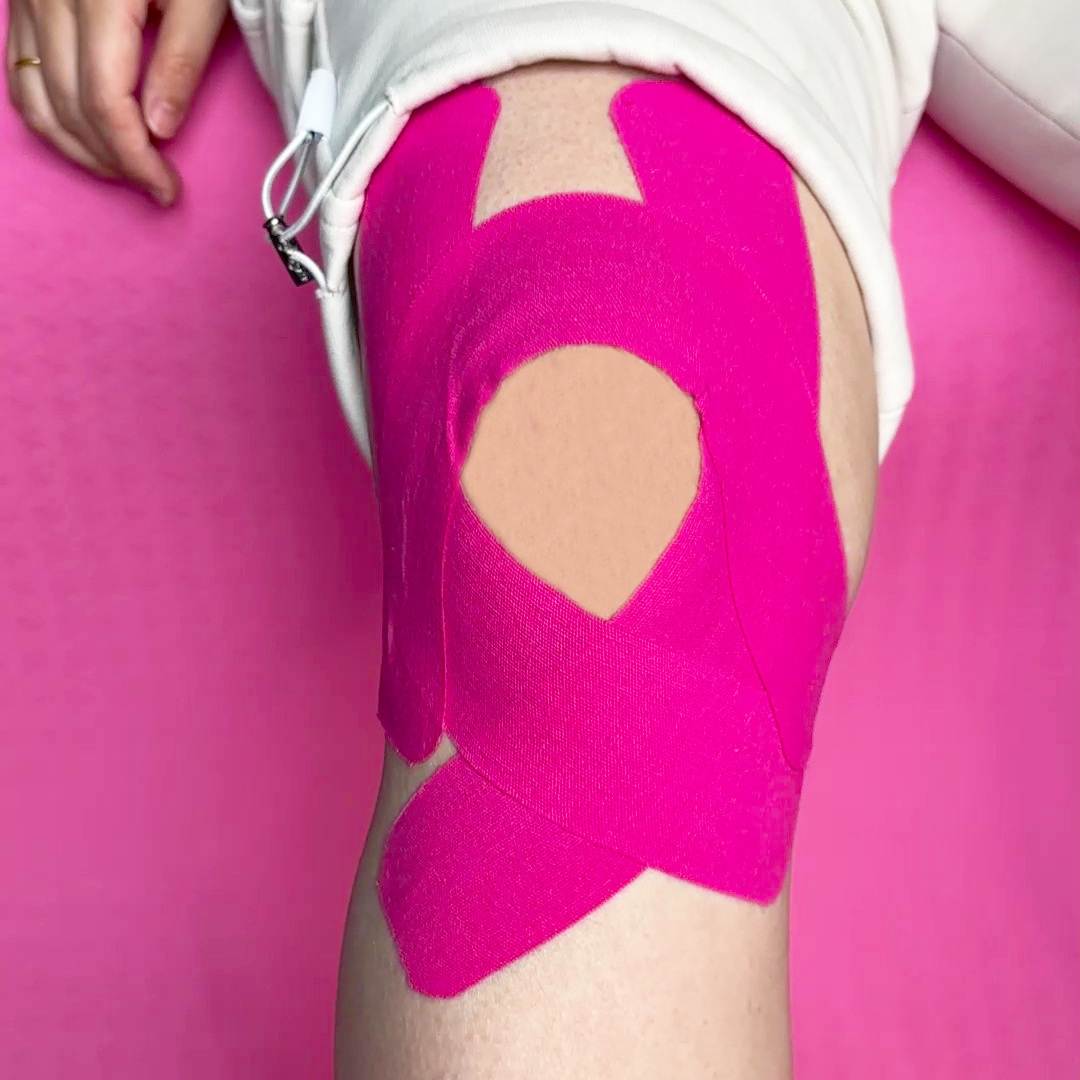
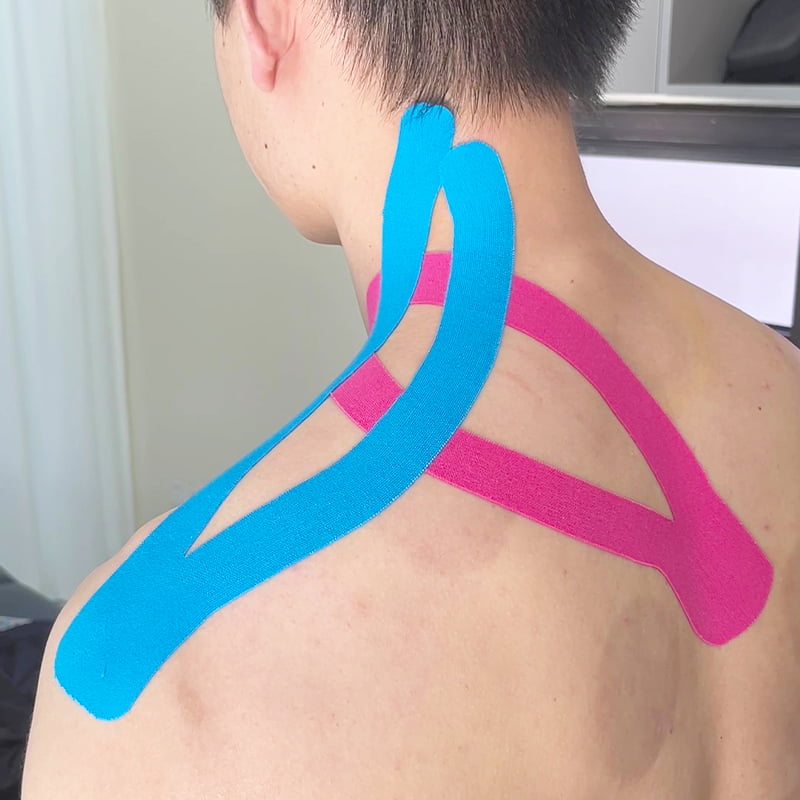
Jak ubiegać się o świadczenie z tytułu bólu kolana w innych obszarach
.jpg?w=1080&h=1080)
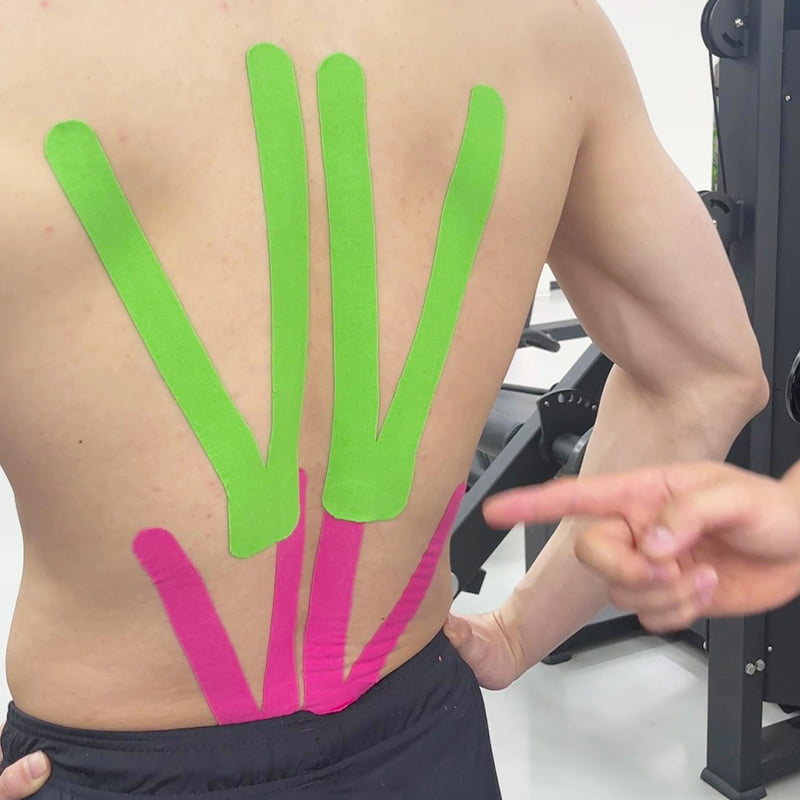
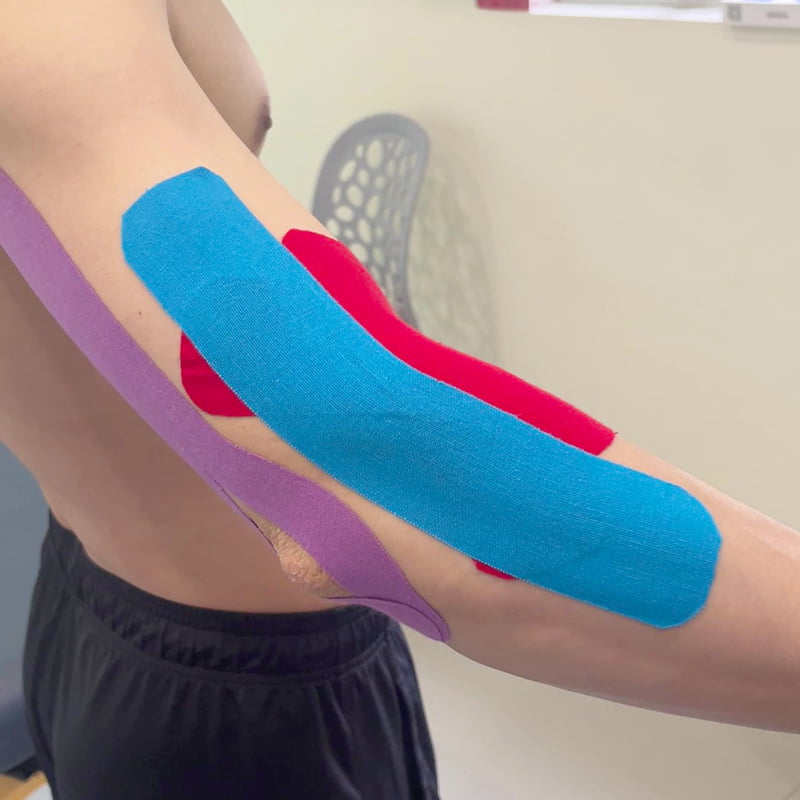
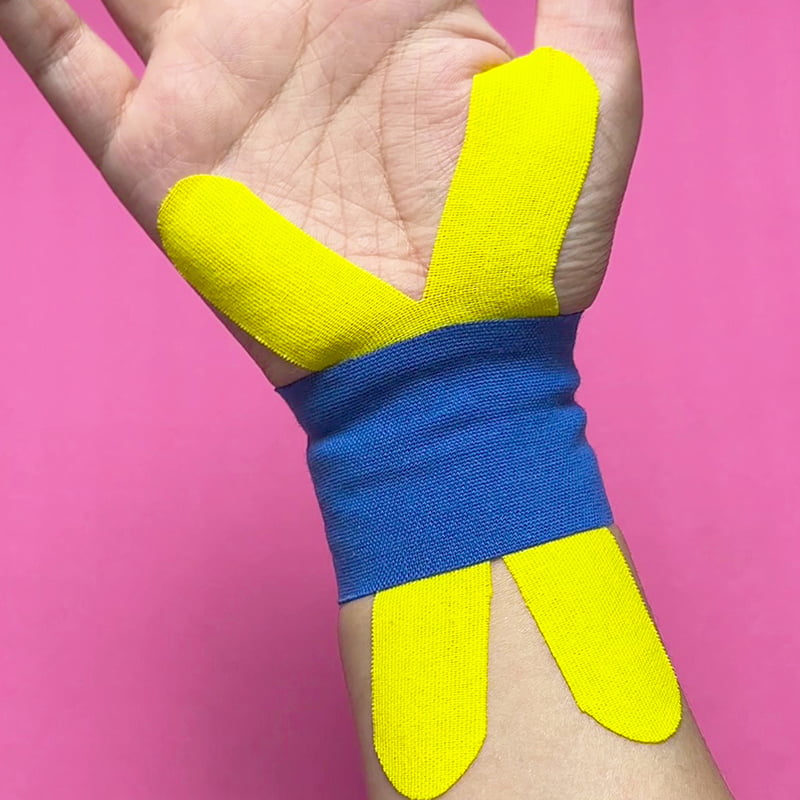
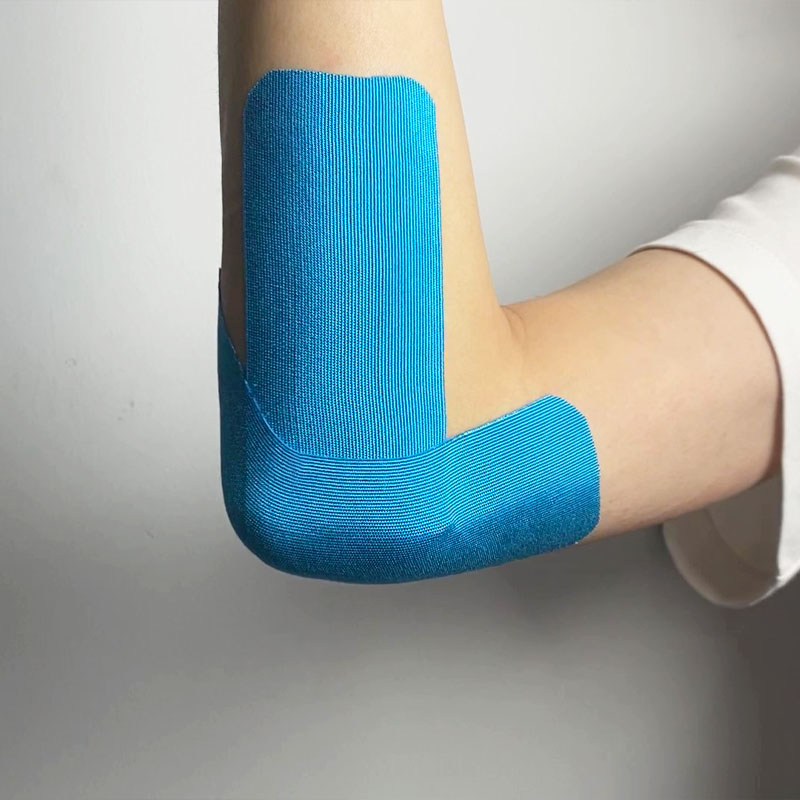
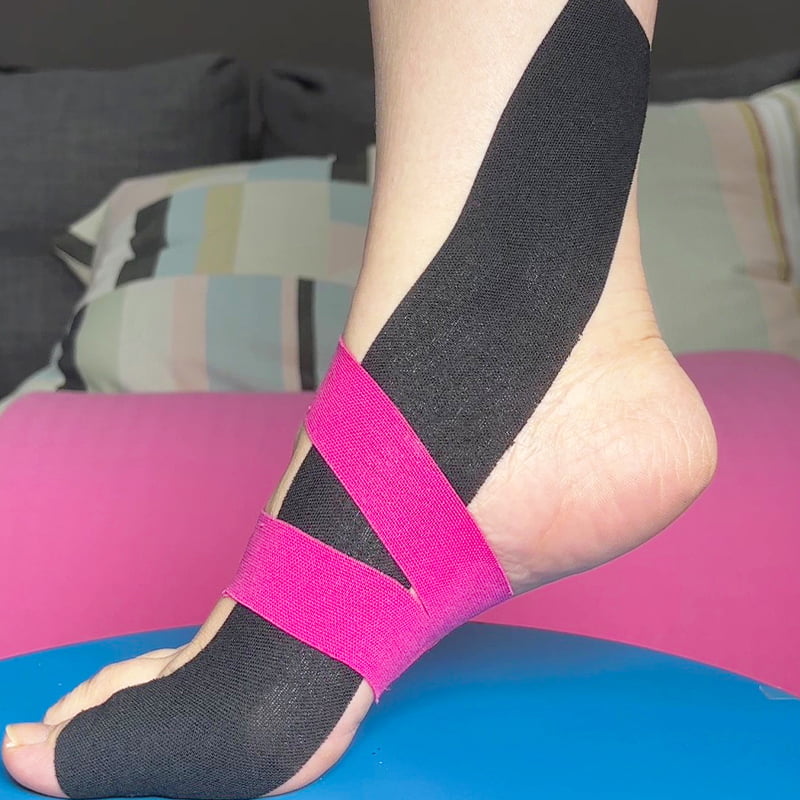
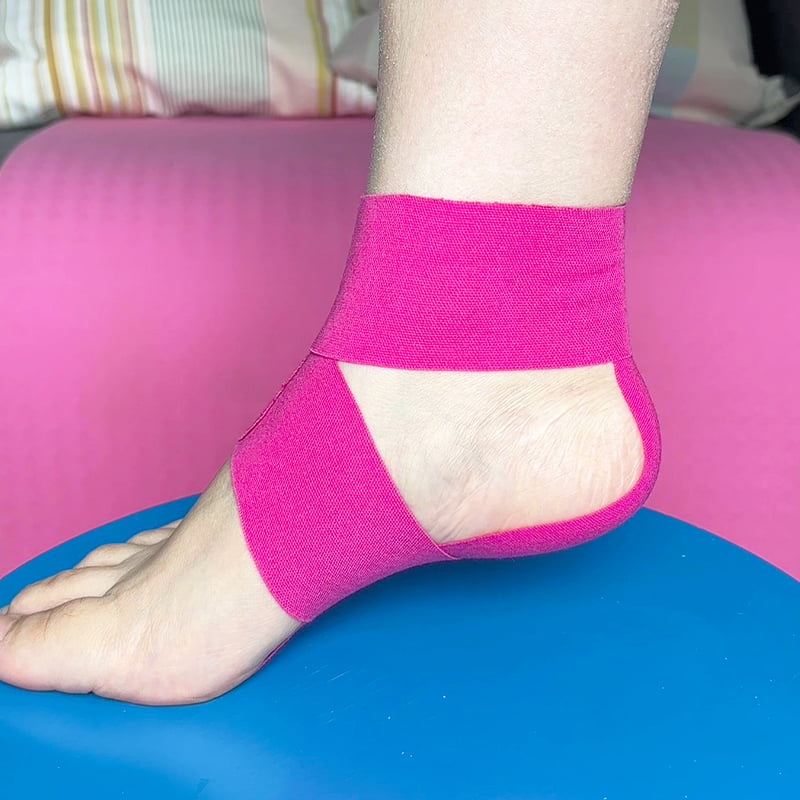
Największa część taśmy kinesiology trwa 3–5 dni, w zależności od pocenia się, poziomu aktywności, stanu skóry i jakości kleju.
50% sportowców zazwyczaj zmienia swoją taśmę po intensywnym poceniu się. Kliknij "Jak długo nosić?", aby dowiedzieć się więcej.
Taśma kinesiology do zerwania łąkotki pozwala na większą elastyczność i naturalny ruch, podczas gdy stabilizatory zapewniają silniejsze ograniczenie i stabilizację.
Dla wyższych poziomów wsparcia, terapeuci często łączą to z:
w zależności od poziomu aktywności i etapu rehabilitacji.
Nie wszystkie taśmy kinesiology działają tak samo, gdy kolano zaczyna się poruszać.
Jako profesjonalny producent taśm kinesiology i dostawca OEM, Veefun koncentruje się na dwóch kluczowych czynnikach, które bezpośrednio wpływają na wydajność wsparcia kolana:
1. Odprężenie elastyczne
Siła „odskoku” taśmy wpływa na to, jak wspierająco się czuje podczas ruchu.
Dla wsparcia łąkotki, syntetyczna taśma kinesiology jest często preferowana, ponieważ utrzymuje silniejszą elastyczną regenerację podczas powtarzającego się zgięcia kolana, aktywności sportowej i warunków wysokiej potliwości.
2. Stabilność kleju
Kolana doświadczają ciągłego tarcia, rozciągania i narażenia na pot. Taśmy niskiej jakości często zaczynają się łuszczyć wokół rzepki w ciągu kilku godzin, co zmniejsza ogólną wydajność wsparcia.
Profesjonalne taśmy kinesiology zazwyczaj używają medycznego kleju akrylowego zaprojektowanego tak, aby pozostał stabilny podczas ruchu, jednocześnie pozostając przyjaznym dla skóry.
Wielu użytkowników po raz pierwszy myśli, że metoda tapowania zawiodła, podczas gdy prawdziwym problemem często jest jakość samej taśmy.
Ostatnie myśli
Taśma kinesjologiczna do wsparcia w przypadku uszkodzenia łąkotki nie może naprawić uszkodzenia chrząstki, ale odpowiednie oklejanie może pomóc poprawić komfort, pewność ruchu i wsparcie kolana podczas rehabilitacji.
Veefun produkuje taśmy kinesjologiczne profesjonalnej jakości, sztywne taśmy sportowe, taśmy z tlenkiem cynku, taśmy EAB oraz rozwiązania OEM z prywatną etykietą dla klinik sportowych, dystrybutorów i marek rehabilitacyjnych na całym świecie.
Skontaktuj się z naszym zespołem w celu uzyskania próbek, wsparcia OEM i rozwiązań dotyczących wyceny hurtowej.
Zastrzeżenie medyczne
Ten przewodnik ma na celu wyłącznie cele edukacyjne i odzwierciedla praktyczne doświadczenia z branży produkcji taśm kinesiology i wsparcia sportowego. Nie zastępuje on profesjonalnej diagnozy medycznej ani leczenia.
Utrzymujący się ból kolana, zablokowanie, obrzęk lub niestabilność powinny zawsze być oceniane przez wykwalifikowanego specjalistę ds. zdrowia.