
Cara Menggunakan Pita Kinesiologi untuk Koyakan Meniskus
Kinesiology tape boleh membantu kecederaan meniskus? Ya. Kinesiology tape untuk sokongan kecederaan meniskus berfungsi dengan mencipta "jambatan" fungsional di sekitar sendi lutut untuk meningkatkan kestabilan dan mengurangkan tekanan dari tulang rawan yang terkoyak. Dengan mengangkat kulit untuk meningkatkan peredaran, ia secara efektif mengurus bengkak meniskus dan melegakan kesakitan meniskus medial. Bagi atlet dan pesakit, pengetapan yang betul memberikan maklum balas deria yang diperlukan untuk memulihkan keyakinan semasa berjalan, berpusing, dan latihan pemulihan.
Menyediakan Lutut Sebelum Merekod
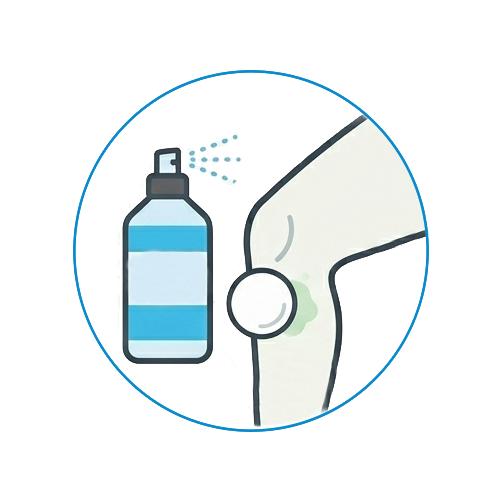
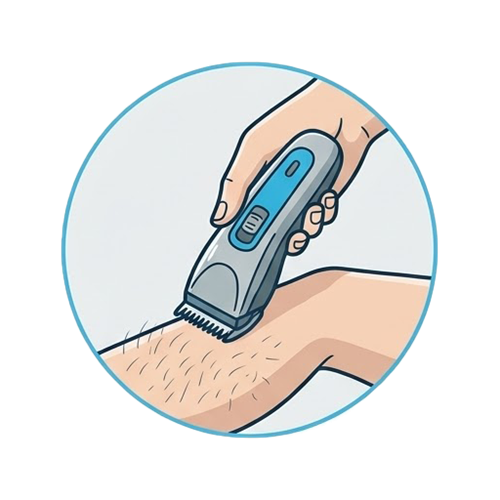
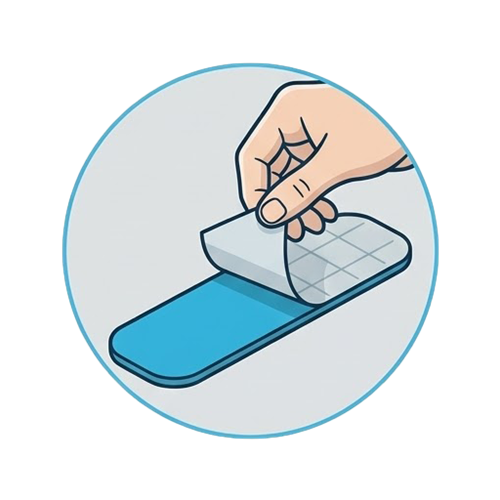
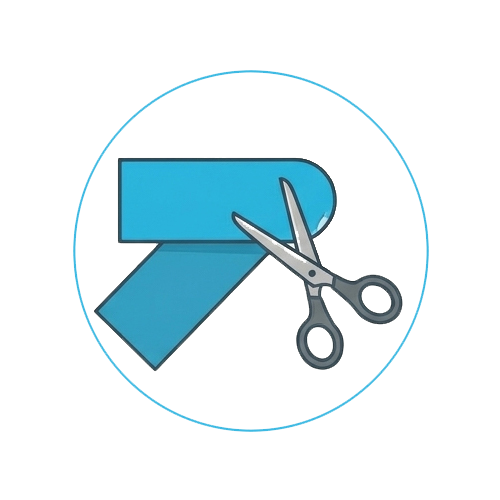
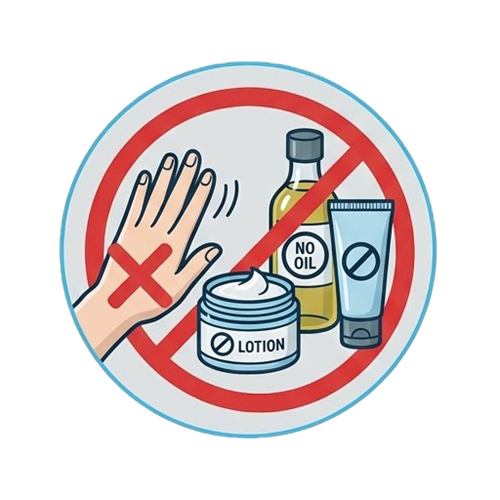
Salah satu sebab terbesar pita gagal terlalu awal adalah persiapan kulit yang buruk. Dalam pengaturan pemulihan sukan, ahli terapi menghabiskan lebih banyak masa untuk mempersiapkan kulit kerana ia secara langsung mempengaruhi berapa lama pita kinesiology untuk koyakan meniskus bertahan dan seberapa baik ia menyokong sendi.
Kesilapan Umum yang Menjadikan Pita Meniskus Kurang Berkesan
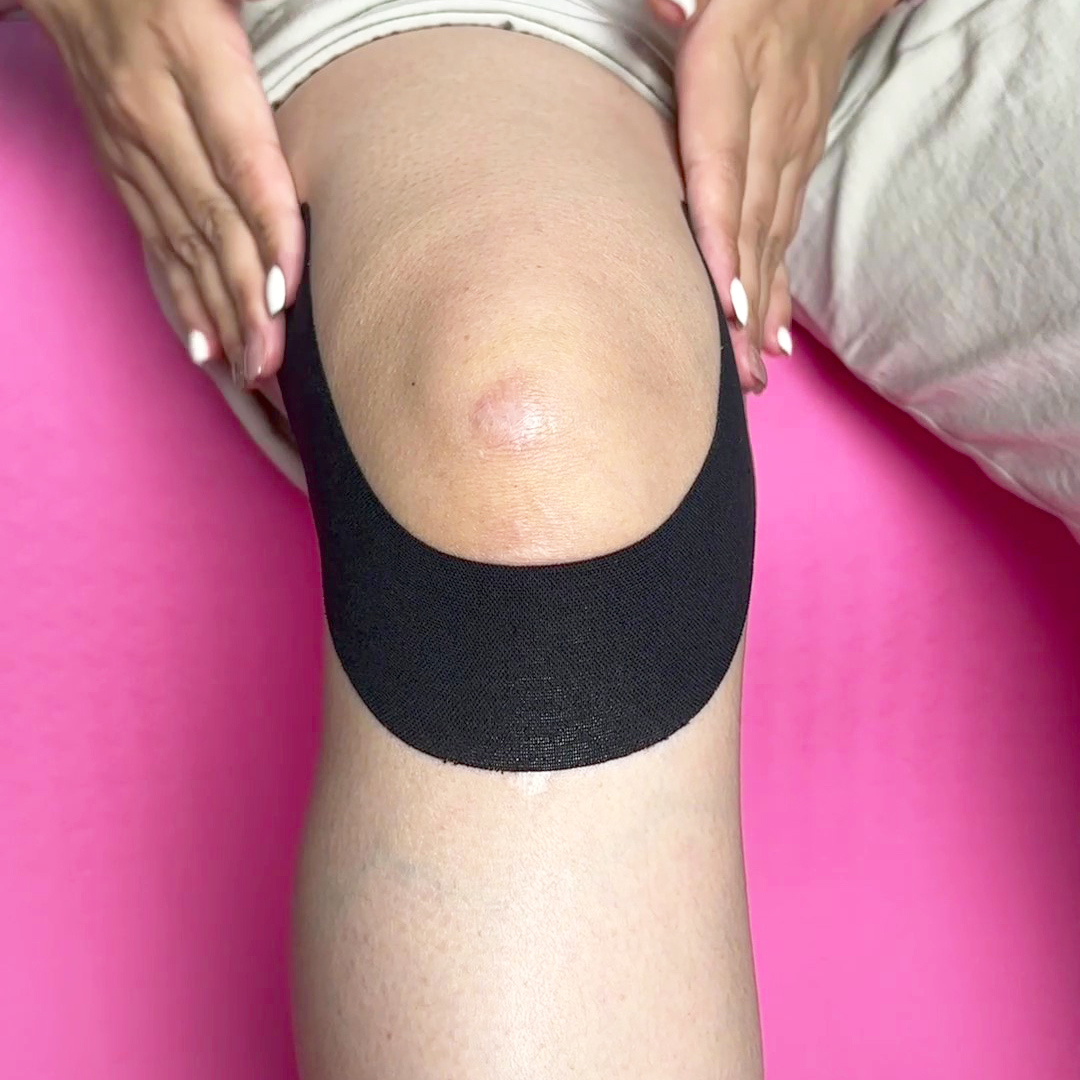
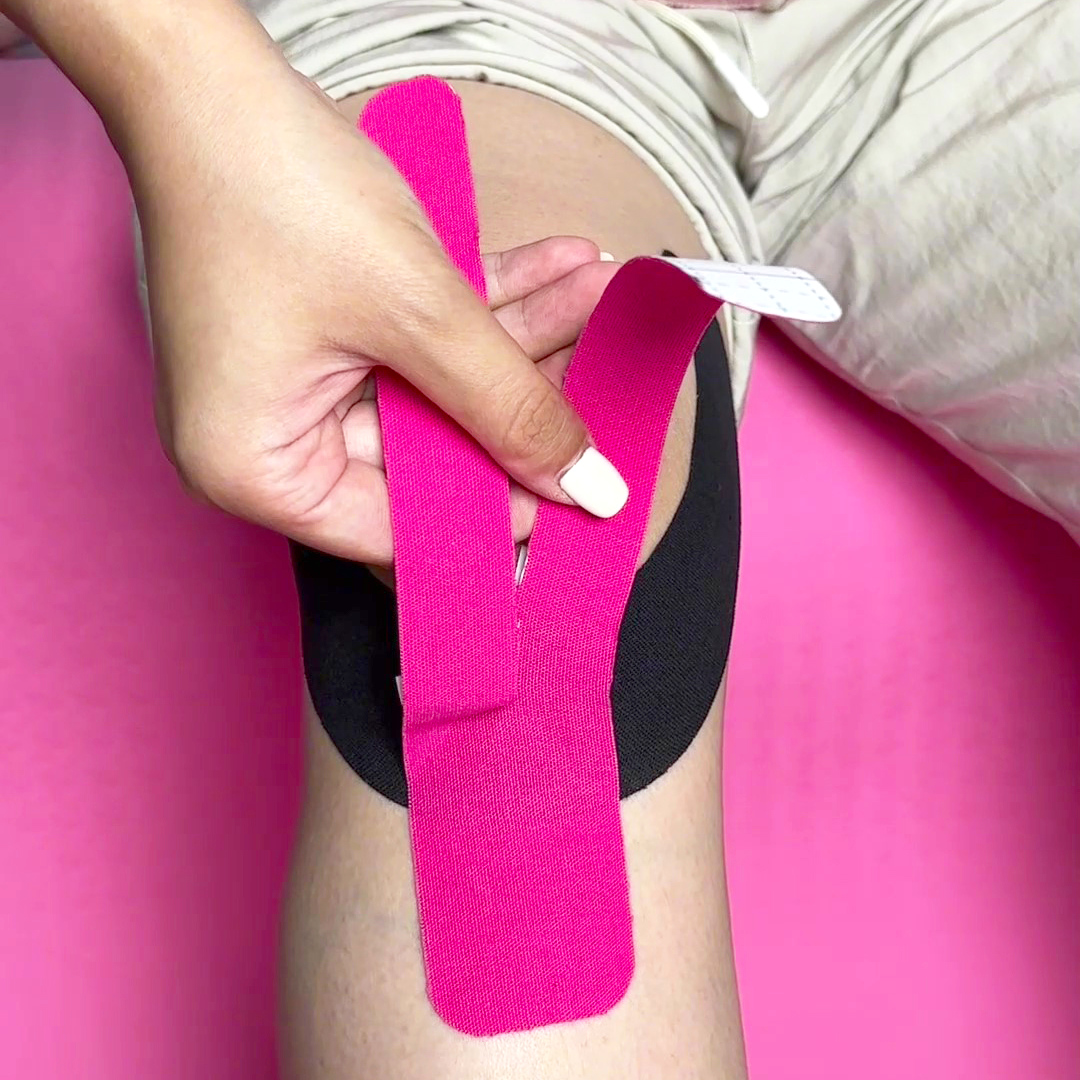
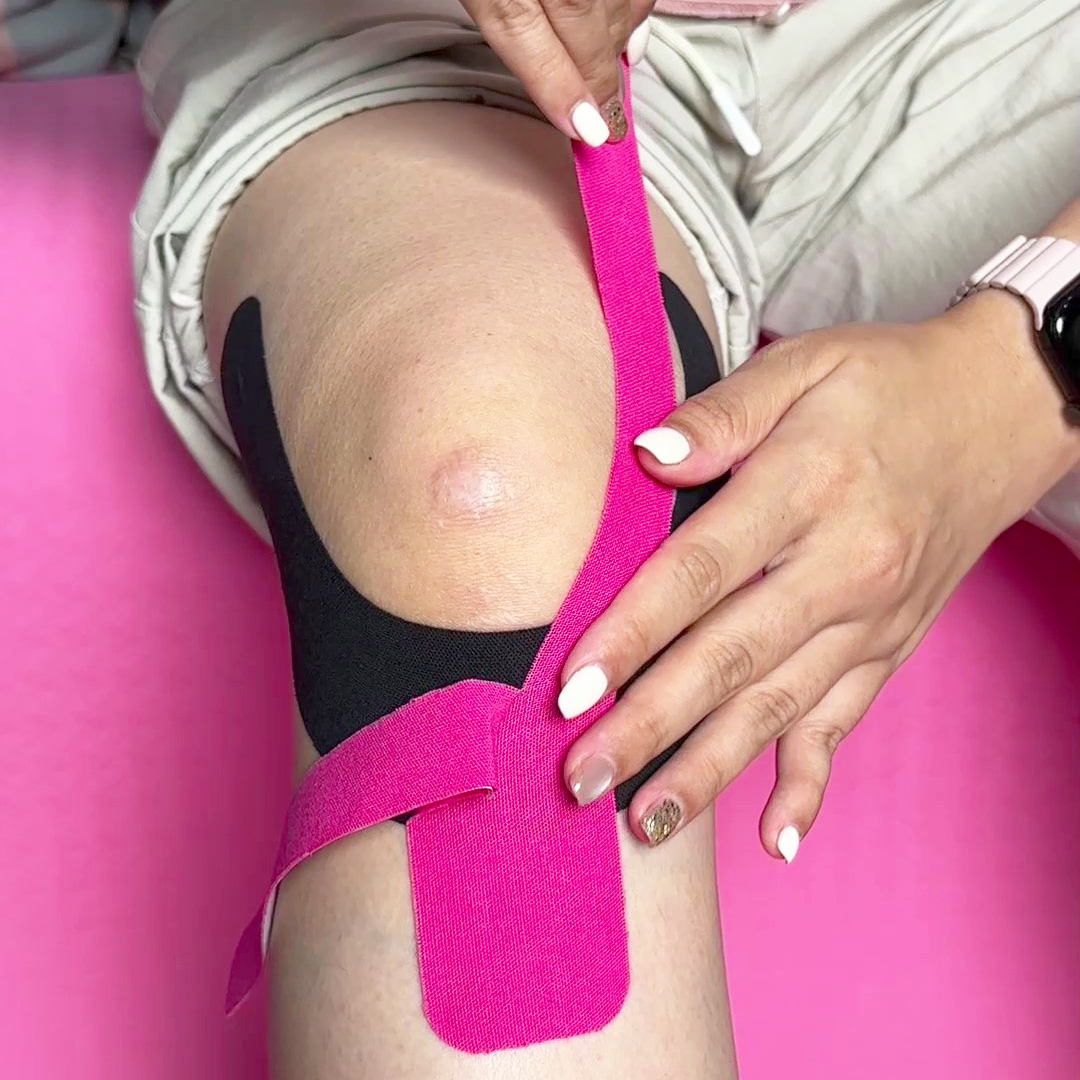
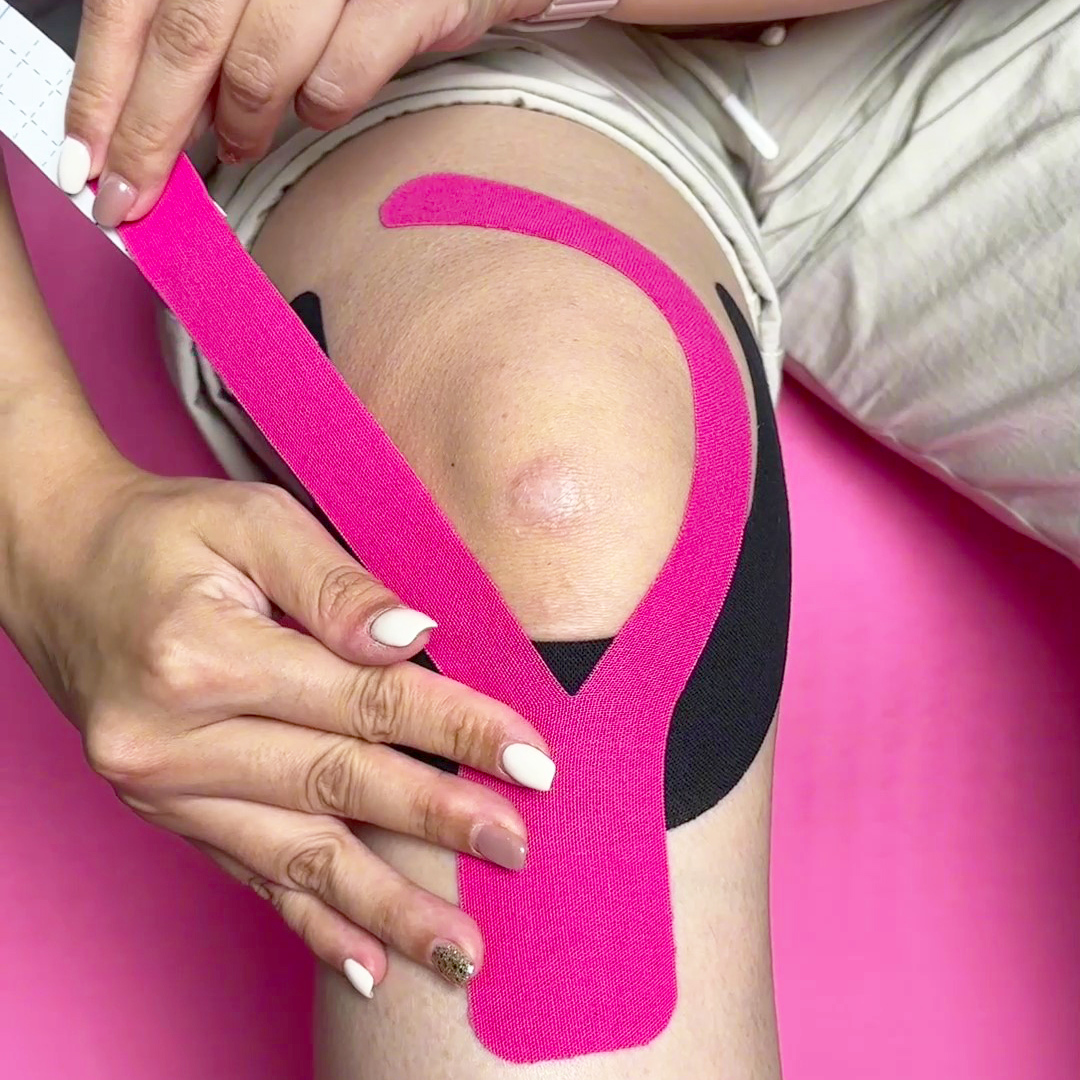
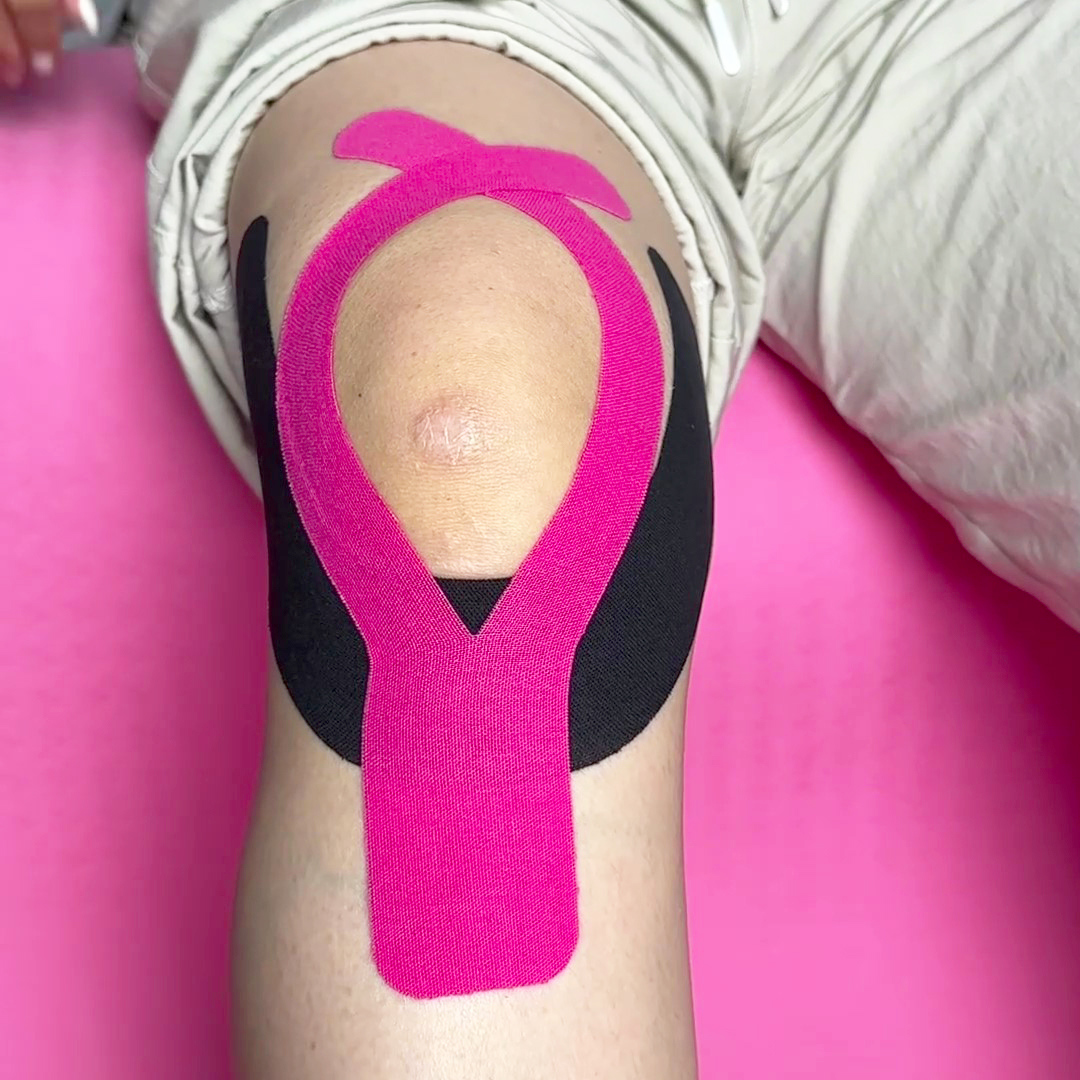
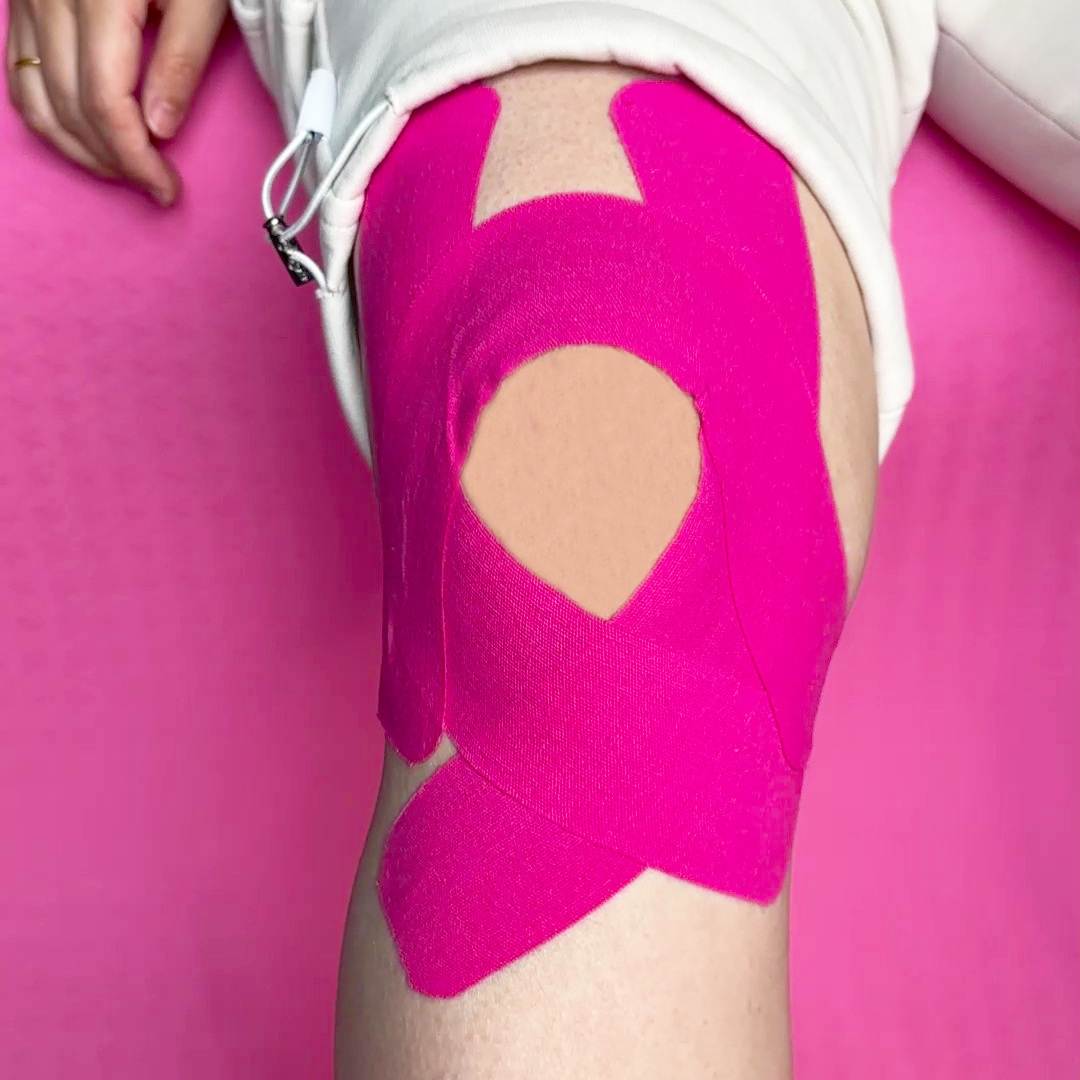
Kinesiology Tape untuk Koyakan Meniskus Panduan Pita Langkah demi Langkah
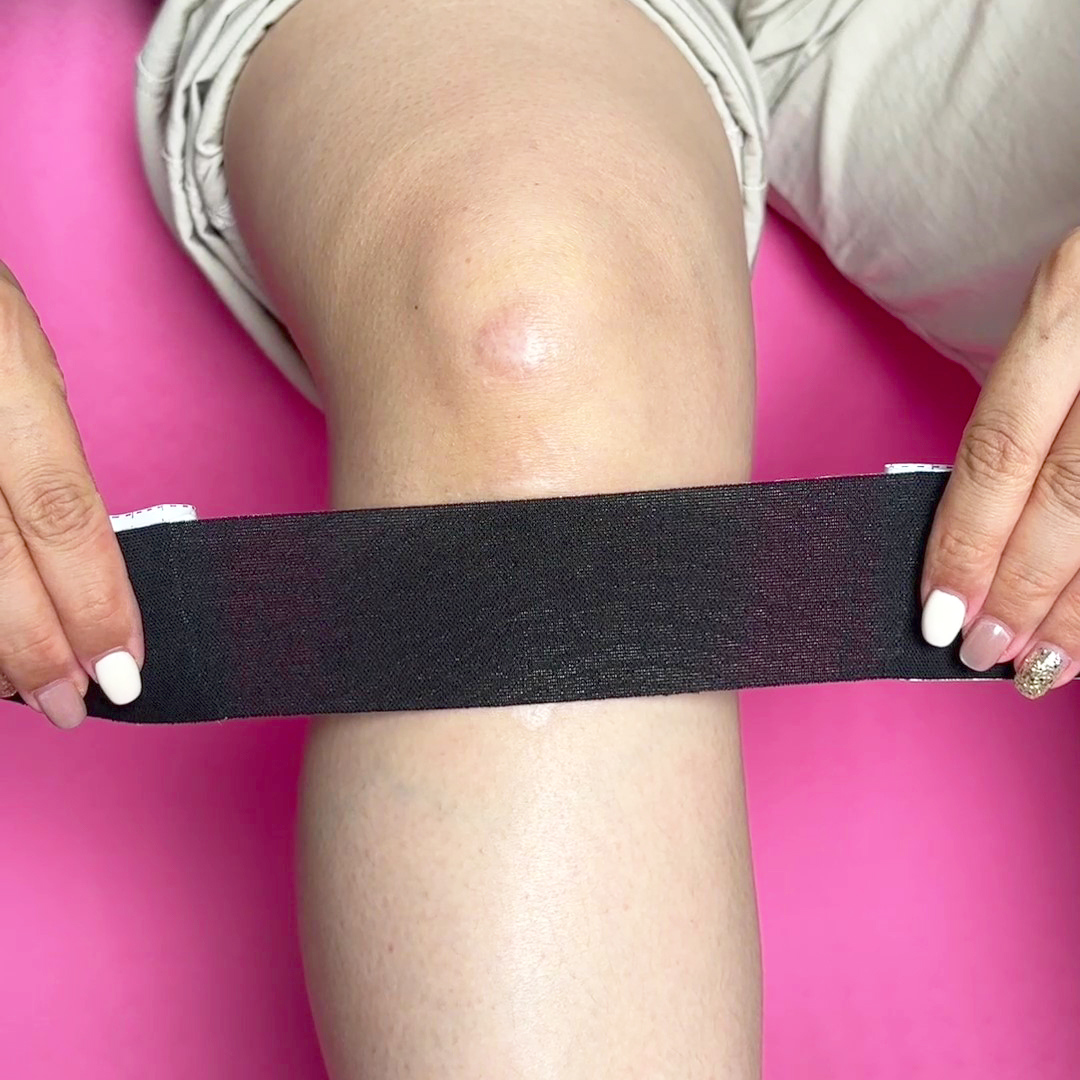
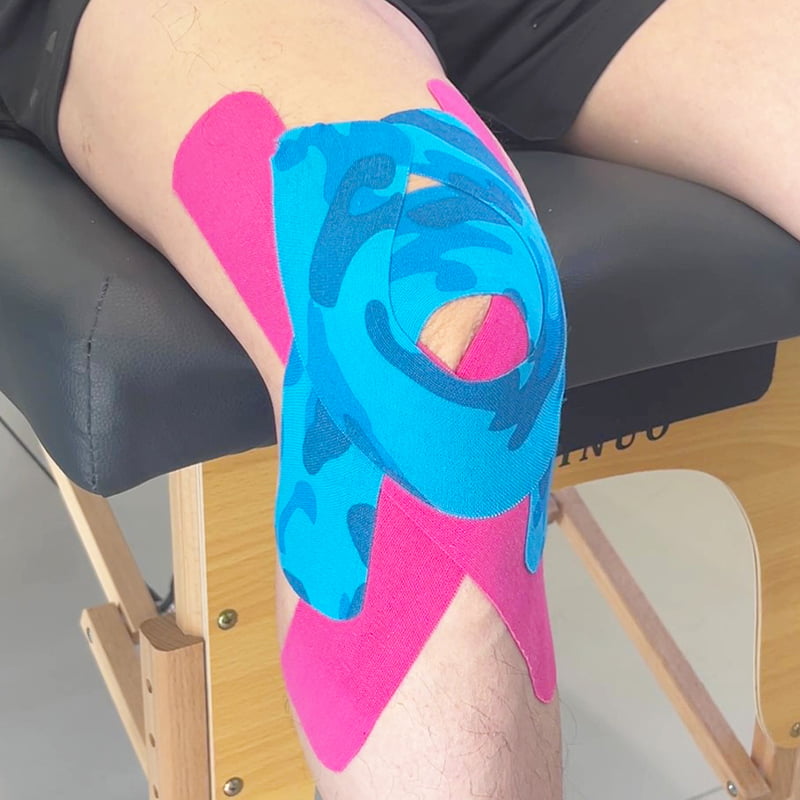
Duduk dengan selesa dan bengkokkan lutut kira-kira 30–45 darjah. Posisi ini membantu pita menyesuaikan diri secara semula jadi dengan kontur sendi.
Jenis Pita Yang Mana Paling Berfungsi?
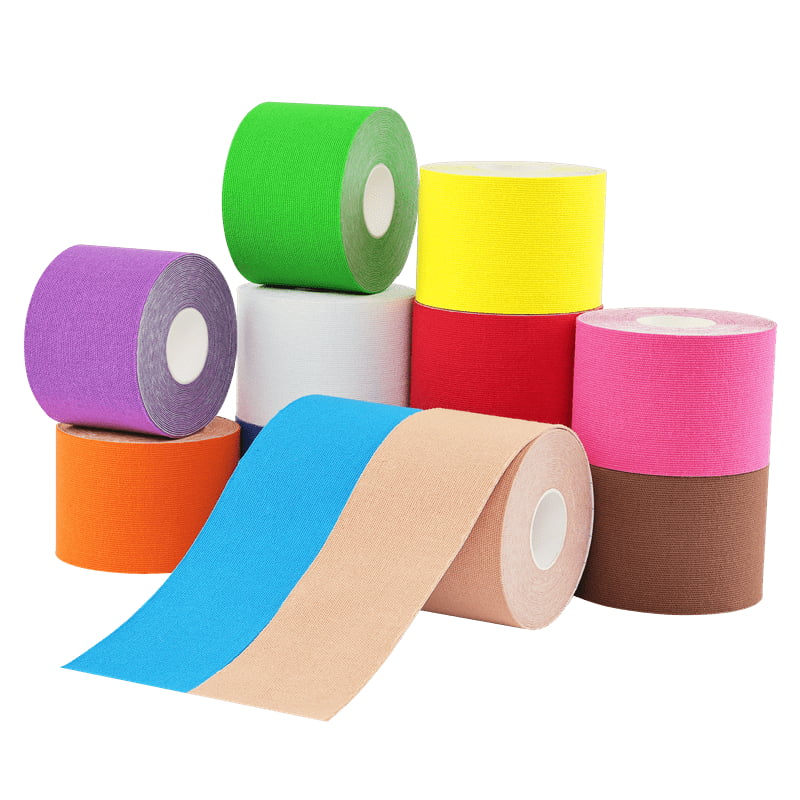
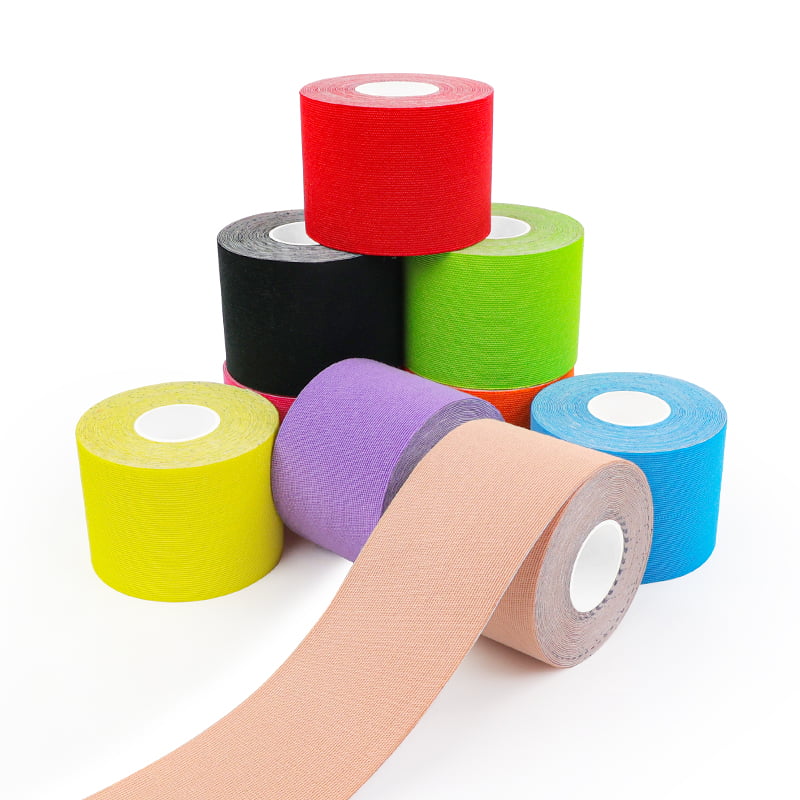
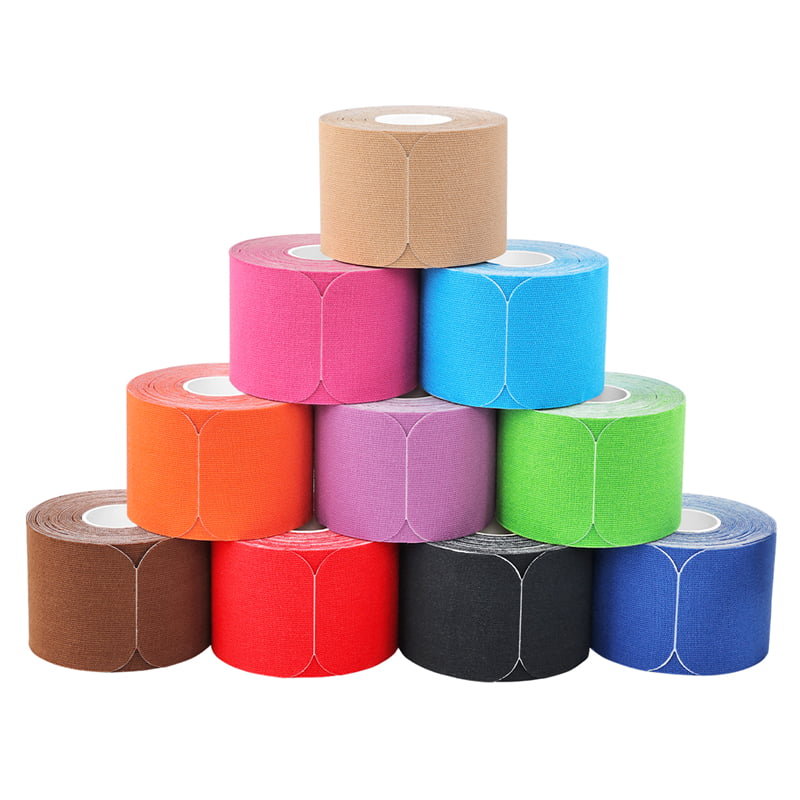
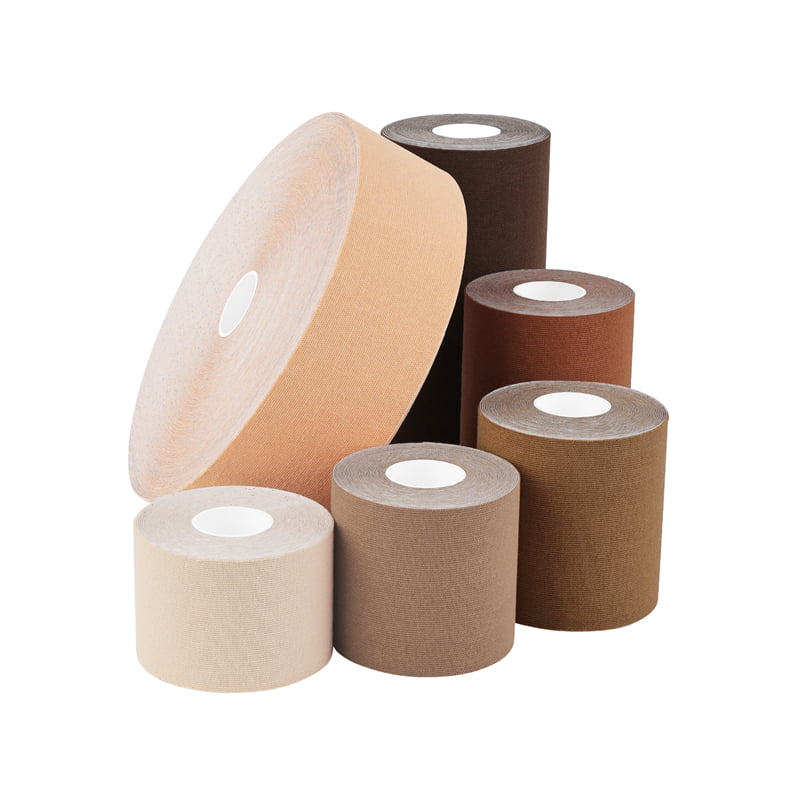
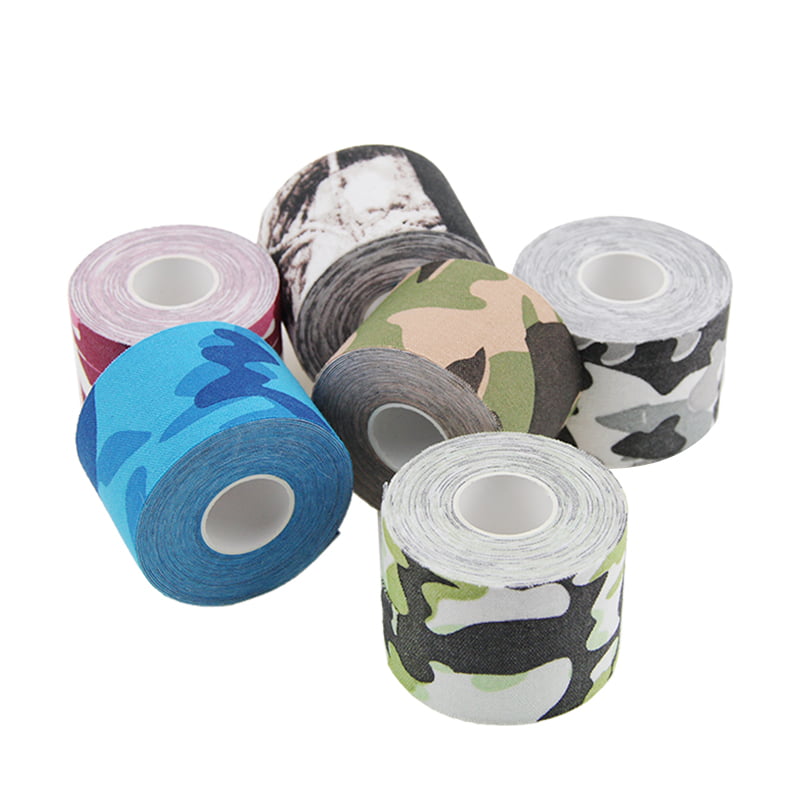
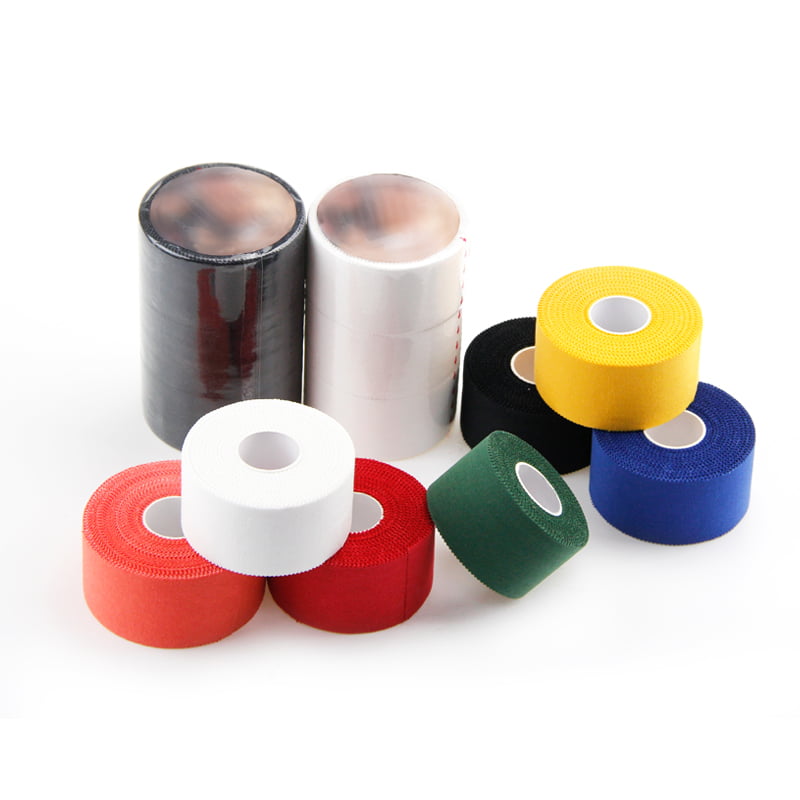
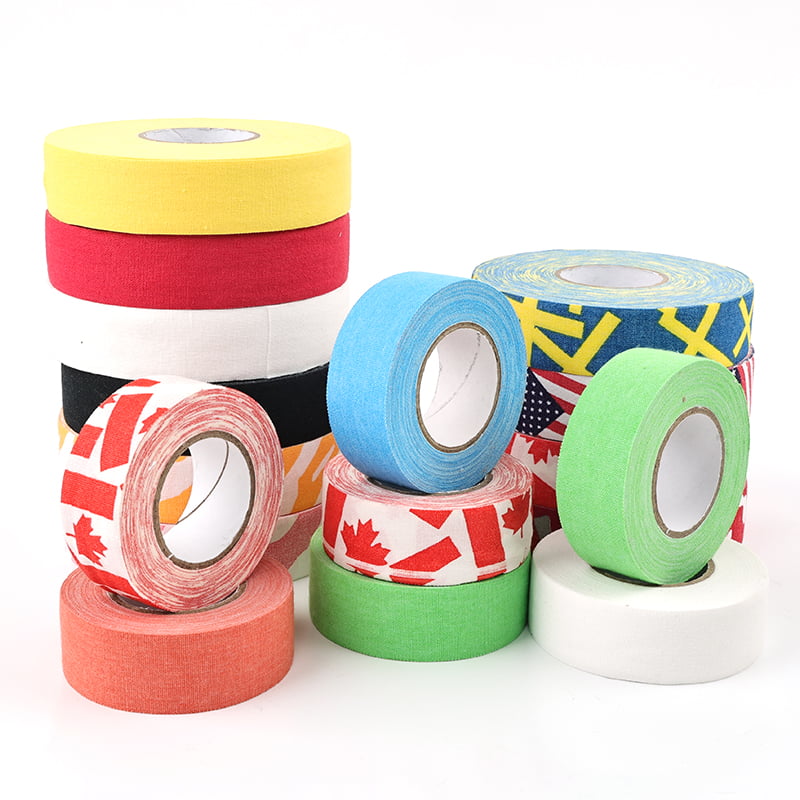
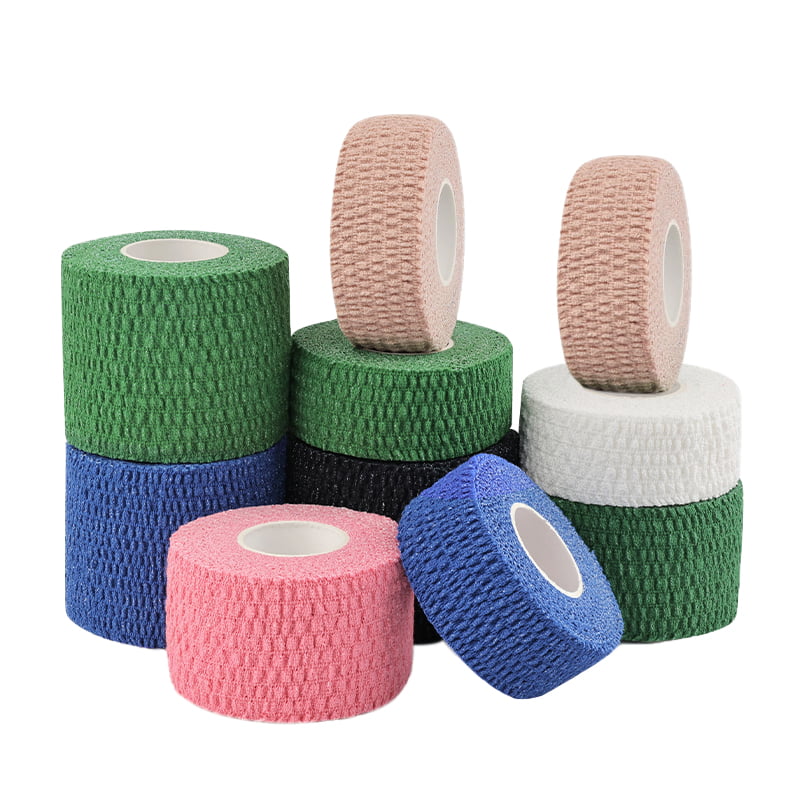
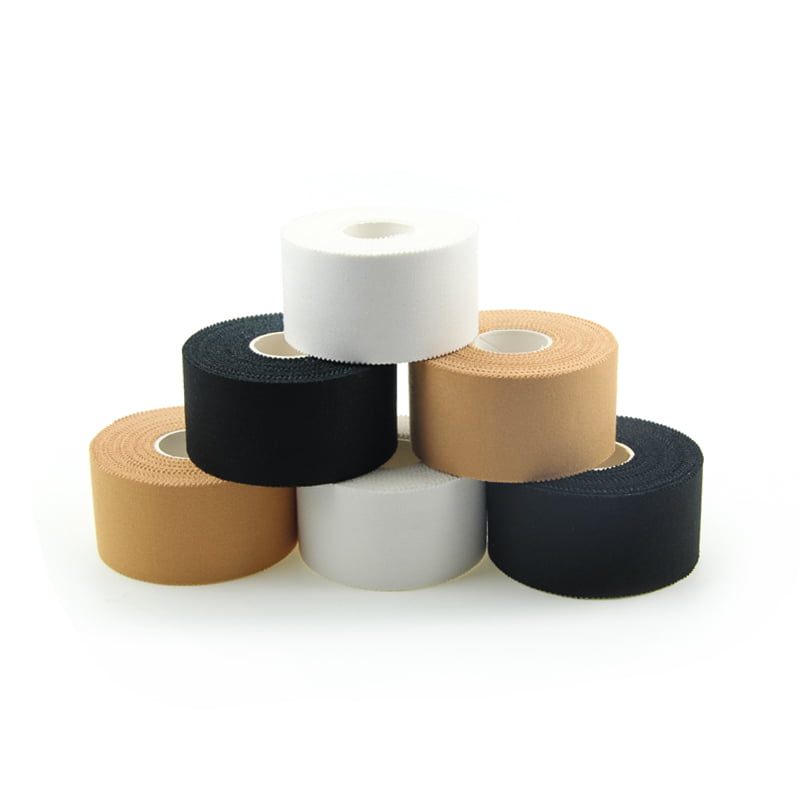
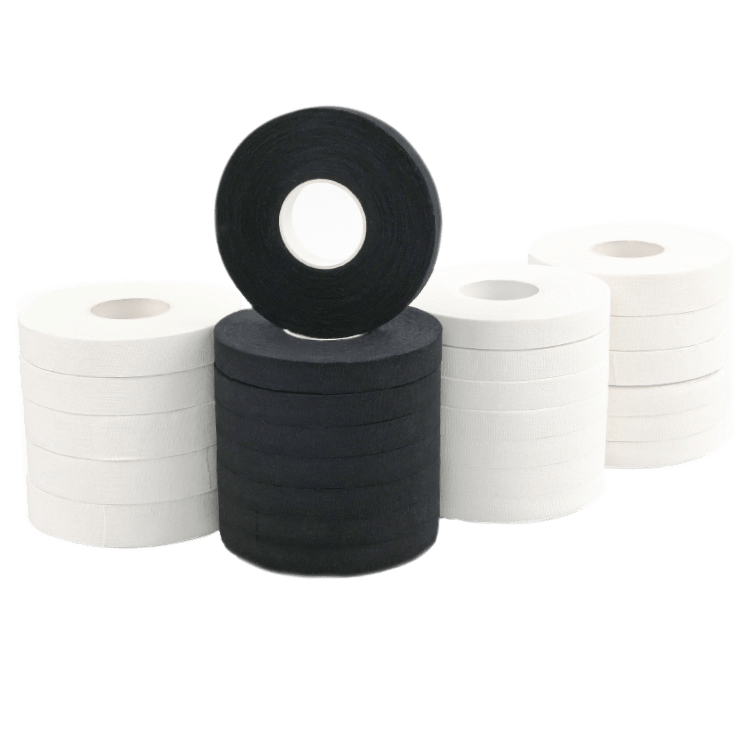
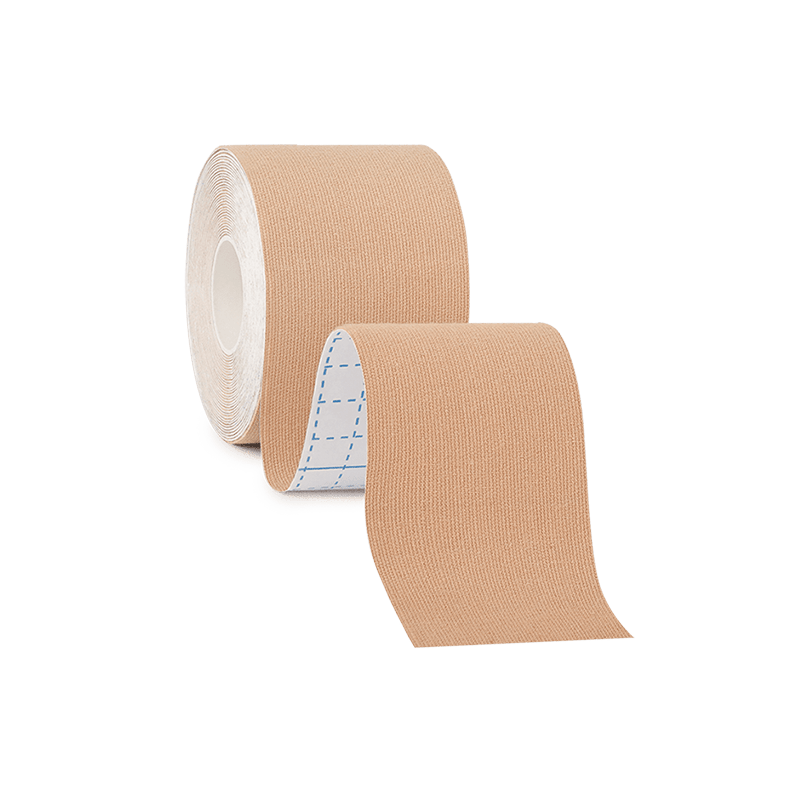
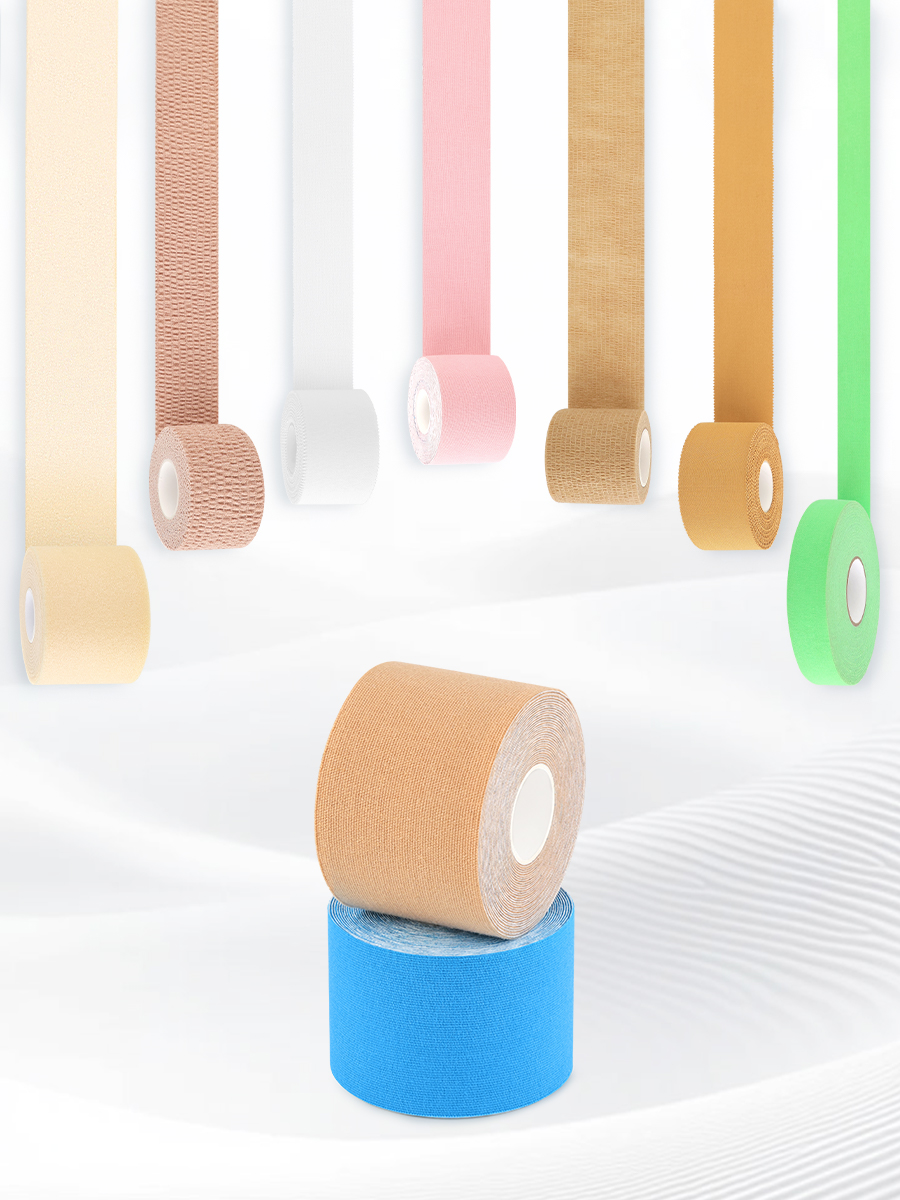
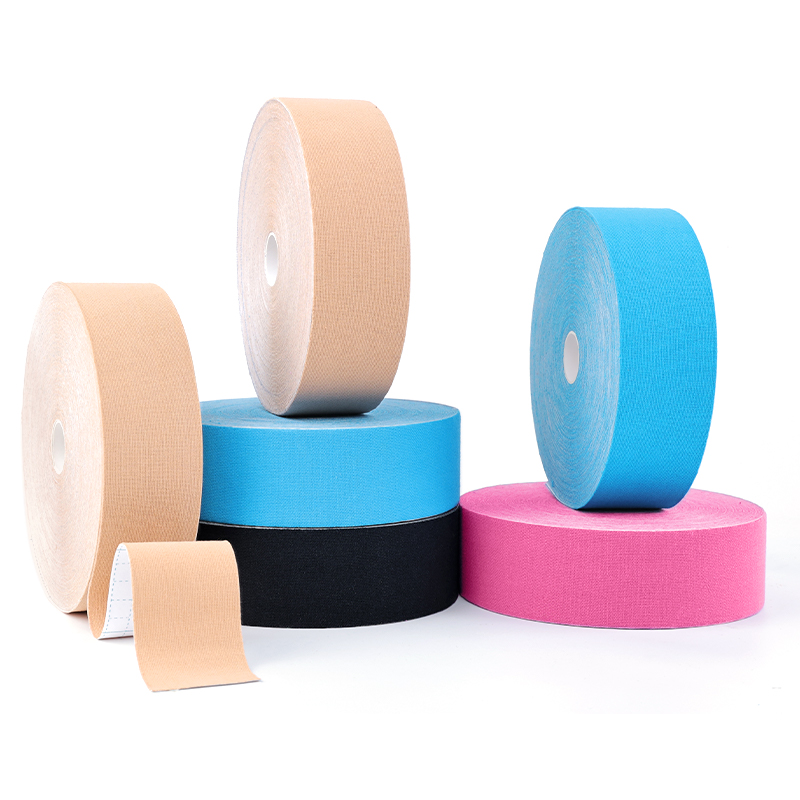
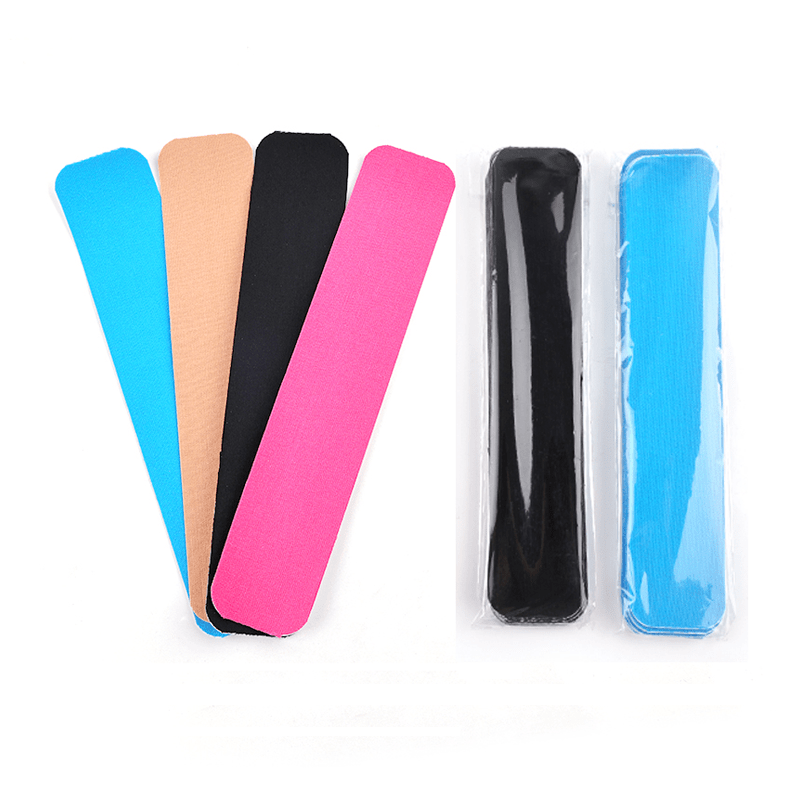
Tidakkah ada pita kinesiology yang sesuai untuk koyakan meniskus? Pilih pita yang paling sesuai untuk anda sekarang. Pita kapas lebih popular, pita KT sintetik lebih sesuai untuk sukan air, gulungan pra-potong dan helaian pra-lapis lebih mudah, dan gulungan 35m lebih tahan lama dan ekonomik.
Apa yang Lazim Dilaporkan Pengguna Selepas Rakaman yang Betul
Salah satu sebab mengapa pita kinesiology menjadi begitu popular dalam perubatan sukan adalah perubahan sensasi segera yang diterangkan oleh 80% pengguna selepas aplikasi.
Orang biasa melaporkan:
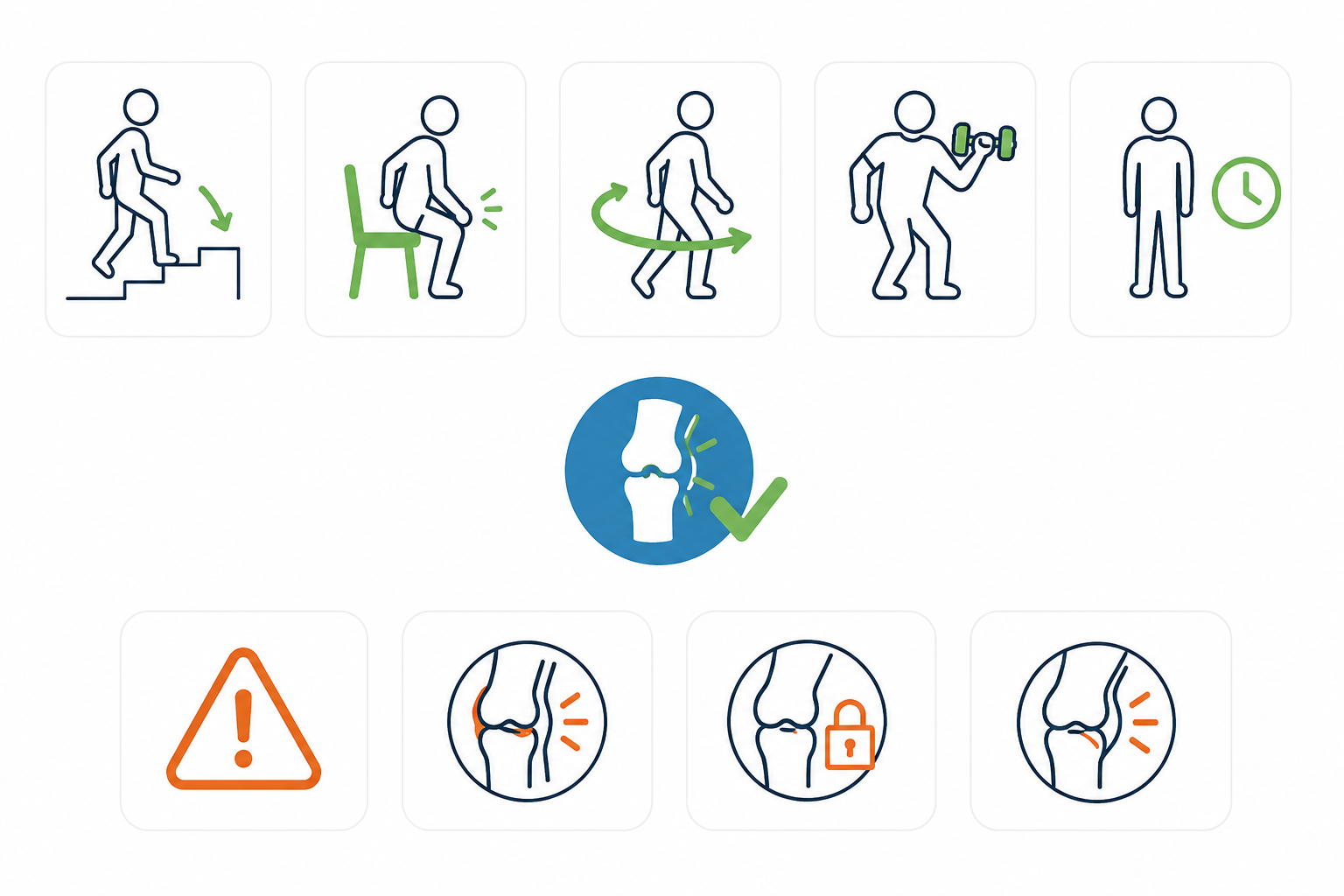
- Lutut terasa lebih stabil
- Pergerakan berpusing terasa kurang stres
- Berjalan menuruni tangga terasa lebih lancar
- Squat terasa lebih terkawal
- Lutut terasa “disokong”
- Kurang kesedaran tentang ketidakstabilan semasa bergerak
Sesetengah pengguna juga menerangkan kesan psikologi:
Setelah lutut terasa disokong, mereka berhenti memikirkan sendi itu secara berterusan semasa bergerak.
Bagi orang yang aktif yang sedang pulih dari kerengsaan lutut, keyakinan itu sendiri boleh membuat perbezaan besar semasa aktiviti harian.
Meniskus adalah struktur kartilago berbentuk C di dalam lutut yang berfungsi sebagai penyerap kejutan antara tulang paha dan tulang kering.
Setiap lutut mengandungi:
- Meniskus medial (dalam)
- Meniskus lateral (luar)
Meniskus yang terkoyak berlaku apabila kartilago menjadi berpintal, terbeban, atau tertekan melebihi julat normalnya.
Jenis kecederaan meniskus lutut ini sangat biasa di kalangan:
- Atlet
- Dewasa aktif
- Pekerja yang melakukan aktiviti berlutut atau jongkok secara berulang.
Gejala berbeza bergantung kepada tahap keparahan, tetapi tanda-tanda biasa termasuk:
- Sakit ketika memutar lutut
- Bengkak meniskus
- Sensasi klik atau pop
- Kekakuan lutut
- Mengunci atau menangkap
- Kelemahan semasa berjalan menuruni tangga
- Sakit semasa jongkok
- Sakit meniskus medial
- Ketidakselesaan ketika berpusing di katil
Ramai orang menggambarkan lutut sebagai terasa tidak stabil, hampir seperti ia mungkin "akan jatuh." Menariknya, ramai pengguna mengatakan tangga terasa lebih sukar daripada berlari selepas kerengsaan meniskus.
Berdasarkan maklum balas daripada ahli terapi dan pengalaman pemulihan sukan, pita kinesiology untuk koyakan meniskus sokongan mungkin membantu dengan:
- Mengurangkan tekanan di sekitar sendi
- Meningkatkan kesedaran pergerakan
- Membantu mengawal bengkak meniskus
- Meningkatkan keselesaan semasa aktiviti
🔹 Penting: Pita kinesiology untuk koyakan meniskus tidak membaiki kerosakan tulang rawan.
Kecederaan lutut yang berbeza menghasilkan masalah pergerakan yang berbeza.
Pita kinesiologi untuk aplikasi koyakan meniskuspaling biasa digunakan untuk:
Sakit Meniskus Medial
Sakit lutut dalamadalah aduan yang paling biasa, terutamanya semasa berjalan turun tangga, berpusing, atau bangun dari kerusi.
Pemulihan Sukan
Atlet sering menggunakan pita kinesiologi semasabola keranjang, bola sepak, bola tampar, tenis, CrossFit, berlari, dan pekerjaan yang melibatkan berlutut, jongkok, atau mengangkat berat secara berulang mungkin juga meningkatkan risiko kecederaan meniskuskeranaia membenarkan pergerakan sambil masih memberikan sokongan.
Bengkak Selepas Aktiviti
Selepas latihan, beberapa lutut terasa"penuh," kaku, atau ketat.Kesan pengangkatan pita kinesiology mungkin membantu menguruskan sensasi bengkak selepas aktiviti ini.
Satu situasi dunia sebenar yang biasa berlaku ialah:
Ini adalah tepat apabila banyak pengguna aktif mula bereksperimen dengansokongan pita kinesiologi.
Rehat dan Kurangkan Pergerakan yang Memburukkan
Elakkan pergerakan yang membebankan lutut, terutamanya:
- Squat dalam
- Pusingan
- Melompat
- Perubahan arah secara tiba-tiba
Mencuba untuk “meneruskan” kecederaan meniskus sering melambatkan pemulihan.
Ais Lutut Secara Berkala
Ais membantu mengurangkan bengkak meniskus dan ketidakselesaan, terutamanya dalam 48 jam pertama selepas kerengsaan.
Sapukan ais selama 15–20 minit pada satu masa.
Kuatkan Otot Sokongan
Meningkatkan kekuatan quadriceps dan glute mungkin membantu mengurangkan tekanan pada lutut dan meningkatkan kawalan pergerakan semasa pemulihan.
Pertimbangkan Terapi Fizikal
Program pemulihan profesional sering memberi tumpuan kepada kekuatan, mobiliti, dan pembetulan pergerakan untuk meningkatkan kestabilan lutut jangka panjang.
Gunakan Pemampatan dan Sokongan
Lengan pemampatan, pendakap sukan, dan teknik pembalutan sokongan semuanya boleh membantu meningkatkan keyakinan semasa bergerak.
Ini bergantung kepada matlamat.
| Ciri | Pita Kinesiologi | Pendakap Lutut Berengsel |
|---|---|---|
| Julat Pergerakan | Semula jadi | Terhad |
| Penglibatan Otot | Lebih Tinggi | Lebih Rendah |
| Kekukuhan | Rendah | Tinggi |
| Keselesaan Sukan | Cemerlang | Sederhana |
| Kekuatan Penstabilan | Sederhana | Kuat |
| Penggunaan Terbaik | Sokongan harian & pemulihan | Ketidakstabilan akut & pasca pembedahan |
Ramai atlet lebih suka pita kinesiologi untuk sukan kerana ia terasa lebih ringan dan membenarkan pergerakan yang lebih semula jadi, manakala pendakap biasanya memberikan sokongan struktur yang lebih kuat.
Elakkan menggunakan pita di atas:
- Kulit yang rosak
- Ruam
- Luka terbuka
- Iritasi aktif
Jangan terlalu meregangkan pita.
Terlalu banyak ketegangan boleh:
- Mengganggu kulit
- Membataskan pergerakan
- Mengurangkan keselesaan
Jika kesakitan menjadi lebih teruk selepas menggunakan pita, keluarkan pita kinesiology untuk koyakan meniskus dan dapatkan nasihat perubatan.
Kinesiology tape adalah alat sokongan — bukan pengganti untuk penilaian perubatan.
Jangan bergantung pada kinesiology tape sahaja jika anda mengalami:
- Kunci lutut
- Bengkak besar
- Kejatuhan tiba-tiba semasa berjalan
- Ketidakmampuan untuk menanggung berat
- Sensasi popping tajam
- Kecederaan ACL atau ligamen yang disyaki
- Ketidakstabilan teruk selepas kecederaan
Jika gejala terus memburuk, penilaian perubatan profesional sangat disyorkan.
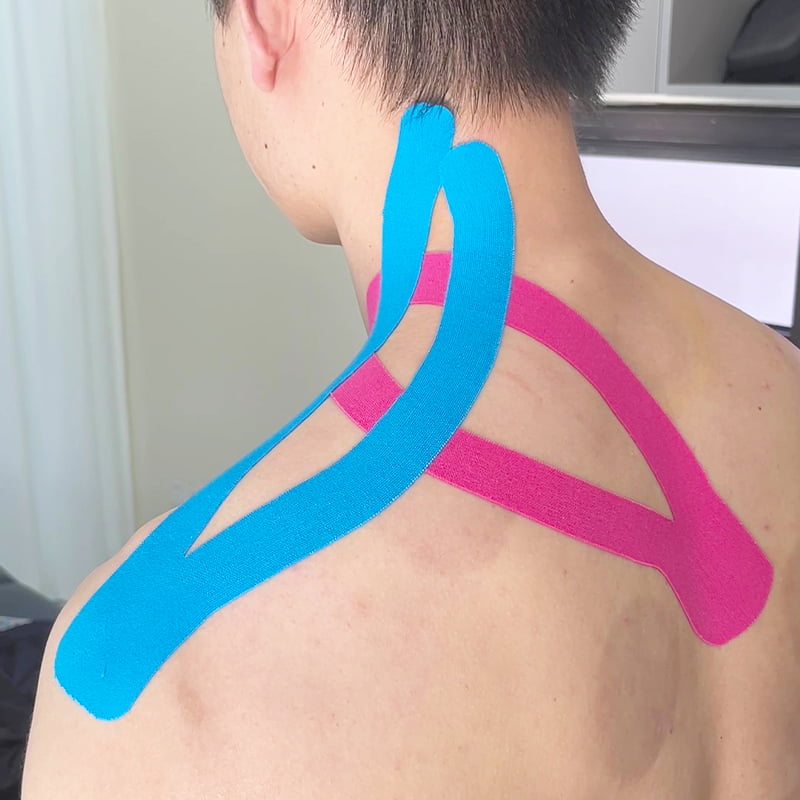
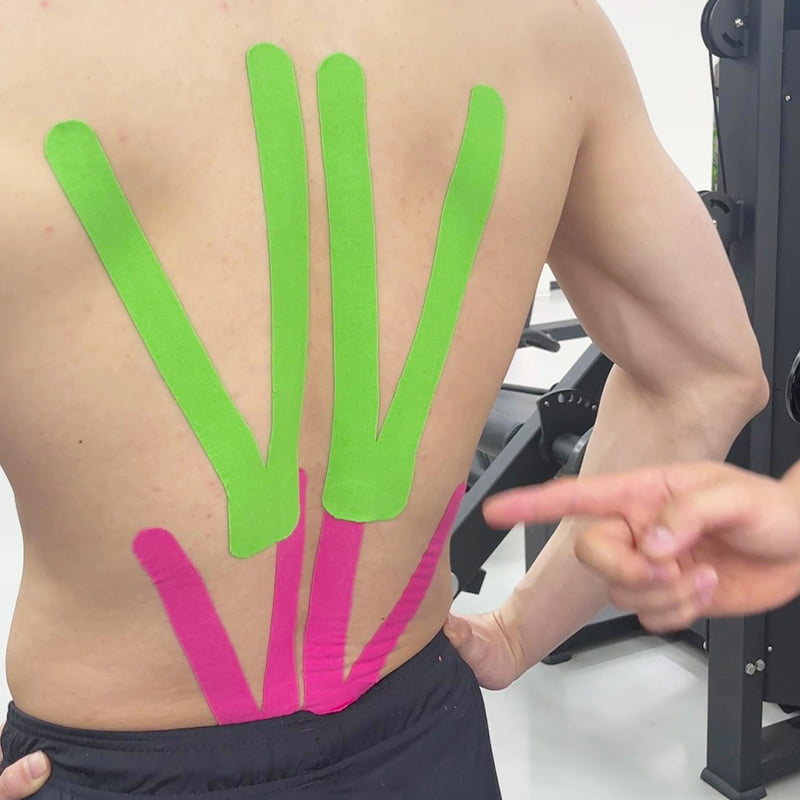
Cara Memohon untuk Sakit Lutut di Kawasan Lain
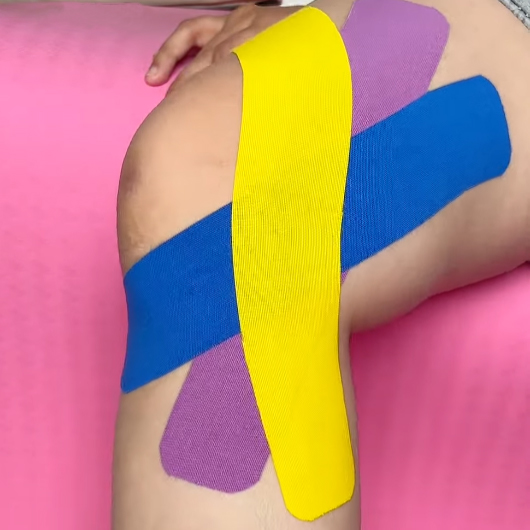
.jpg?w=1080&h=1080)
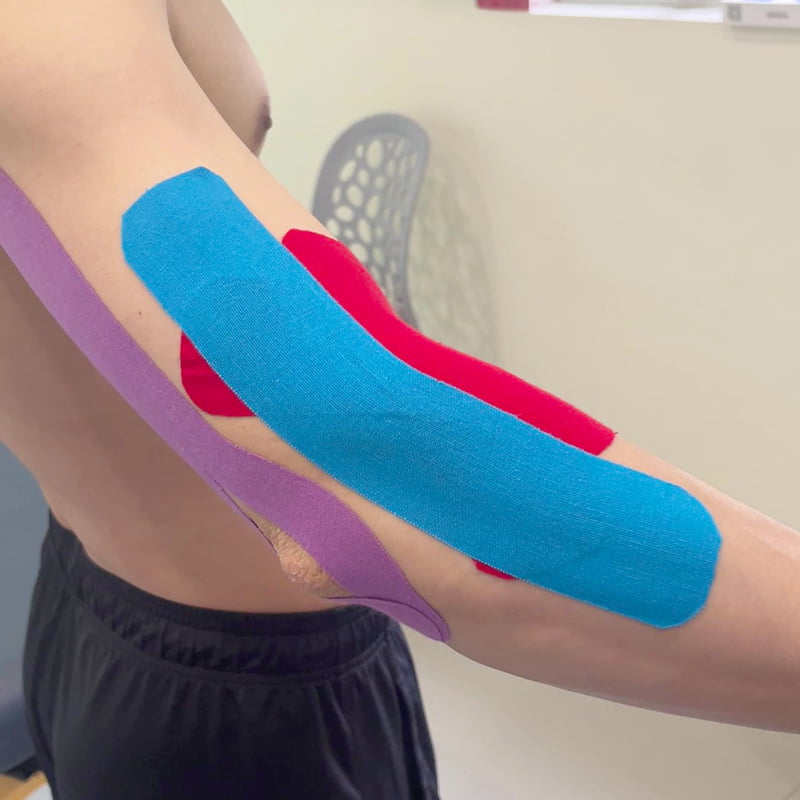
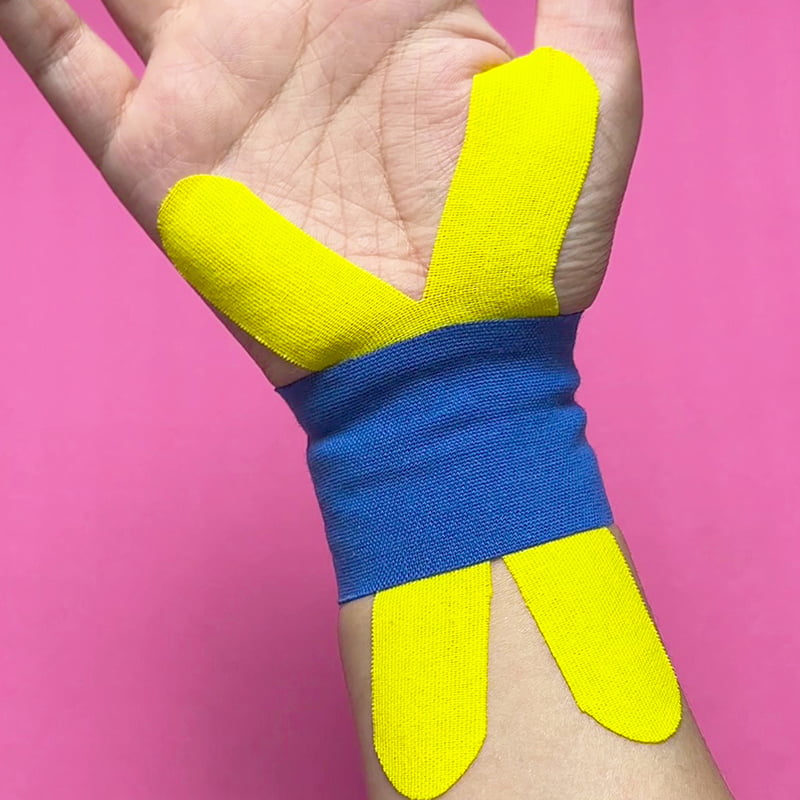
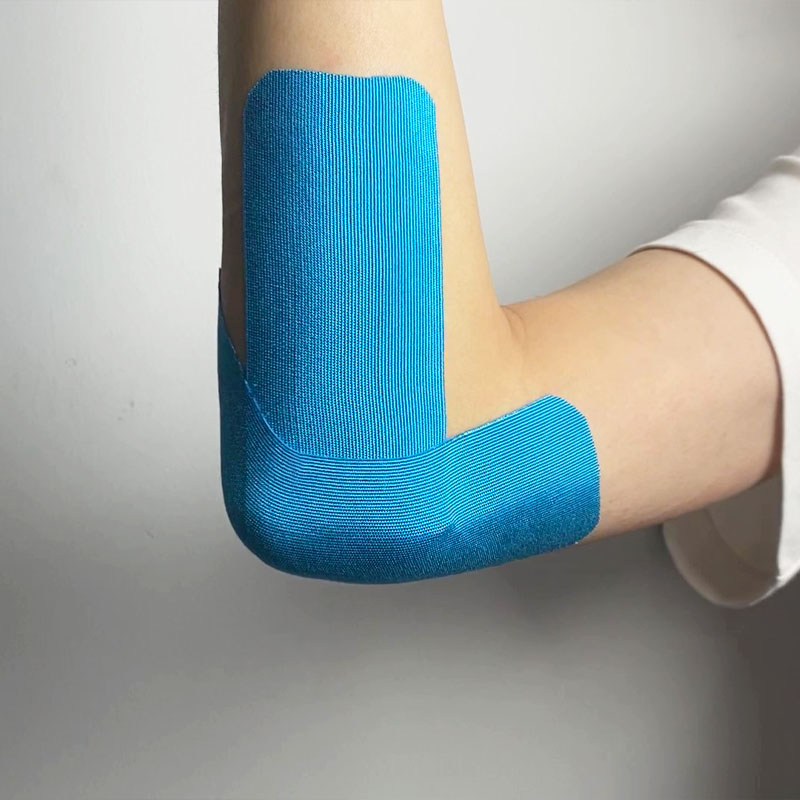
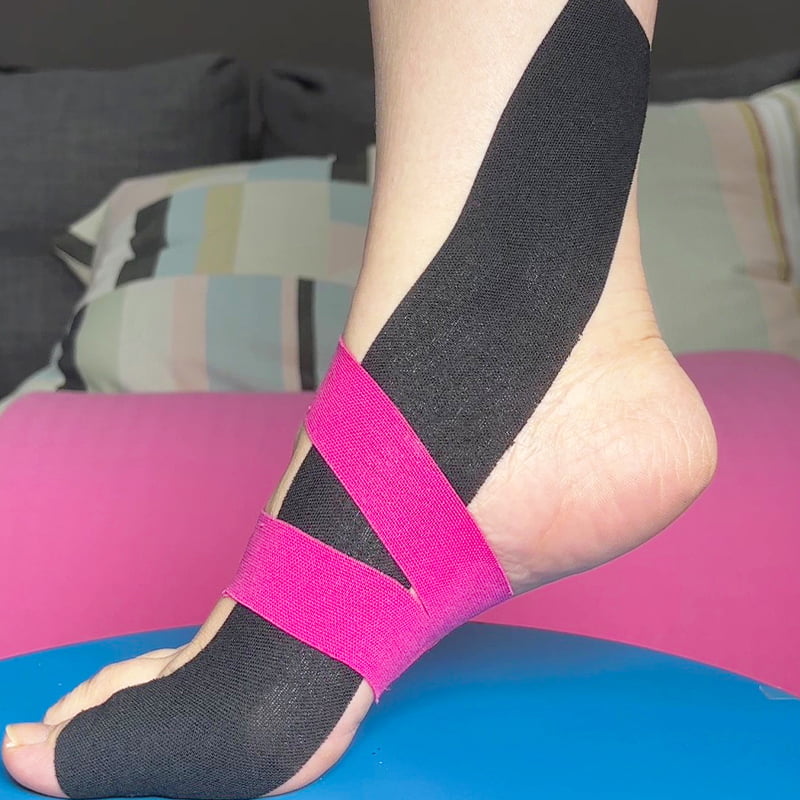
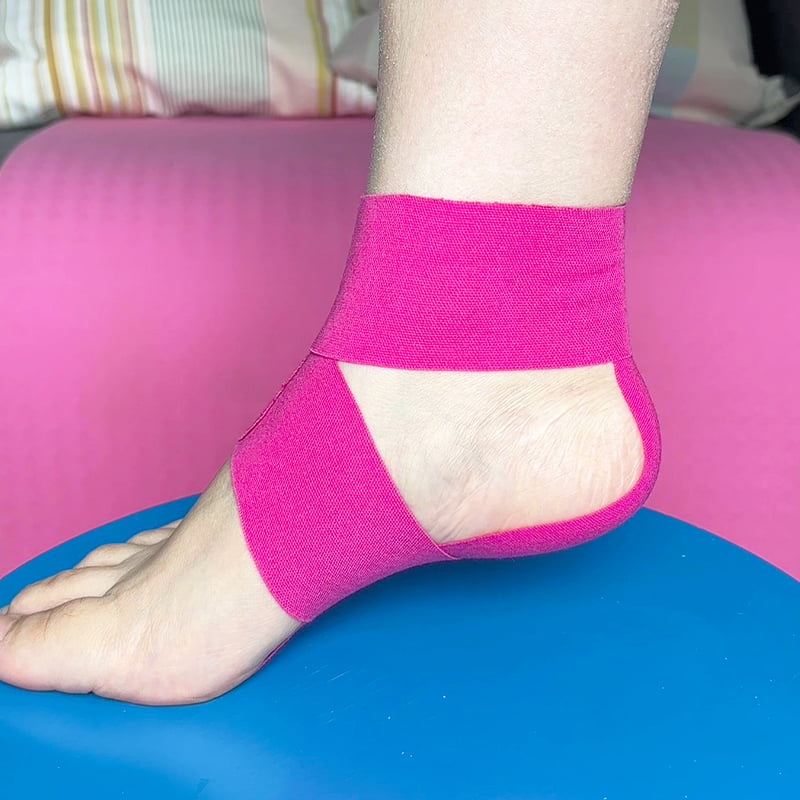
Kebanyakan pita kinesiology bertahan 3–5 hari, bergantung kepada peluh, tahap aktiviti, keadaan kulit, dan kualiti pelekat.
50% atlet biasanya menukar pita mereka selepas banyak berpeluh. Klik "Berapa Lama untuk Dipakai?" untuk mengetahui lebih lanjut.
Kinesiology tape untuk koyakan meniskus membolehkan lebih banyak fleksibiliti dan pergerakan semula jadi, sementara pendakap memberikan sekatan dan penstabilan yang lebih kuat.
Untuk tahap sokongan yang lebih tinggi, ahli terapi sering menggabungkan ia dengan:
Bergantung kepada tahap aktiviti dan peringkat pemulihan.
Tidak semua pita kinesiology berfungsi dengan cara yang sama setelah lutut mula bergerak.
Sebagai pengeluar pita kinesiology profesional dan pembekal OEM, Veefun memberi tumpuan kepada dua faktor utama yang secara langsung mempengaruhi prestasi sokongan lutut:
1. Pemulihan Elastik
Kekuatan “snap-back” pita mempengaruhi sejauh mana ia menyokong semasa pergerakan.
Untuk sokongan meniskus, pita kinesiology sintetik sering dipilih kerana ia mengekalkan pemulihan elastik yang lebih kuat semasa fleksi lutut berulang, aktiviti sukan, dan keadaan berpeluh tinggi.
2. Kestabilan Pelekat
Lutut mengalami geseran, regangan, dan pendedahan peluh yang berterusan. Pita berkualiti rendah sering mula mengelupas di sekitar patela dalam beberapa jam, mengurangkan prestasi sokongan keseluruhan.
Pita kinesiology gred profesional biasanya menggunakan pelekat akrilik gred perubatan yang direka untuk kekal stabil semasa pergerakan sambil tetap mesra kulit.
Ramai pengguna kali pertama berfikir bahawa kaedah pembalutan gagal, sedangkan isu sebenar sering kali adalah kualiti pita itu sendiri.
Pemikiran Akhir
Kinesiology tape untuk sokongan koyakan meniskus tidak dapat memperbaiki kerosakan tulang rawan, tetapi pembalutan yang betul mungkin membantu meningkatkan keselesaan, keyakinan pergerakan, dan sokongan lutut semasa pemulihan.
Veefun mengeluarkan kinesiology tape gred profesional, pita sukan tegar, pita zink oksida, pita EAB, dan penyelesaian label peribadi OEM untuk klinik sukan, pengedar, dan jenama pemulihan di seluruh dunia.
Hubungi pasukan kami untuk sampel, sokongan OEM, dan penyelesaian sebut harga pukal.
Penafian Perubatan
Panduan ini hanya untuk tujuan pendidikan dan mencerminkan pengalaman praktikal dari industri pembuatan pita kinesiology dan sokongan sukan. Ia tidak menggantikan diagnosis atau rawatan perubatan profesional.
Sakit lutut yang berterusan, terkunci, bengkak, atau ketidakstabilan harus sentiasa dinilai oleh profesional penjagaan kesihatan yang berkelayakan.