
كيفية استخدام شريط العلاج الحركي لعلاج تمزق الغضروف الهلالي
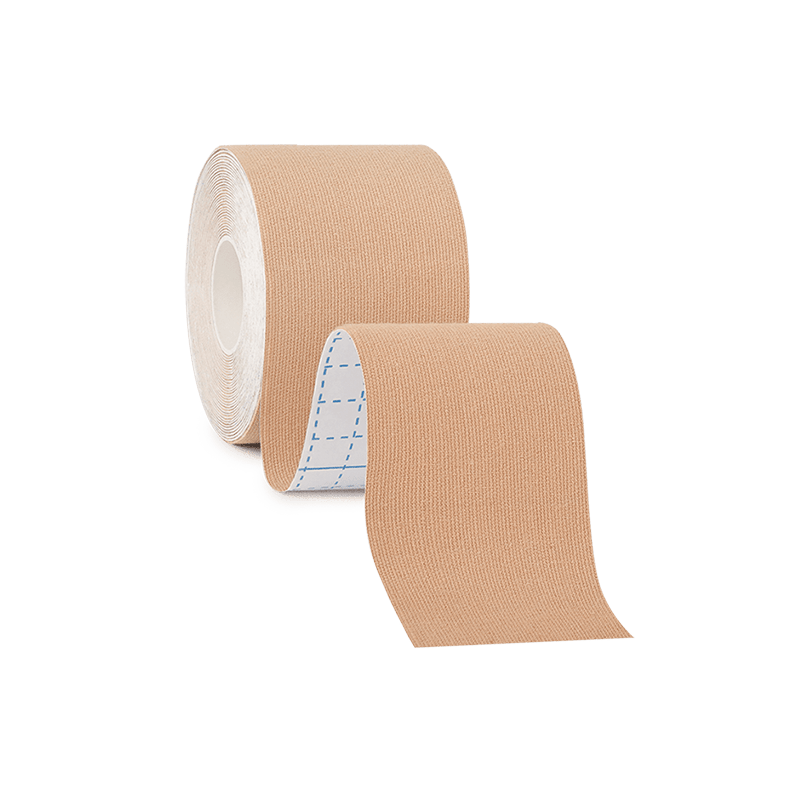
يمكن أن يساعد شريط الكينيسيولوجيا في تمزق الغضروف الهلالي؟ نعم. يعمل شريط الكينيسيولوجيا لدعم تمزق الغضروف الهلالي من خلال إنشاء "جسر" وظيفي حول مفصل الركبة لتحسين الاستقرار وتخفيف الضغط عن الغضروف الممزق. من خلال رفع الجلد لتعزيز الدورة الدموية، فإنه يدير بشكل فعال تورم الغضروف الهلالي ويخفف من ألم الغضروف الهلالي الداخلي. بالنسبة للرياضيين والمرضى، يوفر الشريط المناسب التغذية الراجعة الحسية اللازمة لاستعادة الثقة أثناء المشي، والتدوير، وتمارين التعافي.
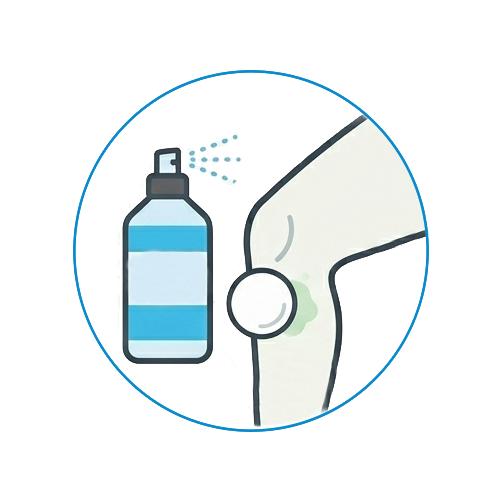
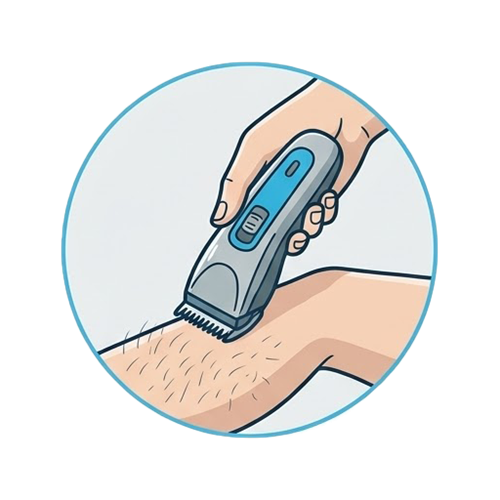
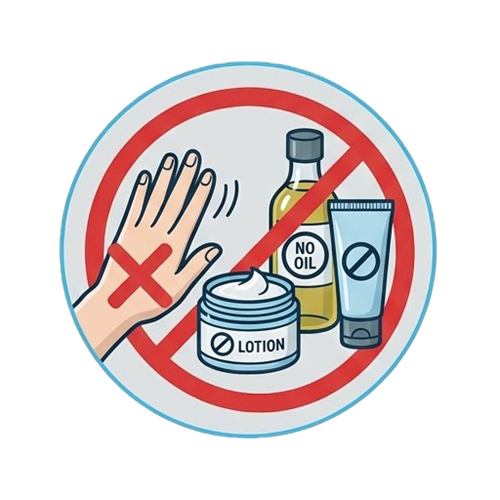
تحضير الركبة قبل وضع الشريط اللاصق
أحد أكبر الأسباب التي تؤدي إلى فشل الشريط في وقت مبكر هو التحضير السيئ للجلد. في بيئات إعادة تأهيل الرياضة، يقضي المعالجون وقتًا إضافيًا في تحضير الجلد لأنه يؤثر بشكل مباشر على مدة بقاء شريط الكينيسيو لعلاج تمزقات الغضروف ومدى دعمه للمفصل.

الأخطاء الشائعة التي تجعل لصق الغضروف المفصلي أقل فعالية
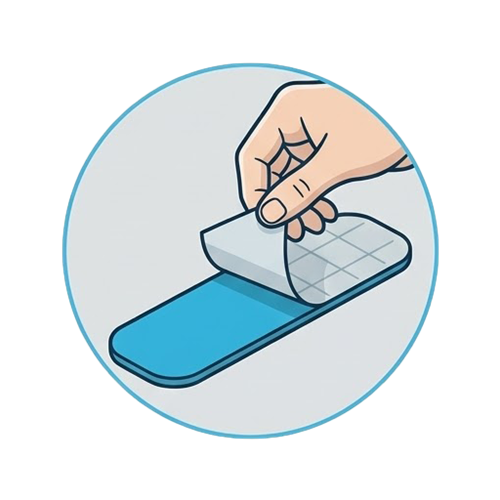
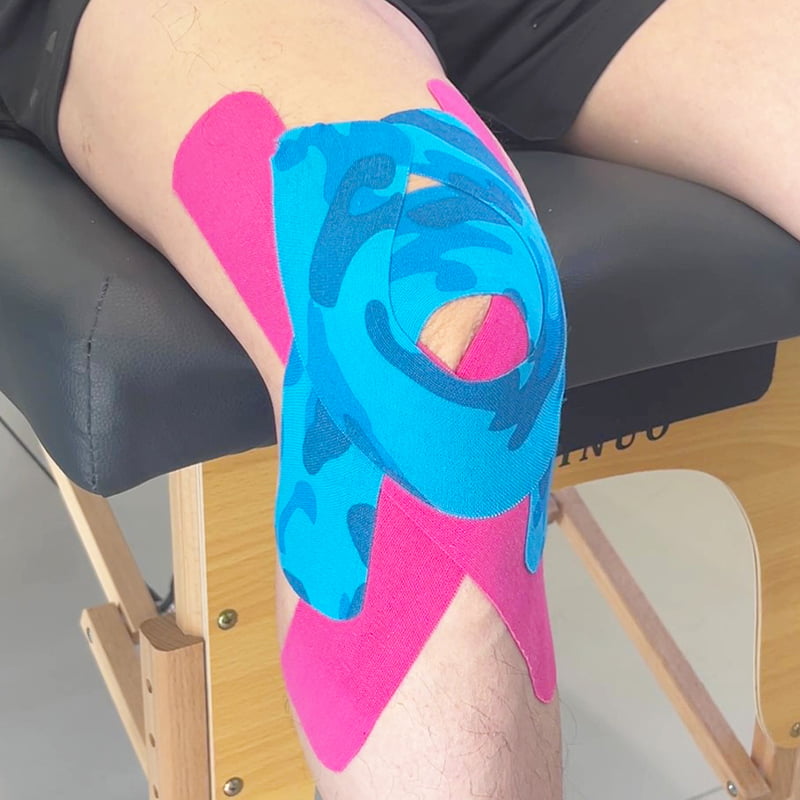
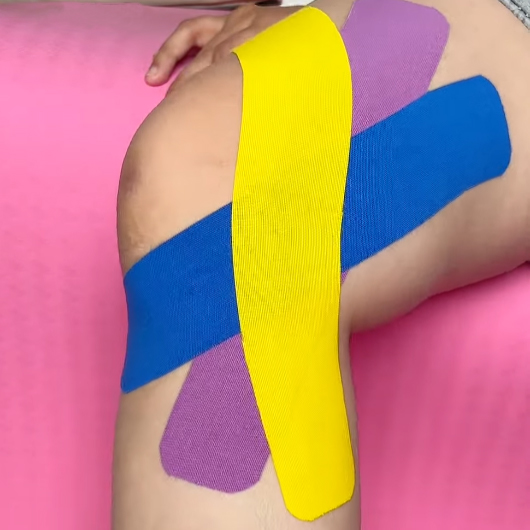
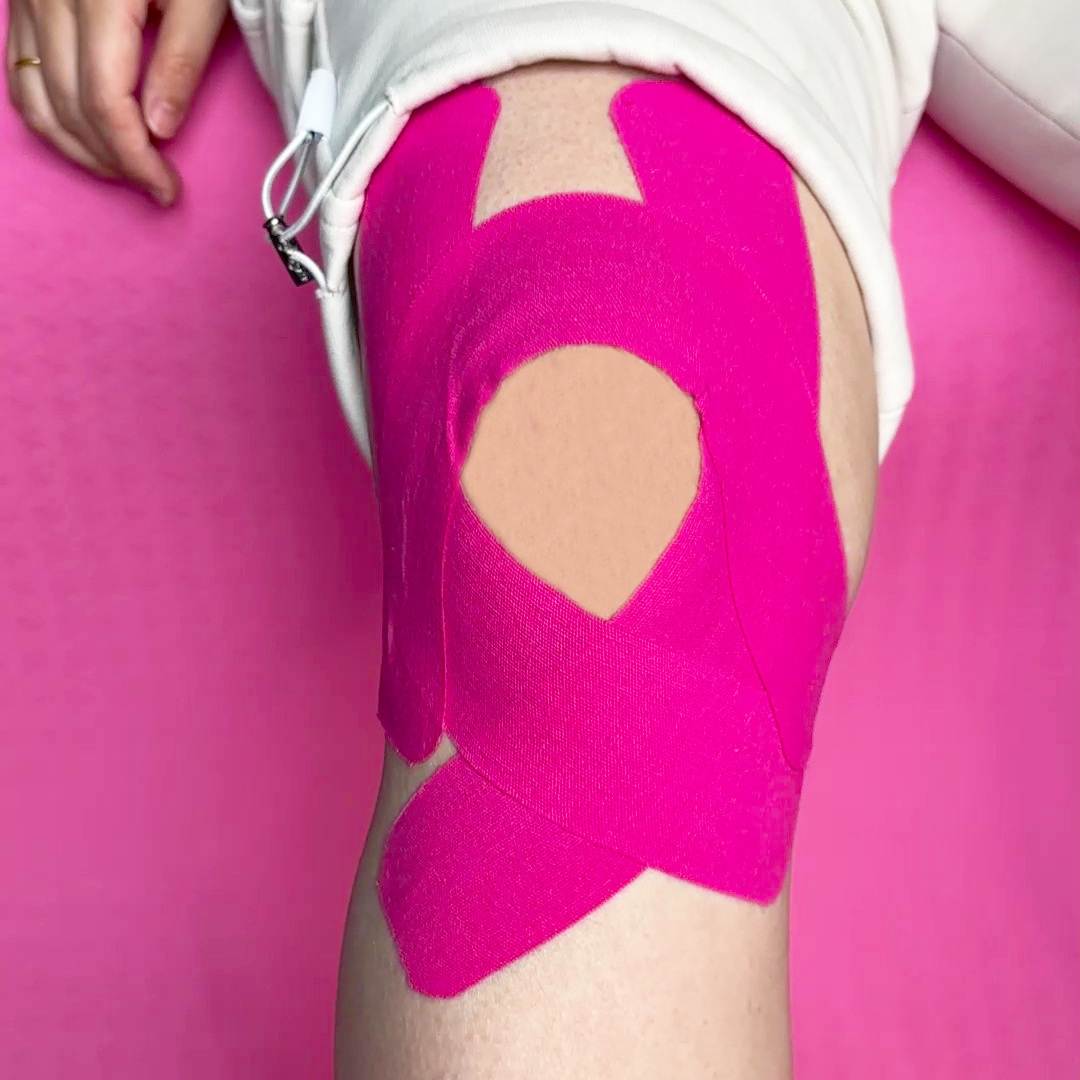
دليل لصق شريط علم الحركة لتمزق الغضروف خطوة بخطوة
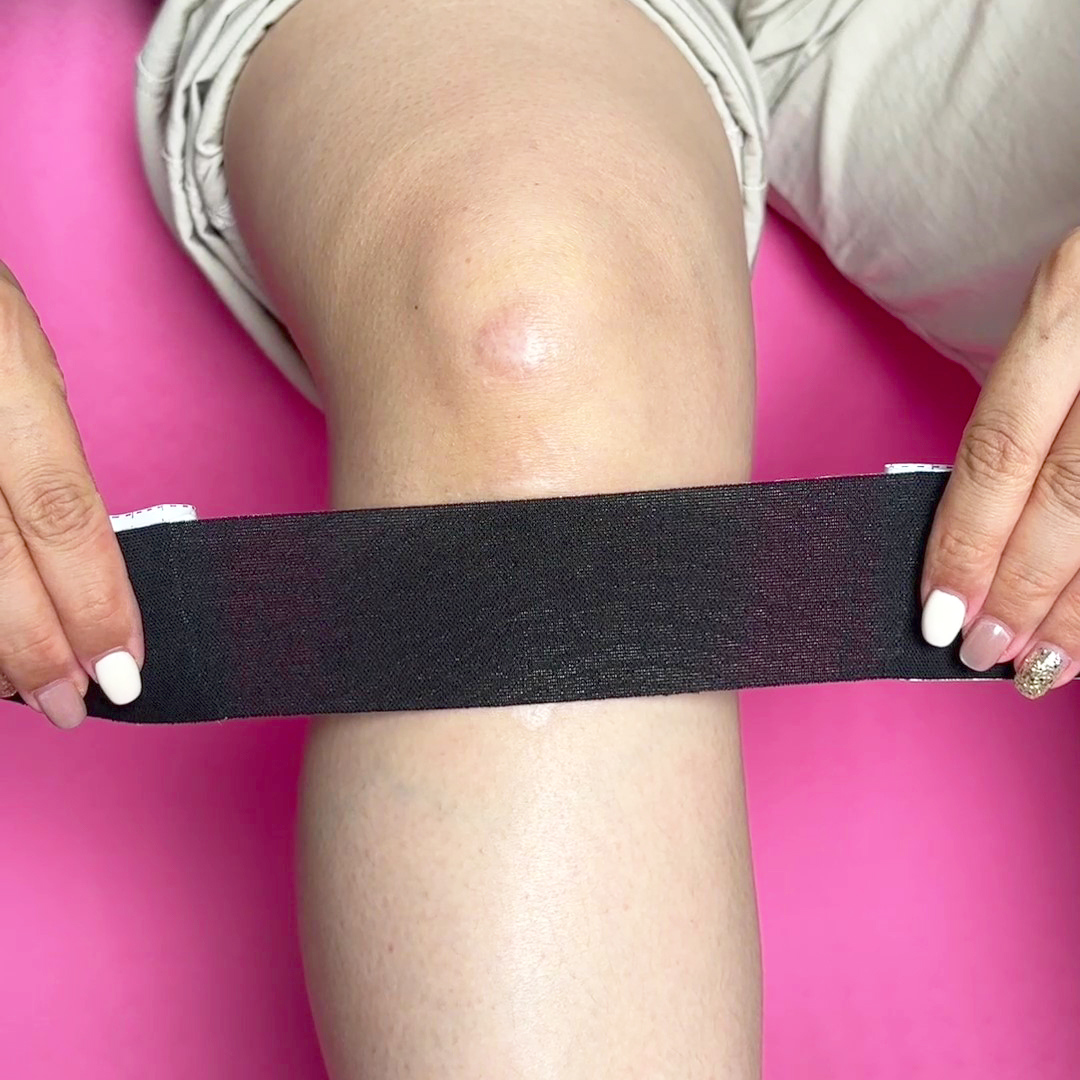
اجلس بشكل مريح وثني الركبة بزاوية تتراوح بين 30 إلى 45 درجة. تساعد هذه الوضعية الشريط على التكيف بشكل طبيعي مع ملامح المفصل.
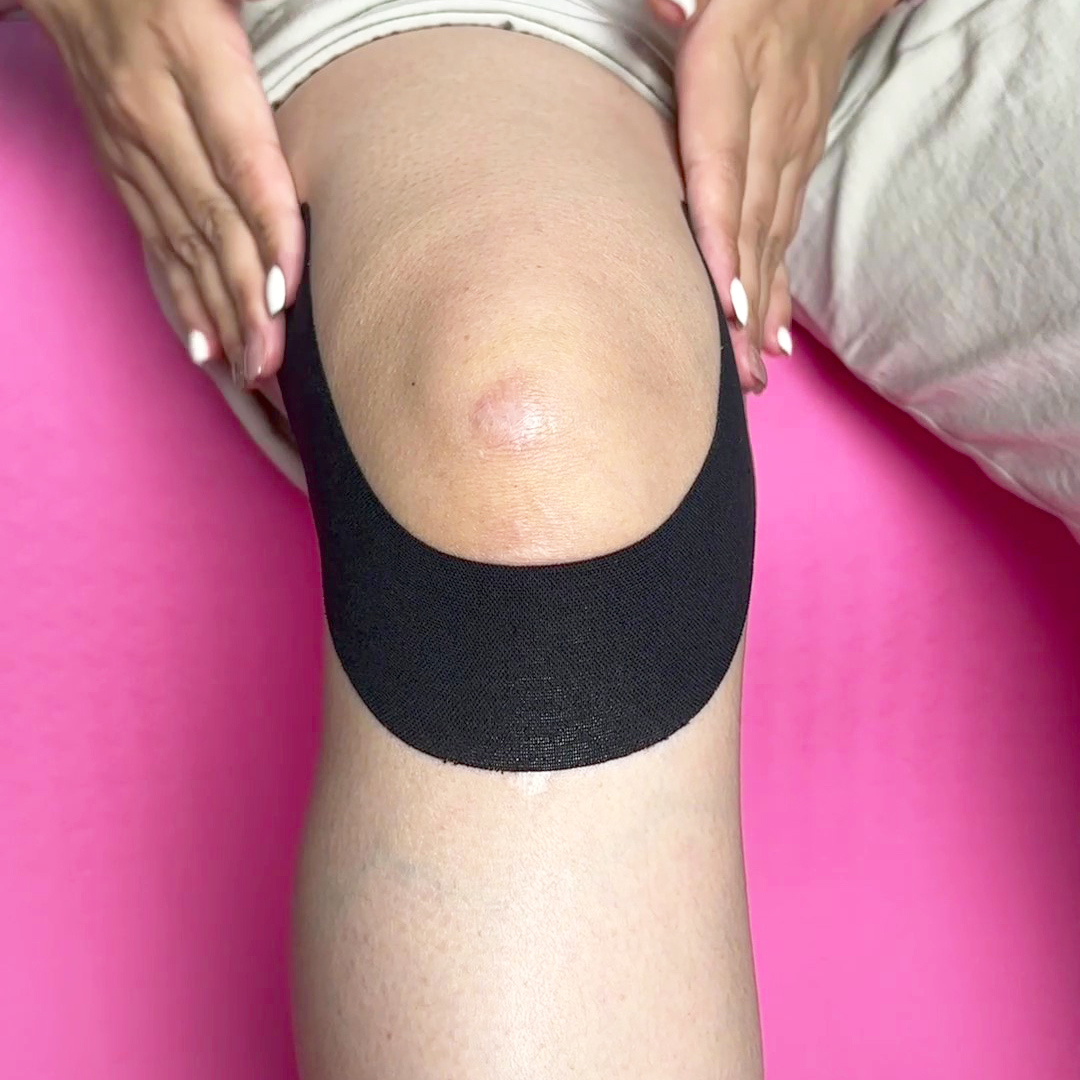
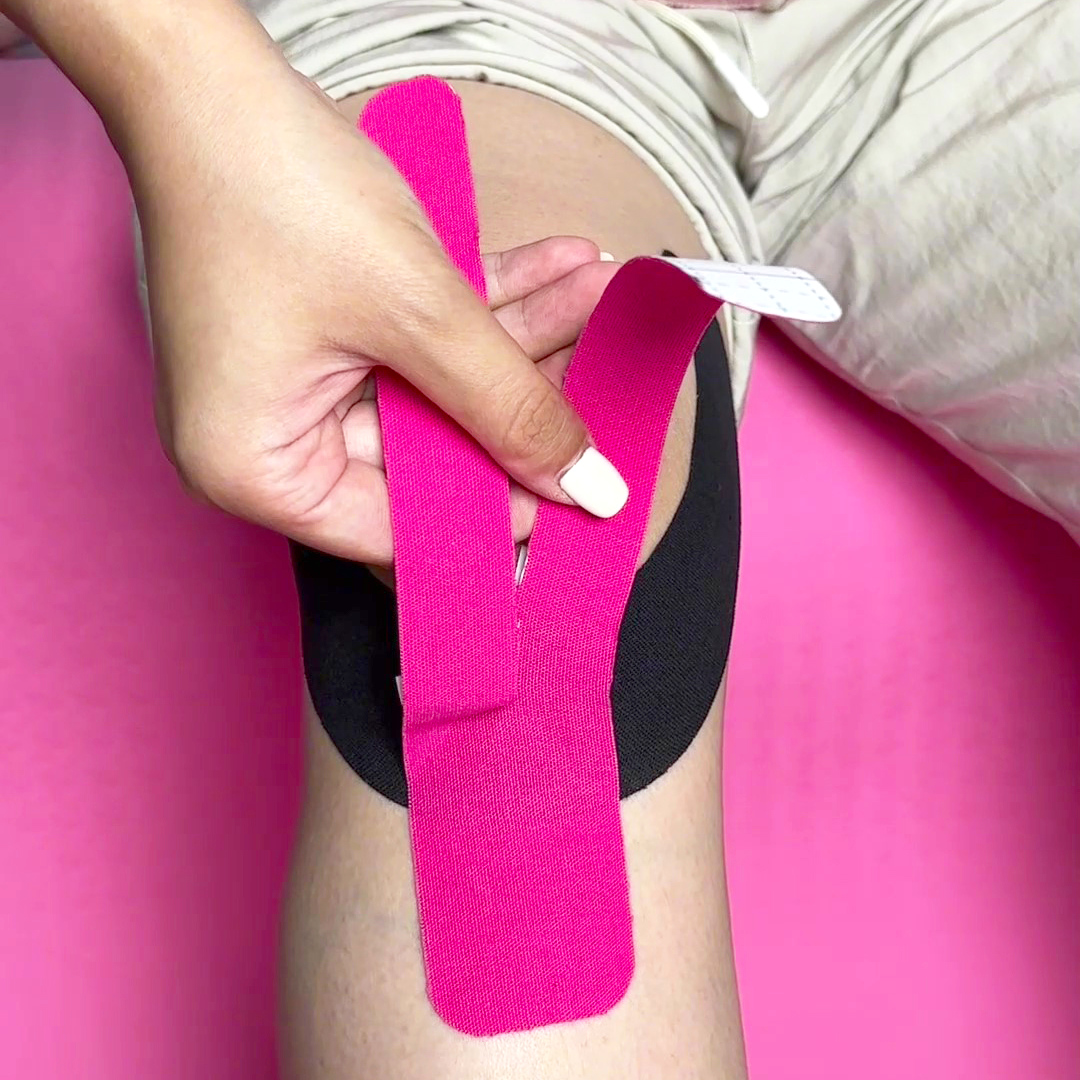
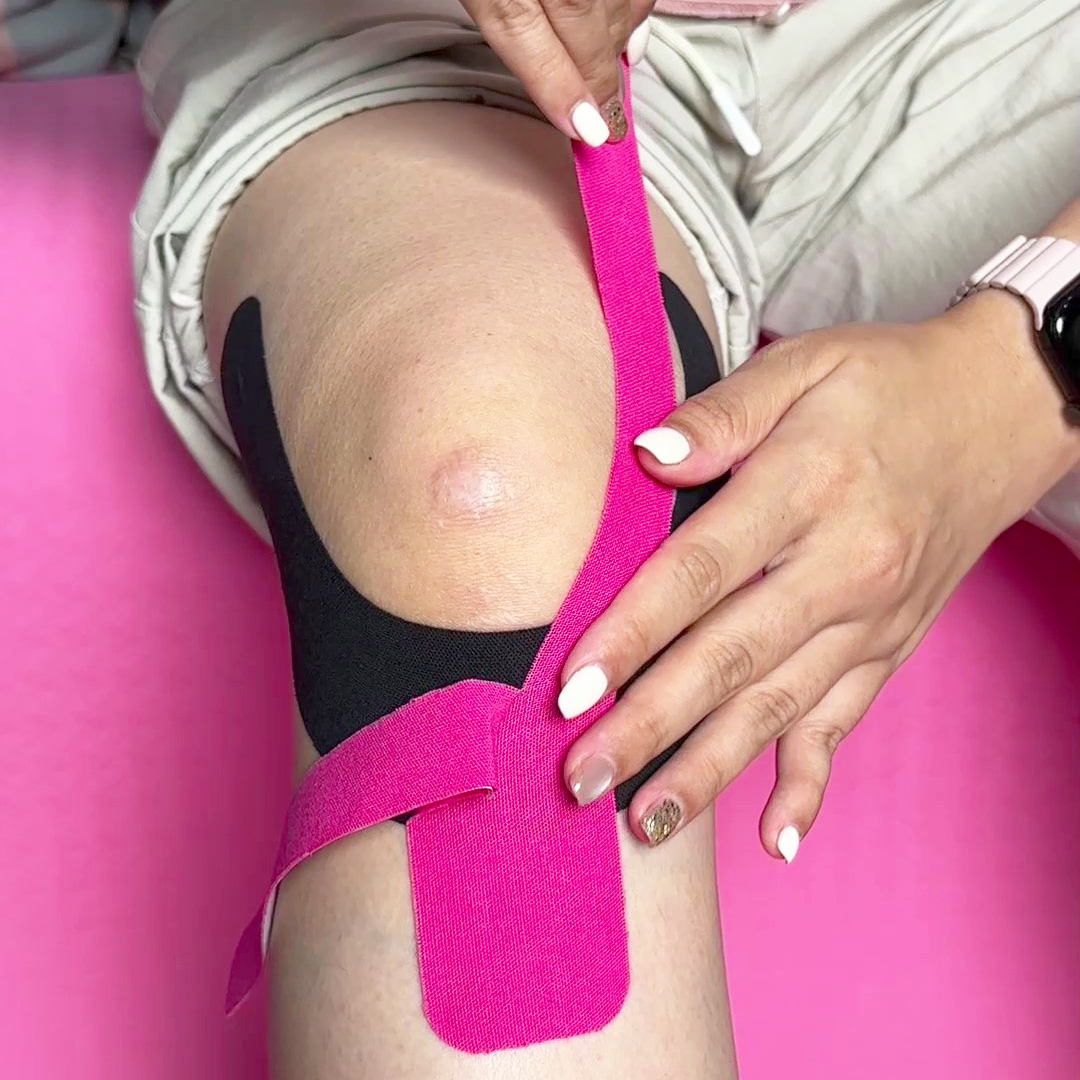
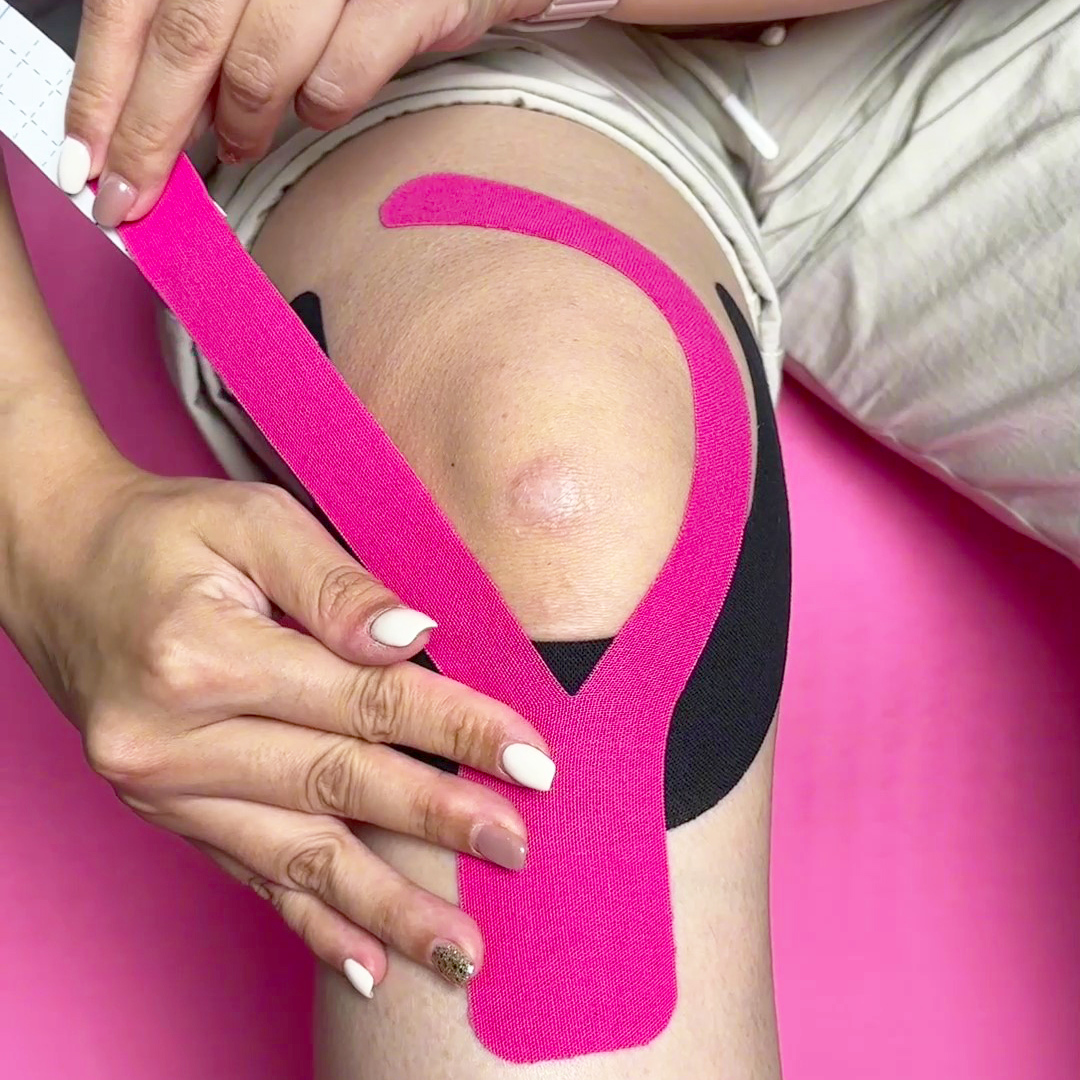
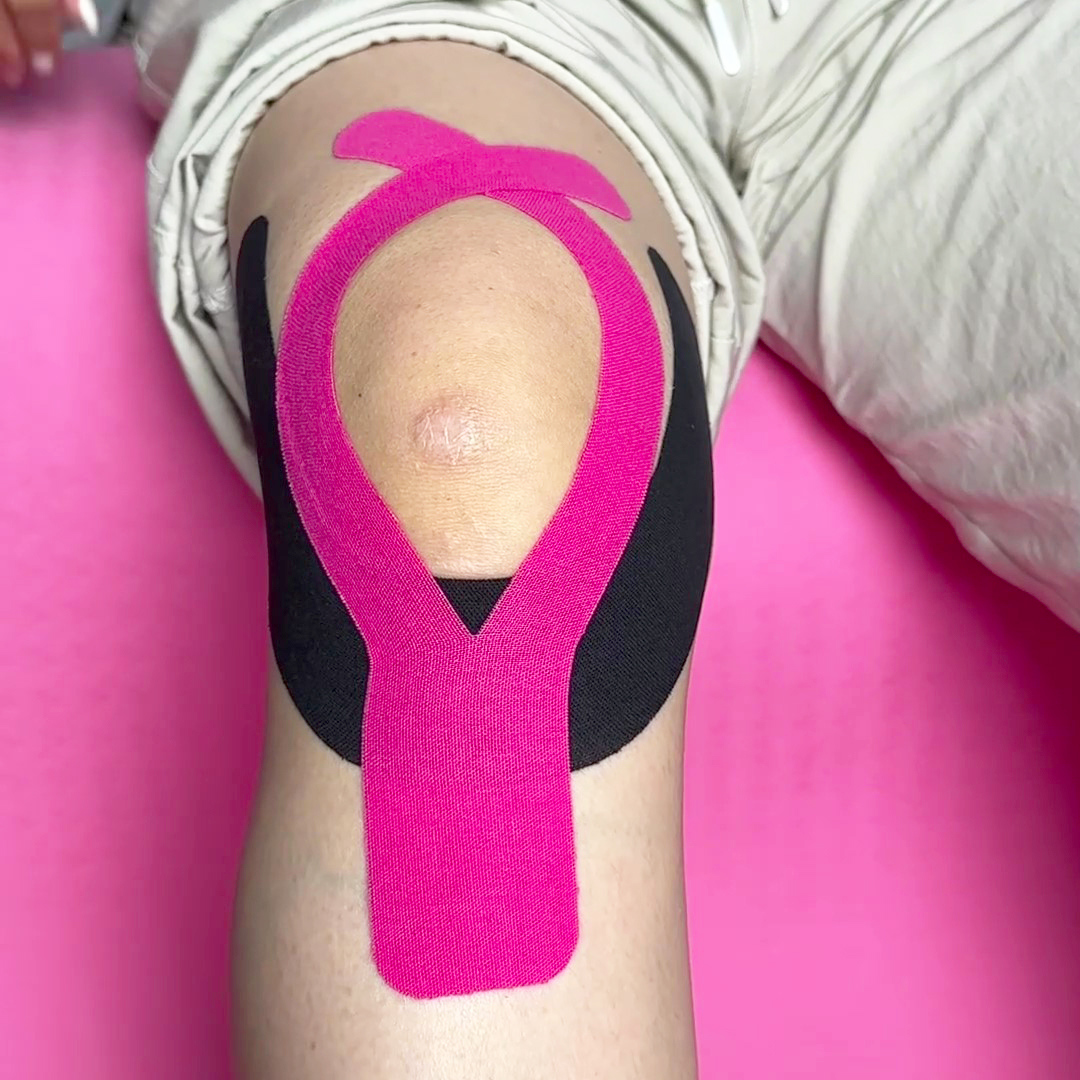
ما يبلغه المستخدمون عادةً بعد التثبيت الصحيح
أحد الأسباب التي جعلت شريط الكينيسيولوجيا شائعًا جدًا في طب الرياضة هو تغيير الإحساس الفوري الذي يصفه 80% من المستخدمين بعد التطبيق.
يبلغ الناس عادةً عن:
- يبدو أن الركبة أكثر استقرارًا
- تبدو الحركات الدوارة أقل إجهادًا
- المشي على الدرج يبدو أكثر سلاسة
- تمارين القرفصاء تبدو أكثر تحكمًا
- تشعر الركبة بأنها "مربوطة معًا"
- أقل وعي بعدم الاستقرار أثناء الحركة
بعض المستخدمين يصفون أيضًا تأثيرًا نفسيًا:
بمجرد أن تشعر الركبة بالدعم، يتوقفون عن التفكير باستمرار في المفصل أثناء الحركة.
بالنسبة للأشخاص النشطين الذين يتعافون من تهيج الركبة، يمكن أن يحدث هذا الثقة وحدها فرقًا كبيرًا أثناء النشاط اليومي.
الغضروف الهلالي هو هيكل غضروفي على شكل C داخل الركبة يعمل كوسادة صدم بين عظمة الفخذ وعظمة الساق.
تحتوي كل ركبة على:
- الغضروف الهلالي الإنسي (الداخل)
- الغضروف الهلالي الجانبي (الخارج)
يحدث تمزق الغضروف الهلالي عندما يصبح الغضروف ملتويًا أو محملاً بشكل زائد أو مضغوطًا بما يتجاوز نطاقه الطبيعي.
هذا النوع من إصابات الغضروف الهلالي في الركبة شائع جدًا بين:
- الرياضيين
- البالغين النشطين
- العمال الذين يقومون بالركوع أو القرفصاء بشكل متكرر
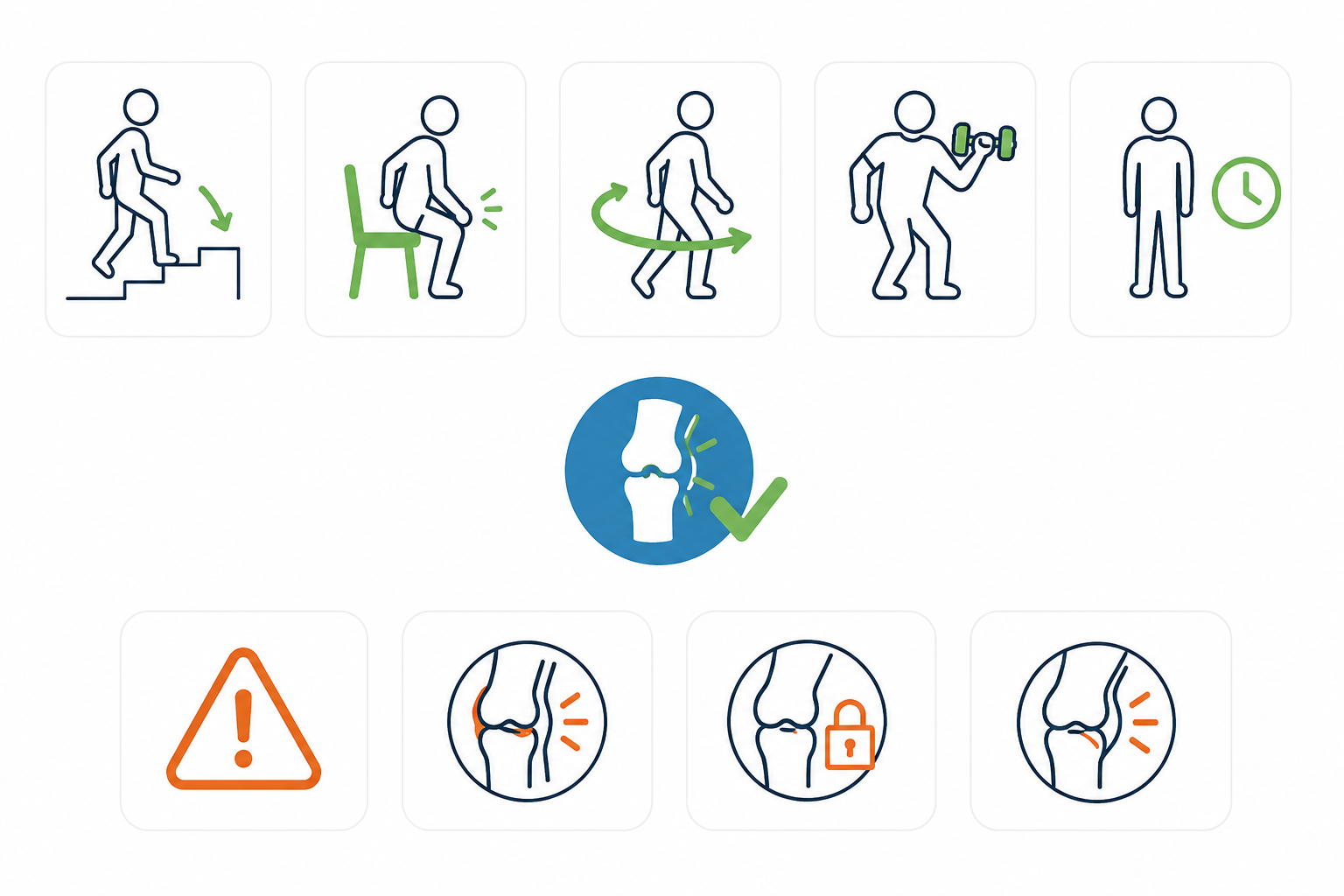
تختلف الأعراض حسب الشدة، ولكن العلامات الشائعة تشمل:
- ألم عند التواء الركبة
- تورم الغضروف المفصلي
- أحاسيس نقر أو فرقعة
- تيبس الركبة
- التعثر أو الانحباس
- ضعف أثناء النزول على الدرج
- ألم أثناء القرفصاء
- ألم في الغضروف المفصلي الوسيط
- انزعاج عند الدوران في السرير
يصف العديد من الناس الركبة بأنها تشعر بعدم الاستقرار، وكأنها قد "تنهار". ومن المثير للاهتمام، أن العديد من المستخدمين يقولون إن الدرج يبدو أصعب من الجري بعد تهيج الغضروف المفصلي.
استنادًا إلى ملاحظات المعالج وتجربة التعافي الرياضي، قد يساعد شريط الكينيسيولوجيا لتمزق الغضروف الهلالي من خلال:
- تقليل الضغط حول المفصل
- تحسين الوعي بالحركة
- المساعدة في التحكم في تورم الغضروف الهلالي
- تحسين الراحة أثناء النشاط
🔹 مهم: شريط الكينيسيولوجيا لتمزق الغضروف الهلالي لا يصلح تلف الغضروف.
تسبب إصابات الركبة المختلفة مشاكل حركية مختلفة.
شريط كينيزيولوجي لعلاج تمزق الغضروف الهلالييُستخدم عادةً في:
ألم الغضروف الهلالي الإنسي
ألم في الركبة الداخليةهو الشكوى الأكثر شيوعًا، خاصةً أثناء النزول على الدرج، أو التدوير، أو النهوض من الكرسي.
التعافي الرياضي
غالباً ما يستخدم الرياضيون شريط العلاج الحركي أثناءكرة السلة، كرة القدم، الكرة الطائرة، التنس، كروس فيت، الجري، والوظائف التي تتضمن الركوع المتكرر، القرفصاء، أو رفع الأثقال قد تزيد أيضًا من خطر إصابة الغضروف الهلالي. لأنيسمح بالحركة مع توفير الدعم في نفس الوقت.
التورم بعد النشاط
بعد التدريب، يشعر بعض الأشخاص بألم في ركبهم"ممتلئ"، أو صلب، أو ضيق.قد يساعد تأثير الرفع لشريط الكينيسيولوجيا في إدارة شعور التورم بعد النشاط.
ومن المواقف الشائعة في الواقع العملي ما يلي:
هذا هو بالضبط عندما يبدأ العديد من المستخدمين النشطين في تجربةدعم بشريط العلاج الحركي.
استرح وقلل من الحركة المزعجة
تجنب الحركات التي تضع ضغطًا على الركبة، خاصةً:
- القرفصاء العميقة
- التدوير
- القفز
- تغييرات الاتجاه المفاجئة
محاولة "الضغط من خلال" إصابة الغضروف غالبًا ما تؤخر الشفاء.
استخدم الثلج على الركبة بانتظام
يساعد الثلج في تقليل تورم الغضروف والانزعاج، خاصةً خلال الـ 48 ساعة الأولى بعد التهيج.
ضع الثلج لمدة 15-20 دقيقة في المرة الواحدة.
قوّي العضلات الداعمة
تحسين قوة العضلات الرباعية والأرداف قد يساعد في تقليل الضغط على الركبة وتحسين التحكم في الحركة أثناء الشفاء.
فكر في العلاج الطبيعي
تركز برامج إعادة التأهيل المهنية غالبًا على القوة، والحركة، وتصحيح الحركة لتحسين استقرار الركبة على المدى الطويل.
استخدم الضغط والدعم
يمكن أن تساعد الأكمام الضاغطة، والدعامات الرياضية، وتقنيات الشريط الداعمة جميعها في تحسين الثقة أثناء الحركة.
هذا يعتمد على الهدف.
| الميزة | شريط الكينيسيولوجيا | دعامة الركبة المفصلية |
|---|---|---|
| نطاق الحركة | طبيعي | مقيد |
| تفاعل العضلات | أعلى | أدنى |
| حجم | منخفض | مرتفع |
| راحة رياضية | ممتازة | متوسطة |
| قوة الاستقرار | متوسطة | قوية |
| أفضل استخدام | الدعم اليومي والتعافي | عدم الاستقرار الحاد وما بعد الجراحة |
يفضل العديد من الرياضيين شريط الكينيسيولوجيا للرياضة لأنه يشعر بأنه أخف ويسمح بحركة أكثر طبيعية، بينما توفر الدعامات عادةً دعمًا هيكليًا أقوى.
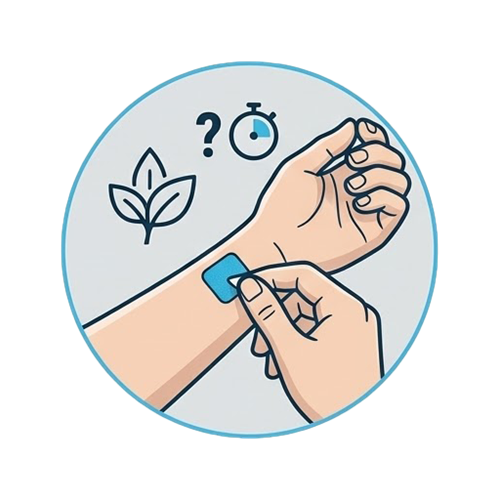
تجنب وضع الشريط على:
- الجلد المتشقق
- الطفح الجلدي
- الجروح المفتوحة
- التهيج النشط
لا تمد الشريط بشكل مفرط.
يمكن أن يؤدي التوتر الزائد إلى:
- تهيج الجلد
- تقييد الحركة
- تقليل الراحة
إذا أصبح الألم أسوأ بشكل ملحوظ بعد وضع الشريط، قم بإزالة شريط الكينيسيو لتمزق الغضروف واطلب المشورة الطبية.
شريط الكينيسيولوجيا هو أداة دعم — وليس بديلاً عن التقييم الطبي.
لا تعتمد على شريط الكينيسيولوجيا وحده إذا كنت تعاني من:
- تجمد الركبة
- تورم كبير
- انهيار مفاجئ أثناء المشي
- عدم القدرة على تحمل الوزن
- أحاسيس طقطقة حادة
- الاشتباه في تمزق الرباط الصليبي الأمامي أو الأربطة
- عدم استقرار شديد بعد الإصابة
إذا استمرت الأعراض في التفاقم، يُوصى بشدة بإجراء تقييم طبي محترف.
كيفية تطبيقها لعلاج آلام الركبة في مناطق أخرى
.jpg?w=1080&h=1080)
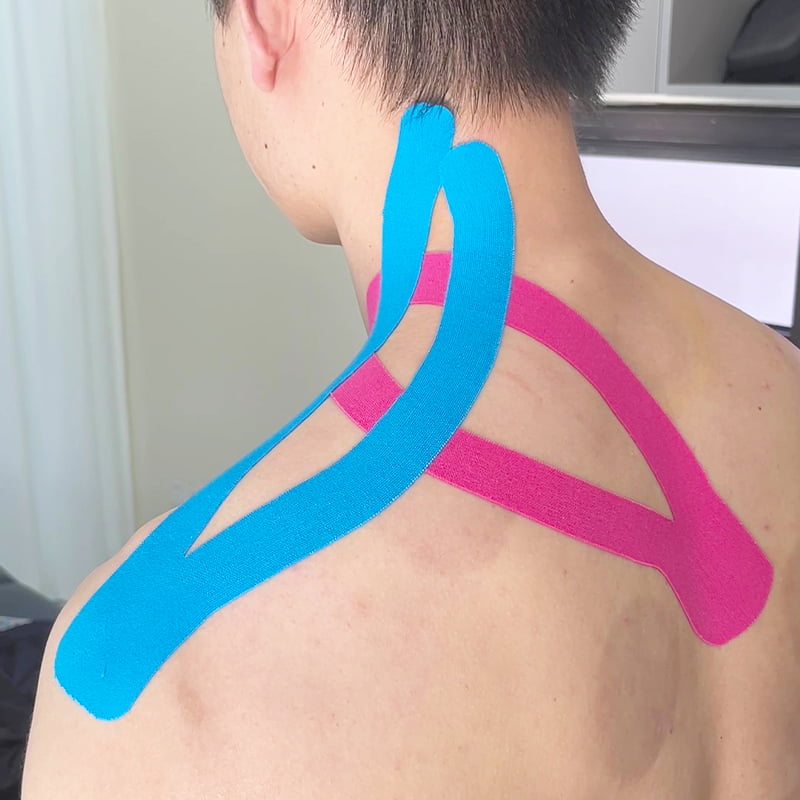
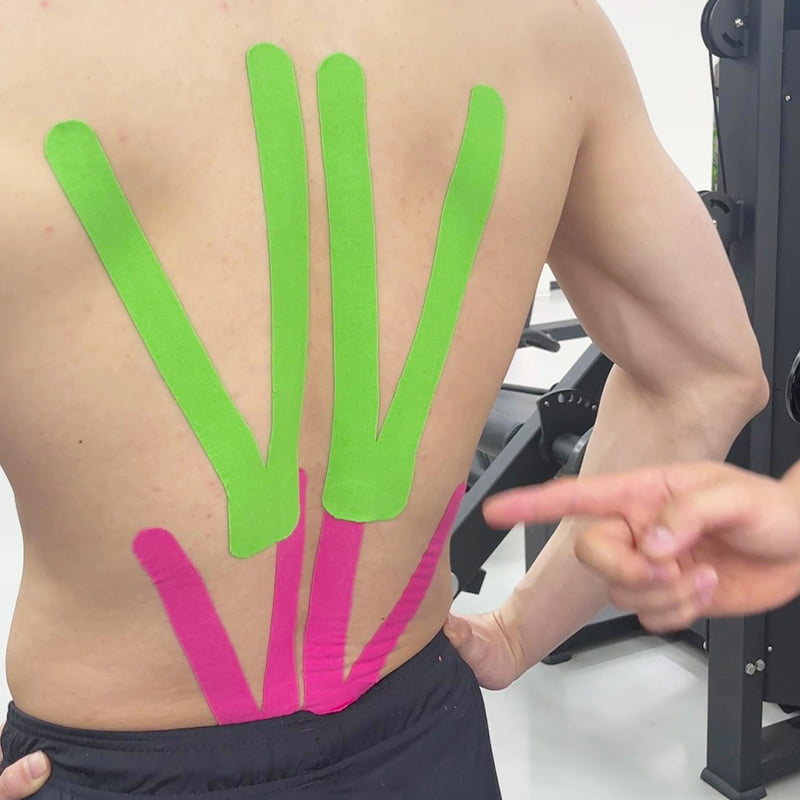
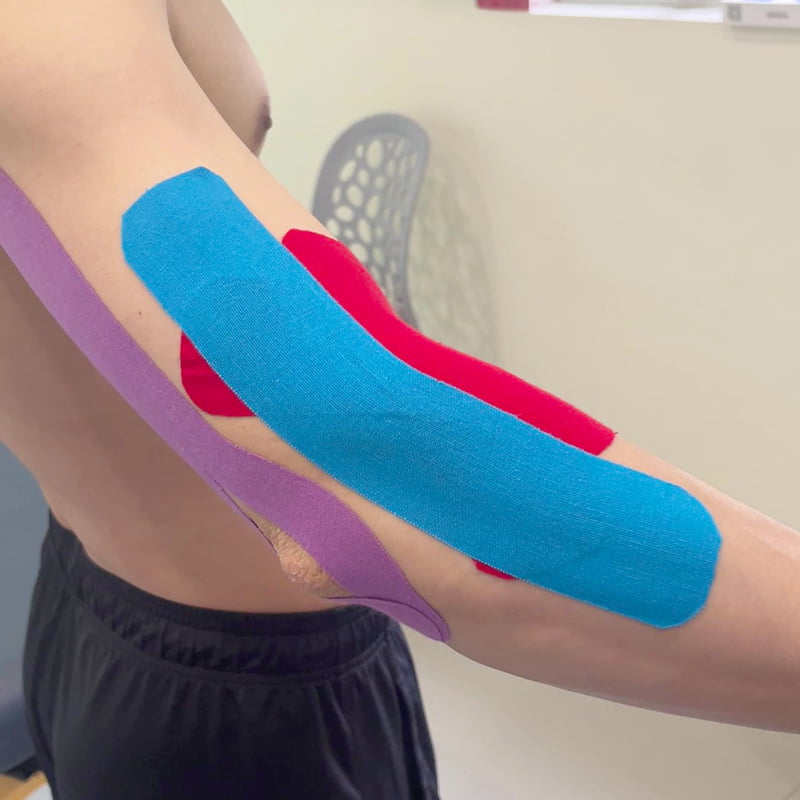
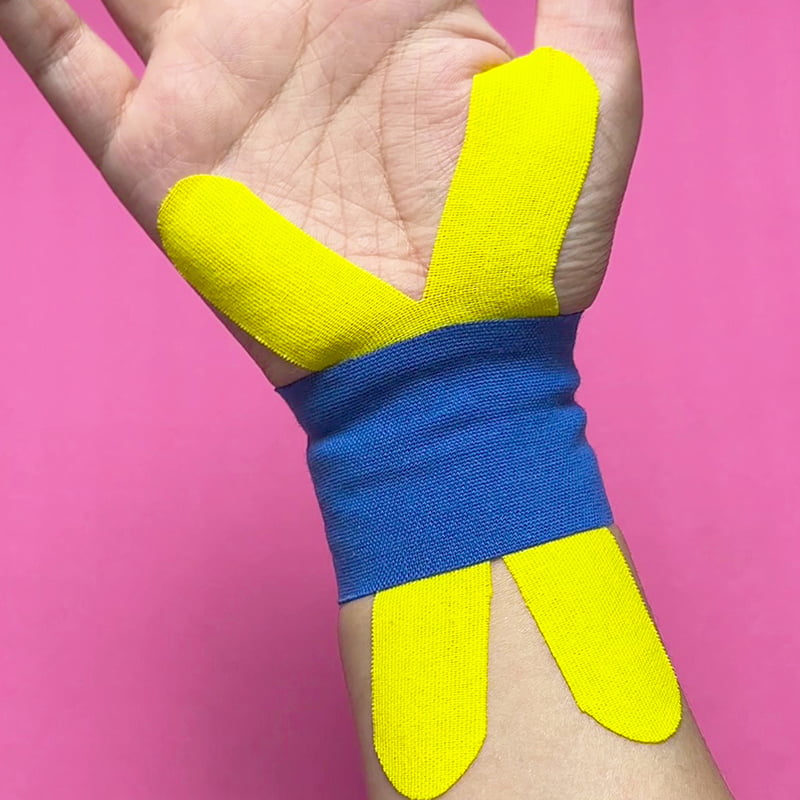
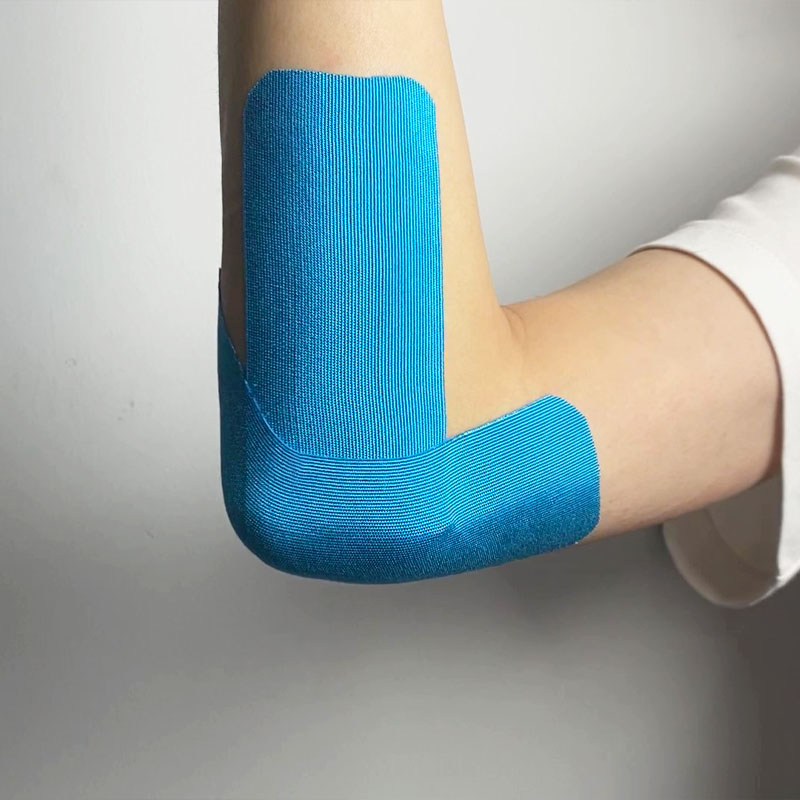
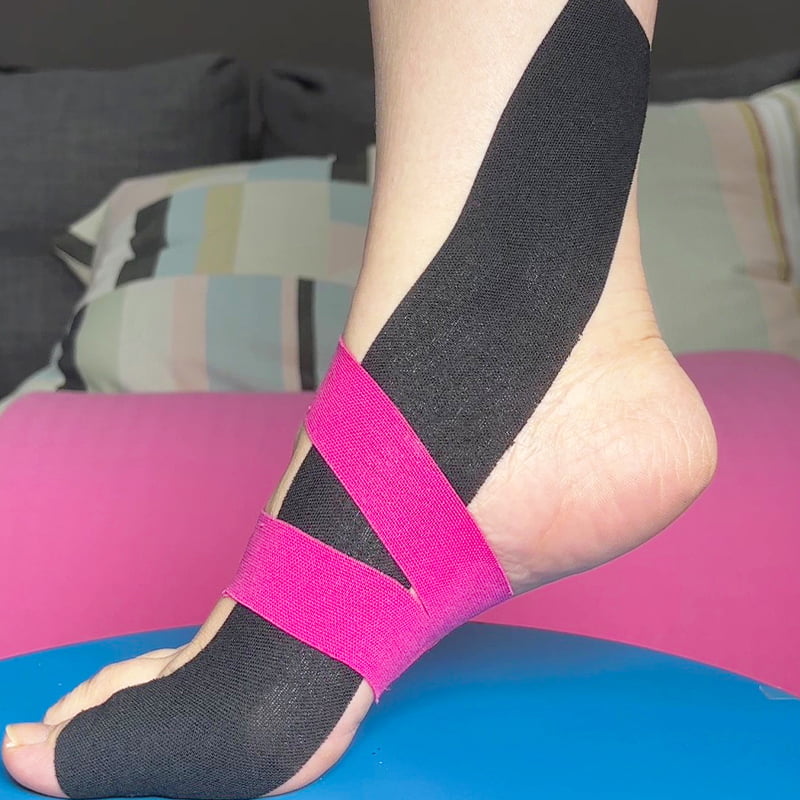
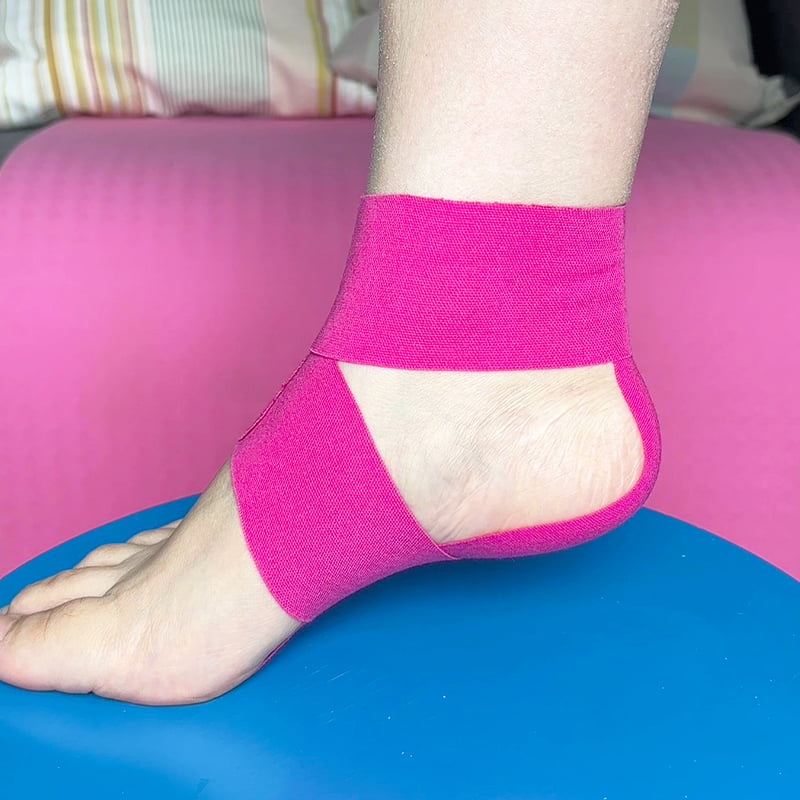
تستمر معظم لاصقات الكينيسيولوجيا 3–5 أيام، اعتمادًا على التعرق، مستوى النشاط، حالة الجلد، وجودة اللاصق.
50% من الرياضيين عادةً ما يغيرون لاصقاتهم بعد التعرق كثيرًا. انقر على "كم من الوقت يجب ارتداؤه؟" لمعرفة المزيد.
شريط العلاج الطبيعي لتمزق الغضروف يسمح بمزيد من المرونة والحركة الطبيعية، بينما توفر الدعامات تقييدًا أقوى واستقرارًا.
للحصول على مستويات أعلى من الدعم، غالبًا ما يجمع المعالجون بين ذلك مع:
اعتمادًا على مستوى النشاط ومرحلة التعافي.
ليس كل شريط الكينيسيوLOGY يعمل بنفس الطريقة بمجرد أن يبدأ الركبة في الحركة.
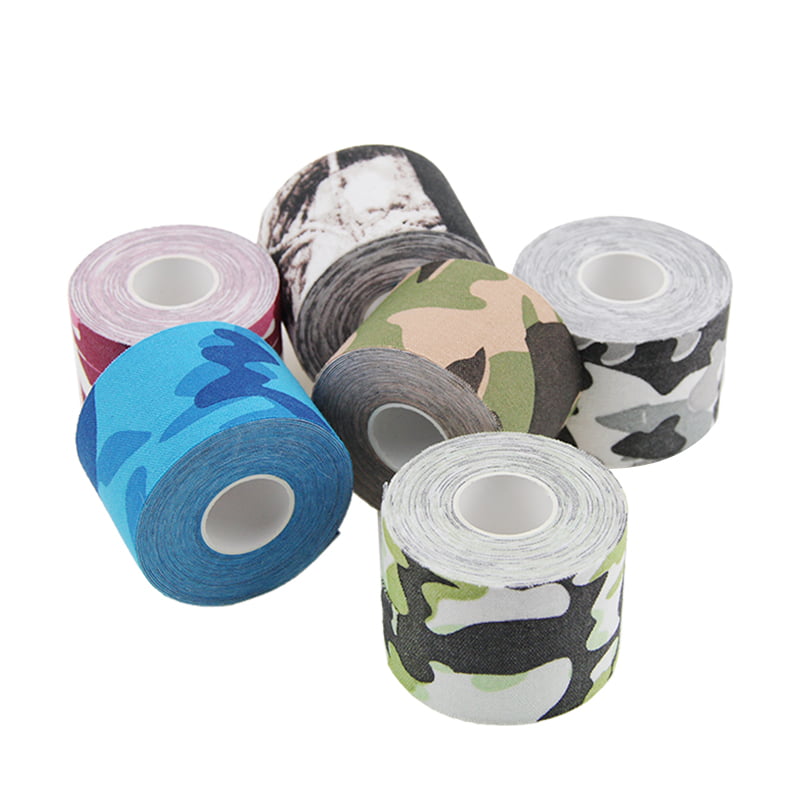
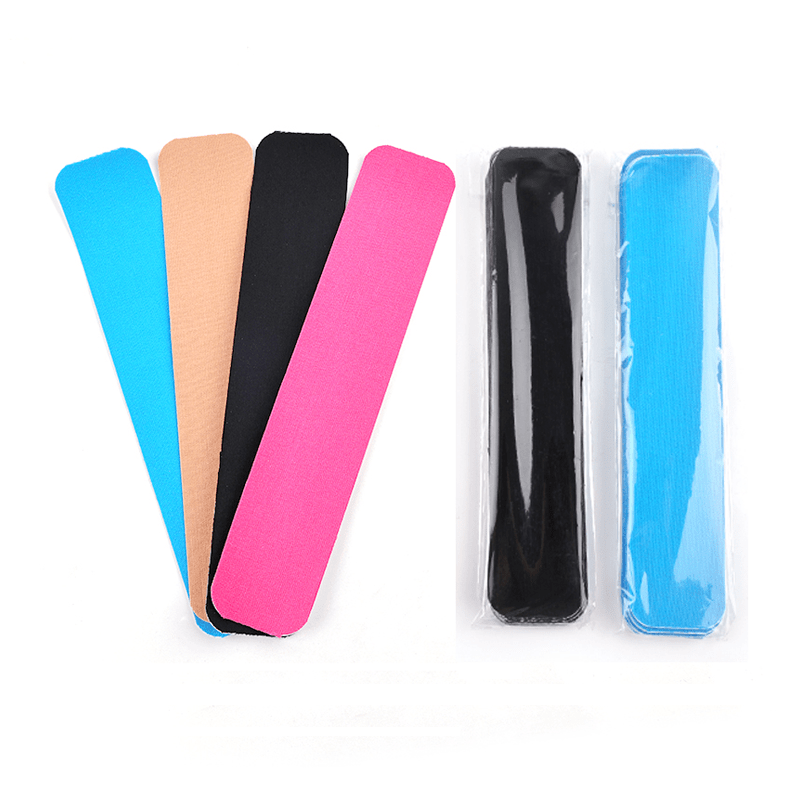
كشركة مصنعة محترفة لشريط الكينيسيوLOGY ومورد OEM، تركز Veefun على عاملين رئيسيين يؤثران بشكل مباشر على أداء دعم الركبة:
1. الارتداد المرن
تؤثر قوة "العودة" للشريط على مدى دعمه أثناء الحركة.
لدعم الغضروف المفصلي، يُفضل غالبًا شريط الكينيسيوLOGY الصناعي لأنه يحافظ على استعادة مرنة أقوى أثناء ثني الركبة المتكرر، والنشاط الرياضي، وظروف التعرق العالي.
2. استقرار اللاصق
تتعرض الركبتان للاحتكاك المستمر، والتمدد، والتعرض للعرق. غالبًا ما يبدأ الشريط منخفض الجودة في التقشير حول الرضفة خلال ساعات، مما يقلل من أداء الدعم العام.
عادةً ما يستخدم شريط الكينيسيوLOGY من الدرجة الاحترافية لاصق أكريلي طبي مصمم ليبقى مستقرًا أثناء الحركة مع الحفاظ على صداقة للبشرة.
يعتقد العديد من المستخدمين الجدد أن طريقة التلصيق فشلت، عندما تكون المشكلة الحقيقية غالبًا هي جودة الشريط نفسه.
الخاتمة
شريط الكينيسيولوجيا لدعم تمزق الغضروف لا يمكنه إصلاح تلف الغضروف، ولكن التثبيت الصحيح قد يساعد في تحسين الراحة، وثقة الحركة، ودعم الركبة أثناء التعافي.
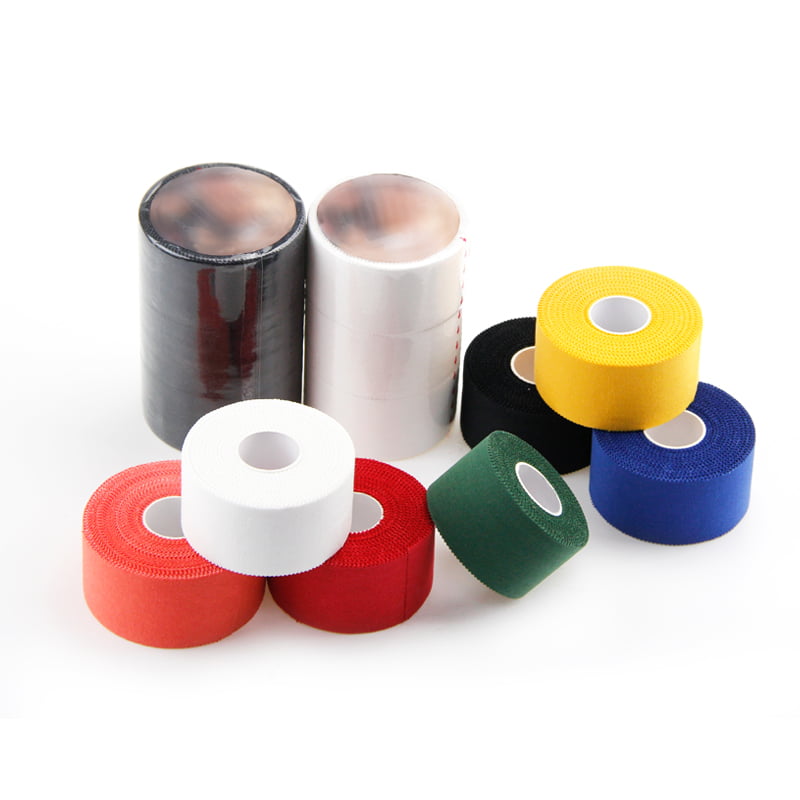
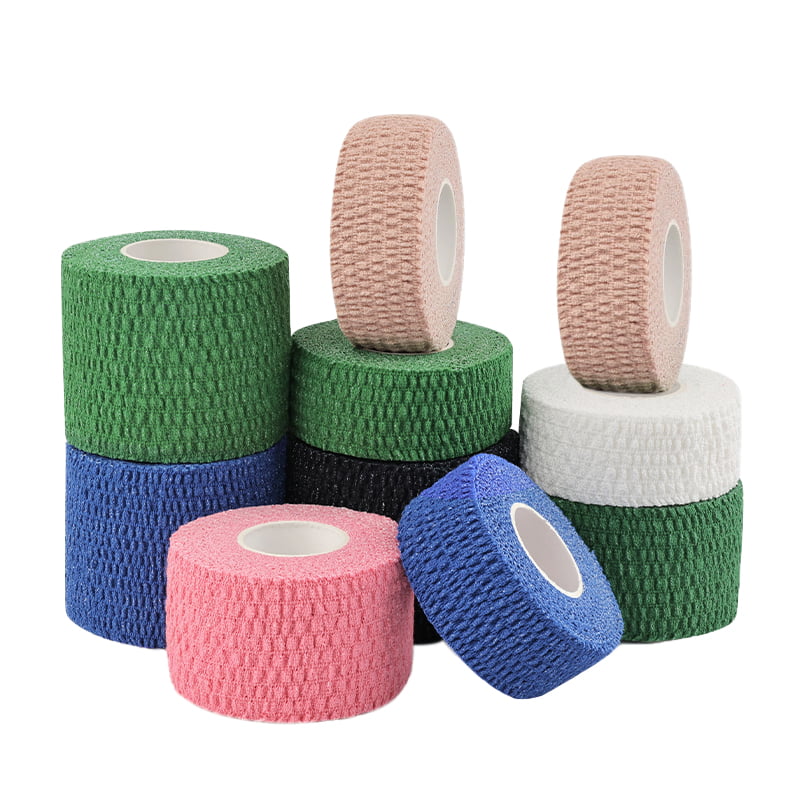
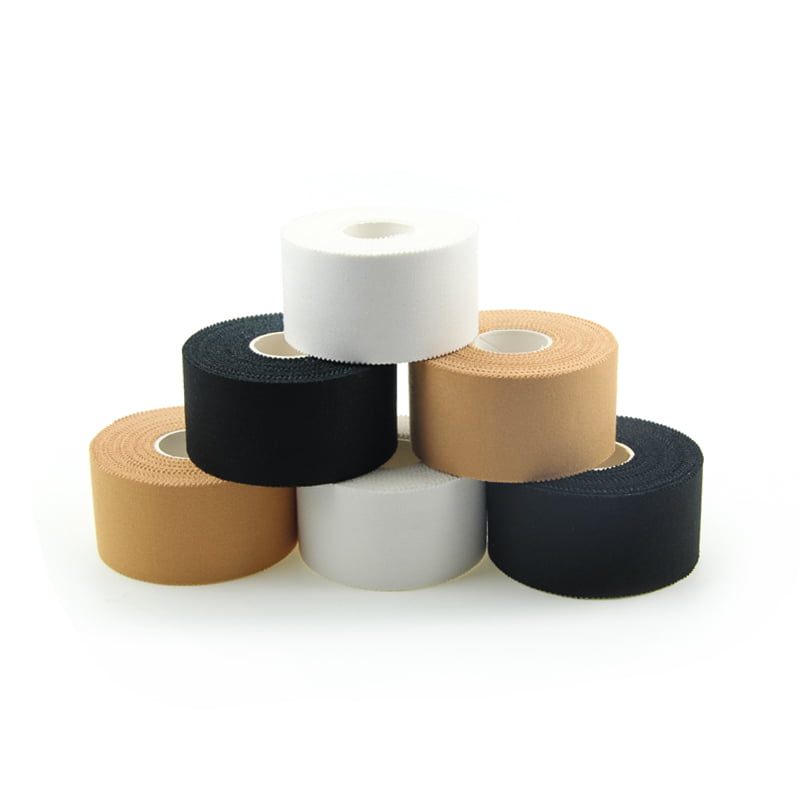
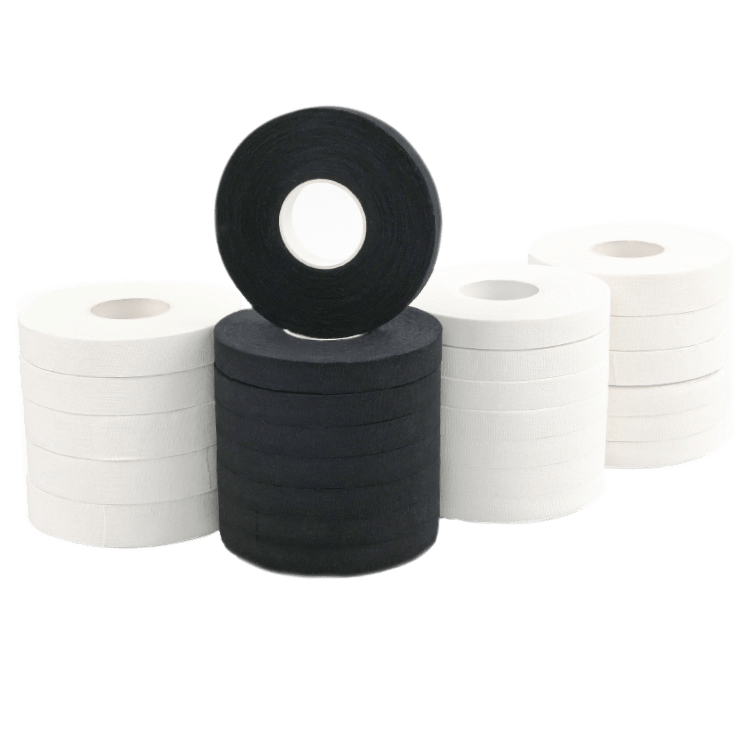
Veefun تصنع شريط كينيسيولوجيا احترافي، شريط رياضي صلب، شريط أكسيد الزنك، شريط EAB، وحلول العلامة الخاصة OEM للعيادات الرياضية، والموزعين، وعلامات التأهيل في جميع أنحاء العالم.
اتصل بفريقنا للحصول على عينات، ودعم OEM، وحلول تسعير بالجملة.
إخلاء المسؤولية الطبية
هذا الدليل لأغراض تعليمية فقط ويعكس الخبرة العملية من صناعة تصنيع شريط الكينيسي ودعم الرياضة. إنه لا يحل محل التشخيص أو العلاج الطبي المهني.
يجب دائمًا تقييم آلام الركبة المستمرة، أو الانغلاق، أو التورم، أو عدم الاستقرار من قبل متخصص رعاية صحية مؤهل.