
วิธีใช้เทปกายภาพบำบัดสำหรับอาการเอ็นข้อเข่าฉีกขาด
เทปกายภาพสามารถช่วยในการฉีกขาดของหมอนรองกระดูกเข่าได้หรือไม่? ใช่. เทปกายภาพสำหรับการสนับสนุนการฉีกขาดของหมอนรองกระดูกเข่าทำงานโดยการสร้าง "สะพาน" ที่ทำงานรอบ ๆ ข้อต่อเข่าเพื่อปรับปรุงความเสถียรและลดแรงกดจากกระดูกอ่อนที่ฉีกขาด. โดยการยกผิวหนังเพื่อเพิ่มการไหลเวียนเลือด มันจัดการกับอาการบวมของหมอนรองกระดูกเข่าได้อย่างมีประสิทธิภาพและบรรเทาอาการปวดหมอนรองกระดูกเข่าด้านใน สำหรับนักกีฬาและผู้ป่วย การพันเทปอย่างถูกต้องจะให้ข้อมูลสัมผัสที่จำเป็นในการฟื้นฟูความมั่นใจระหว่างการเดิน การหมุน และการออกกำลังกายฟื้นฟู.
การเตรียมหัวเข่าก่อนพันเทป
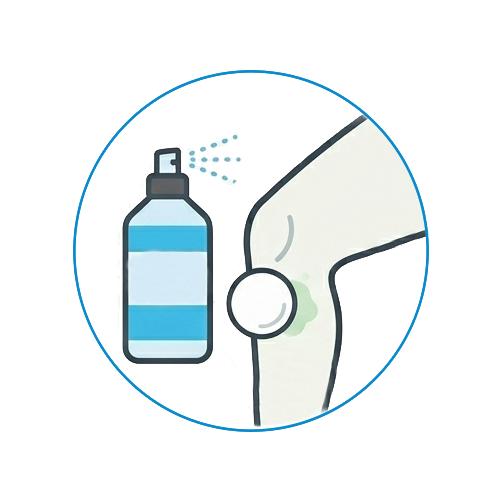
หนึ่งในสาเหตุที่ใหญ่ที่สุดที่เทปล้มเหลวเร็วเกินไปคือการเตรียมผิวที่ไม่ดี ในการฟื้นฟูสมรรถภาพกีฬา นักบำบัดใช้เวลาเพิ่มเติมในการเตรียมผิวเพราะมันมีผลโดยตรงต่อระยะเวลาที่เทปกายภาพบำบัดสำหรับการฉีกขาดของเมนิสกัสจะอยู่ได้และการสนับสนุนข้อต่อได้ดีเพียงใด
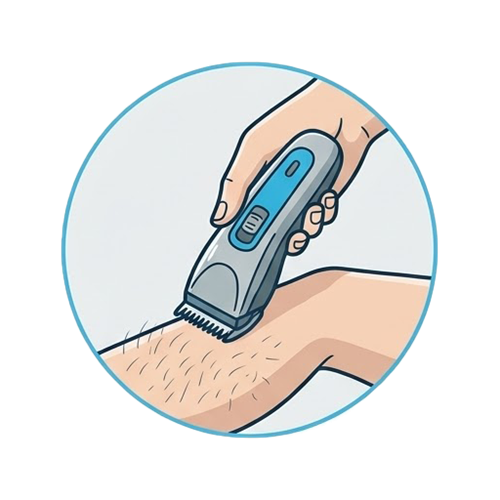
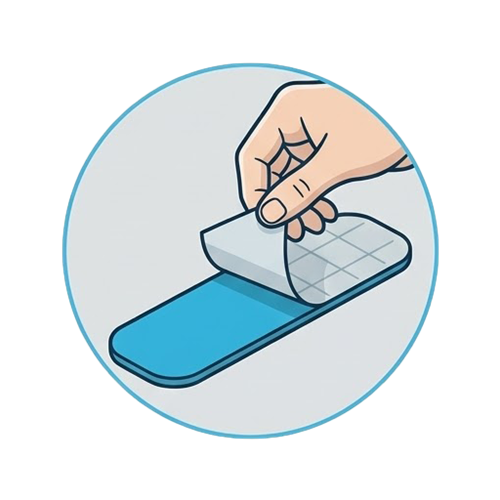
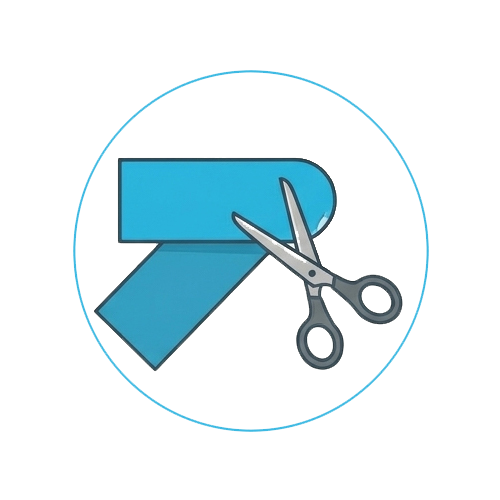
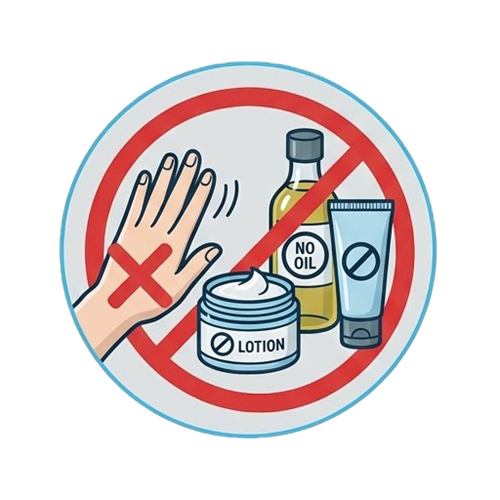
ข้อผิดพลาดทั่วไปที่ทำให้การพันเทปเมนิสกัสมีประสิทธิภาพน้อยลง
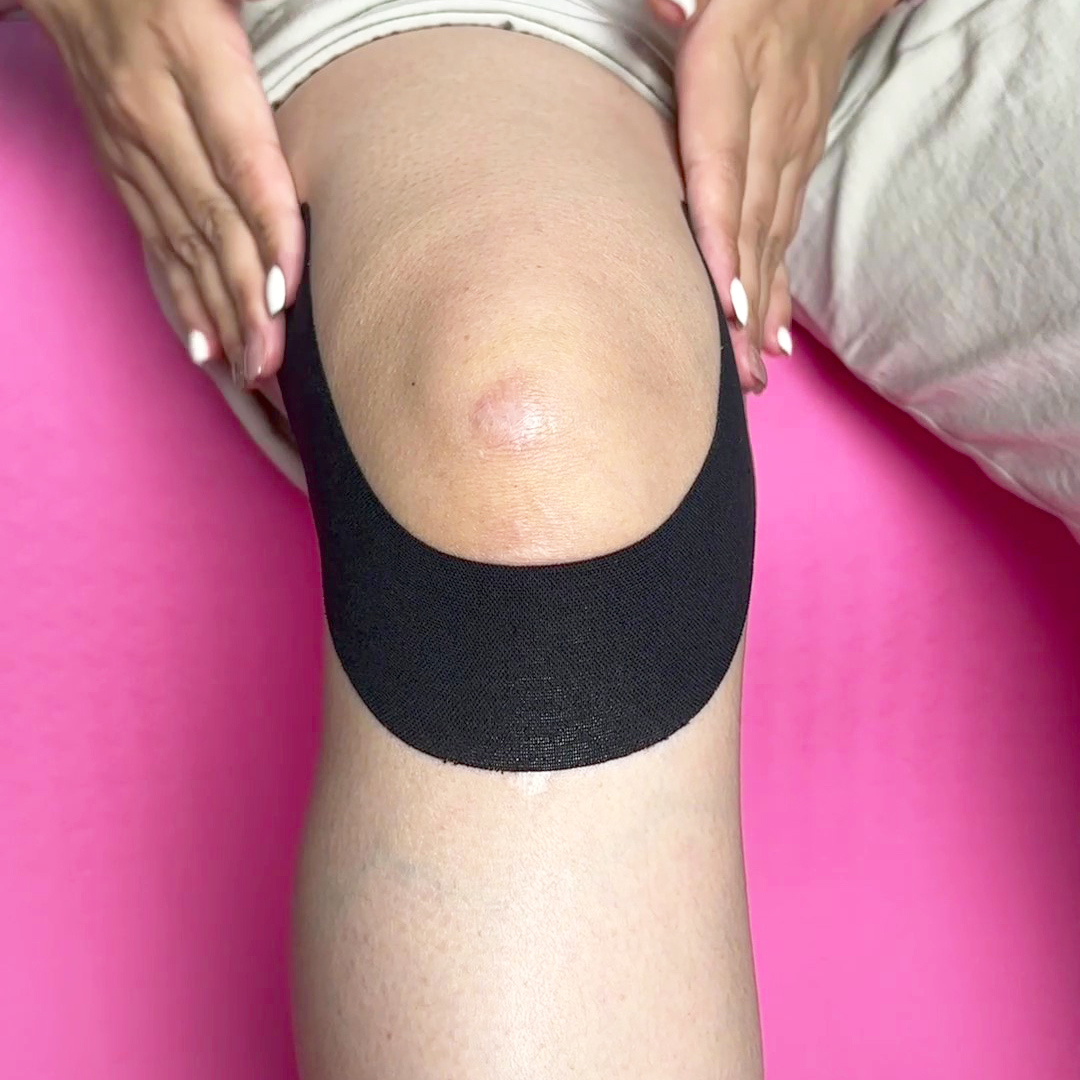
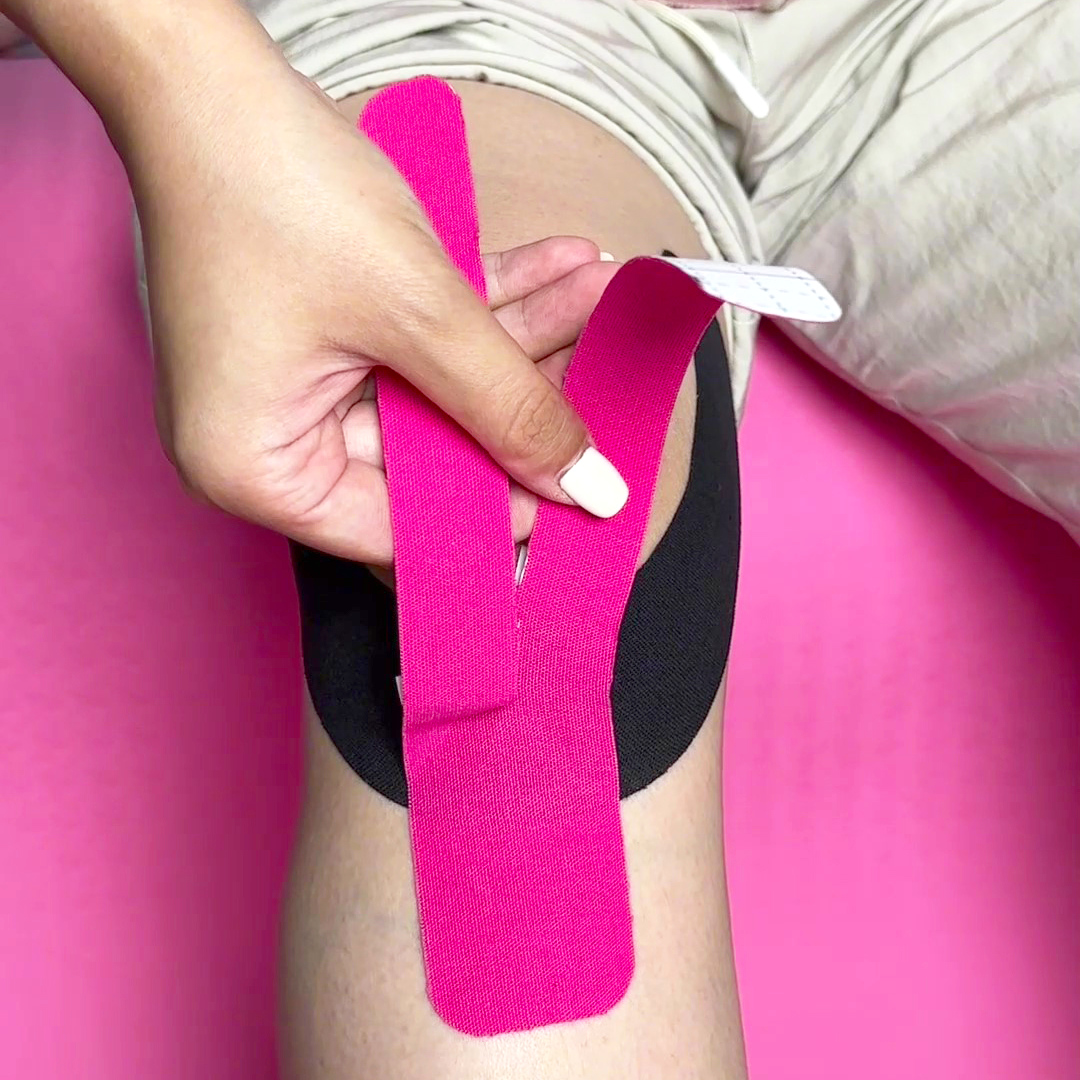
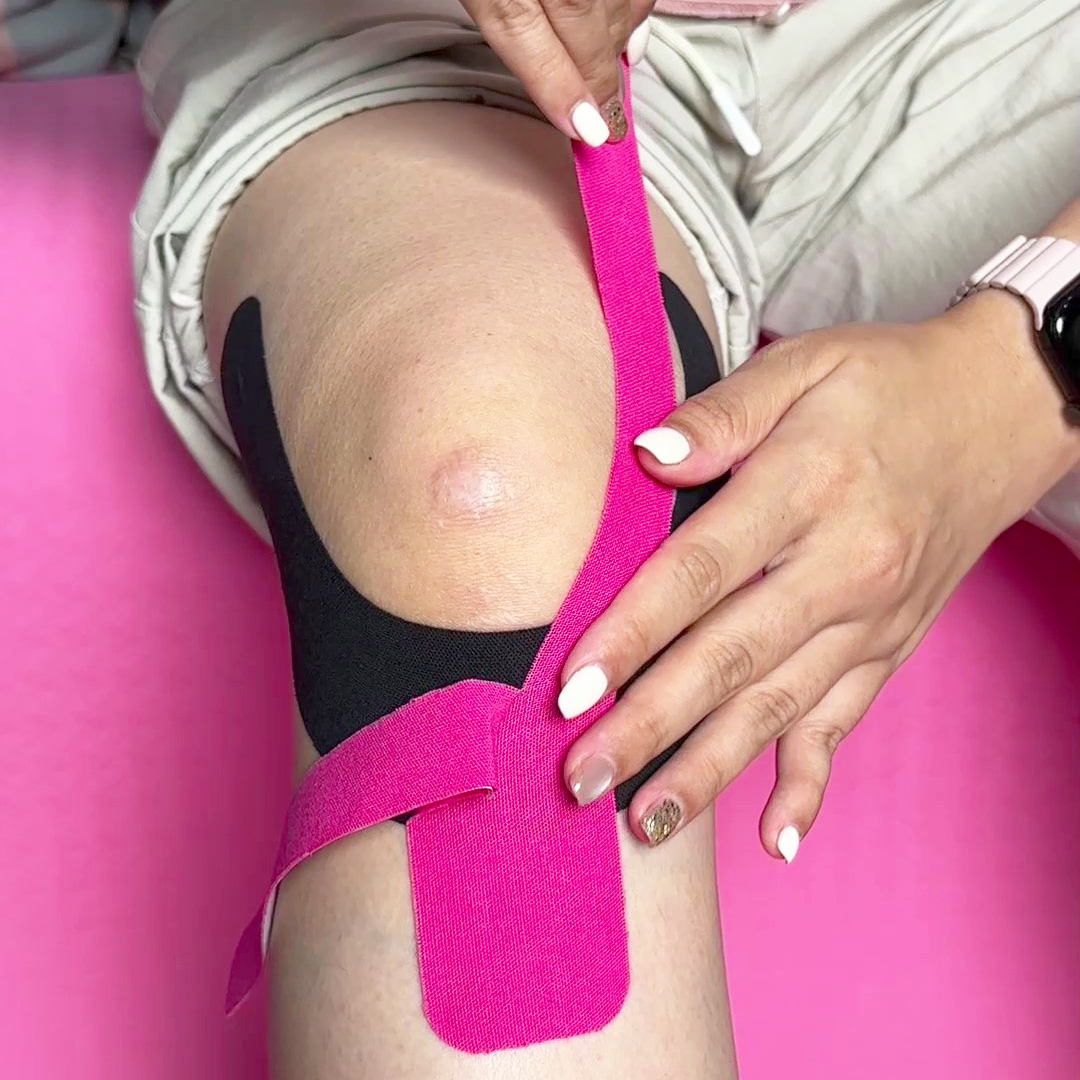
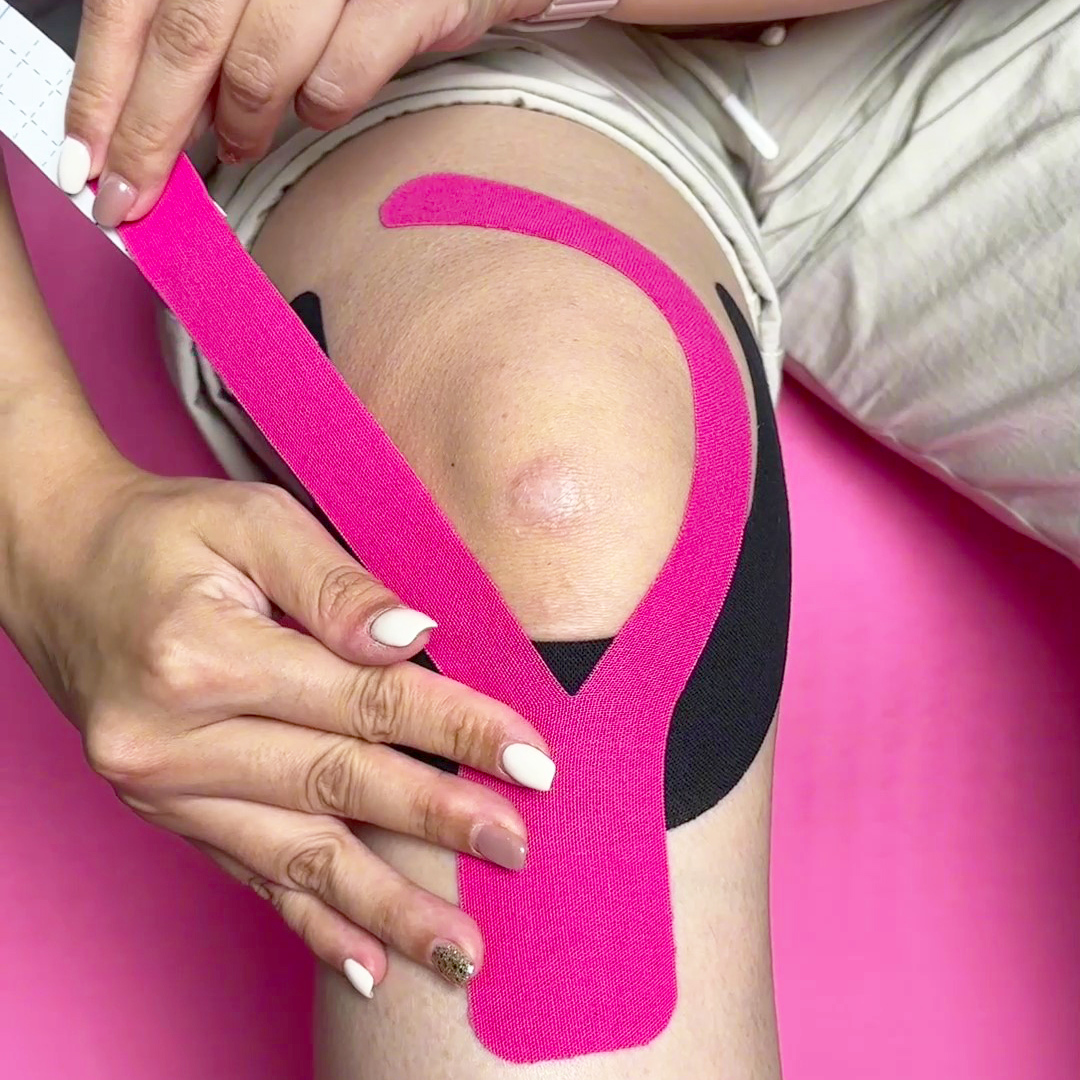
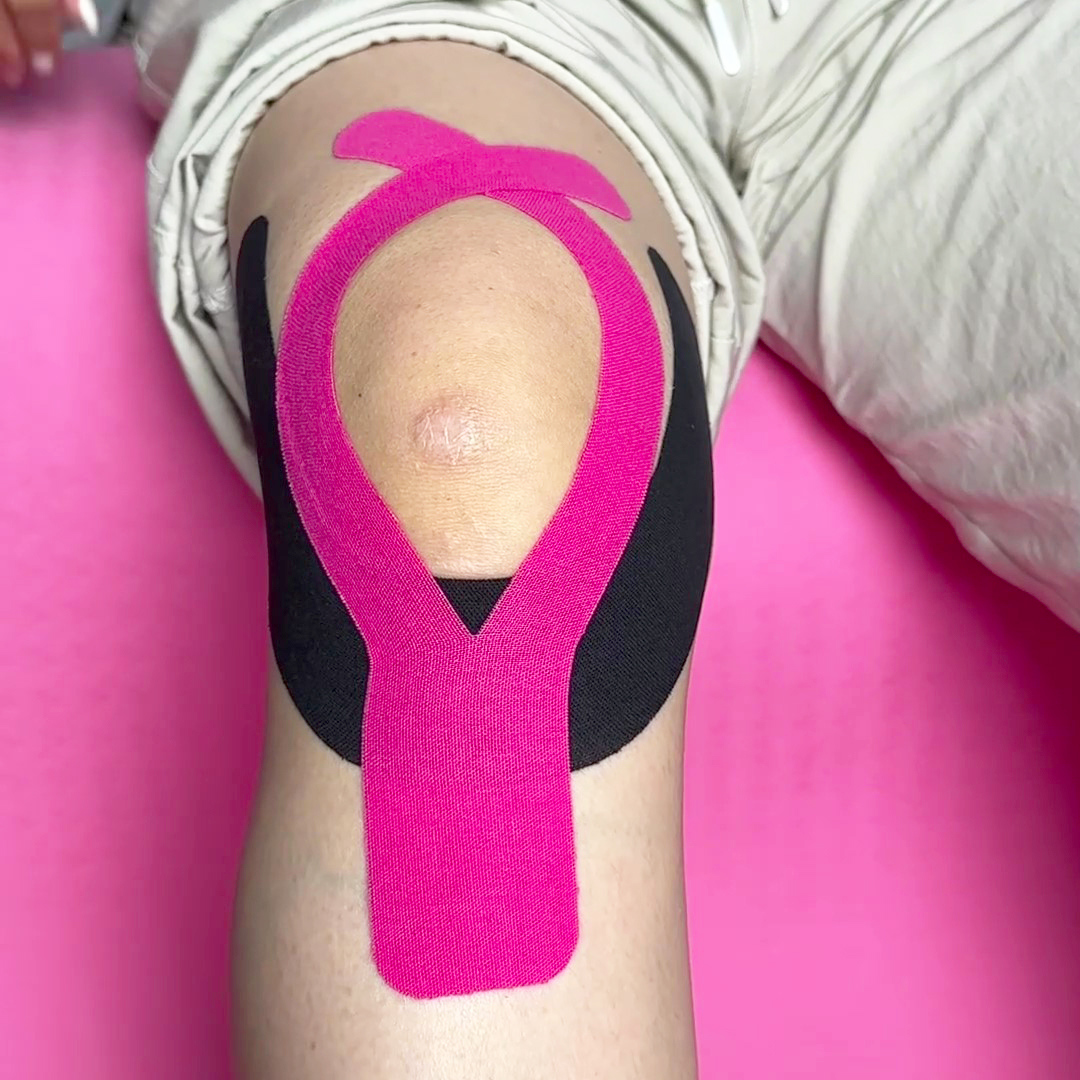
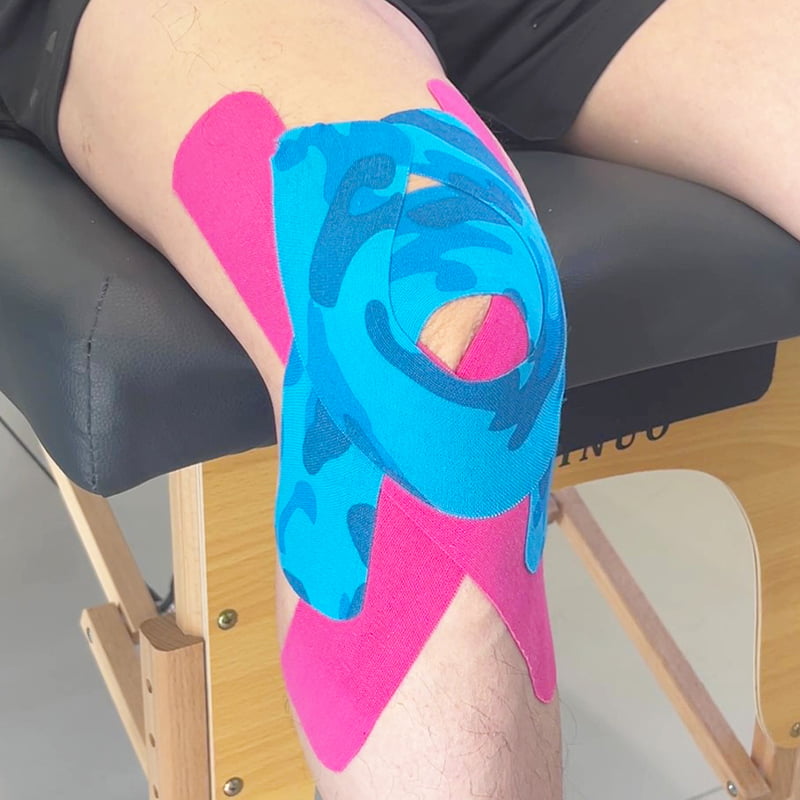
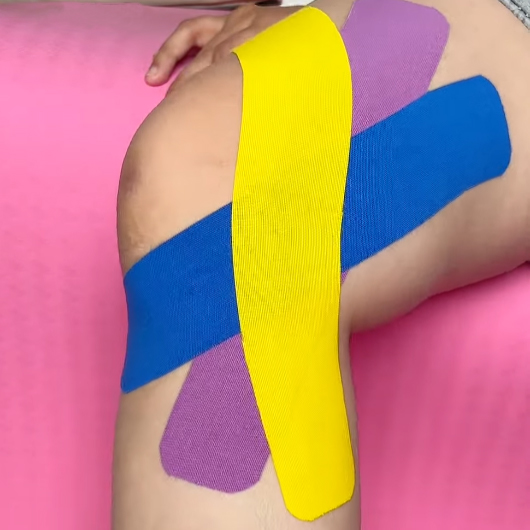
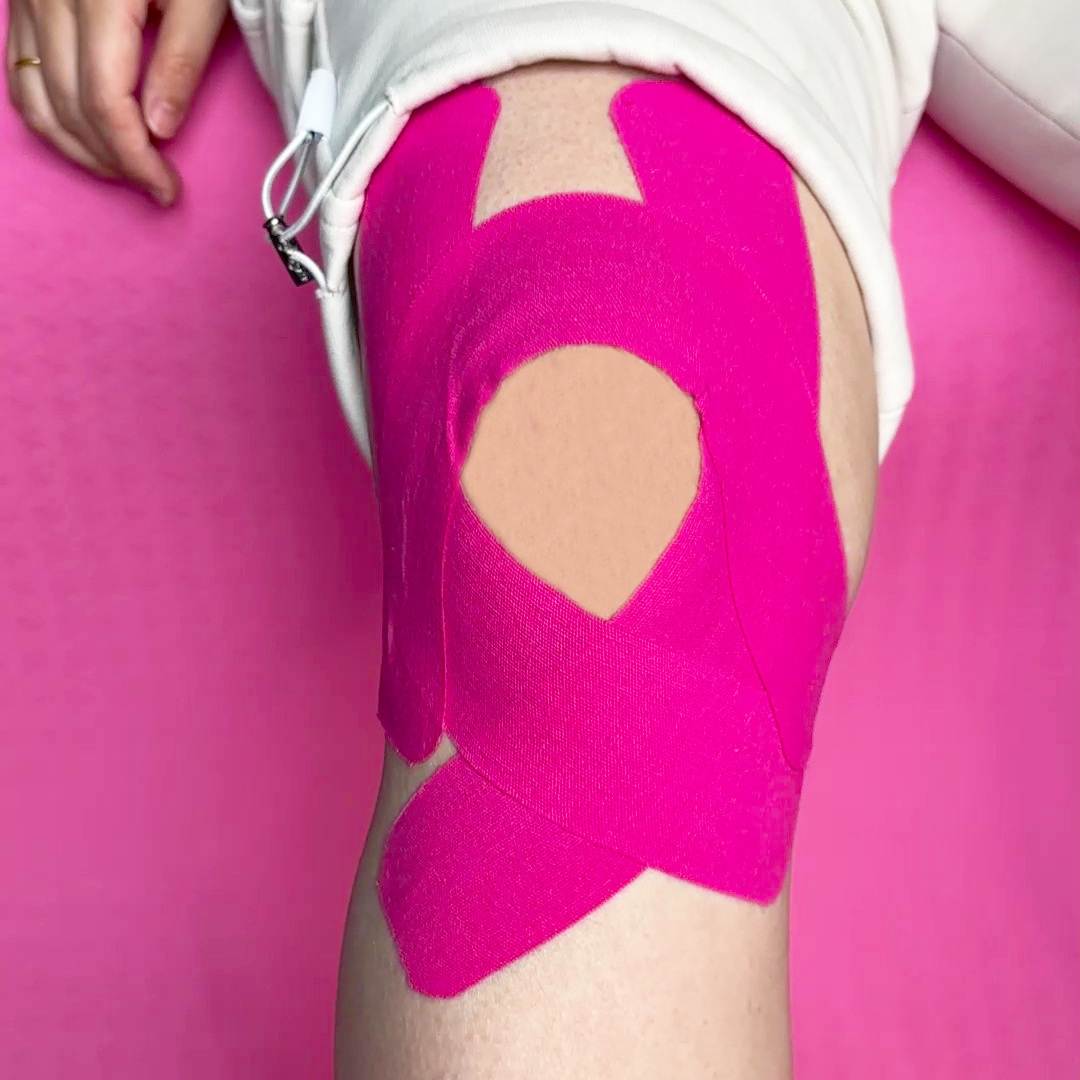
เทปกายภาพบำบัดสำหรับการฉีกขาดของหมอนรองเข่า คู่มือการพันเทปทีละขั้นตอน
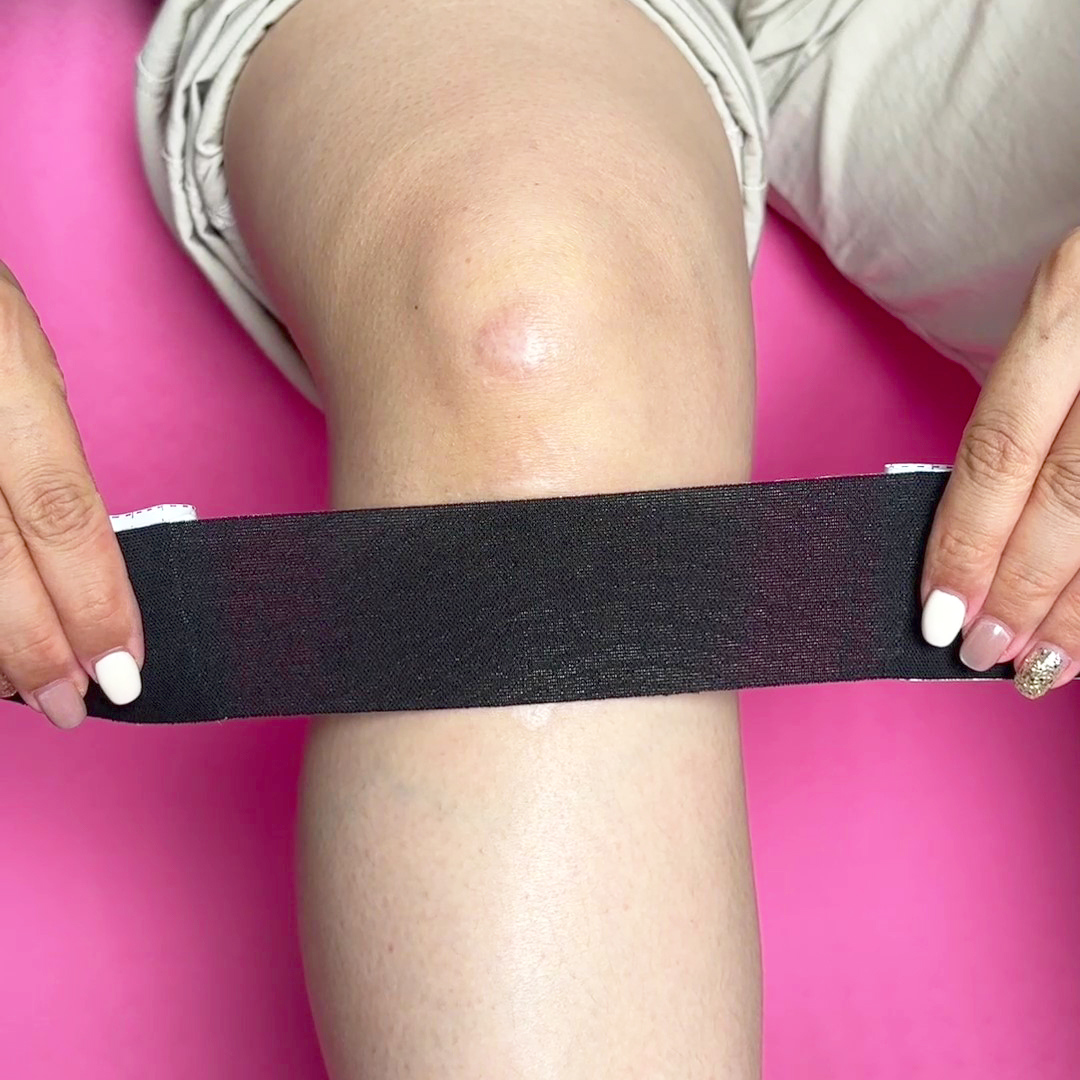
นั่งอย่างสบายและงอเข่าประมาณ 30–45 องศา ท่าทางนี้ช่วยให้เทปปรับตัวเข้ากับรูปทรงของข้อต่อได้อย่างเป็นธรรมชาติ
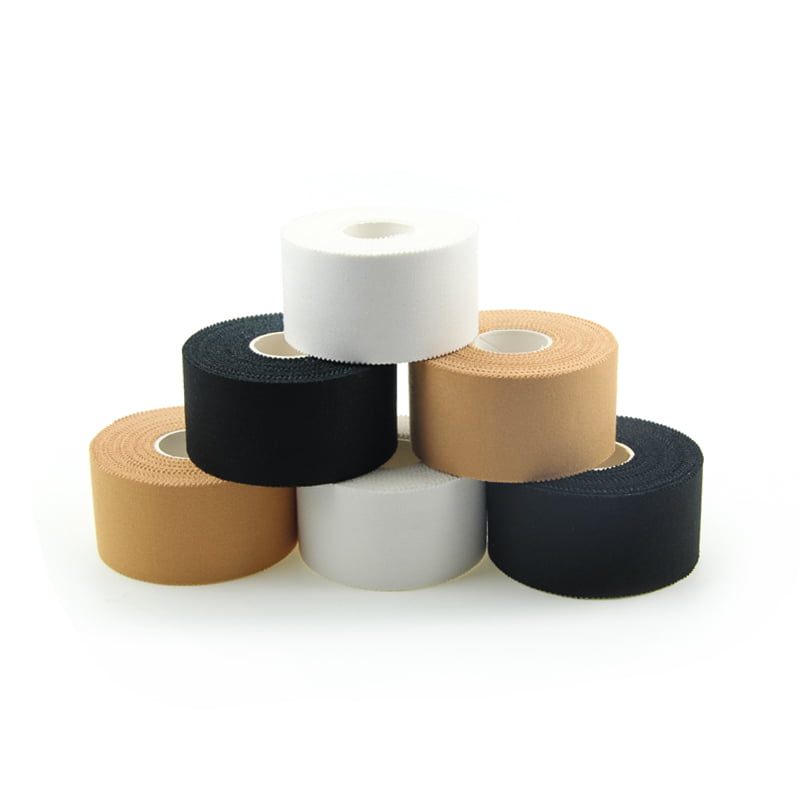
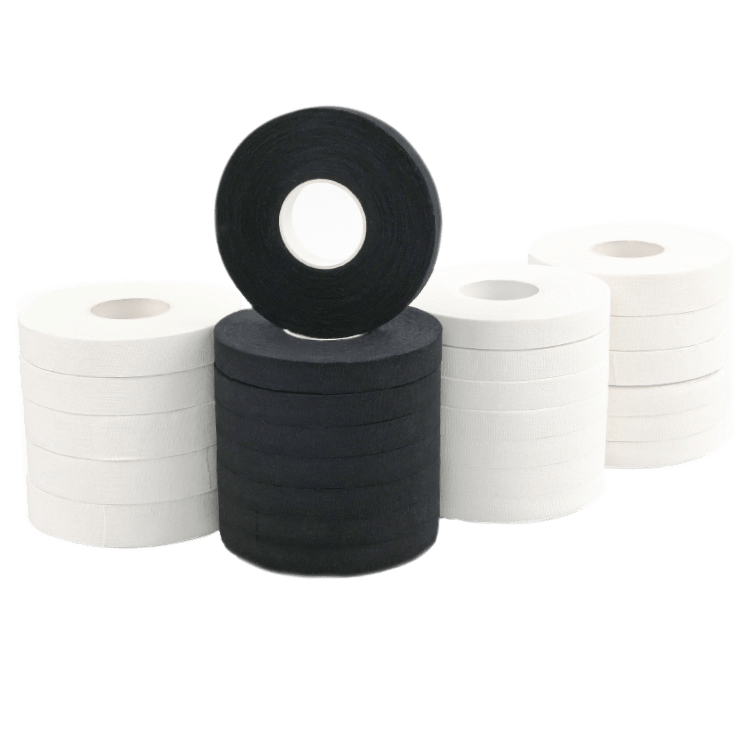
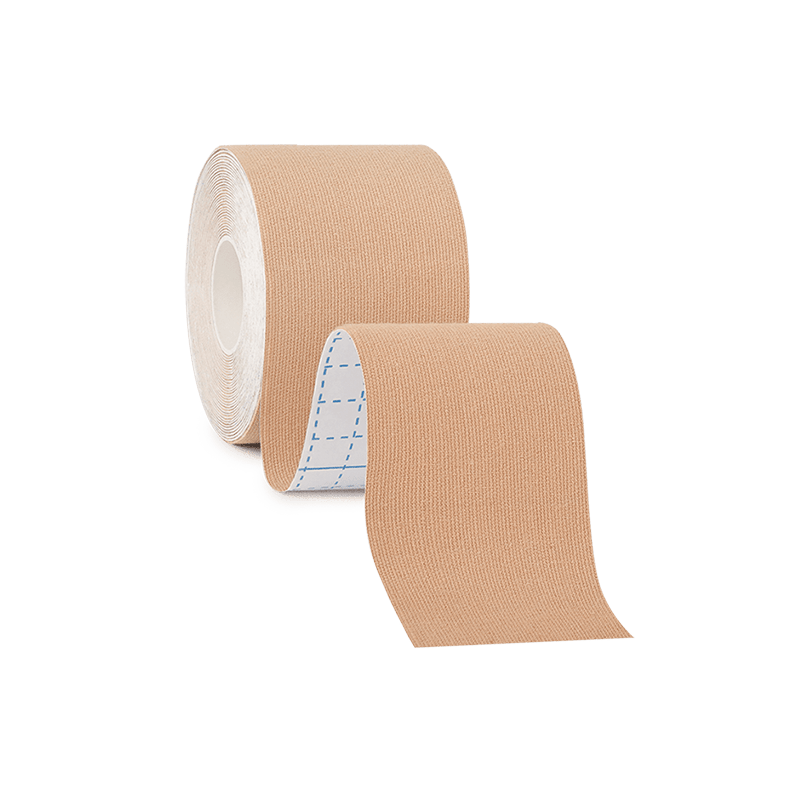
เทปชนิดไหนใช้งานได้ดีที่สุด?
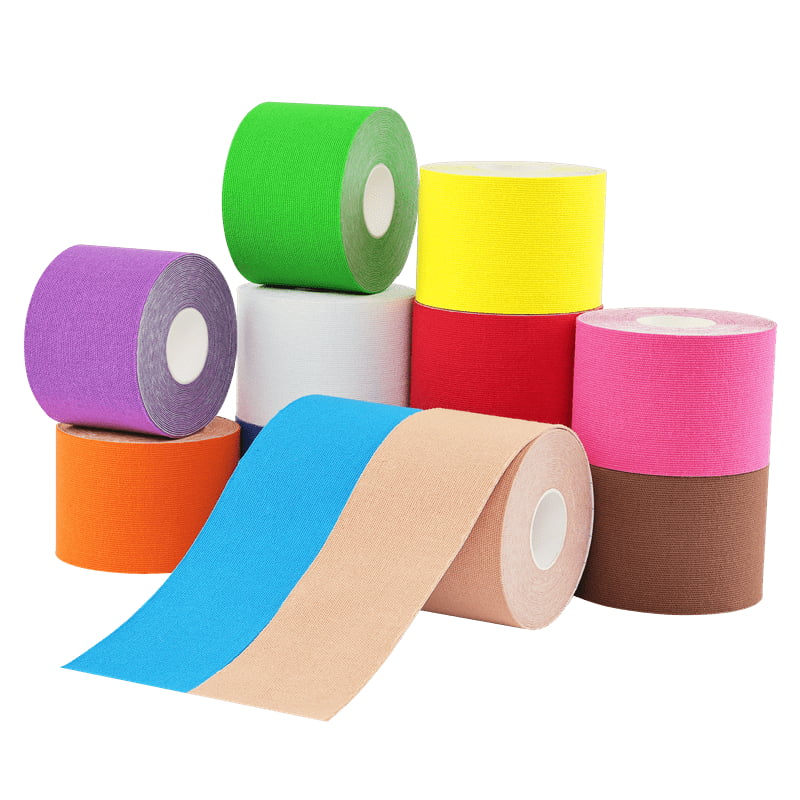
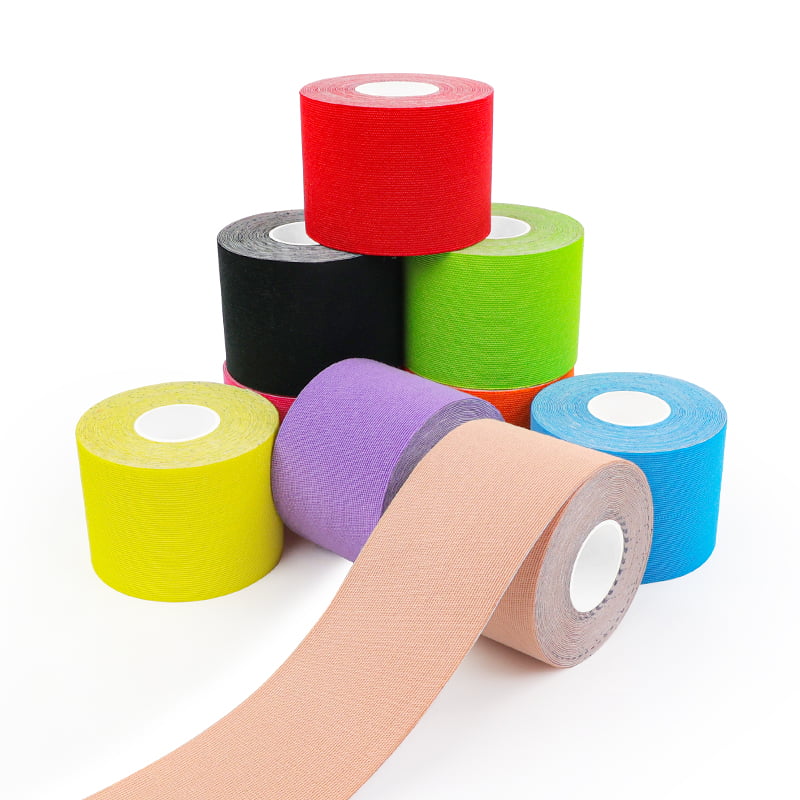
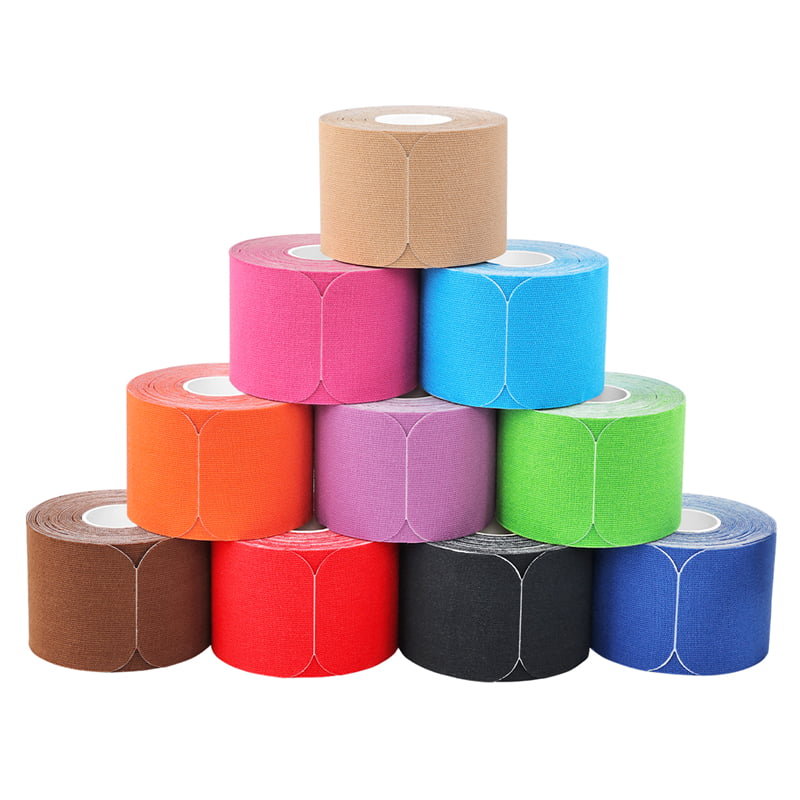
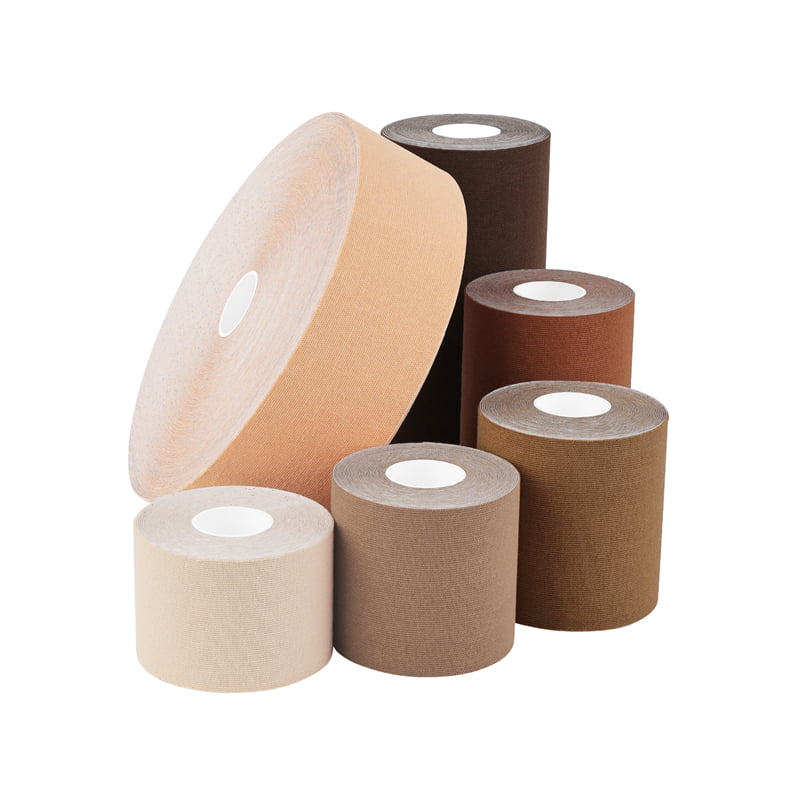
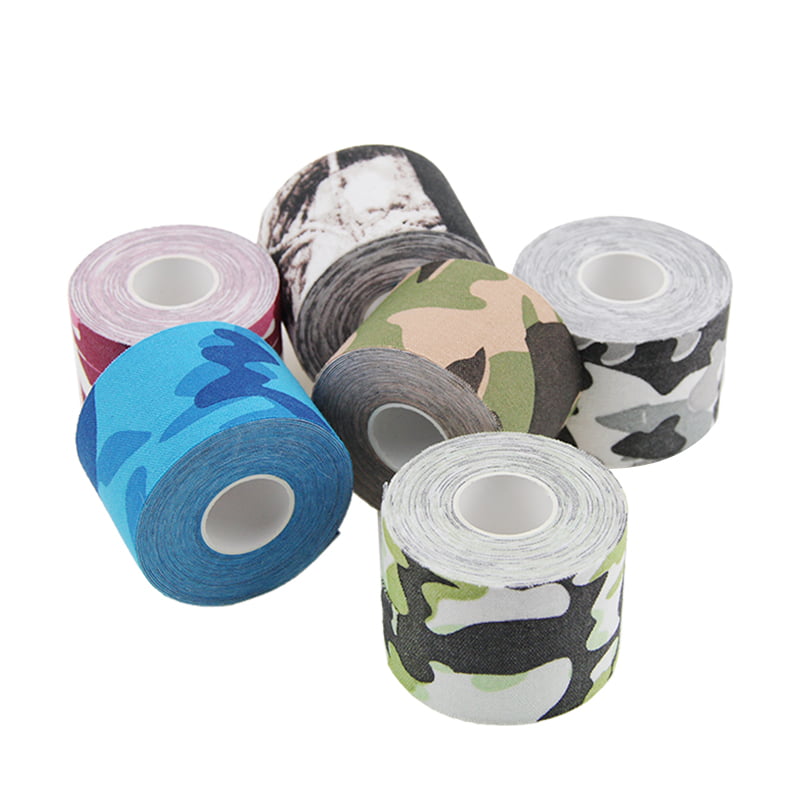
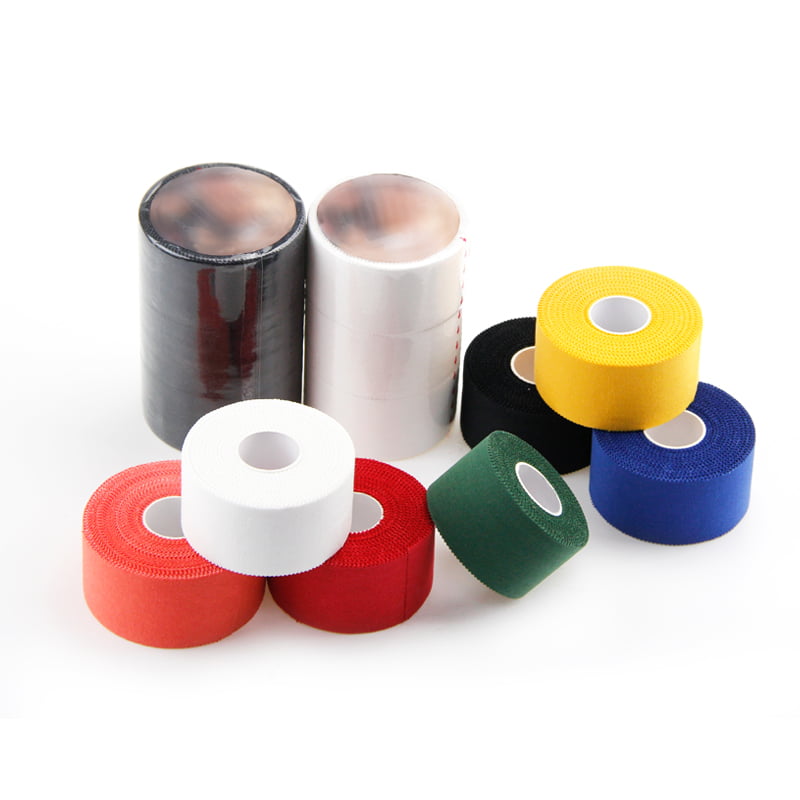
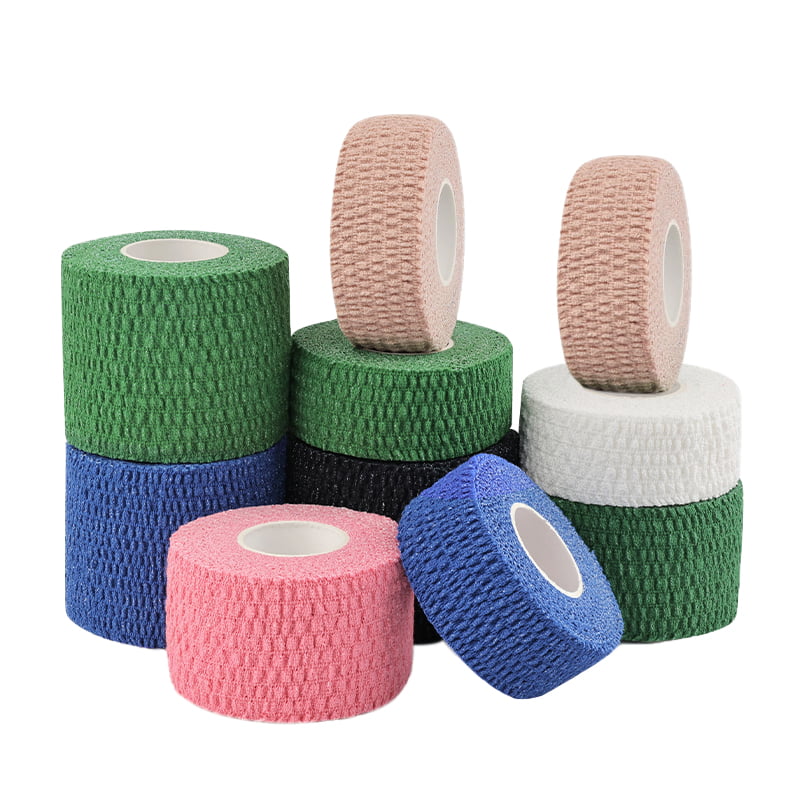
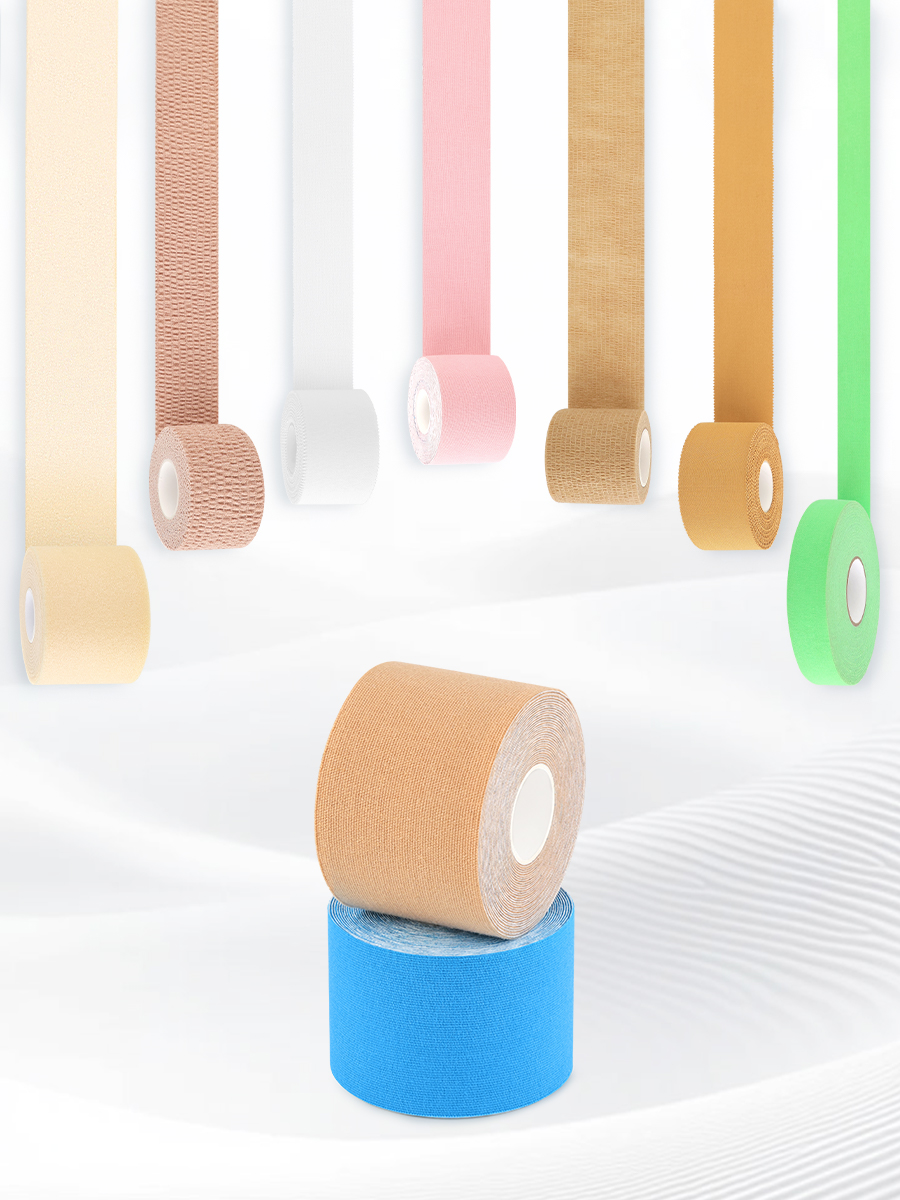
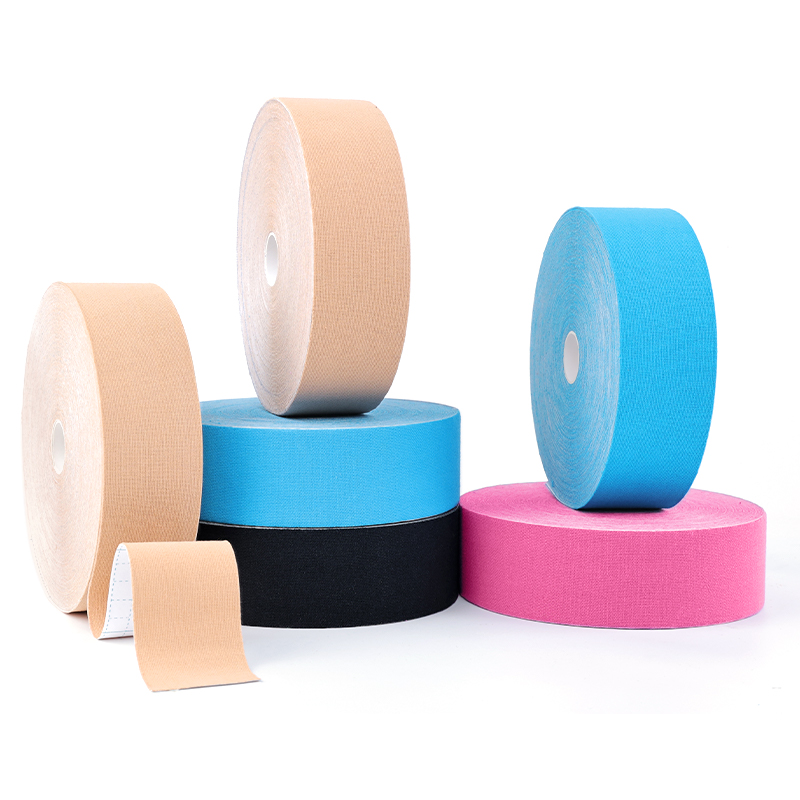
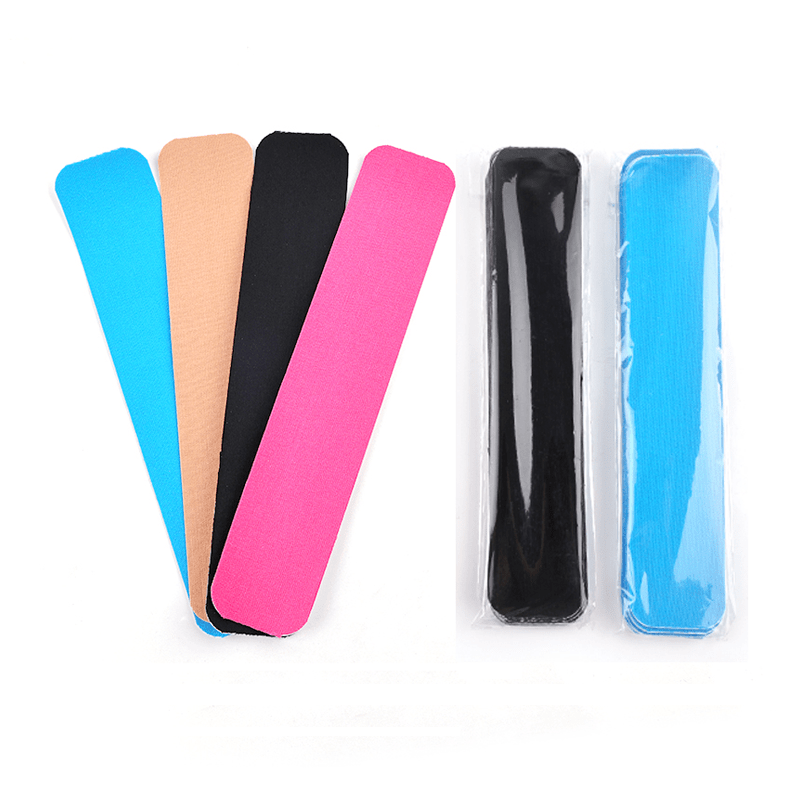
ยังไม่มีเทปกายภาพที่เหมาะสมสำหรับการฉีกขาดของหมอนรองกระดูกเข่าใช่ไหม? เลือกเทปที่เหมาะกับคุณที่สุดตอนนี้ เทปผ้าฝ้ายเป็นที่นิยมมากกว่า ขณะที่เทป KT สังเคราะห์เหมาะสำหรับกีฬาทางน้ำมากกว่า ม้วนที่ตัดไว้ล่วงหน้าและแผ่นที่ตัดไว้ล่วงหน้าจะสะดวกกว่า และม้วนขนาด 35 เมตรมีความทนทานและประหยัดมากกว่า
สิ่งที่ผู้ใช้มักรายงานหลังจากติดเทปอย่างถูกต้อง
หนึ่งในเหตุผลที่เทปคิเนซิโอโลยีได้รับความนิยมในเวชศาสตร์การกีฬา คือ การเปลี่ยนแปลงความรู้สึกทันที ที่ผู้ใช้ 80% รายงานหลังจากการใช้งาน。
ผู้คนมักรายงานว่า:
- เข่ารู้สึก มั่นคงมากขึ้น
- การเคลื่อนไหวแบบหมุนรู้สึก เครียดน้อยลง
- การเดินลงบันไดรู้สึก ราบรื่นมากขึ้น
- การสควอทรู้สึก ควบคุมได้มากขึ้น
- เข่ารู้สึก “ถูกยึดไว้”
- มีความตระหนักน้อยลงเกี่ยวกับความไม่เสถียรในระหว่างการเคลื่อนไหว
ผู้ใช้บางคนยังบรรยายถึงผลทางจิตวิทยา:
เมื่อเข่ารู้สึกได้รับการสนับสนุน พวกเขาหยุดคิดเกี่ยวกับข้อต่ออย่างต่อเนื่องในระหว่างการเคลื่อนไหว。
สำหรับผู้ที่มีชีวิตชีวาที่กำลังฟื้นตัวจากการระคายเคืองที่เข่า ความมั่นใจเพียงอย่างเดียวสามารถสร้างความแตกต่างอย่างมากในระหว่างกิจกรรมประจำวันได้。
หมอนรองเข่าคือโครงสร้างกระดูกอ่อนรูป C ที่อยู่ภายในเข่า ซึ่งทำหน้าที่เป็นตัวดูดซับแรงกระแทกระหว่างกระดูกต้นขาและกระดูกน่อง。
แต่ละเข่าประกอบด้วย:
- หมอนรองเข่าด้านใน (ด้านใน)
- หมอนรองเข่าด้านนอก (ด้านนอก)
หมอนรองเข่าขาดเกิดขึ้นเมื่อกระดูกอ่อนถูกบิด เกินขีดจำกัด หรือถูกกดทับเกินกว่าช่วงปกติของมัน。
ประเภทการบาดเจ็บหมอนรองเข่านี้พบได้บ่อยมากใน:
- นักกีฬา
- ผู้ใหญ่ที่มีความกระตือรือร้น
- คนงานที่ต้องนั่งคุกเข่าหรือย่อตัวซ้ำๆ
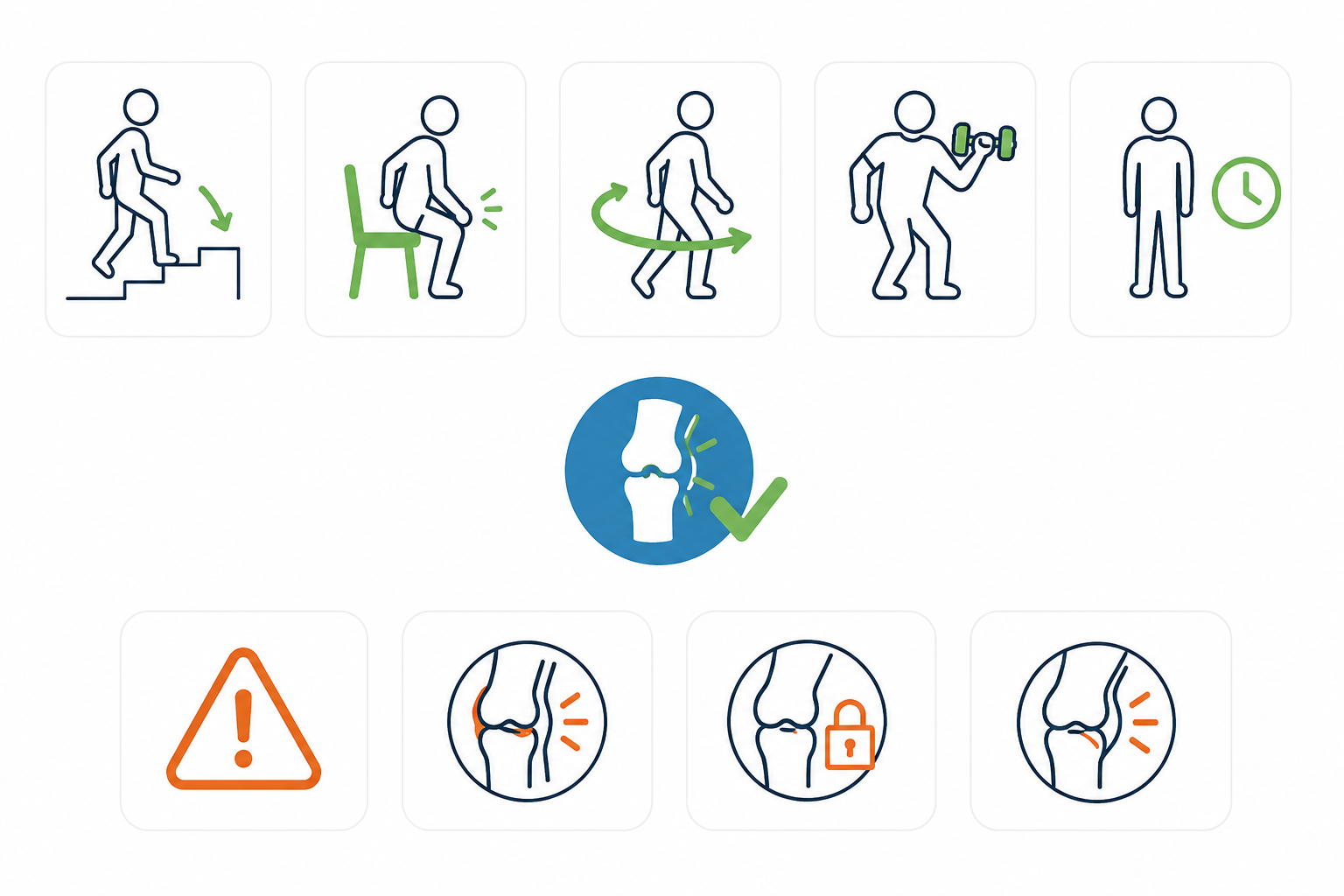
อาการแตกต่างกันไปขึ้นอยู่กับความรุนแรง แต่สัญญาณทั่วไป ได้แก่:
- อาการปวดเมื่อหมุนเข่า
- บวมของหมอนรองเข่า
- ความรู้สึกคลิกหรือดัง
- ความแข็งของเข่า
- การล็อคหรือการติด
- ความอ่อนแอขณะเดินลงบันได
- อาการปวดขณะนั่งยอง
- อาการปวดหมอนรองเข่าด้านใน
- ความไม่สบายเมื่อพลิกตัวในเตียง
หลายคนบรรยายว่าเข่ารู้สึกไม่มั่นคง เหมือนกับว่ามันอาจจะ “หลุด” ได้ น่าสนใจที่ผู้ใช้หลายคนบอกว่าบันไดรู้สึกยากกว่าการ วิ่ง หลังจากมีการระคายเคืองของหมอนรองเข่า
ตามความคิดเห็นของนักบำบัดและประสบการณ์การฟื้นฟูกีฬา, เทปกายภาพบำบัดสำหรับการฉีกขาดของหมอนรอง อาจช่วยได้โดย:
- ลดแรงกดรอบข้อต่อ
- ปรับปรุงการรับรู้การเคลื่อนไหว
- ช่วยควบคุมการบวมของหมอนรอง
- ปรับปรุงความสบายระหว่างกิจกรรม
🔹 สำคัญ: เทปกายภาพบำบัดสำหรับการฉีกขาดของหมอนรองไม่สามารถซ่อมแซมความเสียหายของกระดูกอ่อนได้.
การบาดเจ็บที่เข่าที่แตกต่างกันสร้างปัญหาการเคลื่อนไหวที่แตกต่างกัน。
เทปกายภาพบำบัดสำหรับการฉีกขาดของหมอนรองเข่ามักใช้สำหรับ:
อาการปวดหมอนรองเข่าด้านใน
อาการปวดเข่าด้านในเป็นข้อร้องเรียนที่พบบ่อยที่สุด โดยเฉพาะในขณะเดินลงบันได การหมุน หรือการลุกจากเก้าอี้。
การฟื้นฟูกีฬา
นักกีฬาใช้เทปกายภาพบำบัดในระหว่างบาสเกตบอล ฟุตบอล วอลเลย์บอล เทนนิส ครอสฟิต การวิ่ง และงานที่เกี่ยวข้องกับการนั่งคุกเข่าซ้ำ ๆ การนั่งยอง ๆ หรือการยกของหนักอาจเพิ่มความเสี่ยงต่อการบาดเจ็บที่หมอนรองเข่าเพราะมันช่วยให้เคลื่อนไหวได้ในขณะที่ยังคงให้การสนับสนุน。
อาการบวมหลังการออกกำลังกาย
หลังการฝึกซ้อม เข่าบางข้างรู้สึก“เต็ม” แข็ง หรือแน่น。ผลการยกของเทปกายภาพบำบัดอาจช่วยจัดการกับความรู้สึกบวมหลังการออกกำลังกายนี้。
สถานการณ์ในชีวิตจริงที่พบบ่อยคือ:
นี่คือช่วงเวลาที่ผู้ใช้ที่กระตือรือร้นหลายคนเริ่มทดลองกับการสนับสนุนด้วยเทปกายภาพบำบัด。
พักผ่อนและลดการเคลื่อนไหวที่ทำให้แย่ลง
หลีกเลี่ยงการเคลื่อนไหวที่ทำให้เข่ามีภาระมากเกินไป โดยเฉพาะ:
- การนั่งยองลึก
- การหมุน
- การกระโดด
- การเปลี่ยนทิศทางอย่างกะทันหัน
การพยายาม “ฝืน” ผ่านการบาดเจ็บที่หมอนรองเข่ามักจะทำให้การฟื้นตัวล่าช้า
ประคบเย็นที่เข่าเป็นประจำ
การประคบเย็นช่วยลดอาการบวมและความไม่สบายของหมอนรองเข่า โดยเฉพาะในช่วง 48 ชั่วโมงแรกหลังจากการระคายเคือง
ประคบเย็นเป็นเวลา 15–20 นาทีในแต่ละครั้ง
เสริมสร้างกล้ามเนื้อที่รองรับ
การปรับปรุงความแข็งแรงของกล้ามเนื้อสี่หัวและกล้ามเนื้อก้นอาจช่วยลดความเครียดที่เข่าและปรับปรุงการควบคุมการเคลื่อนไหวระหว่างการฟื้นตัว
พิจารณาการบำบัดทางกายภาพ
โปรแกรมการฟื้นฟูอาชีพมักมุ่งเน้นที่ความแข็งแรง ความคล่องตัว และการแก้ไขการเคลื่อนไหวเพื่อปรับปรุงความเสถียรของเข่าในระยะยาว
ใช้การบีบอัดและการสนับสนุน
แขนบีบอัด เฝือกกีฬา และเทคนิคการพันที่รองรับสามารถช่วยเพิ่มความมั่นใจในระหว่างการเคลื่อนไหวได้ทั้งหมด
สิ่งนี้ขึ้นอยู่กับเป้าหมาย。
| ฟีเจอร์ | เทปกายภาพบำบัด | เฝือกเข่าที่มีบานพับ |
|---|---|---|
| ช่วงการเคลื่อนไหว | ธรรมชาติ | จำกัด |
| การมีส่วนร่วมของกล้ามเนื้อ | สูงกว่า | ต่ำกว่า |
| ความหนาแน่น | ต่ำ | สูง |
| ความสะดวกสบายในการเล่นกีฬา | ยอดเยี่ยม | ปานกลาง |
| ความแข็งแรงในการเสริมความมั่นคง | ปานกลาง | แข็งแรง |
| การใช้งานที่ดีที่สุด | การสนับสนุนและฟื้นฟูในชีวิตประจำวัน | ความไม่เสถียรเฉียบพลันและหลังการผ่าตัด |
นักกีฬา หลายคนชอบใช้เทปกายภาพบำบัดสำหรับกีฬาเพราะรู้สึกเบากว่าและอนุญาตให้เคลื่อนไหวได้ตามธรรมชาติมากขึ้น ในขณะที่เฝือกมักจะให้การสนับสนุนโครงสร้างที่แข็งแรงกว่า
หลีกเลี่ยงการติดเทปบน:
- ผิวหนังที่แตก
- ผื่น
- แผลเปิด
- การระคายเคืองที่เกิดขึ้น
อย่าดึงเทปให้ตึงเกินไป.
ความตึงมากเกินไปอาจ:
- ทำให้ผิวหนังระคายเคือง
- จำกัดการเคลื่อนไหว
- ลดความสบาย
หากความเจ็บปวดแย่ลงอย่างมีนัยสำคัญหลังจากติดเทป ให้ถอดเทปคิเนซิโอโลยีสำหรับการฉีกขาดของเมนิสกัสและขอคำแนะนำทางการแพทย์.
เทปกายภาพบำบัดคือ...เครื่องมือสนับสนุน — ไม่ใช่การทดแทนการประเมินทางการแพทย์。
อย่าเพียงพึ่งพาเทปกายภาพบำบัดหากคุณประสบกับ:
- การล็อกเข่า
- บวมอย่างมาก
- ล้มลงอย่างกะทันหันขณะเดิน
- ไม่สามารถรับน้ำหนักได้
- ความรู้สึกแตกเป๊าะที่คมชัด
- สงสัยว่าเอ็นไขว้หน้าหรือเอ็นยึดข้อเข่าฉีกขาด
- ภาวะไม่เสถียรอย่างรุนแรงหลังได้รับบาดเจ็บ
หากอาการยังคงแย่ลง แนะนำให้ทำการประเมินทางการแพทย์จากผู้เชี่ยวชาญอย่างยิ่ง
วิธีการยื่นขอรับการรักษาอาการปวดเข่าในบริเวณอื่นๆ
.jpg?w=1080&h=1080)
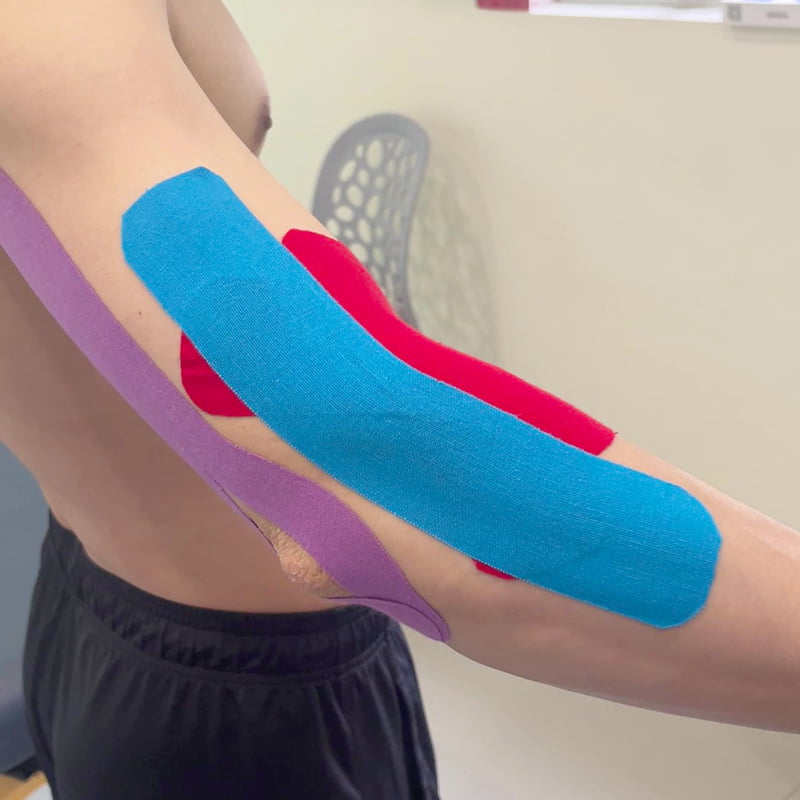
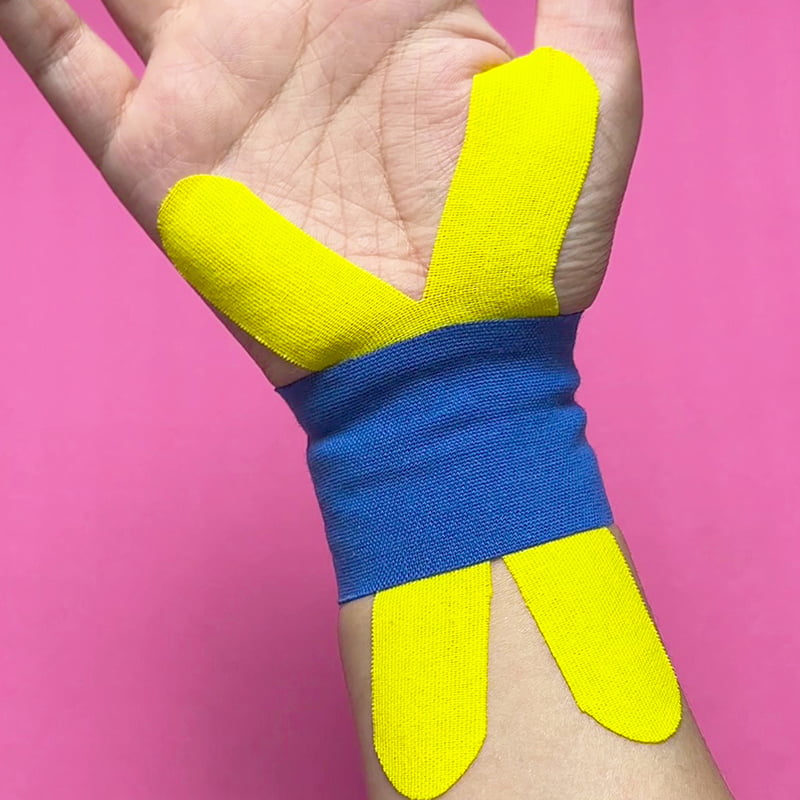
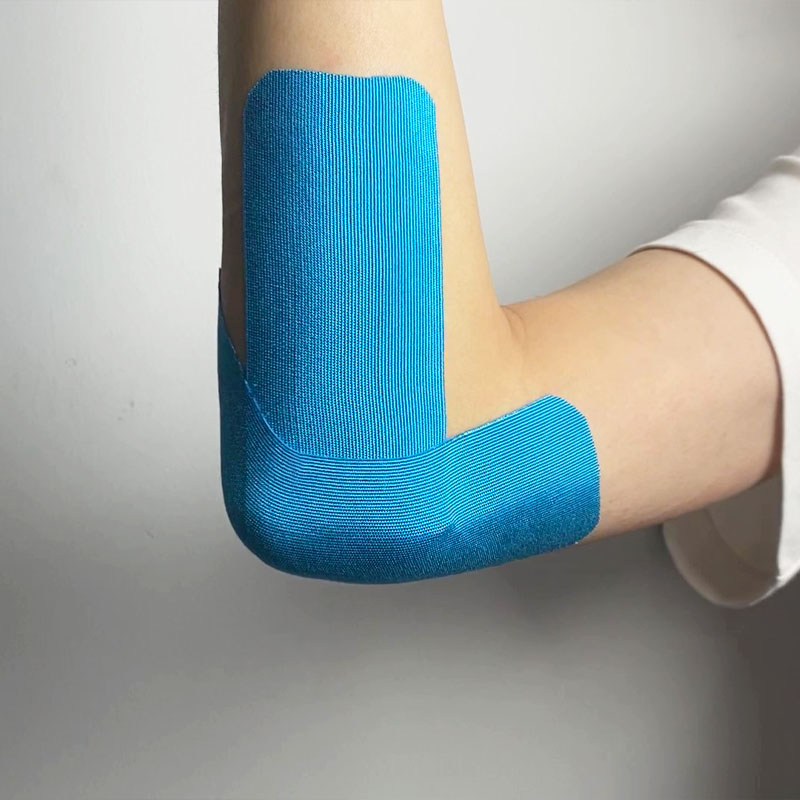
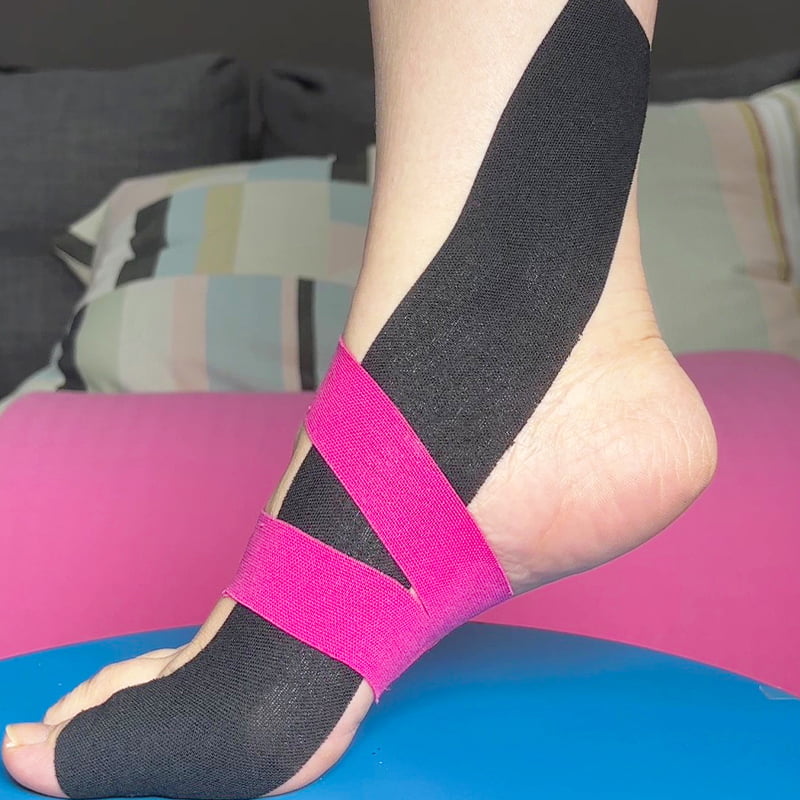
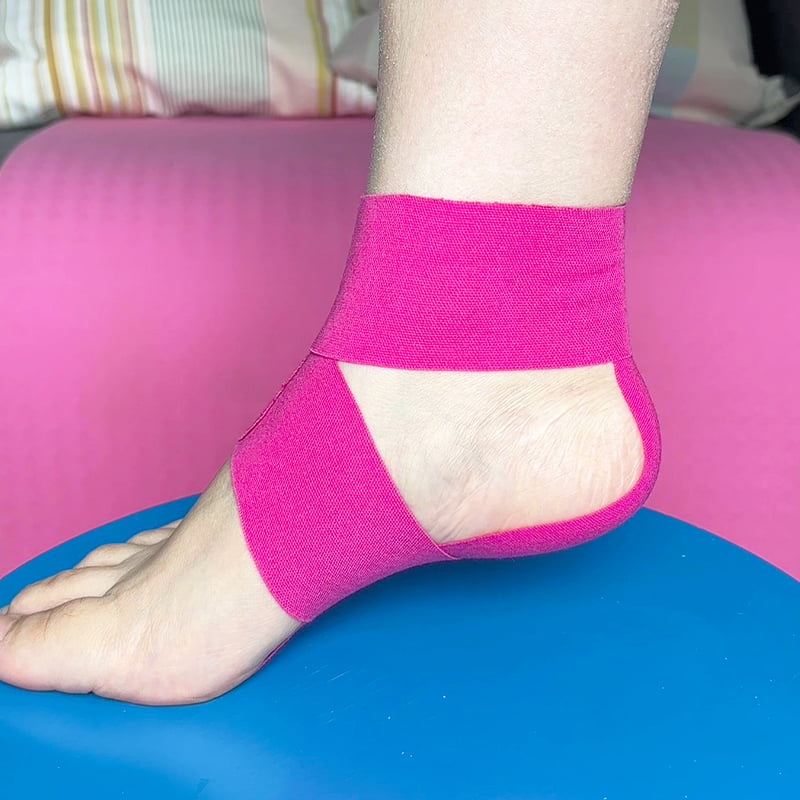
เทปกายภาพส่วนใหญ่จะอยู่ได้นาน 3–5 วัน ขึ้นอยู่กับการเหงื่อออก ระดับกิจกรรม สภาพผิว และคุณภาพของกาว。
50% ของนักกีฬาโดยปกติจะเปลี่ยนเทปหลังจากเหงื่อออกมาก คลิก "ใส่ได้นานแค่ไหน?" เพื่อเรียนรู้เพิ่มเติม。
เทปกายภาพบำบัดสำหรับการฉีกขาดของหมอนรองกระดูก ช่วยให้มีความยืดหยุ่นและการเคลื่อนไหวตามธรรมชาติมากขึ้น ในขณะที่เฝือกให้การจำกัดและการเสถียรภาพที่แข็งแกร่งกว่า
สำหรับระดับการสนับสนุนที่สูงขึ้น นักบำบัดมักจะรวม มัน กับ:
ขึ้นอยู่กับระดับกิจกรรมและระยะการฟื้นฟู。
ไม่ใช่เทปกายภาพบำบัดทุกชนิดจะทำงานเหมือนกันเมื่อเข่ามีการเคลื่อนไหว
ในฐานะผู้ผลิตเทปกายภาพบำบัดมืออาชีพและผู้จัดจำหน่าย OEM, Veefun มุ่งเน้นไปที่สองปัจจัยหลักที่มีผลโดยตรงต่อประสิทธิภาพการสนับสนุนเข่า:
1. การคืนตัวแบบยืดหยุ่น
แรง “snap-back” ของเทปมีผลต่อความรู้สึกในการรองรับระหว่างการเคลื่อนไหว
เพื่อช่วยพยุงกระดูกอ่อนข้อเข่าเทปกายภาพบำบัดสังเคราะห์มักจะถูกเลือกเพราะมันรักษาการฟื้นตัวที่ยืดหยุ่นได้ดีกว่าในระหว่างการงอเข่าซ้ำ ๆ กิจกรรมกีฬา และสภาวะเหงื่อออกมาก
2. ความคงตัวของกาว
เข่าประสบกับการเสียดสี การยืด และการสัมผัสกับเหงื่ออย่างต่อเนื่อง เทปคุณภาพต่ำมักเริ่มหลุดลอกรอบเข่าภายในไม่กี่ชั่วโมง ทำให้ประสิทธิภาพการสนับสนุนโดยรวมลดลง
เทปกายภาพบำบัดระดับมืออาชีพมักใช้กาวอะคริลิกเกรดการแพทย์ที่ออกแบบมาให้คงที่ระหว่างการเคลื่อนไหวในขณะที่ยังคงเป็นมิตรกับผิวหนัง
ผู้ใช้ใหม่หลายคนคิดว่าวิธีการติดเทปล้มเหลว ในขณะที่ปัญหาที่แท้จริงมักจะเป็นคุณภาพของเทปเอง
ข้อคิดส่งท้าย
เทปกายภาพบำบัดสำหรับการสนับสนุนการฉีกขาดของหมอนรองกระดูกไม่สามารถซ่อมแซมความเสียหายของกระดูกอ่อน แต่การพันเทปอย่างถูกต้องอาจช่วยเพิ่มความสบาย ความมั่นใจในการเคลื่อนไหว และการสนับสนุนเข่าระหว่างการฟื้นฟู。
Veefun ผลิต เทปกายภาพบำบัดระดับมืออาชีพ เทปกีฬาแข็ง เทปออกไซด์สังกะสี เทป EAB และโซลูชันแบรนด์ส่วนตัว OEM สำหรับคลินิกกีฬา ผู้จัดจำหน่าย และแบรนด์ฟื้นฟูทั่วโลก。
ติดต่อทีมงานของเราเพื่อขอตัวอย่าง การสนับสนุน OEM และโซลูชันการเสนอราคาขนาดใหญ่。
ข้อจำกัดความรับผิดชอบทางการแพทย์
คู่มือนี้มีไว้เพื่อวัตถุประสงค์ทางการศึกษาเท่านั้น และสะท้อนถึงประสบการณ์จริงจากอุตสาหกรรมการผลิตเทปกายภาพและการสนับสนุนกีฬา มันไม่สามารถแทนที่การวินิจฉัยหรือการรักษาทางการแพทย์ที่เป็นมืออาชีพได้
อาการปวดเข่าที่เรื้อรัง การล็อค บวม หรือความไม่เสถียรควรได้รับการประเมินโดยผู้เชี่ยวชาญด้านสุขภาพที่มีคุณสมบัติเสมอ