
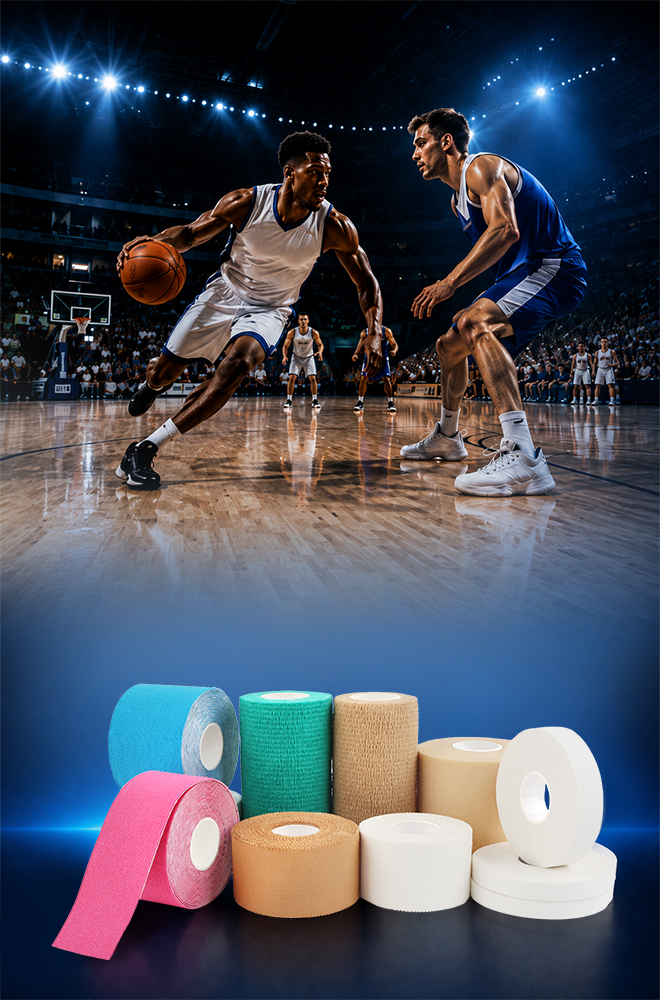
เทปบาสเก็ตบอล
เทปพันลูกบาสเก็ตบอลสำหรับใช้งานหลากหลายรูปแบบ
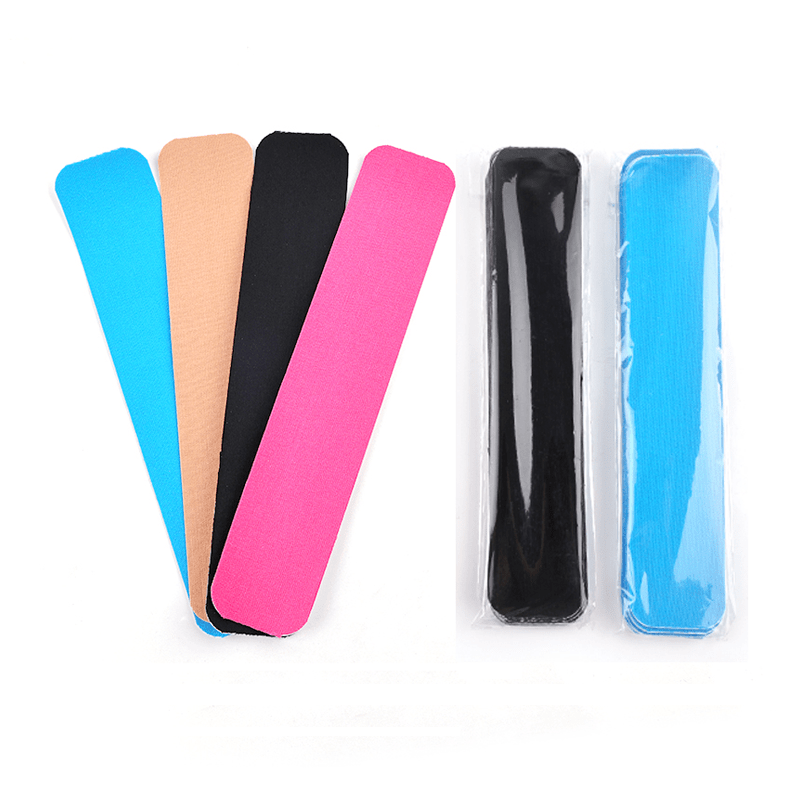
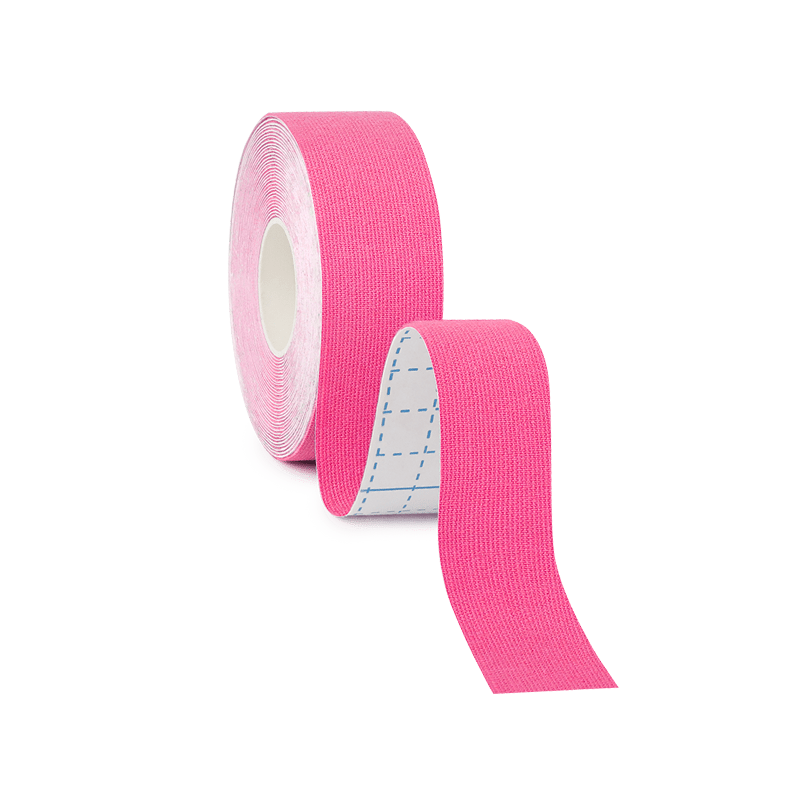
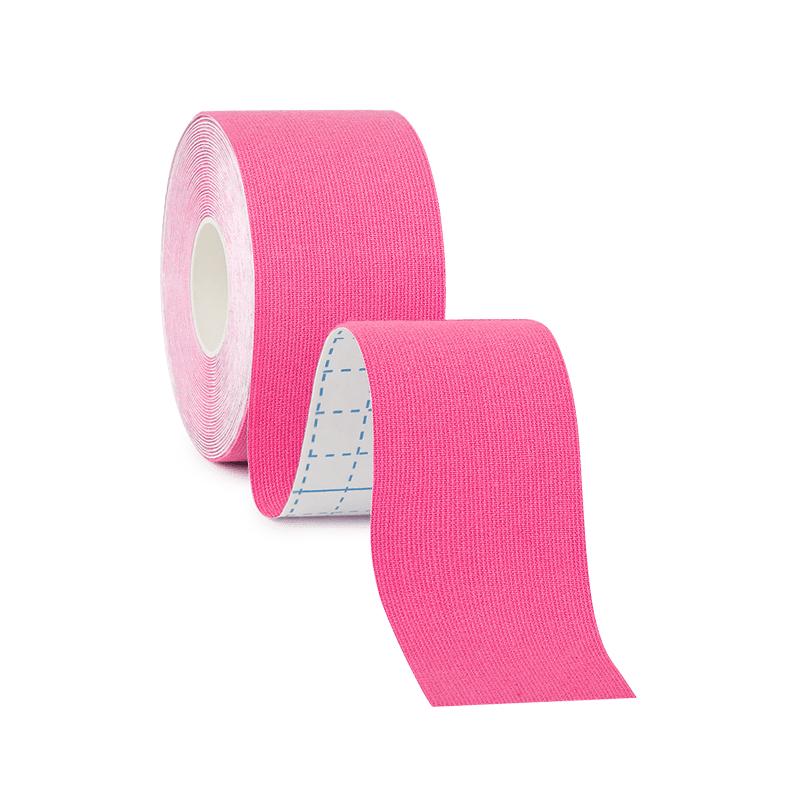
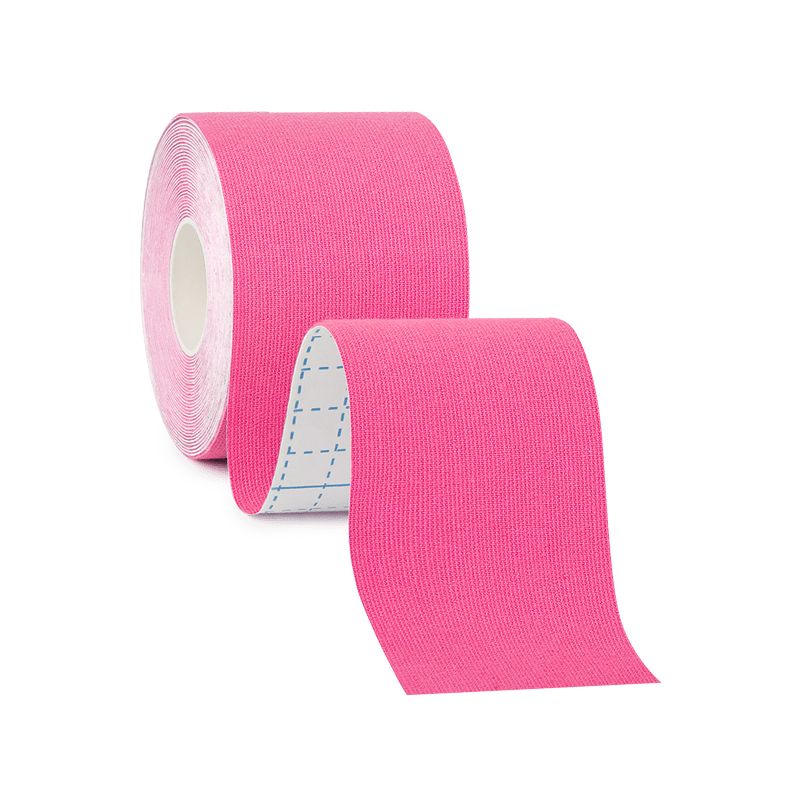
ทำไมผู้เล่นบาสเกตบอลจึงใช้เทปพันบาสเกตบอล?
บาสเกตบอลเป็นกีฬาที่มีความเร็วสูงและมีผลกระทบสูง โดยมีการ กระโดด, ลงพื้น, วิ่ง, เปลี่ยนทิศทาง, ยืดมือ, และการสัมผัสทางกาย อย่างต่อเนื่อง การเคลื่อนไหวเหล่านี้ทำให้เกิดความเครียดซ้ำๆ บนมือ, ข้อมือ, ข้อเท้า, เข่า, และกล้ามเนื้อ การส่งบอลแรงๆ อาจทำให้มือบาดเจ็บ การเปลี่ยนทิศทางอย่างกะทันหันอาจทำให้เกิดแรงกดดันเพิ่มเติมที่ข้อเท้า การกระโดด, ลงพื้น, และวิ่งซ้ำๆ ยังอาจทำให้กล้ามเนื้อและข้อต่อจำเป็นต้องการการสนับสนุนเพิ่มเติม
ผู้เล่นต้องการระดับของ ความยืดหยุ่น, การสนับสนุน, การป้องกัน, และการเสถียรภาพ ที่แตกต่างกันขึ้นอยู่กับสถานการณ์ เทปที่ออกแบบมาให้เคลื่อนไหวไปกับร่างกายอาจไม่ให้การสนับสนุนที่เพียงพอเมื่อจำเป็นต้องมีการเสถียรภาพที่แข็งแกร่งกว่า ในทางกลับกัน เทปที่มีข้อจำกัดมากขึ้นอาจไม่จำเป็นในพื้นที่ที่ต้องการความอิสระในการเคลื่อนไหวมากขึ้น
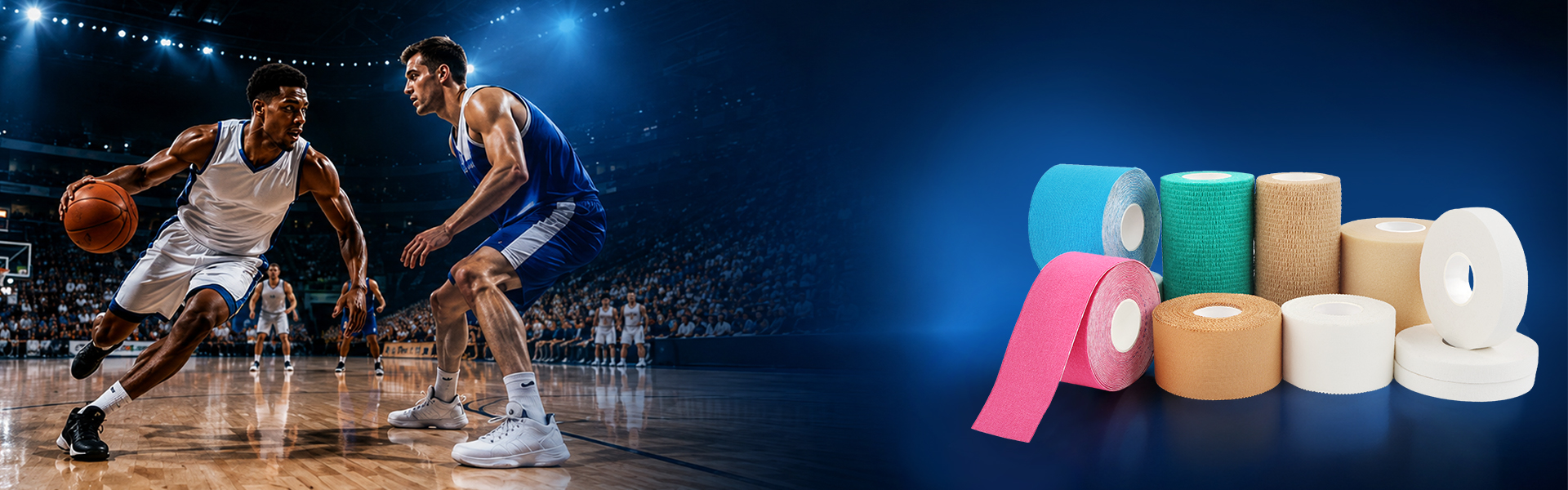
นั่นคือเหตุผลที่ผู้เล่นบาสเกตบอล, ผู้ฝึกสอน, และทีมมักจะเก็บ เทปกีฬาแบบหลายประเภท ไว้ในมือแทนที่จะพึ่งพาโซลูชันเดียว ความต้องการการพันเทปที่แตกต่างกันเรียกร้องลักษณะของเทปที่แตกต่างกัน ทำให้ผู้เล่นมีตัวเลือกมากขึ้นสำหรับการฝึกซ้อม, การแข่งขัน, และการเตรียมตัวในวันแข่งขัน
โซลูชันเทปบาสเกตบอลสำหรับทุกส่วนของเกม
นักบาสเกตบอลไม่จำเป็นต้องการการสนับสนุนในระดับเดียวกันทุกที่นิ้วมือต้องการการปกป้องโดยไม่สูญเสียความรู้สึกในการสัมผัสลูกบอล. ของคุณ ข้อเท้าและข้อมืออาจต้องการการเสริมความมั่นคงที่แข็งแรงกว่า. ของคุณ เข่า ไหล่ และกล้ามเนื้อมักต้องการการสนับสนุนในขณะที่ยังอนุญาตให้คุณวิ่ง กระโดด และเคลื่อนไหวได้อย่างอิสระนั่นคือเหตุผลที่ Veefunคอลเล็กชั่นเทปบาสเก็ตบอลรวมถึงประเภทเทปหลายประเภทแทนที่จะจัดการกับสถานการณ์การติดเทปทุกอย่างในลักษณะเดียวกัน。
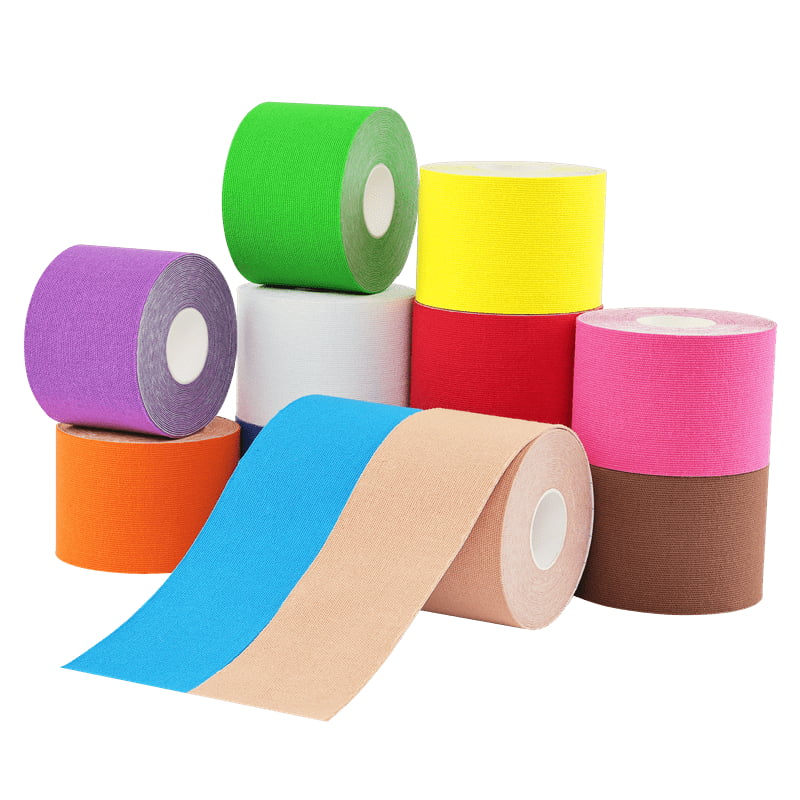
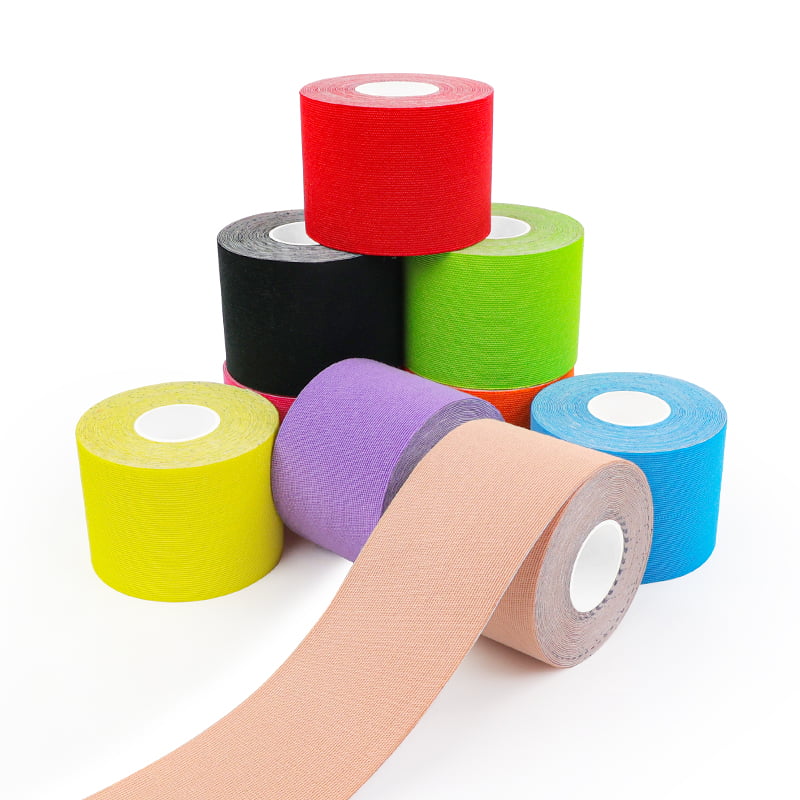
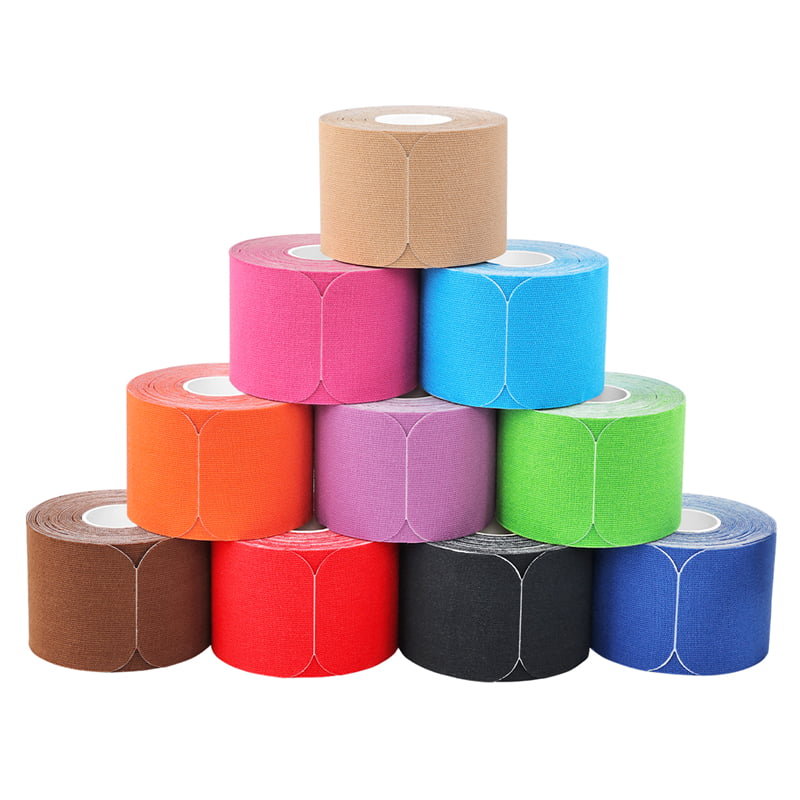
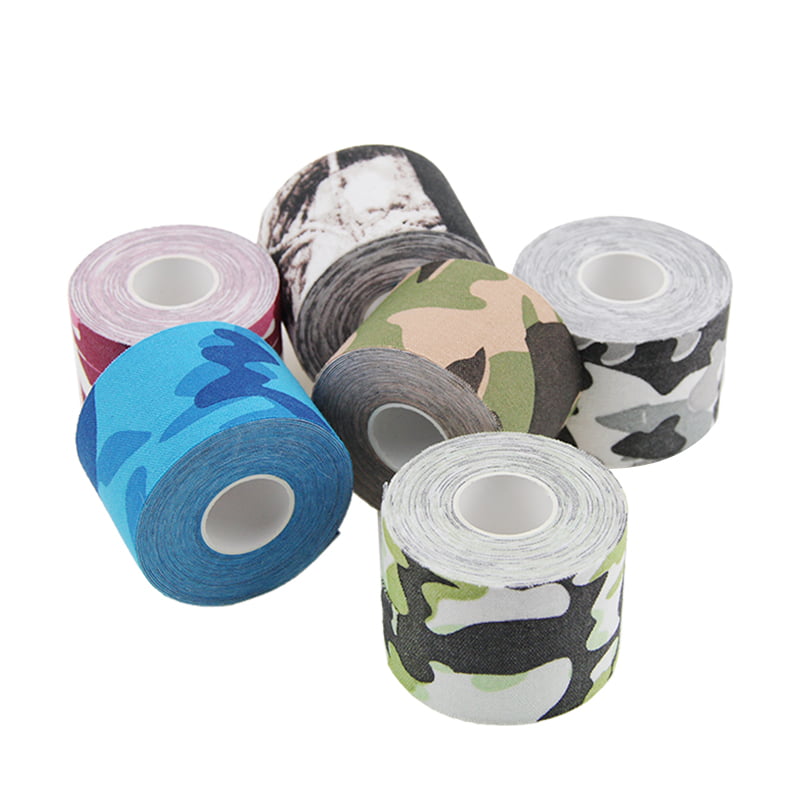
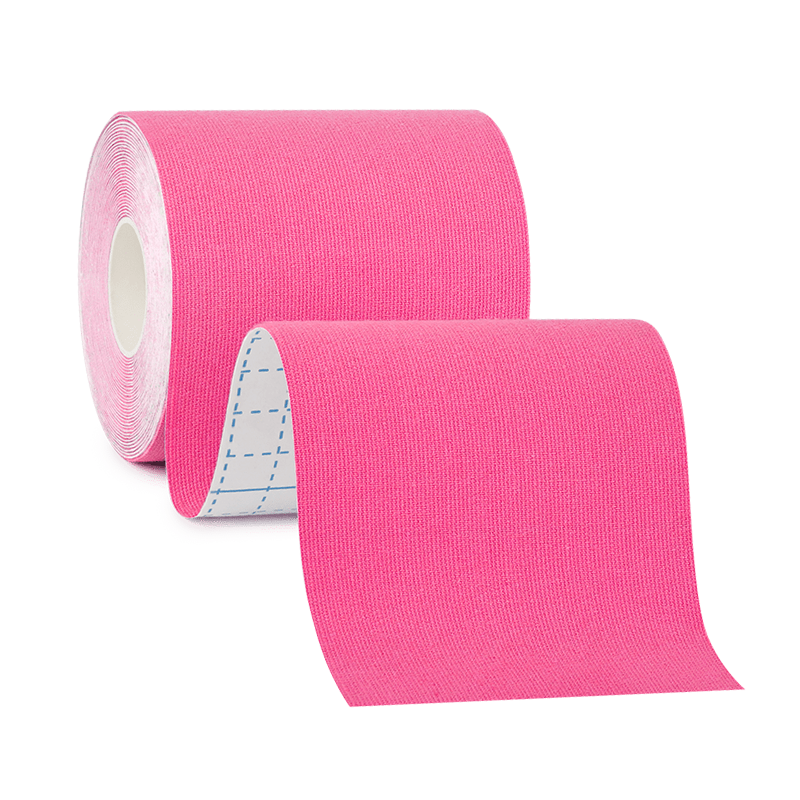
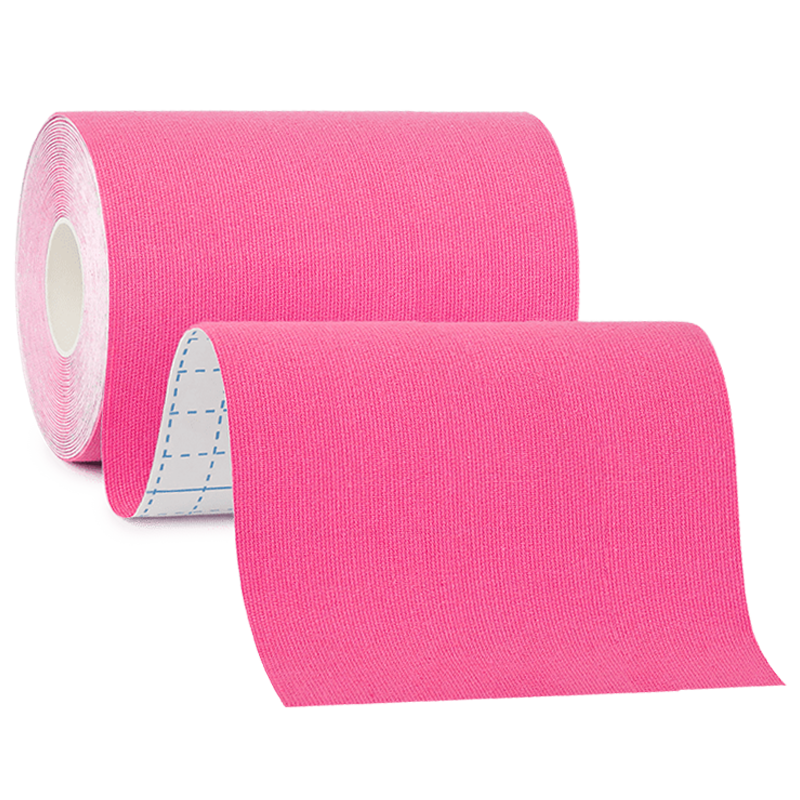
เทปกายภาพบำบัดสำหรับบาสเกตบอล
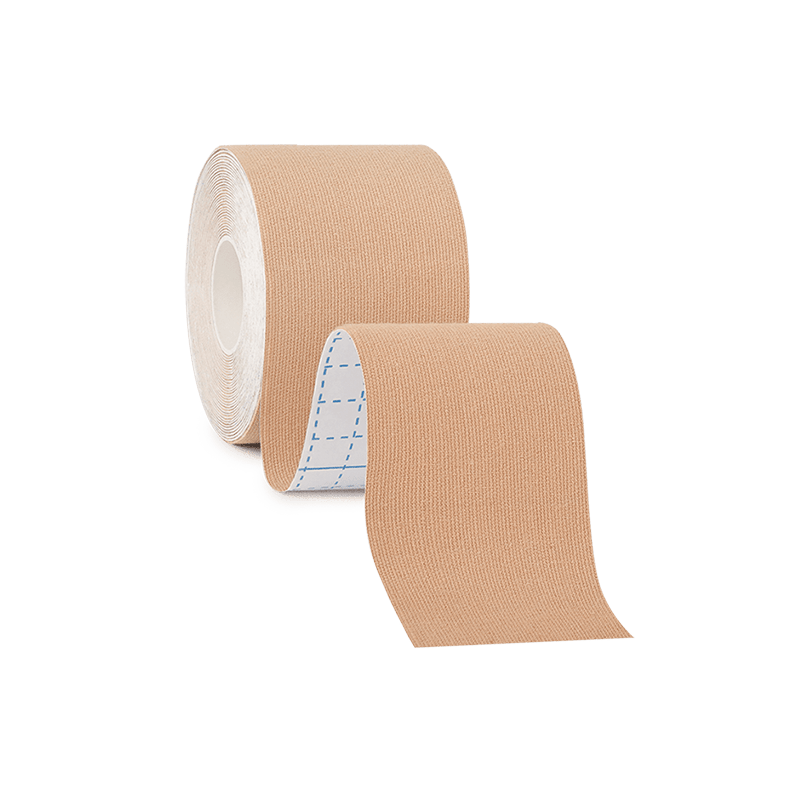
เหมาะสำหรับ:เข่า, ไหล่, ข้อเท้า, น่อง, และพื้นที่ที่มีการเคลื่อนไหวสูงอื่น ๆ。
นักบาสเกตบอลต้องเคลื่อนไหวได้อย่างอิสระ การวิ่งอย่างรวดเร็ว การกระโดด การนั่งยอง และการเปลี่ยนทิศทางล้วนต้องการขอบเขตการเคลื่อนไหวที่เต็มที่
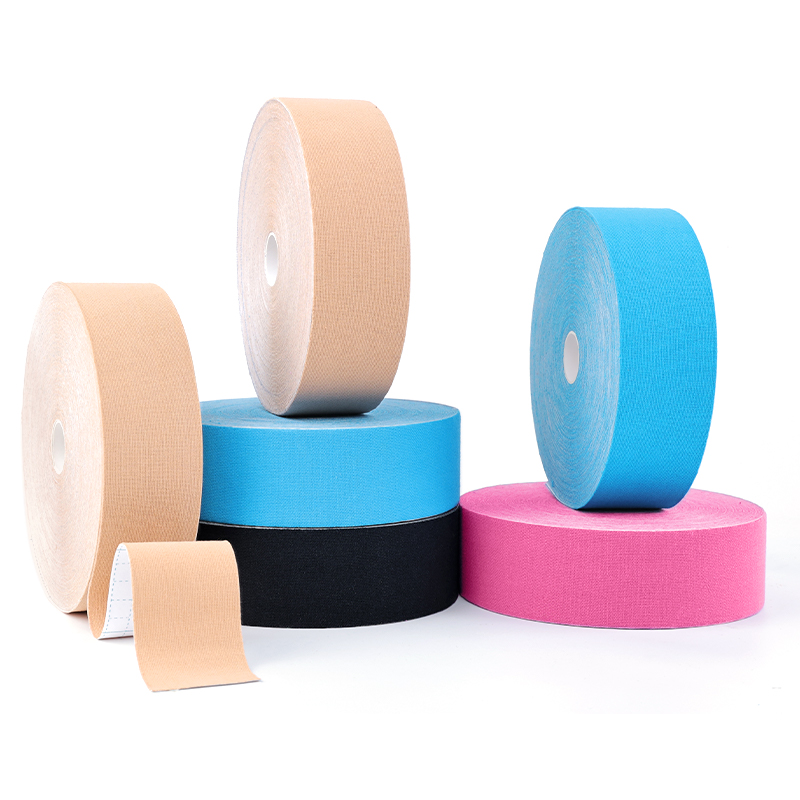
เทปกายภาพบำบัดยืดหยุ่นไปพร้อมกับร่างกาย, ทำให้มันเป็นตัวเลือกที่เหมาะสมเมื่อผู้เล่นต้องการการสนับสนุนเพิ่มเติมโดยไม่รู้สึกแข็งกระด้างเหมือนเทปกีฬาแบบดั้งเดิม。
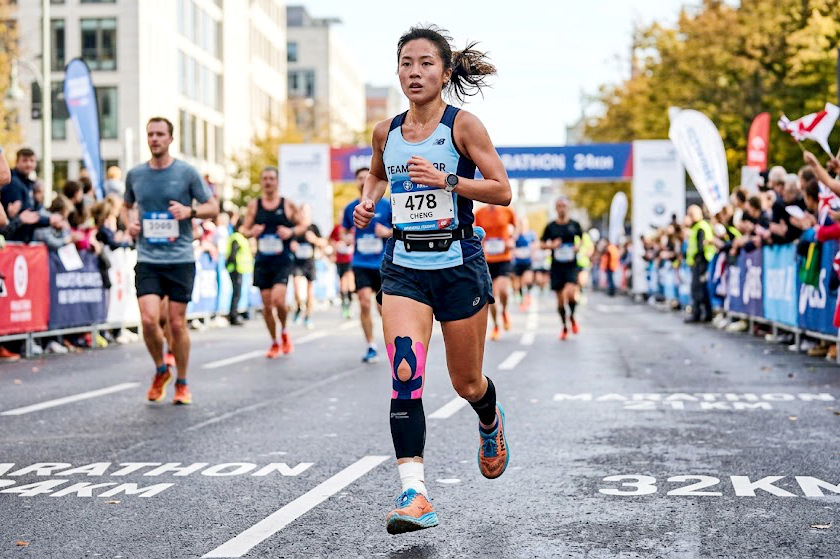
ในบาสเกตบอล มักจะใช้ในบริเวณที่สัมผัสกับการเคลื่อนไหวซ้ำๆ เช่นเข่าขณะกระโดดและลงจอด, ไหล่ขณะยิงและสัมผัส, หรือข้อเท้าและน่องขณะวิ่งและเปลี่ยนทิศทาง.
ดูวิดีโอเพื่อดูวิธีการใช้เทปกายภาพบำบัดสำหรับการเคลื่อนไหวทั่วไปในบาสเกตบอล。
เทปพันข้อมือสำหรับเล่นบาสเก็ตบอล
ดีที่สุดสำหรับ: นิ้วมือ, ข้อมือ, ข้อเท้า, และการพันเทปกีฬาอย่างรวดเร็ว.
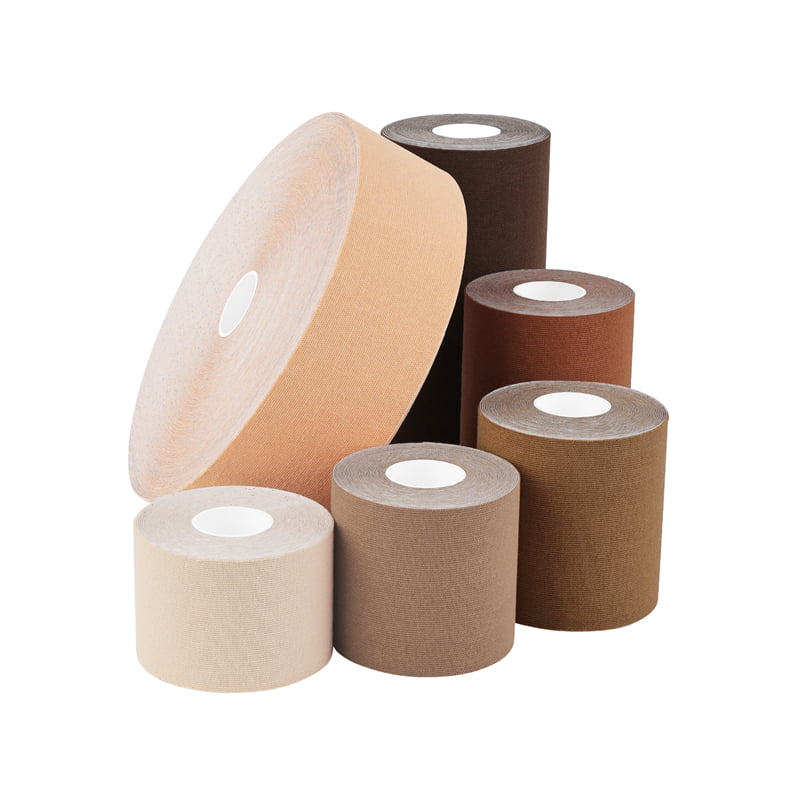
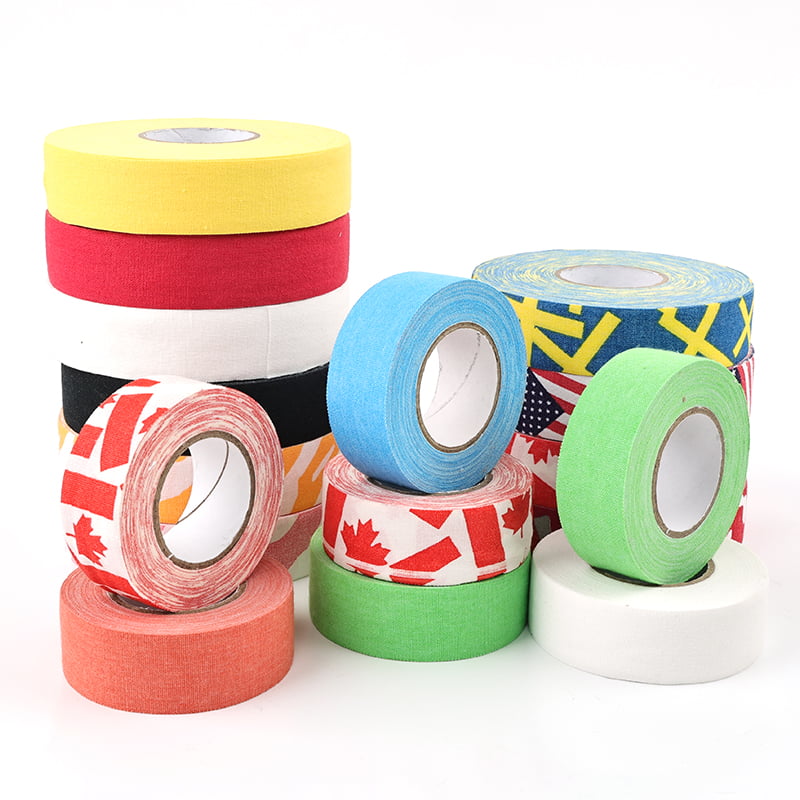
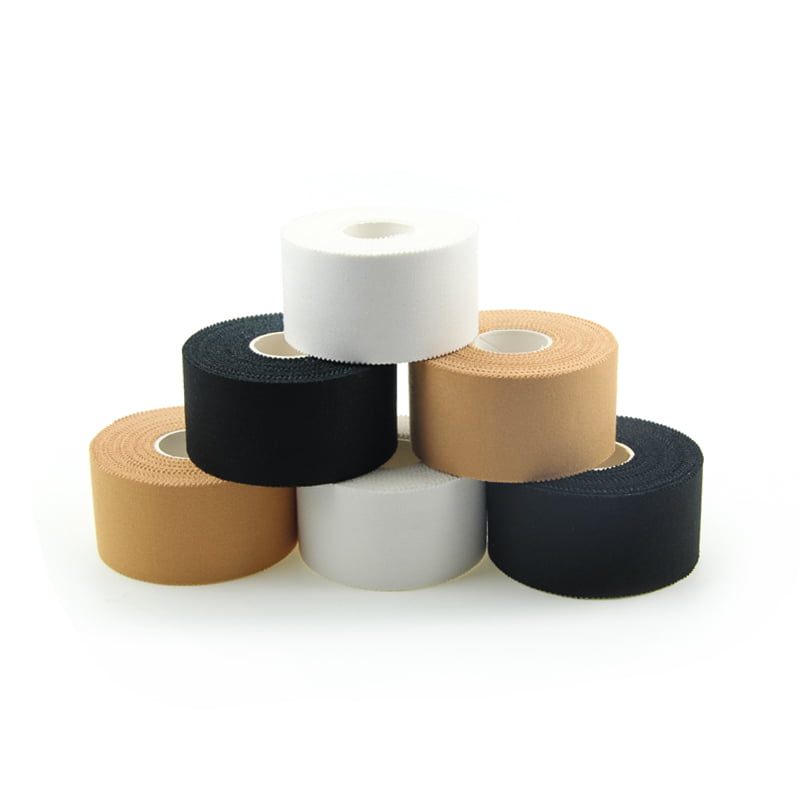
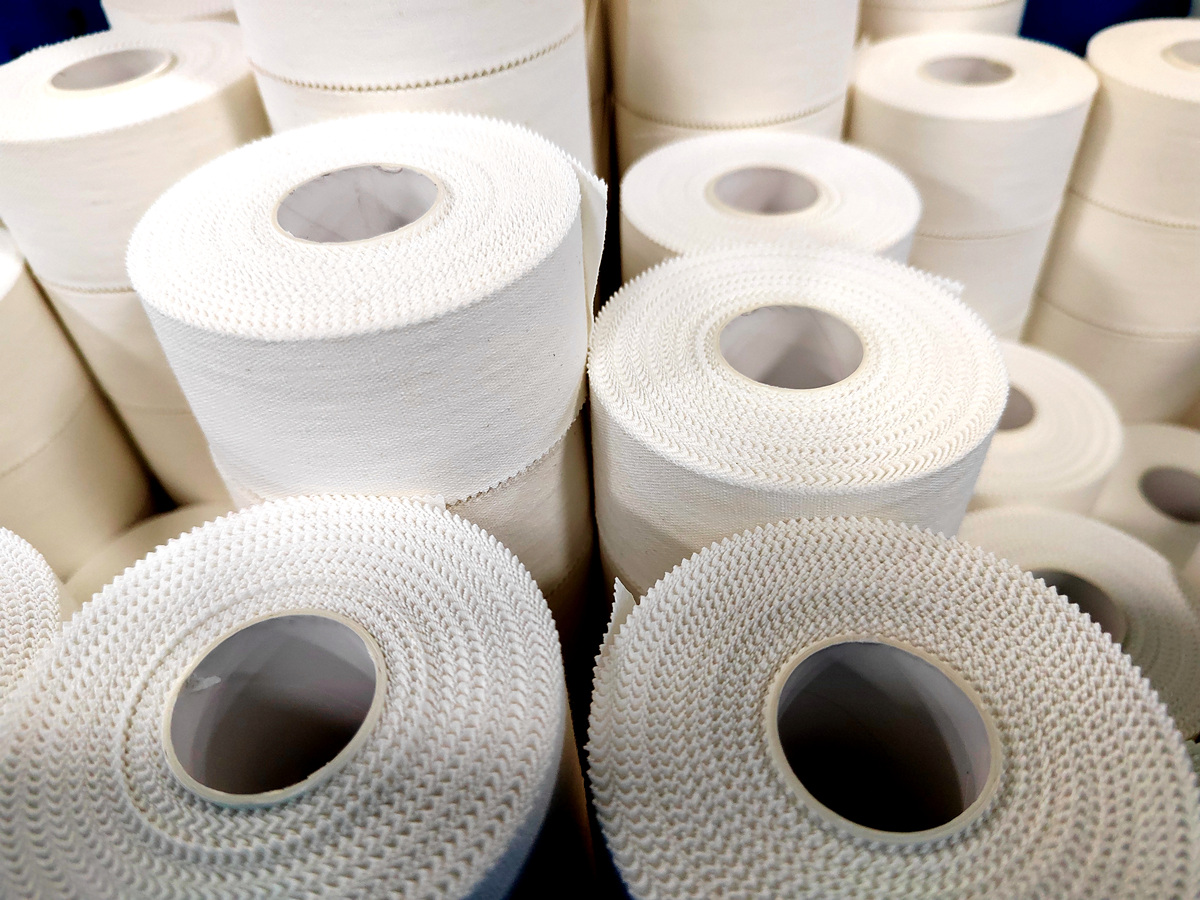
เทปกีฬาCottonเป็นหนึ่งในเทปที่มีประโยชน์ที่สุดที่ควรมีในกระเป๋าบาสเก็ตบอล มันให้ การสนับสนุนที่มั่นคง, สามารถ ฉีกด้วยมือ, และอนุญาตให้ผู้เล่นหรือผู้ฝึกสอน สร้างแถบในขนาดที่ต้องการได้อย่างรวดเร็ว. นั่นทำให้มันมีประโยชน์สำหรับ การพันเทปอย่างรวดเร็วก่อนการฝึกซ้อม, ระหว่างการฝึก, หรือในวันแข่งขัน.
ในแง่ของฟังก์ชัน, เทคนิคการผลิต, และกระบวนการผลิต, มัน เหมือนกับเทปพันแข็ง; ความแตกต่างเพียงอย่างเดียวอยู่ที่วัสดุ. ผ้าฝ้ายอ่อนโยนต่อผิวหนัง, ในขณะที่ เรยอนมีความทนทานมากกว่า.
ดูวิดีโอเพื่อดูว่าเทปกีฬาCottonถูกฉีก, วางตำแหน่ง, และนำไปใช้สำหรับการเล่นบาสเก็ตบอลอย่างไร.
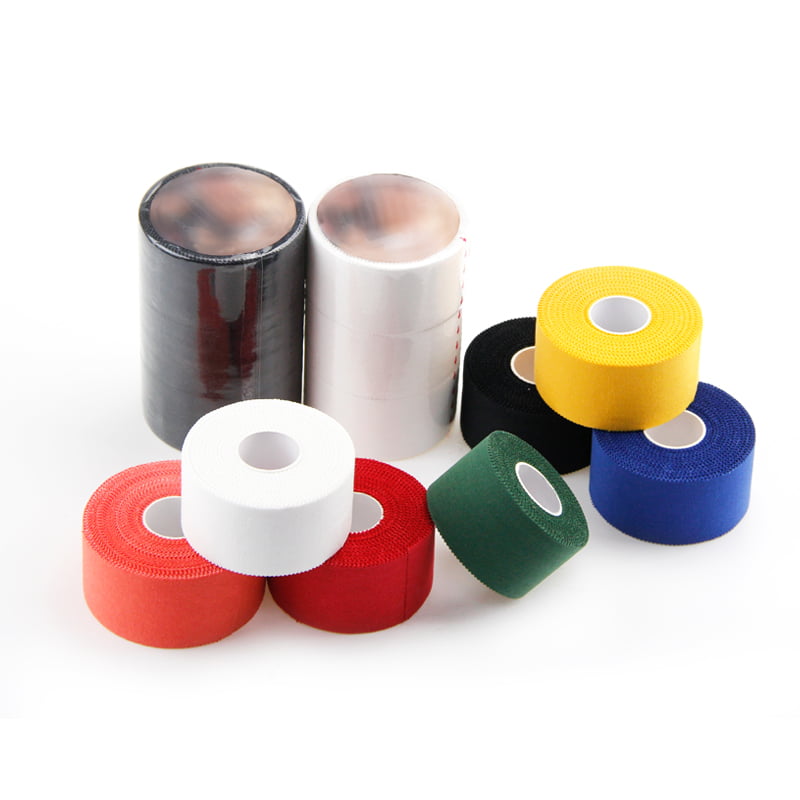
เทปบาสเก็ตบอลแบบแข็งสำหรับข้อเท้าและข้อมือ
ดีที่สุดสำหรับ: ข้อเท้า ข้อมือ และข้อต่อที่ต้องการการสนับสนุนที่แน่นหนากว่า
บาสเกตบอลเกี่ยวข้องกับการหยุดอย่างกะทันหัน การตัดที่รุนแรง และการลงจอดที่ไม่สะดวก ในสถานการณ์เหล่านี้ ผู้เล่นบางคนต้องการการพันที่ให้ การยืดที่น้อยลงและการจำกัดทางกลที่มากขึ้น
เทปกีฬาแข็ง ถูกออกแบบมาสำหรับงานนั้น
แตกต่างจากเทปคิเนซิโอโลยีแบบยืดหยุ่น มันไม่ยืดมากในระหว่างการใช้งาน เมื่อใช้เทคนิคที่เหมาะสม มันสามารถช่วยจำกัดช่วงการเคลื่อนไหวเฉพาะและให้โครงสร้างสนับสนุนภายนอกที่แน่นหนารอบข้อต่อ
มันมีประโยชน์โดยเฉพาะสำหรับ การพันข้อเท้าและข้อมือ ซึ่งความเสถียรอาจเป็นสิ่งสำคัญ
ดูวิดีโอเพื่อดูเทคนิคการพันบาสเกตบอลแบบแข็งที่เป็นมาตรฐานและวิธีการที่เทปถูกชั้นรอบข้อต่อ
เทปพันนิ้วสำหรับเล่นบาสเก็ตบอล
ดีที่สุดสำหรับ: นิ้วที่ติด, ข้อต่อนิ้ว, และการป้องกันนิ้วที่เฉพาะเจาะจง.
นักบาสเกตบอลพึ่งพานิ้วของพวกเขาสำหรับเกือบทุกส่วนของเกม.
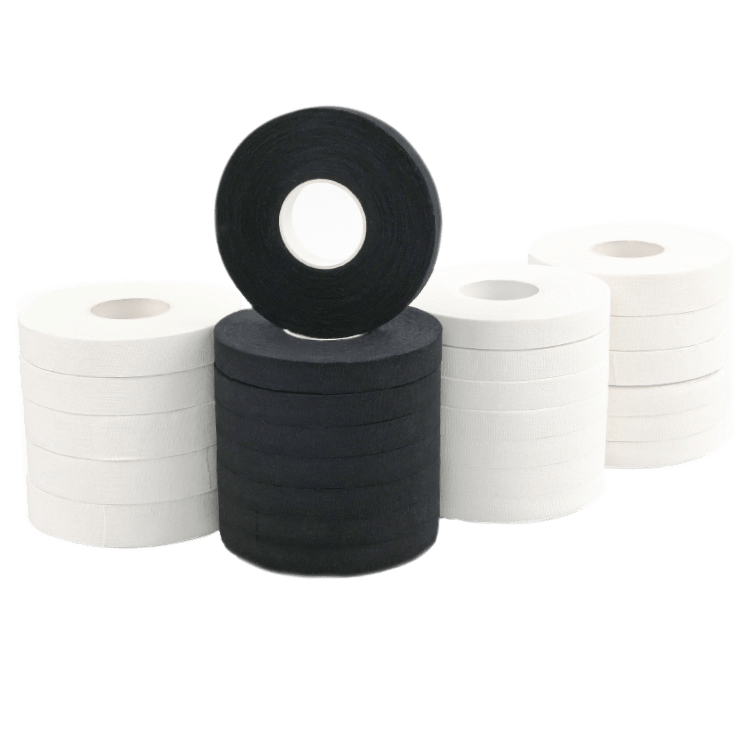
การจับลูกบอลที่ส่งเร็ว, การต่อสู้เพื่อรีบาวด์, การเอื้อมมือไปขโมยลูกบอล, หรือการป้องกันการยิงสามารถทำให้เกิดแรงกระแทกที่นิ้วได้อย่างกะทันหัน. นั่นคือเหตุผลที่ เทปนิ้ว เป็นหนึ่งในรูปแบบที่รู้จักกันดีที่สุดของเทปบาสเกตบอล .
ความกว้างที่แคบทำให้มันง่ายต่อการพันนิ้วแต่ละนิ้วโดยไม่ทำให้มีขนาดใหญ่เกินไป. ขึ้นอยู่กับสถานการณ์, มันสามารถใช้สำหรับ การสนับสนุนข้อต่อที่เฉพาะเจาะจง, การพันนิ้วคู่, หรือการป้องกันผิวหนัง .
การพันนิ้วมีประโยชน์โดยเฉพาะหลังจากการกระแทกที่นิ้วเล็กน้อยซ้ำๆ, แม้ว่าความเจ็บปวดที่รุนแรง, ความผิดรูป, หรือการแตกหักที่สงสัยควรได้รับการประเมินแทนที่จะถูกพันไว้เพียงอย่างเดียว.
ชมวิดีโอเพื่อดูวิธีการพันนิ้วบาสเกตบอลที่พบบ่อย.
การป้องกันผิวลูกบาสเก็ตบอล
ดีที่สุดสำหรับ: ใต้เทปที่แข็งหรือการใช้งานเทปที่ยาวขึ้น
บางครั้งชั้นแรกมีความสำคัญไม่แพ้ชั้นนอก
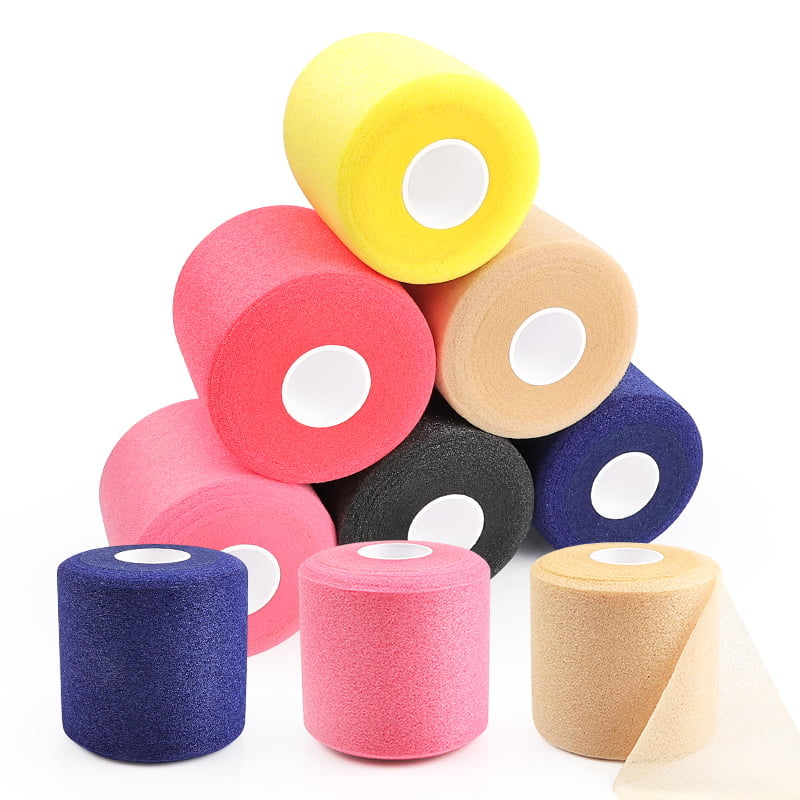
ฟองน้ำรองพื้น ถูกวางไว้กับผิวหนังก่อนที่จะใช้เทปกาวที่แข็งแรงกว่า มันสร้างอุปสรรคที่นุ่มนวลซึ่งสามารถช่วยลดการเสียดสีและการสัมผัสกับผิวหนังจากเทปกาวที่แข็ง
สำหรับนักบาสเก็ตบอลที่ใช้เทปในบริเวณเดียวกันเป็นประจำ รองพื้นสามารถทำให้การตั้งค่าเทปโดยรวมสะดวกสบายมากขึ้น
มันมีประโยชน์โดยเฉพาะในบริเวณเช่น ข้อเท้าและข้อมือ ซึ่งอาจต้องใช้เทปหลายชั้น
ดูวิดีโอเพื่อดูวิธีการใช้ฟองน้ำรองพื้นเป็นชั้นฐานก่อนที่จะใช้เทปกีฬา
ผ้าพันแผลแบบพันเร็ว
ดีที่สุดสำหรับ: การพันอย่างรวดเร็ว, การสนับสนุนเบา, การปกป้องผิวหนัง, และการยึด.
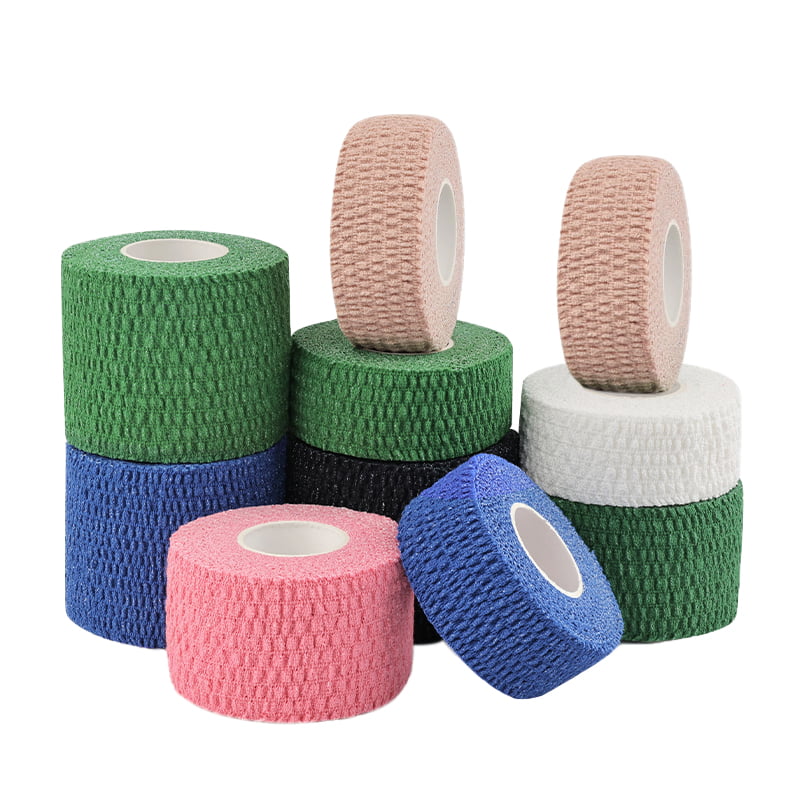
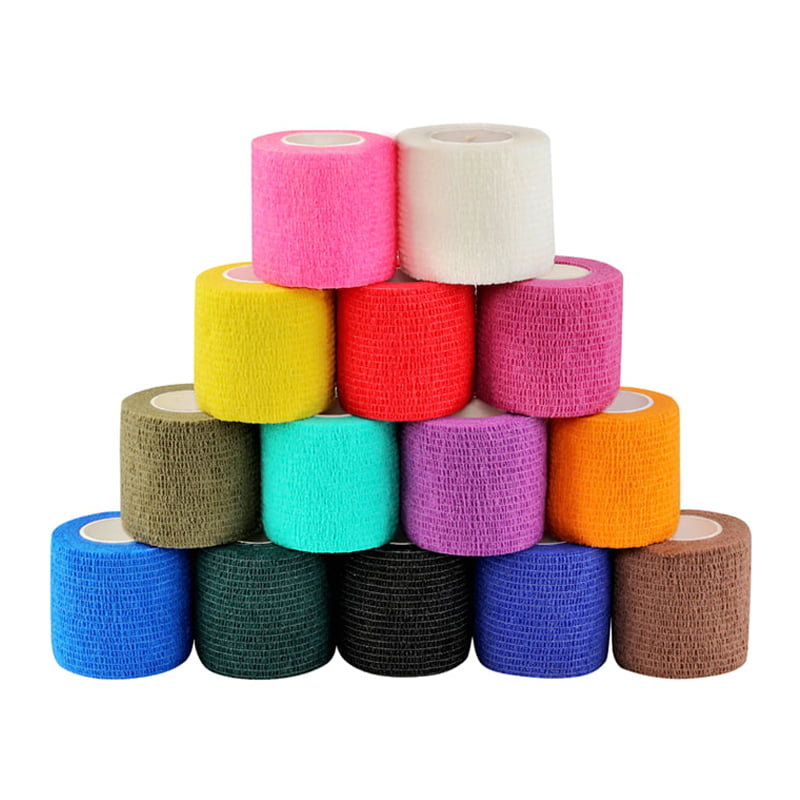
ผ้าพันแผลที่ยึดติดกัน จะติดกับตัวมันเองแทนที่จะติดกับผิวหนังโดยตรง. นี่ทำให้การพันรวดเร็ว, ถอดออกง่าย, และช่วยลดการสัมผัสโดยตรงระหว่างกาวกับผิวหนัง มันให้ การสนับสนุนเบาและการบีบอัด ในขณะที่อนุญาตให้ผู้เล่นและผู้ฝึกสอนสามารถยึดพื้นที่ได้อย่างรวดเร็วในระหว่างการฝึกซ้อมหรือวันแข่งขัน.
สำหรับผู้เล่นบาสเกตบอล, มันสามารถใช้สำหรับ การพันอย่างรวดเร็ว, การบีบอัดเบา, การยึดแผ่นป้องกัน, และการสนับสนุนชั่วคราว . มันยังสามารถทำหน้าที่เป็นทางเลือกแทน ฟองน้ำรองพื้น , สร้างชั้นป้องกันระหว่างผิวหนังและเทปกาวที่แข็งแรงกว่า หลังจากใช้ เทปกีฬาแข็ง , การพันสุดท้ายด้วยผ้าพันแผลที่ยึดติดกันยังสามารถช่วย ปกป้องขอบเทปและลดการยกหรือหลุดลอกก่อนเวลาอันควรในระหว่างการเคลื่อนไหว .
ดูวิดีโอเพื่อดูว่าผ้าพันแผลที่ยึดติดกันสามารถพันได้อย่างรวดเร็ว, ยึดได้, และใช้ร่วมกับเทปบาสเกตบอลอื่นๆ ได้อย่างไร.
กำลังมองหาเทปสำหรับกีฬาประเภทอื่นอยู่หรือเปล่า?
-
 เทปวิ่ง
 -
 เทปรักบี้
 -
 เทปฟุตบอล
 -
 เทปเทนนิส
 -
 เทปฮอกกี้
 -
 เทปกอล์ฟ
 -
 เทปวอลเลย์บอล
 -
 เทปแฮนด์บอล
 -
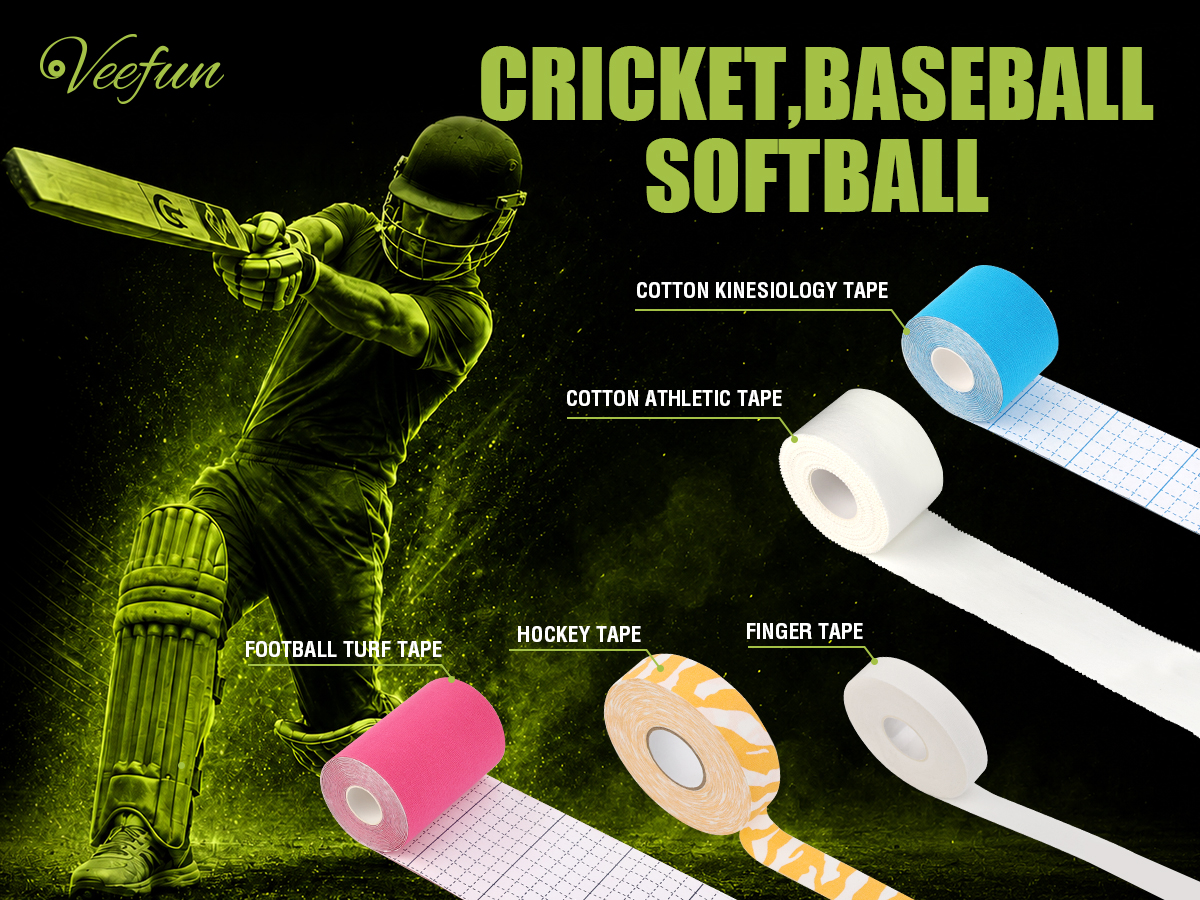 เทปคริกเก็ต
 -
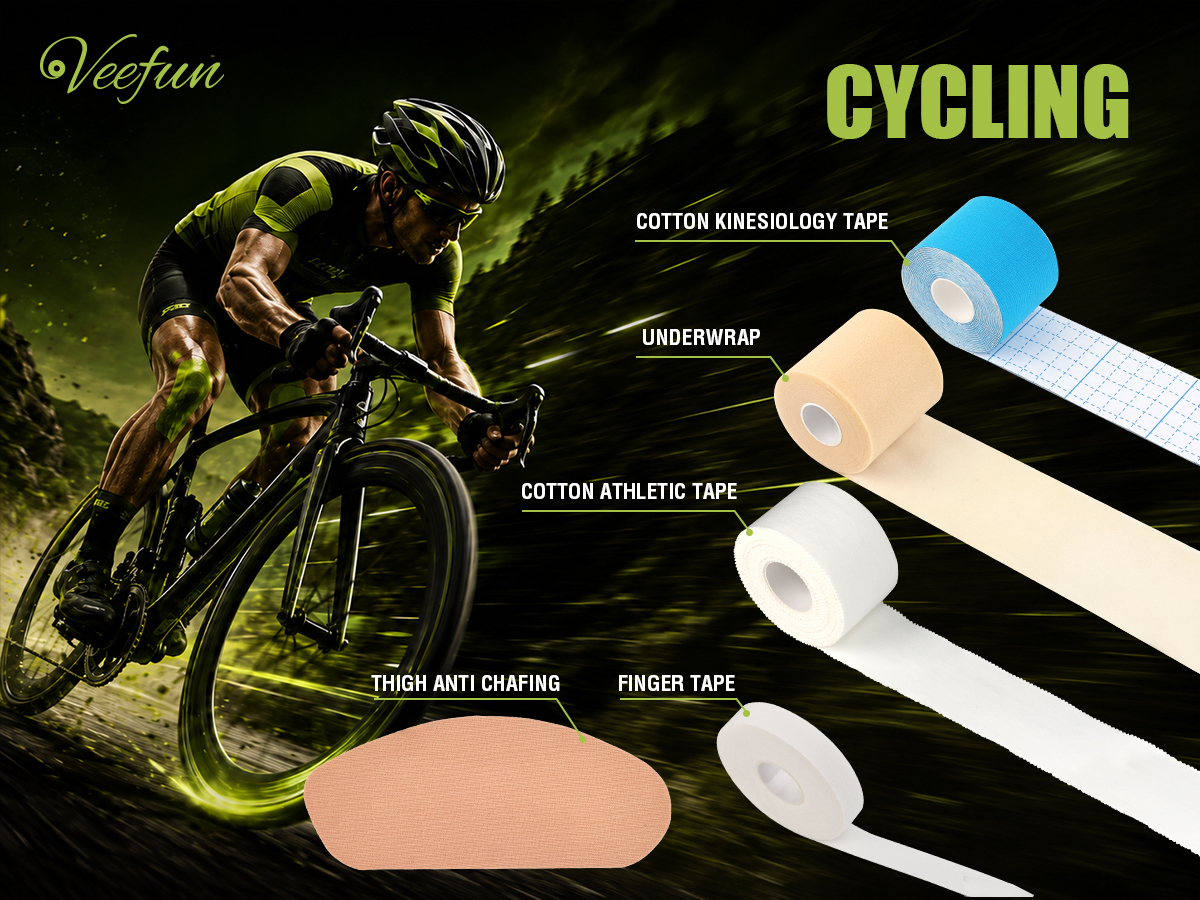 เทปสำหรับปั่นจักรยาน
เทปบาสเก็ตบอลสำหรับผู้เล่น ทีม และร้านค้าปลีก
Veefun Basketball Tape มีให้บริการสำหรับผู้เล่นแต่ละคน ทีม ผู้ค้าปลีกกีฬา และผู้ซื้อขายส่ง ช่วงผลิตภัณฑ์รวมถึง เทปนิ้ว เทปกีฬา ผ้าพันแผลที่ยึดติดกัน และเทปกายภาพบำบัด สำหรับการใช้งานบาสเกตบอลที่แตกต่างกัน
สำหรับทีมและผู้ค้าปลีก Veefun สนับสนุน การขายส่งเทปบาสเกตบอล OEM และแบรนด์ส่วนตัว ผ่านการดำเนินงานการผลิตของ WEMADE ขึ้นอยู่กับผลิตภัณฑ์ ผู้ซื้อสามารถปรับแต่ง วัสดุ ความกว้าง GSM กาว สี ความยาวม้วน การติดฉลาก และบรรจุภัณฑ์ขายปลีก
สำหรับคำสั่งซื้อที่ใหญ่กว่า ติดต่อทีม Veefun เพื่อหารือเกี่ยวกับการเลือกผลิตภัณฑ์ MOQ บรรจุภัณฑ์ และระยะเวลาการผลิต
เลือกใช้เทปบาสเก็ตบอลที่เหมาะสมสำหรับทุกเกม
ไม่มี เทปบาสเกตบอล ตัวใดที่เหมาะสมที่สุดสำหรับผู้เล่นและสถานการณ์ทุกประเภท
บางช่วงเวลาต้องการการสนับสนุนที่ยืดหยุ่น ขณะที่บางช่วงเวลาต้องการการเสถียรภาพที่แน่นหนา ผู้เล่นที่ต้องเผชิญกับการกระแทกที่นิ้วซ้ำๆ อาจต้องการเทปนิ้วที่แคบ ในขณะที่อีกคนอาจชอบเทปคิเนซิโอโลยีเพื่อการสนับสนุนในระหว่างการเคลื่อนไหวอย่างต่อเนื่อง
นั่นคือเหตุผลที่ Veefun มีผลิตภัณฑ์เทปบาสเกตบอลที่ครบถ้วน รวมถึง เทปคิเนซิโอโลยี, เทปกีฬาแข็ง, เทปกีฬาCotton, เทปนิ้ว, ฟองน้ำรองพื้น และผ้าพันแผลที่ยึดติด.
ช็อปออนไลน์สำหรับผลิตภัณฑ์แต่ละรายการ หรือ ติดต่อ Veefun สำหรับโซลูชันเทปบาสเกตบอลแบบขายส่ง, OEM และแบรนด์ส่วนตัว
เล่นอย่างหนัก เทปอย่างชาญฉลาด เตรียมพร้อมสำหรับการครอบครองครั้งถัดไป
คำถามที่พบบ่อย
เทปบาสเก็ตบอลคืออะไร?
เทปบาสเกตบอลเป็นคำกว้างที่รวมถึงประเภทต่าง ๆ ของเทปกีฬา ที่ใช้โดยนักบาสเกตบอลเพื่อการสนับสนุน การป้องกัน และการพันเทป ซึ่งอาจรวมถึงเทปคิเนซิโอโลยี เทปกีฬาแข็ง เทปผ้าฝ้าย เทปนิ้ว เทปโฟมรอง และผ้าพันแผลที่ยึดติดได้
นักบาสเกตบอลใช้เทปอะไรพันนิ้ว?
นักบาสเกตบอลมักใช้ เทปพันนิ้ว หรือ เทปกีฬาแบบผ้าฝ้าย รูปแบบแคบทำให้การให้การสนับสนุนเฉพาะจุดรอบนิ้วแต่ละนิ้วทำได้ง่ายขึ้นโดยไม่เพิ่มความหนาเกินไป เทปพันนิ้วมักใช้เพื่อการป้องกัน การสนับสนุนข้อต่อ และการพันนิ้วเพื่อนร่วมทีม
เทป kinesiology เหมาะสำหรับเล่นบาสเก็ตบอลหรือไม่?
เทปกายภาพบำบัดบาสเกตบอลกับเทปกีฬาแข็งมีความแตกต่างกันอย่างไร?
ความแตกต่างหลักคือการเคลื่อนไหว。
เทปกายภาพบำบัดมีความยืดหยุ่นและออกแบบมาให้เคลื่อนไหวไปกับร่างกาย。
เทปกีฬาแข็งมีการยืดหยุ่นน้อยหรือไม่มีเลยและใช้เมื่อจำเป็นต้องมีการจำกัดการเคลื่อนไหวที่แข็งแกร่งและการเสถียรภาพของข้อต่อ。
การเลือกที่ถูกต้องขึ้นอยู่กับบริเวณร่างกายและวัตถุประสงค์ของการใช้เทป。
ฉันสามารถใช้เทปพันลูกบาสเก็ตบอลมากกว่าหนึ่งชนิดได้หรือไม่?
ตัวอย่างเช่น ผู้เล่นอาจใช้เทปคิเนซิโอโลยีสำหรับเข่า เทปกีฬาแข็งสำหรับข้อเท้า และเทปสำหรับนิ้วมือเพื่อการสนับสนุน นิ้วมือ นอกจากนี้ยังสามารถใช้ฟองน้ำรองพื้นเป็นชั้นป้องกันใต้เทปกาวได้