
Come utilizzare il nastro kinesiologico per la lesione del menisco
La kinesiotape può aiutare in caso di lesione al menisco? Sì. La kinesiotape per il supporto della lesione al menisco funziona creando un "ponte" funzionale attorno all'articolazione del ginocchio per migliorare la stabilità e ridurre la pressione dalla cartilagine lacerata. Sollevando la pelle per migliorare la circolazione, gestisce efficacemente il gonfiore del menisco e allevia il dolore al menisco mediale. Per atleti e pazienti, un'applicazione corretta fornisce il feedback sensoriale necessario per ripristinare la fiducia durante la camminata, i cambi di direzione e gli esercizi di recupero.
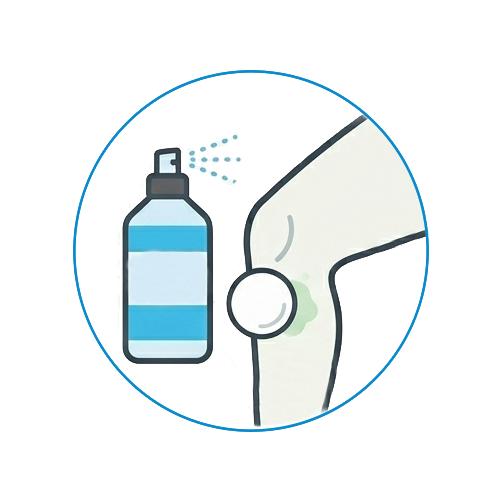
Preparazione del ginocchio prima dell'applicazione del bendaggio.
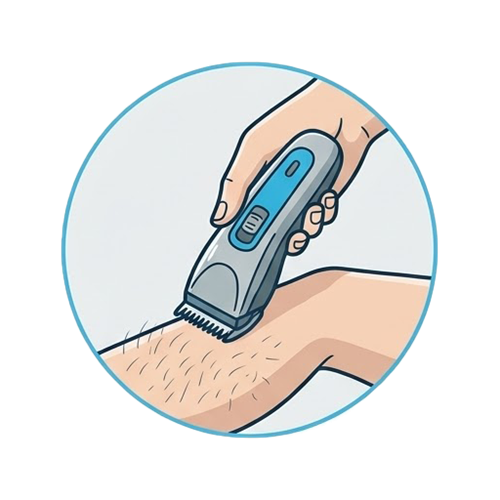
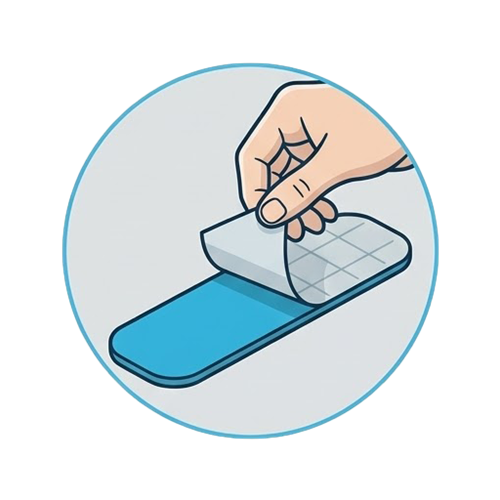
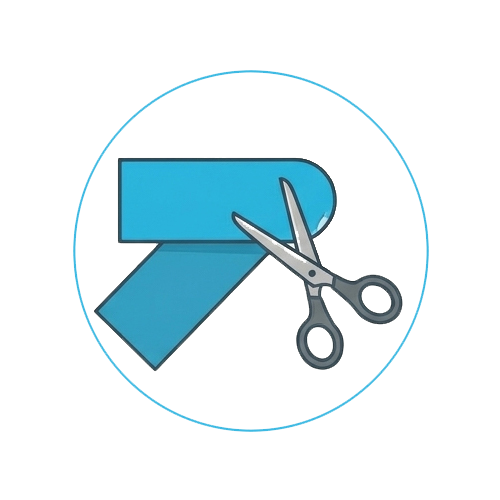
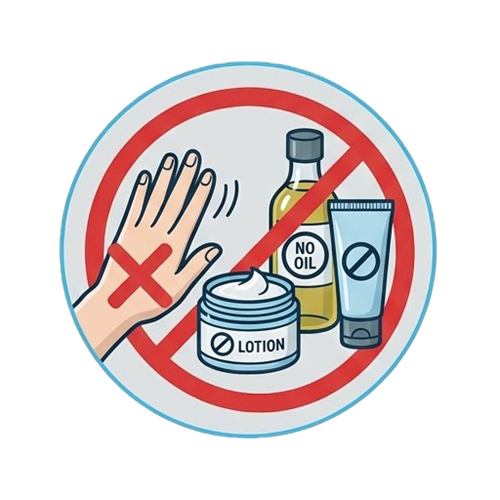
Uno dei motivi principali per cui il nastro fallisce troppo presto è la scarsa preparazione della pelle. Negli ambienti di riabilitazione sportiva, i terapisti dedicano tempo extra alla preparazione della pelle perché influisce direttamente su quanto a lungo il nastro kinesiotape per le lesioni del menisco dura e su quanto bene supporta l'articolazione.
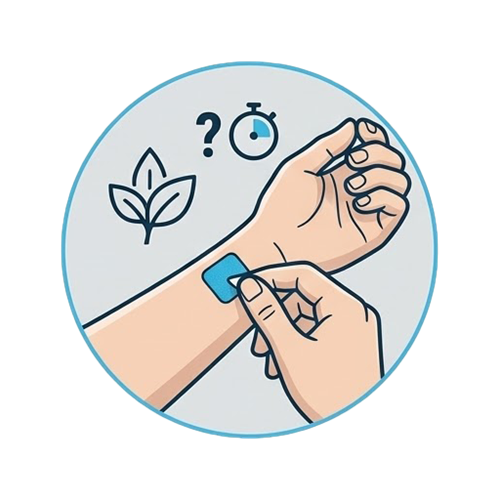
Errori comuni che rendono meno efficace il taping del menisco
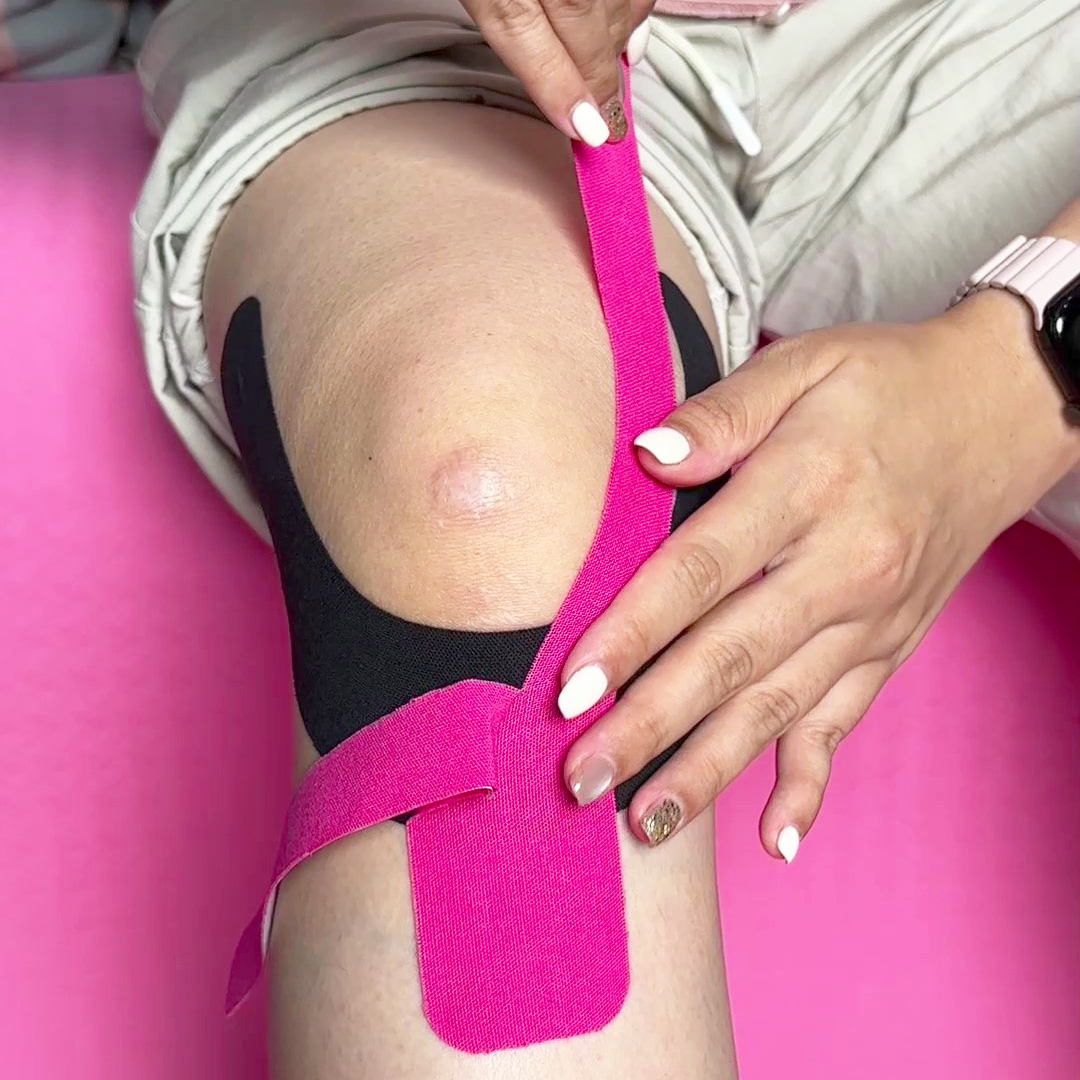
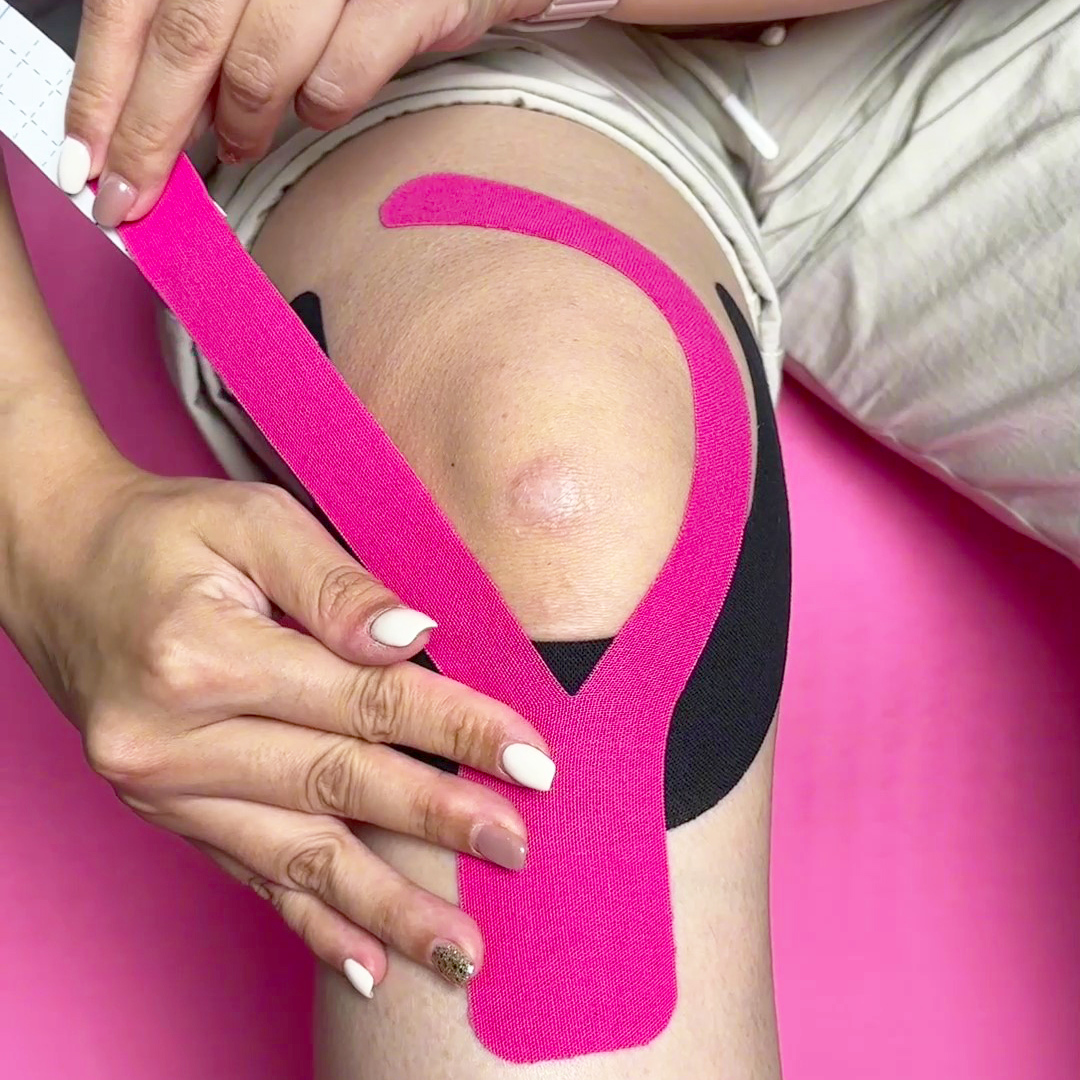
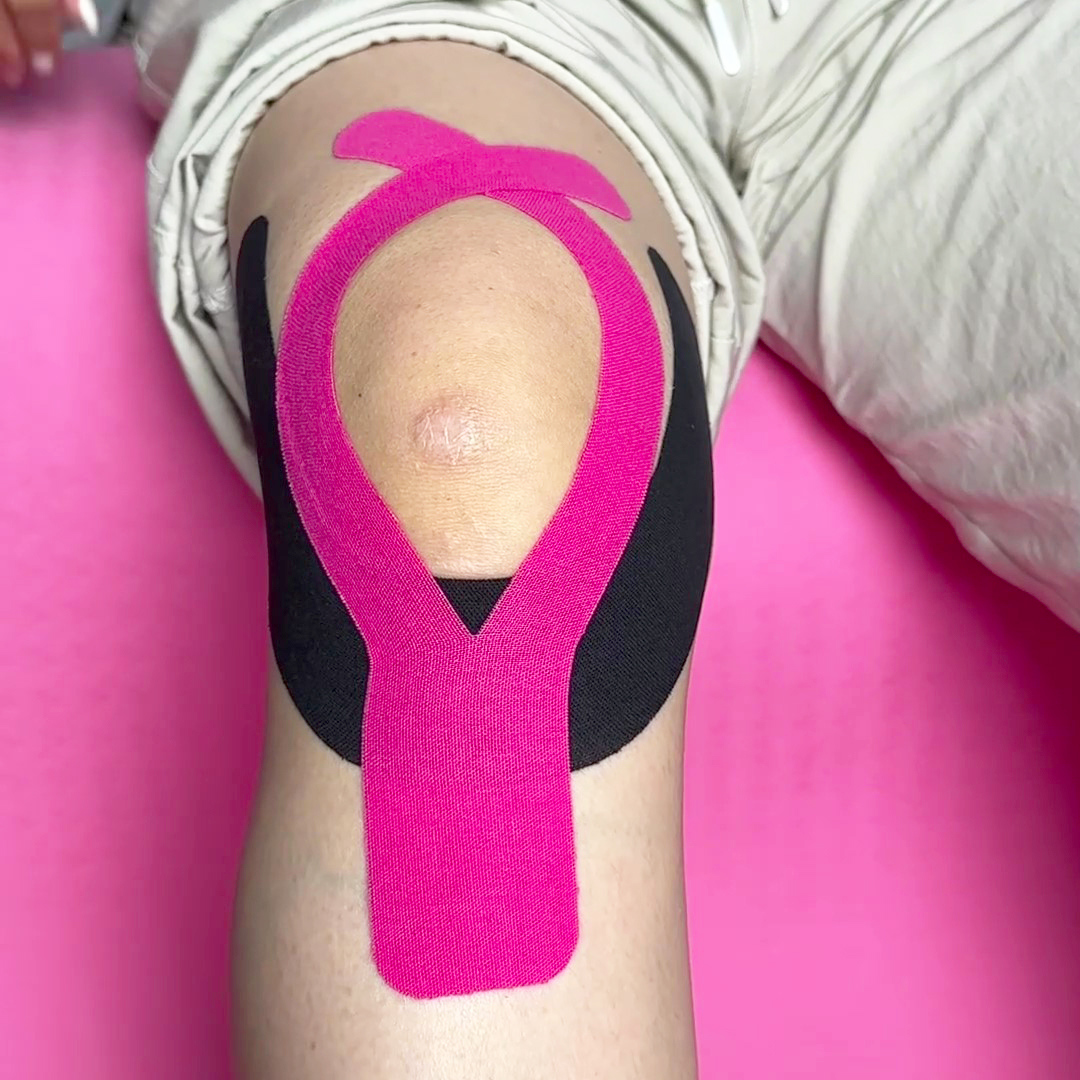
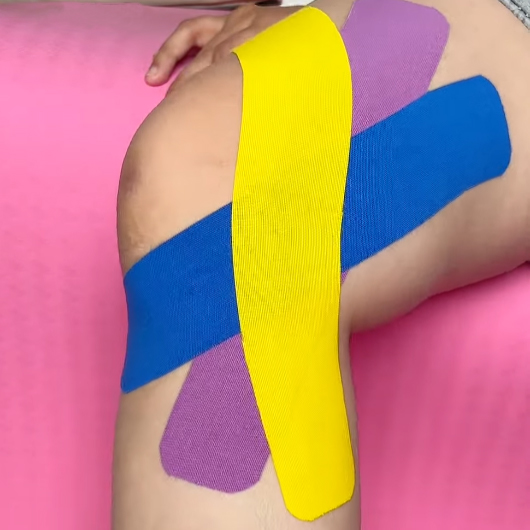
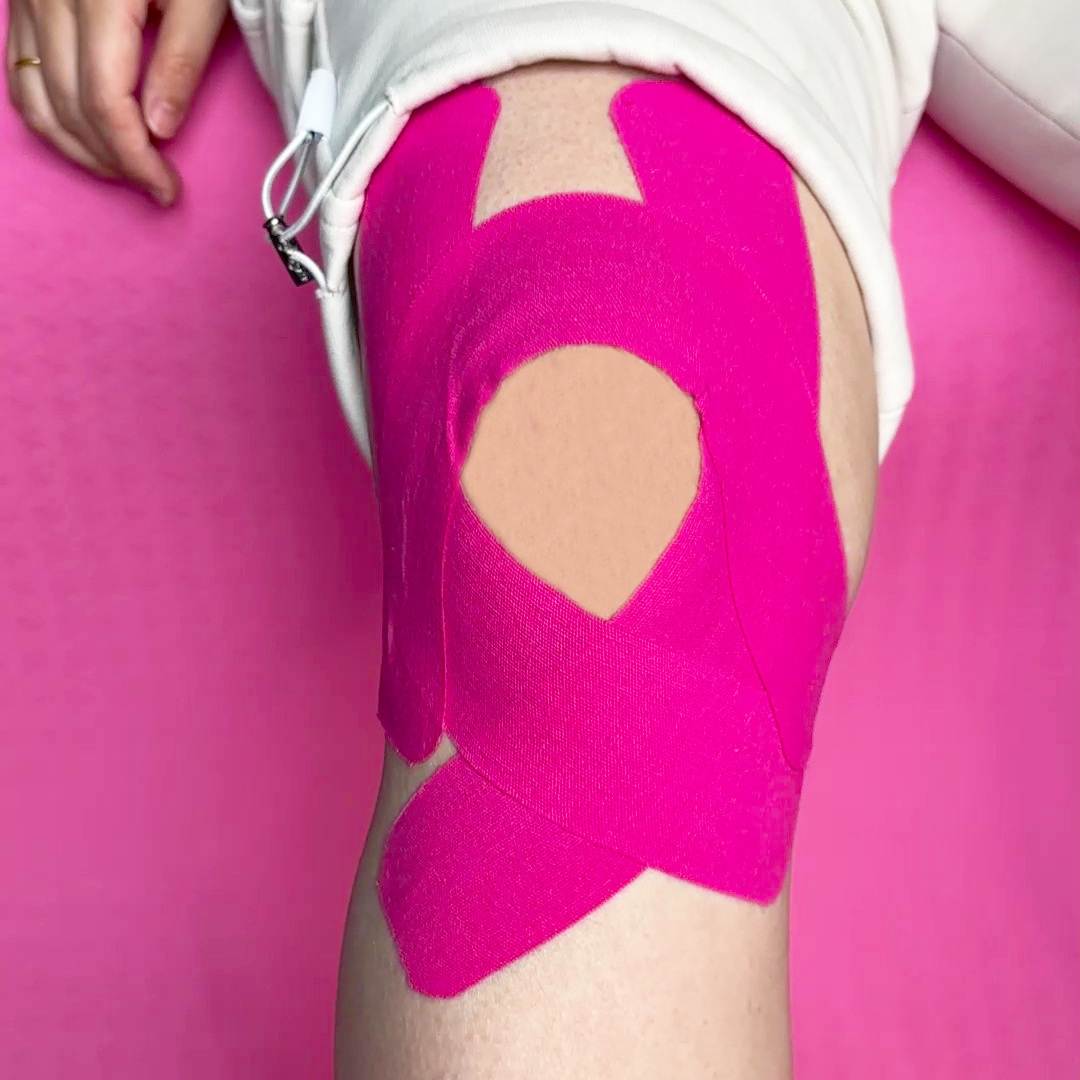
Guida passo-passo per l'applicazione del nastro kinesio per la lesione del menisco
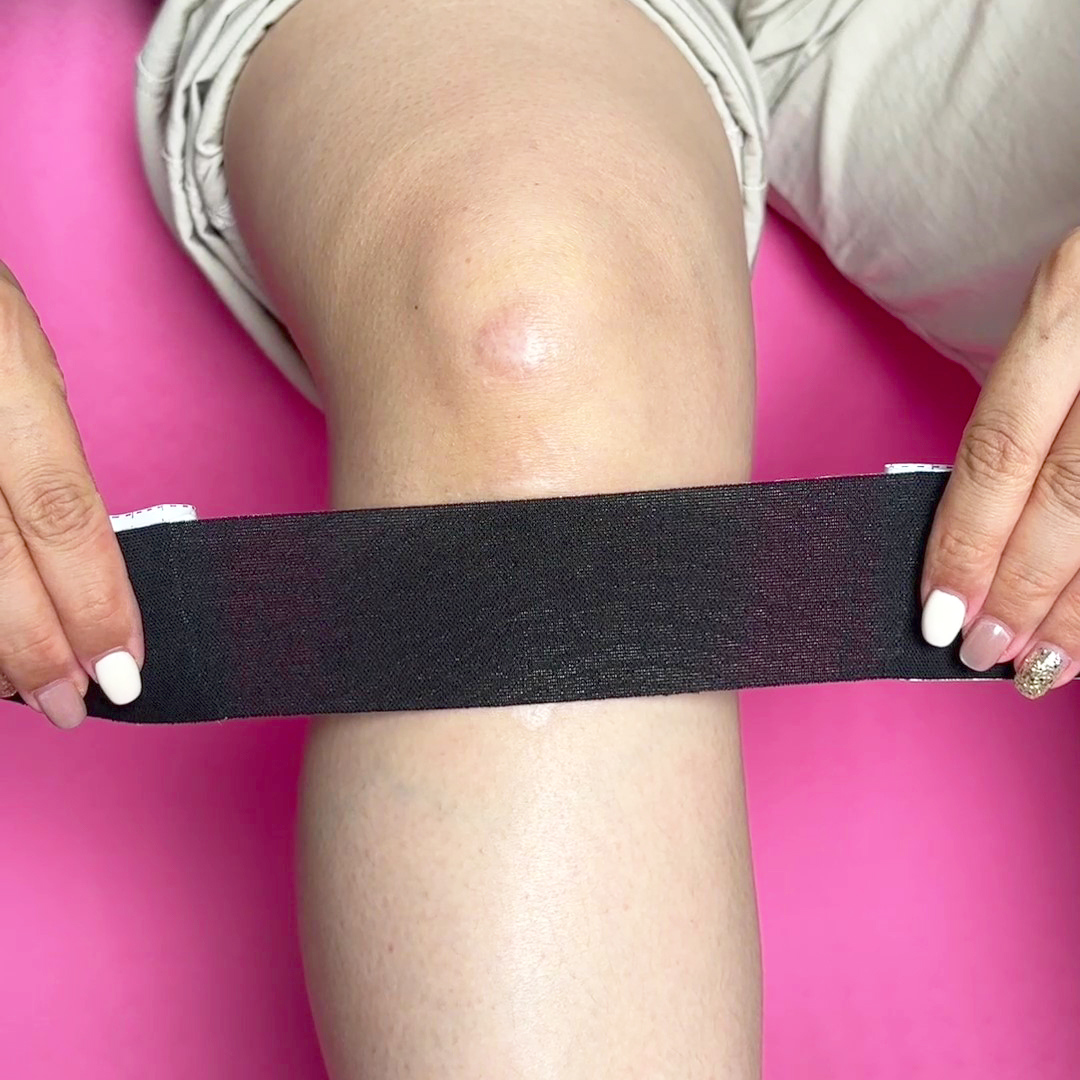
Siediti comodamente e piega il ginocchio di circa 30–45 gradi. Questa posizione aiuta il nastro a conformarsi naturalmente ai contorni dell'articolazione.
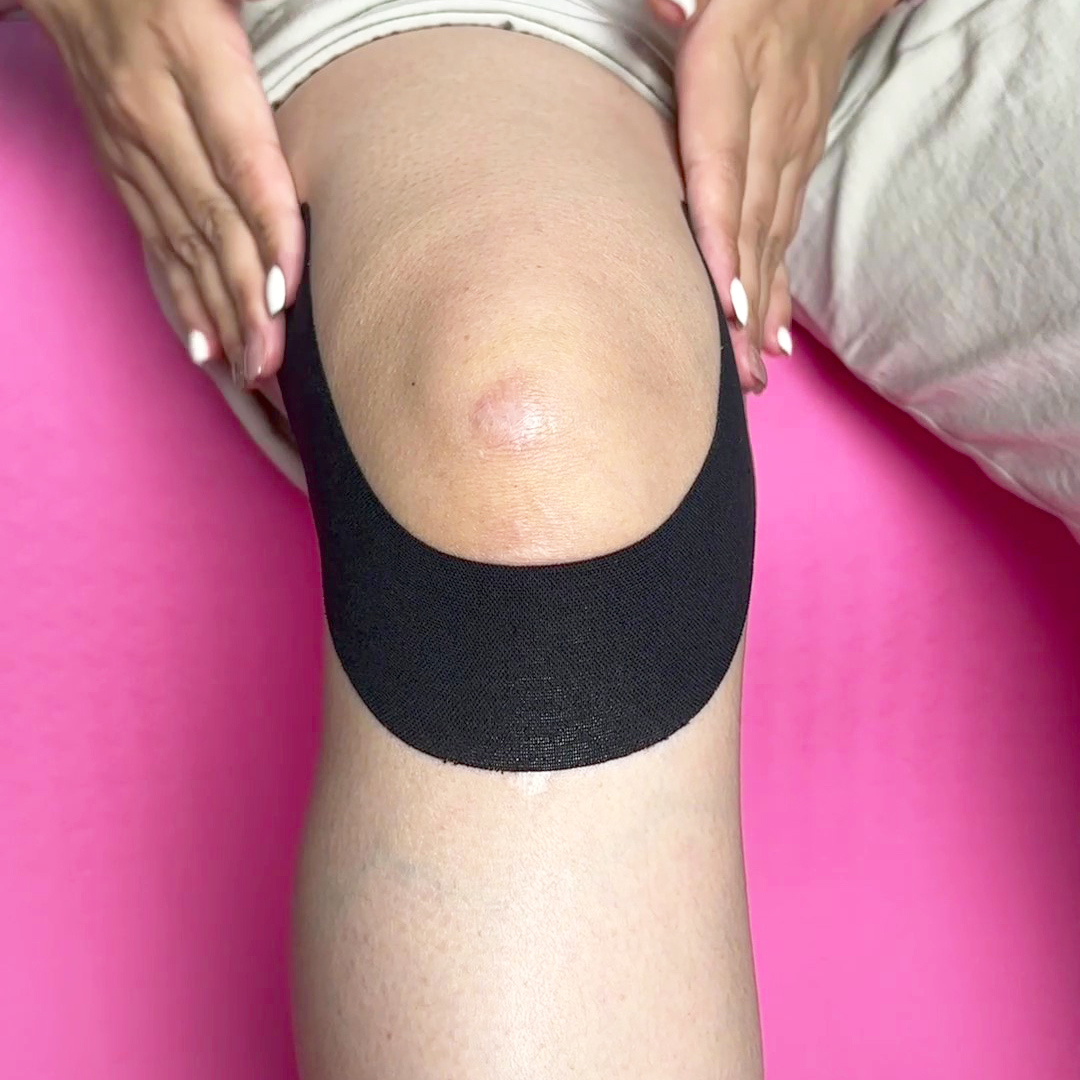
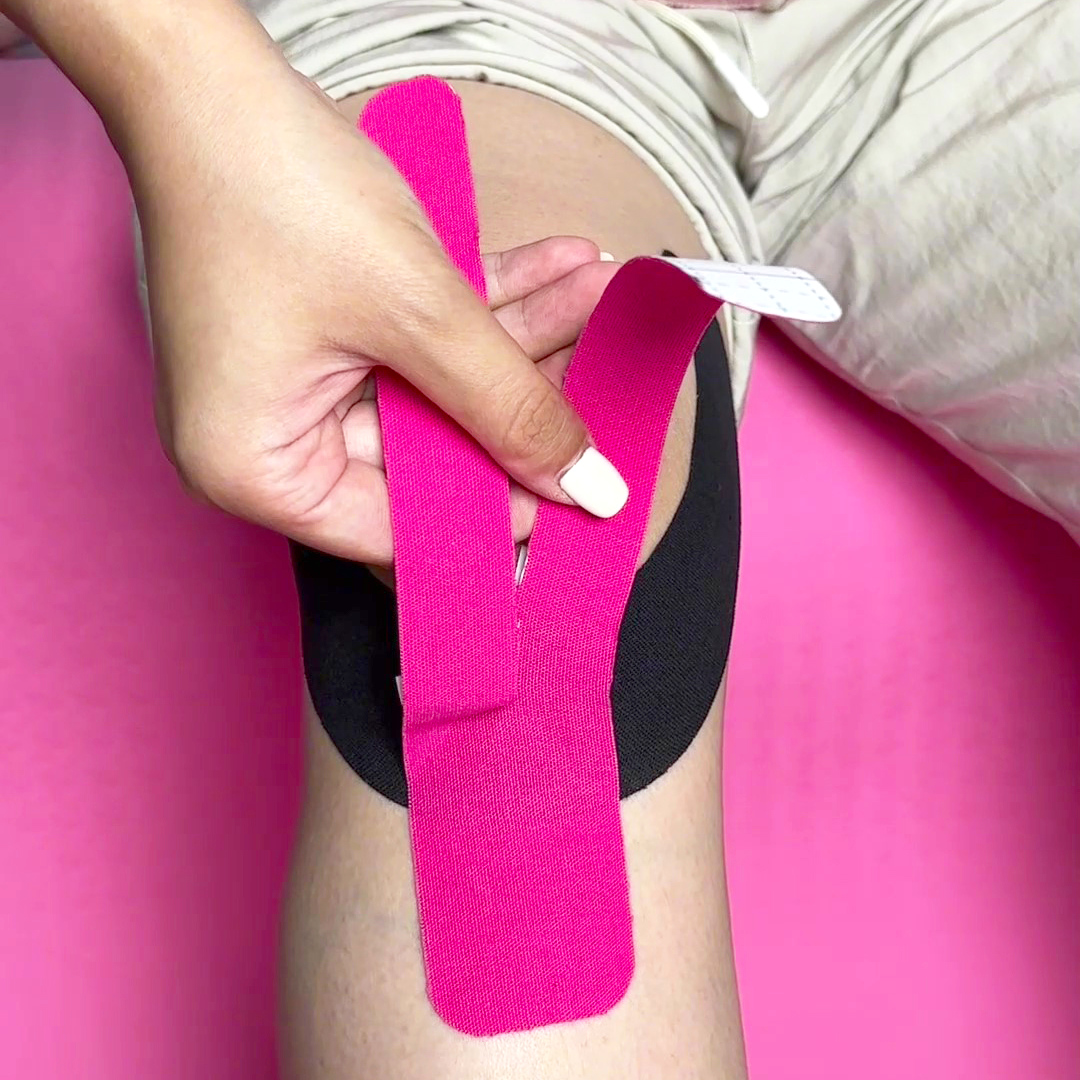
Quale tipo di nastro adesivo funziona meglio?
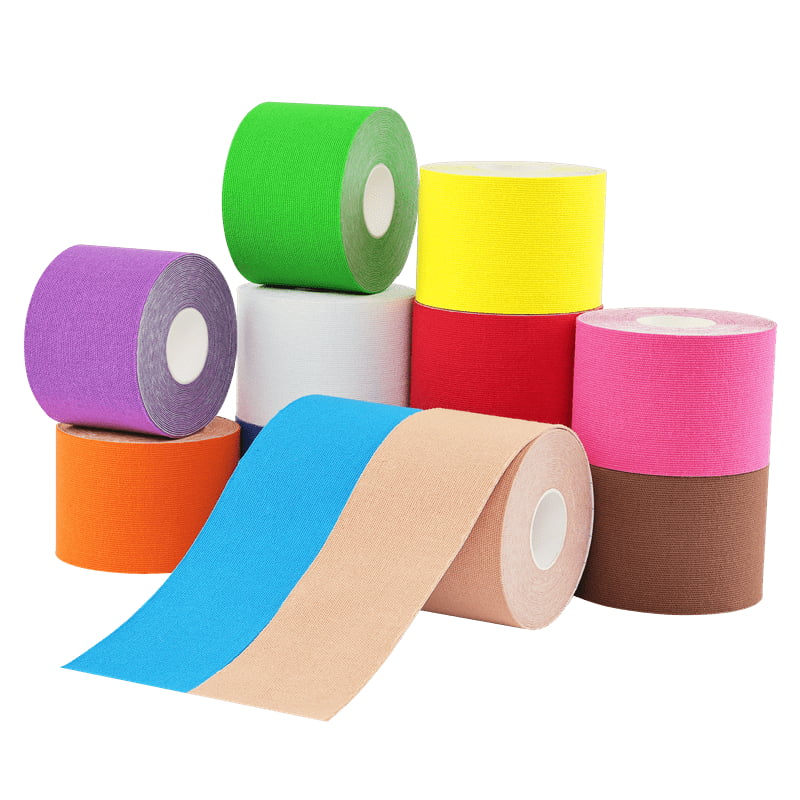
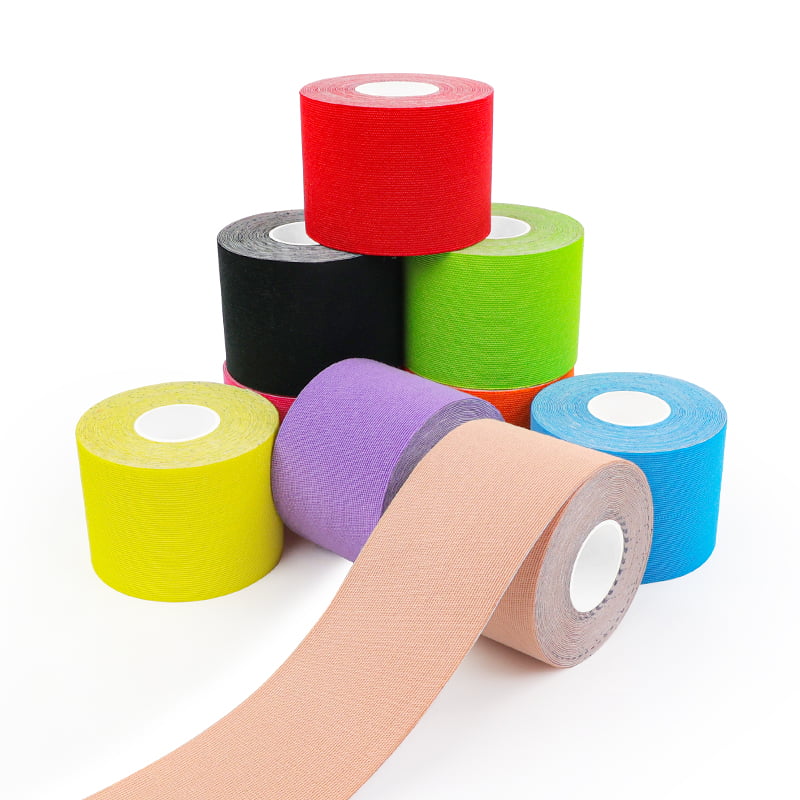
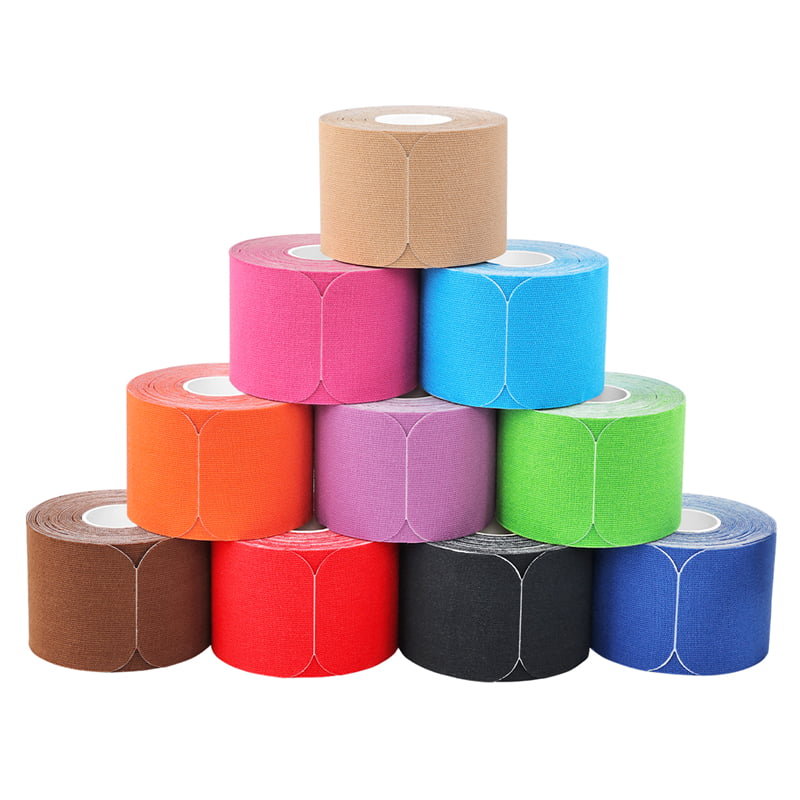
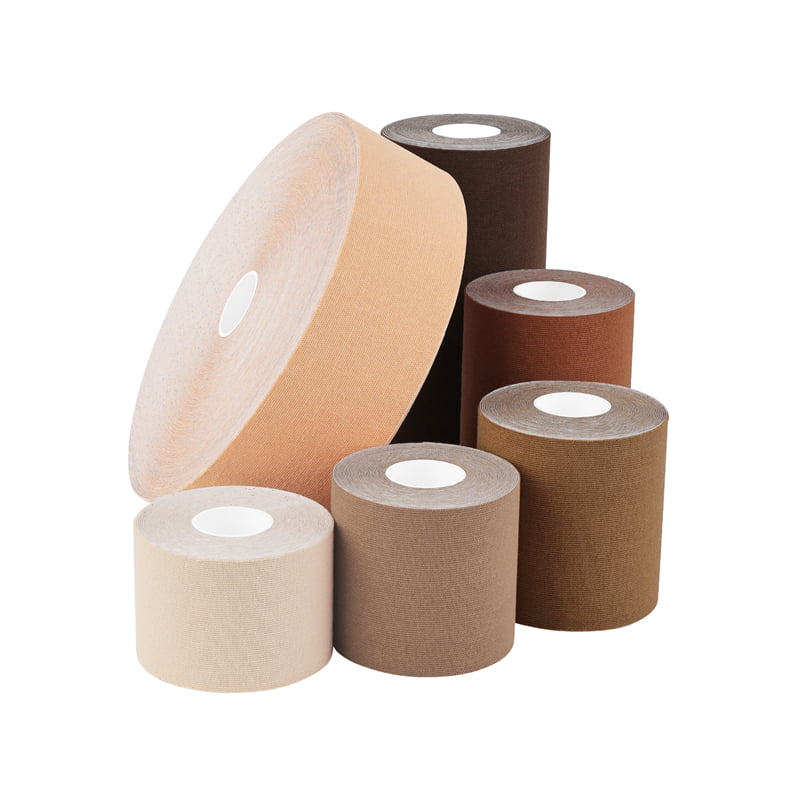
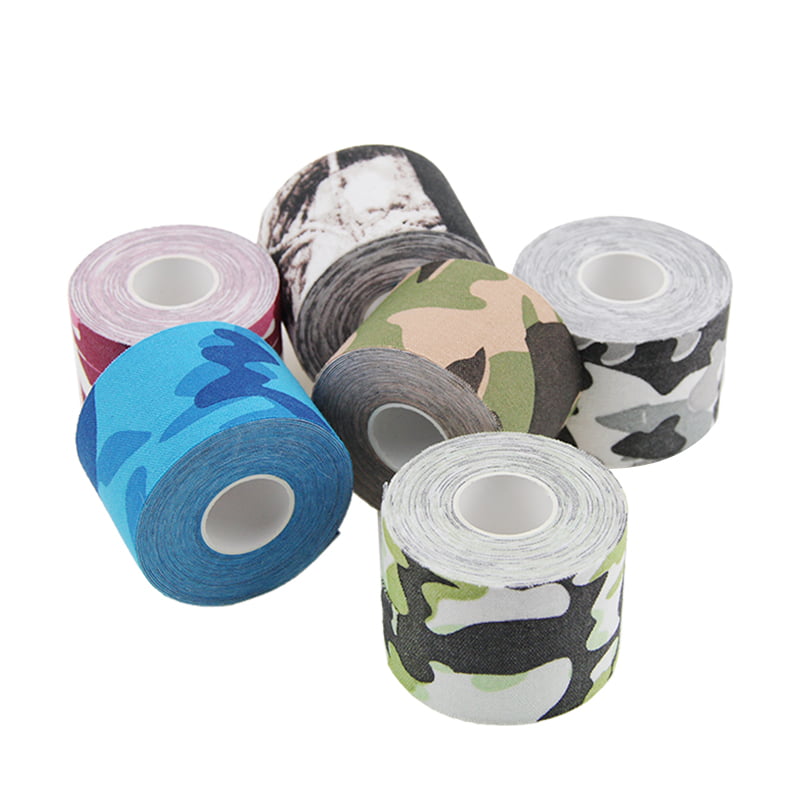
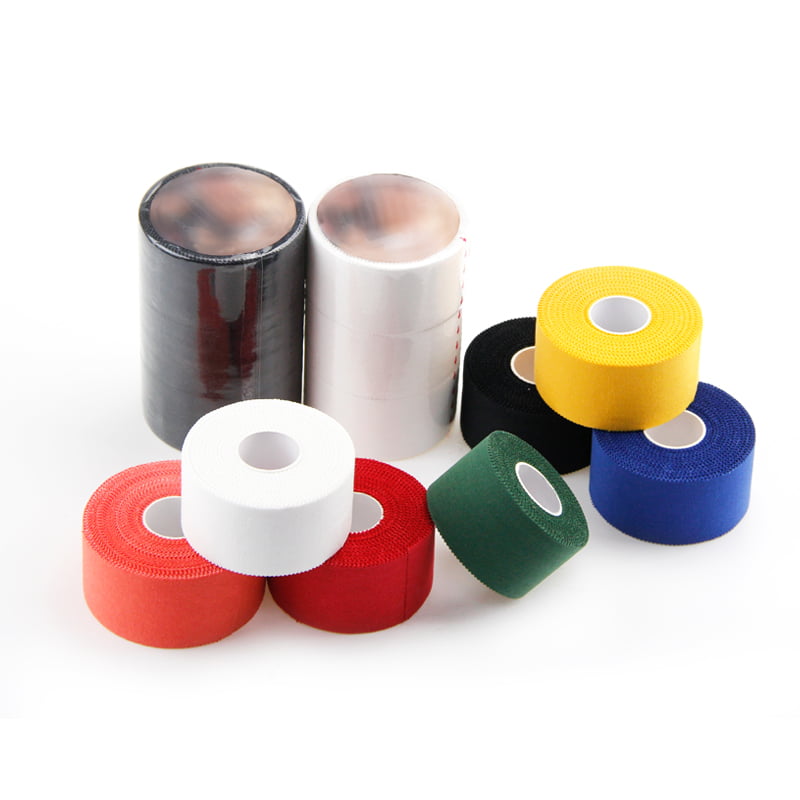
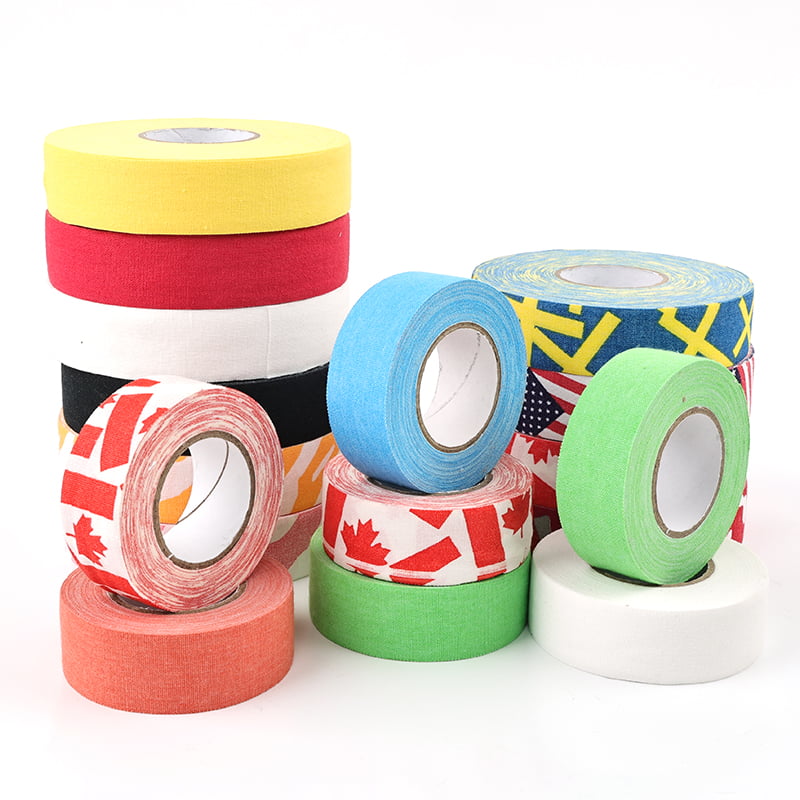
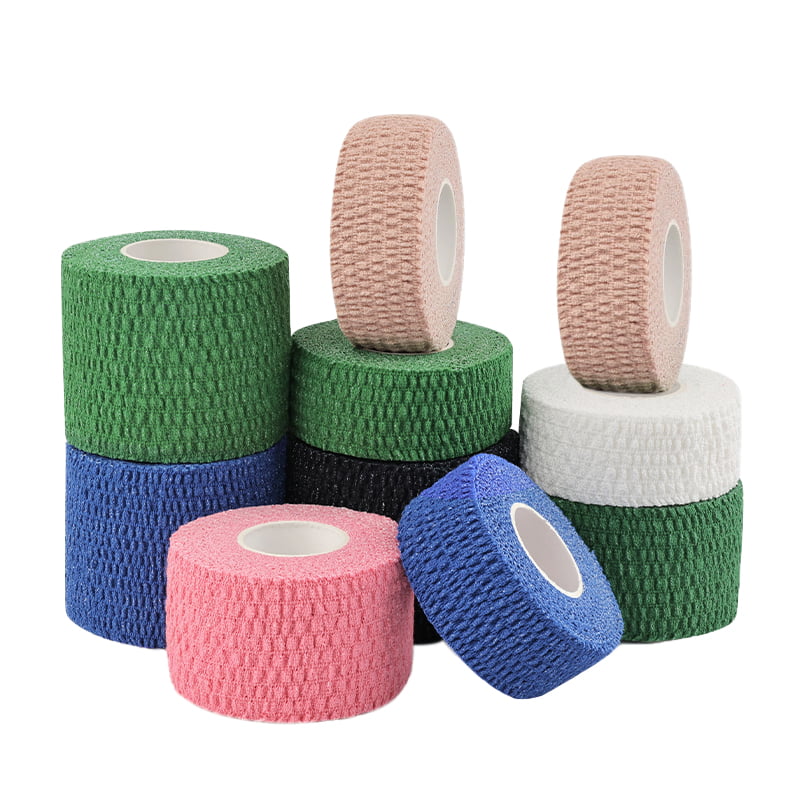
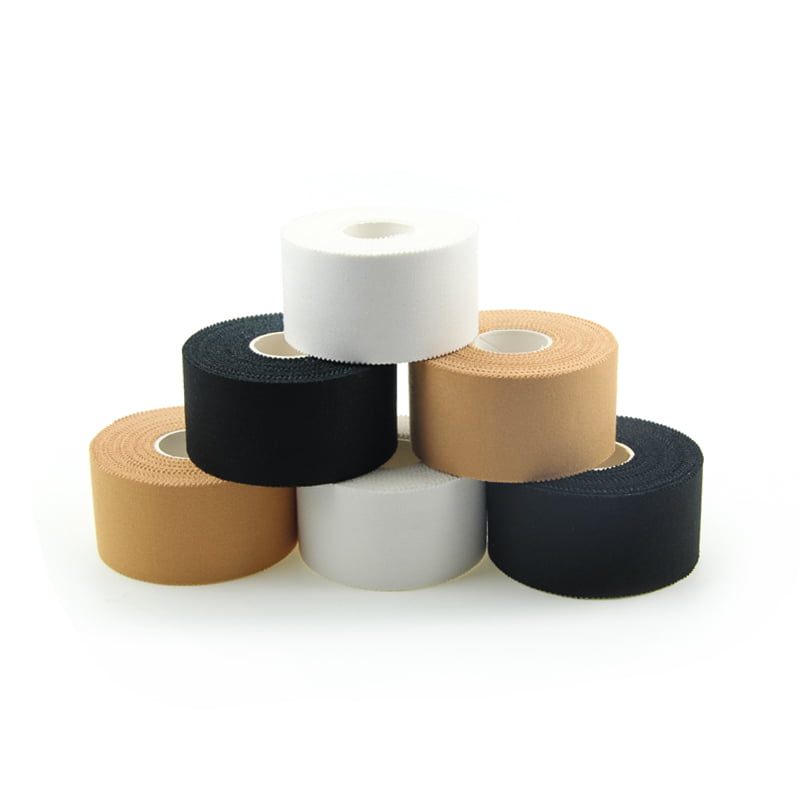
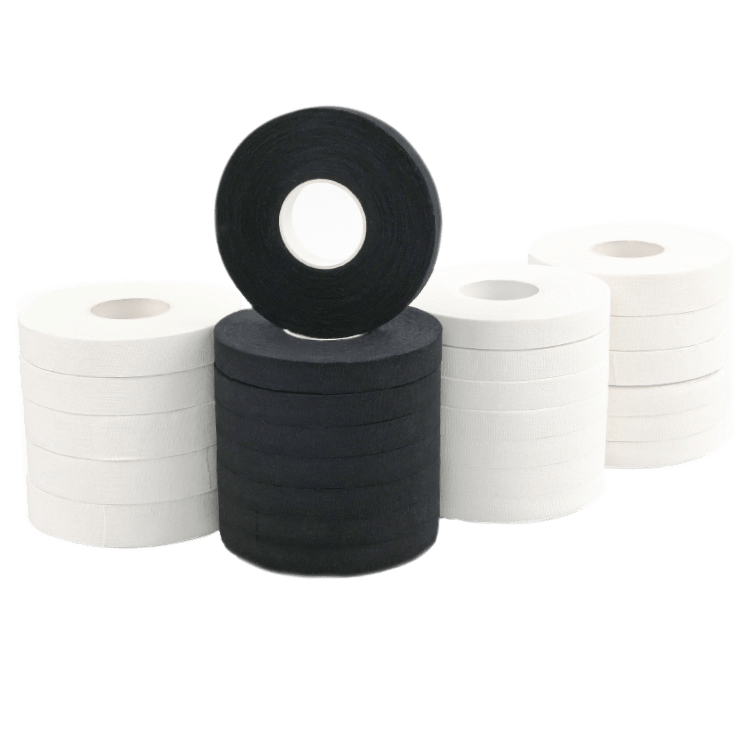
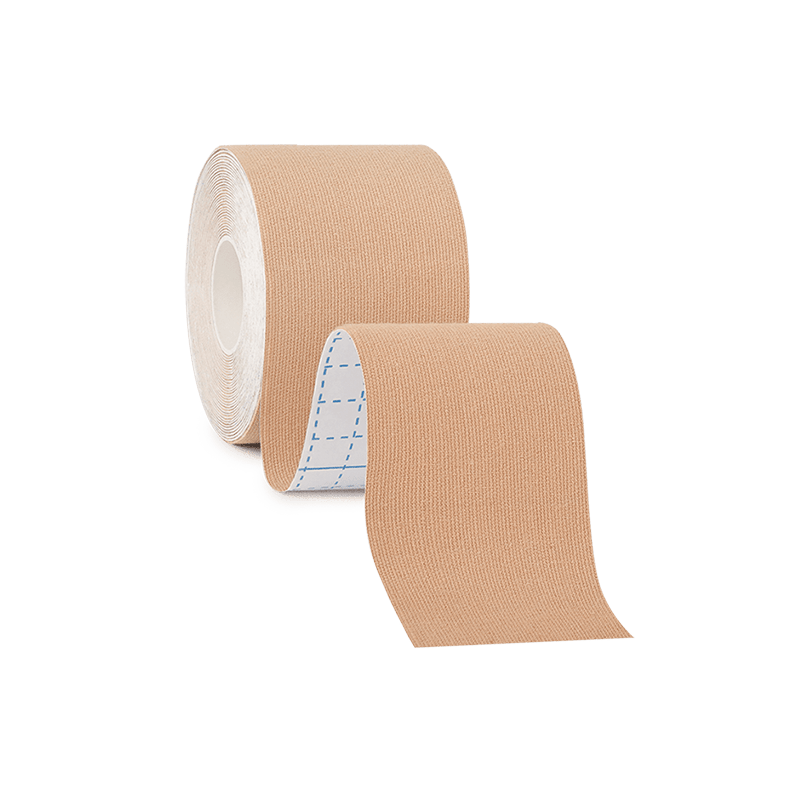
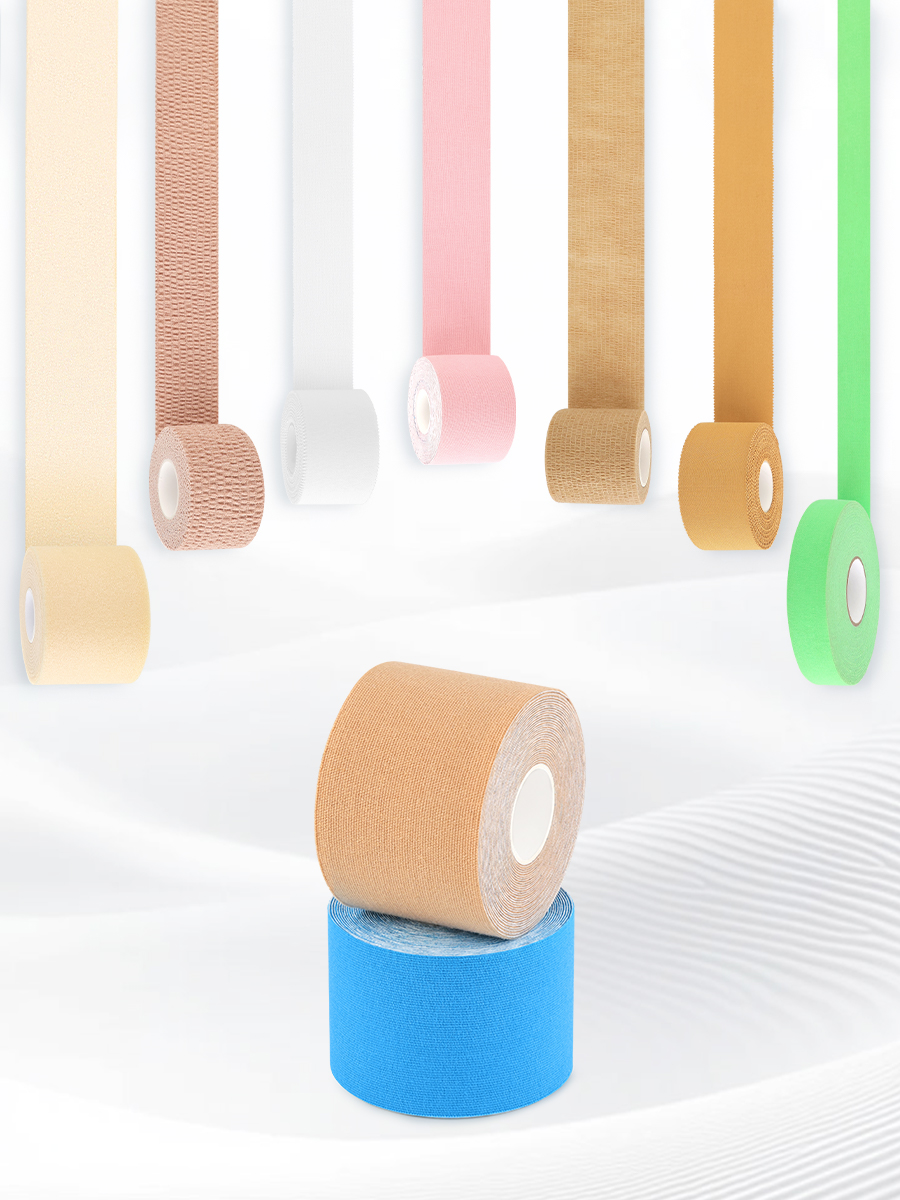
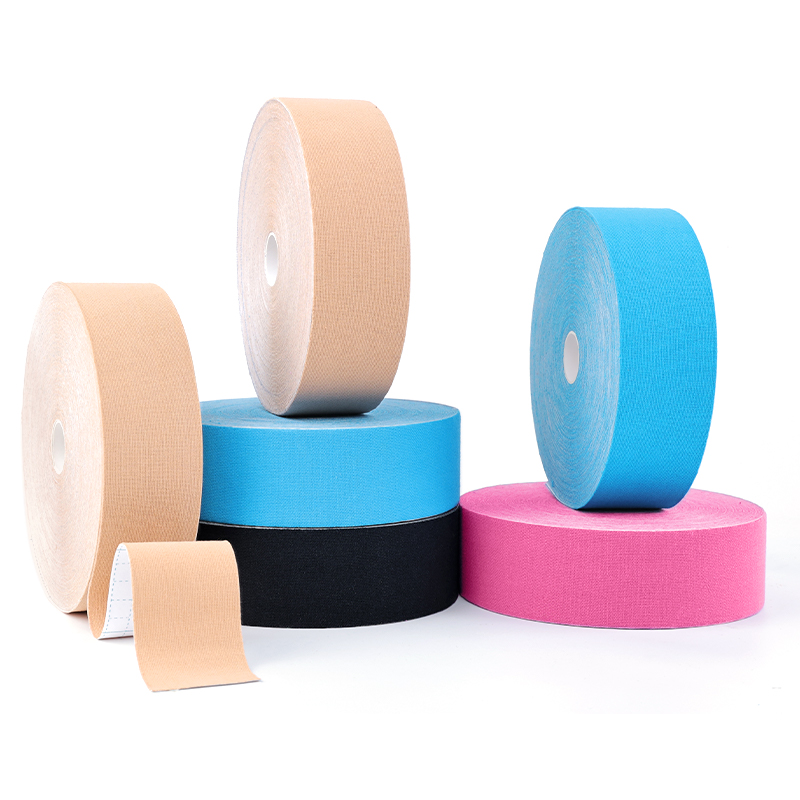
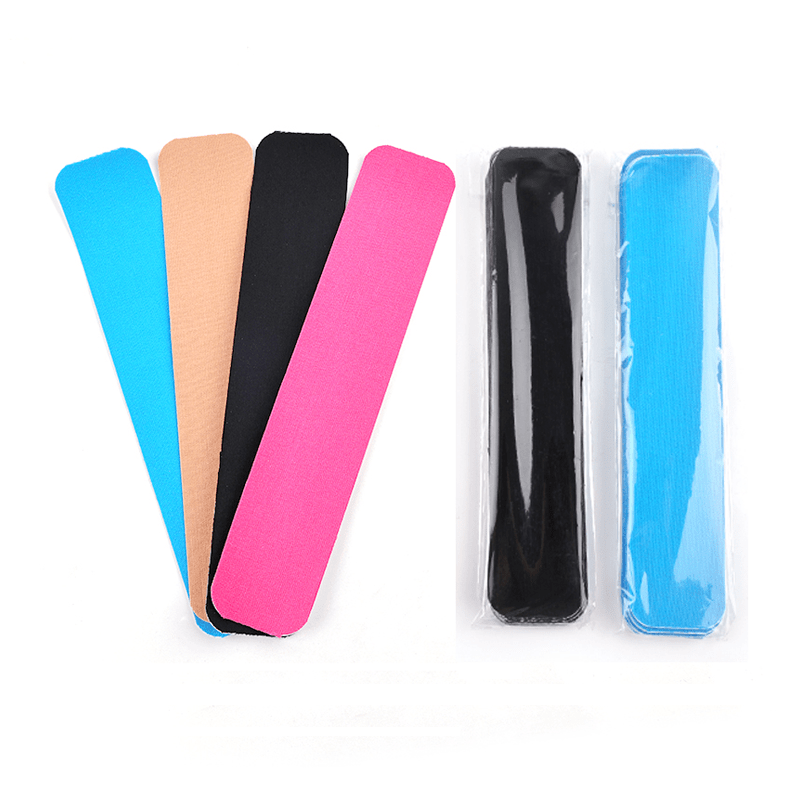
Non c'è ancora un nastro di kinesiotaping adatto per la lesione del menisco? Scegli ora il nastro che si adatta meglio a te. Il nastro di cotone è più popolare, il nastro KT sintetico è più adatto per gli sport acquatici, i rotoli pretagliati e i fogli preaffettati sono più comodi, e i rotoli da 35m sono più durevoli ed economici.
Cosa segnalano comunemente gli utenti dopo un corretto fissaggio
Una delle ragioni per cui il nastro kinesio è diventato così popolare nella medicina sportiva è il cambiamento immediato della sensazione che l'80% degli utenti descrive dopo l'applicazione.
Le persone comunemente segnalano:
- Il ginocchio si sente più stabile
- I movimenti di torsione si sentono meno stressanti
- Scendere le scale si sente più fluido
- Gli squat si sentono più controllati
- Il ginocchio si sente “tenuto insieme”
- Meno consapevolezza di instabilità durante il movimento
Alcuni utenti descrivono anche un effetto psicologico:
Una volta che il ginocchio si sente supportato, smettono di pensare costantemente all'articolazione durante il movimento.
Per le persone attive che si stanno riprendendo da un'irritazione al ginocchio, quella fiducia da sola può fare una grande differenza durante l'attività quotidiana.
Il menisco è una struttura cartilaginea a forma di C all'interno del ginocchio che funge da ammortizzatore tra il femore e la tibia.
Ogni ginocchio contiene:
- Menisco mediale (interno)
- Menisco laterale (esterno)
Un menisco strappato si verifica quando la cartilagine si torce, è sovraccaricata o compressa oltre il suo normale intervallo.
Questo tipo di infortunio al menisco del ginocchio è estremamente comune in:
- Atleti
- Adulti attivi
- Lavoratori con ginocchiate o accovacciamenti ripetitivi
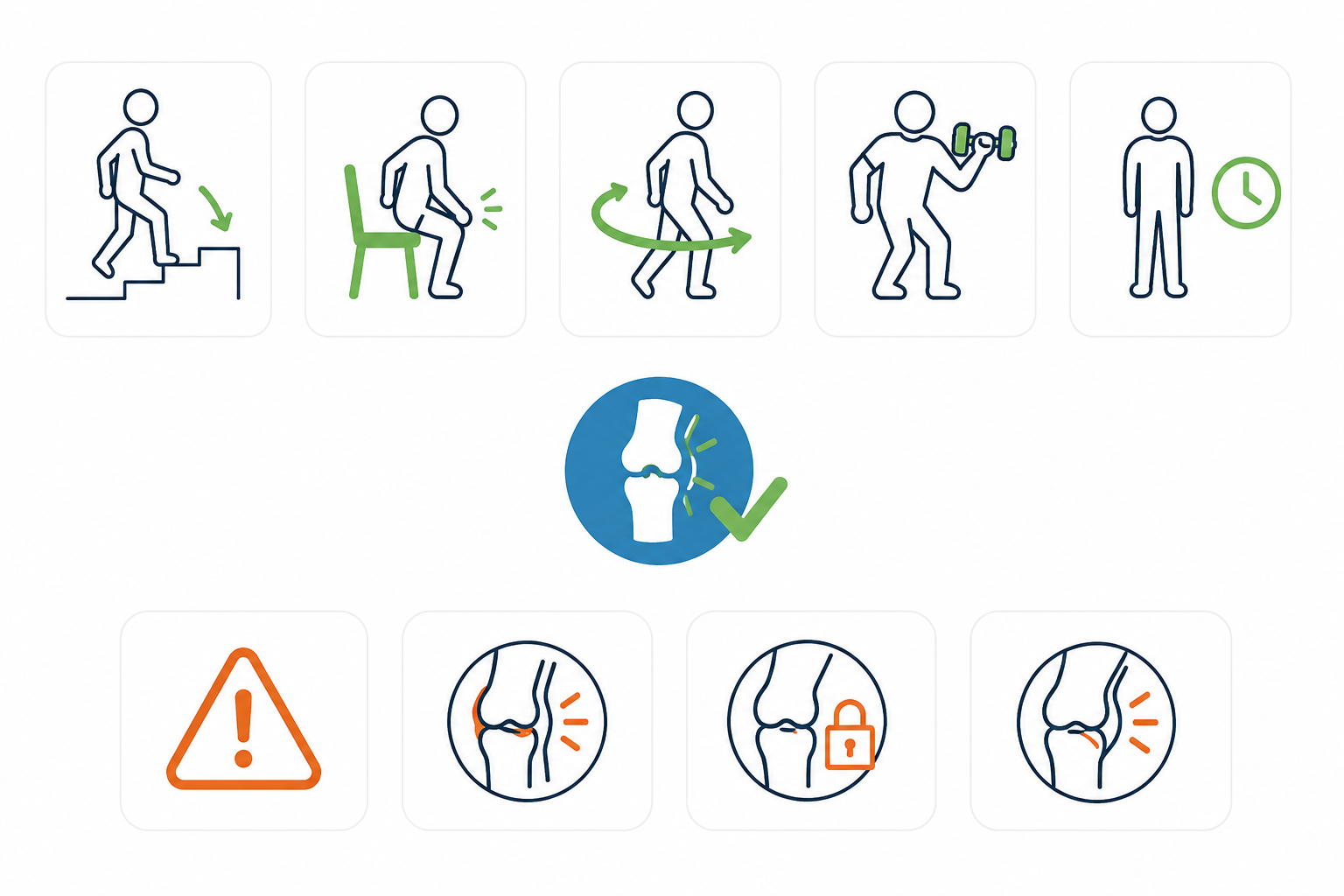
I sintomi variano a seconda della gravità, ma i segni comuni includono:
- Dolore quando si ruota il ginocchio
- Gonfiore del menisco
- Sensazioni di clic o scoppio
- Rigidità del ginocchio
- Blocco o cattura
- Debolezza mentre si scende le scale
- Dolore durante lo squat
- Dolore al menisco mediale
- Disagio quando ci si gira a letto
Molte persone descrivono il ginocchio come se si sentisse instabile, quasi come se potesse "cedere". È interessante notare che molti utenti dicono che le scale sembrano più difficili rispetto a correre dopo un'irritazione del menisco.
Basato sul feedback dei terapisti e sull'esperienza di recupero sportivo, il nastro kinesio per la lesione del menisco può aiutare a:
- Ridurre la pressione attorno all'articolazione
- Migliorare la consapevolezza del movimento
- Aiutare a controllare il gonfiore del menisco
- Migliorare il comfort durante l'attività
🔹 Importante: Il nastro kinesio per la lesione del menisco non ripara i danni alla cartilagine.
Diversi infortuni al ginocchio creano diversi problemi di movimento.
Applicazione di nastro kinesiologico per lesioni meniscaliviene utilizzato più comunemente per:
Dolore al menisco mediale
dolore interno al ginocchioè il reclamo più comune, soprattutto durante la discesa delle scale, il pivoting o l'alzarsi da una sedia.
Recupero sportivo
Gli atleti spesso usano il nastro kinesiologico durantebasketball, football, volleyball, tennis, CrossFit, running, e lavori che comportano ripetuti inginocchiamenti, accovacciamenti o sollevamenti pesanti possono anche aumentare il rischio di infortunio al menisco Perchéconsente il movimento pur fornendo supporto.
Gonfiore dopo l'attività fisica
Dopo l'allenamento, alcune ginocchia si sentono“pieno”, rigido o teso.L'effetto di sollevamento del nastro di kinesiotaping può aiutare a gestire questa sensazione di gonfiore post-attività.
Ecco una situazione comune nella vita reale:
Questo è esattamente quando molti utenti attivi iniziano a sperimentare conSupporto con nastro kinesiologico.
Riposo e Riduzione dei Movimenti Aggravanti
Evitare movimenti che sovraccaricano il ginocchio, in particolare:
- Squat profondi
- Pivotare
- Saltare
- Cambi di direzione improvvisi
Cercare di "superare" un infortunio al menisco spesso ritarda il recupero.
Applicare ghiaccio al ginocchio regolarmente
Il ghiaccio aiuta a ridurre il gonfiore e il disagio del menisco, specialmente durante le prime 48 ore dopo l'irritazione.
Applicare ghiaccio per 15–20 minuti alla volta.
Rafforzare i Muscoli di Supporto
Migliorare la forza dei quadricipiti e dei glutei può aiutare a ridurre lo stress sul ginocchio e migliorare il controllo del movimento durante il recupero.
Considerare la Fisioterapia
I programmi di riabilitazione professionale spesso si concentrano su forza, mobilità e correzione del movimento per migliorare la stabilità del ginocchio a lungo termine.
Utilizzare Compressione e Supporto
Maniche compressive, tutori sportivi e tecniche di taping di supporto possono tutti aiutare a migliorare la fiducia durante il movimento.
Questo dipende dall'obiettivo.
| Caratteristica | Nastro Kinesiologico | Tutore per Ginocchio con Cerniera |
|---|---|---|
| Ampiezza di Movimento | Naturale | Limitato |
| Coinvolgimento Muscolare | Maggiore | Minore |
| Ingombro | Basso | Alto |
| Comfort Sportivo | Eccellente | Moderato |
| Forza di Stabilizzazione | Moderata | Forte |
| Miglior Utilizzo | Supporto e recupero quotidiano | Instabilità acuta e post-chirurgia |
Molti atleti preferiscono il nastro kinesiologico per lo sport perché si sente più leggero e consente un movimento più naturale, mentre i tutori forniscono tipicamente un supporto strutturale più forte.
Evitare di applicare il nastro su:
- Pelle rotta
- Eruzioni cutanee
- Ferite aperte
- Irritazione attiva
Non allungare eccessivamente il nastro.
Troppa tensione può:
- Irritare la pelle
- Limitare il movimento
- Ridurre il comfort
Se il dolore diventa significativamente peggiore dopo l'applicazione, rimuovere il nastro per kinesiotaping per la lesione del menisco e consultare un medico.
Il nastro kinesio è uno strumento di supporto — non un sostituto della valutazione medica.
Non fare affidamento solo sul nastro kinesio se sperimenti:
- Blocco del ginocchio
- Gonfiore importante
- Collasso improvviso durante la camminata
- Incapacità di sopportare peso
- Sensazioni di scoppio acuto
- Sospetta rottura del legamento crociato anteriore o di un legamento
- Severa instabilità dopo un infortunio
Se i sintomi continuano a peggiorare, si raccomanda vivamente una valutazione medica professionale.
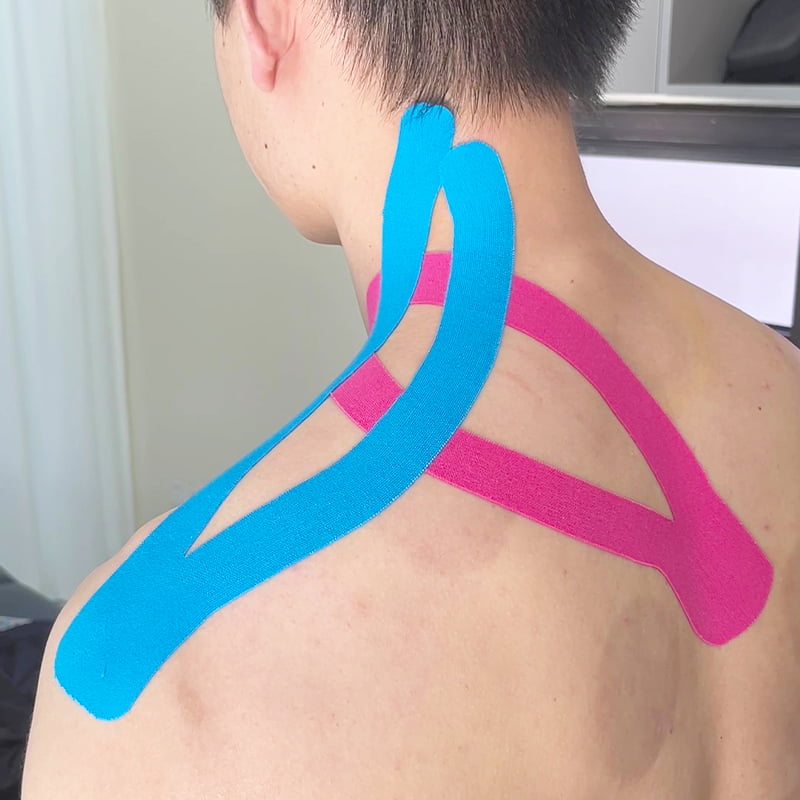
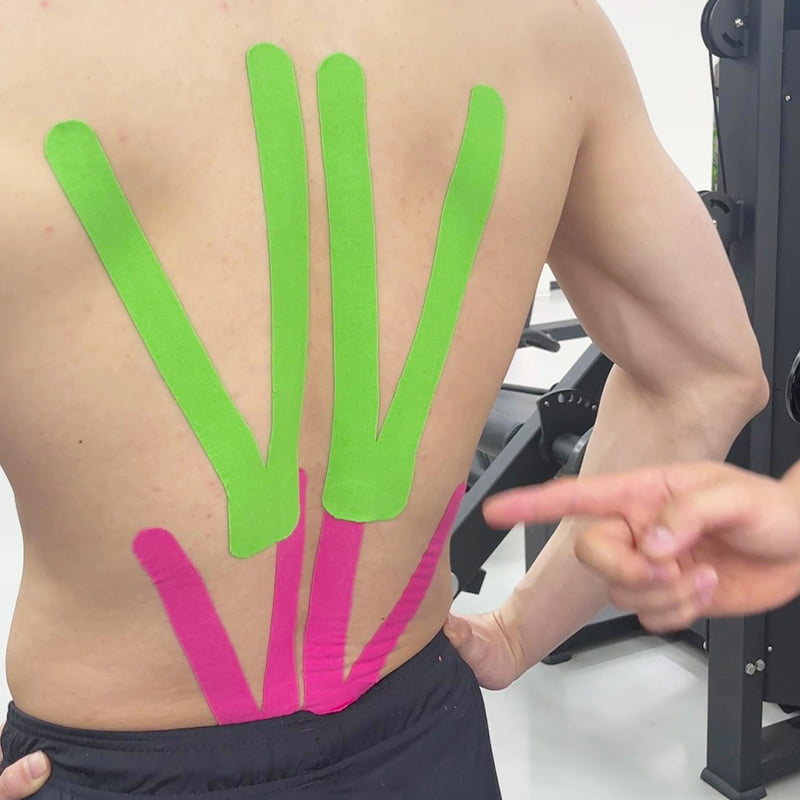
Come applicare il rimedio per il dolore al ginocchio in altre zone
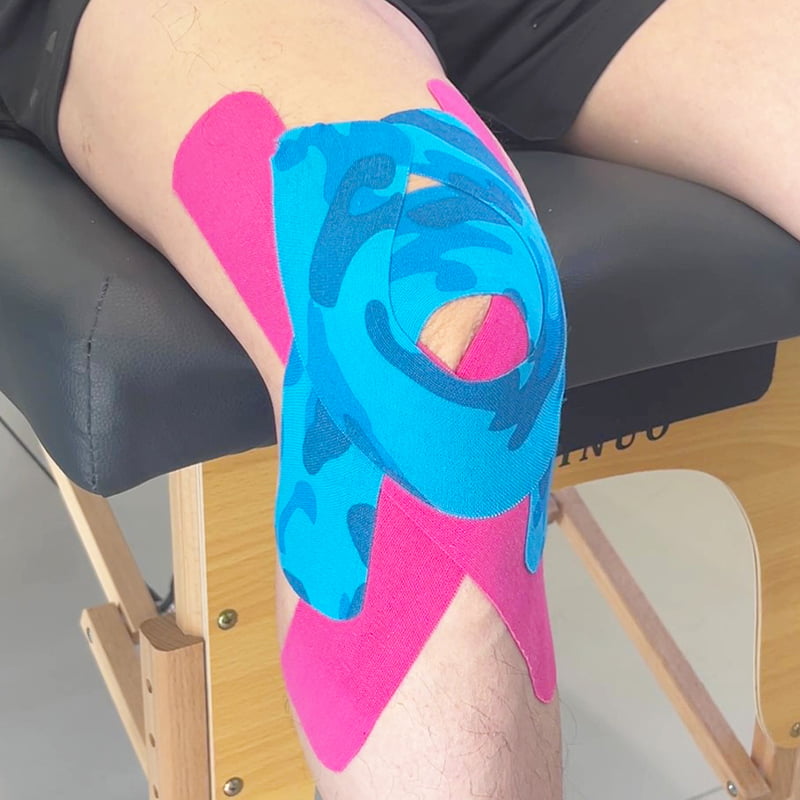
.jpg?w=1080&h=1080)
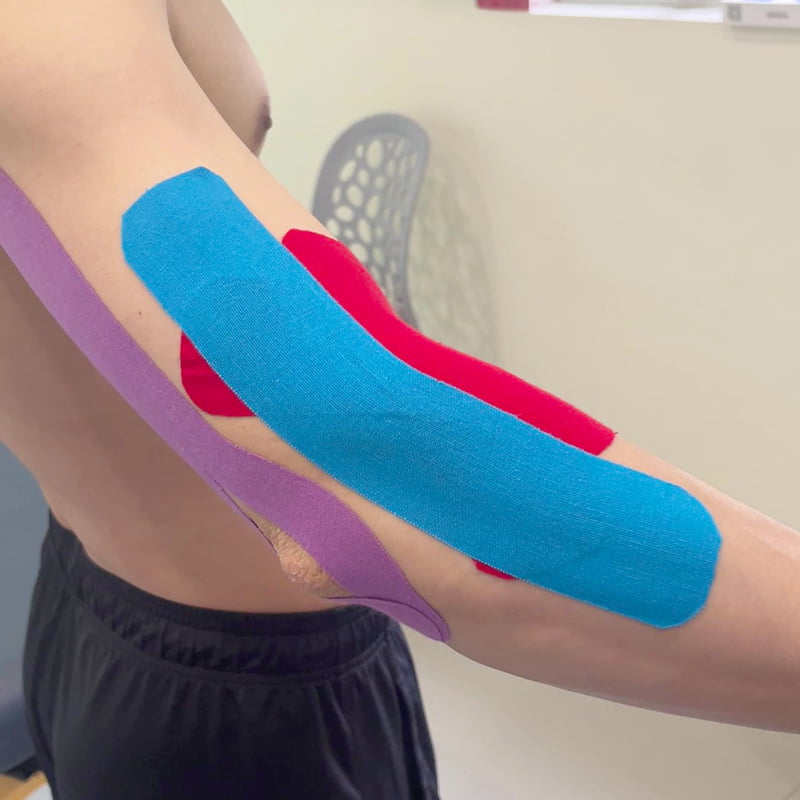
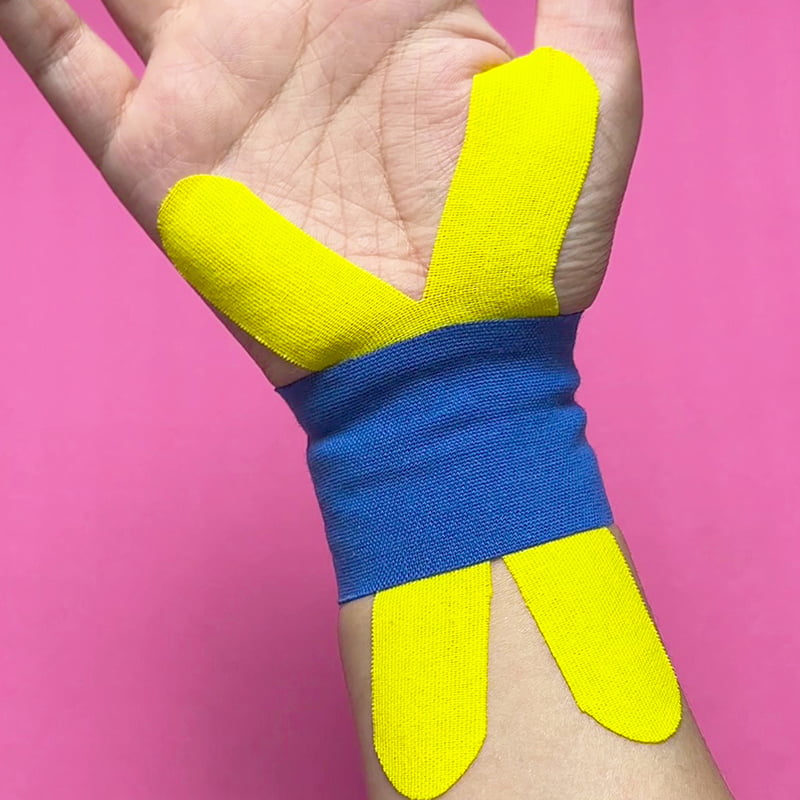
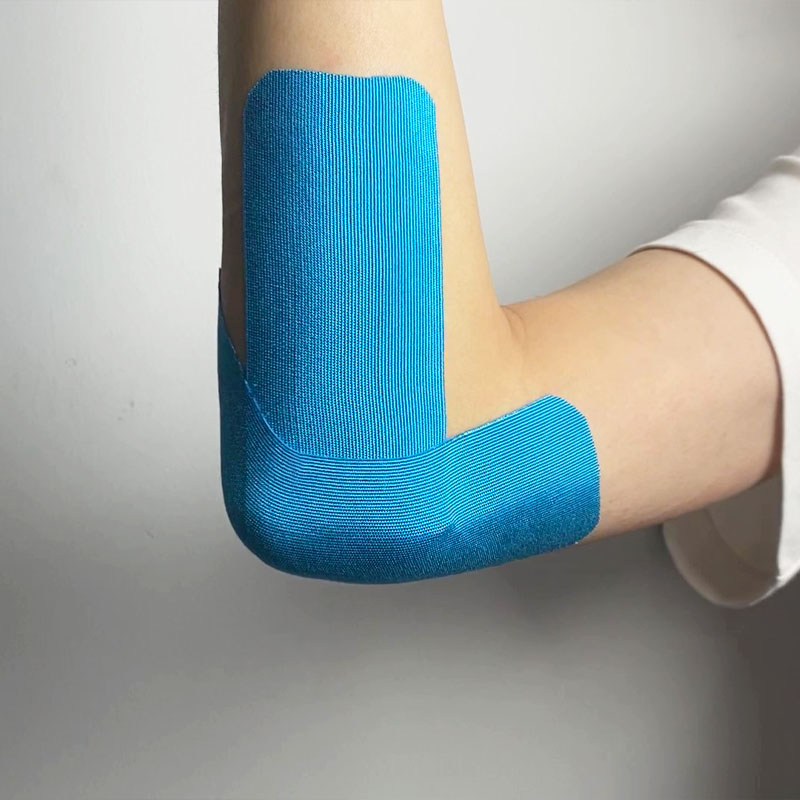
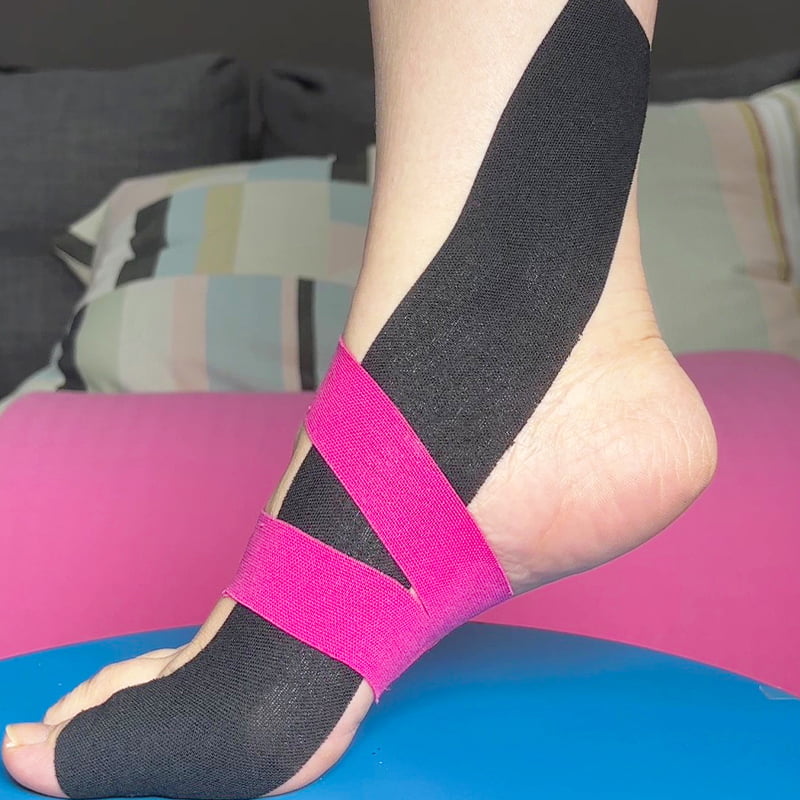
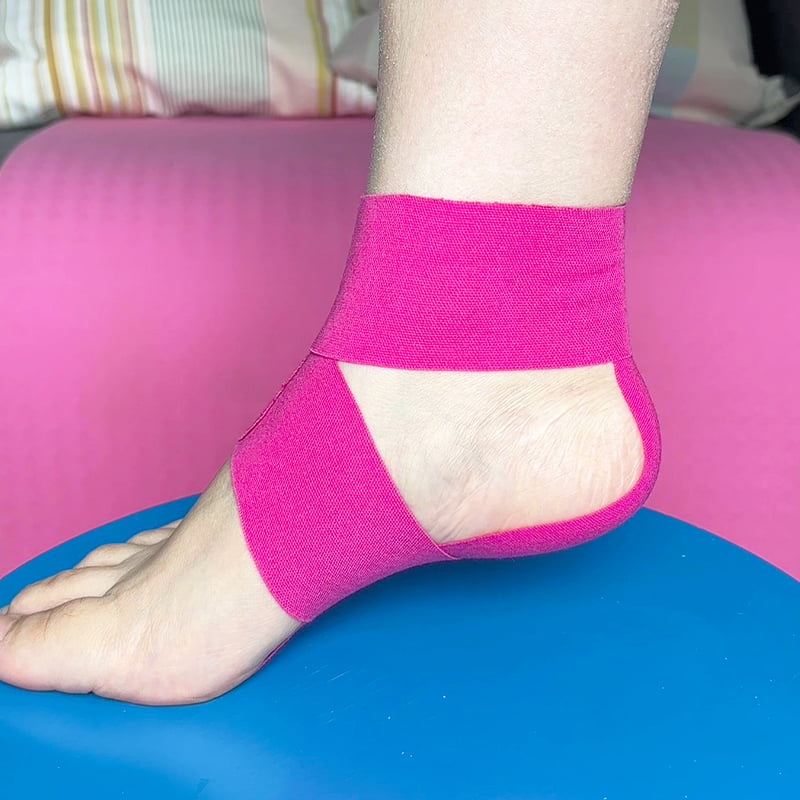
La maggior parte del nastro per kinesiotaping dura 3–5 giorni, a seconda della sudorazione, del livello di attività, delle condizioni della pelle e della qualità dell'adesivo.
Il 50% degli atleti di solito cambia il proprio nastro dopo aver sudato molto. Clicca su "Quanto tempo indossarlo?" per saperne di più.
Nastro kinesio per lesioni al menisco consente maggiore flessibilità e movimento naturale, mentre le ginocchiere offrono una restrizione e stabilizzazione più forti.
Per livelli di supporto più elevati, i terapisti spesso combinano esso con:
a seconda del livello di attività e della fase di recupero.
Non tutti i nastri di kinesiotaping si comportano allo stesso modo una volta che il ginocchio inizia a muoversi.
Come produttore professionale di nastri di kinesiotaping e fornitore OEM, Veefun si concentra su due fattori chiave che influenzano direttamente le prestazioni di supporto del ginocchio:
1. Ritorno elastico
La forza di “ritorno” del nastro influisce su quanto supporto si percepisce durante il movimento.
Per il supporto del menisco, il nastro di kinesiotaping sintetico è spesso preferito perché mantiene una maggiore elasticità durante la flessione ripetuta del ginocchio, l'attività sportiva e le condizioni di alta sudorazione.
2. Stabilità adesiva
I ginocchi subiscono costante attrito, allungamento e esposizione al sudore. I nastri di bassa qualità iniziano spesso a staccarsi attorno alla rotula dopo poche ore, riducendo le prestazioni complessive di supporto.
Il nastro di kinesiotaping di grado professionale utilizza tipicamente un adesivo acrilico di grado medico progettato per rimanere stabile durante il movimento, pur essendo delicato sulla pelle.
Molti utenti alle prime armi pensano che il metodo di applicazione sia fallito, quando il vero problema è spesso la qualità del nastro stesso.
Considerazioni finali
Il nastro kinesio per il supporto della lesione del menisco non può riparare i danni alla cartilagine, ma un'applicazione corretta del nastro può aiutare a migliorare il comfort, la fiducia nei movimenti e il supporto al ginocchio durante il recupero.
Veefun produce nastro kinesio di grado professionale, nastro sportivo rigido, nastro in ossido di zinco, nastro EAB e soluzioni private label OEM per cliniche sportive, distributori e marchi di riabilitazione in tutto il mondo.
Contatta il nostro team per campioni, supporto OEM e soluzioni di preventivo per acquisti all'ingrosso.
Dichiarazione di non responsabilità medica
Questa guida è solo a scopo educativo e riflette l'esperienza pratica dell'industria della produzione di nastro kinesio e del supporto sportivo. Non sostituisce una diagnosi o un trattamento medico professionale.
Il dolore persistente al ginocchio, il bloccaggio, il gonfiore o l'instabilità devono sempre essere valutati da un professionista sanitario qualificato.