
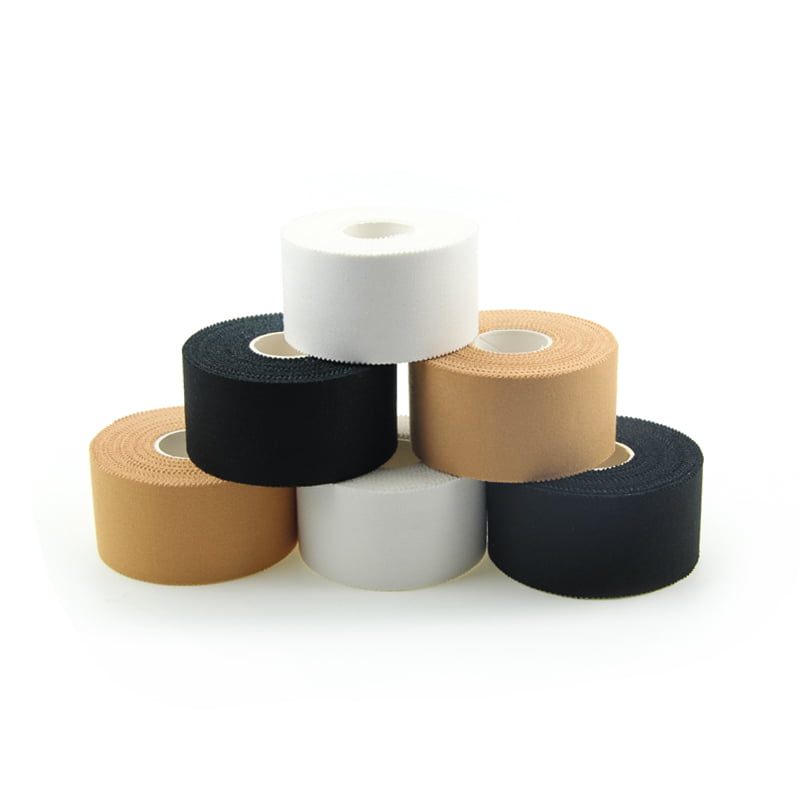
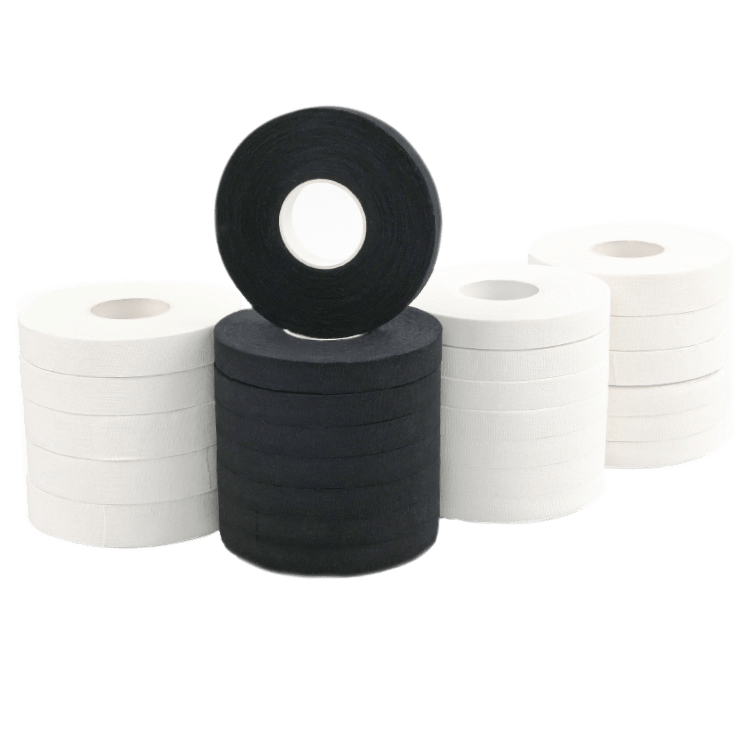
كيفية استخدام شريط العلاج الحركي لعلاج تمزق الغضروف الهلالي
يمكن أن يساعد شريط الكينيسيولوجيا في تمزق الغضروف الهلالي؟ نعم. يعمل شريط الكينيسيولوجيا لدعم تمزق الغضروف الهلالي من خلال إنشاء "جسر" وظيفي حول مفصل الركبة لتحسين الاستقرار وتخفيف الضغط عن الغضروف الممزق. من خلال رفع الجلد لتعزيز الدورة الدموية، فإنه يدير بشكل فعال تورم الغضروف الهلالي ويخفف من ألم الغضروف الهلالي الداخلي. بالنسبة للرياضيين والمرضى، يوفر الشريط المناسب التغذية الراجعة الحسية اللازمة لاستعادة الثقة أثناء المشي، والتدوير، وتمارين التعافي.
تحضير الركبة قبل وضع الشريط اللاصق
أحد أكبر الأسباب التي تؤدي إلى فشل الشريط في وقت مبكر هو التحضير السيئ للجلد. في بيئات إعادة تأهيل الرياضة، يقضي المعالجون وقتًا إضافيًا في تحضير الجلد لأنه يؤثر بشكل مباشر على مدة بقاء شريط الكينيسيو لعلاج تمزقات الغضروف ومدى دعمه للمفصل.
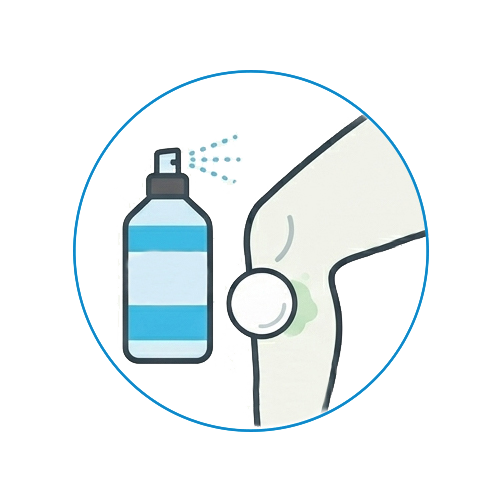
Clean and Dry the Area
Wash the knee with mild soap to remove sweat, oils, and lotion. Dry completely.

Trim Excess Hair
If there’s significant hair around the knee, trimming it improves adhesion and makes removal much more comfortable afterward.
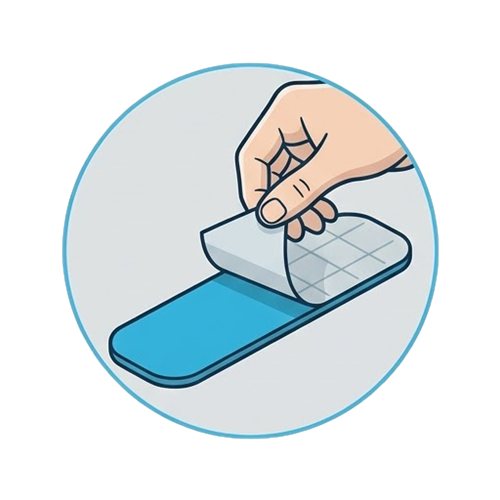
Pre-Cut the Tape Strips
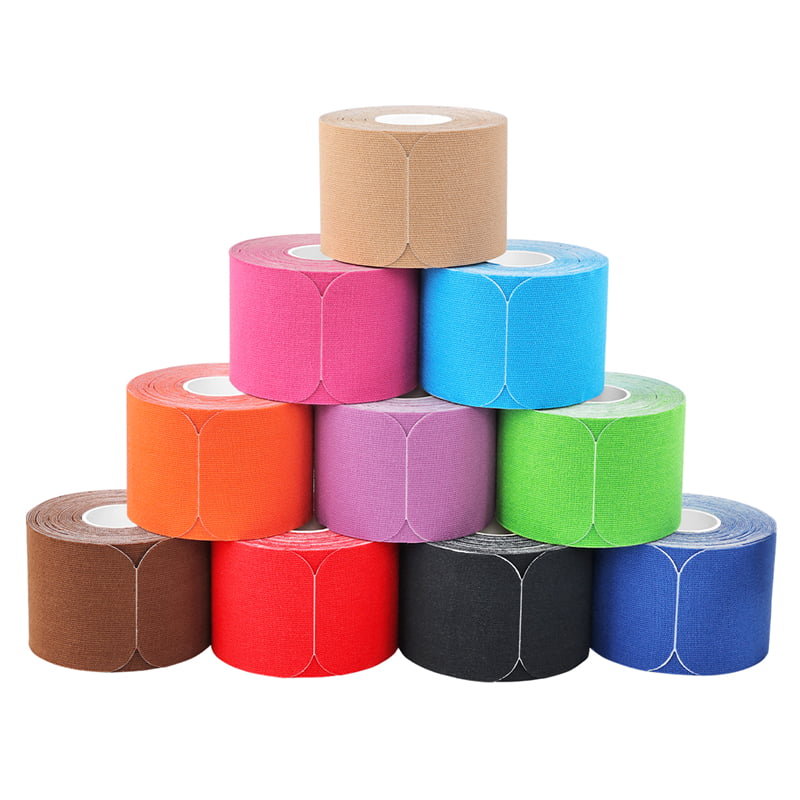
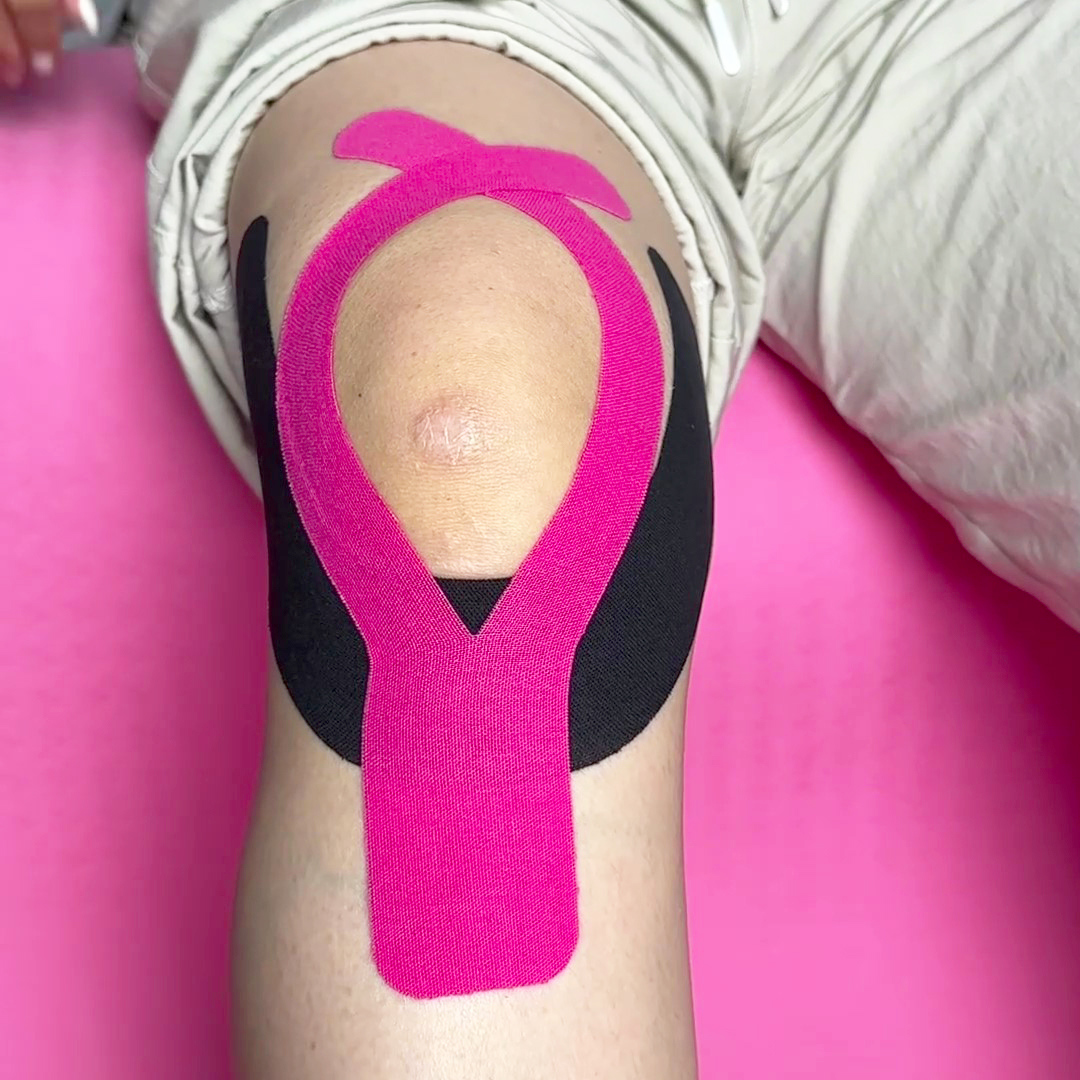
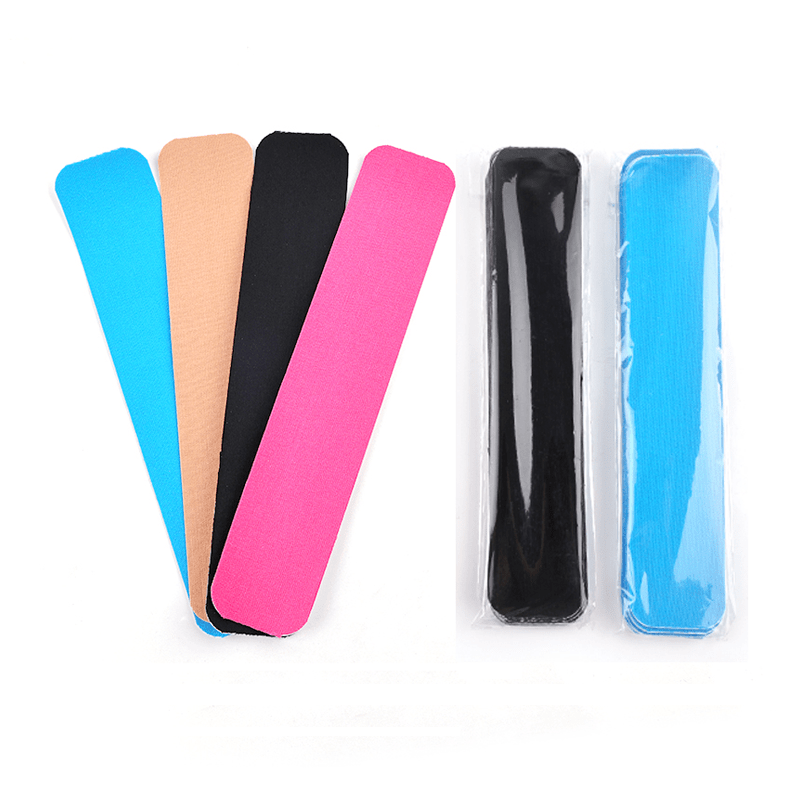
For most meniscus support applications, you’ll need: One 20cm I-strip and one 25cm Y-strip.
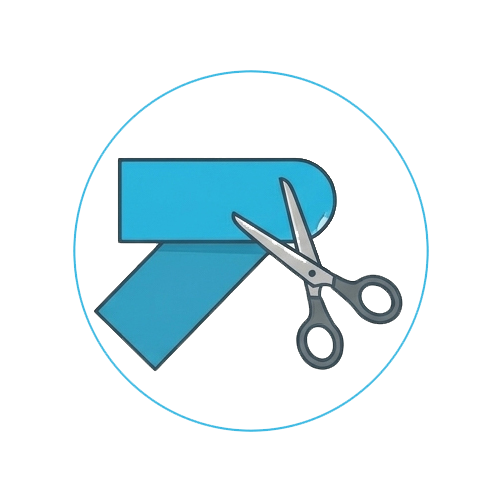
Rounding the Corners
Rounding the corners helps prevent edge peeling during workouts or long work shifts.
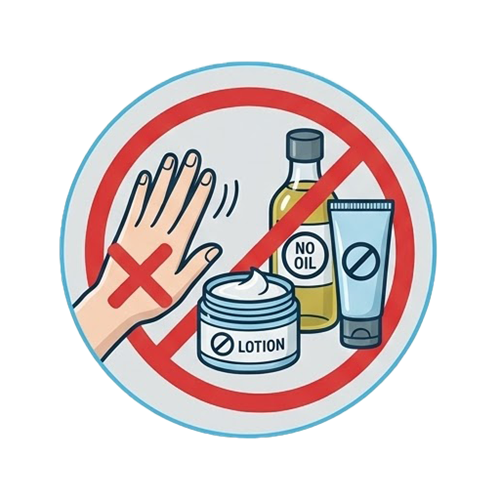
Avoid Creams or Oils
Do not apply lotion, massage oil, or muscle balm before taping. The adhesive works best on clean, dry skin.
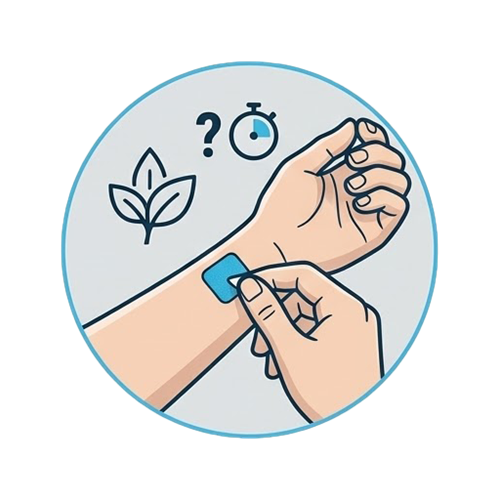
Test Sensitive Skin First
If you have sensitive skin, test a small section for several hours first. Stop use immediately if you notice burning, severe itching, redness, or rash.
الأخطاء الشائعة التي تجعل لصق الغضروف المفصلي أقل فعالية
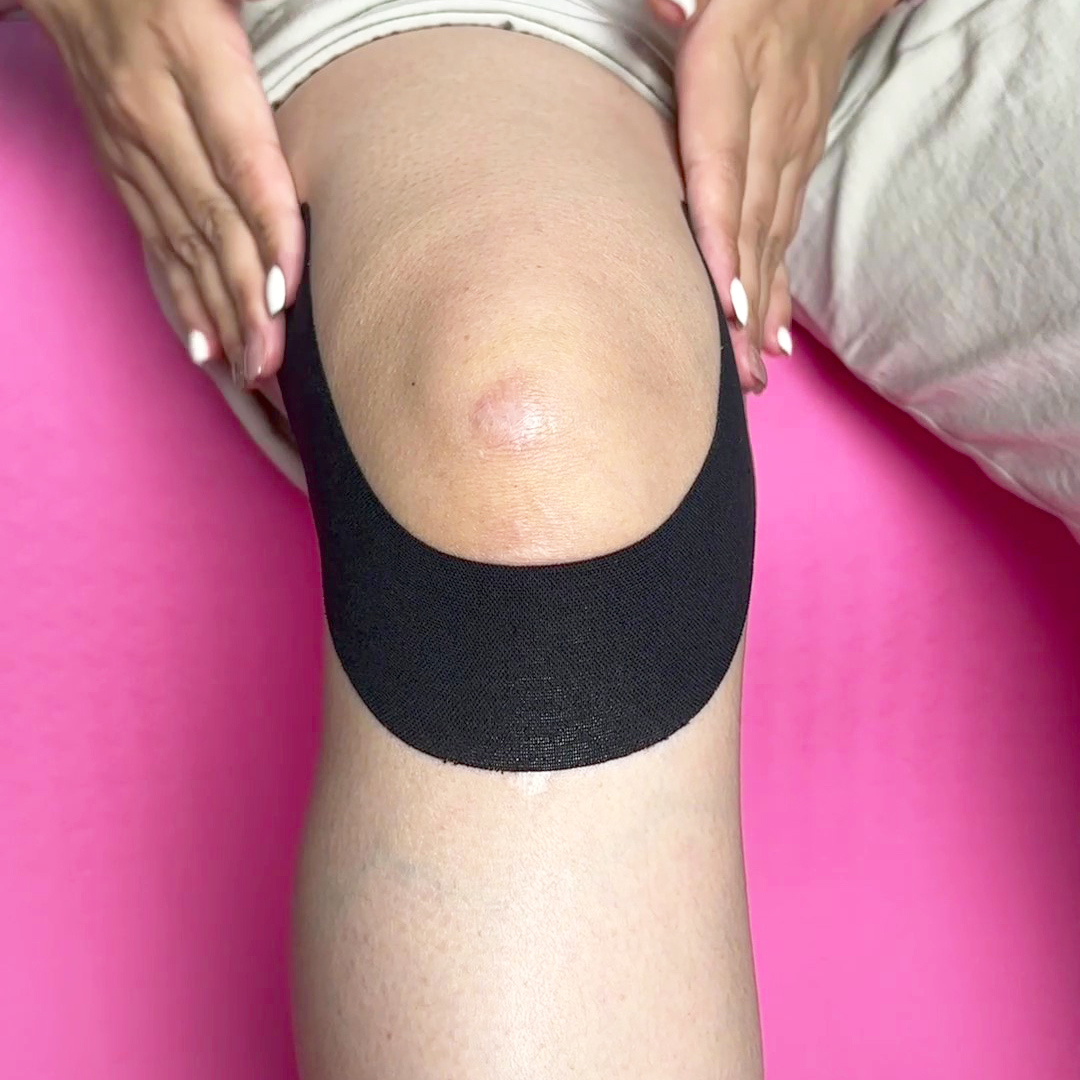
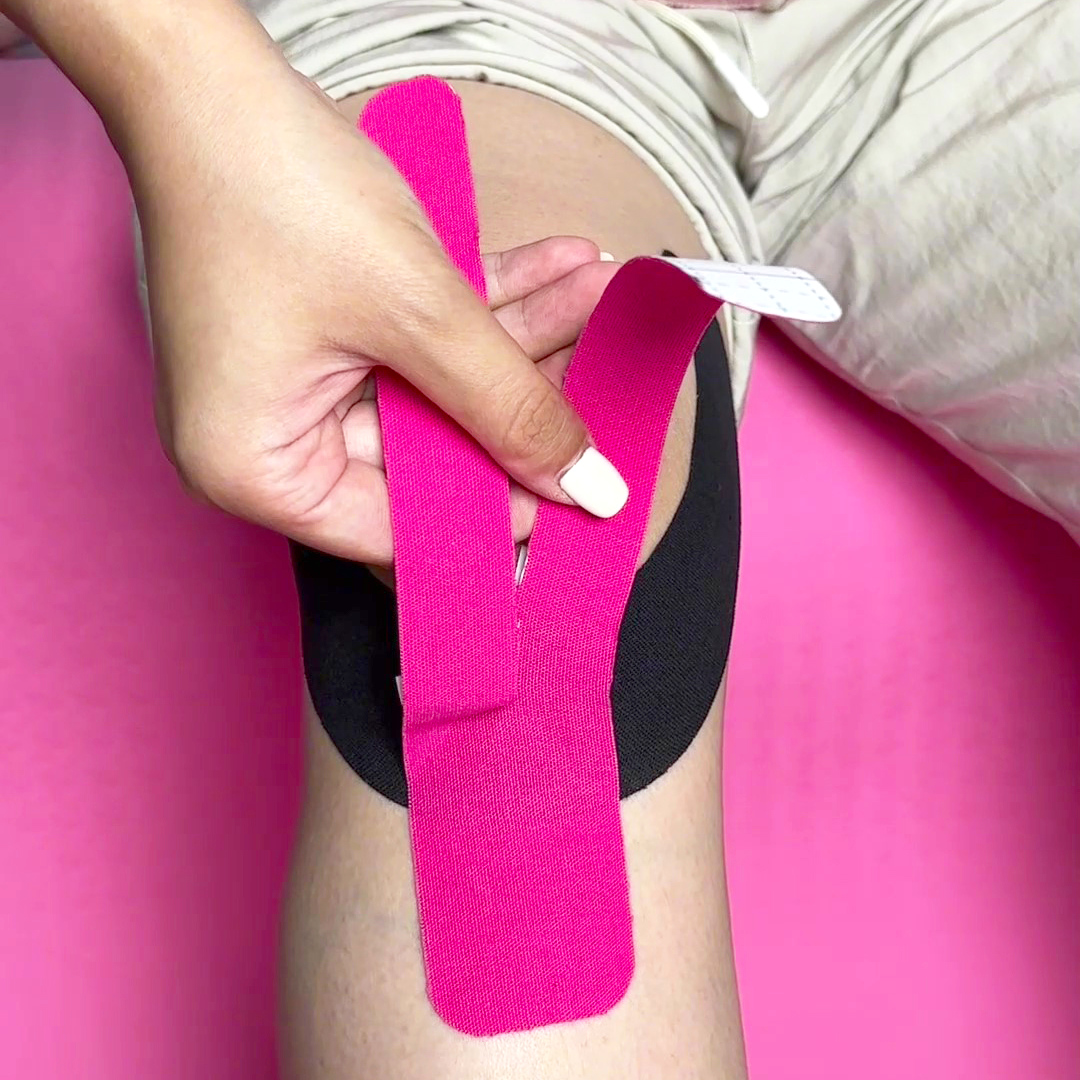
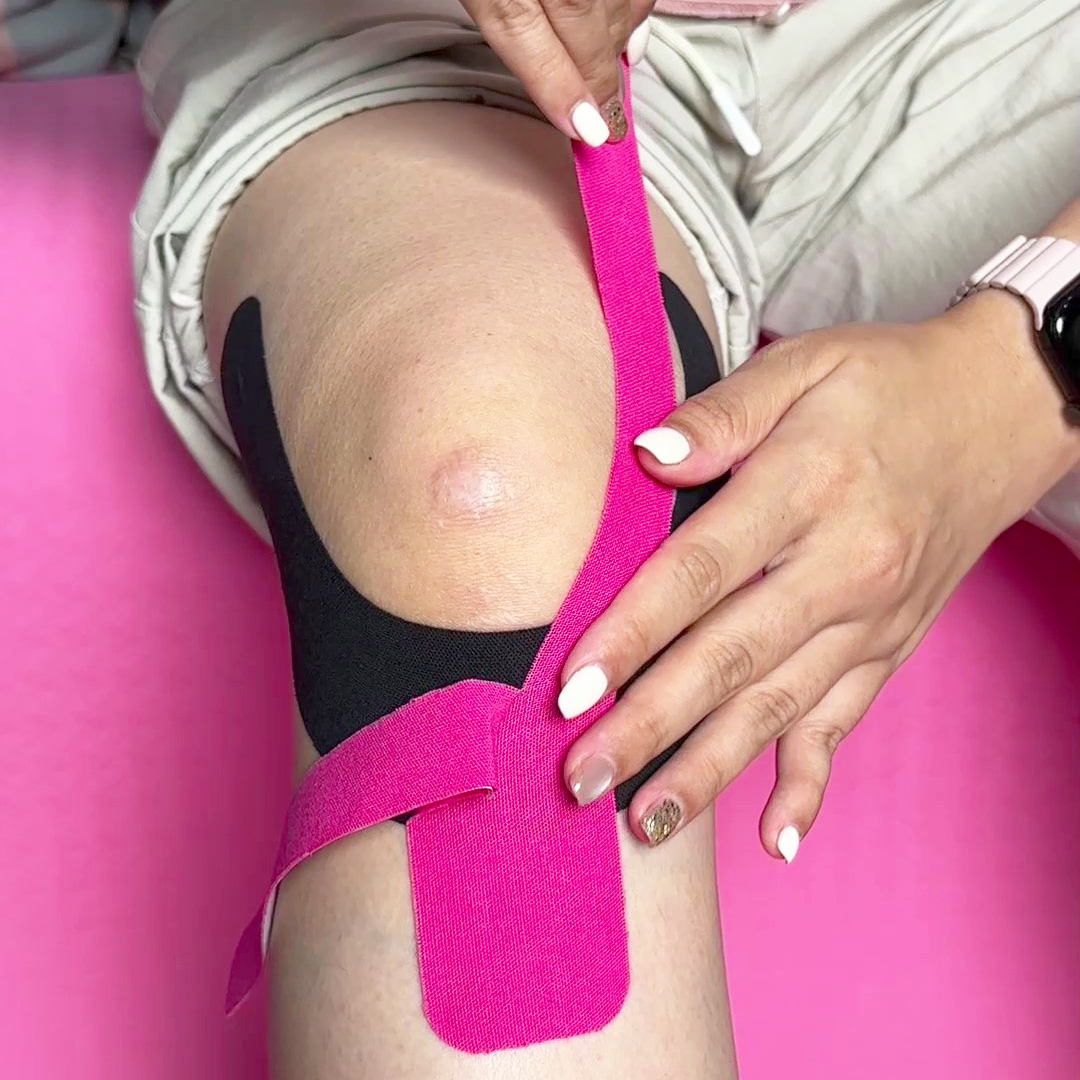
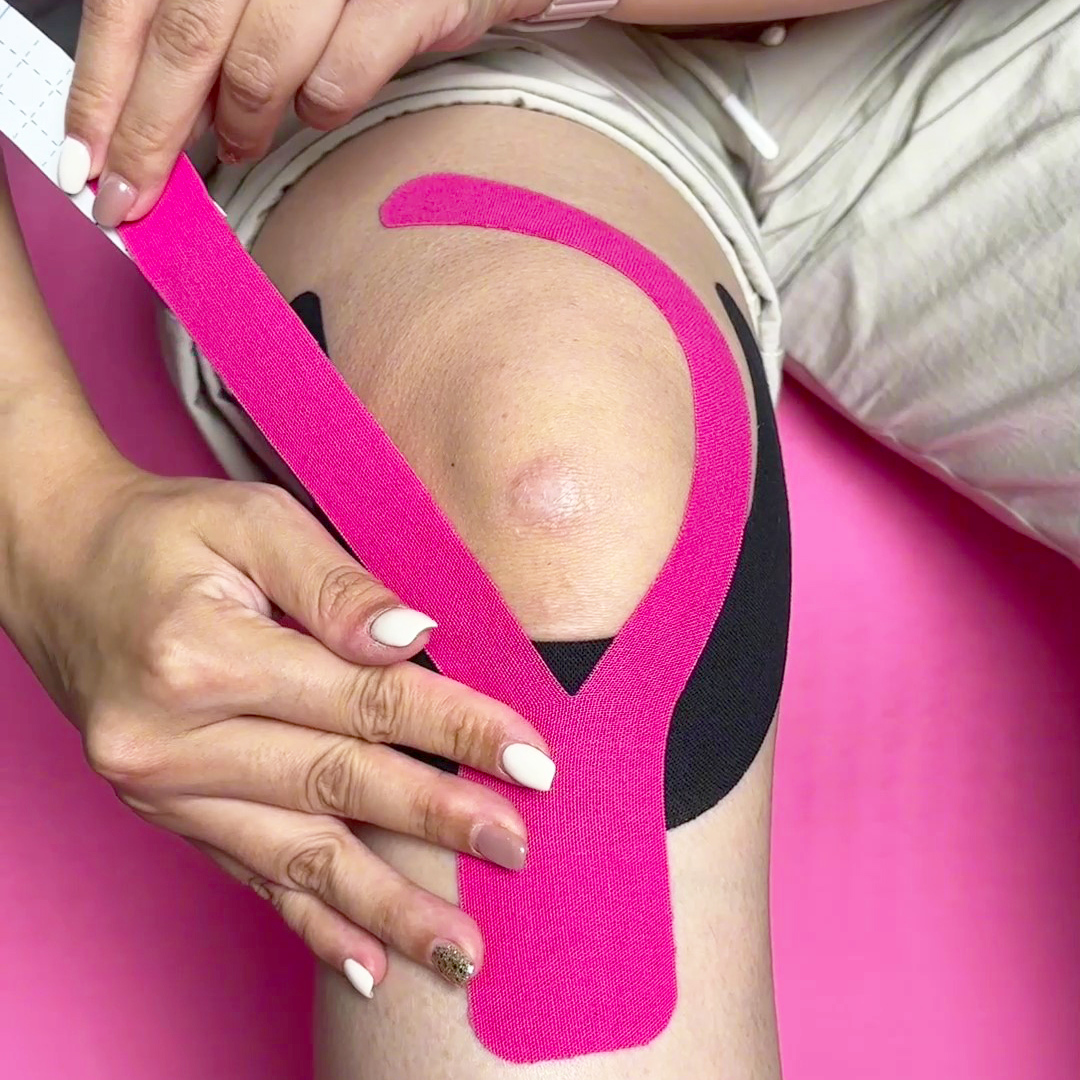
دليل لصق شريط علم الحركة لتمزق الغضروف خطوة بخطوة
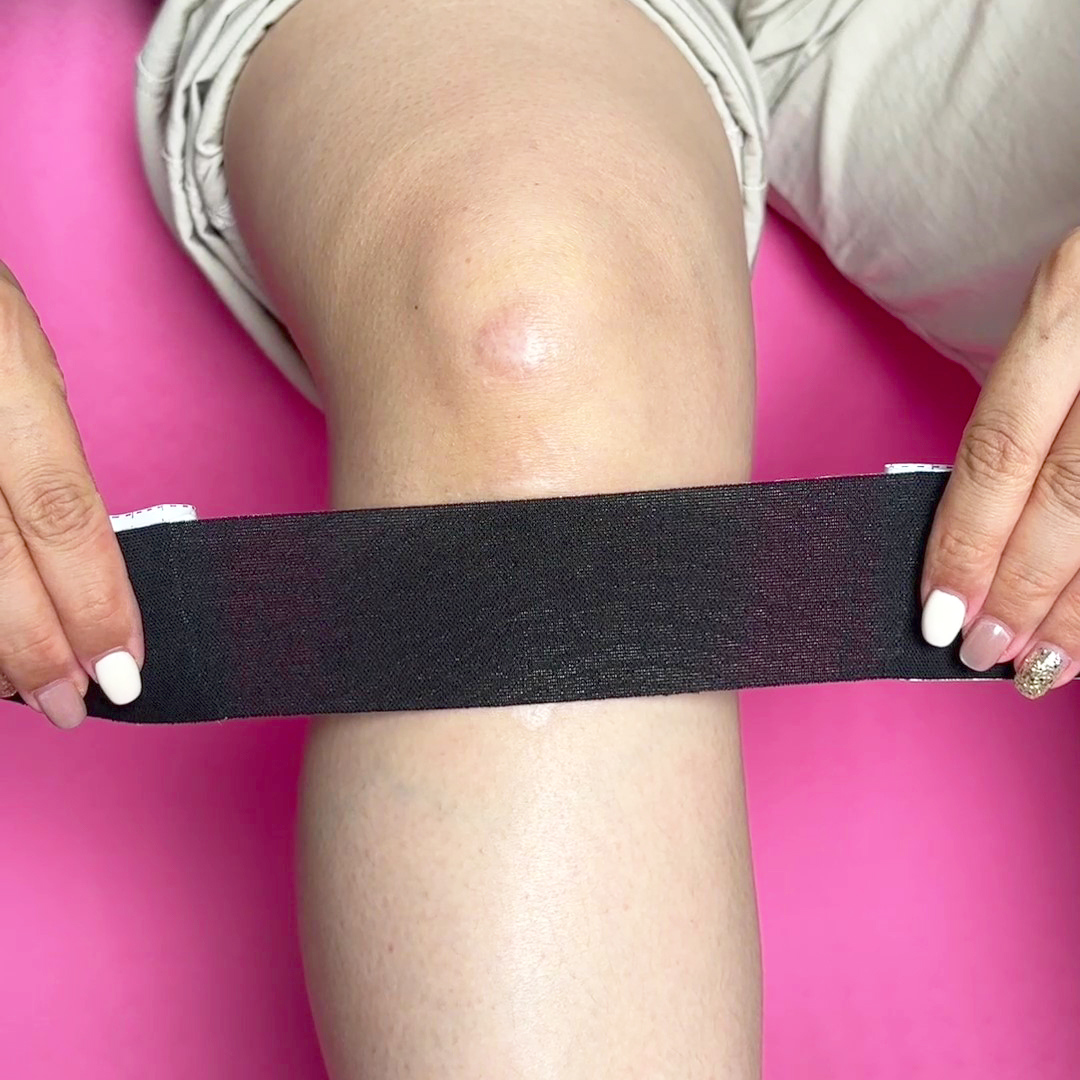
اجلس بشكل مريح وثني الركبة بزاوية تتراوح بين 30 إلى 45 درجة. تساعد هذه الوضعية الشريط على التكيف بشكل طبيعي مع ملامح المفصل.
ما يبلغه المستخدمون عادةً بعد التثبيت الصحيح
أحد الأسباب التي جعلت شريط الكينيسيولوجيا شائعًا جدًا في طب الرياضة هو تغيير الإحساس الفوري الذي يصفه 80% من المستخدمين بعد التطبيق.
يبلغ الناس عادةً عن:
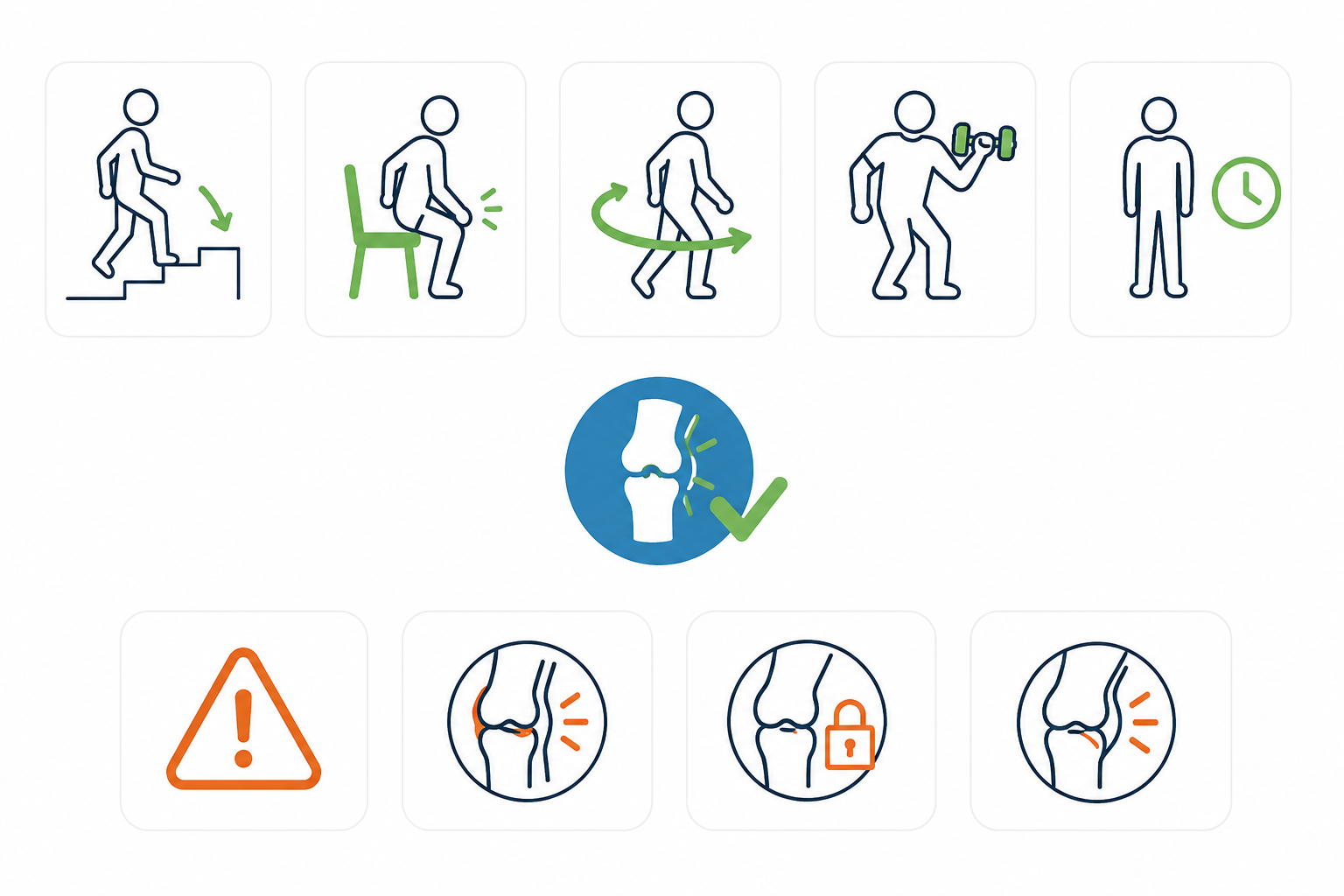
- يبدو أن الركبة أكثر استقرارًا
- تبدو الحركات الدوارة أقل إجهادًا
- المشي على الدرج يبدو أكثر سلاسة
- تمارين القرفصاء تبدو أكثر تحكمًا
- تشعر الركبة بأنها "مربوطة معًا"
- أقل وعي بعدم الاستقرار أثناء الحركة
بعض المستخدمين يصفون أيضًا تأثيرًا نفسيًا:
بمجرد أن تشعر الركبة بالدعم، يتوقفون عن التفكير باستمرار في المفصل أثناء الحركة.
بالنسبة للأشخاص النشطين الذين يتعافون من تهيج الركبة، يمكن أن يحدث هذا الثقة وحدها فرقًا كبيرًا أثناء النشاط اليومي.
The meniscus is a C-shaped cartilage structure inside the knee that acts as a shock absorber between the thigh bone and shin bone.
Each knee contains:
- Medial meniscus (inside)
- Lateral meniscus (outside)
A torn meniscus occurs when the cartilage becomes twisted, overloaded, or compressed beyond its normal range.
This type of knee meniscus injury is extremely common in:
- Athletes
- Active adults
- Workers with repetitive kneeling or squatting
Symptoms vary depending on severity, but common signs include:
- Pain when twisting the knee
- Meniscus swelling
- Clicking or popping sensations
- Knee stiffness
- Locking or catching
- Weakness while walking downstairs
- Pain during squatting
- Medial meniscus pain
- Discomfort when turning in bed
Many people describe the knee as feeling unstable, almost like it may “give out.” Interestingly, many users say stairs feel harder than running after a meniscus irritation.
Based on therapist feedback and sports recovery experience, kinesiology tape for meniscus tear support may help by:
- Reducing pressure around the joint
- Improving movement awareness
- Helping control meniscus swelling
- Improving comfort during activity
🔹 Important: Kinesiology tape for meniscus tear does not repair cartilage damage.
Different knee injuries create different movement problems.
Kinesiology tape for meniscus tear applications is most commonly used for:
Medial Meniscus Pain
Inner knee pain is the most common complaint, especially during walking downstairs, pivoting, or getting up from a chair.
Sports Recovery
Athletes often use kinesiology tape during basketball, football, volleyball, tennis, CrossFit, running, and Jobs involving repeated kneeling, squatting, or heavy lifting may also increase the risk of meniscus injury because it allows movement while still providing support.
Swelling After Activity
After training, some knees feel “full,” stiff, or tight. The lifting effect of kinesiology tape may help manage this post-activity swelling sensation.
A common real-world situation is this:
This is exactly when many active users start experimenting with kinesiology tape support.
Rest and Reduce Aggravating Movement
Avoid movements that overload the knee, especially:
- Deep squats
- Pivoting
- Jumping
- Sudden direction changes
Trying to “push through” a meniscus injury often delays recovery.
Ice the Knee Regularly
Ice helps reduce meniscus swelling and discomfort, especially during the first 48 hours after irritation.
Apply ice for 15–20 minutes at a time.
Strengthen Supporting Muscles
Improving quadriceps and glute strength may help reduce stress on the knee and improve movement control during recovery.
Consider Physical Therapy
Professional rehabilitation programs often focus on strength, mobility, and movement correction to improve long-term knee stability.
Use Compression and Support
Compression sleeves, sports braces, and supportive taping techniques can all help improve confidence during movement.
This depends on the goal.
| Feature | Kinesiology Tape | Hinged Knee Brace |
|---|---|---|
| Range of Motion | Natural | Restricted |
| Muscle Engagement | Higher | Lower |
| Bulkiness | Low | High |
| Sports Comfort | Excellent | Moderate |
| Stabilization Strength | Moderate | Strong |
| Best Use | Daily support & recovery | Acute instability & post-surgery |
Many athletes prefer kinesiology tape for sports because it feels lighter and allows more natural movement, while braces typically provide stronger structural support.
Avoid applying tape over:
- Broken skin
- Rashes
- Open wounds
- Active irritation
Do not overstretch the tape.
Too much tension can:
- Irritate the skin
- Restrict movement
- Reduce comfort
If pain becomes significantly worse after taping, remove the kinesiology tape for meniscus tear and seek medical advice.
Kinesiology tape is a support tool — not a replacement for medical evaluation.
Do not rely on kinesiology tape alone if you experience:
- Knee locking
- Major swelling
- Sudden collapse during walking
- Inability to bear weight
- Sharp popping sensations
- Suspected ACL or ligament rupture
- Severe instability after injury
If symptoms continue worsening, a professional medical assessment is strongly recommended.
كيفية تطبيقها لعلاج آلام الركبة في مناطق أخرى
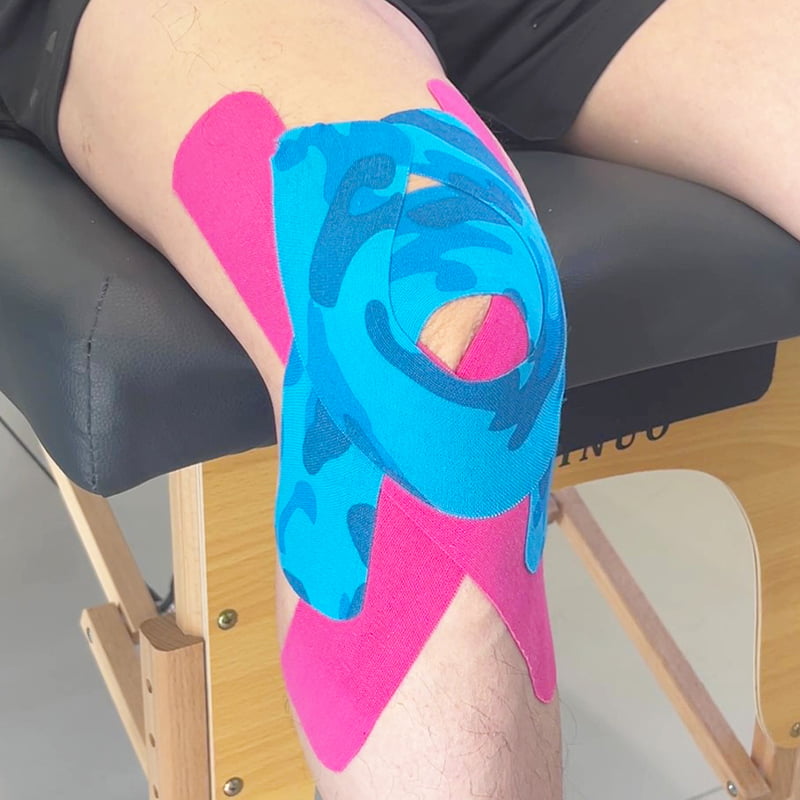
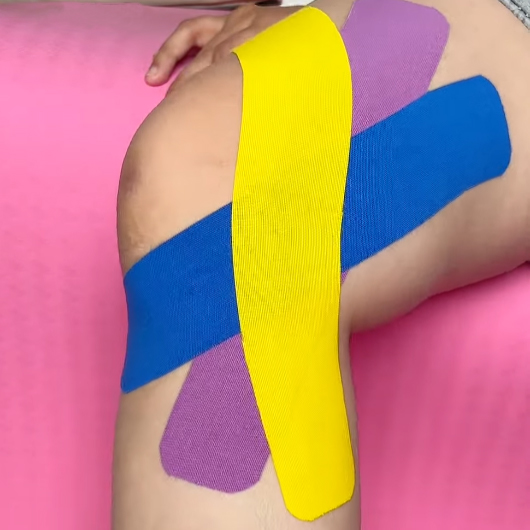
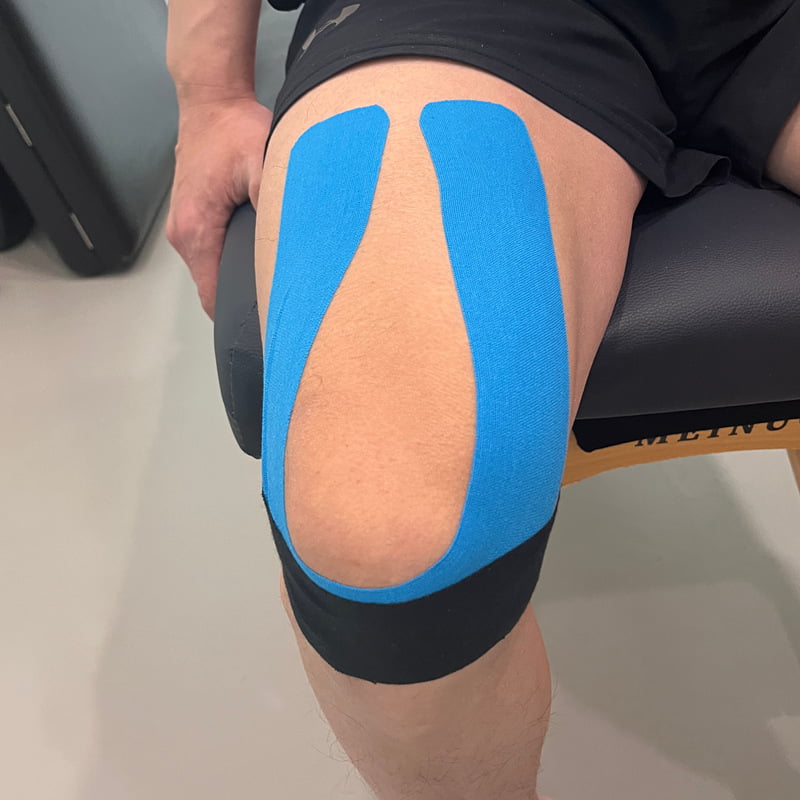
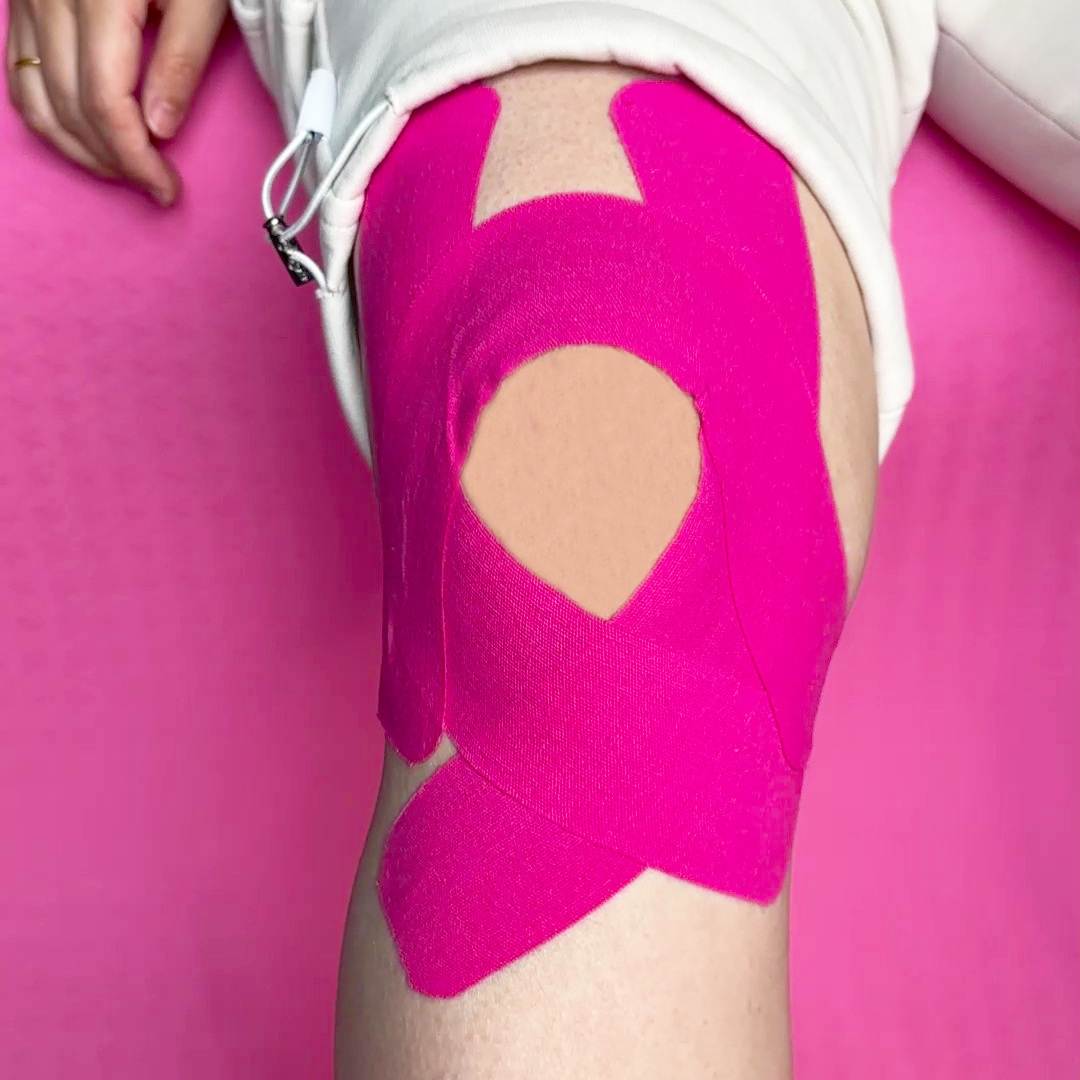
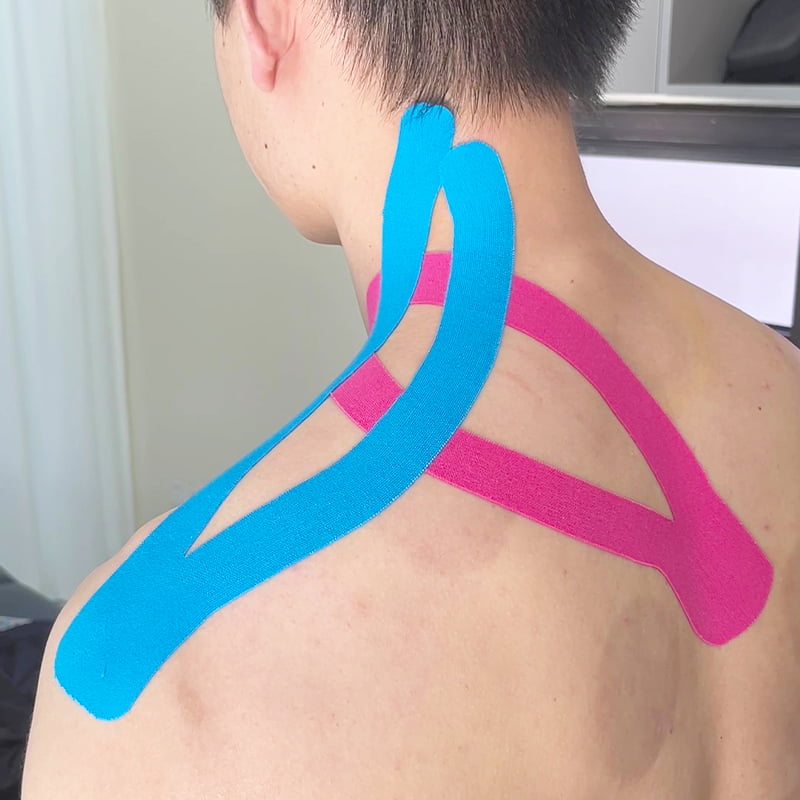
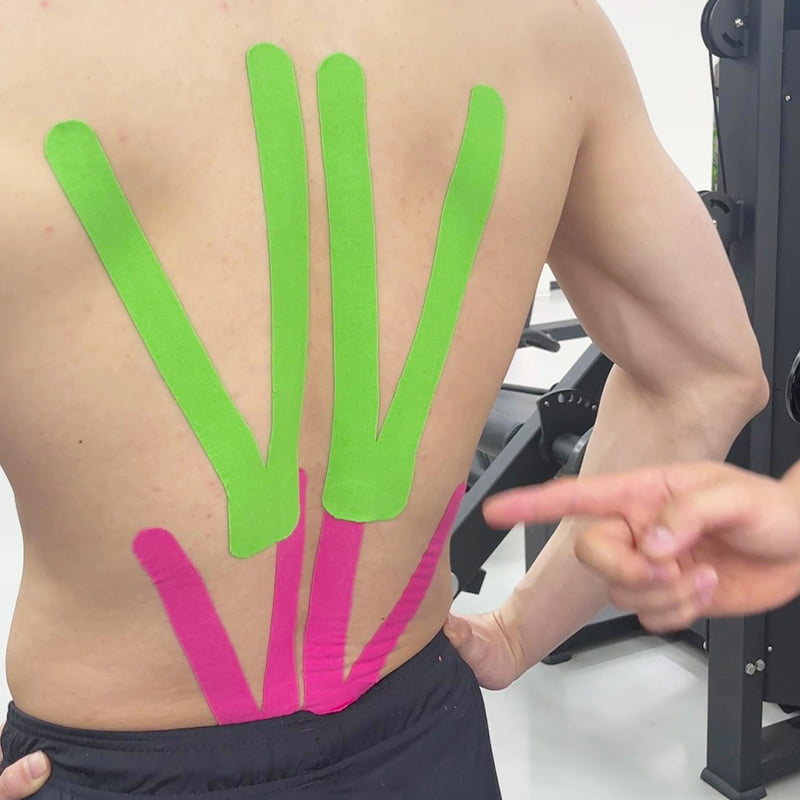
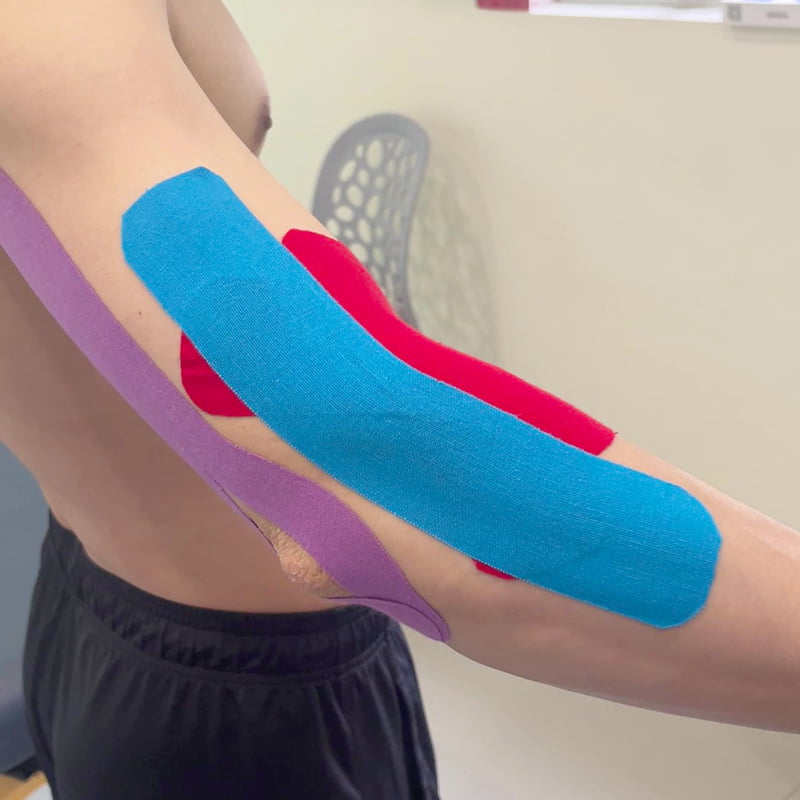
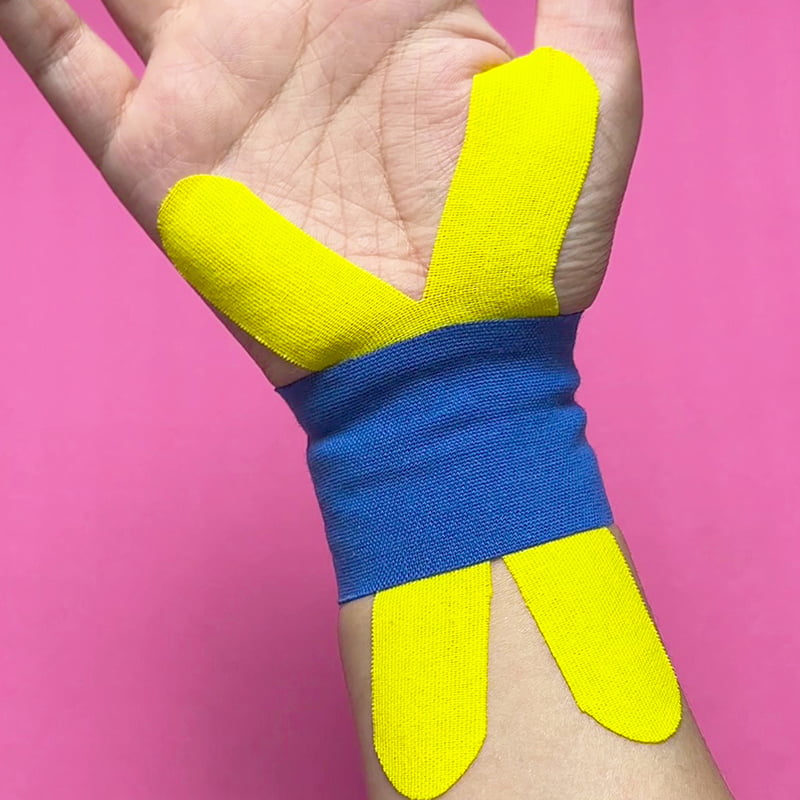
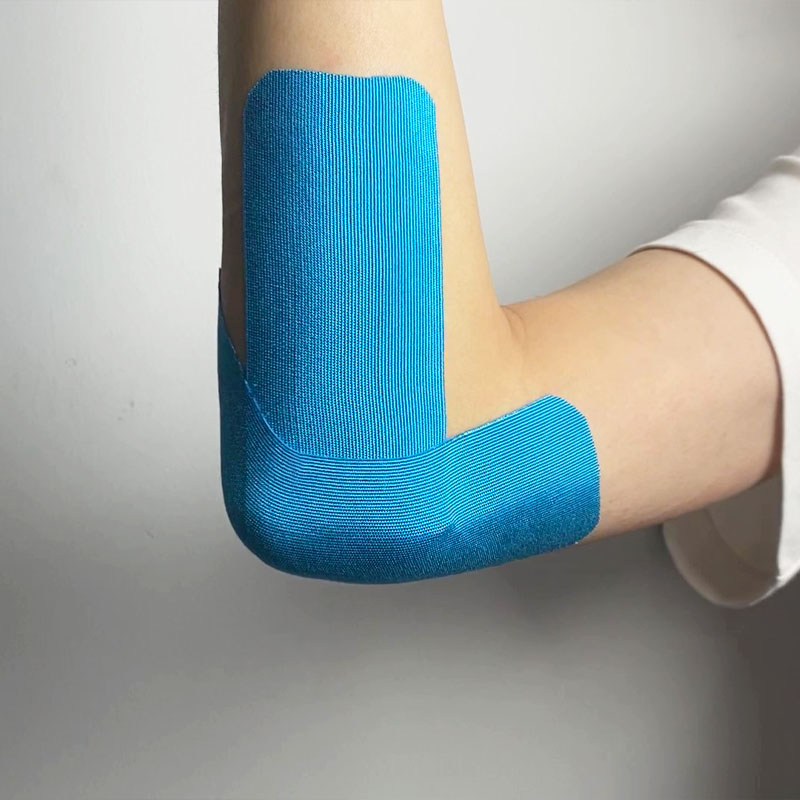
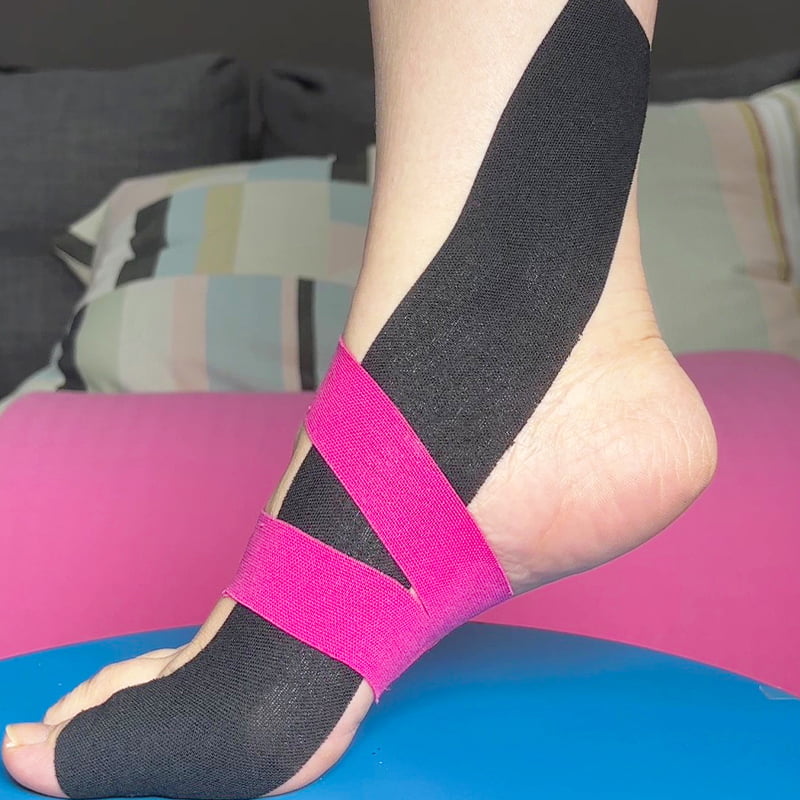
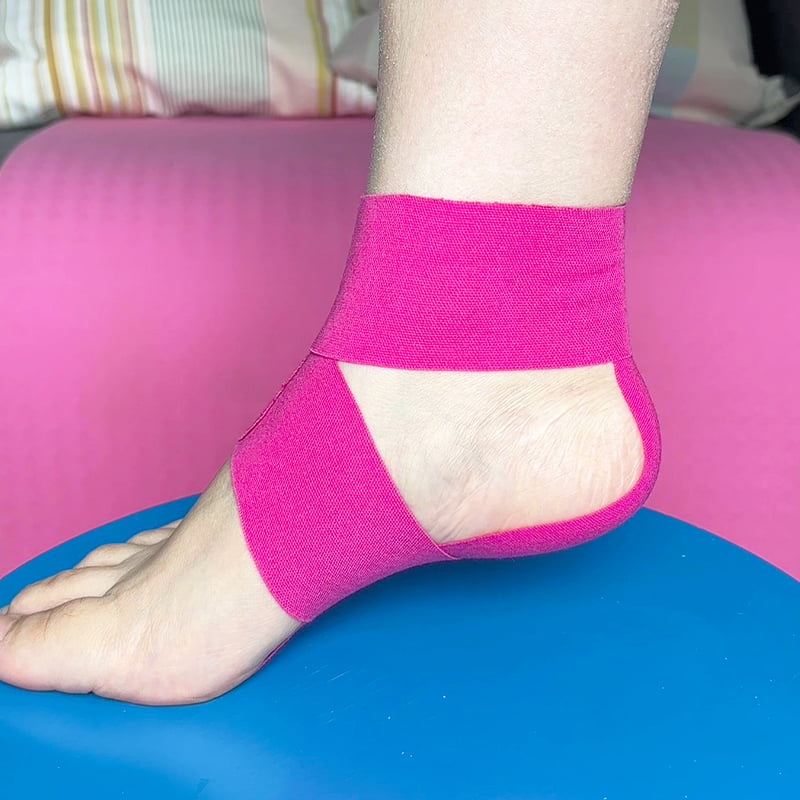
Most kinesiology tape lasts 3–5 days, depending on sweating, activity level, skin condition, and adhesive quality.
50% of athletes usually change their tape after sweating a lot. Click "How Long to Wear?" to learn more.
Kinesiology tape for meniscus tear allows more flexibility and natural movement, while braces provide stronger restriction and stabilization.
For higher levels of support, therapists often combine it with:
Depending on the activity level and recovery stage.
Not all kinesiology tape performs the same once the knee starts moving.
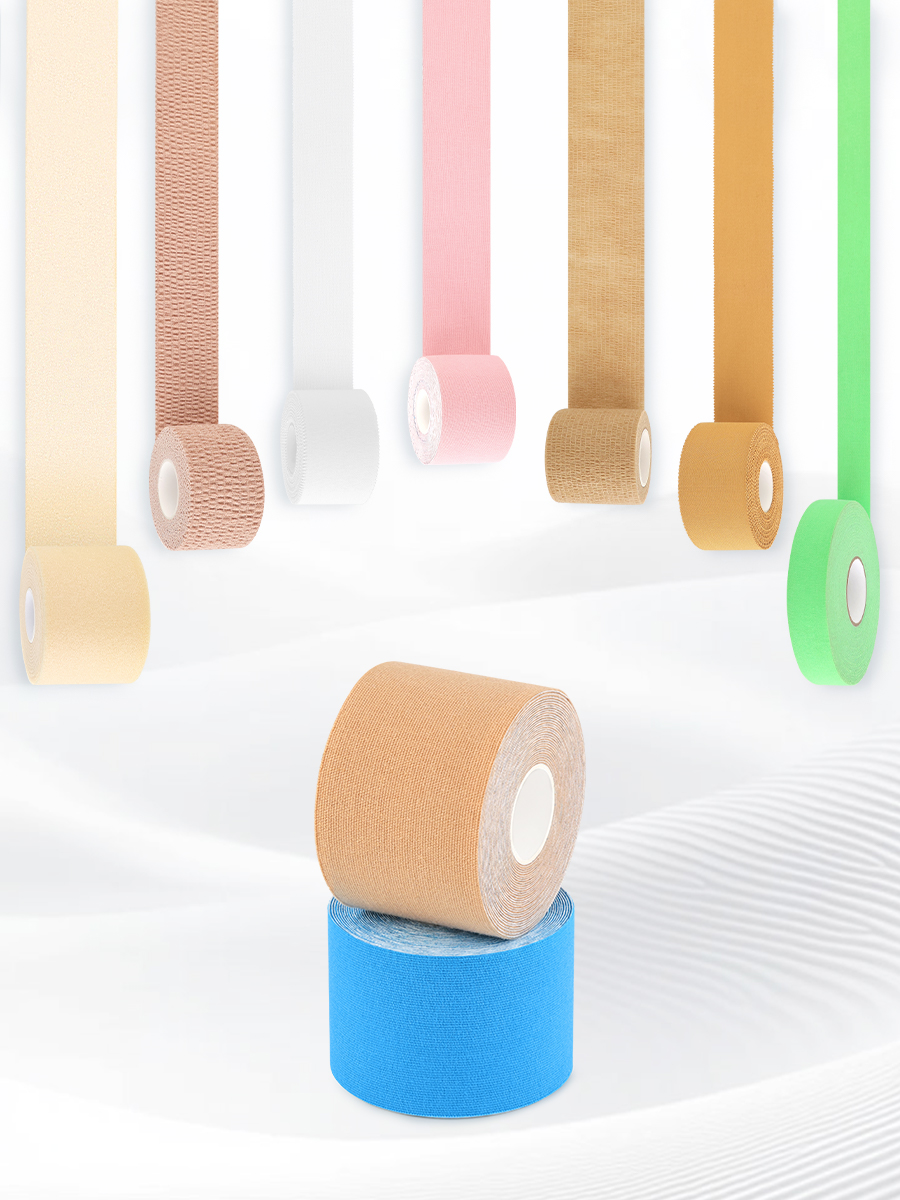
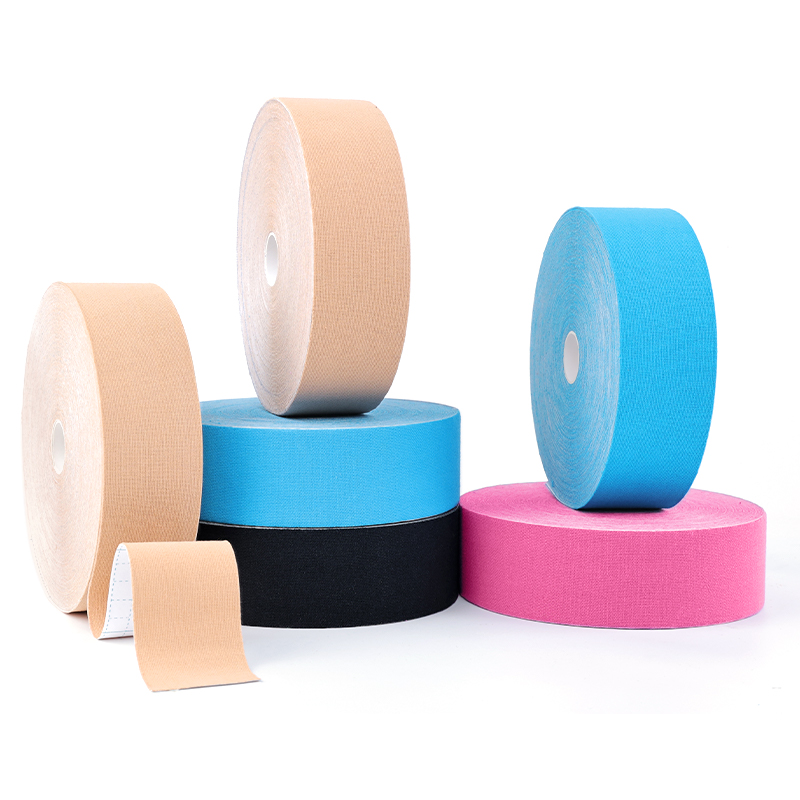
As a professional kinesiology tape manufacturer and OEM supplier, Veefun focuses on two key factors that directly affect knee support performance:
1. Elastic Recoil
The tape’s “snap-back” force affects how supportive it feels during movement.
For meniscus support, synthetic kinesiology tape is often preferred because it maintains stronger elastic recovery during repeated knee flexion, sports activity, and high-sweat conditions.
2. Adhesive Stability
Knees experience constant friction, stretching, and sweat exposure. Low-quality tape often begins peeling around the kneecap within hours, reducing overall support performance.
Professional-grade kinesiology tape typically uses medical-grade acrylic adhesive designed to remain stable during movement while staying skin-friendly.
Many first-time users think the taping method failed, when the real issue is often the tape quality itself.
الخاتمة
شريط الكينيسيولوجيا لدعم تمزق الغضروف لا يمكنه إصلاح تلف الغضروف، ولكن التثبيت الصحيح قد يساعد في تحسين الراحة، وثقة الحركة، ودعم الركبة أثناء التعافي.
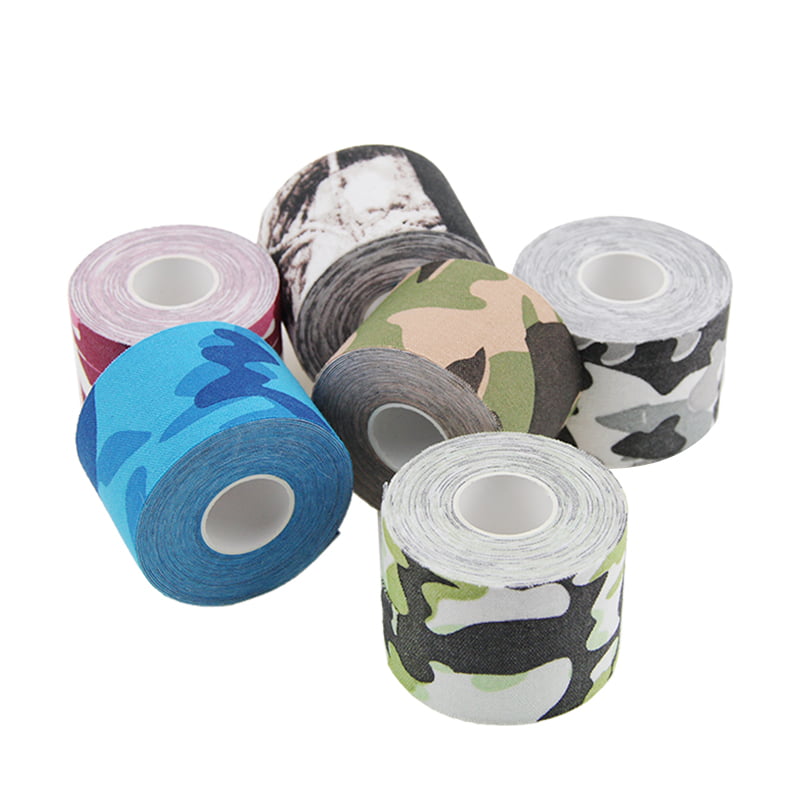
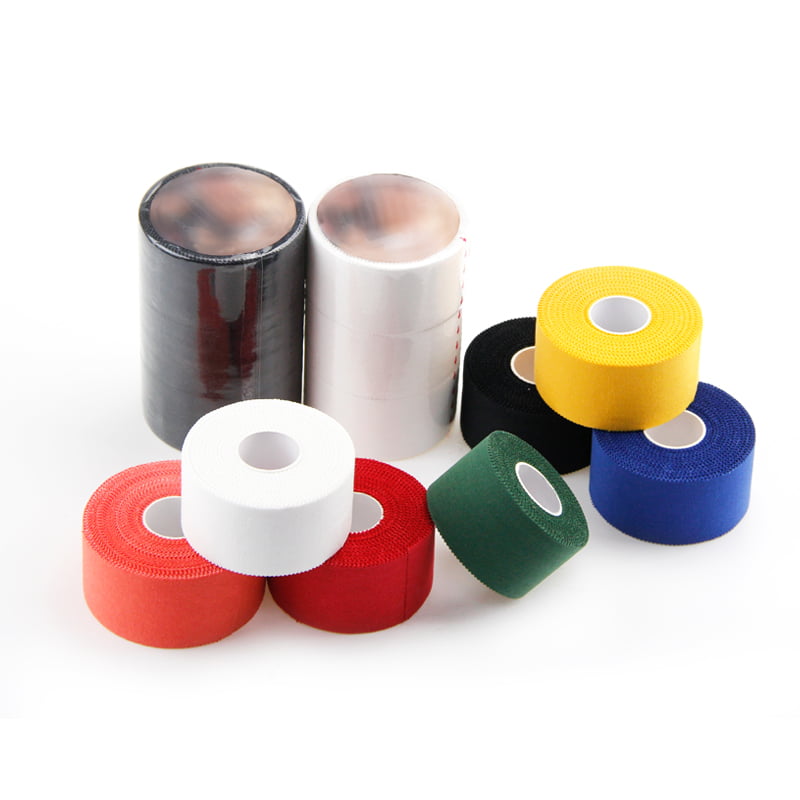
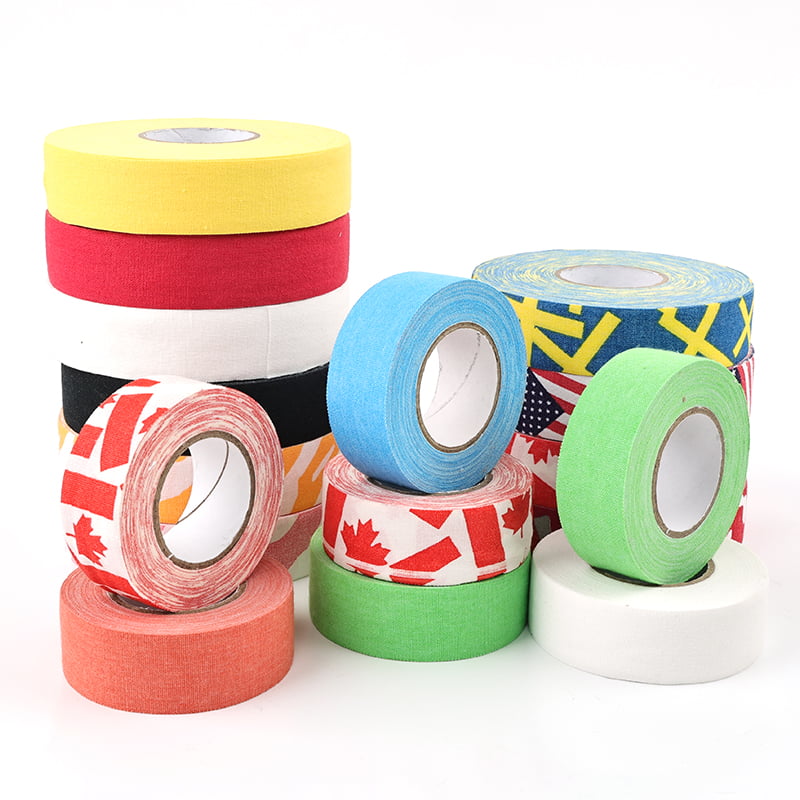
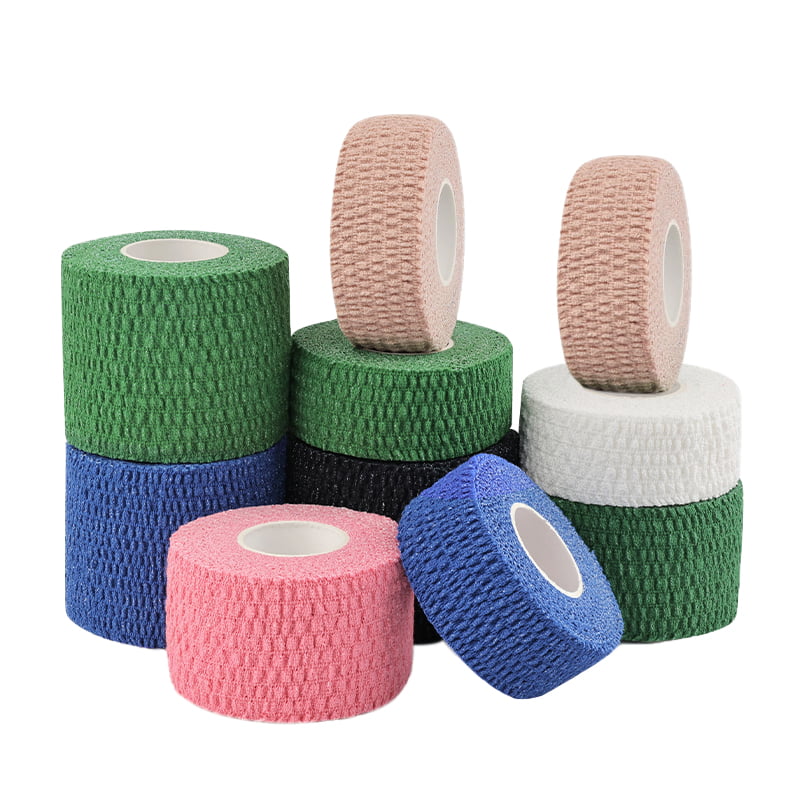
Veefun تصنع شريط كينيسيولوجيا احترافي، شريط رياضي صلب، شريط أكسيد الزنك، شريط EAB، وحلول العلامة الخاصة OEM للعيادات الرياضية، والموزعين، وعلامات التأهيل في جميع أنحاء العالم.
اتصل بفريقنا للحصول على عينات، ودعم OEM، وحلول تسعير بالجملة.
إخلاء المسؤولية الطبية
هذا الدليل لأغراض تعليمية فقط ويعكس الخبرة العملية من صناعة تصنيع شريط الكينيسي ودعم الرياضة. إنه لا يحل محل التشخيص أو العلاج الطبي المهني.
يجب دائمًا تقييم آلام الركبة المستمرة، أو الانغلاق، أو التورم، أو عدم الاستقرار من قبل متخصص رعاية صحية مؤهل.